Monthly Archives: November 2024

Interview with Ionie Hughes

Supporting unpaid carers is a greatly unrecognized yet profoundly impactful endeavor. In our latest interview from a series dedicated to highlighting those who go out of their way to aid and uplift unpaid carers, Matthew McKenzie had the opportunity to speak with Ionie Hughes.

Ionie talked about how she tries to reach parent carers through her charity, Socialising Angels, which is a C.I.C that was created to help reduce isolation, which focuses to help young adults with social, emotional and mental health needs.

You can watch the full interview below.

Drawing from her personal experiences and relentless advocacy, Ionie provides invaluable insight into the unique challenges and necessities of unpaid carers. Below, we delve into Ionie’s story, her organization, and the far-reaching influence of her work.

Training and Positive Influence

Ionie is trained in Rational Emotional Behavior Therapy, reinforcing her belief that altering one’s mindset and belief systems is crucial for overcoming challenges. She emphasizes positive thinking and speech, offering powerful encouragement and practical advice to other carers. Her ability to balance personal experience with professional training enhances her effectiveness as a support figure.

Socializing Angels: A Community Endeavor

About the Organization

Socializing Angels CIC, founded by Ionie in 2022 and operational since 2023, is based in Brixton. The organization aims to bring young adults with various disabilities into the community, providing them with social engagement opportunities. This initiative not only enriches the lives of the young adults but also offers respite to their parent carers.

Challenges of Running a Non-Profit

Running a community interest company like Socializing Angels comes with its own set of challenges. As the CEO, Ionie juggles multiple responsibilities without financial compensation, as most of the organization’s funds are directed toward service provision. The startup phase of the CIC is heavily reliant on external funding and the dedication of its founder.

Ionie’s work extends beyond service provision for her own son to advocating for and supporting other young adults and their families. This dual role often leads to overwhelming exhaustion and the risk of burnout. However, her steadfast commitment to both her son and her organization underscores the dedication and resilience inherent to unpaid carers.

The Unseen Challenges of Unpaid Carers

Daily Struggles and Lack of Recognition

Unpaid carers perform a plethora of tasks around the clock, often without recognition or financial remuneration. Their roles are multifaceted, ranging from advocacy to personal assistance and emotional support.

Ionie points out that unpaid carers frequently experience burnout due to the nonstop nature of their responsibilities. The mental toll of continually advocating and caring for a loved one, compounded by the financial strain of a cost-of-living crisis, is immense.

Integrity and Unwavering Commitment

Despite these challenges, the integrity and love that motivate unpaid carers are evident. They dedicate themselves selflessly to the welfare of others, driven by an unwavering commitment to their loved ones. This spirit of selflessness is emblematic of the unpaid carer community.

Essential Skills for Carer Outreach

Knowledge of Community Resources

For carers seeking to make a difference, understanding the community landscape is crucial. This involves attending meetings, forums, and various community events to stay informed and engaged. Personal interactions and shared experiences are key elements in creating a supportive network.

Empathy, Compassion, and Understanding

Ionie highlights the importance of empathy, compassion, and active listening in supporting fellow carers. Building a rapport and a community based on mutual understanding and shared experiences can provide both practical support and emotional solace.

Personal Experience and Advocacy

Personal experience is a powerful tool in advocacy. Ionie’s own journey has been instrumental in shaping her ability to help others. By sharing her story and the strategies that have worked for her, she provides a valuable blueprint for other carers seeking guidance and support.

Conclusion

Ionie Hughes’ journey and dedication shine a spotlight on the often-overlooked world of unpaid carers. Her relentless advocacy, personal sacrifices, and the establishment of Socializing Angels CIC stand as a testament to the incredible impact one person can have in making the world a more inclusive and supportive place.

Through recognizing and addressing the challenges faced by unpaid carers, we can begin to create a more understanding and supportive environment. It is imperative to appreciate and uplift those who selflessly dedicate their lives to the care of others, often without any form of compensation or recognition. Ionie’s story is a powerful reminder of the strength and resilience that define the carer community.

Friends, family members and supporters webinar – Panel Discussion from Parkinsons UK

Living with Parkinson’s disease is undeniably challenging, not just for those diagnosed but also for those who support them. During a recent panel discussion from Parkinsons UK, experience of care experts including Matthew McKenzie and volunteers shared their insights and experiences on managing these challenges, offering valuable advice for fellow caregivers. The discussion highlighted key aspects of being on the supporters journey, from communicating diagnoses to seeking support and handling medication concerns. Here, we summarize the essential points covered during the session for a comprehensive guide.

Parkinson’s UK is a leading charity dedicated to improving the lives of people affected by Parkinson’s disease in the United Kingdom. Established in 1969, the organization provides vital support, information, and resources to individuals living with the condition, as well as their families and caregivers. Parkinson’s UK also funds groundbreaking research aimed at finding better treatments and ultimately a cure for the disease.

Parkinson’s UK held a Panel interview to highlight and educate those who are new to the caring role and want to find out more about supporting someone with Parkinsons. Below is a small summary of the panel interview, although if you want to watch the Panel discussion, please click on the video below.

Understanding Caregiving Dynamics

Continue reading

Key NHS Staff for Implementing Patient Care Race Quality Framework

In this blog post, if you are involved at your local mental health NHS trust as a carer or patient. This blog will help you learn about the crucial roles of key staff in implementing the Patient Care Race Quality Framework in Mental Health Trusts.

From leadership to community engagement, discover how systematic changes can address racial disparities and promote accountability.

If you want to watch the video, this please click on the item below.

Mental health services play a crucial role in supporting individuals through challenging periods in their lives. However, despite their importance, these services have often fallen short when it comes to providing equitable care to individuals from minority backgrounds.

Continue reading

Ethnic mental health Carer Forum Update November 2024

Welcome to a brief update of my ethnic mental health carers forum. For this month we were joined by South West London & St George research team. The team from a training company introduced a cultural capability training program aimed at reducing race and ethnic disparities in mental health care, while Matthew presented a summary of various reports highlighting health inequalities faced by ethnic minorities in the UK. The Forum also discussed the importance of advocacy for carers, the challenges of engaging with diverse communities. A carer from South Yorkshire also discussed the potential for setting up a group to support black people in the area.

Cultural Competence Training for Trusts
The training company introduced a cultural capability training program they are developing for the South West London and St. George’s Mental Health Trust. The program is part of an ethnicity and mental health improvement project and aims to reduce race and ethnic disparities in mental health care. Representatives from the team also discussed their evidence review on cultural competence in mental health care and their use of a model of cultural competence. The training is expected to impact staff, carers, and patients by promoting culturally sensitive care plans and reducing inequalities. The team also discussed the potential to tailor the training for other trusts.

Addressing Health Inequalities and Disparities
Matthew presented a summary of various reports highlighting health inequalities and disparities faced by ethnic minorities in the UK. He emphasized the importance of these reports in supporting the Patient Care Race Equality Framework (PCRF) and other initiatives addressing health inequalities, discrimination, and racism. The reports, from organizations such as the NHS Race and Health Observatory, Public Health England, and the CQC, demonstrate that ethnic minorities face higher risks with certain health conditions, barriers to accessing services, and poorer health outcomes.

Matthew also mentioned the role of institutional racism, socioeconomic disparities, and cultural barriers in perpetuating these disparities. He concluded by emphasizing the need for systematic reforms to ensure equitable health outcomes for all.

Addressing Healthcare Disparities and Trauma
Laura from Cygnet HealthCare expressed her appreciation for Matthew’s ability to present information in an understandable and accessible manner, which she believes is not done enough. She also highlighted the importance of Matthew’s role in educating others and ensuring the right actions are taken. A carer member of the group then brought up a report from the Race Equality Foundation and Learning Disability England, which highlighted disparities in access to healthcare for ethnic minorities with learning disabilities. She shared her personal experience of a young person with a learning disability, autism, and mental health issues facing challenges during the COVID-19 pandemic. The group acknowledged the system-generated trauma faced by carers and the need for more awareness and action on these issues.

Mental Health and Learning Disability Event
In the meeting, A carer highlighted the upcoming mental health and learning disability listening event, which was previously cancelled due to lack of awareness. Others at the meeting expressed their support for the event and the importance of advocating for carers.

A representative from Surrey & Borders NHS trust who is the programme lead for carers and co-production, discussed the Trust’s co-production framework and their efforts to reach a diverse community for co-production opportunities. She also mentioned the Trust’s strategy to mirror the triangle of care. Matthew shared his experience at the Trust’s learning event and his plans to help promote the Trust’s work, particularly in relation to carer involvement.

Mental Health Event Postponement Concerns
A carer expressed surprise at the postponement of a mental health and learning disabilities listening event, which was initially scheduled for September. Another carer, who is relatively new to the Maudsley, had not been aware of the event’s postponement and was concerned about its lack of awareness. She had reached out to various individuals within the organization, including others, to discuss the event. Carers suggested that the carer should also speak to Zoe Reed or Shania, who are in charge of PCREF, to ensure the event’s success. The carer agreed to continue her efforts to promote the event and ensure its awareness.

Supporting Black Mental Health Groups
Carers discussed the potential for setting up a group to support black people in South Yorkshire, with Matthew suggesting that funding could be sought from the ICB and the charity associated with their NHS trust. A carer shared his experiences with a similar group in Peterborough, emphasizing the need for more conversation and less medication in mental health care for black people. A Carer, who is involved in setting up a group in Kent, shared her challenges due to the predominantly population in her area. Matthew also mentioned an upcoming event on the new Mental Health Act and its potential impact on carers. The team agreed to reconvene in January.

Carers hospital discharge toolkit Meeting November 2024

Welcome back to a brief update of another group I chair with support of London Hospitals and the carer centres of London, along with carers who want the best service of those using the NHS.

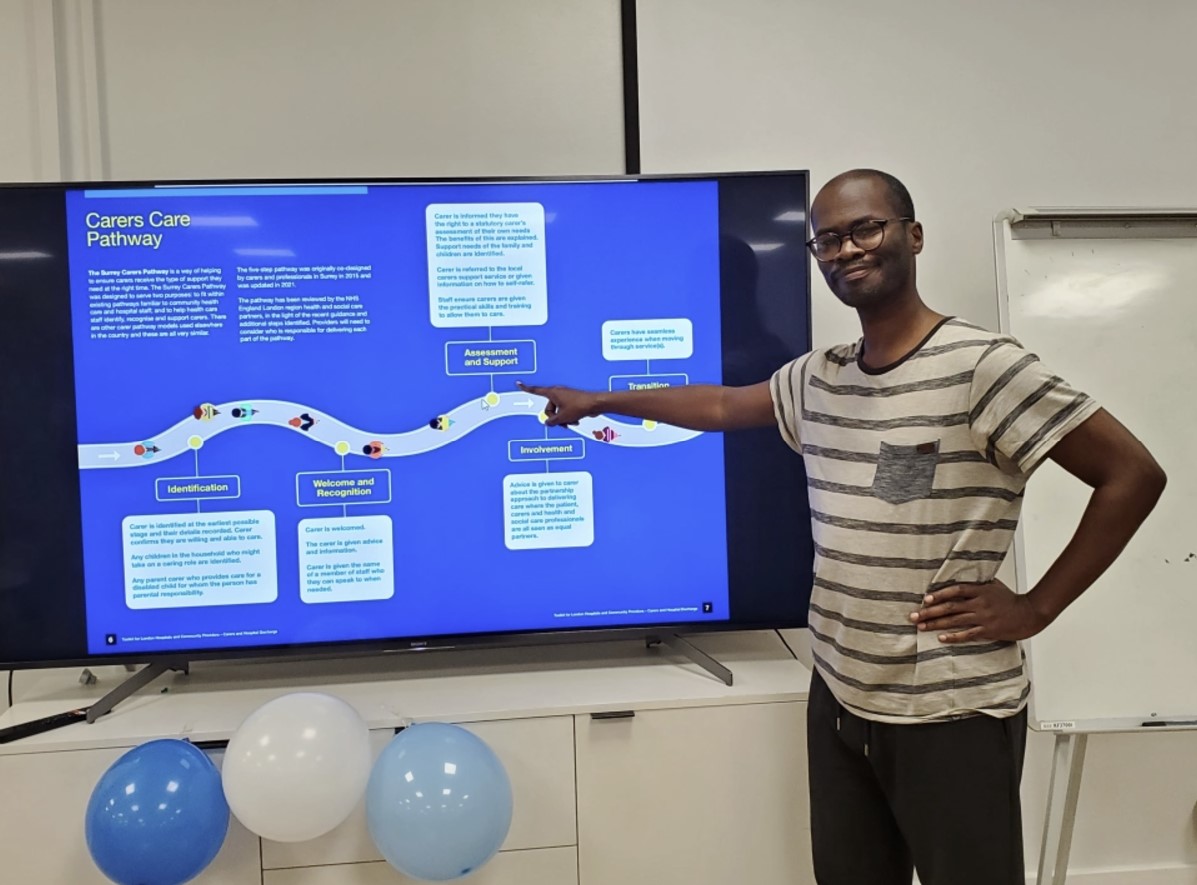
The group is called the “Carers hospital discharge toolkit meeting”. This group runs every 2 months and follows off the work the previous NHS England carer lead for London developed.

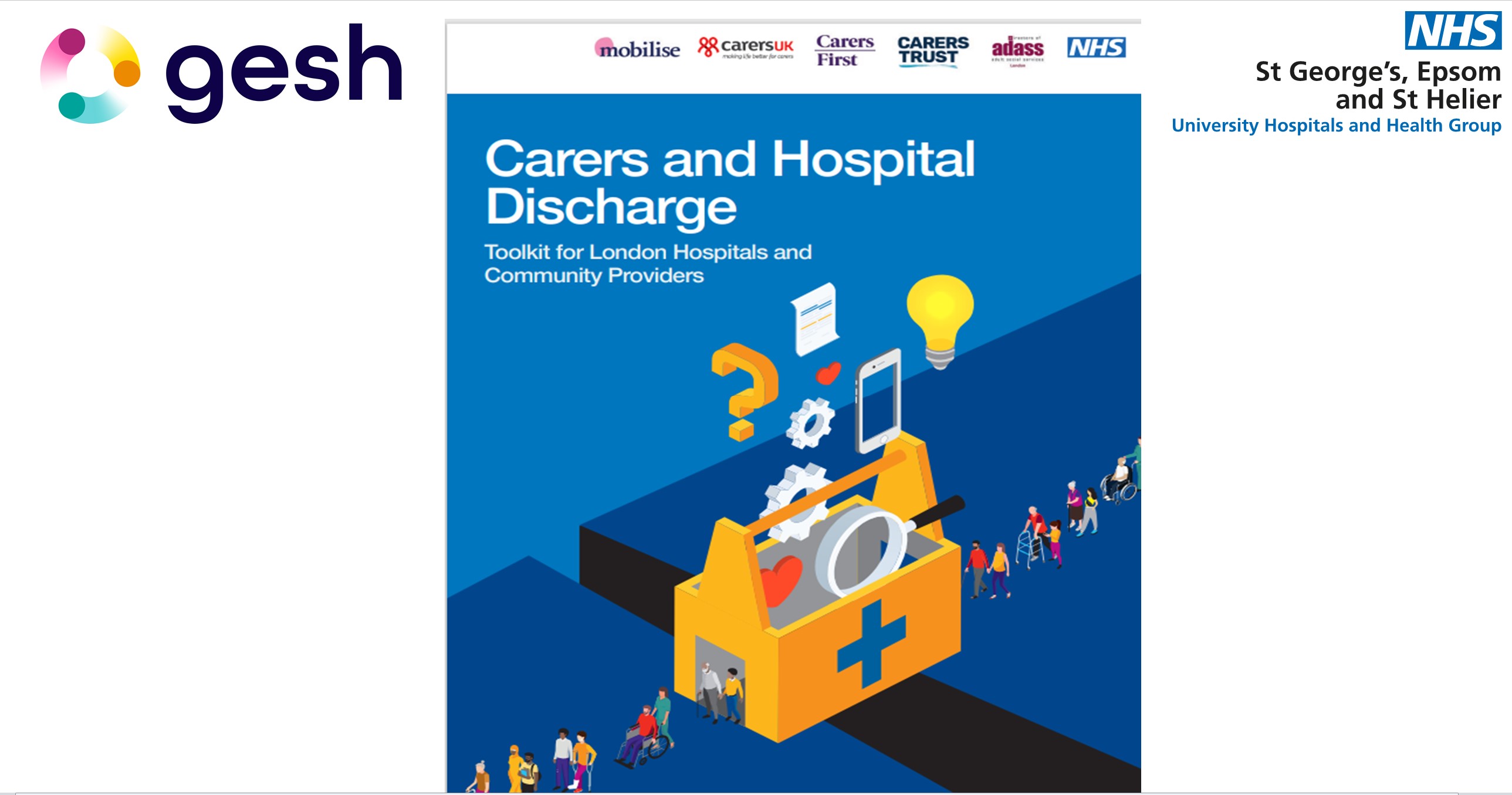
The community deserves the best care possible from the NHS and that includes carers who support those they care for using the hospitals in London and beyond. This was taken up by NHS England Carer lead for London Debbie Hustings who worked very hard to produce the toolkit linked below.

London Carers Hospital Discharge toolkit

Feeling passionate on continuing the work, Carer centres and hospital representatives came together to support me in driving this brilliant toolkit. The group has been running 2 years and developing rapidly.

Here is the update for November 2024

The meeting for November focused on the development and progress of various resources aimed at supporting carers and families during hospital discharge, including a comprehensive carers’ pack, a digital resource, and a new pilot project at the Carers Hub Lambeth. The group members discussed the importance of collaboration, sustainability, and language accessibility in these resources, with plans for further development and translation. The meeting also highlighted the challenges faced in hospital discharge and capacity, and the need for more integrated work with partners and other local authorities.

Matthew Mckenzie welcomed everyone to the London Hospital Discharge Toolkit group meeting. The meeting aimed to keep the momentum going on a resource that helps hospitals engage more families and carers, especially during discharge. Matthew encouraged participants to introduce themselves and share their experiences. The attendees included representatives from Tower Hamlet Carers, Barnet Carers, Sutton Carers Centre, Lewisham & Greenwich NHS Trust, Greenwich Council, Greenwich Carers Centre, St Georges University hospital trust or GESH, Lambeth Carers Hub, Bexley Carers Centre and unpaid carers. Each participant shared their roles and experiences in their respective organizations, with a focus on hospital discharge and carer support. The conversation ended with Matthew encouraging further participation and updates on the toolkit’s progress across the London hospitals in order to work with carer centres and local authorities.

Carers Hub Pilot Project Update
Rachael discussed the progress of a new pilot project at the Carers Hub Lambeth, which involves a hospital discharge lead supporting carers and promoting carer awareness. She mentioned the introduction of an additional tier of service for registered carers and the need to join forces with other GSTT and Kings College NHS trust to support carers. Rachael also expressed interest in discussing the project developments further with Matthew and others in the New Year.

Greenwich Council then presented the Greenwich Carers Pack, a comprehensive information booklet developed in co-production with unpaid carers in Greenwich. The pack includes information about carers’ rights, assessments, and support, as well as details about local community resources. Greenwich council mentioned plans to translate the pack into Nepalese and distribute physical copies to hospitals, GP surgeries, and community centers.

Carers Pack Development and Resources
Evie who chairs Greenwich Councils Carers Partnership board then discussed the development of a carers pack, which was designed to be interactive and easy to navigate. The pack covers various resources available to carers, including local and national ones, and provides bite-sized notes for carers to jot down important information. It also includes sections on employment rights, respite, legal responsibilities, financial support, home safety, and advocacy. The pack is designed to be a one-stop resource for carers, with links to all the resources mentioned. Evie also mentioned that the design team has done an excellent job, and the pack will be further developed as it goes to double pages. Matthew expressed his appreciation for the pack and requested the link to it when he runs his carer stall at the hospitals.

Digital Resource and Carer Navigation
Greenwich Council thn discussed the development of a digital resource and physical copies for a project, with plans for posters featuring QR codes for easy access. The project was well-received, with a carer and Matthew expressing their appreciation and interest in using it for their respective areas. A carer also highlighted the importance of connection and navigation for carers, noting that many learn from other carers rather than official sources. The team agreed to continue developing the project and to share it with other local authorities.

Improving Carers’ Information Pack Development
A carer expressed concerns about the lack of connection and input from various parts of the system in the development of the carers’ information pack. She highlighted the need for a more comprehensive approach, especially considering the cross-borough nature of some carers’ support. Greenwich council representive acknowledged these concerns and explained that the pack was developed by a different team, with input from Oxleas NHS trust and other organizations. She also mentioned that they are working on a more summary version and translations. The team agreed on the need for more integrated work with partners and other local authorities.

Comprehensive Carer Handbook Development Discussed
Members continued to discuss the development of a comprehensive handbook for carers. The presenters clarified that they were not planning to create a smaller, bite-sized version of the handbook, but were open to feedback suggesting such a change. The handbook will be available in various locations, including GP practices, libraries, and community centers, and can be accessed digitally via QR codes. THey also mentioned the importance of keeping the information up to date and being mindful of sustainability policies. A hospital representative expressed interest in sharing the document with other boroughs and asked about contacts within the hospital for potential distribution of the handbook. They agreed to check with colleagues about existing contacts and welcomed any additional contacts. The group encouraged others to share relevant contacts.

Consistent Information for Carers
Greenwich Council reps emphasized the importance of having consistent information spread across South East London, particularly for carers. Greenwich Carers representative praised the new greenwich council carers resource, noting its potential to be a valuable resource for carers. She also mentioned the commitment to keeping the information up-to-date, particularly on the digital portal. Evie added that they plan to translate the pack into Nepalese and other key languages for carers in the borough, and also consider developing an easy-read version. Matthew ended the conversation by noting the ease of language changes in a digital format.

St Georges Hospital NHS Trust Progress and Future Plans
Wendy from St Georges hospital who shared her team’s achievements, including virtual training sessions, bespoke staff training, and the upcoming launch of a carers’ information section on the St. George’s website. Wendy also mentioned her goal for 2025: developing a carers’ charter and survey. The team expressed their anticipation for the upcoming carers’ forum, which Matthew will be attending.

Carer Support Challenges and Progress
Tower Hamlet Carers Centre discussed the challenges and progress of their work in Tower Hamlets at royal london hospital which one of the 5 hospitals under Barts NHS Trust.

Tower Hamlet Carers centre representative is expressed her hope for having volunteers who were carers themselves to help provide the service. She also mentioned a plan to create a co-produced pack of resources for carers, which would be based at the hospital’s front desk. She highlighted the difficulty in discharge planning due to the pressures of the hospital system, which sometimes led to carers not being fully involved. Despite these challenges, Tower Hamlets Carers centre expressed optimism about the service’s progress and future plans, including the potential addition of more carer support workers. Wendy from St Georges offer her support, which I thought was very admirable.

Barnet Carers Centre update
Matthew then handed over to Mike the CEO of Barnet Carers Centre, who presented a project aimed at directing carers to the right support organization through a portal. The portal, currently under development, would direct carers to the appropriate center based on their postcode. Mike also mentioned the project’s expansion to include mental health and allied health professionals this would be the merged Mental health trusts Camden & Islington and Barnet, Enfield & Haringey who have combined into north london mental health partnership.

A carer raised a question about identifying carers during pre-assessment, to which Wendy Doyle responded that their system includes a question about whether the patient is a carer. The possibility of discussing this further in a future meeting was left open.

This concludes the short update to continue progression of the excellent legacy Debbie husting has left for London hospitals and beyond.

Advancing Anti-Racism in Health & Care: The Race Equity Maturity Index

The Race Equality Foundation, which is a UK-based organization that works to tackle racial inequalities in public services and improve outcomes for Black, Asian, and minority ethnic communities. Established in 1987, the foundation focuses on areas like health, housing, and social care, using evidence-based approaches to inform and influence policy, practice, and community initiatives.

The Race Equality Foundation are developing the Race Equity Maturity Index. The Race Equity Maturity Index is a tool developed by London Anti-Racism Collaboration for Health (LARCH) to support organisations in progressing race equity by enabling the tracking and improvement of race maturity levels. The index supports organisations in the actions they take to embed anti-racist practice.

Event has finished so no more bookings. There will be more events in future.

National Community Triangle of Care Meeting update – November 2024

Hello all. Especially those who support someone with mental ill health. Treat someone with mental ill health or those who are interested in Carer’s Trust Triangle of Care. As an expert by experience regarding mental health unpaid care. I am delighted to be given the chance to chair these meetings, which I have been doing for around 2 years.

The meeting I chair is the national community group, which I try to run every 2 months and usually, I do not have the capacity to chair, organise and minute them, but now I have decided to attempt to update via my carers website. The main reason is to let carers know of the important themes that will affect them if caring for someone with mental ill health.

More information on Carers Trust – Triangle of Care

Topics covered for the ToC community meeting November 2024

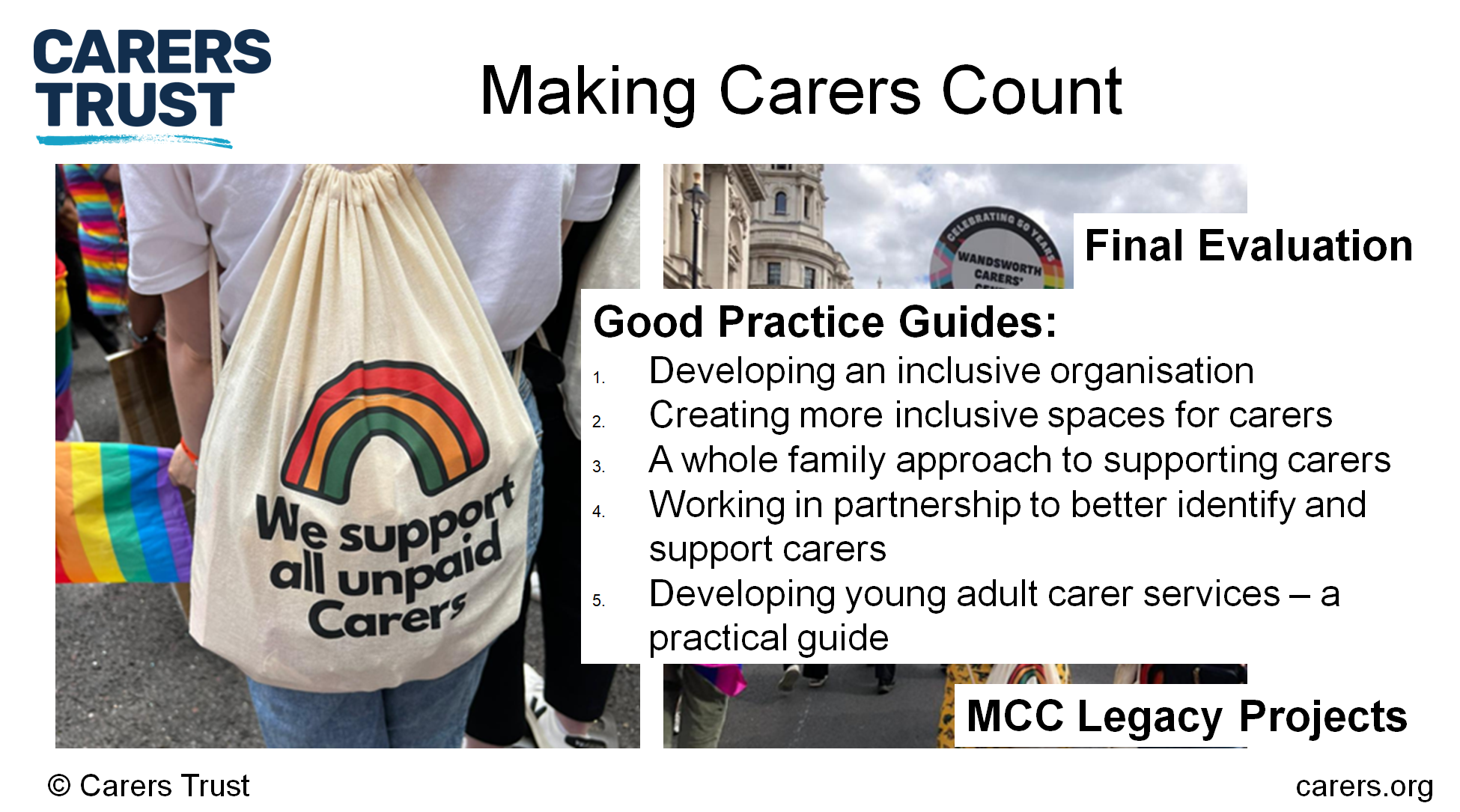
The meeting covered various aspects of carer involvement in mental health care, including the Triangle of Care approach, challenges faced by carers, and the development of tools to improve communication between patients, clinicians, and carers. Discussions also focused on the Making Carers Count program presented by Carers Trust “Making Carers Count” programme lead Ben O’Hanlon, which aimed to support underrepresented carer groups.

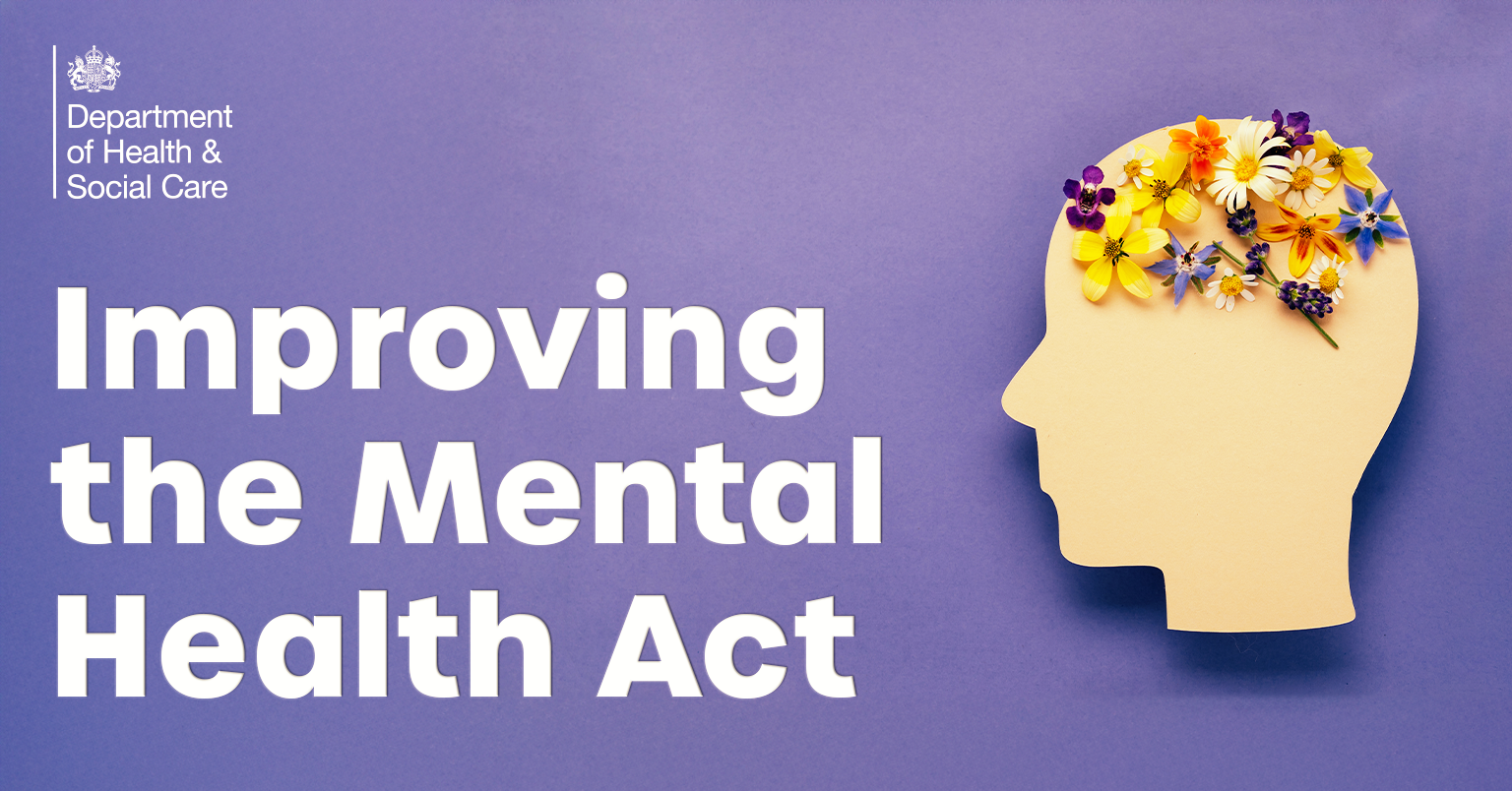
Lastly we discussed the potential impacts of the new Mental Health Bill on carers. Concerns were raised about the implementation of the Mental Health Act reforms and their implications for carers, highlighting the need for better support and representation in the decision-making process.

Triangle of Care Update Meeting
The meeting discussed promoting the Triangle of Care approach to involve families and unpaid carers in mental health care settings. Mary Patel, the new co-lead for Triangle of Care at Carers Trust, introduced herself and her background. A carer raised concerns that mental health services seem less willing now to genuinely listen to carers compared to when Triangle of Care was first launched.

We then had Marta, a researcher, who requested help from carers in London to complete a survey on shared decision-making in mental health that includes a carer version. The group then heard presentations from Alan Worthington on engaging carers in primary care and Karen on the Mental Health Act reform’s impact on carers.

Developing Patient-Clinician Carer Questionnaires
In the meeting, Marta discussed the development of questionnaires for patients, clinicians, and carers to evaluate the effectiveness of conversations and identify discrepancies. She emphasized the importance of involving patients in treatment decisions and the need to make the questionnaires as succinct as possible while still capturing valuable information. A Carer raised concerns about the cultural aspects of the questionnaires and the need to address diversity issues. Another carer shared her experience as a carer lead at a mental health trust, highlighting the importance of co-producing carers questionnaires to gather valuable feedback.

Engagement and Support in Medical Practices
Alan Worthington discussed the importance of engagement, involvement, and support in medical practices, particularly for carers. He emphasized the need for professionals to be prepared to talk to carers, share information, and break confidentiality. Alan also highlighted the significance of patient public involvement and feedback in improving the system. He shared his experience with a complaints book in his surgery, which became a valuable resource for patients to express their experiences. Alan also touched on the issue of support from medical staff, particularly doctors, and the need for special time with them. He concluded by discussing the impact of Covid-19 on carers and the need for self-help and monitoring.

Regular Health Monitoring With Alan
Alan also discussed the importance of regularly checking weight and blood pressure, using a digital thermometer and blood pressure meter. He emphasized the significance of monitoring blood pressure, as it can be a lifesaver and help identify potential health issues. Alan also highlighted the importance of using a digital thermometer, as it provides quick and accurate readings. He further discussed the use of urine testing strips, which can help detect urinary tract infections. Alan concluded by emphasizing the importance of having a blood pressure meter, oximeter, and urine testing strips in one’s medical kit.

Covid-19 Risks and Carer Support
Alan discussed the ongoing risks of Covid-19 and the importance of being vigilant. He also highlighted the potential benefits of certain painkillers and promoted their use by carers. Alan emphasized the need for carers to take charge of their situations and seek help when necessary. He also shared a personal experience caring regarding stroke and the importance of quick action. Alan suggested that the Carers Trust could share this information with unrecognized and unheard carers.

Making Carers Count Program Outcomes
Ben discussed the Making Carers Count program, a three-year initiative aimed at supporting carers from underrepresented groups. A lot of the presentation was aimed at carer centre representatives, especially those involved in the “Making Carers Count” programme.

The program, which concluded earlier this year, focused on improving access to digital, online, and peer support. Ben highlighted the program’s positive outcomes, including improved reach, support, registration, and engagement for carers from these groups.

He also mentioned the publication of a final evaluation and five practical good practice guides based on the program’s key themes. These guides are intended to be accessible resources for organizations looking to improve their services for carers. Ben also mentioned the program’s legacy projects and the appointment of a new EDI lead at Carers Trust. Matthew McKenzie raised concerns about the program’s sustainability and the risk of losing the momentum and funding. Ben responded by emphasizing the importance of embedding the program’s work across the network and the potential for organic changes in practices.

More information on Making Carers Count

Mental Health Bill Key Reforms
Karen Machin discussed her passion for the Mental Health Bill, which has been in the works for a while. She highlighted the bill’s key reforms, including a higher bar for detention, stricter criteria for community treatment orders, and the establishment of a mental disorder within 28 days for detention. Karen also expressed concern about the support for family and friend carers in the bill, as well as the potential for a public discourse around risk. She encouraged everyone to read the full document of her presentation for more information.

Mental Health Act Changes Impact Carers
Karen Machin presented on the changes to the Mental Health Act, focusing on the impact on carers. She expressed concerns about the potential decrease in the number of people detained, which could lead to increased responsibility for carers. Karen also highlighted the importance of considering the impact on carers’ mental health and the need for their voices to be heard in the decision-making process. She suggested that carers should contact their MPs to raise their queries or concerns and ensure their voices are represented. The group agreed that the changes of the Mental Health Act are welcomed, there will be significant implications for family carers and it is important that their input is crucial in shaping the future of mental health care.

UK Mental Health Act Reforms
In this meeting segment, the key points discussed were concerns around the new Mental Health Act reforms in the UK. A carer shared her worrying experiences where her relative, who lacks insight into their mental illness, could potentially nominate an inappropriate person to make decisions on his behalf instead of his family carer. The group discussed how this law, while well-intentioned, fails to account for complex family situations and resource constraints in mental health services. There were also concerns about lack of funding for proper implementation of the reforms, and the need for better training and preparation for families and carers to understand their rights under the new law. The discussion highlighted the importance of mental health trusts and carer organizations being proactive in addressing these issues and advocating for the voices of carers to be heard.

Reponses to the Mental Health Bill

Rethink – https://www.rethink.org/news-and-stories/news-and-views/2024/new-mental-health-bill-whats-included-and-whats-not/?whatsnew

Mind – https://www.mind.org.uk/news-campaigns/news/mind-reacts-to-uk-government-s-mental-health-bill-announcement/

NHS Confed – https://www.nhsconfed.org/publications/mental-health-bill-2024

Community Care article – https://www.communitycare.co.uk/2024/11/06/bill-to-overhaul-outdated-mental-health-act-introduced/

Top 10 ways art inspires psychological healing and self expression

I love being creative and finding inventive ways of promoting the carer journey and mental wellbeing. One of the best ways of expression is the use of art. I am not a brilliant artist, and to be honest I am more of a poet. Still, art therapy has come a long way into helping others find ways to.

I often find poetry and developing visual art as a calming and relaxing hobby. So I decided to create a video post on 10 ways art inspires psychological healing and self expression. This video is called “10 ways art inspires psychological healing and self expression”.

For those grappling with trauma or stress, art provides a non-verbal outlet to externalize complex feelings that may be difficult to articulate. For instance, painting or drawing allows individuals to symbolically represent their inner world, creating a sense of control and mastery over overwhelming emotions. Additionally, the act of creating art can promote mindfulness, grounding the person in the present moment and reducing symptoms of anxiety and depression.

15 Differences Between Free Will vs Determinism

Welcome back to another blog post by Matthew McKenzie. This time it is awareness of social science time. Most of the time I raise awareness of unpaid carers, especially when it comes to caring for someone with mental ill health.

As a carer of lived caring experience, being involved in the mental health system exposes you to psychology, psychiatry and even philosophy, although I was always a philosopher anyway.

It was only a matter of time before I wanted to blog about the human condition and how our environment influences our actions, especially if it comes to our mental wellbeing. Are we actually responsible for our choices? Or are these our own actions.

Check out my video on the 15 Differences Between Free Will vs Determinism

The debate between free will and determinism centers on whether human beings have genuine control over their actions or if every decision and event is predestined by prior causes. Free will emphasizes individual autonomy, proposing that people have the capacity to make choices independent of external forces or causal chains. This perspective supports the idea of personal responsibility and moral accountability, as it assumes individuals can act in ways that are not entirely dictated by genetics, upbringing, or circumstances. nature.

In contrast, determinism argues that all actions and events are the inevitable result of preceding conditions, governed by laws of nature, genetics, or environment. From this viewpoint, human behavior can be understood as the outcome of a causal chain, much like a domino effect, where every decision is shaped by prior experiences, biological factors, and external influences. Determinism challenges the notion of true autonomy, raising questions about the fairness of moral and legal judgments.

International Survivors of Suicide Loss day 2024 – Top ways to cope with losing someone to suicide.

Did you know that November the 23rd is International Survivors of Suicide Loss day 2024?

The day is a time dedicated to coming together, supporting one another, and finding healing after losing loved ones to suicide. Survivor Day is an annual event that provides a safe space for individuals to share their stories and connect with others who understand the deep pain of such loss. It’s a global day of remembrance filled with activities including speaker panels, film screenings, and group discussions, all often hosted by local organizations, mental health groups, and the American Foundation for Suicide Prevention.

To see the video that I use to raise awareness, please view the video below.

Losing someone to suicide is a profoundly painful and complex experience. Healing takes time and patience, but it’s crucial to remember that you are not alone on this journey.

Here are five ways to cope and find hope after such a devastating loss.

Allow Yourself to Grieve

Grief is a natural response to losing someone you love, and it’s okay to feel a mix of emotions such as anger, guilt, confusion, and sadness. Each person’s grief process is unique, and it’s important to allow yourself to experience and process these emotions without rushing. This process can be long and non-linear; some days will be harder than others, and that’s a normal part of healing.

Seek Support

Connecting with friends, family members, or trusted individuals who can offer comfort and understanding is essential. Expressing your feelings and sharing memories of your loved one with those who care about you provides both relief and a sense of connection. Additionally, joining a support group, whether in person or online, through organizations like the American Foundation for Suicide Prevention can be incredibly beneficial. These groups provide a community of individuals who have experienced similar pain and can offer empathy and support.

Educate Yourself

Understanding mental health and the factors that lead to suicide can aid in making sense of your feelings and help reduce self-blame. It’s important to remember that mental health struggles are complex and multifaceted, and the loss of a loved one to suicide is not your fault.

Create Rituals of Remembrance

Remembering and celebrating the life of your loved one is a powerful way to cope with loss. This can be done by sharing stories, creating a memory book, planting a tree, or participating in activities they loved. Engaging in awareness events such as walks, vigils, or fundraisers in their memory can also be incredibly meaningful. These rituals provide a way to honor their memory and create a lasting legacy.

Practice Self-Care

Grieving is both physically and emotionally exhausting. Taking care of your own needs is integral to your healing process. Ensure you’re eating well, resting, and engaging in activities that bring you peace. Setting boundaries and taking breaks from conversations or situations that feel overwhelming is also essential. Be patient with yourself during this time; healing is not a straightforward process, and it’s okay to have good and bad days.

Finding Hope and Healing

On this Survivor Day, it’s important to remember that healing is possible and that hope is within reach. Together, we can find strength and comfort in our shared experiences. If you need more resources or support, please utilize the links provided in the description below. Stay connected, stay hopeful, and take care.

Survivor Day reminds us that while the journey after losing a loved one to suicide is incredibly difficult, there is a community ready to support and understand. Engaging in commemorative activities and reaching out for support are powerful steps towards healing. Always remember, you are not alone.