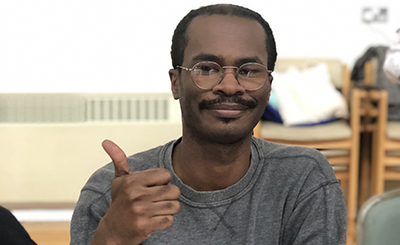
IT Officer for London School of Osteopathy and a Carer representative for Maudsley. As you can see, I have many interests shown off my blog. I hope to keep it updated with posts and more things to come soon.
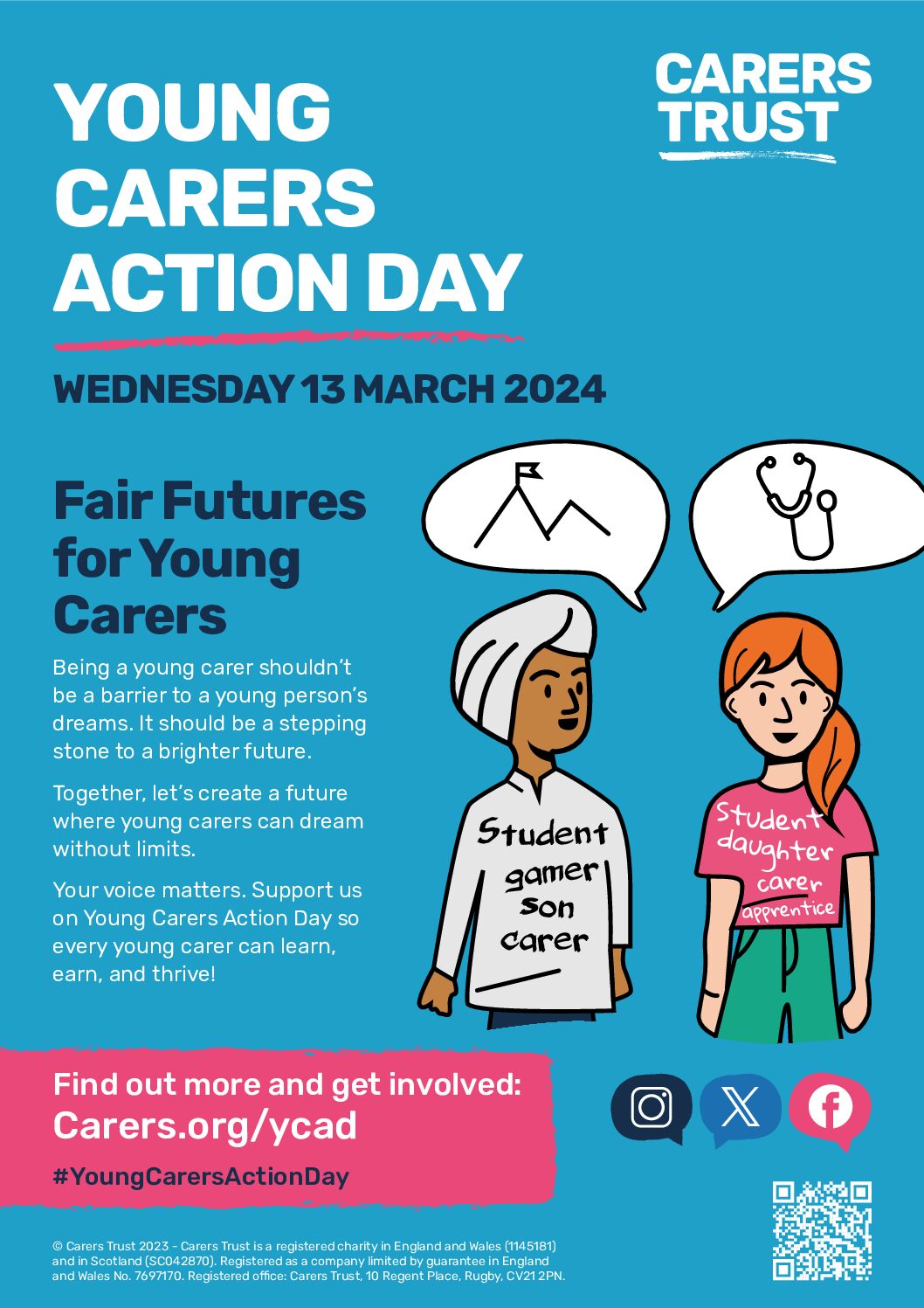
Welcome fellow unpaid carers and carer activists. Did you know at the time of this blog post that it is Young Carers Action Day 2024?
Young Carers Action Day or YCAD 2024 takes place on the 13th of March each year. The carers awareness day is lead by Carers Trust and supported by many organisations across the country
The purpose of the day is to raise public awareness of the challenges faced by young people because of their caring role, and to campaign for greater support for young carers and their needs.
The theme for Young Carers Action Day 2024 is ‘Make Time for Young Carers‘. The theme looks at fair futures for young carers which will be focussing on why caring should not be a barrier to learning.
It is not good news if you are a young carer. Stats say that 1 in 3 young carers struggle to balance caring with our education, this can have a big impact on whether they can get on at school, go to university, or get a job or an apprenticeship.
The impact on young carers can be tremendous. If someone is providing unpaid care, they will struggle to do schoolwork and even when at school the young carer will be tired. All this will impact on the carers school performance, which will have a knock on affect for further education.
It is not just about education, young carers can be isolated and stigmatised, especially if caring for someone with mental illness. Young carers are often bullied and excluded, by only doing what is expected of a caring community.
So what can you do to help make a difference for Young Carers Action Day?
Tips
You can raise awareness by using social media, just like my blog post.
As a carer activist you can appeal to the UK Government for more help to be given to young carers.
Network partners of Carers Trust can get a resource pack promoting YCAD
Schools should listen to carer centres on best practice in identifying and supporting young carers, offering free tools and resources
Young carers, make yourselves known to us, as well as your school/college, employer and your GP.
Every young carer should have the chance to develop their own futures. Young Carers Action Day aims to create a future where young carers do not have to struggle so much.
Here is the latest blog for the month of March. Did you know that on the 6th if March, the Chancellor Jeremy Hunt announced the budget for spring 2024? As a carer, you might not think the budget is important. You might think numbers, figures and percentages are not worth paying attention to. As a carer you might not want to be bothered with political parties, but as a carer activist I feel we must hear the government and hold them to account on their policies.
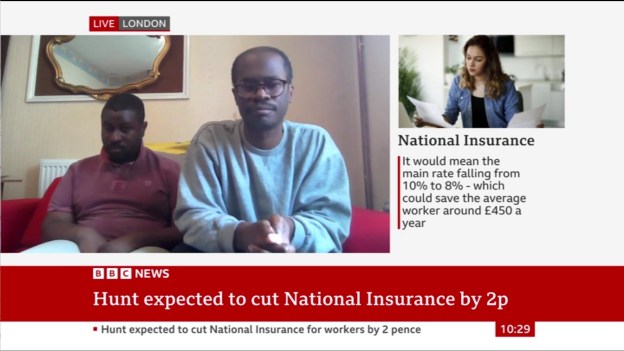
I was fortunate enough to present my circumstances as a carer on the BBC news. I wanted to know how the budget would affect my caring role. BBC news also interview Holly Mackay who is the Founder and CEO of Boring Money, plus we had Joanne who also wanted to know how the budget affected her situation when trying to buy property.
Holly Mackay gave her thoughts on what she felt would be included in the spring budget. I also wondered how the Budget 2024 would affect my situation as a working carer. There was not a lot of expectation due to the downturn in the economy, but we all waiting with anticipation. Since I engage with carers through my carer groups, I asked how can carers prepare themselves if their situation became worse. Holly Mackay gave some excellent advice.
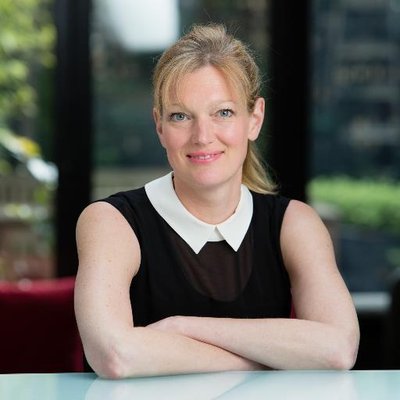
Holly Mackey – CEO of Boring Money
You can see the first part of the interview below.
After the budget was presented by the Chancellor Jeremy Hunt. Holly gave an excellent breakdown on how the budget will affect those who are vulnerable. I felt that the “Household Support Fund” being extend was great news for those struggling with energy bills, but many were stating it was a short term fix. I also was hoping for an increase in universal credit for both my brothers. Holly mentioned there will be an increase from £368.74 to £393.45 per month, which is good news.
Still, there was no mention of carers allowance in the budget, plus others would like a National Carers Strategy to transform Government’s approach to support unpaid carers. Holly mentioned there is some support for those who provide care and also work, but it might not be enough to make a big difference.
You can watch Part 2 of the interview in the video below.
Again, as a carer you might think the Budget 2024 is boring and not worth paying attention to. As a carer you might think the news on the government is not worth the time. As a carer you probably might think your MP is not interested about carers. I say that it is incredibly important to hold the government to account on the plight of carers. We are lucky to have a government system where we have the power to vote who we feel serves us best.
You can find out more about the budget in the link below
Oxehealth is a health technology company focused on inpatient mental healthcare. Oxehealth is looking to extend their co production activities to bring together a wider range of voices from both patients and carers. They are planning to run both in person and online focus groups to deep dive on specific areas of product development. There may be further opportunities for participants to extend their initial involvement and join their core expert by experience group.
Who should attend? Welcome to both service users and carers with experience of inpatient mental health settings. Experience of Oxehealth vision based patient monitoring system is desirable but not essential.
What the sessions will cover? Focus group 1: Patient monitoring – privacy and choices Aim is to get feedback to help prioritise initiatives designed to enhance privacy, agency and choice for patients on inpatient wards when using vision based patient monitoring systems. Focus group 2: Developing sleep reports for patients and carers Aim is to get feedback on design and content for reports for patient and carers which provide information on how patients have slept.
Will I get paid for attendance? Yes, compensation will be paid at the rate of £30 per hour. Each session will last for 1.5 to 2 hours. Reasonable travel expenses for face to face attendance (with receipts provided will be compensated up to the value of £30
When will the meetings be held? We will hold 4 sessions with c 6 – 8 attendees each in March/April (2 on each focus group topic). The sessions will be c. 1.5 hours each and will be on weekdays either a morning or afternoon session. 2 sessions will be in person in central London; 2 sessions will be online on Microsoft Teams
What work will I have to do in advance of the session? Before each session, we will meet online with each prospective participant for 30 min to 1 hour meeting to provide an opportunity for participants to find out more about the technology and the company.
To express interest please contact Karen West – karen.west@oxehealth.com
Welcome to another quick blog by carer activist Matthew McKenzie. I run many carer groups aimed at those caring for someone with mental ill health, most of the groups are voluntary, but there are a few that are co-run with NHS trusts for partnership working and carer empowerment.
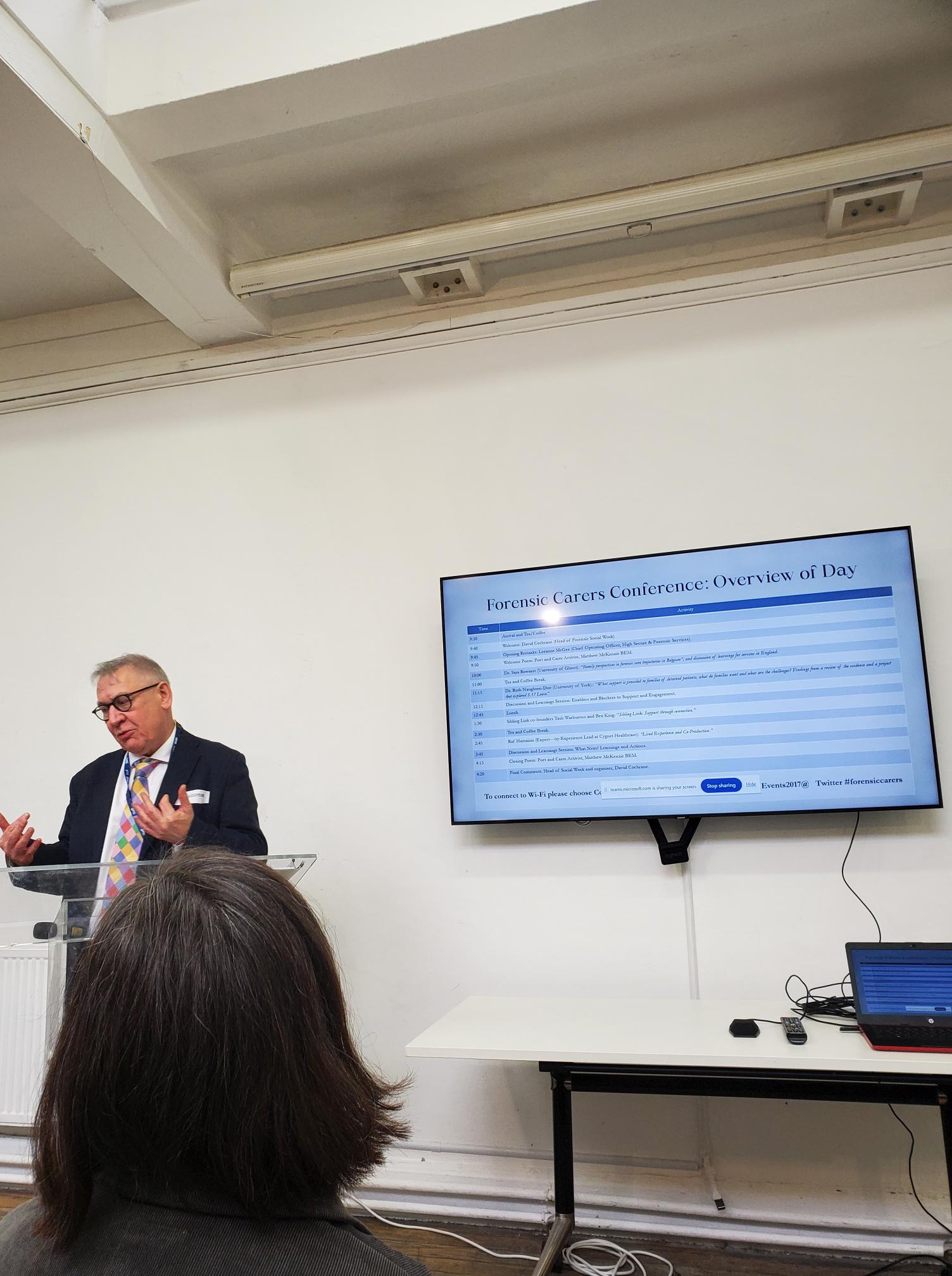
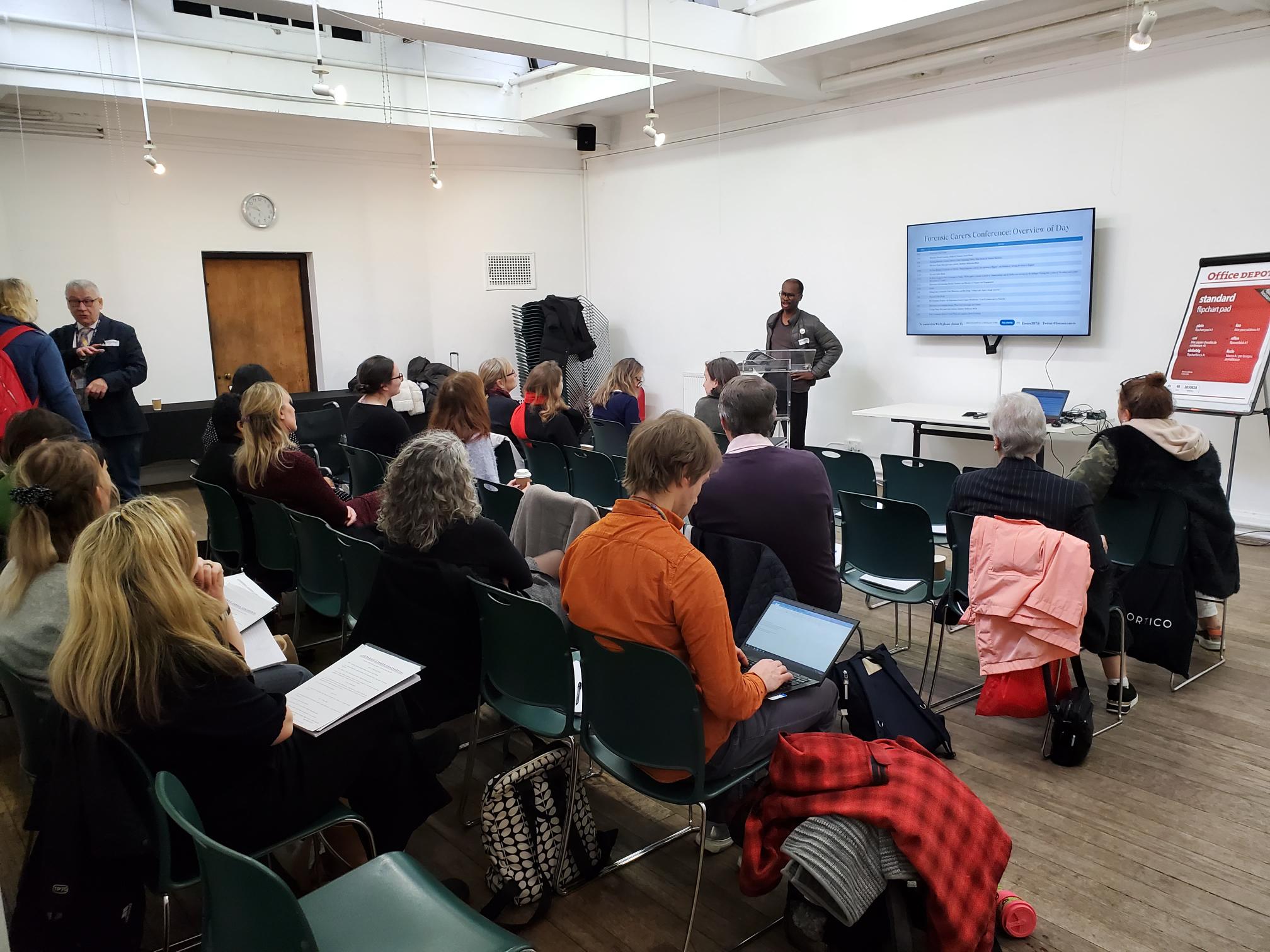
I do a lot of carer engagement at West London NHS trust and was delighted to participate in the Forensic Carers Conference held at Conway Hall. The conference was a showcase of what is happening for those who care for someone using Forensice services, it was also to allow carers to promote their lived experience and raise their profile. We also heard from various researchers both national and international.
The event was funded by North London Forensic Consortium. The North London Forensic Consortium consists of the following NHS trusts:
Barnet, Enfield & Haringey Mental Health NHS Trust Central and North West London Foundation Trust East London Foundation Trust North East London Foundation Trust West London Trust
The North London Forensic Consortium’s core aim was to reduce the number of people who were cared for out of area and create the services their population.
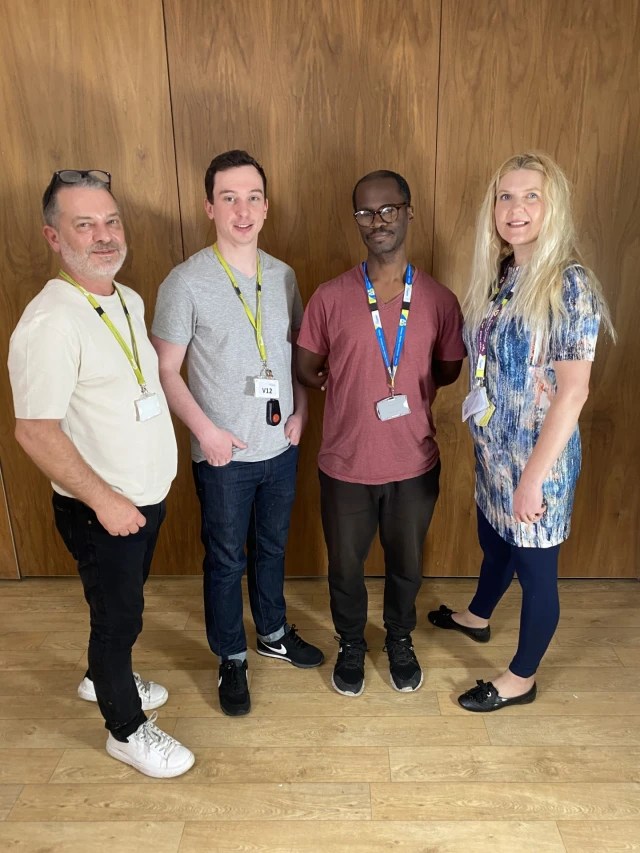
Forensic Carers Conference throughout the day
The conference was very well attended and was opened by David Cochrane who is Head of Forensic Social Work at West London NHS trust high secure unit being Broadmoor.
We then had opening remarks from Leanne McGee who is the Chief Operating Officer for High Secure & Forensic services. Next I read one of my carer poems from my book “The mental health carer poetry book”.
I spent a good 10 minutes getting feedback from the audience on what the poem could mean to them and why families and carers would be anxious of the mental health of their loved ones.
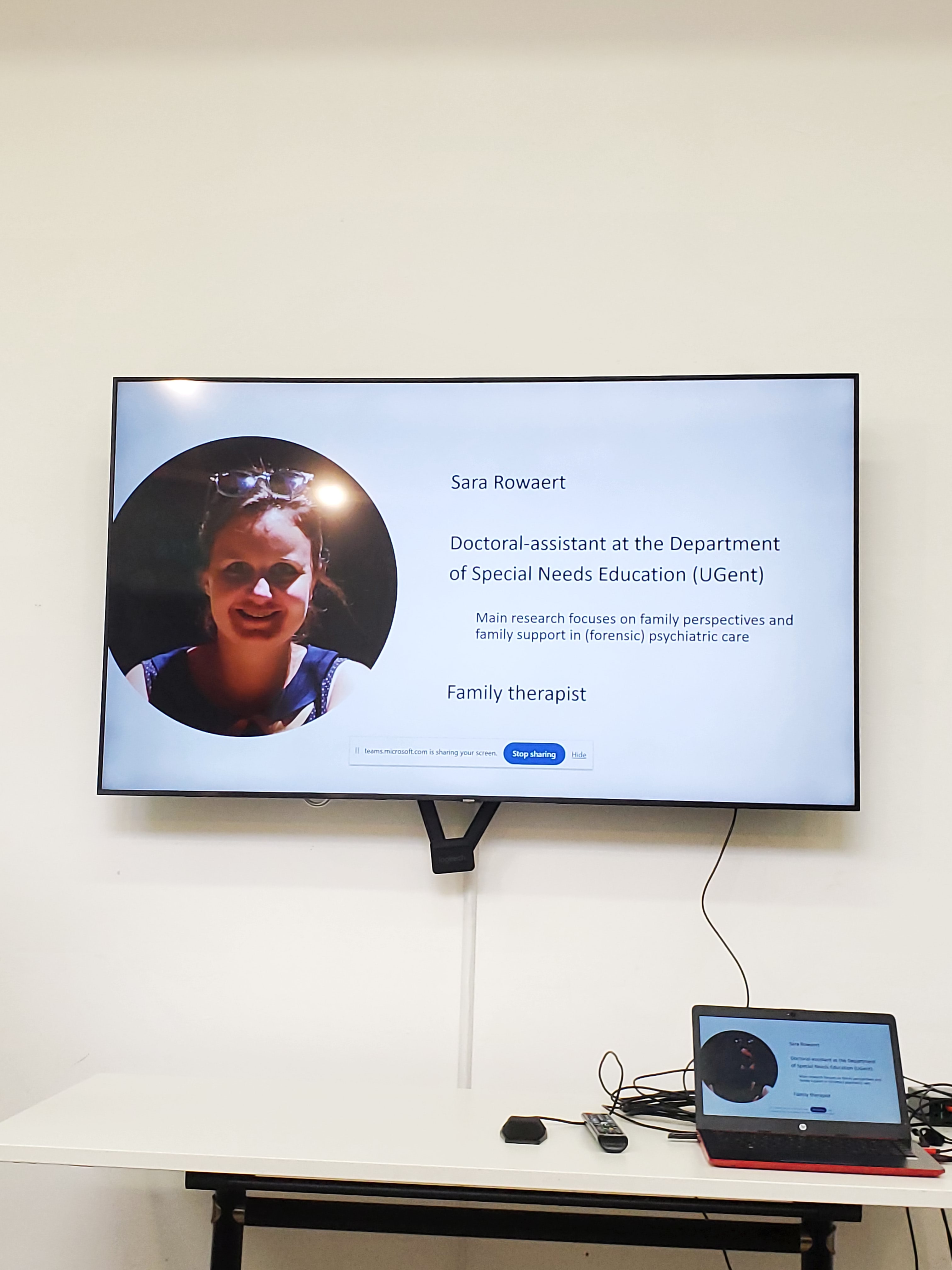
We then had a presentation from Dr Sara Rowart from the University of Ghent (Belgium). Dr Sara presentated on “Family perspectives in forensic care trajectories in Belgium”. This then led onto a discussion of learning and comparison of forensic services in the England.
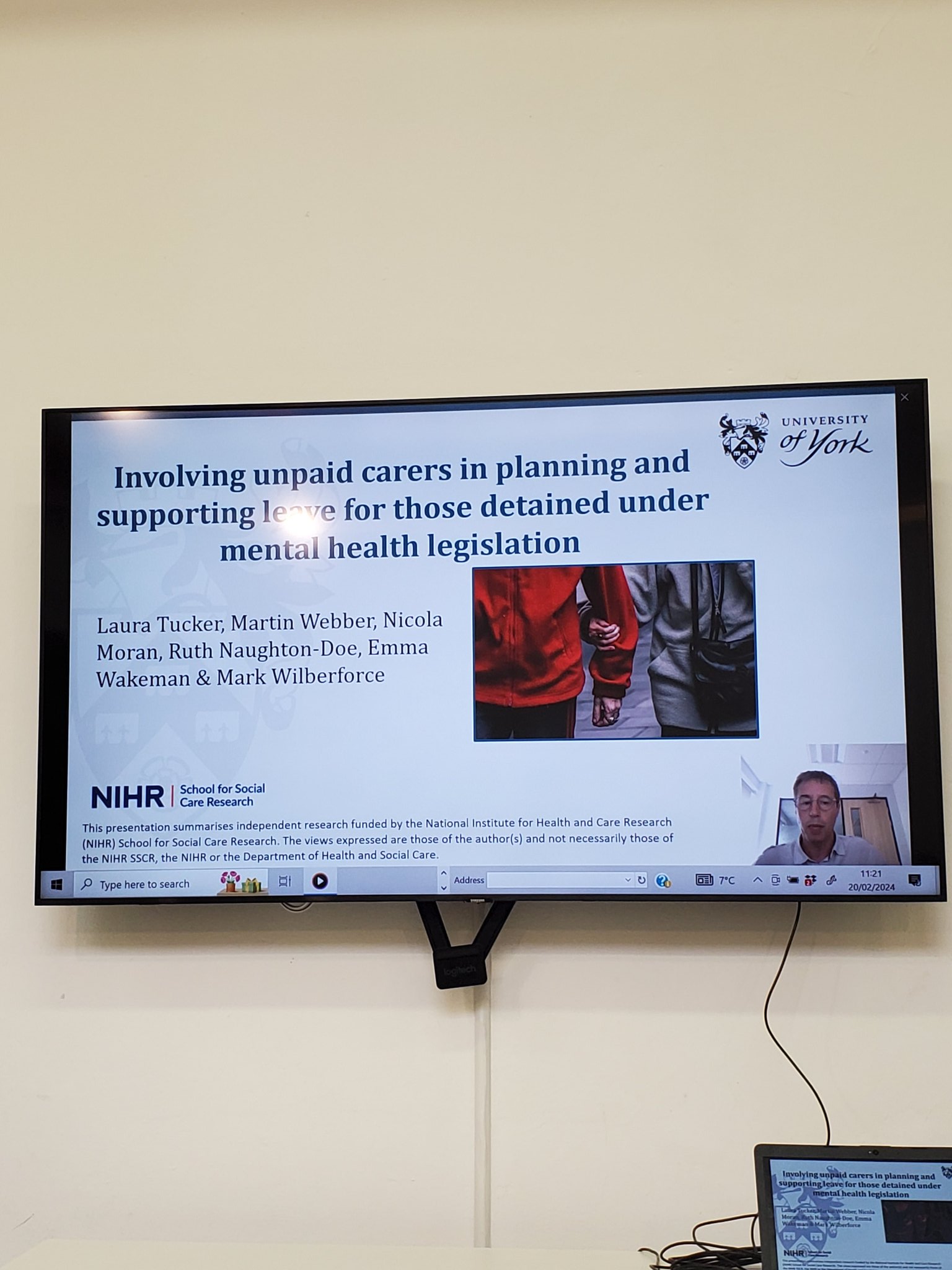
After the coffee break, we heard from Dr Ruth Naughton-Doe (University of York). She and her team presented on “What Support is Provided to families of detained patients, what do families want and what are the challenges?”. We also got to watch a video on the work the team has done so far.
You can also view the research paper of the work in the link below.
The Forensic Carers conference was useful for getting feedback from carers, professionals and researchers. So there were several feedback and discussion sessions.
We then heard from sibling link CiC who run peer support groups for adults; one for those who are caring for, affected by or worried about their sibling who is experiencing mental ill health. We heard from co-founders Tash Warburton and Bex King who both presented on “Sibling Link: Support through Connection”.
Next we had Raf speaking about expert by experience from Cygnet, unfortunately Laura Sheridan who oversees the Cygnet Carers Network was not able to be in attendance.
I help closed the event with a Joint poem from another Carer who attends my carer forensic group over at West London. My thoughts of the Forensic Carers event are that it was excellent and I am impressed they managed to make the event hybrid so others can join online to even contribute.
I will wait to see how the other NHS trusts promote their carer forensic events
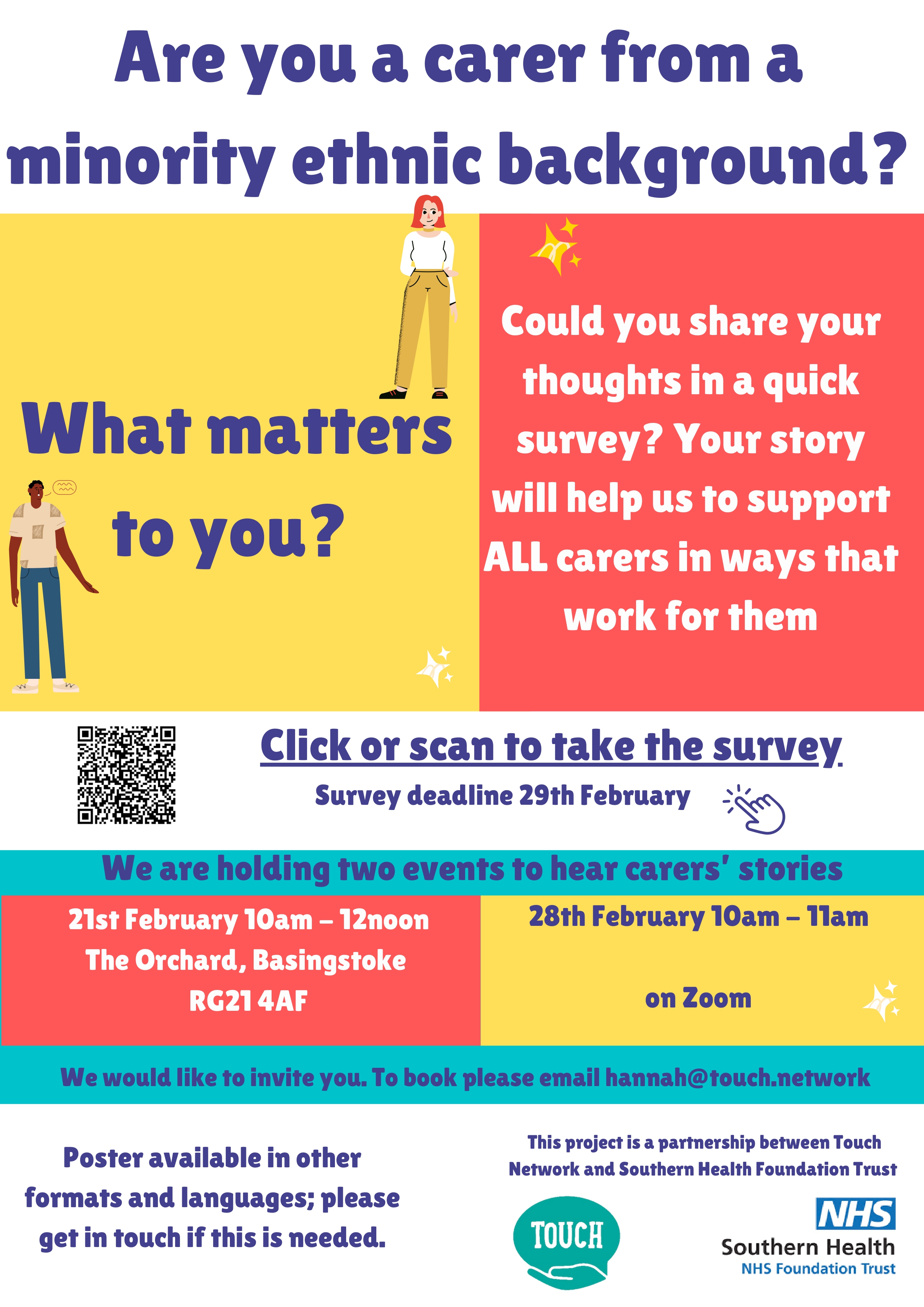
Are you a minority ethnic carer in the areas of Hampshire? Do you want to help improve mental health services for someone you are caring for? How about having your carer story being heard? It is your chance to help ‘Strengthening Cultural Sensitivity within Ethnically Diverse Carer Communities’.
It is time to be heard and also have an impact as a carer. Without your input as an ethnic minority carer then it is difficult for services to understand what is a priority for you. With the support of Touch Network CIC, Southern Health NHS trust wants to hear from you.
The next Carer Story meeting is on the 28th of February. If you are a carer whose loved one is using the services of Southern Health NHS Trust, please leave your contact details in the form or email hannah@touch.network.
Please see the poster below and get a chance to be heard and help set priorities.
We are all in this together and together we will strengthen our diverse communities.
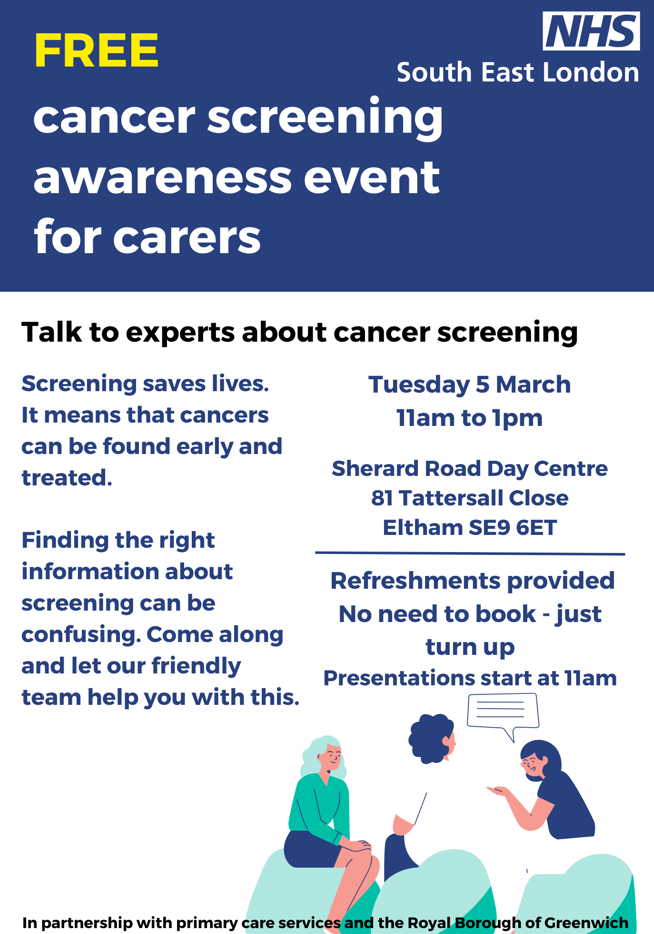
It is important cancer caregivers are included to hear about cancer screening. Luckily over in Greenwich this is a free Cancer Screening awareness event aimed at Carers. See poster for more details.
Welcome fellow carers. Here is another blog post from Carer Activist Matthew McKenzie. This blog post is on the importance of being heard. If you have been caring for someone unpaid for a long time, you know what I mean by trying to get your voice heard.
I am sure you would have experienced the struggles of the person you are caring for. It might be their physical health or mental health or most likely both. It would have been so difficult to see your cared for’s quality of life suffer. You want to make that difference and you want the person you are caring for to improve. So you take up the role of unpaid carer.
It is not an easy role, you would have been through countless of hospital and doctors appointments. You might have gone through the tricky dialogue of communicating with the health professional to get a better outcome. There will be times that you have to take time off work to provide care. If you are not working then there would be challenges to meet bills and payments. This all adds up to mental and physical exhaustion and you wonder to yourself does anyone pay attention to what you are doing?
You are only trying to be there for your family, just like any other family. You know that the health & social care system is struggling, but if you do your bit then the cared for would not have to rely on the NHS.
Still; you have begun to realise that caring is not enough. You have been through so much for far too long and you want to be heard. You have been through such a long road, something has got to count. There must be others out there who have been through the caring role and would have knowledge to share. It has taken sleepless nights, constant anxiety, backbreaking work and feeling guilty from lashing out because you feel you have not been included.
The good news to all of this is that there are ways to be noticed as a carer. The difficult news is that you must take the steps to be heard. It is so important to be identified as a carer, even caring is not enough, it is so important for carers to be heard and to be taken seriously. I am not saying that there is something that can solve all the challenges that carers face. We need to be practical where we can work towards a better day for many carers.
As carers it is important to join a group that fights hard for carers. It is important to link up with other carers who can exchange ideas and also listen to you. A bigger group helps carry the load that each carer faces. Just by chance, the national charity CarersUK are running a campaign to recruit more carer voices.
This means you could become a member of carers UK for a more powerful way to be heard. Carers UK has many resources to help carers understand their role. It also helps that Carers UK understands that caring can be a difficult role and that they have campaigned for policies to make life easier for carers.
So if you want to counted, included and heard then take that step forward. Click on the following link and be part of something that will not give you a voice. but a way to be included.
Researchers from the Centre for Health Service Studies at the University of Kent are working on a new project. They are currently working on a project around ‘Engaging people with severe mental illness with health research in Kent’. The goal of the project is to understand the experiences (if any) that people with a mental illness have with health research in Kent.
They hope to engage with people with mental illness and/or their carers, significant others, key stakeholders or those who have experience working with people severe mental illness. Researchers will collect information through interviews and focus groups in order to understand the ways of enhancing involvement and participation of those with a mental illness in health research.
If you are a carer of someone who has serious mental ill health, you can contact engagementalhealth@kent.ac.uk for more details.
Here is the brief update of my London Cancer caregiver forum. This is the only group I run aimed at those caring for someone with a physical illness. Cancer can strike at any time and it not only affects the patient, but also the family, friend or unpaid carer.
The London Cancer carer forum gets support from Macmillan Cancer Support and also the hospitals in London. A number of the hospitals have been helpful to advertise a carer led community group, which I run voluntarly.
The speakers for the January London Cancer caregiver group were as follows.
Rachel Waddon – Macmillian community updates
Professor Sue Later – Supporting carers to manage pain medication in cancer patients
Caitlin Spooner RN – How does receiving a survival estimate affect the general health and wellbeing of people living with terminal cancer and their carers
Rachel from Macmillian Cancer Support presents
Rachel Waddon who is the new Macmillian Communities Manager for London and South East Regions has been very supportive for community groups. Rachel has provided engagement support and also helped support my cancer carer stall for front line engagement.
With the cancer carergiver network developing, it was great to have Rachel engage with the group. Rachel provided and summary of Macmillians Cancer Support services.
She took the group through the following support and information services.
Macmillan Website and Online Community
Macmillan Support Line (Nurses and Advisers)
Email campaign
Volunteer Services
Information from professionals
Information Centres
Wellbeing Coaches
Rachel also spoke about the impact of Money and Work when someone develops cancer, she mentioned what support is provided and also included the importance of Care Planning and Navigation, End of Life Care and Emotional and Practical support.
Rachel talked about Why there is a need to evolve Macmillan and how people will not settle for anything other than the best possible support for people living with cancer. As a charity, they can’t afford to stand still. Now more than ever, Macmillian need to evolve, taking every chance to make a difference.
If you are someone in London or the South-East of England who is living with or whose life is affected by cancer then please consider joining the Macmillan London Cancer Community. You’ll have opportunities to feed into cancer support services if you would like to and receive updates on information and cancer support in your local area. Join the Macmillan Cancer Networks.
Professor Sue Later from University of Southampton presents
There are lots of research into the experiences of patients, but did you know there is research which involves the experiences of those caring for someone with cancer?
Prof Sue Later presented her paper on “A community nurse-led intervention to support carers to manage pain medication in cancer patients at end of life” She spoke about what was known about unpaid carers.
Carers Play an important role in managing patients’ pain medicines at end of life.
Evidence suggests carers have concerns about pain medicines, and they feel they lack information and support.
Structured support for carers have not been adequately developed or tested for effectiveness.
Professor Sue paper presents what supports carers in managing medications at the end of life. The paper looks to raise the importance of intervention, which is acceptable, feasible and beneficial for patients and their carers. There is also identification of aspects of research design that could be tried on a larger scale.
The context of the paper looked at
How pain affects most people at end of life and can be severe for some.
Many patients at end of life report their preferred place of care.
Unpaid carers can be critical to medicines management and help patients to stay at home. This is done through knowledge and skills, monitoring and interpreting symptoms and also selecting, administering medicines effectiveness.
Prof Sue presented the objective of the research, which also led to a pathway of Cancer carer’s Medicines Management (CCMM) that is aimed at nurses.
Consent: Explain purpose, your role and consent from patient to discuss pain management with carer. Assess: Explore beliefs & previous experiences, assess support and prioritise skills needs. Review: Prescribe and review medicines chart Education: Provide coaching for educational and information Review: Make plans for review and provide resources Support: Naming of what has been learnt.
All in all, the purpose was to equip carers to support their loved ones at end of life.
Caitlin Spooner RN from University College London (Marie Curie Palliative Care Research Department) Presents
The next presenter to speak was Caitlin on the impact of diagnosis when someone is told how long to end of life. This is called Prognostication. Caitlin wanted to measure the outcomes and develop standards.
She also wanted to compare other studies, but also wanted to involve patients and their caregivers and what was important to them. When comparing previous studies, this had to be done through online databases. Caitlin used 5 online databases that included
Patients with advanced cancer or those caring for someone with advanced cancer
Different definitions of Prognostication “Estimating length of survival”
Quantitive studies reported outcomes of prognostication
From searching the online databases Caitlin extracted the following outcomes and grouped into 5 key areas.
Death
Physiological/clinical outcomes
Life Impact
Resource use
Adverse events
Through a systematic review the most common outcomes of prognostication were
Treatment preferences
prognostic awareness
Quality of life
Depression.
It is important to note diagnosis of cancer especially length of survival not only affects the patient, but those supporting the patient especially the carer. It is important to note the impact of diagnosis on the carer.