Here is the latest blog for the month of March. Did you know that on the 6th if March, the Chancellor Jeremy Hunt announced the budget for spring 2024? As a carer, you might not think the budget is important. You might think numbers, figures and percentages are not worth paying attention to. As a carer you might not want to be bothered with political parties, but as a carer activist I feel we must hear the government and hold them to account on their policies.
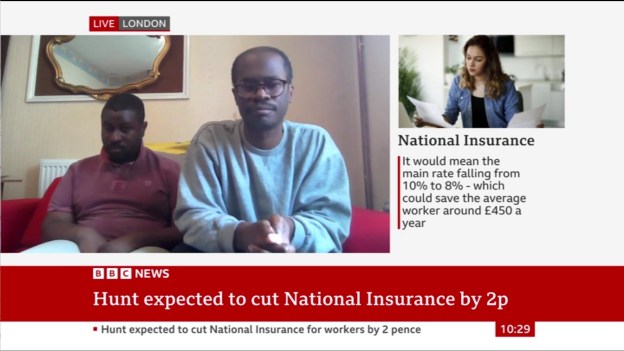
I was fortunate enough to present my circumstances as a carer on the BBC news. I wanted to know how the budget would affect my caring role. BBC news also interview Holly Mackay who is the Founder and CEO of Boring Money, plus we had Joanne who also wanted to know how the budget affected her situation when trying to buy property.
Holly Mackay gave her thoughts on what she felt would be included in the spring budget. I also wondered how the Budget 2024 would affect my situation as a working carer. There was not a lot of expectation due to the downturn in the economy, but we all waiting with anticipation. Since I engage with carers through my carer groups, I asked how can carers prepare themselves if their situation became worse. Holly Mackay gave some excellent advice.
Holly Mackey – CEO of Boring Money
You can see the first part of the interview below.
After the budget was presented by the Chancellor Jeremy Hunt. Holly gave an excellent breakdown on how the budget will affect those who are vulnerable. I felt that the “Household Support Fund” being extend was great news for those struggling with energy bills, but many were stating it was a short term fix. I also was hoping for an increase in universal credit for both my brothers. Holly mentioned there will be an increase from £368.74 to £393.45 per month, which is good news.
Still, there was no mention of carers allowance in the budget, plus others would like a National Carers Strategy to transform Government’s approach to support unpaid carers. Holly mentioned there is some support for those who provide care and also work, but it might not be enough to make a big difference.
You can watch Part 2 of the interview in the video below.
Again, as a carer you might think the Budget 2024 is boring and not worth paying attention to. As a carer you might think the news on the government is not worth the time. As a carer you probably might think your MP is not interested about carers. I say that it is incredibly important to hold the government to account on the plight of carers. We are lucky to have a government system where we have the power to vote who we feel serves us best.
You can find out more about the budget in the link below
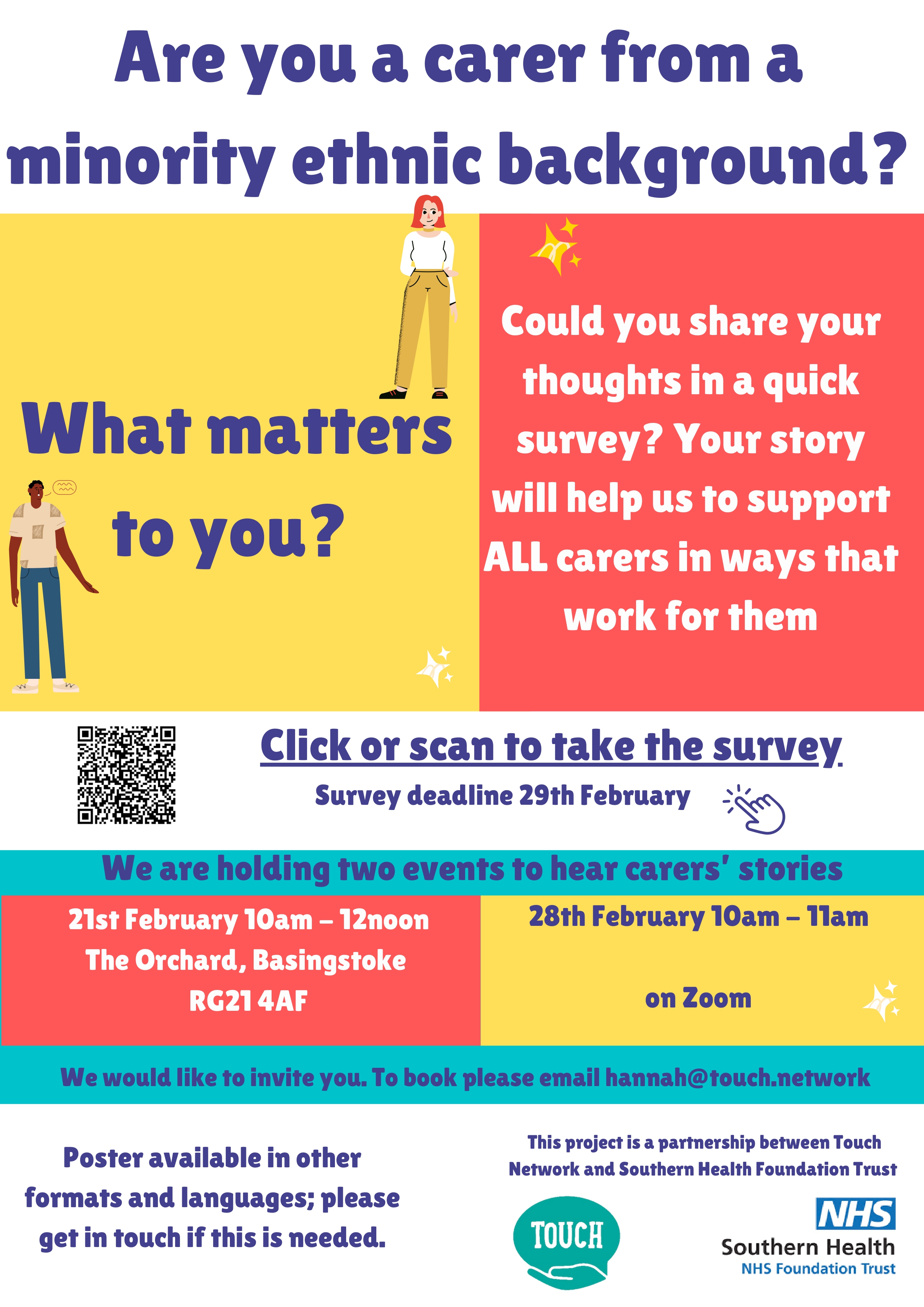
Are you a minority ethnic carer in the areas of Hampshire? Do you want to help improve mental health services for someone you are caring for? How about having your carer story being heard? It is your chance to help ‘Strengthening Cultural Sensitivity within Ethnically Diverse Carer Communities’.
It is time to be heard and also have an impact as a carer. Without your input as an ethnic minority carer then it is difficult for services to understand what is a priority for you. With the support of Touch Network CIC, Southern Health NHS trust wants to hear from you.
The next Carer Story meeting is on the 28th of February. If you are a carer whose loved one is using the services of Southern Health NHS Trust, please leave your contact details in the form or email hannah@touch.network.
Please see the poster below and get a chance to be heard and help set priorities.
We are all in this together and together we will strengthen our diverse communities.
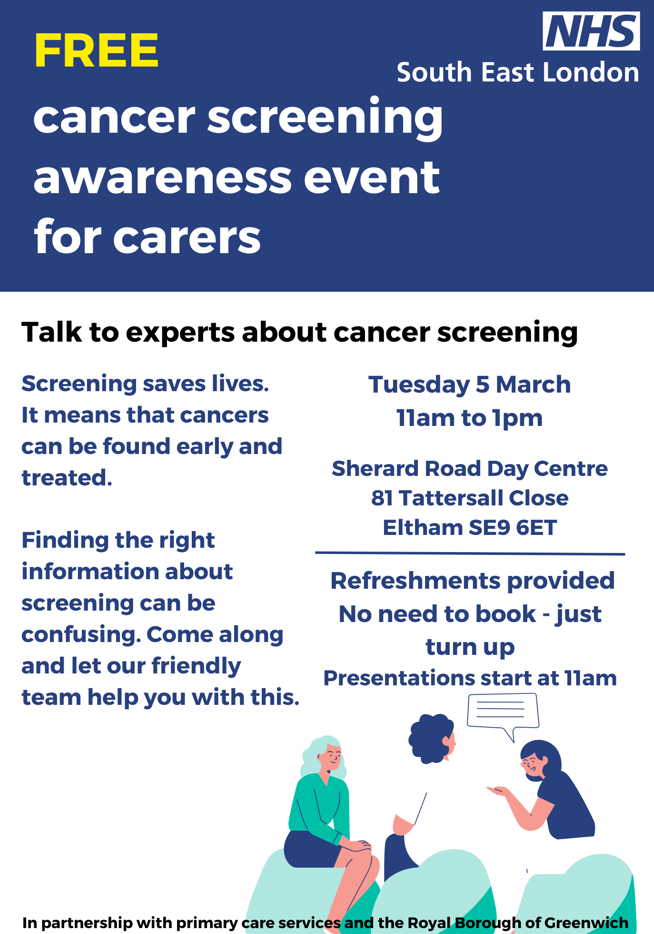
It is important cancer caregivers are included to hear about cancer screening. Luckily over in Greenwich this is a free Cancer Screening awareness event aimed at Carers. See poster for more details.
Welcome fellow carers. Here is another blog post from Carer Activist Matthew McKenzie. This blog post is on the importance of being heard. If you have been caring for someone unpaid for a long time, you know what I mean by trying to get your voice heard.
I am sure you would have experienced the struggles of the person you are caring for. It might be their physical health or mental health or most likely both. It would have been so difficult to see your cared for’s quality of life suffer. You want to make that difference and you want the person you are caring for to improve. So you take up the role of unpaid carer.
It is not an easy role, you would have been through countless of hospital and doctors appointments. You might have gone through the tricky dialogue of communicating with the health professional to get a better outcome. There will be times that you have to take time off work to provide care. If you are not working then there would be challenges to meet bills and payments. This all adds up to mental and physical exhaustion and you wonder to yourself does anyone pay attention to what you are doing?
You are only trying to be there for your family, just like any other family. You know that the health & social care system is struggling, but if you do your bit then the cared for would not have to rely on the NHS.
Still; you have begun to realise that caring is not enough. You have been through so much for far too long and you want to be heard. You have been through such a long road, something has got to count. There must be others out there who have been through the caring role and would have knowledge to share. It has taken sleepless nights, constant anxiety, backbreaking work and feeling guilty from lashing out because you feel you have not been included.
The good news to all of this is that there are ways to be noticed as a carer. The difficult news is that you must take the steps to be heard. It is so important to be identified as a carer, even caring is not enough, it is so important for carers to be heard and to be taken seriously. I am not saying that there is something that can solve all the challenges that carers face. We need to be practical where we can work towards a better day for many carers.
As carers it is important to join a group that fights hard for carers. It is important to link up with other carers who can exchange ideas and also listen to you. A bigger group helps carry the load that each carer faces. Just by chance, the national charity CarersUK are running a campaign to recruit more carer voices.
This means you could become a member of carers UK for a more powerful way to be heard. Carers UK has many resources to help carers understand their role. It also helps that Carers UK understands that caring can be a difficult role and that they have campaigned for policies to make life easier for carers.
So if you want to counted, included and heard then take that step forward. Click on the following link and be part of something that will not give you a voice. but a way to be included.
Hello carers. Below is an exciting new project from The PSC aimed at improving access to digital information for carers.
The project is led by Southwark Council, but also includes the 4 other London boroughs in the South East.
The project looks to how a new or improved digital offer can respond to carer needs, and help unpaid carers across SE London get better access and use relevant information, advice and support.
It is important that carers are aware of 3 things, which the project aims to improved.
The need to know the term carer, rights and services that are available to unpaid carers.
The need to care for their loved ones well as needing to care for themselves as carers and their family
Plus the need to plan the care now and in the future
To voice interest in the studies 1:1 interviews, please email heather.mctaggart@thepsc.co.uk and/or shuying.xu@thepsc.co.uk.
Interviews are approximately 45 minutes and your time will be remunerated with a £20 voucher or £20 donation to a charity of your choice.
No one rushes to be a carer, usually most people plan to care for loved ones when they are much older, but life is not often like this. Life is complex, unexpected and has its ups and downs.
You did not expect this day to happen, but here it is. The person close to you has suddenly become unwell, it could be a close relative, a lonely neighbour or a dear friend. It’s different for everyone depend on the relationship, but no matter what the definition is going to be the same. You have become a carer.
What next? What will you do?
There is no hard and fast guide, a lot depends on your resources, support or connections. Caring for someone even depends on knowledge and information, but most of all caring depends on the care given. You know you will probably have to do this, there still is a choice, but are you prepared to live with the consequences?
No one should be forced into the caring role, no one should be that reluctant carer, but that day has arrived. Depending on that relation, you want to be there for someone, you feel you have to try. It might be out of duty, it might be out of love or sympathy. You want to care and you have made that decision.
You are going to care…..
Yet you are not fully aware what you have prepared yourself for. Until you and the person you care for know what the diagonsis is. You are hoping and praying that it is nothing too serious. You have a lot on the line. You do not want that person to suffer their quality of life. You also have plans, dreams and ambitions. All this has been sudden and you just do not feel prepared. You feel anxious on what the future brings, but you want to be there. You want to be there for that special person. It is all up to you because there might not be anyone else around to step in.
Then it suddenly happens.
You are told that diagnosis by a health professional. It does not sink in right away, for some the diagnosis brings relief. Some people know what they must tackle and this is all information. For other people the diagnosis could being heart felt grief and sadness. The diagnosis of the medical illness could be life threatening. It could be a demanding role, but you have already made your decision. You are going to be there, you are going to stay with the ‘cared for’ until as far as you can go.
It is just you still are not fully aware. No one has told you that you are now defined a carer. You think it might be a paid care worker, or a professional carer. You think that you are not doing anything special. You might be the husband, wife, daughter or son. You are just doing what is expected of a close relation, but it is hard.
It is so difficult….
You have to advocate and chase up information for your loved one. You have to cook and clean, check and double check that the ‘cared for’ health is not deteoriating. It is like a juggling act, you are careful not to upset the person you are caring for. They are emotionally struggling with how their life has turned out. They maybe upset that they have to rely on you, then again they cherish that you are standing by and ‘caring’ for them. Yet day by day, month afer month and onto the years, it could get harder. It takes around 2 years before many know they are a carer, but should it take that long?
Should you step back and focus on your own health and wellbeing needs?
Other people are telling you that you need a break, others say you need to know more about what you are caring for. Some people say you should join a carers group. Whatever others say, you being to feel guilty. Is it that bad to focus on your own needs once in a while?
No it is not bad to take time to focus on you.
We cannot care for others if we neglect our own health and wellbeing needs. There is stigma in the caring role, we can all agree on this. Many do not want to be defined as a carer, but that is ok. What is more important is that we get the help and support we need to provide the best care possible. It is not always about caring for others, it is also about caring for ourselves.
If you have found out that you are to do that caring role, ask health and social care services what support you can get as a carer.
Thanks for dropping by my latest blog post. It has been a while since I wrote anything due to being unwell over the Christmas season, it cannot be helped because during these periods there is always something going around. I even had my vaccinations so at least I was not too unwell.
I thought to write a short blog not only to express my wishes for the new year, but to inform and influence other carers what to look out for. When I mention ‘carers’ I am talking about those doing a role unpaid, they might have to provide care out of love, duty or necessity.
Carers are often close family members or even a friend or neighbour, but make no doubt about it a carer has to cope with the resources that are offered to them. On a worst case scenario, a carer would either need to seek out those resources or campaign for them. This should not be the way, but because health and social care can be complex, it is important carers work with the system to get the best support they can.
So below here is my wish list for 2024, which is not a complete list, but something that springs off the top of my head.
Healing from a difficult year
It has been a difficult and tough year for many out there. The cost of living, resources thin on the ground due to the impact of COVID, more cuts to services and the NHS struggling. It is so important that we take time to reflect what we have gone through and how far our own strength has carried us and how we support our loved ones. During the festive period of 2023, it is important to heal. We might use faith, our connection to the community or our peers. If we do not heal then how can we care for others?
The strength to carry on
I am a realist and it might be sad to say, but 2024 is not going to be any easier, it might be much of the same as 2023, but I know did down inside unpaid carers will use the strength to continue to care. It is such a tragedy when a carer has to walk away from their role, but it is understandable. We cannot allow carers to be pushed out of a role, so it is important carers are identified. The outcome is better not only for the carer, but the person they are caring for.
For carers, it is also important to be positive about our situation, a constant negative focus can be draining despite the harsh challenges carers face in health and social care. It is important carers take the step to be heard. If you are caring for someone, tell your story, fill in surveys, make a stand and make alliances. You need to be heard or be ignored, this takes strength to carry on.
My links and projects with partners to strengthen
I developed and accumalated many links with fellow peer carers across the community. Some have been champions of carer activism, others focus on the health and wellbeing benefits. Some carers want to learn and share their stories, this is excellent. We all come together to make a difference with NHS and private healthcare organisations. For what I learn, I wish to share with others. I will seek to develop a path for others to follow where they can learn and in turn help carers who might slip through the net. We can all learn from each other, but we need to be partners.
Celebrating our differences to build a fairer service
The UK is a diverse country, we all have differences, but as long as we seek to share our unique values then we all have something in common. We all want good healthcare, we all want mental wellbeing, but not all people get a fair deal. There are tools, guidelines and policies that help to include carers from different backgrounds. Carers UK have worked so hard to develop their “Supporting Black, Asian and minority ethnic carers” guidelines.
We also have a focus on ethnic mental health from NHS England’s Patient Carer Race Equality Framework (PCREF), which is aimed at organisations providing mental health care.
All these projects were done in co-production and it is important organisations include those who are from different backgrounds. For too long research data has proved minorities are not getting a fair deal as services and systems were not designed to support them. It is a matter for being honest and working with our communities.
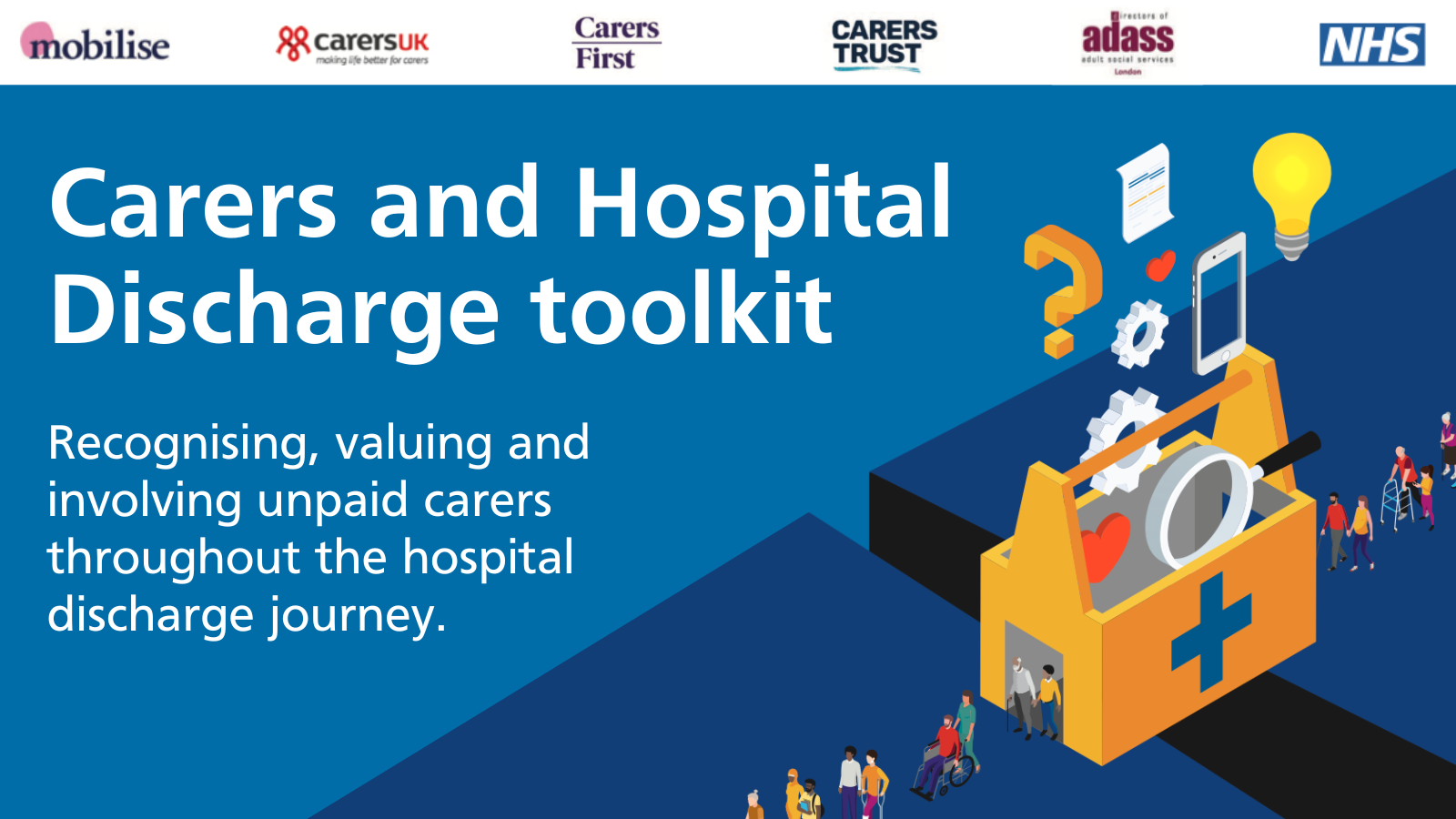
Carers Hospital discharge toolkit to bloom
Although not heavily involved in the new NHS England toolkit, I have a platform in many accute hospitals. It would be very foolish not to champion the hard work many have done to increase carer recognition and identification at hospital level. With those platforms, I can build a network of carers who wish to be involved and help grow the toolkit.
In the past it was a struggle to include the family when someone was taken into hospital. The focus was often on the patient, maybe there was not time to engage with the unpaid carer, maybe carer awareness training was lacking or even worse there was not tracking of data regarding carers. With this excellent toolkit for hospitals, the struggle is removed. There is a pathway, a toolkit and a plan to follow. As with all things new, the challenge will not be easy, but I feel us carers can work as partners with the NHS hospitals and feel included and supported in our role.
Triangle of care to influence organisations
The Carer’s Trust ‘Triangle of Care’ framework has been around many years. The Triangle of Care has a focus on mental health carers. Its aim is to strengthen communication between patient, professional and carer. A lot of the focus is of course on families and carers, but with the policies and practicies flowing from the framework we can only hope influence more organisations to take up the challenge and engage with carers using their services. The outcome is better for everyone.
Championing Carers UK focus on carers
Carers UK takes up the voice of carers for the nation. Its not only guidelines, support, toolkits, surveys and practices from the charity. As a realist, I know full well that many unpaid carers would suffer if Carers UK did not work so hard to make the carer voice heard. I have been championing Carers UK for many years and will use all the resources I have to continue their view for a more caring society. This also includes other organisations that fight hard to include the carers voice be it Carers Trust, Age UK, Sane or others.
Write another book
Did you know that I am an author? I have written many books about the caring role as this is an excellent way to raise the awareness. Most of my books focus on the experiences of caring for someone with mental ill health, however I plan to write books on the importance of cancer carer voices.
I am thinking of perhaps 2 to 3 books to champion the importance of caring for others. A community that cares will care for itself.
More poetry
I dabbled in poetry for 2023 and have released a poetry book, several poetry videos and delivered performances. Poetry is an excellent medium for sharing experiences. A lot of my poetry can be dark as the carer experience can be an isolating role.
No one is trained to be an unpaid carer especially when a loved one is stricken with a devastating illness be it mental illness or cancer. Poetry does not have to be perfect, just a couple of lines can make a statement to be included in all time.
Continue to Grow the carer network
I am known for many things, but one of the greatest loves is developing a network. It is not complicated, all it takes is time. I have been running carer groups for many years. The carer groups used to run at local carer centres or hospitals, most are online due to advances in technology.
Be the use of books, poetry, podcasts, carer newsletters and forums, I will continue to use resources to bring carers together. I do not mind if one or two carers show up, the idea is we share and update. A carer network is vital for learning from each other and also holding to account. For carers to go into isolation is a difficult thing to do because risk being unidentified and will struggle.
Help form a platform with carers
When I head out, it is either to work, attend a carers event or spend time at a hospital, each time I am always thinking of ways to develop platforms. We all have strengths, ideas and gifts and we all can contribute as carer activists.
I know for sure that technology will change and so will ideas, so it is important to continue to develop platforms and work with peer carers.
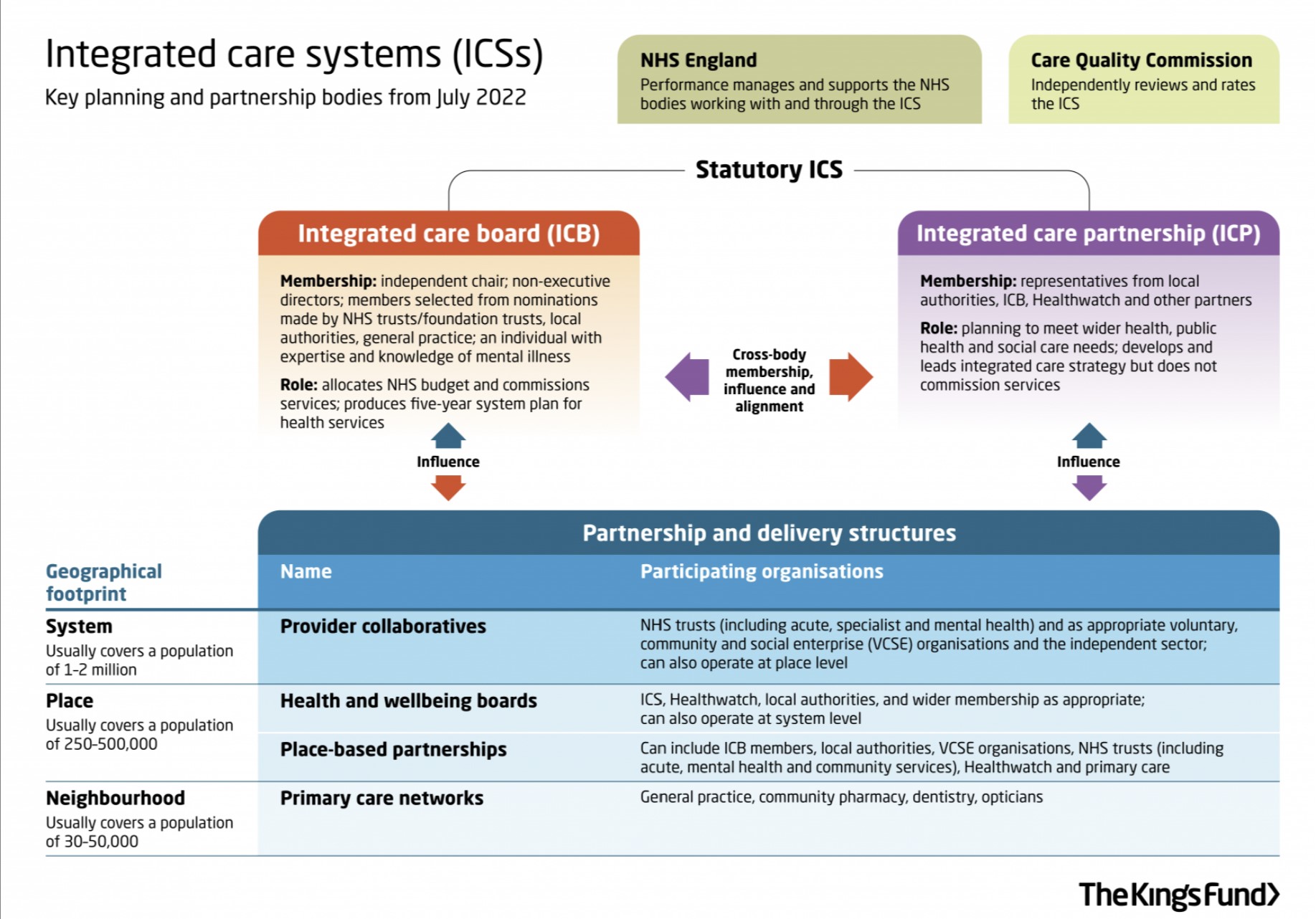
Hope carers can hold local ICS and ICBs to account
The new NHS England Integrated Care System and Integrated Care Boards are developing processes and policies fast. The centralised scope of care at NHS England is changing towards a more local level. It is folly for unpaid carers not to step up and be included. Do not always expect ICBs to chase everyone as resources and roles will be limited. Carers UK and Carers Trust can only help so far, so there needs to be more carers who are diplomatic enough to hold to account.
By design the health and social care system focuses on the patient, in a sense they have to because the patient is the person who is at the most need. Still, as a human right we cannot expect the community to automatically learn the complex focus on health and social care. The community HAS to be included, the family, friend and carer have to be involved. There needs to be carer activism to hold to account. Carers who feel they can ignore these changes are in for a difficult time. It is better to be heard and lessen the isolation rather the give up, complain and be completely ignored, which is always a risk.
Time for carers to make a stand and work in partnership.
A caring community
Caring is not automatic, it takes time, skill and patience. There are those that view the caring role as lazy and not worth the time. This is a complete misunderstanding.
We do not know the time or place where we will care, but we will experience the declining health of our loved ones, if not the declining health of ourselves. To state caring is not important to society or the community is a curse. No one wants to be cursed with a community that does not value care, no one wants to be isolated and lonely with ill health. We might view ourselves as sufficient when we have the youth, power, intelligence at our command, but as time marches on we can see that we HAVE to rely on others.
It is foolish not to invest the focus on a caring community and sadly enough this can be an easy thing to do. It is so easy to be distracted by roles and duties, there is never enough time. We must prepare fast for the changing demographics of an aging society. We cannot always rely on the NHS as it is taking too much strain. One of the best way is for the community to share the ideals of care and service.
Caring for someone is not weak. A community that cares for others is strength, but we need to understand what brings us together.
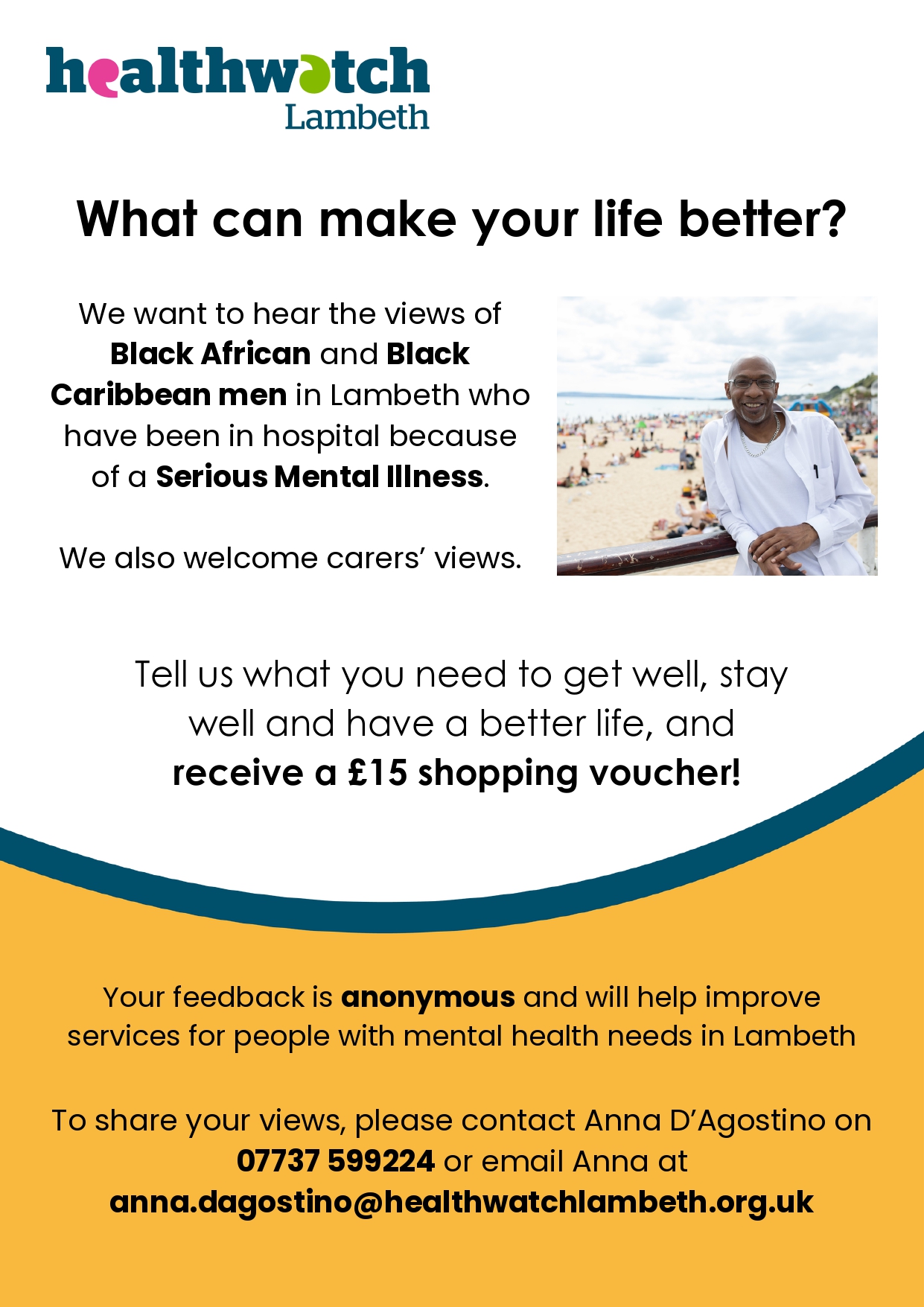
Calling carers from Black African and/or Black Caribbean communities in Lambeth. There is an exciting project that asks for your views.
It has consistently been shown that black men have the poorest experiences and outcomes when it comes to mental health services. So Healthwatch Lambeth wants to hear your experiences of caring a male relative who has a Serious Mental Illness, been hospitalise as a result of their illness and then discharged to their GP.
This is a core part of Healthwatch Lambeth’s new mental health project and each carer would receive a £15 shopping voucher for their time.
The borough of Lambeth want those to recover, stay well, and lead a fulfilling life.
Lambeth Healthwatch also wants to talk to carers as they play a key role in supporting people with a Serious Mental Illness.
To share your views, please contact Anna D’Agostino at 07737 599224 or email Anna at anna.dagostino@healthwatchlambeth.org.uk
Welcome to a carer awareness blog from carer activist, author and poet Matthew McKenzie. The writing of this blog is on the 23rd of November, which means it is Carers Rights day 2023. This day is so important to carers because it is a chance for them to understand their rights if caring for someone unpaid.
Carer rights are important for many reasons, but if you are a carer providing care for someone going through mental or physical health needs. Why is it important to learn about your carer rights?
Learning about your rights make the journey easier
The title says it all. The point of learning about your rights is to learn what can make your journey easier as a carer. Lets be honest, caring is a valuble thing, a noble duty that one can pick up and be there for others. The sad thing is this journey will be a path where there are hills and mountains to climb.
This journey will have the carer coming to splits in the road, where if they take the wrong path or wrong decision it will affect them for the rest of their lives. So learning the signs, notices and signals on this journey can make the travel much easier.
These signs could be
Being identified as a carer Being valued for what you do Being listened to and having your concerns recorded Being offered information and advice about your caring role Access to a carers assessment Access to an advocate or access to a support group.
Here is a carer rights day awareness video that I have made. You can view below.
One of the best things a carer can experience is to be identified. When I mean identified, it would be identified from health and social care services. It means that if you get into trouble, then extra support kicks in earlier. Still, as a carer do not expect this to happen all the time. Carers have to know their rights and step forward to say to services “I am a carer”.
It is a shame that carers have to do this. It is a shame that sometimes services need to be reminded of their duty identify carers. So this is one of the many reasons to have a carers rights day.
Learning about your rights improves services
Everyone learns from each others journeys. It is the way of the world. If a carer has the most difficult path to travel then those who provide services will want to make improvements. Most people do not want carers to face challenges that are so difficult that it would put them off providing unpaid care. The way things stand now is that health and social care services will become more reliant on those caring in the community. The population is getting older and we are all living longer. So society now needs to understand the importance of providing unpaid care, because we now cannot expect services to always be there.
This means carers need to know their rights so they can feedback to services on what works for them. If carers sit there and cope then service providers will second guess what they think will work. This is unacceptable and this means little in co-production and design of health services.
Learning about your rights gives you power
Knowledge is a powerful thing. Information is not enough and we must put information into practice. This information can be powerful if applied at the correct time. It is no good being told your rights and not learning from about those rights.
Knowing where you stand can give you confidence in dealing with services. You know what to expect and if you do not get that quality service then you can remind services of your rights.
Final word
I do not expect Carers Rights day to magically solve the situations carers experience from their journeys. Health and social care services can forget to support carers. Such services might focus all their efforts on the patient and forget the carer. We can also note that people might not even notice they are providing care and will all to often ignore their rights.
This is why Carers Rights day occurs every year. It is an important day to remind ourselves that we all need to be aware of our rights because it make the journey easier for us all.
Here is my first carer blog post for November. Come to think of it, November is an exciting month because it is not long until Carers Rights Day which takes place on the 23rd of November. It is important unpaid carers know their rights, but that is a blog post for another day. What I want to highlight in this post is something I have been doing for the past year. That is having a location in some hospitals to engage with carers wandering around the area.
Why do I feel it is so important to engage with carers at hospitals? I mean I can always link up with carers at support groups or carer centres. Well from lived experience, I know full well that hospital experience for carers can be a daunting experience. With health care as it stands, the focus is often on the patient. It is how we understand that the patient is in need, especially if their health is in crisis. The patient becomes the service user and thus they are the core focus of hospital services.
The carer or family member might possibly be in the background. Patiently waiting for their loved ones recovery, they want to follow that person through the hospital experience. Yet, there are probalems and challenges. Very few health professionals often engage with the carer, they might fail to identify them, not keep the family, friend or carer updated. Worst of all there might be scenarios where the carer is completely ignored even if the carer is pointing out options for better recovery or warning against something. There could be lack of carer advocacy, lack of carer referrial, lack of carer peer support especially when a loved one is nearing end of life.
Some people do not even know they are caring, they just arrive in hospital and listen to every advice the health professional provides. People experiencing the role of providing unpaid care might just end up coping in their role.
If carers go through all of the above and believe me a lot of carers experience this when they wander the wards of hospitals. Then it is not hard to understand that carers can feel under valued. Carers will feel they are not listened to if policies and plans are not in place to hear carers out. If carers feel they are not heard, then they will not want to engage with professionals. It is not like we want to force people to take the label of carers, but if they are not identified then how can the hospital system provide carers with the support they need.
With changes in the Health and Care Act, it is vital that hospitals work hard to engage with families and carers. Many carers taking their loved ones to hospital still go unidentified as hospital record systems are too slow to record carers. There has been great strides in the NHS to use the power of co-production to develop a carer’s discharge toolkit. Many NHS hospital trusts have taken the challenge to improve the experience of carers at hospitals. This provides a pathway to understanding carer needs and compiling data to find out the root causes of carer distress.
For far too long carers feel they are not understood or are not provided any service even though carers ARE actually using hospital services. Just because carers do not have a hospital bed, does not mean they are not vital in continuing care especially when the patient is discharged. The NHS faces immense challenges and will rely on the caring community as never before.
With the new carers hospital discharge toolkit, there is an excellent foundation to build upon to make carers included in the hospital experience. The NHS owes this to carers and we need to include, support and value the experience unpaid carers bring.
















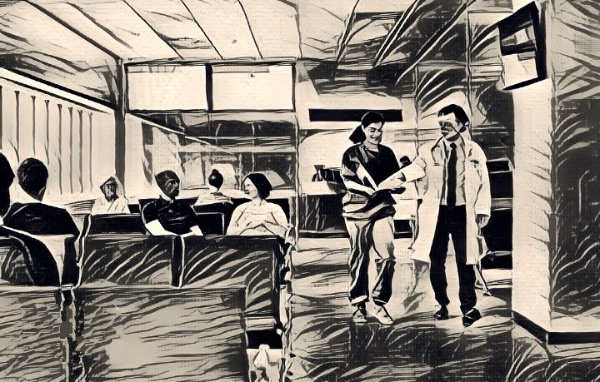
 A Caring Mind