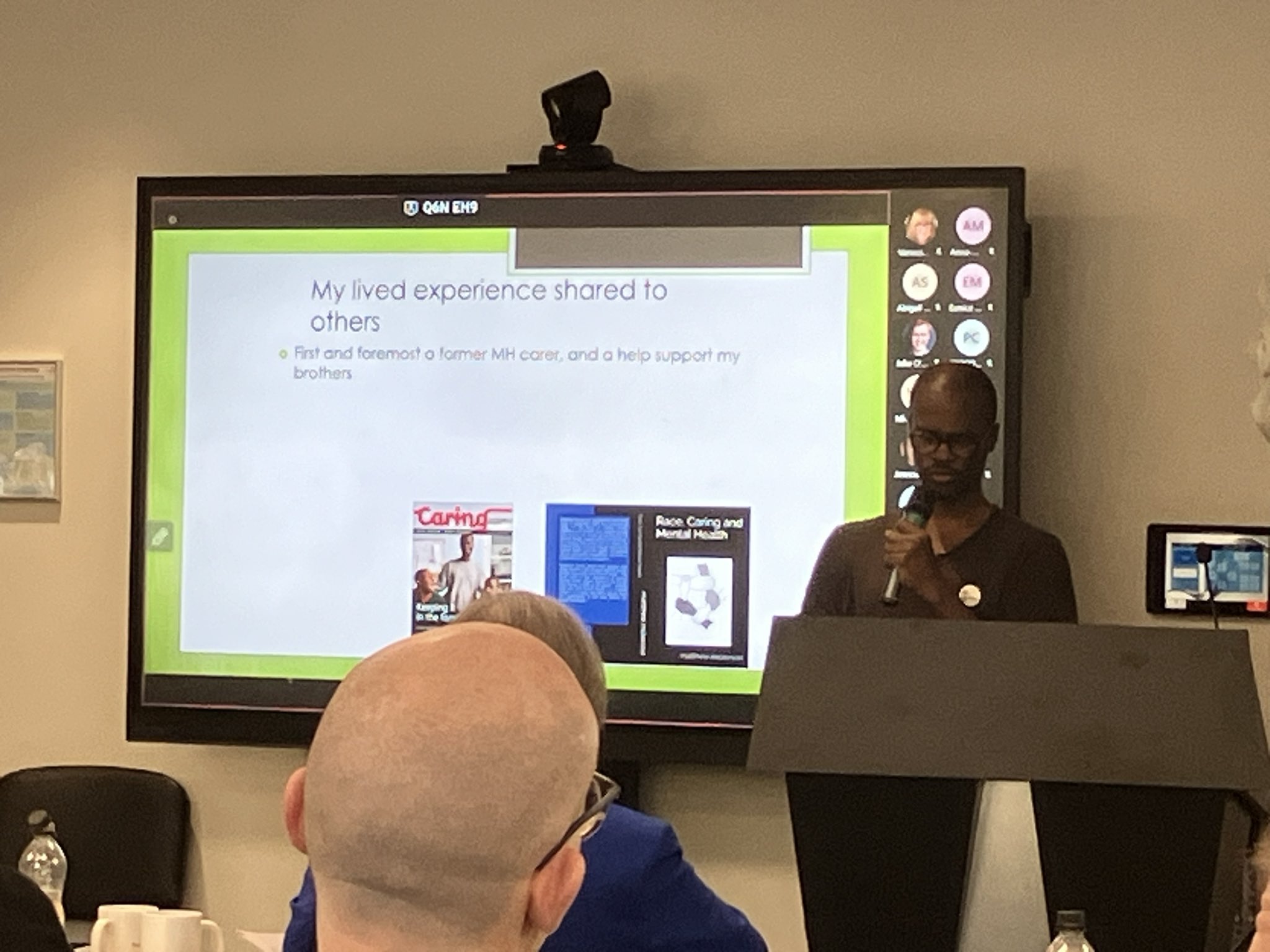
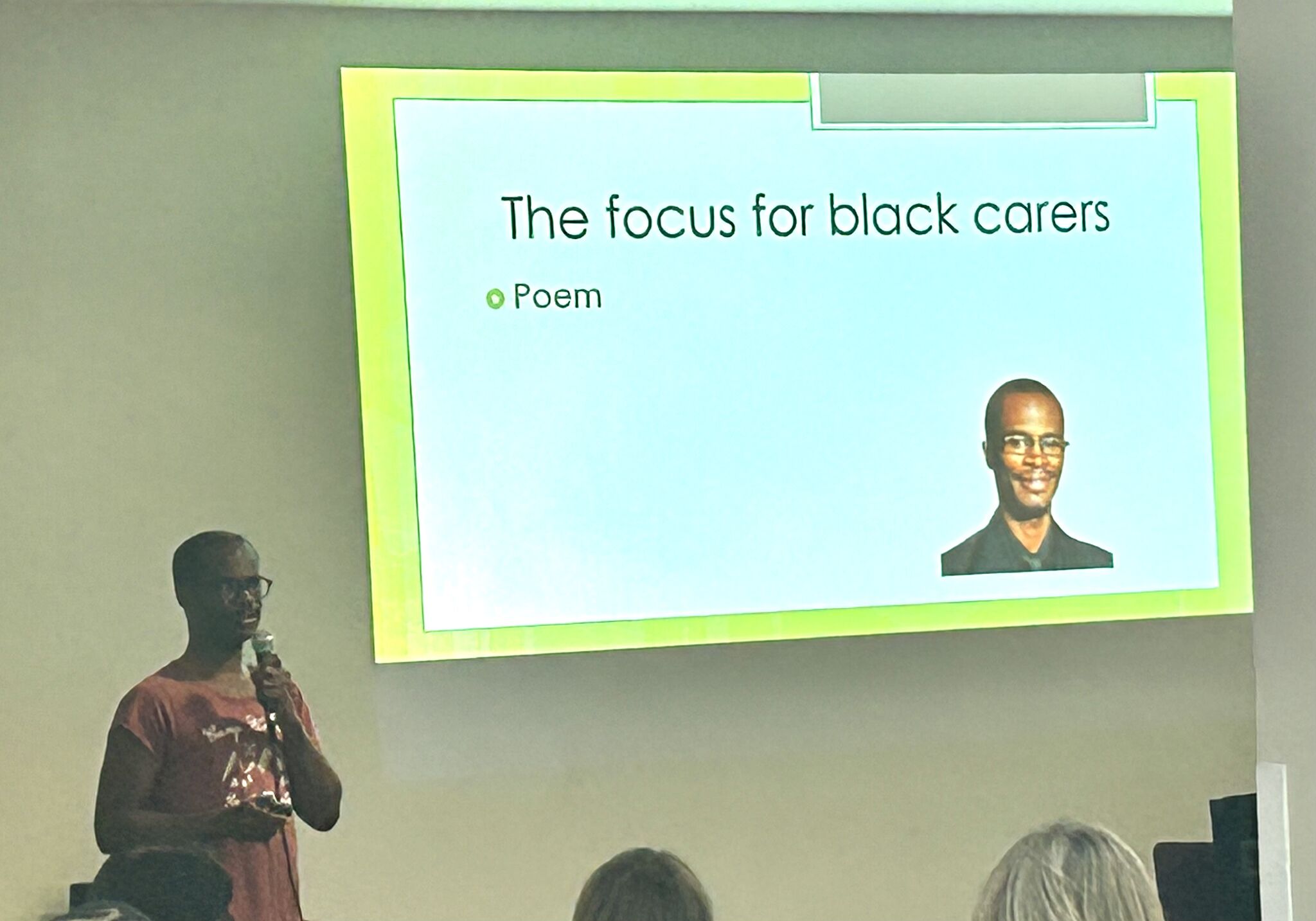
By Matthew McKenzie – Carer activist, poet and author
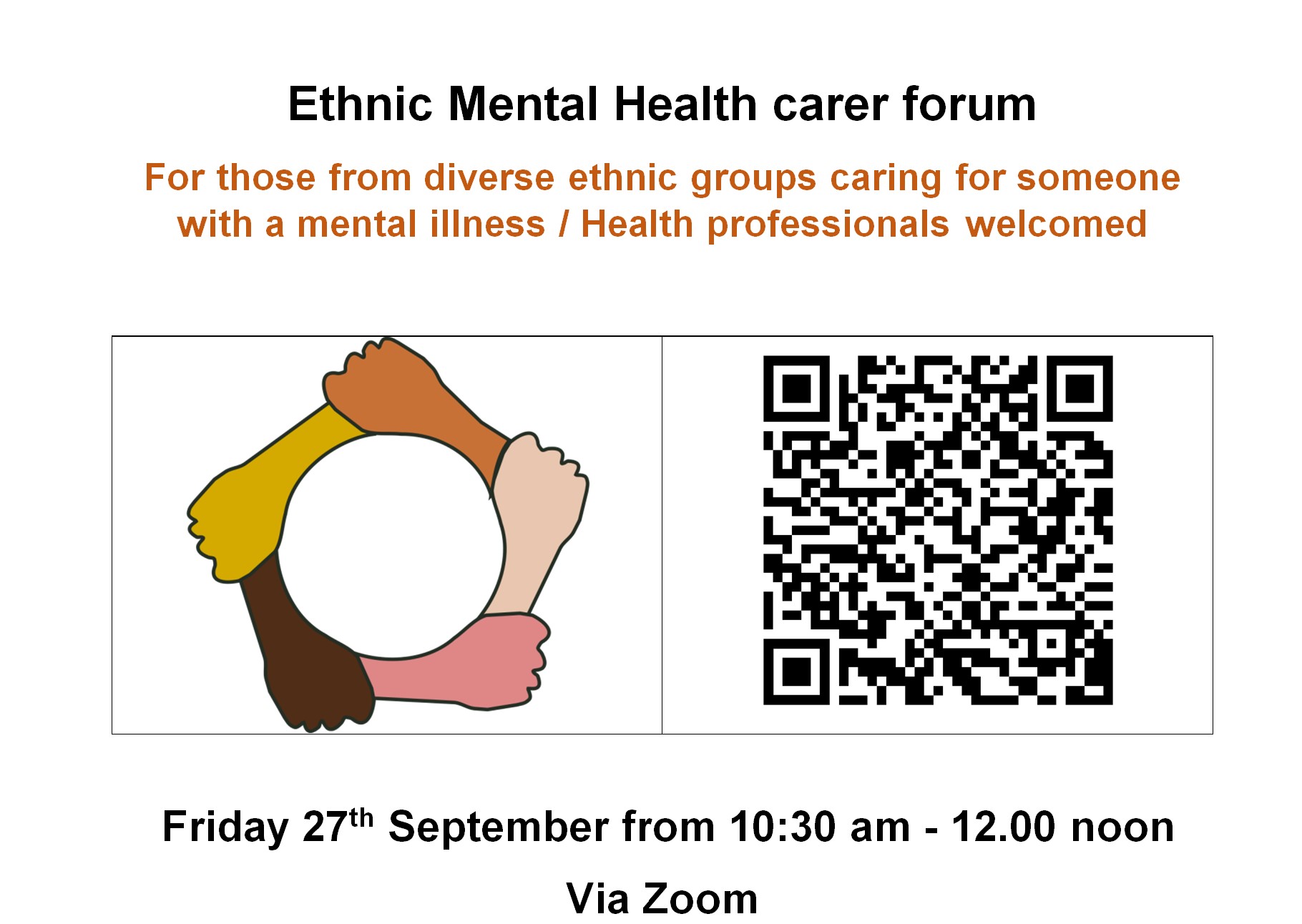
Welcome to a brief update of my ethnic mental health carer group, held monthly.
The meeting began with introductions and technical discussions on connecting to zoom, followed by presentations on research related to mental health care and carer support, particularly focusing on minority communities and paranoia. The group discussed various initiatives including a community intervention study, a carer experience questionnaire, and progress updates on Patient Carer Race Equality Framework reporting across different NHS regions. The conversation ended with discussions on challenges faced by minority carers, including access to mental health services and the need for better support systems, with calls for national collaboration and improved respite services.
Summary
Carer Support Network Expansion Discussion
The meeting began with Matthew introducing the session and addressing technical issues faced by some participants, including a participants video problems, which were resolved. Matthew explained his recent laptop issues and mentioned his involvement with Carers Trust regarding Triangle of Care. The group discussed the expansion of their focus with minority carers and the importance of connecting and networking across the UK. Juliana, a researcher, provided an overview of her work, and participants introduced themselves, sharing their roles and experiences related to mental health care and carer support. The conversation ended with a brief overview of upcoming presentations and discussions.
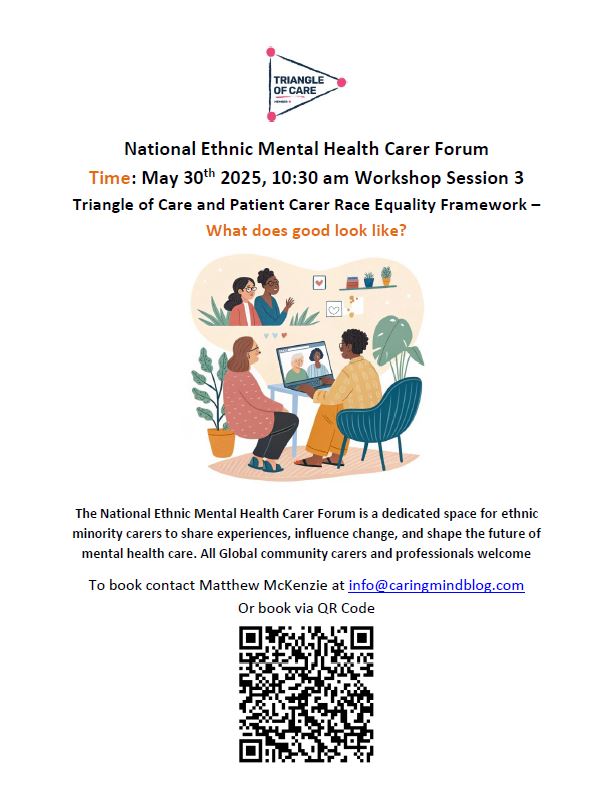
The meeting focused on carer involvement and representation across different regions, with participants discussing their roles in supporting carers and addressing discrimination. The main focus for this meeting was on “What does good look like?” when it comes to Triangle of Care and PCREF.
The group explored the Triangle of Care initiative and its five key elements, including discussions about medication-related challenges and the need for better communication between healthcare providers and carers. The conversation ended with conversations about improving carer support systems, including the importance of advocacy, training, and creating safe spaces for carers to share concerns confidentially.
The Importance of Ethnic Minority Mental Health Carer Voices: Empowering Unpaid Carers from the Global Majority by Matthew McKenzie
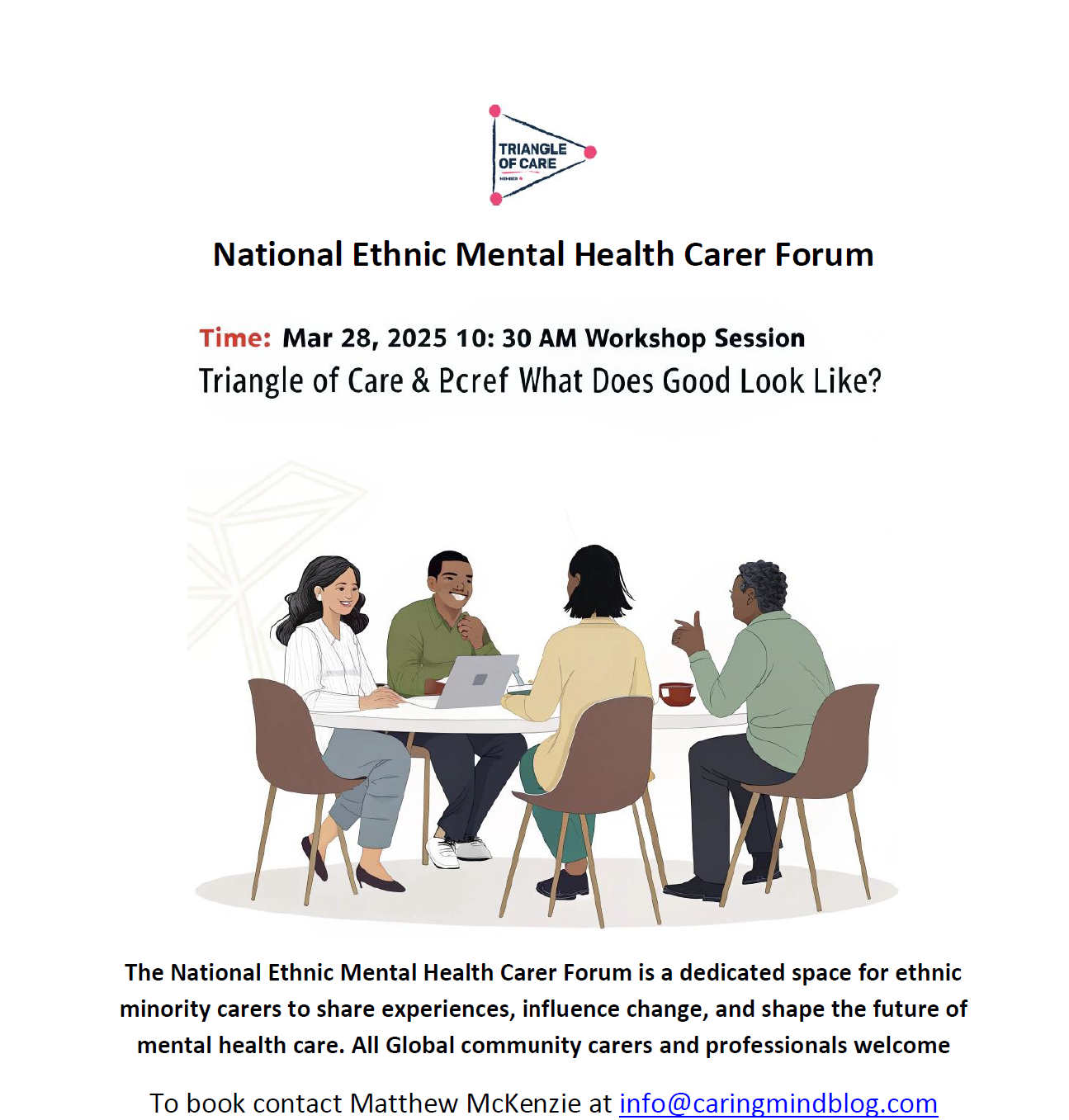
In today’s world, the voices of ethnic minority carers in mental health services must be heard and valued. The National Ethnic Mental Health Carers Forum meeting, held on March 28, 2025, underscored the vital role that co-production and lived experience play in shaping better services for those who care for loved ones with mental health needs.
The National Ethnic Mental Health Carer Forum convened to discuss the ongoing challenges faced by minority carers in accessing mental health services. The meeting focused on strategies to improve cultural competence, equitable treatment, and accessibility within mental health care systems. A key topic was the Patient and Carer Race Equality Framework (PCREF), with organizations sharing their experiences and plans for implementation. Additionally, the discussion covered language barriers, education initiatives, and the role of co-production in fostering inclusive care.
Mental Health act research
Dr Judy, a researcher from the University of Bristol, discussed her ongoing project on the nearest relative provision in the Mental Health Act and the need for co-produced resources to support those in this role. She also mentioned the support from charitable organizations like Mind and Rethink.
Welcome to a brief update of my ethnic mental health carers forum for January 2025.
Quick recap
The meeting focused on discussing the Patient Care Race Quality Framework (PCREF) and sharing experiences and ideas among participants. The importance of incorporating equity and inclusion into organizational operations, particularly in relation to patient care, was emphasized, along with the need for better community engagement and the importance of making Personalised Care Framework more meaningful and reflective of people’s lived experiences. The meeting also highlighted the importance of education in addressing and understanding bias in mental health care, and the need for culturally competent care.
Welcome to a brief update of my ethnic mental health carers forum. For this month we were joined by South West London & St George research team. The team from a training company introduced a cultural capability training program aimed at reducing race and ethnic disparities in mental health care, while Matthew presented a summary of various reports highlighting health inequalities faced by ethnic minorities in the UK. The Forum also discussed the importance of advocacy for carers, the challenges of engaging with diverse communities. A carer from South Yorkshire also discussed the potential for setting up a group to support black people in the area.
Cultural Competence Training for Trusts The training company introduced a cultural capability training program they are developing for the South West London and St. George’s Mental Health Trust. The program is part of an ethnicity and mental health improvement project and aims to reduce race and ethnic disparities in mental health care. Representatives from the team also discussed their evidence review on cultural competence in mental health care and their use of a model of cultural competence. The training is expected to impact staff, carers, and patients by promoting culturally sensitive care plans and reducing inequalities. The team also discussed the potential to tailor the training for other trusts.
Addressing Health Inequalities and Disparities Matthew presented a summary of various reports highlighting health inequalities and disparities faced by ethnic minorities in the UK. He emphasized the importance of these reports in supporting the Patient Care Race Equality Framework (PCRF) and other initiatives addressing health inequalities, discrimination, and racism. The reports, from organizations such as the NHS Race and Health Observatory, Public Health England, and the CQC, demonstrate that ethnic minorities face higher risks with certain health conditions, barriers to accessing services, and poorer health outcomes.
Matthew also mentioned the role of institutional racism, socioeconomic disparities, and cultural barriers in perpetuating these disparities. He concluded by emphasizing the need for systematic reforms to ensure equitable health outcomes for all.
Addressing Healthcare Disparities and Trauma Laura from Cygnet HealthCare expressed her appreciation for Matthew’s ability to present information in an understandable and accessible manner, which she believes is not done enough. She also highlighted the importance of Matthew’s role in educating others and ensuring the right actions are taken. A carer member of the group then brought up a report from the Race Equality Foundation and Learning Disability England, which highlighted disparities in access to healthcare for ethnic minorities with learning disabilities. She shared her personal experience of a young person with a learning disability, autism, and mental health issues facing challenges during the COVID-19 pandemic. The group acknowledged the system-generated trauma faced by carers and the need for more awareness and action on these issues.
Mental Health and Learning Disability Event In the meeting, A carer highlighted the upcoming mental health and learning disability listening event, which was previously cancelled due to lack of awareness. Others at the meeting expressed their support for the event and the importance of advocating for carers.
A representative from Surrey & Borders NHS trust who is the programme lead for carers and co-production, discussed the Trust’s co-production framework and their efforts to reach a diverse community for co-production opportunities. She also mentioned the Trust’s strategy to mirror the triangle of care. Matthew shared his experience at the Trust’s learning event and his plans to help promote the Trust’s work, particularly in relation to carer involvement.
Mental Health Event Postponement Concerns A carer expressed surprise at the postponement of a mental health and learning disabilities listening event, which was initially scheduled for September. Another carer, who is relatively new to the Maudsley, had not been aware of the event’s postponement and was concerned about its lack of awareness. She had reached out to various individuals within the organization, including others, to discuss the event. Carers suggested that the carer should also speak to Zoe Reed or Shania, who are in charge of PCREF, to ensure the event’s success. The carer agreed to continue her efforts to promote the event and ensure its awareness.
Supporting Black Mental Health Groups Carers discussed the potential for setting up a group to support black people in South Yorkshire, with Matthew suggesting that funding could be sought from the ICB and the charity associated with their NHS trust. A carer shared his experiences with a similar group in Peterborough, emphasizing the need for more conversation and less medication in mental health care for black people. A Carer, who is involved in setting up a group in Kent, shared her challenges due to the predominantly population in her area. Matthew also mentioned an upcoming event on the new Mental Health Act and its potential impact on carers. The team agreed to reconvene in January.
Welcome to a brief update of my National ethnic/global community carer forum aimed at those caring for someone living with mental illness.
Here is a brief summary of October’s ethnic carer forum.
The mental health carers forum discussed updates on carer’s work stream, the launch of the carer strategy at North East London NHS FT, and an event focused on upstreaming care and black men’s mental health. The group also discussed a research project involving carers and patients, the Rethink Mental illness on involvement in the IMPACT Network, and the Patient and Carer Race Equality Framework. Lastly, the importance of representation on CQC boards, tackling health inequalities in England, and the need for continued advocacy for change were highlighted.
Mental Health Carers Forum Updates
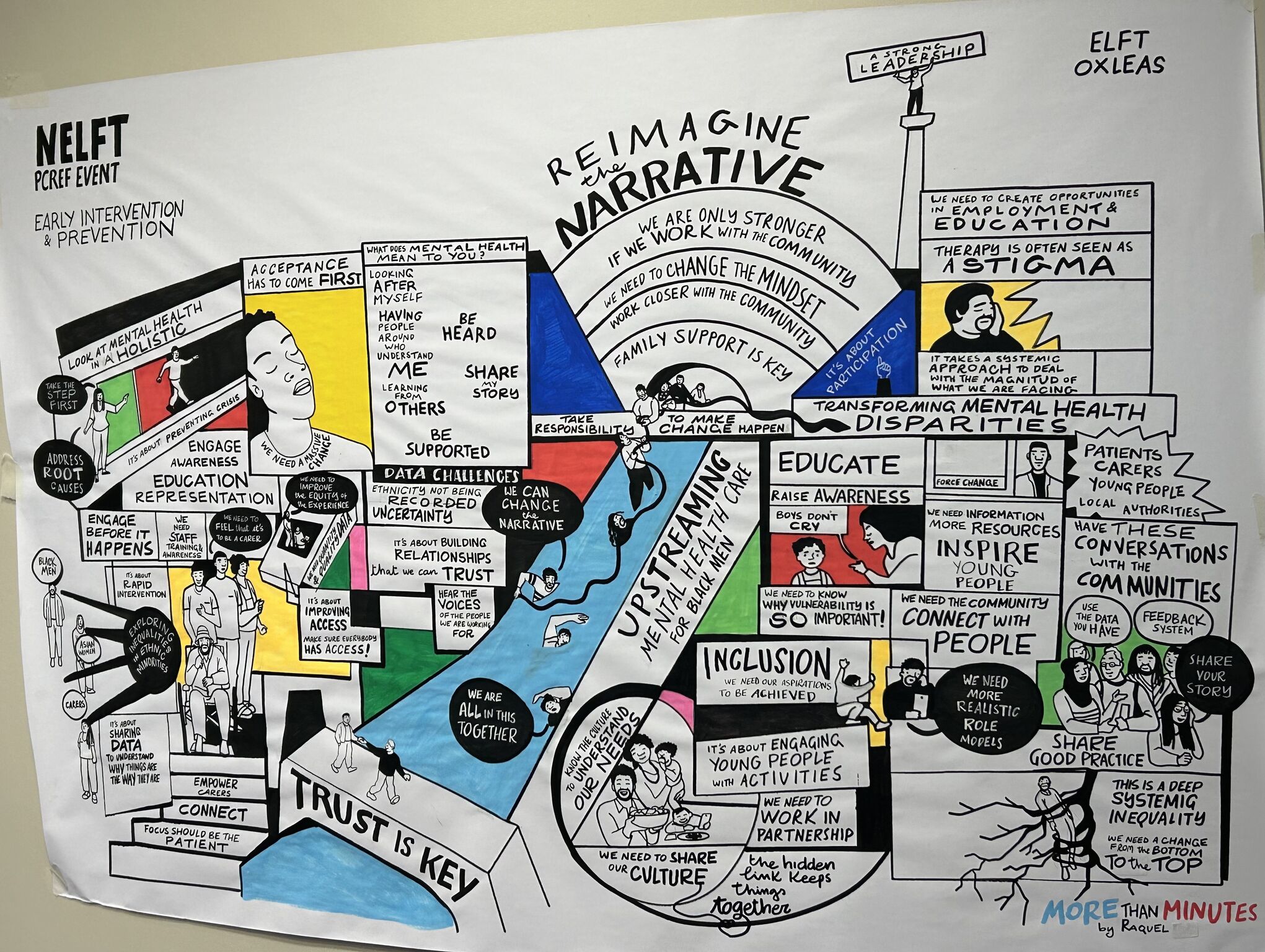
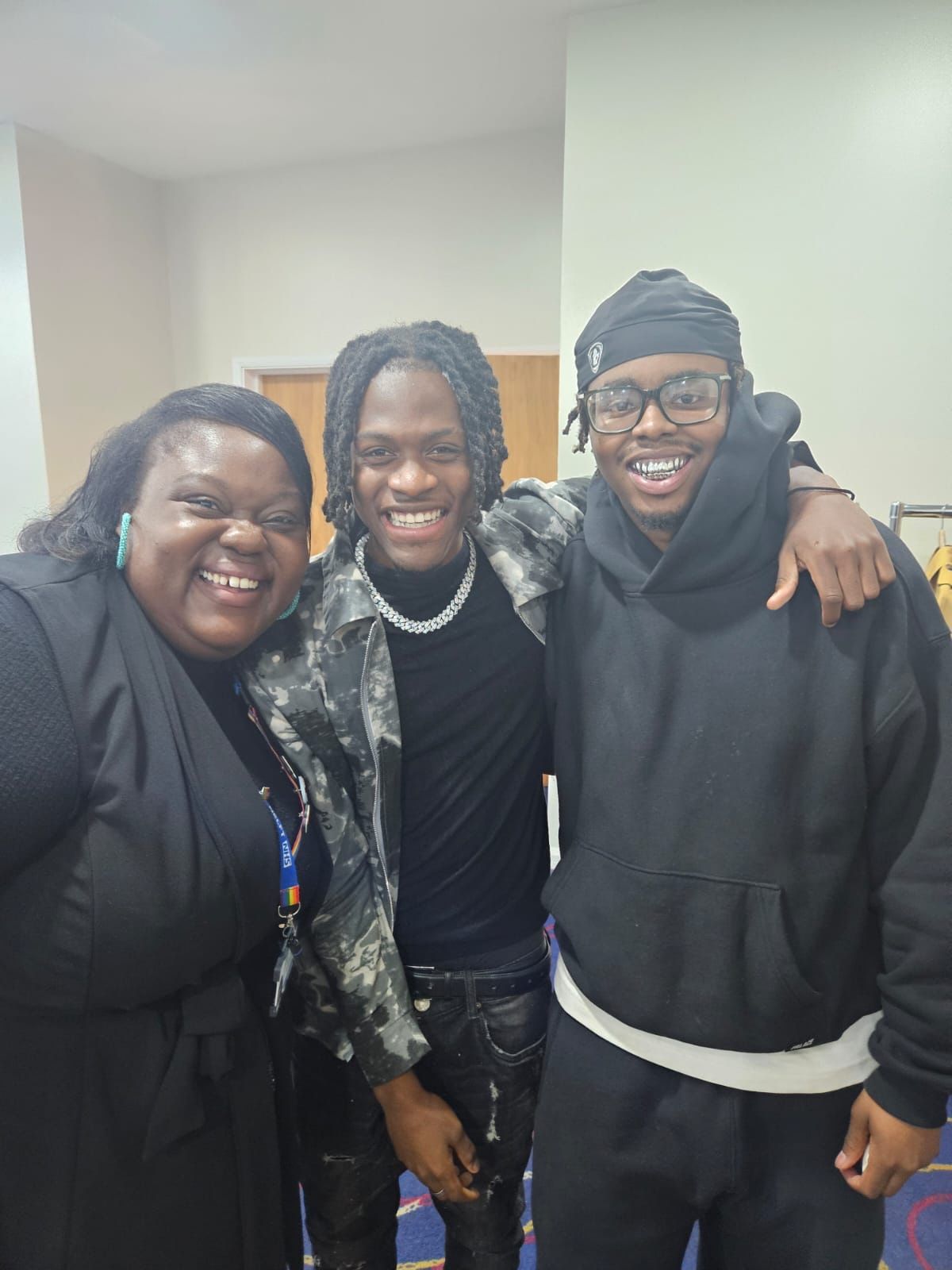
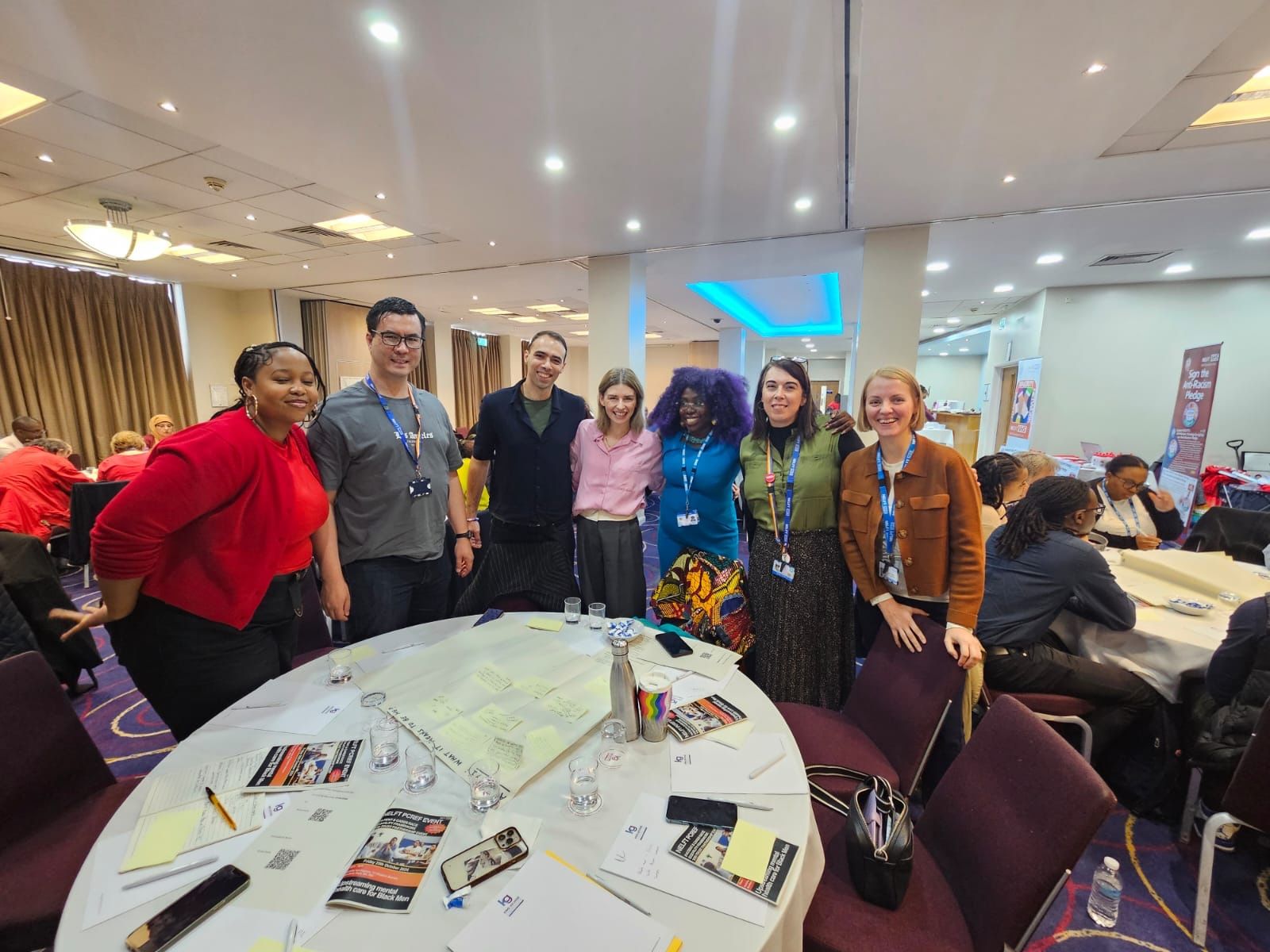
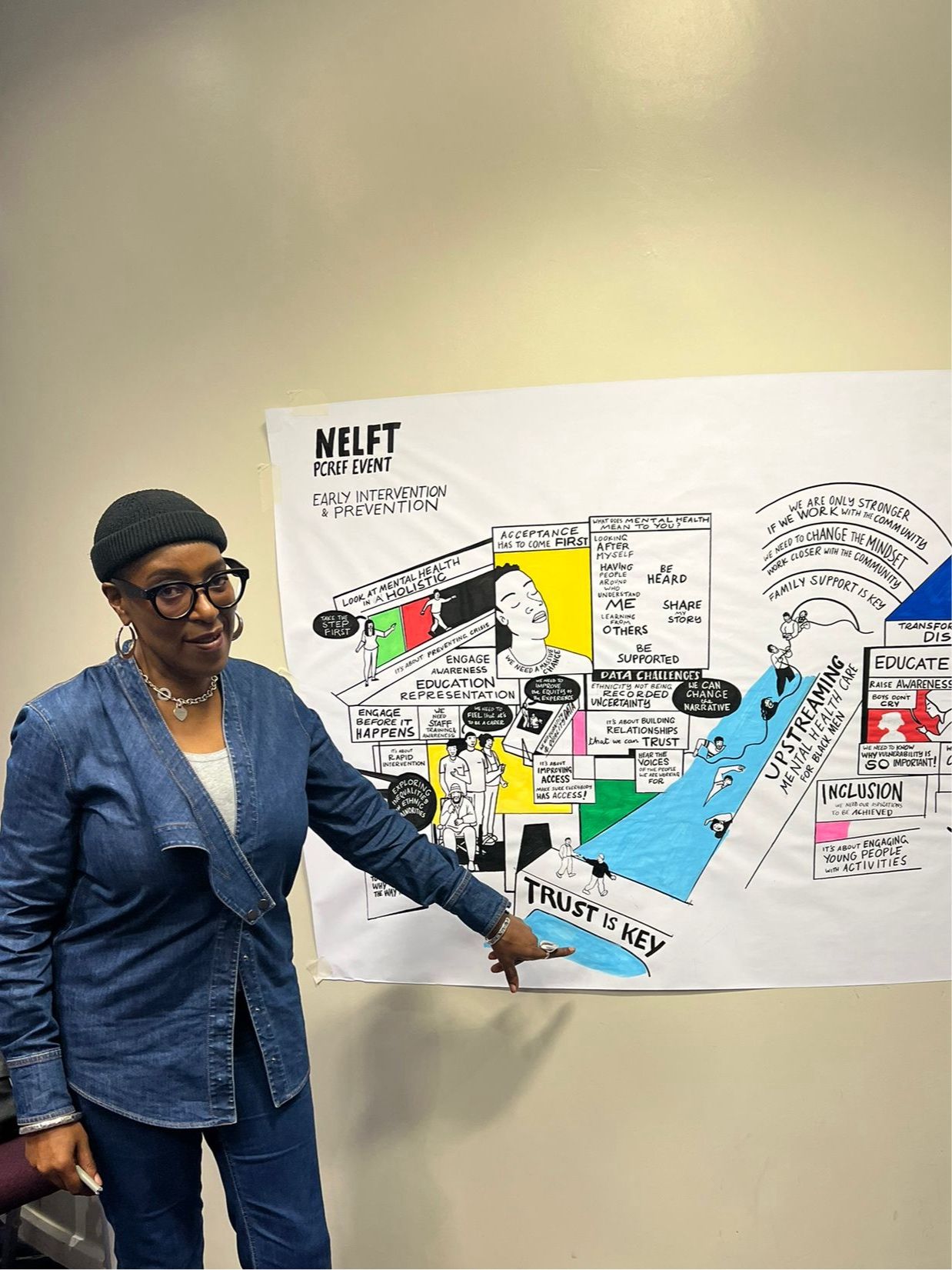
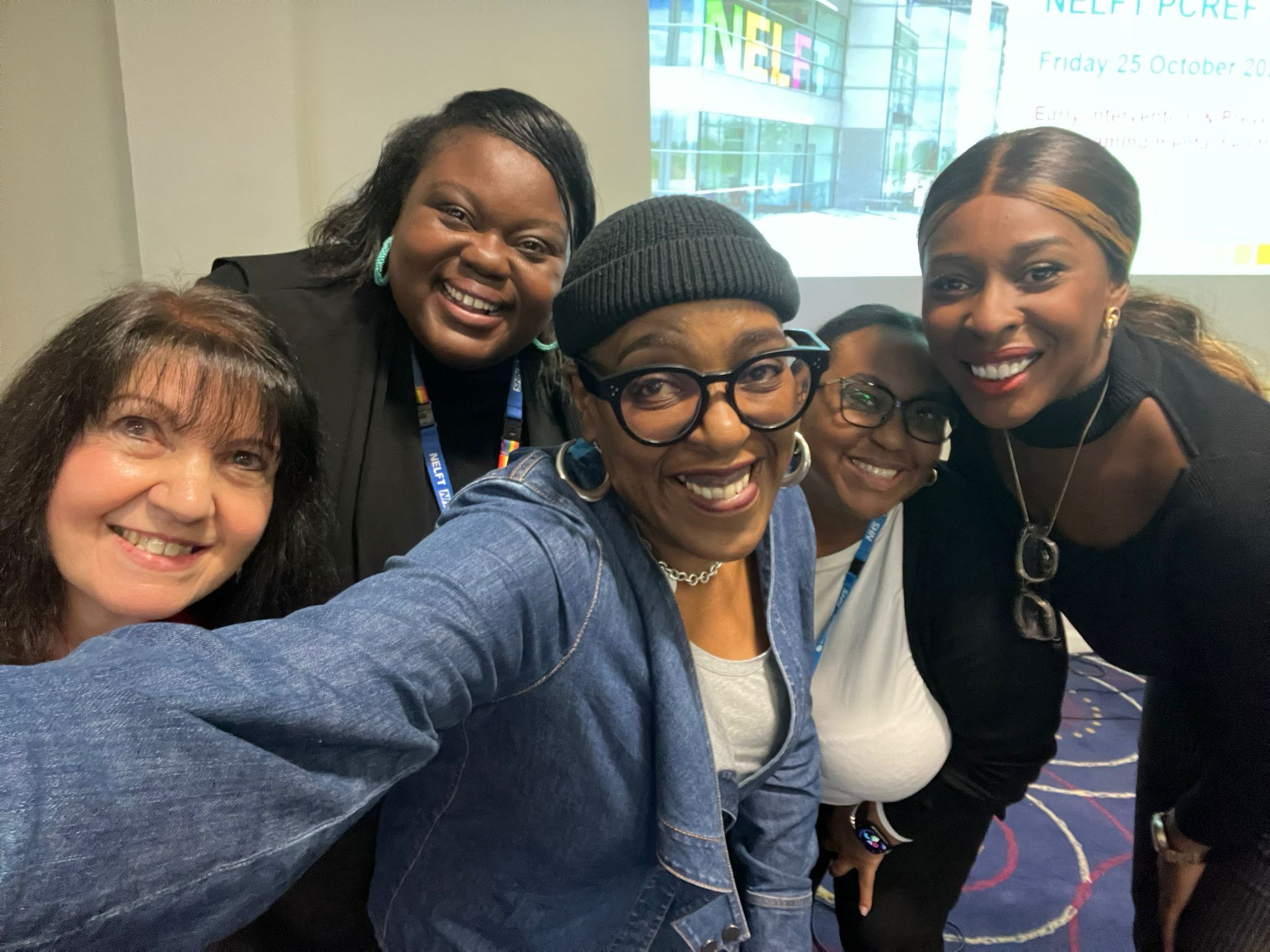
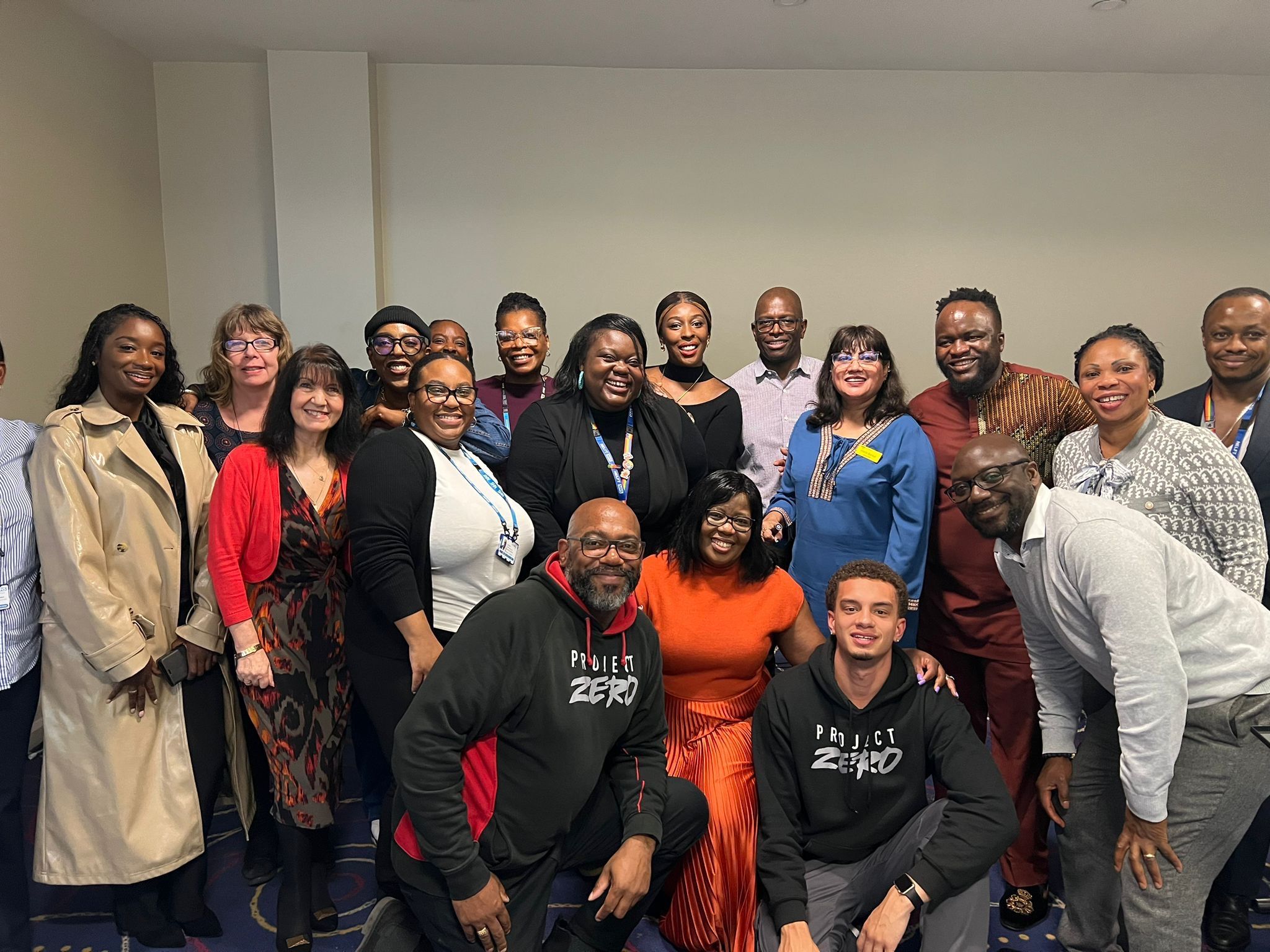
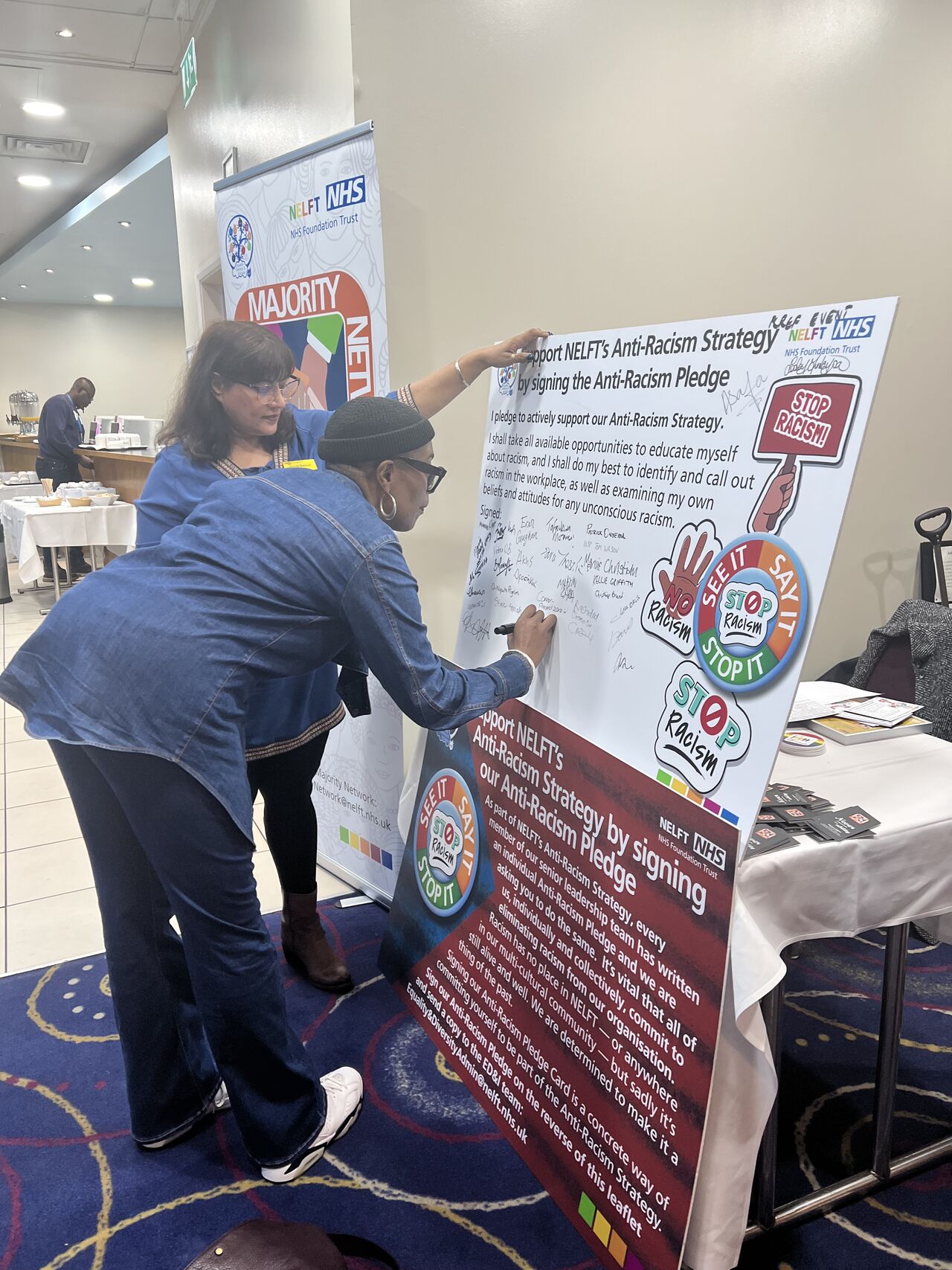
Matthew Mckenzie, the organizer of the mental health carers forum, introduced the event and its purpose. He mentioned that the forum is a platform for carers of minority groups to learn about new initiatives and updates from researchers and NHS trusts. Matthew also introduced Asia Zaman, the Transformation Project Manager for NELFT, who shared updates about the carer’s work stream and the upcoming launch of their carer strategy. Erica Deti, the PCREF Lead for NELFT, then discussed an event focused on upstreaming care and black men’s mental health. She highlighted the event’s success in engaging the community and the importance of incorporating creativity and cultural aspects into their work. Matthew also shared pictures from the event, which some can be seen below.
Anti-Racism Event and Carer Involvement
Matthew expressed his positive experience at the NELFT event focused on anti-racism, highlighting the multi-organizational nature of the event and the shared learning opportunities it provided. He also mentioned the launch of the Carers strategy, which he found interesting. Erica confirmed that they would be sharing the findings and learnings from the event with the group.
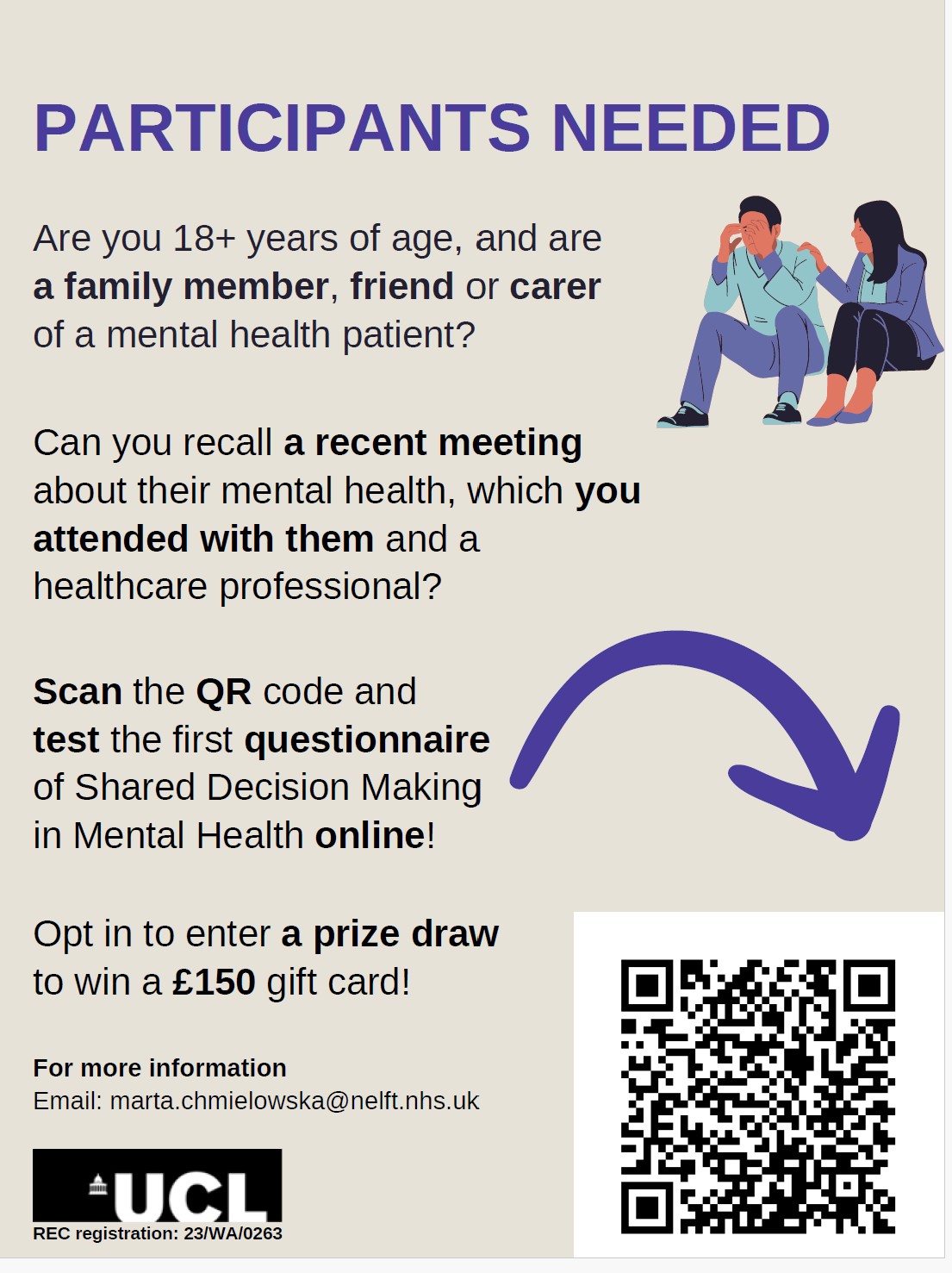
Marta Chmielowska at researcher at PhD Candidate in Clinical Psychology at UCL then presented her research project, which aimed to involve carers in the conversation about treatment and care in mental health services. She shared a questionnaire she developed and expressed her desire to promote it to encourage carers to participate
Marta’s Carer and Patient Project
Matthew opened the floor for any quick questions or comments for Marta, who had just presented on her project involving carers and patients. Matthew also mentioned that he would share the details of the project on his website. Marta then discussed her project, which involves a questionnaire for carers and patients to share their experiences. She mentioned that the project is online due to logistical reasons and that she has been in touch with various carer groups and charities.
For more details see poster below or email : m.chmielowska@ucl.ac.uk
Rethink Mental Illness Joins Impact Network
Ian and Ruqia from Rethink Mental Illness discussed the organization’s involvement in the Impact Network, a national organization focused on strengthening inclusion and anti-racist practice. The network, coordinated by the Universities of Birmingham and Sheffield, aims to put policy into practice and is action-oriented. The network meets four times over the next year and will decide on an action plan based on discussions and ideas. Ian and Ruqia encouraged interested individuals, including those with lived experience of severe mental illness and professionals in the mental health sector, to express their interest via email. They also mentioned that Rethink Mental Illness may have other opportunities in the future for those interested in their work.
CQC focus on Patient and Carer Race Equality Framework
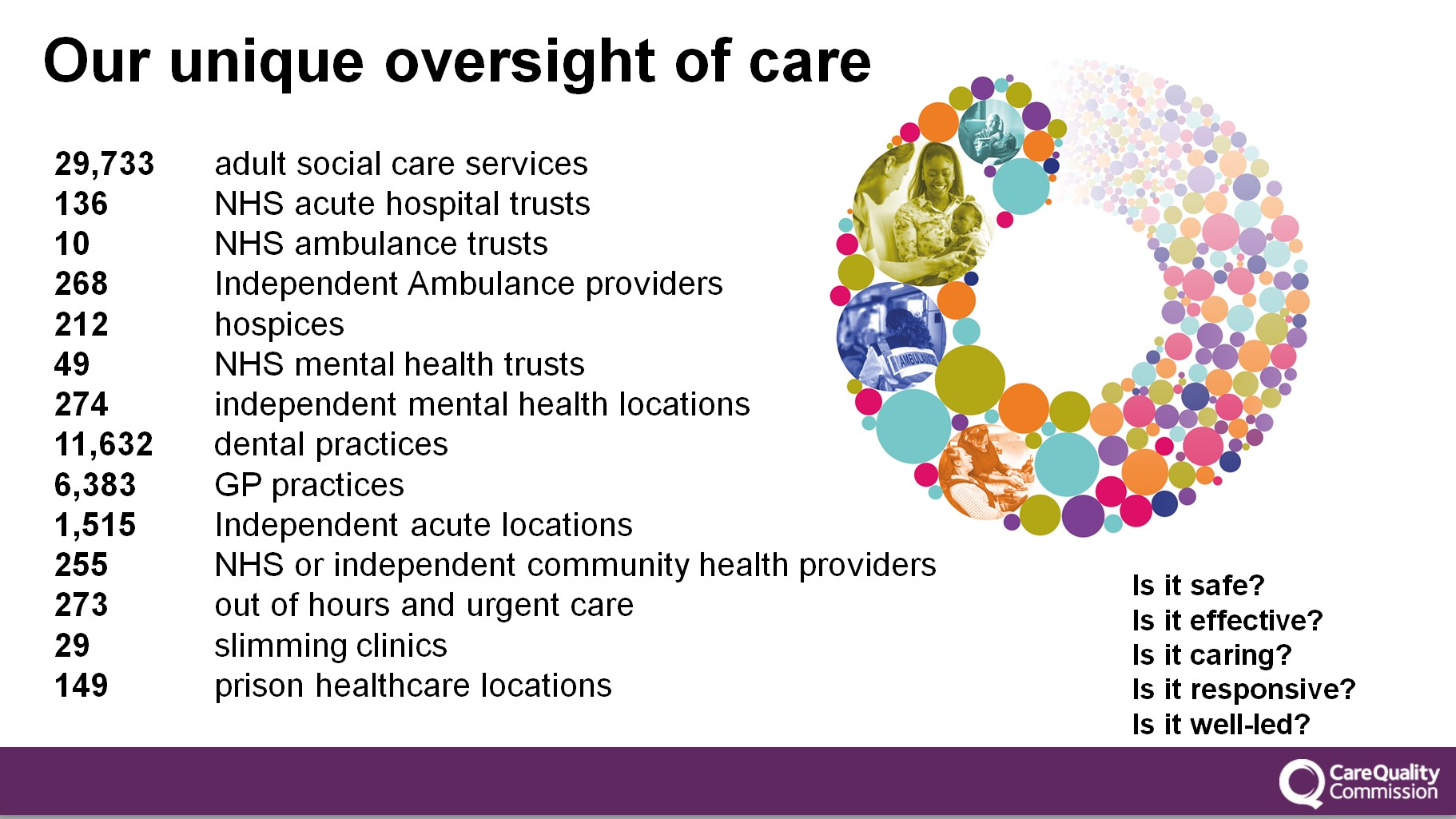
Ciara and Giovanna discussed the Patient and Carer Race Equality Framework, a project they’ve been involved in since its inception. Giovanna, a senior analyst at the Care Quality Commission, explained the CQC’s role as the independent regulator of health and adult social care in England, and their oversight of almost 30,000 adult social care services. They also touched on their upcoming work, including the integration and coordination of the framework with their existing projects.
Giovanna also mentioned the publication of their annual statutory report, the State of Care report, and the legislative duties imposed on providers to register with them. The conversation ended with a discussion on the mandatory nature of the framework for all mental health trusts and NHS-funded mental health services.
Incorporating PCREF Into Regulation
In the meeting, Ciara discussed the role of the CQC incorporating the Patient and Carer Race Equality Framework (PCREF) into their regulation. They have developed interim guidance and training, and plan to use PCREF to inform their next set of guidance. They also intend to update their learning and training to support a more detailed understanding of PCREF. Ciara also mentioned the importance of including the voices of carers from ethnic minority backgrounds in their engagement and co-design of the PCREF guidance and training. The organization itself is also committed to being an anti-racist organization and plans to engage with stakeholders to add value. They are currently collecting good examples of feedback and good practice from their inspectors and mental health reviewers, and from pilot trusts. They also plan to share these examples in their monitoring the Mental Health Act Report.
For those interested, here are reports the CQC kindly presented.
The CQC discussed the ongoing work on the mental health services data set, Version 7, which is expected to be implemented slightly later than planned to align with legislative changes. They emphasized the need for balance in managing changes to avoid disruption. A mental health trust representative asked about the new data set and review process, to which the CQC responded that they have had not heard about a new data set. A carer asked the CQC about the changes in CQC’s leadership and systems, to which the CQC confirmed significant changes and a new chief executive. Another carer asked for links to recent reports about CQC’s situation, which the CQC agreed to provide.
Representation and Board Member Experiences
Giovanna and Ciara discussed the importance of representation at their CQC board, particularly in terms of ethnicity and experiences using services. The CQC agreed to find out more about the personal backgrounds of their board members and the potential for a new board member with relevant experiences. The conversation also touched on the lack of representation of certain groups, such as clinical psychologists, in their organization. Matthew suggested that the CQC could engage with the group again in the new Year and possibly write a blog about minority mental health care.
Addressing Health Inequalities in England
Leila from The King’s Fund discussed a project focused on tackling health inequalities in England. The project, which has been ongoing since 2020, aims to identify key areas for action to be included in the anticipated 10-year health plan. Leila highlighted seven areas for action, including a cross-government strategy to address the root causes of inequality, a shift towards prevention, radically changing relationships between the NHS and communities, tackling systemic racism and discrimination, capacity building, focusing on the importance of place in this work, and prioritizing partnerships with voluntary community and social enterprise organizations.
Leila emphasized the importance of amplifying the voices of people who experience these inequalities and ensuring that these messages are heard and acted upon. The project’s findings are not new, but Leila stressed the need to continue raising awareness and advocating for change.
This concludes a short update of October’s National ethnic carers forum
Welcome back from another blog post by matthew McKenzie. In today’s blog post, we’ll delve into a significant yet often overlooked initiative in the mental health sector—the Patient Care Race Equality (PCREF) Framework. Introduced by the NHS, the PCREF Framework is a pioneering approach to addressing racial inequalities in mental health services.
I have made a video (unfortunately not so short) drawing from my lived of a carer and activist. In the video I explored the core goals, benefits, challenges, and the broader implications of this framework. The video is coming from a carers pespective.
Understanding the PCREF Framework
What is the PCREF Framework?
Basically, the Patient Care Race Equality (PCREF) Framework, developed by NHS England, aims to address racial disparities within the mental health system. Data shows that racial minorities are disproportionately affected by inequalities in mental health care. The PCREF Framework seeks to improve access, experience, and outcomes for racialized communities, pushing for modernization of the mental health act and the elimination of institutional racism.
Things need to change
Mental health services have long been riddled with systemic biases and inequalities. The Mental Health Act of 1983, has aged and requires significant updates to reflect equity in care. The PCREF Framework is a part of broader efforts to reform the mental health act and address the institutional racism that has led to difficult experiences and outcomes for patients from racialized communities.
Goals of the PCREF Framework
The primary goal of the PCREF Framework is to reduce racial disparities in mental health care. This includes:
Improving Access: Ensuring that racialized communities have equitable access to mental health services.
Enhancing Experience: Improving the overall experience of patients from these communities within the healthcare system.
Better Outcomes: Aiming for equitable health outcomes by addressing systemic biases and inequalities.
Benefits of the PCREF Framework
Targeting Inequalities
The Framework is designed to specifically target racial inequalities in mental health outcomes. For instance, racialized communities often face higher rates of severe treatments such as restraint or use of strong medications that inhibit functionality without offering therapeutic benefits. By targeting these disparities, the PCREF Framework aims to provide more equitable forms of treatment.
Improving Experiences
Another significant benefit is the enhancement of patient experiences. Historically, racialized patients have reported poorer experiences within the mental health system. By acknowledging and addressing institutional biases, the Framework seeks to transform these experiences positively.
Promoting Institutional Reform
The PCREF Framework advocates for institutional reforms to dismantle systemic barriers faced by racialized communities. This includes educating mental health professionals on cultural competencies and biases, and promoting anti-racist and anti-oppressive practices.
Enhancing Community Involvement
One of the standout features of the PCREF Framework is its focus on involving patients and carers in the decision-making process. Engaging with the communities directly affected by mental health services ensures that their voices are heard and considered in policy development and implementation.
Challenges of the PCREF Framework
As addressed in the video, there are challenges, which are listed below.
Lack of Resources and Funding
One of the most significant challenges facing the PCREF Framework is the lack of resources and funding. The NHS is already stretched thin and requires substantial investment to ensure the long-term success of this initiative. Historically, previous racial equality initiatives have failed due to insufficient financial support, and there is a risk that the PCREF Framework could face the same fate.
Risk of PCREF Being Sidelined
The PCREF Framework requires a considerable amount of commitment and resources. There is a real risk that it could be sidelined if the requisite financial and human resources are not made available. The initiative demands a comprehensive approach involving medical professionals, community workers, and continuous community engagement.
Consistent Implementation
Inconsistent implementation across different regions is another significant challenge. The success of the PCREF Framework heavily depends on effective leadership and engagement at all levels. If some NHS Trusts are more committed than others, the disparities that the framework aims to address could inadvertently be exacerbated.
Cultural Shift within the NHS takes time
The cultural shift required to fully implement the PCREF Framework is considerable. Such a shift is often slow and can be met with resistance. While the framework provides a structure for reducing racial inequalities, changing long-standing biases and practices within the NHS will require time and sustained effort.
Staff Training
To effectively implement the PCREF Framework, staff need to be adequately trained in anti-racist practices (This training should involve patients and carers) . However, current constraints such as lack of time, staff, and resources can make this a daunting task. Without proper training, the framework risks being ineffective.
Risk of Becoming a Tick-Box Exercise
One of the most critical challenges is the risk of the framework becoming a mere “tick-box” exercise. If the framework is not implemented in the spirit it was intended, it could fail to bring about meaningful change. Robust monitoring and evaluation mechanisms are essential to ensure that the framework is genuinely making a difference.
Moving Forward: Steps to Take
Community Engagement
Continuous community engagement is crucial. Mental health trusts should run engagement events and stakeholder groups to reach out to marginalized communities, understand their concerns, and incorporate their feedback into service delivery.
Tracking Progress
Regular tracking of progress and measuring the impact of the framework is vital. This involves collecting and analyzing data to assess whether racial disparities are being truly reduced. Transparency in sharing this data will help build trust and ensure accountability.
Leadership
Strong leadership is fundamental to the success of the PCREF Framework. Leaders within mental health trusts must be committed to the initiative and work towards fostering a culture of inclusivity and equity.
Education and Training
Ongoing education and training for staff on cultural competencies and anti-racist practices will help in addressing biases and promoting equitable care. As a reminder this should involve patients and carers in training programs to provide real-world perspectives and insights.
Policy Development
Ensuring that the voices of marginalized communities are heard and represented in policy development is essential. Mental health organizations must prioritize inclusivity in their policy-making processes to reflect the diverse needs of the populations they serve. The problem is things can be rushed to meet targets.
Conclusion
As I have mentioned in my video, Patient Care Race Equality (PCREF) Framework represents a significant step forward in addressing racial inequalities within the mental health system. While the benefits of this initiative are substantial, the challenges it faces are equally significant. Overcoming these challenges requires a effort from all stakeholders involved, including mental health professionals, community leaders, patients, and carers.
By fostering a culture of inclusivity, investing in resources, engaging with communities, and continually tracking progress, the PCREF Framework has the potential to bring about meaningful and lasting change. It is an ongoing journey, but with sustained commitment and collaborative effort, we can build a more equitable mental health system for all.
Welcome back to another blog post by carer activist Matthew McKenzie. Since I run an ethnic carer group, I wanted to promote Black History Month. Black History Month is celebrated in both America and UK, although the UK promotes Black History month in October.
There are 2 themes for Black History month one being “African Americans and the Arts”, the other being “Reclaiming Narratives”. I decided to go for the first theme, but did a mention on how the UK celebrates Black History Month.
Here are the highlights of my video.
🎨 Black History Month 2024’s theme is “African-Americans and the Arts.”
🌍 Celebrates the impact of African and Caribbean heritage in British history.
🏛️ Encourages exploration of Britain’s colonial past and migration.
🎶 Highlights the influence of black Americans on music, especially jazz.
📚 Black History Month aims to educate about interconnected histories of Britain, Africa, and the Caribbean.
🏢 Calls for action from governments and institutions to embrace diversity.
🤝 Stresses that these stories are part of everyone’s history, not just black history.
If you are interested to watch my video please via the view below.
Thanks for dropping by my carer blog site. For those interested I am doing a Black History Month event with Carers UK. This will take place October 16th at 4 pm via zoom
Welcome to an update of my ethnic carer group. The group focuses discussions, updates and presentations regarding those who care for someone living with mental illness. The group has become national a while back due to supporting “Carers Trust” triangle of care and the new NHS England Patient Carer Race Equality Framework.
Here is a brief update of my national ethnic carer forum.
Quick recap
Linda From West London Health NHS Trust discussed PCREF updates, focusing on supporting patient care and amplifying the voice of service users, communities, and carers. We also was joined by DR Eula Miller a senior lecturer at Manchester Metropolitan University. She shared her two-year project exploring the experiences of minority families accessing and engaging with mental health services, and her work in engaging with black churches in the Greater Manchester area to address mental health issues and myths.
Lastly we were joined by Deepa presented a report on the work done from Healthwatch Greenwich, highlighting the need for culturally sensitive approaches to support carers from ethnic minority backgrounds and developing culturally relevant resources.
West London Trust Collaboration and Feedback
Linda discussed her work with the West London Trust, focusing on supporting patient care and amplifying the voice of service users, communities, and carers. She mentioned that they have been working together since February or March and have conducted several listening events. Linda also discussed the progress of the patient and carer race equality framework, emphasizing the need for better communication and feedback loops. She encouraged participants to share their thoughts or questions and proposed a separate meeting for those who wanted to be updated in detail. Linda agreed to work on improving the communication of updates and developments. Other members expressed enthusiasm for a recent presentation, describing it as “very, very, very riveting,” and requested a simplified version of Linda’s PowerPoint presentation.
South London NHS Trust Advisory Group Discussion
A carer member of the group expressed interest in the work of the South London and Maudsley NHS Trust’s Equality, Diversity, and Inclusion Advisory Group and requested Linda’s contact details for further conversation. Linda agreed to share her contact details and promised to have a separate conversation with the carer. As Chair of the forum, I then introduced an attendee from Oxford Health NHS trust who had missed the beginning of Linda’s presentation. I mentioned that I would send off any slides or handouts from the meeting for members to digest. The meeting then proceeded to the next speaker, Dr. Eula Miller, who discussed her interest in mental health care and her role as a nurse educator. Eula also mentioned her goal of influencing future practitioners to better engage with carers in the community.
Exploring Mental Health Service Experiences and Themes
Dr Eula discussed her two-year project exploring the experiences of families accessing and engaging with mental health services. The project involved individual conversations and focus groups, and was particularly relevant during the Covid-19 pandemic. The themes that emerged from the project were categorized into four areas: “If only someone had listened,” “Not knowing,” “Drowning in misunderstanding,” and “What can we do differently.” Dr Eula highlighted the consequences of not being heard, such as loved ones being admitted in crisis situations, and the impact on carers’ health and trust in services. She also noted the participants’ proactive response, forming a self-help group to share knowledge and support each other. Eula’s presentation was well-received, with several attendees expressing interest in her research and seeking further information.
Dr Eula shared her work in engaging with black churches in the Greater Manchester area to address mental health issues and myths. She has been visiting churches, providing information, and linking them to mental health workers. Eula also mentioned her work in educating future nurses on how to assess mental health issues. She offered to share her full report with attendees. I thanked Eula for her work and encouraged others to ask questions. A member from Integrated Care Board expressed interest in reading the full report and potentially replicating Eula’s work in Greenwich.
I also asked Shenade a Wandsworth Carers centre representative about her experiences with minority carers and mental health services. Shenade shared her experiences with the Bridging the Mind Project, highlighting the need for culturally appropriate information and support. A carer attendee of the group praised Eula’s presentation and emphasized the importance of collaboration and information sharing in providing effective care.
Building Cultural Sensitivities and Community Engagement
A carer attendee expressed her appreciation for Eula’s presentation and acknowledged its relevance to her upcoming work. Another attendee shared her experiences with strengthening cultural sensitivities and the importance of reaching out to diverse communities. She suggested using peer ambassadors and faith leaders to build trust and facilitate communication. Eula agreed, emphasizing the need for collaboration and understanding among different groups. Another professional shared a personal experience of a patient being misjudged due to her religious practices, highlighting the need for education and understanding among staff. The group agreed on the importance of educating staff and engaging with diverse communities to promote fairness and understanding.
Addressing Mental Health Challenges in Minority Carers
Matthew McKenzie then asked and Deepa from HealthWatch Greenwich to discuss the challenges faced by minority carers struggling with mental health issues. Deepa shared her team’s research findings, highlighting the need for culturally sensitive approaches to support carers from ethnic minority backgrounds. She noted the evolving role of carers, the challenges they face, and the importance of clear information about their rights and entitlements. Deepa concluded by presenting recommendations for improving support services for black and ethnic minority carers in Greenwich, including a comprehensive review of existing services, enhancing community engagement, and developing culturally relevant resources.
This concludes my update of the National ethnic mental health carer forum. See you next month. Please video my carer awareness video regarding minority carers.