Category Archives: Psychiatry

Reviews, research and updates from the field of Psychiatry

Why World Mental Health Day 2024 Matters: Advocacy and Awareness

Welcome to another blog post from carer activist Matthew McKenzie for World Mental Health Day 2024.
Raising Awareness for Mental Health: The Significance of World Mental Health Day 2024

On October 10th, the world comes together to observe World Mental Health Day, a day dedicated to raising awareness around mental health issues and mobilizing efforts in support of mental well-being. Established by the World Federation for Mental Health in 1992, this day serves as a crucial reminder for governments, organizations, professionals, and individuals to advocate for mental health awareness and promote positive mental health practices.

The Importance of Raising Awareness

World Mental Health Day shines a global spotlight on mental health issues, encouraging open and honest conversations about mental health. Breaking down the stigma surrounding mental illness is a key aspect of this day. When mental health is discussed openly, it becomes easier for people to seek help and support. This not only includes individuals struggling with mental health conditions themselves but also those who care for someone facing these challenges.

Advocacy for Mental Health Care

A fundamental focus of World Mental Health Day 2024 is advocacy for mental health care. This year’s theme, “Mental Health at Work,” highlights the importance of access to quality mental health care for everyone, regardless of their location or financial situation. Ensuring that everyone has the opportunity to get the help they need, even in the workplace, is a critical message being communicated globally.

Educational Initiatives

Education plays a massive role in World Mental Health Day. Many organizations use this opportunity to host events, discussions, and seminars aimed at educating the public about mental health issues, their symptoms, available treatments, and the importance of having a solid support network. Knowledge truly is power, and understanding mental health can significantly improve how we support ourselves and others in our communities.

The 2024 Theme: Mental Health at Work

The theme for World Mental Health Day 2024, “Mental Health at Work,” emphasizes the need for safe and healthy working environments that protect our mental health. This powerful message reinforces the notion that mental health care should be available to everyone and that no one should face barriers to access due to stigma, geography, or financial constraints.

Key Messages to Take Away

From World Mental Health Day 2024, there are several essential messages we should embrace:

  1. Mental health is just as important as physical health.
  2. Openly discussing mental health can reduce stigma.
  3. Seeking help for mental health concerns is okay.
  4. Mental health services should be accessible to everyone, including services at the workplace.

Community and Organizational Activities

Around the world, communities and organizations celebrate this day in various ways. Hosting events, running campaigns, and participating in activities such as mindfulness workshops, mental health seminars, and workplace initiatives aimed at supporting mental wellness are some approaches taken to mark the occasion. These activities not only raise awareness but also foster a supportive community environment.

Moving Forward: Making a Positive Change

World Mental Health Day 2024 is not just a day on the calendar but an opportunity to create lasting positive changes. By continuing the conversation about mental health, advocating for accessible mental health care, educating ourselves and others, and supporting workplace mental health initiatives, we can help ensure that mental health matters.

In conclusion, as we observe World Mental Health Day, let us commit to making mental health a priority in our lives and communities. By doing so, we honor the fundamental principles of this day and contribute to a world where mental health is recognized, understood, and supported.
Thank you for reading. Remember to take care of yourselves and each other. To watch the video version see the video below.
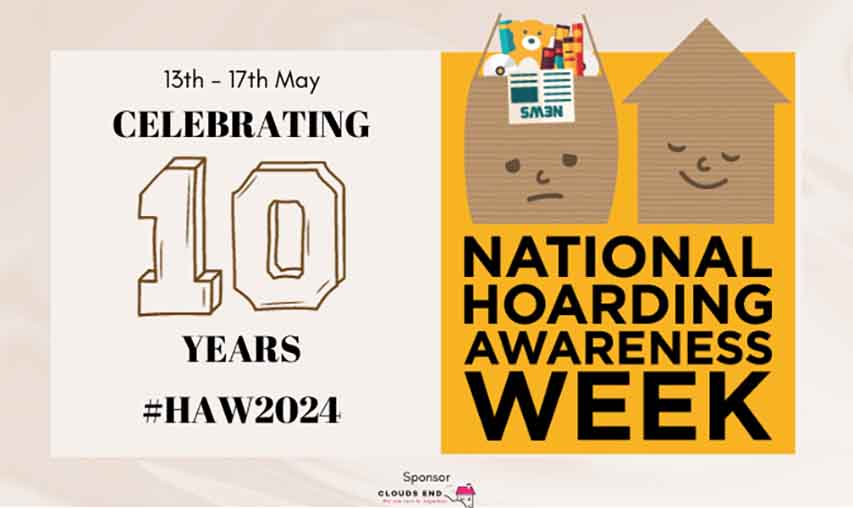
National Hoarding Awareness Week 2024 – Of all the things launch.

Did you know that national hoarding awareness week is fast approaching? The awareness week starts on Monday 13th of May, which is the same day mental health awareness week starts.

The awareness week started in 2014 and has grown each year. So the theme for this year is called “Then and Now”, which is centred around looking back at how much has changed throughout the last decade

Hoarding is a recognised mental health diagnosis. It is the excessive collection and retention of any material to the point that living space is sufficiently cluttered to preclude activities for what they are designed for.

Those who care for someone hoarding often go through forms of mental health stigma, which can often set difficult challenges in their relationship with the person hoarding.

Hoarding disorders are challenging to treat because many people who hoard frequently do not see it as a problem, or have little awareness of how it’s affecting their life or the lives of others. This can lead to families and friends struggling to maintain a relationship with the person who has the disorder.

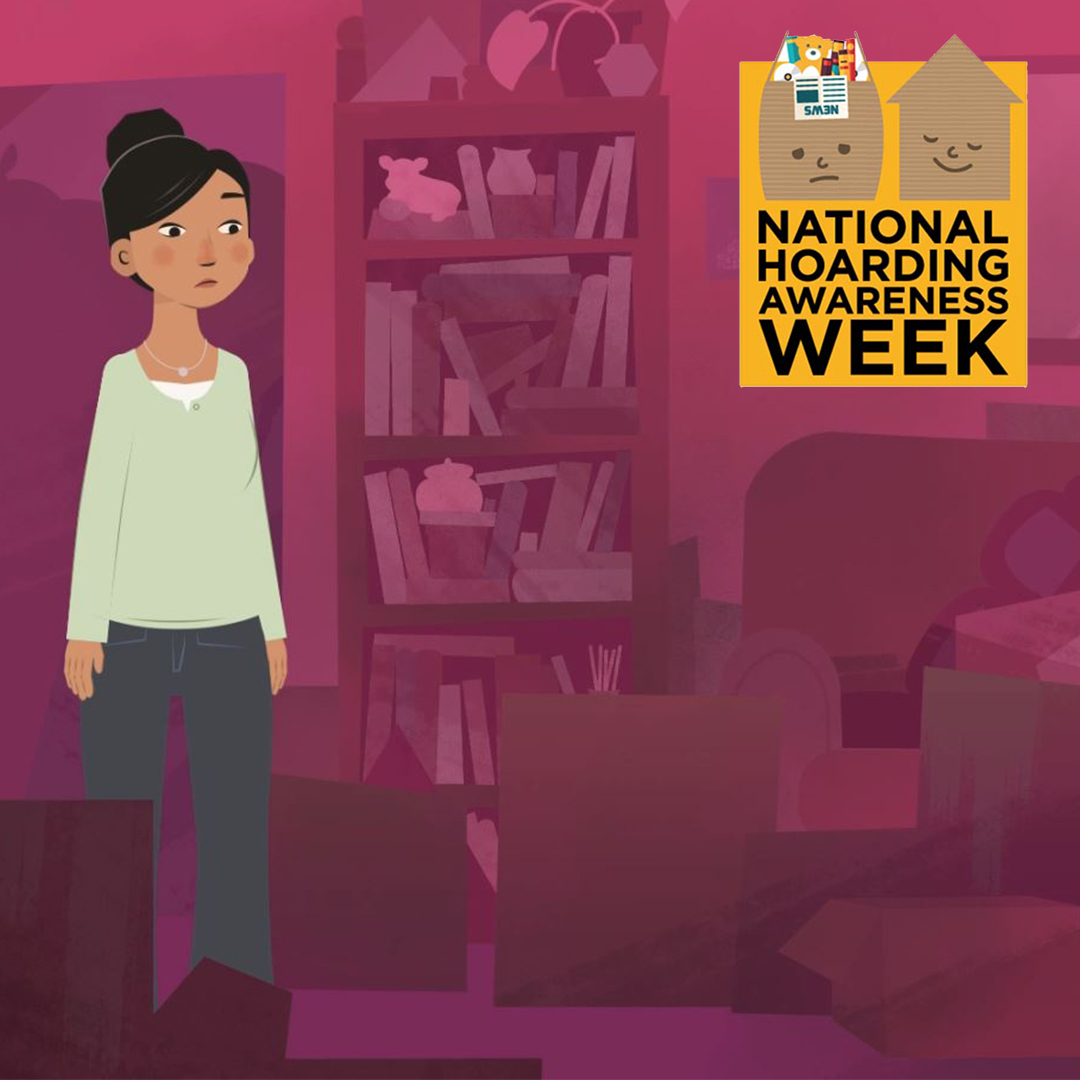
There is much needed awareness for hoarding, so it is just by chance that a Leicester Animation Studio has launched Campaign for Animated Short Film Shedding Light on Hoarding Disorder.

Supported by the British Film Institute (BFI) NETWORK, the film will visually explore real human emotions within the context of Hoarding Disorder focusing on the relationship between a mother and her daughter.

Though the BFI NETWORK supported by the National Lottery is behind the project, Kino Bino are seeking pledges to complete the production. Their crowdfunding campaign is backed by national hoarding organisations such as Hoarding Disorder UKClouds End, and Hoarding Support, with Leicestershire Fire Service, academic experts, and organisations like the British Psychological SocietyAge UK, and the APDO rallying behind this worthwhile film.

Don’t miss your chance to make a difference. Support the crowdfund here: https://greenlit.com/project/of-all-the-things

I would be very interested to see how things develop on the inclusion of families and carers of those who hoard at a later date.

Supporting service users after exposure to coercive practice on mental health wards

Researcher Lewys Beames who is a PhD Student at the Institute of Psychiatry, Psychology & Neuroscience, King’s College London, is undertaking a research project looking at improving experiences for mental health service users on psychiatric inpatient wards.

Below is an invitation to a focus group for informal/ unpaid carers with experience of inpatient mental healthcare to discuss how service users should be supported after experiencing coercive practice.

They would particularly welcome:

  • People who also have experience of coercive practices such as, involuntary admission, physical restraint or forced medications,
  • and people from Black and racially minoritised groups and communities who we know are more often exposed to coercive practices in mental health services.

Some examples of the areas and topics the interview will cover are:

· Perspectives on possible different types of support that could be offered.
· Views on how this support should be delivered.
· Perspectives on how to use the current and developing research evidence to develop a support intervention for service users.

When will the focus group happen?

Service User Focus Group – 3rd May 2024, 10:00 – 12:00
Informal Carer Focus Group – 14th May 2024, 12:00 – 14:00

Interested in taking part?

Please get in touch with via the contact details below:

Email: lewys.beames@kcl.ac.uk

Text/ WhatsApp: 07876 875 892

Engaging people with severe mental illness with health research in Kent’

Researchers from the Centre for Health Service Studies at the University of Kent are working on a new project. They are currently working on a project around ‘Engaging people with severe mental illness with health research in Kent’. The goal of the project is to understand the experiences (if any) that people with a mental illness have with health research in Kent.

They hope to engage with people with mental illness and/or their carers, significant others, key stakeholders or those who have experience working with people severe mental illness. Researchers will collect information through interviews and focus groups in order to understand the ways of enhancing involvement and participation of those with a mental illness in health research.

If you are a carer of someone who has serious mental ill health, you can contact engagementalhealth@kent.ac.uk for more details.

Supporting service users and carers after exposure to coercive practice

Hello Carers. There is a new research opportunity for carers of those using mental health services. The project is being carried out by Lewys Beames, PhD Student from Kings College London. Lewys will also be attending my ethnic mental health carers forum, which is many of the groups I run voluntary to give carers a platform for engagement and updates.

The project focuses on people who access mental health services will receive care and treatment for a time in a hospital ward or inpatient setting. In these settings service users are sometimes subject to practices which may be experienced as forceful or restrictive, such as physical restraint (being physical held by trained mental health staff) or being forced to take medication. These types of practices are commonly and collectively referred to as coercive practices.

We know that service users and carers can find experience of coercive practices distressing.

The purpose of this project is to ask about and understand the views of mental health services users, informal carers and inpatient mental health staff on coercive practices and ideas of how to improve experiences for service users and informal carers where coercive practice has occurred during a psychiatric inpatient admission.

As informal or unpaid carers, this is your chance to give feedback.

For more information, you can contact

Lewys Beames, PhD Student
Department of Psychology, Institute of Psychiatry, Psychology & Neuroscience,
King’s College London
Email: lewys.beames@kcl.ac.uk
Telephone: 07876875892

Mental healthcare and coercive practices

Another blog post from carer activist Matthew McKenzie. New research over from Kings are looking for service users, carers and inpatient mental health staff members with experience of coercive practices such as restraint in inpatient mental health settings.

If you are interested to give your views, please contact

Lewys Beames
PhD Student
Department of Psychology
Institute of Psychiatry, Psychology & Neuroscience
King’s College London
Email: lewys.beames@kcl.ac.uk

Targeting Aggression in caReGiving rElaTionships (TARGET)

Another blog from carer activist Matthew McKenzie highlighting an opportunity of joining a research project at Kings College London.

What is the purpose of the project?

Many people with a severe mental illness (SMI) may live with or be supported by a close
relative or friend, whom can often be referred to as informal carers.

We know that caring for a relative with lived experience of SMI is an important and valued role that can be associated with many rewarding and positive experiences. We also know, however, that it can be associated with different challenges for which some can include exposure to aggression from their relative.

The purpose of the project is to trial a new group training programme for informal carers who have had times in their relationship when they have been exposed to aggression from the person they care for with SMI.

The researcher is inviting informal carers in SMI who have been exposed to aggression in their caregiving relationship, from the person they provide care for.

If you are happy to take part and the research team have answered any questions you
have, you will be given an information sheet to keep and asked to sign a consent form.

Here is a brief outline of what you can expect from the group training:

  • An opportunity to meet other carers with similar experiences
  • Understanding of severe mental illness
  • Discussing communication skills
  • Discussing problem-solving and de-escalation skills
  • Discussing of strategies to promote positive wellbeing, support, and safety
  • Discussing of helpful resources and strategies to access support

If you have any questions or require more information about this study, please contact the researcher using the following contact details:

Lee Zi Min Beatrice, Clinical Psychologist in Training, ASB,
Institute of Psychiatry,
4 Windsor Walk, London, SE5 8AZ

Email: beatrice.lee@kcl.ac.uk

Empowering my carer experience to help in training

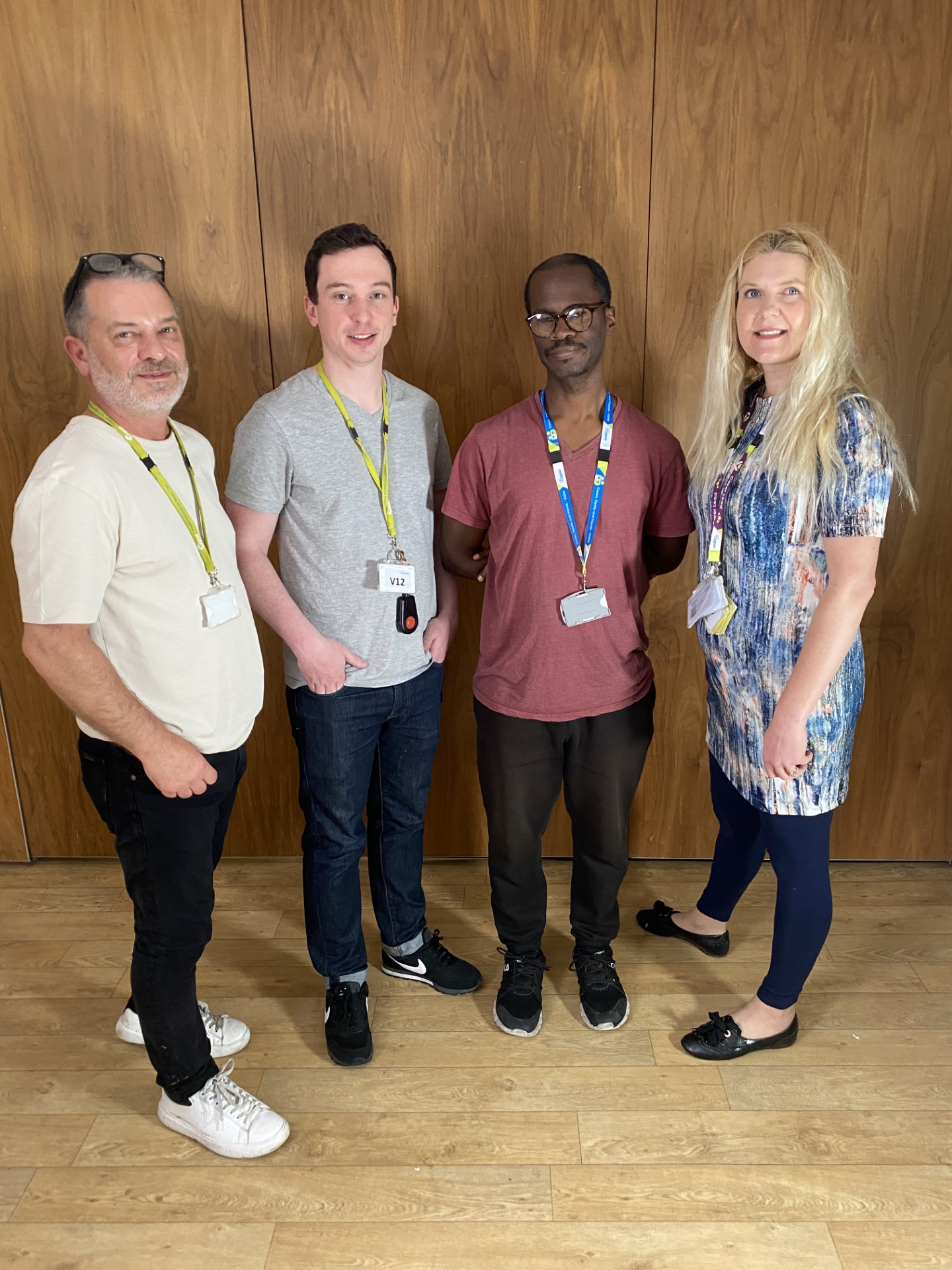
As you might already know from my previous blogs. I am now a carer ambassador for Cygnet group. Cygnet is a leading provider of mental health, autism and learning disability services. As a carer I often use my knowledge and experience to provide insight and training over the years.

Some professionals might frown as to why service users and carers might wish to help train staff, but the voice of lived experience should not be ignored. There are many reasons why professionals should include users of services in training staff.

We should note that carers also use services as they seek carer support groups, information about services and sometimes counselling.

  1. We use their services, although professionals are experts for a reason, they spend years training for their profession. They know far more about their field than I would acknowledge, but there is a big difference. Professionals provide a service and we use that service, if those services second guess what we require then this leaves room for errors. To make matters challenging, services do change from time to time and it is so important carers and service users feedback on their experiences.
  2. We all need to work together. In the time of ever deminishing resources, it is a waste of time that patient, professional and carer battle each other to be heard. In the long run, we all wish for health and wellbeing for all of us. Working together means learning from each other.
  3. Professionals can and will make mistakes, so include the voice of lived experience can show professionals are willing to learn from mistakes. These mistakes can come from second guessing what users might require, being pressured in their role or just not paying attention.

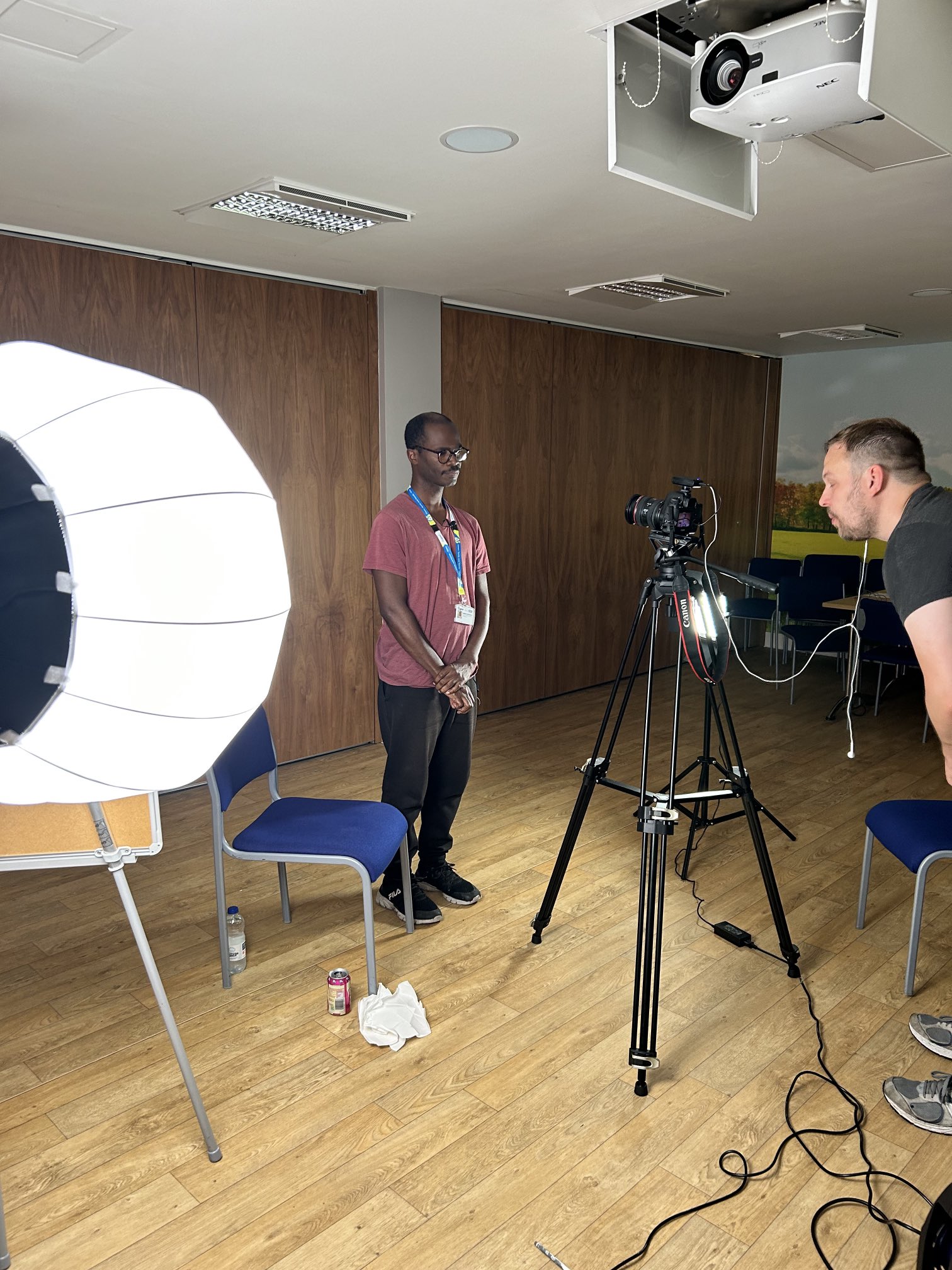
There are many more reasons why lived experience should be empowered to help train professionals. So when Cygnet group offered a chance to film my thoughts about carer experience, I jumped at the chance.

The film will be used as an online resource to all staff as I gave my views on the importance of unpaid carers, lived experience and carer advocacy.

I value an organisation that helps provide the voice of patient and care voices.

Those voices help shape how services can be provided and this should be the future of healthcare were we work as a team.

Focus Group Recruitment- African-Caribbean older adults

Depression is up to 60% higher in people from ethnic minorities than white people. There is also variation in the healthcare management of mental health conditions according to an individual’s ethnic background. The extent to which variation in access to treatment options for mental health conditions impacts on quality of life is not well understood. Therefore, the aim of the focus group is to explore the perspectives of Afro-Caribbean people with a mental health diagnosis on access and delivery of care.

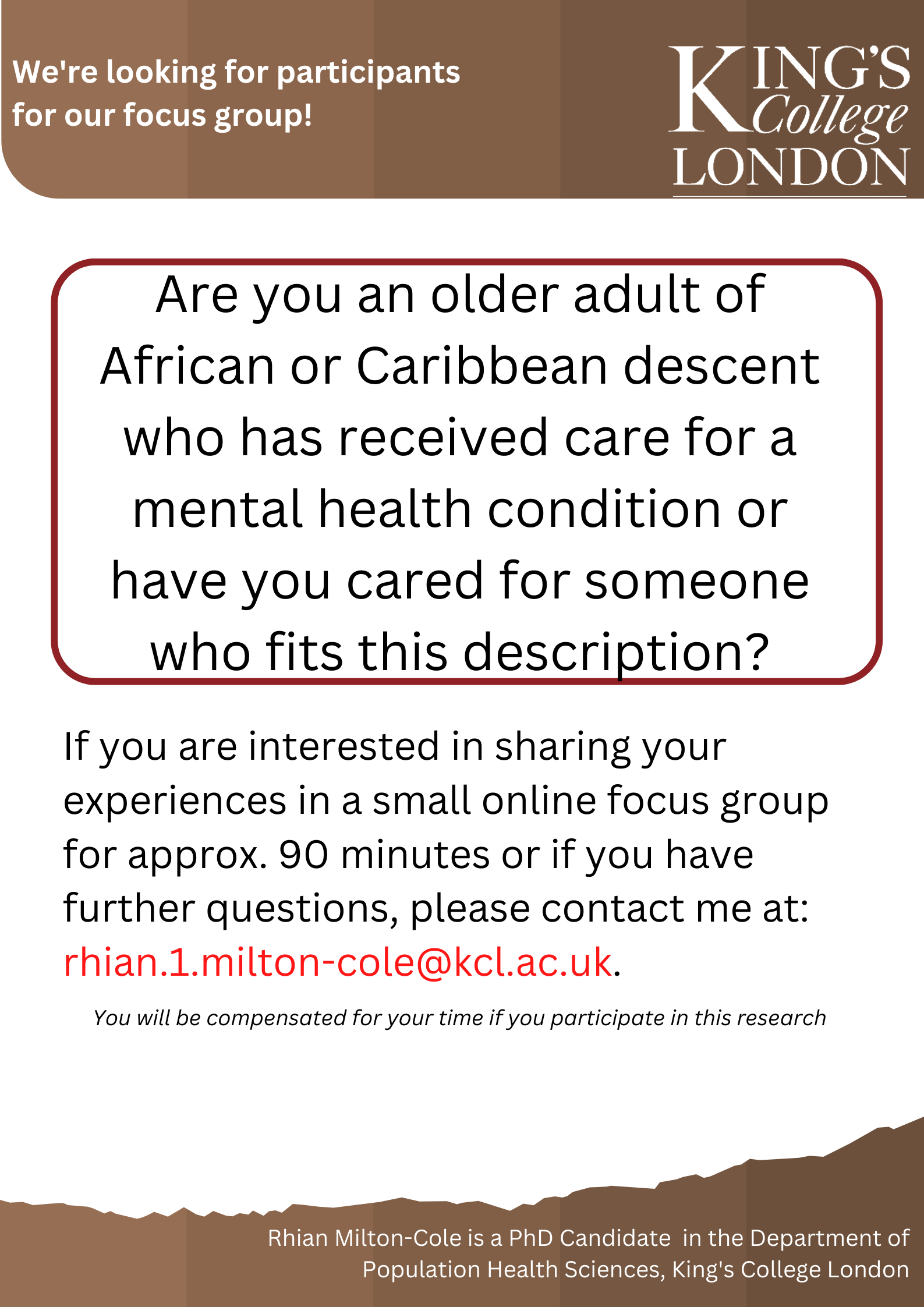
There is research looking to recruit 10 people of African or Caribbean descent with a mental health diagnosis (and carers of those with a mental health diagnosis (who themselves are Afro-Caribbean)) and are over the age of 50 to explore their perspectives on the care and access they received.

Participants will be involved in a 90-minute online focus group via Microsoft teams and will be reimbursed for their time. See poster below.

The group will be facilitated by Rhian Milton-Cole, a PhD Candidate at King’s College London. During the session she will ask questions relating to the patient’s experience of seeking support for their mental health conditions and any barriers they faced. Rhian will also ask about which treatment options were offered to them and if they found these acceptable and lastly if they believe the care offered to and received by Afro-Caribbean people is the same as the care given to and received by Caucasian people.

If interested please contact

Name: Rhian Milton-Cole
Email: Rhian.1.milton-cole@kcl.ac.uk

Exploring the barriers and facilitators to recovery for South Asian service users 

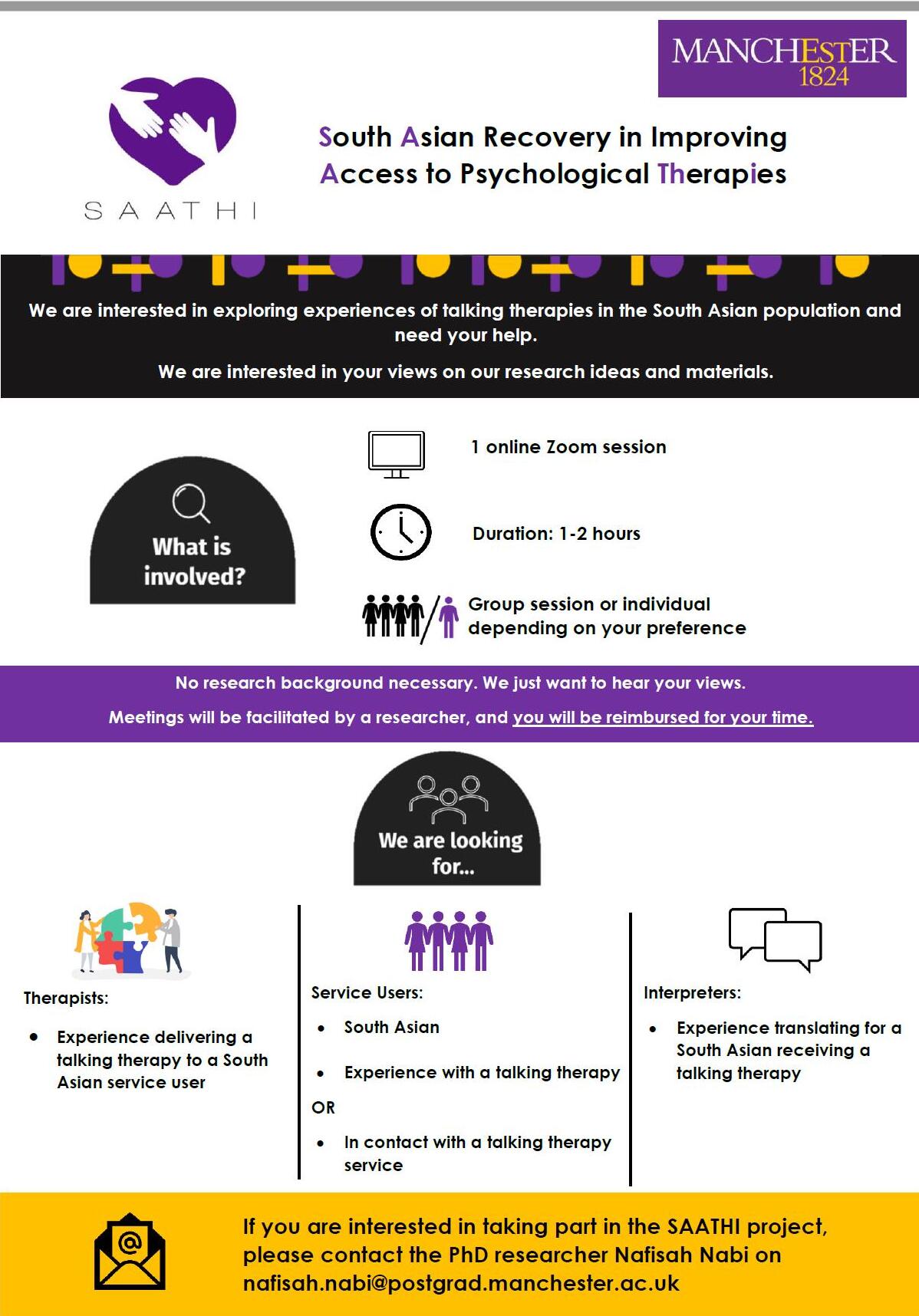
Nafisah Nabi a PhD student at the University of Mancheste is working on a PhD research project focuses on exploring the barriers and facilitators to recovery for South Asian service users within IAPT services. Nafisah is looking to recruit a Patient and Public Involvement Group who can offer feedback on research plans and study materials.

Please see the poster below. You can contact Nalisah at nafisah.nabi@postgrad.manchester.ac.uk