Welcome back to another blog post by Carer activist, poet and author Matthew McKenzie. As you can guess by most of my post off this site, I raise awareness of those providing unpaid care to someone.
Even though I have written a few books containing poems about the caring role. There will be times I will just come out with the odd poem due to spark of creativitiy. Here is my latest poem to raise awareness of caring for someone living with long term illness. I hope you like it, but if you dont then I hope it provides plenty of discussion.
I am always interested in what people think of my new poem. I am sure to place these poems in another book at a later date. Feel free to comment either in the video or my YouTube channel.
Another blog post by carer activist Matthew Mckenzie on how caregivers can engage with Integrated Care Systems to ensure their voices are heard and needs are met. A way to discover the power of feedback in improving local Health Services.
To watch the video version of my blog, click below
Integrated Care Systems (ICS) have been shaping the landscape of healthcare in the UK for several years now. These ICSs are designed to ensure that health services meet the unique needs of local communities, ICSs are evolving frameworks within the National Health Service (NHS). They aim to promote a more collaborative approach to healthcare by engaging with everyone involved in the health service delivery—including professionals, patients, and carers….yes, thats right! Unpaid carers, but how can unpaid carers get their voice heard?
Well if you are caring for someone unpaid with a long term illness, then understanding how these systems work is crucial for anyone reliant on or working within the NHS. This article delves into what ICSs are, their importance, and how carers can make their voices heard within these systems.
What is an Integrated Care System?
As noted in my video. An Integrated Care System (ICS) is essentially a model used within the UK’s NHS to better structure how health services are commissioned and provided. Before ICSs were implemented, health services were commissioned in a somewhat isolated manner, which often didn’t fully account for the comprehensive needs of the community. There were other reasons for the change to ICS, but that would be for another blog post.
The Need for Engagement
At the heart of an ICS is the concept of engagement. For an ICS to be effective, it must listen to the very people who use and provide the health services. This involves unpaid or informal carers, patients, and other healthcare providers all collaborating to ensure that the healthcare services are as effective and efficient as possible
The Role of Commissioning
Commissioning still plays a central role within ICSs. Commissioners work to ensure that the right health services are provided, but their decisions must be informed by feedback from carers as well. This is where the role of carers becomes critical. By participating in the engagement process, carers can help shape the nature and delivery of healthcare services to better meet their needs as well as those of the patients. Carers should have a seat at the table.
Local Healthwatch
One of the most effective ways to engage with an ICS is through your local Healthwatch. Healthwatch organizations are pivotal stakeholders within ICSs. They gather insights from patients, carers, and the general public to inform health service delivery.
Find Your Local Healthwatch: Simply type “Healthwatch” and your local area (e.g., Healthwatch Kent, Healthwatch Lambeth) into a search engine. This will provide you with details on meetings, agendas, and how to participate.
Attend Meetings: When possible, attend local Healthwatch meetings to stay informed and voice your concerns.
Provide Feedback: Whether through surveys, forums, or direct communication, your feedback is invaluable.
Speaking Up
Even if you can’t make it to meetings, there are other ways to ensure your carer voice is heard. It could be as simple as sending an email or filling out a survey provided by your local Healthwatch.
Importance of Feedback: Your insights are gold in terms of showing what works and what doesn’t within the current healthcare framework. Sharing your story—whether it’s good, bad, or ugly—can spotlight gaps and prompt necessary changes.
Advocating for Transparency
As mentioned in my video, one crucial area carers should focus on is advocating for transparency in the ICS decision-making process. Are carers and caregivers’ experiences included when tailoring health services?
Be Specific: When you provide feedback or attend meetings, be specific about what issues need addressing. Whether it’s concerning mental health services or care for chronic conditions, specificity helps stakeholders understand and prioritize your needs.
Persistent Engagement: Continuously engage with the system. Don’t just provide feedback once and assume your role is done. Keep track of the outcomes and ask for updates.
Building Alliances
Another vital strategy for making an impact in an ICS is building alliances. Networking with other carers, healthcare providers, and advocacy groups can amplify your voice.
Learn From Others
Engage with other carers and learn from their experiences. Information sharing can be incredibly powerful.
Caregiver Forums: Joining caregiver forums can be a great way to share information and strategies. These platforms often have tips on how to engage effectively with healthcare providers.
Collaborative Effort: Remember, you don’t have to do it all alone. Partnering with others in similar situations can be a massive force for change.
Continuous Learning
Attending meetings and reading through reports can seem daunting, but they offer a wealth of information. One thing noted about ICSs is the amount of reports. Those reports should be held to account regarding jargon, although being relistic, there is no quick escape from Jargon.
Stay Informed: Regularly check for any updates or meetings concerning your ICS.
Form Networks: Building a network of support can be incredibly beneficial. It not only alleviates the feeling of isolation but also helps in sharing the workload of participation.
The Importance of Carer Input
ICSs are designed to be collaborative, ensuring that health services are well-rounded and holistic. However, this is only possible if carers, who are often the hidden backbone of healthcare provision, speak up and engage.
Carers As a Link
Carers are the crucial link between the healthcare system and the person being cared for. Without their input, ICSs may second guess the needs of the community, leading to services that do not fully meet those needs.
Avoiding Isolation
One of the worst outcomes for any carer is isolation. Engaging with ICSs not only helps improve healthcare services but also connects carers with a supportive network of individuals who hopefully can understand their struggles.
The Bigger Picture
Beyond the immediate benefits, carer input helps create a more responsive and effective healthcare system. This leads to better outcomes for everyone involved, from the patients to the healthcare providers. Caring for someone should not always remain an isolating experience. As a carer use your experiences to ask for better support from the healthcare system.
In Summary
Integrated Care Systems represent a significant step towards more inclusive and comprehensive healthcare in the UK. They aim to mesh the various elements of health service provision into a coherent whole that genuinely meets the needs of the community. Carers have an indispensable role in making this vision a reality.
By engaging with local Healthwatch, providing persistent and specific feedback, advocating for transparency, building alliances, and staying continuously informed, carers can significantly influence the effectiveness of these healthcare systems. Remember, as a carer, your insights are invaluable.
So, don’t be silent. Speak up, engage, and help improve local health services today. Together, we can achieve more adaptive and efficient healthcare systems that better serve everyone.
Welcome back from another blog post by matthew McKenzie. In today’s blog post, we’ll delve into a significant yet often overlooked initiative in the mental health sector—the Patient Care Race Equality (PCREF) Framework. Introduced by the NHS, the PCREF Framework is a pioneering approach to addressing racial inequalities in mental health services.
I have made a video (unfortunately not so short) drawing from my lived of a carer and activist. In the video I explored the core goals, benefits, challenges, and the broader implications of this framework. The video is coming from a carers pespective.
Understanding the PCREF Framework
What is the PCREF Framework?
Basically, the Patient Care Race Equality (PCREF) Framework, developed by NHS England, aims to address racial disparities within the mental health system. Data shows that racial minorities are disproportionately affected by inequalities in mental health care. The PCREF Framework seeks to improve access, experience, and outcomes for racialized communities, pushing for modernization of the mental health act and the elimination of institutional racism.
Things need to change
Mental health services have long been riddled with systemic biases and inequalities. The Mental Health Act of 1983, has aged and requires significant updates to reflect equity in care. The PCREF Framework is a part of broader efforts to reform the mental health act and address the institutional racism that has led to difficult experiences and outcomes for patients from racialized communities.
Goals of the PCREF Framework
The primary goal of the PCREF Framework is to reduce racial disparities in mental health care. This includes:
Improving Access: Ensuring that racialized communities have equitable access to mental health services.
Enhancing Experience: Improving the overall experience of patients from these communities within the healthcare system.
Better Outcomes: Aiming for equitable health outcomes by addressing systemic biases and inequalities.
Benefits of the PCREF Framework
Targeting Inequalities
The Framework is designed to specifically target racial inequalities in mental health outcomes. For instance, racialized communities often face higher rates of severe treatments such as restraint or use of strong medications that inhibit functionality without offering therapeutic benefits. By targeting these disparities, the PCREF Framework aims to provide more equitable forms of treatment.
Improving Experiences
Another significant benefit is the enhancement of patient experiences. Historically, racialized patients have reported poorer experiences within the mental health system. By acknowledging and addressing institutional biases, the Framework seeks to transform these experiences positively.
Promoting Institutional Reform
The PCREF Framework advocates for institutional reforms to dismantle systemic barriers faced by racialized communities. This includes educating mental health professionals on cultural competencies and biases, and promoting anti-racist and anti-oppressive practices.
Enhancing Community Involvement
One of the standout features of the PCREF Framework is its focus on involving patients and carers in the decision-making process. Engaging with the communities directly affected by mental health services ensures that their voices are heard and considered in policy development and implementation.
Challenges of the PCREF Framework
As addressed in the video, there are challenges, which are listed below.
Lack of Resources and Funding
One of the most significant challenges facing the PCREF Framework is the lack of resources and funding. The NHS is already stretched thin and requires substantial investment to ensure the long-term success of this initiative. Historically, previous racial equality initiatives have failed due to insufficient financial support, and there is a risk that the PCREF Framework could face the same fate.
Risk of PCREF Being Sidelined
The PCREF Framework requires a considerable amount of commitment and resources. There is a real risk that it could be sidelined if the requisite financial and human resources are not made available. The initiative demands a comprehensive approach involving medical professionals, community workers, and continuous community engagement.
Consistent Implementation
Inconsistent implementation across different regions is another significant challenge. The success of the PCREF Framework heavily depends on effective leadership and engagement at all levels. If some NHS Trusts are more committed than others, the disparities that the framework aims to address could inadvertently be exacerbated.
Cultural Shift within the NHS takes time
The cultural shift required to fully implement the PCREF Framework is considerable. Such a shift is often slow and can be met with resistance. While the framework provides a structure for reducing racial inequalities, changing long-standing biases and practices within the NHS will require time and sustained effort.
Staff Training
To effectively implement the PCREF Framework, staff need to be adequately trained in anti-racist practices (This training should involve patients and carers) . However, current constraints such as lack of time, staff, and resources can make this a daunting task. Without proper training, the framework risks being ineffective.
Risk of Becoming a Tick-Box Exercise
One of the most critical challenges is the risk of the framework becoming a mere “tick-box” exercise. If the framework is not implemented in the spirit it was intended, it could fail to bring about meaningful change. Robust monitoring and evaluation mechanisms are essential to ensure that the framework is genuinely making a difference.
Moving Forward: Steps to Take
Community Engagement
Continuous community engagement is crucial. Mental health trusts should run engagement events and stakeholder groups to reach out to marginalized communities, understand their concerns, and incorporate their feedback into service delivery.
Tracking Progress
Regular tracking of progress and measuring the impact of the framework is vital. This involves collecting and analyzing data to assess whether racial disparities are being truly reduced. Transparency in sharing this data will help build trust and ensure accountability.
Leadership
Strong leadership is fundamental to the success of the PCREF Framework. Leaders within mental health trusts must be committed to the initiative and work towards fostering a culture of inclusivity and equity.
Education and Training
Ongoing education and training for staff on cultural competencies and anti-racist practices will help in addressing biases and promoting equitable care. As a reminder this should involve patients and carers in training programs to provide real-world perspectives and insights.
Policy Development
Ensuring that the voices of marginalized communities are heard and represented in policy development is essential. Mental health organizations must prioritize inclusivity in their policy-making processes to reflect the diverse needs of the populations they serve. The problem is things can be rushed to meet targets.
Conclusion
As I have mentioned in my video, Patient Care Race Equality (PCREF) Framework represents a significant step forward in addressing racial inequalities within the mental health system. While the benefits of this initiative are substantial, the challenges it faces are equally significant. Overcoming these challenges requires a effort from all stakeholders involved, including mental health professionals, community leaders, patients, and carers.
By fostering a culture of inclusivity, investing in resources, engaging with communities, and continually tracking progress, the PCREF Framework has the potential to bring about meaningful and lasting change. It is an ongoing journey, but with sustained commitment and collaborative effort, we can build a more equitable mental health system for all.
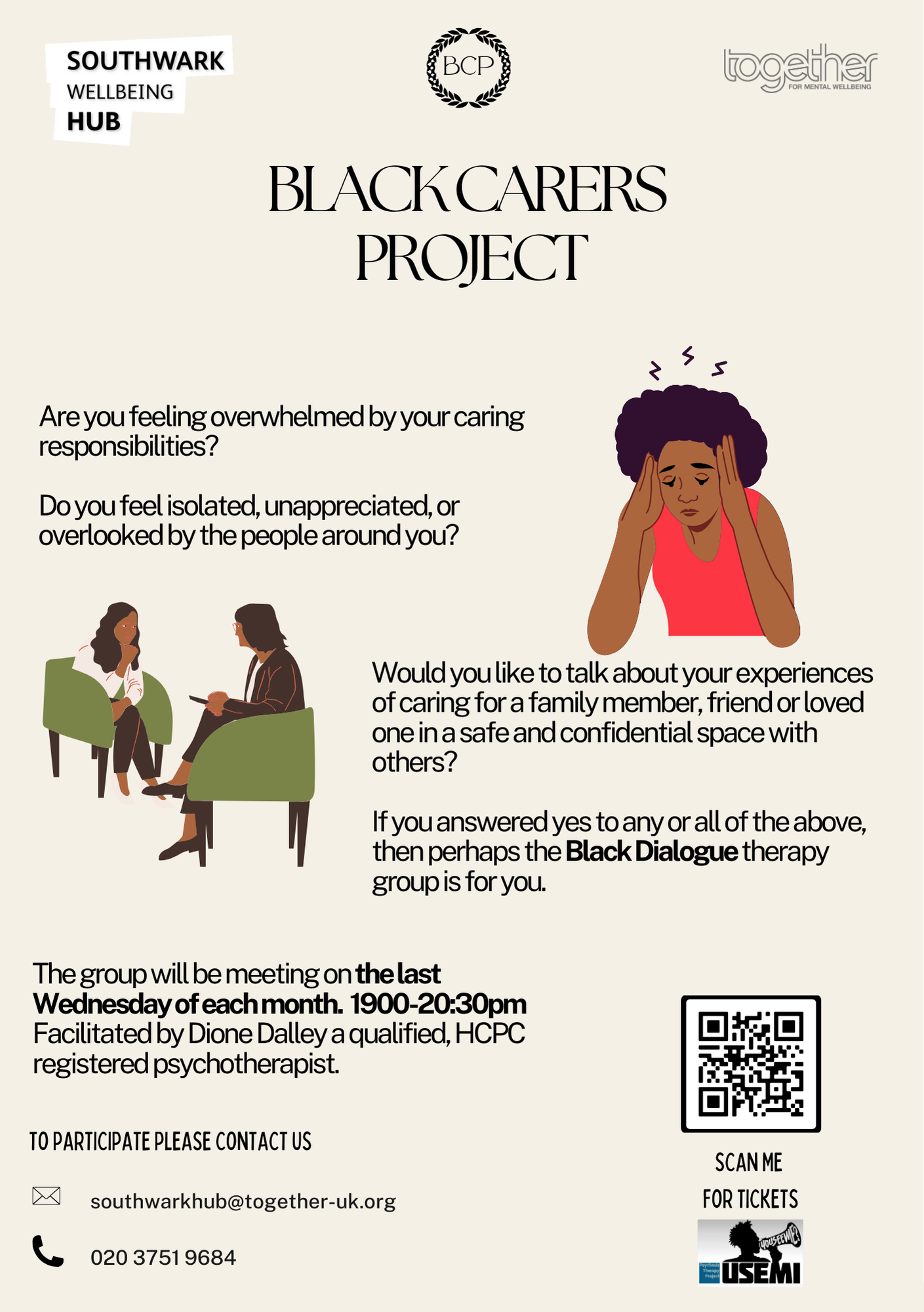
Welcome back to another blog post from carer activist Matthew McKenzie. Are you a carer from African carribean background living in Southwark?
There is a new project from the Southwark Wellbeing Hub that uses group therapy. Its aim is for Black Carers to share a supportive space to discuss and manage the challenges they face.
Please check out the poster below for more information.
Here is another blog post by carer activist Matthew McKenzie
We all go through depression at varying levels. It is important to learn what tools can be used to tackle depression and develop those skills. I focused on this subject because even if you are caring for someone, there will be days when depression strikes. These tips however are for anyone, because we all need mental wellbeing.
To watch the short video version, please check out my video below.
Overcoming Depression: 14 Effective Tips for a Brighter Tomorrow
Depression is a pervasive and debilitating condition that affects millions of people worldwide. If you’re feeling overwhelmed by depression, know that you’re not alone. On today’s post, we’ll delve into 14 effective tips that can help you tackle depression, drawing from practical advice and therapeutic techniques designed to uplift your mood and improve mental health.
Seek Professional Help
Consulting with Mental Health Professionals
The first and foremost step in managing depression is seeking professional help. Consulting a mental health professional can provide you with personalized treatment options such as cognitive behavioral therapy (CBT), talking therapy, or medication. Each individual’s experience with depression is unique, and professional guidance can make a significant difference in finding the right approach for you.
Build a Support Network
Reaching Out to Friends and Family
Isolation tends to worsen the symptoms of depression. Unpaid carers are especially prone to isolation. So building a strong support network by reaching out to friends, family, or joining a support group can aid substantially. Simply knowing that someone understands your struggles can lighten the emotional burden and provide a sense of community and understanding.
Exercise Regularly
The Mood-Boosting Power of Physical Activity
Physical activity is not just beneficial for your body; it’s also crucial for mental health. Exercise releases endorphins, often referred to as “Feelgood” chemicals, which naturally boost your mood. Start small. Even a short 20-minute walk can significantly improve your mood and energy levels.
Focus on a Healthy Diet
Foods that Boost Brain Function
What you eat can have a direct effect on your mental health. A healthy diet is essential in influencing your mood and energy levels. Foods that are rich in Omega-3 fatty acids, such as fish and walnuts, can improve brain function. Meanwhile, cutting down on sugar and processed foods can prevent energy crashes and stabilize your mood.
Establish a Routine
The Importance of Daily Structure
Depression can sap your motivation, making daily tasks seem insurmountable. Establishing a daily routine can provide structure and a sense of normalcy. Set small, achievable goals and maintain a regular sleep schedule to help manage your symptoms more effectively.
Practice Mindfulness and Relaxation Techniques
The Benefits of Mindfulness Meditation and Deep Breathing
Mindfulness meditation and deep breathing exercises are powerful tools for managing negative thoughts and reducing stress. Practicing mindfulness helps you stay present, grounding your thoughts and emotions in the here and now rather than letting them spiral out of control.
Challenge Negative Thinking
Recognizing and Reframing Distorted Thoughts
Depression often distorts your thoughts, leading to a cycle of negative thinking. Recognizing these distortions and actively working to reframe them is crucial. Keeping a journal can be a helpful practice for tracking your thoughts and emotions, identifying patterns, and challenging negative beliefs.
Engage in Activities You Enjoy
Reconnecting with Hobbies
Depression might dull your interest in activities you once enjoyed, but re-engaging with hobbies is an important step in alleviating symptoms. Start small and be patient with yourself as you rediscover activities that bring you joy and fulfillment.
Limit Alcohol and Substance Use
The Long-Term Effects of Alcohol and Substances on Mood
While alcohol and substances might provide temporary relief, they can worsen depression in the long term. Reducing or avoiding them altogether can help stabilize your mood and improve your mental health over time.
Set Boundaries and Manage Stress
The Importance of Saying No and “Me Time”
Learning to say no and setting personal boundaries are crucial for managing stress and preventing burnout. Carve out “me time” to relax and recharge. Remember that your mental health is a priority, and taking time for yourself is not just acceptable, but necessary.
Practice Self-Compassion
Being Kind to Yourself
Depression is a medical condition, not a personal failing. Practice self-compassion by being kind to yourself and avoiding harsh self-criticism. Understand that managing depression is a journey, and it’s okay to take steps that prioritize your well-being.
Get Outdoors
The Calming Effect of Nature
Spending time in nature has a profoundly calming and uplifting effect on your mental health. Green spaces and sunlight exposure can boost serotonin levels, which are crucial for mood regulation. Make it a point to spend some time outdoors regularly.
Consider Alternative Therapies
Exploring Art, Music Therapy, Acupuncture, and Yoga
While traditional treatments are essential, alternative therapies like art or music therapy, acupuncture, or yoga can also play a significant role in managing depression. For instance, poetry has been shown to be a useful outlet for emotional expression and self-exploration.
Be Patient with Yourself
Understanding the Recovery Process
Recovery from depression is a gradual and ongoing process. Celebrate small victories and understand that setbacks are a normal part of the journey. Patience and perseverance are key. Surround yourself with supportive individuals who can help you stay motivated and hopeful.
Immediate Help for Severe Symptoms
Addressing Thoughts of Self-Harm or Suicide
If you experience thoughts of self-harm or suicide, it is critical to reach out for immediate help. Contact mental health professionals, hotlines, or trusted individuals who can provide the urgent care and support you need. Remember, you are never alone in this battle, and there are resources available to help you through the toughest times.
Depression is a challenging condition, but with the right support and strategies, it can be managed effectively. Implement these tips, seek professional help, and surround yourself with a supportive community. In time, with patience and dedication, you can begin to see improvements and work toward a brighter, more fulfilling tomorrow.
Here are some helplines for depression in the UK: Samaritans: Call 116 123 for 24/7 emotional support Shout: Text 85258 for 24/7 confidential support CALM Helpline: Call 0800 58 58 58 or use their webchat from 5 PM–midnight, 365 days a year Rethink Mental Illness: Call 0300 5000 927 for advice and information on therapy, medication, benefits, and more Mind infoline: Call 0300 123 3393 for information on types of mental health problems and where to get help Papyrus UK: Call 0800 068 4141 or text 07860 039967 for confidential support and practical advice for people under 35 Childline: Call 0800 1111 or talk to them online for children and young people under 19
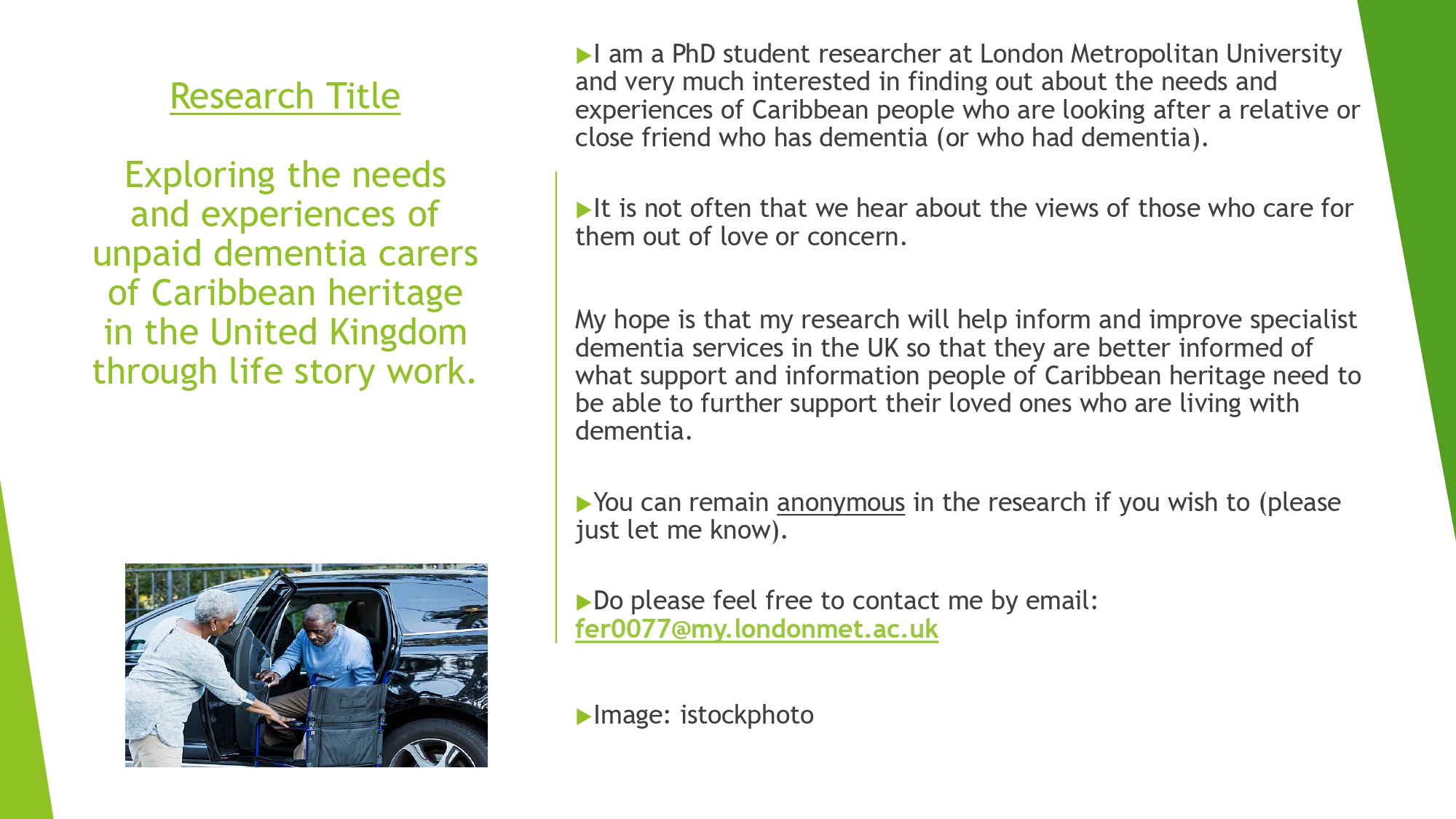
An exciting new research opportunity for Caribbean heritage dementia carers. Feyi Abraham a PhD student researcher at London Metropolitan University is looking for carers to share their experiences.
Please view the poster below or contact fer0077@my.londonmet.ac.uk for more details.
Welcome back to another blog post from carer activist Matthew McKenzie. I am involved in quite a few things to raise awareness of unpaid mental health carers. One of them is Carers Trusts Triangle of Care Framework.
Triangle of Care is a framework developed to improve collaboration between mental health services, service users (patients), and carers. It was created by the Carers Trust in the UK, focusing on involving carers (family members or friends who support individuals with mental health issues) in care and treatment decisions, while ensuring they receive the support and recognition they need.
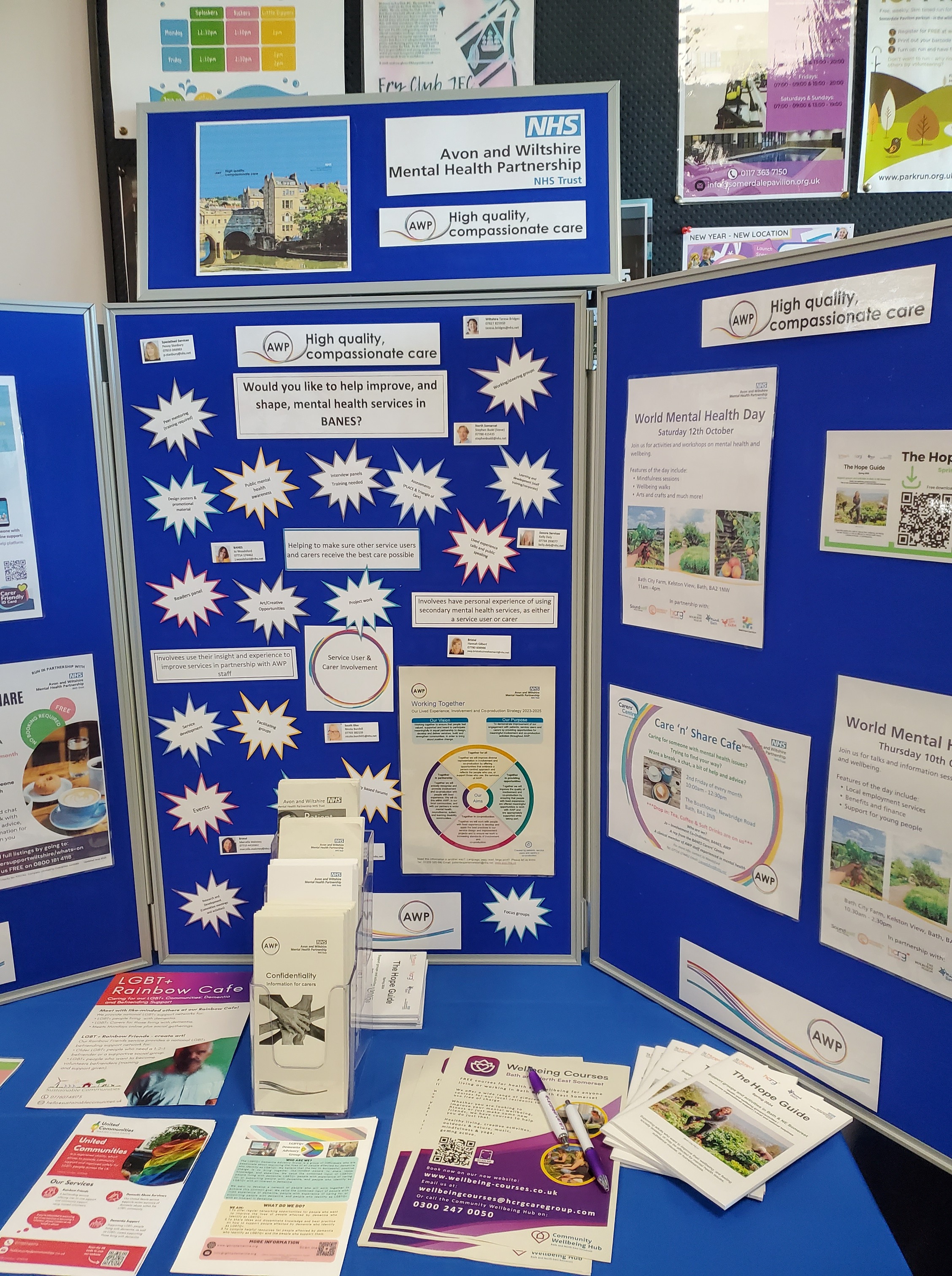
We have many mental health trusts who are members of the Triangle of Care. One of them is Avon and Wiltshire Mental Health Partnership NHS Trust or AWP for short.
Avon and Wiltshire Mental Health Partnership NHS Trust (AWP) is the lead provider of healthcare for people with serious mental illness, learning disabilities and autism across Bath and North East Somerset (BaNES), Swindon and Wiltshire, and Bristol, North Somerset and South Gloucestershire.
With support from Laura Sheridan who leads on carers at Cygnet. We both attended and supported the event at the mental health partnership trust. I took the time to explore the wonderful area of Bristol. Everyone I met was welcoming and friendly.
AWP have taken up the challenge to implement the Triangle of care and listen to carers. One of the best ways to listen to carers is through engagement and celebration events.
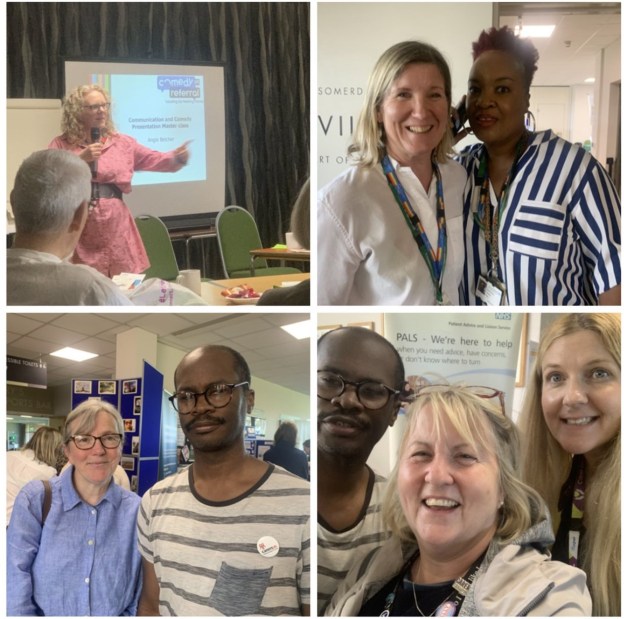
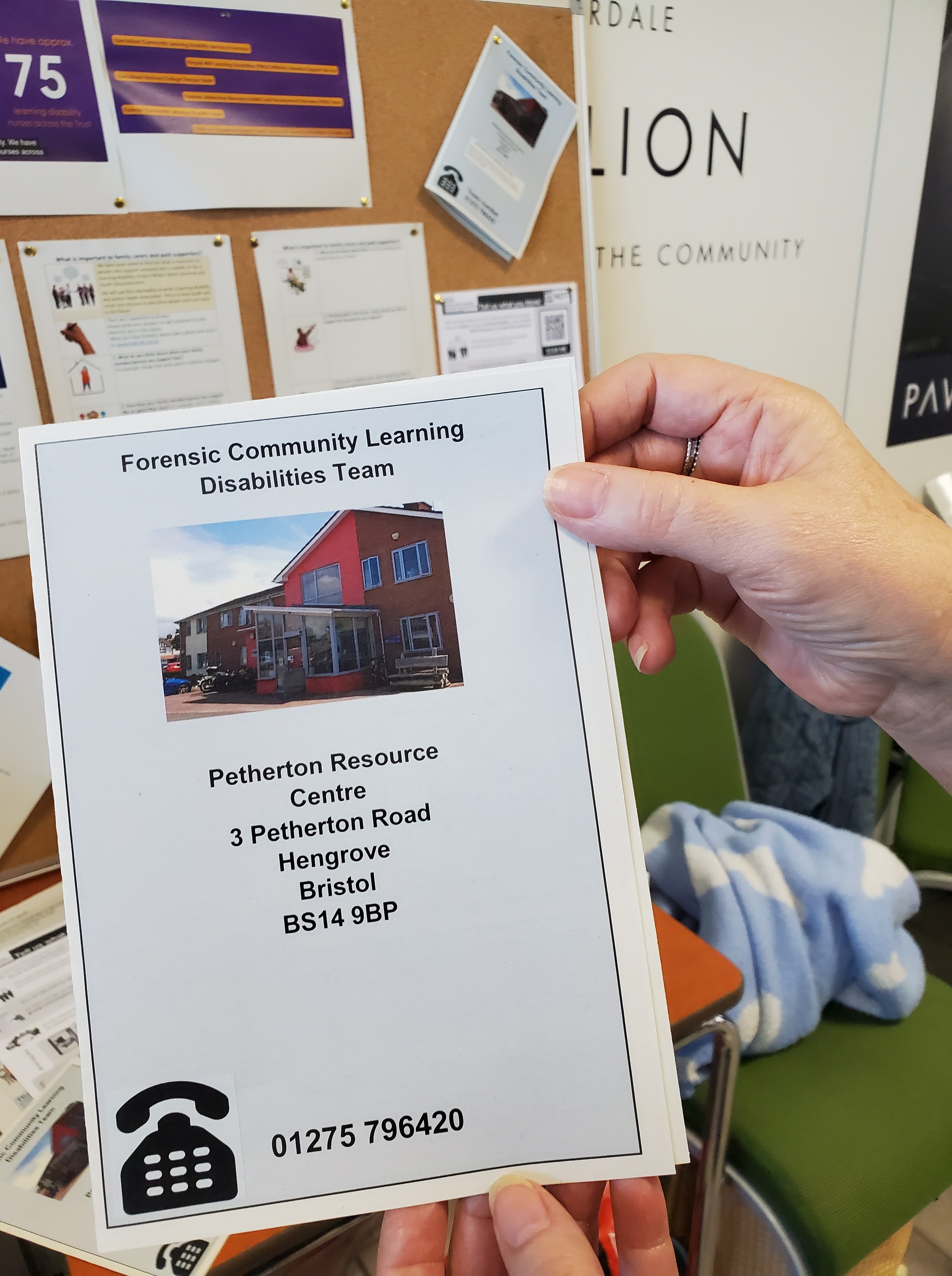
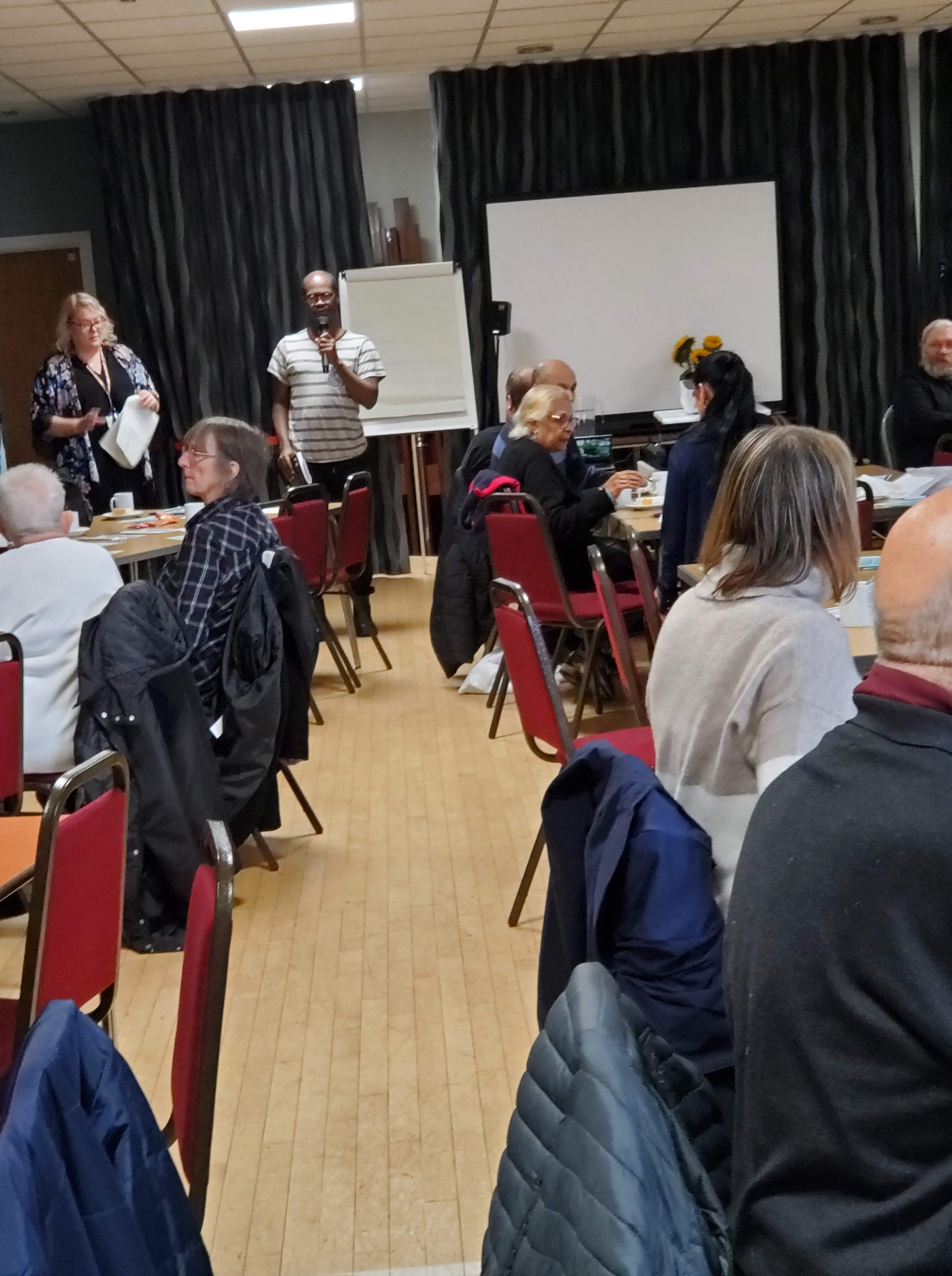
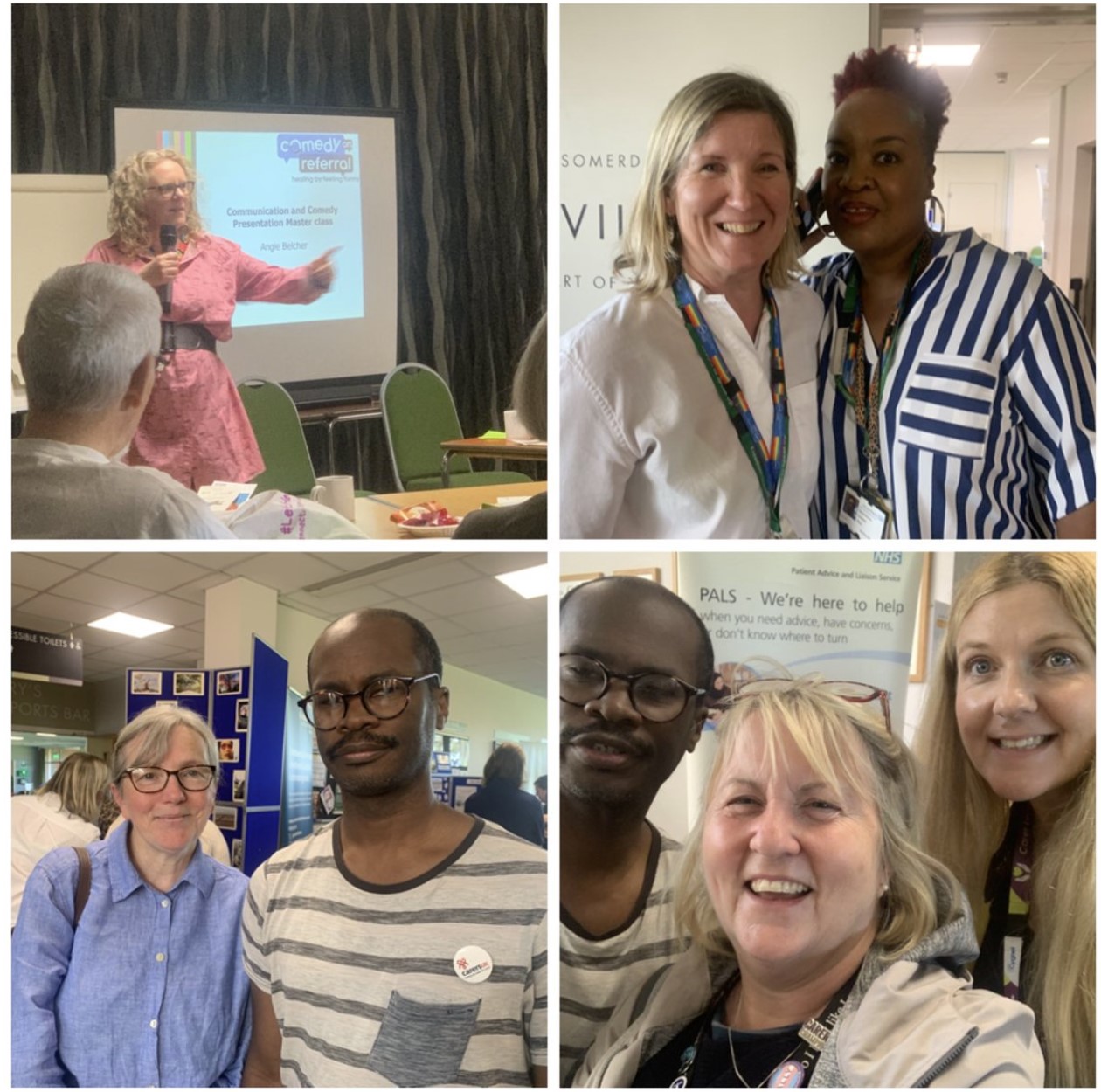
So on Thursday 3rd of October Avon and Wiltshire Mental Health Partnership NHS Trust (AWP) ran their #LetsHearCarers event. The event was held over at Somerdale Pavilion, Keynsham.
The day started off with a welcome from Sarah Jones, Director of Nursing and Quality at AWP.
We then got to hear from Ayesha Ahmed-Mendoza on the Black2Nature campaign to enable minorty ethnic children to have better access to nature camps. Next I was impressed with the presentation from Elaine Bennett regarding experiences of deaf carers.
Then we had the panel of carers giving their experiences of involvement at the NHS trust. I personally feel involvement of carers shaping services is a powerful way of allowing carers to have their say.
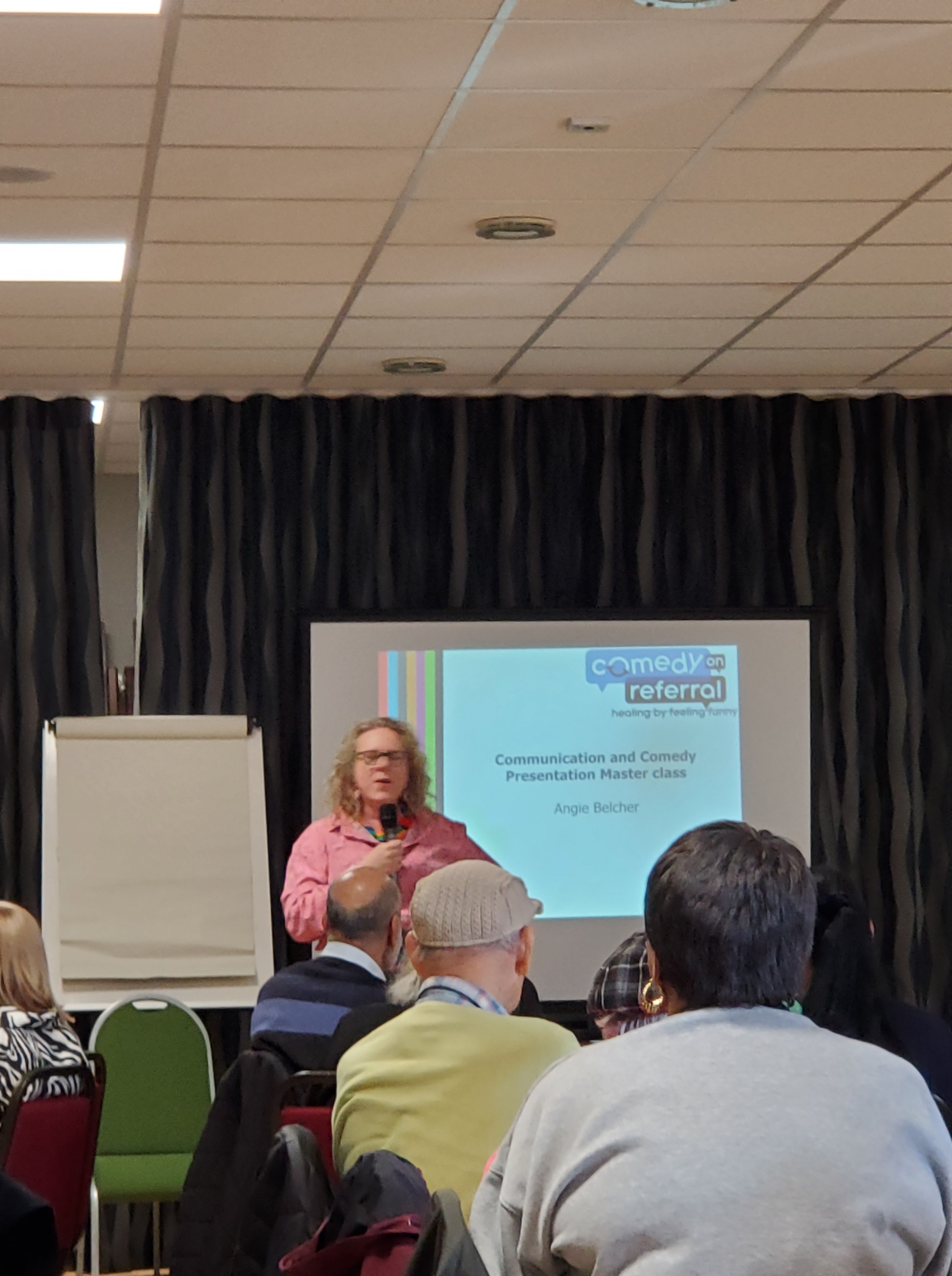
After the break, we got to hear from Debbie Hustings who is the new Triangle of Care lead for Carers Trust. Debbie used to be the former NHS England carers lead for London and has a wealth of experience when it comes to unpaid carers. Debbie presented on carers rights as she presented with her carers hat on. Next there was a comedy session from Angie Betcher who is a comedian at Bristol university, she is also skilled as a poet as well as a comedy performer.
Next was Lunch and workshops to cater for the wellbeing of carers who attended.
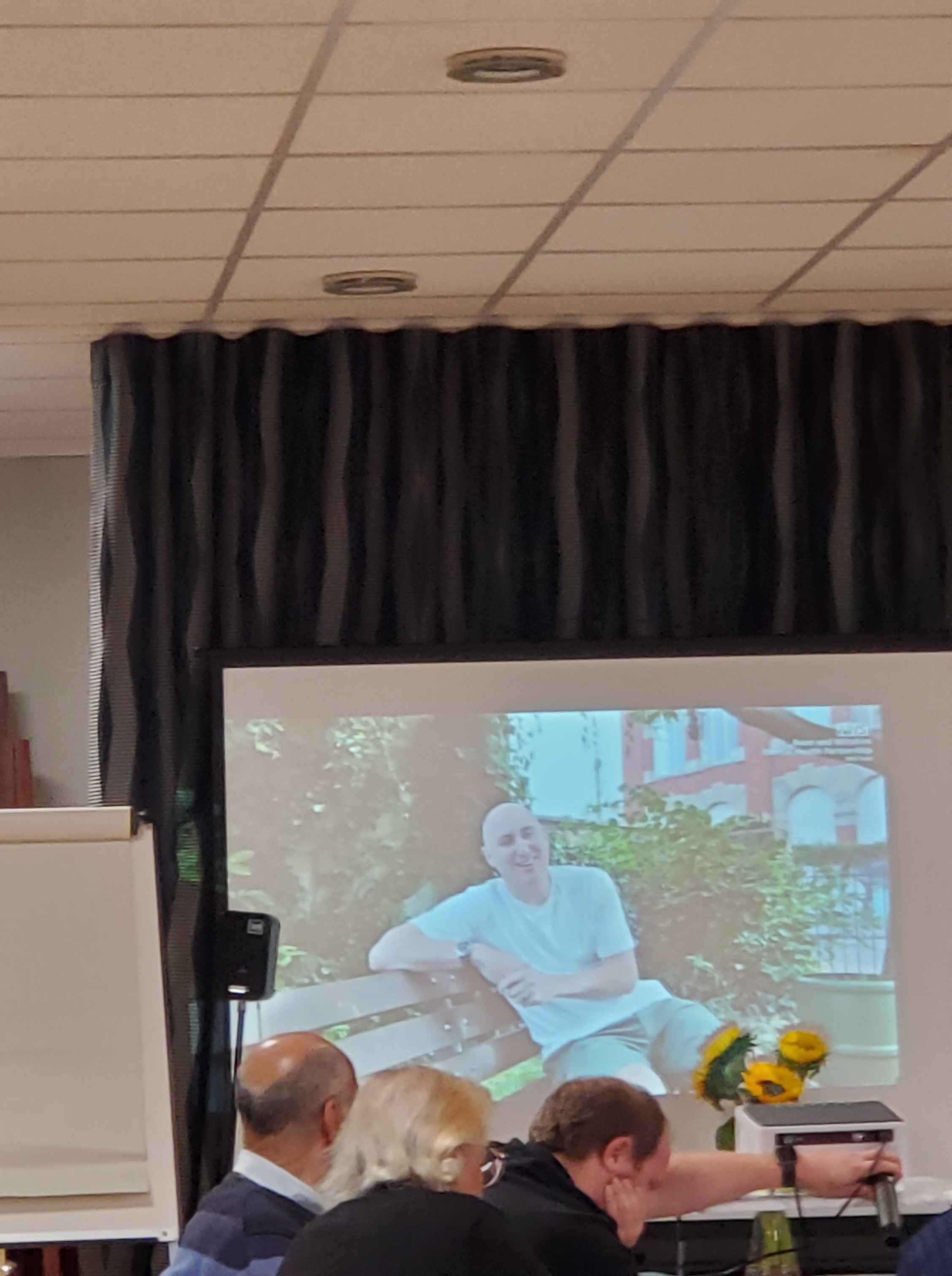
Have lunch I was up to read out 2 poems. One of the poems you can see from Avon and Wiltshire Mental Health Partnership NHS Trust’s video of the carer event below.
After more performances and networking with carers, I headed home. I would like to thank Avon and Whiltshire for the excellent event they put on for the community. Everything was planned brilliantly and I did not hear any grumbling from carers. I look forward to more events in future.
Welcome to another deep dive into the pressing issues faced by unpaid carers, brought to you by Matthew McKenzie, a dedicated carer activist. In today’s discussion, we confront the grim reality of how poverty exacerbates the struggles of unpaid carers.
If you want to see the short video version of this blog post, watch below
These unsung heroes often sacrifice their personal well-being to look after loved ones. However, when poverty is added to the equation, the challenges they face multiply exponentially. Throughout this article, we will explore various dimensions of the caregiving crisis, touching upon financial hardships, mental and physical health issues, social isolation, generational poverty, and more. The goal is to raise awareness and advocate for targeted support systems that can alleviate these burdens.
Financial Hardships
Income Reduction
Many unpaid carers find themselves in a predicament where they have to reduce their working hours or quit their jobs altogether to provide adequate care for their loved ones. This significant drop in income makes it difficult to meet everyday expenses, let alone the additional costs that caregiving entails, such as medical supplies and transportation.
Lack of Awareness About Financial Aid
It is troubling to note that many carers are unaware they might qualify for financial aid or benefits. This lack of awareness leaves them in a precarious financial situation, struggling to make ends meet.
Mental and Physical Health Challenges
Mental Toll
Balancing caregiving responsibilities with financial insecurity takes a severe toll on mental health. Chronic stress, anxiety, and depression become constant companions for many unpaid carers. This emotional strain can lead to a devastating cycle of mental health issues that are hard to break.
Physical Health Deterioration
Due to their all-consuming caregiving duties, many carers neglect their own physical health. They often face barriers to accessing healthcare, making it nearly impossible to afford basic medical services. This neglect further compounds their stress levels and deteriorates their overall well-being.
Lack of Respite Care
Imagine being on duty 24/7 with no opportunity for a break. The inability to afford respite care leads to inevitable burnout. This constant state of exhaustion further compromises the carer’s ability to provide quality care.
Social Isolation
Limited Social Interactions
Poverty significantly limits social interactions for carers. The costs associated with transportation and social activities create barriers that are hard to overcome. Consequently, many carers find themselves socially isolated, worsening their emotional well-being.
Stigma and Shame
The social isolation is often compounded by feelings of shame and stigma related to their financial situation. These feelings make it even harder for carers to seek help, exacerbating their sense of loneliness.
Quality of Care
Limited Resources
When resources are limited, carers struggle to provide the best possible care for their loved ones. This situation often leads to feelings of guilt and distress, knowing they cannot do more. The quality of care inevitably suffers, affecting both the carer and the care recipient.
Emotional Availability
Stress and burnout diminish the emotional availability needed for providing quality care. When carers are overwhelmed, they cannot offer the emotional support that is crucial for the well-being of their loved ones.
Generational Poverty
The Cycle of Financial Hardship
Generational poverty is another facet of this issue. Many carers look after older family members who have also faced financial hardships, creating a cycle of poverty. This intergenerational strain further depletes already limited resources, especially in households where young carers are involved.
Barriers to Education and Employment
Financial constraints and time demands make it incredibly challenging for carers to pursue education or training. Job flexibility is rarely an option, making it difficult for carers to find or keep employment. These barriers hinder their ability to break free from the cycle of poverty.
Emotional Burden
Guilt and Stress
Emotionally, carers often carry a heavy burden of guilt and stress. Feeling inadequate or ashamed of their financial situation adds to a sense of hopelessness. The constant worry about bills, care, and personal needs can lead to overwhelming exhaustion.
Navigating Complex Systems
Navigating the complex systems for financial aid and support is another layer of stress. The time and energy required to deal with bureaucratic hurdles can be overwhelming, adding yet another burden to the already strained carers.
Long-Term Consequences
Poverty in Old Age
Many carers face the grim prospect of poverty in their old age, having sacrificed their careers and savings to provide care. Chronic stress and poor health further reduce their life expectancy and quality of life.
Key Takeaways
Poverty significantly amplifies the struggles of unpaid carers. To improve their well-being, there is a pressing need for:
Targeted Support: Comprehensive support systems that address the unique challenges faced by unpaid carers.
Financial Assistance: Adequate financial aid to help carers manage their expenses.
Accessible Healthcare: Affordable healthcare services to ensure carers can maintain their physical and mental health.
Respite Care: Opportunities for respite care to prevent burnout and ensure carers have the necessary breaks.
By shedding light on these critical issues, we can advocate for changes that will make a tangible difference in the lives of unpaid carers. Let’s work together to ensure that these unsung heroes get the support they desperately need.
Remember to take care of yourselves, and for more insightful discussions, please like, share, and subscribe. God bless.
Welcome to another blog post off my carer and mental health website.
Caring for a loved one is a profoundly rewarding experience, but it can also be an incredibly challenging journey. The role often comes with feelings of isolation and overwhelming responsibility.
Fortunately, networking with fellow caregivers can make a significant difference in the lives of unpaid carers. Connectivity fosters emotional support, practical advice, resource sharing, community building, resilience, and even advocacy. In this article, we’ll explore the importance of networking for unpaid carers and how it can enrich their caregiving journey.
Video Version
To watch a brief video of the blog please view the video below
Emotional Support: You Are Not Alone
One of the most significant benefits of networking is emotional support. Caring for a loved one can often feel isolating, and the weight of responsibilities can be heavy. Connecting with other caregivers who truly understand your experiences can lighten this emotional load. Sharing your stories, challenges, and triumphs with those who “get it” provides comfort and a sense of belonging. Knowing you are not alone in this journey can significantly improve mental health and resilience.
Access to Practical Advice
Networking allows carers to exchange invaluable tips and strategies. Each caregiving situation is unique, but many challenges are universal. Experienced carers can offer practical advice on managing specific conditions, navigating healthcare systems, or handling day-to-day tasks. This shared knowledge acts as a collective wisdom pool, making the caregiving process more manageable for everyone involved.
Resource Sharing
In addition to practical advice, networking facilitates the sharing of resources. Information about local services, support groups, and community resources can be invaluable. Imagine having a treasure map that leads you to various forms of support tailored for carers—this is what resource sharing can achieve. These exchanges can lead to discovering programs, grants, respite care options, and other services that ease the caregiving burden.
Community Building
Establishing connections with other caregivers fosters a sense of community and belonging. In many ways, caregiving can be a lonely journey, but community building changes this narrative. Community groups provide a space where carers can interact and engage in meaningful conversations. For example, caregiver groups run locally can offer a support system where members can share experiences, support each other, and even socialize. Such communities act as pillars of strength for carers, reinforcing that they are part of a larger, caring network.
Enhancing Resilience Through Shared Strategies
Resilience is a necessary trait for carers. The demands of caregiving require constant adaptation and emotional strength. By networking, carers can learn effective coping strategies from one another. These shared strategies can empower carers, building their resilience and enhancing their ability to provide care. Learning from others’ experiences offers new insights and techniques, reinforcing the carer’s own skills and capacities.
Boosting Advocacy and Awareness
When caregivers come together, their collective voice becomes stronger. Networking can boost advocacy and awareness of the issues that matter most to carers. Advocacy can lead to policy changes, more resources, and greater recognition of the challenges faced by carers. Whether it’s campaigning for more support services or raising awareness about the realities of caregiving, a united front can make a substantial impact.
Amplifying Voices
Together, caregivers can amplify their voices to influence change. Advocacy efforts become more effective when carers unite. These collective efforts can bring about policy changes, increased funding for caregiving resources, and greater public awareness of the importance of supporting unpaid carers. By networking and working together, carers can drive systemic changes that benefit the entire caregiving community.
Tips for Building a Caregiving Network
Join or Form Caregiver Support Groups
Consider joining or forming caregiver support groups in your local community or online. These groups create a space for regular interactions, exchanges of advice, and mutual support. You might want to check out the carer forums I run off my website.
Attend Workshops and Conferences
Workshops, seminars, and conferences are excellent opportunities to meet other carers and professionals in the field. These events often provide both educational content and networking opportunities.
Utilize Social Media
Social media platforms can also serve as networking tools. Joining caregiver groups on platforms like Facebook or participating in Twitter chats can connect you with a broad community of caregivers worldwide.
Engage with Local Nonprofits and Organizations
Local nonprofits and organizations often have resources and networks specifically designed for carers. Engage with these entities to tap into their resources and support networks.
Leverage Online Forums
Online forums and communities, such as Reddit or specialized caregiving forums, allow for the exchange of advice, experiences, and support. These platforms can be especially beneficial for those who may not have access to local groups. I even utilise Whatsapp to provide a network for carers to connect.
Reach Out to Healthcare Providers
Healthcare providers often have connections to support groups and resources for carers. Don’t hesitate to ask your loved one’s doctor or nurse for referrals to local or online caregiver networks.
Create Personal Connection Lists
Keep a list of contacts that you can reach out to for different types of support. This can include other carers, healthcare professionals, and service providers. A well-maintained list can be a quick reference for resources and advice when needed.
Conclusion
Networking for unpaid carers is more than just a beneficial activity—it’s a necessary lifeline. Emotional support, practical advice, resource sharing, community building, resilience, and advocacy are some of the many advantages that come from connecting with fellow carers. By fostering these connections, carers can significantly enrich their caregiving experience and improve their well-being and the quality of care they provide. Remember, you are not alone in this journey. Reach out, connect, and together, we can create a supportive and empowered caregiving community. Take care!
Welcome to another blog post from carer activist Matthew McKenzie for World Mental Health Day 2024.
Raising Awareness for Mental Health: The Significance of World Mental Health Day 2024
On October 10th, the world comes together to observe World Mental Health Day, a day dedicated to raising awareness around mental health issues and mobilizing efforts in support of mental well-being. Established by the World Federation for Mental Health in 1992, this day serves as a crucial reminder for governments, organizations, professionals, and individuals to advocate for mental health awareness and promote positive mental health practices.
The Importance of Raising Awareness
World Mental Health Day shines a global spotlight on mental health issues, encouraging open and honest conversations about mental health. Breaking down the stigma surrounding mental illness is a key aspect of this day. When mental health is discussed openly, it becomes easier for people to seek help and support. This not only includes individuals struggling with mental health conditions themselves but also those who care for someone facing these challenges.
Advocacy for Mental Health Care
A fundamental focus of World Mental Health Day 2024 is advocacy for mental health care. This year’s theme, “Mental Health at Work,” highlights the importance of access to quality mental health care for everyone, regardless of their location or financial situation. Ensuring that everyone has the opportunity to get the help they need, even in the workplace, is a critical message being communicated globally.
Educational Initiatives
Education plays a massive role in World Mental Health Day. Many organizations use this opportunity to host events, discussions, and seminars aimed at educating the public about mental health issues, their symptoms, available treatments, and the importance of having a solid support network. Knowledge truly is power, and understanding mental health can significantly improve how we support ourselves and others in our communities.
The 2024 Theme: Mental Health at Work
The theme for World Mental Health Day 2024, “Mental Health at Work,” emphasizes the need for safe and healthy working environments that protect our mental health. This powerful message reinforces the notion that mental health care should be available to everyone and that no one should face barriers to access due to stigma, geography, or financial constraints.
Key Messages to Take Away
From World Mental Health Day 2024, there are several essential messages we should embrace:
Mental health is just as important as physical health.
Openly discussing mental health can reduce stigma.
Seeking help for mental health concerns is okay.
Mental health services should be accessible to everyone, including services at the workplace.
Community and Organizational Activities
Around the world, communities and organizations celebrate this day in various ways. Hosting events, running campaigns, and participating in activities such as mindfulness workshops, mental health seminars, and workplace initiatives aimed at supporting mental wellness are some approaches taken to mark the occasion. These activities not only raise awareness but also foster a supportive community environment.
Moving Forward: Making a Positive Change
World Mental Health Day 2024 is not just a day on the calendar but an opportunity to create lasting positive changes. By continuing the conversation about mental health, advocating for accessible mental health care, educating ourselves and others, and supporting workplace mental health initiatives, we can help ensure that mental health matters.
In conclusion, as we observe World Mental Health Day, let us commit to making mental health a priority in our lives and communities. By doing so, we honor the fundamental principles of this day and contribute to a world where mental health is recognized, understood, and supported.
Thank you for reading. Remember to take care of yourselves and each other. To watch the video version see the video below.























































 A Caring Mind