Welcome back to another carer awareness blog from carer activist Matthew McKenzie. Now we all want to be there for someone who is going through long term or sudden ill health.
We do not want to fail our loved ones, but there are some illnesses that put a lot of pressure on the caring role.
Here are some examples
Feeling Overwhelmed with your caring role.
Physical Exhaustion
Emotional Strain
Changes in Your Relative’s Needs
It is not the fault of the carer or cared for, but it is important caregivers know the signs in order to ask for help.
Below I have made a short video that shows 10 signs that its time to ask for help as an unpaid or informal carer.
Caring for someone close to us, should be one of the most cherished experiences of our lives. It is important that the pressure of the caring role does not cause us to walk away.
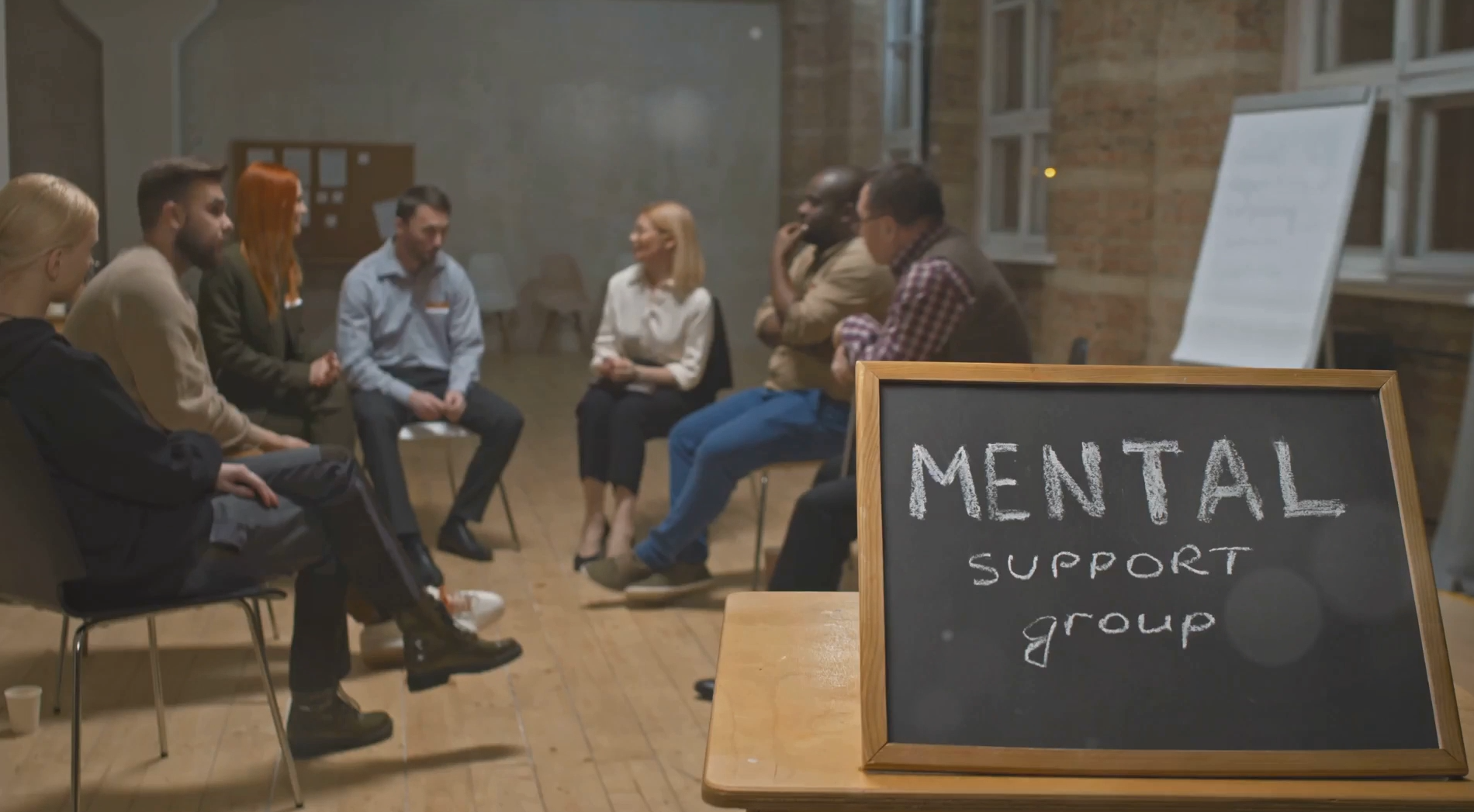
Here is a brief update of the carer forum I run aimed at those caring for someone with mental health challenges.
The meeting involved a discussion on the challenges faced by carers and service users in accessing healthcare services, with a focus on mental health issues. The group explored the use of storytelling and poetry as tools for raising awareness and improving understanding of the carer’s journey. They also discussed the importance of support networks and the need for proactive communication with healthcare providers to ensure timely appointments and care coordination.
Carer Group Organizer Discussion on Mental Health Challenges
Matthew, the carer group organizer, led a discussion with carers in attendance about their own experieces caring for someone with severe mental illness. Morgan from the Patient Stories Project at South London and Maudsley introduced her work collecting stories from service users and carers.
Patient Stories Project and Personal Experiences
A carer shared his personal experience and situation, which was acknowledged by matthew. Matthew then introduced Morgan, who presented the Patient Stories Project. Morgan explained that the project was initiated to improve the way patient and carer experiences are collected, as traditional surveys were deemed ineffective. The project is partially funded by the Maudsley Charity and aims to provide a human voice to issues faced by patients. Morgan also mentioned that the project is flexible in its approach, allowing patients to share their stories via various methods, including face-to-face, written, or creative methods. A carer member of the group asked about the reporting methods, to which Morgan responded, explaining the various options available. matthew then shared his own experience of using poetry to raise awareness about carers.
Using Poetry for Caregiving Experiences and Collaboration
Matthew shared his thoughts on using caregiving experiences to connect with others through poetry. He highlighted the power of poetry to express emotions, create vivid imagery, and inspire creativity. Matthew also mentioned his own caregiving experience and how it has influenced his writing, with a focus on raising awareness about caring for someone with mental ill health. He expressed interest in meeting with Morgan to discuss further collaboration.
Improving Carer Experiences and Breaking Stigma
The meeting also focused on improving the experiences of carers and service users through sharing stories and experiences to break stigma and enhance understanding of the carer’s journey. The importance of carers’ voices being heard more clearly in survey data and feedback mechanisms was emphasized. Positive experiences from carers were shared, along with areas for improvement. The use of social media, such as Twitter, was discussed as a tool for raising awareness and seeking help.
Addressing Access Challenges for Patients
A carer discussed the challenges faced by a patient who was referred to Lewisham Single Point of Access but was unable to access services due to a referral requirement from her GP in Lambeth. Someone suggested that they should meet with the GP to discuss available services and potential referrals. Carers agreed that this situation was a good case study for understanding the difficulties in accessing services. A carer also mentioned that the patient’s chronic health condition and the conflict between Lambeth and Lewisham services were complicating the situation. The team decided to leverage the GP’s power to refer the patient to appropriate services and start her on therapy.
Addressing Healthcare Access Challenges and Recruitment
Carers also discussed the challenges faced by individuals in accessing healthcare services. They highlighted the need for a carer’s lead to be appointed.
They also discussed the difficulties in the recruitment process, particularly the time it takes for background checks and DBS checks. matthew proposed reaching out to mental health nurses in GP surgeries for further assistance. The team agreed to continue their efforts to improve the situation and support those in need.
Another carer awareness and carers rights blog post from Matthew McKenzie. When caring for someone with long term illness. It is very important to be aware of your carers rights.
We all have them, but unfortunately most of us are not aware and might not be told about those rights. We are too busy worrying about the health of our loved one or close relative.
As of 2024 21st of november. It will be Carers Rights day and although I will do my best to raise awareness of this important day for carers and organisations that support carers. I thought to make a blog and video now.
It is all too easy to fall into the role of unpaid caregiver and not reach out for any support. This is important to recognise. As carers, we also need some support in our caring role.
Remember to feedback on my video and good luck recognising your carers rights.
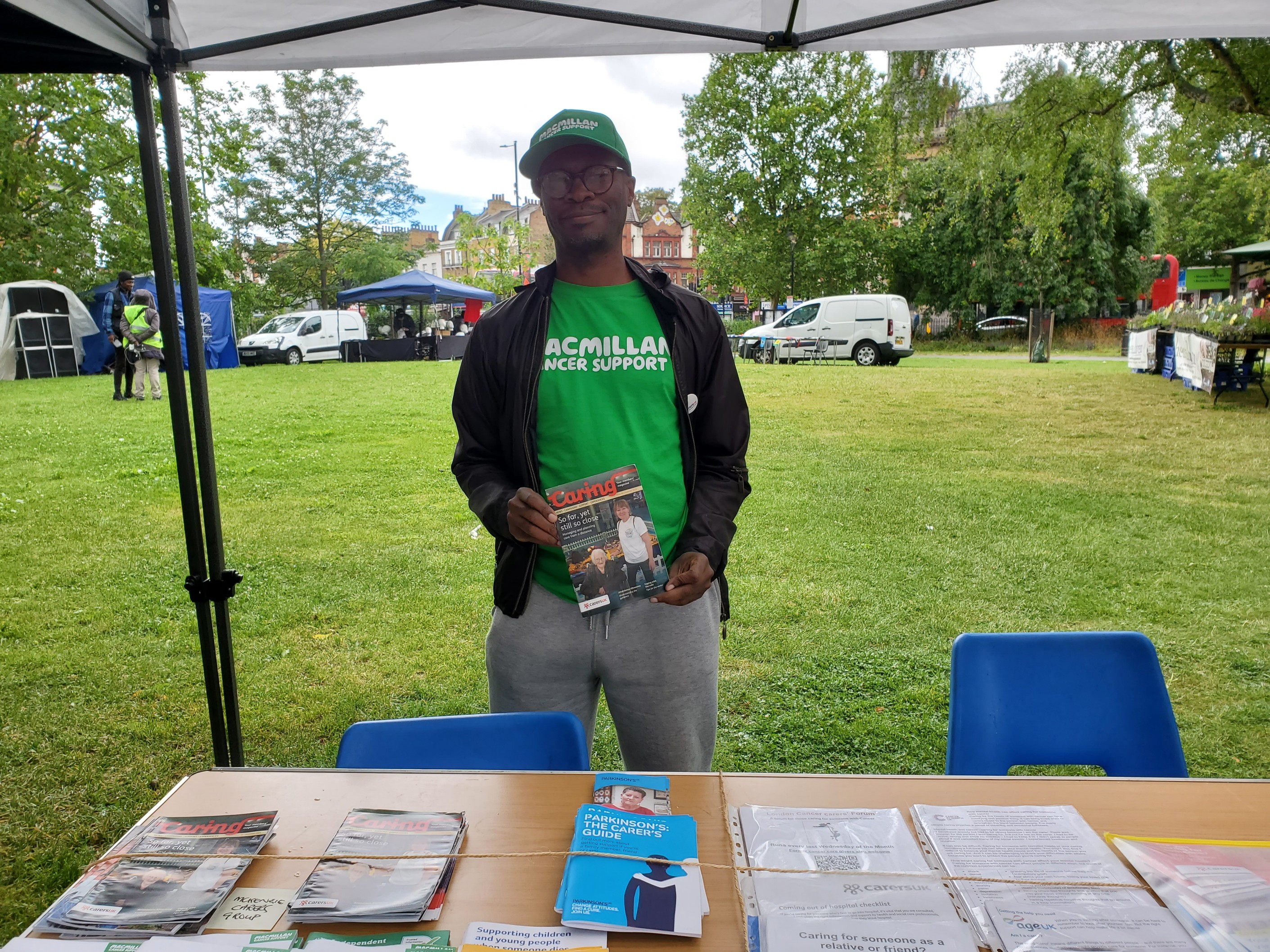
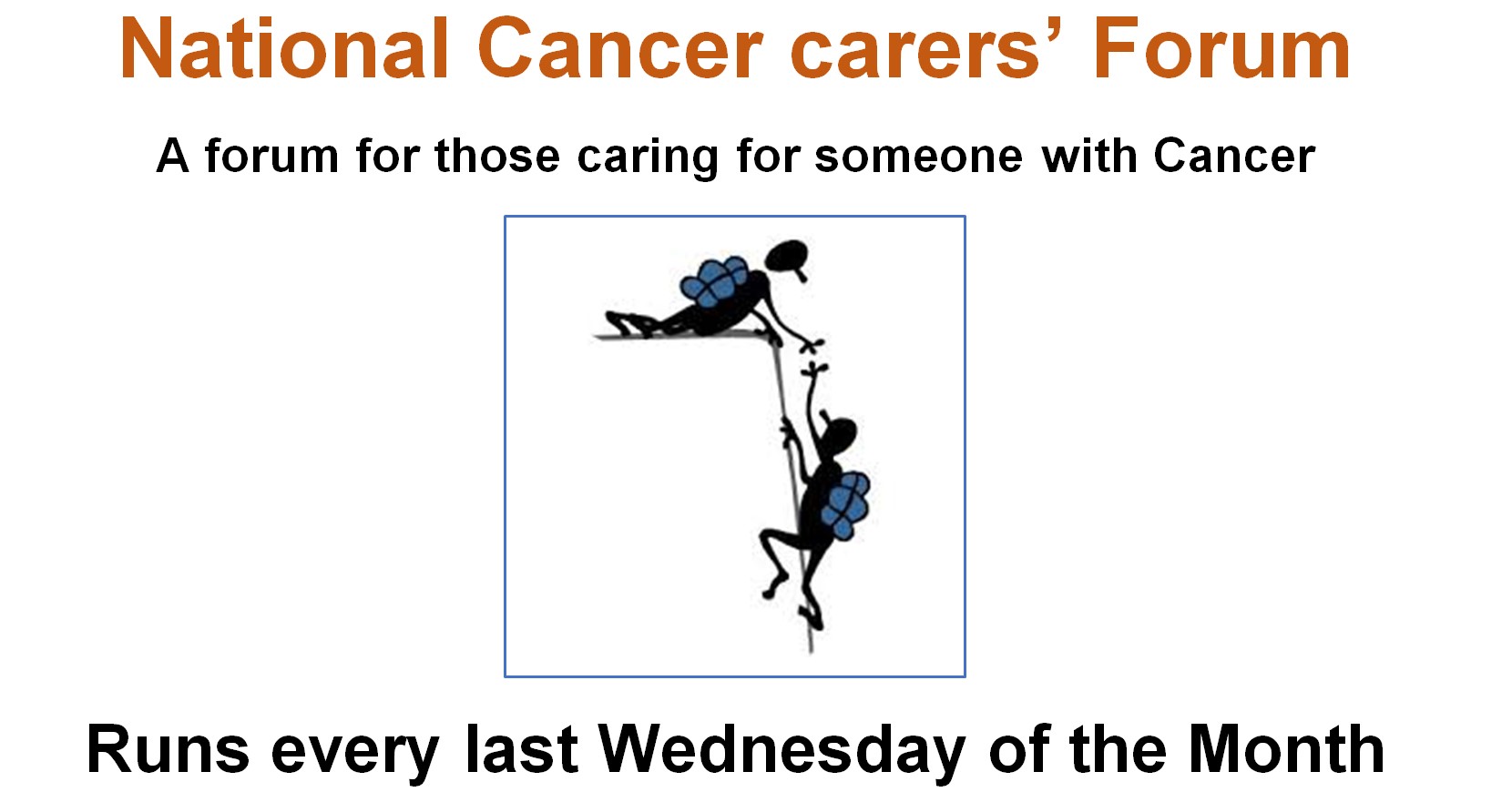
Welcome back to another blog poster from Matthew McKenzie, carer activist and a member of the Macmillan Cancer Community Network. I chair the National Cancer carer forum aimed at those caring for someone living with cancer.
if you struggle with caring for someone with cancer. As carers, we never want to see our loved ones struggle. But caring for someone with cancer can be incredibly frightening. It’s hard to be strong for them if you’re struggling too. That’s why it’s so important to identify yourself as a carer.
Feel free to watch the short carer awareness video I made below.
By registering at your doctor’s surgery, a carer centre, or a Macmillan Cancer Support group, you can access the support you need. Get the help you deserve. Remember, you’re not alone in this. By identifying yourself as a carer, you’re opening the door to resources, advice, and a community that understands what you’re going through.
You can also register for my online group, that runs the last Wednesday of the month.
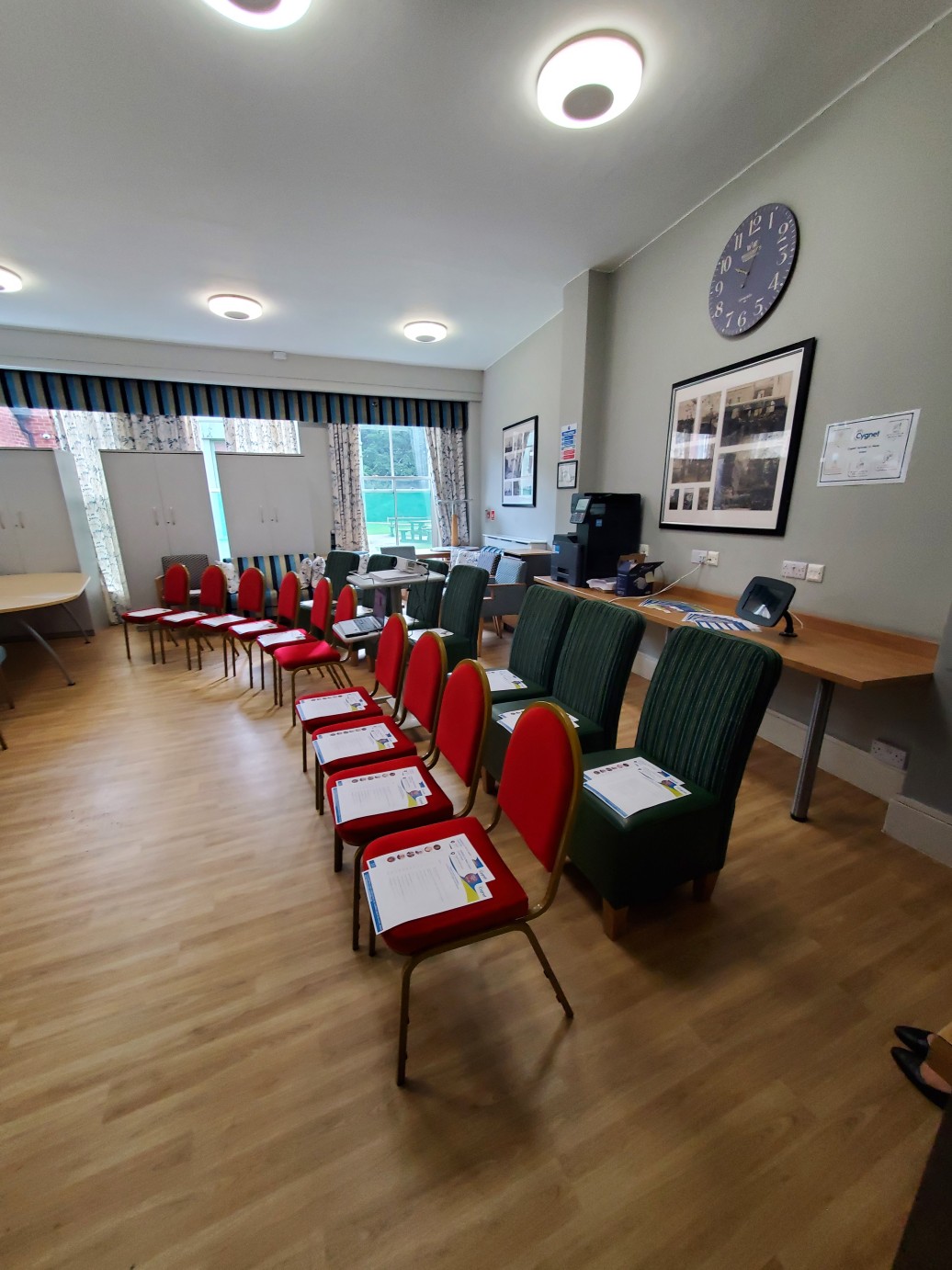
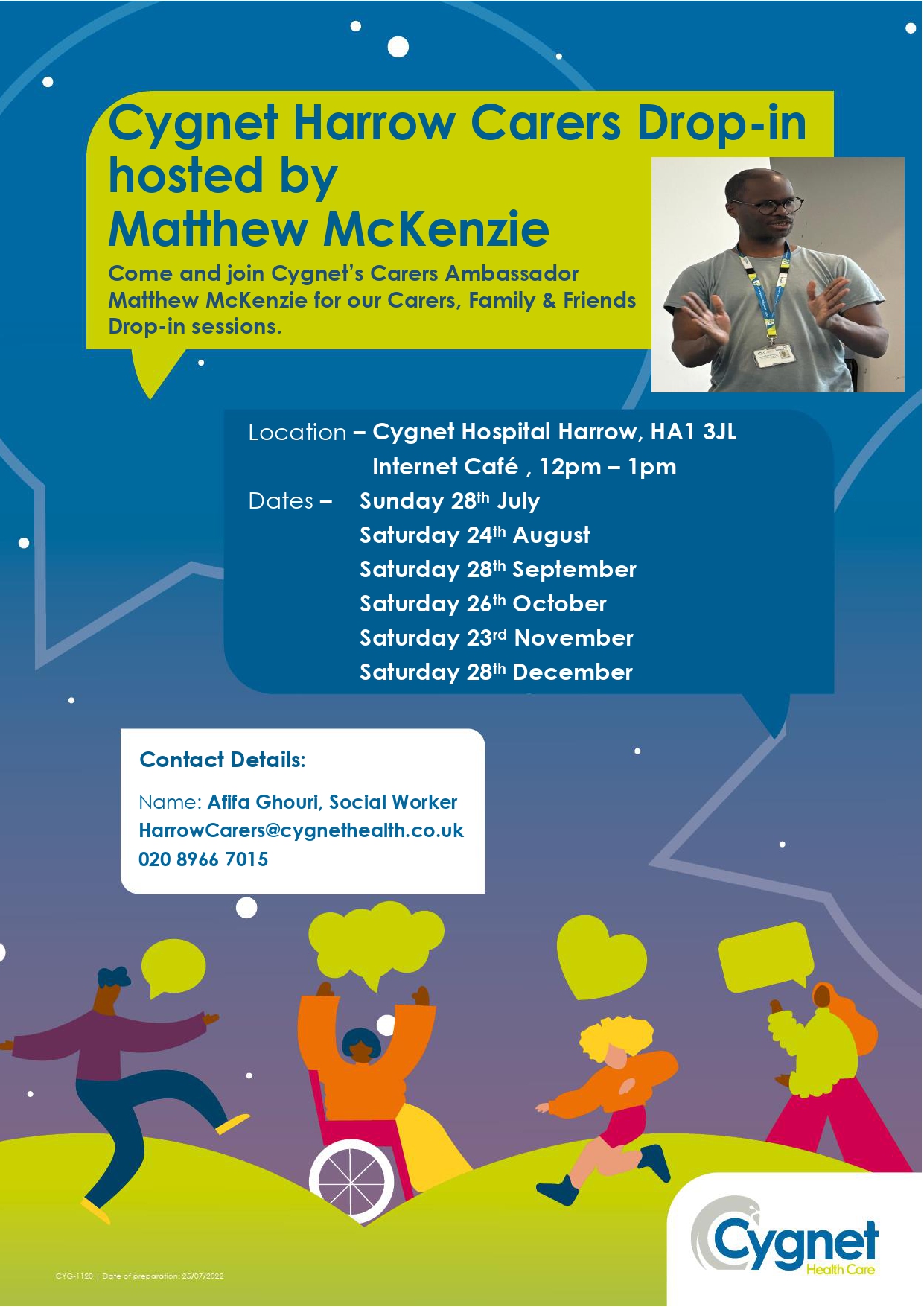
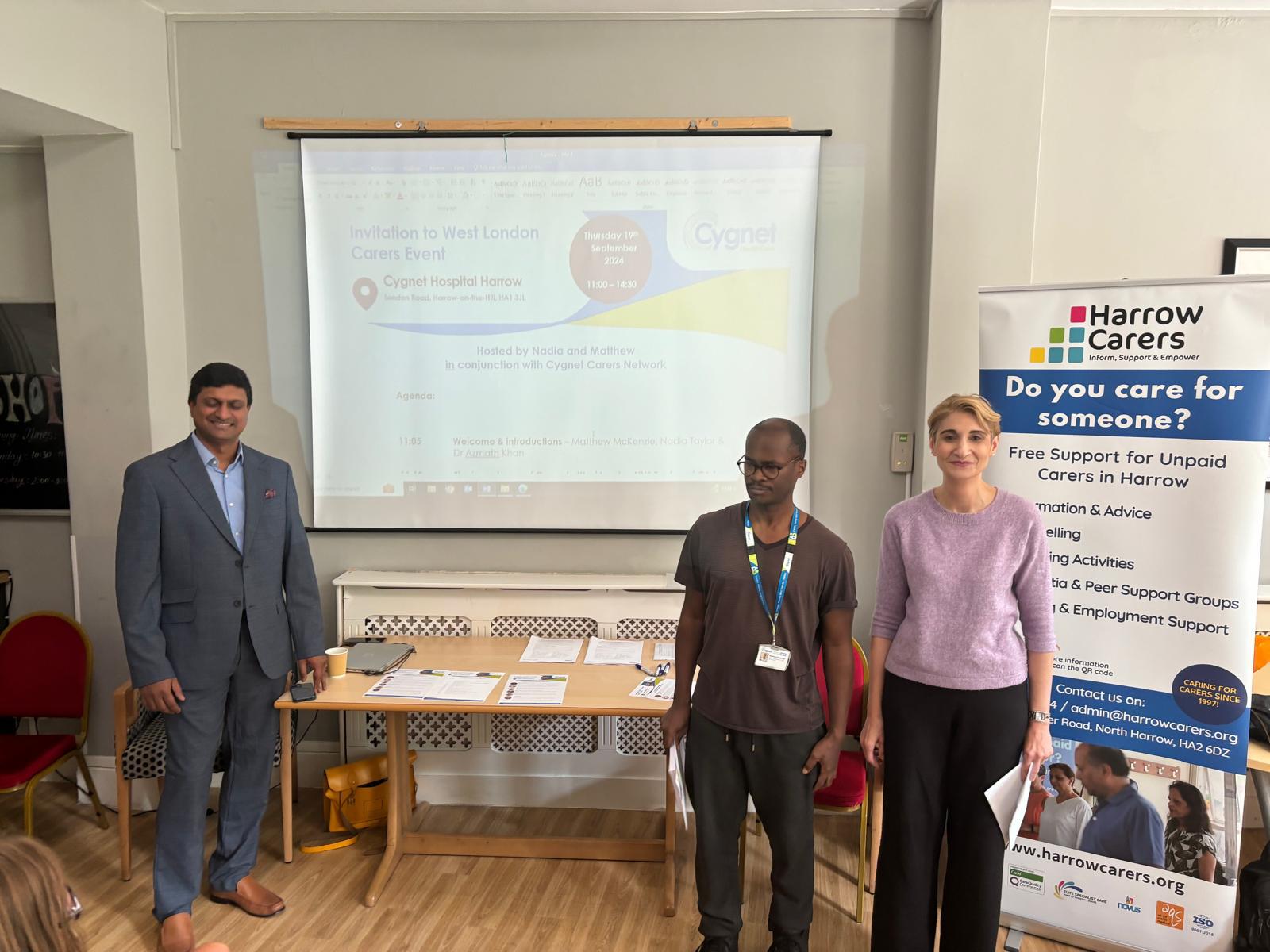
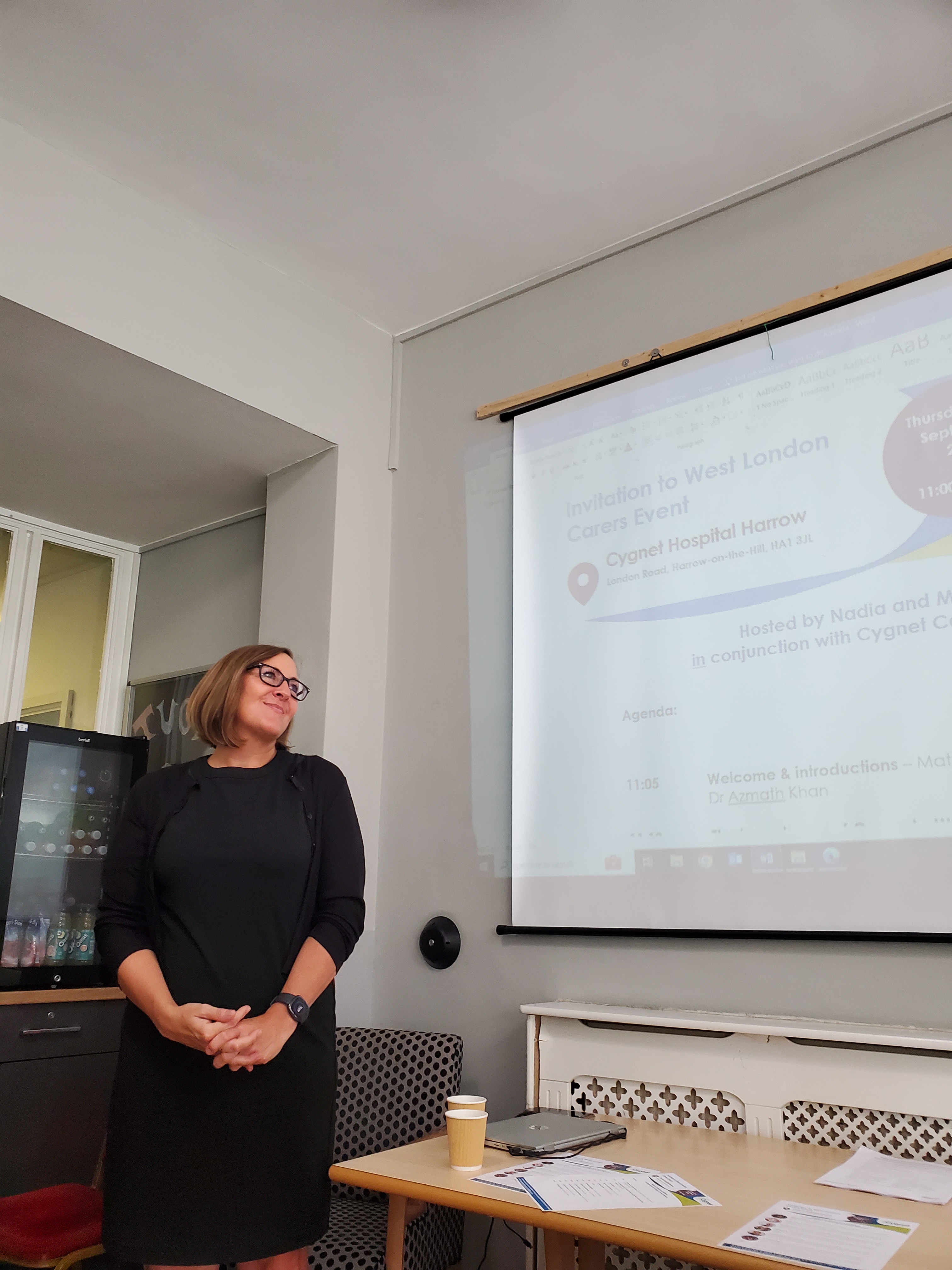
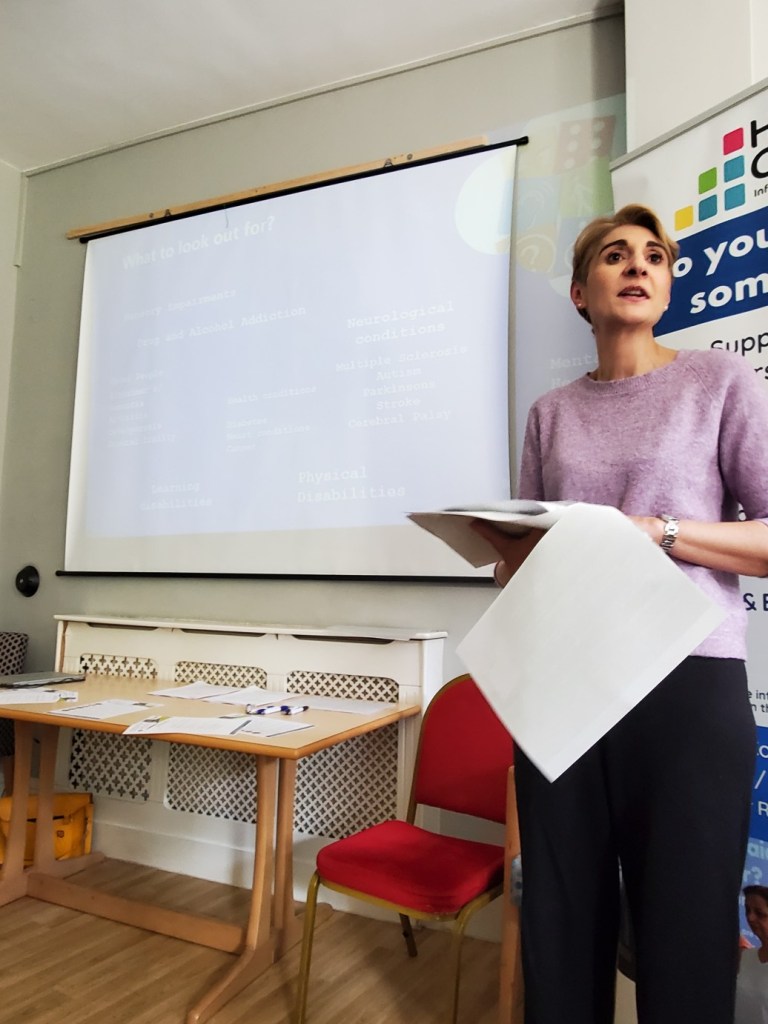
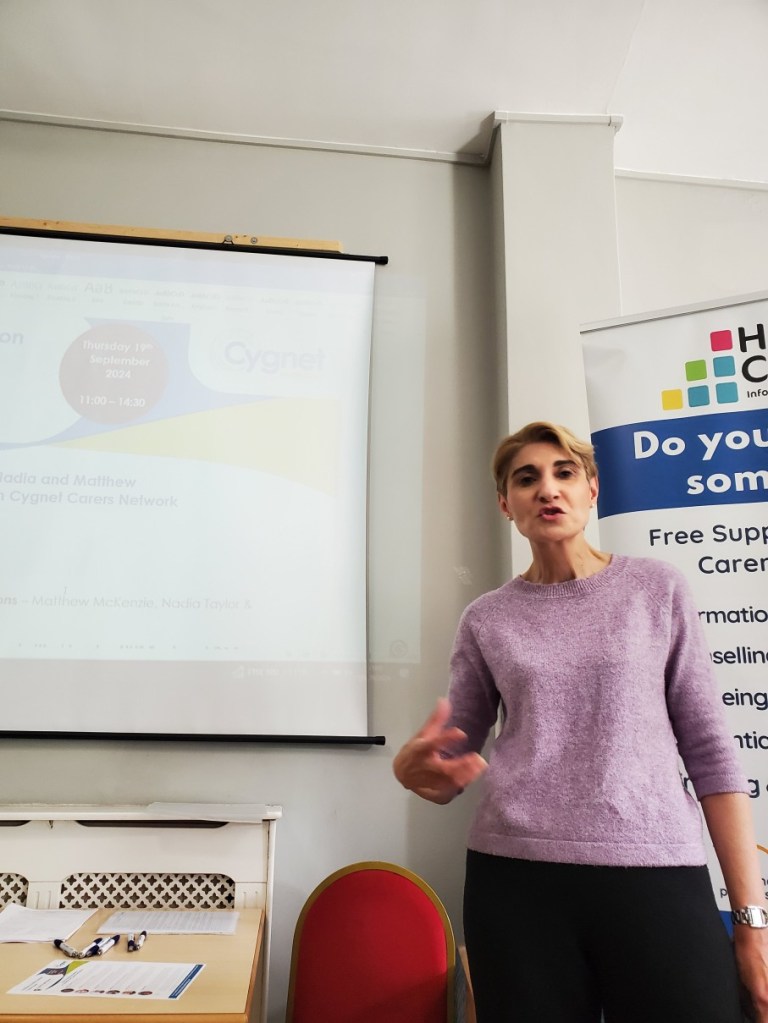
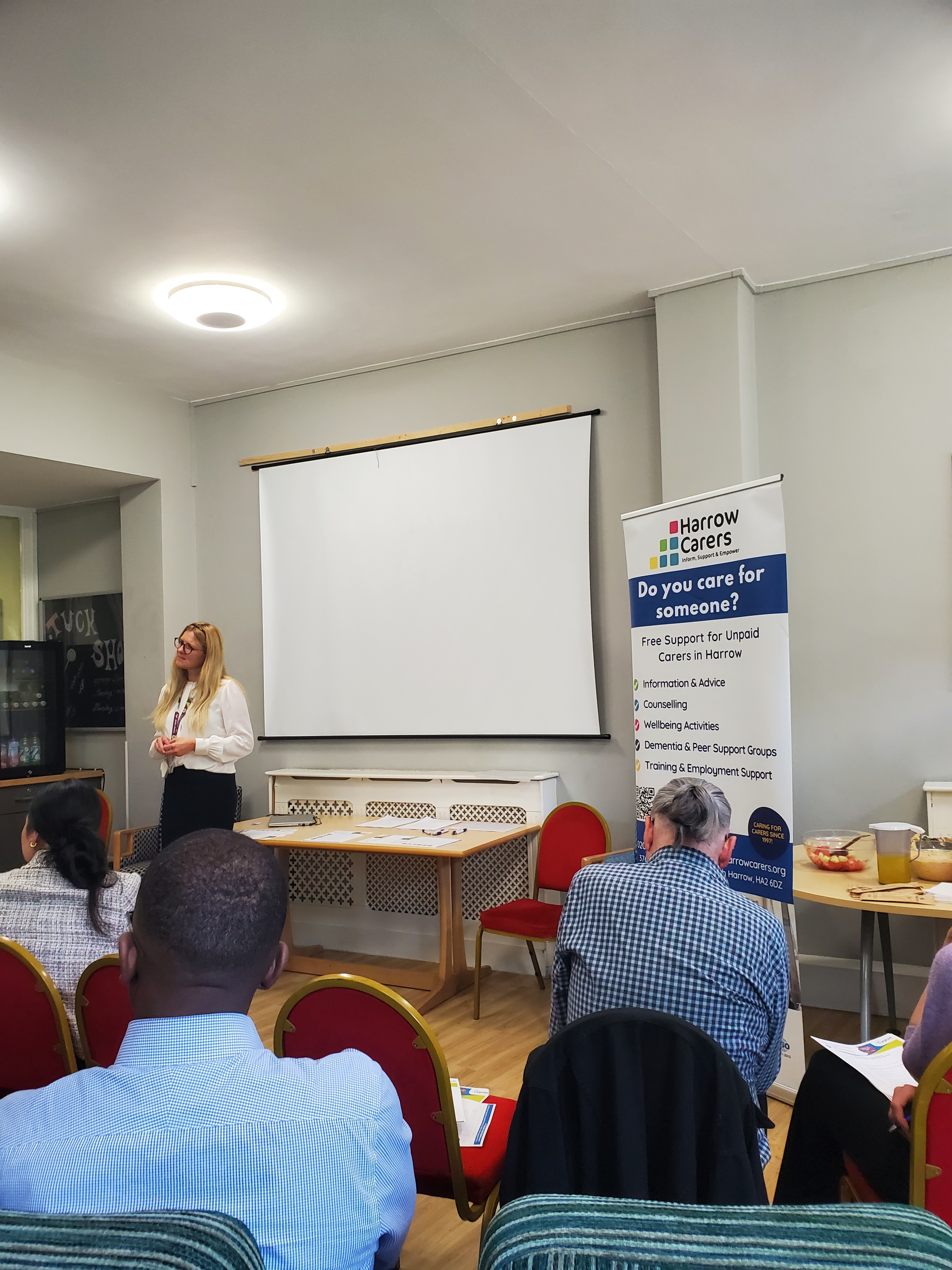
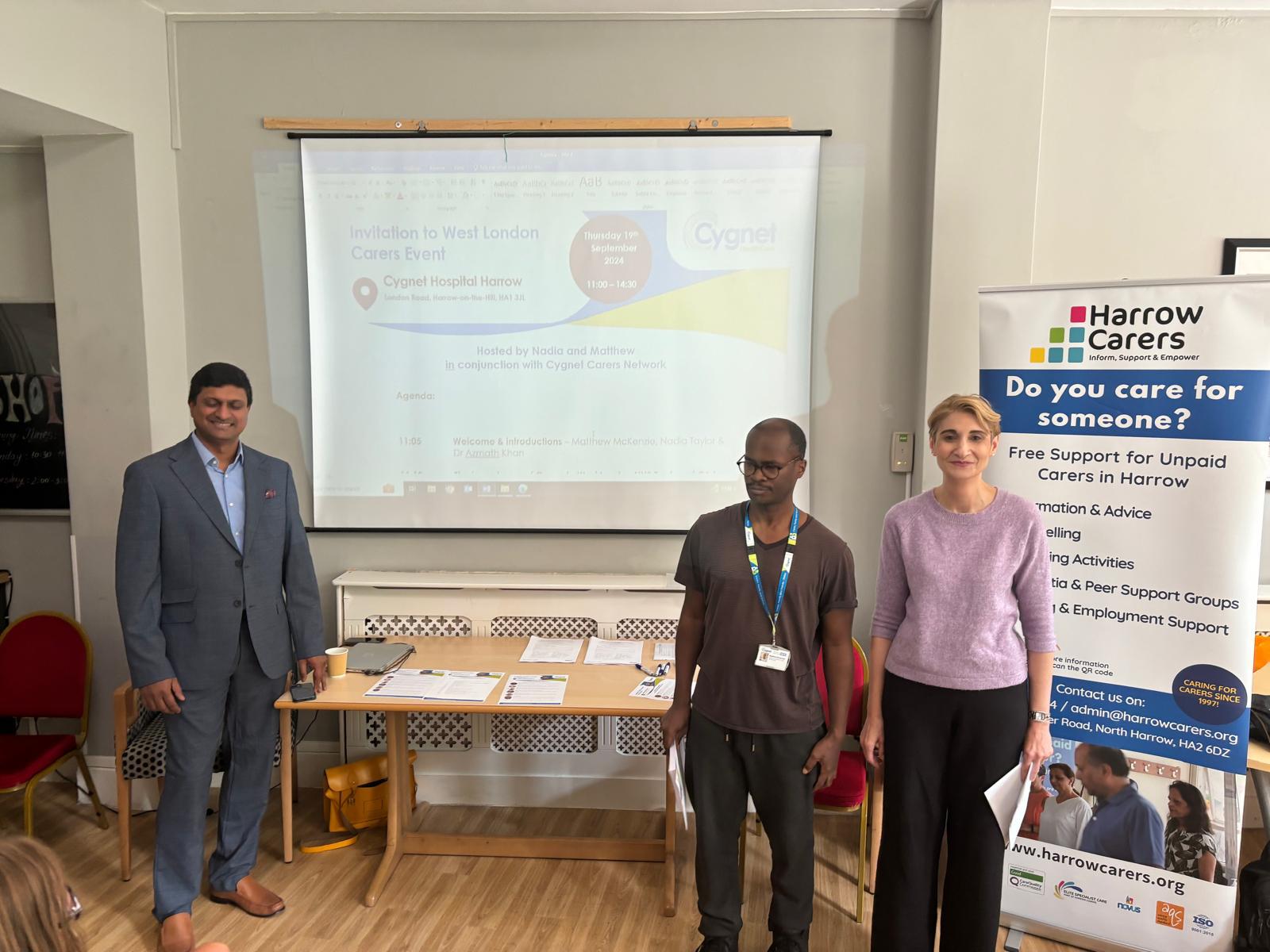
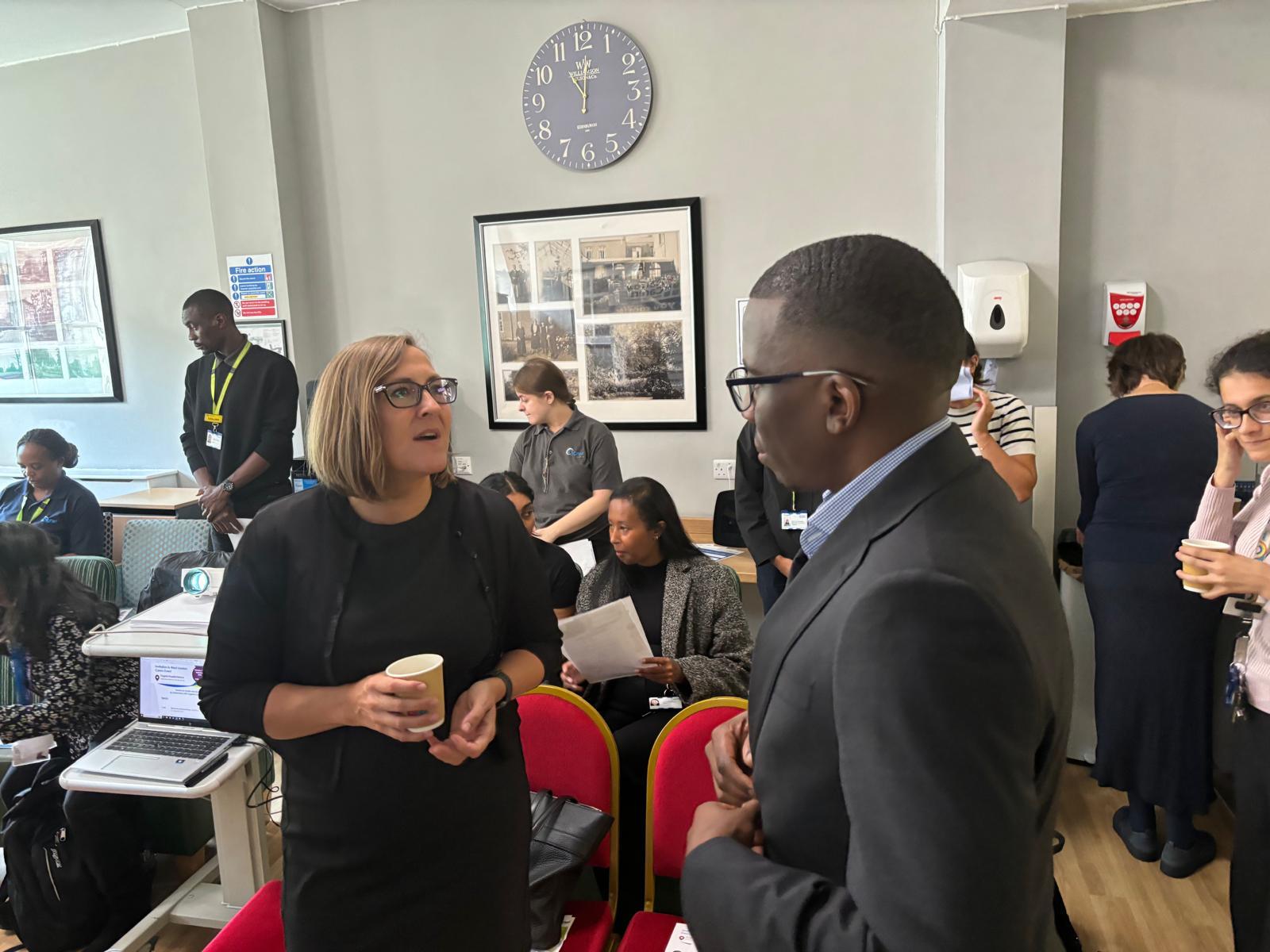
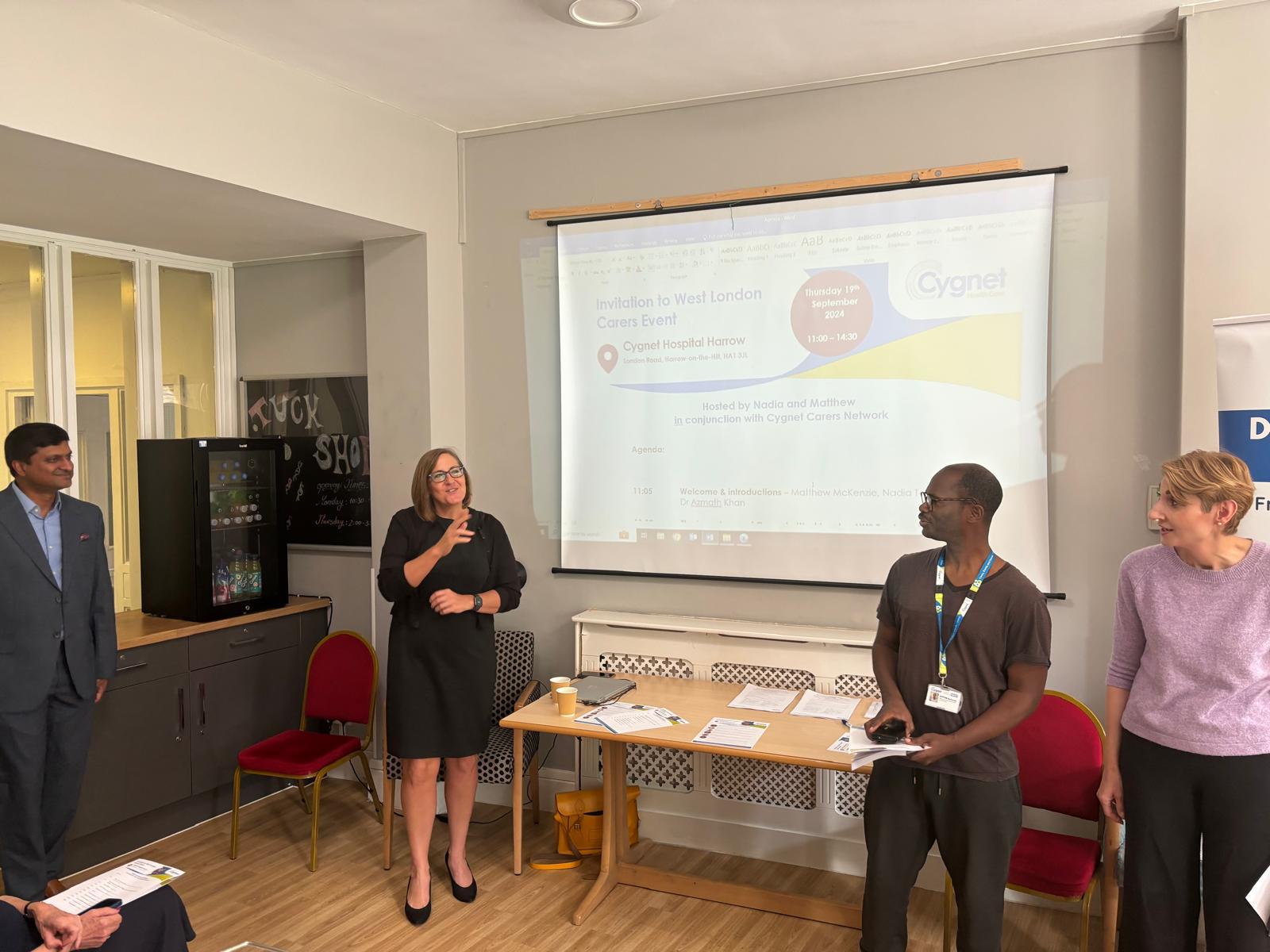
Welcome back to a brief update of a carers event planned by carer Nadia Taylor (Chair of Carers Network) and myself with support from Cygnet and West London Health Trust. The event was held at Cygnet Harrow, over Harrow on the Hill. The event was called “West London Carers Event” and the theme focused on Carers Rights, carer engagement and carer stories.
As carers of those using or have used mental health services, we feel it is important to have our voices heard. As a cygnet network carer ambassador, I was delighted to have the chance to connect with carers and provide carer awareness to staff who worked at the hospital.
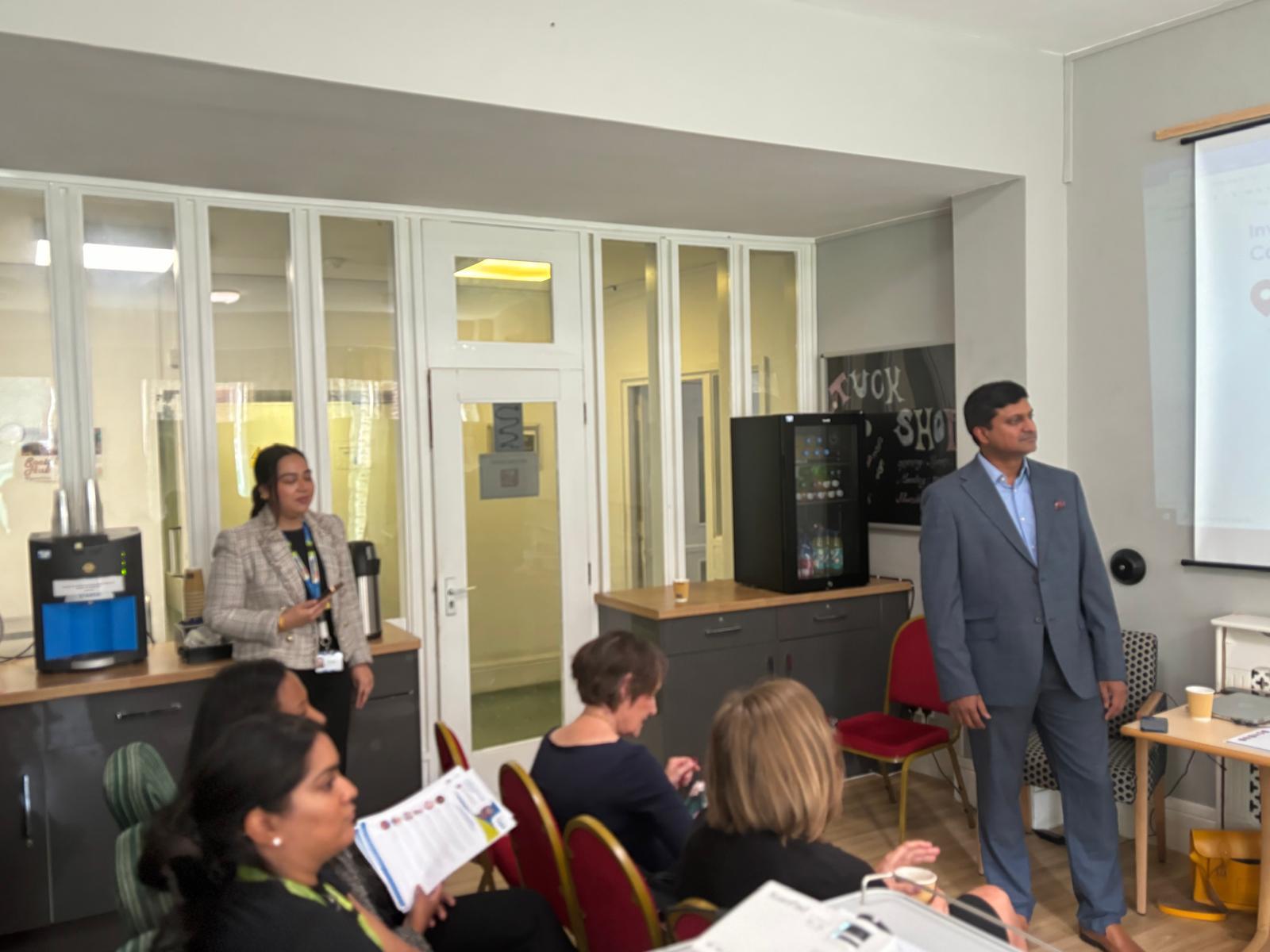
The event was prepared by Afifa Ghouri who is Cygnet’s Senior social worker. She provided a lot of support to the speakers and ushered the audience to learn from various topics.
I have been running a carer group with Afifa for the hospital. We want to reach out to families and carers whose loved ones use the services of Cygnet Harrow hospital.
It was not long we were up on stage to open the event.
We were joined by Dr Azmathulla Khan who is the Medical Director at Cygnet Harrow. It is important to have support of mental health professionals.
First to present was Gillian Kelly who I have known many years for my involvement at West London Health trust. Gillian supported the event, which was carer led and spoke about her story and the vision West London health trust has for unpaid carers.
Where after a few speeches, we then moved on to our first session of the event where Nadia talked about the important of Carer’s Rights and how the charity Carers Network supports carers.
Nadia is a Carer and also an activist and campaigns for unpaid Carers’ rights and recognition, as well as for the provision of the minimum living wage for unpaid carers. Nadia Taylor is the Chair of the Board of Trustees of Carers Network, supporting unpaid Carers in the London Boroughs of Hammersmith & Fulham, Kensington & Chelsea and Westminster.
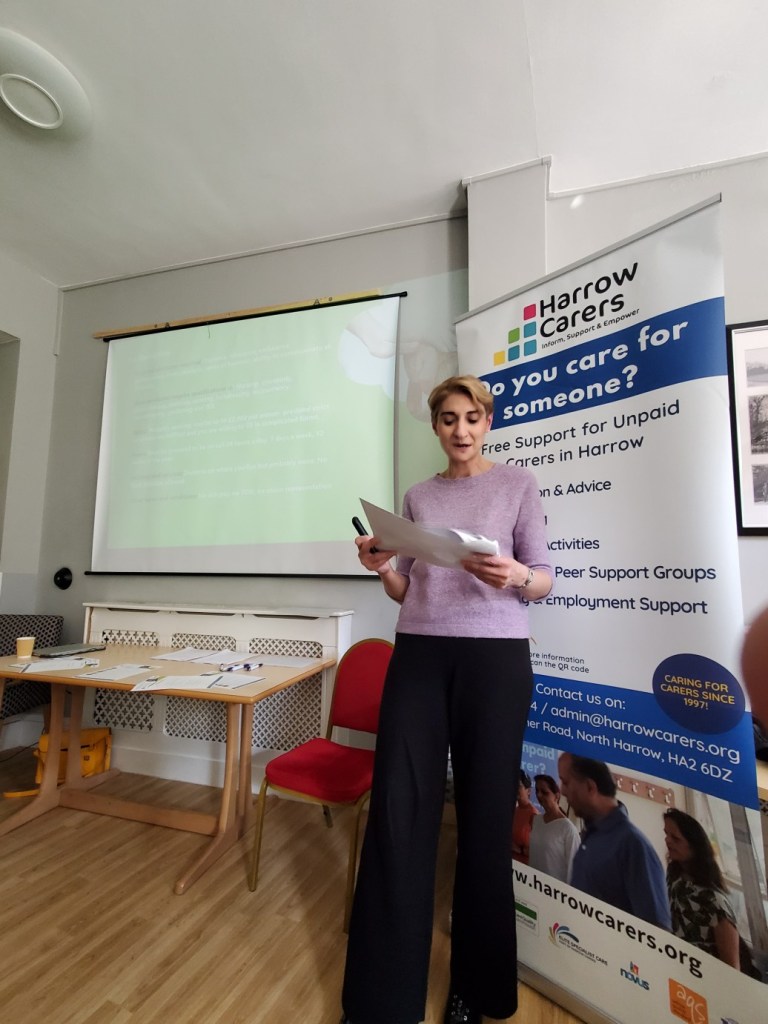
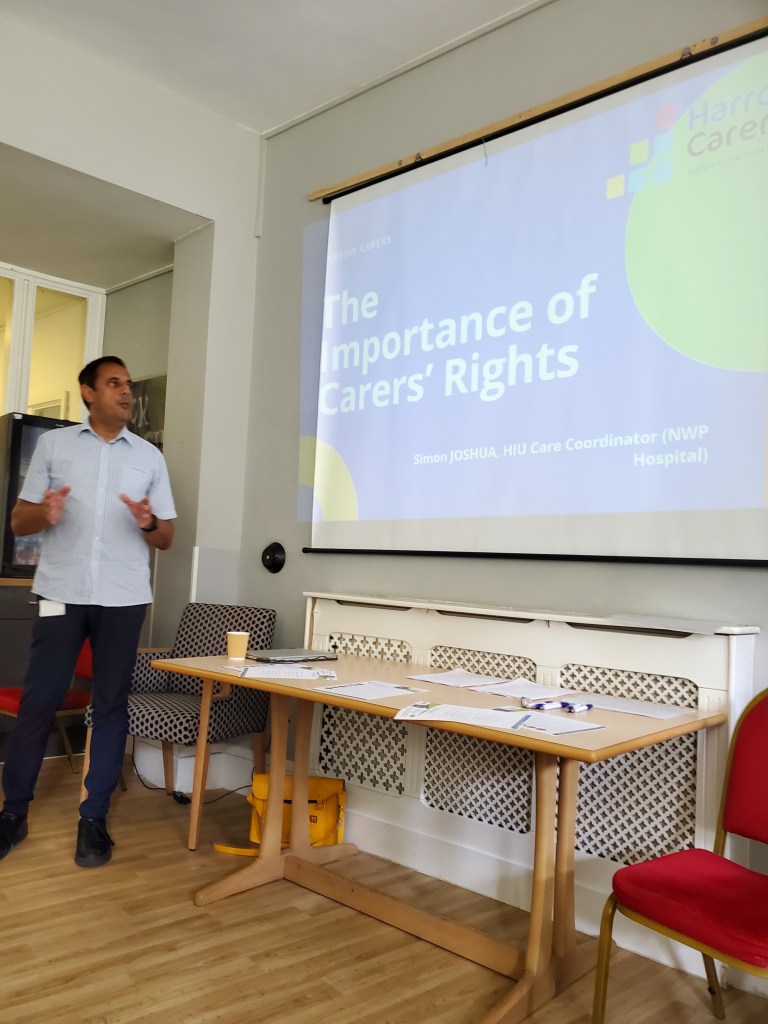
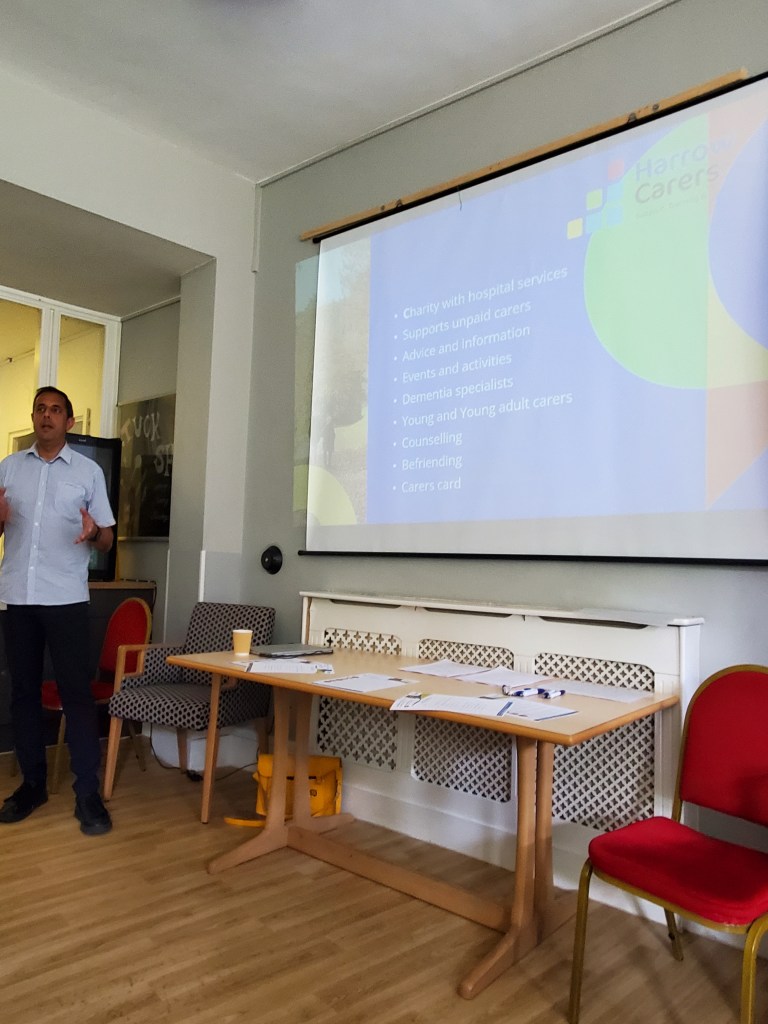
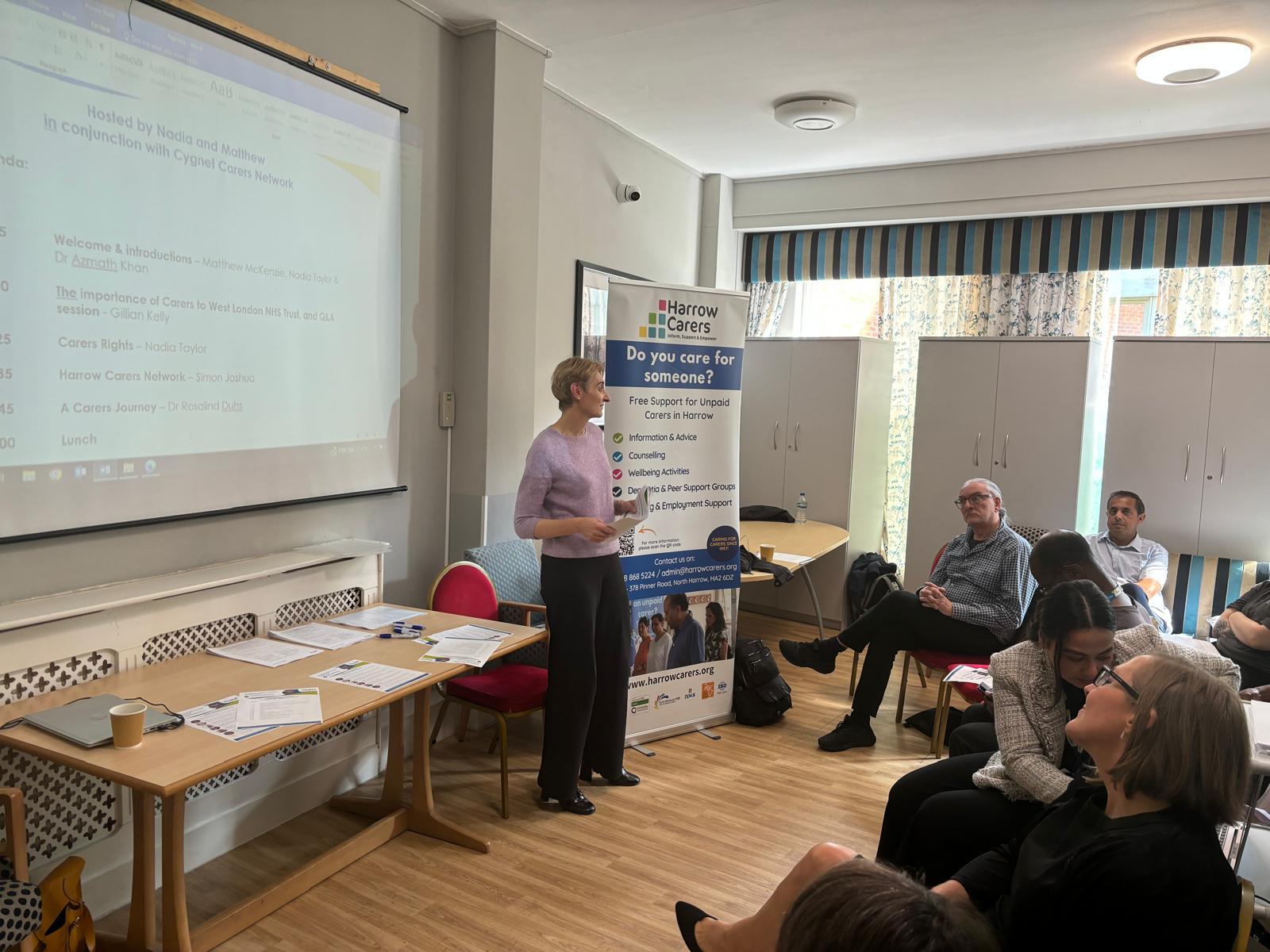
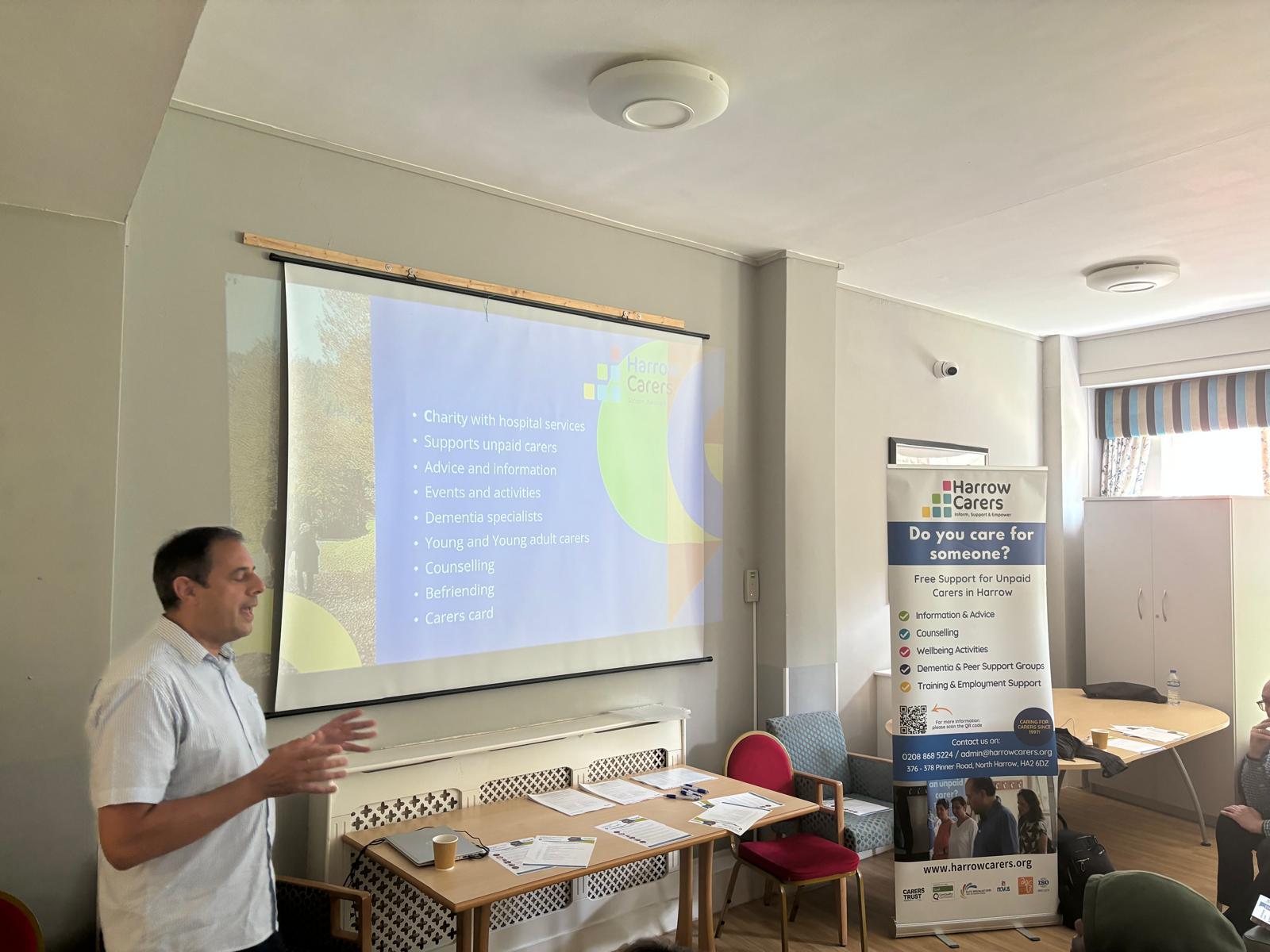
Harrow Carers were up next also talking about carer’s rights, but also added how they support carers for the borough of Harrow.
If you remember, they did an excellent community event for Carer recognition awards, which I helped judge. You can see the video below.
It was great to see so many staff from Harrow carers support the event, even the CEO of Harrow Carers dropped by to observe the event and network.
From the images below, Simon Joshua presented on Carers rights.
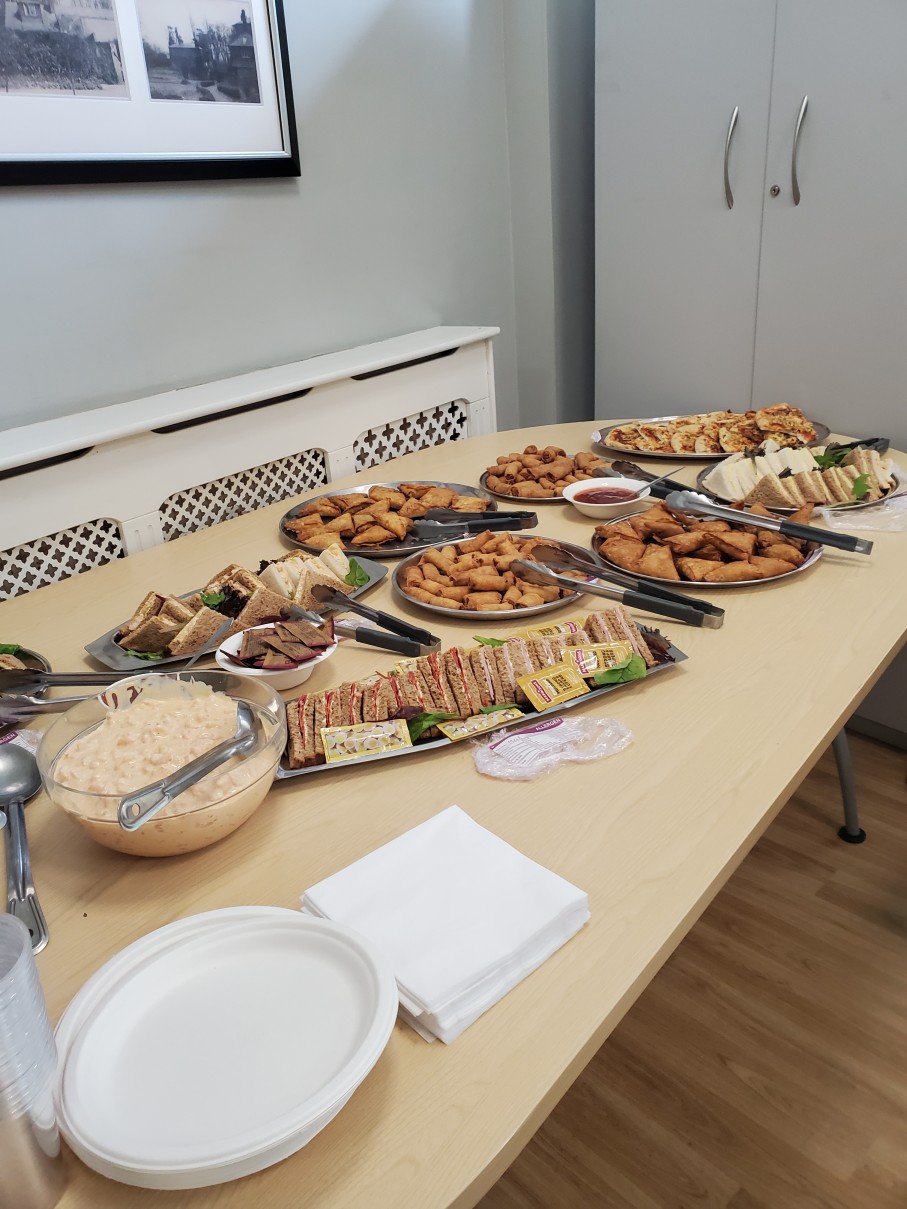
We hope to see some partnership working with the carers centres in future. We then moved to lunch to network with other attendees.
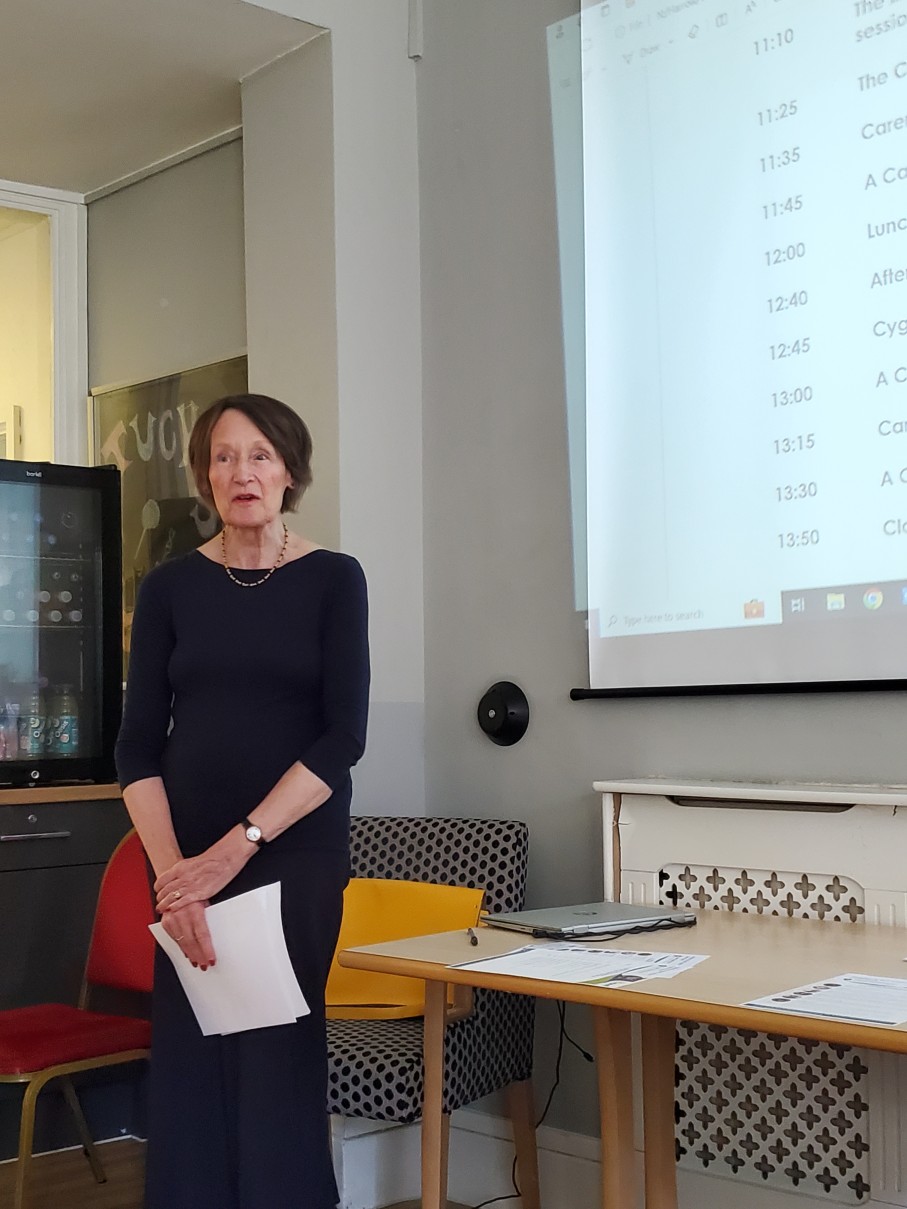
We got to hear about what people thought of the event so far. It was great to get feedback as we plan to do more events i future. After Lunch we heard from Dr Rosalind Duhs who spoke to us about her Carers Journey regarding dementia. Although her talk was fairly short, I learned a lot from her.
Dr Rosalnd has Strong support from family, the Carers’ Network, Alzheimer’s Society Admiral Nurses, and the NHS have enabled her to do the best that she can for him. She a member of the Dementia Lived Experience Steering Group, Imperial College Care Research & Technology Centre.
We then had Giftie who spoke about her caring journey although she is not from the area, we welcomed giftie as she share the impact of her story. Giftie was also kind to read 2 poems out of my book. I could not do a better job. One of the poems Giftie read was called “Whats going on?” where the poem can be viewed below
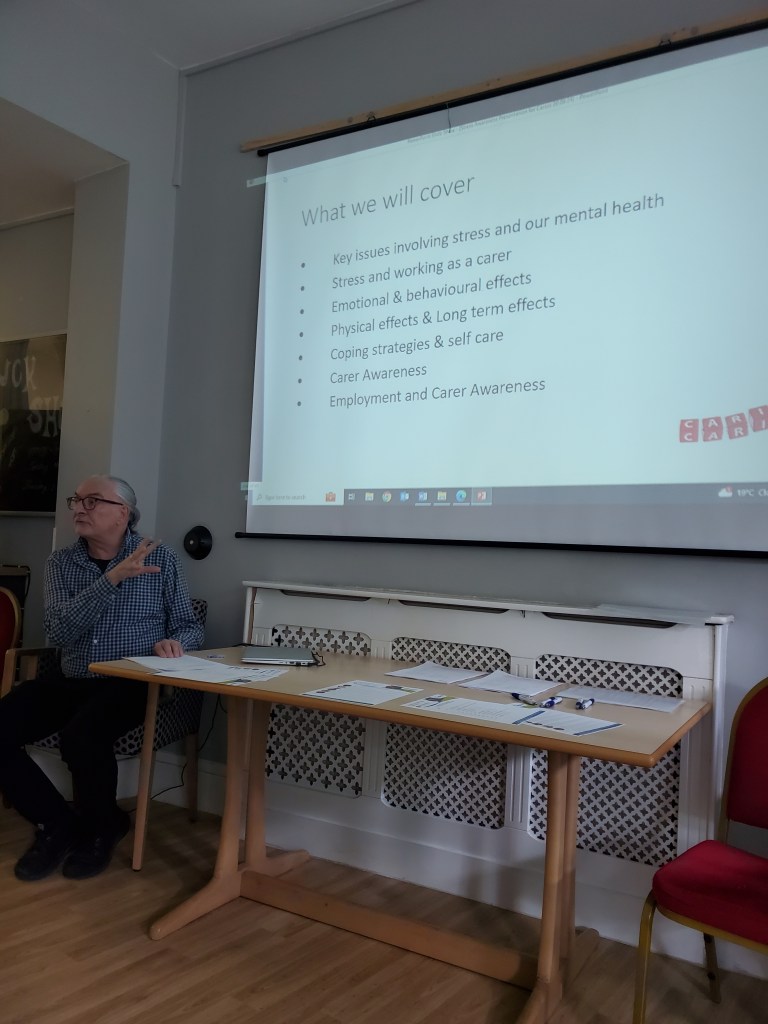
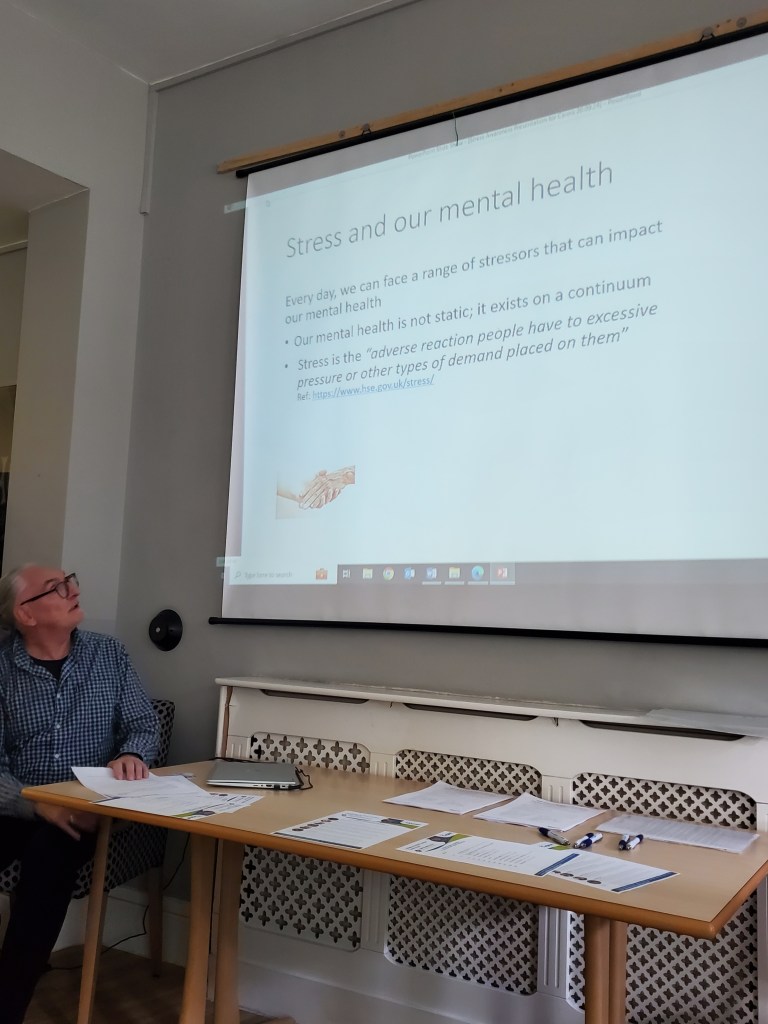
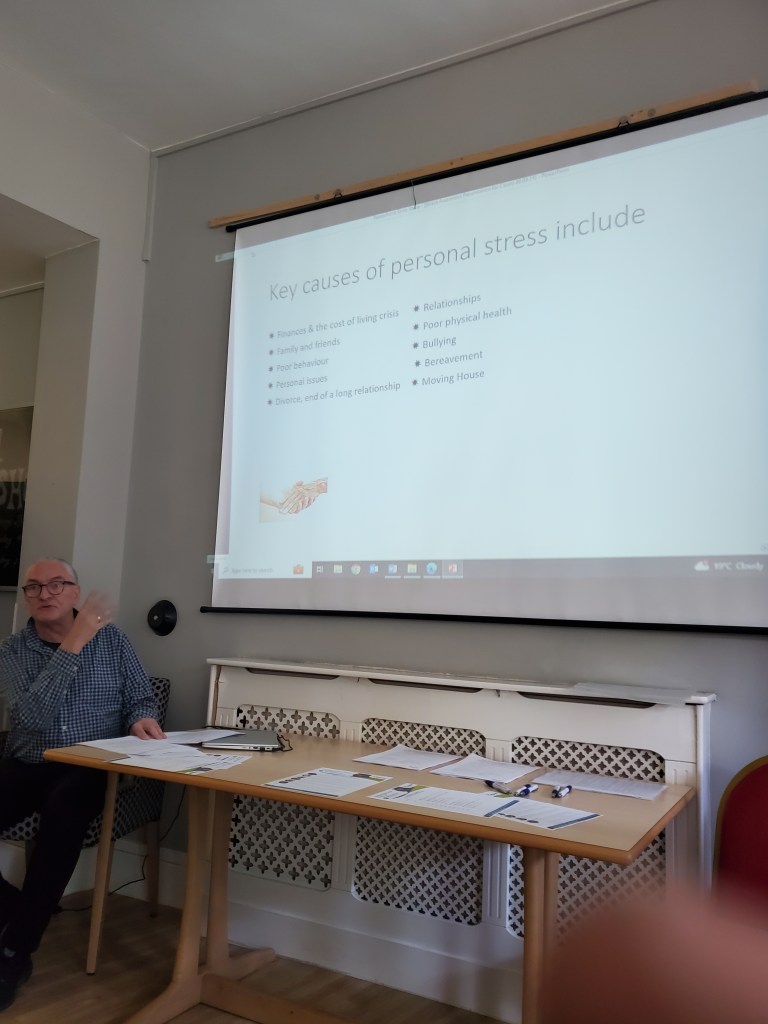
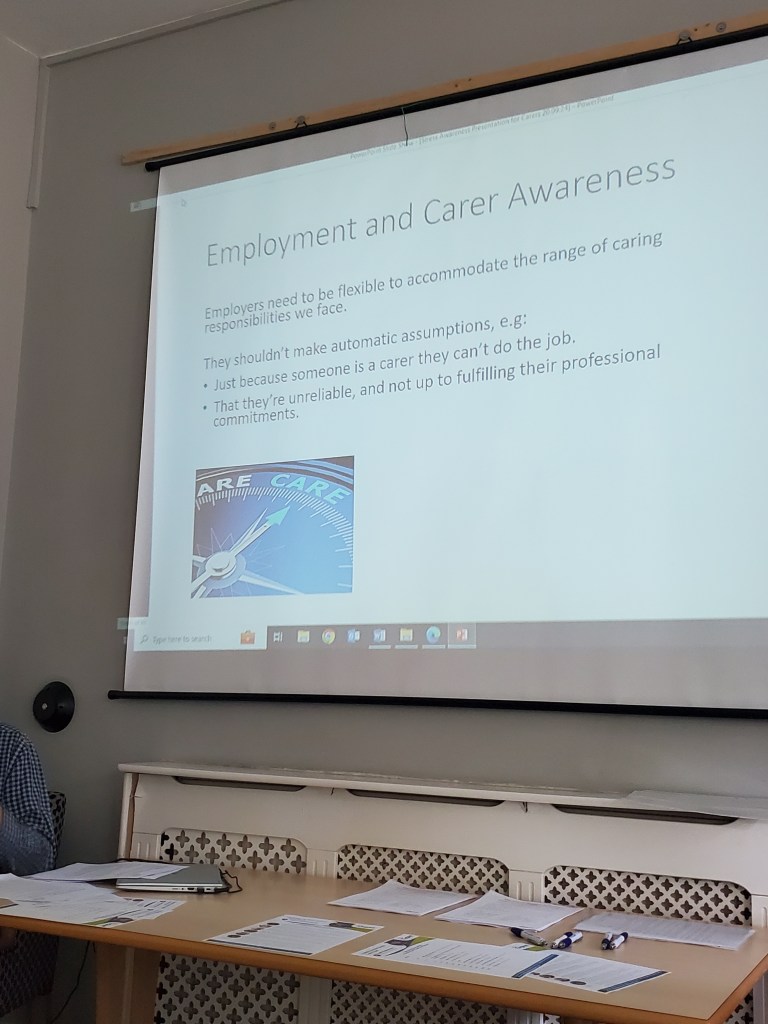
Next up to speak was Malcolm Moore on the topic of carer mental wellbeing. Malcolm is an independent producer, consultant and trainer. Since unexpectedly becoming an unpaid family carer 12 years ago, he co-produced and co-facilitated the West London NHS Trust’s ‘Carer Awareness’ training for NHS staff and continues to sit on their Carers Council Board. Malcolm is a former spokesman for the Working for Carers programme led by the Carers Trust.
Malcolm gave an excellent lesson on the effects of caring regarding carer mental health. It is important carers are aware of the mental health and seek support when needed.
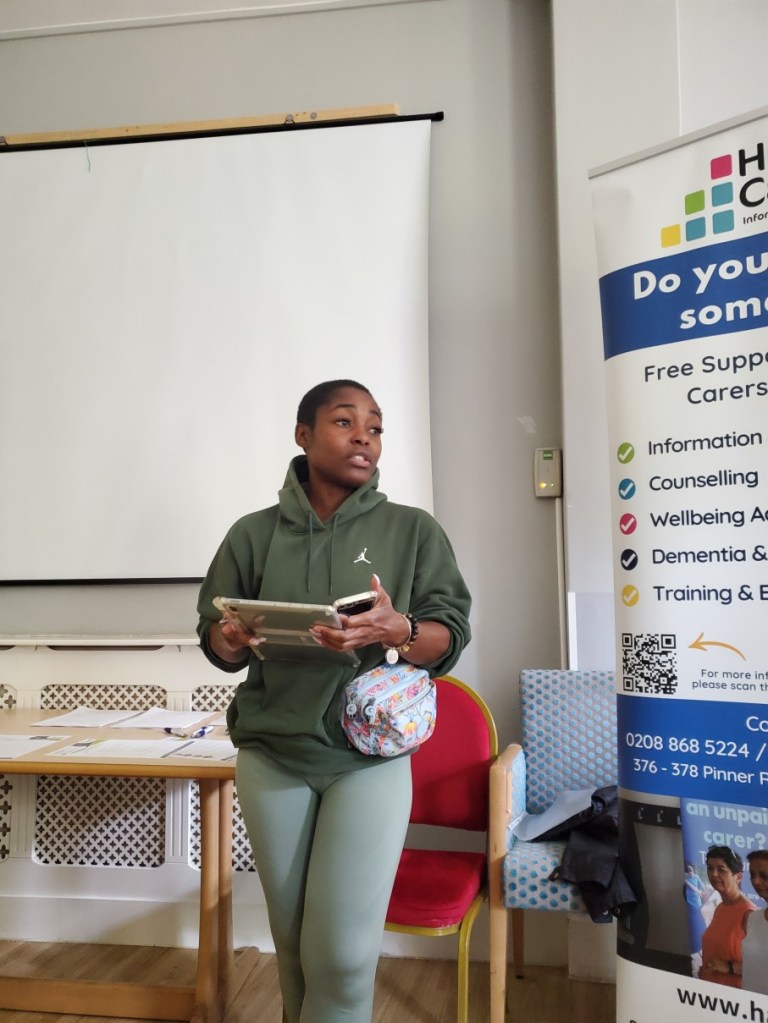
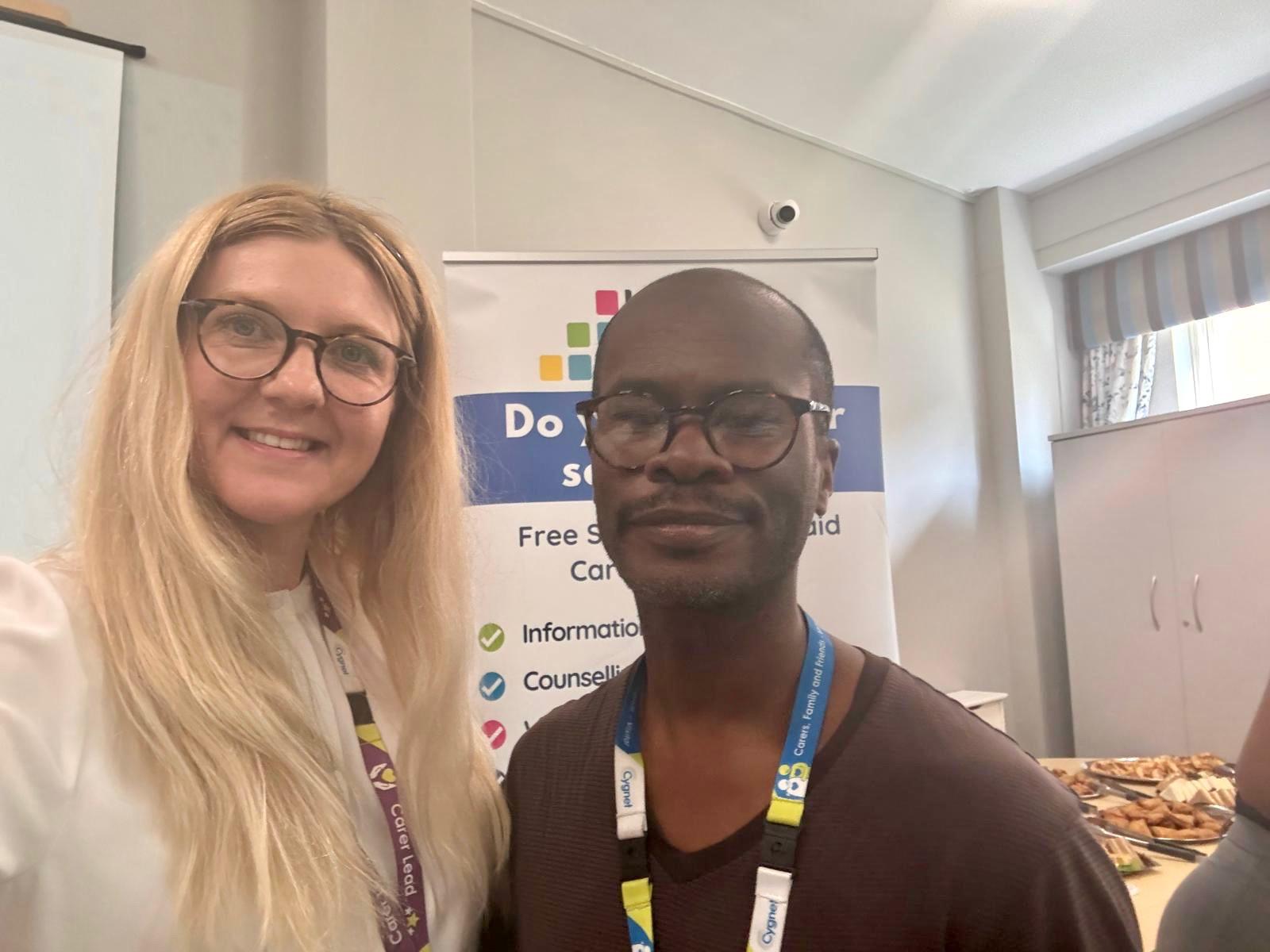
The event was closed by Laura who is cygnet’s carers lead. Laura explained about the work Cygnet is doing to engage with carers.
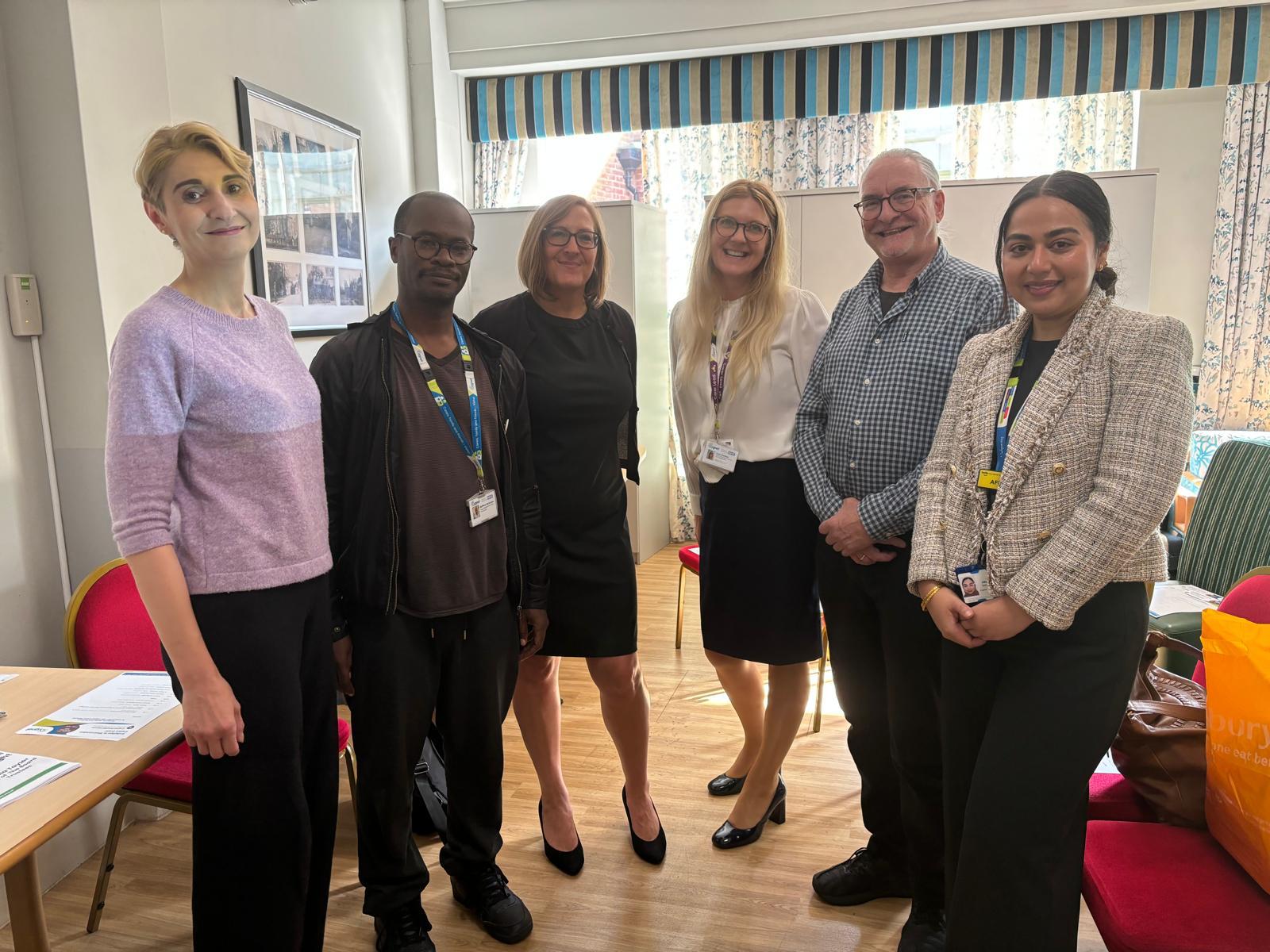
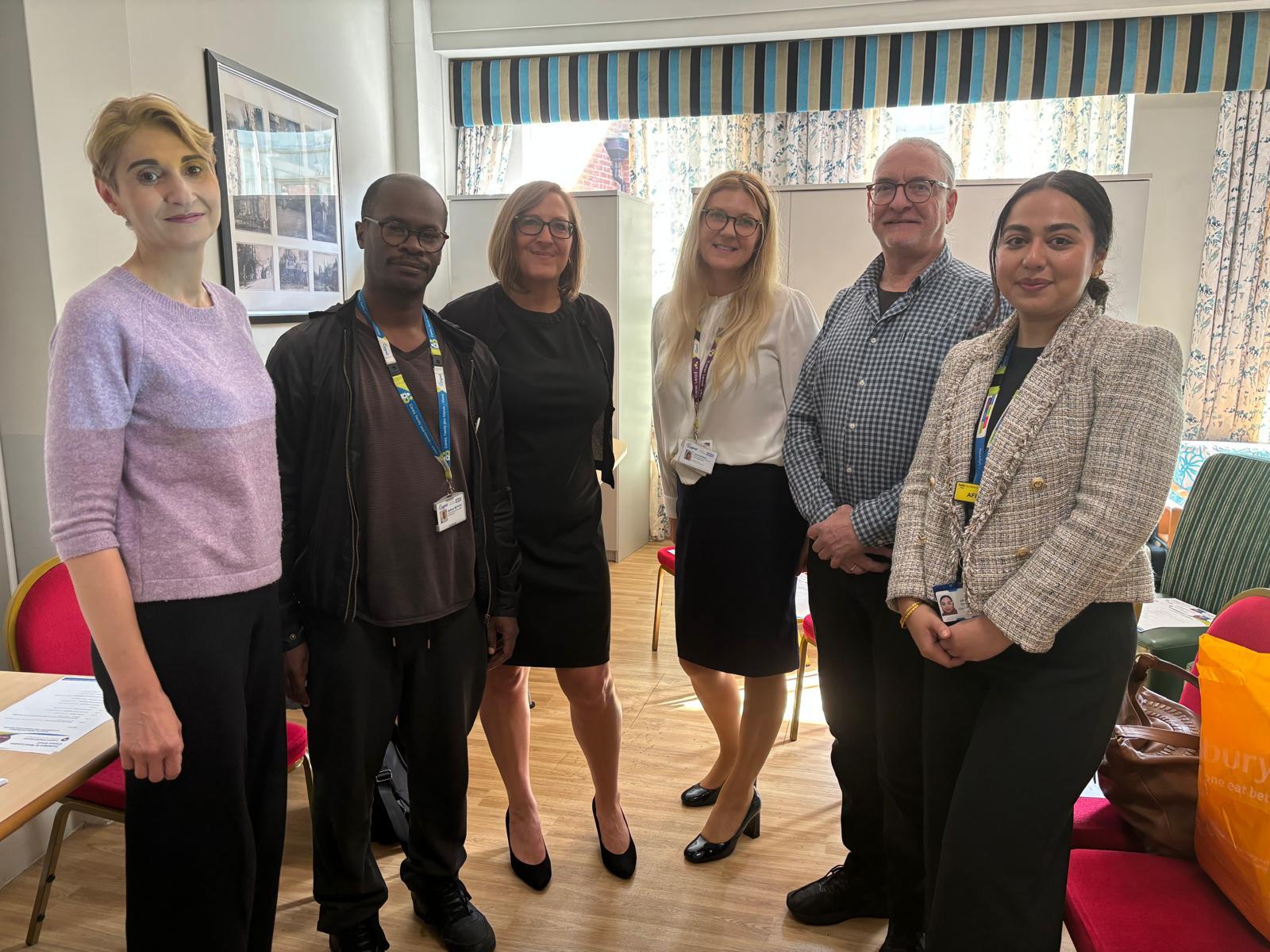
All in all, as carers who want to be heard, we are thankful for the support of Cygnet and West London health trust in helping to give carers a voice. We look forward to using our carers voice to connect with other carers.
Welcome to my site raising awareness of those who care for someone with long term illness.
Caring for someone going through either mental health conditions or cancer can be a special role, but also challenging. Caring for someone close or a close friend can be an emotional rollarcoster. As carers there are times when we just cannot be in command of our own emotions.
Due to these challenges, you will experience decline in the person’s mental and physical health. This is distressing to experience and deal with. Every so often I release videos to help those focus on combating these difficult emotions. Even if for a short while.
Feel free to watch my video below.
If you are caring for someone. Remember to look after yourself.
Welcome to another carer awareness blog post from carer activist Matthew McKenzie. Today I want to raise awareness that carers should not always helpless and vulnerable. It is true that there are many things a carer cannot control, but that does not mean we should remain helpless.
There are coping strategies carers should try. It might seem like a cheap way to solve difficult and challenging issues, but the risk is mental and physical decline if you do not arm yourself with coping strategies. This is particularly important if you are caring for someone with challenging health issues.
There are ways carers can support themselves by developing problem solving skills in tackling isolation, negative thoughts and falling into bad coping habits.
First and foremost, it is critical that we admit that we are caring for someone. Once you get past that hurdle, you need to be aware of when you struggle with moods. There is no easy solution, as developing coping methods take time and energy. It helps to understand mindfulness and write about your feelings.
Understand what triggers you and work out a way to reduce those triggers. Getting angry about everything is a reaction and we need to protect our mental health. We cannot keep reacting to things, even if certain things are outside our control. This is especially when it comes to the health of the person we are caring for.
It is important to also set time aside to care for yourself. It might be exercsing by going for a quick walk or having to set boundaries. Some people wear themselves down due to their role and it is not helped with a fragile health and social care system. This does not mean there should be the tragedy of the ‘cared for’ suffering and also the carer. It is not selfish trying to set time for ourselves.
It could be a hobby, talking to a close friend or even confiding in another carer who has gone through that caring experience.
For more information on coping skills, please check out my video below.
Thanks for stopping by and if you are caring for someone, please also look after yourself.
Thanks for dropping by. Welcome to a blog post raising awareness of caring and caregiving. World Suicide Prevention day might have already finished by the time I posted this blog, but it is always helpful to continue raising awareness.
Many people around the world unfortunately take their lives due to suicide every day. This is a sad fact, but we also need to remember those who try their best to help support and care for those struggling with suicide.
It is also important to remember friends, families and communities affected by suicide. I have made this video to help raise awareness, which you can watch below.
Welcome back to another blog post by carer activist Matthew McKenzie. I raise awareness of caring for someone with a long term illness.
This time I want to bring to attention something close to my lived experience of a carer. It is important in a multicultural society that we have health and social care for all. The health service cannot cater only for one specific need. The health system must reflect its community.
Carers from Black and Asian demographic tend to face their own unique challenges when supporting someone through the health system. Language problems, Biases, cultural misconceptions, alienation and even racism.
No one can now deny there is and always has been elements of discrimination through established health systems. Such predjudice has always been lurking behind the community and now due to the riots, it has raised its head. We now need to focus on unpaid carers from that background even more.
We must support our diverse community of carers, not because it is the right thing to do, but because it will benefit us all in the long run. It all starts with education and engagement. We need to all care about health and social care, because that how we change things.
Please check out my You Video below for more about minority carers
Welcome back to another blog post from carer activist Matthew McKenzie. I post my thoughts, ideas and experiences when it comes to those caring for someone with long term illness.
I run many groups aimed at those caring for someone with mental illness or Cancer, you can probably see most of my groups off the forum section off this website.
However, many wonder why I run so many groups? Why do I commit to connecting with carers? Well, I have learned many things over the years when my caring role was getting challenging.
I found myself isolated, distressed and anxious. I wondered if I was the only one struggling and making mistakes when trying to support my family. It was not long before attending a carer support group, I got to meet others who were also caring for someone living with mental illness.
The other carers often checked up on me and that gave me the idea to set up several WhatsApp groups so we can stay connected as a peer group. The groups have an added impact of reducing isolation, being kept up to date on news and event, building up a carers network and being beneficial overall to mental wellbeing.
Over the years I managed to develop my online carer groups to have a peer structure so others can feel connected and heard.
If you want to find out the importance of carer peer groups, check out my video below on what is carer peer support.







 A Caring Mind