This blog post is from carer activist and author Matthew McKenzie. I am involved in many things and often campaign and raise awareness of those caring for someone with mental illness or cancer. One of groups I run focuses on Carers Trust Triange of Care membership updates.
It is important families, friends who are unpaid carers who care for someone using mental health services be kept in the loop. It is even more important that carers be involved in shaping triangle of care at their local mental health service. All too often carers can be seen as a hidden resource, perhaps seen as someone behind the scenes quietly getting on with it.
Carers should not be hidden, it is important to know what your organisation is doing to improve the lives of unpaid mental health carers.
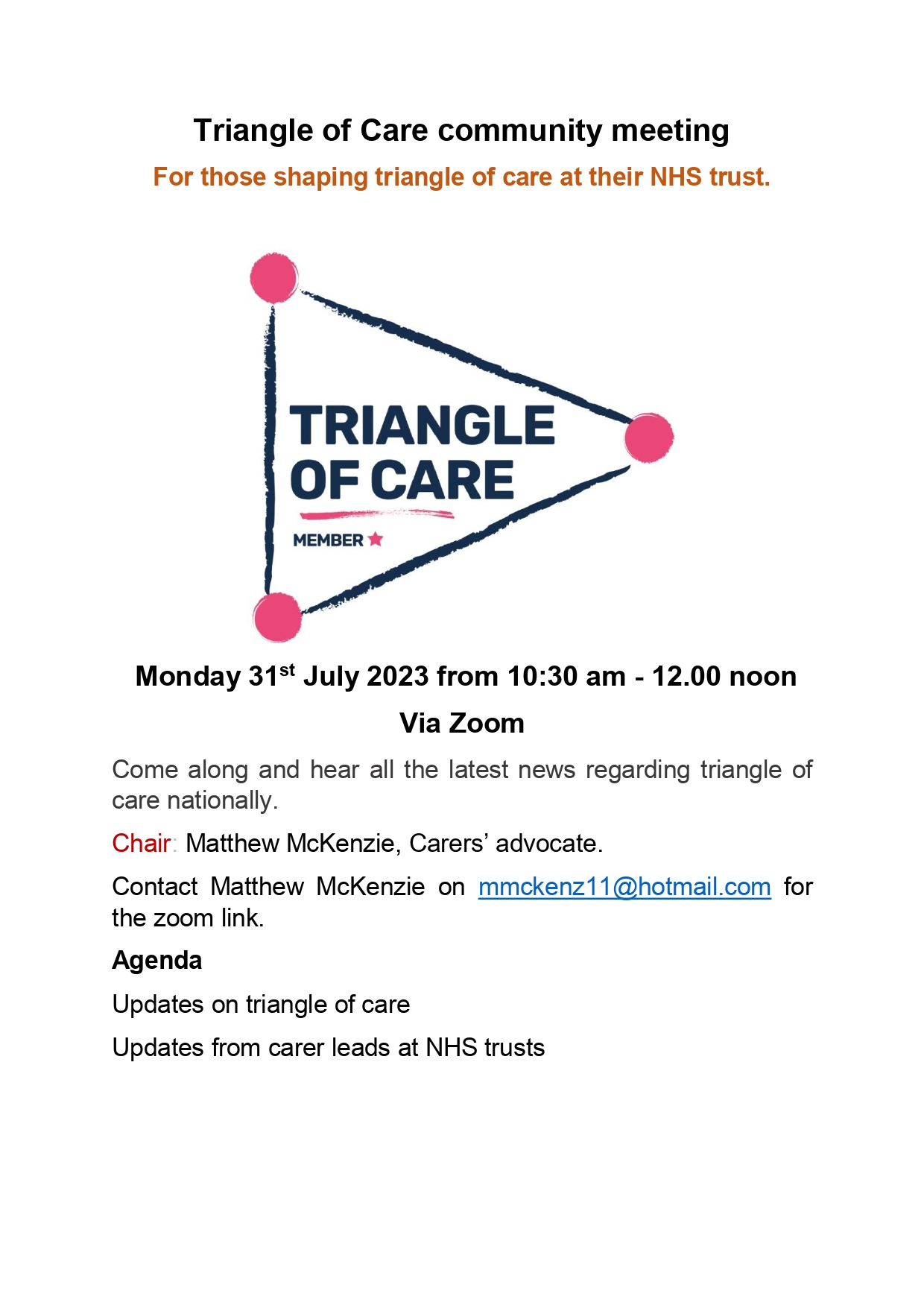
Our next triangle of care community meeting will be on July 31st. See poster below.
Welcome back to another blog post by carer activist Matthew McKenzie. Quick question. Do you know about Allied Health Professions?
Well, allied Health professionals work to provide the community with the best support and health benefits using their skills and expertise.
Allied Health professionals work in many different settings and they do not always have to be based in hospitals. There are around 14 all doing their best to serve the community.
Art therapists Dramatherapists Music therapists Podiatrists Dietitians Occupational therapists Operating department practitioners Orthoptists Osteopaths Paramedics Physiotherapists Prosthetists and orthotists Radiographers Speech and language therapists
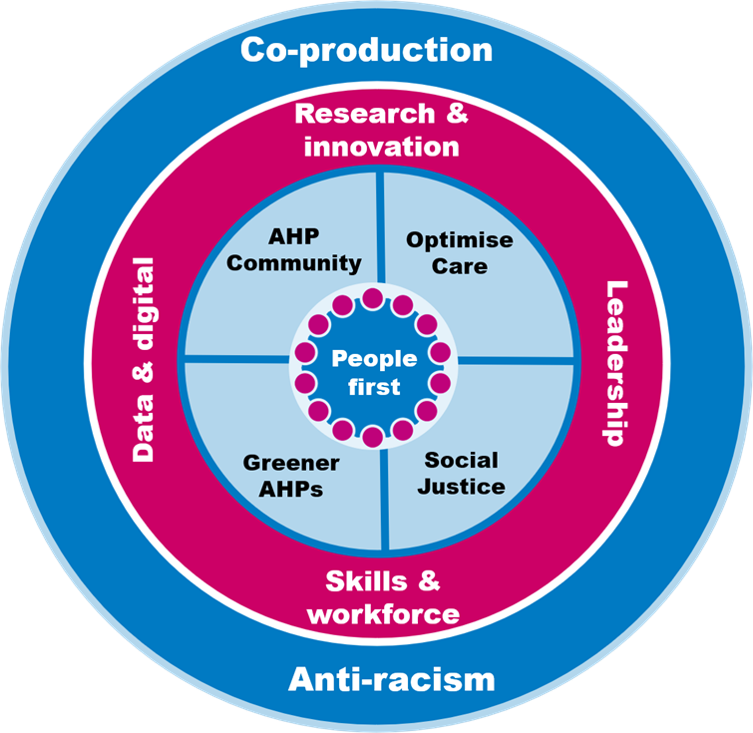
Still, serving the community is not enough. It is about including the community and putting people first. This is done through co-production, leadership, innovation and bringing out the best in the AHP community. The health of the community is a challenge if the health of the environment suffers, so it is important to prepare for a greener future and cleaner future.
The Allied Health Professions have set their strategy for england, which you can view below.
There also is a new video to promote why AHPs should continuously improve their contribution to high-quality health and care services.
As a carer activist, I know full well that high quality care can have a positive impact. We all have a part to play, just as we all want healthier lives. Users of health services want their views taken into account and this can lead to a better strategy.
As you might already know from my previous blogs. I am now a carer ambassador for Cygnet group. Cygnet is a leading provider of mental health, autism and learning disability services. As a carer I often use my knowledge and experience to provide insight and training over the years.
Some professionals might frown as to why service users and carers might wish to help train staff, but the voice of lived experience should not be ignored. There are many reasons why professionals should include users of services in training staff.
We should note that carers also use services as they seek carer support groups, information about services and sometimes counselling.
We use their services, although professionals are experts for a reason, they spend years training for their profession. They know far more about their field than I would acknowledge, but there is a big difference. Professionals provide a service and we use that service, if those services second guess what we require then this leaves room for errors. To make matters challenging, services do change from time to time and it is so important carers and service users feedback on their experiences.
We all need to work together. In the time of ever deminishing resources, it is a waste of time that patient, professional and carer battle each other to be heard. In the long run, we all wish for health and wellbeing for all of us. Working together means learning from each other.
Professionals can and will make mistakes, so include the voice of lived experience can show professionals are willing to learn from mistakes. These mistakes can come from second guessing what users might require, being pressured in their role or just not paying attention.
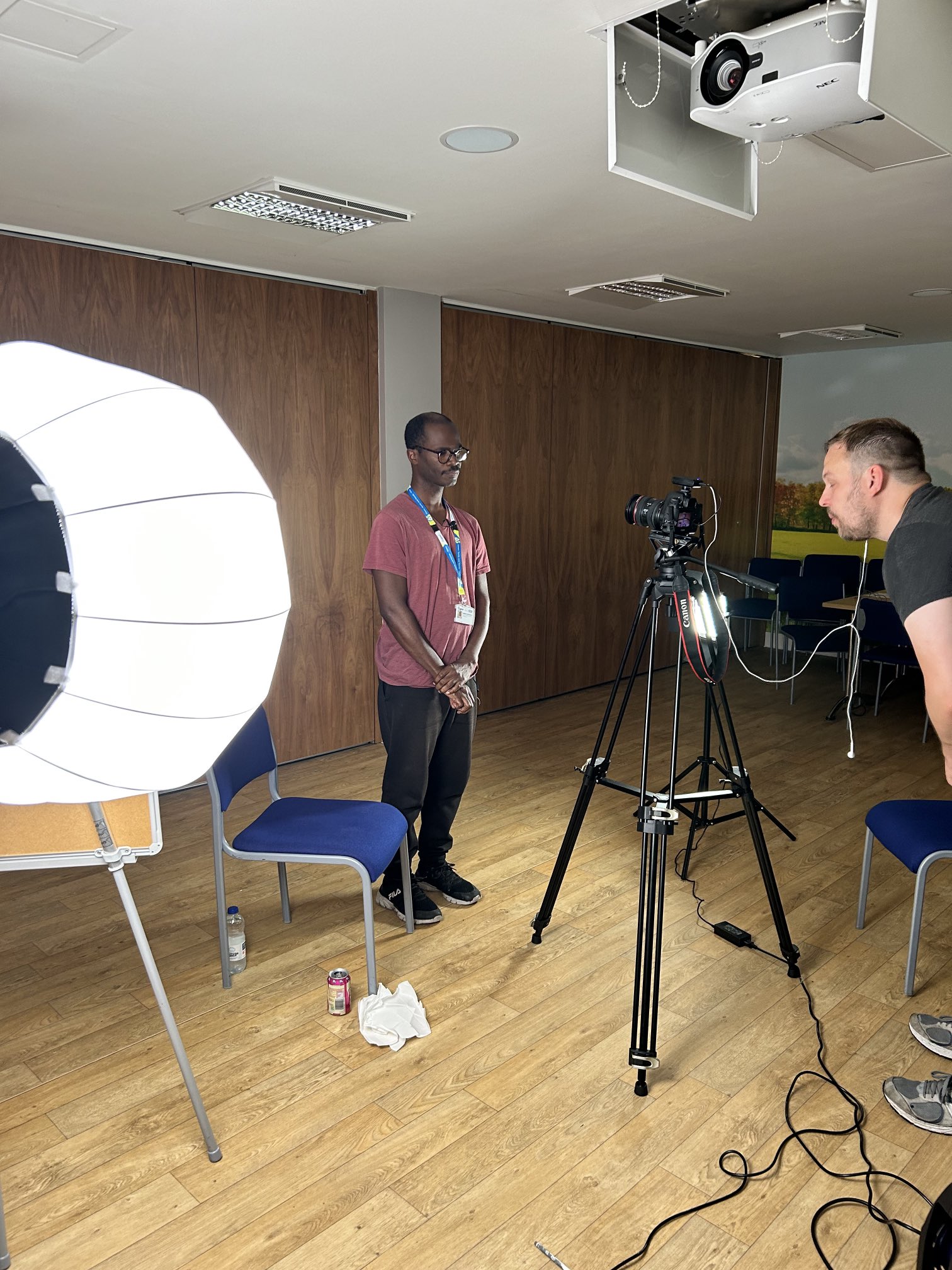
There are many more reasons why lived experience should be empowered to help train professionals. So when Cygnet group offered a chance to film my thoughts about carer experience, I jumped at the chance.
The film will be used as an online resource to all staff as I gave my views on the importance of unpaid carers, lived experience and carer advocacy.
I value an organisation that helps provide the voice of patient and care voices.
Those voices help shape how services can be provided and this should be the future of healthcare were we work as a team.
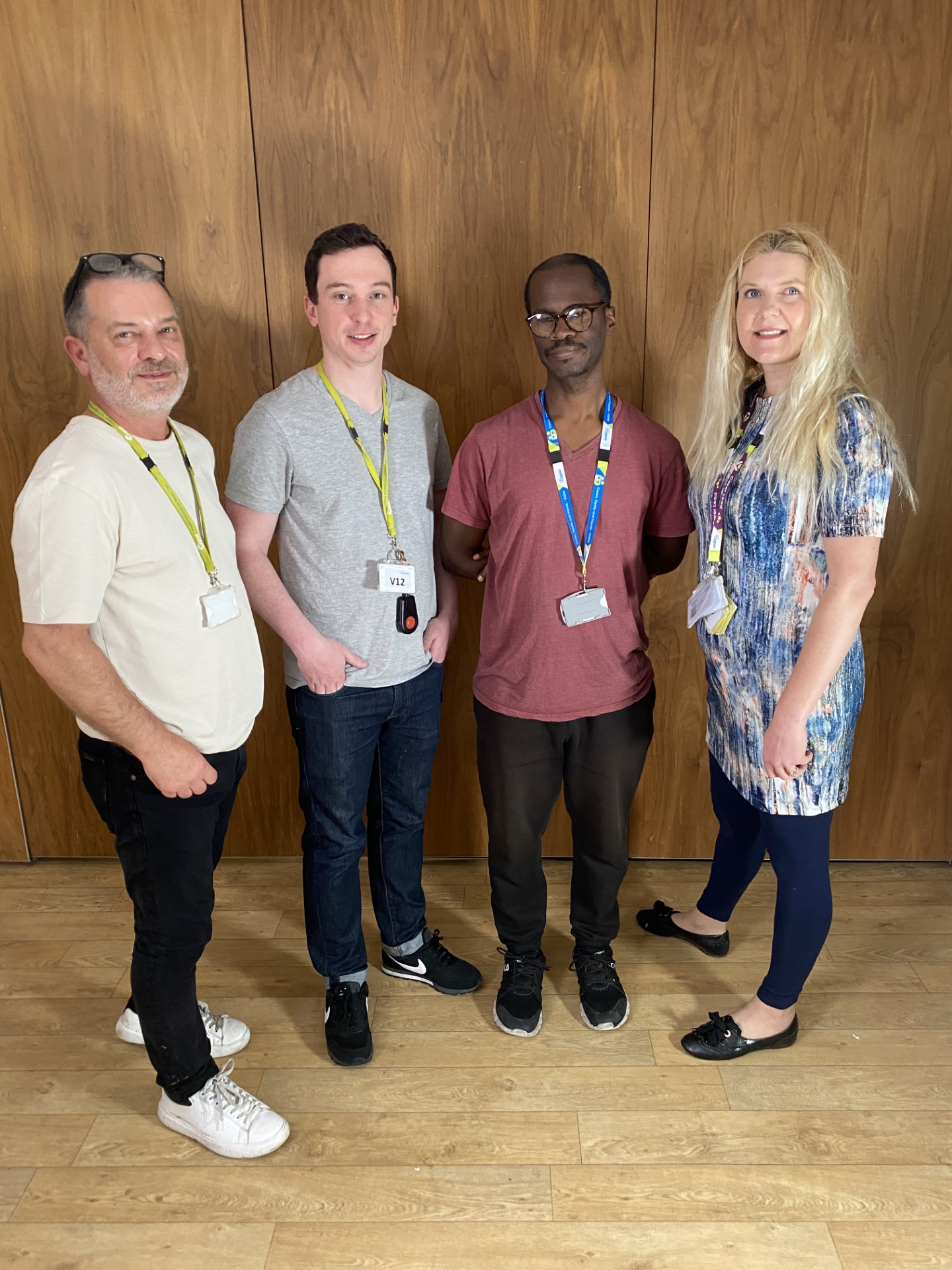
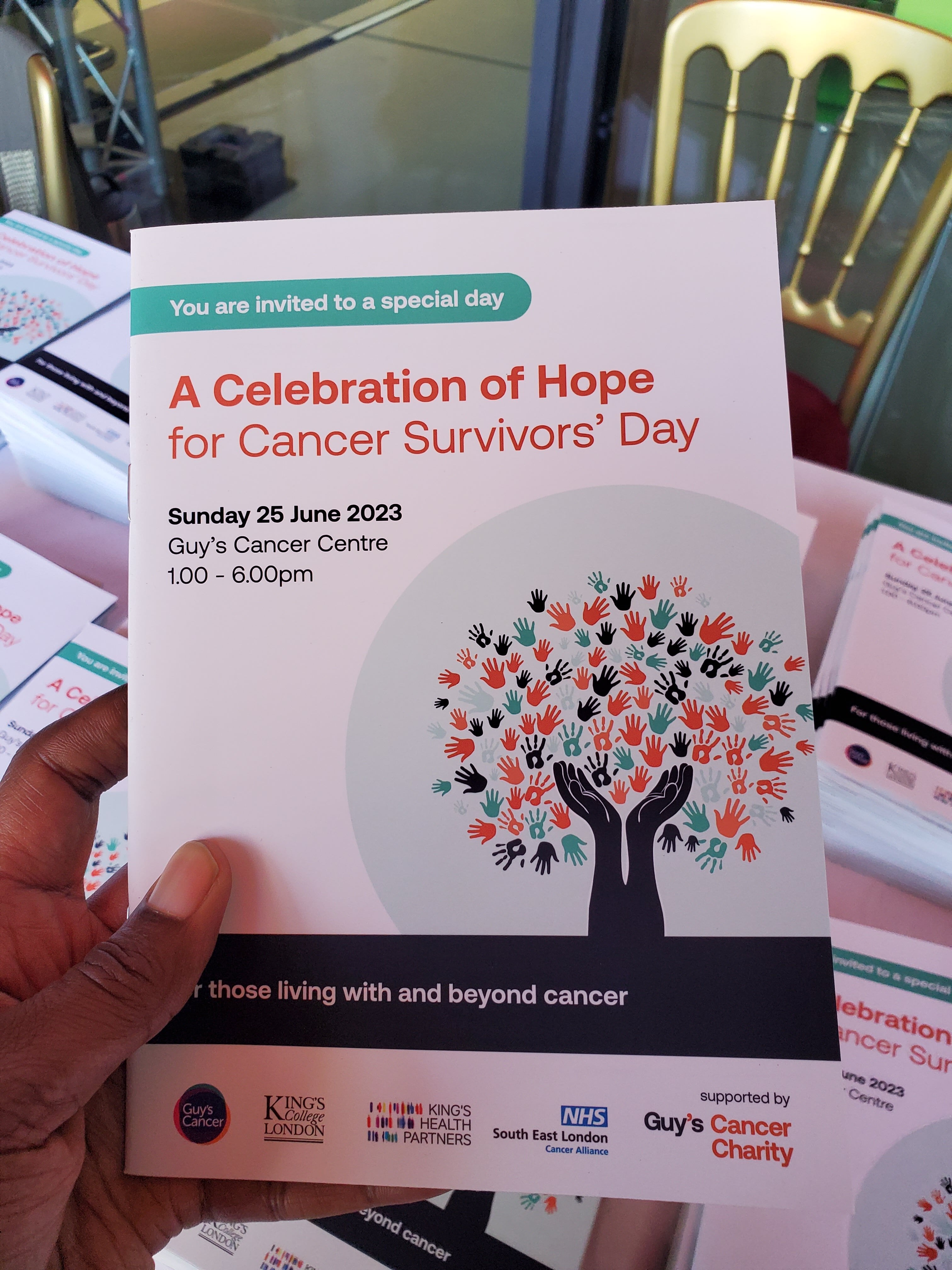
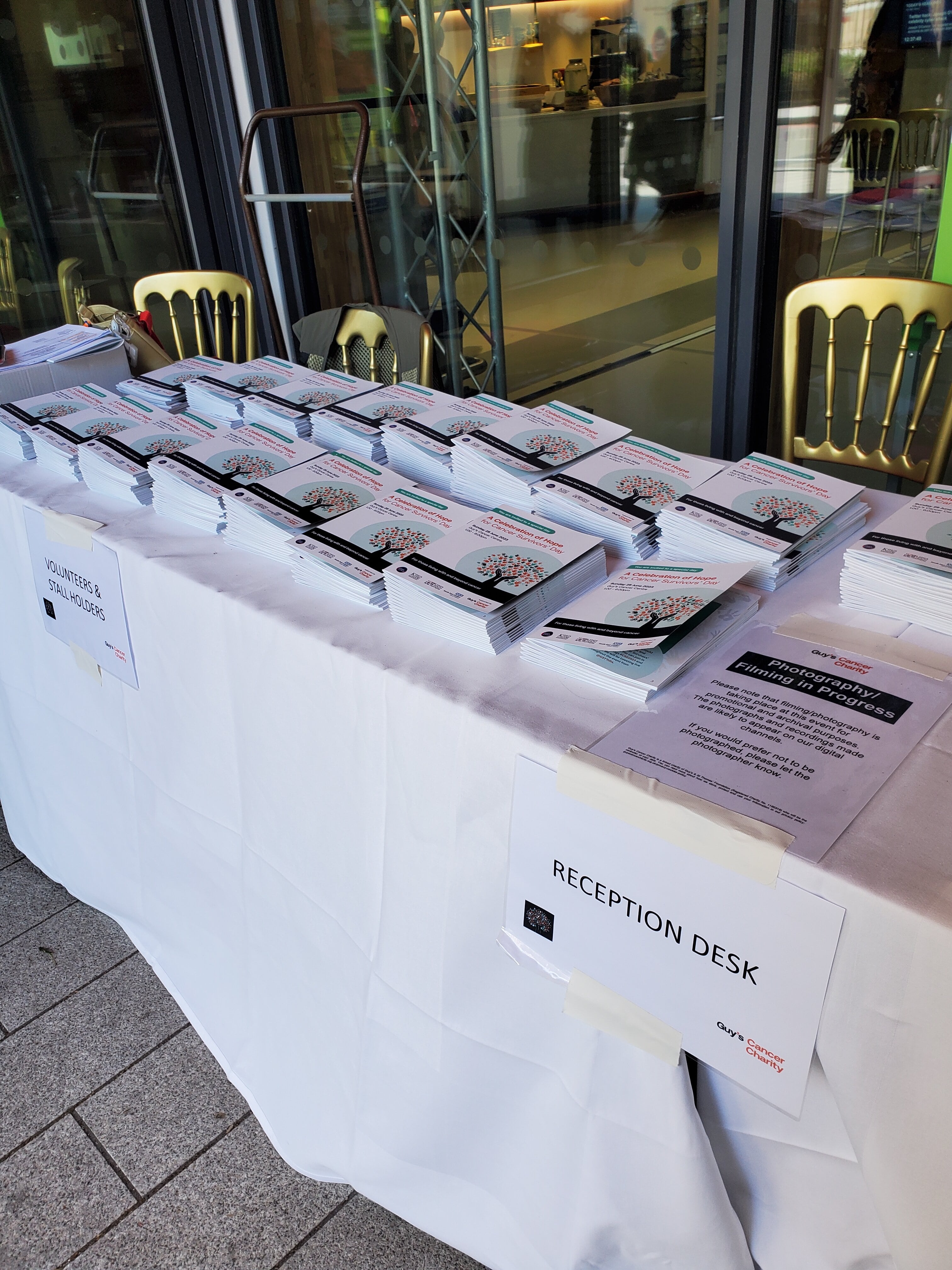
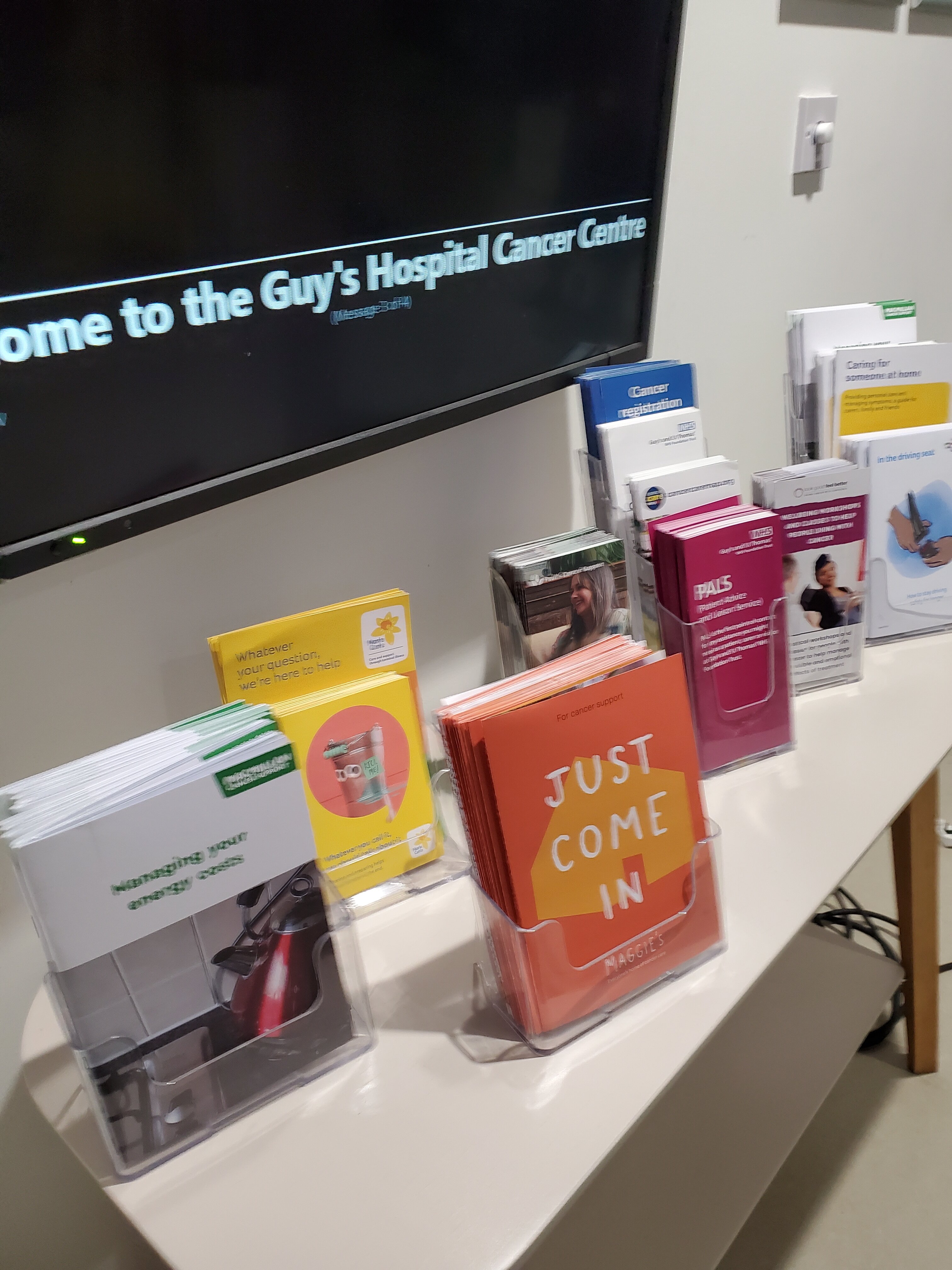
Welcome to another blog by carer activist and author Matthew McKenzie. I raise awareness of mental health carers and those caring for someone affected by Cancer. With my focus on cancer awareness, I paid a visit to guy’s cancer centre. On Sunday 25th of June they put on a lovely event “Cancer Survivors Day – A celebration of Hope”.
There are currently 3 million people living with cancer in the UK. With such an event there is always hope to battle and survive cancer. The event focused not only on the importance of hope, but also to acknowledge the clinical and research skills that is offered to the community.
The event was supported by Guys Cancer centre, Kings College London, Kings Health Partners, South East London Cancer Alliance and Guy’s Cancer Charity.
However on such a hot day, what things did I see at the event?
A fair amount of my time I was chatting to stall holders about what they were presenting. One of the most important stalls was the Cancer Care Map Stall.
Cancer Care Map is a simple, online resource that aims to help you find cancer support services in your local area wherever you are in the UK. Cancer Care Map is run by The Richard Dimbleby Cancer Fund charity.
So why is that stall important for me? Two reasons to be honest. I am known for running carer groups, plus I network with unpaid carers a lot. With my links to health and social care services, it is about time I started a cancer carer group. I have always wondered what happens to those caring for someone with cancer. Where do hospitals send them? Are carer centres focused on cancer carers?
With Cancer Care Map, I can advertise my group although I still would need support of the hospitals. It is important carers are given a voice and they should not be forgotten. The other reason is Cancer Care Map team will provide resources for my carer information stall.
I also visited a few other other stalls, but here is a small list of the ones I visited.
Speech and Language stall Physiotherapy stall Tree of Hope Cancer Research UK Dietitians Occupational Therapy stall
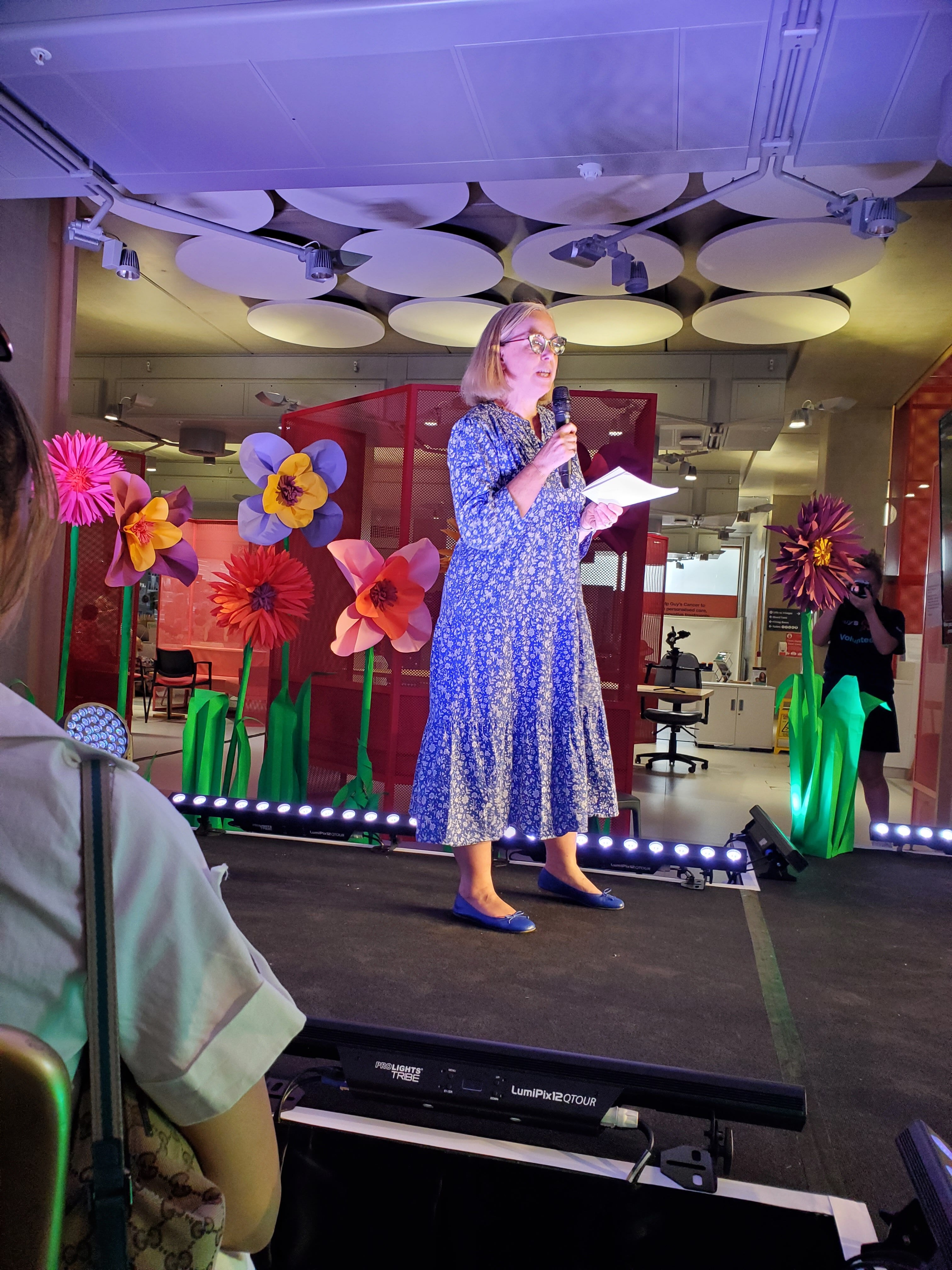
At the start of the event, we were given an opening speech by David Cheeseman who is director of strategy at Royal Free Charity. Plus an opening speech from Anne Rigg who is consultant medical oncologist and medical director for Cancer & Surgery.
After the inspirational talk, it was on the the fashion show. I was inspired by the models energy and creativity.
The audience certainly enjoyed the show and it was a great turnout.
After speaking to more stall holders, I bumped into Jannike Nordlund who is the Patient Involvement Lead and Cancer Improvement Manager South East London Cancer Alliance. There will be some good focus for carers so watch this space. I still need to chat to the 3 other London cancer alliance leads, but that will take time.
Eventually I came back to the main stage to listen to the string Orchestra, which I found relaxing.
All in all, I really enjoyed the event and felt the message so important for those living with cancer and beyond. We need to celebrate the importance of hope, there is always a chance and everyone plays a part.
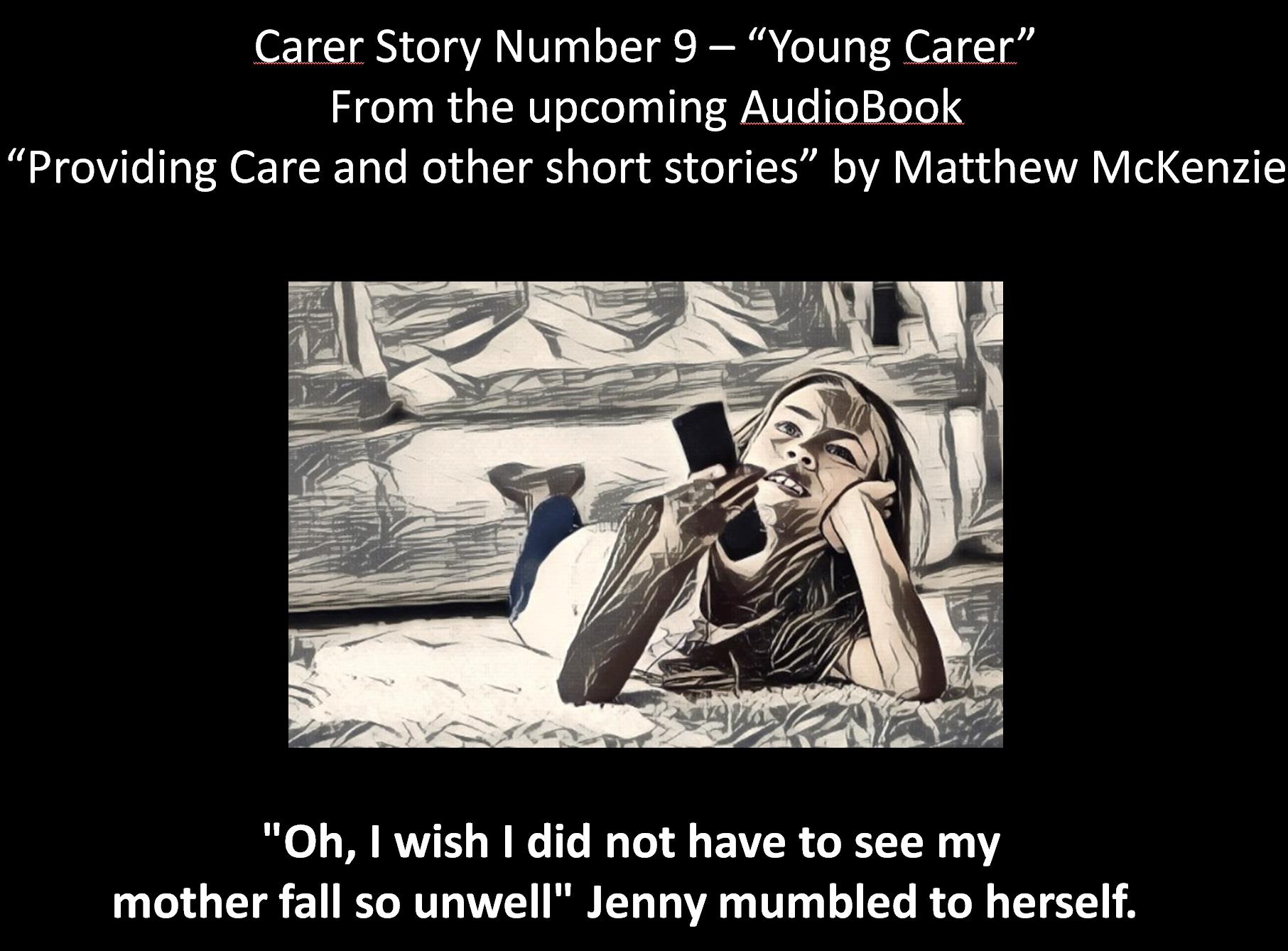
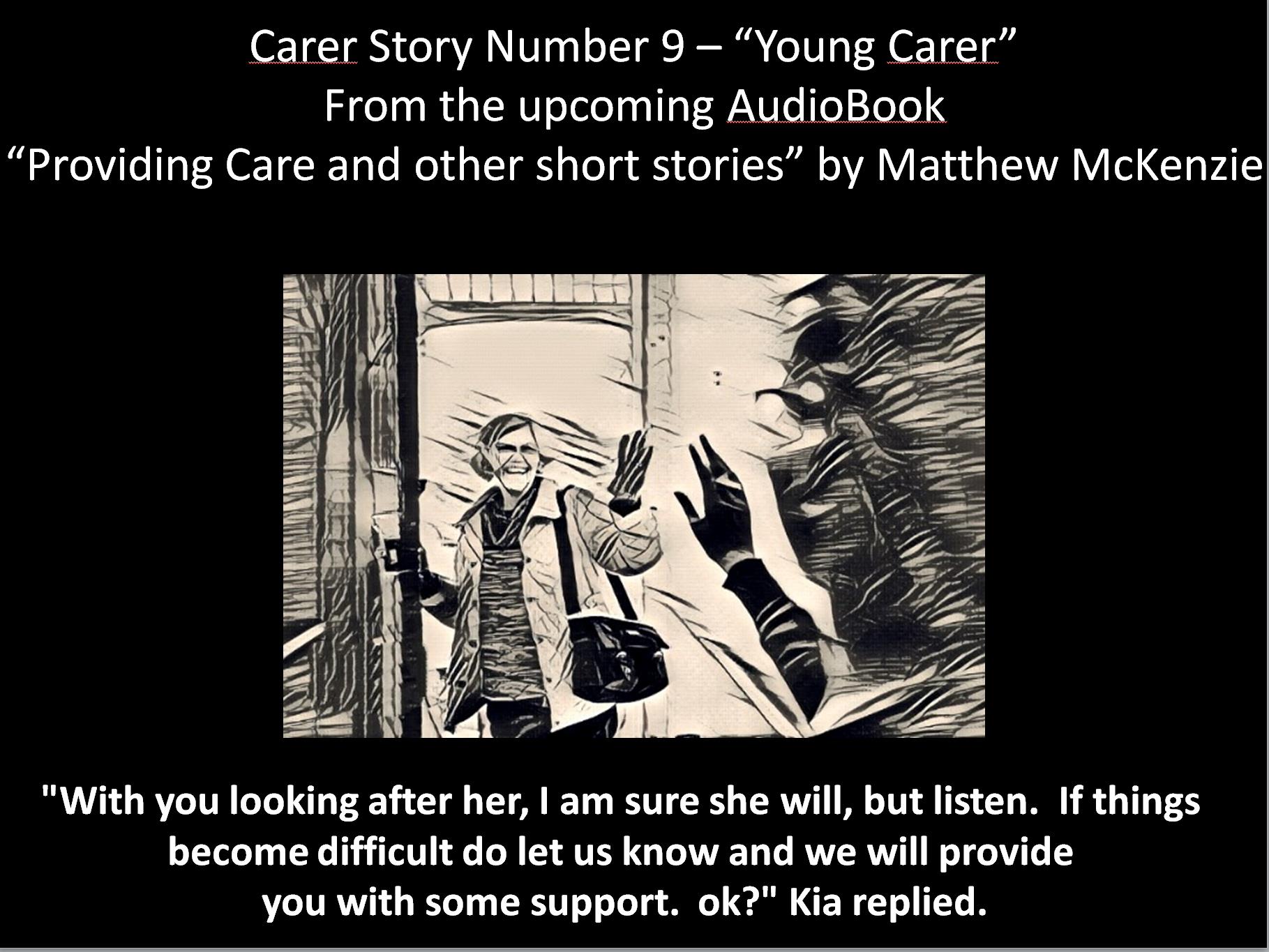
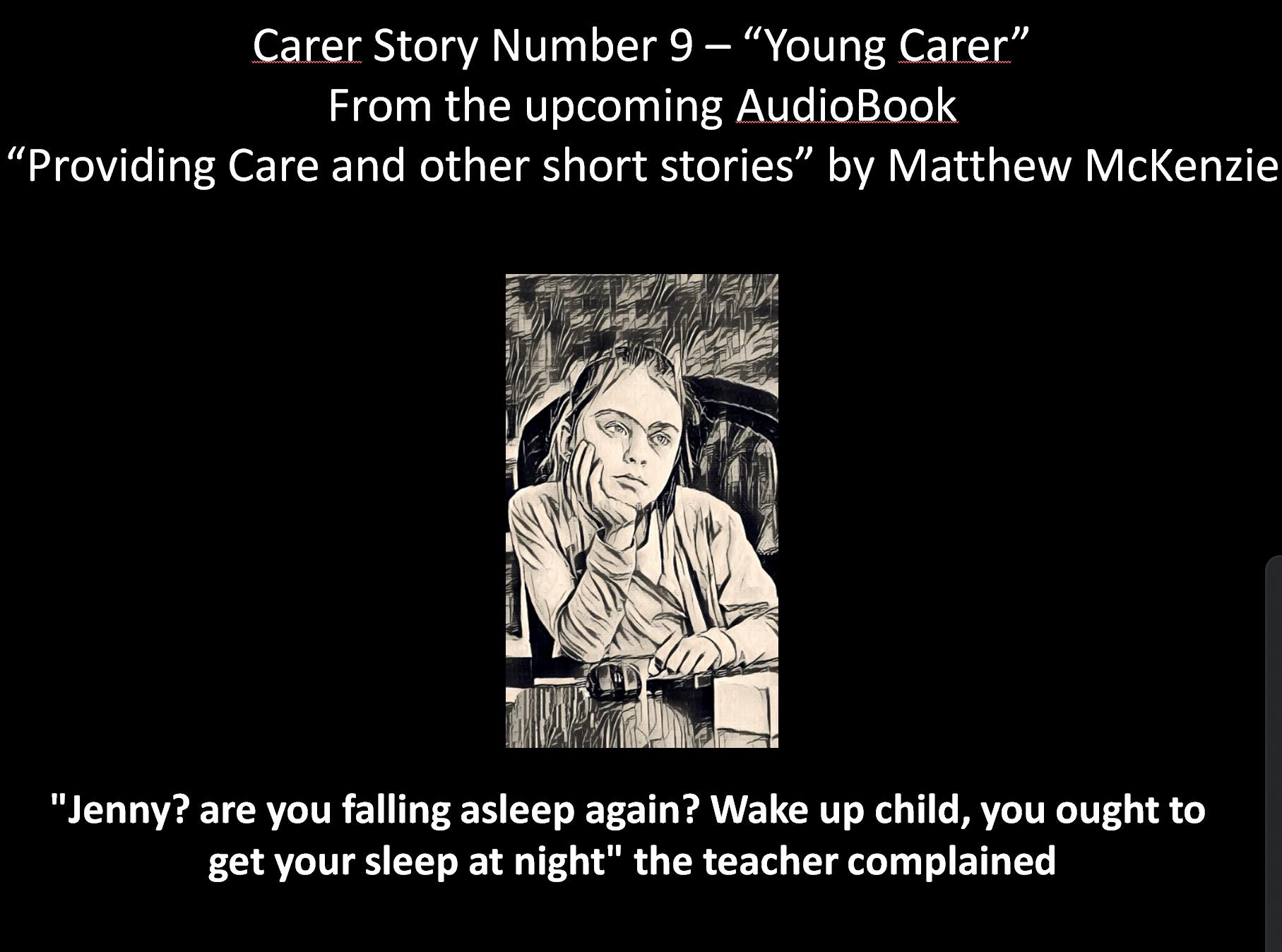
She did not know. She only went along with it. Her mother needed her and that is all she knew. It was time to care, but was it all too soon? Story number 9 from the audiobook “Providing Care & Other Short stories”. I labelled this story “Young Carer”, because I wanted to get straight to the point. What is that point you ask?
The answer is to state that Young Carers exist and in these times they face all sort of challenges. What is a Young carer?
Well a young carer is someone under the age of 18 who looks after a family member or friend who has a physical or mental health condition. This is the story of Jenny a young girl about to finish her primary school. Unlike the carers in the other story, it is not easy for Jenny to reach out for help. Most of the time she just reacts. A lot of her roles focus on guess work and even though recognition of young carers has increased, Jenny still face challenges.
The story starts of with Jenny trying to make sense of her life. She is trying to make sense as to why she is so different from the other children at school. She is quiet about her struggles because she feels guilty and does not want to make anyone else feel guilty. Jenny is lucky to get some support, but is that enough?
As usual the story will be in audio dramatization. I have been experimenting with voices to bring the story to life. With the age of technology, storytelling has changed. Things spring to life and if you are a campaigner or activist then it makes sense to use technology. The story of Jenny can be difficult to listen to as it shows how vulnerable we really are.
We need to raise awareness of young carers or how can we claim this is a caring society? Many carers in my previous stories often had some choices, but when you are young then your choices might be limited. Will keep you posted to how the story develops soon.
To watch my other stories about unpaid carers check my video playlist below.
Caring for someone diagnosed with Cancer? It can be a daunting and overwhelming experience when you suddenly fall into the role of a cancer carer. It is like nothing you could have prepared for, but when someone tells you they have been diagnosed then you are hit by a range of emotions.
You want to react out of desperation, but guilt stops you because you feel you cant compare what the cancer patient is going through. It is important you find out as much information and support as possible. Not just for the person you are caring for, but also for yourself. As mentioned before, emotions a carer can go through can be a rollarcoster ride. Its like you are in a constant state of alert for when things will improve or either ……. become worse.
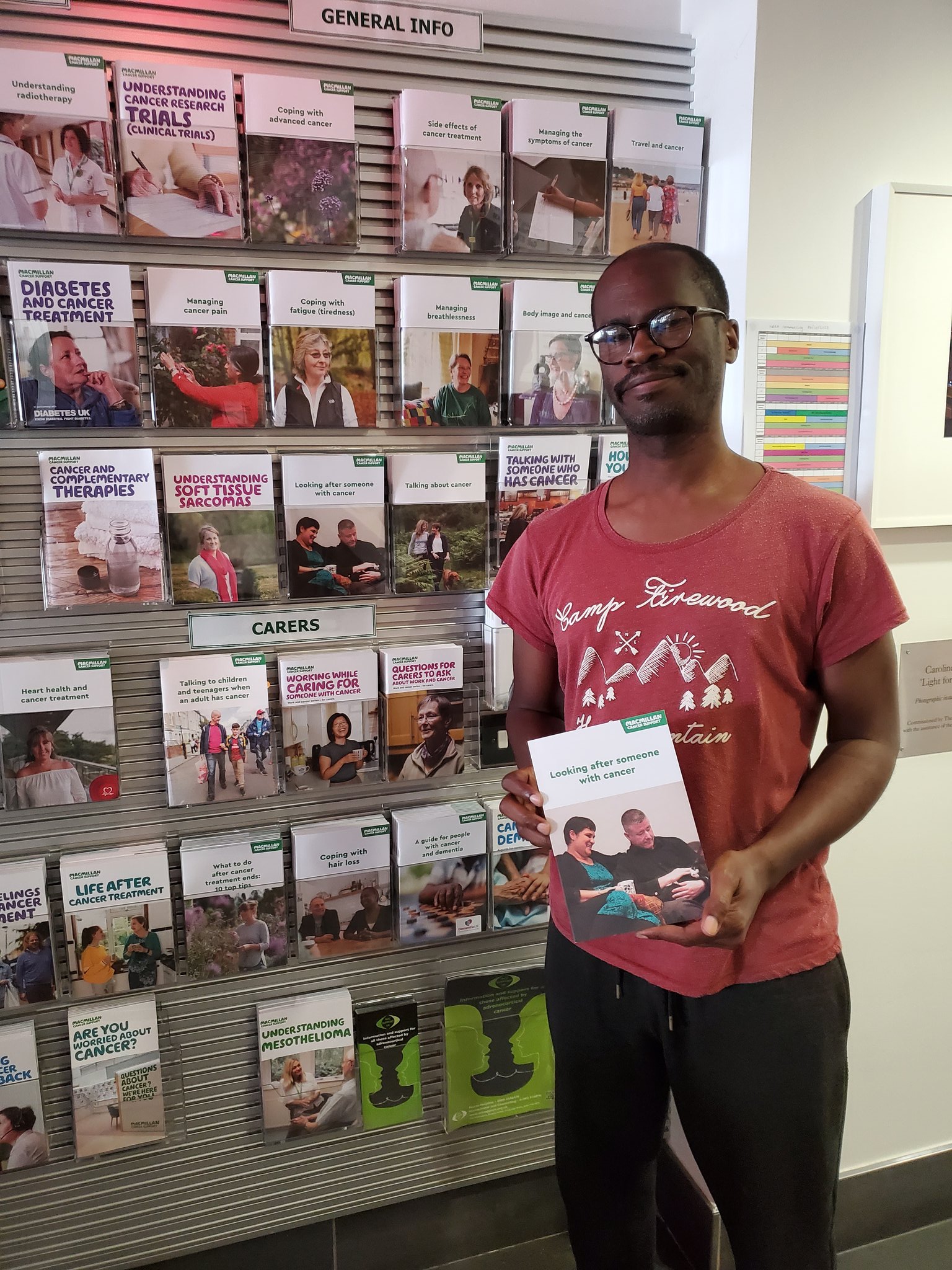
If you are supporting someone with cancer. Certainly ask around for emotional support. This could be through MacMillan, through your GP or at the local carers centre. Carers should not be forgotten due to the role they play. Carers are part of the team and can make a big difference when someone is coping with Cancer.
You might also want to try find information on extra support at home, so it is important you speak to hospital services or social support. Of course these things take time and there is no magic wand to navigate a complex care system under pressure.
With the above challenges, it helps to join a carers group, preferably a group that also has those caring for someone with cancer. This is where you can learn from others. You can feel you are connected, find coping techniques, learn about services and developing a plan for the future. Avoid coping in isolation since information can make it easier for your role.
You might also need to advocate and communicate between the patient and the health care team. It can be a tricky role since not all cancers are the same, so it helps to learn as much as you can. Never be afraid to ask important questions.
If you are in the London area, I am starting a new group aimed at cancer carers. You can find out more about the group
From my carer forum page link below and then click on the forum name,
Welcome back to another blog post by carer activist and author Matthew McKenzie.
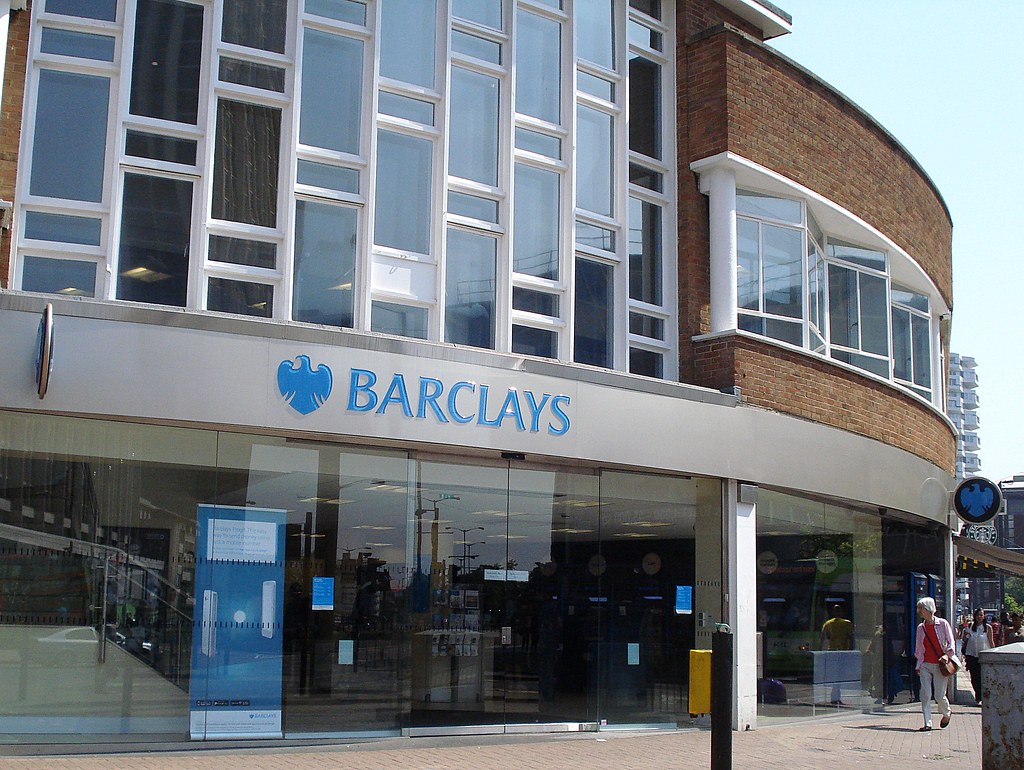
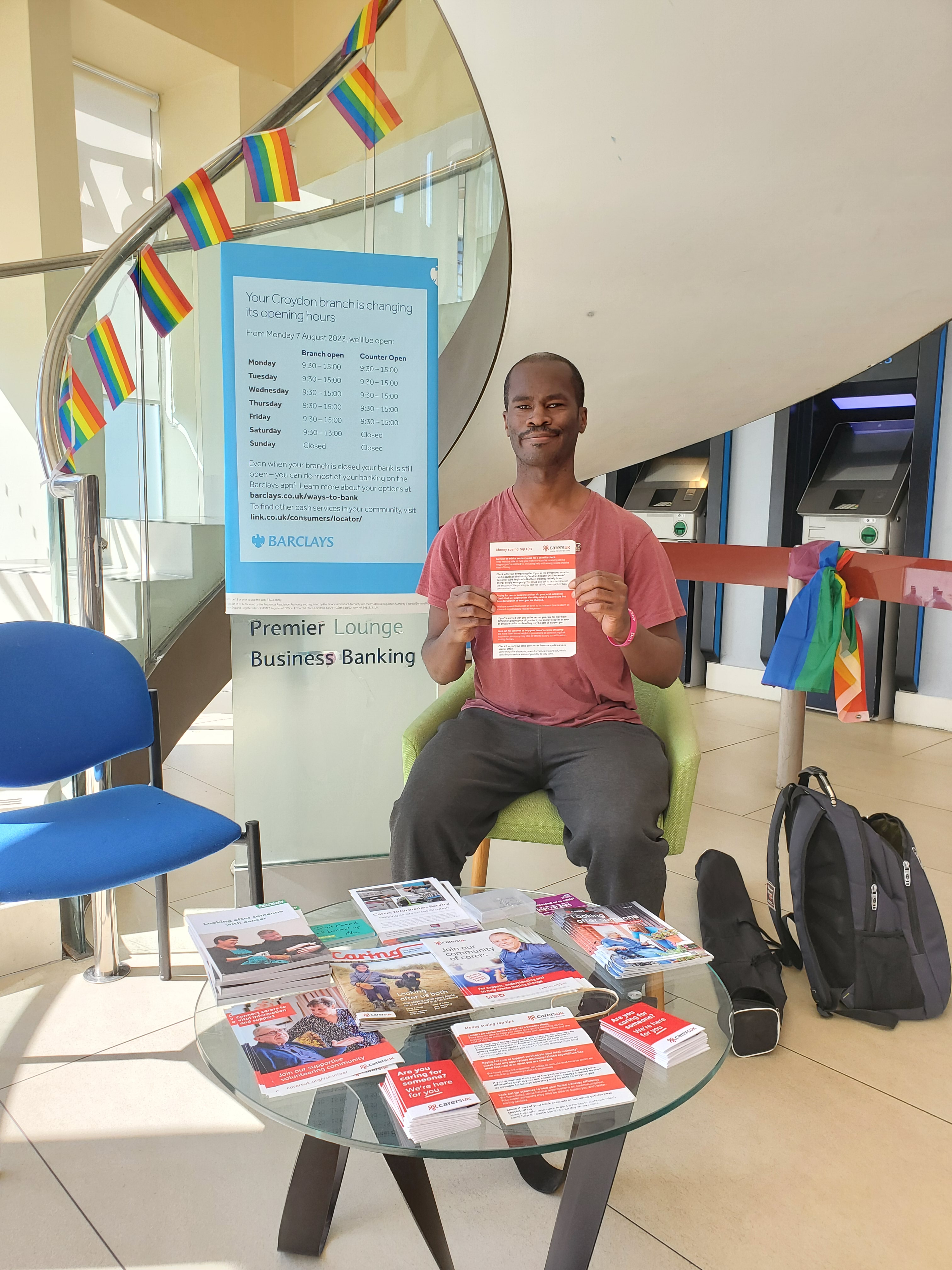
It has come to the end of Carers Week 2023. I decided to do one last final event after a successful carers week. This event was located at Barclays Bank over in Croydon.
As part of their support for Carers Week 2023, Barclays Bank was promoting Carers UK information and resources at their flagship UK branches below. As a Carers UK Community Connector volunteer I felt I could help raise awareness of Carers Week with Barclays’ customers.
Carers Week is an annual campaign to raise awareness of caring, highlight the challenges unpaid carers face and recognise the contribution they make to families and communities throughout the UK.
This would allow me to connect with unpaid carers who could access support.
Just so you know Carers UK is a national charity looking to make life better for the 5.7 million carers across the UK.
As it stands, a carer is a person of any age who provides unpaid care and support to a family member, friend or neighbour who is disabled, has an illness or long-term condition, or who needs extra help as they grow older.
So with the awareness campaign of Carers Week, it helped to promote awareness of caring and promote access to support for carers. Just by chance across the road Barclays bank in Croydon, was also the Carers Information service.
The Carers Information Service provides information, advice and support for carers living in, or caring for someone who lives in, the London Borough of Croydon. The staff were kind to provide me some leaflets incase I need to refer carers there.
I spent several hours that saturday speaking to customers who wanted to know more about Carers UK. I also brought some samaritan cards along. Staff at the bank were kind and supportive. There was a focus on community spirit as the bank wants to support people from all walks of life, including carers.
Barclays Bank also have information available on their website for customers if they are needing to set up access to support someone they are caring for https://www.barclays.co.uk/third-party-access/
Welcome back fellow carer readers. Another blog post from Carer activist and author Matthew McKenzie. At the time of this post, it is Carers Awareness week. This is the week where awareness and support for carers is promoted from the 5th to 11th June 2023. Carers Awareness week is an annual awareness campaign. It helps to remind others that even caring for someone unwell does not have to go unrecognised.
Caring for someone close can be a hidden and isolating reality for millions across the UK. So it helps to know what the promise is from decision makers.
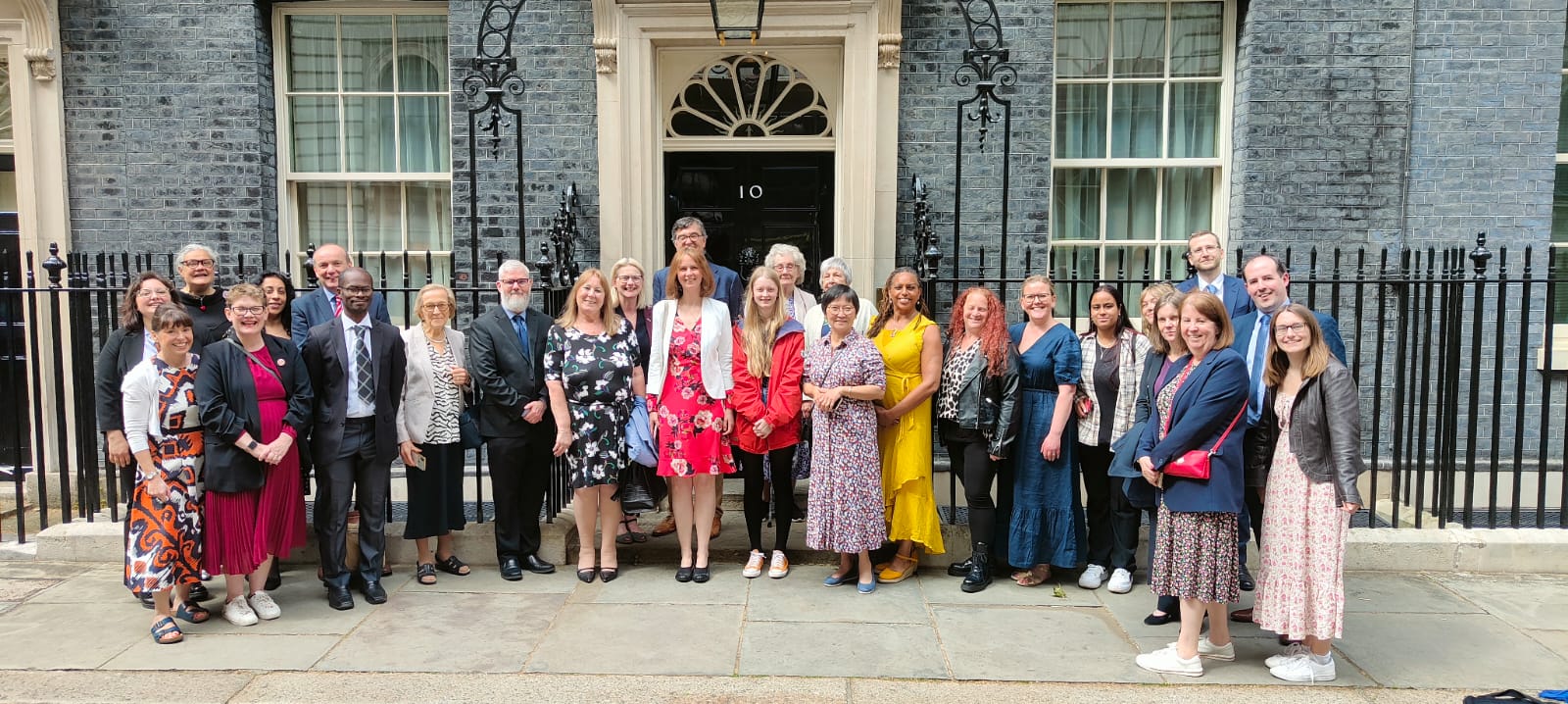
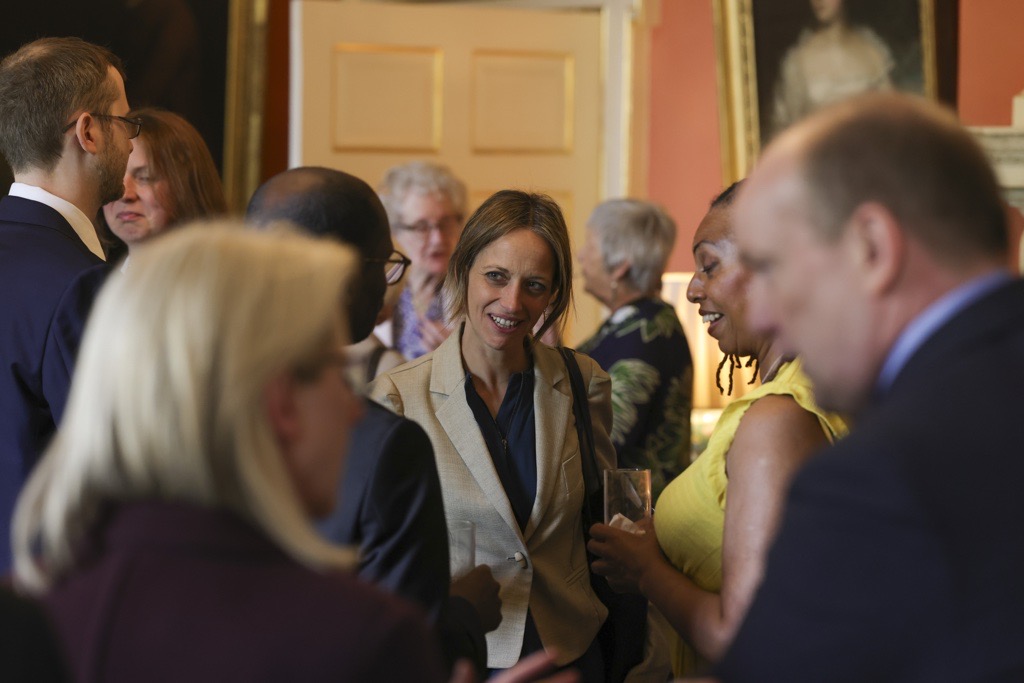
I was fortunate enough to be included at a reception for carers and carer representatives at 10 Downing street. Just so you know, that address is the official residence and office of the prime minister of the United Kingdom.
Everyone was friendly and welcoming. Even Larry the Cat
I have always said to others that if you are going to be an activist it would be wise to raise the profile of what you are campaigning for. Of course, most of the time I am trying to network carers together. It helps to understand what we all go through and why we go through challenges as carers.
The reception led by Carers UK for Carers Week was also supported by Age UK, Carers Trust, MND Association, the Lewy Body Society, Rethink Mental Illness and Oxfam. We are all partners in raising awareness for unpaid carers.
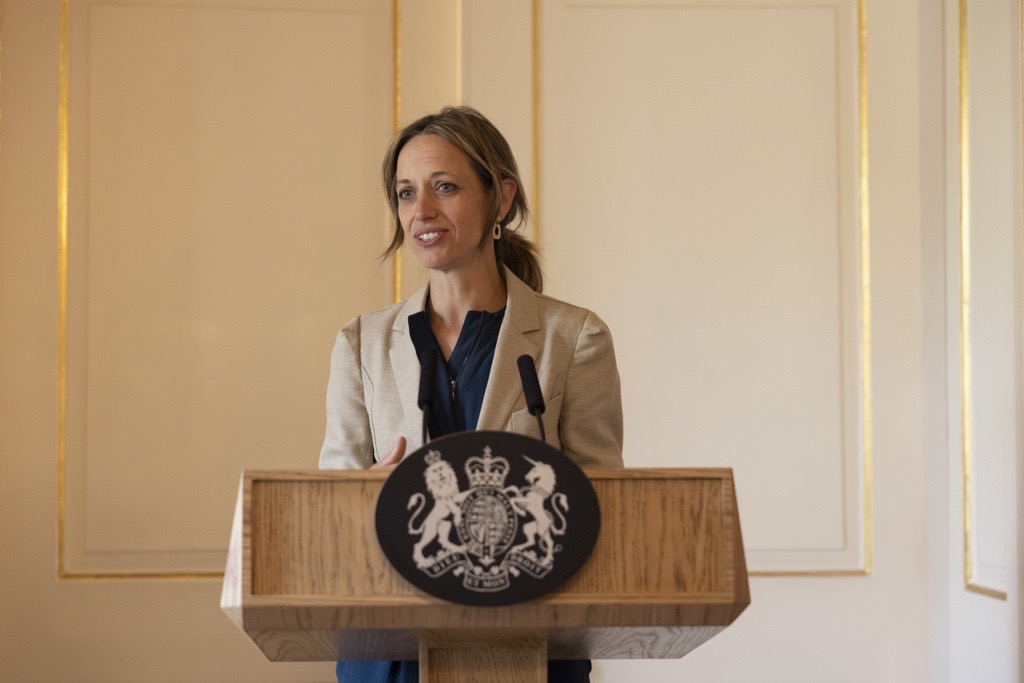
It was not just a reception, as we were greated by Minister for Care, Helen Whately.
The minister announced a cross-government roundtable to champion carers’ needs across Whitehall. Helen also introduced more measures to support carers across the country. Despite the challenges the government is under, it is important that there is a focus on carers doing so much to care for those close to them. Unpaid carers asking for hardly anything except to be noticed for their struggle and sacrifice as health and social care face great challenges.
I am grateful to have attended and network with fellow carers and those doing so much to support caring. We want a caring community and it is only fair to promote and support this. You can read more about the fuction below.
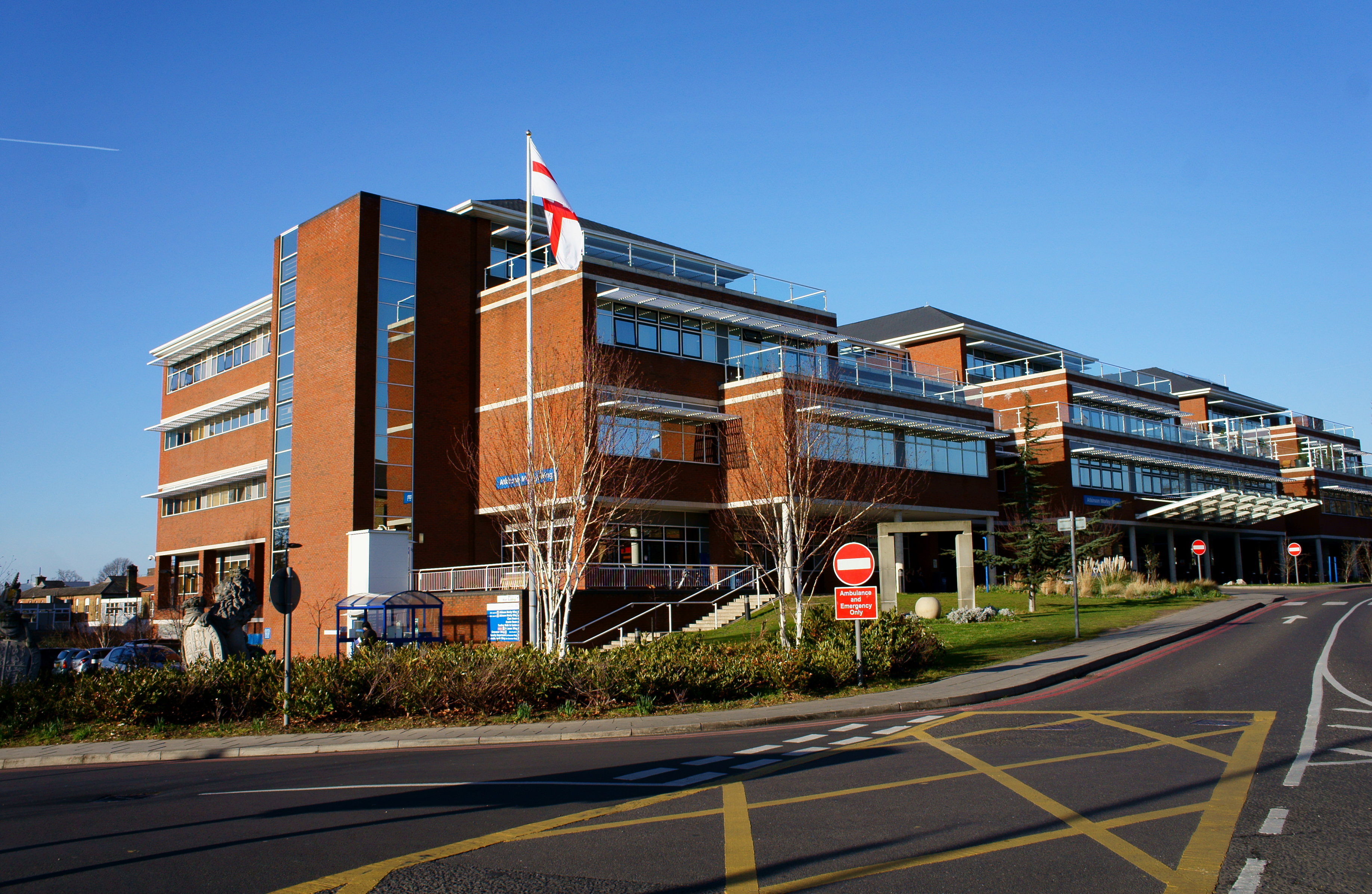
Welcome to a special carers week 2023 blog from Matthew McKenzie carer activist and author. As a carer’s activist, I often try raise awarness of unpaid carers. I even try to raise awareness at hospital NHS Trusts. One of the hospital NHS Trusts is based over in South West London. This hospital is St George’s University hospital.
Basically it is one of the country’s principal teaching hospitals, which is shared with St George’s, University of London, which trains medical students and carries out advanced medical research. The NHS trust has more than 9,000 staff and is one of the four major trauma centres for London.
I actually run a carers information stall at the hospital to remind staff and carers about the carer’s role.
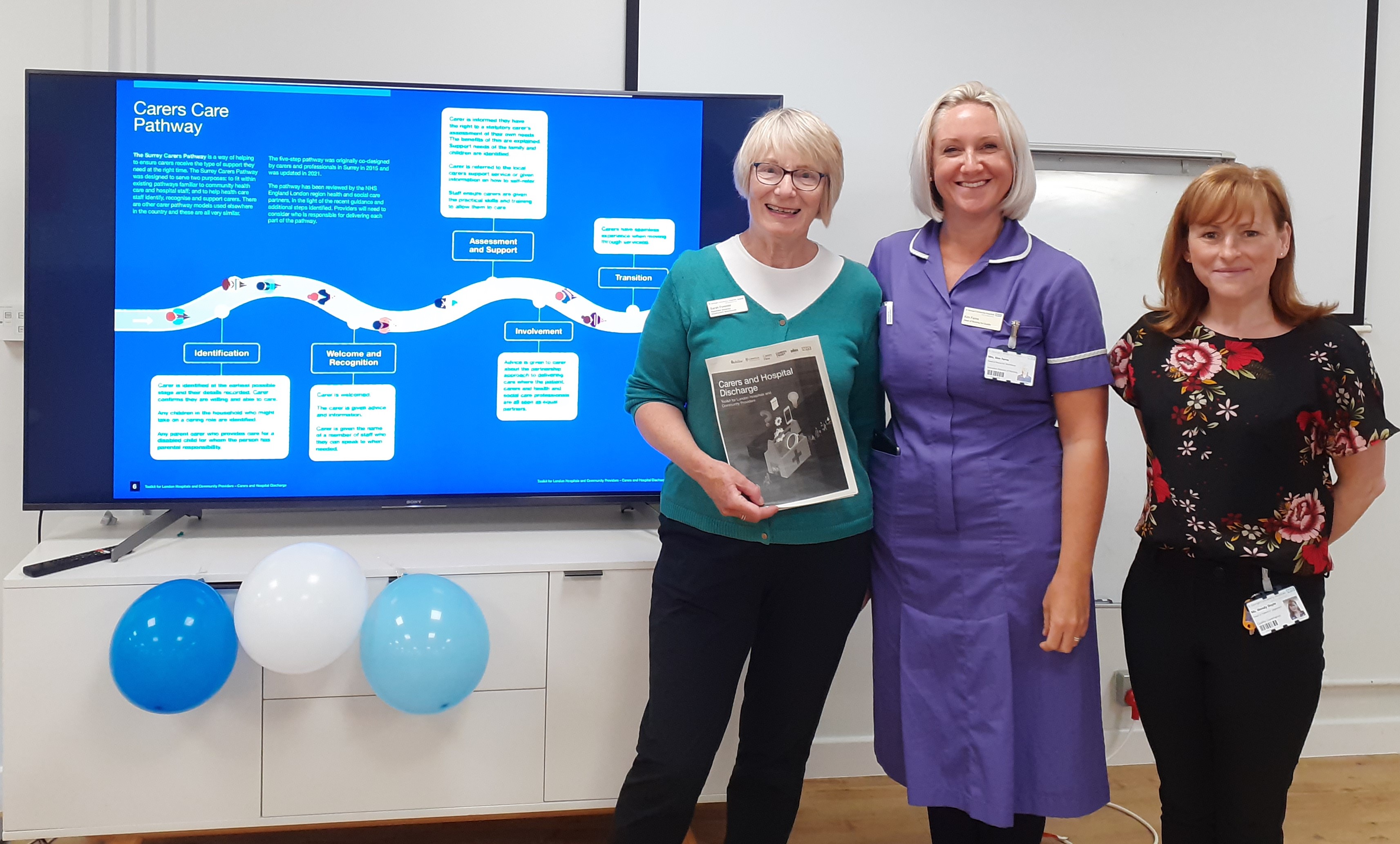
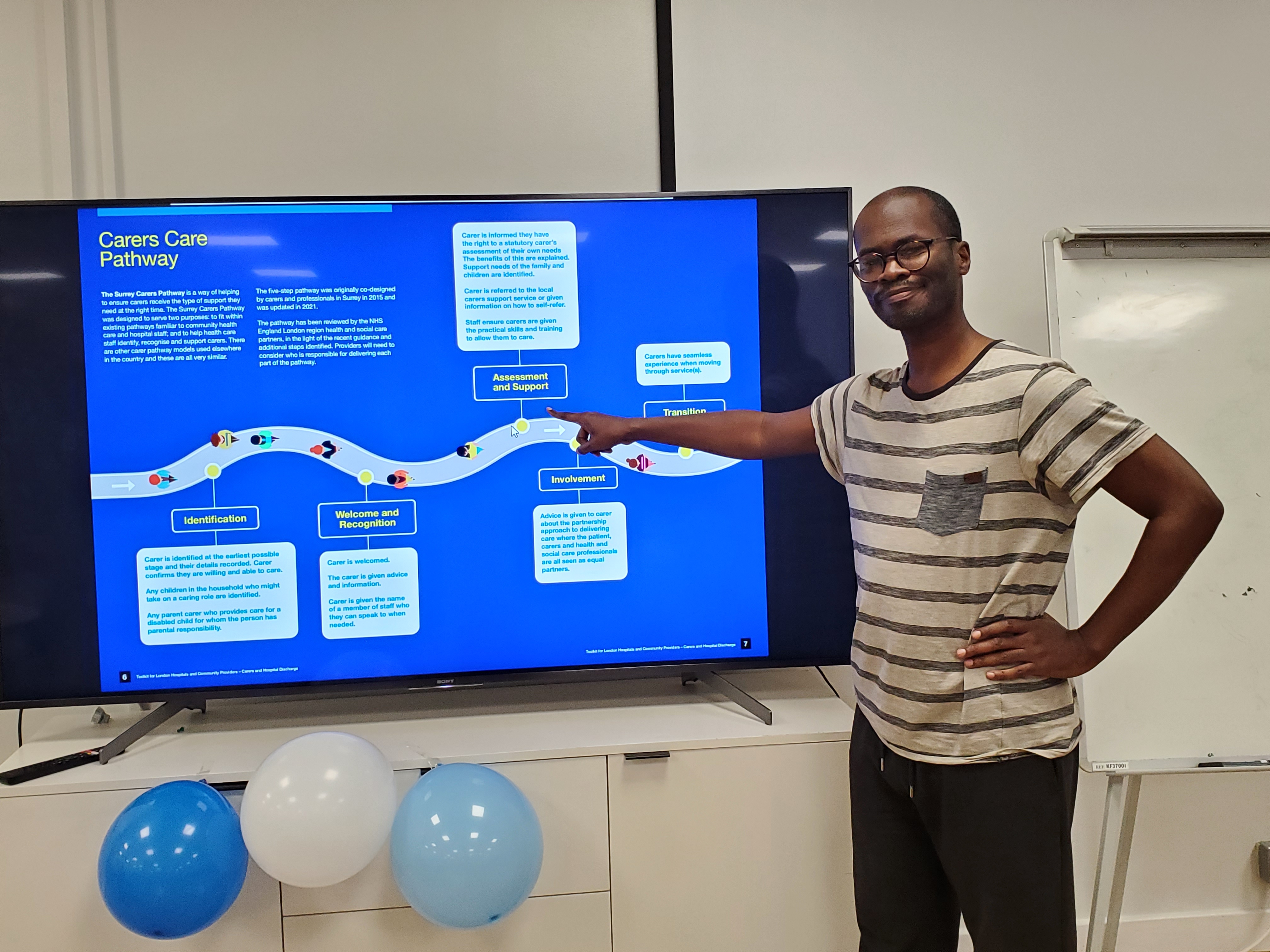
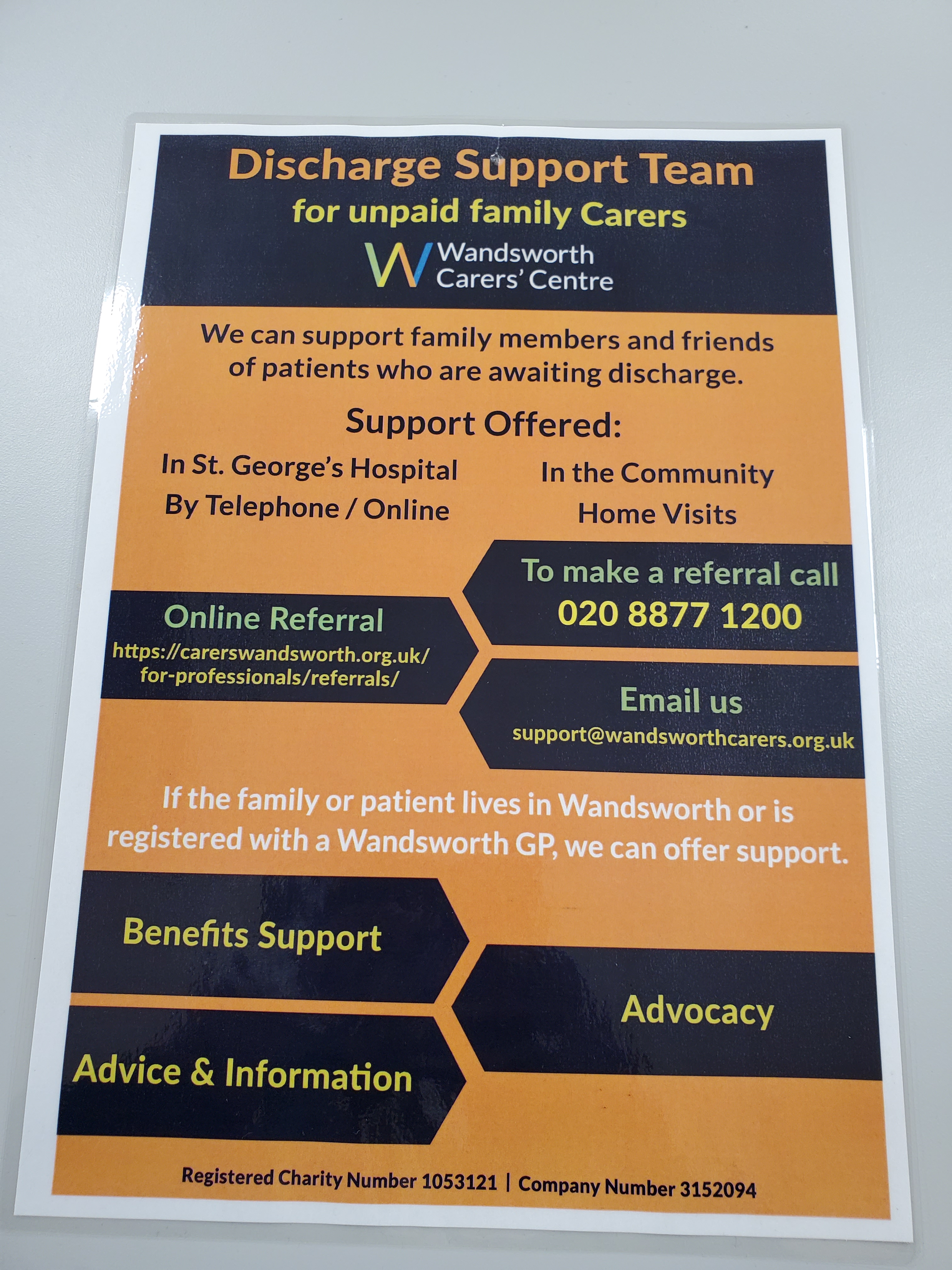
It was great to hear that I was invited to the London discharge toolkit which is being rolled out across all NHS acute trusts in London. The toolkit was developed by Debbie Hustings involving many carer organisations and carers with co-production.
With my involvement in NHS England, I have a keen interest to see how the toolkit increases the focus on unpaid carers.
The toolkit serves many purposes, as in educating NHS staff, raising carers rights and examining challenges in the health system.
I have fedback my thoughts to NHS England regarding the toolkit and a few other things. Below is the link to the toolkit
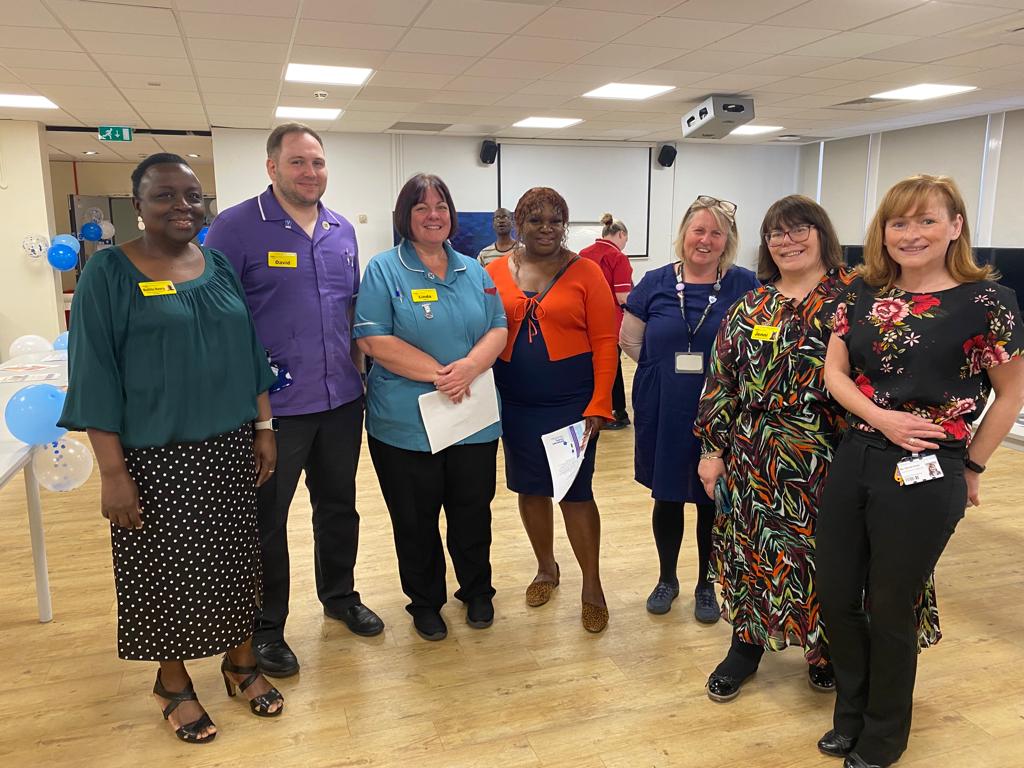
So on 8th of June I attended the Launch of the toolkit at St Georges university hospital
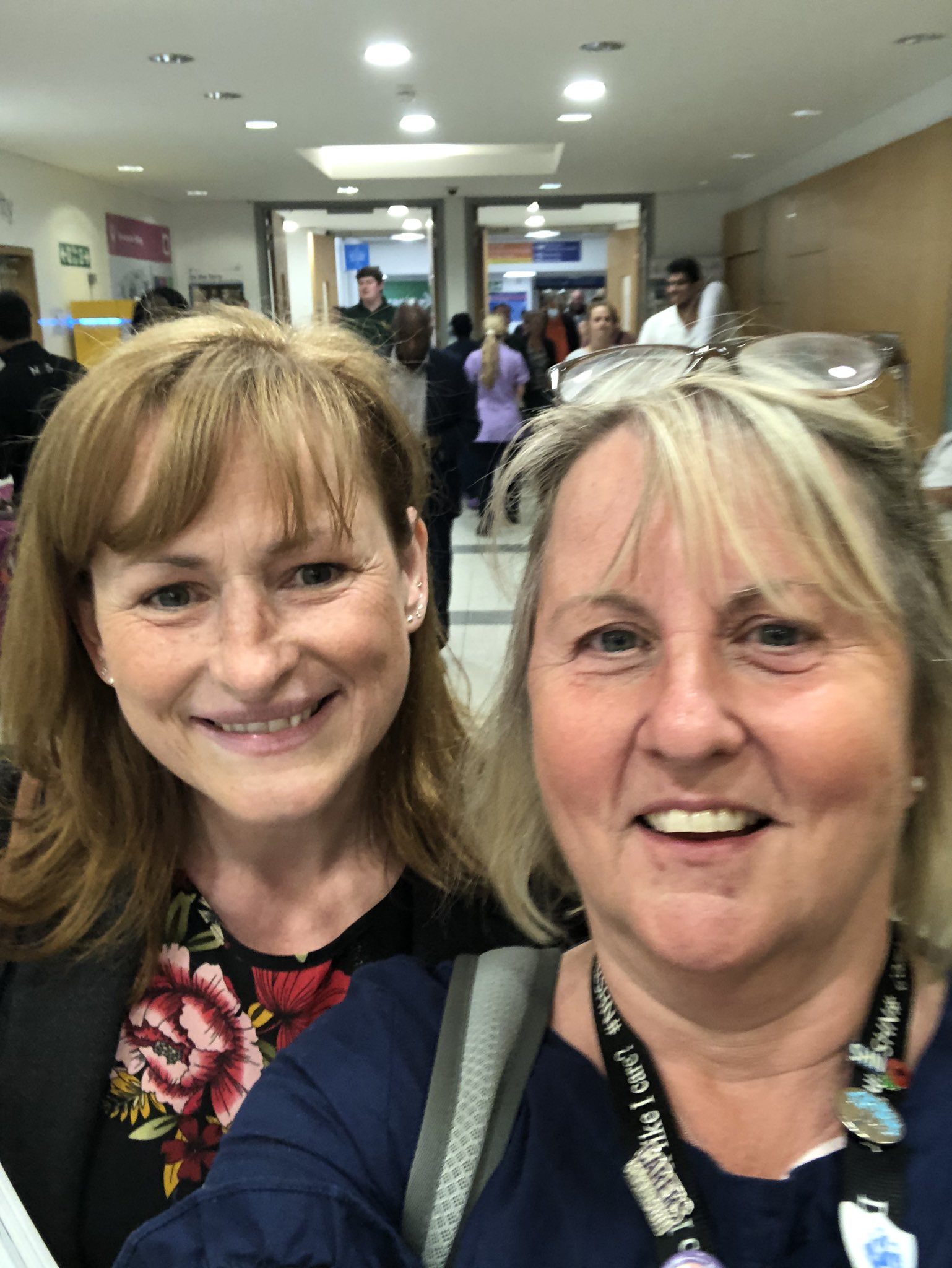
I was joined by NHS England carer lead for London as we spoke to NHS staff working so hard to make changes for unpaid carers.
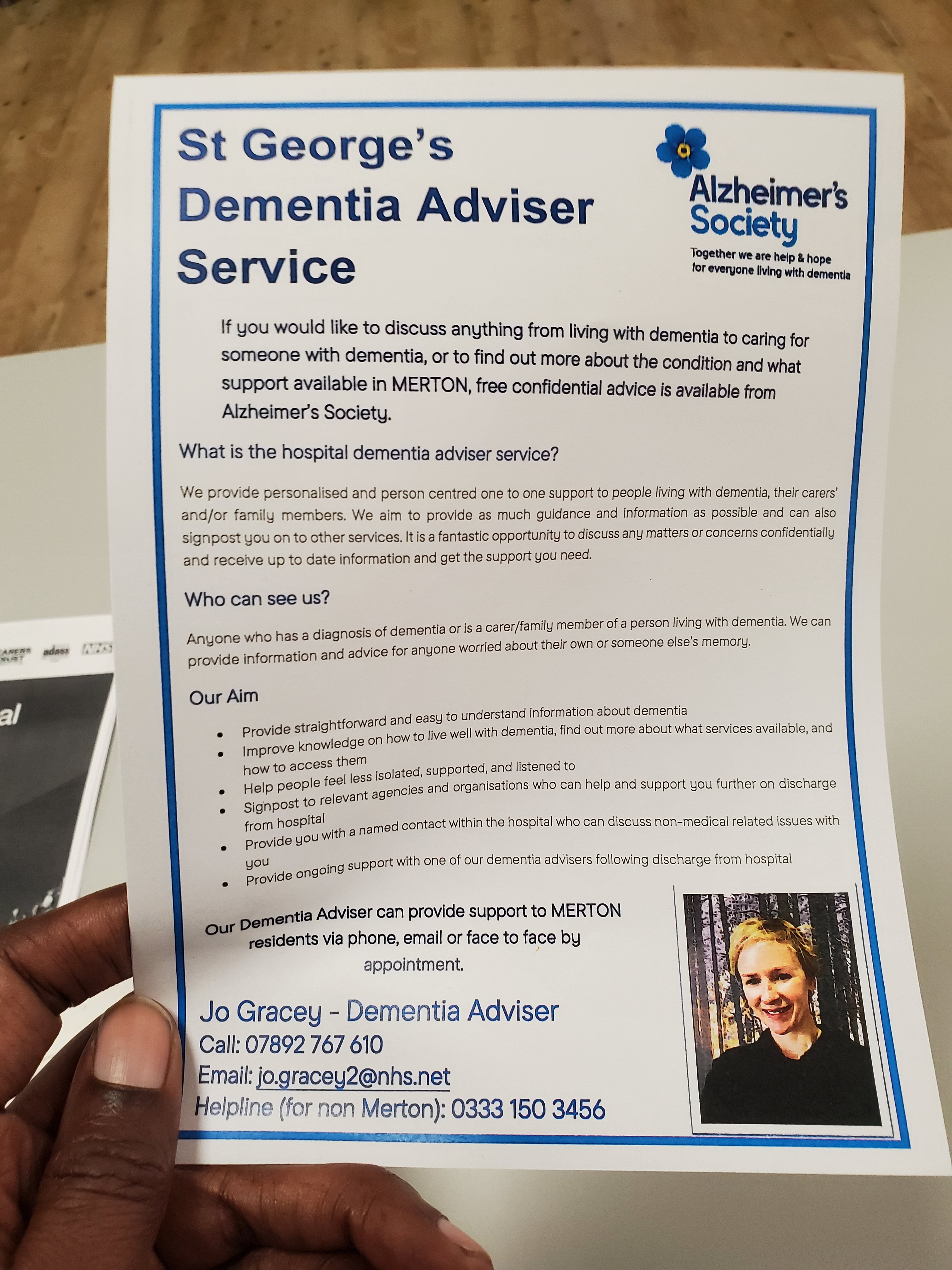
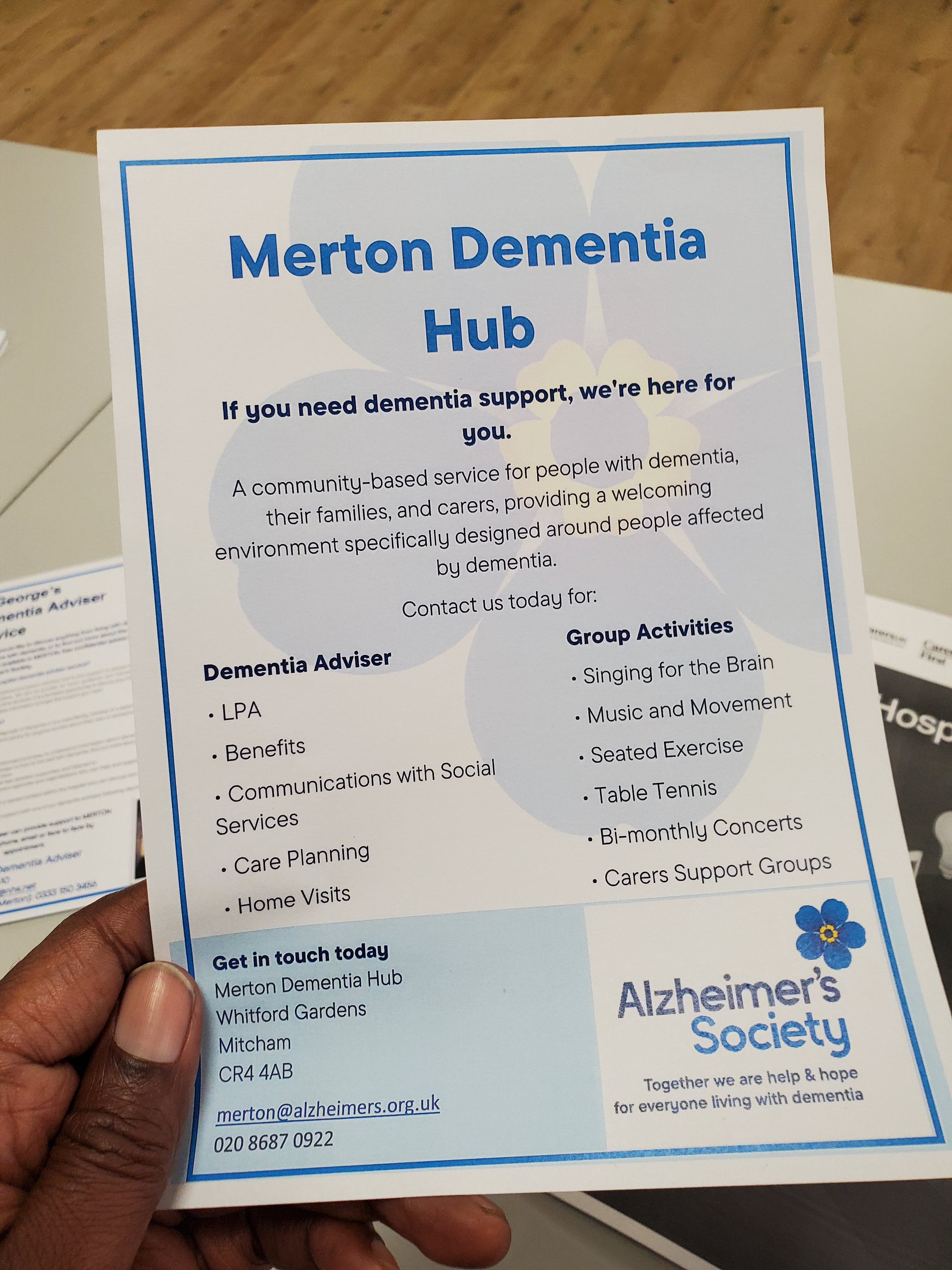
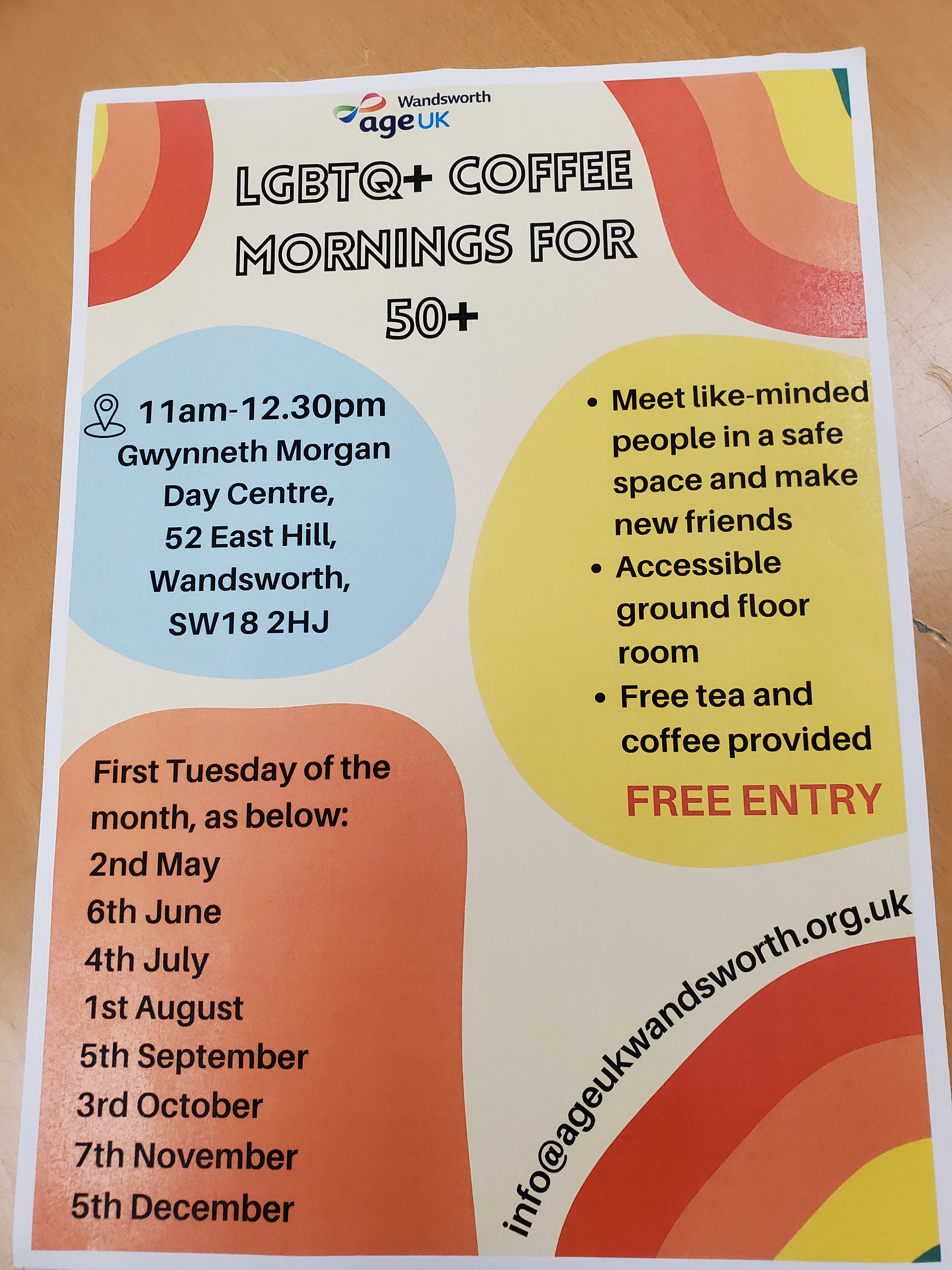
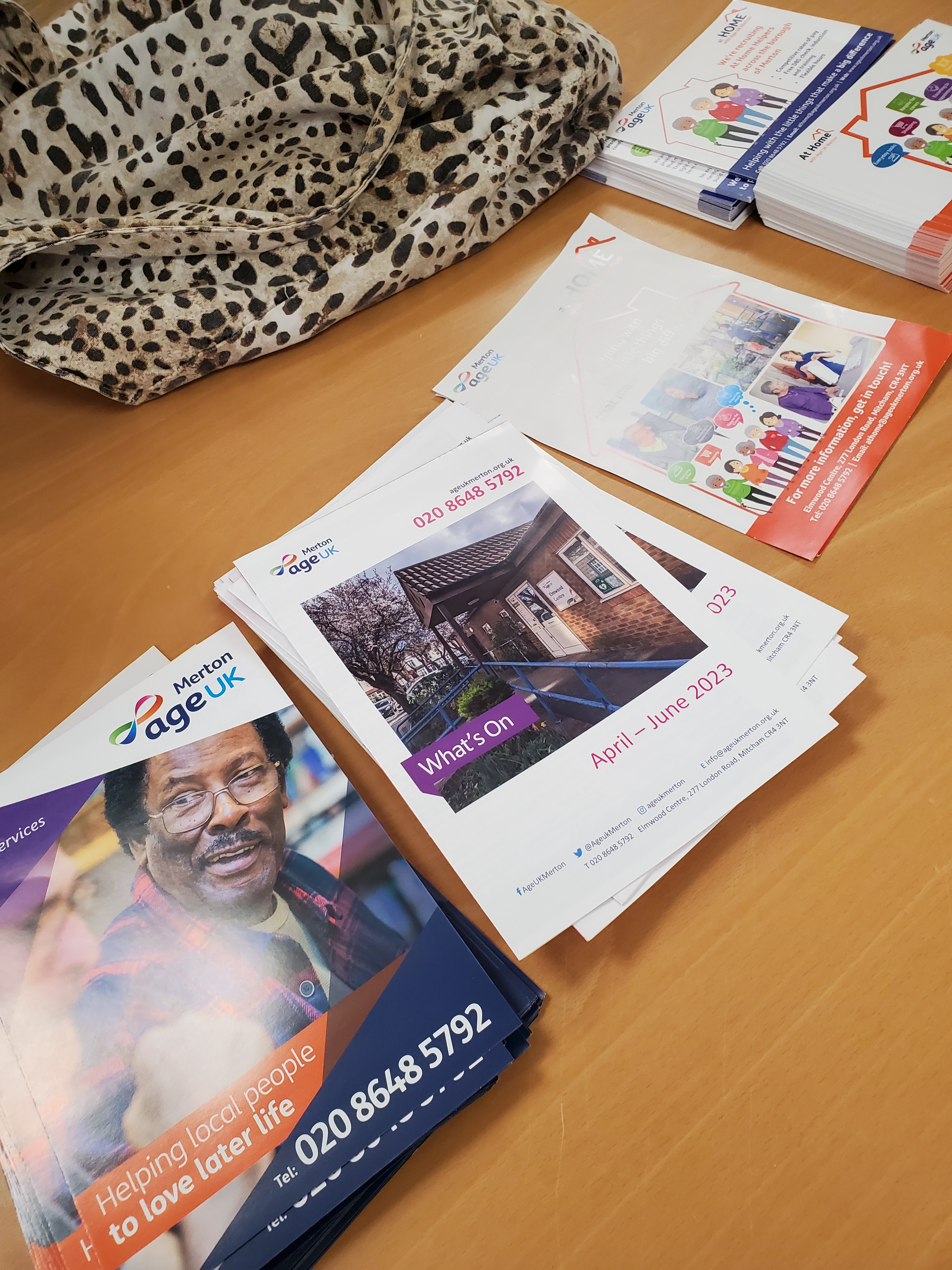
We also spoke to carer centre representatives, carers and third party organisations. I picked up a number of leaflets for my carer’s stall, but also spoke to a few people about the information provided.
All in all, staff at St Georges were confident of rising to the challenge to engage and support unpaid carers.









 A Caring Mind