By Matthew McKenzie – Carer, Campaigner, Author and Speaker
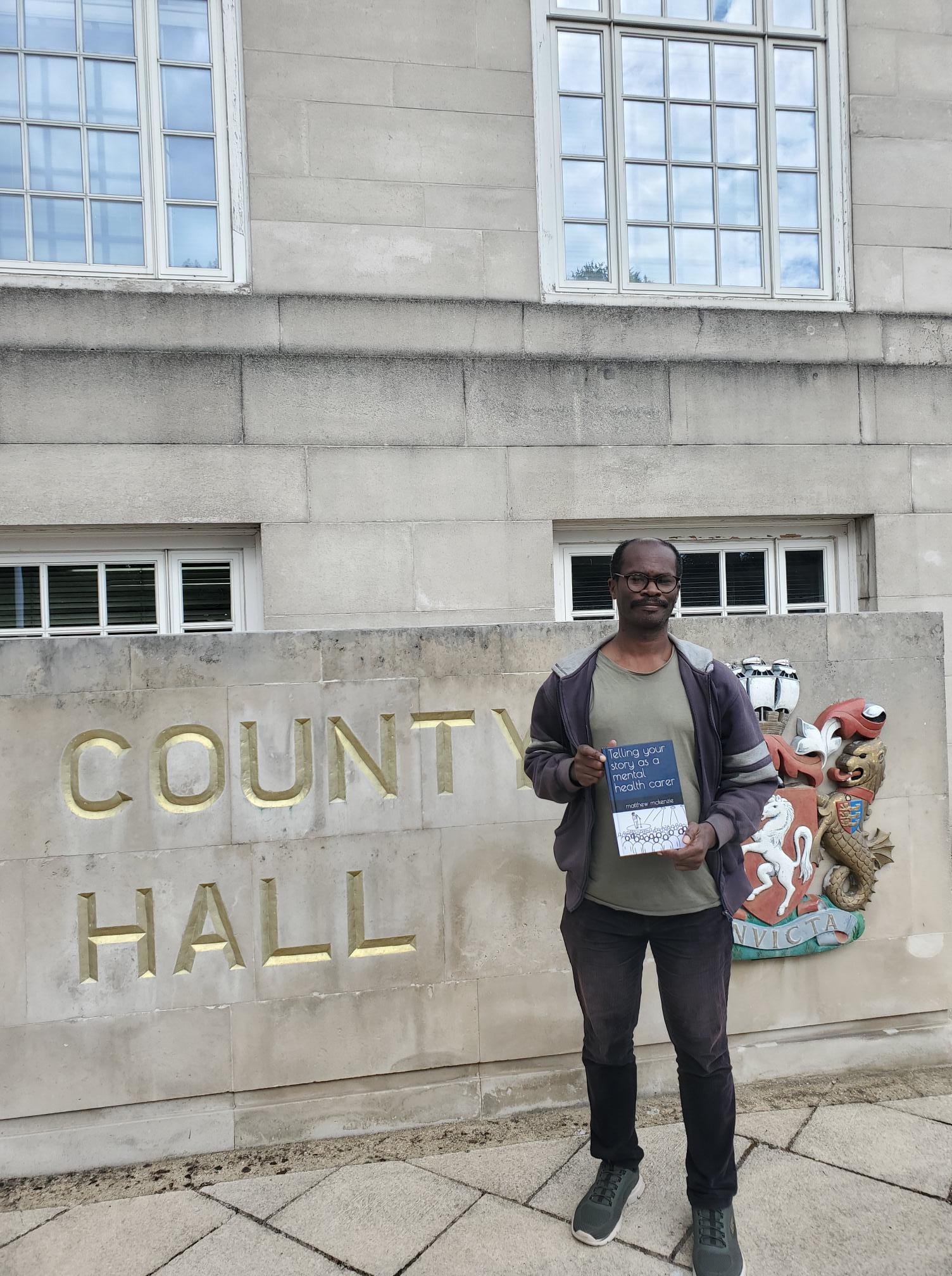
5 June 2026 – Supporting Kent County Council’s Carer Awareness Campaign
Although not officially part of Carers Week, my activities with Kent County Council formed an important part of my ongoing commitment to raising awareness of unpaid carers. I supported the county’s long-term carer awareness campaign by taking part in filming designed to help train council staff to better recognise and support carers.
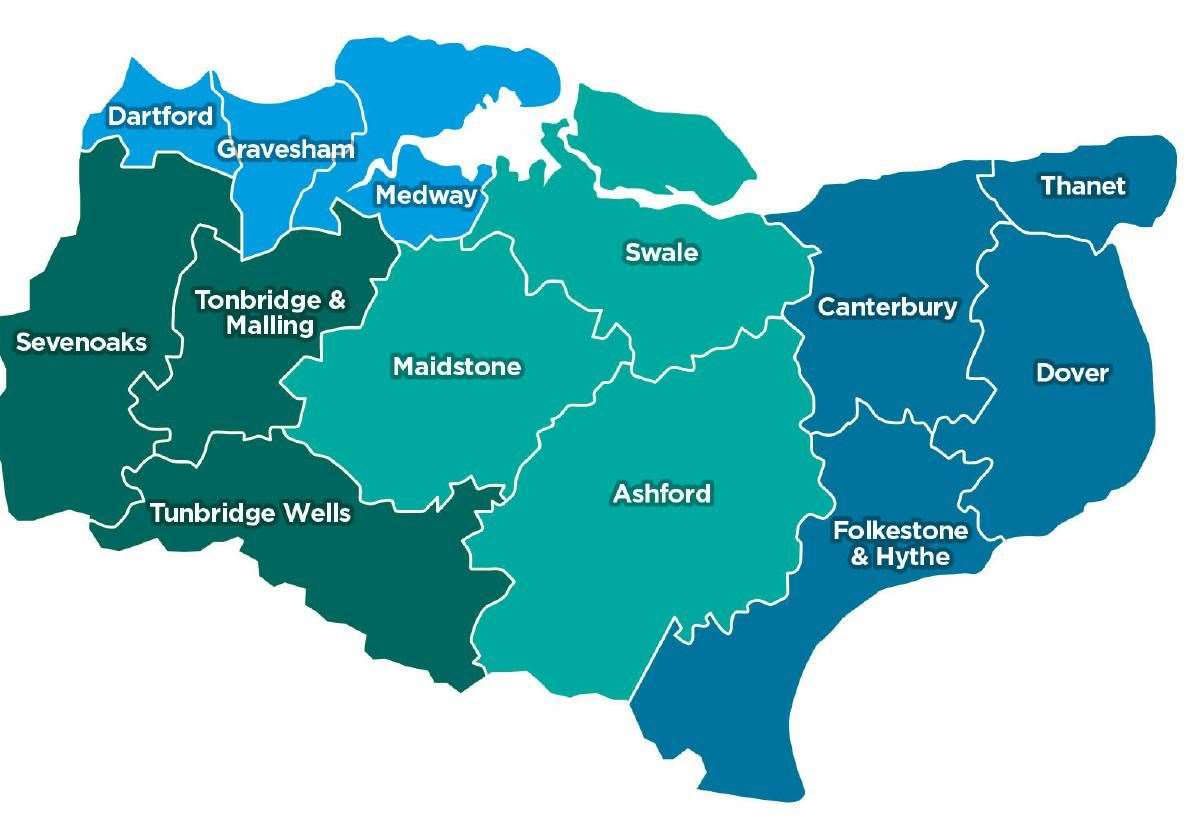
I also discussed future opportunities to speak at Kent County Council carer groups and continued promoting my own support groups across the county. It was encouraging to see local government investing in carer awareness and recognising the importance of ensuring carers are identified, valued and supported within their communities.
9 June 2026 – Developed Video promotion for Carers Week 2026
I did my bit to raise awareness of Carers Week 2026 via a video I developed, which you can see below.
8 June 2026 – Carers Week Stall at St George’s University Hospital
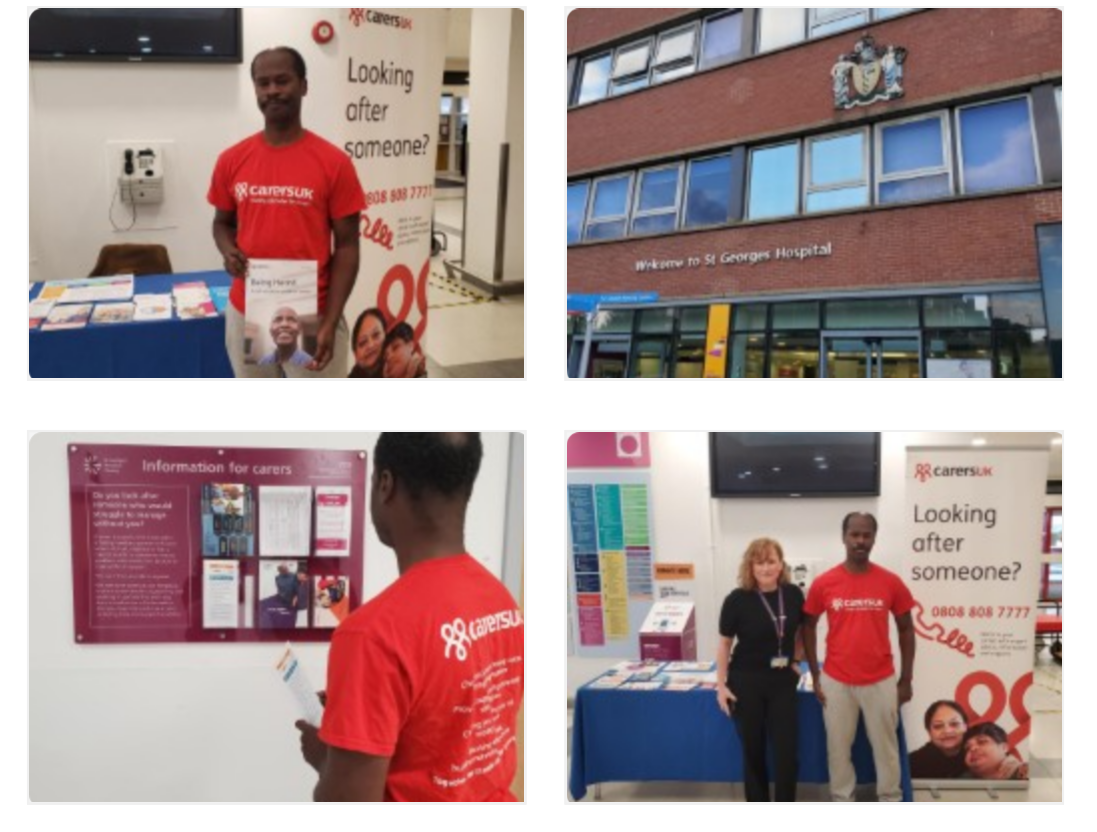
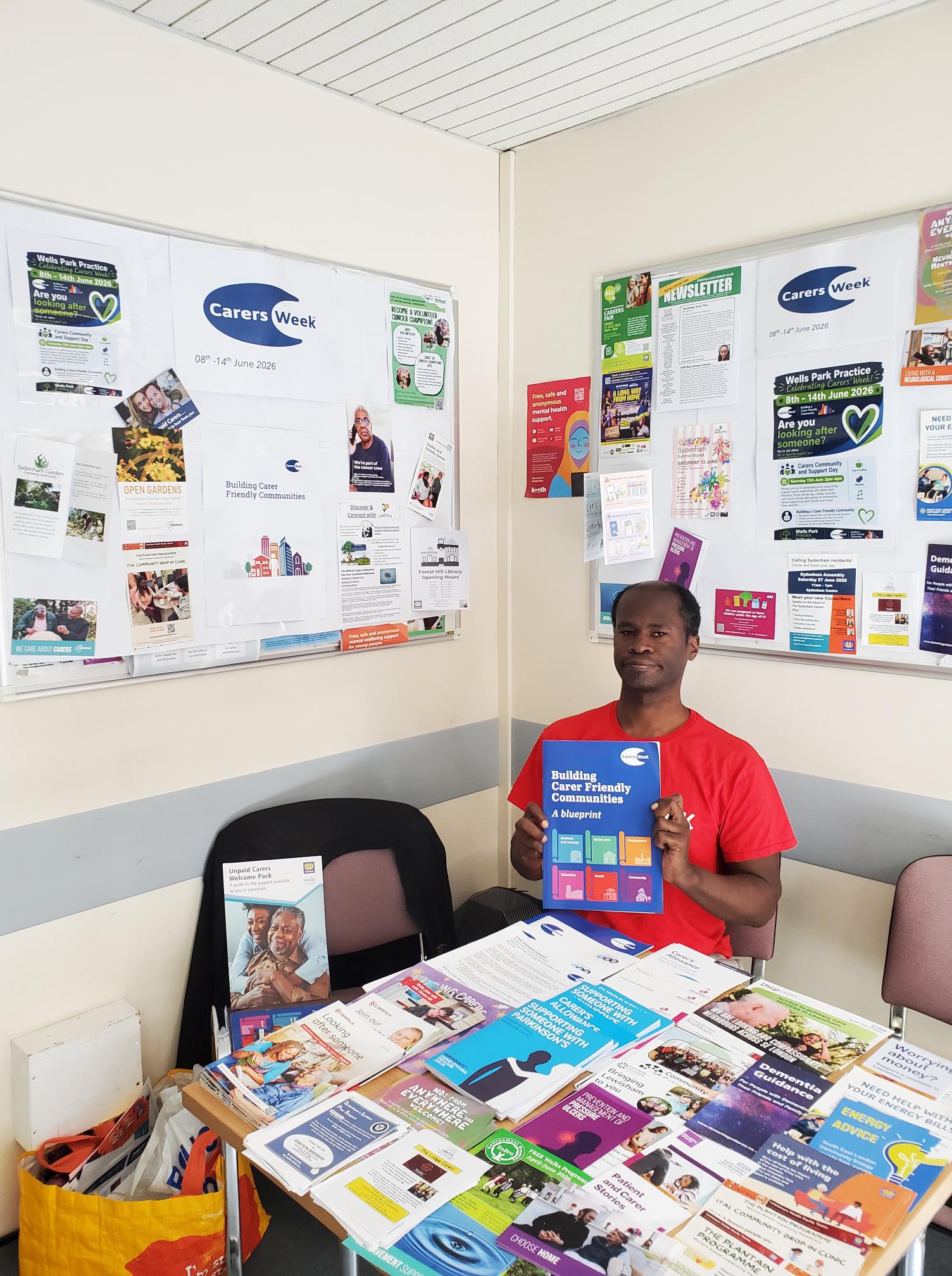
Carers Week officially began with a rewarding day at St George’s University Hospital, where I hosted a Carers UK information stall. The event provided an opportunity to engage directly with unpaid carers, patients, hospital staff and visitors, sharing information about the support available to carers both locally and nationally.
I was particularly pleased to see the hospital’s dedicated carers information board, which demonstrated a clear commitment to recognising and supporting unpaid carers. Throughout the day, I spoke with many people who were caring for family members and helped raise awareness of carers’ rights, available services and the importance of seeking support. It was a positive start to Carers Week and highlighted the vital role healthcare settings can play in identifying and supporting carers.
10 June 2026 – Ealing Carers Week Celebration at Perceval House
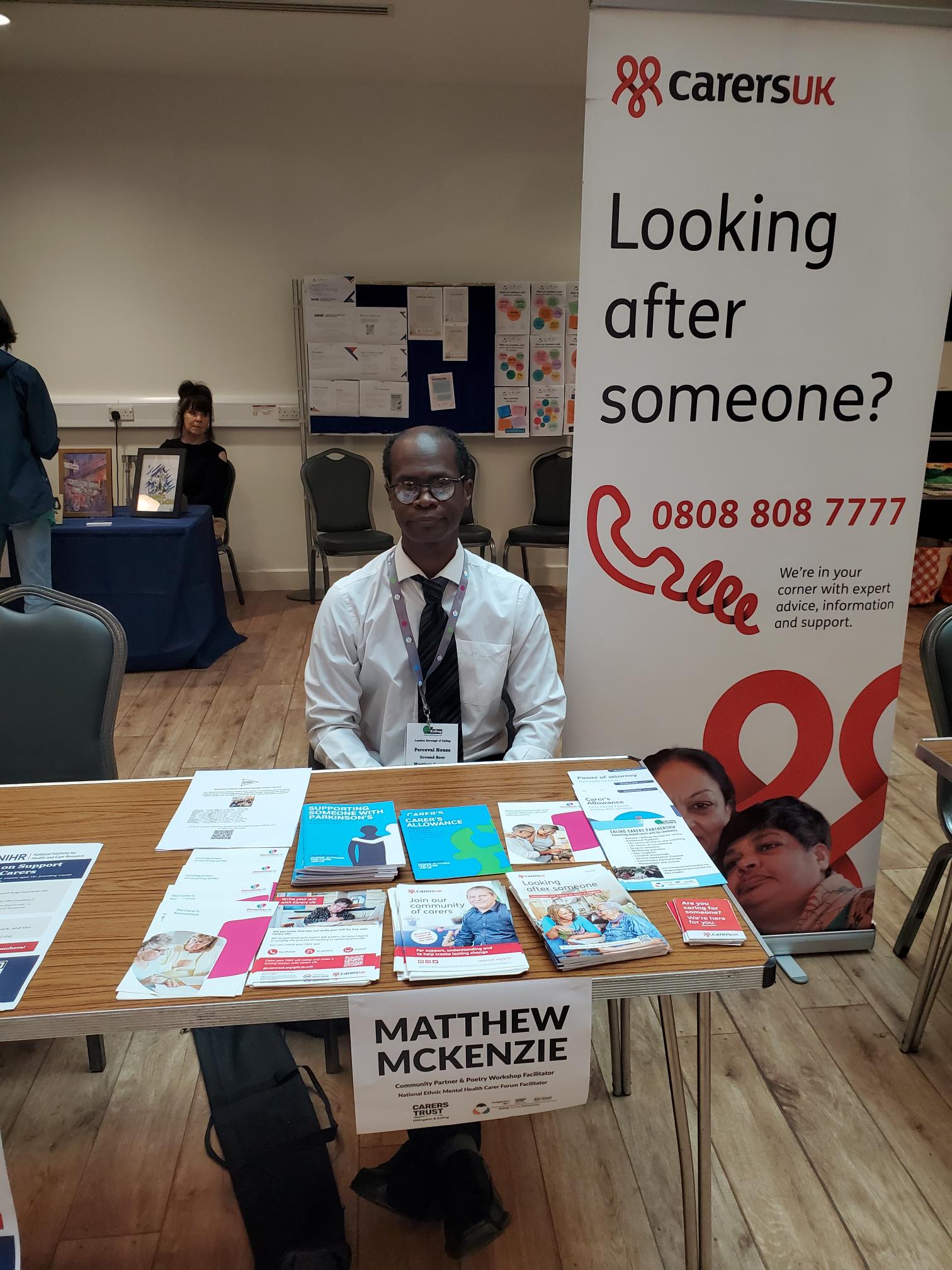
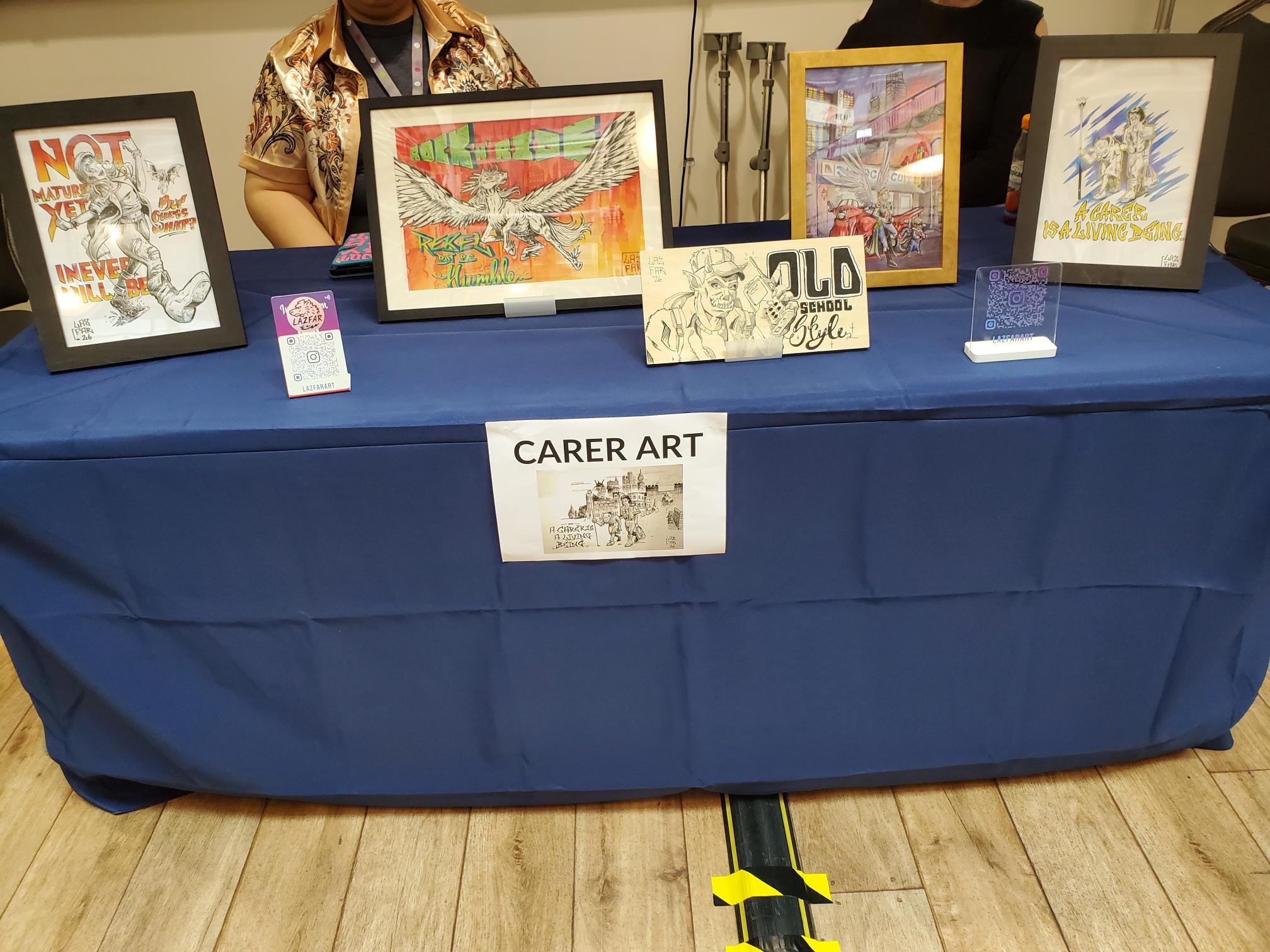
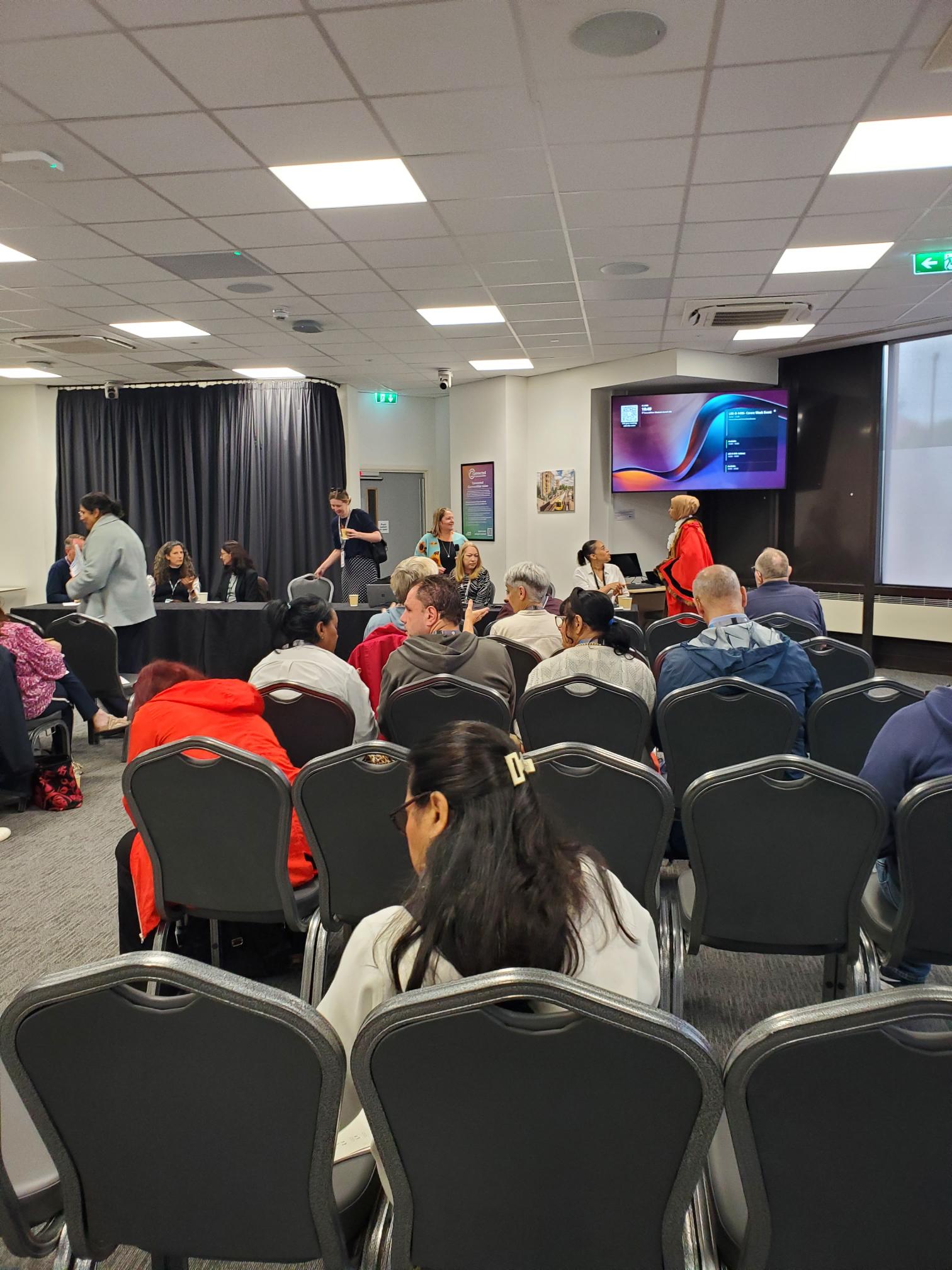
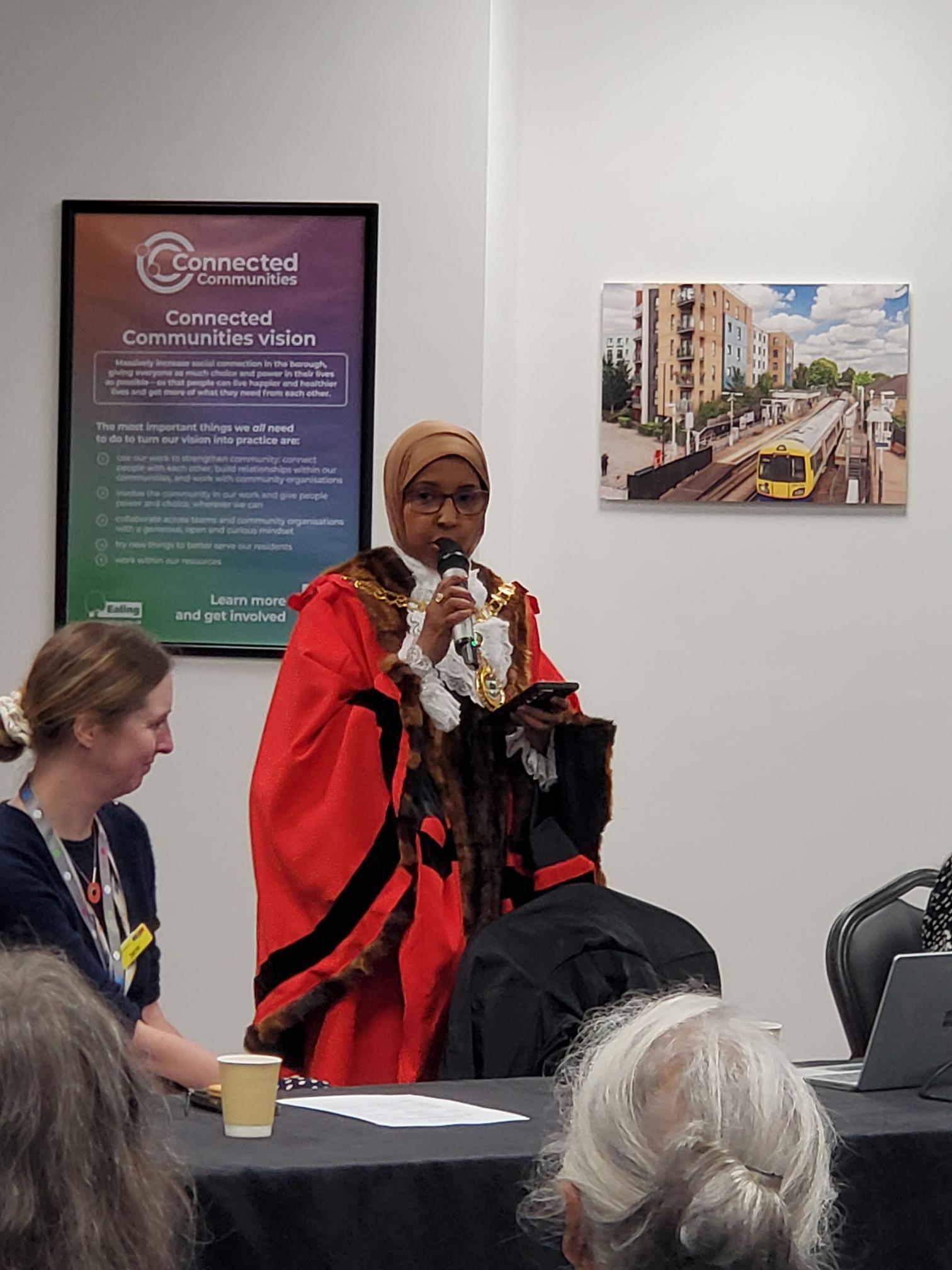
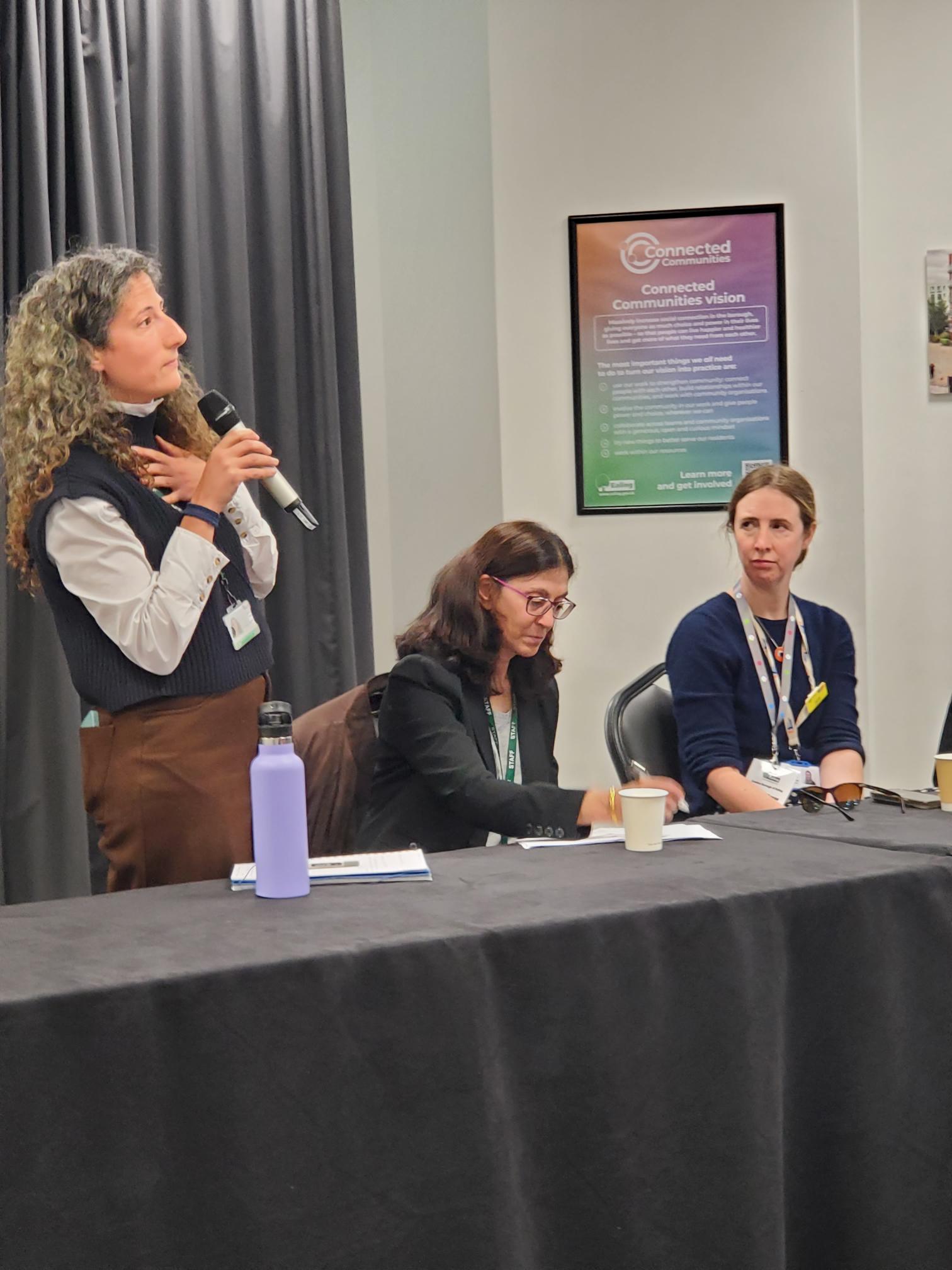
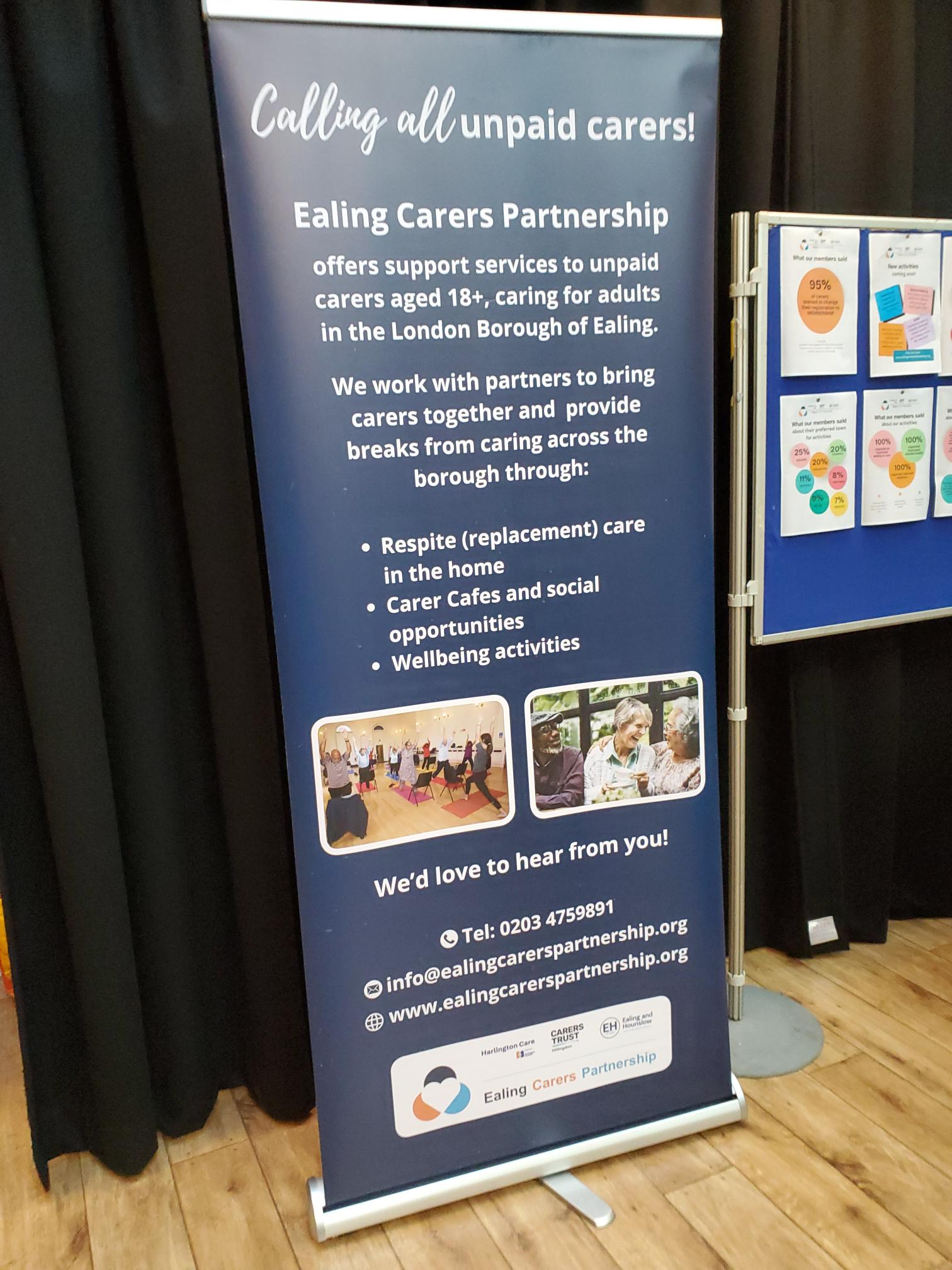
On 10 June, I attended the Carers Week Celebration 2026 at Perceval House in Ealing, organised by Ealing Carers Partnership, Ealing Carers Hub and Ealing Council. As someone who supports both of my elderly parents, I understand first-hand the rewards and challenges of caring. During the event, I had the privilege of hosting a Carers UK information stall while also attending as a carer, poet and author.
The day brought together carers, charities, community organisations, health professionals and council representatives in a welcoming and supportive environment.
Carers had access to information, advice and wellbeing activities, including complimentary refreshments, free manicures provided by Uxbridge College students, artwork exhibitions and opportunities to connect with others who understand the caring journey. The event served as a powerful reminder that carers matter, their voices are important and they should never feel alone.
You can find out more about the event below from Ealing Local Community news
10 June 2026 – Carers Week Parliamentary Drop-In Event, Westminster
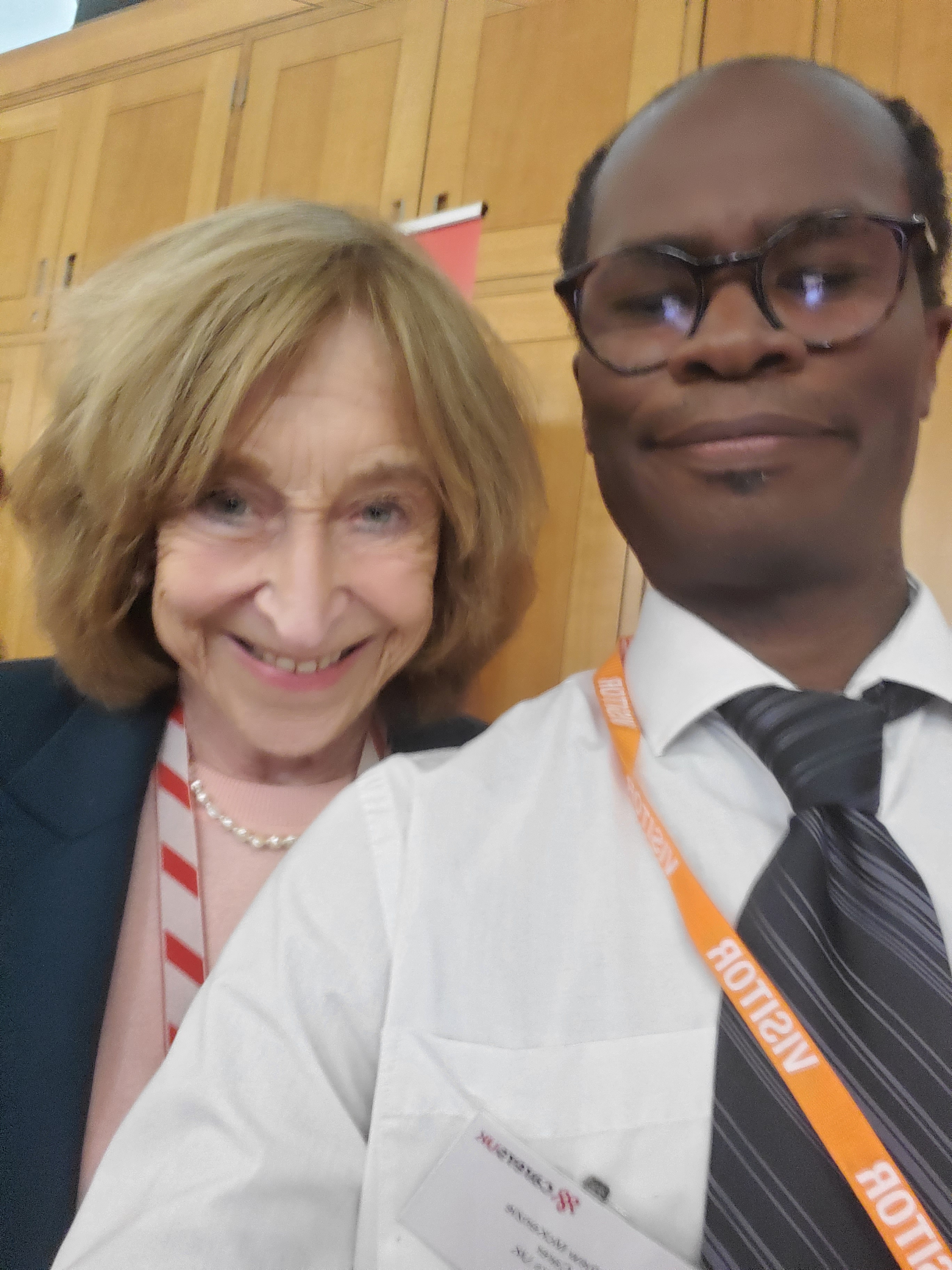
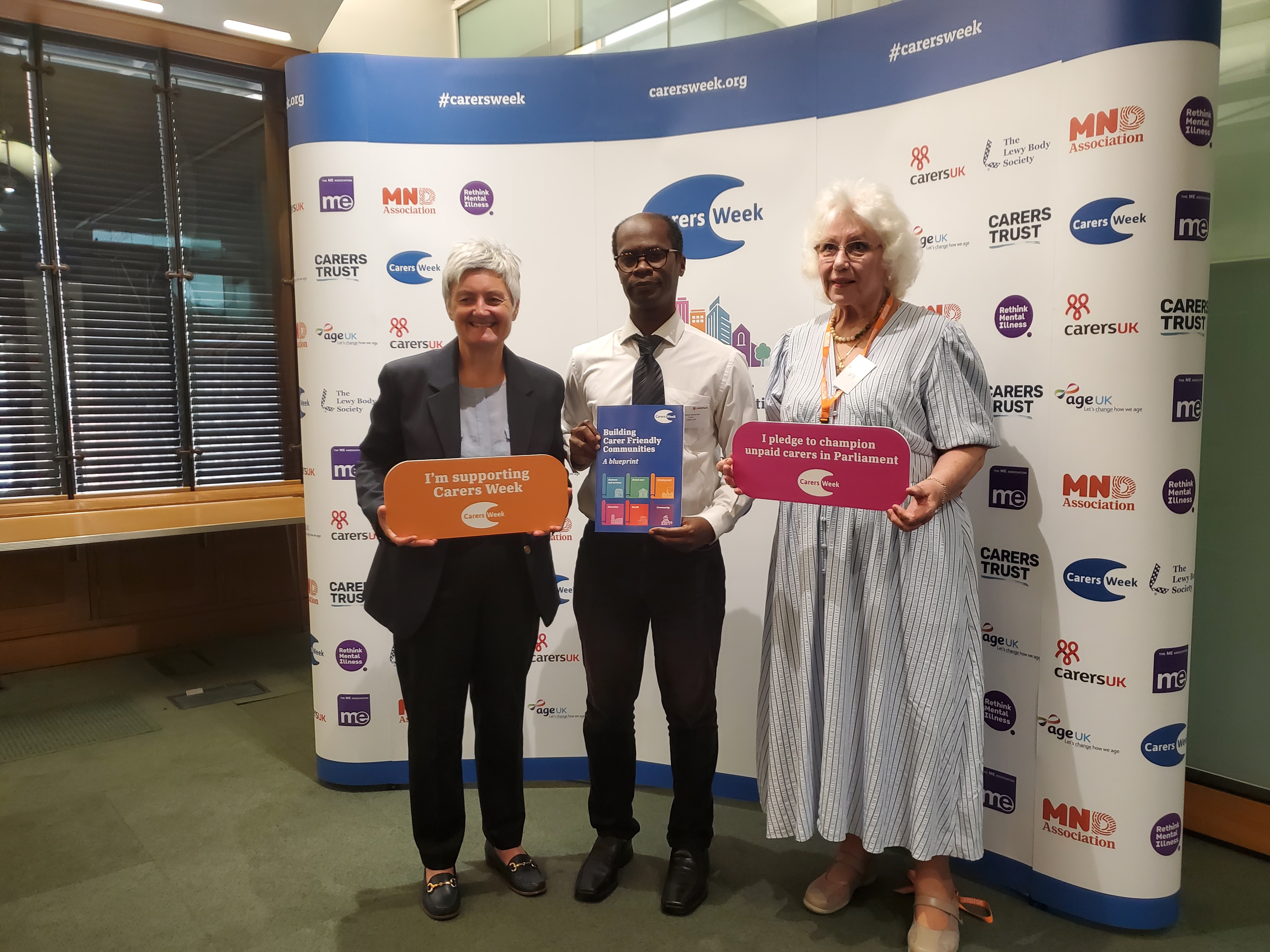
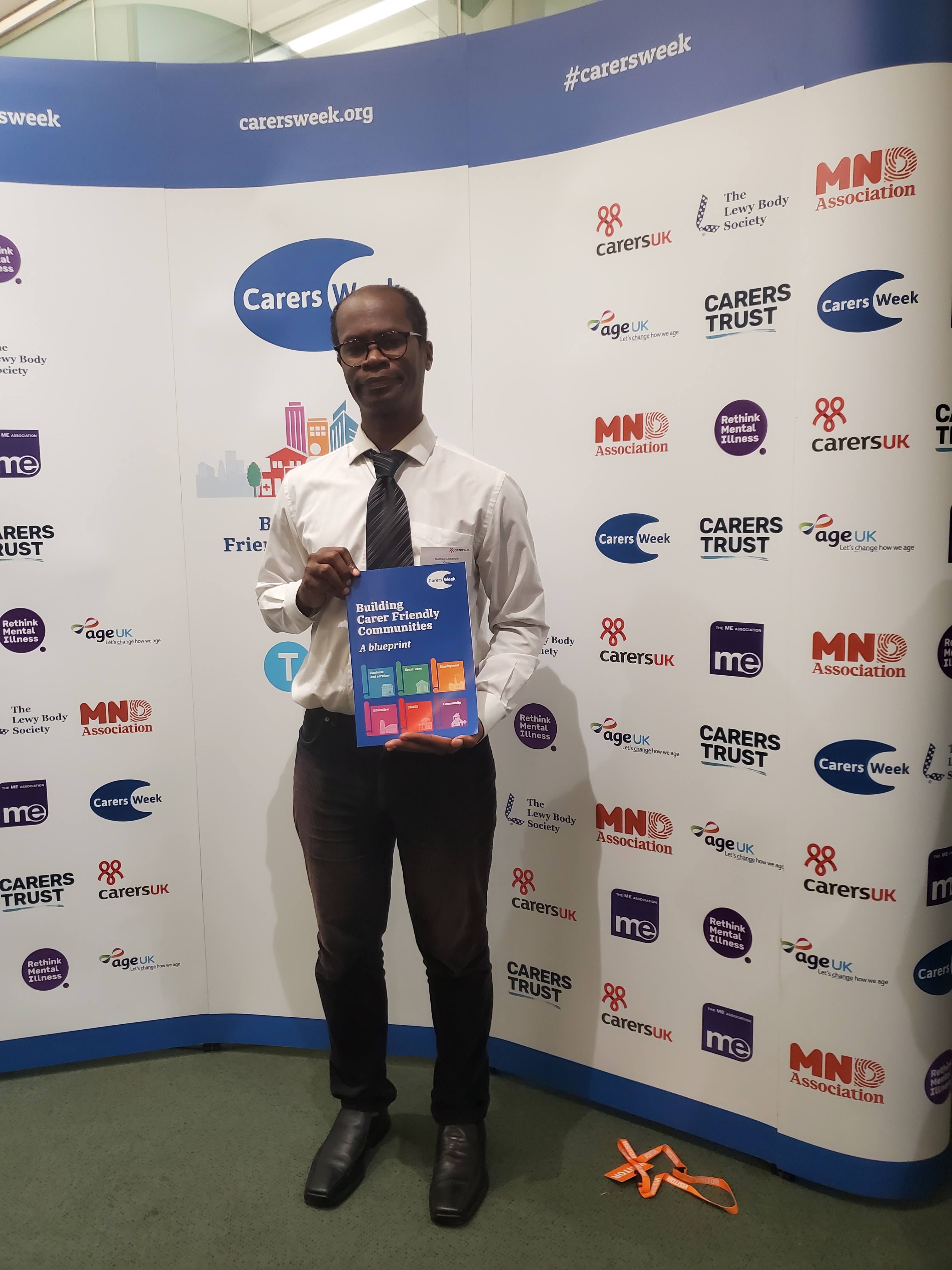
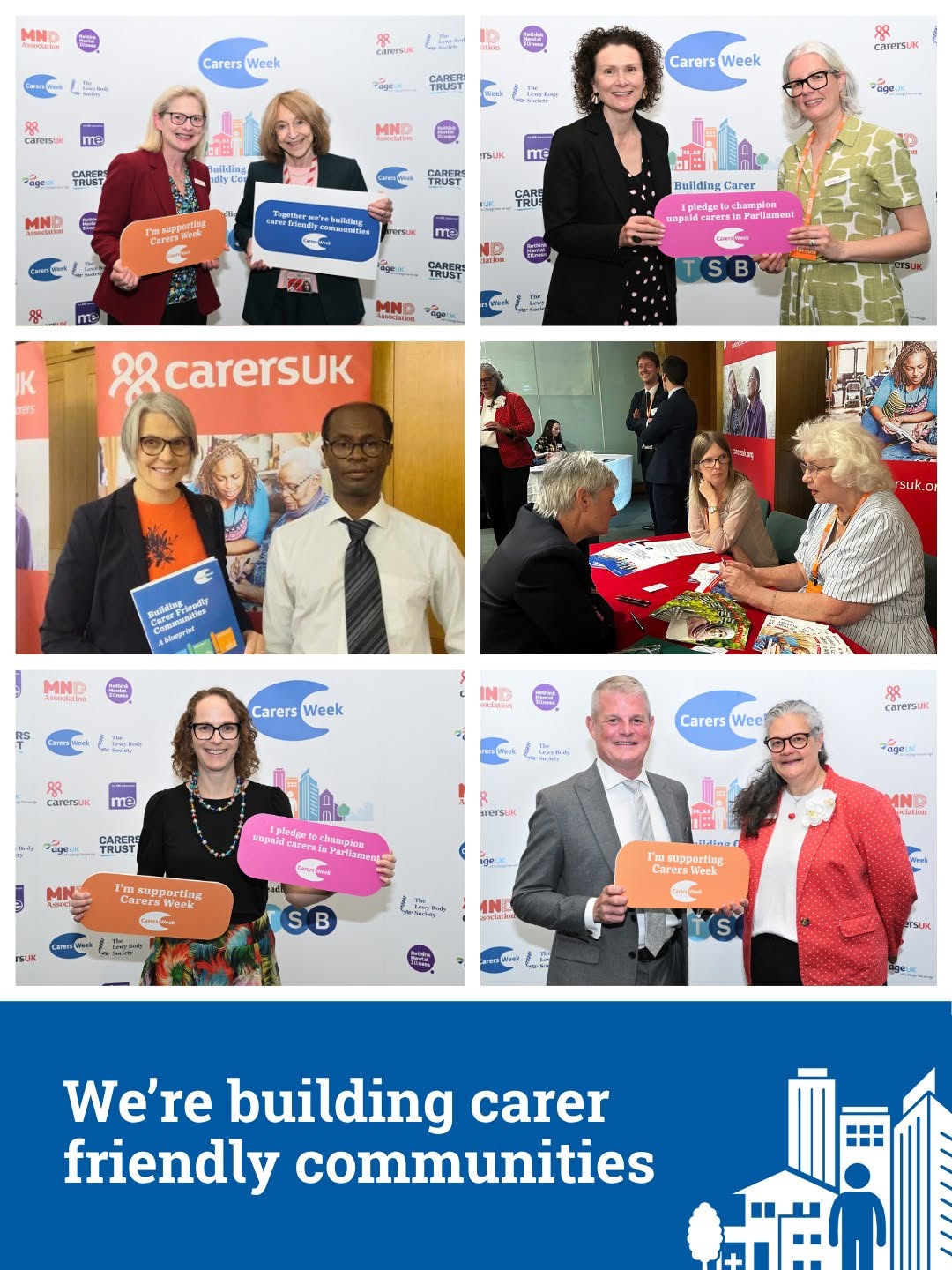
Later that day, I attended the Carers Week Parliamentary Drop-In Event at Portcullis House, Westminster. The event brought together unpaid carers, carers’ organisations, MPs and Peers to discuss the realities of caring and the support carers need.
Designed as a speed-networking event, it offered an important platform for carers to share their experiences directly with policymakers and raise awareness of both the immense contribution carers make and the challenges they face. It was encouraging to see parliamentarians engaging with carers and supporter organisations, demonstrating a growing recognition of the need for stronger policies and greater support for unpaid carers across the country.
11 June 2026 – East Sussex Carers Voices Event, East Dean Village Hall
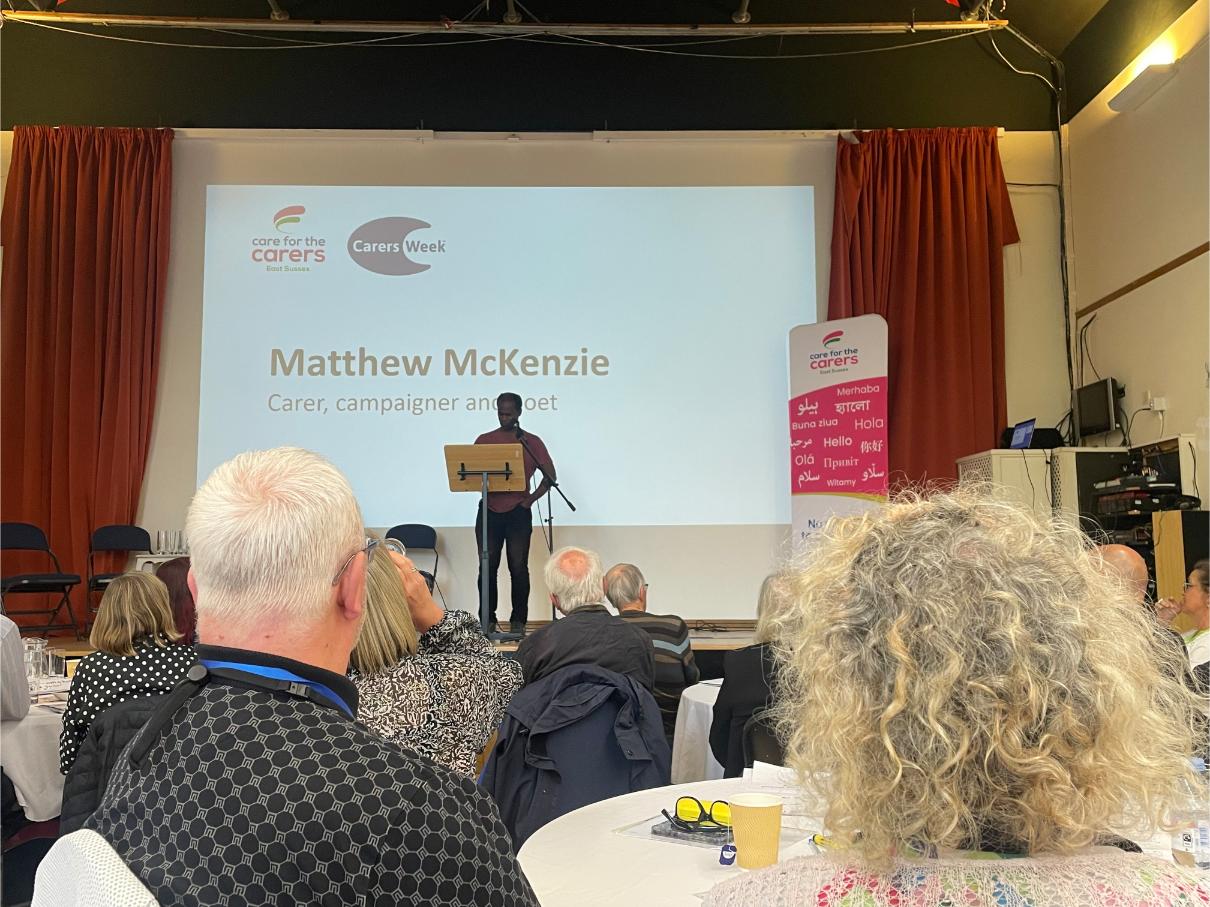
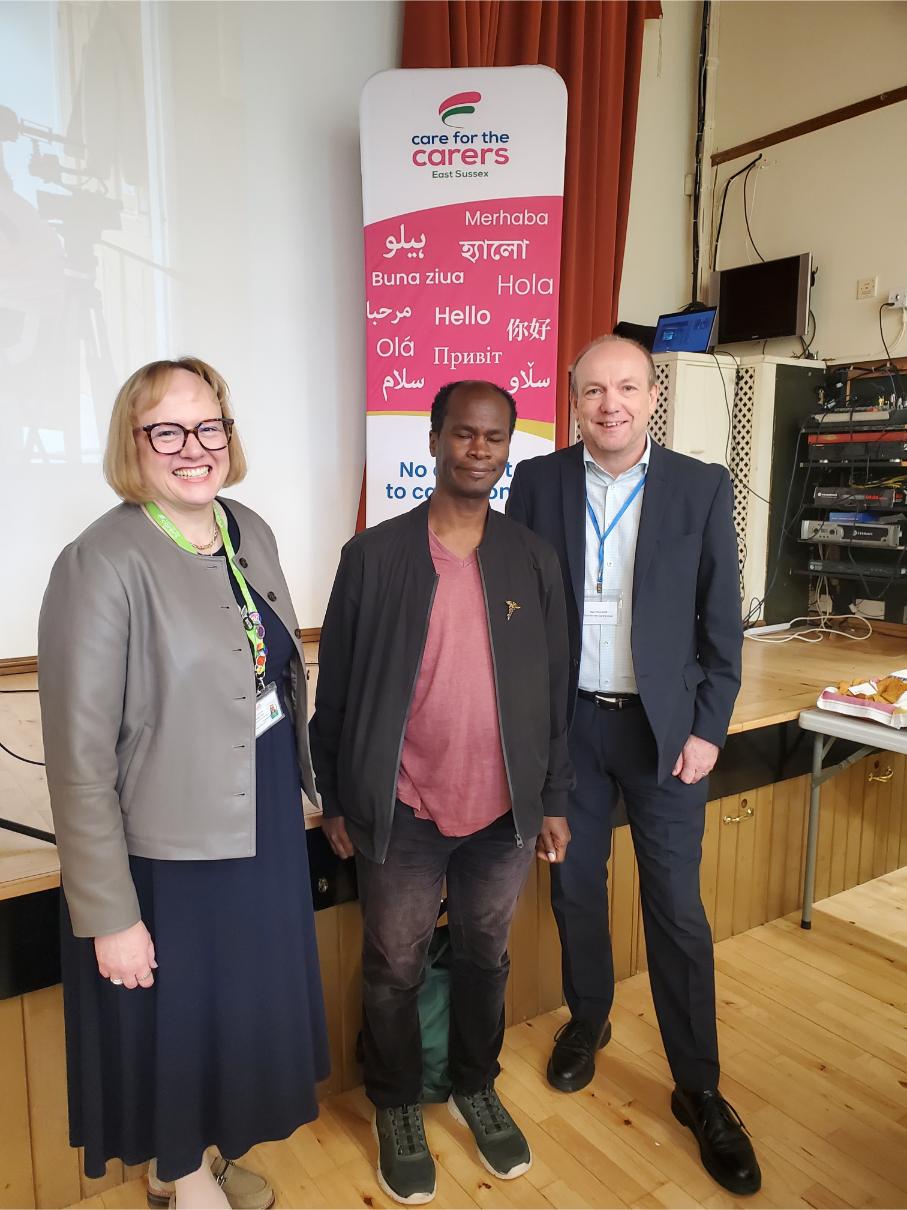
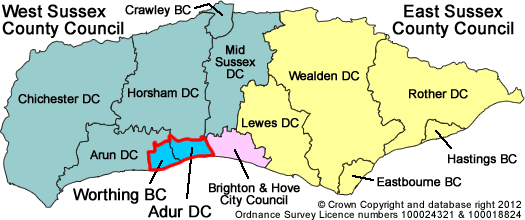
As part of Carers Week, I travelled to East Dean in East Sussex to speak at the East Sussex Carers Voices – Celebrating Carers Week Event, organised by Care for the Carers. The event brought together unpaid carers, NHS representatives, local authority leaders, health professionals, carers’ organisations and community groups to discuss how support for carers can be improved.
Hosted by Dr Neil Churchill, Chair of Care for the Carers along with Jennifer Twist CEO of Care For The Carers, the day focused on listening to carers’ experiences and ensuring their voices were heard by decision-makers.
I was honoured to contribute to these discussions and to share insights from my own caring journey. The event demonstrated the value of bringing carers and professionals together to shape services and create positive change for unpaid carers across East Sussex.
12 June 2026 – Speaking at the Cygnet National Carers Event
On 12 June, I had the privilege of speaking at the Cygnet National Carers Event in London as Cygnet’s PCREF Carer Lead, Carer Network Ambassador and carer author. The event brought together carers, healthcare professionals and sector leaders to celebrate carers and discuss the support they need. I shared my experiences as a lifelong carer and highlighted the importance of recognising carers as equal partners in care.
It was inspiring to hear from a diverse range of speakers, including experts by experience, researchers, advocates and service leaders, all united by a shared commitment to improving outcomes for carers. The event reinforced the importance of lived experience in shaping services and ensuring carers’ voices remain central to policy and practice.
13 June 2026 – Carers Community and Support Day at Wells Park Practice
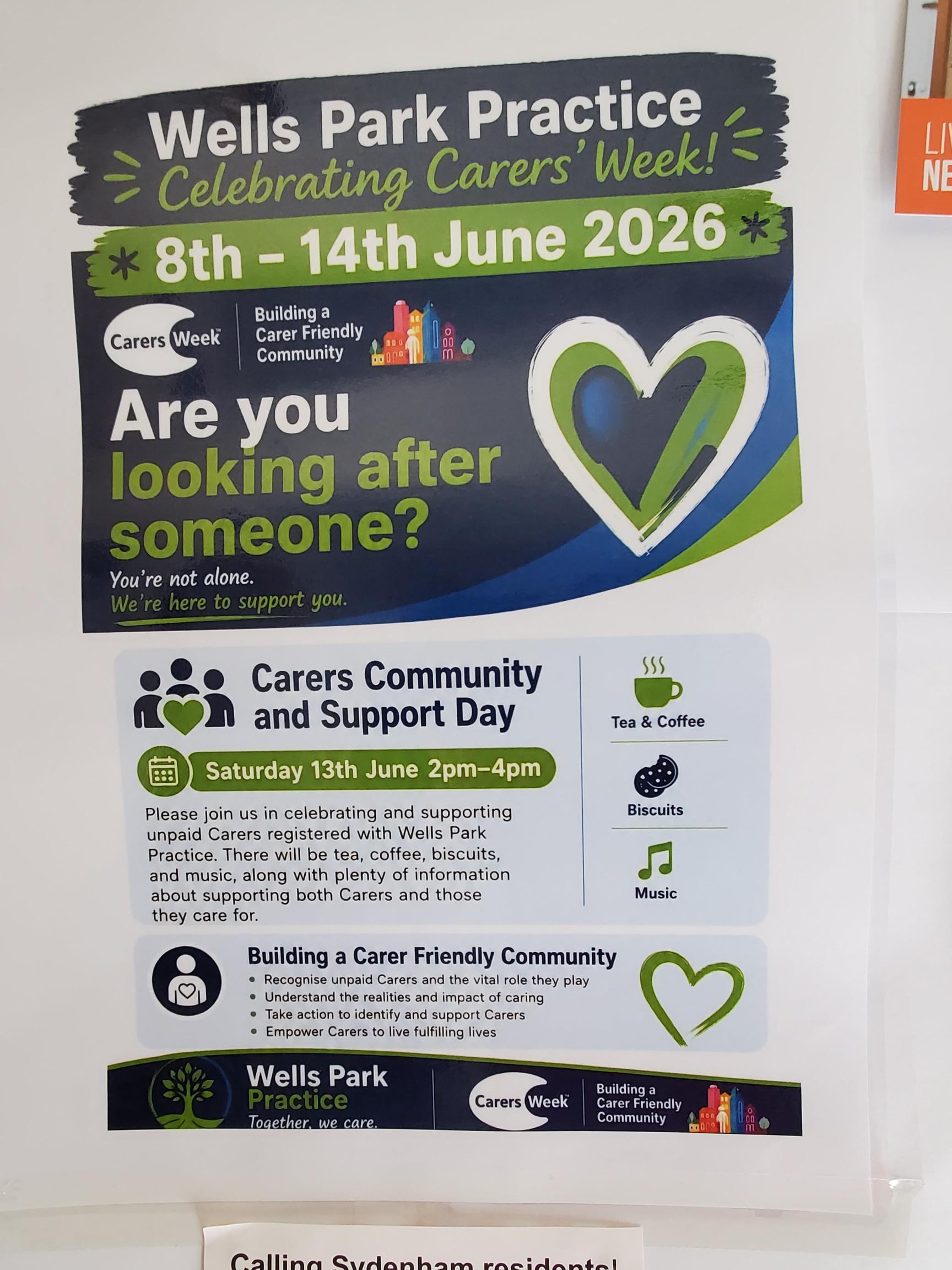
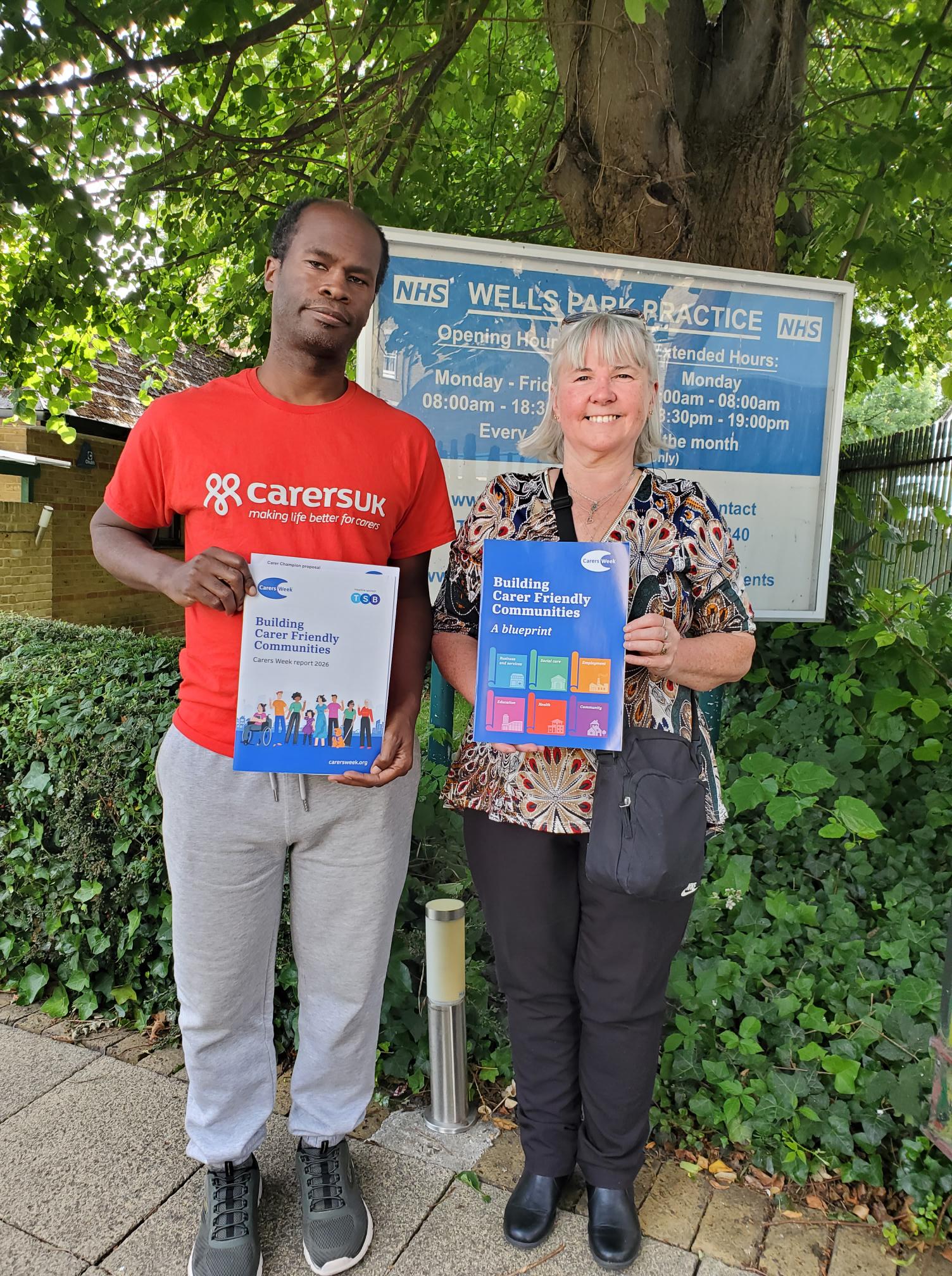
I concluded Carers Week 2026 by hosting a carers information stall alongside Wendy (who is also a devoted carer campaigner at our Lewisham group) at Wells Park Practice during their Carers Community and Support Day.
The event celebrated carers within the local community and provided an opportunity for unpaid carers to access information, advice and support in a relaxed and welcoming environment.
Throughout the afternoon, I spoke with carers about the challenges they face and the services available to help them. The event also highlighted the importance of building a carer-friendly community by recognising carers, understanding the realities of caring and empowering carers to live fulfilling lives. It was a fitting way to end a busy and rewarding week dedicated to championing carers and raising awareness of their invaluable contribution to society.
Reflection
Carers Week 2026 was an incredibly busy and meaningful week, providing opportunities to raise awareness, influence decision-makers, support carers directly and celebrate the extraordinary contribution that unpaid carers make every day.
From hospitals and GP surgeries to Parliament, local authorities and national conferences, the message remained the same: carers are essential, carers deserve recognition and carers must be supported. I am proud to have contributed to so many events throughout the week and remain committed to ensuring that carers’ voices continue to be heard long after Carers Week has ended.
By Matthew McKenzie – Chair of the Carers Hospital Discharge group
Hospital discharge remains one of the most critical and stressful moments for unpaid carers, patients and healthcare professionals alike. During the recent Carers Hospital Discharge Group meeting held in May 2026, professionals, carers, NHS leaders, hospital representatives and community organisations came together to discuss major developments affecting carers across London and beyond.
The Carers Hospital Discharge meeting runs every 2 months and for the month of May we discussed improving hospital discharge processes, strengthening carer identification, digital inclusion, community support and the growing role of technology in healthcare planning.
The blog update is for those unable to attend, here is a summary of the key discussions, presentations, questions and responses shared during the session.
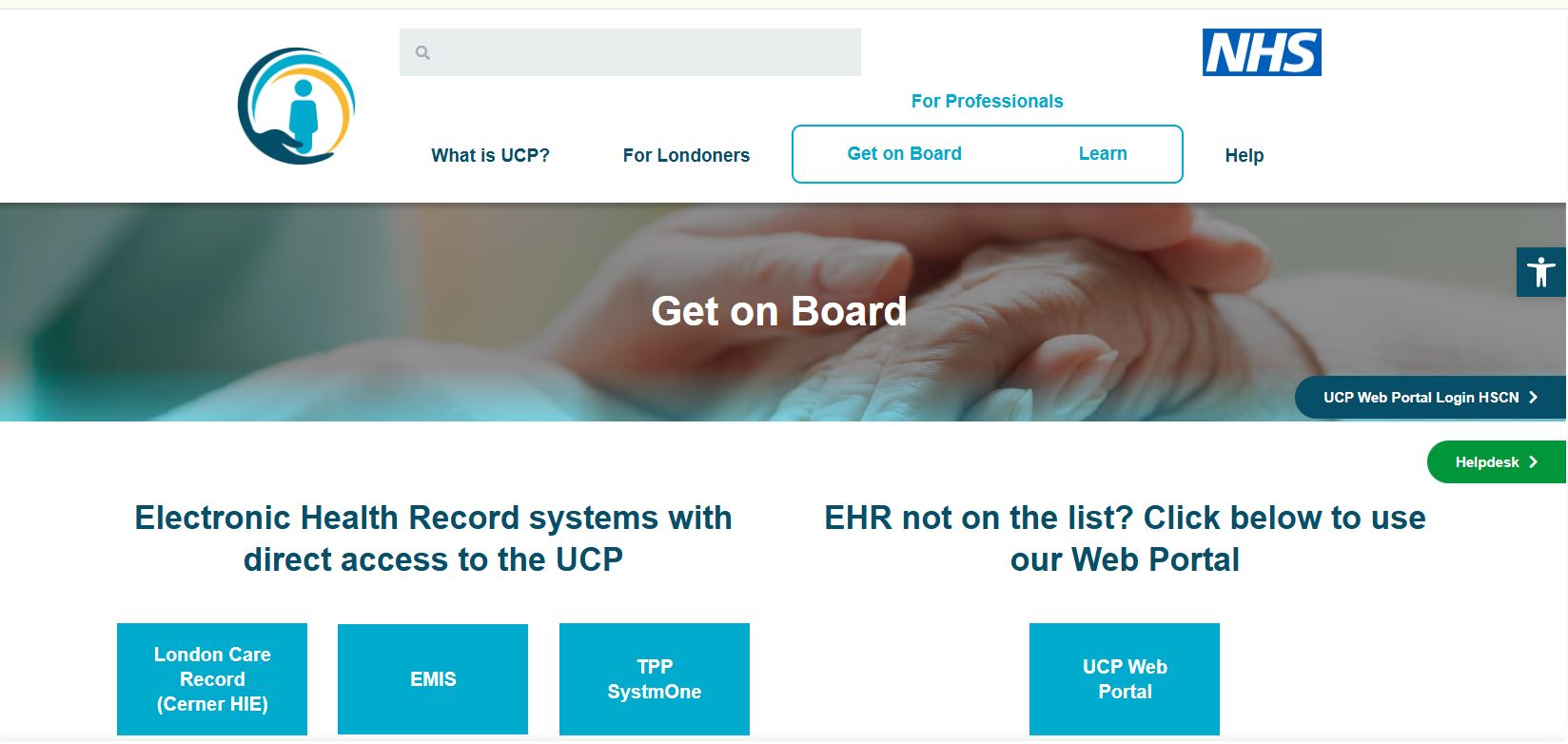
Universal Care Plan Expansion Through the NHS App
One of the biggest updates came from NHS England, who shared exciting news about the expansion of the Universal Care Plan (UCP).
The new development allows patients and members of the public to begin creating their own Universal Care Plans directly through the NHS App. Previously, only clinicians could initiate many aspects of these plans.
NHS England explained that editable sections now include areas such as:
“What matters to me”
Communication preferences
Care and contingency plans
Personal support needs
Clinical sections, however, remain under healthcare professional control.
Updates described the project as a major milestone after years of discussion about allowing people greater control over their own care information.
Question from attendee:
“Will carers be able to input on behalf of their cared-for person?”
response from presenter:
At present, carers cannot directly complete plans on behalf of another person due to safeguarding and proxy access concerns. However, carers can still complete their own care contingency plans within the system.
It was explained that this means if a carer suddenly becomes unable to provide care, emergency services and healthcare providers would be alerted that a contingency plan exists.
They also noted that community organisations could potentially support individuals with completing plans, provided appropriate governance and data security arrangements are in place.
The discussion highlighted both the opportunities and challenges of balancing digital access with safeguarding responsibilities
*****
For more developments on the Universal Care PLan, I have provided the link below of the recent Webinar
New Research on Social Networks and Healthcare Support
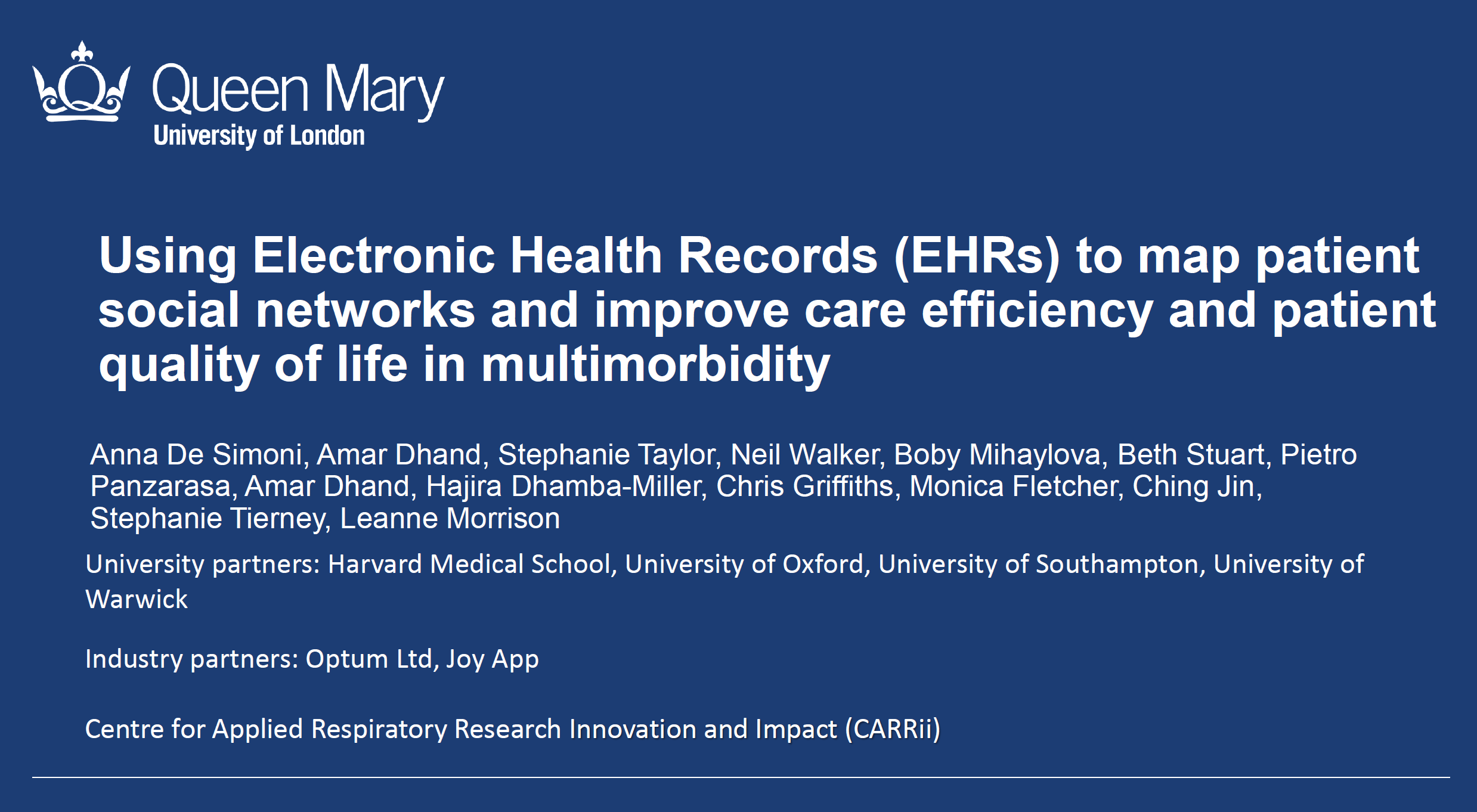
Matthew McKenzie introduced an emerging research project led by Queen Mary University of London alongside several major universities including Harvard, Oxford and Warwick.
The project aims to explore how patients’ social support networks influence health outcomes, hospital admissions and long-term wellbeing.
Researchers are developing tools to map patients’ support systems, including:
Family carers
Friends
Peer groups
Community support
Online social networks
The project seeks to better understand how strong support systems can improve self-management and reduce avoidable hospital admissions.
Matthew explained that researchers are particularly interested in understanding:
Whether support network mapping would feel helpful or intrusive
How carers should be recognised within healthcare systems
How cultural differences affect support networks
What safeguards around privacy and consent are needed
The proposal sparked interest among attendees because it reflects a wider NHS shift toward community-based care and prevention.
NHS England connected the project to wider work around “family group conferencing,” where whole-family approaches are used to plan care and support more collaboratively.
NHS England’s Urgent and Emergency Care Strategy 2025/26
A major section of the meeting focused on NHS England’s emerging Urgent and Emergency Care (UEC) Strategy.
Matthew presented some notes on NHS England UEC outlining plans to:
Reduce avoidable hospital admissions
Deliver more care within communities
Expand digital healthcare access
Improve hospital discharge pathways
Strengthen operational efficiency
Key proposals included:
AI-enabled triage systems
NHS App navigation tools
Digitally coordinated urgent care
Expanded community-based treatment
Greater use of early intervention models
However, the discussion quickly moved toward the potential risks associated with rapid digital transformation.
Participants concerns:
Representatives covering Hospitals, raised important concerns about how discharge pressures could negatively affect carers.:
“If somebody urgently needs that hospital bed, the pressure becomes getting people discharged quickly. That may not always leave enough time to identify carers properly.”
They stressed that carer identification should happen throughout the patient journey not only during discharge.
They highlighted opportunities for identification during:
Outpatient appointments
Pre-assessment clinics
Routine hospital interactions
Concerns About Digital Poverty
Another major concern involved digital exclusion.
Participants warned that:
Older people
People with dementia
Individuals without smartphones
People facing poverty
Non-English speakers
Neurodivergent individuals
could all struggle if urgent care becomes too dependent on digital systems.
It was mentioned that meeting carers who still rely entirely on phone calls rather than online platforms and stressed the need for alternative accessible routes into care.
Others agreed and referenced an Equality Impact Assessment linked to the NHS 10-Year Plan, which explores risks around digital inequality and vulnerable groups being left behind.
A major highlight will be the attendance of Sir Ed Davey, who is himself a well-known advocate for unpaid carers due to his own lived experience caring for family members. His involvement is expected to help raise awareness of the challenges carers face daily.
KCN also spoke about Kingston Carers Network’s ongoing efforts to strengthen links with Kingston Hospital. The organisation already receives referrals through the hospital’s carers liaison department, helping unpaid carers access emotional support, information and practical guidance following hospital admissions or discharge.
However, KCN is now trying to expand its presence inside the hospital itself through more direct face-to-face outreach work. Plans are being discussed to establish regular information stands within hospital settings so carers can receive support earlier and more proactively.
KCN explained that while these conversations are progressing, coordinating regular in-hospital outreach remains challenging due to logistical pressures and scheduling issues. Despite this, the organisation continues to work closely with hospital teams to improve visibility and engagement with carers.
Beyond hospital settings, Kingston Carers Network continues to deliver several outreach programmes throughout the borough. Staff regularly attend local groups, community spaces and events to identify carers who may not realise support is available to them.
North Central London Carers Support Project
Eleanor updated the group on work taking place across:
Barnet
Camden
Enfield
Haringey
Islington
The project works in partnership with multiple NHS trusts and carers organisations across North Central London with the aim of creating a more consistent and coordinated approach to identifying and supporting unpaid carers.
At the centre of the programme is the development of a standard operating procedure for carers within hospitals and healthcare settings. The goal is to ensure carers are recognised earlier, referred more efficiently and supported more consistently regardless of which hospital or borough they engage with.
One of the project’s biggest developments has been the creation of a dedicated carers referral website. Eleanor explained that the system is designed to simplify the referral process for healthcare professionals. When a referral is submitted through the portal, the system automatically directs the carer to the appropriate local carers organisation based on their postcode.
The intention is to remove confusion for hospital staff while helping carers access support much faster.
Eleanor described the project as an effort to make support pathways:
Easier for professionals to navigate
More accessible for carers
Better integrated across borough boundaries
Less dependent on individual staff knowledge
A major focus of the project continues to be embedding carer awareness into everyday hospital practice.
Carer Awareness Training Expanding Across Hospitals
The team has made significant progress with carer awareness training sessions delivered across several NHS trusts.
Regular drop-in training sessions are now taking place with:
The Whittington Trust
The Royal Free
North London Mental Health Trust services
Eleanor shared that attendance at some sessions has now exceeded 40 healthcare staff members, which she described as a major success.
The training focuses on:
Identifying unpaid carers earlier
Understanding carers’ rights and needs
Improving referral pathways
Increasing staff confidence when supporting carers
Embedding carer recognition into routine clinical practice
Importantly, the project measures the effectiveness of these sessions using confidence ratings before and after training. Eleanor reported that most staff attending show at least a one- or two-level increase in confidence around identifying and supporting carers after participating.
North Central London’s Focus on Carers Week and Community Engagement
Preparations for Carers Week are also a major priority for the project.
The team plans to host information stalls and awareness events at several hospitals including:
The Whittington Hospital
University College London Hospital (UCLH)
Barnet Hospital
These events aim to:
Raise awareness of unpaid carers
Promote available support services
Encourage hospital staff to make referrals
Help carers connect with local organisations
Lewisham Council Developments
Updates from Lewisham was on the ongoing work taking place across Lewisham to improve support for unpaid carers, particularly through closer collaboration between hospitals, carers organisations and local commissioners.
A major development has been Lewisham Hospital’s involvement in the South East London pilot programme focused on creating a standard operating procedure for carers across NHS trusts. The pilot aims to improve consistency in how carers are identified, supported and referred within hospital settings.
It was explained that Lewisham Hospital has been working closely with Imago, the borough’s commissioned carers support provider, to strengthen partnerships with hospital nursing teams and improve awareness of carers across wards and services.
Particular emphasis is now being placed on:
Increasing carer awareness training
Improving communication between services
Embedding carer identification into routine hospital practice
Strengthening links between healthcare and community support
Inspired by discussions during the meeting, it was also highlighted plans to explore integrating carer identification into regular auditing and review processes within hospital settings similar to initiatives already underway in other trusts.
Redesigning Lewisham’s Future Carers Service
One of the most significant updates involved the redesign of Lewisham’s carers support service model.
They shared that the current commissioned contract for carers services is due to end in January 2027, and work is already underway to shape the next phase of support provision.
Importantly, unpaid carers themselves are playing a central role in developing the new model.
A series of co-production sessions has been held with carers across the borough to ensure their lived experiences directly influence future service design. These discussions are helping shape priorities around:
Access to support
Communication with carers
Outreach and identification
Emotional wellbeing services
Practical support needs
Hospital discharge experiences
The borough hopes to move into procurement for the redesigned service later this year.
Carers Hub Lambeth
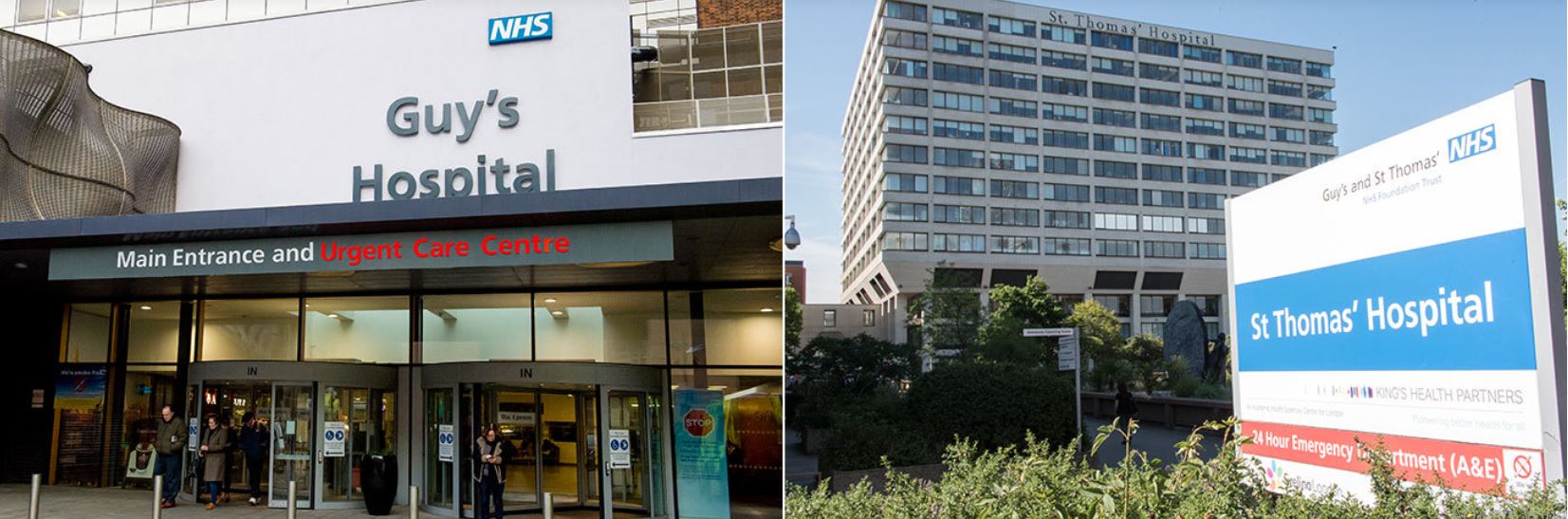
Carers Hub Lambeth shared an update on the organisation’s ongoing work supporting unpaid carers across King’s College Hospital and Guy’s and St Thomas’ NHS Foundation Trusts.
Although the current hospital carers project funding has been extended for an additional six months, Jen explained that the programme is now approaching its final phase, with funding currently due to end in September 2026.
As a result, the team’s main focus is now on ensuring hospitals become as self-sufficient as possible in identifying and supporting carers once the dedicated project ends.
Expanding Carer Awareness Training
A major priority for Lambeth Carers Hub is expanding carer awareness training for healthcare professionals.
It was explained that the organisation has:
Increased training sessions from once to twice monthly
Begun arranging bespoke sessions with individual hospital teams
Expanded engagement with primary care networks
Updated training materials to address barriers to carer identification
The training aims to help healthcare staff:
Recognise unpaid carers earlier
Understand carers’ support needs
Improve referral pathways
Build confidence in conversations with carers
Embed carers into routine healthcare practice
Carers Hub Lambeth acknowledged that while training sessions often generate an immediate increase in referrals, maintaining long-term momentum remains challenging.
It was mentioned that a familiar pattern where professionals attend training, referrals increase temporarily, and then gradually reduce again as competing clinical pressures take over.
Because of this, the organisation is now trying to better understand:
Why carers continue to be missed
What barriers staff face in identifying carers
How carer awareness can become part of everyday practice rather than an additional task
This reflects a wider challenge discussed throughout the meeting — ensuring carer support becomes embedded within healthcare systems rather than dependent on individual staff enthusiasm.
Embedding Carer Recognition Into Everyday Hospital Practice
One of the most practical discussions came from GESH update on integrating carers into routine hospital auditing processes.
St George’s and Epsom and St Helier Hospitals are now:
Adding carer identification questions into ward audits
Including carers within routine quality checks
Training volunteers to identify carers on wards
Embedding carers into “business as usual” practice
Wendy also spoke extensively about the NHS “Reasonable Adjustments Digital Flag,” a major NHS initiative designed to ensure patients’ accessibility needs are recognised across services.
The system aims to help hospitals and GP services better identify:
Communication needs
Disabilities
Neurodivergence
Mental health conditions
Carer-related support needs
The long-term goal is for healthcare systems to automatically recognise and share reasonable adjustment requirements across services.
Final Reflections
The meeting demonstrated both optimism and concern about the future direction of health and social care.
There was strong agreement that:
Community-based care is necessary
Earlier intervention can prevent hospital admissions
Carers must be identified earlier
Digital systems offer opportunities
However, participants repeatedly stressed that healthcare transformation must not leave vulnerable people behind.
Carers remain central to safe discharge, patient wellbeing and long-term community support. As NHS services increasingly move toward digital and community-led models, ensuring carers are recognised, supported and included will remain critical.
The next Carers Hospital Discharge Group meeting is expected to take place in July 2026.
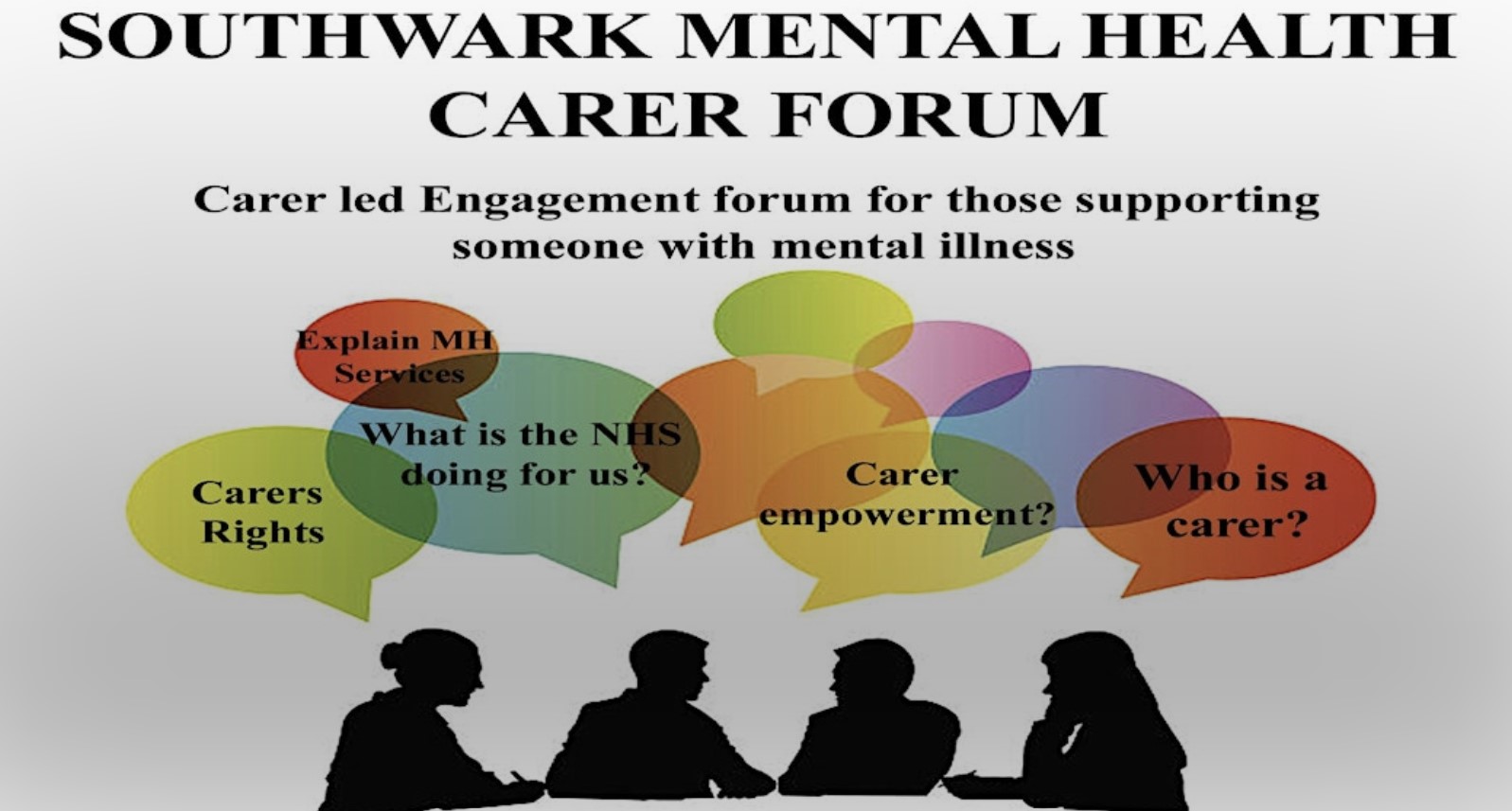
Update by Matthew McKenzie – Chair of South London Mental Health Carers Forum
The South London Mental Health Carers Group met for the month of May for a wide-ranging and thoughtful discussion covering carers’ experiences, mental health support systems, involvement opportunities, and an important research presentation focused on support networks and long-term care.
The group covers areas of Lewisham, Southwark, Lambeth & Croydon, although Mental Health Carers from outside those areas are welcime to attend
The session brought together carers, advocates, involvement leads, and guest speaker Dr Anna De Simone from Queen Mary University of London. As always, the discussion highlighted both the challenges carers continue to face and the value of shared lived experience and peer support.
Opening Discussions: Challenges in Mental Health Care Systems
The meeting began with carers sharing experiences of navigating mental health services for loved ones with complex needs. There was extensive discussion around:
difficulties accessing appropriate placements,
safeguarding concerns,
discharge planning,
lack of continuity between NHS trusts and local authorities,
and ongoing challenges around funding responsibility between different services.
A recurring issue raised was the pressure on inpatient beds and the concern that discharge decisions can sometimes feel driven more by system pressures than by clinical readiness. Carers spoke openly about the emotional impact of repeatedly having to advocate for vulnerable loved ones while navigating fragmented systems.
There was also discussion around the importance of carers being recognised and included in communication and planning processes. Participants highlighted how carers are often the people most aware of deterioration, risks, or safeguarding concerns, and how vital it is that services engage meaningfully with families and informal supporters where appropriate.
Despite frustrations, carers also acknowledged examples of good practice and supportive professionals within mental health services. Several attendees noted that they had seen gradual improvements in carer involvement and listening exercises within parts of South London and Maudsley NHS Foundation Trust (SLAM), particularly in Lambeth.
Updates on Carer Involvement and Support Activities
The group received updates from carers and representatives involved in local mental health engagement work and carers’ organisations.
Carers Week Activities
Karen from Carers Hub Lambeth shared details of upcoming Carers Week activities, including:
outreach events,
wellbeing sessions,
information stalls,
and activities for both adult and young carers.
The events aim to provide carers with opportunities for support, networking, practical advice, and wellbeing activities.
There was also discussion around changes and developments within SLAM involvement structures, including:
continuation of family and carers meetings,
changes to involvement leads,
and ongoing reviews of the involvement register.
Attendees reflected positively on the increasing recognition of carers’ voices in some forums and clinical meetings, while acknowledging that there is still much work to do to ensure consistent involvement across all boroughs and services.
Guest Presentation: Mapping Patient Support Networks
The second half of the meeting focused on a presentation from Dr Anna De Simone, GP and Associate Professor of Primary Care at Queen Mary University of London.
Anna introduced a proposed research project exploring how healthcare systems might better understand and map patients’ support networks using electronic health records and social network tools.
The research proposal focuses particularly on patients with long-term conditions such as COPD (Chronic Obstructive Pulmonary Disease), many of whom also experience multiple additional health conditions and varying levels of social isolation.
The Core Idea
Anna explained that while healthcare professionals can currently access limited information such as next of kin or household members, they often lack a fuller understanding of:
who actually supports the patient,
how reliable that support is,
whether support networks are connected or fragmented,
and how socially isolated a patient may be.
The proposed research would explore whether creating visual “maps” of support networks could help:
improve care planning,
reduce crises,
improve coordination between services,
and enhance patients’ quality of life.
The project would also examine how social prescribing, community services, online support groups, and carers fit into these wider support networks.
Carers’ Feedback on the Research Proposal
The discussion following Anna’s presentation was extremely rich and constructive, with carers offering both enthusiasm and important cautionary perspectives.
Strong Support for the Concept
Many attendees felt the project addressed an important gap in healthcare planning. Several carers spoke about how informal support networks had been essential to helping them or their loved ones survive periods of crisis.
Participants agreed that professionals often underestimate the role played by:
friends,
neighbours,
online communities,
peer groups,
and unpaid carers.
The ability to visualise these networks was seen as potentially valuable for both professionals and patients themselves.
Importance of Non-Traditional Support Networks
A strong theme throughout the discussion was that support does not always come from family.
Some carers explained that family relationships can sometimes be unsafe or abusive, and that support may instead come from trusted friends, neighbours, carers’ groups, or online communities.
The group stressed that any future system should avoid assuming that family automatically equals safety or support.
Online Communities and Digital Support
Participants also highlighted the increasing importance of online support systems.
Several carers explained that:
Zoom groups,
Facebook communities,
online peer support,
and digital communication can provide essential social connection, especially for disabled or isolated people.
One participant noted that online support networks had directly helped them access practical support and reduce isolation when physical mobility was limited.
At the same time, carers cautioned that not everyone has equal access to digital services. Concerns were raised about:
digital exclusion,
accessibility barriers,
lack of digital skills,
and the risk of widening inequalities.
The importance of offering both digital and non-digital forms of support was strongly emphasised.
Privacy, Consent, and Mental Health
Carers also discussed potential challenges around privacy and consent, particularly for people experiencing paranoia or severe mental illness.
Some attendees noted that patients may not always feel comfortable sharing details about their social networks, and that trust and safeguarding would need to be central to any future system.
There was discussion about the delicate balance between:
confidentiality,
safety,
carer involvement,
and patient autonomy.
Role of Social Prescribers
The group generally agreed that social prescribers could play an important role in helping patients map support networks, because they often have more time and a stronger focus on community support than standard GP appointments allow.
However, concerns were raised about long-term funding and sustainability for social prescribing services.
Looking Ahead
Anna thanked the group for their detailed feedback and explained that carers’ insights would help shape the next stage of the research proposal before submission later this year.
There was strong interest from attendees in remaining involved should the project move forward, particularly around future patient and public involvement opportunities.
The meeting once again demonstrated the depth of knowledge, experience, and expertise held by unpaid carers. The discussion reflected not only the challenges carers continue to face, but also the importance of ensuring carers are recognised as essential partners in both healthcare delivery and future research.
About the Forum: The Lewisham, Lambeth & Southwark Carers Forum is a collaborative online space that brings together unpaid carers, carer leads, mental health professionals, and support organizations to share experiences, raise concerns, and influence change. Focused primarily on mental health caregiving, the forum serves as a platform for peer support, policy updates, training insights, and service development. Led by carer advocate Matthew McKenzie, the group fosters empowerment through regular discussions, creative expression, and co-produced solutions, ensuring carers’ voices are heard across local systems and beyond.
Carers Week Collaboration Discussion
The meeting began with introductions from Matthew McKenzie, who leads a merged online carers group, and other participants including Yvonne, a carers navigator at Southwark Carers, and Margaret, a carer representative with the Royal College of Psychiatrists. The group discussed Carers Week activities and their various roles in supporting carers across different organizations. Karen Hooper, connected with the Lambeth Living Well Collaborative, while Lee Roach, the carers lead for South London & Maudsley in Lambeth, shared his involvement with the Trustwide Family and Carers Committee.
The Power of Poetry and Storytelling in the Lives of Carers
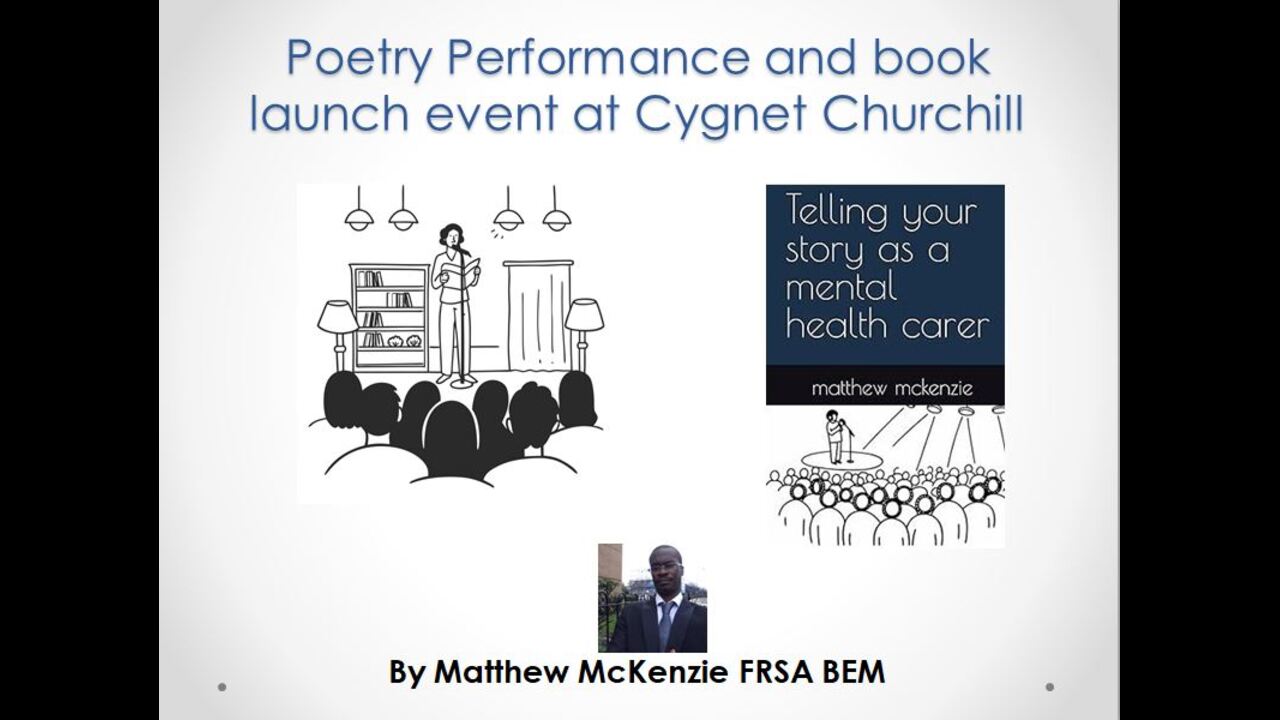
Caring for a loved one with mental health challenges or chronic illness is a journey marked by both hardship and hope. Too often, the voices of carers those who provide unpaid, tireless support are overlooked in the broader conversation about health and wellbeing. Yet, as this moving gathering of carers and poets reveals, storytelling and poetry can be transformative tools for connection, healing, and advocacy. So it was an honour to host our first poetry event at Cygnet Churchill for the 13th of June during Carers Week 2025
This Blog explores the themes, experiences, and creative expressions shared by carers, drawing from a vibrant community event centered on poetry, storytelling, and the lived realities of those who care. Through their words, we gain insight into the emotional landscape of caring, the challenges faced, and the resilience that emerges when stories are shared.
To watch the performance, please view the video below.
Giving Carers a Voice: The Motivation Behind the Book
The host of the event was myself (Matthew McKenzie), as a prolific author and advocate, where I have dedicated my eighth book to amplifying the voices of mental health carers. For me, books are more than just a means of communication they are a way to reach people who might otherwise remain unheard.
Welcome to a brief update of my Hospital Carers Discharge group. The Carers Hospital Discharge Toolkit Working Group is a collaborative initiative dedicated to improving the hospital discharge experience for carers and their loved ones. Chaired by myself a carer with lived experience, the group brings together a diverse mix of voices, including fellow carers, representatives from local carer centres, and, at times, hospital public and patient involvement (PPI) leads or staff. This inclusive approach ensures that the toolkit remains grounded in real-world experiences while benefiting from professional insight and support.
The meeting began with introductions from various participants who shared their roles related to carer support and hospital engagement, including updates on the Universal Care Plan and NHS 10-year plan from NHS England. We also had a presentation on the new project to support carers across North Central London, covering five boroughs and 11 hospital sites, which will help identify and support carers through various initiatives and resources.
The group discussed upcoming events for Carers Week 2025, new carers charter development at one of London’s largest NHS trusts, and various support programs, while addressing challenges and opportunities for improving carer support across different organizations and locations.
Carer Support and Hospital Engagement
The meeting began with introductions from various participants, who shared their roles and affiliations related to carer support and hospital engagement. Matthew highlighted his involvement in various mental health hospital trusts and carer engagement initiatives, while Eleanor discussed her new role as project manager for the North Central London Carers Support Project, which covers five boroughs. Ros from NHS England provided an update on the Universal Care Plan for carers, noting that more updates are needed. The conversation ended with plans for Eleanor to present later, focusing on developments in carer support across the region.
Universal Care Plan Implementation Update
As mentiioned earlier, there was a discussion the Universal Care Plan, which launched in January and will soon allow unpaid carers to initiate their own plans through the NHS app, expected by late summer or early autumn.
It was noted that while some organizations like hospitals and local authorities are familiar with the plan, there are knowledge gaps in the community and voluntary sectors. It was noted that the Urgent Care Plan team are addressing technical questions about IT systems and interfaces, and they are working towards a coordinated London approach. Also highlighted was the need for more training and support in having conversations with carers about the importance of being identified and registered in the system.
NHS 10-Year Plan Updates
There was also updates on the NHS 10-year plan, expected to be published in July, which will emphasize patient experience and care. An update on the integration of carers’ work streams between NHS England and the Department of Health and Social Care, with a likely focus on working-age carers. It was also mentioned on the uploading a video recording of the UCP Carer Contingency Plan launch to NHS Future, which participants could access by requesting to join.
Universal Care Plan Resources
The group discussed the Universal Care Plan (UCP) and its resources for carers, with an offer to connect with the UCP team in South West London.
Matthew shared a website link for UCP One London, which provides information and updates on carer technology initiatives.
The group also discussed plans for Carers Week next month and a new mental health resource for hospitals, though it was noted that details about the latter were still pending.
Carer Support Project Launch
Eleanor presented a new project to support carers across North Central London, covering five boroughs and 11 hospital sites. She explained how the project will identify carers through self-referral or hospital staff identification, using a website with translation tools and referral forms that can be submitted by carers.
Eleanor also discussed plans for carer awareness training and the distribution of informational materials in hospitals to help identify and support carers. Harrow Carers centre raised questions about how hospitals can alert staff to carers involved with patients and how to better identify carers, to which Eleanor responded with plans for training and collaboration with other initiatives like the Universal Care Plan.
Carer Strategy and Resources Discussion
Eleanor discussed her previous work with Guys and St Thomas’s, noting that she had been involved in creating a carer strategy. She offered to provide the email address of a former colleague for more accurate information. The group also discussed a returning from home resources project led by Guys in southeast London, which the CEO of Bexley Carers Centre planned to present at the next meeting.
Carer Support Program Updates
The meeting discussed a carer support program that targets all carers, including young carers, with no specific threshold or type of carer required. Eleanor explained that local carers organizations would decide how to support identified carers, and hospital staff would have a centralized referral system. Matthew McKenzie provided an update on Carers Week events, highlighting various topics and resources available.
I have placed the link below from the NHS England site.
Tower Hamlet Carers Centre shared developments at the Royal London Hospital, including the addition of two carer support workers, a new base on the 13th floor, and efforts to raise awareness among staff and carers.
Carer Support Events and Initiatives
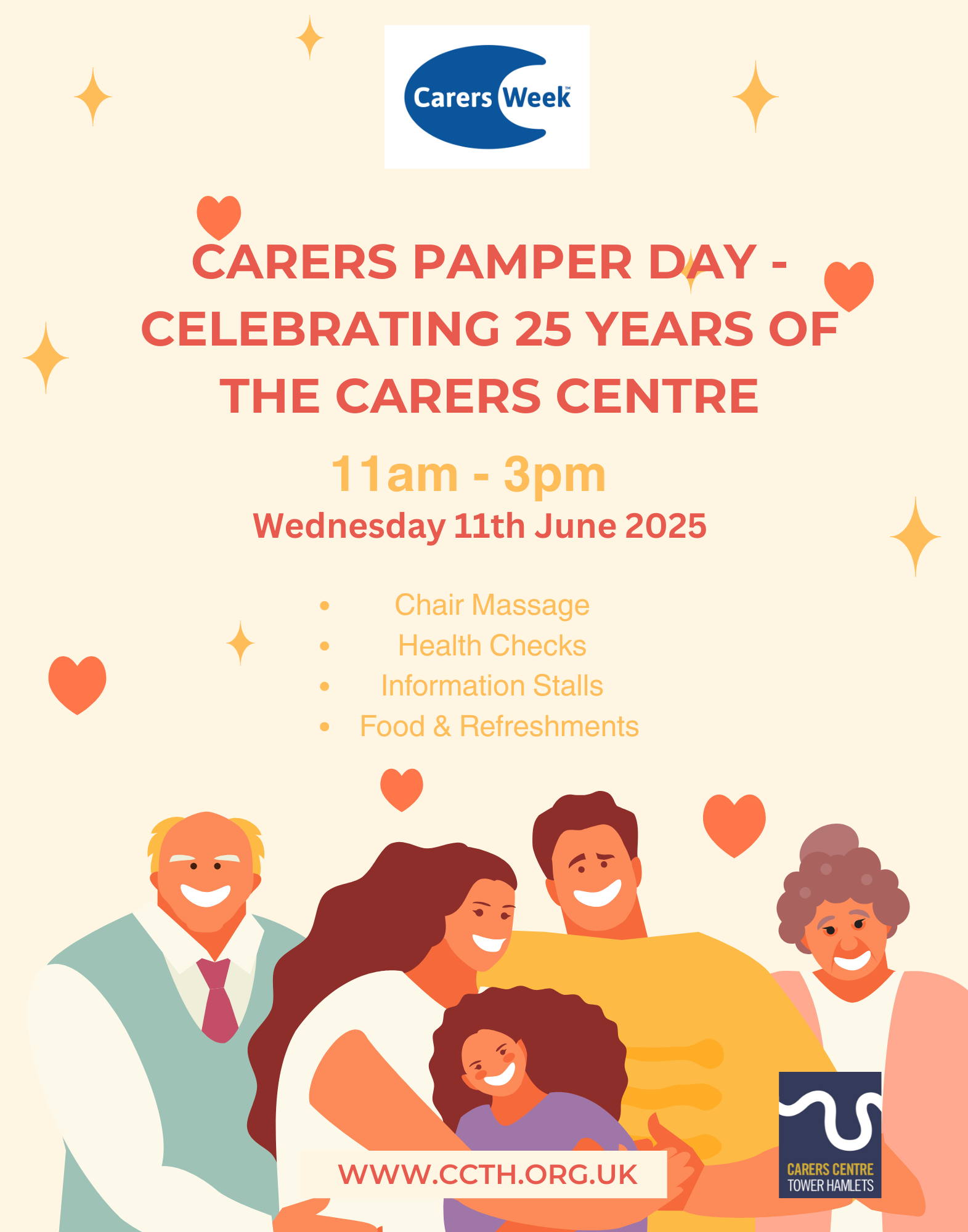
Tower Hamlets Carer centre discussed upcoming events to promote carer support, including a community day on June 11th.
Plus an information stall at the Royal Hospital on June 13th.
Tower Hamlets Carer Centre mentioned plans to start a coffee morning at the hospital’s 13th floor carers hub. Harrow Carers shared that the carers support lead stopped in April due to funding issues, but the NHS trust is now considering joining the Triangle of Care scheme. He requested help finding a suitable presenter for an upcoming meeting with high-level trust members. Matthew offered to connect the centre with Triangle of care leads, who might be able to help with the presentation.
Carers Week Planning and Support
The team discussed upcoming events for Carers Week 2025, including a joint event with the local authority and a new event in the north of the borough in partnership with Greenwich carers. St Georges hospital NHS trust (GESH) shared the development of a new carers charter based on feedback from listening events, which will be shared with various groups and staff to demonstrate commitment to carers’ needs.
SONY DSC
Bexley Carers mentioned the availability of the Household Support Fund for carers facing cost of living issues, with grants of up to £150 available through local authorities.
Here is a brief update of the Triangle of Care Community group for the month of May 2025. The Triangle of Care Community group is a collaborative forum that champions the voices of unpaid carers in mental health services. The group works in partnership with service users, carers, and professionals to embed the principles of the Triangle of Care, promoting shared decision-making, improved communication, and recognition of carers as equal partners in care.
Our most recent meeting brought together carers, NHS professionals, researchers, and advocates from across the UK, including representatives from Kent, Bristol, Lewisham, East Sussex, and Hertfordshire. The atmosphere was one of mutual respect, knowledge-sharing, and a shared drive to improve the experience of care for carers and their loved ones.
The meeting covered updates on Triangle of Care developments, including recent accreditations and ongoing pilots to adapt the model for various healthcare and social settings. Presentations were given on research studies related to mental health care, including pharmacist prescribers’ roles and experiences of underserved older male carers. The group also discussed campaigns for increased research funding in serious mental illnesses and initiatives to support carers, such as Carers Roadshows.
Triangle of Care Expansion Updates
Mary Patel one of the Triangle of Care leads, provided an update on Triangle of Care developments and accreditations. Several healthcare providers have recently gained Star awards. There are ongoing pilots to adapt Triangle of Care for social care settings and to incorporate criteria for better support of racially marginalized carers. Mary announced that the Triangle of Care community group will be formally brought on board with Carers Trust, with Matthew as the inaugural chair for a 2-year term. They are looking to bring on co-chairs to support Matthew in his role.
Triangle of Care Implementation Updates
The group discusses recent achievements in implementing the Triangle of Care model across various healthcare organizations. Gabrielle Richards who leads on carers at South London & Maudsley reported that her trust successfully completed their Star 2 accreditation assessment for community services.
Matthew McKenzie shared a video poem he created about the Triangle of Care as it was shown during the peer review at South London & Maudsley.
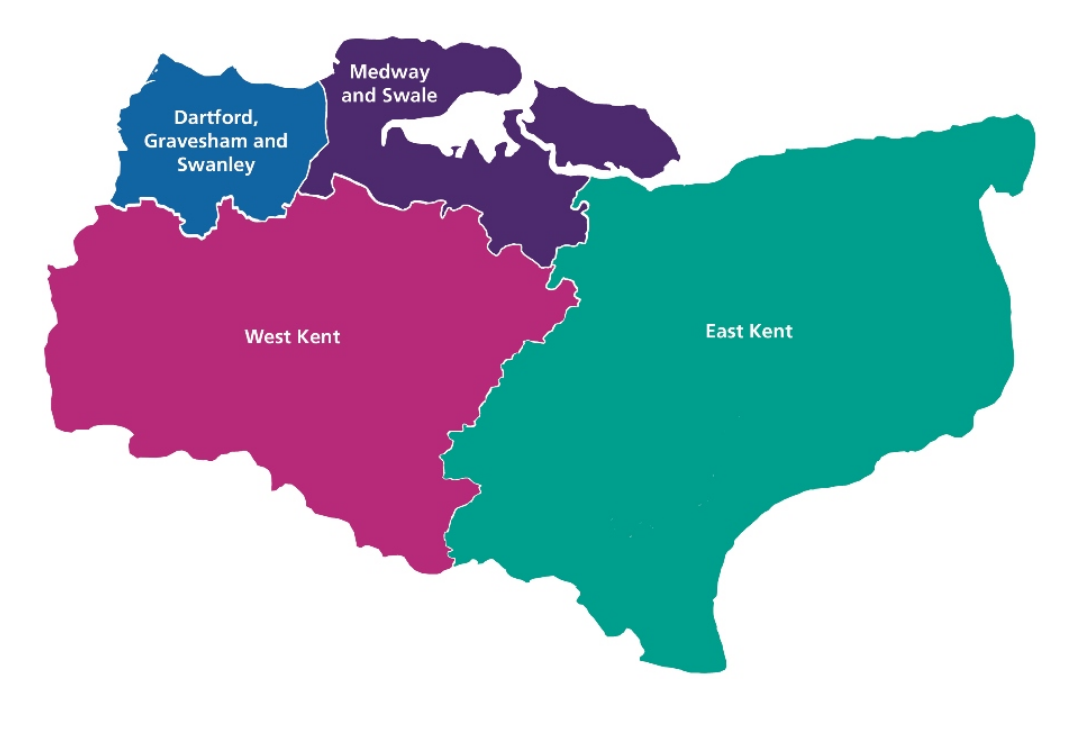
Kelvin thanked Gabrielle for her contributions as she prepares to leave her role. Louise from Kent and Medway NHS Trust reported they maintained their second star accreditation and have implemented new processes to ensure carer considerations are included in policy development.
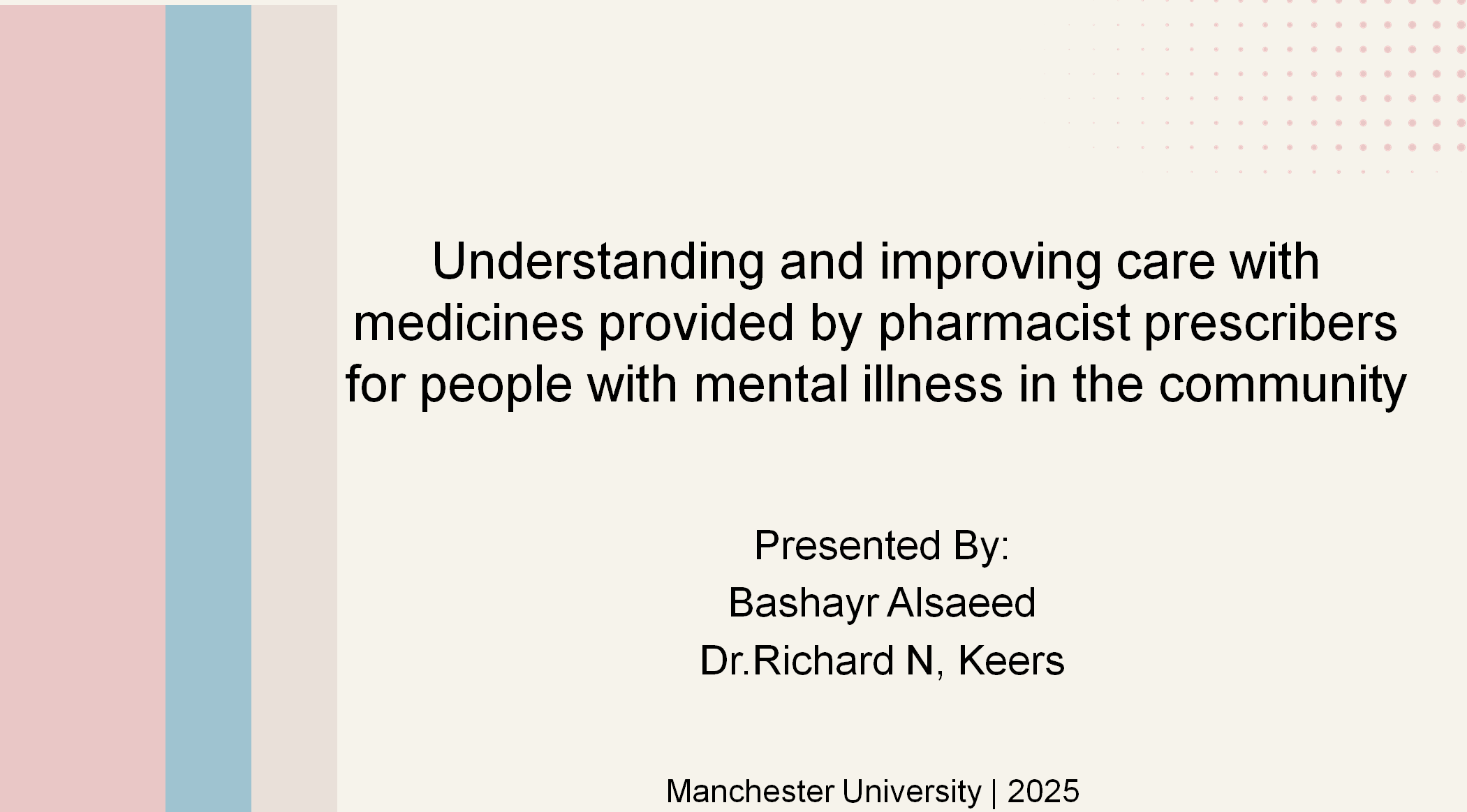
Richard introduced Bashir Al Saeed, a PhD student from the University of Manchester, to present their research study on the experiences of people with mental illness and their carers when receiving care from pharmacist prescribers in the community.
Bashir explains that the study aims to understand and improve care provided by pharmacist prescribers for people with mental illnesses in community-based settings. Participants will be asked to take part in a one-hour interview and will receive £30 as compensation.
The study is seeking individuals aged 18 or older with mental illnesses or their unpaid carers who have received care from pharmacist prescribers in the UK. A discussion follows about the inclusion criteria, particularly regarding the requirement for fluency in English, with concerns raised about potential issues against non-English speakers
Mental Health Research Campaign Initiative
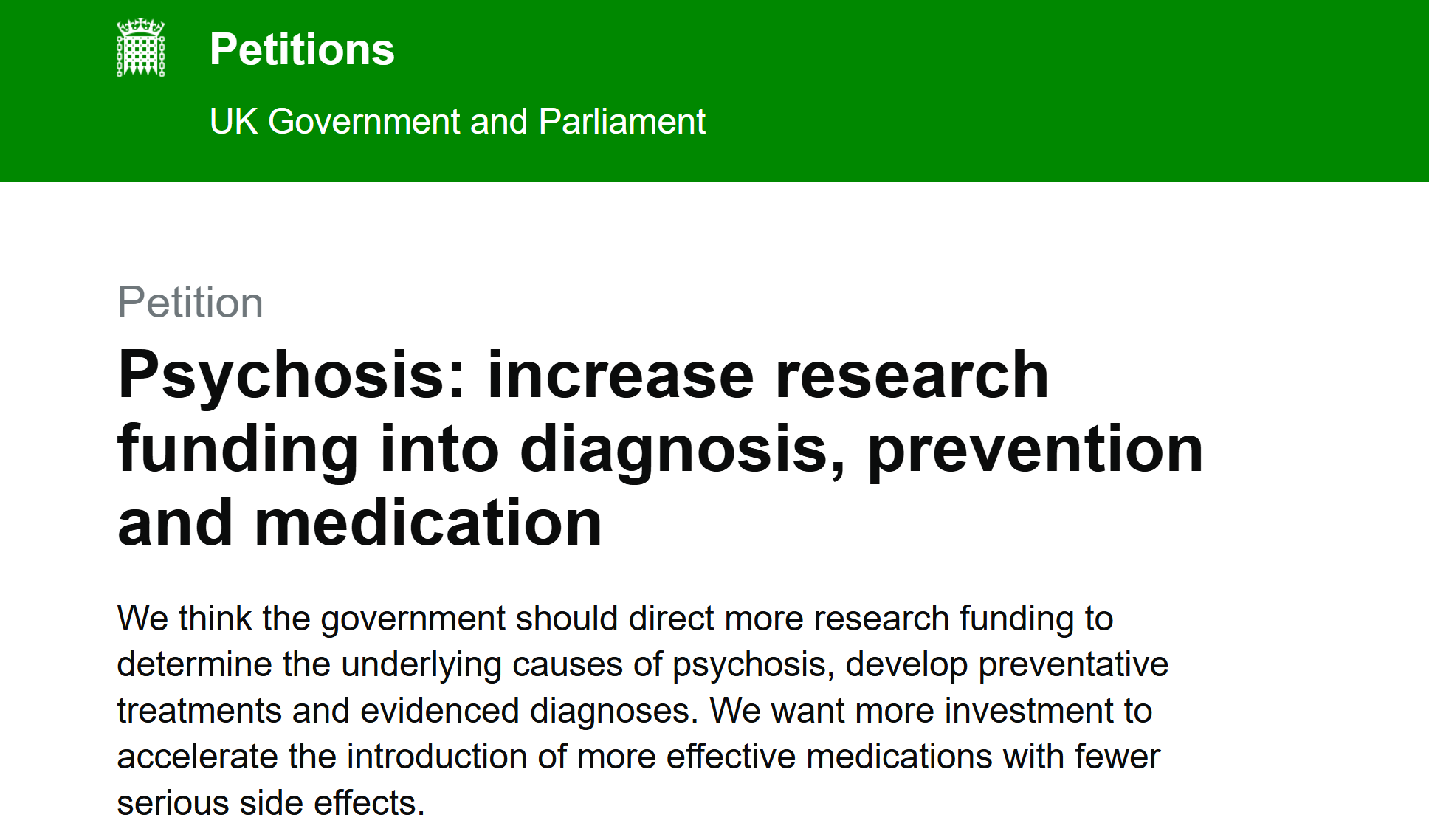
The group discussed a campaign for better research into long-term serious mental illness in working-age people. Irene explained that they have been working on this campaign for a year, collaborating with experts from Oxford and the Welcome Trust.
The campaign aims to gather signatures and includes a short video. Irene emphasizes the importance of this initiative, as many in their group have loved ones who have been ill since their teens and are now in their thirties and forties.
You can find out more about the campaign from the link below.
The discussion focuses on a petition to increase government funding for research into psychosis, including its diagnosis, prevention, and treatment. Irene passionately advocates for more effective medications with fewer side effects, emphasizing the need for better understanding of the underlying causes of psychosis. A carer shared personal experiences of her son’s struggles with mental illness and medication side effects. The group discusses the importance of signing and sharing the petition to gain government support for accelerated research in this area.
Pharmacist Prescribing for Mental Health
The discussion focuses on pharmacists prescribing for mental health conditions. Richard explains that some pharmacists, especially those with specialized training, are caring for people with mental illnesses in various settings. However, the extent of their involvement in prescribing and monitoring is still unclear. A carer expressed concern about pharmacists prescribing for severe conditions like bipolar disorder without extensive training. The group discusses the need for proper qualifications and access to medical records. Richard emphasizes that the study aims to understand and improve the care provided by pharmacist prescribers in community services.
Carers Roadshows: Community Support Network
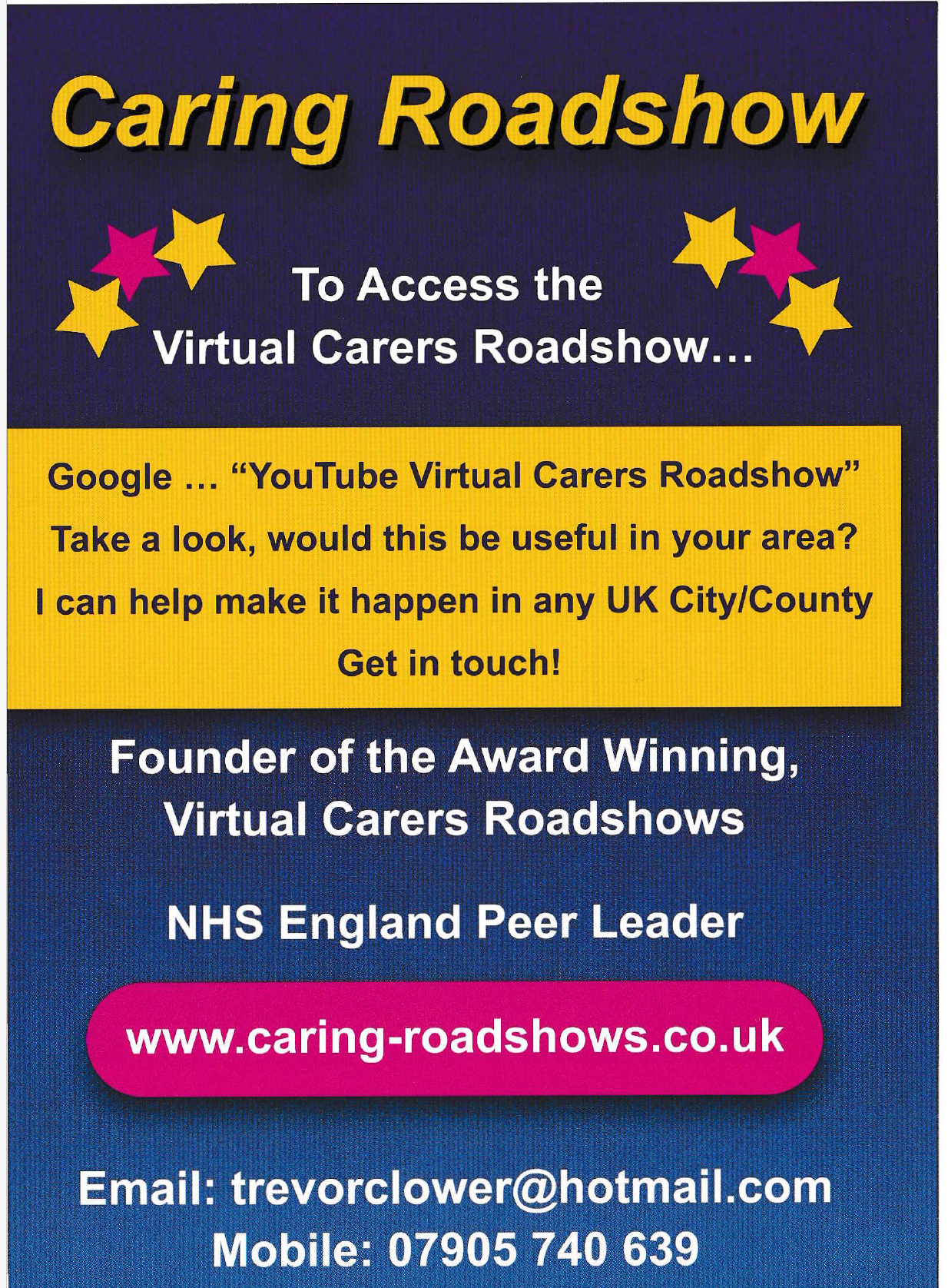
Trevor a carer involved at Notts NHS described his Carers Roadshows, which he has been organizing since 2013. These free events bring together various organizations dealing with health, mental health, and social care to provide information and support to carers and patients.
Trevor emphasizes the importance of communication in triangular care and sees the roadshows as an effective, sustainable tool for fostering connections between different organizations and the community. He expresses his ambition to expand the roadshows across the country, particularly in London boroughs, and offers to help others create their own roadshows using his four-step guide.
Older Male Carers Advisory Group
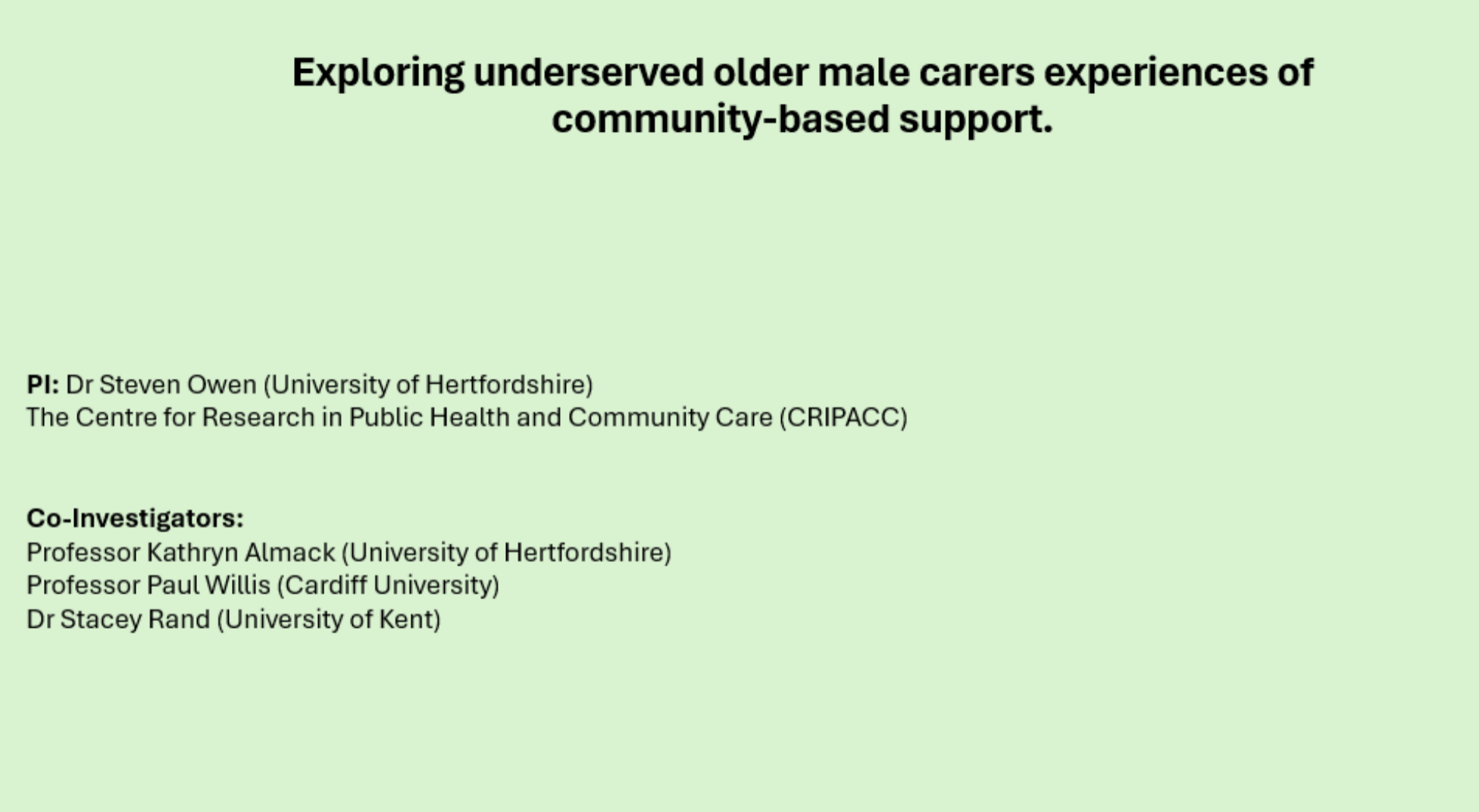
Steve Owen from the University of Hertfordshire presents his research project on exploring the experiences of underserved older male carers. The project aims to set up an advisory group of 7-10 older men, particularly from minority ethnic groups, same-sex relationships, and rural/coastal areas, to meet from June to December 2025.
The research group will discuss the benefits and challenges of caring, gender dynamics, and access to support. The project’s goals are to develop a grant proposal for further research and improve advisory group guidelines. Steve is still recruiting participants and welcomes help in sharing information about the project.
Final Reflections
The session highlighted both the progress and the gaps still faced by carers, particularly around communication, access to services, and recognition. The Triangle of Care model continues to be a vital tool in bridging these gaps, but it is the commitment of carers and professionals alike that drives real change.
“Thank you for another great meeting Matthew and everyone.” – Linda Thomas “These meetings have been such a resource for us all.” – Gabrielle Richards “Powerful video, powerful voices. Thank you everyone.” – Claire Wood
I’m proud to be involved and help lead as triangle of care community as Chair and look forward to building our impact together. If you’re interested in co-chairing or getting more involved, please reach out let’s continue to shape mental health care that values and includes carers at every level.
Hello everyone, it’s Matthew McKenzie here with another lecture aimed at unpaid carers. As you can see from the title, I’m in carer activist mode, which is basically what I am. And when I say carer, I’m talking about unpaid carers, those that care for someone living with a long-term illness. In this lecture, we will focus on effective ways for carers to lobby the government and create change.
To see the video lecture, see below.
Why Lobby Now?
Urgent Issues
You might be thinking, why am I making this sort of video now? The NHS is due to undergo significant changes, which will cause a lot of problems and challenges, especially for carers.
Hello everyone. I am Matthew McKenzie, Carer Activist, poet and author. Volunteer for Carers UK, Carers Trust and Macmillan Cancer support to raise awareness of unpaid carers using my lived experience of caring.
At the time of this blog post it is Carers Week 2024. Carers Week 2024 could not arrive at such a better time, especially with an election happening.
For Carers Week 2024, the theme is “Putting Carers on the Map”. I know many carers are facing so many challenges in their role. This could be down to difficultly providing unpaid care, getting engagement from health & Social care services or even being identified as carers.
Many carers up and down the country can be easily hidden, they carry on with their caring role unaware of the support that can be offered to them.
With an election due to take place, the chance to put carers on the map has never been greater. It is an excellent chance to use our voices, experience of care and connections to continue to raise awareness.
So I am counting on many to help raise that much needed awareness of Carers Week. If you are a carer, health professional or someone with lived experience, it might be worth looking out for events from 10th of June to the 16th of June.
I will continue to write and promote carer events nationwide and do all I can to help raise awareness of carers, I hope you can as well. You can sign a pledge on the Carers Week website or you can run an event yourself. There is nothing too small to place carers on the map.
Poem for Carers Week
For carers week to share It helps to be aware That if you really care Listen up for your own welfare
Its best you are not ignored Noted a carer to be on record For support is your reward So social care back onboard
For Carers week is here With events to promote and shareb Its worth attending, just be there To learn about unpaid care
So please dont be ignored It something you cant afford Support and help explored Faith in the system restored
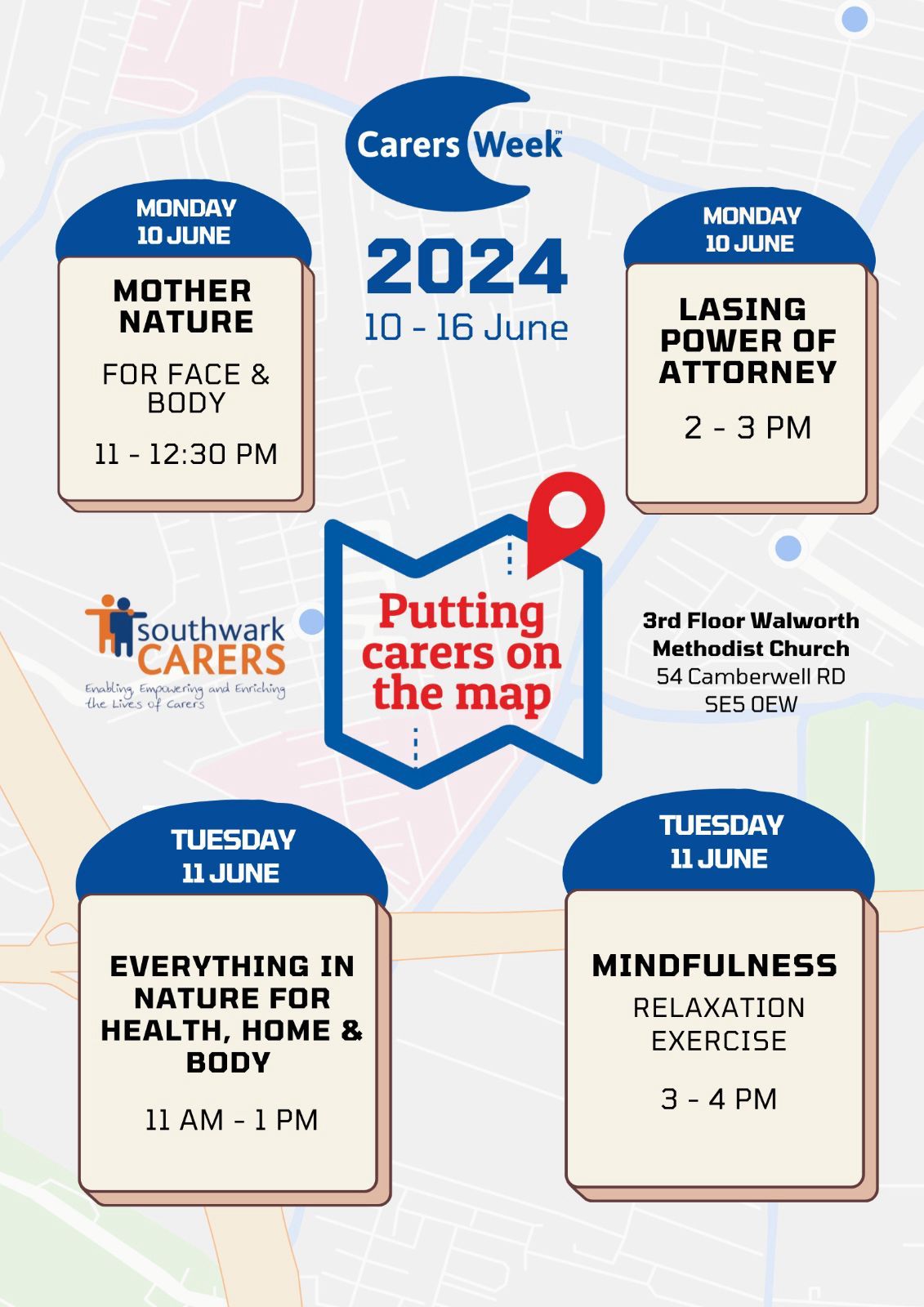
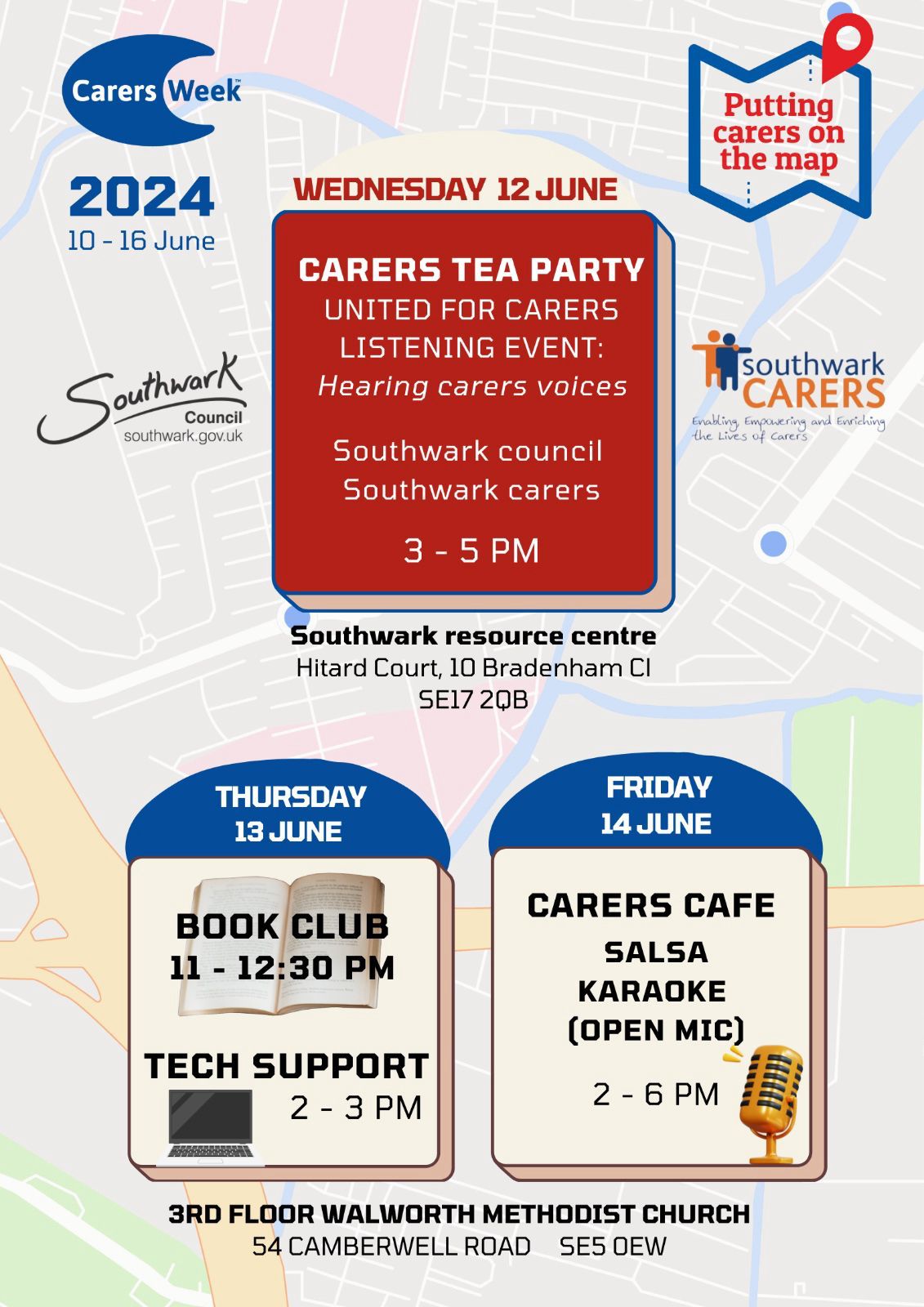
Southwark Carers has been preparing for Carers Week 2024. If you are caring for someone unpaid in the borough of Southwark, check out the latest activities at Southwark Carers.