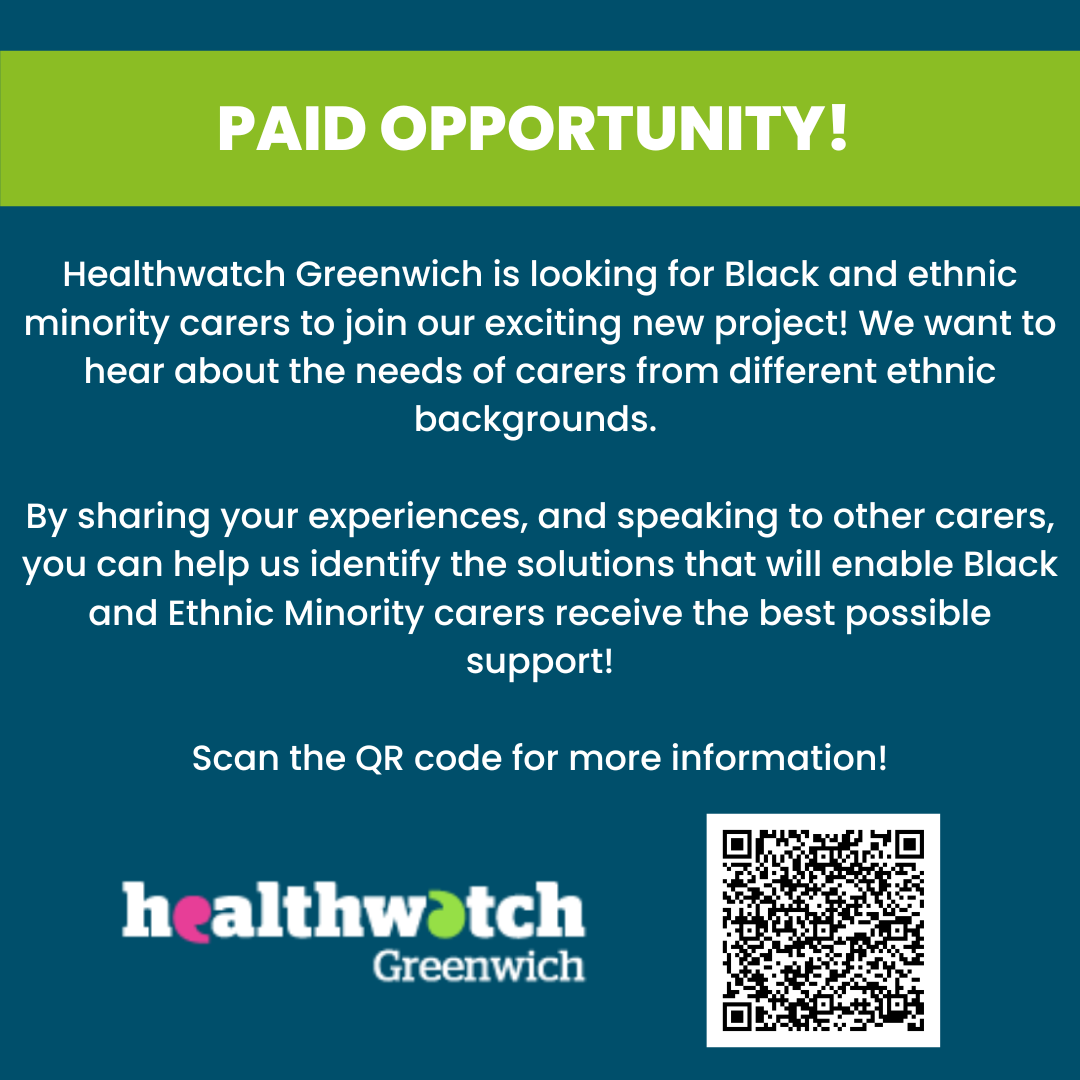
Healthwatch Greenwich project wants to uncover experiences and understand access to carer support, information, and services for Black and Ethnic Minority carers. By sharing your experiences, and speaking to other carers, you can help Healthwatch Greenwich identify the strategies and solutions that will enable Black and Ethnic Minority carers receive the best possible support.
How will we carry out this project?
Healthwatch Greenwich are excited to partner with Black and Ethnic Minority carers as paid co-researchers in this project. As experts by experience, you’ll bring unique perspectives that are essential to its success.
Who can be a co-researcher?
An adult carer: Someone who looks after or gives any help or support to a family member, friend or neighbour because of long term physical disability, mental ill-health or problems related to old age. The care they give is unpaid.
From a Black or ethnic minority background What will co-researchers do?
Contribute to the design of the project.
Find and speak to other Black and ethnic minority carers
Contribute to the analysis and presentations of the findings.
Take part in training and support sessions. How much will co-researchers be paid? Co-researchers will receive £15/hour. Hourly payment includes all additional expenses involved in taking part in this project, such as care costs, childcare payments, telephone, and travel costs. Co-researchers will take part in up to 8 days of involvement work spread across a number of days between June and September 2023.
How do I apply? If you’re interested, Healthwatch Greenwich ask you to complete a short application and have a friendly interview. Please contact Jahan at jahan@healthwatchgreenwich.co.uk or on 07498 851 221.
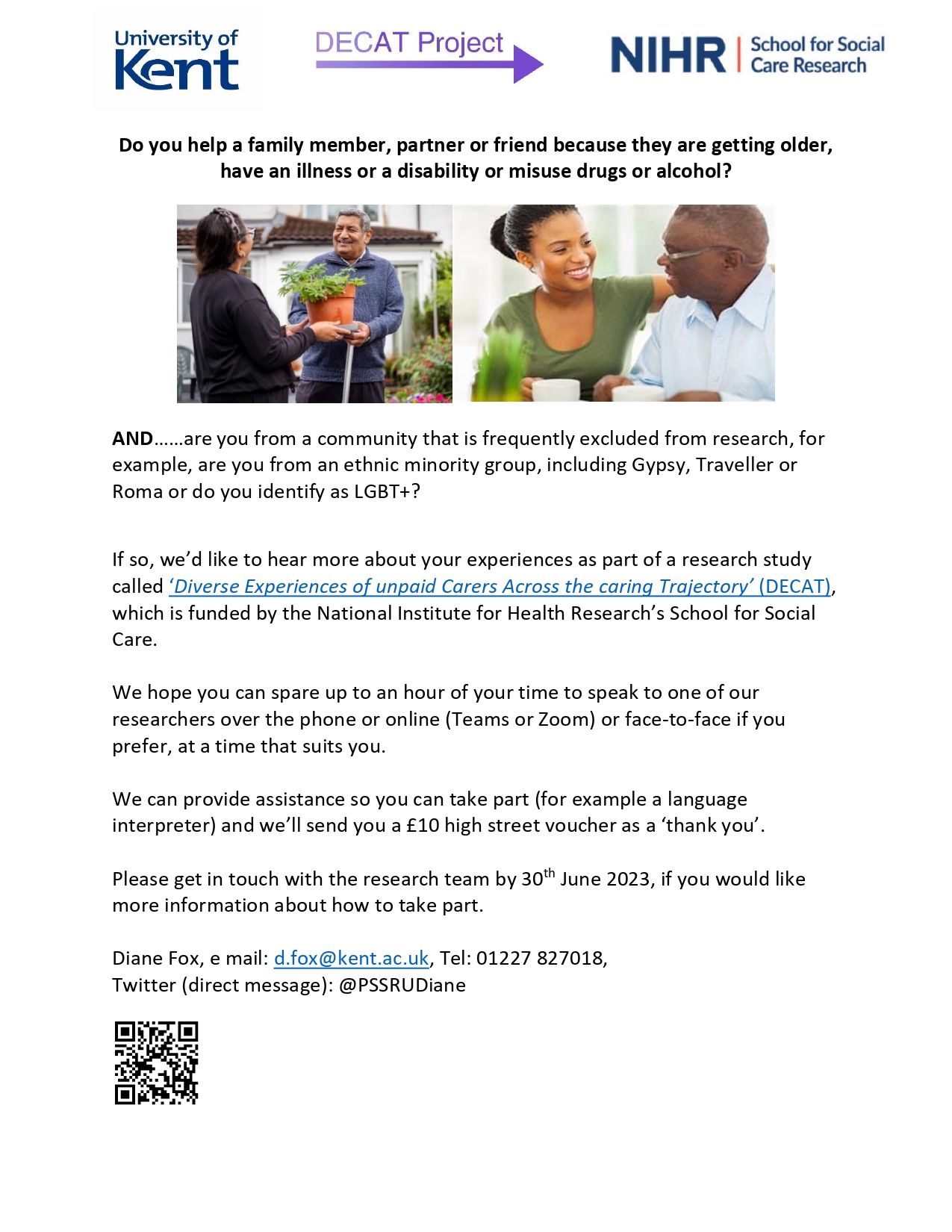
A new research project is underway at the University of Kent. The research is called Diverse Experiences of unpaid Carers Across the caring Trajectory (DECAT). DECAT is looking for carers to take part in a telephone interview about their experience of being a carer. Currently, Black and Asian carers and carers who are LGBT+ are under-represented within our participants.
The main aim of this study is to understand the factors linked to carers’ satisfaction with social services and quality of life over time.
A questionnaire will be sent to a sample of carers recruited via four local authorities containing questions previously collected in the 2018/19 Personal Social Survey for Adult Carers in England, plus additional questions. The degree to which carers’ satisfaction and quality of life scores differ from scores collected in 2018/19 will be examined. Factors associated with changes will be explored and the scores of subgroups of carers will be compared.
You can contact Dr Diane Fox
Contact
Diane Fox University of Kent Personal Social Services Research Unit Cornwallis Central Canterbury Kent CT2 7NF
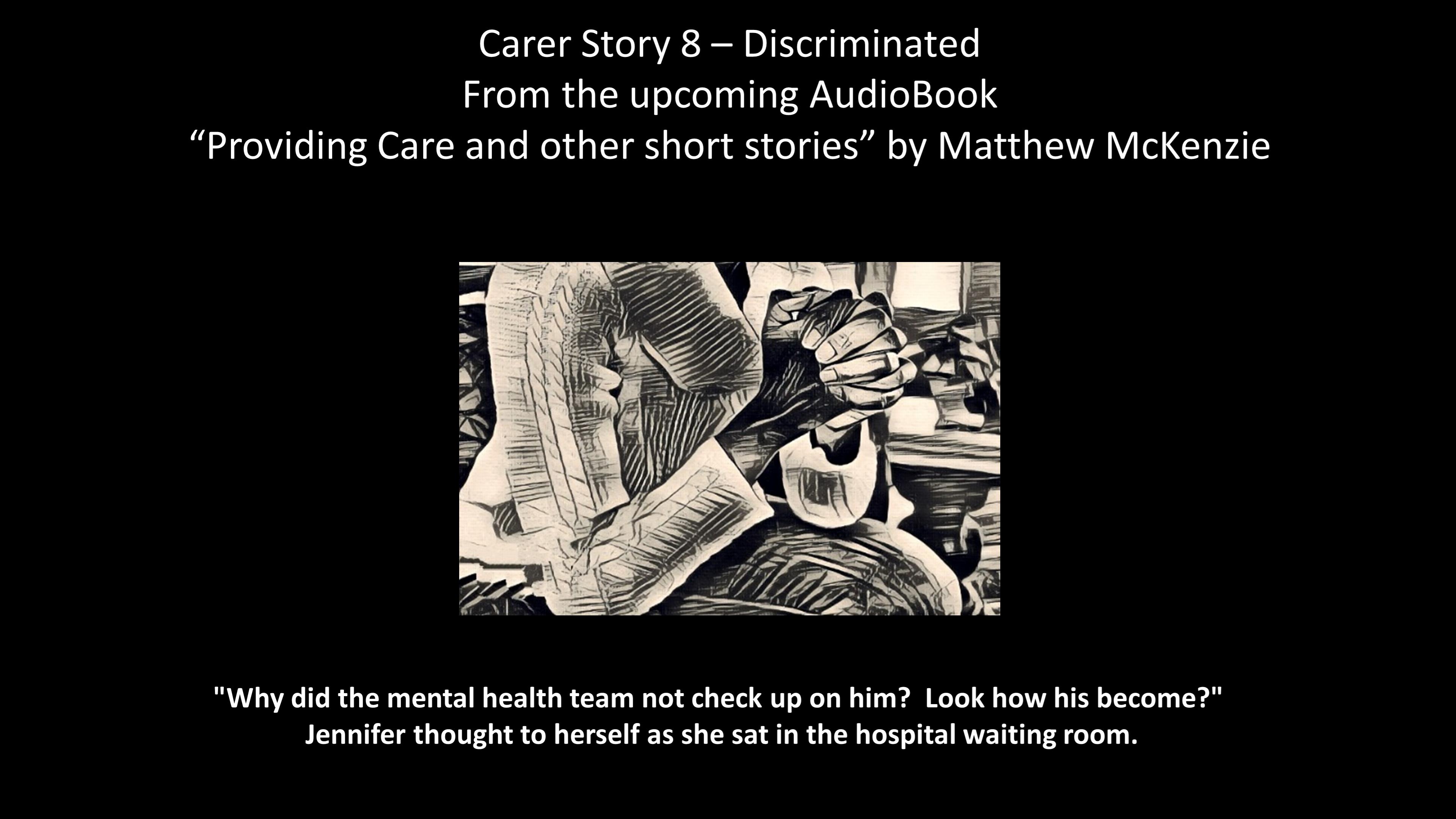
Welcome back fellow carers. Carer Story number 8 is nearly finished. As promised, I am continuing to write carer fictional stories. These stories are based on those caring for someone suffering mental illness.
All audio and video stories are from the book I am working on “Providing Care & Other short stories”. I aim to write 20 short carer stories and add them to an audio book. The quality of the audio stories are increasing each time.
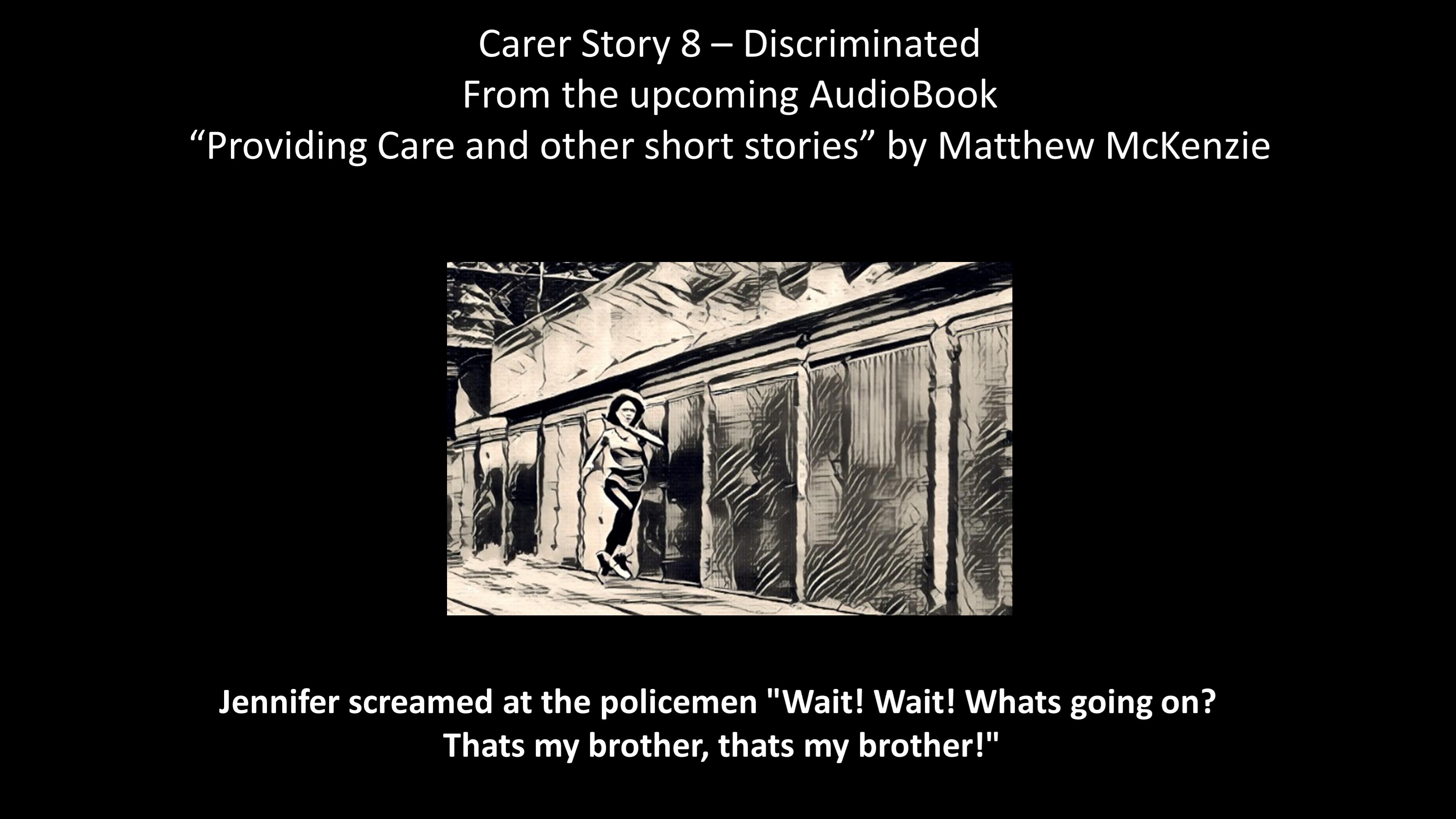
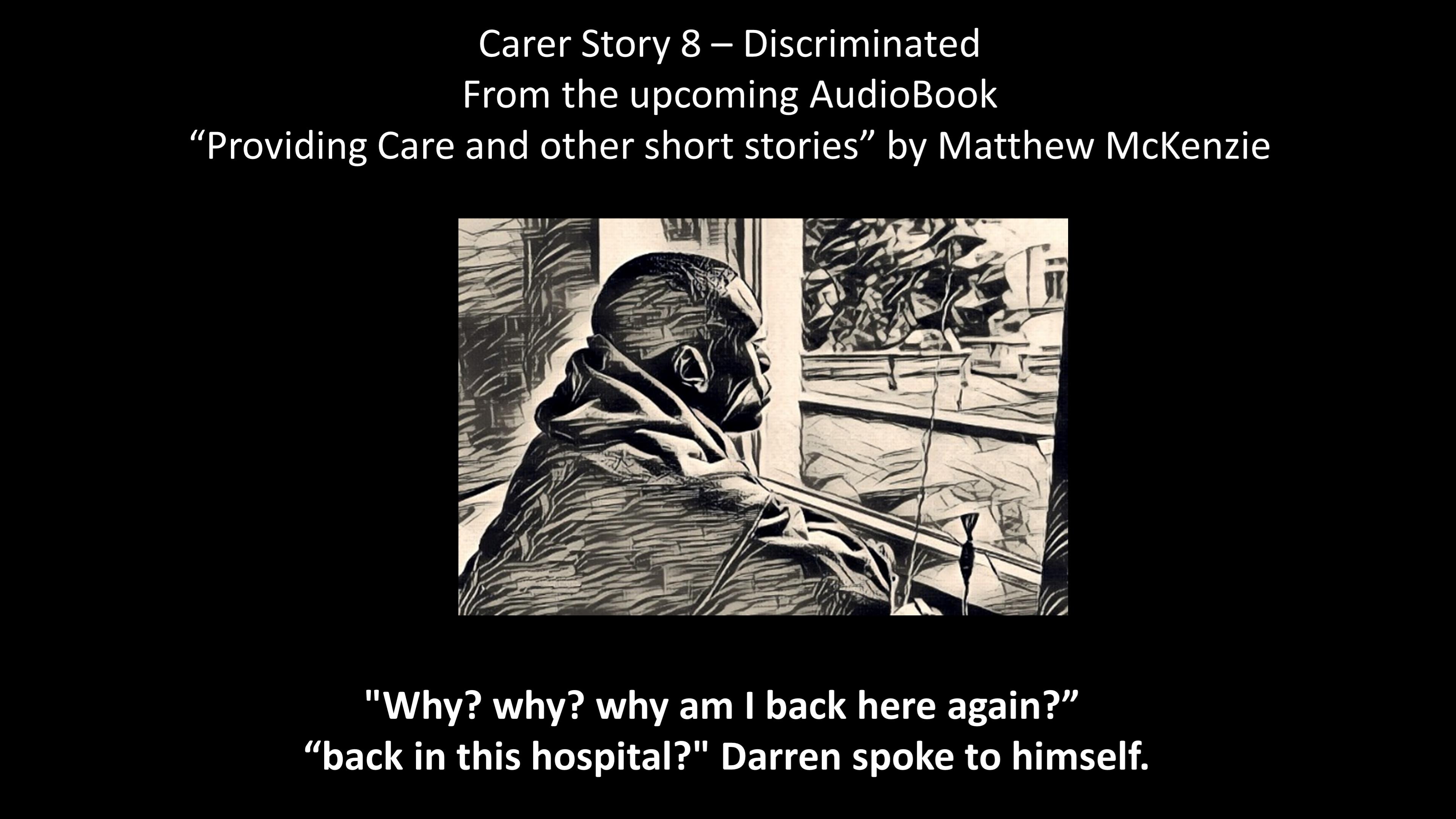
Story number 8 is unfortunately very difficult to listen to. Not because of any quality issues, but due to the nature of the story. As a carer campaigner, I often raise awareness of mental health carers. This time I am focusing on ethnic mental health carers. The story discriminated looks at the challenges a young black woman called Jennifer will face when caring for her brother Darren.
The story also follows Darren’s traumatic journey through the mental health system and the fragmented role of the NHS and the Police.
At the time of the release of this story, you might have heard the police refusing to take mental health calls.
Once you have watched this story, you will probably understand why. With mental illness increasing at rapid levels, health and social care are struggling to catch up. It is now the family, friends who are caring that will have to step in.
The question remains on if unpaid mental health carers have the resources to cope.
Story number 8 – Discriminated to be release soon.
Carers week 2023 approaches. When you start your journey providing unpaid care it can be a long journey. You might start out caring for someone with cancer, mental illness or physical health difficulties. No matter how you see it, you will starting out on a journey.
As an author and poet, I have written extensively on the journey I have travelled. I hae also written about the path where many other unpaid carers will have to walk.
It helps when former or veteran carers help guide others down that road. We need to be aware that not all carer journeys are the same, but it helps if we identify and value each other.
Below is a poem taken from my book “The Poetry book of mental health caring”. You can check out that book at the end of this blog post. I do actually have some podcasts of the poems off my website.
This poem “The Long Road” talks about how a former carer looks back down the road they have travelled. They see new people beginning their caring journey. The stop and tell those carers about that journey. This is a peer carer task, but it is so important vulnerable groups look out for each other.
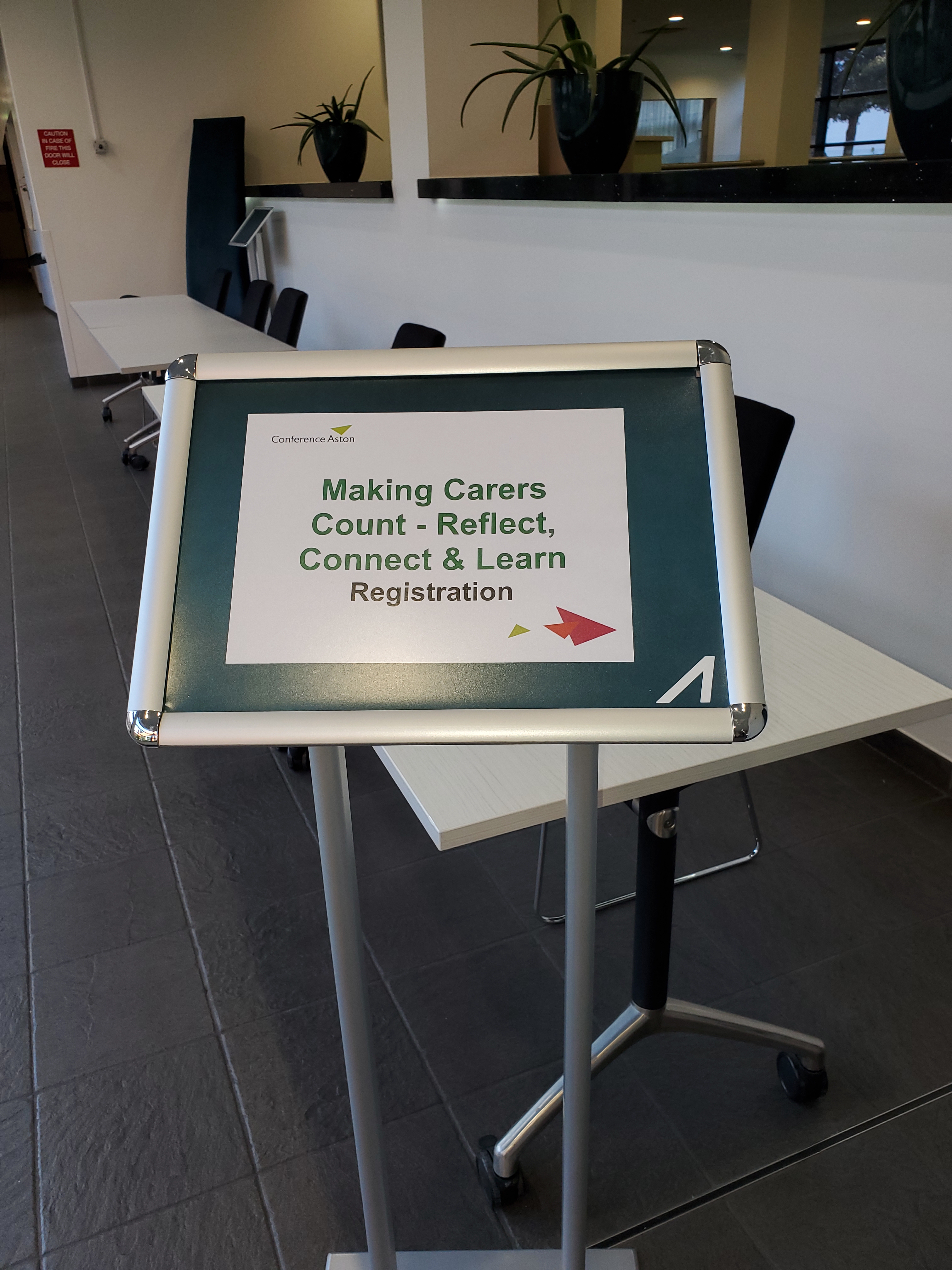
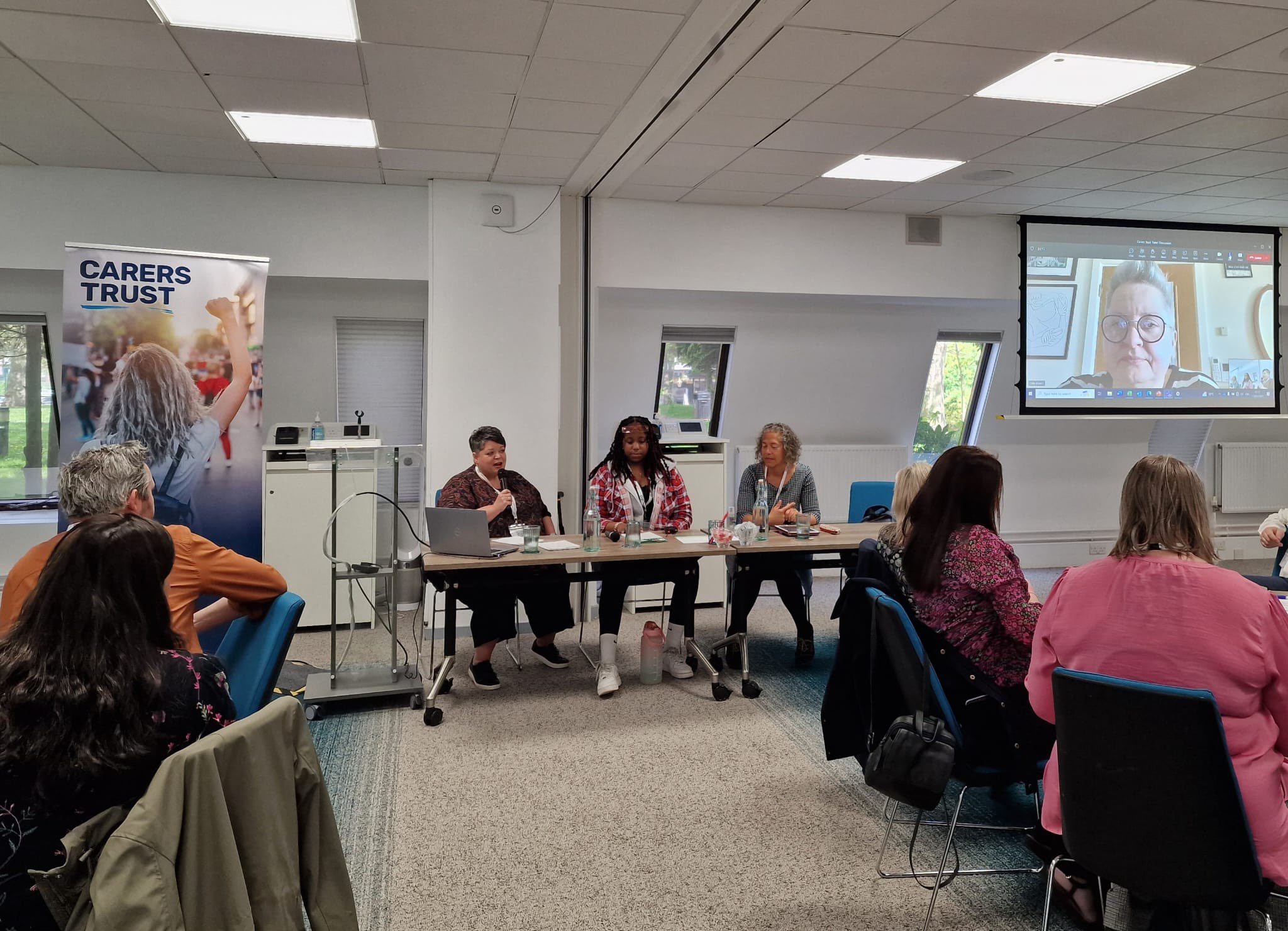
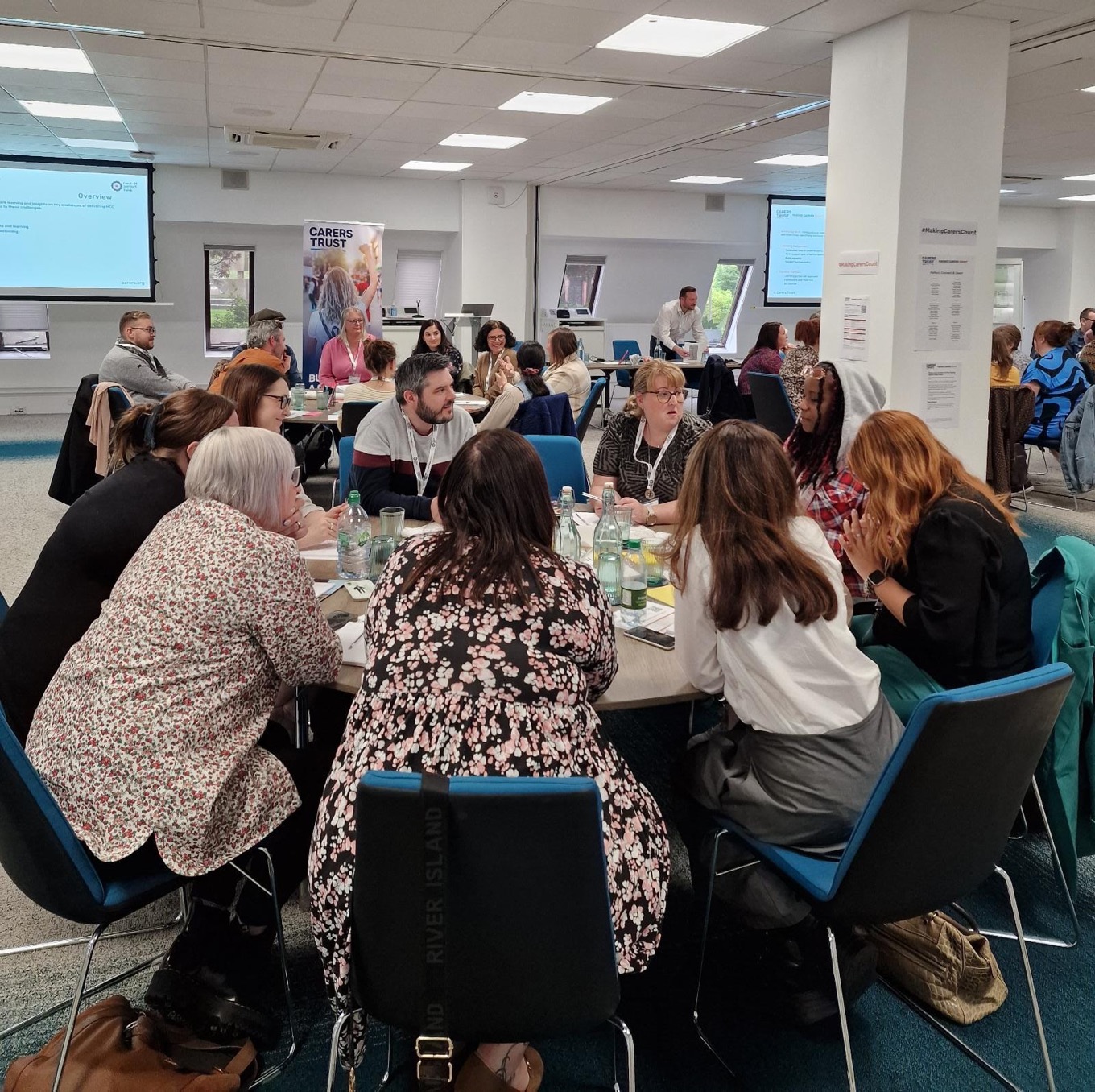
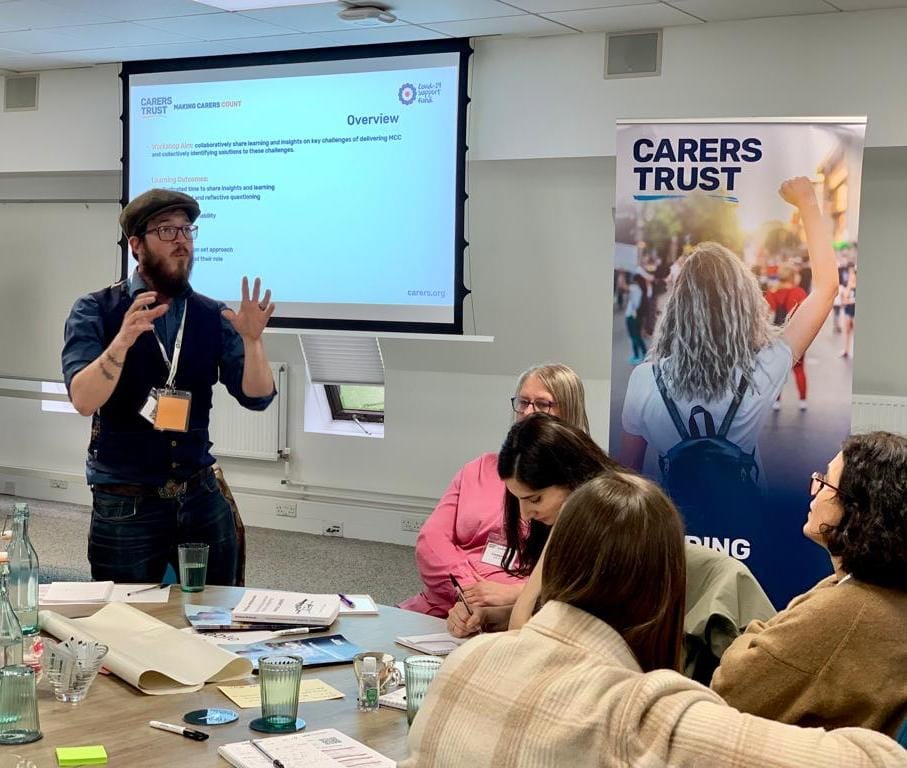
Welcome back to another blog post by carer activist Matthew McKenzie. This site focuses on those who provide unpaid care to someone close to them. Recently I have just come back from a 2 day conference held over at Conference Aston just by Aston University Campus. The event held on 17th May was Carers Trust’s “Making Carers Count” conference.
You might have seen a couple of blog posts about Carers Trust. Basically Carers Trust is a national charity that works to transform the lives of unpaid carers. Carers trust believe in partnership in order to give support and voices to unpaid carers. They have 124 Network Partners all doing their bit to transform change for unpaid carers.
Basically Carers Trust want unpaid carers to be heard, valued and supported.
So with the “Making Carers Count” conference. We were joined by some of the network partners to “Reflect, Connect & Learn”.
The day kicked off with a carer panel discussion. We were joined by 3 carers all giving their voice on the changes to their lives in providing unpaid care. Those on the panel were not your average carers. They also empowered other carers and were knowledgable about their caring role. A young carer on the panel mentioned she had other skills and should not be counted as just a carer.
She was also joined other carers talking about their journey and how their own carers centre helped them.
The attendees and network partners paired up to work on a session looking to understanding different carer projects. Plus we also celebrated collective achievements. In attendance were representatives from Tower Hamelets, Carers UK, Mid Yorkshire , blackpool carers, Wandsworth Carers, Credu carers, Crossroad carers, Carers First, Carers Heart of England, City and Hackney carers, Sussex Carers, Northants Carers, Newcastle carers centre, Bridgend Carers Centre, Harrow Carers and many more.
It was amazing to hear all the good work each carer centre had done. We have done so much over the Carers Trust programme, but there is much more to do. The networking was followed up by a Collective solutions event. Carers Trust then presented the importance of working together and we had a discussion on project challenges regarding the Making Carers Count Programme.
There were some great project updates
Carers Heart of England – Projects on the rise of engagement with their cultural carer groups and key events such as the Diwali Event.
Wandsworth Carers – Their LGBTO+ carers peer support group
Improving Lives Plymouth – Projects on the importance of peer to peer support growing, due to monthly drop ins and activities.
Newcastle Carers – Developing and understanding of the needs of carers from Asylum seeker and refugee communities in Newcastle
City & Hackney – Engaging with young people, especially using technology like their whatsApp group.
There were more project highlights from aother carer centres, but the blog would go on forever if I listed all of them. The conference moved on to discussing and identifying actions and recommendations for the Carers Trust Network due to their latest “Making Carers Count” Programme.
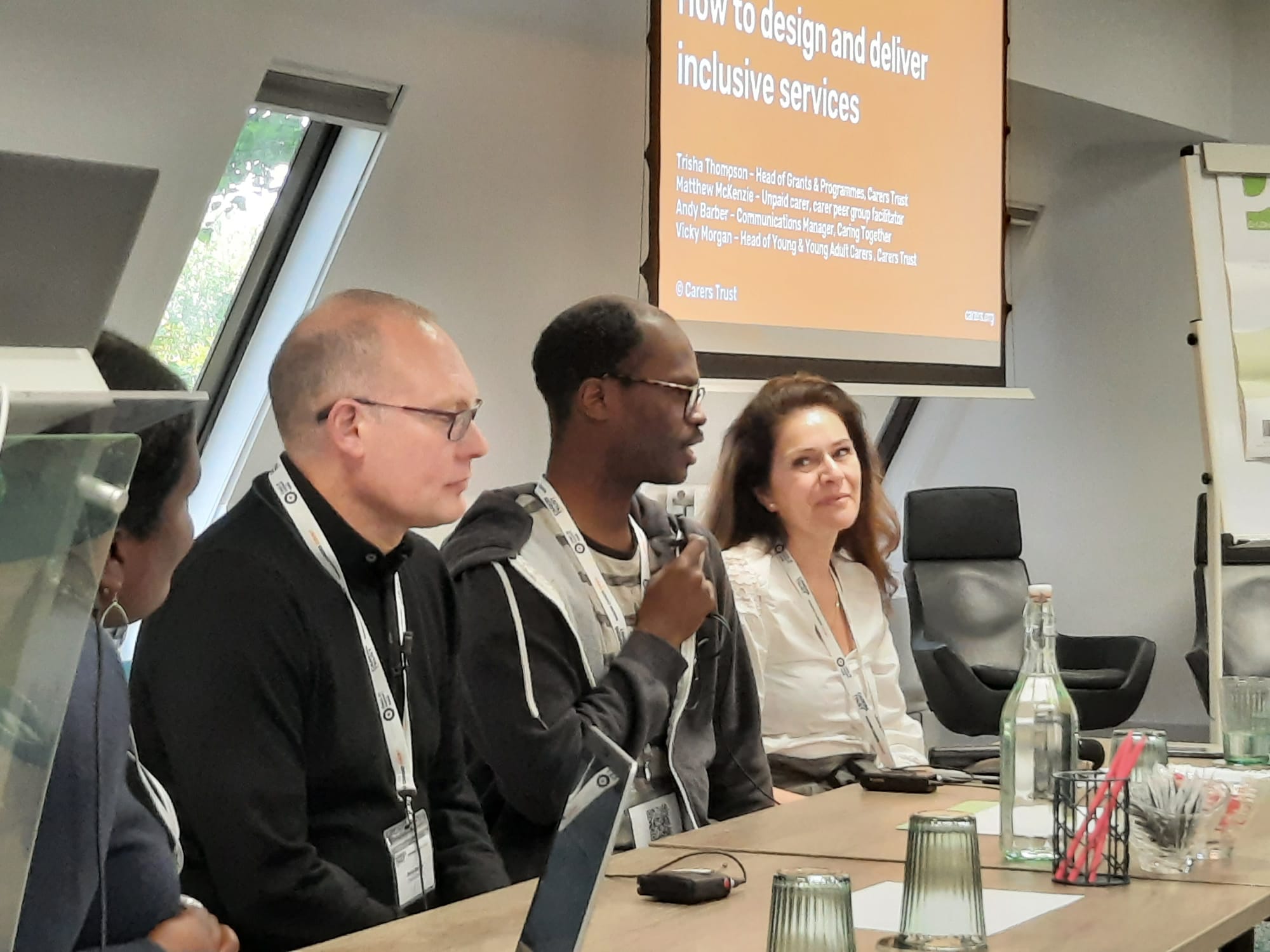
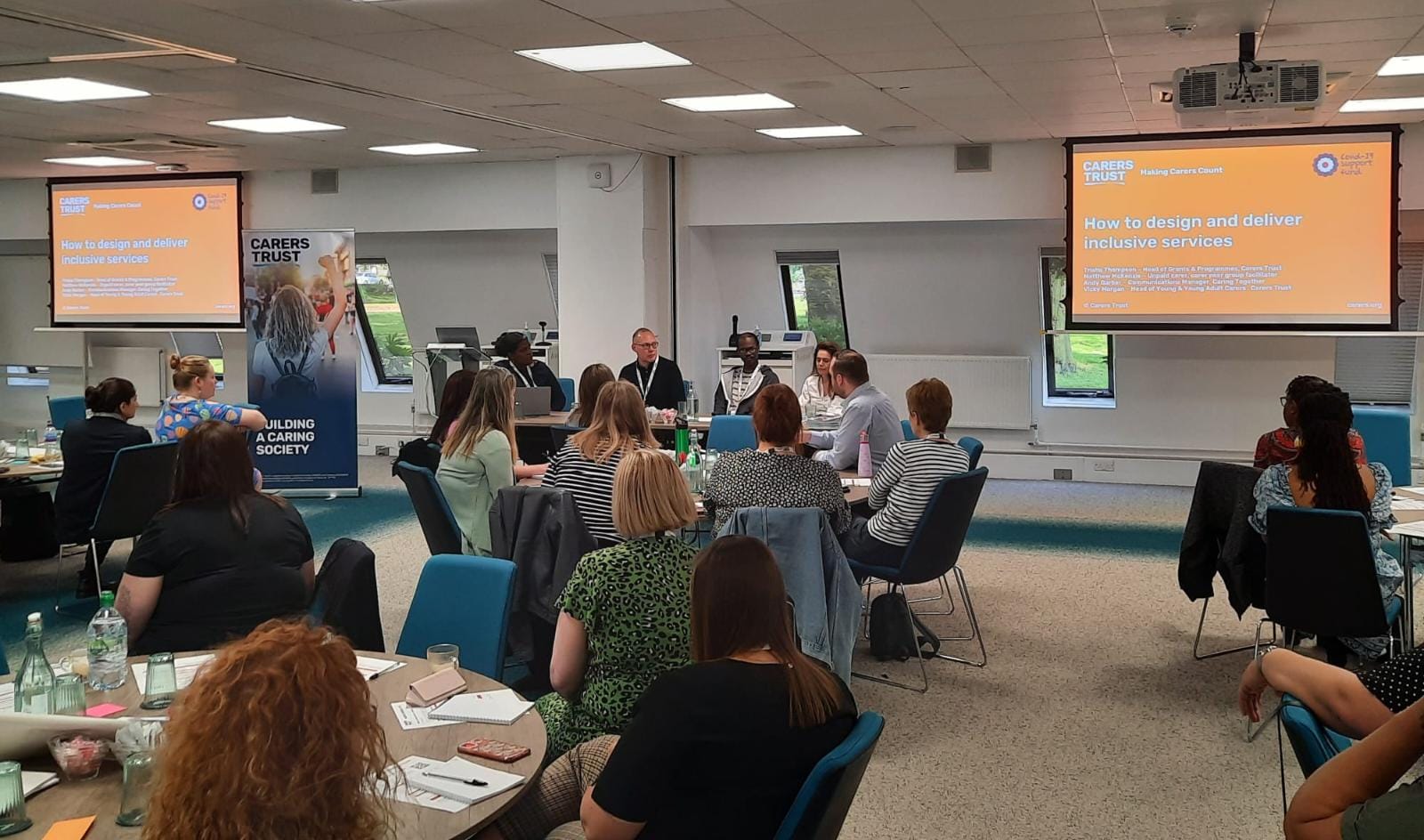
For Day 2 of the conference, I was delighted to be included on the panel discussion of developing and designing inclusive services for carers. I was joined on the panel with Andy Barber from “Caring Together” and Vicky Morgan who is the Head of Young Carers and Young Adult Carers at Carers Trust. Thanks to Trisha Thompson (Carers Trust head of grants) hosting the panel.
My thoughts regarding service inclusion is that it takes time for carers to get involved. To be honest inclusive services should be including carers at the start, especially hearing carer stories and picking up themes that carers struggle with.
With those themes e.g. problems with carer assessments, being heard as a carer, or access to a service. It might allow the carer to give input on how to improve the quality of services.
I mentioned earlier on in the blog that Northamptonshire carers attended and at my talk I mentioned that the service provided by Northants carers actually won the HSJ 2022 award for system led support for carers. The award for 2021 went to Sussex carers, but it does go to show that having such network partners makes a difference for carers.
We can all learn from each other.
I could not stay for the full conference, although there were excellent presentations from other attendees. Plus a pleasent suprise to meet Carers UK staff.
overall I enjoyed the event and was very grateful to be given a voice as a carer.
You can find more about Carers Trust from the link below.
Hello everyone, welcome to another blog post by carer activist and author Matthew McKenzie. To watch the video version of this blog, click the video below.
I raise awareness of those caring for someone with a mental illness. I also raise awareness regarding cancer carers. Those caring for someone with cancer can also suffer mental health due to stress, guilt, anxiety and depression. In fact everyone actually has levels of mental health. It is not just reserved for those suffering mental illness. We need to be aware and awareness events are just the thing to help with that awareness.
So from May 15 to may 21 it is Mental Health Awareness week 2023. Now this is an annual event to raise awareness of the importance of mental health.
The official theme for this year, as set by the Mental Health Foundation, is ‘anxiety’.
Mental Health Awareness Week will increase people’s awareness and understanding of anxiety by providing information on the things that can help prevent it from becoming a problem.
Anxiety disorders affect over 8 million people in the UK – that’s a little over 1 in 10 of us and there are lots of different types.
For carers as I have mentioned before, there are many things that can cause anxiety. The first is worrying about the health of the person you care for. We also need to remember that The cost of living crisis is affecting the mental health of millions.
You can Get involved this Mental Health Awareness Week by checking out Rethink mental illness, Mind, Sane, Mental Health Foundation social media and share on your Facebook, Twitter or Instagram profiles.
Hello fellow carers. New blog from Matthew McKenzie
I have a new research project for those from ethnic backgrounds to get involved in.
This research study is to understand the occupational experiences of unpaid BAME unpaid mental health carers. Occupation refers to the purposeful activities that ensure individuals have a sense of identity and live independently.
What is the purpose of the study?
Using the OPHI-II semi-structured interview will provide an exploration of the occupational choices, critical life events, daily routine, occupational roles and environment of the BAME mental health caregivers. This will provide insight into the respective communities’ occupational experiences.
For more details you can contact Halima Ali Email: 2051364@brunel.ac.uk or see poster below.
Welcome back to a quick update of my carer groups and forums. I have resorted to doing a brief update due my current projects raising carer awareness. As of this moment, I am writting fiction carer stories. You can check out my YouTube channel to view those stories. I have around 13 more stories focusing on caring for someone with mental illness, I will then work on stories focusing on caring for someone with cancer and follow that up with a book.
Until then, here are my updates below.
Lewisham Mental Health carer forum
For my Lewisham MH carers forum we had engagement from Mina Hadi who have lived experience of mental health. She is the service user representative for the Patient Carer Race Equality Framework over at East London NHS Foundation Trust.
Mina would have attended my ethnic carer forum, but there was a clash, so we agreed she can present at my Lewisham carer forum. I often say to members of my carer group to network. This is vitally important if carer members are involved in a community project. This is why I try to link up with other groups involved in increasing equity for ethnic minorities using mental health services.
Mina talked about the importance of PCREF and how East London NHS FT is working towards reaching out to marginalised groups. These being diverse ethnic groups, refugees, asylum seekers, the homeless and the LGBTQ community. All are vulnerable to mental illness due to discrimination, stigma and lack of support. Mina talked about what needs to be done and work in progress.
The next speaker was Dr Georgina Charlesworth from University College London.
She is the Associate Professor in Research Department of Clinical, Educational and Health Psychology.
Her main focus is on dementia where she has wrote a number of papers. Some are shown below
Living alone and risk of dementia: A systematic review and meta-analysis
Befriending carers of people with dementia: randomised controlled trial
Peer support and reminiscence therapy for people with dementia and their family carers: a factorial pragmatic randomised trial.
Examining the Lancet Commission risk factors for dementia using Mendelian randomisation
Dr Georgina was joined by another researcher linked to North East London NHS Foundation Trust. Dr Georgina spoke heavily on the importance of dementia carers. She was impressed that such a carer forum existed and felt that we as a group set an example. Dr Georgina spoke about the problems of stigma and she talked about one of her projects, which was the Carer Supporter Programme within Prof Martin Orrell’s NIHR-funded programme entitled “Support at Home: Interventions to Enhance Life in Dementia”.
The new Alzheimer’s Society service manager for South East London was also due to join us, but were unavailable and I am hoping they will be free next time.
Ethnic mental Health carer forum
This is a forum not bound to a specific area. There should be places for minority ethnic carers to attend, so I often advertise the group to other NHS mental health trusts. The main group members are usually from South London.
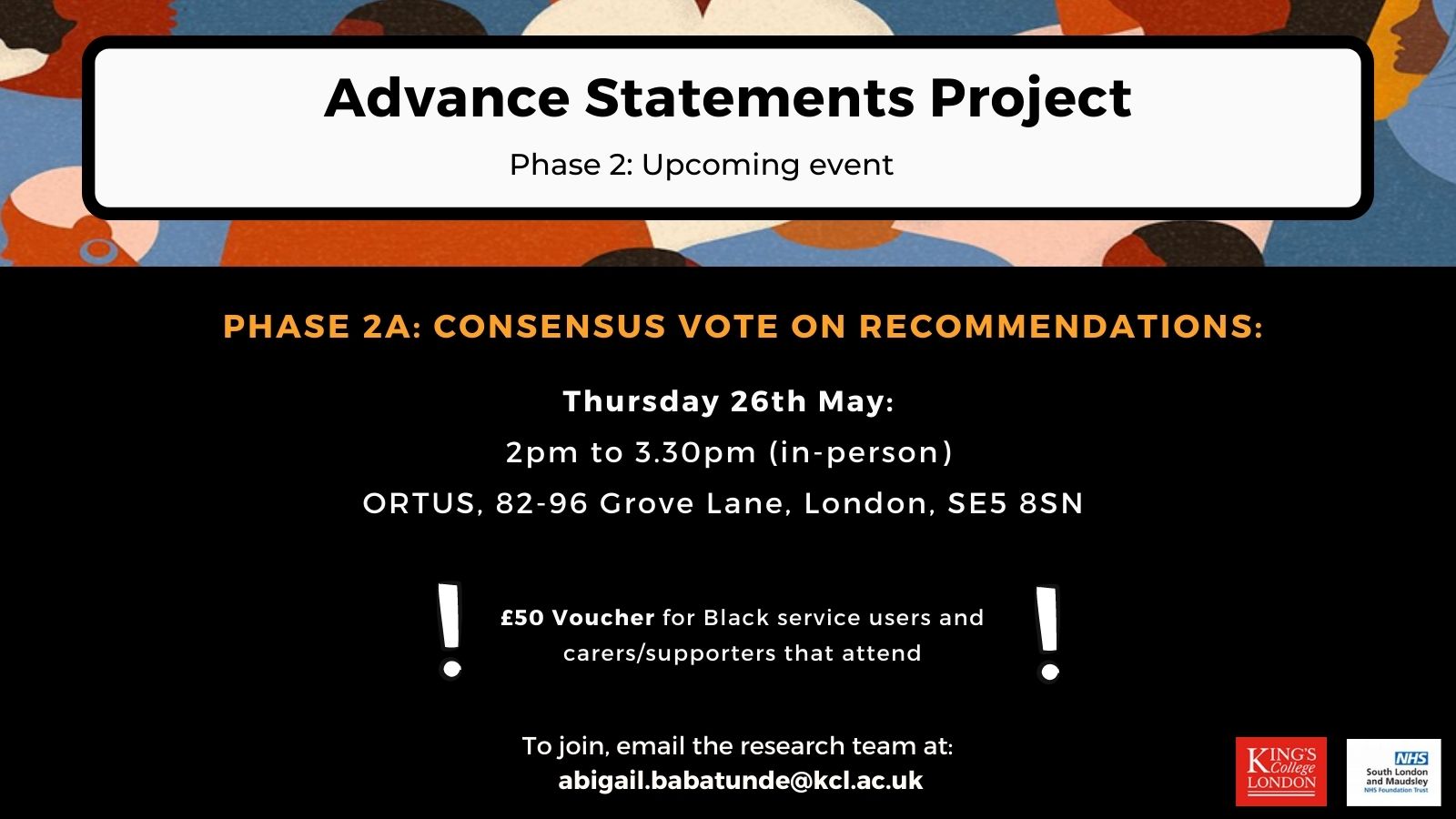
The first speaker for this carer group was Abigail Babatunde from Kings College London. She spoke on updates for the project advanced directives black people.
The Advance Statements Project is a research project on getting advance statements – also known as advance choice documents or advance directives – to work for Black African and Caribbean service users who have previously been detained under the Mental Health Act, their carers, and mental health staff.
The goal of the research is to:
Help reduce detention under the Mental Health Act for Black service users, Support, hear and understand Black service users and their carers/supporters,
Know and further understand the issues surrounding using advance choice documents and why staff members may not follow them,
Reduce coercive care in mental health care, and to better the relationships between Black service users, their carers/supporters and staff/professionals.
There is a follow up event at the Ortus (Maudsley NHS) below.
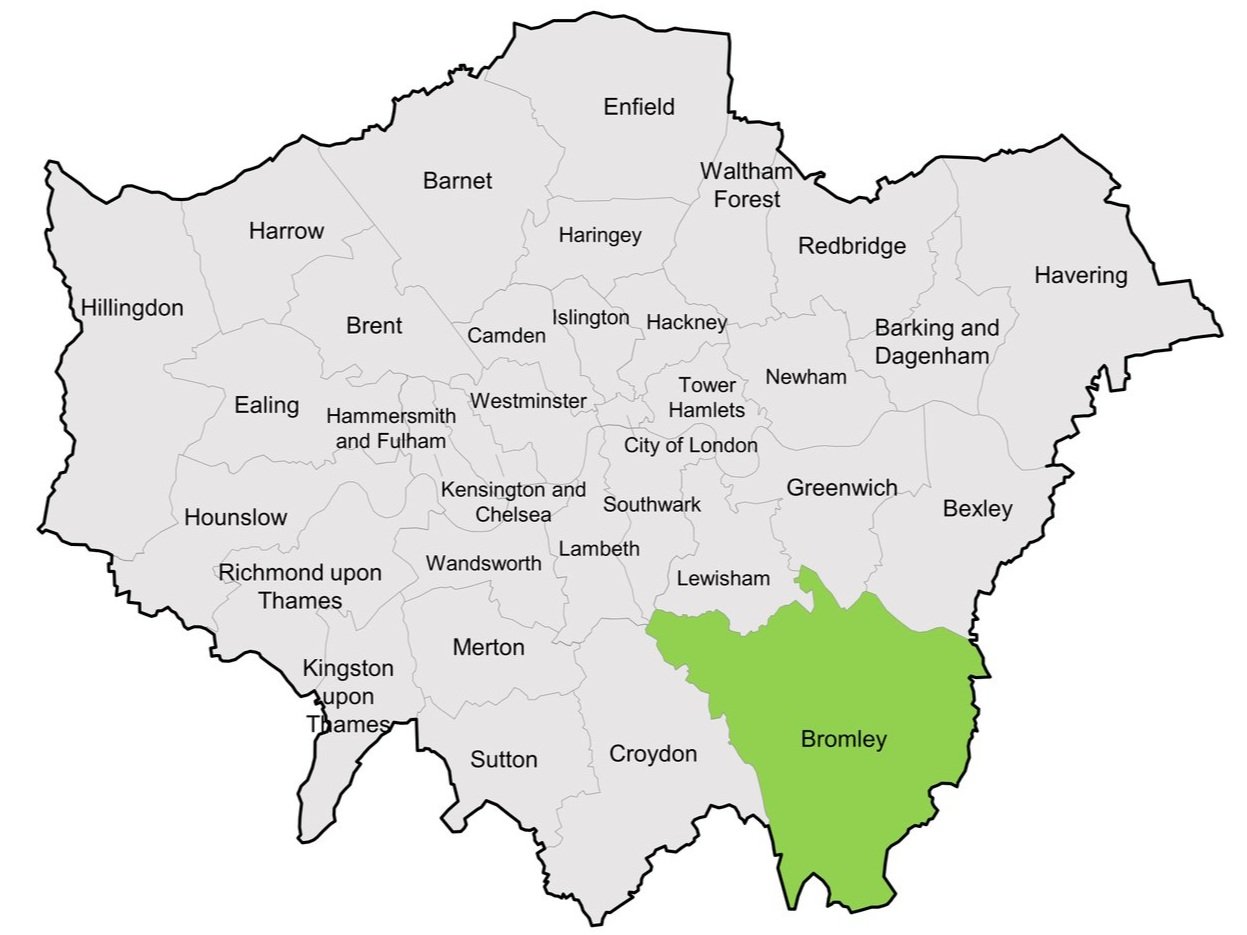
The next speaker was Denise Mantell from Bromley council. Bromley Council is currently developing its Carers Strategy and would like to hear from as many carers as possible. Since Oxleas mental health services covers Bromley, it was a chance carers could get to be involved. It would help if the carers strategy involve those caring for someone with mental illness.
Talking about Oxleas NHS Foundation trust, we were joined by Japleen Kaur and Marie-france mutti. They spoke about the new Funding scheme – Improving patient and carer experience grants.
If those within Oxleas have an idea that will improve patient or carer experience, they can bid for funding (up to £750) from our charitable funds. The project ideas need to be developed jointly between members of staff and people who use Oxleas services or care for people who use Oxleas services.
Stages
Application form completed and sent to our Involved Network
Applicant informed of bid outcome
Transfer of funding arranged
Activity takes place
Bidder shares photos/feedback on how funds have been used.
Scheme criteria
• The grant should be spent on enhancing the experience of people using our services and their families • It should be used for activities/items that are not funded by trust services. • It should benefit at least three service users. • All bids need to developed joined with people using our services and staff members.
The first application period for the Improve Fund is open now until 31 May 2023.
If you have a query about the fund, please email: oxl-tr.involved@nhs.net.
Joint Southwark and Lambeth Mental Health Carers forum
Here are the update’s for my other carer forum I run in the afternoon for the last friday of the month. I used to run these forums seperately, but due to covering a lot. I have decided to merge them.
We were delighted to be joined by another speaker from University College London. This was Dr Rebecca Lacey who talked about her study on Young Adult carers in the UK.
This was following off from Carers Trust “Young Carers Action Day”, but unfortunately it was too late for Dr Lacey to attend in March.
Staff from Lambeth Carers Hub attended to hear more on her research.
The next speaker was Sarah Allen who is the Head of Patient Experience at Guys & St Thomas NHS FT. The hospital trust is currently working on their Carers Strategy. I often to say to all carers that it is very important to engage with hospital service carers strategy.
It is not enough for a carers strategy to exist, but to be used to hold services to account as in “You Say We did” focus.
GSTT want to involve families and carers in all aspects of their services.
They aim to recognise, value, include and respect carers. Plus treat them as expert partners at the heart of decision making for the person they care for.
I also presented the new NHS England hospital discharge toolkit to the group, there was a bit of confusion as some felt the toolkit was for triangle of care.
In the end I pointed that this was for acute hospital services in London.
I am also pushing to engage with GSTT Cancer and Surgery Clinical Group to raise the profile of cancer carers. Once I have built a group of cancer carers, I am hoping for engagement for that hospital trust especially regarding the cancer group. I am also getting support from Kings NHS and eventually will expand to other hospital trusts.
South West London MH carers group
This group is a hybrid as there is a carer-led peer focus for the first part of the group. The next part is finding out about services and how they are supporting carers.
The group is strictly carer-led and co-facilitated by SW London carer Ava. She does the peer group section, while I will focus on speakers and engagement.
We had a great turnout as all 5 carer centre’s help promote the group, but we can out of time for the peer support section. The group seeks engagement from the local mental health trust South West London & St George, but this can be difficult, probably lack of staff maybe? Still we got engagement from Kingston Hospital who have a strong carer focus.
We where joined by Beth Mburu who is one of the Clinical Liaison Practitioners. Kingston Hospital is working on their carers focus and Beth talked about the following
Hosp. Discharge Planning Toolkit (aimed at staff)
Carers’ Needs Assessment Template (augmenting and embedding the Carers’ Agreement)
Carers’ Passport
Triangle of Care – hospital self-assessment tool and lessons learned/embedded
Resource for first time Carers / people who give their time to support a vulnerable person
National resources -already in existence from Carers’ UK – communicate and disseminate to the right people
Live/real-time digital tool aimed at Carers’ drawing together local provision and resources
Safe Transitions of Care – checklist for front-line staff
Hospital checklist / advice and Information
Kingston hospital NHS FT also had a carers event on the 4th of May to engage with carers and let them know about the work they are doing to support carers.
Again I am also focusing on engagement from the hospital’s cancer services to prepare for my cancer carer group. It is important to know who does what and how they focus on cancer carers.
Welcome to another carer blog post by carer activist Matthew McKenzie. I raise awareness of carers who try so hard to provide unpaid care to loved ones. However I am not the only one fighting for carer empowerment or making sure carers get counted.
We have several national organisations promoting the value of caring. One of those charities is Carers UK. A major charity giving the voice to carers all around the country. I have been doing quite a few things for Carers UK, one of them being the co-chair of their ethnic/BAME carers advisory group.
I have also attended and spoke at Carers UK conferences and have been given major support regarding my poems.
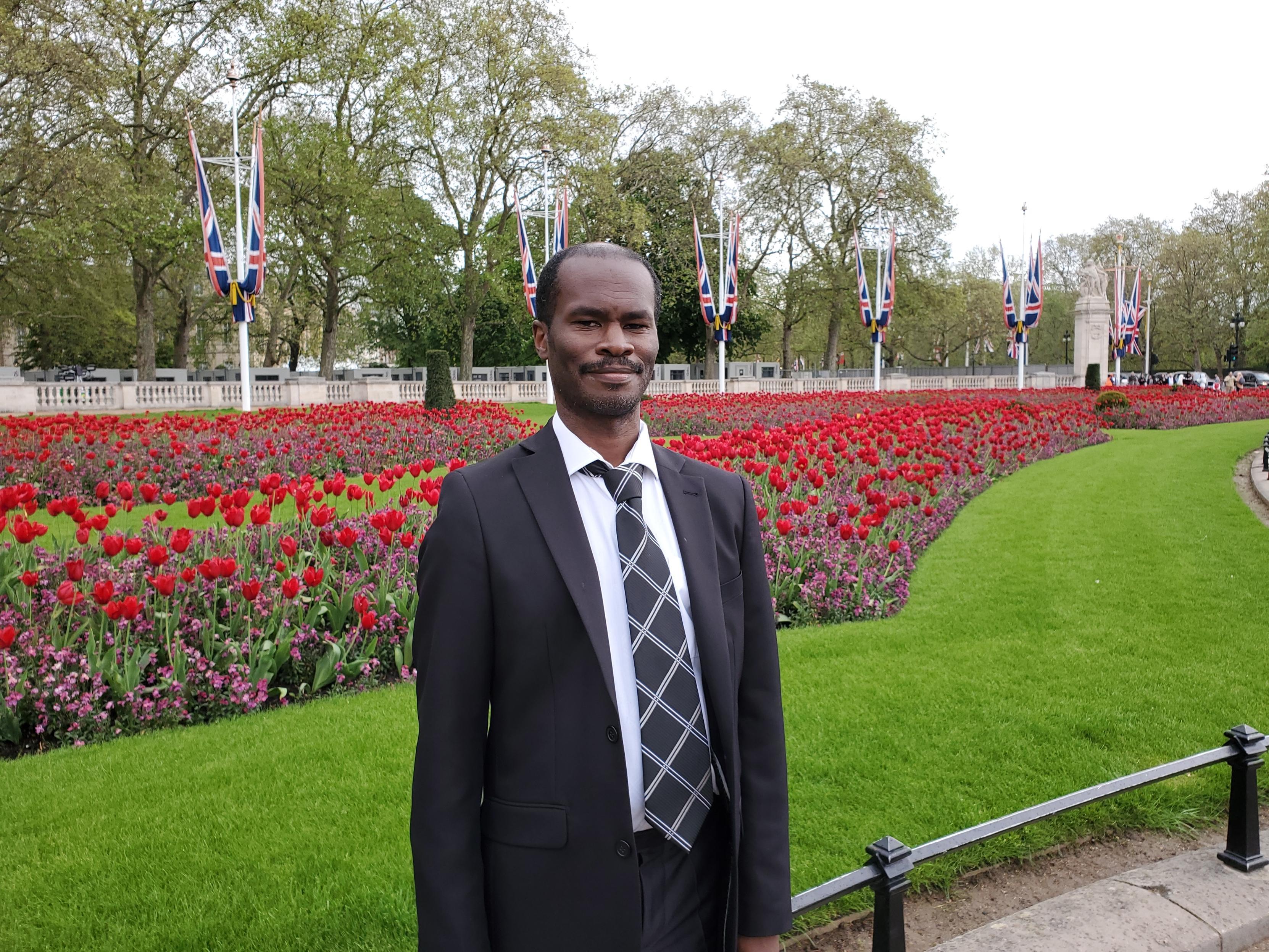
So today was a special treat in order to celebrate all what good works are promoted across the nation. We were invited to the Royal Garden Party, which was a special occasion due to the recent coronation of King Charles III.
At any party or event I tend to network or try to network, so it was great to meet other carers including CEO of Carers UK Helen Walker.
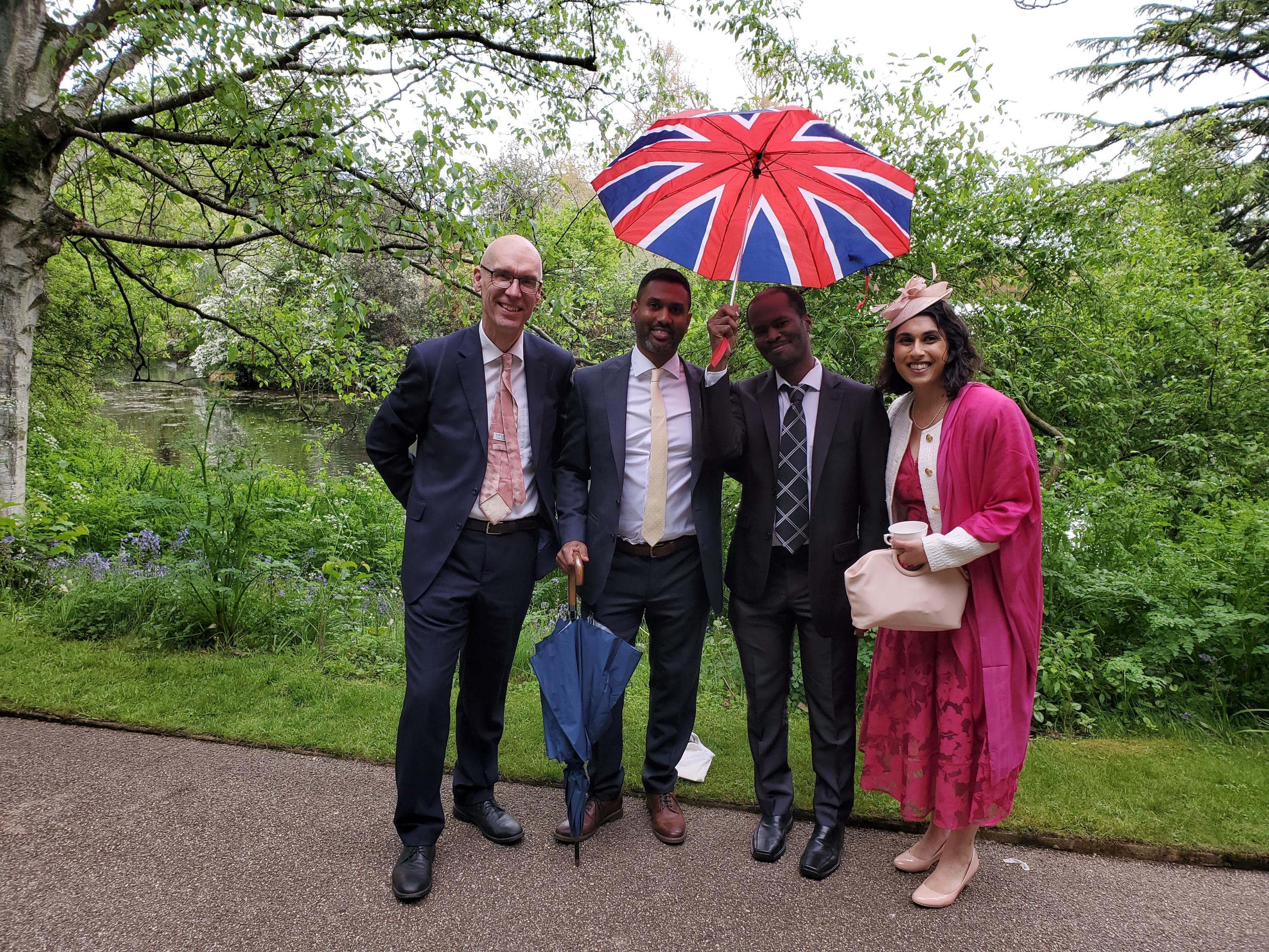
The weather held up the best it could so the day went perfectly well, but I did bring an Umbrella just incase. As we walked across the grounds we marvelled at the Royal gardens. I can imagine myself being lost in thought as there was so much to see.
After walking through the gardens, I could hear music growing louder and this was coming from the royal bands. We were spoilt for choice as there were two bands playing at each end of the grounds.
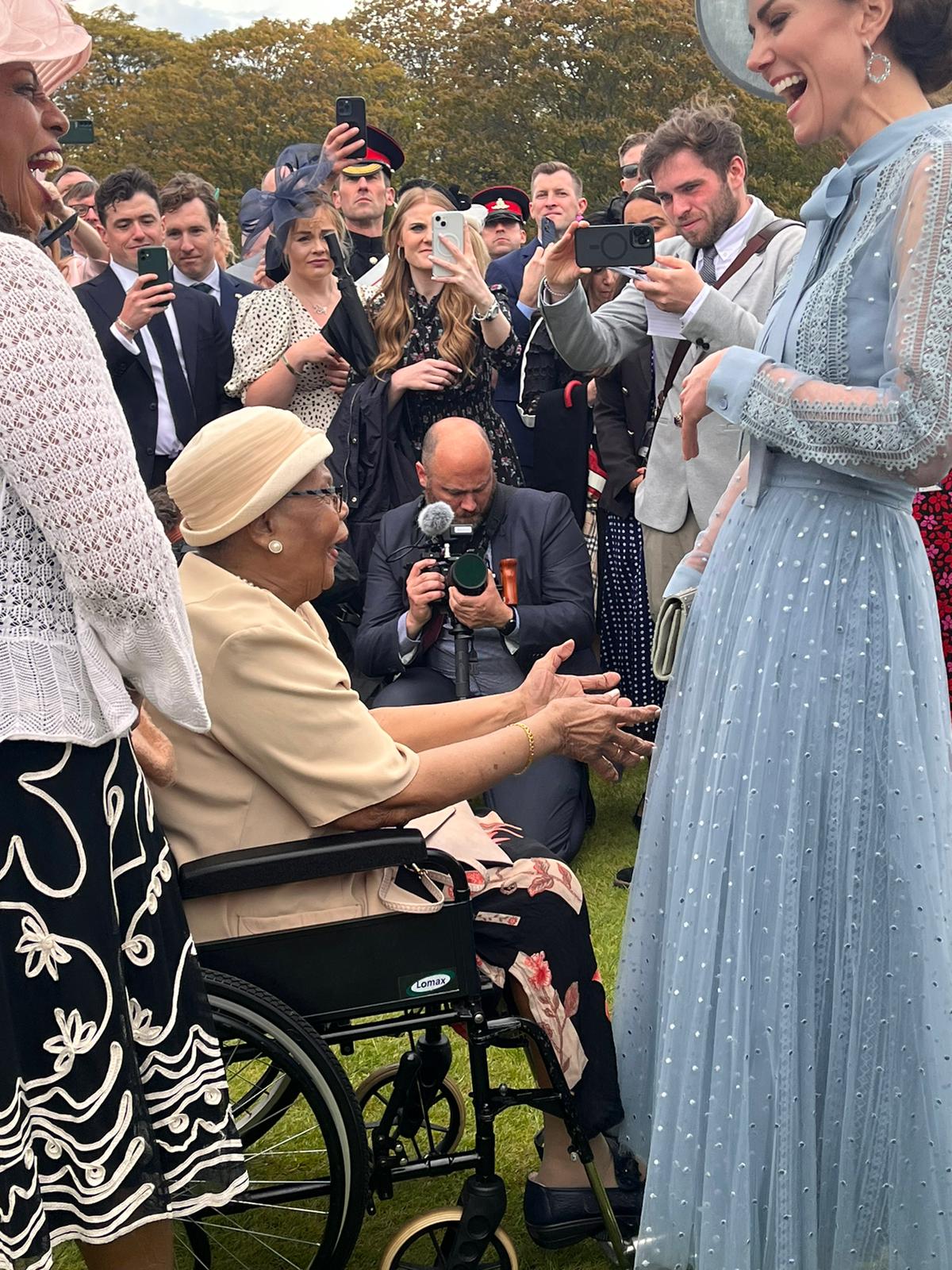
We then waited to greet the royals, but I was hungry left for some food and came back only to find the Royals had greeted one of our group. Serves me right for being too greedy.
Still the food was marvellous, but the problem was that I ate the food too fast in order to try network again.
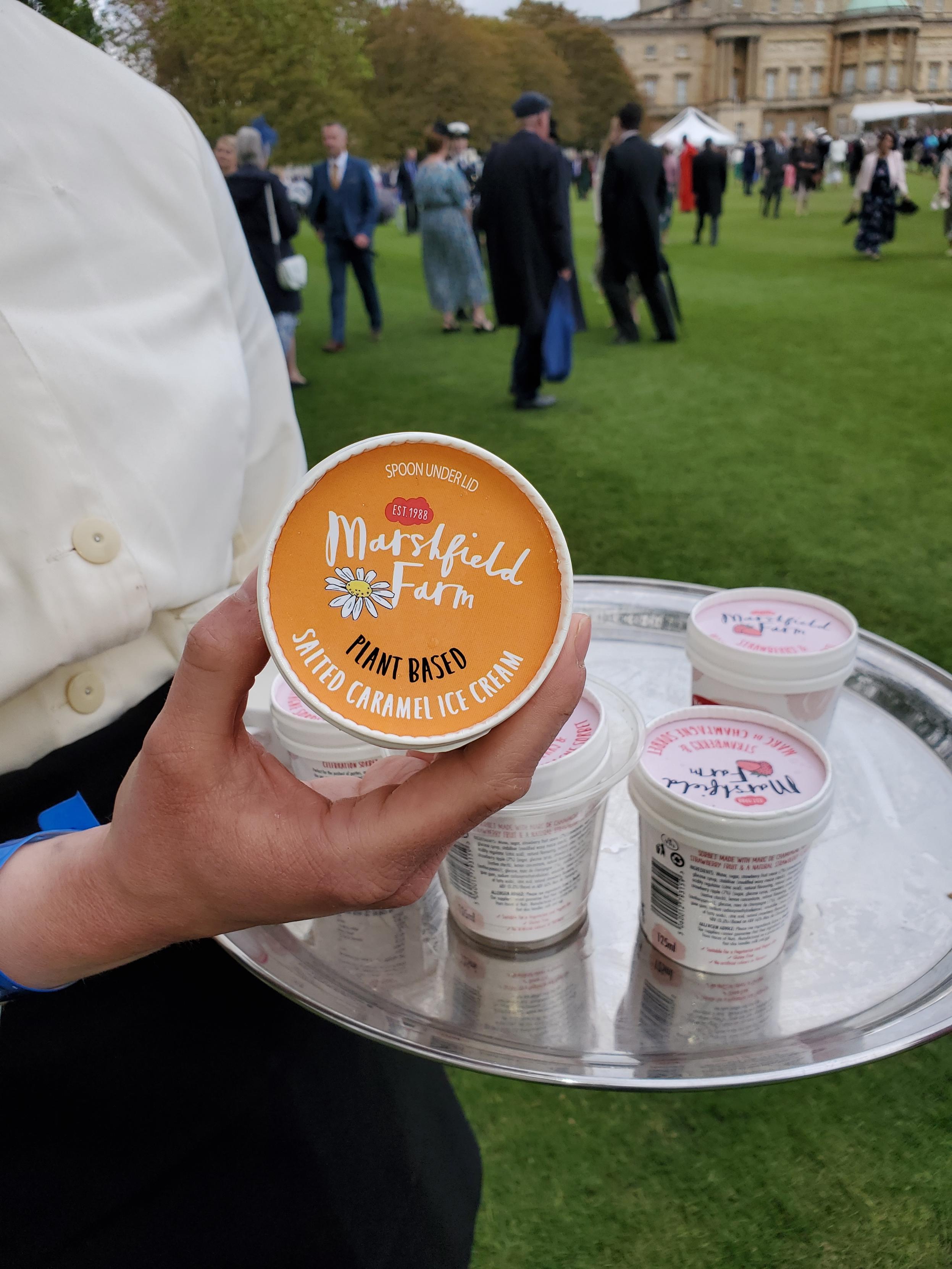
The staff were pleasant and friendly and often stopped to chat to make sure everything was ok. I felt I was the king the way the staff treated me. One of them showed us some Ice Cream as she explained the different flavours.
It was not long before it started to rain with that famous British weather, but by that time I had talked to the other carers who contribute so much to carer movement.
All in all, I felt special and to be treated to such an important function shows the Royals have a focus for a caring community.
If you want to find more about Carers UK, check out the link below.

















 A Caring Mind