By Matthew McKenzie – Carer and Carers UK Ambassador
As unpaid carers, many of us know what it feels like to operate in the background. We juggle complex health systems, care for our loved ones, and manage our own lives, all too often feeling invisible.
That is why I am excited to share a major milestone for our community.
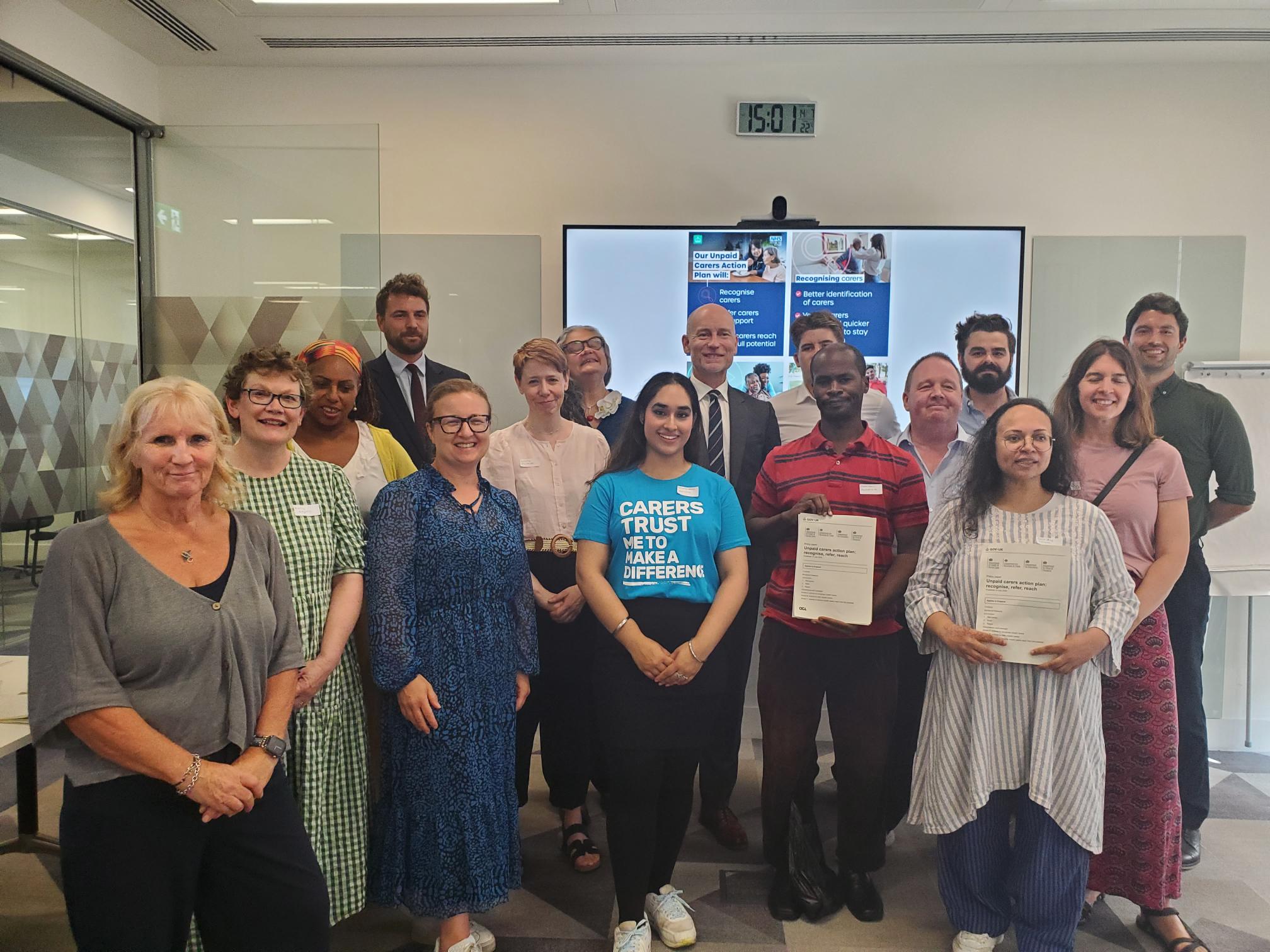
The Department of Health and Social Care (DHSC), alongside the Departments for Education, Business and Trade, and Work and Pensions has officially launched the Unpaid Carers Action Plan: Recognize, Refer, Reach.
This is England’s first-ever cross-government action plan dedicated entirely to supporting unpaid carers.
I was honored to attend the official launch event to represent our community, meet with Minister for Care Stephen Kinnock MP, and participate in the official DHSC launch video.
This isn’t just another policy document; it is a commitment across multiple government sectors to drive real, practical change.
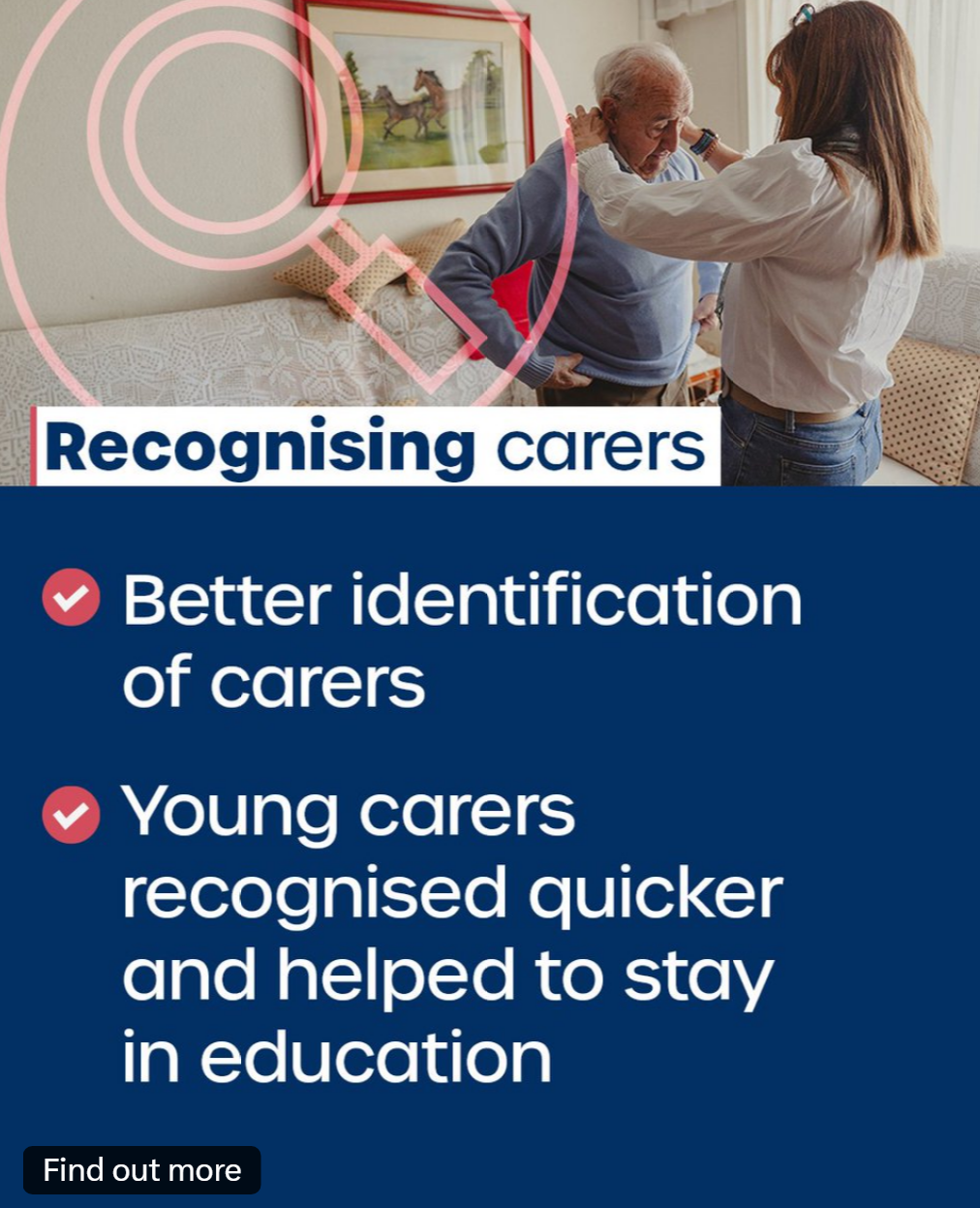
The plan is built around three core pillars:
1. Recognise
Carers must be identified early. One of the most exciting digital updates is a new “MyCarer” section being introduced on the NHS App, allowing us to easily register our caring role so healthcare staff know who we are from the start.
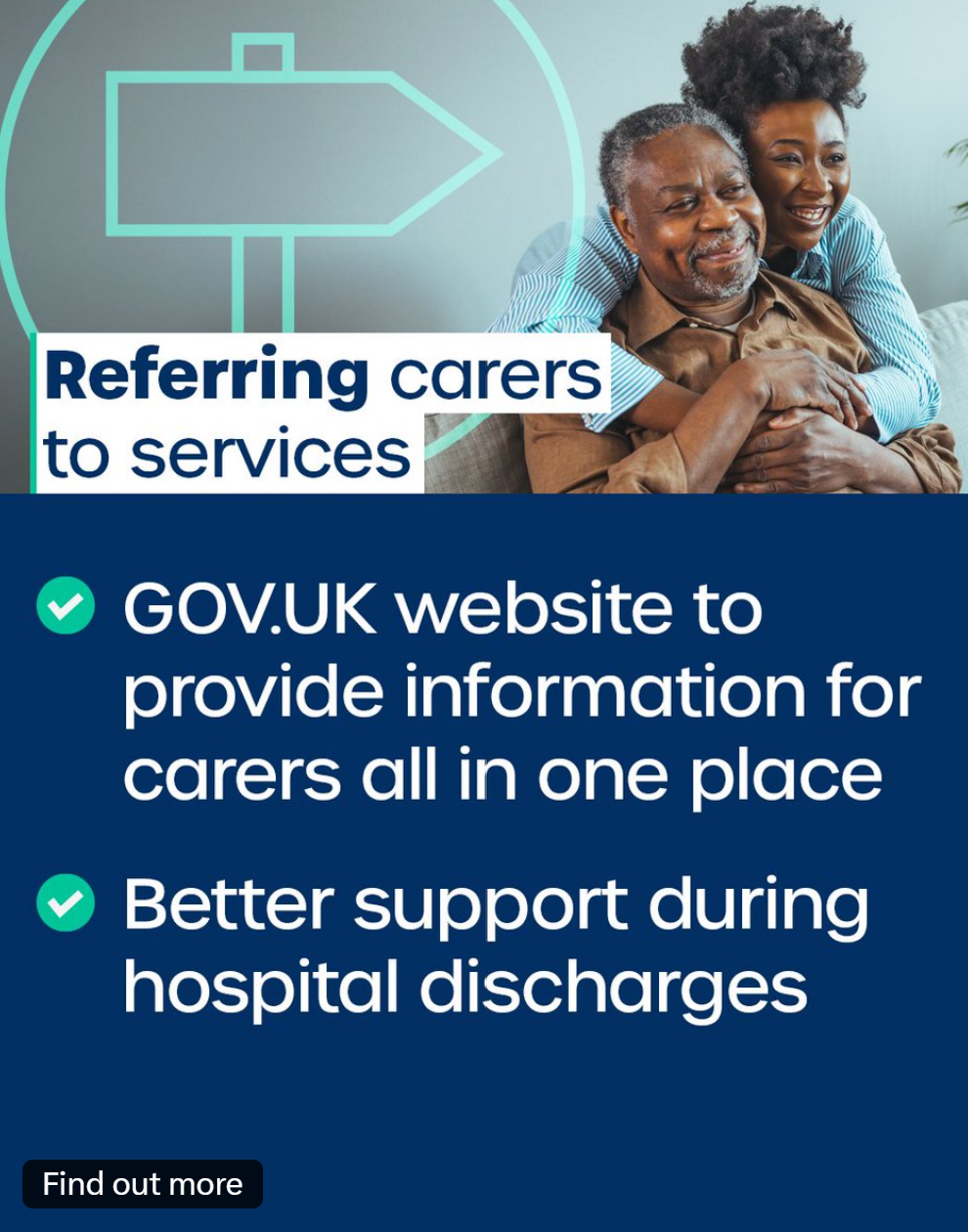
2. Refer
No carer should have to navigate the system alone. This pillar focuses on making sure we are directed to local carer centres, financial advice, and emotional support early on. Crucially, it aims to ensure we are formally included in major healthcare decisions, like hospital discharge planning.
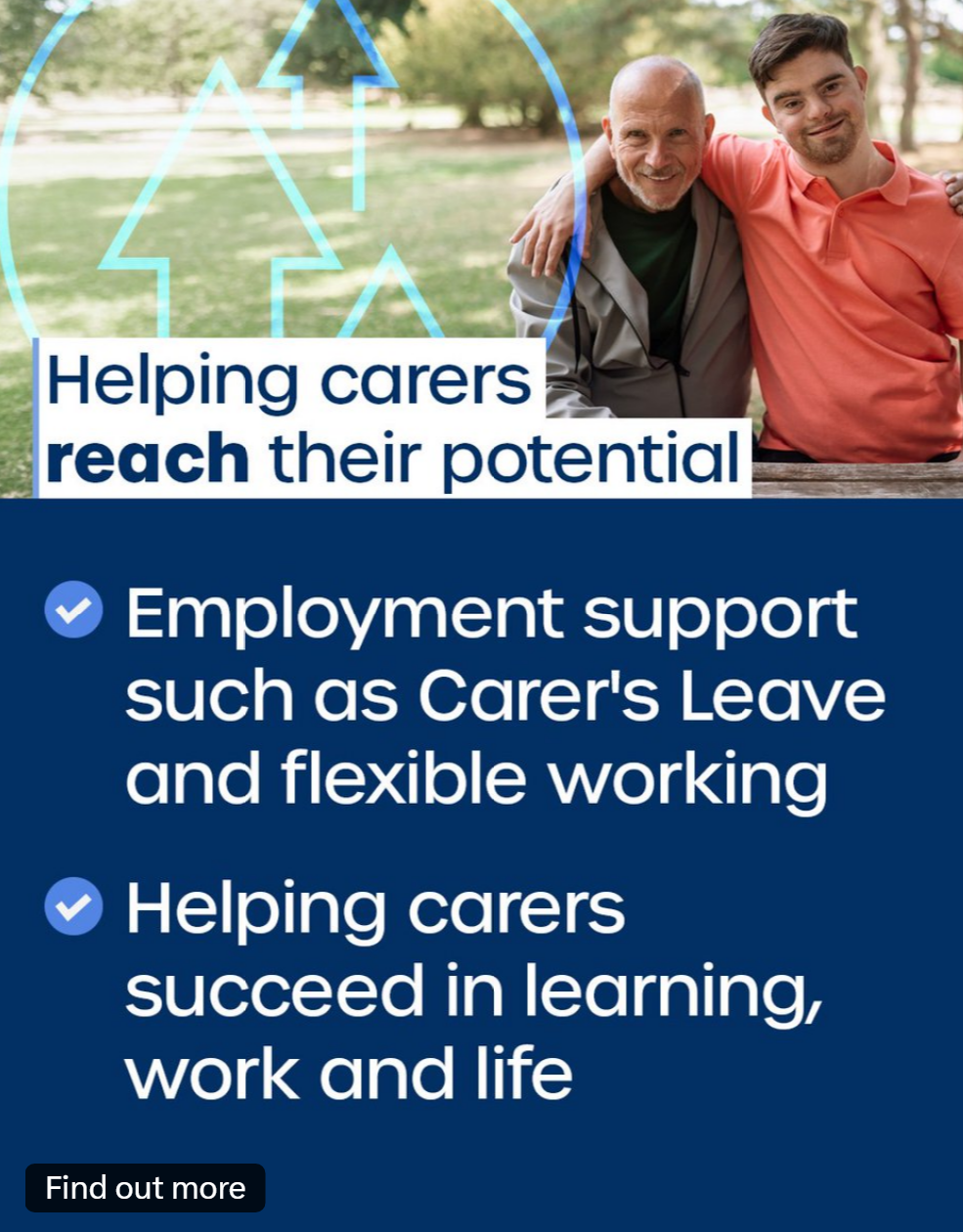
3. Reach
Caring shouldn’t mean giving up on your own future. For working carers, the plan explores paid carer’s leave and will require large employers (250+ staff) to publish carer support plans from spring 2027. For young carers, it means stronger support within schools so their education doesn’t suffer.
A Message to My Fellow Carers and Carer Centres
For years, we have argued that caring is not just a “health” issue, it impacts our jobs, our education, our finances, and our mental health. Seeing four government departments finally come together to address I feel is a massive step forward.
To my fellow unpaid carers: Please know that using your voice gives you a chance at being heard. It is important to get carers “on the map” to be recognised, and this plan is a direct result of carers sharing their lived experiences.
To Carer Centres and Forums: This action plan is a powerful tool for us. It gives us a framework to hold local services accountable and ensure the “Recognise, Refer, Reach” goals are delivered on the ground.
Of course change doesn’t happen overnight, but this plan gives us a vital foundation to build on. Let’s keep pushing, keep connecting, and make sure every single unpaid carer gets the recognition and support they deserve.
Written by Matthew McKenzie, Speaker, Carer, Campaigner and Poet
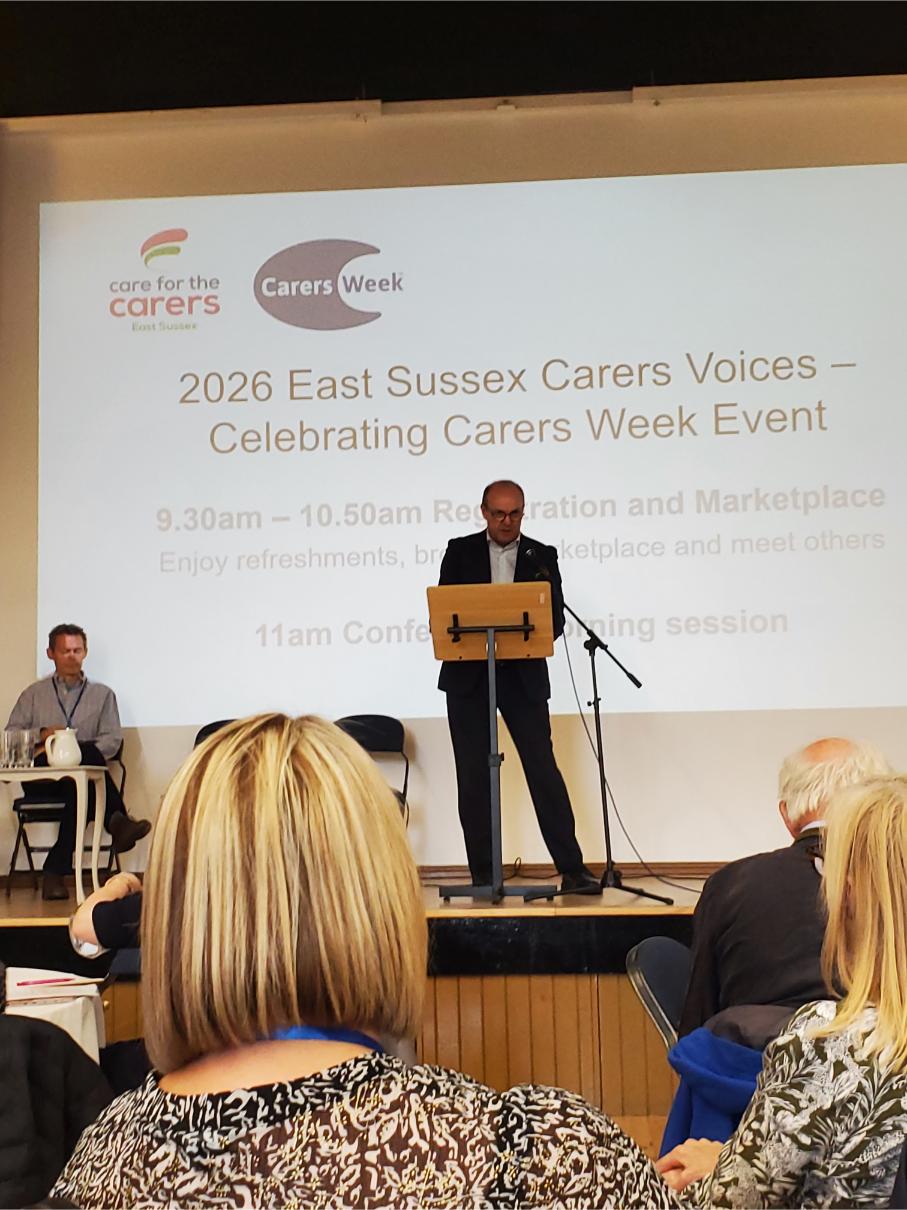
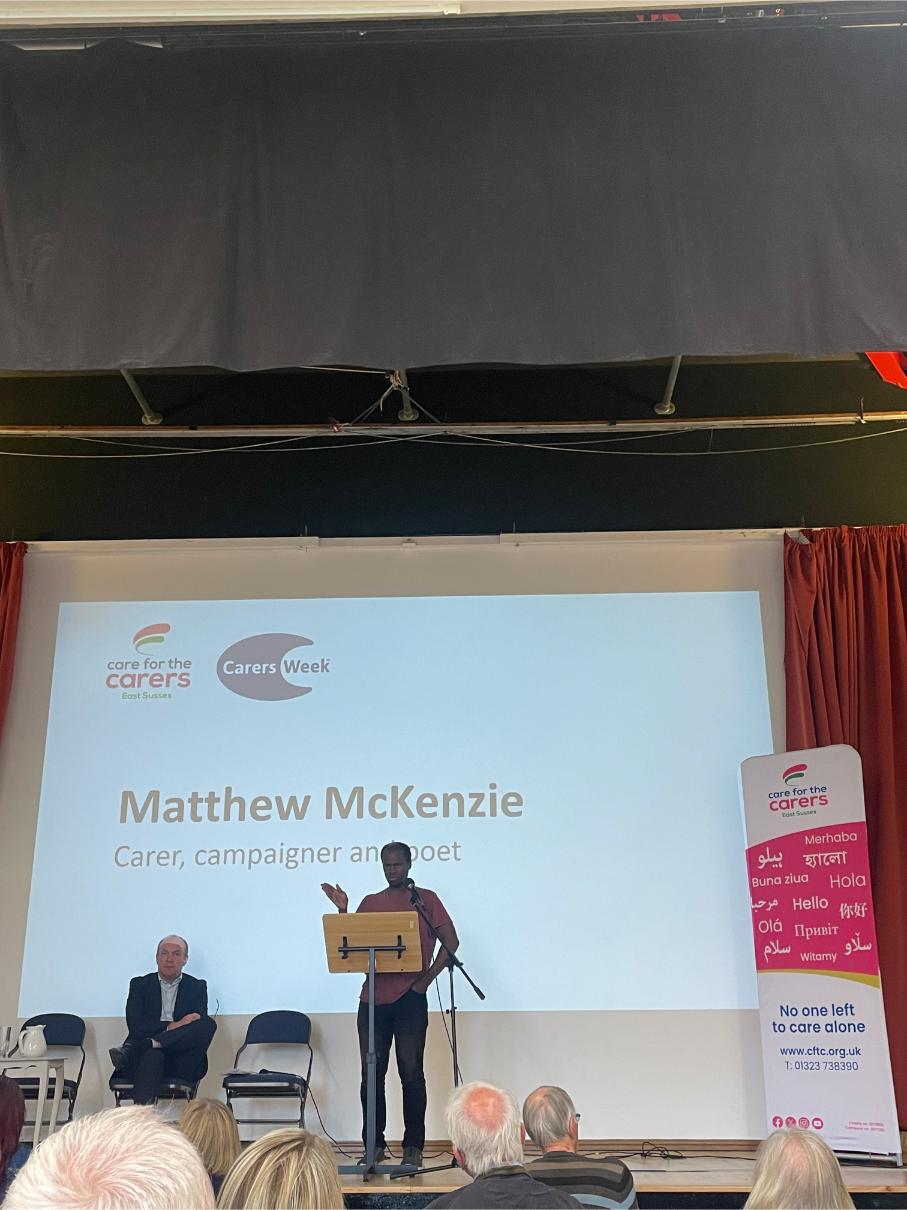
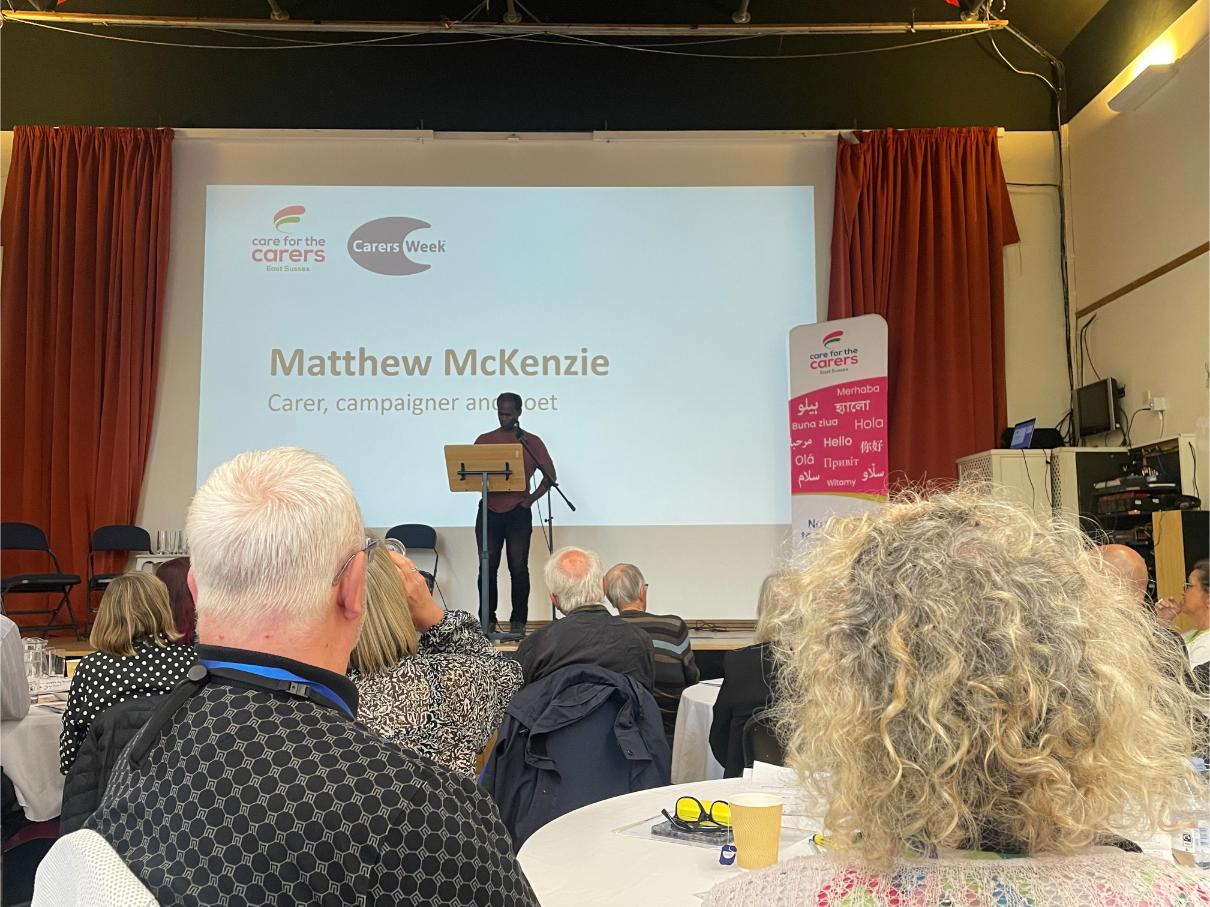
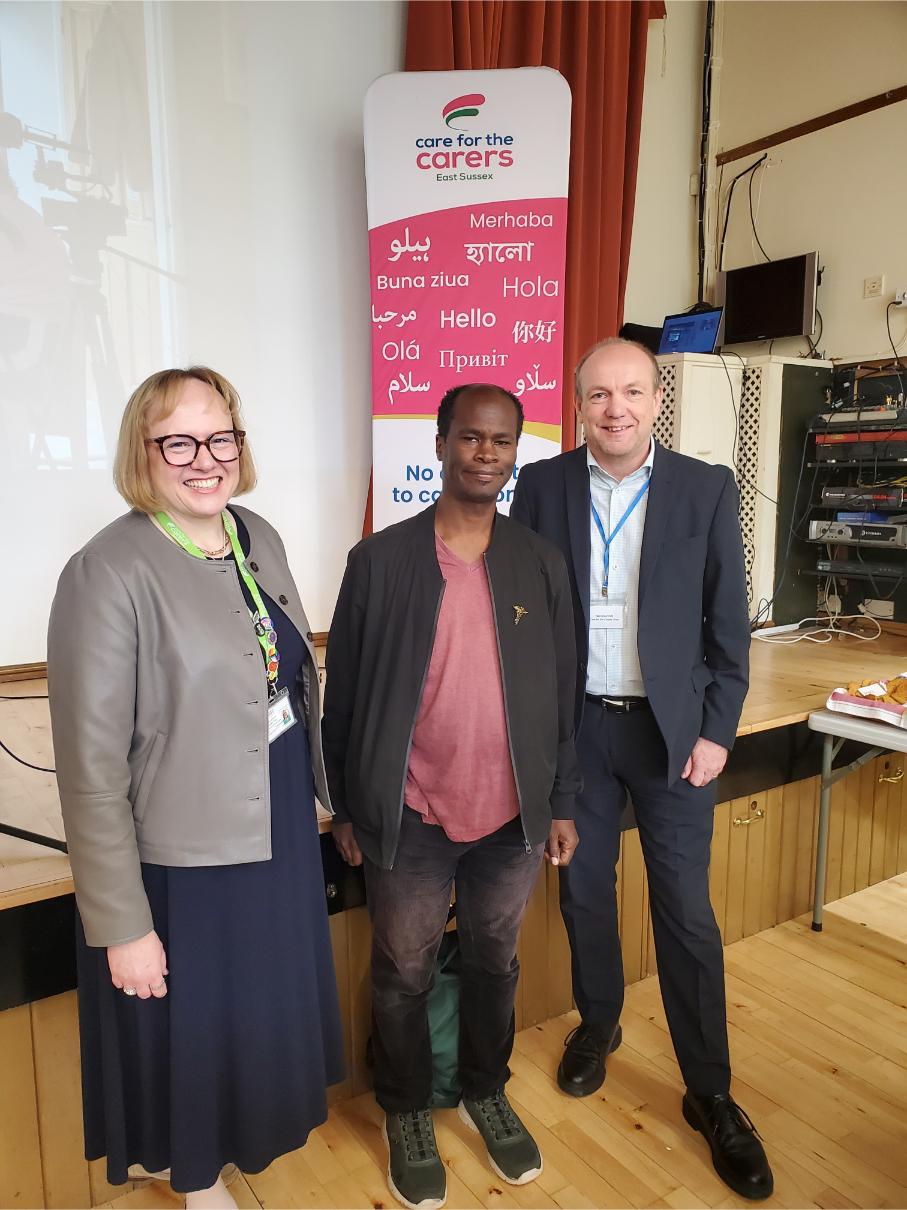
As part of Carers Week 2026, I had the privilege of travelling to East Dean in East Sussex to speak at the East Sussex Carers Voices – Celebrating Carers Week Event, organised by Care for the Carers. The event brought together unpaid carers, carers’ organisations, NHS representatives, local authority leaders, health professionals, community groups and carers from across East Sussex to discuss the realities of caring and identify ways to improve support for unpaid carers.
The event was hosted by Dr Neil Churchill, Chair of Care for the Carers, who guided the day’s discussions and emphasised the vital role carers play in society. Throughout the day, carers shared their personal stories, experiences and recommendations directly with decision-makers and service providers.
This blog post provides an overview of the key themes, speakers and discussions for those who were unable to attend.
Opening Remarks – Dr Neil Churchill
Dr Neil Churchill opened the event by welcoming attendees and recognising the significant contribution unpaid carers make to families, communities and public services.
He highlighted several key challenges currently facing carers:
• Rising financial pressures and cost-of-living concerns. • The growing number of carers leaving employment due to caring responsibilities. • Increased risks of poor physical and mental health among carers. • Social isolation and loneliness experienced by many carers. • Growing concerns around carer burnout.
Dr Churchill stressed that the country depends heavily on unpaid carers and that health and social care systems would struggle to function without them. He also spoke about the importance of moving towards a model where carers are treated as equal partners in care rather than simply being expected to cope alone.
A key message from his introduction was that carers should not be left to navigate fragmented services by themselves. Instead, health, social care and voluntary sector organisations must work together more effectively to recognise, support and value carers.
Carer Stories and Lived Experience
One of the most powerful aspects of the event was hearing directly from carers themselves.
Miles Bing – Caring Through Dementia
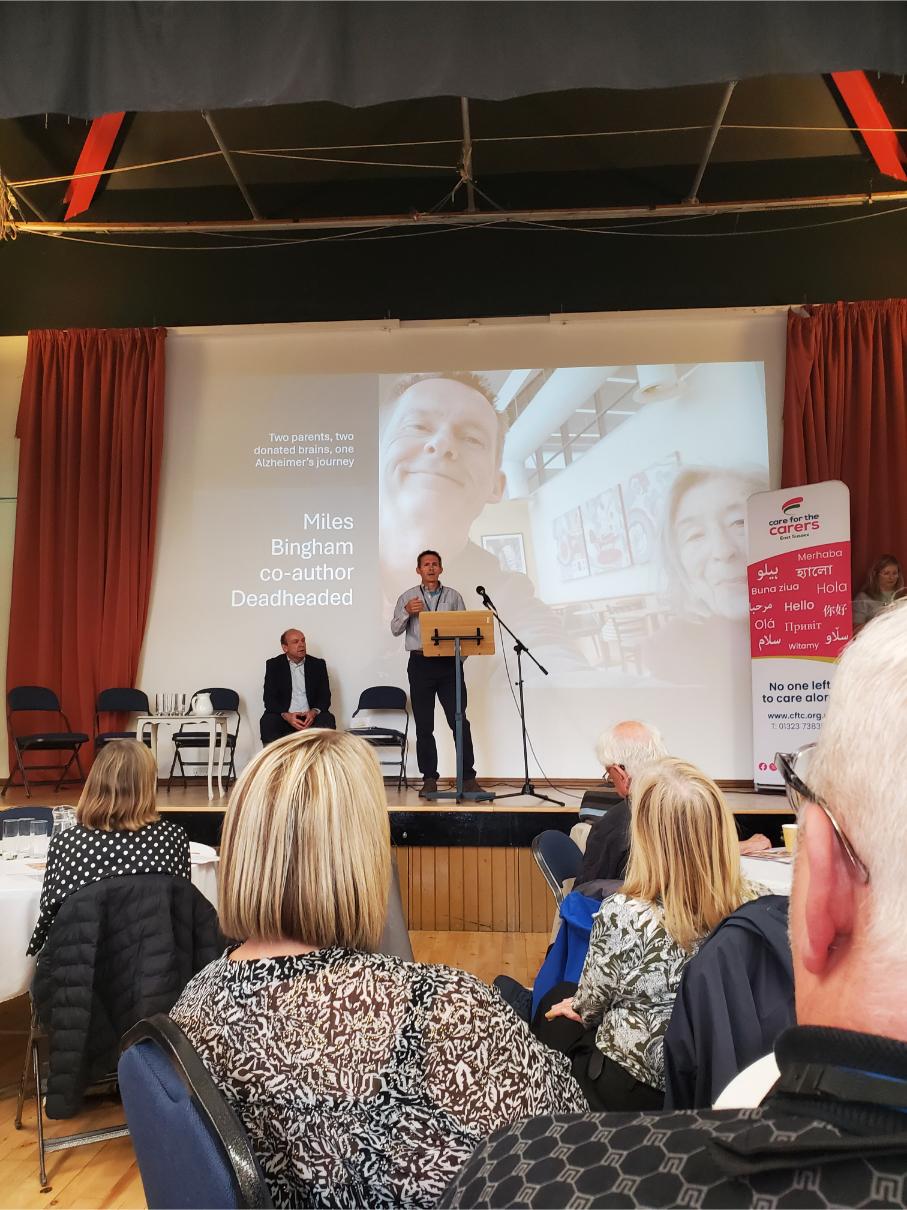
The first speaker was Miles Bing, author of “Deadheaded: An Alzheimer’s Memoir by Mother and Son”.
Miles shared his family’s experience of supporting both of his parents through Alzheimer’s disease. His presentation explored the emotional impact of caring at a distance, the guilt often experienced by family members who live far away, and the difficulties of coordinating support across multiple services.
He spoke about:
• The long-term impact of dementia on families. • The challenges of accessing services in rural areas. • The lack of coordination between health and social care systems. • The practical and emotional burden placed on carers.
Many attendees identified strongly with his comments regarding the need for carers to act as coordinators between multiple organisations that often fail to communicate effectively with one another.
Young Carers – Julia and Elsie
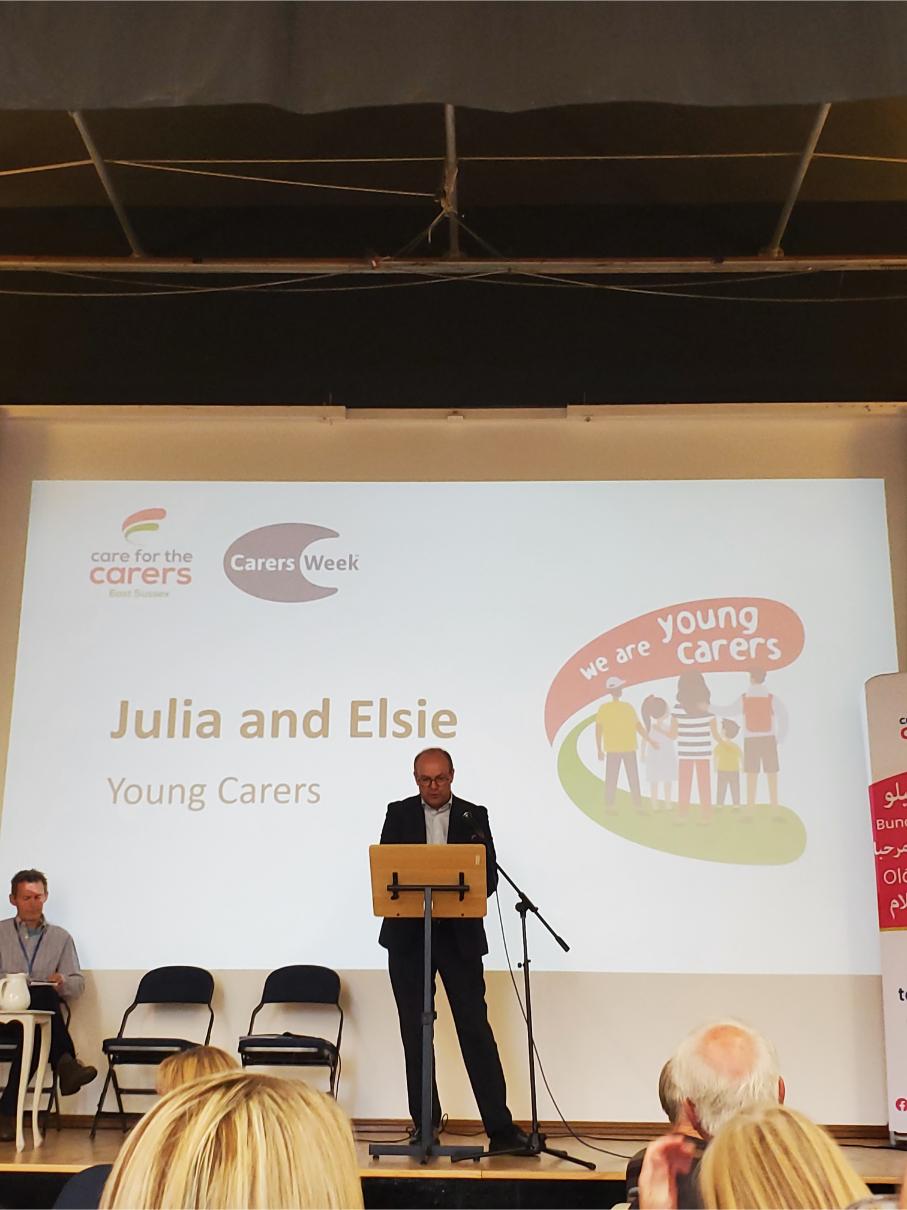
The audience then heard from young carers Julia and Elsie, whose presentations left a lasting impression on everyone in the room.
Both spoke honestly about growing up while caring for family members with complex needs. They described responsibilities that included supporting parents during health crises, helping siblings with disabilities and managing situations involving emergency services.
Their stories demonstrated:
• The hidden nature of young caring responsibilities. • The emotional impact caring can have on children and young people. • The importance of early intervention and support. • The value of dedicated young carers services.
Perhaps most importantly, they highlighted that while caring can build resilience, no child should have to face these responsibilities without support.
The standing ovation they received reflected the courage and honesty with which they shared their experiences.
Round Table Discussions
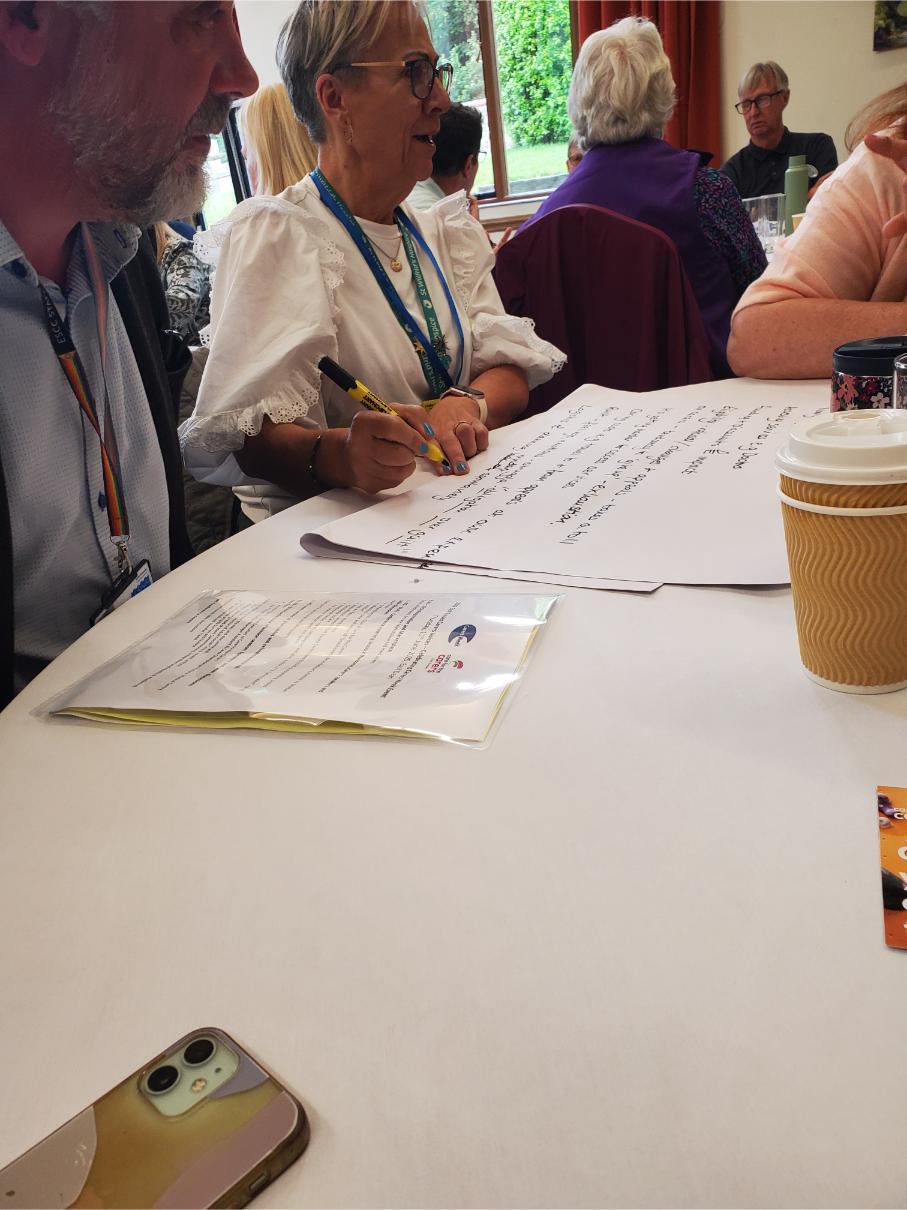
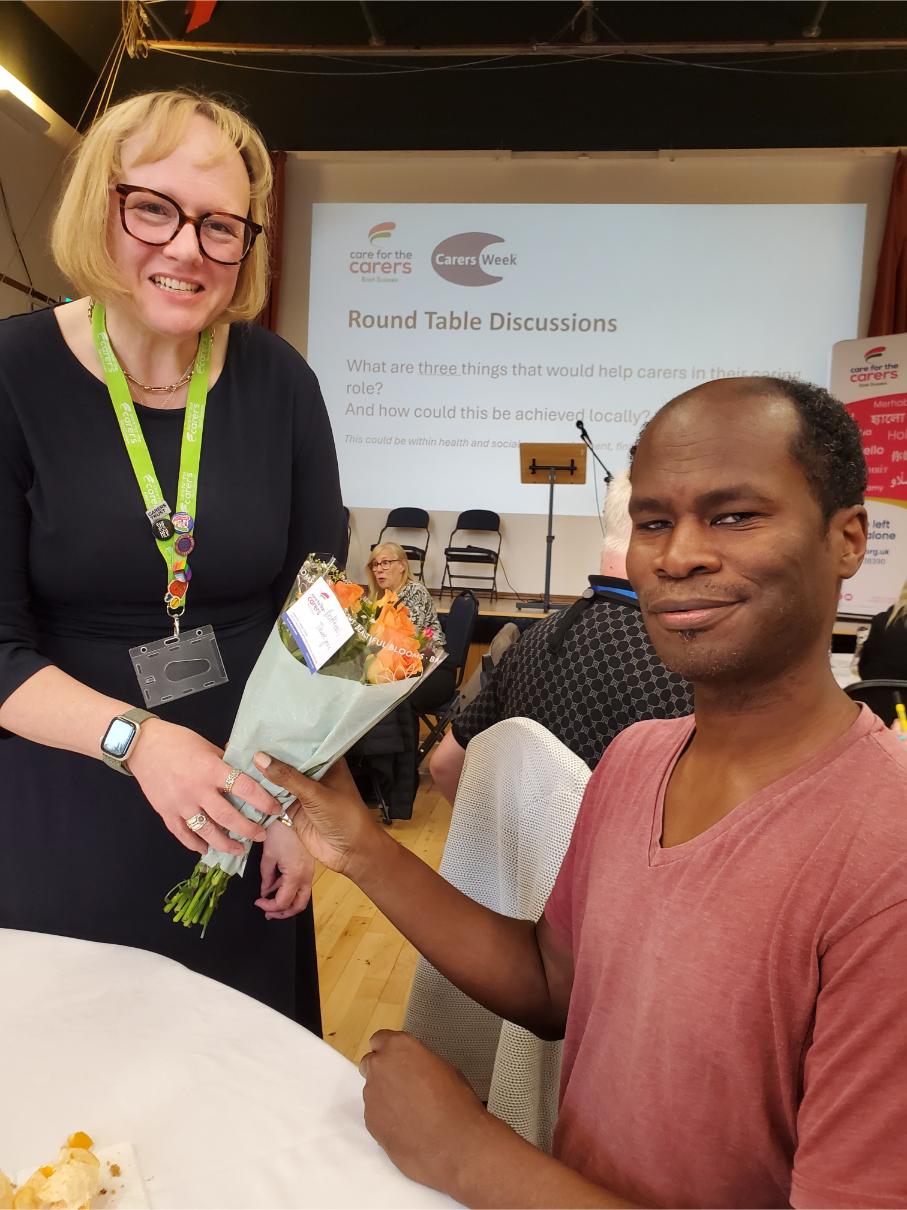
Following the morning speakers, attendees participated in facilitated round table discussions.
These conversations focused on:
• The biggest issues facing carers over the next six months. • Practical actions that could help carers in their caring role. • Barriers to accessing support. • Positive examples of support that should be expanded.
Several common themes emerged from these discussions:
Earlier Identification
Many carers reported not being recognised as carers until they had reached crisis point. Participants called for earlier identification within GP surgeries, hospitals and community services.
Access to Information
Attendees highlighted how difficult it can be to find accurate and timely information about available support.
Financial Pressures
Many carers discussed the financial impact of caring, including reduced employment opportunities and increasing household costs.
Mental Health and Wellbeing
Carers spoke about the emotional strain of caring and the importance of counselling, respite and peer support services.
Speaker sessions resumes
Diverse Communities and Caring
A particularly thought-provoking presentation was delivered by Manal Ahmed, who supports carers from ethnically diverse and refugee communities.
She discussed additional challenges experienced by carers from minority communities, including:
• Language barriers. • Cultural differences. • Social isolation. • Displacement trauma. • Immigration-related issues. • Financial and emotional dependency.
Manal explained that many carers experience multiple layers of disadvantage and that support services must be culturally aware and accessible to everyone.
She also highlighted positive examples of community-building activities that help carers connect with one another and reduce isolation.
Her presentation reinforced the importance of ensuring that no carer is excluded from support because of their background, language or circumstances.
My Presentation – A Carer’s Journey
I was invited to speak about my own experiences as a young carer and later as an adult carer supporting family members with autism and serious mental illness.
One of the key messages I shared was that many carers do not initially recognise themselves as carers. Like many people, I simply viewed what I was doing as helping my family.
However, over time I found myself:
• Coordinating care. • Supporting hospital admissions and discharges. • Managing appointments. • Advocating with professionals. • Navigating complex systems. • Supporting multiple family members simultaneously.
I spoke about how difficult it can be when carers are not listened to or involved in important decisions.
I also highlighted the importance of recognising carers as equal partners in care and ensuring that professionals understand the expertise carers develop through lived experience.
One of the central themes of my presentation was carers’ rights.
I encouraged carers to:
• Identify themselves as carers. • Seek support from local carers organisations. • Request carers assessments. • Learn about their rights. • Participate in co-production and service improvement. • Share their experiences to help reduce stigma.
To conclude, I performed my poem “It’s My Right”, which focuses on the rights every carer should expect to receive, including recognition, respect, involvement, information and support.
Afternoon Reflections and Future Priorities
The afternoon session included reflections from senior leaders from Care for the Carers, East Sussex County Council and NHS Sussex.
Discussions focused on:
• Improving identification of carers. • Supporting carers before crises occur. • Encouraging carers to access support services. • Learning from positive experiences of care. • Strengthening partnerships between carers and professionals.
Representatives acknowledged the crucial role carers play and listened to feedback gathered throughout the day.
Many carers expressed concerns about navigating systems that can often feel complicated and difficult to access. There was broad agreement that services should be simpler, more joined-up and more responsive to carers’ needs.
Key Messages from the Day
Several important messages emerged consistently throughout the event:
Carers Need Recognition
Many carers remain hidden and unidentified. Earlier recognition can lead to earlier support.
Carers Need Practical Support
Information, respite, emotional support and financial advice remain essential.
Carers Must Be Involved
Carers are experts in the lives of the people they support and should be treated as partners in care.
Young Carers Need Protection
Children and young people with caring responsibilities require dedicated support and opportunities to thrive.
Communities Matter
Strong local networks can help reduce isolation and improve wellbeing.
Prevention Is Better Than Crisis Management
Supporting carers early can prevent breakdowns in caring arrangements and reduce pressure on services.
Conclusion
The East Sussex Carers Voices Event was an excellent example of what can happen when carers, professionals and decision-makers come together to listen, learn and work collaboratively.
Throughout the day, carers shared powerful stories of resilience, commitment and compassion. They also spoke honestly about the challenges they face and the changes they want to see. I also recognised Agi who does lots of work raising carer awareness in Sussex, she recently spoke at my national ethnic mental health carers forum. So it was great to see her there.
Dr Neil Churchill’s leadership as host helped create an environment where carers felt able to speak openly and where decision-makers could hear directly from those with lived experience.
As Carers Week 2026 comes to a close, the challenge now is to turn these conversations into meaningful action. Carers should not have to struggle to be recognised, supported or heard.
The event demonstrated that when carers’ voices are placed at the centre of discussions, better solutions can emerge for everyone.
Thank you to Care for the Carers, all speakers, volunteers, professionals and carers who contributed to such a valuable and inspiring day.
By Matthew McKenzie – Carer, Author, Poet and Host of the Carers UK Information Stall 10 June 2026, Perceval House, Ealing
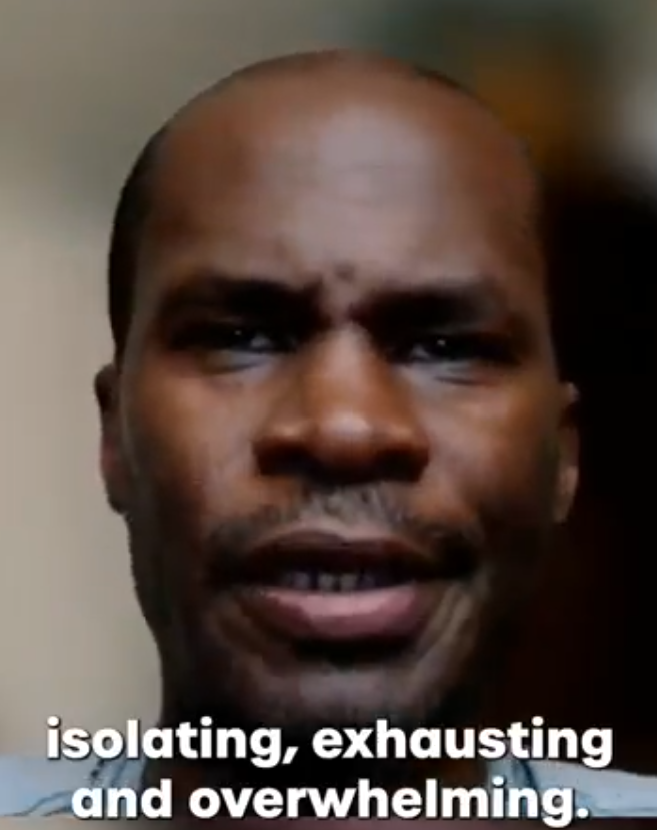
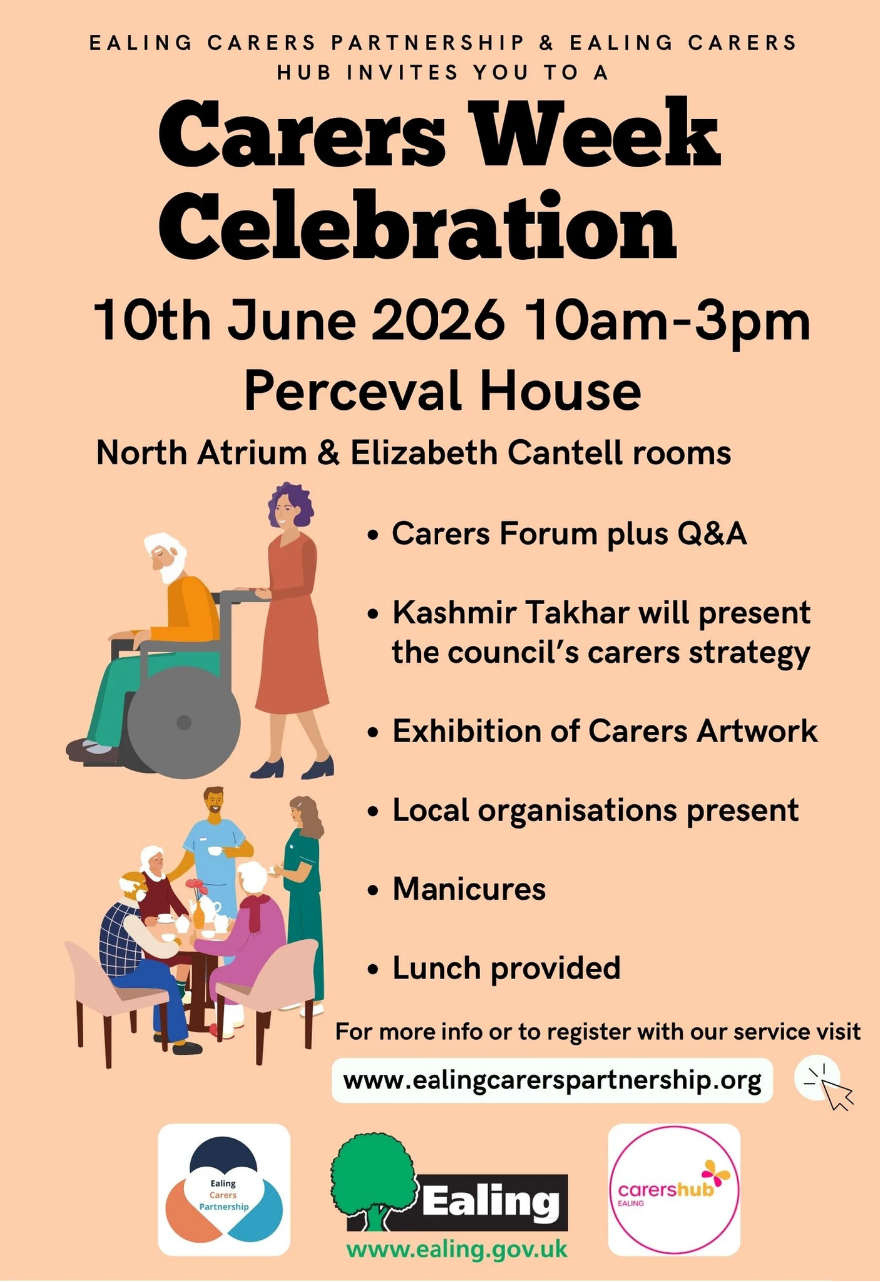
As a carer myself, supporting both of my brothers, I understand that caring is often a role we never planned for, yet one we embrace out of love, duty and commitment. It can be rewarding, but it can also be isolating, exhausting and overwhelming. That is why events such as the Carers Week Celebration 2026, organised by Ealing Carers Partnership, Ealing Carers Hub and Ealing Council, are so important.
I think it reminds us that carers matter, that our voices are heard and that we are not alone.
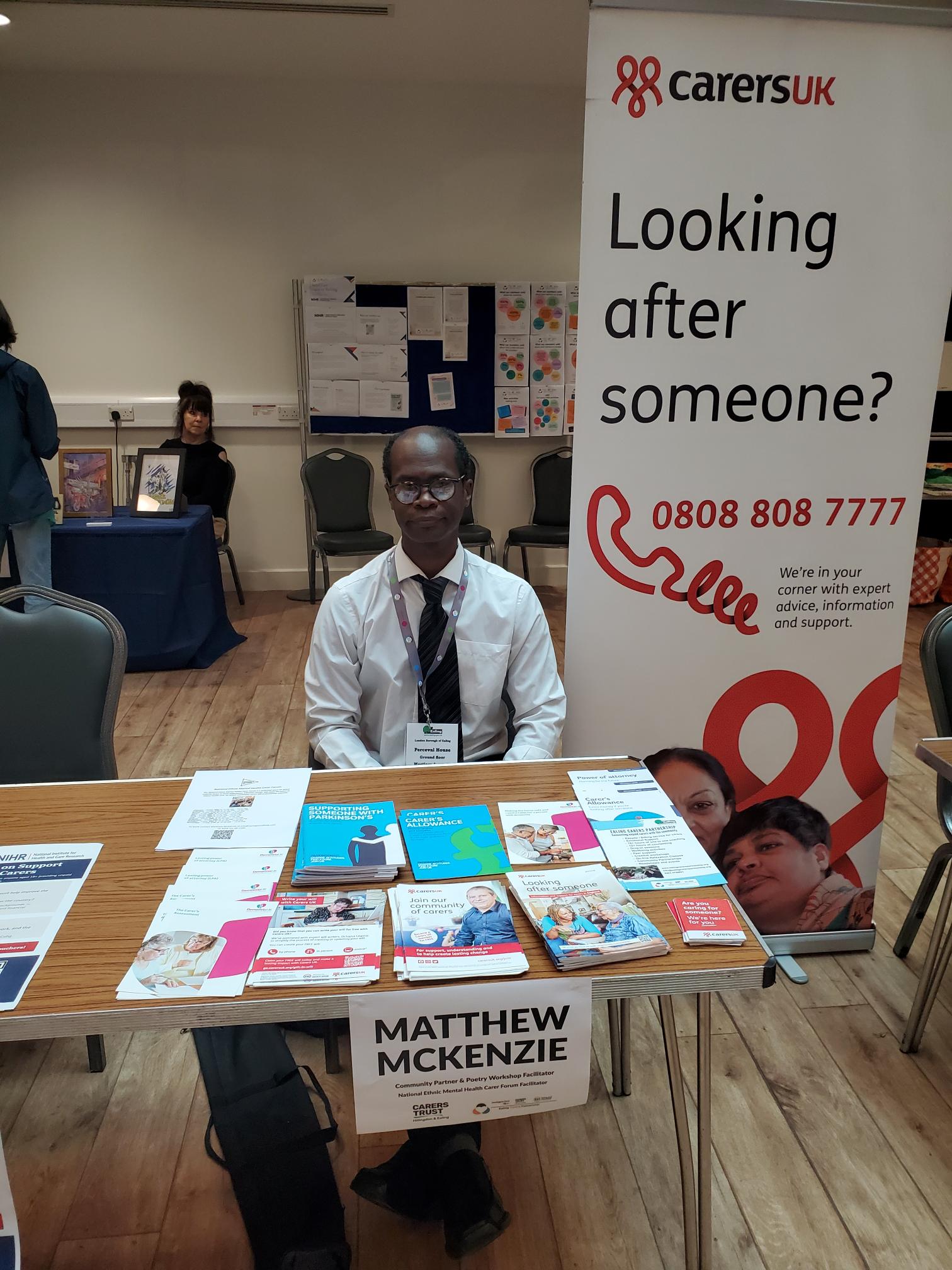
Having the privilege of hosting the Carers UK information stall, while also attending as a carer, poet and author, I witnessed first-hand the incredible sense of community that filled Perceval House throughout the day.
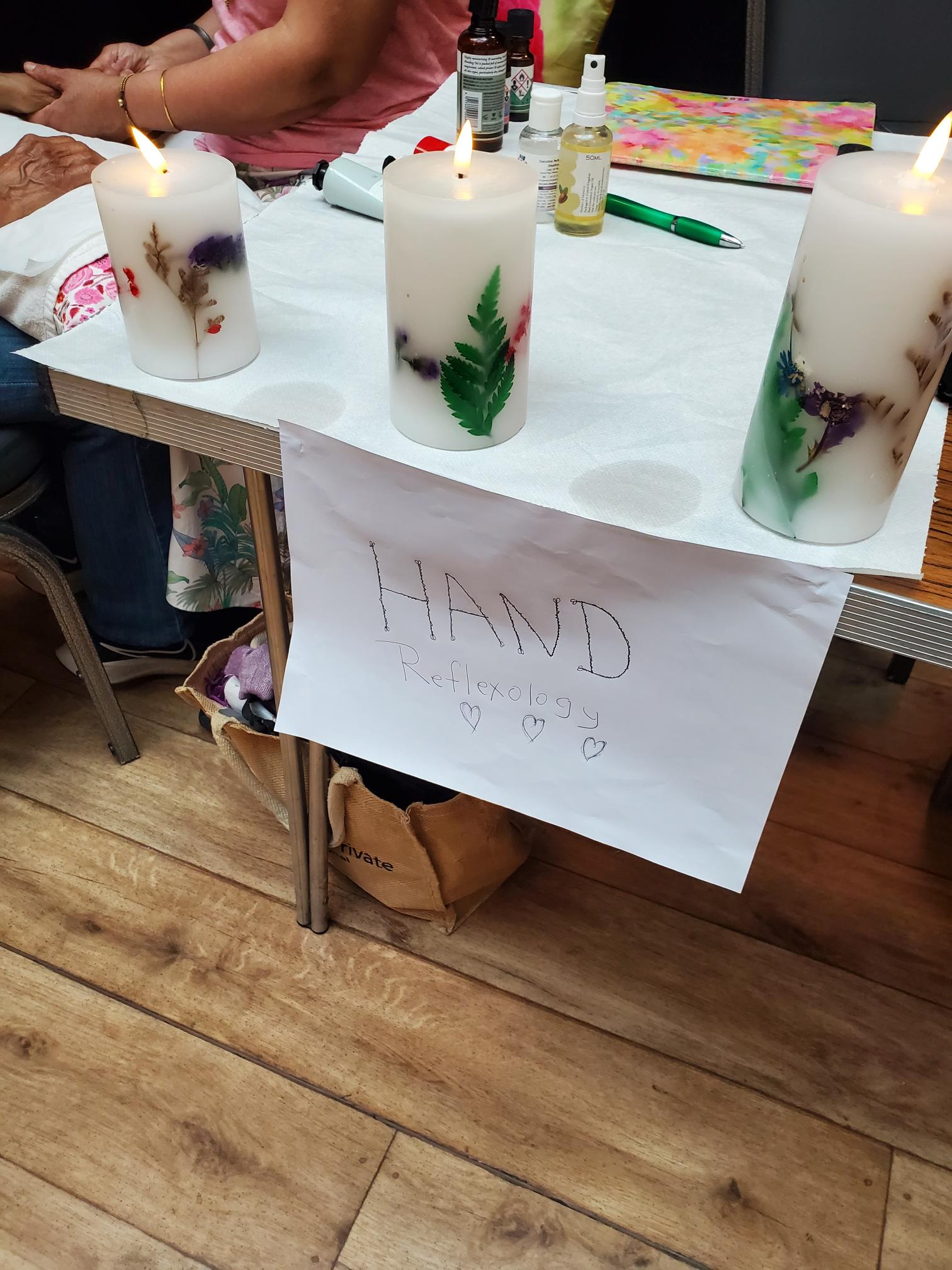
The event brought together carers, professionals, charities, community organisations and council representatives for a celebration that was both informative and inspiring. Alongside the opportunity to gather information and advice, carers enjoyed complimentary refreshments, free manicures from students of Uxbridge College, artwork exhibitions and the chance to connect with others who truly understand the caring journey.
Carer Stalls of Support and Opportunities
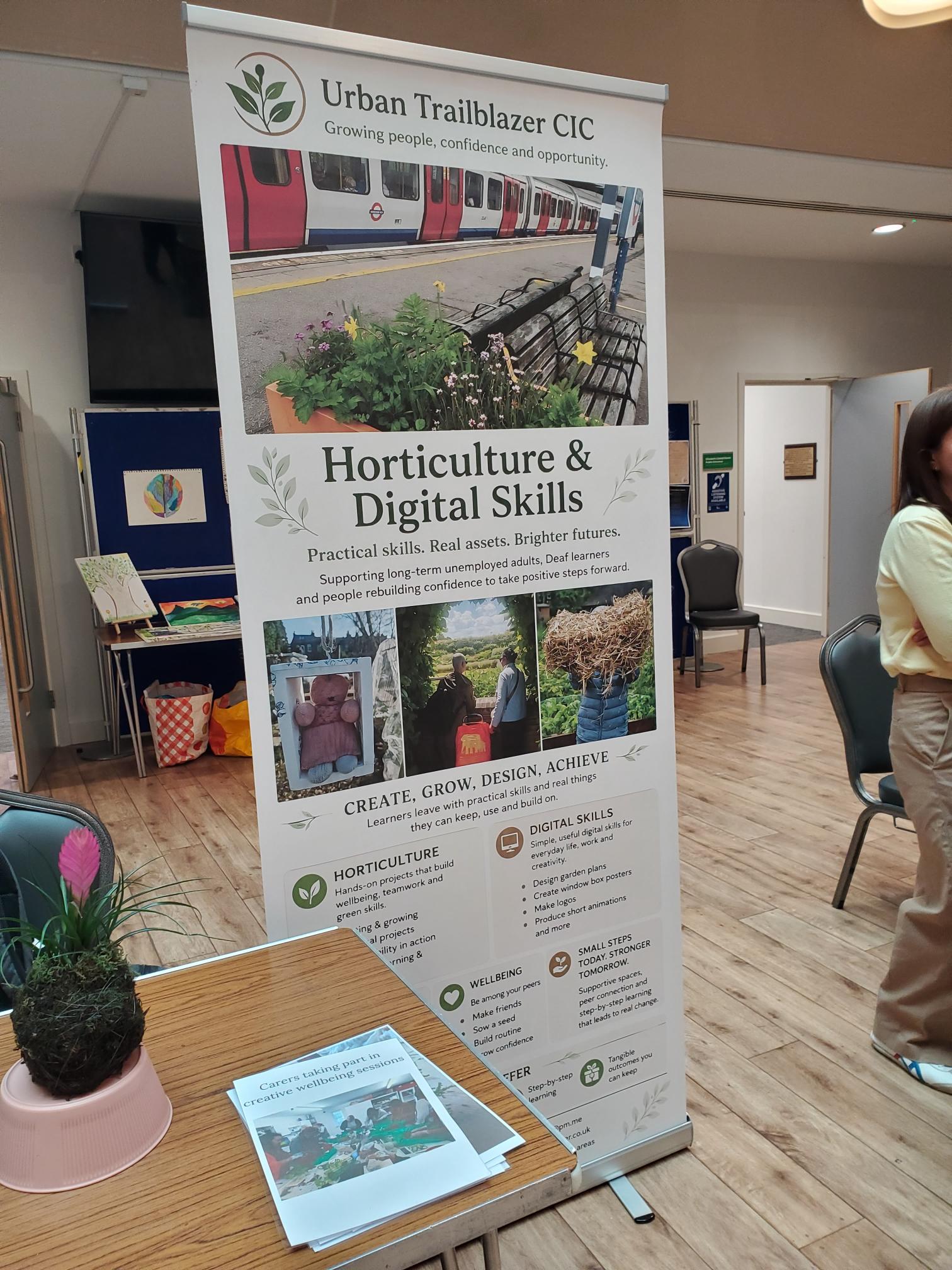
One of the highlights of the day was the large exhibition area, where carers could meet a wide range of organisations offering support, guidance and practical services.
The information stalls represented the breadth of support available across Ealing and North West London. Throughout the day carers visited displays from organisations including:
Carers UK
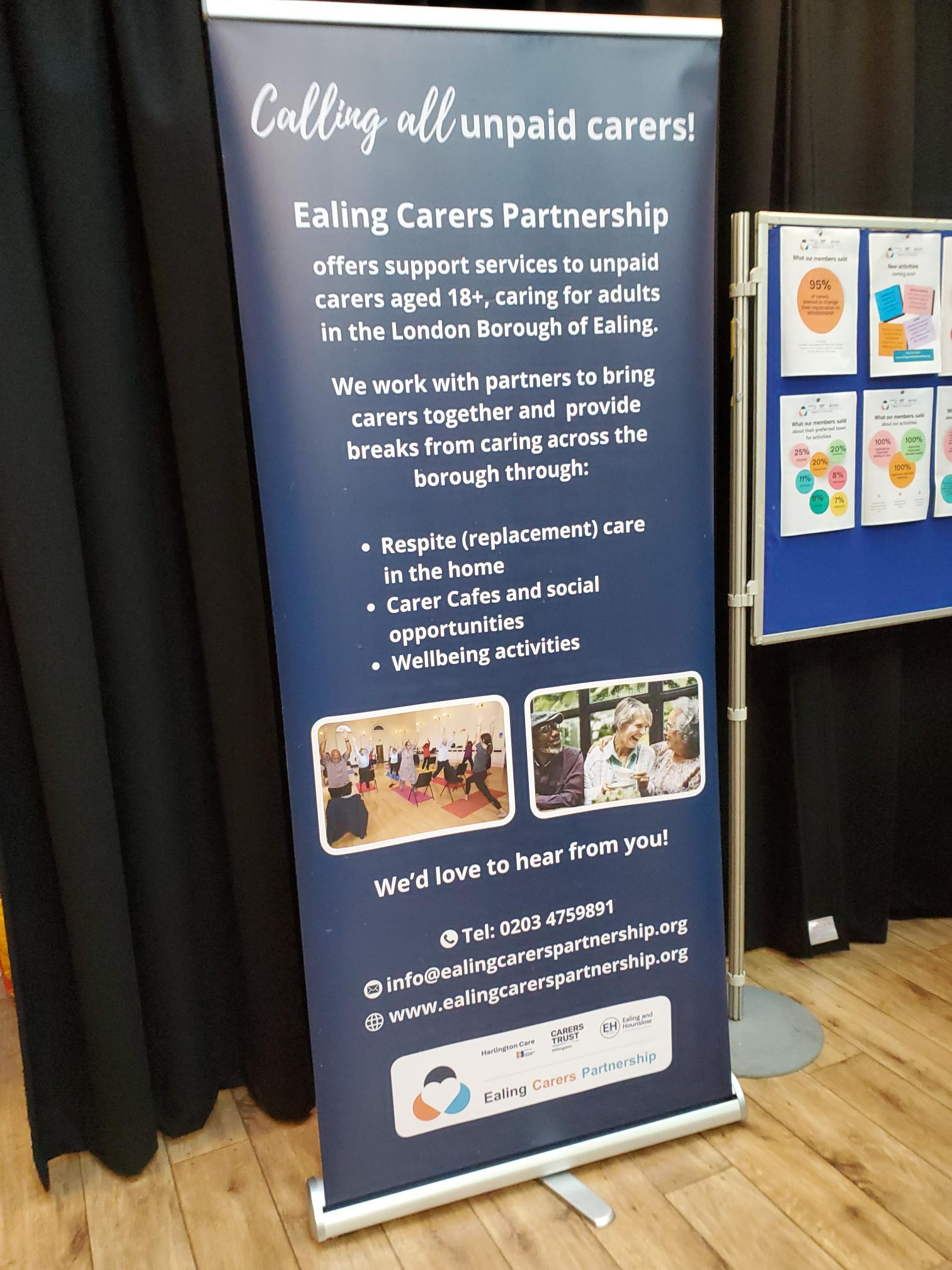
Ealing Carers Partnership
Ealing Carers Hub
Mind
RISE
Ealing Advice Service
Harlington Hospice / Harlington Care
Independent Mental Health Advocacy Services
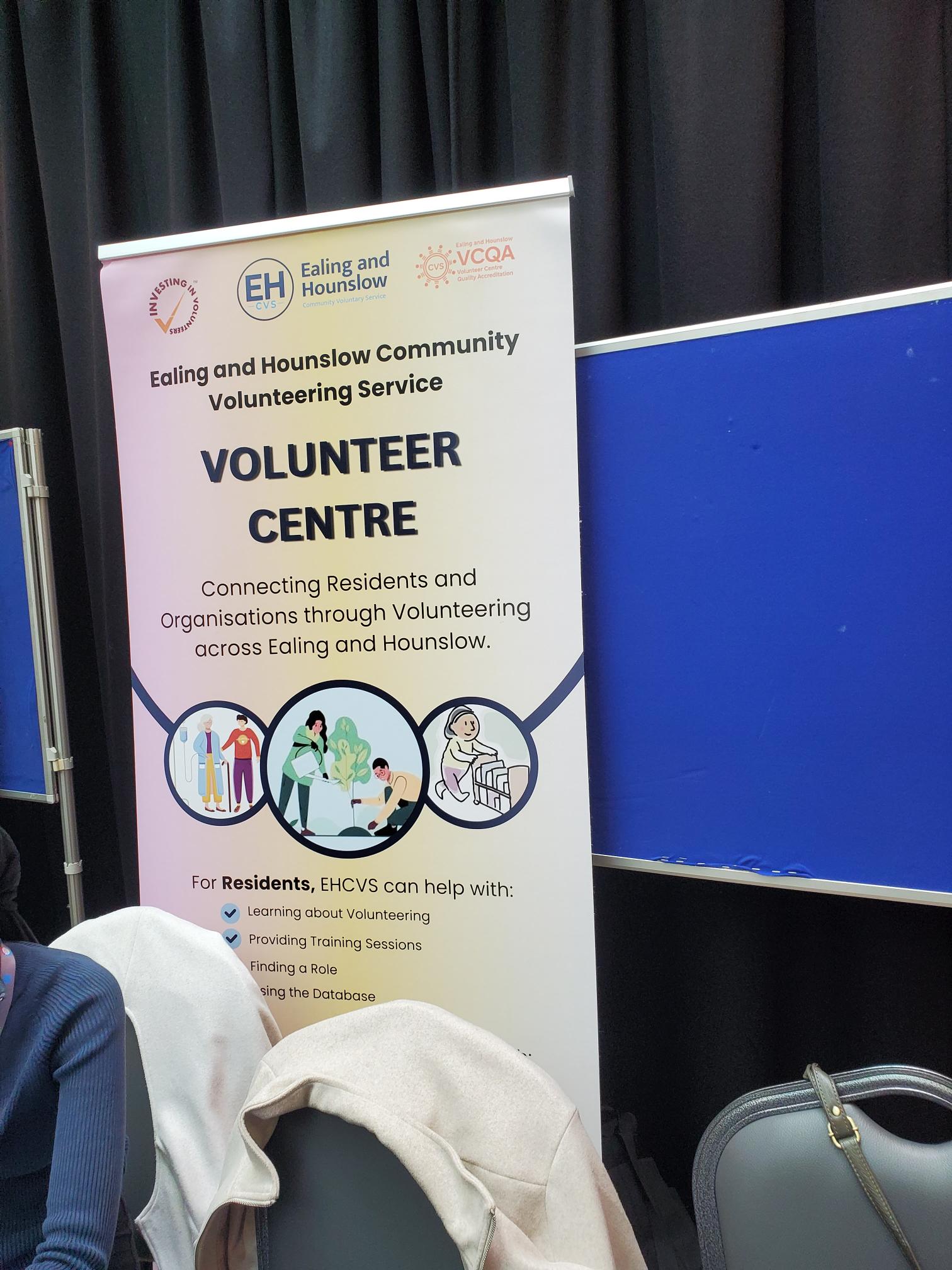
Volunteer Centre Ealing
Eating Disorders Support Services
Community wellbeing organisations
Health and social care providers
Local voluntary sector groups
Arts and creativity projects for carers
Community engagement and peer support groups
Many stalls offered practical information about carers’ rights, benefits, wellbeing support, mental health services, respite opportunities, advocacy and volunteering. Others showcased creative projects and community activities designed to reduce isolation and improve wellbeing.
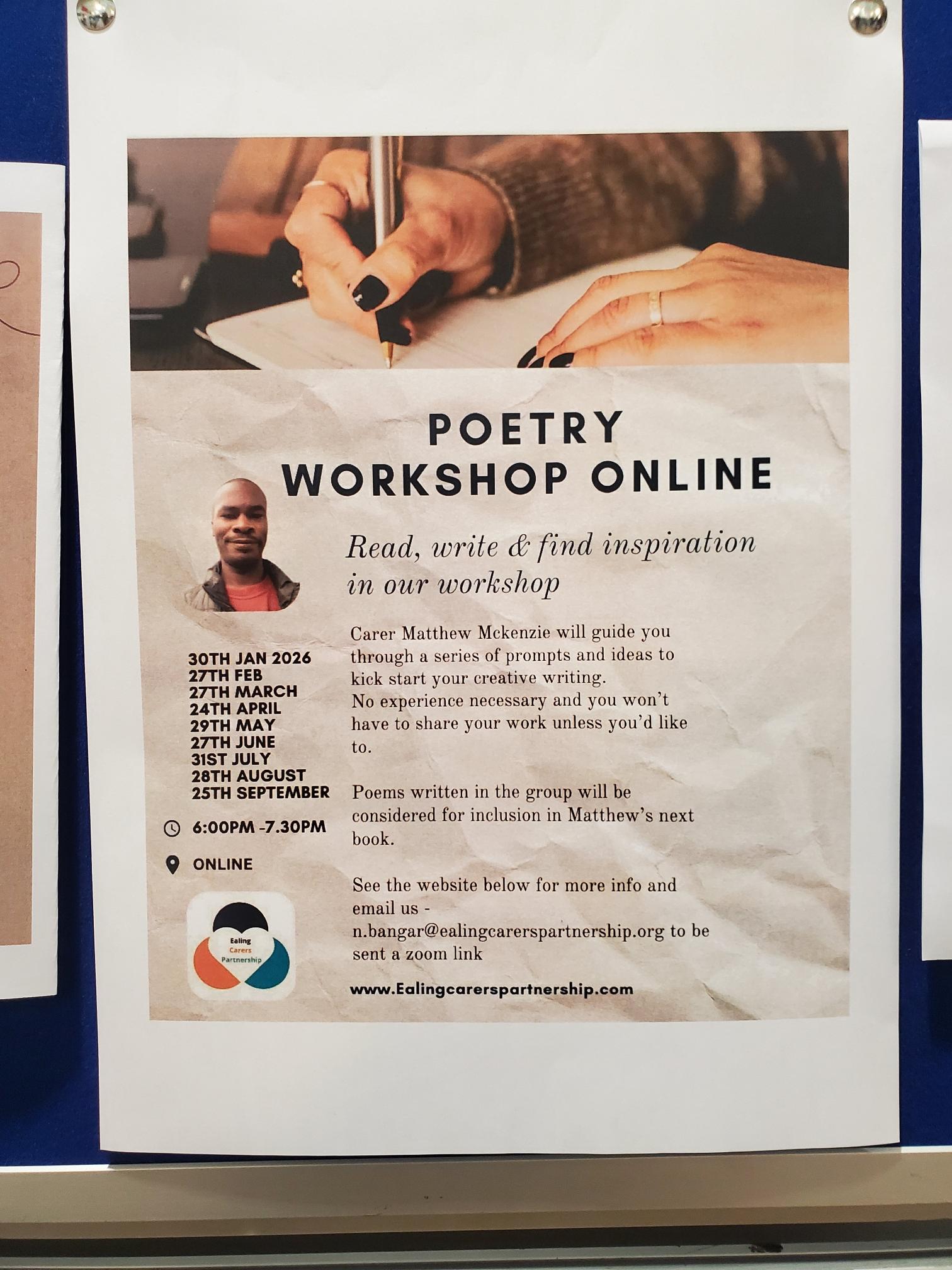
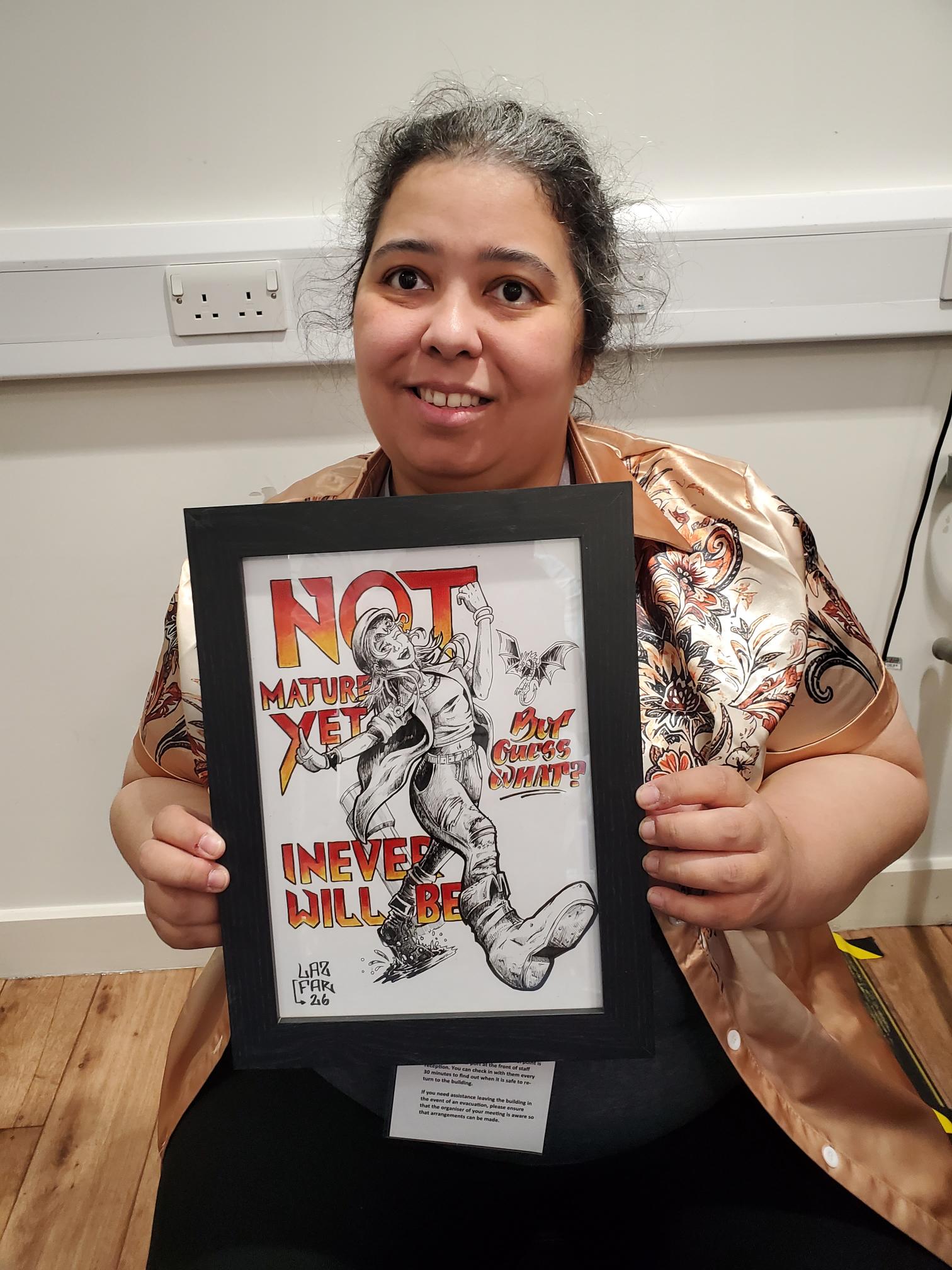
It was also great to see Carer Poetry displayed including the Carer Poetry group I run with Ealing Carers.
At the Carers UK stall, I had numerous conversations with carers who were seeking information about financial support, carers’ assessments, employment rights and how to balance caring responsibilities with their own health and wellbeing. What struck me most was how many carers were attending such an event for the first time and discovering services they never knew existed.
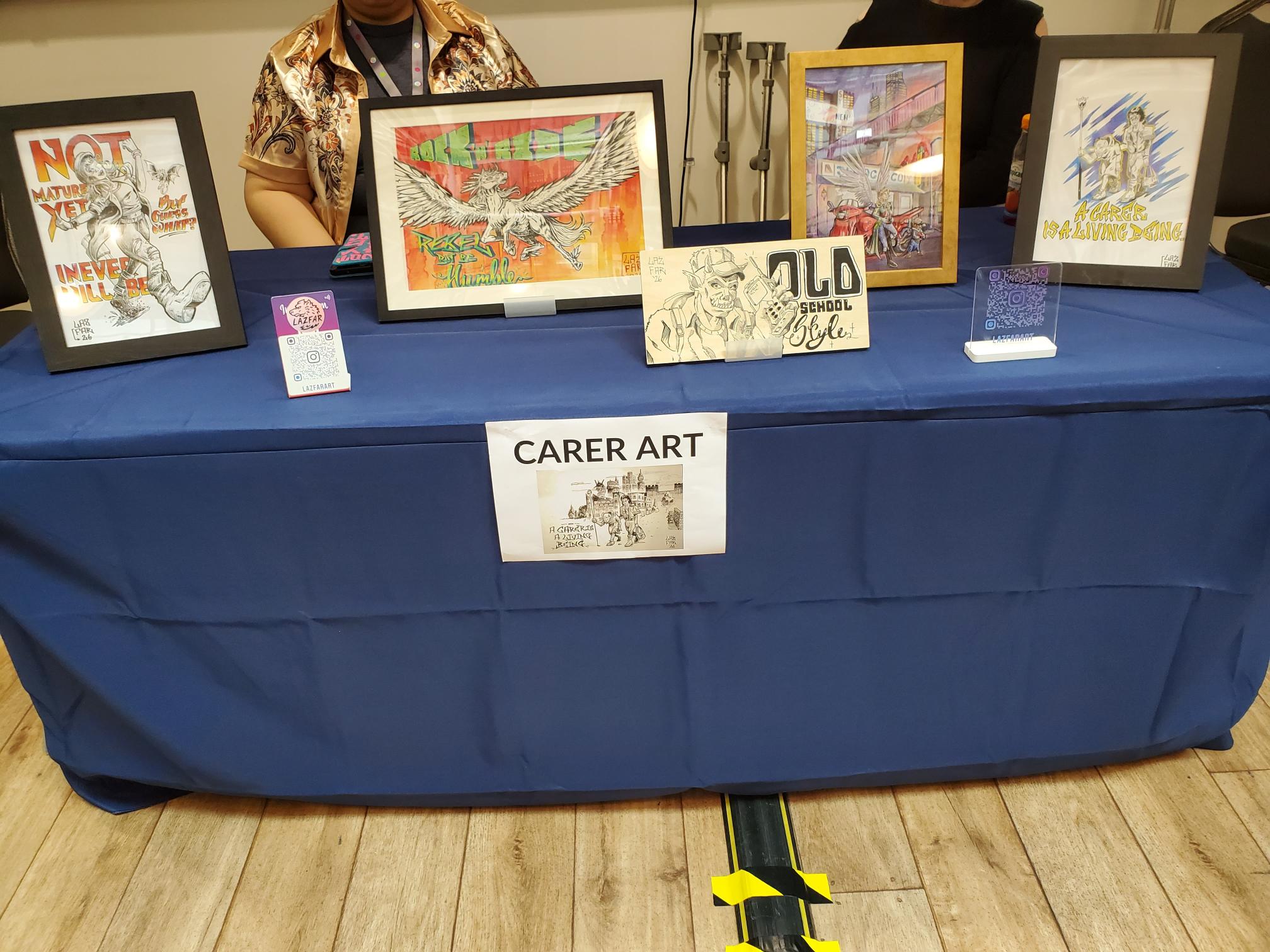
The exhibition also featured the moving “A Carer Is…” artwork display, where carers expressed their experiences through art. The exhibition provided a powerful reminder that caring is not simply a task—it is an emotional journey filled with love, sacrifice, resilience and hope.
Listening to Carers: The Ealing Carers Forum and Council Presentations
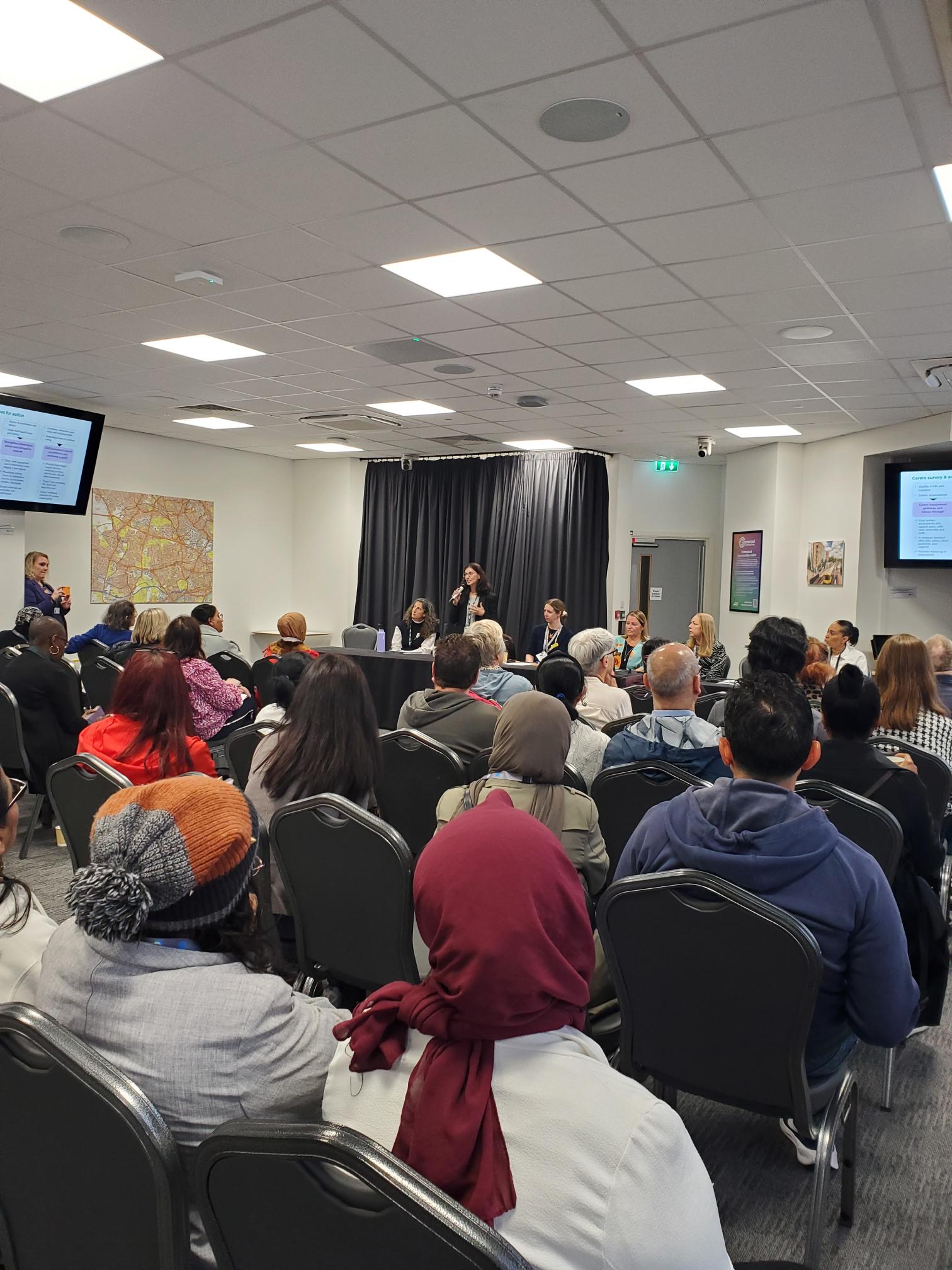
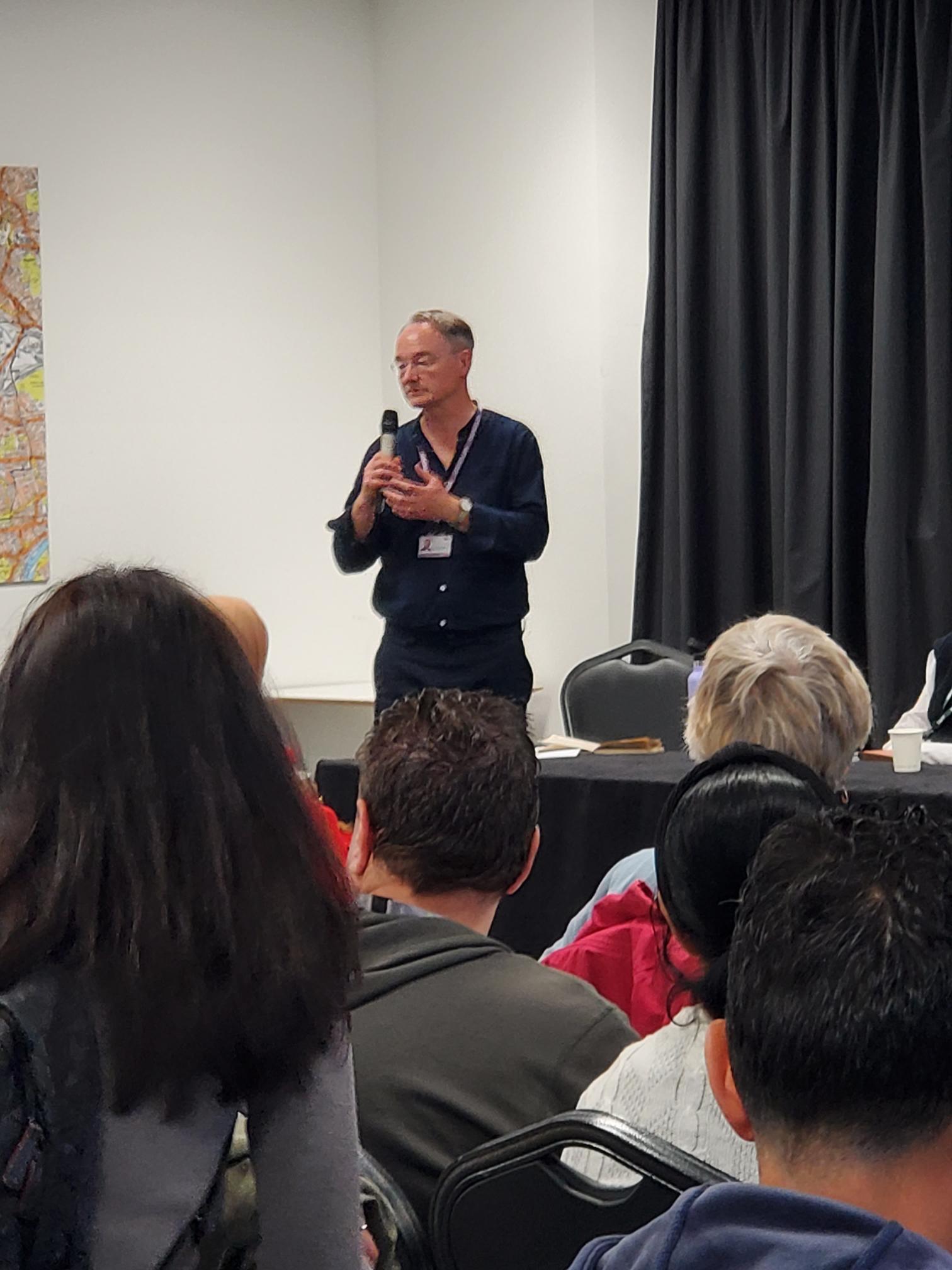
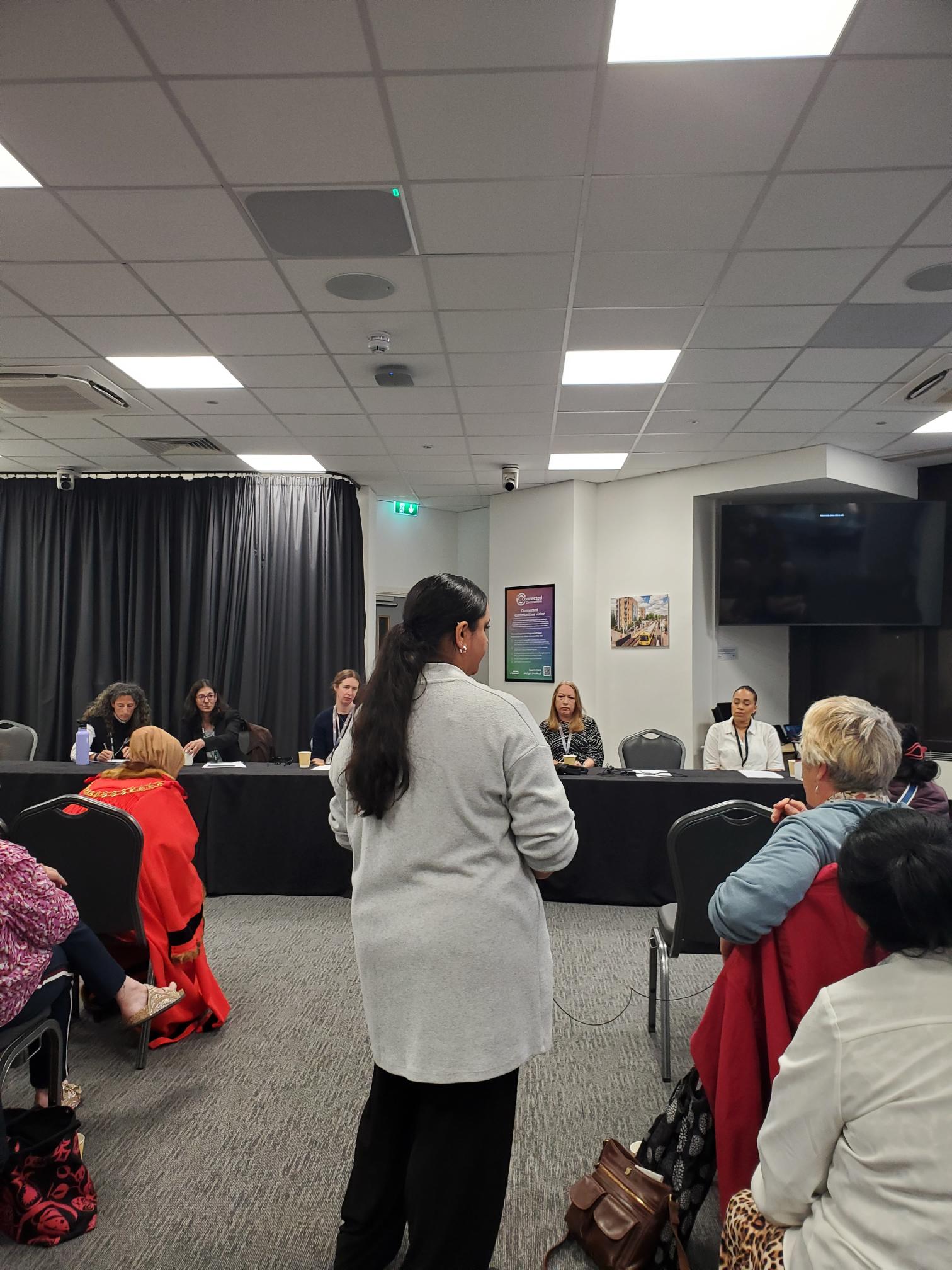
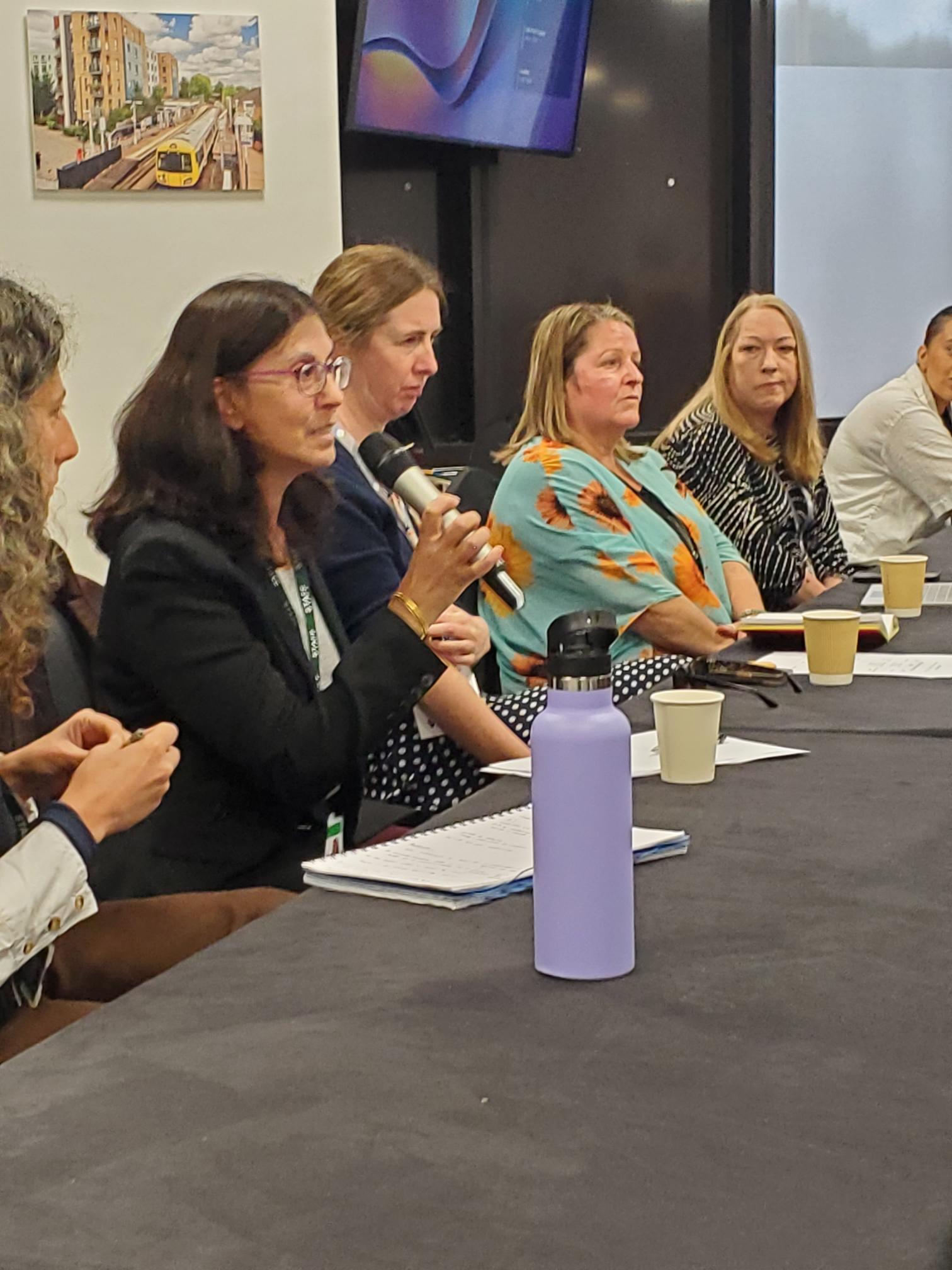
A major focus of the day was the Carers Forum and Question & Answer Session, where carers had the opportunity to hear directly from council leaders and ask questions about services, support and future plans.
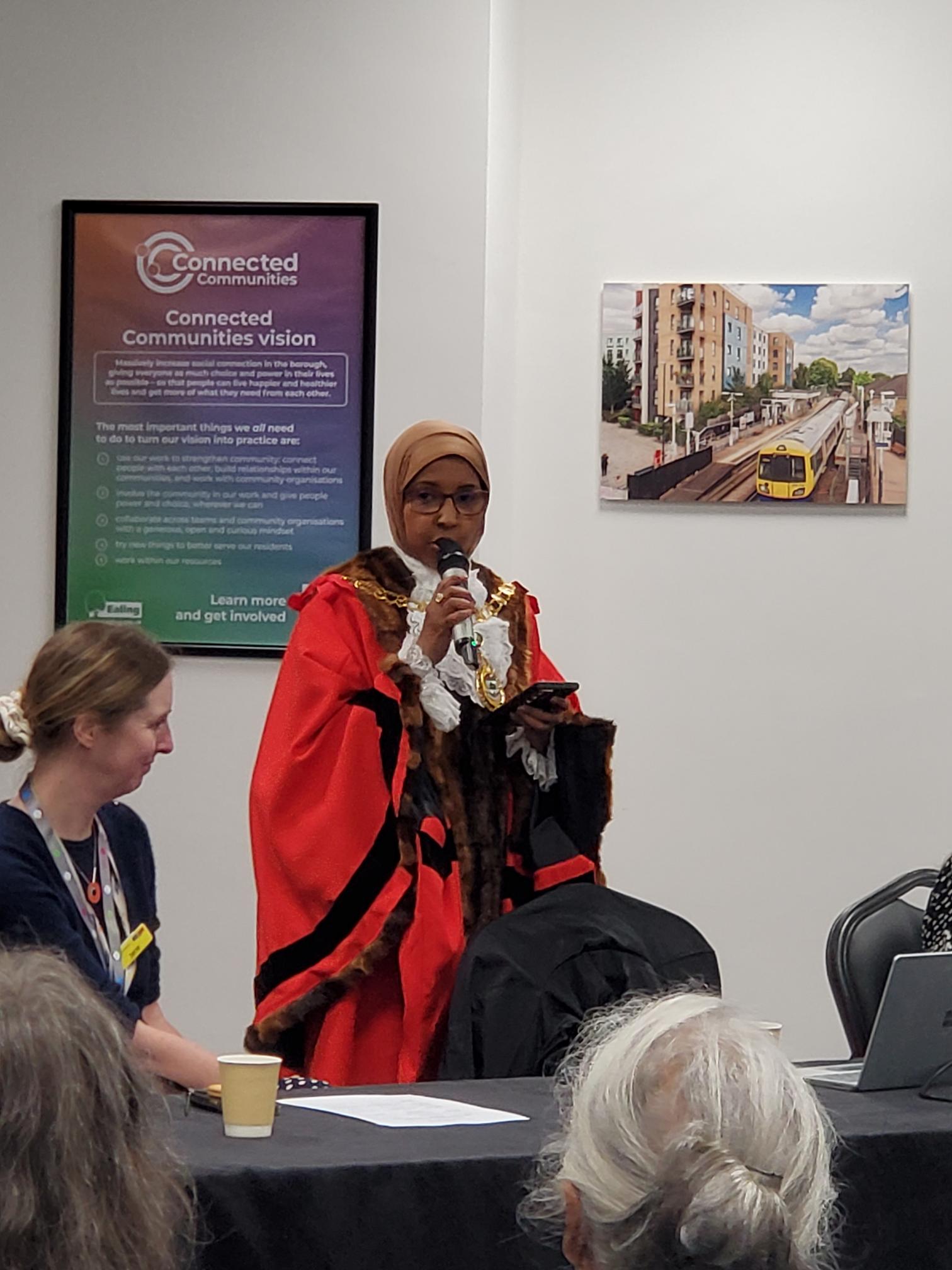
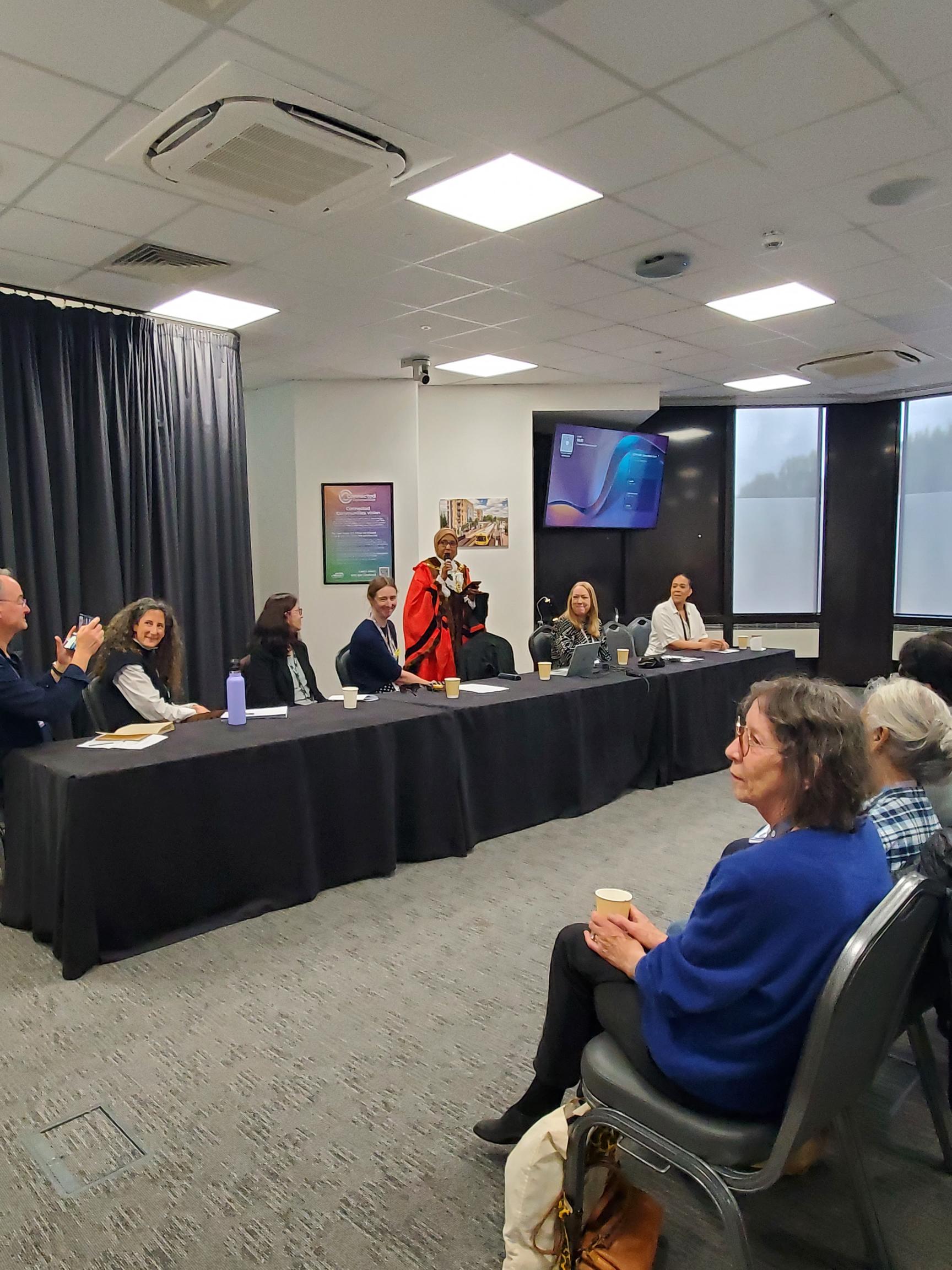
The event was opened by senior representatives who acknowledged the enormous contribution carers make every day.
Among the key speakers were:
Paul Driscoll, Cabinet Member for Healthy Equal Lives, Ealing Council
Kashmir Takhar, Ealing’s Carers Commissioner
Senior representatives from Adult Social Care
Sophie (Assistant Director, Adult Social Care)
Representatives from Ealing Carers Partnership
Representatives from Ealing Carers Hub
Jane Wheeler, Chief Executive of Harlington Hospice
Paul Driscoll spoke about his commitment to understanding carers’ experiences and ensuring that Ealing’s Carers Strategy becomes a meaningful reality rather than simply another policy document. He emphasised the importance of recognition, support and partnership working with carers.
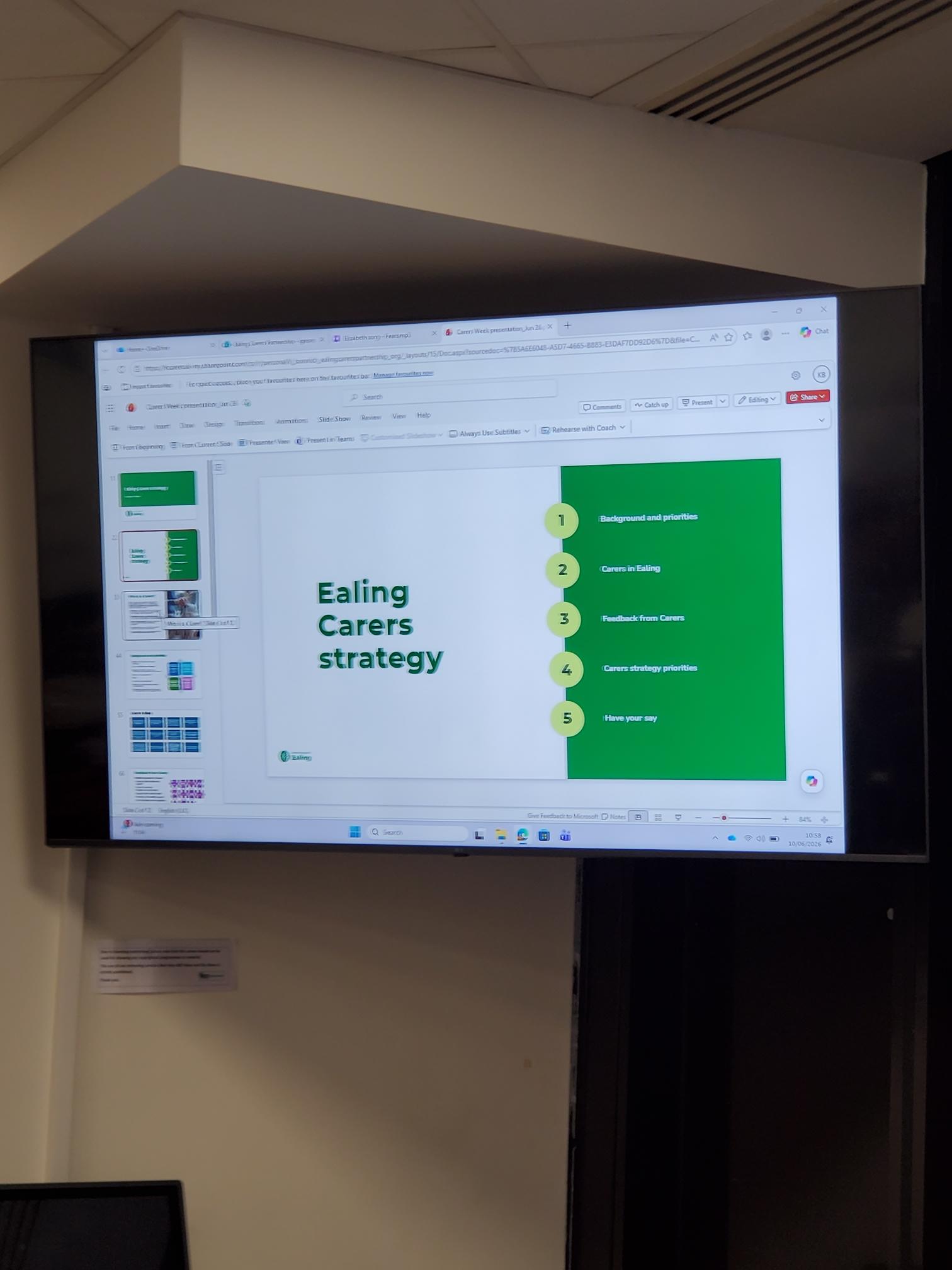
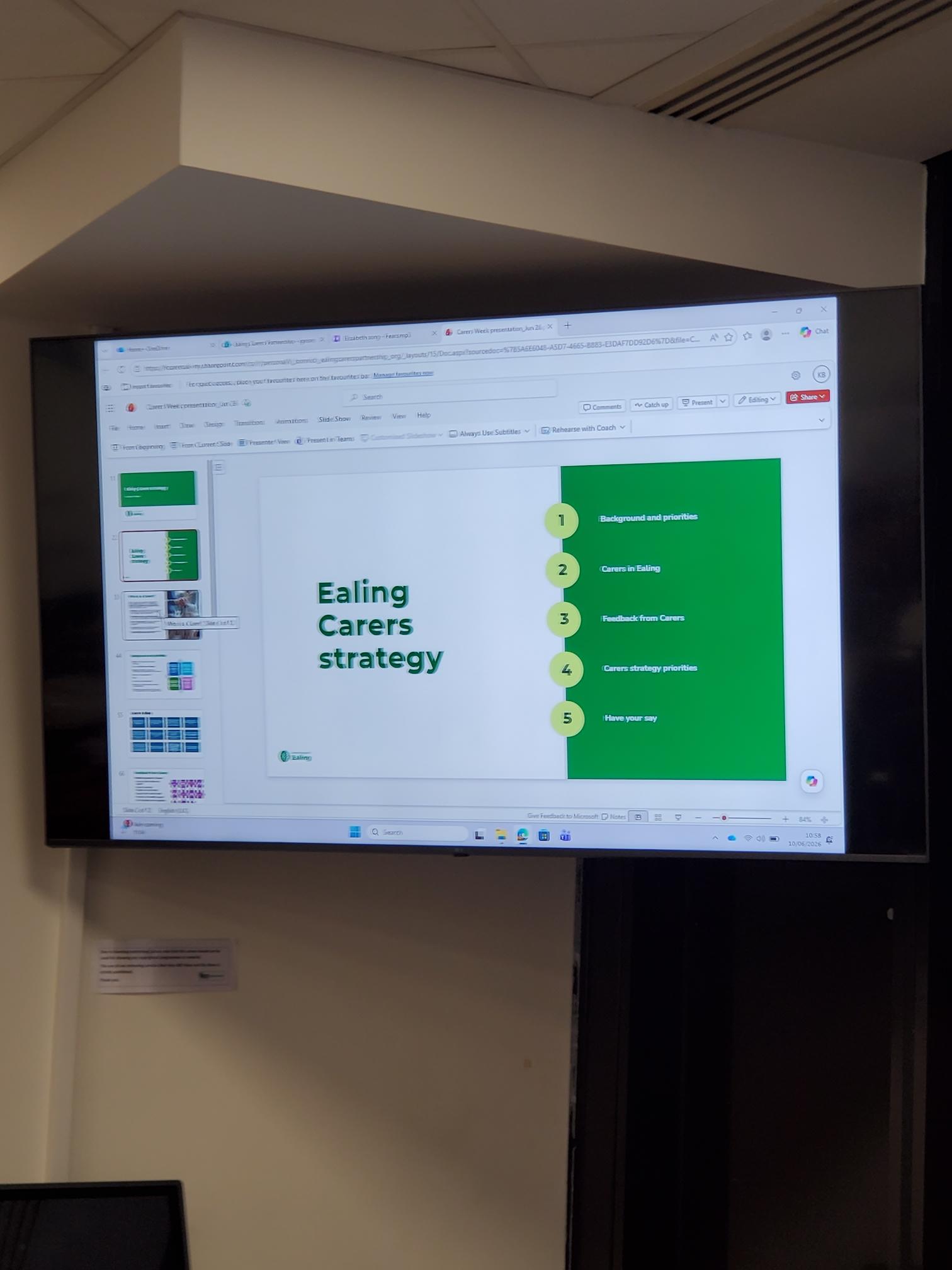
The presentation by Kashmir Takhar focused on Ealing’s Carers Strategy, a joint strategy developed in partnership with carers, health services, social care and voluntary sector organisations. The strategy highlights four key priorities:
Identifying carers early in their caring journey.
Helping carers maintain family and community life.
Supporting carers’ physical and mental wellbeing.
Helping carers maximise income and achieve their potential.
The presentation revealed that there are approximately 24,000 carers in Ealing, although many remain hidden and do not identify themselves as carers. It also highlighted the growing challenges carers face around mental health, financial pressures, access to services, respite care and social isolation.
Particularly encouraging was hearing about plans to improve access to information, increase wellbeing activities, strengthen respite opportunities and expand support for young carers and working carers.
The Power of Carers’ Voices
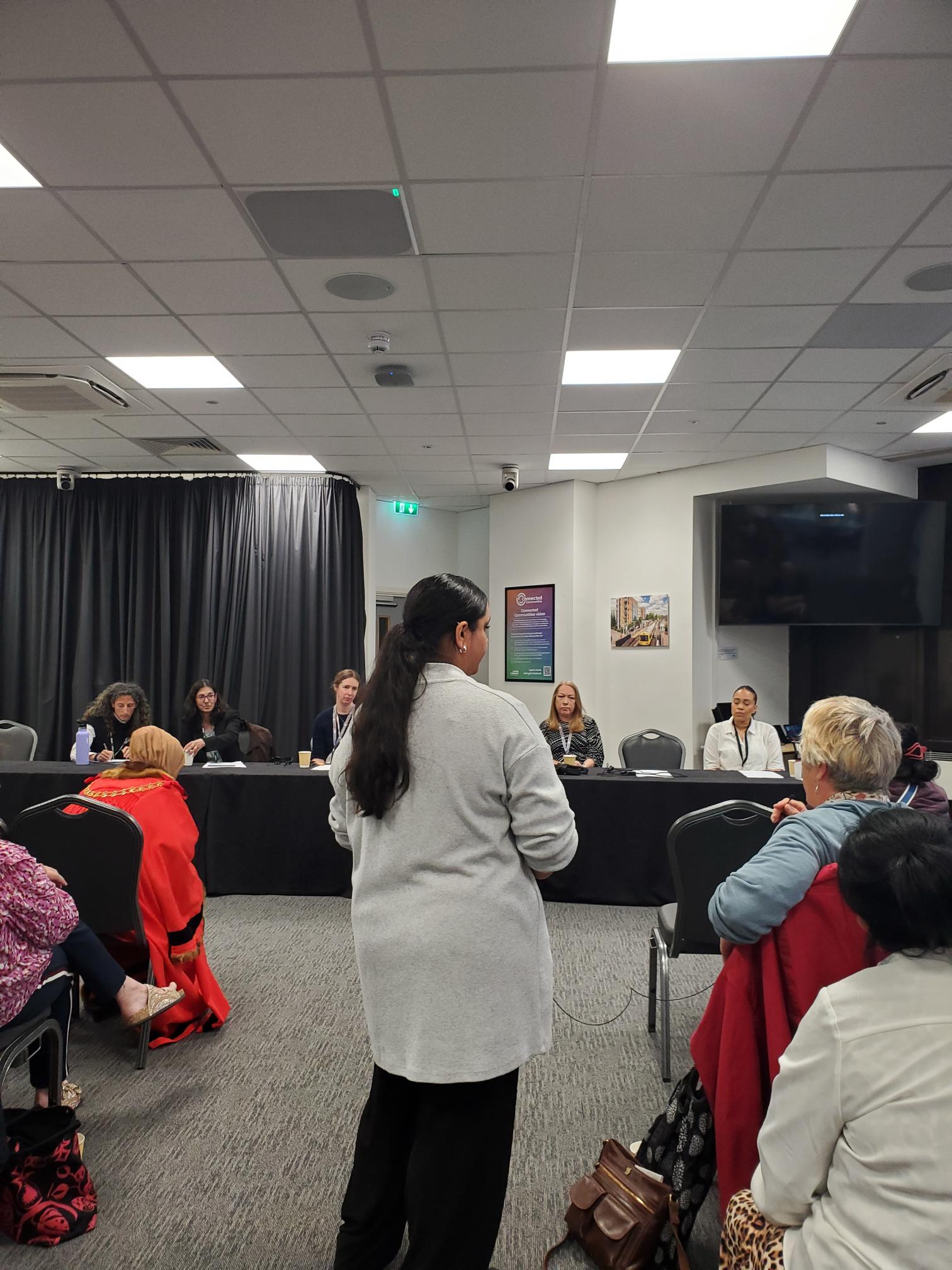
One of the most important aspects of the forum was the open discussion session.
Carers shared their personal experiences, raising concerns about respite services, communication between council departments, transport arrangements and the challenges of navigating complex systems while already carrying significant caring responsibilities.
A particularly powerful contribution came from a carer who described how difficult it had been to arrange respite care due to poor coordination between services. The honesty and emotion behind this contribution resonated with many people in the room because it reflected experiences that carers often face but rarely have opportunities to discuss publicly.
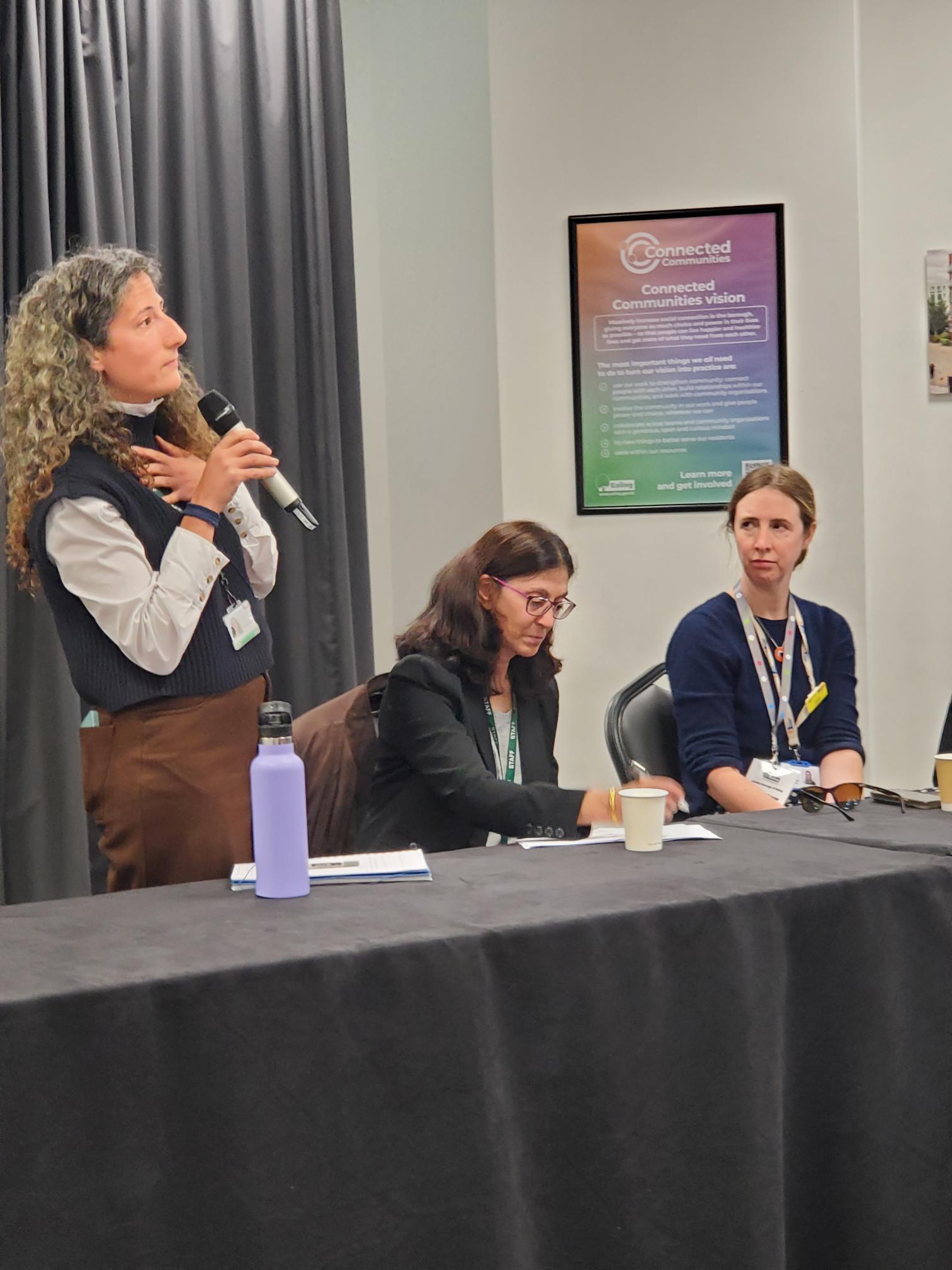
Council representatives acknowledged these concerns and committed to improving communication, responsiveness and coordination across services. Assistant Director Sophie openly recognised that carers deserve better experiences and welcomed continued feedback to help shape future improvements.
Representatives from frontline organisations, including Ealing Advice Service, also highlighted recurring issues encountered by carers and stressed the importance of joined-up working between agencies.
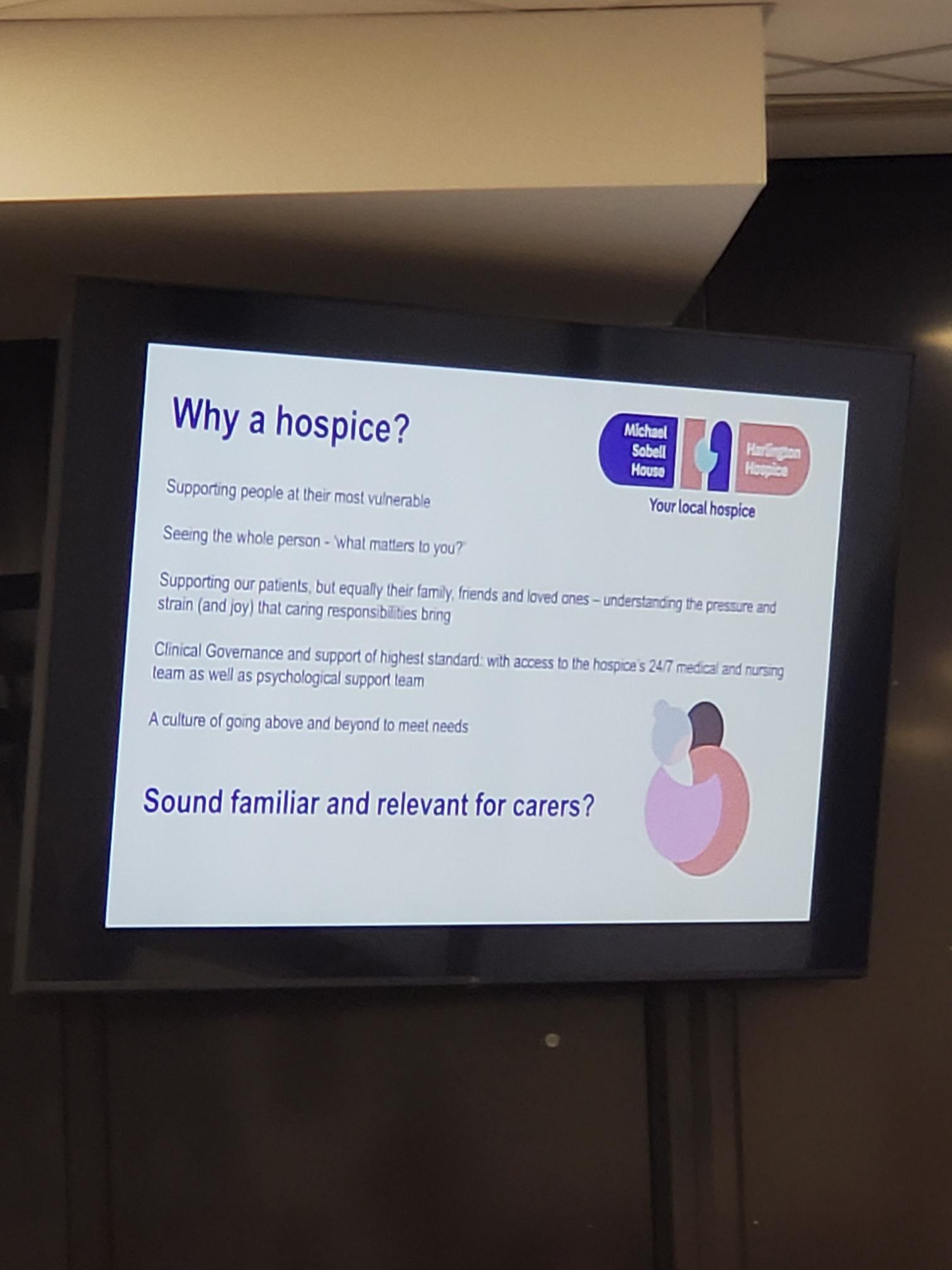
Later in the session, Jane Wheeler from Harlington Hospice explained how the organisation’s carers’ short break service supports carers through home-based respite, community outings and specialist support. Her presentation reinforced the message that carers themselves need care, support and opportunities to recharge.
It was more than just a Carers Event
As the day came to a close, what remained was a sense of connection.
For many carers, simply being in a room full of people who understood their experiences was invaluable. There was laughter, conversation, shared stories and moments of reflection. New friendships were formed, information was exchanged and carers left knowing that support is available.
From my own perspective, hosting the Carers UK stall and speaking with so many dedicated carers reinforced why events like this matter. Caring can often feel invisible. The hours spent supporting loved ones frequently go unnoticed by wider society. Yet carers are the backbone of our communities and health systems.
The Carers Week Celebration reminded us that carers deserve recognition not just during one week each year but every day.
To everyone who organised the event, staffed a stall, delivered a presentation, volunteered their time or simply attended and shared their story, I thank you.
Most importantly, to every unpaid carer reading this: thank you for everything you do.
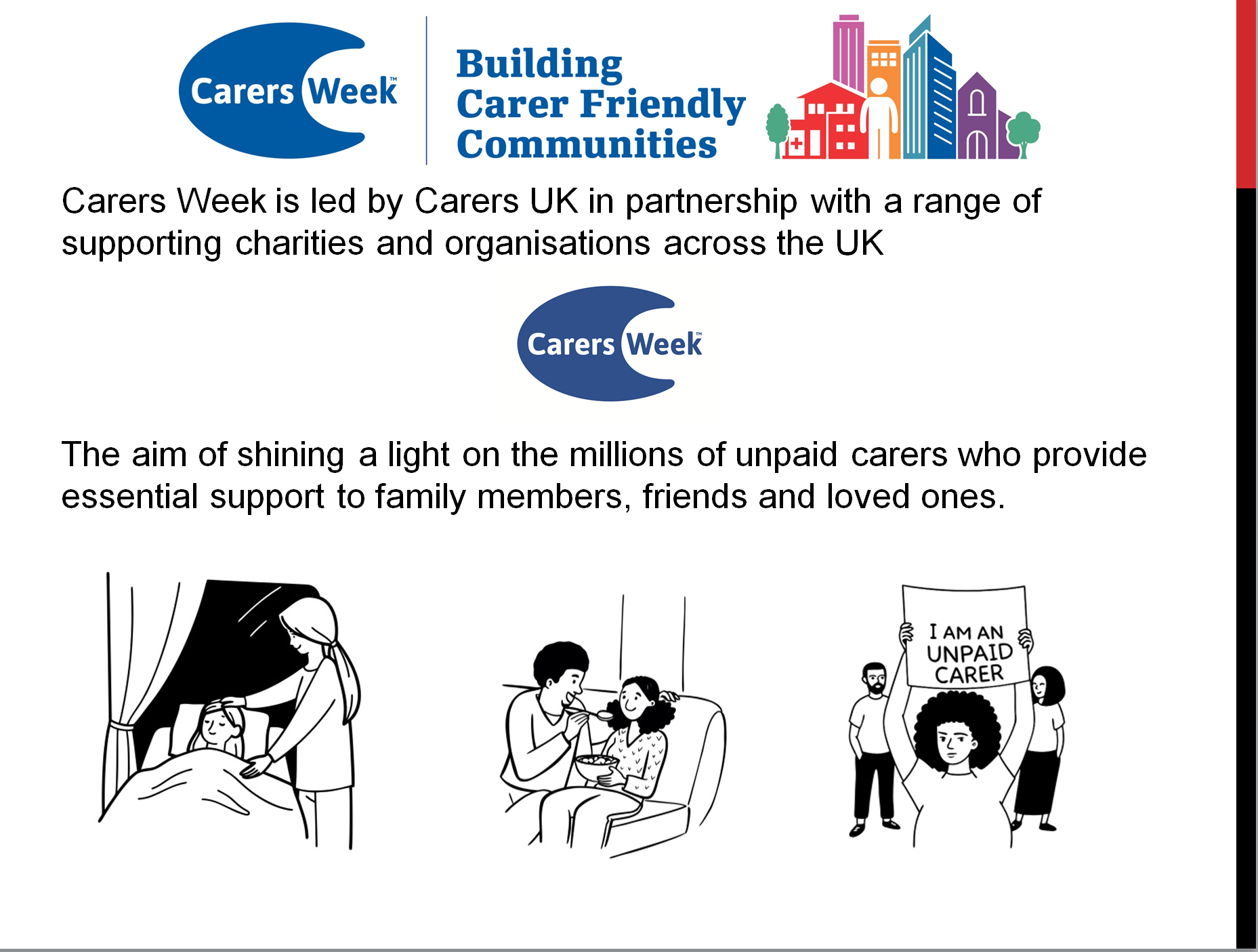
For Carers Week 2026, it takes place from 8–14 June and shines a spotlight on the millions of unpaid carers who provide essential care and support to family members, friends and loved ones throughout the UK.
This year’s theme, Building Carer Friendly Communities, highlights the need for workplaces, healthcare services, schools, local authorities and communities to better recognise and support unpaid carers.
Despite contributing billions of pounds worth of care each year, many unpaid carers continue to face challenges including financial hardship, social isolation, poor mental health and difficulties accessing support. So Carers Week aims to raise awareness of these issues while encouraging practical action to create a society where carers are valued, respected and included.
As a carer activist and founder of my site A Caring Mind, I am sure that creating carer-friendly communities starts with understanding the realities of caring. Whether you are caring for an ageing parent, a disabled child, a partner with a long-term condition or someone experiencing mental ill health, carers play a vital role in keeping families and communities together.
However, there are still many people do not identify themselves as carers and therefore miss out on important support, benefits and services. Carers Week 2026 provides an opportunity for individuals, organisations and policymakers to listen to carers’ experiences, champion carers’ rights and improve access to support for unpaid carers across the UK.
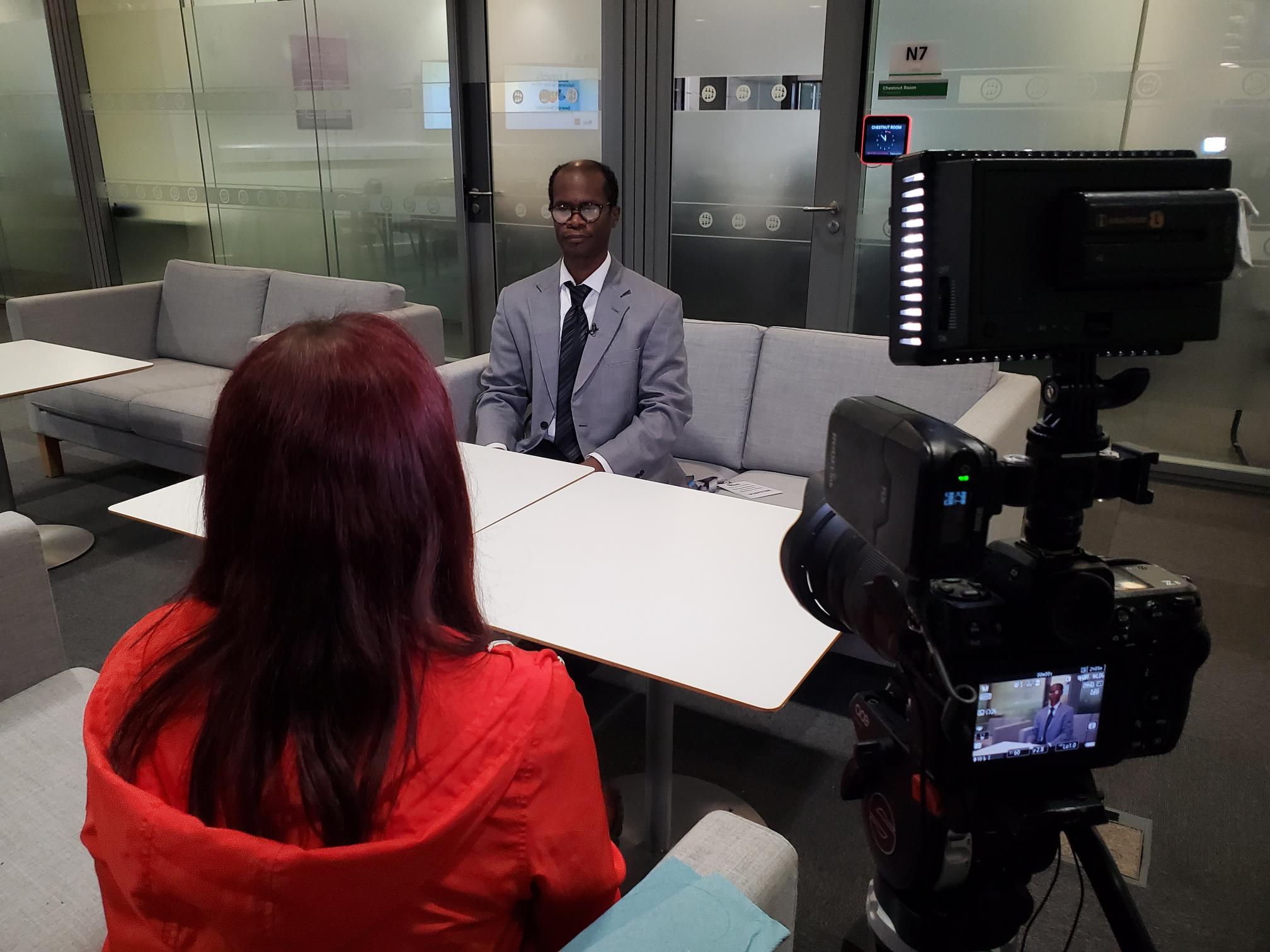
Watch my Carers Week 2026 video below to learn more about the campaign, this year’s theme and how you can get involved in supporting unpaid carers. Please share the video to help raise awareness and encourage more people to recognise the invaluable contribution that carers make every single day.
Together, we can build stronger, more inclusive and more carer-friendly communities
Our final Triangle of Care (ToC) Community Group meeting of the year brought together carers, professionals, and ToC members from across the UK to share updates, raise concerns, and discuss priorities for 2026 and beyond. Although Microsoft Teams provided some surprises, we made it work, thanks to teamwork and patience. The conversation was rich, heartfelt, and often very moving.
1. Opening & Agenda
As chair of the meeting, I acknowledged technical teething problems as the group used Teams for the first time in this format. Mary (ToC Programme Lead) welcomed attendees and explained the privacy-driven decision to hide email addresses, which also unfortunately hid attendees’ names. A fix will be implemented before the January meeting.
The agenda included:
Triangle of Care national updates (Mary)
Carer co-production and lived experience input (Matthew)
Surrey & Borders’ co-production example (postponed)
Research priority-setting presentation (Richard, University of Manchester)
Carer questions and discussion
2. Triangle of Care National Update (Mary)
Mary provided a comprehensive end-of-year update structured around ToC’s three priority areas for 2024–25.
2.1 Embedding the Relaunched Triangle of Care Framework
Growth & progress
16 new members have joined the scheme since April, bringing ToC membership to over 80.
The first Welsh hospital achieved a ToC Star Award, prompting the creation of a new Welsh-language logo and Welsh materials.
A social care pilot is underway with Livewell South West, with West Hertfordshire Teaching Hospital reviewing ToC criteria for an acute setting.
Nine Star Awards have been achieved this year, with a further 12 annual reviews approved. Many more annual reports are pending review before year-end.
Standardising data Mary emphasised the push for consistent reporting across Trusts, including:
numbers of carers identified
uptake of carer awareness training
numbers of carer champions
This will help build a national picture of impact.
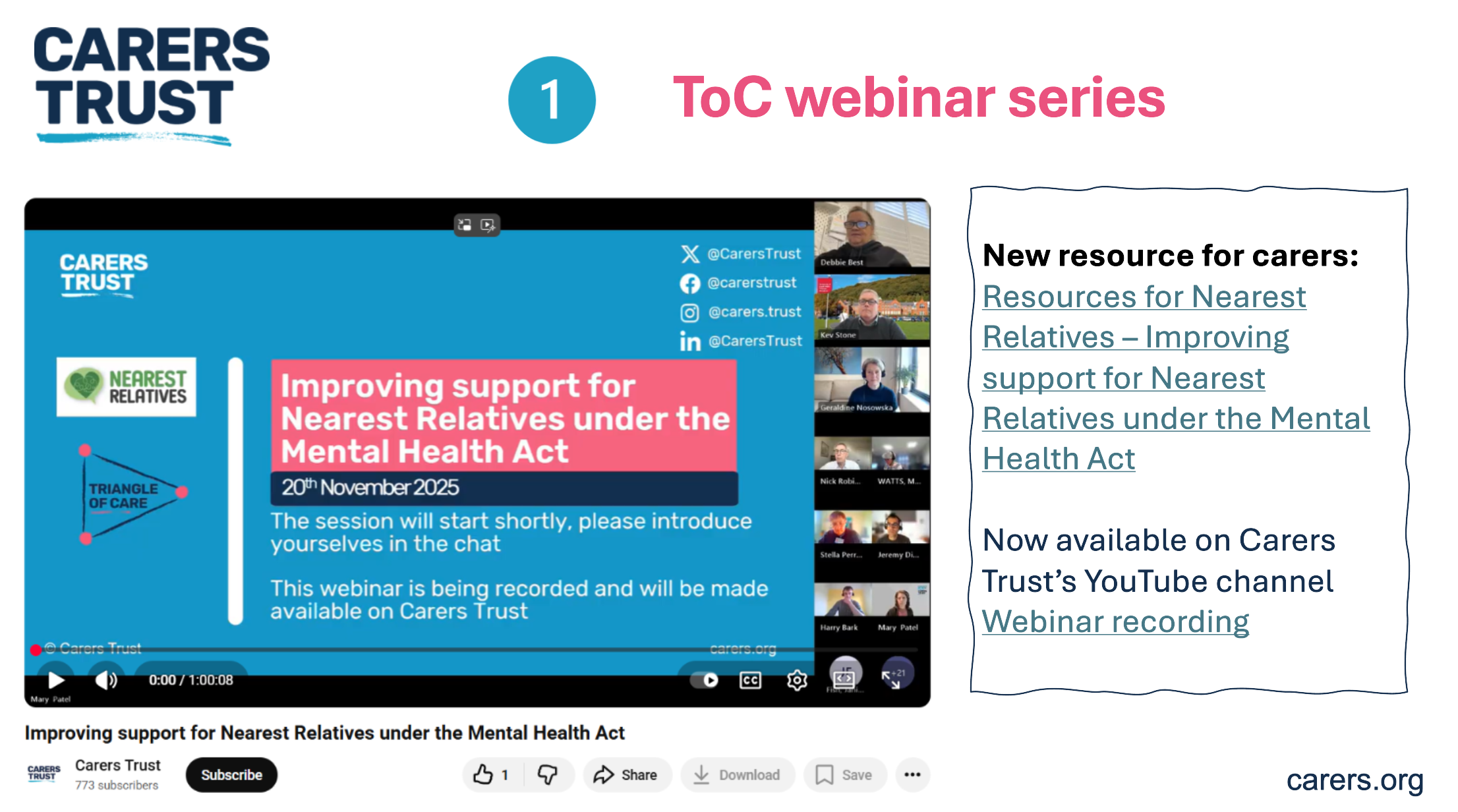
Webinars ToC’s Lunch & Learn series continues, with the recent Carers Rights Day webinar (in partnership with University of Bristol) focusing on the Nearest Relative role under the Mental Health Act (MHA). Resources are available via Carers Trust’s YouTube channel.
2.2 Young Carers: Identification & Support
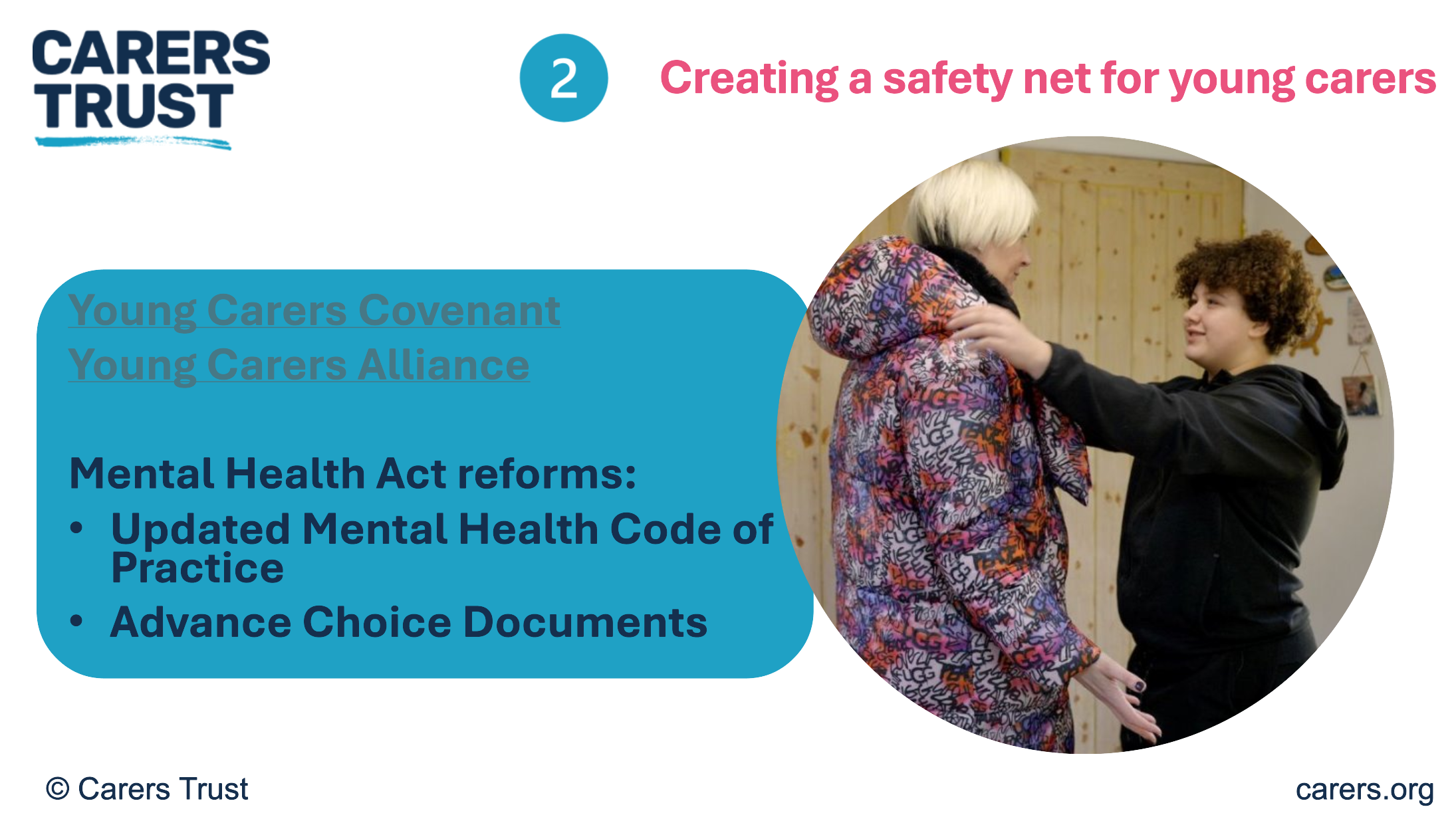
A major update was the successful national policy win relating to young carers and the Mental Health Act.
Mental Health Act Reform – Safety Net for Young Carers
Following campaigning by Carers Trust, the Young Carers Alliance, and ToC members who wrote to MPs:
Government has agreed to update the MHA Code of Practice to require:
identification of children when an adult is detained
sharing of information about available support
referrals for young carer needs assessments
Updates to advance choice documents will require practitioners to ask about dependent children.
Expected implementation: Summer 2026.
This win was warmly welcomed by the group.
2.3 Racially Minoritised Carers & PCREF
Mary updated members on ToC’s work to ensure carers are fully represented in the Patient & Carer Race Equality Framework (PCREF).
Key updates
A national Task & Finish Group has now completed its review of the first four ToC standards; the final standard is underway.
Piloting of new culturally sensitive criteria is planned with 10 NHS Trusts beginning April 2026.
Example of early good practice: Livewell South West is implementing a new “essential data template” that includes carers, enabling services to better identify and support racially minoritised carers.
Carers Trust is calling for a statutory duty for NHS mental health providers to implement PCREF in full, including community governance.
2.4 Changing the Narrative on Care – New Research
Mary introduced new research (supported by the Health Foundation and Oxfam GB) titled Changing the Narrative on Care, highlighting:
Although 80% of the public value unpaid care, this does not translate into policy action or investment.
Three recommended reframes:
Care is a universal experience, not a niche issue.
No care without support, make support visible and tangible.
Care is a partnership between families, communities and systems—not something families must do alone.
The full report is available on Carers Trust’s website.
I then presented an in-depth reflection on the value of authentic carer involvement, drawing on his lived experience and his role working with multiple NHS organisations.
Key points included:
Carers are not passive observers, they hold critical lived knowledge that improves services.
Real co-production goes beyond consultation; carers must be equal partners in shaping policy, documentation, training, and strategic decisions.
Examples Matthew gave from his own involvement:
redesigning welcome packs and leaflets
addressing confidentiality misapplication
involvement in recruitment panels
delivering training to staff at induction
reviewing complaints and compliments themes
advising on discharge processes and family-inclusive safety protocols
participating in research steering groups
Carers’ insight is especially essential in safeguarding, quality boards, and identifying service gaps often invisible to professionals.
4. Surrey & Borders Co-Production Example
A planned presentation from Surrey & Borders was postponed, as the relevant colleague could not attend with materials. They hope to present at a future meeting.
5. Research Priority Setting in Secure & Forensic Mental Health (Richard Kears)
Richard introduced a national project with the James Lind Alliance (JLA) aiming to identify the top 10 research priorities for secure and forensic mental health services across England, Scotland and Wales.
Who is the survey for?
Carers
People with lived experience of secure/forensic services
Staff working in these services
Anyone indirectly connected (victims, families)
Purpose
To ensure future mental health research is led by the real concerns of those most affected, not only by academics or pharmaceutical interests.
Process
National survey gathering research questions.
Analysis to identify common themes.
Second, more focused survey to refine priorities.
National workshops with carers, staff and people with lived experience to finalise the top 10.
A QR code and flyer were shared for distribution. The group expressed strong support.
6. Attendee Discussion & Questions
This was the richest section of the meeting, with many heartfelt contributions. The themes below reflect the key concerns raised.
6.1 Scotland & UK-wide ToC Alignment
A carer asked why Scotland’s ToC framework is separate and not integrated into the UK ToC accreditation model. Mary explained:
Scotland currently uses ToC only as a free policy framework.
Implementing the accreditation model in Scotland would require groundwork to assess willingness and ability of providers to fund membership.
Integration is being discussed but is not imminent.
6.2 Clarity on Co-Production
Several carers voiced concerns that:
“Co-production” is often used as a buzzword.
Some NHS Trusts label work as co-produced after completing it.
Carers need clarity on what ToC means when using the term.
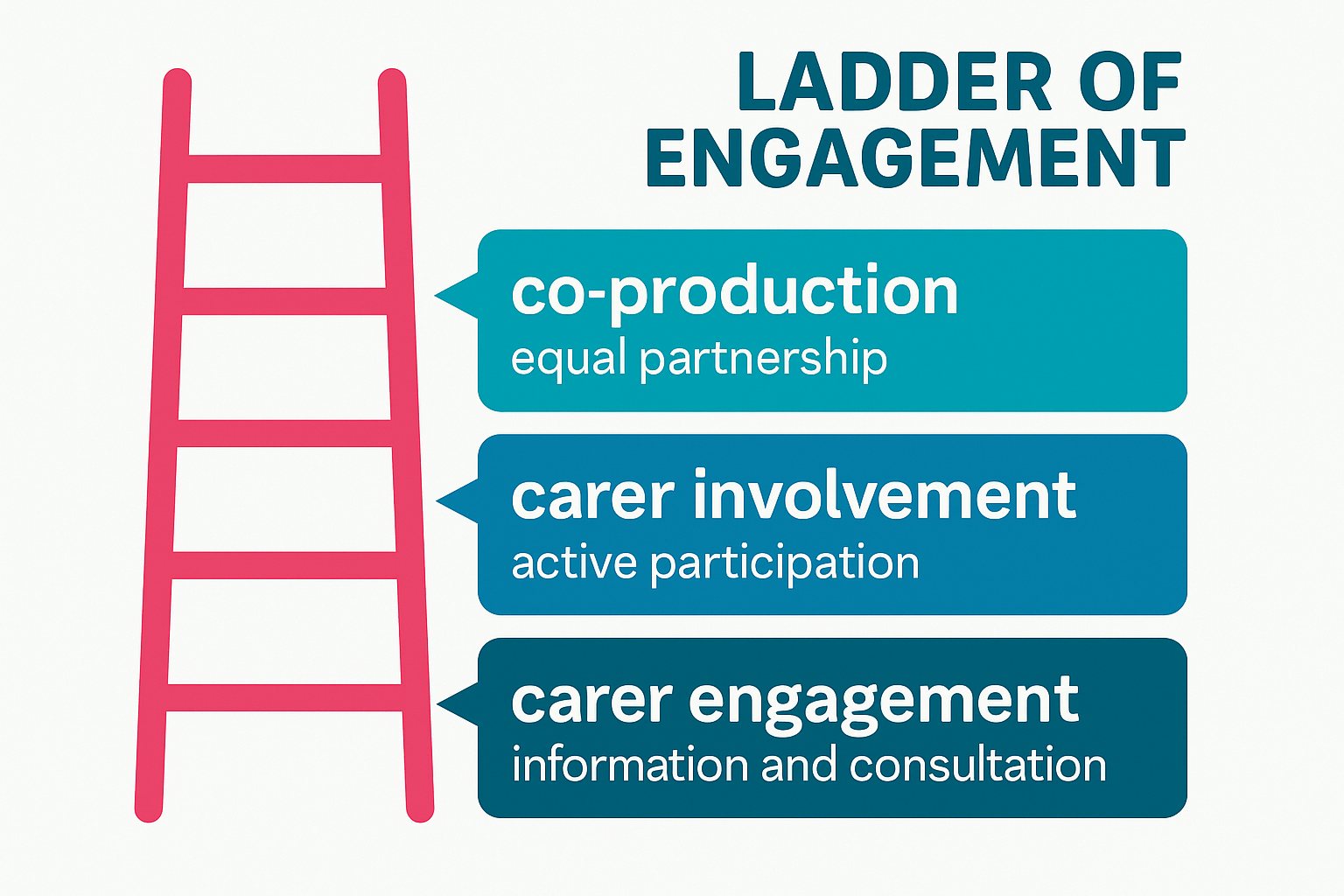
Mary responded that ToC uses a ladder of engagement, distinguishing:
carer engagement
carer involvement
full co-production
Carers Trust is developing a formal principles-based statement on involvement for future meetings.
6.3 Older Carers: Visibility, Support & Inequalities
The majority of carer questions focused on the unmet needs of older adult carers, many of whom are supporting people with severe mental illness—not dementia—and often have been caring 20–40 years.
Attendees reported:
Feeling “invisible” within both policy and services.
Being incorrectly grouped under “older carers = dementia”.
Their own poor health affecting their caring ability.
Increasing struggle to get responses from professionals.
Serious concerns about who will care for their loved ones when they die.
Feeling less heard as they age, compared with younger carers or newer voices.
One carer (age 78) shared:
“I can’t retire from caring. Benefits stop at 65, but the caring doesn’t.”
Another said:
“We have to shout louder as older women to be heard—and still we aren’t.”
Mary acknowledged the seriousness of these issues and committed to:
bringing older carers’ concerns into ongoing ToC work
exploring dedicated guidance and better mainstreaming within the ToC standards
sharing good practice on carer contingency planning in upcoming meetings
I also reiterated the group’s role in surfacing policy gaps and influencing future national lobbying.
6.4 Carer Registration & Meeting Access
Several carers raised issues with:
The length of the ToC sign-up form
Not receiving meeting links despite signing up
Verification barriers when joining Teams
Mary agreed to:
review and shorten the form
clarify which fields are optional
address email deliverability issues
adjust MS Teams settings to reduce joining friction while maintaining security
6.5 Concerns About Confidentiality Misuse
One carer reported that in a CQC meeting at an NHS Trust, raising questions about communication was dismissed as “confidentiality”, preventing meaningful dialogue. I then encouraged carers to bring such examples into:
ToC Star peer reviews
Carer involvement forums
Local advocacy routes
He noted that misuse of confidentiality is a common and unacceptable barrier and must be challenged.
6.6 Petition on Antipsychotic Medication Research
Carers highlighted concerns about:
long-term prescribing of antipsychotics
lack of regular medication review
inadequate research into long-term effects
A carer shared a petition calling for investigation of psychiatric medications. Richard noted that he had signed and shared it previously.
7. Closing Remarks
Matthew thanked all attendees for their honesty, passion and persistence:
“Carers’ voices shape policies and improve care. That is exactly what this group is here to do.”
Mary acknowledged:
the importance of every concern raised
the need to better support older carers
improvements to ToC communications and meeting accessibility
that the next meeting will be in January (provisionally 19th)
The meeting closed with gratitude from carers who said they felt heard, supported, and connected.
By Matthew McKenzie FRSA BEM, Chair, Triangle of Care Community Group
This week’s Triangle of Care Member Webinar, hosted by Carers Trust, which focused on a vital question: What makes for meaningful carer involvement?
We heard from across the Triangle of Care network, these being carers, professionals, and trust representatives coming together to share what genuine involvement looks like in practice.
I spoke about my own lived experience as a carer, supporting two non-verbal brothers with autism and my late mother with mental health challenges and how this journey has shaped my advocacy for stronger partnerships between carers and professionals.
Over the years, through the Triangle of Care, I’ve seen how much difference early and equal involvement can make.
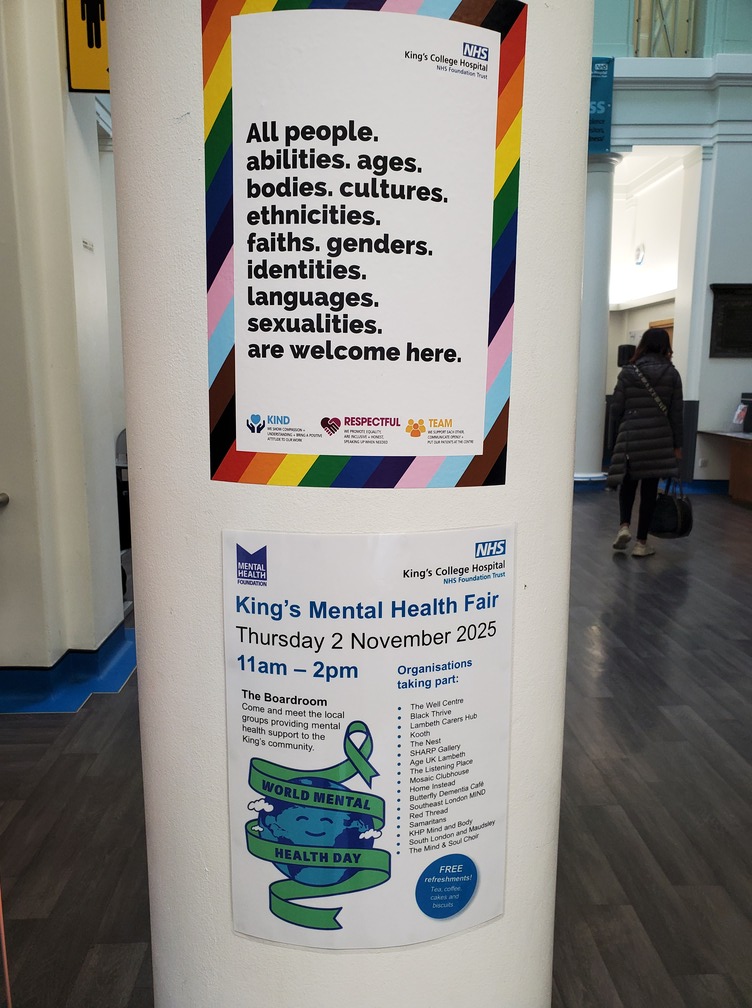
Today, I had the privilege of being part of King’s College Hospital NHS Foundation Trust’s Mental Health Fair, held on Thursday 2nd October, in recognition of World Mental Health Day 2025.
The event brought together a wide range of organisations and community groups working tirelessly to support the mental health and wellbeing of patients, families, and carers.
Why carers need to be at the heart of mental health conversations
As someone who has cared for a loved one experiencing mental health challenges, I know firsthand the importance of recognising and supporting carers through the groups i run.
By Matthew McKenzie – Carer activist and facilitator of the group
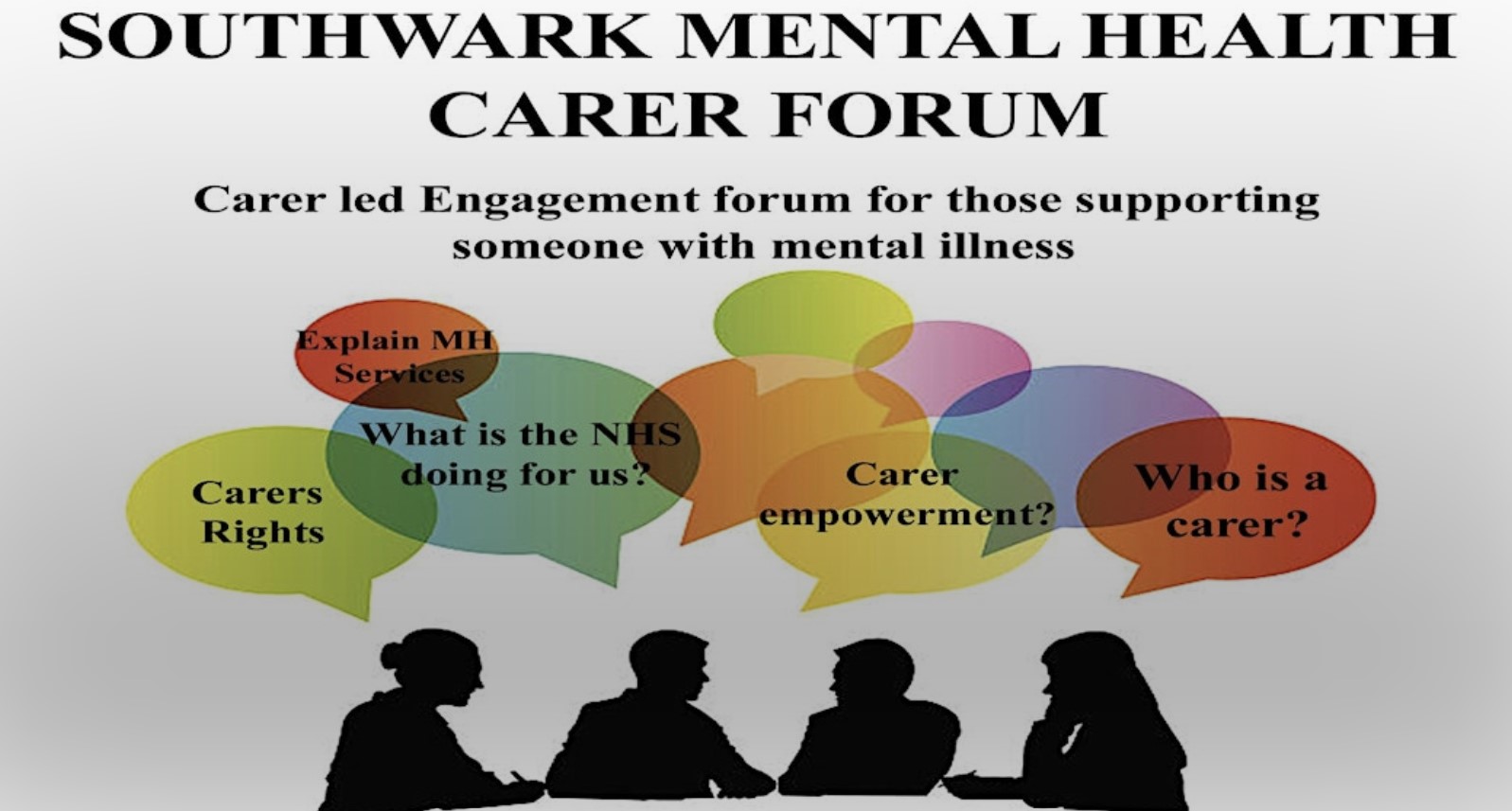
The group is a community of carers in Lambeth, Southwark and Lewisham that exists to provide support, advocacy, and connection for people looking after loved ones living with mental illness. It brings together unpaid carers of all ages and backgrounds to share experiences, learn from one another, and build confidence in dealing with health and social care professionals. A core part of its mission is reducing isolation by creating a safe space where carers can speak openly, develop skills, and access practical resources like advocacy services.
The meeting began with introductions and updates from various participants, including myselff where I discussed work with London Hospitals and the NHS app, while other carers introduced themselves to the group. In attendance was Tama from PohWer presented information about carer complaints and support services across different regions, including discussions about the potential impact of Healthwatch’s dissolution on patient and carer support services.
About the Forum: The Lewisham, Lambeth & Southwark Carers Forum is a collaborative online space that brings together unpaid carers, carer leads, mental health professionals, and support organizations to share experiences, raise concerns, and influence change. Focused primarily on mental health caregiving, the forum serves as a platform for peer support, policy updates, training insights, and service development. Led by carer advocate Matthew McKenzie, the group fosters empowerment through regular discussions, creative expression, and co-produced solutions, ensuring carers’ voices are heard across local systems and beyond.
Carers Week Collaboration Discussion
The meeting began with introductions from Matthew McKenzie, who leads a merged online carers group, and other participants including Yvonne, a carers navigator at Southwark Carers, and Margaret, a carer representative with the Royal College of Psychiatrists. The group discussed Carers Week activities and their various roles in supporting carers across different organizations. Karen Hooper, connected with the Lambeth Living Well Collaborative, while Lee Roach, the carers lead for South London & Maudsley in Lambeth, shared his involvement with the Trustwide Family and Carers Committee.
By Matthew McKenzie, Carer Ambassador, Cygnet Health Care
On Friday 13th June 2025, I had the privilege of attending and speaking at Cygnet Health Care’s National Carers Event, hosted at Cygnet Churchill in Lambeth, London. The event brought together carers, staff, professionals, and advocates to reflect on the vital role of unpaid carers who step up daily out of love, resilience, and responsibility, often with little recognition.
Carers Week is always a powerful reminder that caring touches us all – and Cygnet’s event this year was especially moving and informative. It offered a platform for carers to share their lived experience, influence policy, and strengthen our collective voice.
Agenda Highlights
The day opened with a warm welcome from Laura Sheridan & Shane Mills, setting the tone for a day grounded in empathy and collaboration. We heard from a range of speakers including:
Susan Hartnell-Beavis, sharing practical tools for supporting carers.
Kate Mercer and Carly Ellicott, who both championed carer involvement in care planning and research.
John Bangs OBE, who brought a national perspective on carer rights and policy.
Dr Angela Misra, who tackled the health implications of caregiving.
Julian de Takats and Matthew McKenzie (myself), focusing on empowering carers’ voices.
We also had insights from Dr Henk Swanepoel & Sophie Borg, who presented on collaborative approaches with carers in mental health services.