Tag Archives: carers

Lewisham MH Carers forum August 2019 update

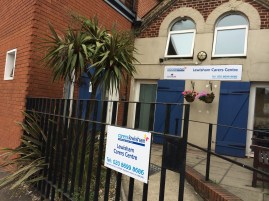
133Welcome to the August update of the Lewisham Mental Health Carers forum. This forum runs from Carers Lewisham over by Forest Hill, just near Forest Hill train station. The forum focuses on unpaid carers who support/care for someone with mental health needs e.g. schizophrenia, eating disorders, bipolar, major depression, addictions and so on. I even try and involve those caring for learning disabilities.

The forum tends to try and form a relationship with the local mental health trust, that being South London & Maudsley, we also seek for ways to educate, discuss and empower families and carers. We also seek engagement from Lewisham Hospital, Lewisham CCG, Lewisham council, Lewisham Healthwatch and other important stakeholders.

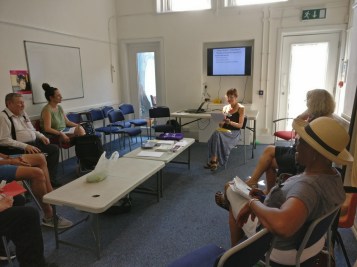
I have always mentioned to members or perhaps anyone that knowledge and information is power. So for August we were very fortunate enough to have South London & Maudsley’s former Patient Information Manager. Roslyn Byfield is a trained Counseller and therapist, she has her own practice and is very active in discussions about BACP, which stands for the British Association for Counselling and Psychotherapy. I have known her for quite a while now and was happy that she took some time out of her schedule to engage with families and carers.
IMG_20190827_134704

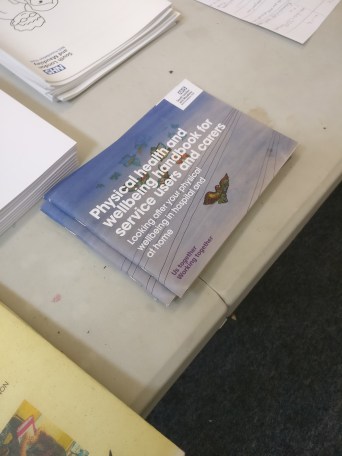
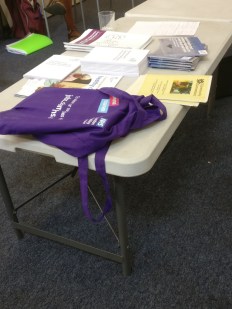
As she placed leaflets and booklets on the tablet for carers to take, it brought back a lot of memories. Infact one of the booklets, which was the physical wellness booklet won an award.
IMG_20190827_142630

We were hoping to be joined by SLaM quality Improvement, but they are more likely to attend in September. Plus in some ways, perhaps that was a good thing because the forum had a major discussion with Roslyn. Part of the talk was on carer empowerment and several organisations were mentioned. We also talked about the Government’s anticipated release of the Green Paper which focuses on Social care, but there has been major disappointment that political parties are kicking the social care can down the road. There was also talk about the Carers Action Plan, but many are skeptical about it.

In regards to empowerment we were told to form links regarding the NHS Constitution and focus on the Human Rights Act 1998 and the Equality Act 2010 as well as the Care Act 2014. We can make the mistake of trying to hold authorities to account, but its very hard to do that on your own and getting links to the human rights organisations can really speed things up if carers are not given the right information and support.

Here is a link, which might interest unpaid carers on their human rights.

https://www.bihr.org.uk/carersguide

The forum also focused on European Convention on Human Rights and what to learn from them. This could be useful if policies really begin to put pressure on carers and it would be important to make links.

At some point I will map out organisations to pull in to educate families and carers and also form stronger links as high up as possible.

There was some talk about the review of the Mental Health Act, which hopefully can put a spotlight on how families and carers can be pushed aside, especially when a loved one comes to harm, neglect or serious incident. We spoke about the problem with documentation from the health services, but it was mentioned some documents can be complex to stop people delving too far into things. It can be a strategy at some meetings to place jargon to ward off stakeholders querying why NHS systems are not working or why is there a high rate of Serious incidents. A lot of talk was on quality improvement, but without engagement then some members were wondering what to do.

We were focusing a lot on NHS constitution Section 3A and how it can support families and carers. Plus focusing on the National Institute for Health and Care Excellence. It does not help that guidelines are not enforceable and there was queries as to why NHS services are struggling. It does not help that funds are lacking for NHS trusts and then government places targets putting staff under pressure, which in turn affects families and carers.

We did not spend all the time focusing on carer empowerment, but also on therapy and counselling. I myself certainly have had not very good experiences with counselling, especially family therapy. I felt the outcome was a way to cover up the lack of services and then blame the family or carer for the patient relapsing. Some carers are in a worse situation when they are pressured to admit they are the cause of mental distress, leaving them confused, stigmatised, ashamed and isolated.

This is when accreditation came into the discussion. It is well known that there are good and bad counselors, but what happens if accreditation does not pick out the bad ones? Who is to blame? The big push for IAPTs has caused a massive break up of the counselling industry. Some people feel that counselling is not a journey, but now like popping in for advice. Roslyn mentioned counselling should not dis-empower the patient into looking for advice. Counsellers need to have life experience before they can examine someones life, no course be it a BSc or Honours would be enough for such a profession. There was talk about the BACP and PSA (Professional Standards Authority), which carers should keep an eye out for updates.

logo (1)

Lastly there was talk about how carers MUST make time for themselves, it is important to look after our own health and wellbeing with emphasis put on spirituality. Many of the members felt that they were pressured to focus on their cared for, but it was mentioned that such mindset should change. It was however not an order but to be mindful of our own health needs.

Below was a set of tips given by a veteran carer.

• Seek help at an early stage
• Don’t be ashamed of mental illness
• Speak out if you think something is wrong
• Take care of yourself with counselling and exercise
• Keep in touch with your spiritual side

I was glad that Roslyn had time for the forum and will certainly follow up on making those links. The forum was told that they already have the resources to make some serious pathways, but there still needs to be some support for empowerment.
IMG_20190827_134622

This concludes the August update for the Lewisham MH Carers forum.

Lewisham BAME MH Carer Forum August 2019

me_edited-1Welcome to another update from an unpaid carer who is involved in their local mental health trust and communities. I often try and engage with communities as much as possible, be it through running carer strategy groups, giving my views and engaging with events.


For the August Lewisham BAME Mental Health Carers forum, we focused on Patient Participation Groups and also updates from the South London and Maudsley Inpatient Social worker over at Lewisham hospital.

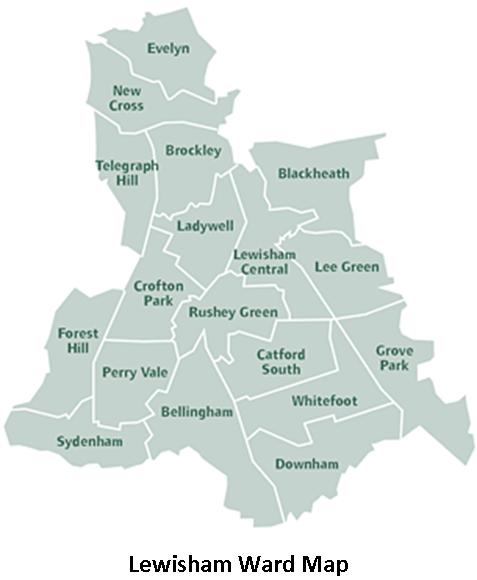
The Lewisham Black Asian Minority Ethnic Carers group is one of the 4 groups that not only focuses on carers, but makes a distinction on their background, culture and ethnicity.

BAME groups are more likely to experience stigma and distress due to cultural interpretations and systems set up or designed that does not take into account BAME communities. Lewisham is certainly one of the most diverse London boroughs around so it really helps that communities get together to discuss and educate each other on issues regarding health.

Lewisham Ward Map

The Lewisham BAME carers forums also accommodates those using services, but there still needs to be a drive to engage with more BAME carers who are very uncertain of their role and perhaps lack peer support and identity.

The carers forum runs from Lewisham, Bromley and Greenwich Mind under the Community Wellbeing umbrella.

LCW-logo-colour

Lewisham Community Wellbeing is delivered in partnership with several other local charities and public sector organisations. We have been very lucky to get the support of Mind who probably have a lot on as it is and there will be some very exciting community projects coming up soon.

Large-BLG-logo

We have around 45 to 50 doctor’s practices in Lewisham and I was fortunate enough to have the chair of one of the largest doctors practice in Lewisham. Alexandra Camies does an immense amount of work engaging with patients for the doctors practice she helps with. The doctors surgery is also a member of the National Association Of Patient Participation or N.A.P.P. I have always said to carers and patients that doctors are usually the gatekeeper to services, if you feel your doctors practice could do more for you or the community, perhaps look into how their Patient Participation group works.

So what is a PPG anyway? What do they do?

  • PPGs offer patients an opportunity to be involved with and support their local General Practice. For the South Lewisham Health Centre. Here are some of the following things that PPG involves.
  • Patients wishing to join must, in order to comply with General Data Protection Regulation (GDPR), complete an application form.
  • They currently have a committee of 8 patients, including aChair and Secretary.Committee members are provided with written details of their roles, responsibilities and key relationships.
  • They have the assistance of the surgery Patient Liaison Officer, who attends each meeting and provides us with any help needed at the surgery.
  • They have a GP representative (usually a partner), and the Patient Services Manager that attends the meeting.
  • All members are invited to general meeting, held quarterly, and asked if they have any agenda items to put forward for discussion.
  • Members that are unable to attend are able to have a virtual input via email. Virtual members are sent copies of the minutes, which are also placed on the practice web site for all to view.
  • Committee members take on a little more responsibility at the South Lewisham PPG, taking a part in organising events or projects, or helping with various admin tasks. Committee meetings take place as and when needed.
  • Members may be being asked to help out for such things as events.

Take note not all doctor’s surgeries are alike. Some do not have the resources to have a PPG, but it does not stop patients from helping set one up. I explained to the forum that your doctors surgery is only as good as the community that cares for it and uses it.

How can a success for Patient participation group operate?

  • The PPG should try monitor progress against objectives
  • Publicise their successes
  • Involve people and not that would mean patients, especially those whose voice is not often heard.
  • Learn from other groups, usually other PPGs hence the PPG Network.
  • Build on and work with their network of health and wellbeing groups and organisations.
  • Expand activity where possible
  • Make sure to review our objectives regularly

There are only a very small part of what a PPG doctors surgery should work towards. Alex gave the group an excellent presentation and we both learnt and picked up ideas from each other. I reminded the group that they could start their own projects and inquire about their local doctors patient participation group.

IMG_20190830_111301

If you want more information about South Lewisham GP Practice, check out their website below.

http://www.southlewishamgrouppractice.co.uk/

Next up was Errol Chambers who is the social work for the Lewisham Hospital Ladywell unit. It was great that SLaM engages with the BAME forum, because I have always stressed the the forum represents empowerment when we form as a group. If SLaM staff recognise this, then they can support us, although we try hard not to be antagonistic. Errol gave us a choice on what information the group would want be it on benefits or on how the Ladywell unit is operating currently. The group wanted updates on the ladywell unit and we discussed changes and progress regarding patients experience of the mental health unit.

Lewisham CCG was mentioned quite a lot as they invest in the services and are keen to see if the hospital is working to the best of its abilities. Many members pressed for a relationship with the units, but also felt that staff development must be key as a good quality service. This is mainly down to how staff engage with patients and their carers.

IMG_20190830_113441.jpg

At the end of the forum, I updated on the planning meeting for Lewisham CCG’s stakeholder event and also for Lewisham’s Carers conference requested by my MP Janet Daby who is a carer herself. I also pointed out that the Lewisham HR lead will be at the BAME forum for September. I have asked we are updated on the following.

BME staff engagement – What else is happening to engage with BAME community.

Plus small updates on the following.

  • SLaM’s Health and well-being strategy
  • SLaM’s Talent management programme
  • The South London Partnership collaboration (South west london & St georges, South London & Maudsley and Oxleas NHS Trust)

Plus an update on whats been done for staff to tackle.

  • Equal opportunity for career progression
  • Violence
  • Bullying & harassment
  • Discrimination
  • Stress
  • Flexible working

I guess as a carer, I do not ask for much. Still, I mentioned to the group…knowledge is power.

That is the August update for the Lewisham BAME MH carers forum.

Lambeth MH Carers Forum update August 2019

Welcome to the August update of the Lambeth Mental Health Carers forum. As a reminder the Mental Health carers forums are not primarily focused on discussing mental health benefits, but are aimed at carers supporting those with mental health needs. The forum usually has organisation who either provide mental health services, commission them or oversee the services e.g. Lambeth Council, South London & Maudsley, Lambeth CCG and Lambeth healthwatch besides others.

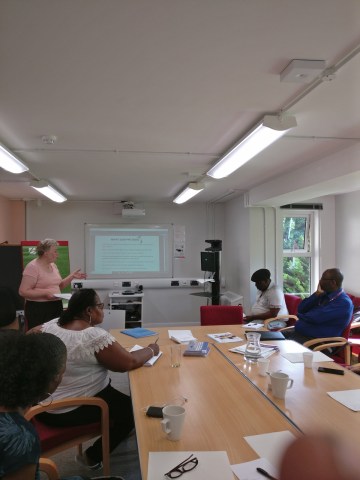
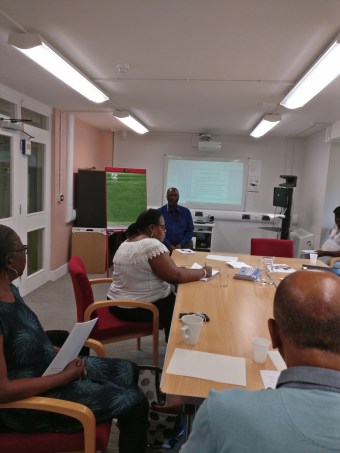
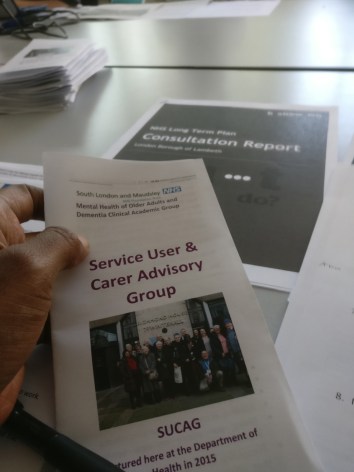
For the August forum we were fortunate to members and representatives from Maudsleys Older Adults and Dementia Advisory group. They presented to the forum what the group does over at South London & Maudsley and how they work with unpaid carers who are caring for those suffering Dementia, Alzheimers, Parkinson and so forth.

IMG_20190822_192101

Before I continue on with a brief update of the work of the older adults Clinical Academic Group, we also had on the August agenda the following.

Continue reading

Carers and GP Surgeries

me_edited-1Welcome back to another blog post by unpaid Mental Health carer Matthew Mckenzie. I often write blog posts that try to focus on carer issues, but sometimes I stray into areas of mental health, events and the field of psychology, sociology and maybe psychiatry. Of course I don’t stop there. I run carer engagement/strategy forums in south London and every so often I tend to update how they went on this site. Feel free to check out my Youtube channel or twitter channels where one channel focuses on the carer experience and the other channel on mental health developments.

Enough with the shameless advertising, this particular post is on a much needed subject and it is aimed at unpaid carers, however I hope GP surgeries get the time to read considering at the last Lambeth forum there was major discussion on the Lambeth Patient Participation group network. I have also arranged for the Lewisham PPG chair of South Lewisham Practice to present and update the members of Lewisham BAME Carers forum.

Continue reading

Lewisham BME MH Carer/SU Forum July Update 2019

965946_fa217b70Welcome to the July 2019 update of the Lewisham BAME Mental Health carer forum. The forum is one of the 4 carer strategy forums I run in the community and has a focus on BAME carers and sometimes Service user issues. As a reminder, the London borough of Lewisham is a diverse community, with many health and wellbeing challanges, but also some successes.
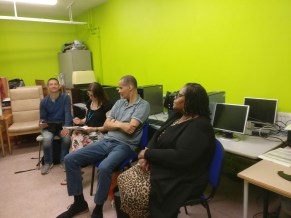
Although it is good we have carer support groups, there must be a physical platform where families and unpaid carers can come together for empowerment purposes. Carers should have a right to have a say about Health and well-being services. For the July Lewisham BAME Carers mental health forum, I had to run it earlier in the month due to a meeting I have at the end of the month.

IMG_20190712_110237.jpg

Usually the forum would be packed, but a lot of members had sent apologies and this is one of the reasons I have blogged about the forum as a way to report back to members who can then feed into their networks.

Continue reading

National MH Nurses director forum – Building Resilience

D_BbtpdXYAEqkWdThanks for stopping by my blog-site. I thought to try and note down a lovely conference I was involved in as a guest speaker, but before I begin explaining more about the National directors nurses forum 2019. I want to pitch some ideas for any unpaid carer reading this blog post. Have you ever wondered what inspires team leaders on hospital wards? Have you wondered about how senior nurses inspire their staff? What makes nurses tick and how do they become more resilient in there roles?
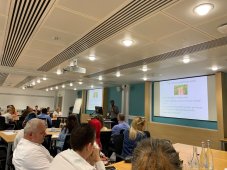
As carers, I often try and get families and carers to become excited about the NHS. If not that, then try to inquire what the NHS is doing for you or what you can help the NHS in regards to promotion and co-production. We carers are unique in our roles and sometimes we stay silent and get on with it, but we should try use our voices to influence health services.

About the National MH Nurses director forum

I now want to talk about the forum which runs each year, I think the one for 2019 was the fourth of its kind. The NMHND forum aims to focus on leadership for mental health and learning disability nursing. It also wants to help spread best practice in mental health and learning disability nursing. It helps bring together those who work in the field of nursing to help raise the voices in regards to the pressures of nursing.

You can find out more about the National Mental Health Directors Forum (NMHND) off their site shown below.

https://mhforum.org.uk/

Plus you can find out about Directors of Nursing for the UK through the forum site.

https://mhforum.org.uk/trust-breakdown

The 2019 National MH Nurses Directors forum was held at Warwick University. I was impressed by the conference center and the facilities, which also had a bar, large canteen and many conference rooms. I was told Warwick University had many conference centers and as a carer guest speaker, I felt I was really spoilt since I was provided a room at the center, the Dinner, Breakfast and lunch was fantastic.

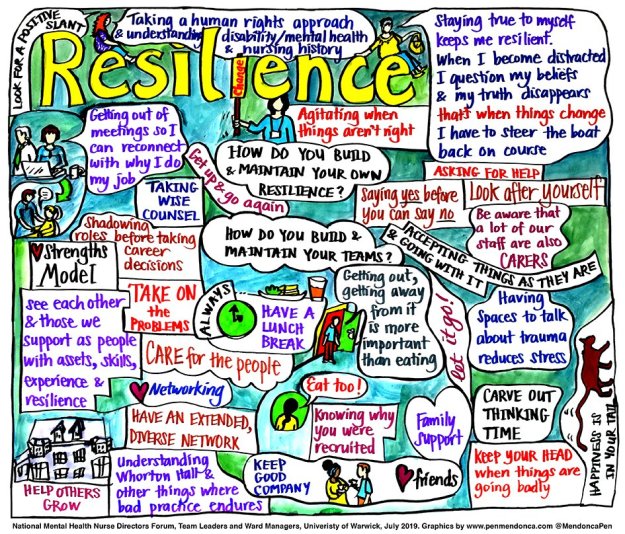
The theme of the 2019 NMHND forum was on “Building Resilience”, which was fitting due to the pressures the NHS is under. Plus if the NHS is facing large challenges, it will filter down from leaders, to senior staff and front line staff and guess what? The patient and carer will be next in line. So I was glad that the National MH Nurses forum raised the theme, but it was not moaning and groaning, we sought to find answers, solutions and inspirations into building resiliance. We do not want nurses to struggle and leave the profession.

About the Forum Chair and Organisers

To open the event we had Mel Coombs who is the Director of Nursing at Cambridge and Peterborough NHS Foundation Trust. I felt comfortable with her chairing style and that put me at ease as I felt welcomed. I was fascinated by her inspirational story into the role of Nursing and felt she was ever so dedicated in her field, but more on that later.

You can find out more about Cambridge and Peterborough NHS trust and their board of directors below.

https://www.cpft.nhs.uk/about-us/board-of-directors.htm

I was also welcomed by Professor Hilary McCallion CBE and was shocked that she remembered me from when I spoke at South London and Maudsley carer conference almost 6 years ago.

If it was not for Hilary, I doubt I would be speaking at the Nurses forum that day and thank her for involving me at such a level. Prof Hilary is the Director of Nursing and Lead Nurses National forum, plus she is also a Trustee of Dementia UK and Bethlem Museum of the Mind, which I aim to get involved on Bethlem museum latest project soon, watch this space.

Last but certainly not least was Peter Hasler who I have known for a very long time and has inspired me to get involved at South London and Maudsley as a carer when I first started out learning more about the NHS. Peter has many roles, but he is the Forum Development Officer.

What happened throughout the day

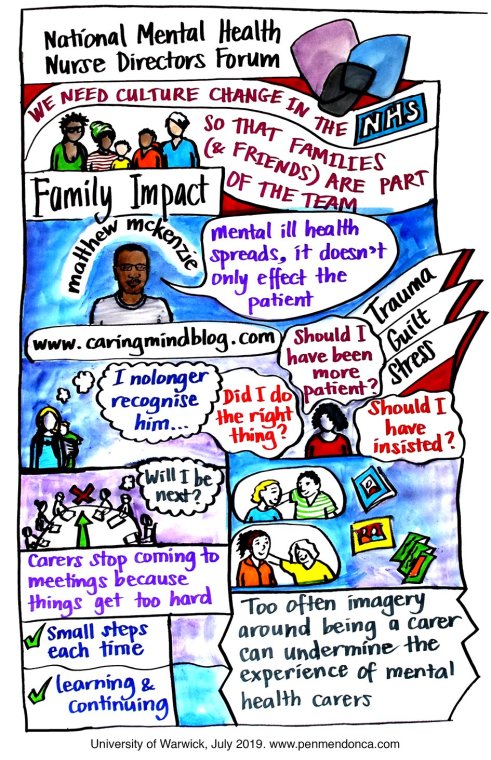
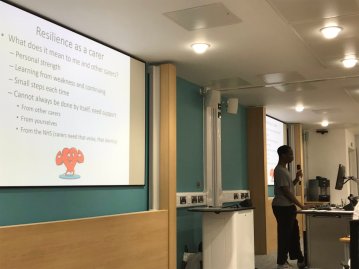
After the welcome by the chair, I spoke about resilience as a Carer and the impact of mental health needs in the family. I spoke passionately and from the heart as I wish to lead by example when I want to raise the profile of families & carers in the NHS.

D_BbBkrWwAAQk4C

My talk consisted of the importance of Carers being empowered to network
My background and the Triangle of Care, plus the Health Service Journal.
Carers Navigating the NHS
The need for support from nurses and also resilience of carers.

I hope my message was inspirational and I felt those who work within the NHS have families and patients in mind. I want to inspire nurses to join and avoid leaving the profession, especially in the mental health field, which is very challenging.

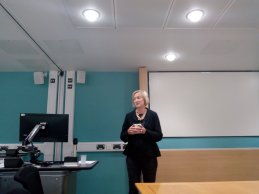
We then had Ruth May who Chief Nurse of NHS England speaking about “Nursing Resilience in delivering the NHS Long Term Plan”. I am looking forward to hearing more on how she can help educate us on the NHS Long term plan. She answered many challenging questions from the audience and I noticed she has her work cut out, but her passion and drive shows that she will make great progress.

D_BdRWvXsAY6mMu

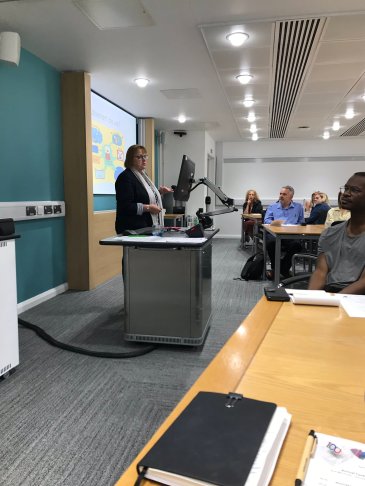
After the break Prof Hilary McCallion spoke about patient Observations on inpatient wards. As a carer, her talk was easy to understand and there was an interest in psychiatry as she provided many insights as to why patient observations in hospital mental health wards was so important.

D_BxNXRX4AECYAP

I admired her knowledge and energy and I felt jealous when someone in the audience got her the questions correct and won a box of chocolates.

After the lecture the forum split up into 3 work-group sessions. The first session was presented by Learning disability nurses Simon Jones and Alison Williamson from Oxford Health NHS Foundation Trust on PBS in Forensic Services.

You can find out more about Oxford NHS Trust below

https://www.oxfordhealth.nhs.uk/

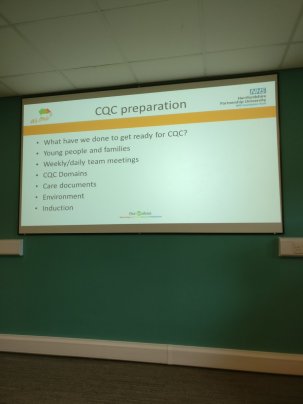
The second Session was on Stepping Up via Resilience through the CQC, which was presentation by Amanda Griffiths and Jane Fullard from the Hertfordshire Partnership University NHS Trust, which recently got an Outstanding ranking from the CQC on their mental health services.

D_B709rX4AIn244

This was the session I joined, probably due to the CQC paying even more attention to the Triangle of Care and being active on twitter, plus engaging with my Carer strategy forums. Amanda and Jane spent a lot of time education myself and other trusts in the room, which an impressive presentation. As a side note, I met nurse from SLaM based in Lewisham who spoke kindly about my presentation. I was glad we had more SLaM staff at the forum and hope they will also continue to engage with the carer forums.

You can find out more about Hertfordshire Partnership University NHS Trust below

https://www.hpft.nhs.uk/

The third and final session was on How do mental health practitioners understand & experience resilience which was presented by Simon Wharne of Sussex Partnership NHS Foundation Trust. I have nothing but admiration for Sussex staff and their CEO Sam Allen who has supported my work for quite while and they are heavy advocates of Triangle of Care. I will never forget Sussex involving me as a carer at their event a while ago.

You can find more about Sussex Partnership NHS Foundation Trust

https://www.sussexpartnership.nhs.uk/

After a tasty lunch at the conference center, I got the feeliing at ate too much and it made me sleepy, but I couldnt help myself as I networked with NHS staff from other trusts. There are going to be some exciting projects coming up soon.

The forum moved on to Resilience in your NHS Career Journey, were we got to hear personal stories from Mel Coombs, Christine Hutchinson who is the Nurse on Learning Disability at Lancashire Care NHS Foundation Trust and Francis Adzinku who is the Service Delivery Director at Oxleas NHS Foundation trust.

You can find out more about Lancashire and Oxleas below.

https://www.lancashirecare.nhs.uk/

http://oxleas.nhs.uk/

I would like to give Special thanks to Warwick university and Radcliff conference center as I found the food, facilities and guest room excellent.

How I felt about the event.

I was delighted to be invited to participate in such an influencial nursing forum. If I did not blog on such a forum, it really would have been a missed opertunity. I felt the event was very well organised and kept to time.

I enjoyed the art work of the event done by Dr Pen Mendonca.  The art really summed up the day as words cannot always be the best representation of describing things.

D_CFjyoXkAALP-i

I hope to meet up again with Prof Hilary McCallion again over at SLaM and most of all I was impressed by the caring attitude of the audience making me feel welcomed as a carer among friends.

I would like to mention Lookout for my next blog which will be a video timeline of UK nursing throughout the ages.

Thank you for reading.

D_DEDXZXoAIF4jE

National Co-Production week 2019

10177241_747738765268892_5890142387668348507_nWelcome to another blog by Matthew Mckenzie unpaid carer for someone close. Most of my website focuses on unpaid carers caring for someone with mental health needs and healthcare in general. I do not just often blog and post, I try to be active out in the community. I have been runinng carer strategy forums close to 4 years to seek co-production and engagement from those who provide health and social care.

Engagement from my local mental health trust has been fairly good, although getting people’s time is not easy, but engagement from commissioners is even more difficult, perhaps not enough staff perhaps. Co-production with the CCG’s and council has been very slow and sometimes I am wondering if it is valued, although I hear of some good works, I still feel its lacking.

Did you know that from the 5th of July it is National Co-Production week? This is the week were those who use services and their unpaid carers can use their voices to express what they know or want to understand about co-production. It is also a chance for health professionals to showcase their co-production examples and also learn how to increase co-production.

What is co-production?

Unfortunately co-production can be a loose term and is used all too frequently. To strip it down to its basic premise. It could be defined as “users of a system joining together to influence the way that services are designed, commissioned and delivered”. Still, such a term cannot be agreed by everyone and the meaning of co-production might chance over time.

Family

Even more importantly, co-production aims to shift the culture of power towards the end users, because the problem is what health commissioners and designers feel on who is experienced to create policies and commission services. It sometimes is not always health professionals and commissioners fault, as co-production becomes difficult if only a few users want to be involved.

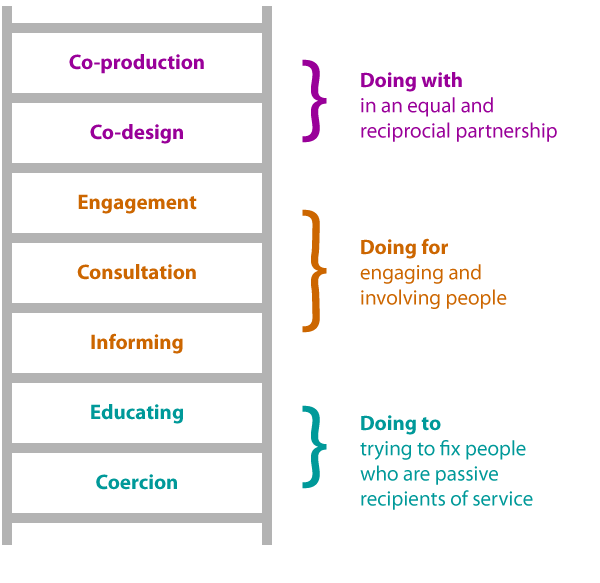
This is one of the reasons why National co-production week helps to try educate others on the importance of co-production. It should be a time where patients and carers focus on what we can do, rather than what is always being done to us.

A culture problem

Health services, social care and psychiatry often suffer from a problem of a top down organisational structure. Only the experts know best and there is pressure for them to produce results. If its not about saving costs and producing quality results, its also the culture of the health professionals being highly educated to know what is best. History unfortunately has shown the mistakes where the culture of who knows best can do untold amount of damage to the community. The culture barrier can stop/limit the end user or community from using their voices to get involved and tackle inequalities of health and social care.

Co-production-ladder

Too often health professionals and commissioners have the idea that because the end user was not educated about health and social care, that some health experts feel end users do not have anything to contribute. The policies, practices and principles are guarded for dear life and the impact on the community is limited.

Continue reading

Why it is important to understand healthcare as a Carer

smallerWelcome again to another post from carer Matthew Mckenzie.  I have done a new video regarding the NHS and why it is important to understand healthcare services at an unpaid carer.

The video covers aspects of querying GP surgeries, hospitals and pharmacies.


The video also covers using these services and why it is so important carers review them.  Sorry the sound on the video is a little low as I tried using my laptop as the video recorder, but next time I will use the camcorder.

I hope to cover more videos regarding health services and unpaid carers in future.

Hope you enjoy.

Carers Week 2019 – Connecting Carers

Giving help

Hello all.

Thanks for taking the time to read my blog. I am raising awareness for Carers Week 2019.  I am what you know as a mental health carer, an unpaid carer providing support to someone with Mental Health needs. I am not afraid to say this, mental illness is very common and can be quite easy to hide.

However lets not focus on mental health for now, this blog is about carers week 2019. I thought it worth to use my time to promote the cause of Carers Week 2019.

If you want to watch my video blog, please click the video below to play it.

Carers Week is an annual campaign to raise awareness of caring, highlight the challenges unpaid carers face and recognise the contribution they make to families and communities throughout the UK. It also helps people who don’t think of themselves as having caring responsibilities to identify as carers and access much-needed support.

Carers week runs from June 10 – 16th. Carers week 2019 has the theme of “Getting Carers Connected in their communities”….and boy don’t carers need it.

Here are some facts about carers

  • A carer is someone looking after someone close suffering physical or mental health, or even both.
  • There are around seven million carers in the UK
  • Carers save the economy £132 billion per year, an average of £19,336 per carer
  • There are many types of carers, Young carers, Mental Health carers, Older carers, remote carers and more.
  • 68% of young carers are bullied in schools (taken from Carers Trust website)
  • Caring can unfortunately reduce carers ability to socialise and network, carer stigma can make that worse, especially if caring for someone with complex needs.
  • Connecting carers to communities can educate communities about carers, about the isolation and stigma carers can face. A caring community is in everyone’s benefit.

How can you support Carers week 2019?

  • If you are a carer or not, try ask what your MP is doing to support Carers in your area?
  • You could try speak at an event, or attend an event about carers.
  • If you want to keep it on the down low, try educate yourself about carers week, check out the carers week website Carers Week 2019
  • You could also Make a pledge on the Carers Week website.

Anyway I hope to do more video blogs soon, lots to do and say, and lots to say and do. Promotion of carers, mental health, psychology and psychiatry and the NHS can be so important.


Sometimes us unpaid carers need to step up

smallerHello again, I have not blogged in a while, because being so active in my area due to attending events, running carer strategy forums and networking like hell. I know the title might seem a little off putting, but in my long experience of being involved in health and mental health services as an unpaid carer, there are a few things I have noticed.

Just to note, I am writing as an unpaid mental health carer, basically a carer supporting someone close who has mental health needs. Unpaid carers struggle quite a bit to get noticed, their culture is to put the ‘cared for first’ and themselves last. Perhaps it is a respected human trait, carers come with a big heart, but it does come with some risks. This is what I will be blogging about today.

Continue reading