Tag Archives: Caring Mind

November 2025 Carers News — New Release from A Caring Mind

Welcome to the latest edition of my unpaid carer newsletter for November
This month’s release is full of insights, stories and resources to support carers across the UK.

Read the full newsletter here:
🔗 November Edition of A Caring Mind News


🔥 5 Hot News Stories & Must-Reads in This Issue

1. Carers Rights Day 2025 — What You Need to Know

A clear rundown of carers’ legal rights, financial support, and where to get free advice this year.

Carers Rights Day 2025 – “Know Your Rights, Use Your Rights!” – Carers Trust

It’s Time to Talk Differently about Unpaid Care – Carers Trust

The cost of caring – the impact of caring across carers’ lives

University contributes to national initiative supporting young adult carers

2. New Research on the Mental Health of Unpaid Carers

A powerful new study highlights the emotional and physical toll of long-term caring, plus steps carers can take to protect their wellbeing.

Carers and empowerment in the UK: a critical reflection

Judgements about carer assessments for carers of people with dementia: case vignette study 

3. Tech Support for Carers: Free Tools You Can Use

This month we feature free digital tools and apps that help with scheduling, wellbeing tracking, and managing complex care tasks.

Using TEC to support unpaid or informal carers webinar – Derbyshire Carers

How Technology Helps Carers in 2025 – Apps, AI & Smart Tools Explained

4. The focus on Patient Carer Race Equality Framework

Ethnic and minority carer information and updates

Race equity in mental health: the systemic, legislative change we need

Hampshire & Isle of Wight Healthcare – “NHS Trust launches bold Anti-Racist Action Plan to tackle inequality and discrimination”

Hope, progress, and accountability: Tackling racial inequalities in mental health together – NHS England

An Afternoon with PCREF – Event

Making Time for Black Mental Health: A Black Male Carer’s Reflection

5. Inspirational Reads: Books & Resources That Lift the Spirit

From lived-experience stories to practical guides, we spotlight the best reads for empowering carers during the winter months.


Also in This Issue

  • My brand-new audiobook, The Poetry Book of Mental Health Caring, featuring poems written by unpaid carers across the UK
  • Upcoming events, workshops and support groups
  • Community stories and reflections

Read the full November edition here:
🔗 https://mailchi.mp/f8473b2dac00/carer-news-from-a-caring-mind-12848380


The Digital Revolution in Unpaid Care: Empowering Carers Through Technology

From Matthew McKenzie carer activist

For Unpaid carers those who support loved ones living with long-term physical or mental health conditions, they face a unique set of challenges. The role is often demanding, emotionally taxing, and can feel isolating. Yet, in recent years, the rapid advancement of digital tools, apps, and online platforms has begun to transform the landscape of unpaid care, offering new avenues for support, organization, and connection.

My blog is a short transcript of my longer video below

Drawing from the lived experience as a passionate advocate for unpaid carers and an IT professional, my article and video explores how digitization, artificial intelligence, and mobile technology are reshaping the way informal carers manage their responsibilities. We’ll delve into the practical benefits, the most useful apps, and the limitations of technology in the caring role, providing a comprehensive guide for carers seeking to harness digital tools for their own well-being and the well-being of those they support.


Understanding the Role of Technology in Unpaid Care

The Growing Demands on Carers

Unpaid carers often juggle multiple responsibilities: managing medication schedules, tracking symptoms, coordinating appointments, and advocating for their loved ones with health professionals. The emotional and cognitive load can be overwhelming, especially when combined with work, family, and personal commitments.

As I points out, “As humans, we can only remember things so often. So, especially when we’re getting older or if we are under a lot of stress trying to juggle our caring role and busy lives, it does help to have apps that can schedule these things.”

The Promise of Digitization

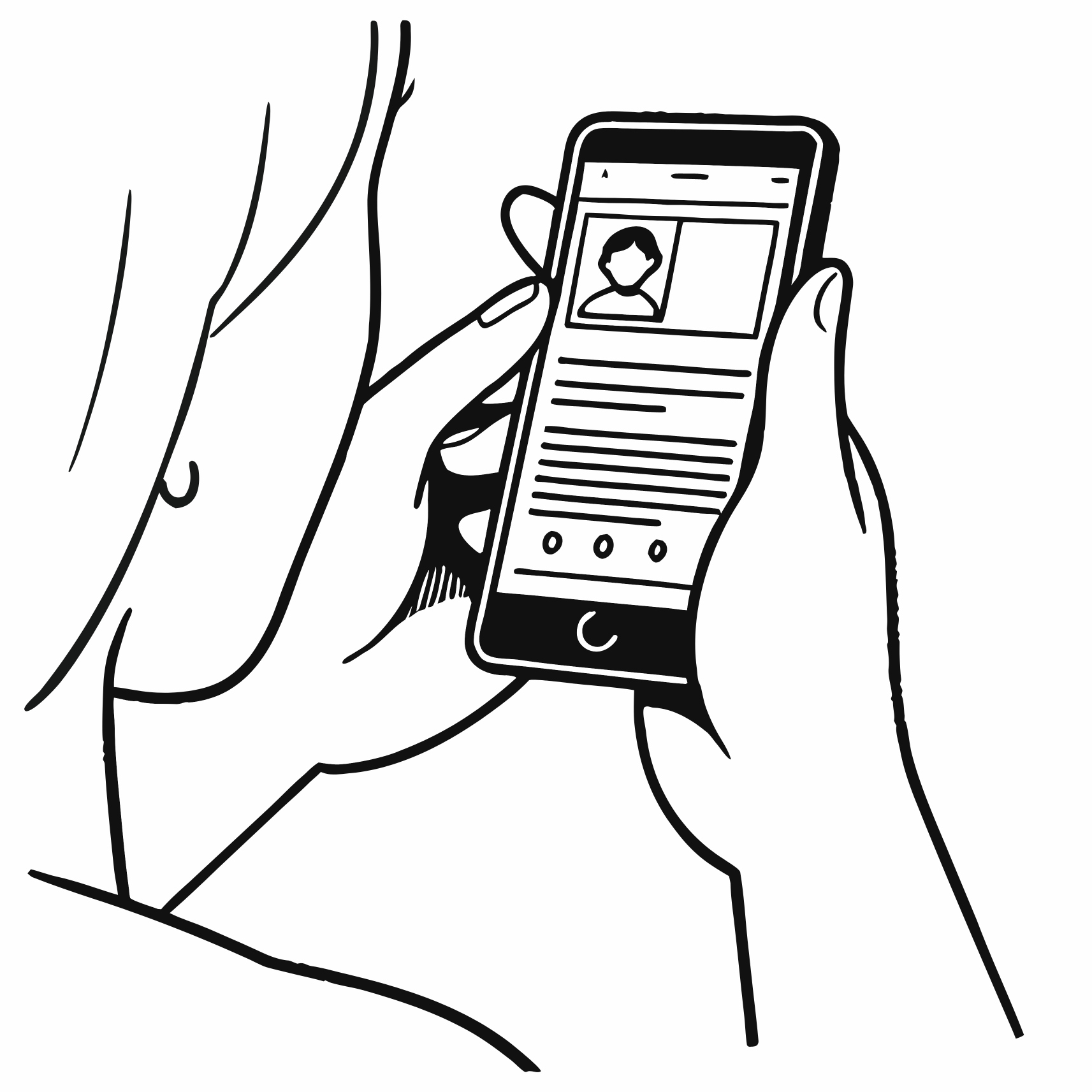
Digitization offers carers a “second brain”, a way to offload tasks, reminders, and information, reducing stress and mental clutter. Mobile phones, now more powerful than ever, serve as hubs for health management, communication, and emotional support. But while technology can be transformative, it’s not without its challenges, including digital literacy, access, and the irreplaceable of value of human connection.

The Future of Care: Technology as an Empowering Force

The digital revolution is reshaping unpaid care, offering carers new ways to manage responsibilities, connect with others, and support their own well-being. While technology is not a replacement, it can be a powerful ally, reducing stress, improving organization, and fostering community.

As my experience shows, embracing digital tools can transform the caring journey. By leveraging apps for health management, communication, and emotional support, carers can reclaim control, reduce isolation, and find new sources of strength.

Ultimately, the goal is not to replace human kindness or connection, but to empower carers with the tools they need to thrive. With thoughtful adoption and ongoing support, technology can help unpaid carers navigate the challenges of their role and build a brighter, more connected future.

Resources and Recommendations my video covers

Essential Apps for Carers

  • Pill Reminder: Medication management and alerts
  • Medsafe: Medication tracking and scheduling
  • NHS App: Health records, care plans, and feedback (UK)
  • Google Calendar / Microsoft Outlook: Appointment and routine management
  • To-Do List / Trello: Task organization
  • Zoom / Microsoft Teams / Google Chat: Virtual support groups and communication
  • Siri / Google Assistant: Voice commands and reminders
  • AI Journals / Well-being Apps: Emotional support and mindfulness

Tips for Safe and Effective Use

  • Choose reputable apps with strong privacy policies
  • Keep software updated to ensure security
  • Seek training or support if you’re new to digital tools
  • Balance online and offline support for holistic well-being

Conclusion

Unpaid carers are the unsung heroes of our communities, providing vital support to those living with long-term ill health. The rise of digital tools and technology offers new hope, making the caring role more manageable, less isolating, and more connected.

By embracing digitization, carers can streamline their responsibilities, access emotional support, and build resilient communities. While challenges remain, the future of care is bright, powered by technology and the enduring spirit of human kindness.

Breast Cancer Awareness Month 2025: Support & Solidarity

By Matthew McKenzie – Facilitator of cancer carer forum

Breast Cancer Awareness

October marks Breast Cancer Awareness Month in the UK, which is a time not only to focus on the disease itself but also to recognize the people whose lives are touched by breast cancer.

Awareness campaigns often center on early detection and medical advances, but the human stories behind the statistics are equally vital. Patients, families, and carers form a network of support, resilience, and hope, and their experiences deserve to be at the heart of our conversations.

Just to note, the blog is a transcript of my video below.

The Scope of Breast Cancer in the UK

Breast cancer affects tens of thousands of people every year in the UK, according to organizations like Macmillan Cancer Support. The impact is widespread, touching individuals from all walks of life. While medical statistics and research are essential, it’s crucial to remember that behind every diagnosis is a person navigating a complex journey often with the help of loved ones and caregivers.

Practical Steps for Individuals and Communities

How You Can Make a Difference

  • Get to know your body: Regular self-examination and awareness of changes are key.
  • Seek medical advice: Don’t ignore persistent changes—early action is vital.
  • Share information: Spread reliable, accurate information about breast cancer.
  • Support carers: Recognize their role and offer practical and emotional support.
  • Join or create support networks: Forums, peer groups, and information hubs can make a big difference.
  • Promote solidarity: Wear pink, share stories, and show support.
  • Advocate for better services: Engage with local authorities and healthcare providers to improve access and support.

Building a Supportive Environment

Creating a supportive environment for patients and carers involves more than just medical care. It’s about fostering connections, offering respite, and ensuring that everyone feels included and valued.

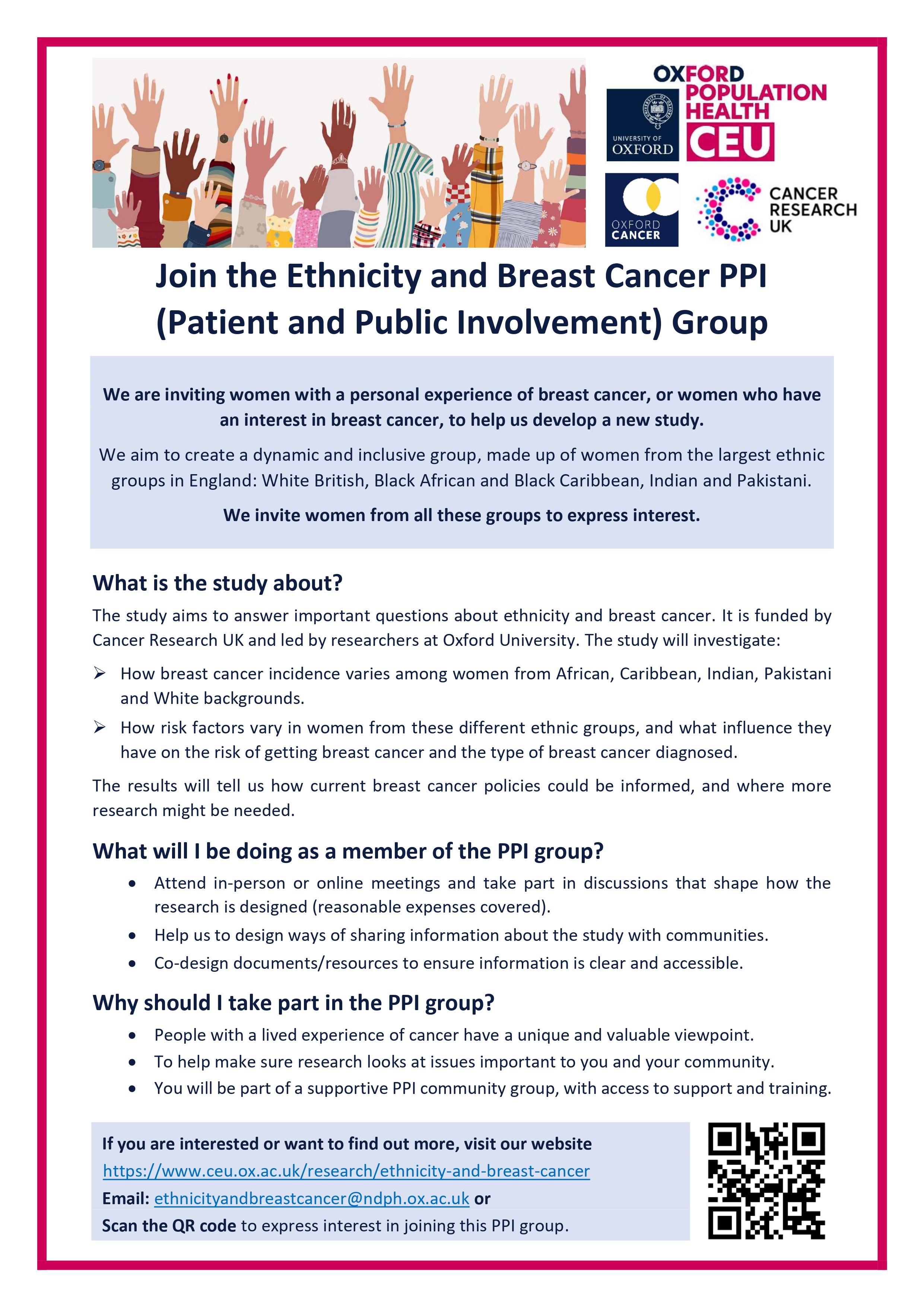
Your Voice Matters: Join the Ethnicity and Breast Cancer PPI Group

By Matthew McKenzie (facilitator of National cancer carer forum) – Caring Mind

As someone passionate about involvement and health inequalities, I’m always eager to spotlight opportunities where diverse voices can drive real change. One such opportunity is currently open through a vital new research initiative led by Oxford Population Health and Cancer Research UK.

Why This Study Matters

Breast cancer affects thousands of women every year, but not all communities are impacted equally. The risks, experiences, and outcomes can vary significantly based on ethnicity – yet we still don’t have enough evidence explaining why.

This is why Oxford researchers are launching a new study to explore how breast cancer affects women from different ethnic backgrounds, particularly African, Caribbean, Indian, Pakistani, and White British communities.

The aim is simple but essential: to improve breast cancer care for all women by understanding how ethnicity influences diagnosis, treatment, and risk.

How You Can Get Involved

The team is inviting women with personal experience of breast cancer or even those who have a strong interest in the topic to join their Patient and Public Involvement (PPI) Group.

If selected, you’ll have the opportunity to:

  • Share your insights in online meetings that shape how the research is done.
  • Help communicate findings back to the community in a clear and accessible way.
  • Co-develop tools and resources that empower women from all backgrounds.

This is your chance to ensure the voices of underrepresented communities are heard in life-changing research.

Why Your Voice Is So Important

As someone who has spent years advocating for marginalised communities, I can’t stress this enough: Representation in research leads to better outcomes. If women from diverse ethnic backgrounds aren’t involved in shaping breast cancer studies, critical insights will be lost and the same inequalities will continue.

By joining the PPI group, you’re not just helping researchers you’re helping your community. Your lived experience, your culture, your understanding of the challenges women face all of that brings invaluable richness to the study.

Interested? Here’s How to Take Part

If you’re ready to help shape a more inclusive and impactful breast cancer study:

🔹 Visit: https://www.ceu.ox.ac.uk/research/ethnicity-and-breast-cancer
🔹 Email: ethnicityandbreastcancer@ndph.ox.ac.uk
🔹 Or scan the QR code in the flyer shown below to express interest.

Let’s help amplify unheard voices in cancer research. Representation starts with involvement. Let’s be part of the change.