Tag Archives: cqc

Escalating complaints as an unpaid carer

Welcome back to another blog post by carer activist Matthew McKenzie. I usually blog to help to educate unpaid carers on navigating health systems and strengthening their carer identity.

Today we are looking at why and how carers can escalate complaints if disatisfied about responses from health or social care services.

I have also done a video if you wish to see examples of complaints and escalations. (23 Minutes). Please click on the video below to watch.

As an unpaid carer you can learn how to navigate escalating complaints in unpaid care, from informal concerns to legal action and media attention. Empower yourself to advocate for quality care and address systemic failures effectively.

Introduction

Navigating the complexities of healthcare systems can be challenging, especially for unpaid carers who dedicate themselves to looking after a loved one struggling with long-term mental or physical health issues.

Often, situations may arise where the care being provided falls short of acceptable standards, compelling carers to lodge complaints. Unfortunately, not all carers are well-informed about how to escalate these complaints effectively. This blog provides a comprehensive guide to unpaid carers on escalating complaints in various stages, from initial informal resolutions to severe legal actions.

Understanding the Importance of Complaints

Before delving into the stages of complaint escalation, it’s crucial to understand why raising concerns and complaints is so important. Complaints serve multiple purposes—they highlight deficiencies in the system, enforce accountability, and, most importantly, ensure that the care recipient gets the best possible treatment. Carers must recognize that it’s their right to complain if the services provided do not meet acceptable standards.

Initial Steps for Complaints

Informal Concerns and Basic Level

The first step in resolving any issue should ideally be informal, characterized by direct and immediate communication with the professional involved. This could be a social worker, care coordinator, or any key member of the mental health team.

Preparing for the Meeting

Preparation is key to a successful resolution. Carers should come equipped with detailed notes, including dates and instances of lapses or failures. Bringing along the service user’s care plan can lend weight to the complaint and provide a concrete reference for the discussion. This method is most effective for minor issues such as delays in communication or minor discrepancies in the care plan.

Escalating to Written Complaints

Intermediate Level

If informal attempts do not yield satisfactory results, the next step is to submit a formal written complaint. This involves documenting all concerns, efforts made to resolve them, and any pertinent evidence.

You can also contact your local Healthwatch to feedback on services or get advice on the best way to complain.

Writing the Complaint

When writing the formal complaint, ensure to:

  • Detail your concerns comprehensively
  • Include records of prior communication attempts and failures
  • Provide specific dates and names of the individuals involved
  • Clearly state your desired outcome

Timeframes for Resolutions

Generally, service providers are required to acknowledge receipt of the complaint and provide a timeline for investigation, usually ranging from 20 to 40 working days, depending on the complexity of the issue.

Seeking Mediation and Further Assistance

Escalation to PALS or Advocacy Services

If the issue remains unresolved, carers can seek help from PALS (Patient Advice and Liaison Service) or advocacy services. These intermediate-level services can provide guidance, represent the complainant, and even escalate the complaint within the service provider’s framework.

Contacting PALS or Advocacy Services

PALS offers confidential advice and can work as intermediaries between the carer and the care team, helping to navigate the complaints process effectively. Advocacy services can assist in drafting the complaint and ensuring that all necessary documentation is in order.

Formal Regulatory Bodies

Advanced Level

In cases of unresolved issues, escalating the complaint to regulatory bodies like the Health Service Ombudsman or Care Quality Commission (CQC) becomes necessary.

The Role of Regulatory Bodies

These bodies can investigate the case further, ensuring that the complaint is handled fairly. The CQC, although not handling individual complaints, can trigger inspections if there are significant failings in service provision.
When to Use Regulatory Bodies

This step is most appropriate for serious concerns such as poor care quality, negligence, or unsafe practices. Carers should be aware that investigations by these bodies can take considerable time.

Legal Action

Severe Level

When harm, serious malpractice, or gross negligence is involved, seeking legal advice may be the next appropriate step. This involves consulting a solicitor specializing in healthcare or mental health law.

Preparing for Legal Action

Selecting the right solicitor involves thorough research. Often, mental health law solicitors have extensive experience dealing with such cases and can offer valuable advice on the viability of pursuing legal action

When to Consider Legal Action

Legal action is usually reserved for extreme cases involving significant harm or death of the service user due to negligence or severe violations of rights. Legal channels can offer compensation and bring justice, albeit at a financial and emotional cost.

Public Campaigns and Media Attention

Escalation to Media and Public Campaigns

As a last resort, if internal and formal channels fail, bringing the issue to the public through media or social campaigns might be necessary. This becomes relevant when the issue represents a systematic failure affecting multiple service users or carers.

Steps to Engage Media or Public Campaigns

Carers can contact press organizations, social media channels, mental health advocates, or relevant charities, such as Mind or Rethink Mental Illness, to amplify their concerns.

The Role of MPs and Other Influential Bodies

Sometimes reaching out to local Members of Parliament (MPs) can also lend significant weight to a complaint, ensuring that it gets the attention it deserves. MPs can raise systemic issues within parliamentary forums, adding another layer of accountability for the service providers.

Summary

Navigating the complaint process within healthcare systems is a multi-tiered approach, designed to ensure that carers’ voices are heard at different levels of severity. Starting from informal resolutions, progressing to written complaints, and escalating to regulatory bodies or legal action, the system provides various stages for addressing concerns. If all else fails, public campaigns and media attention can serve as powerful tools to bring systemic issues to the forefront. Understanding these steps empowers carers to advocate effectively for their loved ones, ensuring that they receive the care and support they rightfully deserve.
By following this structured approach, unpaid carers can raise concerns at appropriate levels, ultimately ensuring that their voices are heard and acted upon, bringing about meaningful change in the system.

Remember complaining about a service is never that easy, full of stress and worries, but if we do not complain then how can health and social care services improve?

It is your right to complain as a carer if you are unhappy with results. Use it!!

Ethnic mental health Carer Forum Update October 2024

Welcome to a brief update of my National ethnic/global community carer forum aimed at those caring for someone living with mental illness.

Here is a brief summary of October’s ethnic carer forum.

The mental health carers forum discussed updates on carer’s work stream, the launch of the carer strategy at North East London NHS FT, and an event focused on upstreaming care and black men’s mental health. The group also discussed a research project involving carers and patients, the Rethink Mental illness on involvement in the IMPACT Network, and the Patient and Carer Race Equality Framework. Lastly, the importance of representation on CQC boards, tackling health inequalities in England, and the need for continued advocacy for change were highlighted.

Mental Health Carers Forum Updates

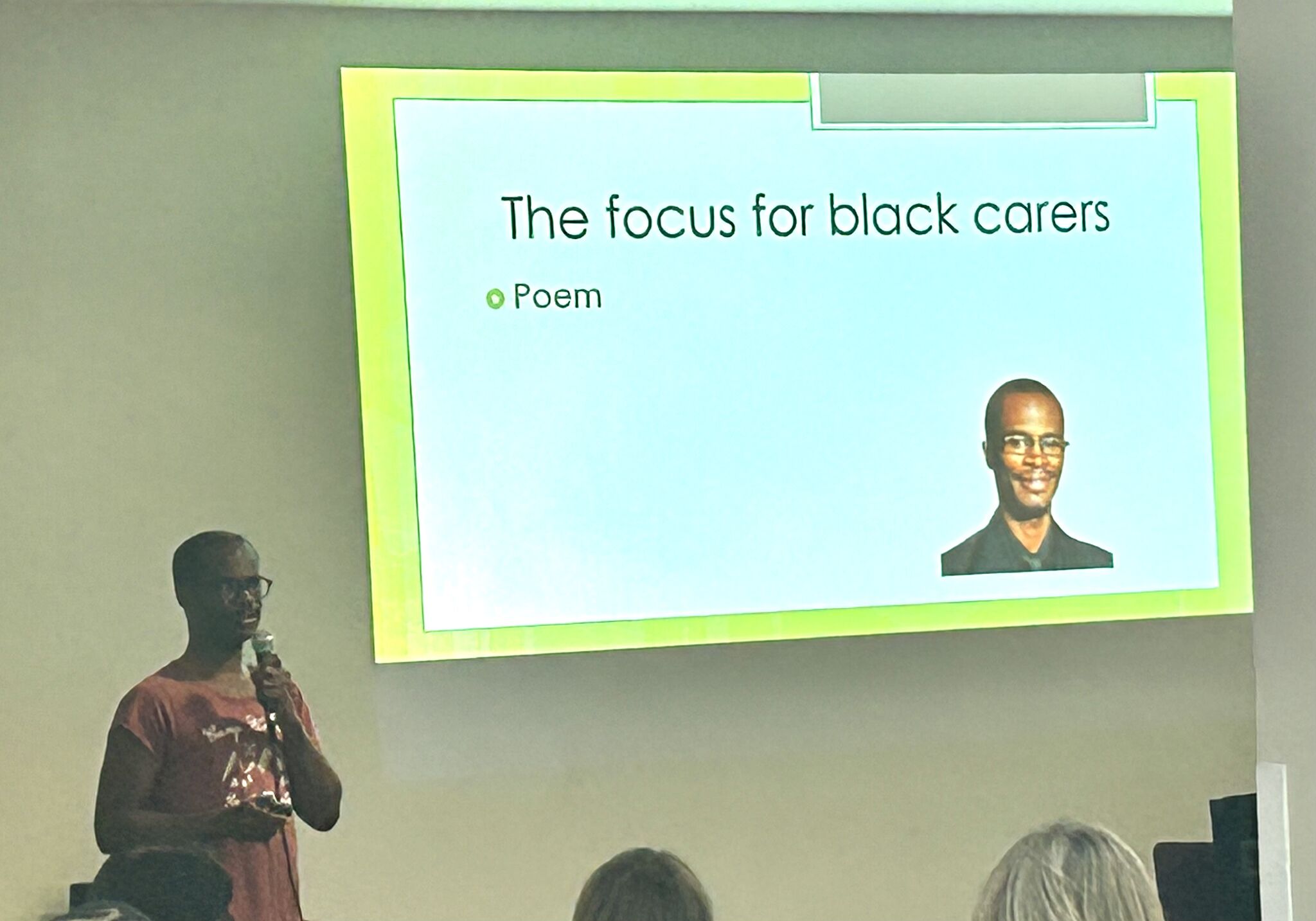
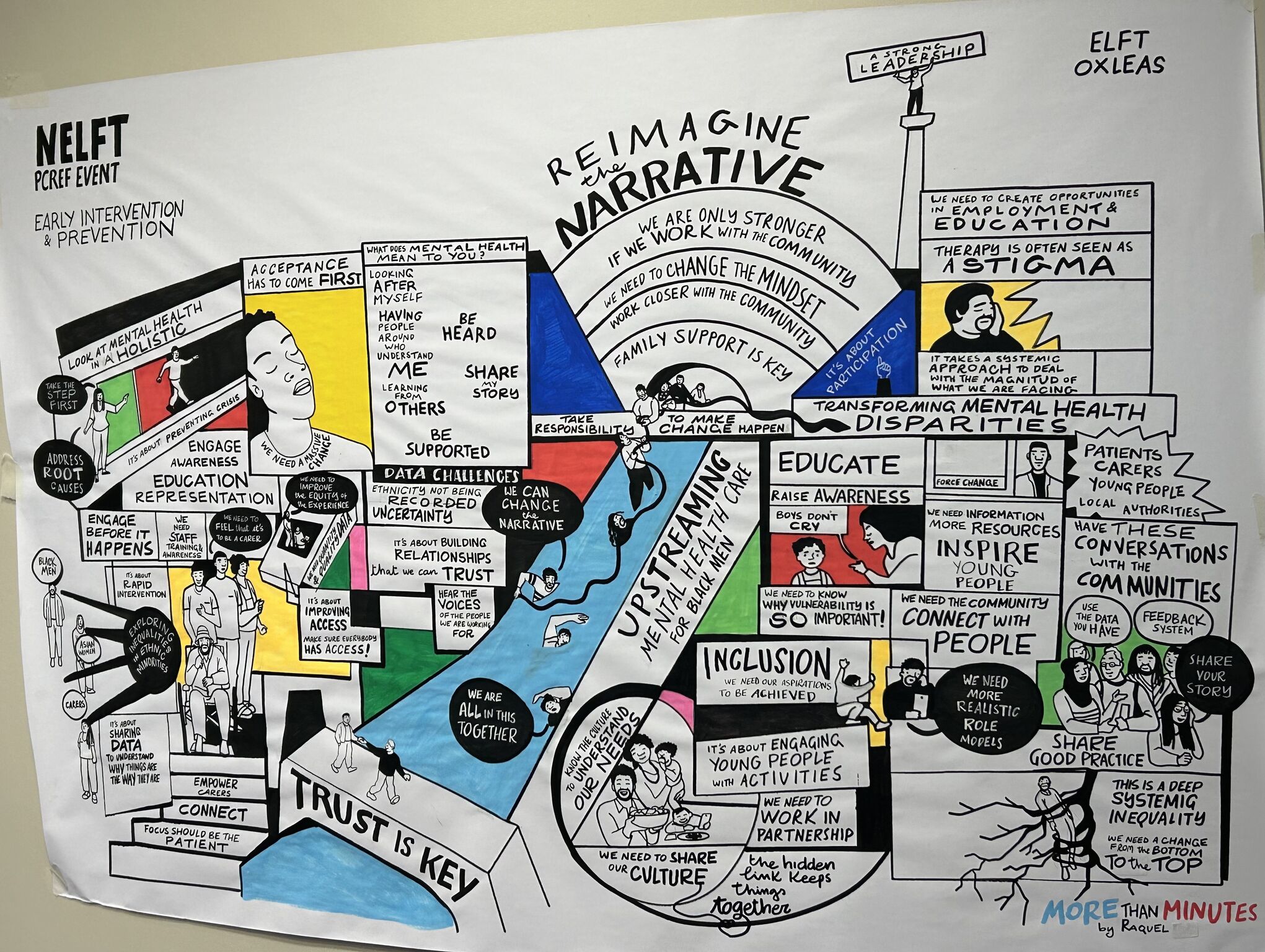
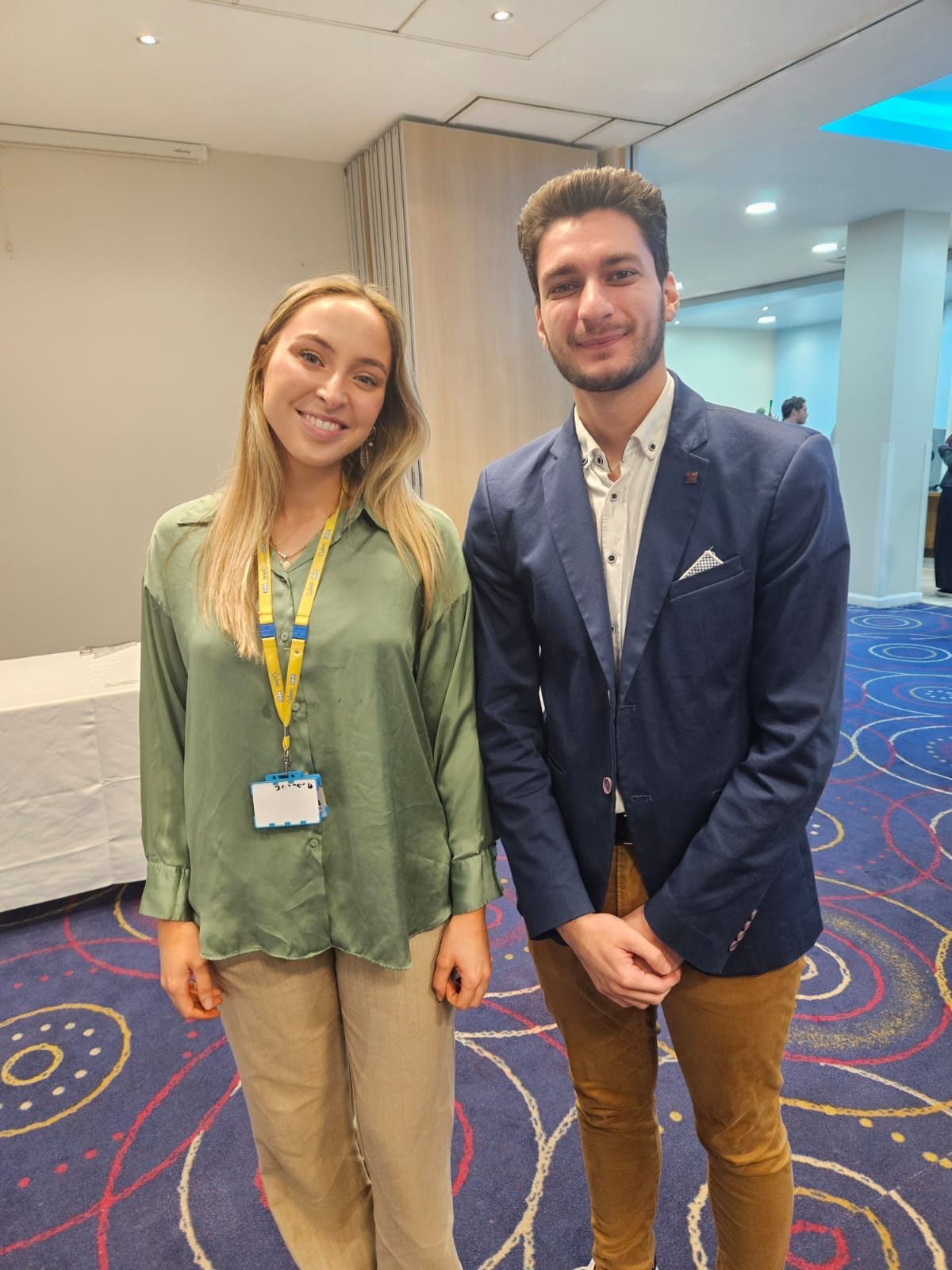
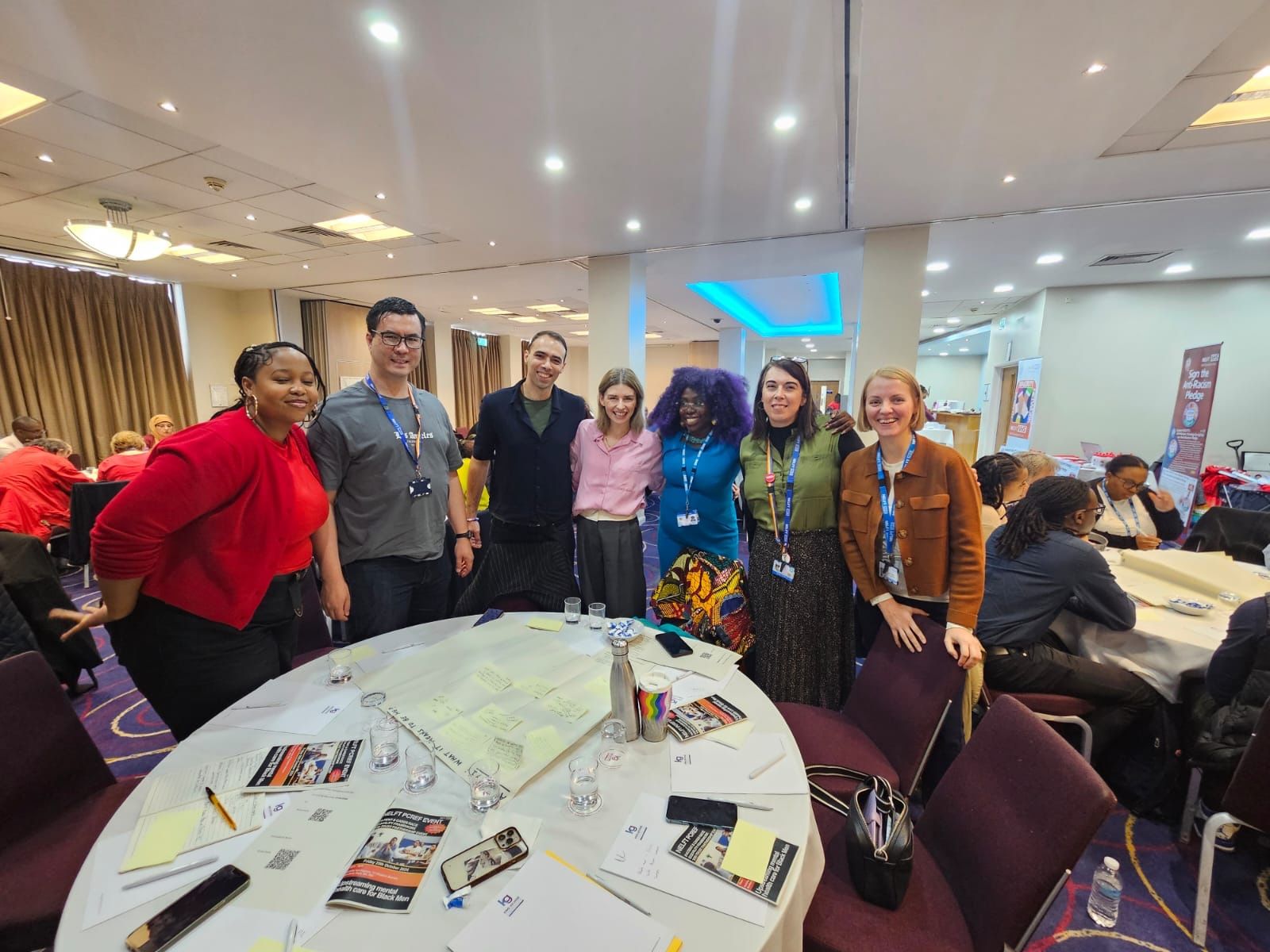
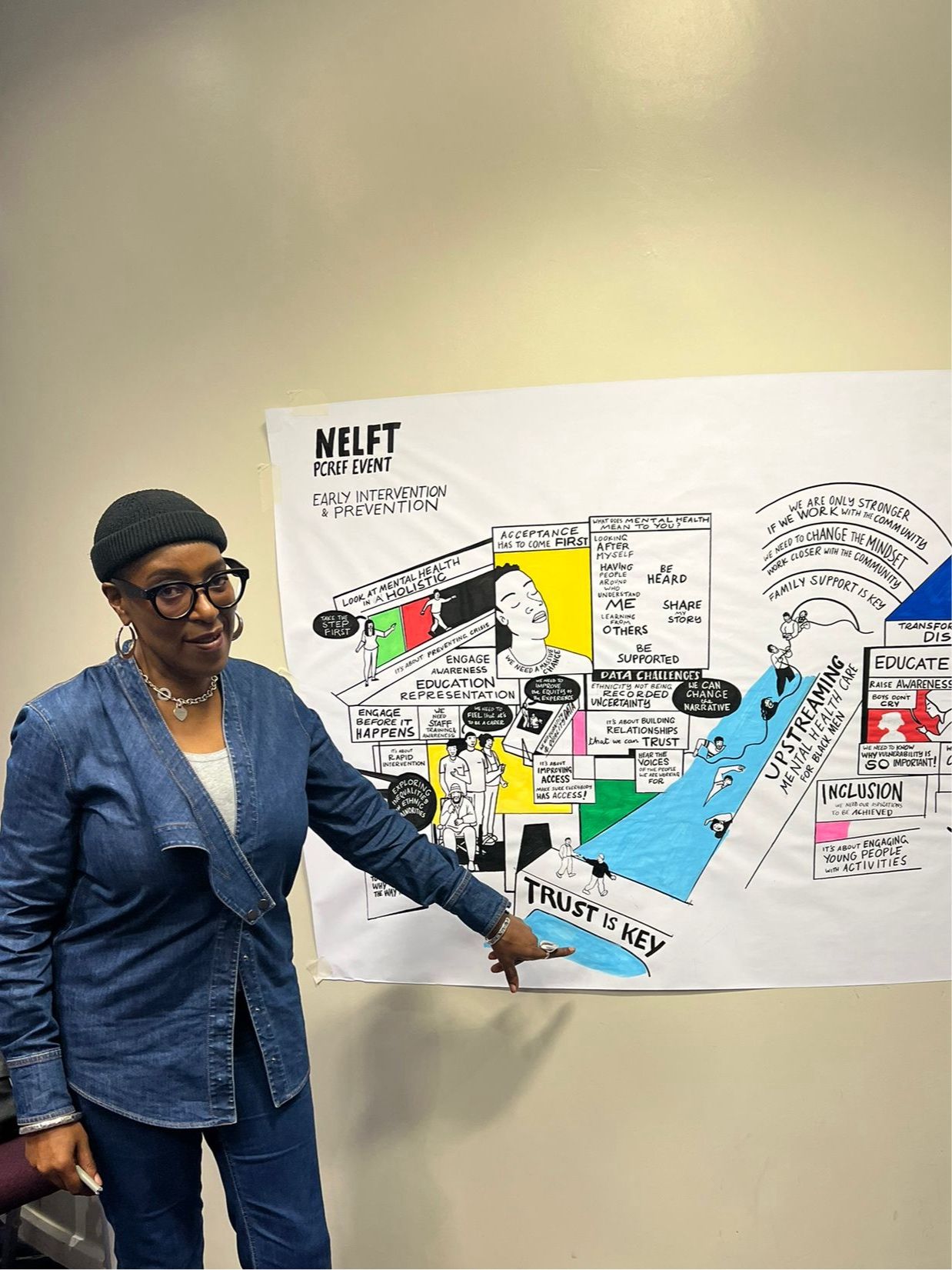
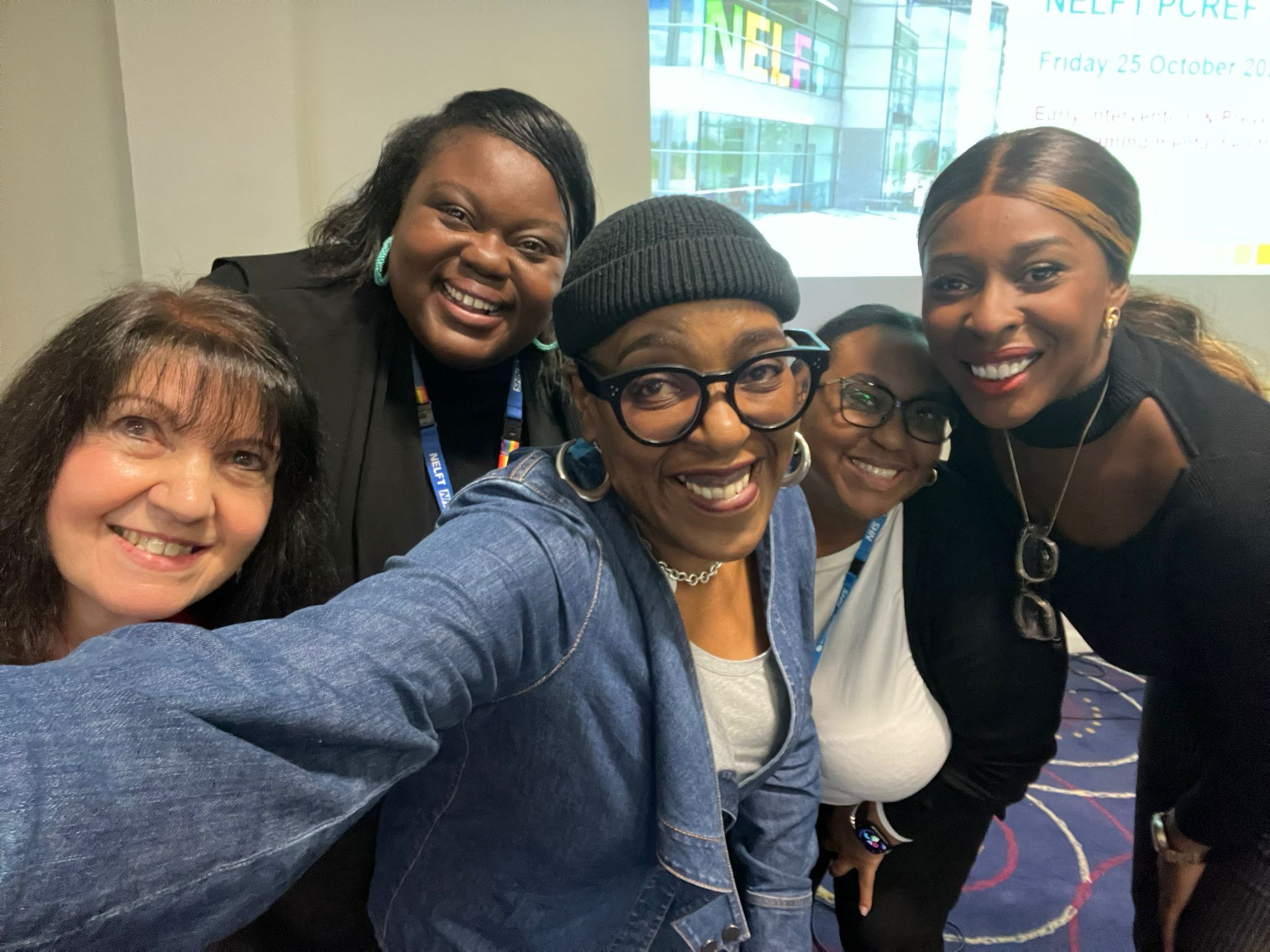
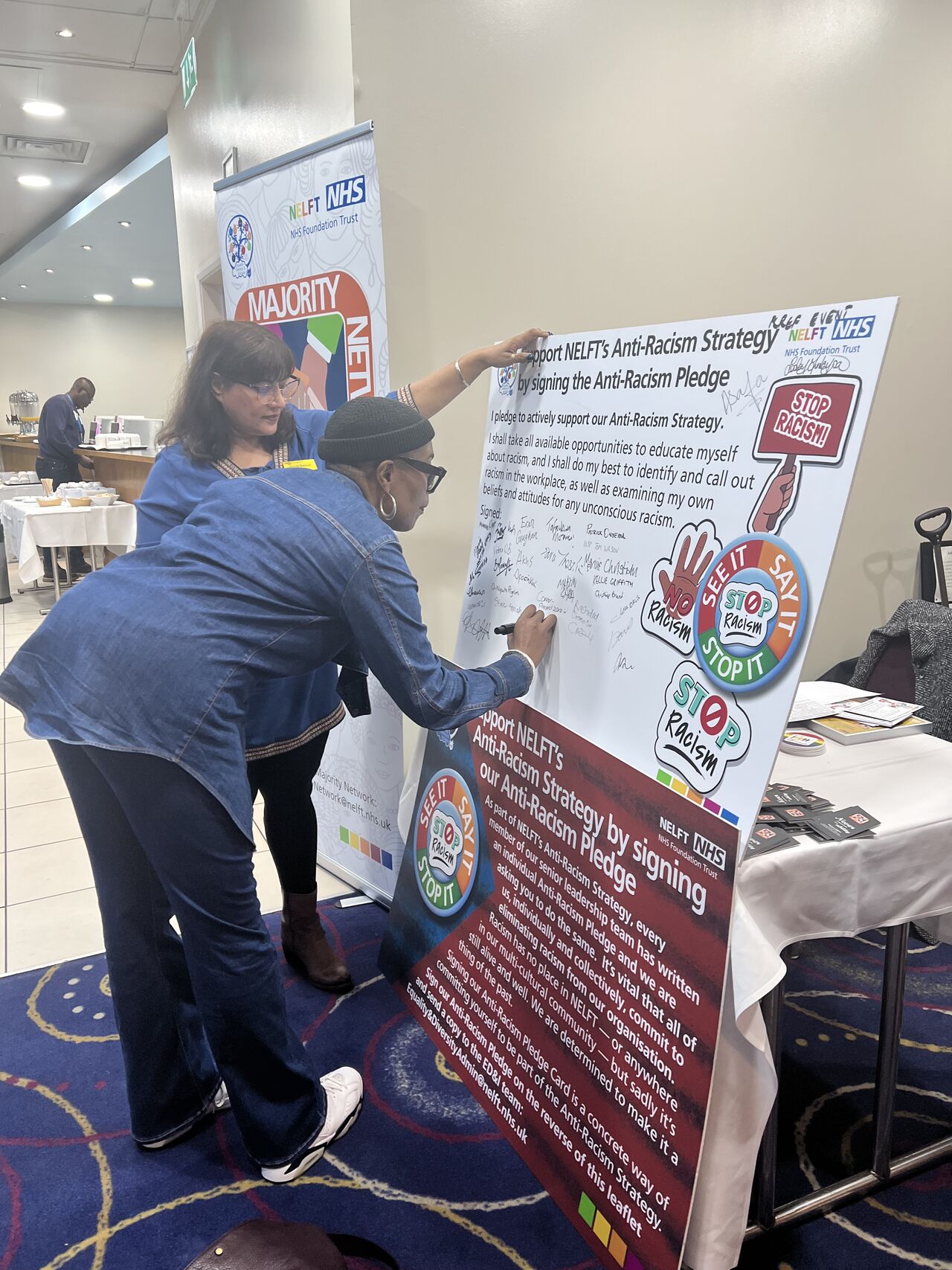
Matthew Mckenzie, the organizer of the mental health carers forum, introduced the event and its purpose. He mentioned that the forum is a platform for carers of minority groups to learn about new initiatives and updates from researchers and NHS trusts. Matthew also introduced Asia Zaman, the Transformation Project Manager for NELFT, who shared updates about the carer’s work stream and the upcoming launch of their carer strategy. Erica Deti, the PCREF Lead for NELFT, then discussed an event focused on upstreaming care and black men’s mental health. She highlighted the event’s success in engaging the community and the importance of incorporating creativity and cultural aspects into their work. Matthew also shared pictures from the event, which some can be seen below.

Anti-Racism Event and Carer Involvement

Matthew expressed his positive experience at the NELFT event focused on anti-racism, highlighting the multi-organizational nature of the event and the shared learning opportunities it provided. He also mentioned the launch of the Carers strategy, which he found interesting. Erica confirmed that they would be sharing the findings and learnings from the event with the group.

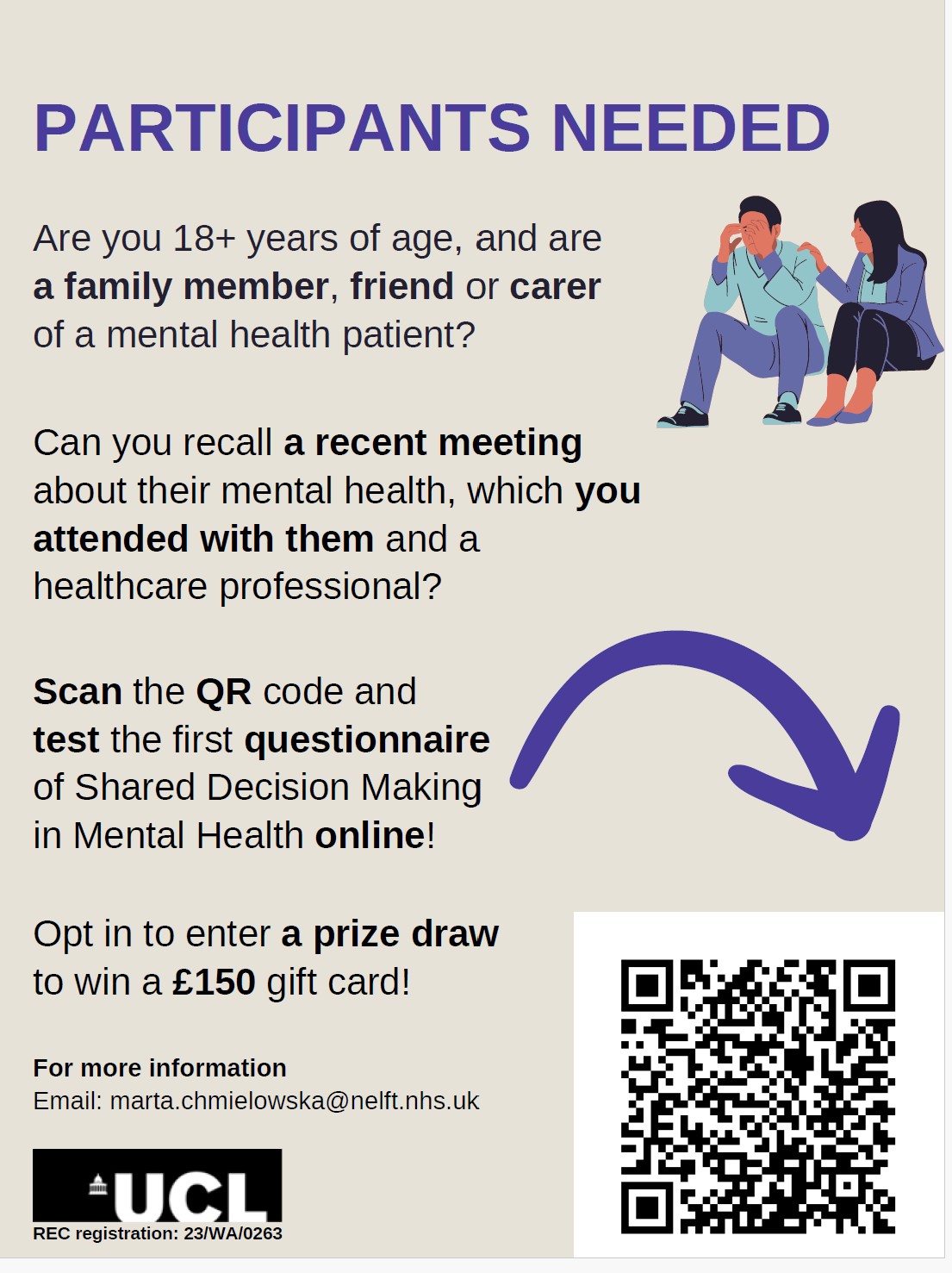
Marta Chmielowska at researcher at PhD Candidate in Clinical Psychology at UCL then presented her research project, which aimed to involve carers in the conversation about treatment and care in mental health services. She shared a questionnaire she developed and expressed her desire to promote it to encourage carers to participate

Marta’s Carer and Patient Project

Matthew opened the floor for any quick questions or comments for Marta, who had just presented on her project involving carers and patients. Matthew also mentioned that he would share the details of the project on his website. Marta then discussed her project, which involves a questionnaire for carers and patients to share their experiences. She mentioned that the project is online due to logistical reasons and that she has been in touch with various carer groups and charities.

For more details see poster below or email : m.chmielowska@ucl.ac.uk

Rethink Mental Illness Joins Impact Network

Ian and Ruqia from Rethink Mental Illness discussed the organization’s involvement in the Impact Network, a national organization focused on strengthening inclusion and anti-racist practice. The network, coordinated by the Universities of Birmingham and Sheffield, aims to put policy into practice and is action-oriented. The network meets four times over the next year and will decide on an action plan based on discussions and ideas. Ian and Ruqia encouraged interested individuals, including those with lived experience of severe mental illness and professionals in the mental health sector, to express their interest via email. They also mentioned that Rethink Mental Illness may have other opportunities in the future for those interested in their work.

CQC focus on Patient and Carer Race Equality Framework

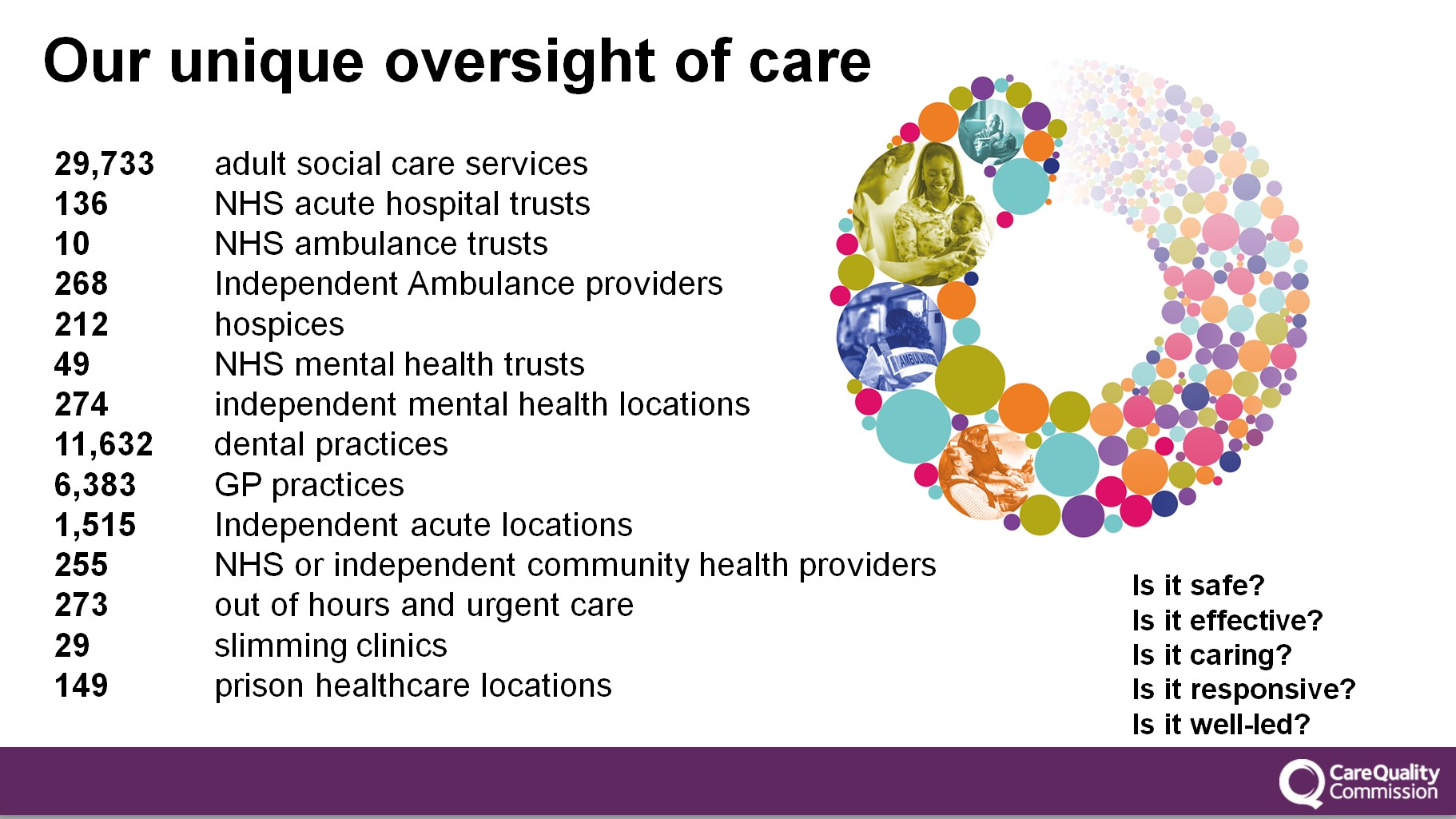
Ciara and Giovanna discussed the Patient and Carer Race Equality Framework, a project they’ve been involved in since its inception. Giovanna, a senior analyst at the Care Quality Commission, explained the CQC’s role as the independent regulator of health and adult social care in England, and their oversight of almost 30,000 adult social care services. They also touched on their upcoming work, including the integration and coordination of the framework with their existing projects.

Giovanna also mentioned the publication of their annual statutory report, the State of Care report, and the legislative duties imposed on providers to register with them. The conversation ended with a discussion on the mandatory nature of the framework for all mental health trusts and NHS-funded mental health services.

Incorporating PCREF Into Regulation

In the meeting, Ciara discussed the role of the CQC incorporating the Patient and Carer Race Equality Framework (PCREF) into their regulation. They have developed interim guidance and training, and plan to use PCREF to inform their next set of guidance. They also intend to update their learning and training to support a more detailed understanding of PCREF. Ciara also mentioned the importance of including the voices of carers from ethnic minority backgrounds in their engagement and co-design of the PCREF guidance and training. The organization itself is also committed to being an anti-racist organization and plans to engage with stakeholders to add value. They are currently collecting good examples of feedback and good practice from their inspectors and mental health reviewers, and from pilot trusts. They also plan to share these examples in their monitoring the Mental Health Act Report.

For those interested, here are reports the CQC kindly presented.

Review into the operational effectiveness of the Care Quality Commission: interim report
https://www.gov.uk/government/publications/review-into-the-operational-effectiveness-of-the-care-quality-commission

Response to the interim findings of the Dash review into
CQC’s operational effectiveness
https://www.cqc.org.uk/news/stories/response-interim-findings-dash-review

Review into the operational effectiveness of the Care Quality Commission: full report
https://www.gov.uk/government/publications/review-into-the-operational-effectiveness-of-the-care-quality-commission-full-report

Professor Sir Mike Richards’ Review of CQC’s single assessment framework and its implementation
https://www.cqc.org.uk/publications/review-cqcs-single-assessment-framework-and-its-implementation

CQC responds to reviews by Dr Penny Dash and Professor Sir Mike Richards
https://www.cqc.org.uk/press-release/cqc-responds-reviews-dr-penny-dash-and-professor-sir-mike-richards

Mental Health Services Data Set

The CQC discussed the ongoing work on the mental health services data set, Version 7, which is expected to be implemented slightly later than planned to align with legislative changes. They emphasized the need for balance in managing changes to avoid disruption. A mental health trust representative asked about the new data set and review process, to which the CQC responded that they have had not heard about a new data set. A carer asked the CQC about the changes in CQC’s leadership and systems, to which the CQC confirmed significant changes and a new chief executive. Another carer asked for links to recent reports about CQC’s situation, which the CQC agreed to provide.

Representation and Board Member Experiences

Giovanna and Ciara discussed the importance of representation at their CQC board, particularly in terms of ethnicity and experiences using services. The CQC agreed to find out more about the personal backgrounds of their board members and the potential for a new board member with relevant experiences. The conversation also touched on the lack of representation of certain groups, such as clinical psychologists, in their organization. Matthew suggested that the CQC could engage with the group again in the new Year and possibly write a blog about minority mental health care.

Addressing Health Inequalities in England

Leila from The King’s Fund discussed a project focused on tackling health inequalities in England. The project, which has been ongoing since 2020, aims to identify key areas for action to be included in the anticipated 10-year health plan. Leila highlighted seven areas for action, including a cross-government strategy to address the root causes of inequality, a shift towards prevention, radically changing relationships between the NHS and communities, tackling systemic racism and discrimination, capacity building, focusing on the importance of place in this work, and prioritizing partnerships with voluntary community and social enterprise organizations.

Leila emphasized the importance of amplifying the voices of people who experience these inequalities and ensuring that these messages are heard and acted upon. The project’s findings are not new, but Leila stressed the need to continue raising awareness and advocating for change.

This concludes a short update of October’s National ethnic carers forum

SW London MH Carer Forum August 2021

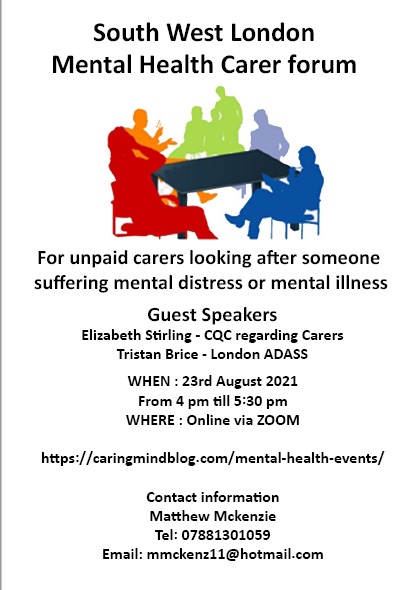
Welcome back to a brief update of my South West London mental health carers forum. It is not like my other forums since this one tends to be a hybrid of peer support and carer engagement. Plus its probably my largest carer forum which cover’s 5 boroughs or six boroughs if we engage with NHS South West London CCG, because the commissioners cover six boroughs that being the borough of Croydon.

Anyway, one of the main focus is on how South West London & St George engages with unpaid carers, especially about mental health services, but the forum can then become a networking forum for other carers even outside SW London as sometimes national speakers may appear.

The speakers for August were

Elizabeth Stirling the new CQC inspector for SWLSTG

Tristan Brice from London Association of Directors of Adult Social Services.

Elizabeth presents on what the CQC is about

Since the CQC spoke at length regarding roles and plans, I can’t blog too much about that, however Elizabeth was kindly referred to engage with our group since their interested in how the group is supported.

Elizabeth spoke on the following.

  • How she has Worked in health and social care for 23 years
  • Worked as a support worker for four years
  • How she has been a Social worker since 2005
  • Worked for Mental Welfare Commission for Scotland
  • Has lived experience on caring regarding mental health.

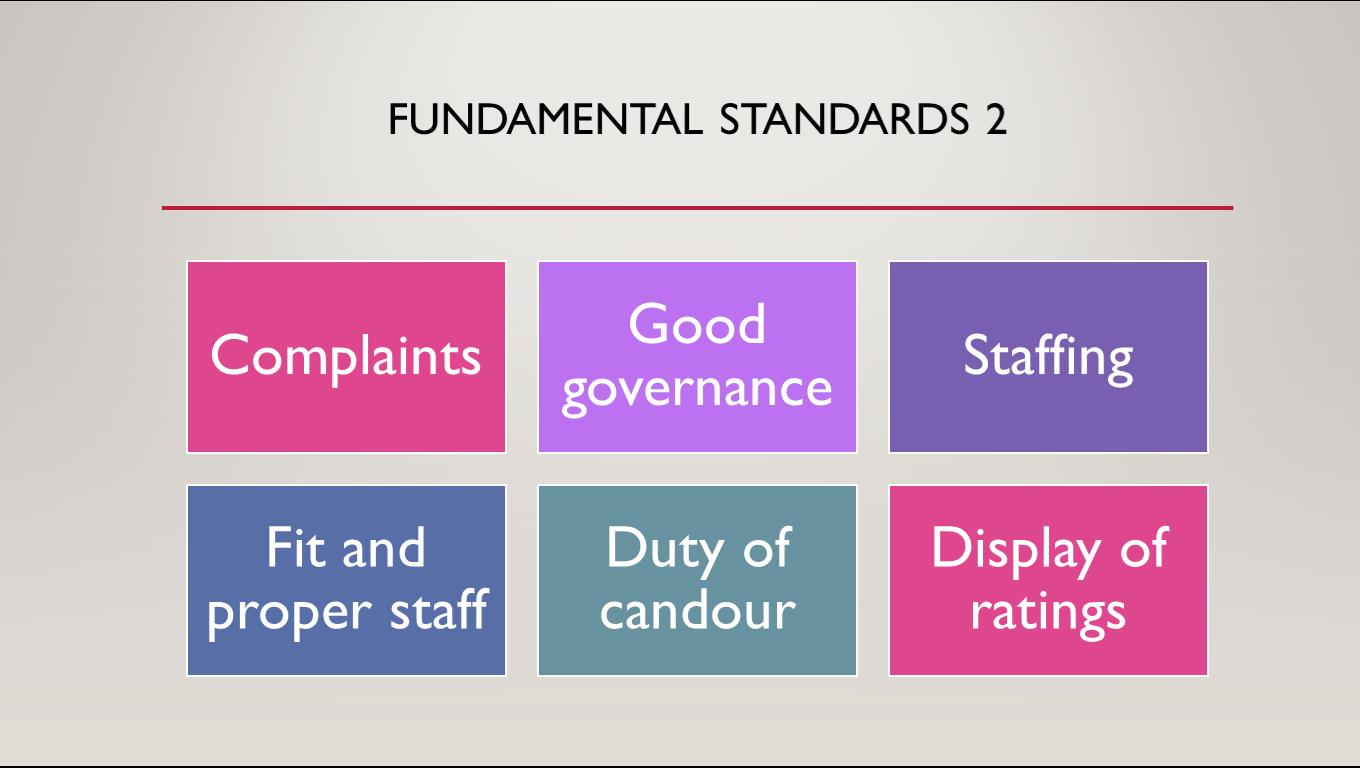
Elizabeth then moved onto what the CQC does as in that the Care Quality Commission monitor, inspect and regulate services to make sure they meet fundamental standards of quality and safety, and they publish what they find, including performance ratings to help people choose care.

The CQC also set out what good and outstanding care looks like, and they make sure services meet fundamental standards below which care must never fail. Obviously, the CQC use information and evidence throughout their work, including people’s views and experiences of care. The CQC work closely with the public, other organisations and local groups across everything they do, that includes patients and carers of course.

Next Elizabeth explained the core fundemental standards for the CQC and what they look for. These would be

Person-centred care
Dignity and respect
Consent
Safety
Safeguarding from abuse
Food and drink
Premises and equipment

To also mention although the above is important, the CQC do look for other things as well. With the list above, they apply to fundemental standards that apply to mental health trusts

There was a very long Q&A session regarding these standards that apply to the rating of SWLSTG, but the important distinction was that it was coming from a carer’s perspective.

Each of those standards mentioned must follow a criteria of questions usually 5 of them, which are

Safe: you as the patient protected from abuse and avoidable harm.
Effective: your care, treatment and support achieves good outcomes, helps you to maintain quality of life and is based on the best available evidence.
Caring: staff involve and treat you with compassion, kindness, dignity and respect.
Responsive: services are organised so that they meet your needs.
Well-led: the leadership, management and governance of the organisation make sure it’s providing high-quality care that’s based around your individual needs, that it encourages learning and innovation, and that it promotes an open and fair culture.

Of course there has been a massive impact regarding how the CQC works and I had asked Elizabeth to talk in depth on covid-19.

Elizabeth talked about how the CQC had to adapt on how they work. This was a mix of on-site and off-site methods. In March 2020, the CQC suspended their routine inspection programme in response to COVID-19 and developed their ability to monitor services using a mix of on-site and off-site methods. Other changes were on improving the CQC’s ability to monitor risk to help them be more targeted in their regulatory activity. With that, by bringing information together in one place for inspection teams, presented in a way that supports inspectors with their decision making and by testing elements of how they want to work in the future, including how they provide a more up-to-date view of risk for people who use services.

I myself have always stressed to carer’s that the CQC is not a one way system, unpaid carer’s must provide the CQC with information and also requests so carers are working in partnership with the CQC. Elizabeth expanded on this by stating Information from patients and carers is very important to the CQC. All the information the CQC receive will be added to the records they have for each care service. The CQC can use this information to help decide where to inspect next, and what to look at when they do. When the CQC receive information about a concern for someone’s safety, they will treat it as urgent.

The CQC also use what people tell them to understand the quality of care they get from services like care homes, care agencies, hospitals and GPs. It helps make care better for everybody.

Again there was a very long question and answer session from members of the forum, but for those reading this blog please see the below.

CQC Feedback site : https://www.cqc.org.uk/give-feedback-on-care?referer=promoblock

You can also call the National Customer Service Centre (NCSC) on 03000 616161 or email enquiries@cqc.org.uk.

  • Tristan Brice presents

To be honest the conversation stretched so long with the CQC, that Tristan had to come back another day, which I will blog at a later date.

This is the brief august update of my SW London mental health carer forum.

Lewisham Mental Health Carers forum February 2021

Here is the update for the February Lewisham Mental Health Carer forum. The forum is aimed at those who care for someone with a mental illness. Most who attend are unpaid family carers. For this forum we were joined by the CQC inspector for GP surguries and Professor Luke Clements from Leeds University who is an expert on carer’s rights.

As for the members of the forum, carer members were from South West London, Lewisham and Greenwich where I often host other carer forums or support groups. We were even joined by West London NHS trust staff who were interested in how a carer led forum runs, plus also SLaM early intevention staff.

Continue reading

Lewisham Mental Health Carers forum October 2020

Welcome to a brief update on the October Mental Health carers forum for Lewisham. I have been so busy of late, that I did not have much time to do any writing. For the carers forum, the guest presenters were Carol Burtt who is a Consultant Clinical Psychologist for Lewisham and she spoke more about IAPTs in Lewisham.

We also had Susan George from the CQC who inspects GP services in Lewisham engaging and updating carer members of the forum.

Going back to Carol, she spoke about how the service IAPTs provides are primary care where they essentially provide help for people with mild to moderate psychological difficulties such as mild to moderate depression and or anxiety. Anxiety might include panic attacks, or a state of worry. Carol talked the group through such symptoms like generalized anxiety disorder, social anxiety, health anxiety, some OCD, obsessive compulsive disorder, some relationship difficulties that might be leading to depression or anxiety.

Carol spoke about how mental health can cause some relationship difficulties that might be leading to depression or anxiety. So in fact, it might be more likely to be something that carers might experience themselves rather than the people that they are caring for. Carol then talked about how busy the service is, being that they had 880 referrals last month and they processed about 600 people who were seen last month.

For people to access IAPTs, you can get a telephone assessment within a few days, and this is what IAPTs is aiming for at the moment so that we can have a rapid response to people’s referrals. This is so people can get to speak to a clinician within a week, and a chance to talk about explaining the difficulties. People can get referred and then get directed to the most appropriate treatment.

Certainly last year, SLaM IAPTs did increase a lot of digital input so that people can actually have some treatments via online programs, which SLaM call computerized CBT, which could be an initial treatment. Carers can access that very quickly. So people can start such treatments within a week of having had your first telephone assessment with somebody. So that’s the benefit of that. Carol mentioned that IAPTs online is obviously not for everybody, some of the us know, that some people will want to have a direct face to face contact at the moment, obviously, with the COVID situation where SLaM working remotely.

Carol then explained more about the service as in how people are allocated to a psychological well being practitioner, SLaM have about 20 of those clinicians which Carol manages herself. These clinicians have had a training in a low intensity CBT cognitive behavioral therapy, so they’re trying to provide what we call Guided Self Help.

Carol then gave us an example of how people would have access to these different programs. One would be for depression. One would be for anxiety, one for social anxiety. The person would have some tasks and some information that they would have to deal with each week. Then each week, it finishes with checking in with person, either online or by telephone to see how you’re getting on.

Still, if people felt that their mental health was a bit more complicated, and SLaM felt that you need it, then any input with a psychologist or a cognitive behavioral therapist, or a counselor would be a three to four months, wait a moment.

Carol also explained that before the COVID situation, they were providing face to face workshops in groups where people actually attended their clinics, but since the pandemic has affected things, they are now looking at more online groups and workshops. Carol reminded us about our BAME forum where her colleague, Elaine presented and how she is leading on the development of some workshops, particularly for local communities in Lewisham.

QUESTIONS FROM THE CARER MEMBERS

A number of questions were asked of Carol from our members. One of the group members was interested in the following question on if the IAPTs service helps those with addictions when people have got the problems and they’re addicted smoking, drinking alcohol, or even taking illegal drugs?

Carol responded that they do is make an assessment as to whether addiction is a primary problem, or even if addiction is the biggest problem or there’s an element of depression and anxiety. For example, somebody who’s got a very serious drinking problem or significantly problem, then they would advise them to go to a specialist addiction service. Carol also repeated that they are trying to look at different ways in which people can access this help earlier, as soon as possible. They are looking at providing these online interventions, and online workshops as soon as possible so that people get some help. Very quickly, before I can say, for such problems develop further.

Another carer queried the struggles they have when the cared for has trouble accessing the service, especially from a mental health trust. The carer does not want to intervene, but notices how difficult it is for the caree to get lost in trying to access IAPT services. Carol mentioned that unfortunately, it’s the way things are organized. And they have a secondary care psychology that is very separate from primary care. So they don’t provide a service for people who’ve been admitted to secondary care psychology, which is a separate.

Another carer made a statement rather than a question and pointed out that she was referred to IAPTs on a series of six well-being workshops. She felt that the CBT there, she didn’t find that useful because it was too general.

CQC PRESENTS UPDATES

Susan from the CQC was listening closely to what carer members questioned or queried. Susan felt that its really important for representatives from CQC to hear our stories, and she really appreciates everything that was mentioned today. Susan continued that it’s also important because she is an inspector of GP Practices and part of her job is to ask providers what they’re doing in terms of providing care and support for carers. So it’s vitally important for her to hear carer members own experiences.

Susan mentioned that there was not too much time, but she would do just a quick summary of things she has been involved with, and what the CQC are doing at the moment. The CQC are looking around at communication with patients and patient populations, particularly with carers. The CQC are looking at a number of scenes of regarding the pandemic and how services have communicated with people.

Since the GP practices has started to shut their doors, the CQC are interested on what the GPs do to open up again, what are the GPs doing to tell people that they are open again, that they’re available for routine appointments? How are they telling people about the services that are available?

The CQC are also looking at sorts of communications, the CQC are looking at how GPS are maintaining equality of access or equity of access for people. There has been a huge change digitally in terms of the type of appointments and consultations that people will have. Not everybody is fluent in English or has access to digital means of equipment or resources.

Susan pointed out that some people who may find that trying to navigate their way through this new online world of appointments is baffling and terrifying. So the CQC are also looking at developing, how they talk to the GPs during inspections. The CQC are interested in what the GPs are doing to make sure that they’re communicating clearly with patient’s about the changes to appointments. Explaining to patients about the difference on treating for an emergency appointment, an urgent appointment, a routine appointment. There is a lot of assumptions that everybody knows all these phrases mean.

Susan updated us that the CQC have just published the “State of care 2019” for 2020. The report is available on the website, however Susan kindly sent us the link in the online zoom session.

The report is especially important because it pulls together some of the themes that the CQC have been looking at during COVID-19 and also pre COVID. The CQC are looking at some of the gaps in access to good quality care, especially mental health care. The CQC are also looking at the themes around system health inequalities around support and care for our better communities.

The CQC are also looking at communication and are interested in conflicting messages or conflicting nasty messages and guidance. It’s not always clear for patients and the CQC are interested in how GPs are engaging with their BAME communities.

Other things Susan pointed out was that the CQC have been working on questions about safe care and treatment and about the support for people living with mental health illness. The CQC are also asking providers specifically about how to be monitoring carers health and safety during the pandemic, have they been maintaining their registered unpaid carers and so what steps have the GPs taken to enhance the identification and management of the mental health issues of people living with mental health that includes people with dementia.

There were a lot of questions from the forum regarding the state of carer registers, some members are aware of the pressures GPs are under especially with new contracts, but others are keen to see where carers are being referred to and if social perscribers are doing their role.

HEALTHWATCH LEWISHAM ENGAGES WITH CARER MEMBERS

Healthwatch were there to listen to carer members regarding health services.

Healthwatch Lewisham are an independent charity. They are the patient champion for people who use health and social care services and so they listen to people on what’s going well on health services, what’s not going well.

Healthwatch Lewisham collect that feedback from patients and then at the end of every quarter they analyze and report back. Those reports are presented to sort of people in the borough of Lewisham that have the power to make change happen to like commissioners.

Healthwatch Lewisham also do project work and one of their recent projects was looking at the impact of the COVID-19 on Lewisham residents. That report has now been published. Healthwatch also has an advocacy service. So if anybody has complained about NHS service that they’ve used, and they can go through their advocacy service. So far healthwatch Lewisham have three advocates, and they basically help people through navigate the health system.

The reason Healthwatch Lewisham were at the forum was because they wanted to gather some feedback from people’s experiences with health and social care services. They were interested in feedback regarding GPs, hospitals, pharmacies, dentists, opticians, mental health services, Community Services, basically anything that carers and the person they care for has accessed.

Healthwatch Lewisham were kind enough to recognize that it’s a group environment and sometimes people don’t feel comfortable sharing their experiences. So even after the forum, members could feedback via the healthwatch email or site where they sent the link.

CARERS FEEDBACK TO HEALTHWATCH LEWISHAM.

Many of the group members fedback experiences on the following.

1) Lewisham Hospital
2) GP appointments
3) Positive aspects of using GPs
4) Dealing with receptionists
5) Dental appointments

This was the update for October at our Lewisham Mental Health carers forum.