By Matthew McKenzie
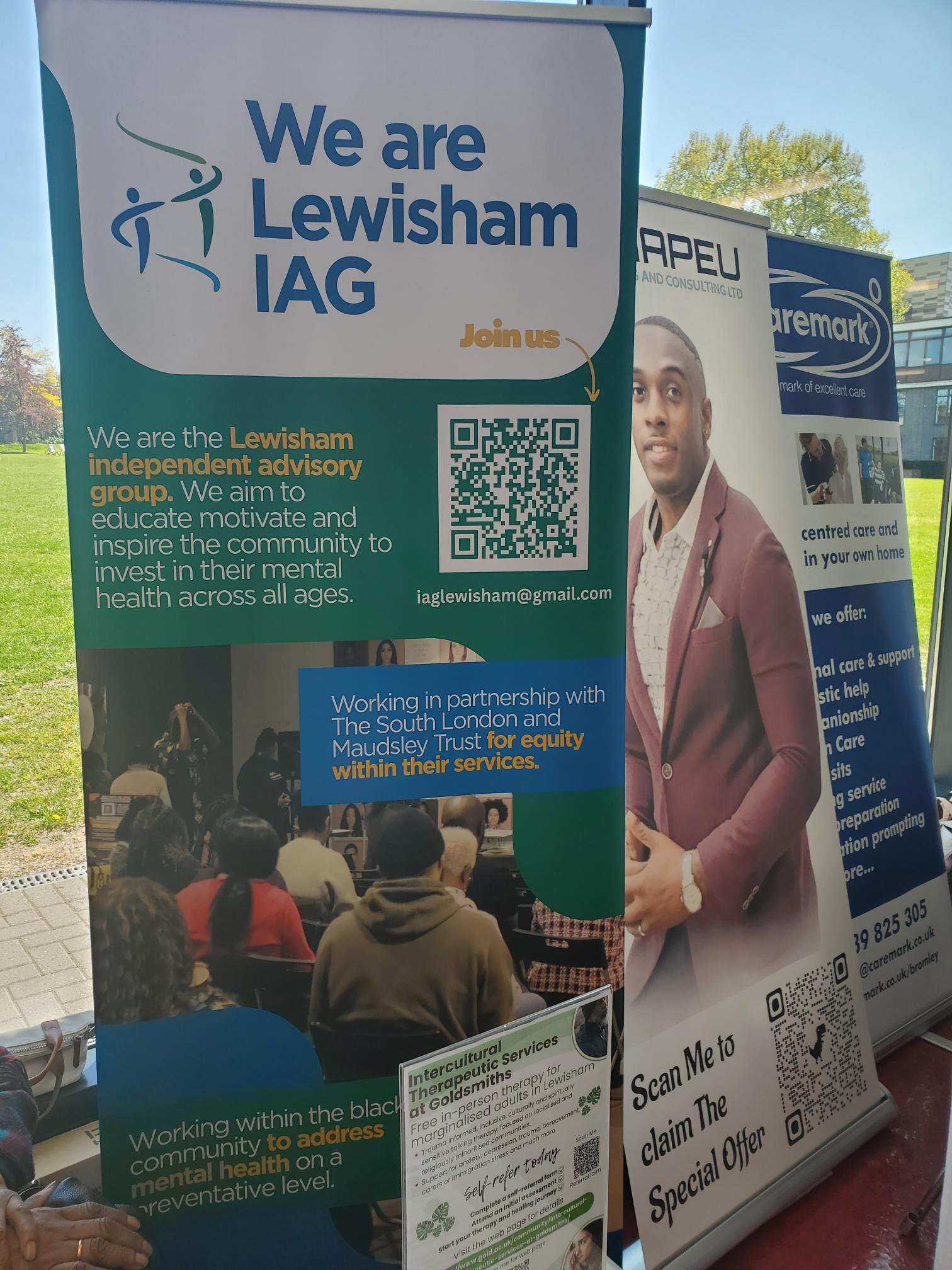
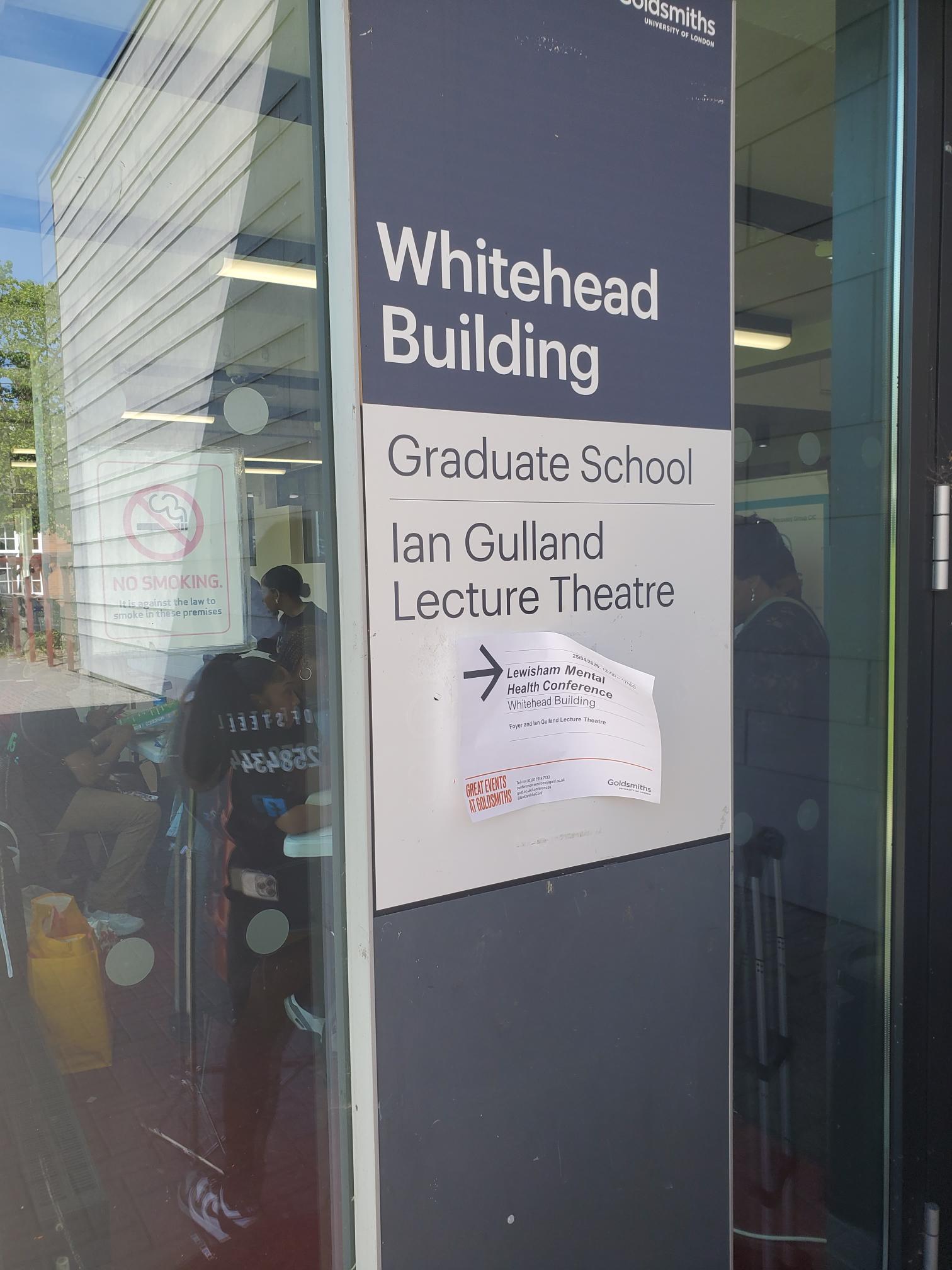
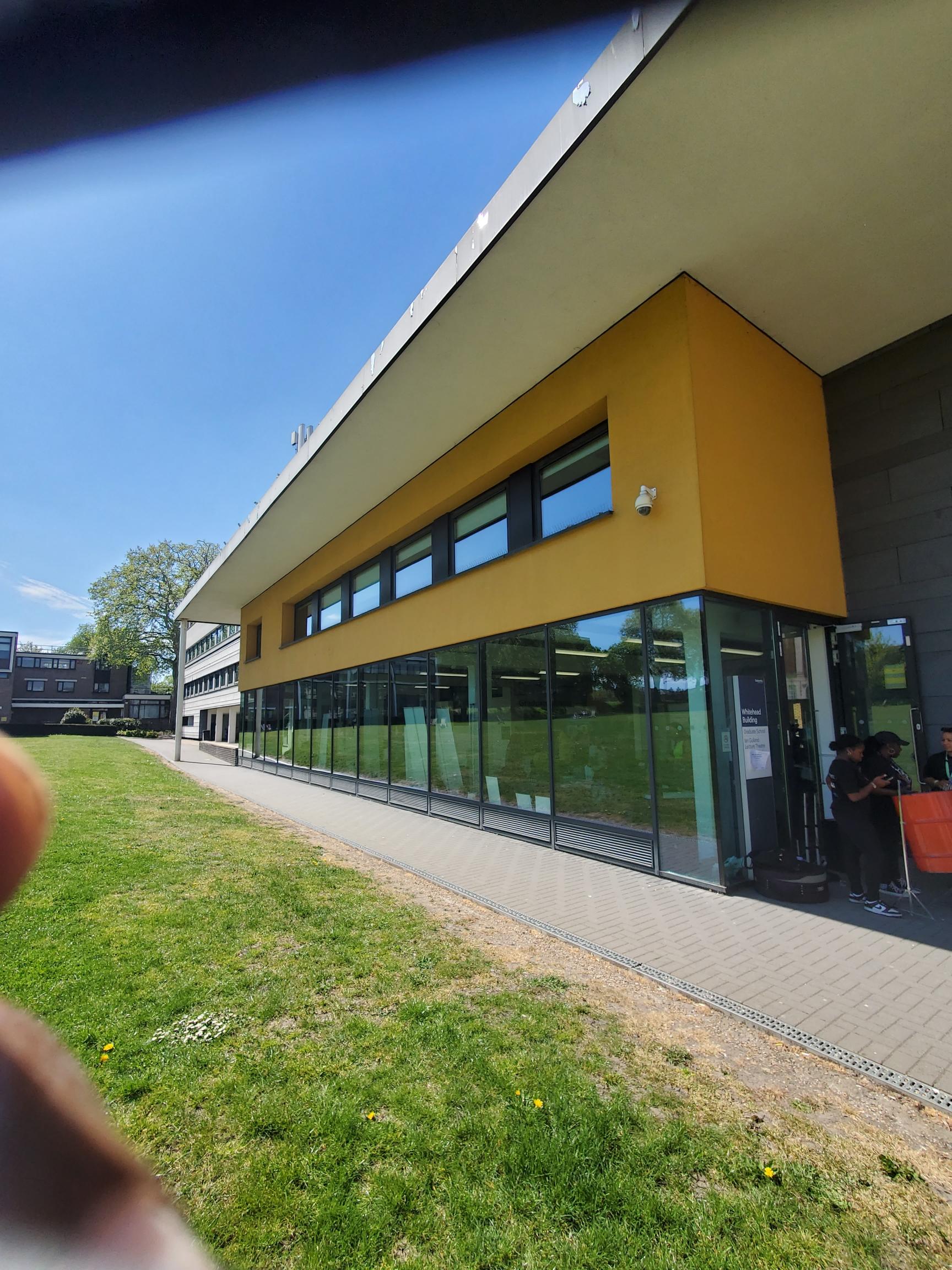
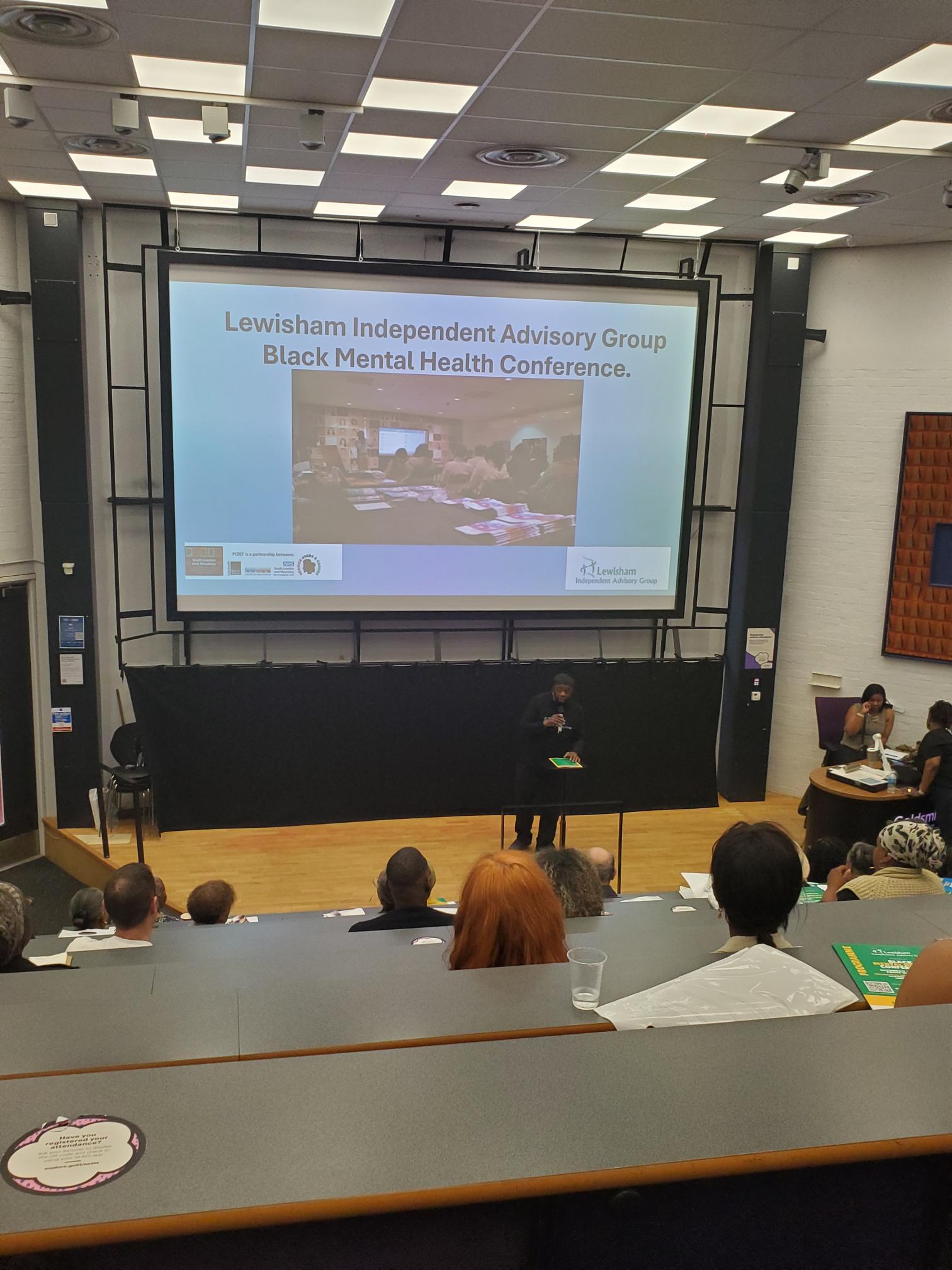
On Saturday, 25th April 2026, the Lewisham Independent Advisory Group (IAG) hosted its much-anticipated Black Mental Health Conference at Goldsmiths, University of London, in New Cross, London.
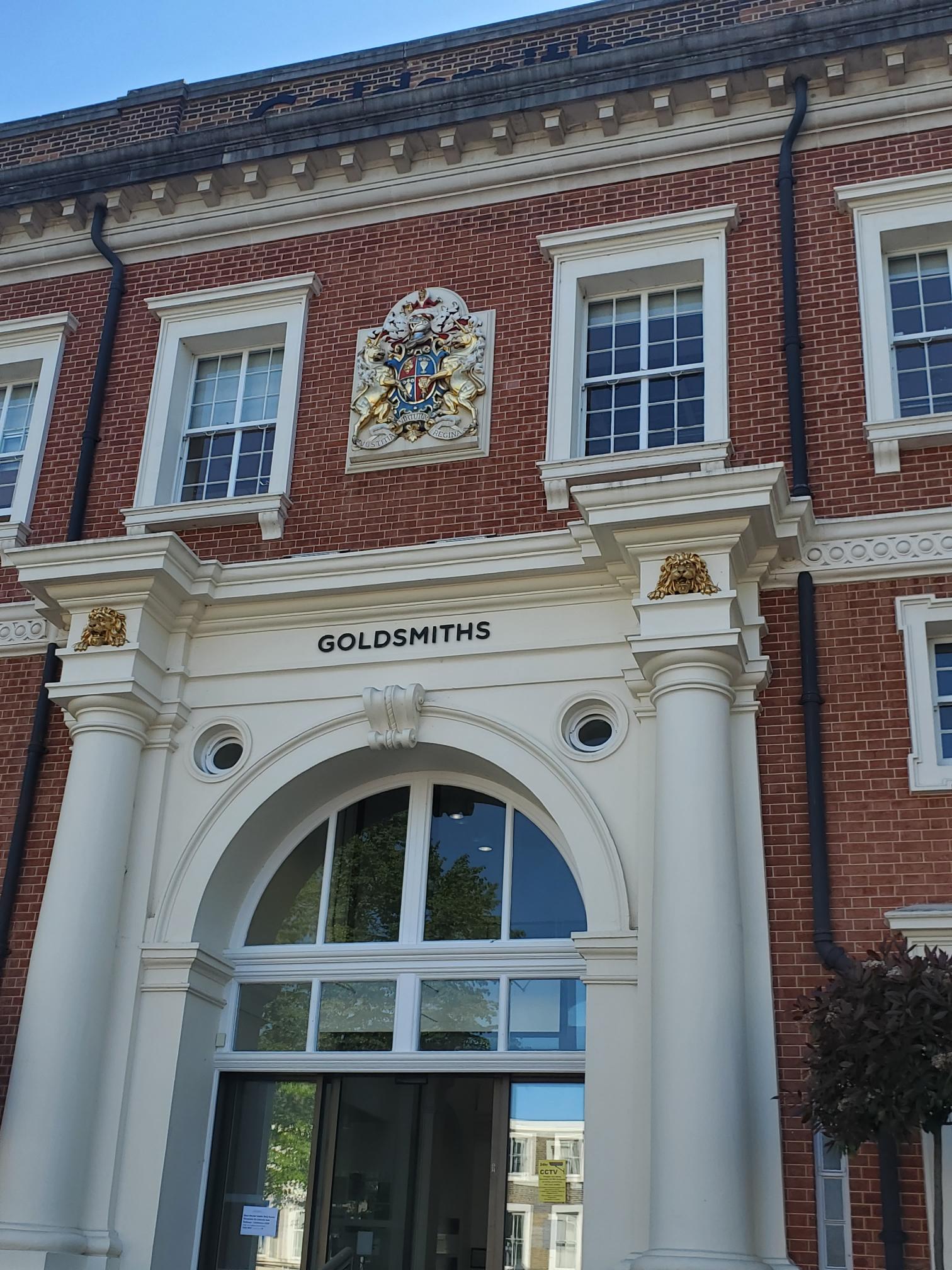
The event ran from 1 PM to 4 PM, bringing together community members, mental health practitioners, activists, and service users for an afternoon of learning, discussion, and networking focused on Black mental health.
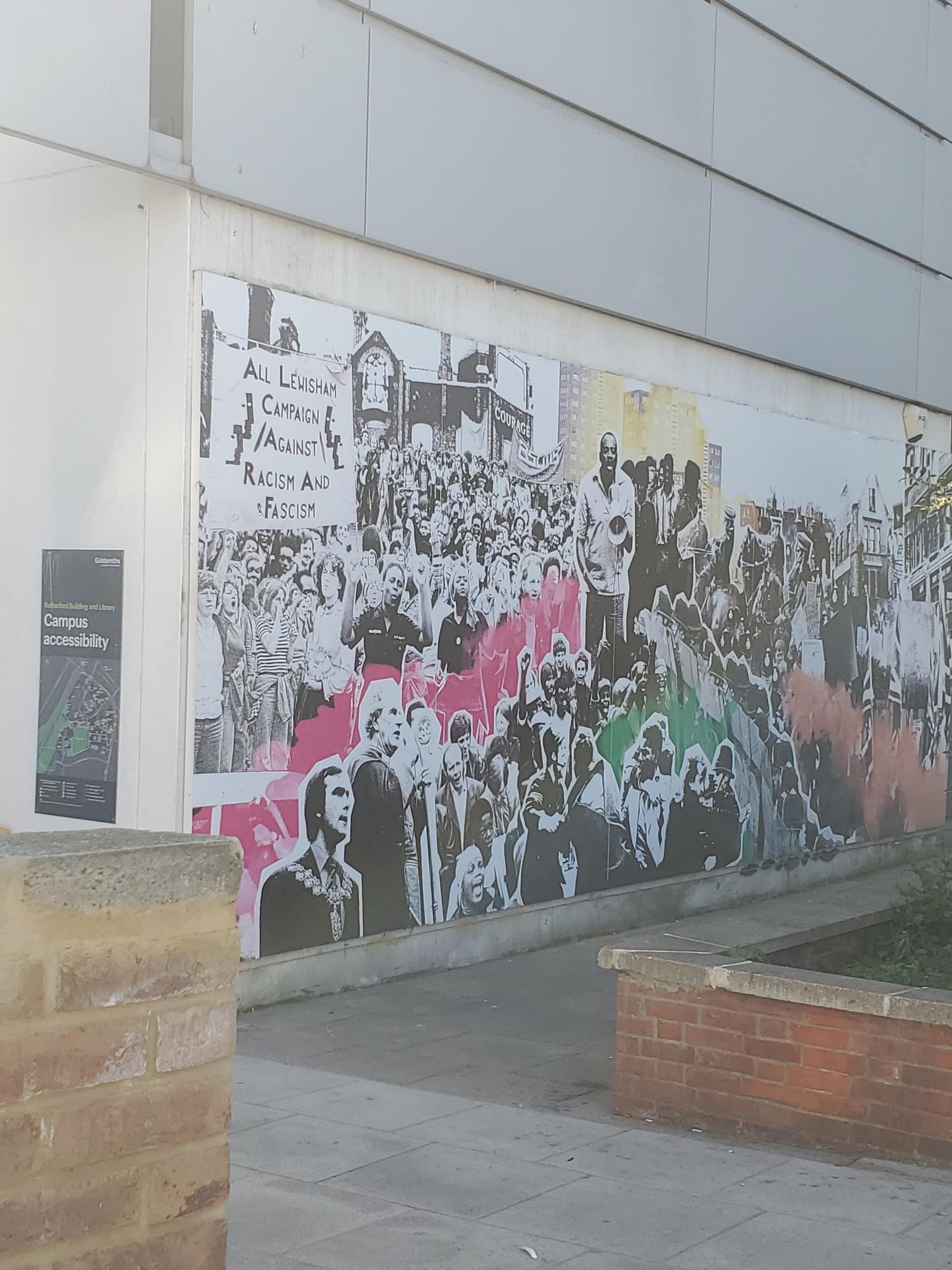
Setting the Stage
Upon arrival, attendees were welcomed with a vibrant program booklet and a series of informational stalls showcasing local initiatives and mental health support services.
I hosted the “Triangle of Care / Carers UK” stall, which covered support for mental health carers and referial information for carer support.
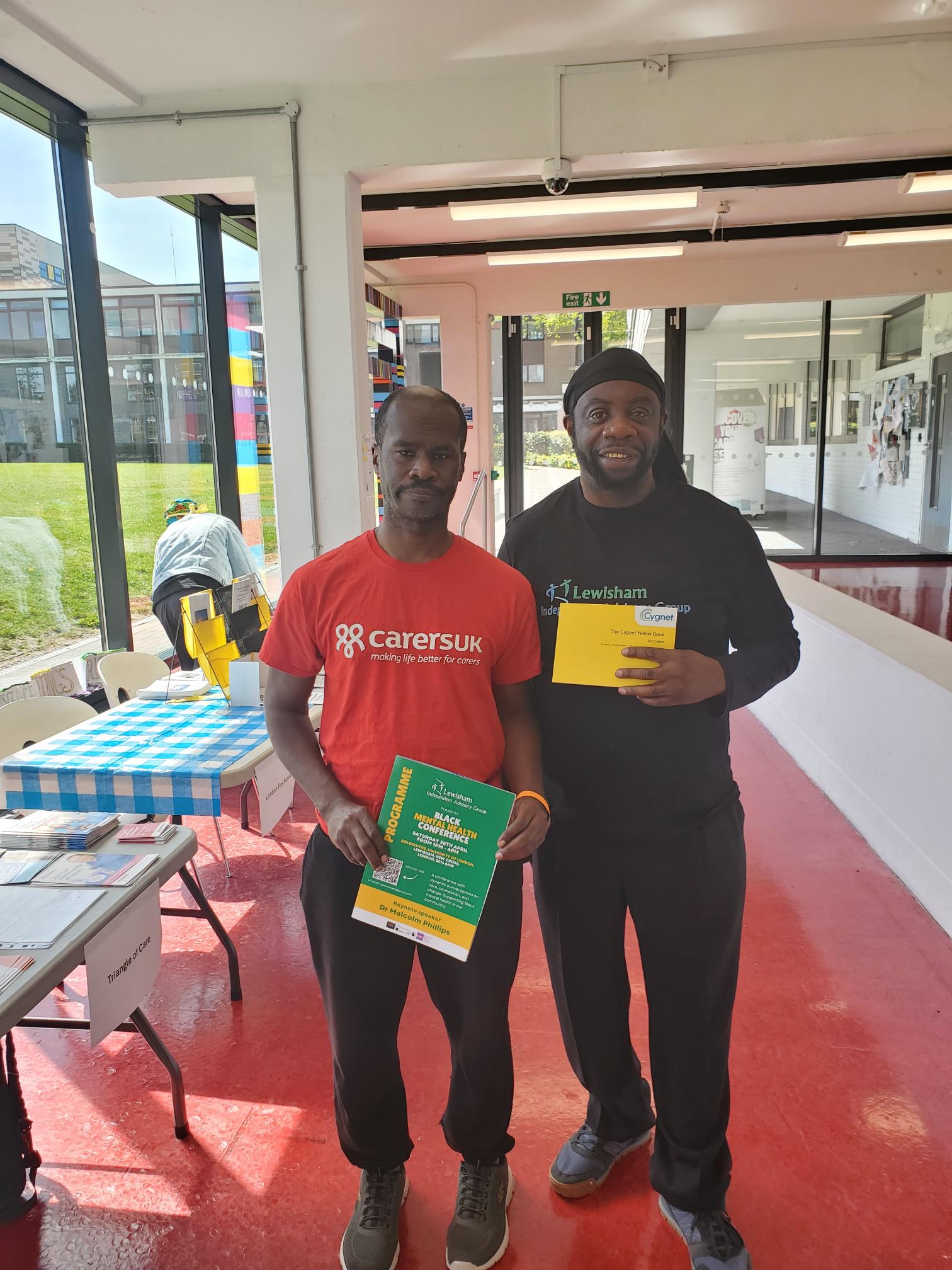
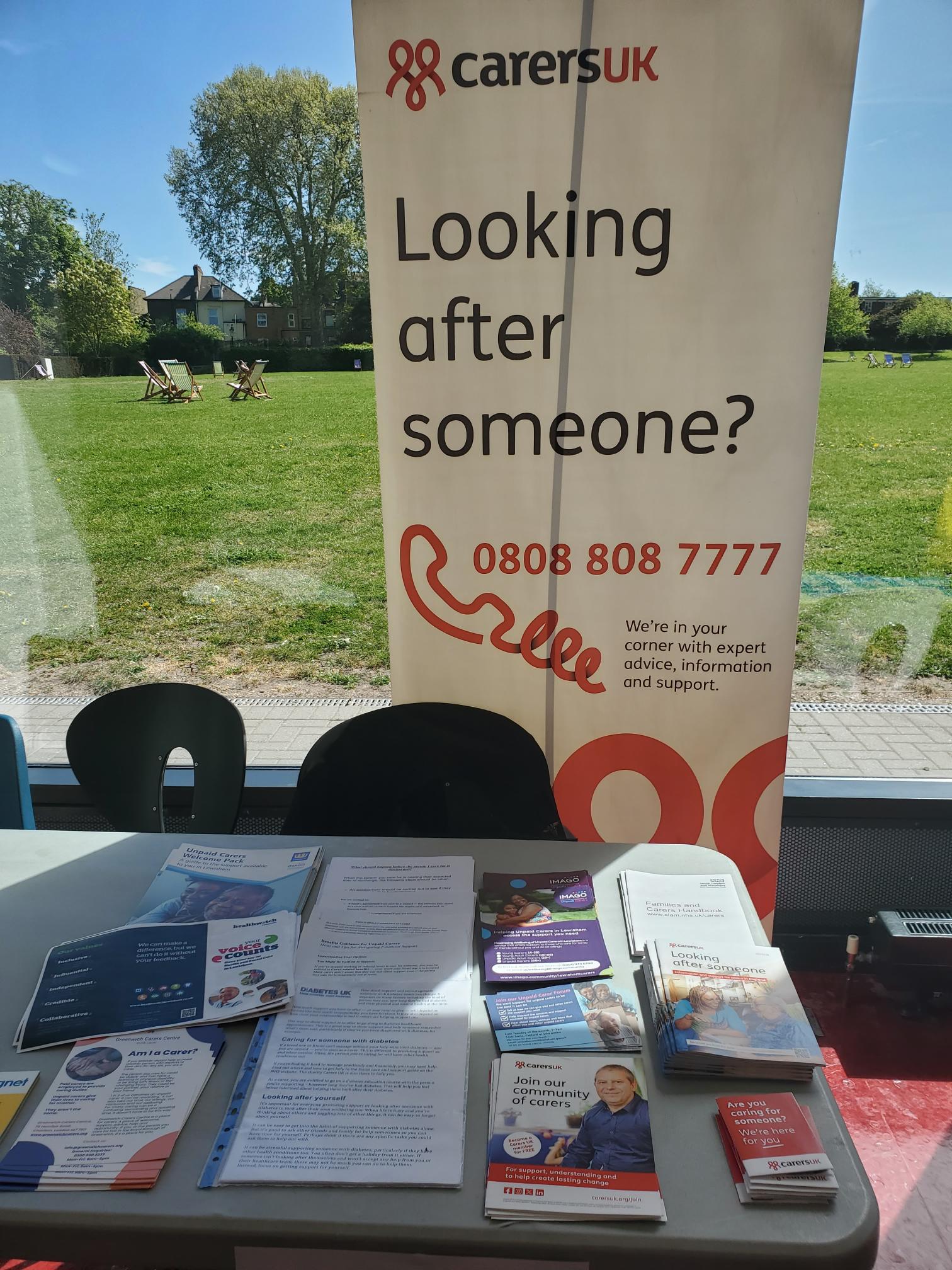
These stalls featured a wide range of organizations including SLAM, Kawaida Therapy, Families and Communities, and Mindful Mums, providing both resources and opportunities for engagement. The atmosphere was energetic and welcoming, reflecting the conference’s mission of care, connection, and community change.
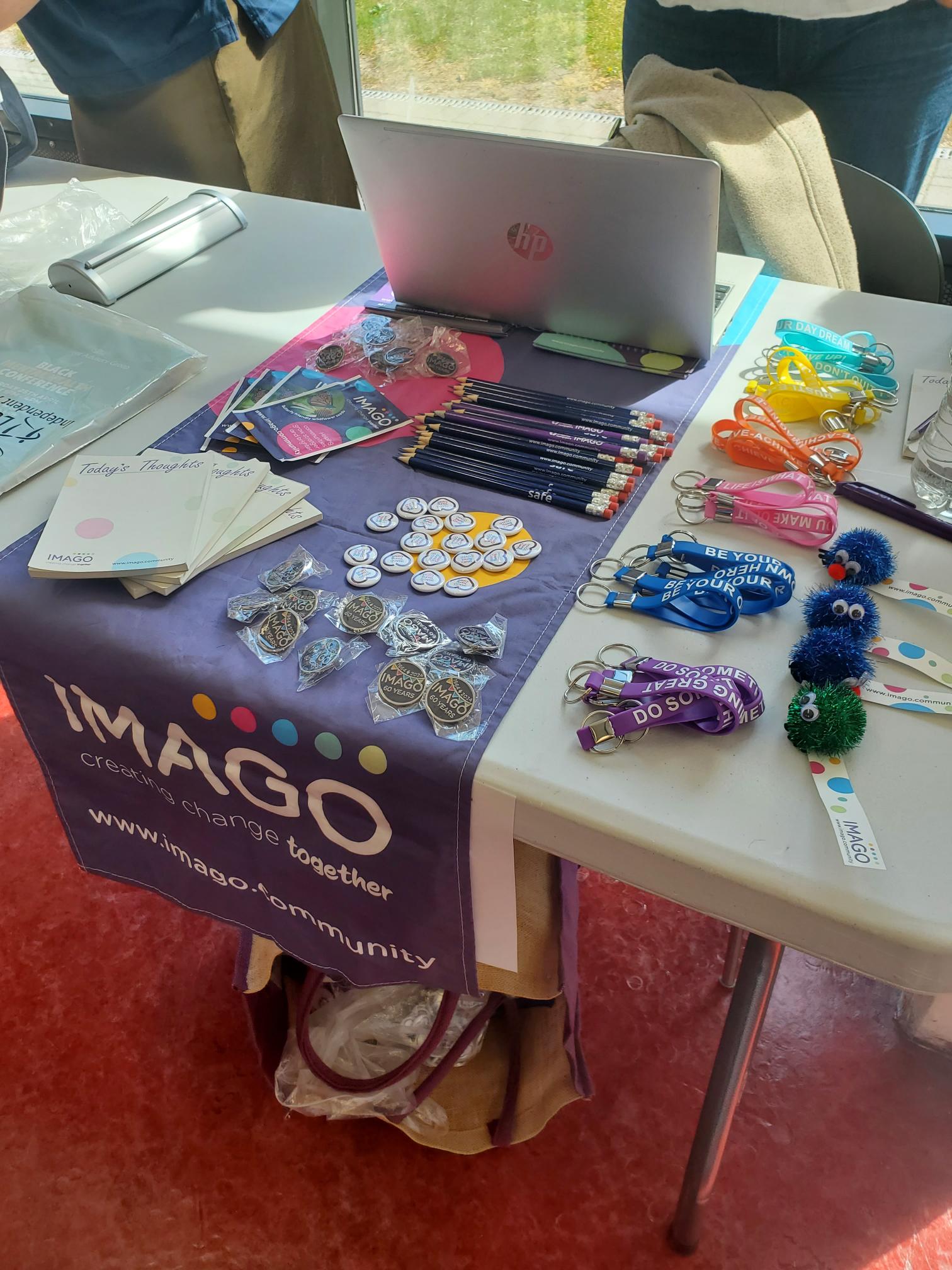
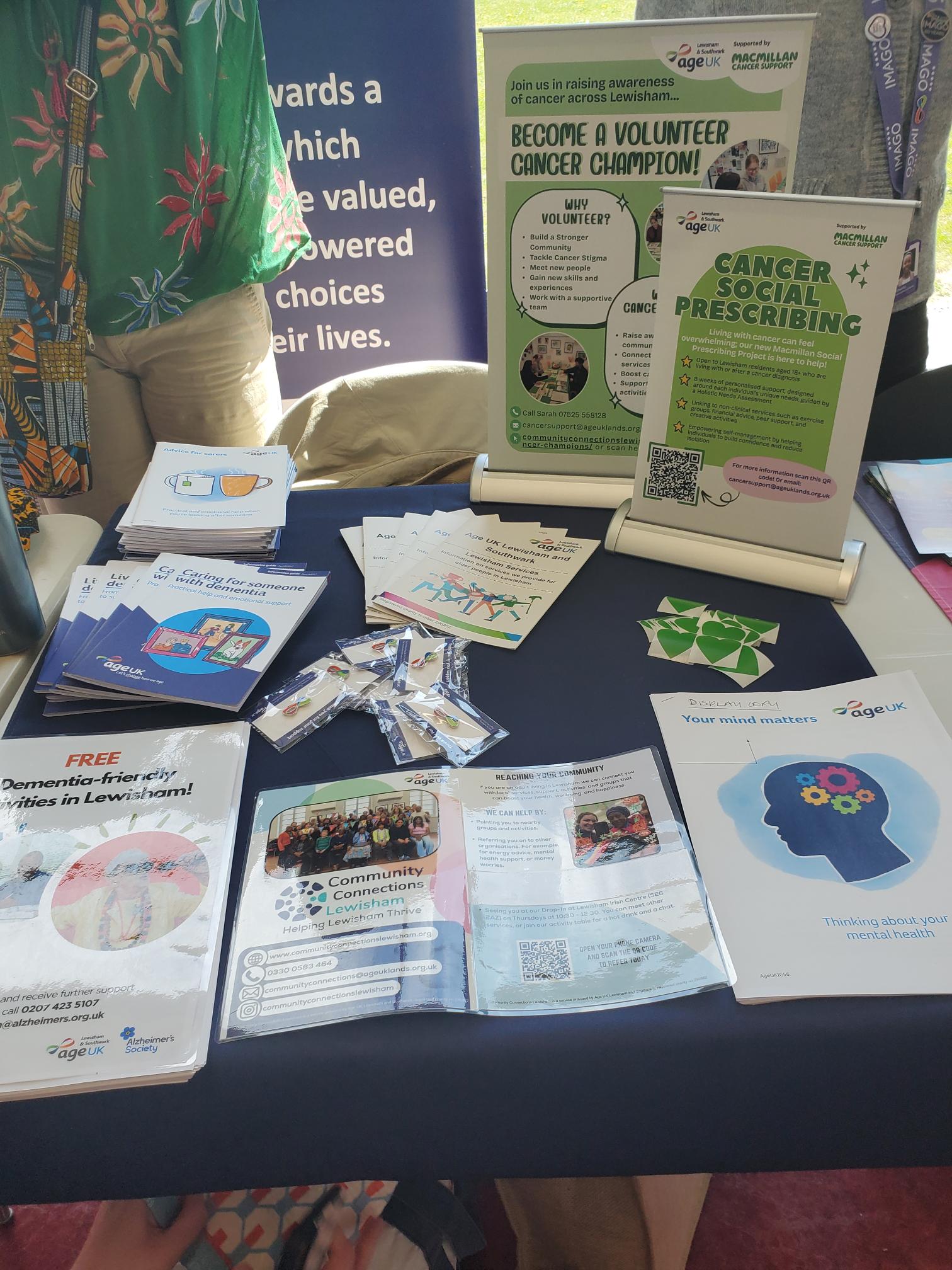
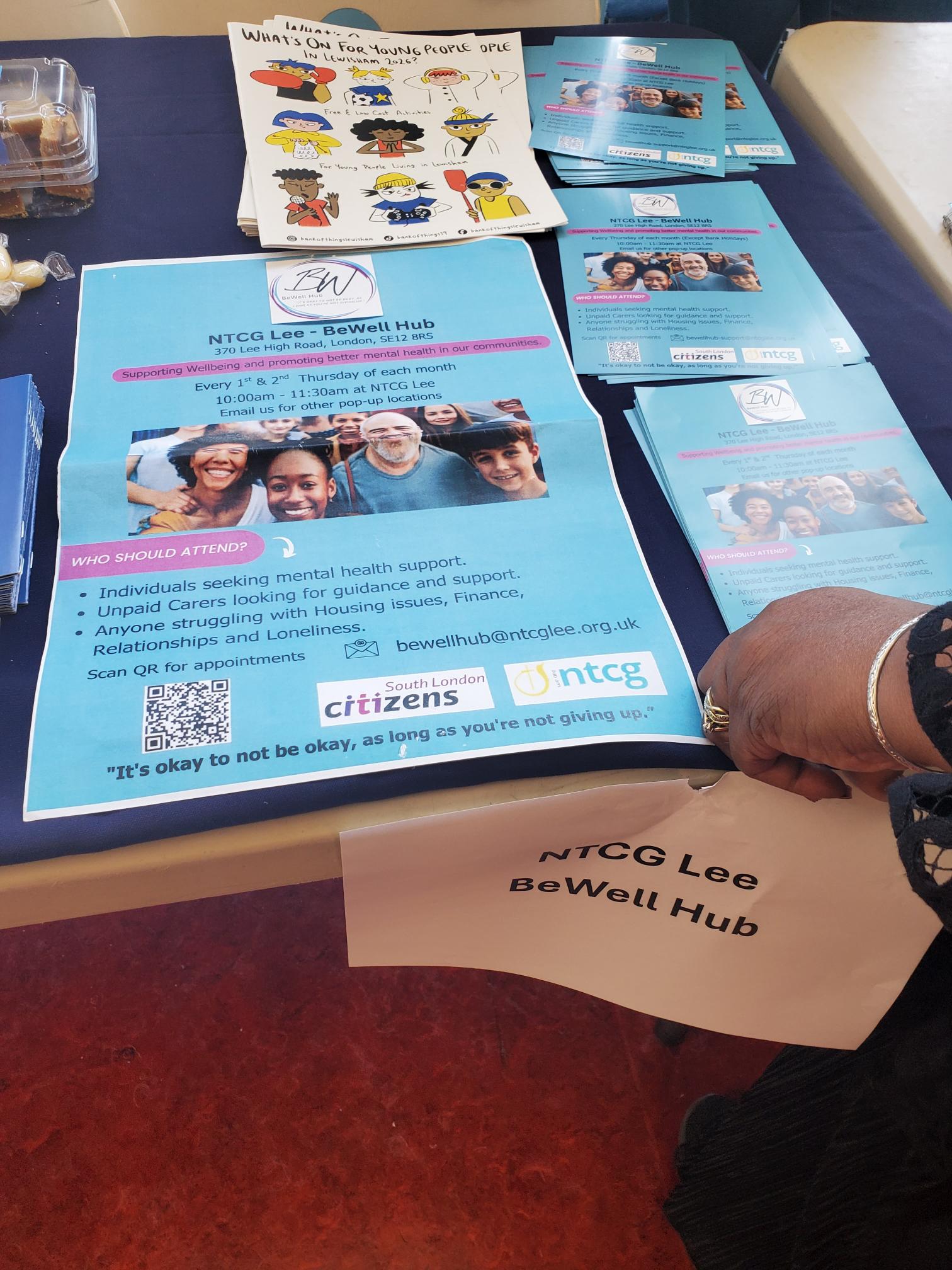
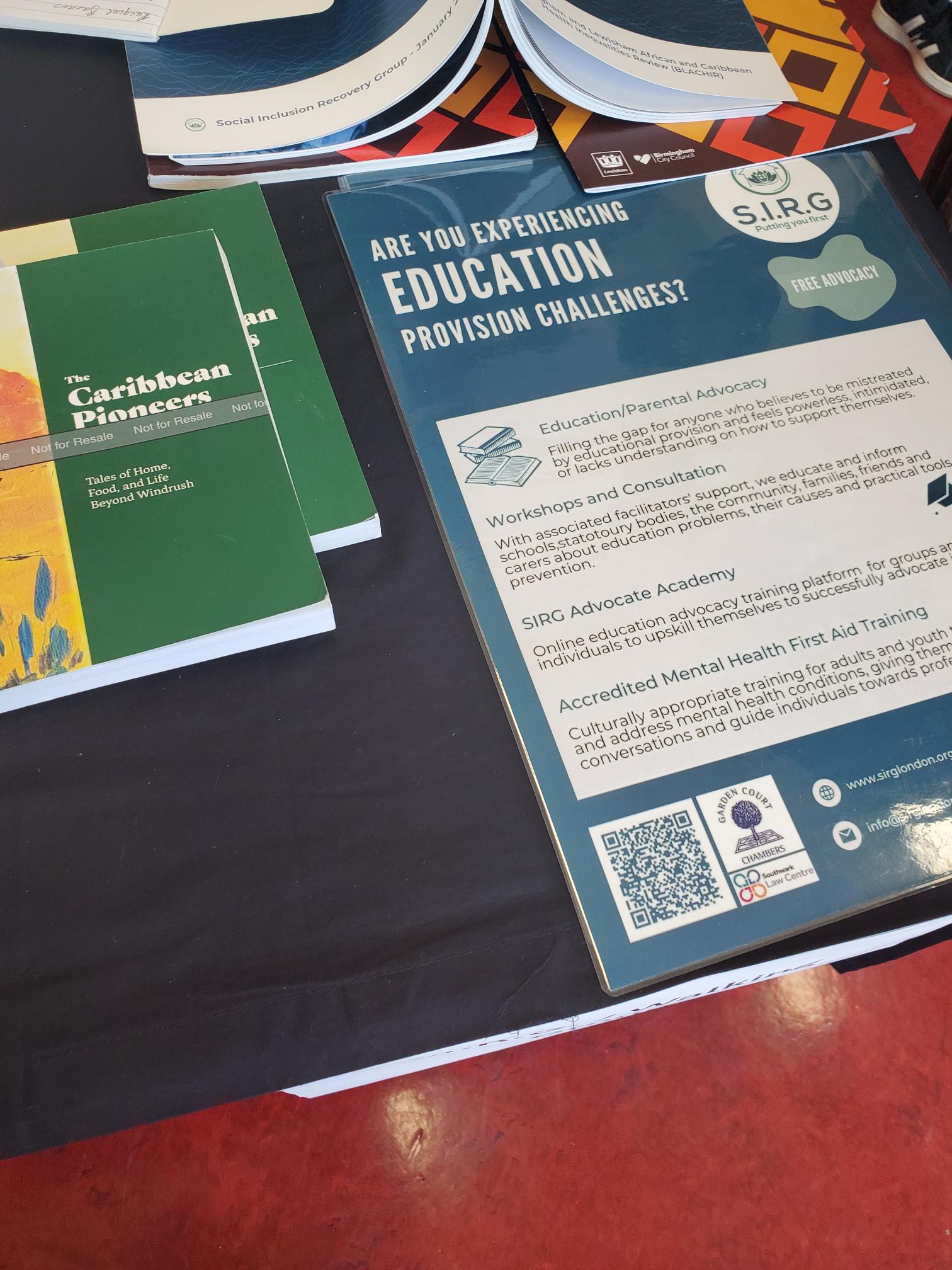
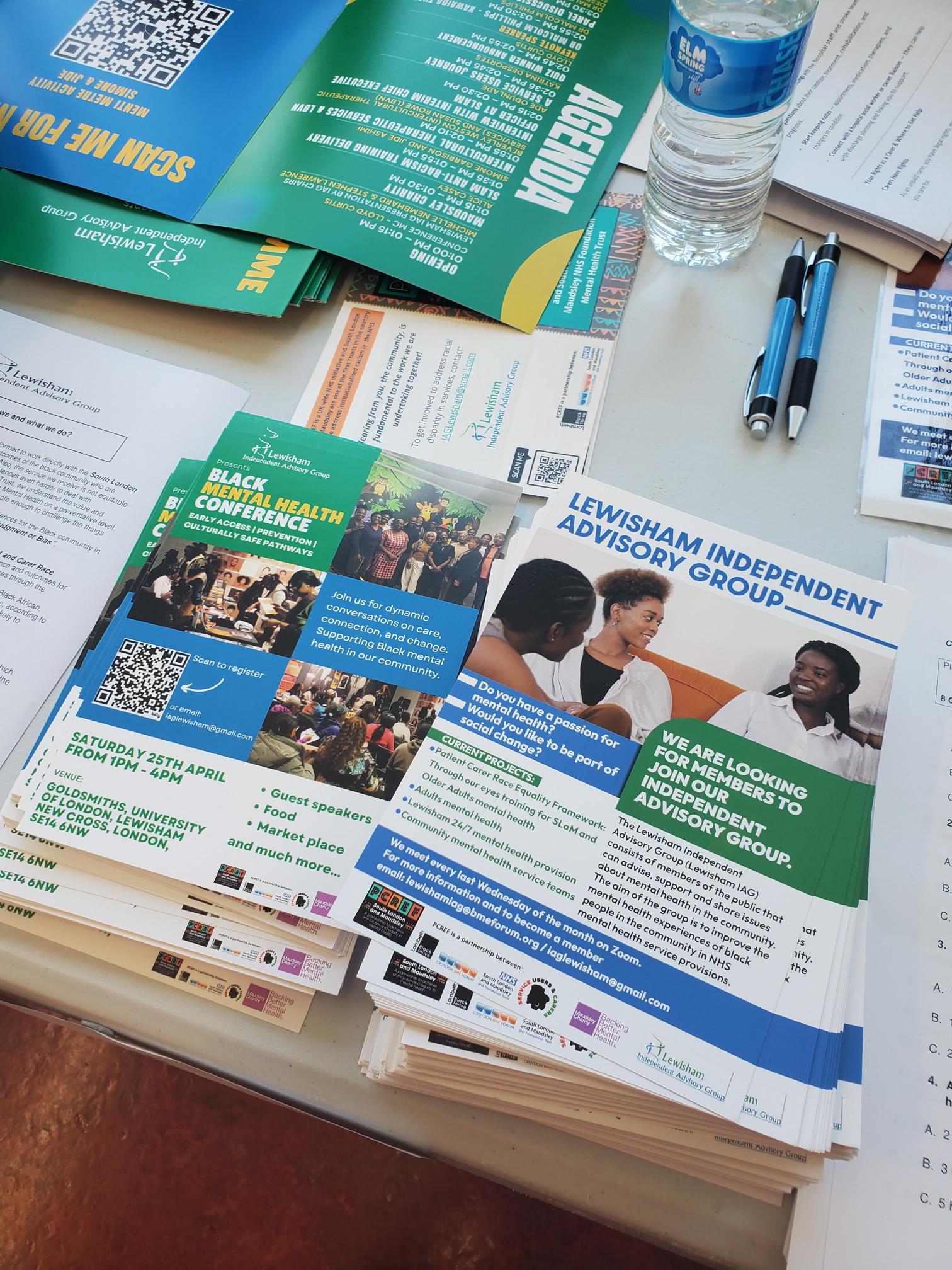
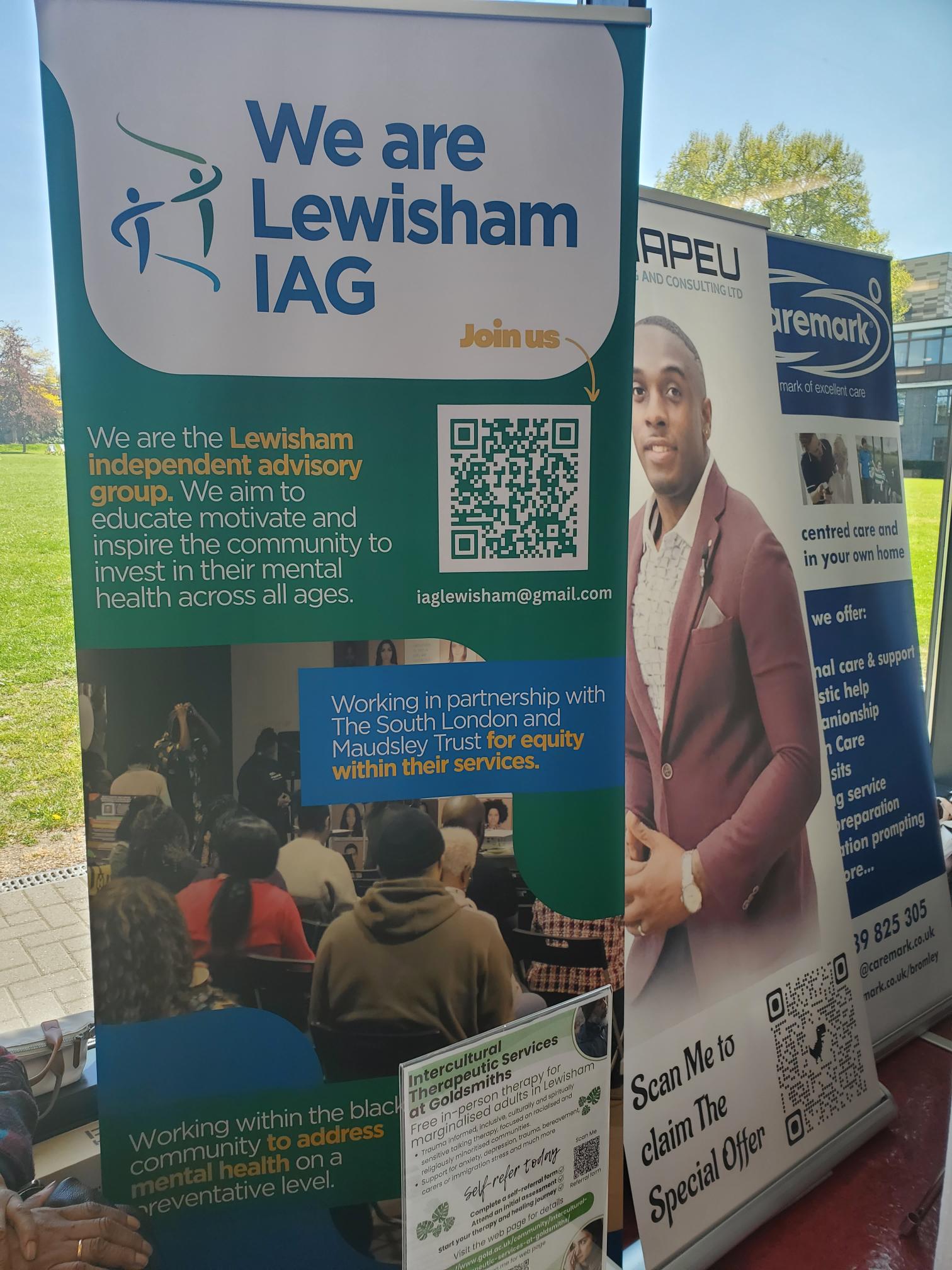

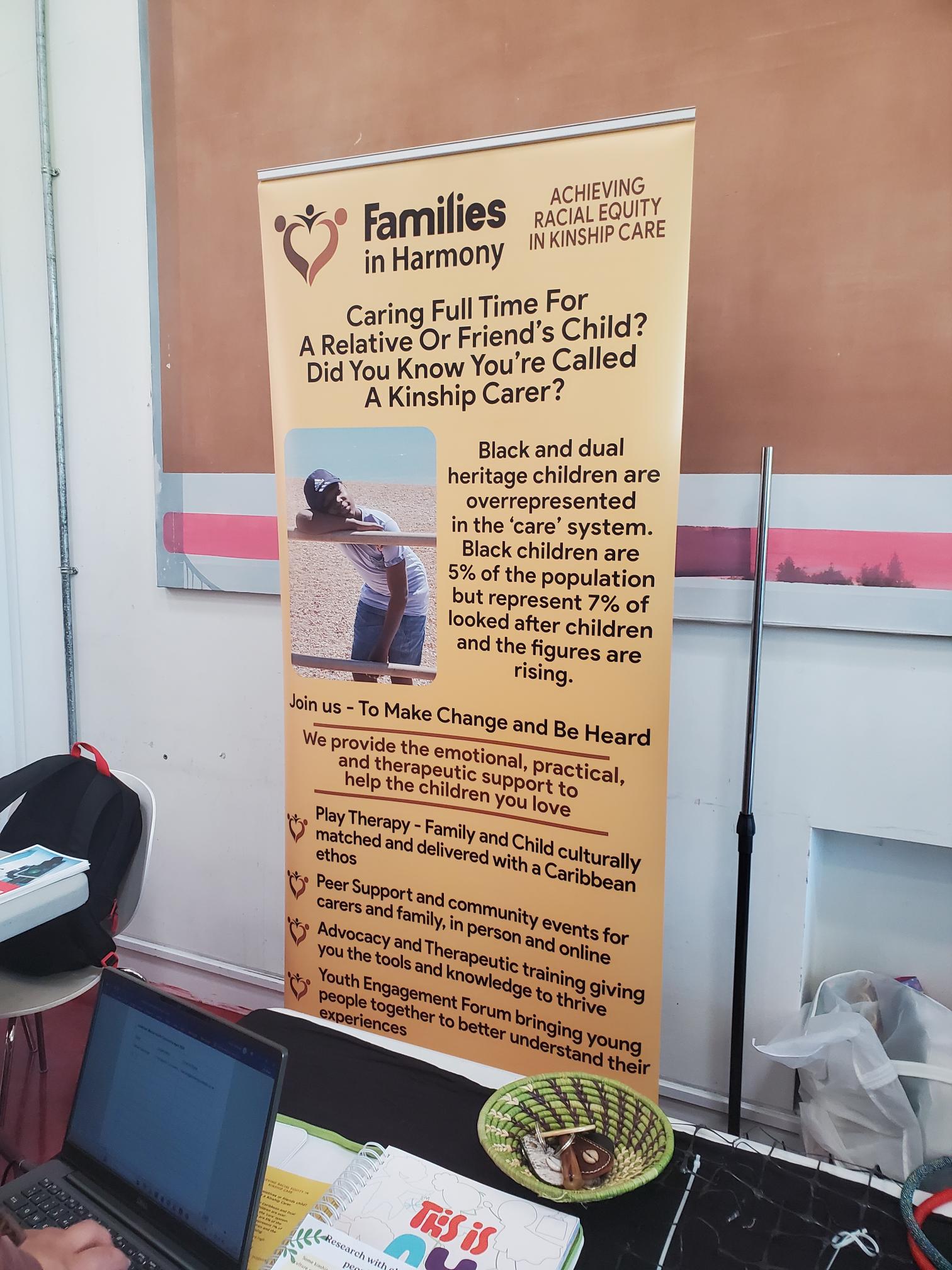
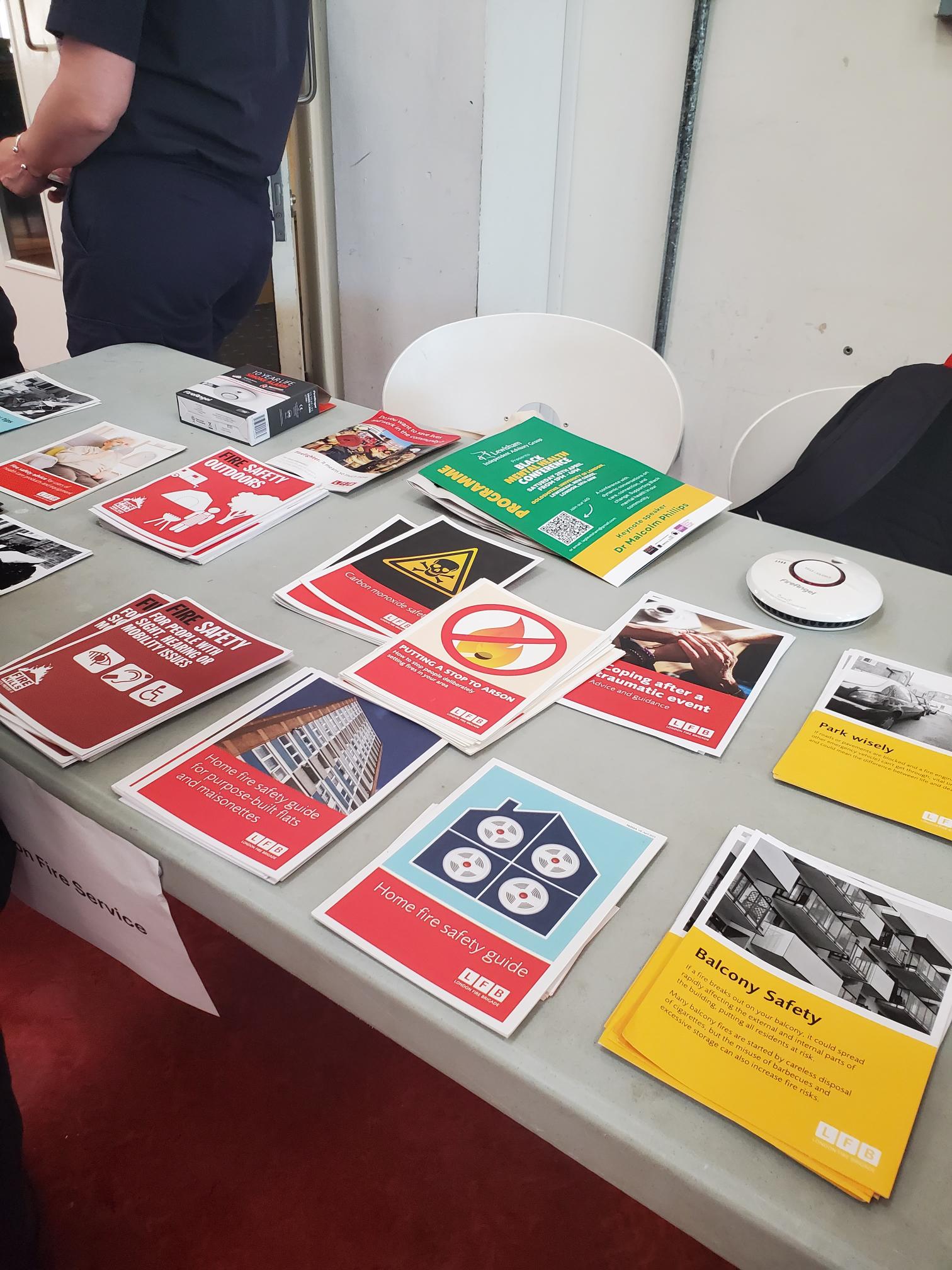
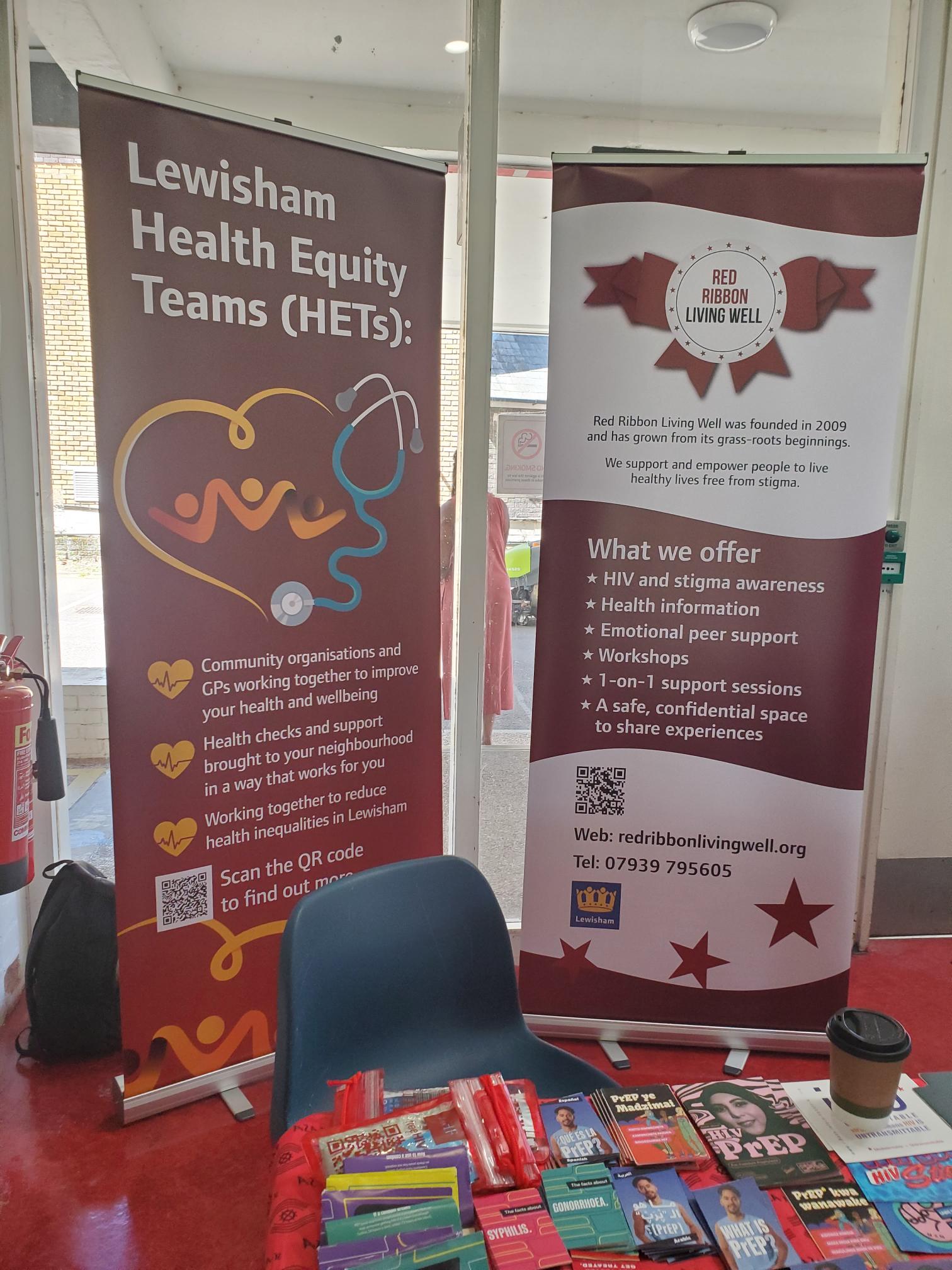
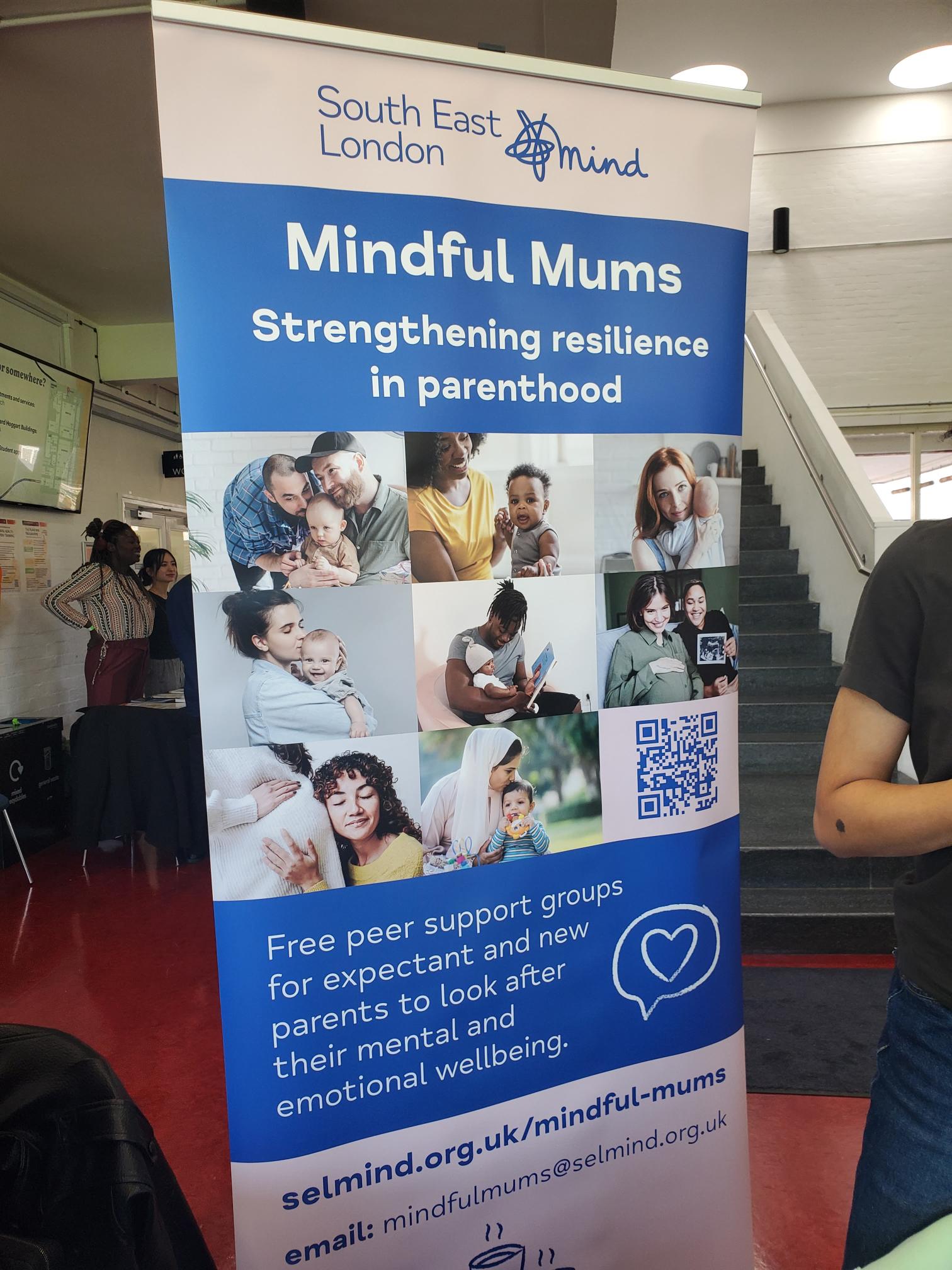
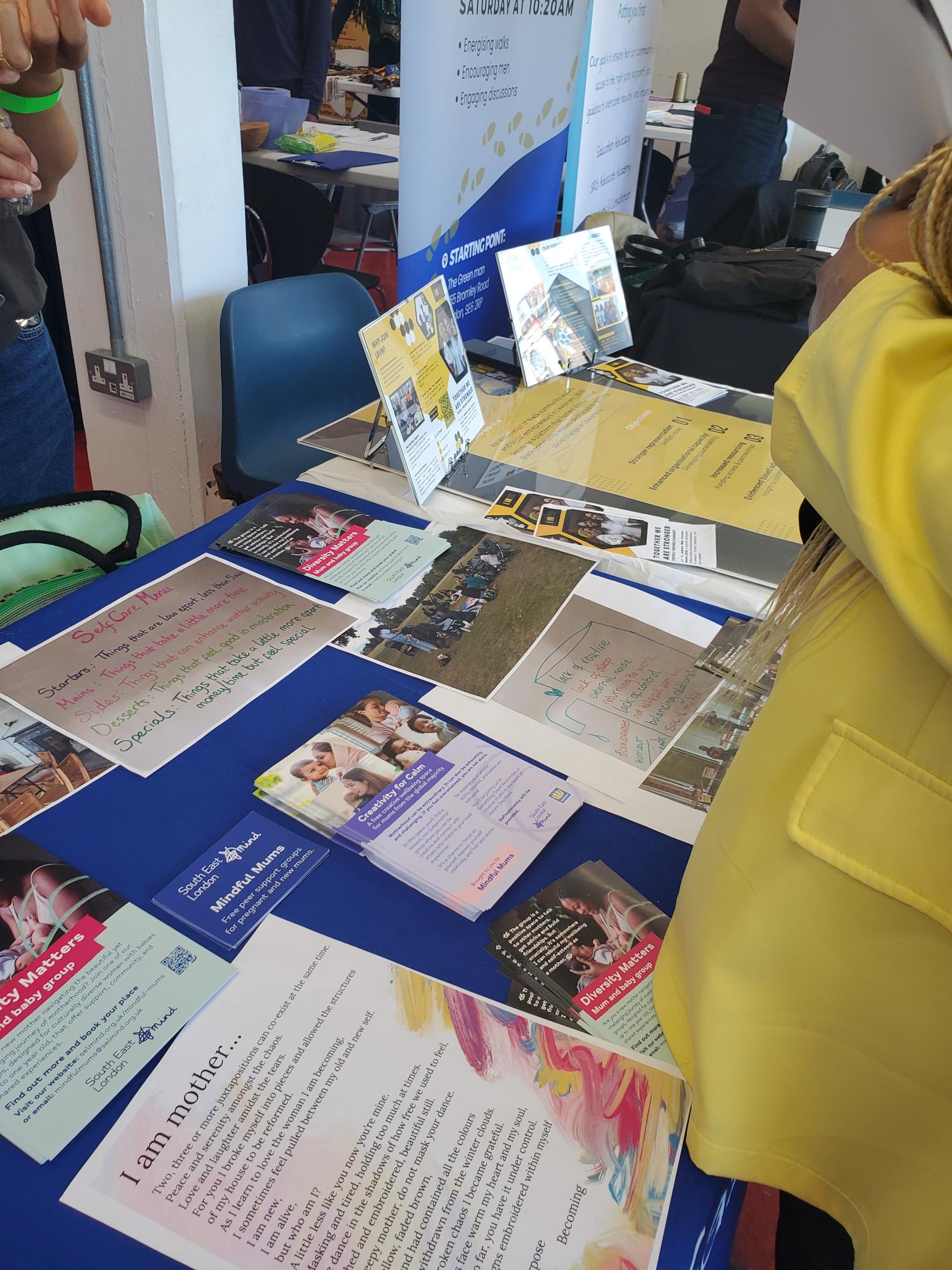
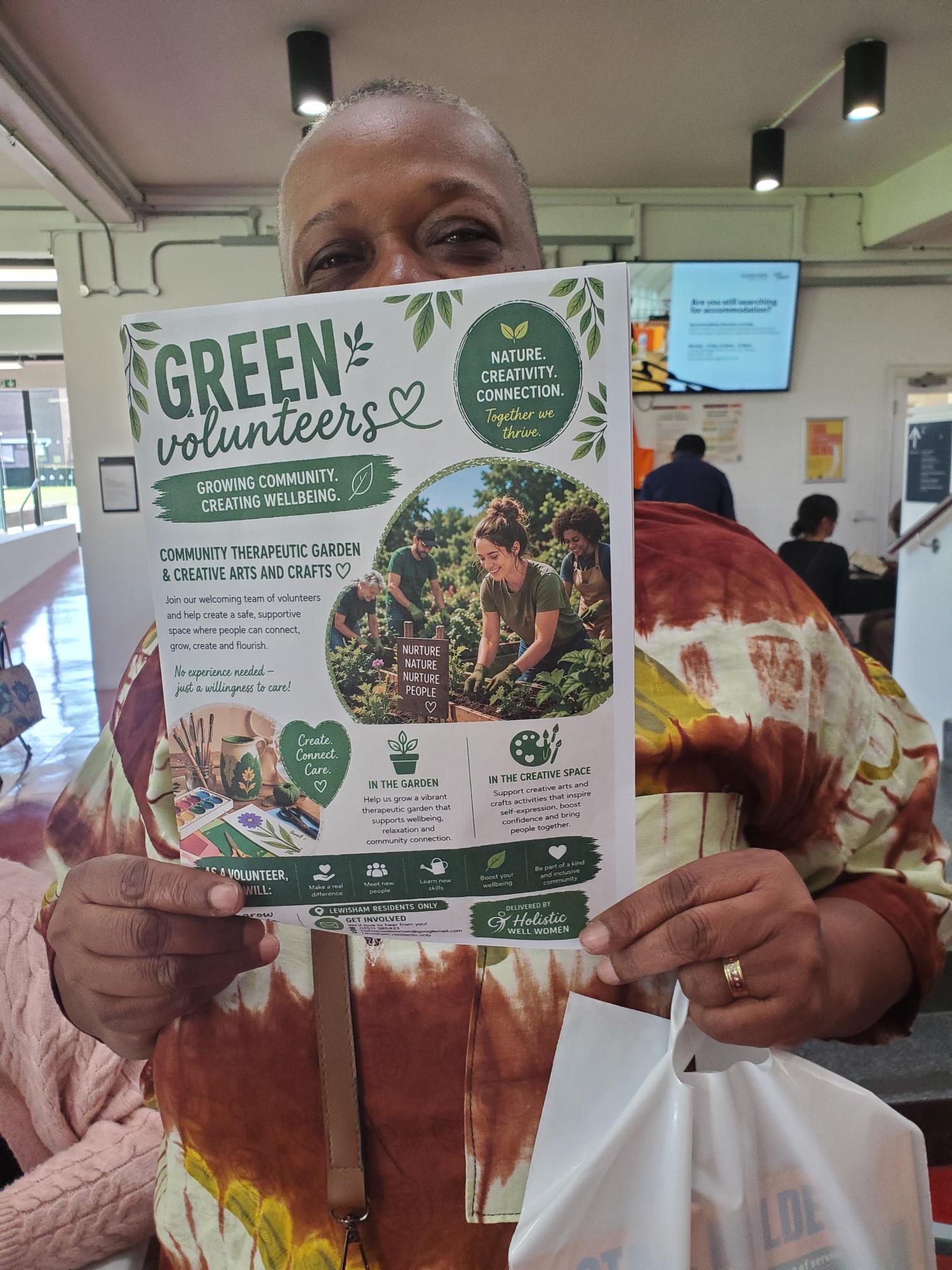
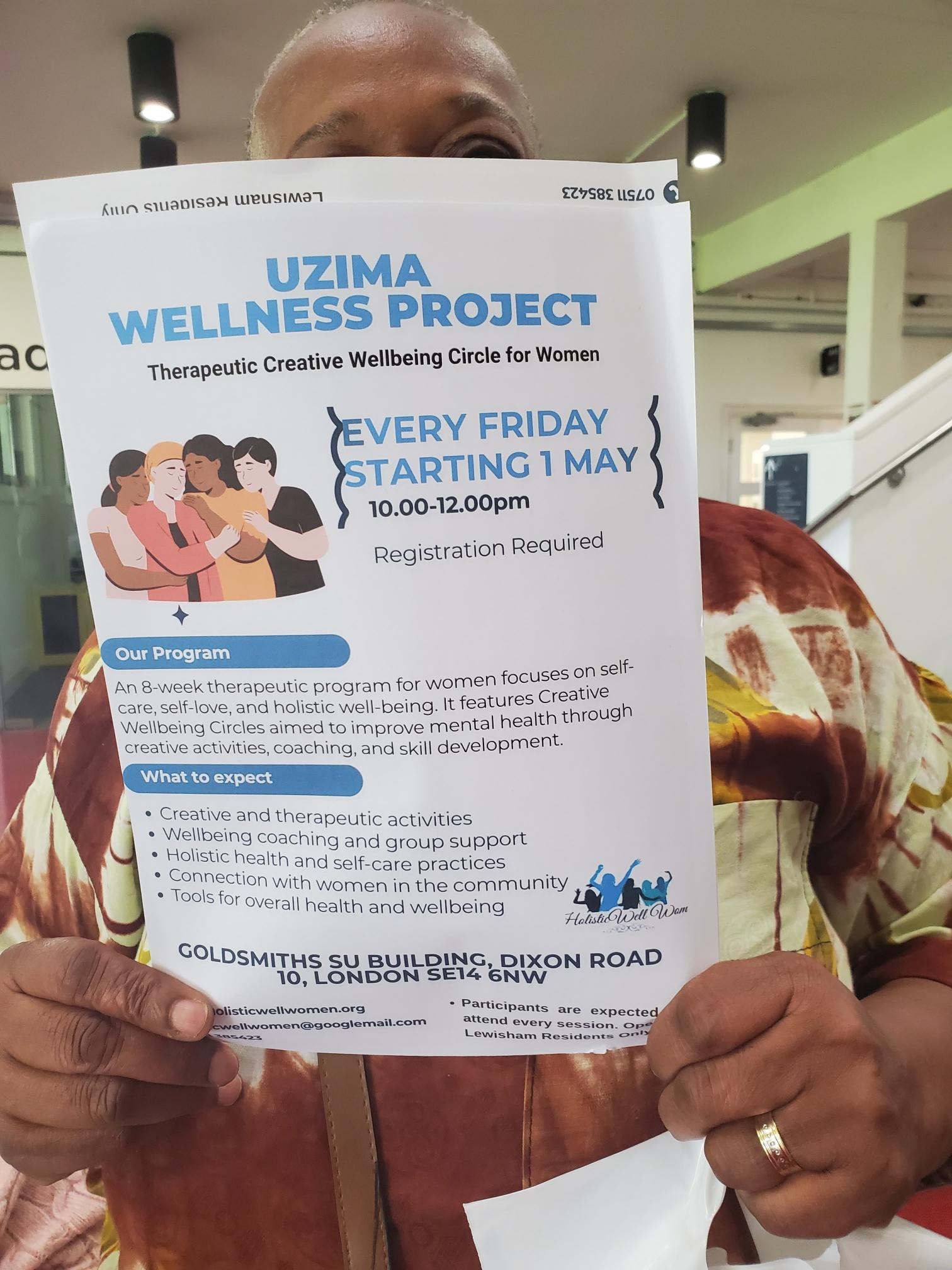
List of stall holders at the conference
- Lewisham Independent Advisory Group (IAG) – SLAM PCREF & N2C pilots, community engagement initiatives.
- Coco Collective – Blood pressure checks and health equity support through an Italian community clinic.
- NTCG Lee – BeWell Hub – Mental health support: first aid, signposting, ethnic minority therapy referrals, DWP guidance.
- London Fire Service – Provides community safety advice.
- Alzheimer’s Society – Support for people with Alzheimer’s and carers, including PCREF / OA partner initiatives.
- Age UK – Lewisham & MacMillan – Cancer champion services and social prescribing support (PCREF / OA partner).
- IMAGO – Lewisham unpaid carers support.
- Triangle of Care – Carer peer mental health support.
- Occipital Growth CIC – Wellbeing pop-up services.
- S.I.R.G. / Walking Men’s Group – School support and men’s mental health & wellbeing programs.
- BASCA Reminiscence – Showcases reminiscence activities and cultural preservation.
- Caremark Care Services – Provides care home services.
- RMUK (Rastafari Movement UK) – Focused on tackling food injustice, social isolation, and health inequalities.
- In One Piece – Hypnotherapy and career pathways for neurodiverse children.
- South-East London Mind – Mindful Mum’s – Wellbeing group for mothers.
- Lois Project Women’s Health Education Network – Women’s health education programs.
- Red Ribbon Living Well Project – HIV wellbeing and support.
- LBVN (Lewisham Black Voluntary Network) – Independent network of Black charitable service leaders and social entrepreneurs.
- Families in Harmony – Kinship care support services.
Main conference section
The conference was opened by Lloyd Curtis, the MC for the day, who set the tone for an engaging and informative session. Following the introduction, IAG Chairs Michelle Nembhard and Stephen Lawrence presented the work of Lewisham IAG, highlighting their ongoing commitment to addressing disparities in mental health support for the Black community.
Key Sessions and Presentations
The program included several impactful sessions:
- Maudsley Charity Update – Alice Casey from the Maudsley Charity delivered an overview of their programs, emphasizing community support and collaboration with local services.
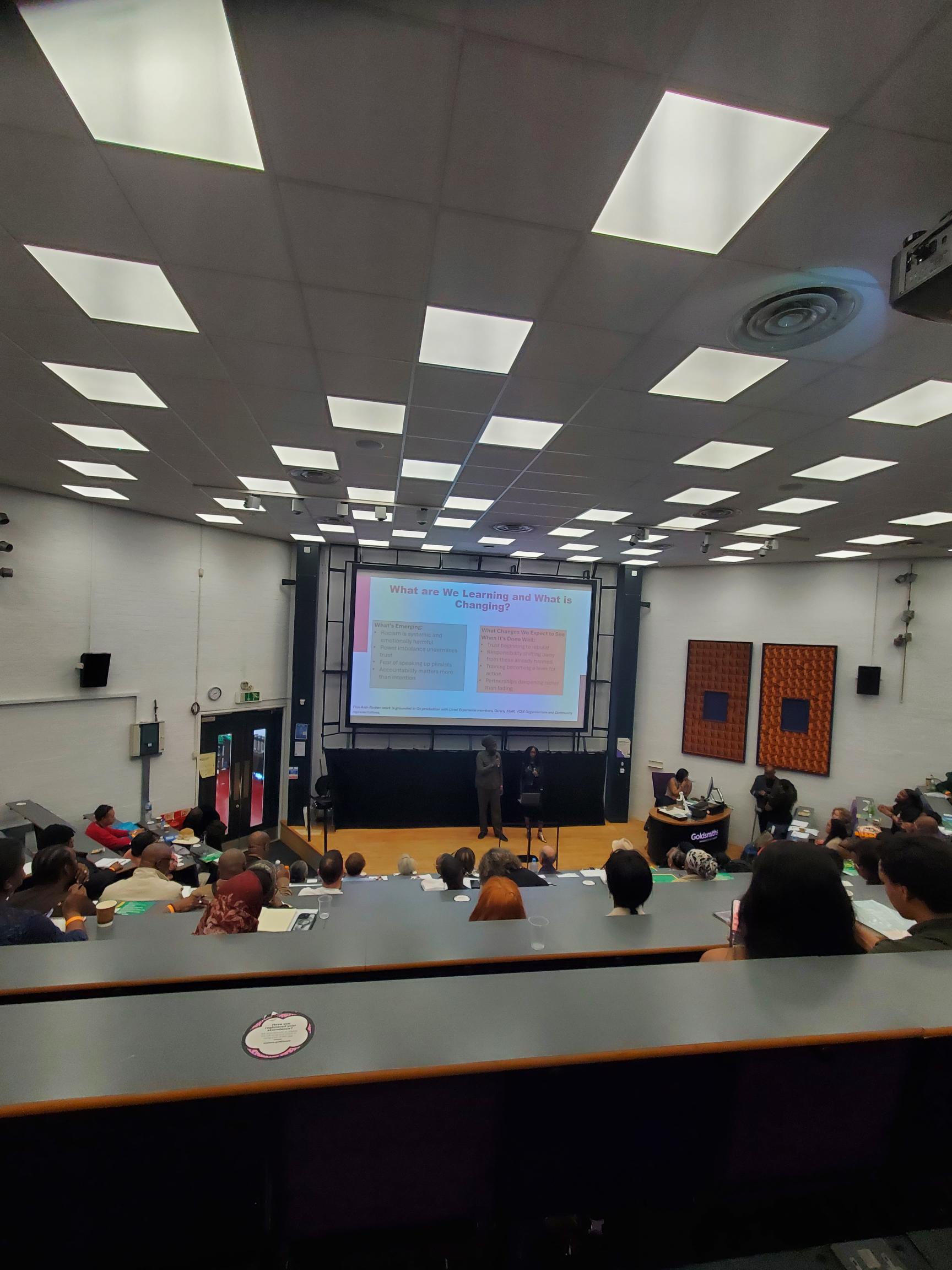
- SLAM Anti-Racism Training – Simone Garrison and Jide Ashimi facilitated a session on the delivery of anti-racism training within mental health services, highlighting systemic challenges and practical strategies.
- Intercultural Therapeutic Services & LBVN – Beverley Weston and Susan Rowe explored intercultural approaches to therapy, focusing on culturally sensitive practices in mental health care.
- A Service Users’ Journey – Katrina Desportes shared insights into the lived experiences of mental health service users, emphasizing the importance of understanding patient perspectives.
- Keynote Address: Dr Malcolm Phillips – Kawaida Therapy – Dr Phillips delivered a compelling keynote, exploring strategies for supporting Black mental health, drawing on decades of experience in therapy and community engagement.
- Panel Discussion – The conference concluded with a panel discussion featuring Dr Malcolm Phillips, Ade Odunlade, Katrina Desportes, Simone Garrison, Jide Ashimi, and Susan Rowe, providing a platform for dialogue and Q&A with attendees. This interactive session allowed for rich exchanges on best practices, policy challenges, and community-based solutions.
Networking and Community Engagement
After the formal sessions, the event transitioned to food and networking until 4:45 PM, providing attendees an informal space to connect with speakers, organizers, and service providers. The array of stalls allowed participants to take resources, engage with local initiatives, and explore volunteer and support opportunities.
Resources and Takeaways
Attendees left with valuable resources including:
- Program booklets detailing session schedules and speaker bios.
- Information on local mental health services and community organizations.
- Contacts for advocacy, volunteering, and further training.
The conference highlighted the critical importance of community-driven approaches to Black mental health, emphasizing collaboration between service users, charities, and health professionals.
Absolutely! Let’s expand each key session with a more detailed, immersive narrative, based on what attendees experienced, including content, atmosphere, and insights shared. I’ll focus on the sessions you specifically attended, as reflected in the program.
1. Maudsley Charity Update – Alice Casey (1:15 PM – 1:30 PM)
The conference opened with an engaging presentation by Alice Casey from the Maudsley Charity. She provided attendees with a detailed overview of the charity’s initiatives to support mental health within the community, emphasizing collaborative approaches with local organizations.
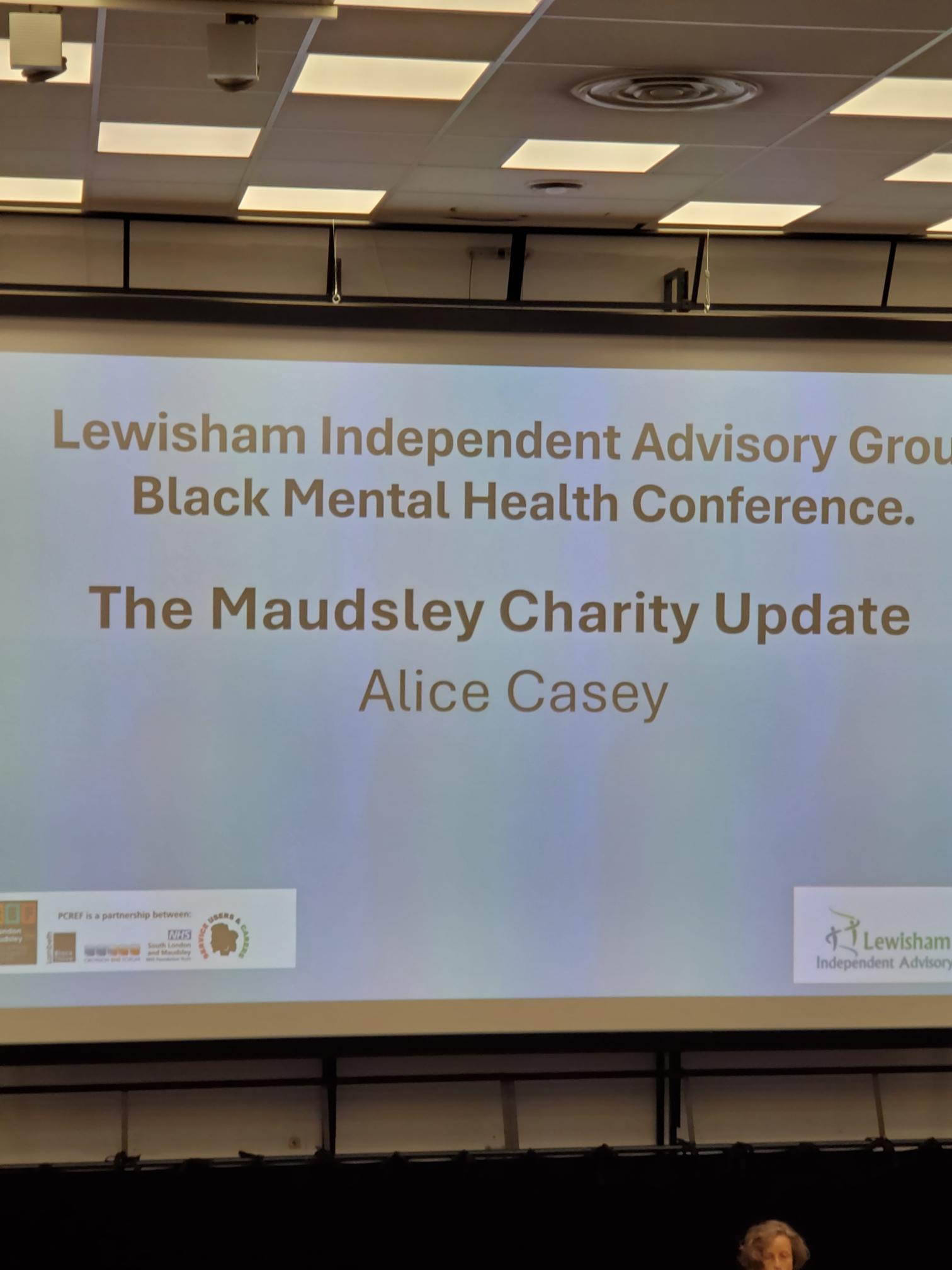
Alice highlighted key programs, including outreach work for young Black adults, peer mentoring schemes, and community workshops aimed at reducing stigma around mental health. The presentation included personal stories from beneficiaries, which brought an emotional and relatable dimension to the discussion. Attendees appreciated the practical advice on accessing support services and the emphasis on culturally responsive care.
The room was attentive and responsive, with many participants asking thoughtful questions about how local services can be adapted to better meet the needs of diverse communities. This session set the tone for the day: action-oriented, community-centered, and deeply reflective of lived experiences.
2. SLAM Anti-Racism Training Delivery – Simone Garrison & Jide Ashimi (1:35 PM – 1:55 PM)
Next, Simone Garrison and Jide Ashimi led an interactive session on anti-racism training within mental health services. This session was highly participatory, with attendees invited to engage in discussion and reflect on their own experiences of race, discrimination, and systemic barriers.
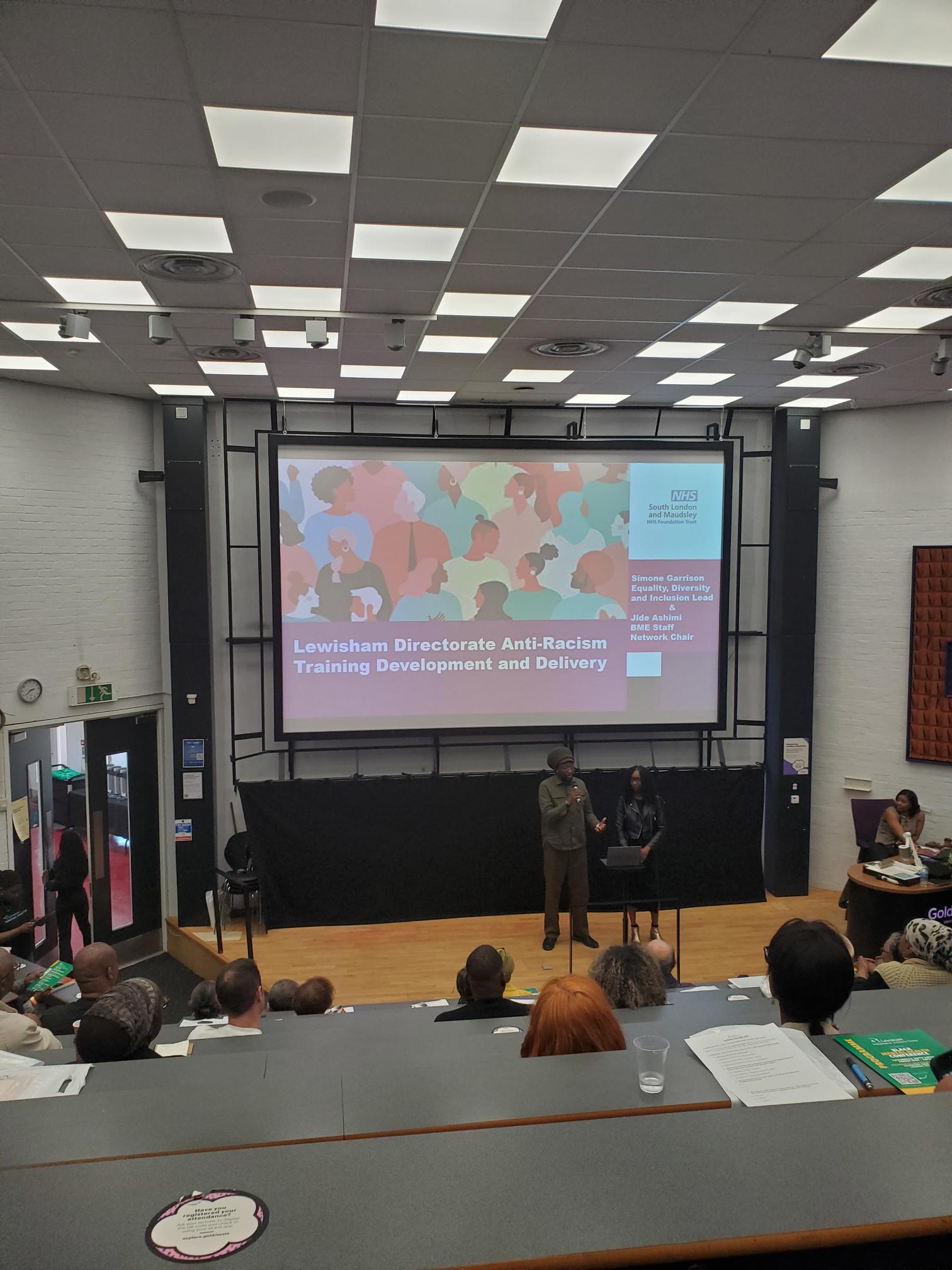
The presenters outlined how structural racism affects mental health outcomes for Black communities and shared the SLAM model for anti-racism training. This included:
- Identifying bias in clinical settings
- Implementing inclusive language and practices
- Encouraging allyship and peer accountability
One impactful moment was a case study exploring a young Black patient navigating mental health services. Attendees were prompted to consider interventions from multiple perspectives, sparking a dynamic discussion about equity and accessibility. Many participants noted that the session provided practical strategies for advocating within organizations, alongside the theoretical understanding of systemic inequities.
3. Intercultural Therapeutic Services & LBVN – Beverley Weston & Susan Rowe (1:55 PM – 2:10 PM)
Following this, Beverley Weston and Susan Rowe from the Intercultural Therapeutic Services and Lewisham Black Voluntary Network (LBVN) presented a session focused on culturally adapted therapeutic approaches.
They emphasized the importance of recognizing cultural context in therapy, including family dynamics, faith, and community networks. Key highlights included:
- Techniques for building trust with clients from diverse backgrounds
- Examples of successful community-led interventions
- Strategies for bridging gaps between statutory services and local Black-led organizations
The session included audience reflections on how cultural awareness can improve engagement, reduce dropouts, and foster sustainable mental health outcomes. Participants were particularly struck by the emphasis on strength-based approaches, focusing on resilience and community assets rather than deficits.
4. interview with the Interim CEO of SLAM (2:15 PM – 2:30 PM)
This session featured an interview with the Interim CEO Ade Odunlade of (South London and Maudsley NHS Foundation Trust), who spoke about:
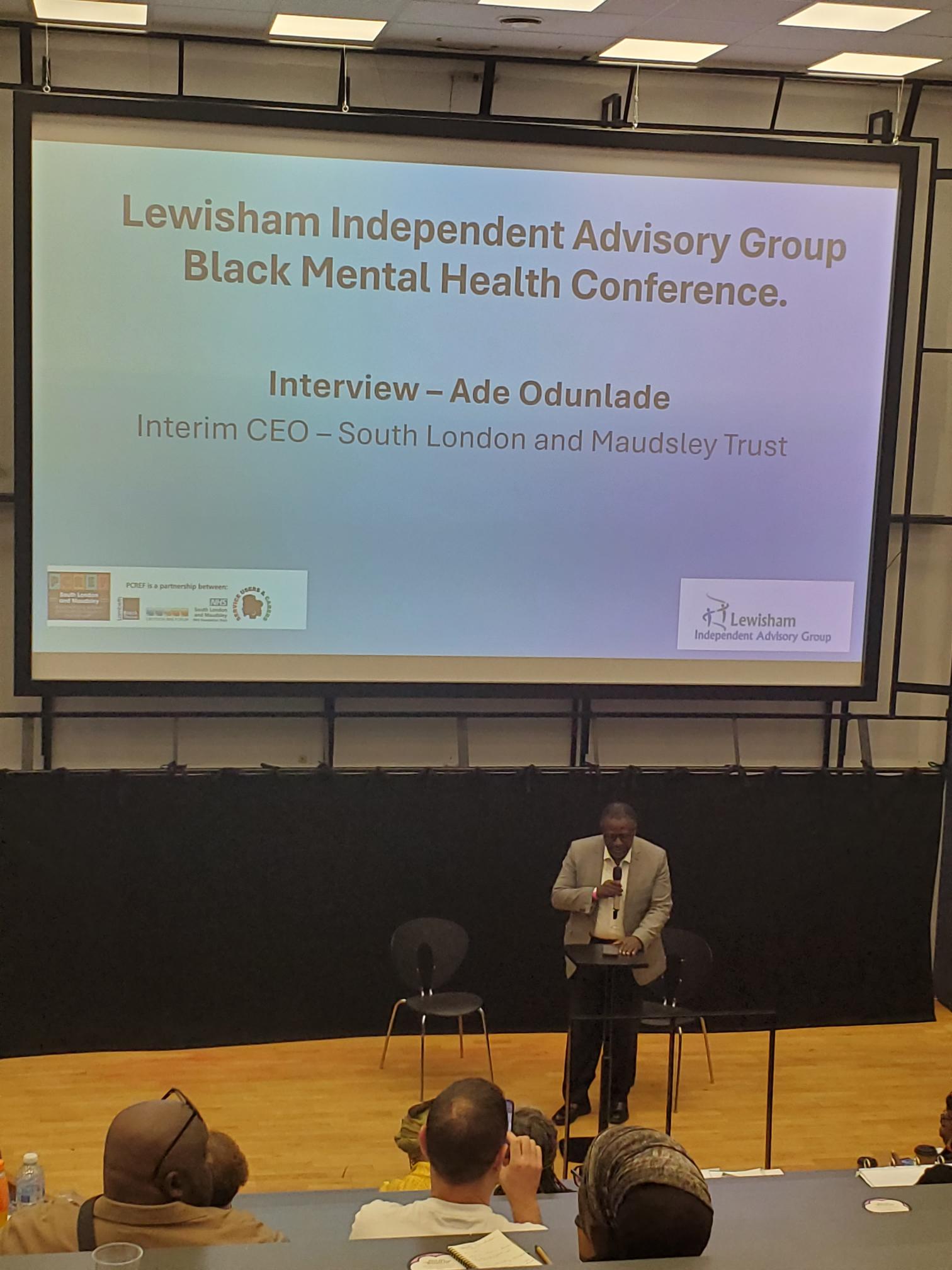
- Organizational vision for equitable mental health services
- Current initiatives addressing disparities in care for Black communities
- Collaborations with local groups, including Lewisham IAG and other voluntary networks
- Commitment to anti-racism training and cultural competency across SLAM services
The interview was informal but informative, giving attendees a direct perspective on how policy and leadership decisions impact service delivery, especially in Black mental health provision. Participants had the opportunity to ask questions and engage with strategic priorities, bridging high-level management insight with the practical experiences discussed in other sessions
5. A Service Users’ Journey – Katrina Desportes (2:35 PM – 2:45 PM)
Katrina Desportes delivered a deeply personal session, sharing her journey as a service user navigating mental health systems. This session was emotionally resonant, offering first-hand insights into the challenges and triumphs of accessing support as a Black individual.
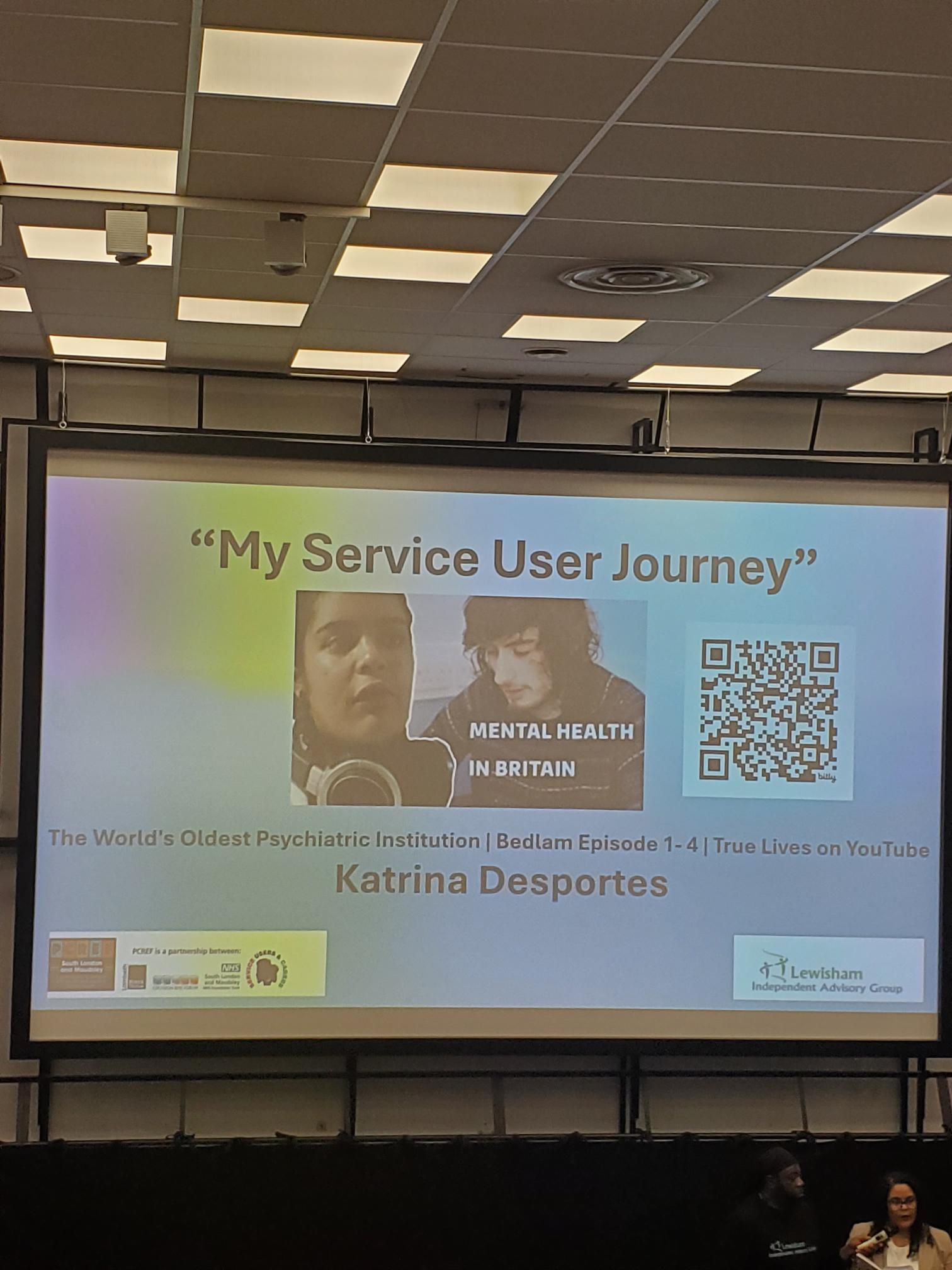
Katrina spoke about the importance of empathy, clear communication, and patient-centered care, illustrating the human impact behind policies and procedures. She also highlighted barriers such as:
- Misdiagnosis and underrepresentation in mental health services
- The impact of stigma within families and communities
- Limited culturally specific support
Attendees responded with empathy and engagement, asking questions about how systems can better integrate service user feedback and what steps can be taken to empower marginalized voices in decision-making processes.
6. Keynote Address: Dr Malcolm Phillips – Kawaida Therapy (2:55 PM – 3:30 PM)
The day’s keynote by Dr Malcolm Phillips was a highlight, delivering a rich discussion on therapeutic practices that support Black mental health. Dr Phillips drew from his extensive experience with Kawaida Therapy, emphasizing holistic, culturally grounded approaches.
Key takeaways included:
- The significance of community-driven therapy models
- Integrating African-centered philosophies and traditions into mental health care
- Addressing intergenerational trauma and systemic inequalities in healthcare
Dr Phillips used case examples, including stories of young people and families, to illustrate practical techniques and the positive outcomes of culturally aware therapy. The audience was deeply engaged, and the session included interactive Q&A, allowing participants to explore issues like accessibility, stigma, and collaborative interventions.
7. Panel Discussion – Dr Malcolm Phillips, Ade Odunlade, Katrina Desportes, Simone Garrison, Jide Ashimi & Susan Rowe (3:30 PM – 4:00 PM)
The conference concluded with a dynamic panel discussion, bringing together speakers from the day to reflect on key themes. The panel tackled questions such as:
- How can mental health services better serve Black communities?
- What role does community advocacy play in systemic change?
- How can lived experience inform service design and delivery?
Panelists emphasized intersectional approaches, acknowledging the compounding effects of race, gender, socioeconomic status, and historical inequities. The discussion was lively and reflective, providing actionable insights for both practitioners and community members.
Reflection
Attending these sessions offered a deep, multifaceted understanding of Black mental health, blending theory, practice, and lived experience. Participants left with:
- Practical strategies for culturally competent care
- Greater awareness of systemic barriers and solutions
- Inspiration to engage with their communities and advocate for equity
The conference successfully balanced education, empowerment, and practical application, making it a landmark event for mental health advocacy in Lewisham.
Conclusion
The Lewisham IAG Black Mental Health Conference successfully combined education, advocacy, and community engagement, creating a meaningful space for dialogue and connection. The event demonstrated that supporting mental health in Black communities requires both systemic change and grassroots collaboration a mission that Lewisham IAG continues to champion.