Mental health carers often navigate a system that feels fragmented, leaving them unheard and unseen. My new spoken word poem, “Who is”, explores this reality asking who is believed, listened to, supported, or left behind when the challenges of mental illness take hold.
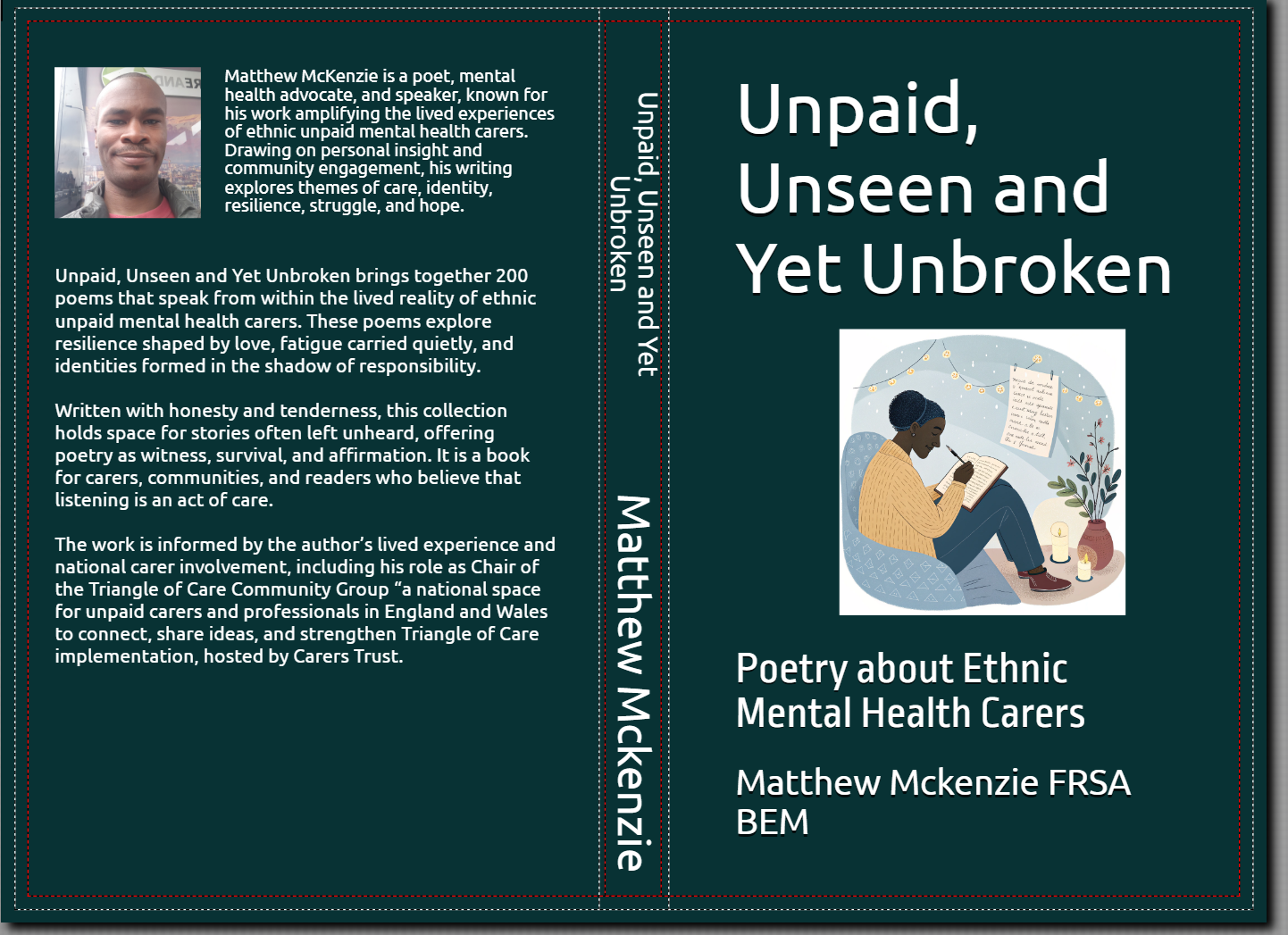
Taken from my upcoming poetry collection, Unpaid, Unseen and Yet Unbroken (launching 2026), this piece reflects the experiences of unpaid carers, particularly from ethnic minority communities, who face the added burden of navigating a system that often overlooks their voices.
Through poetry, I hope to open a conversation about the importance of listening, understanding, and valuing carers’ lived experiences.
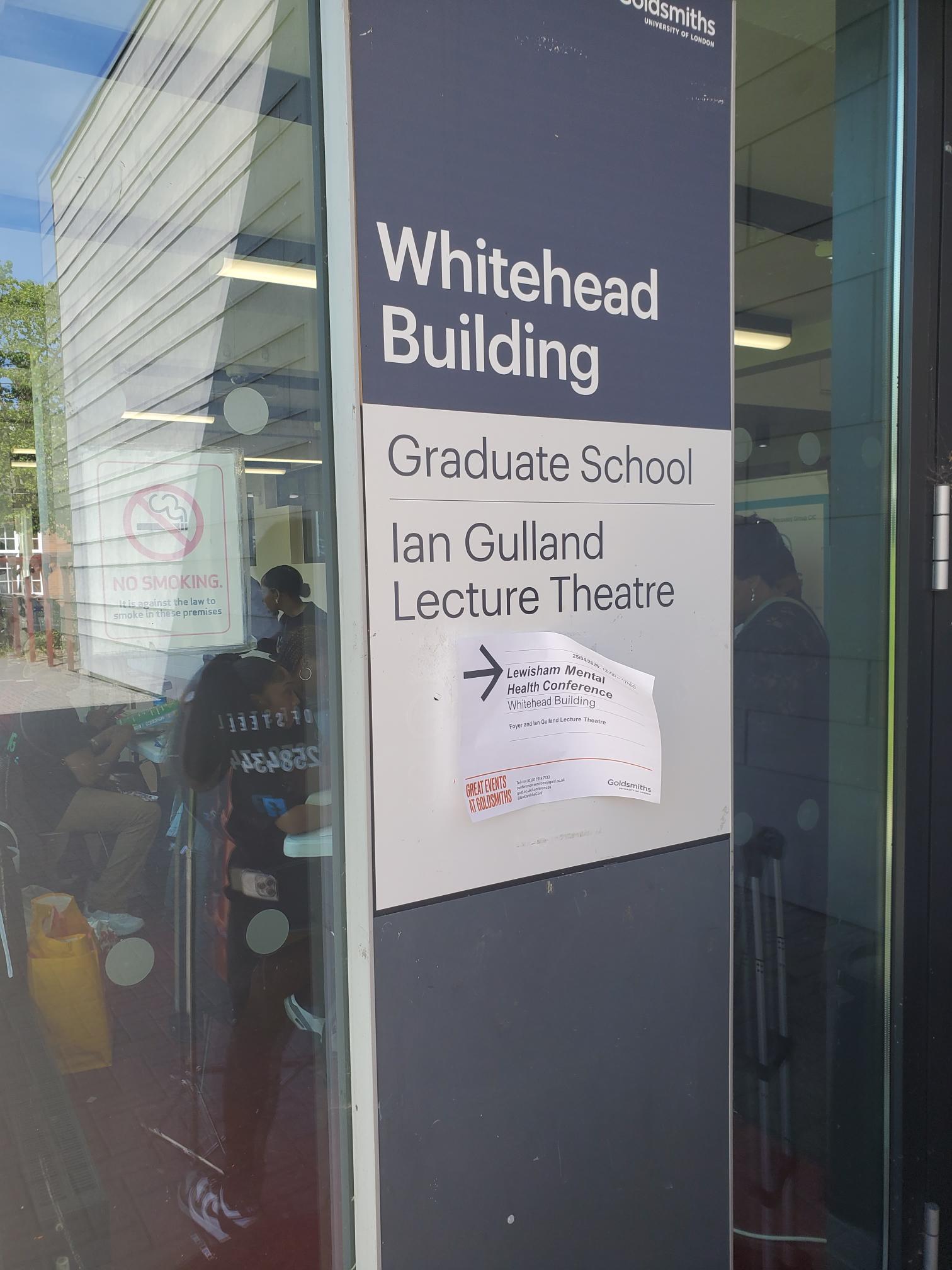
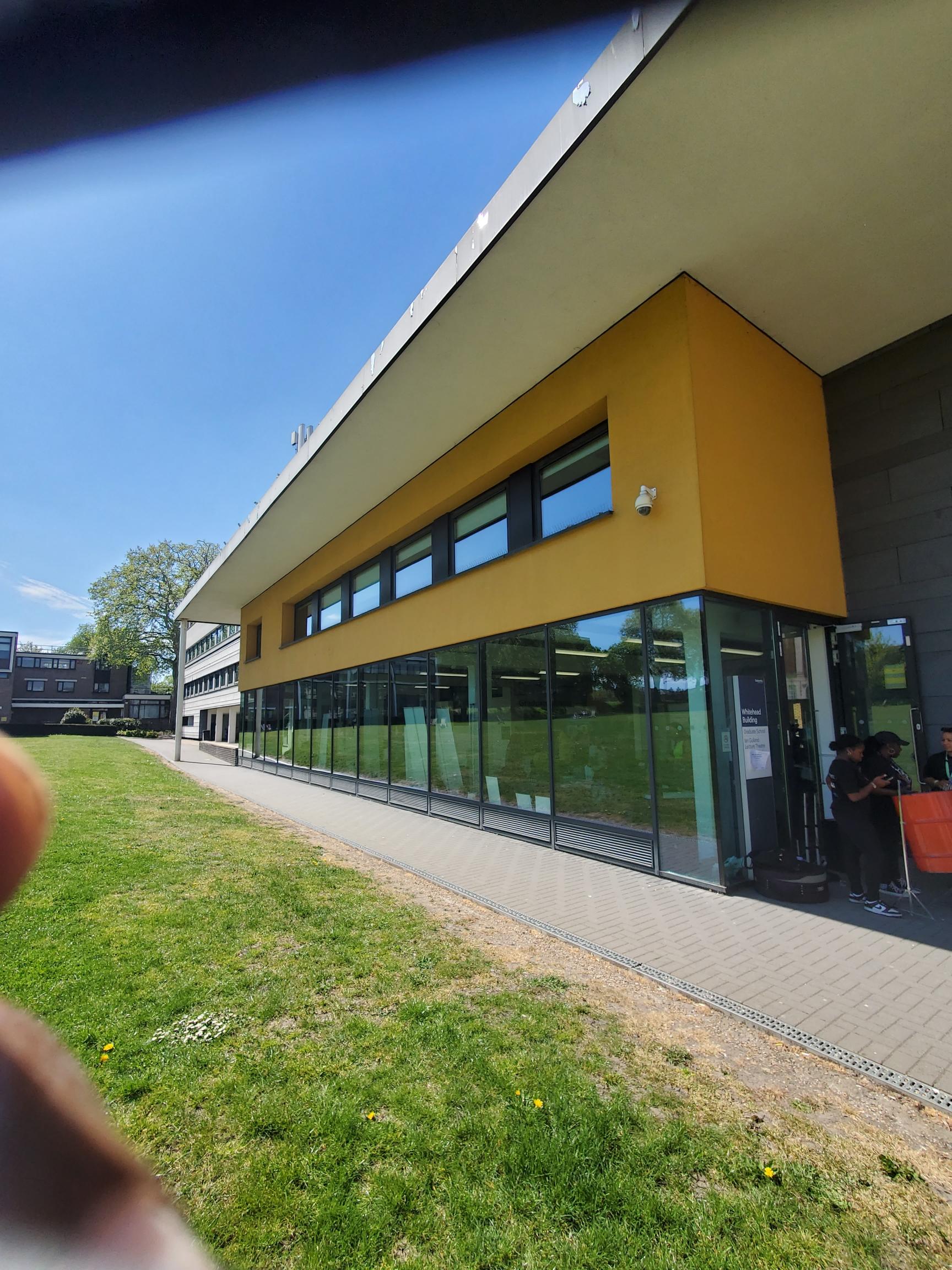
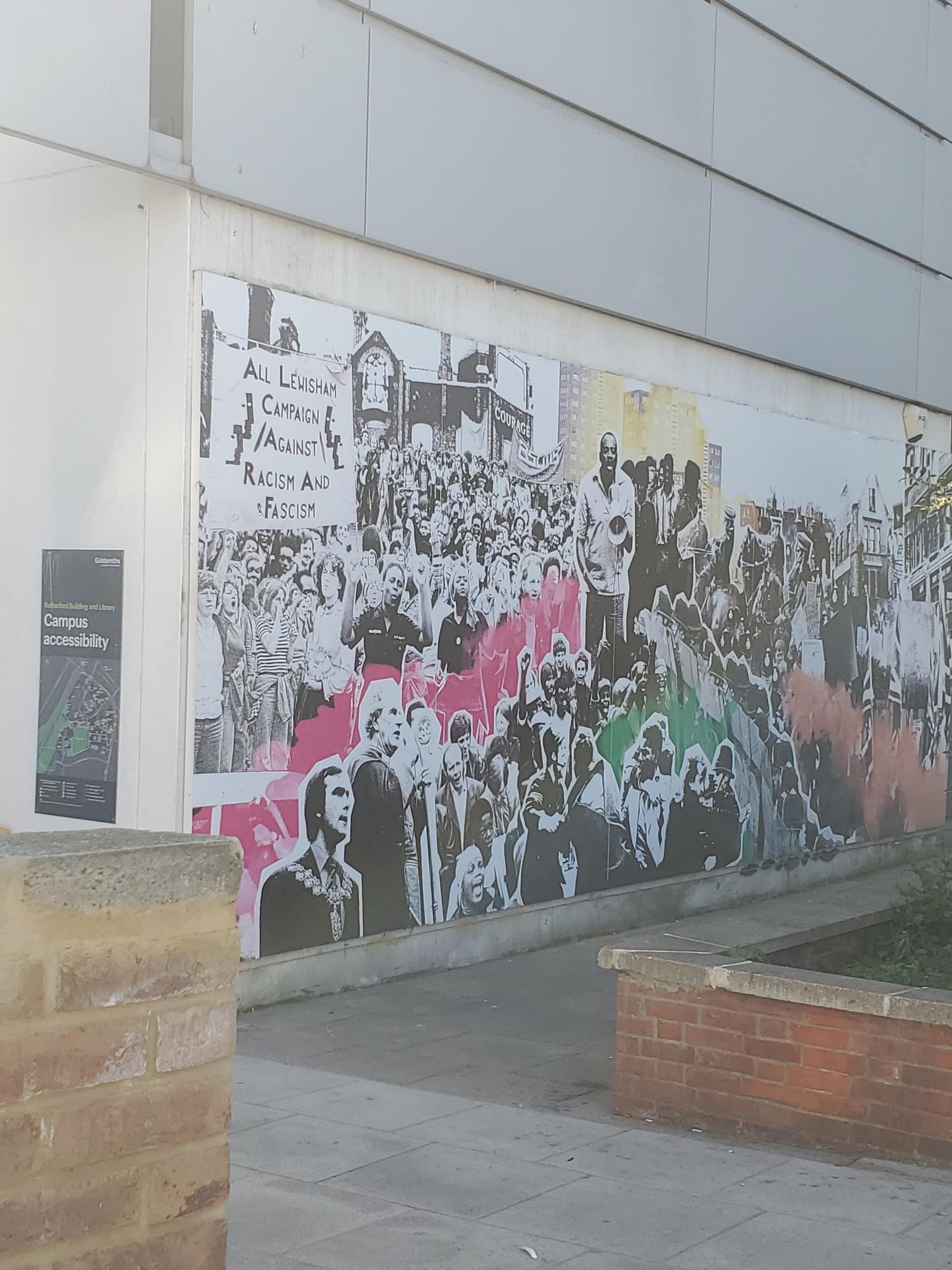
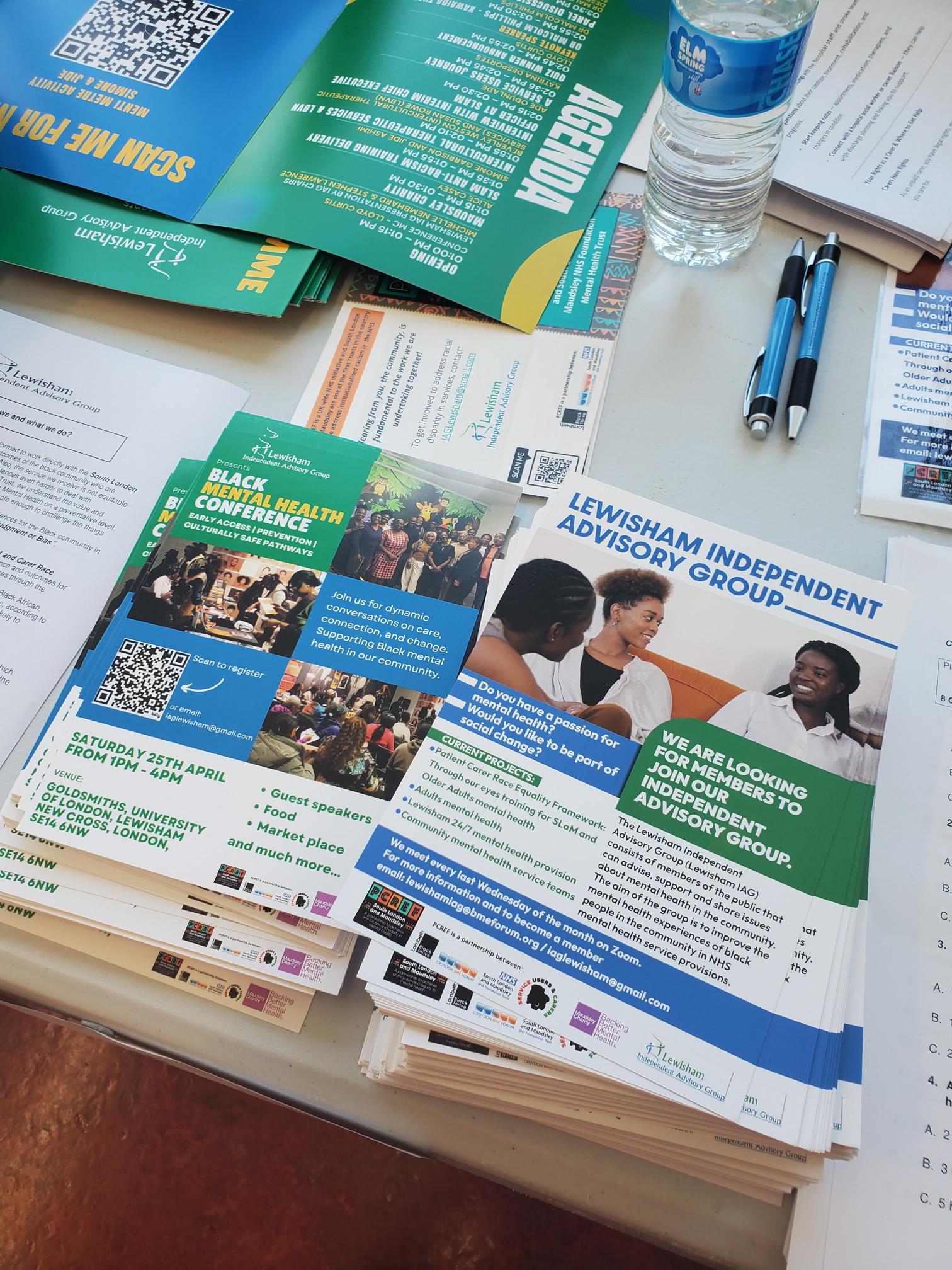
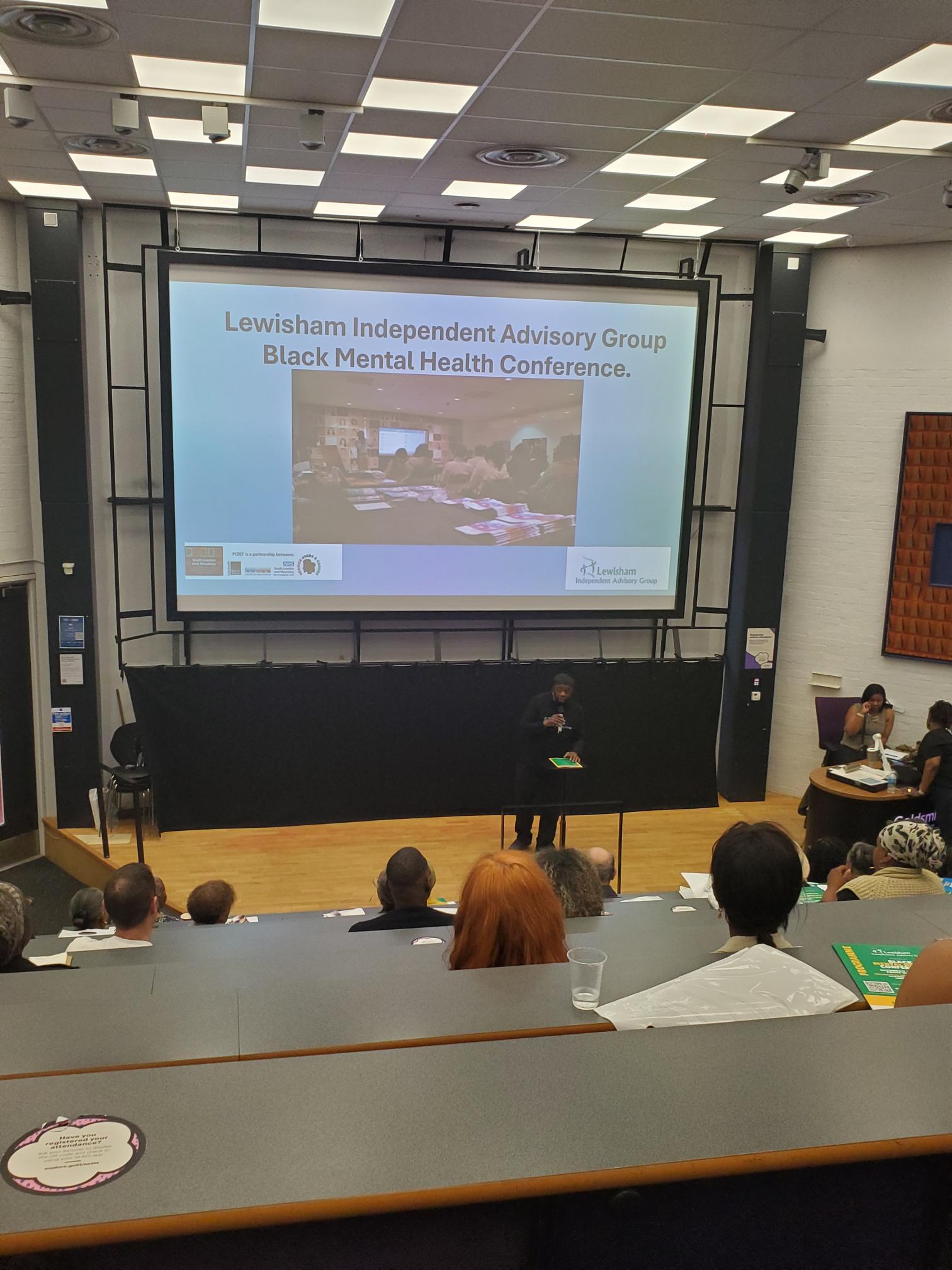
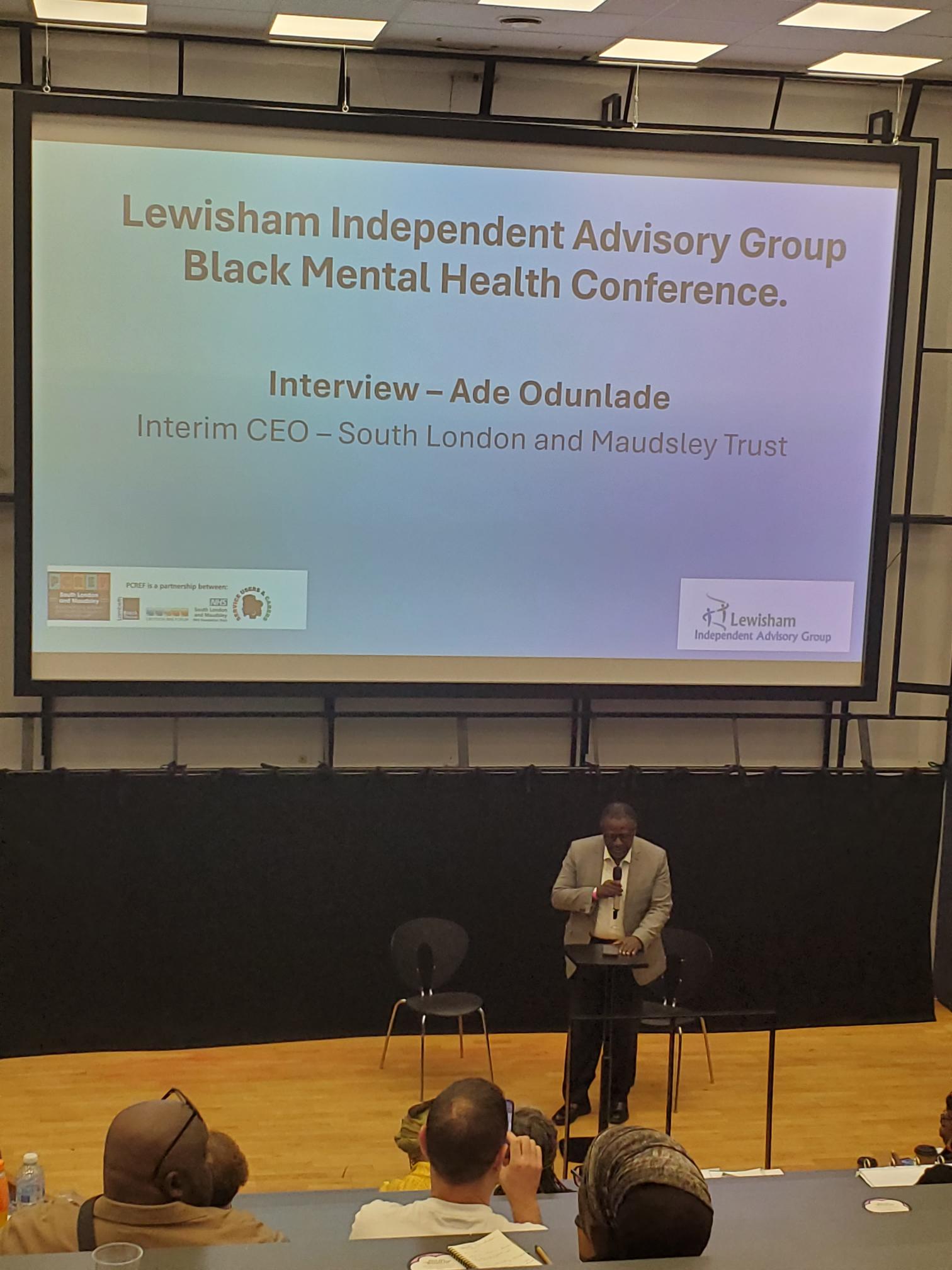
On Saturday, 25th April 2026, the Lewisham Independent Advisory Group (IAG) hosted its much-anticipated Black Mental Health Conference at Goldsmiths, University of London, in New Cross, London.
The event ran from 1 PM to 4 PM, bringing together community members, mental health practitioners, activists, and service users for an afternoon of learning, discussion, and networking focused on Black mental health.
Setting the Stage
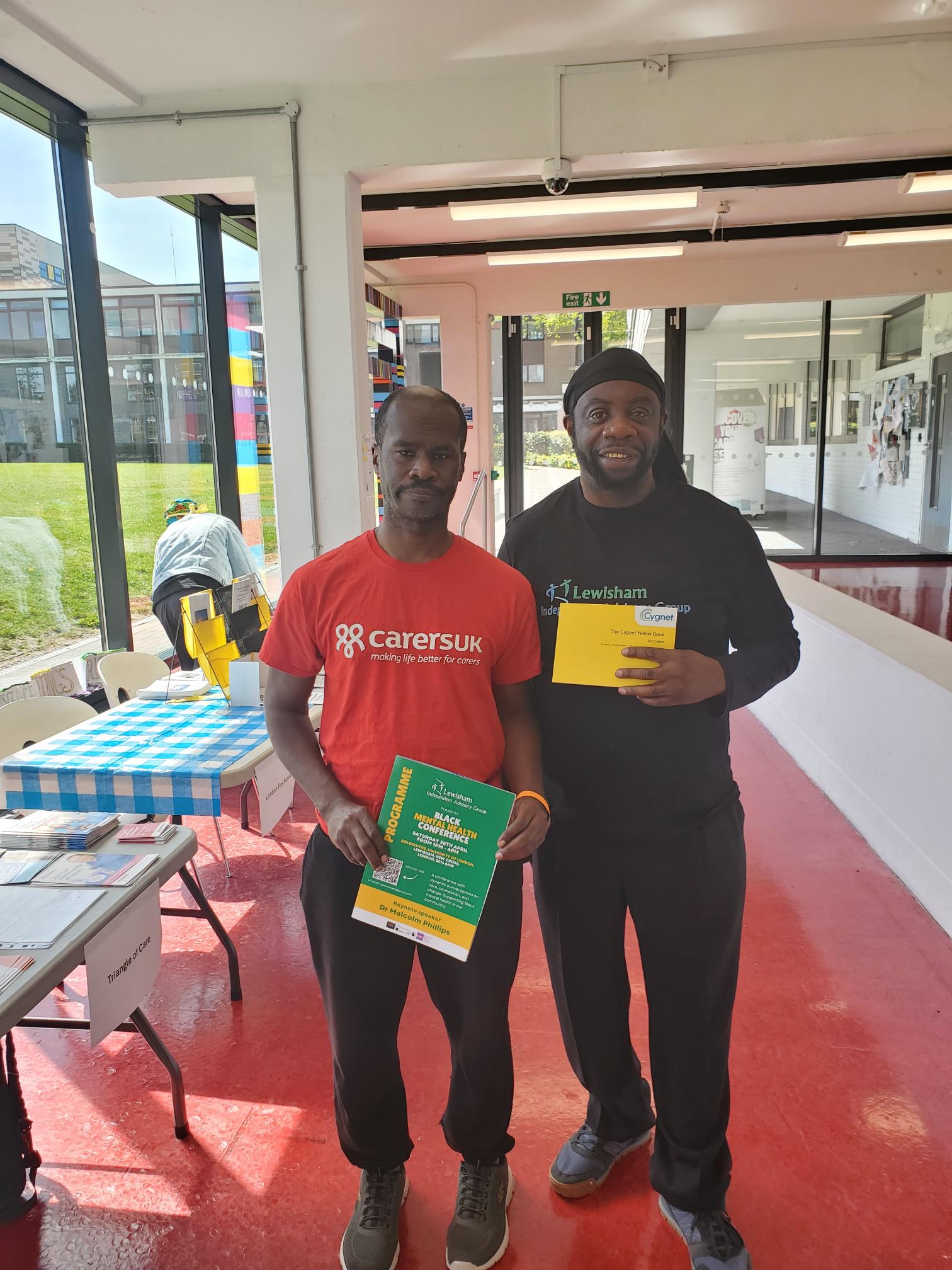
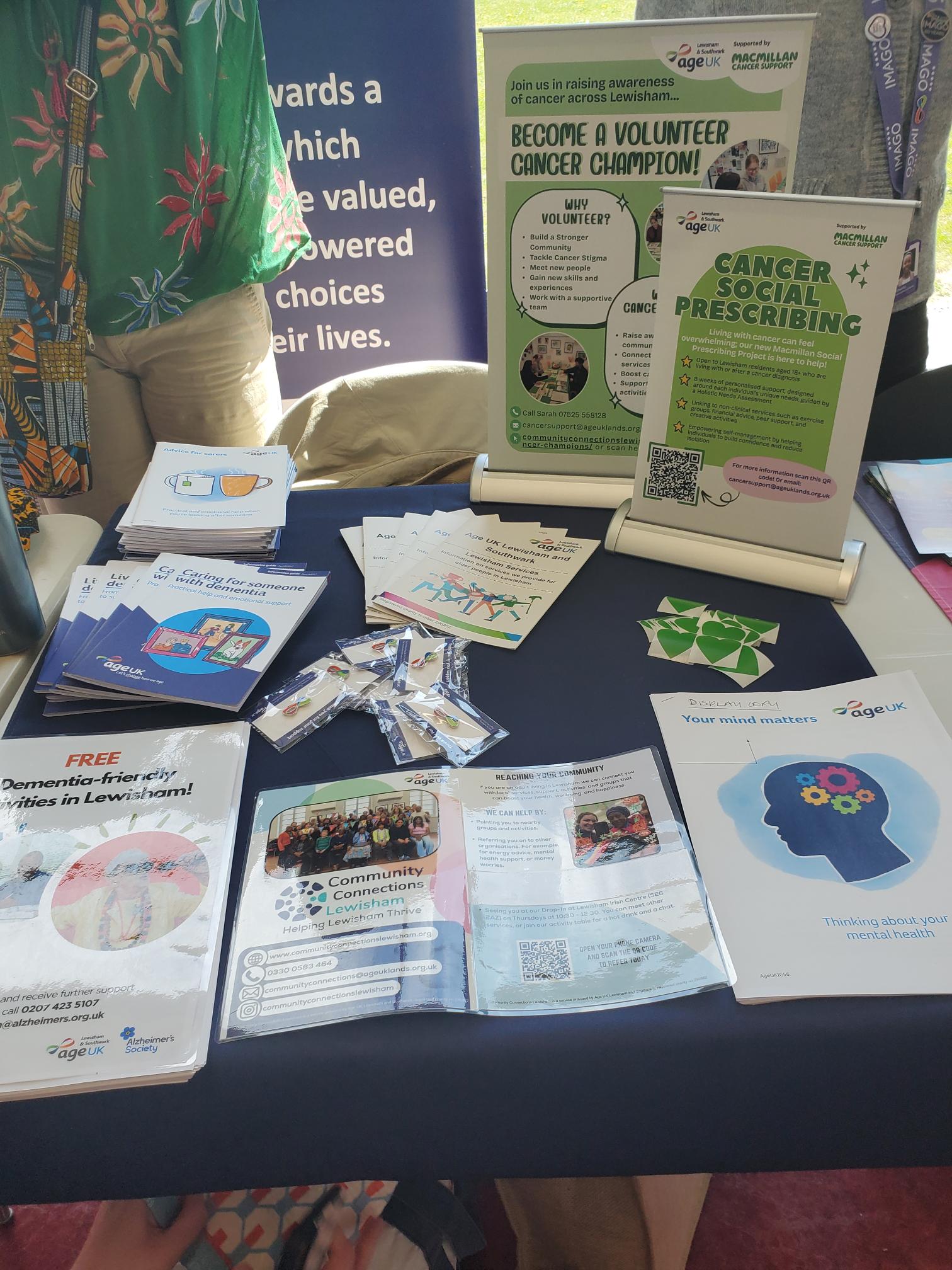
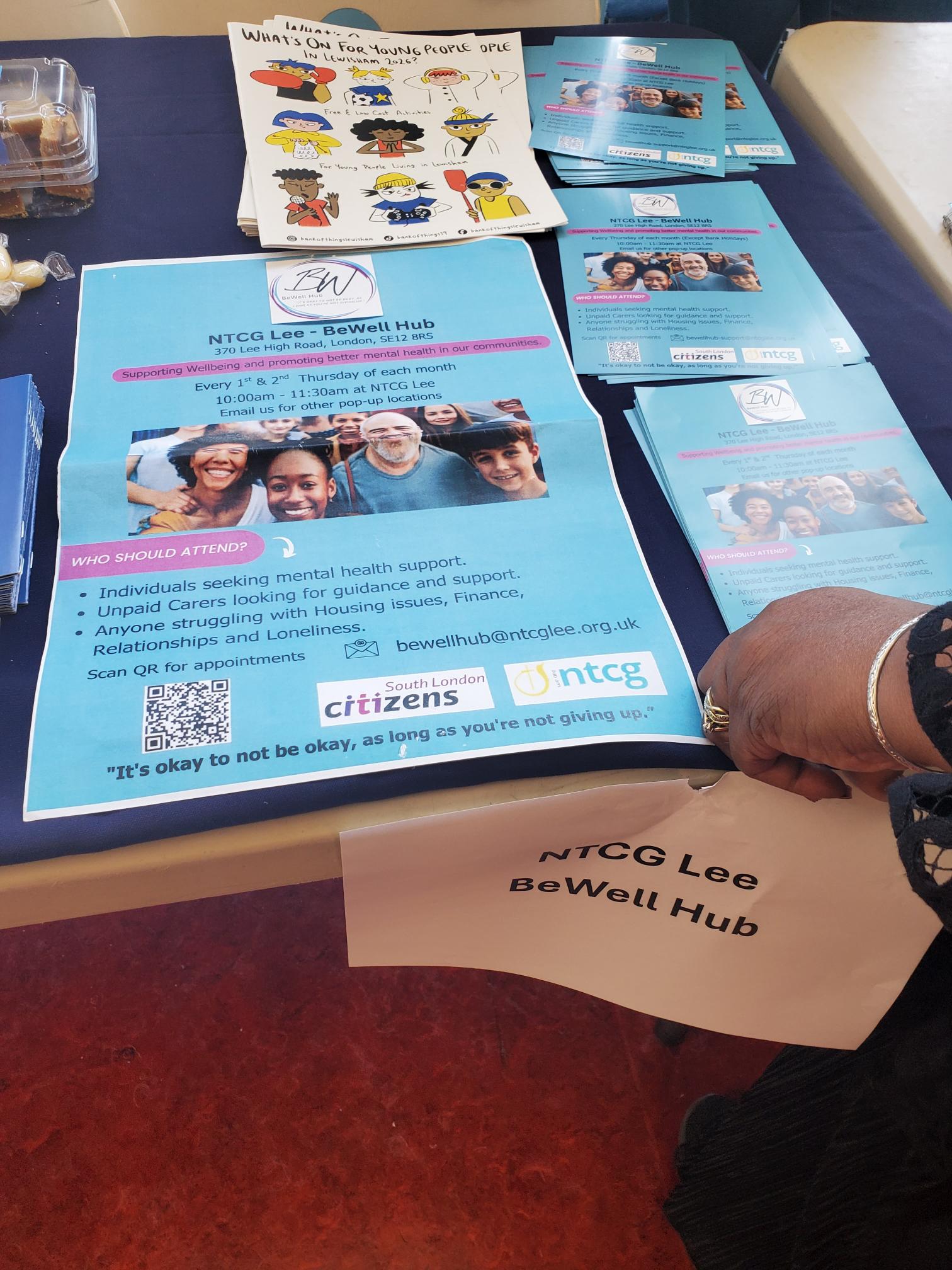
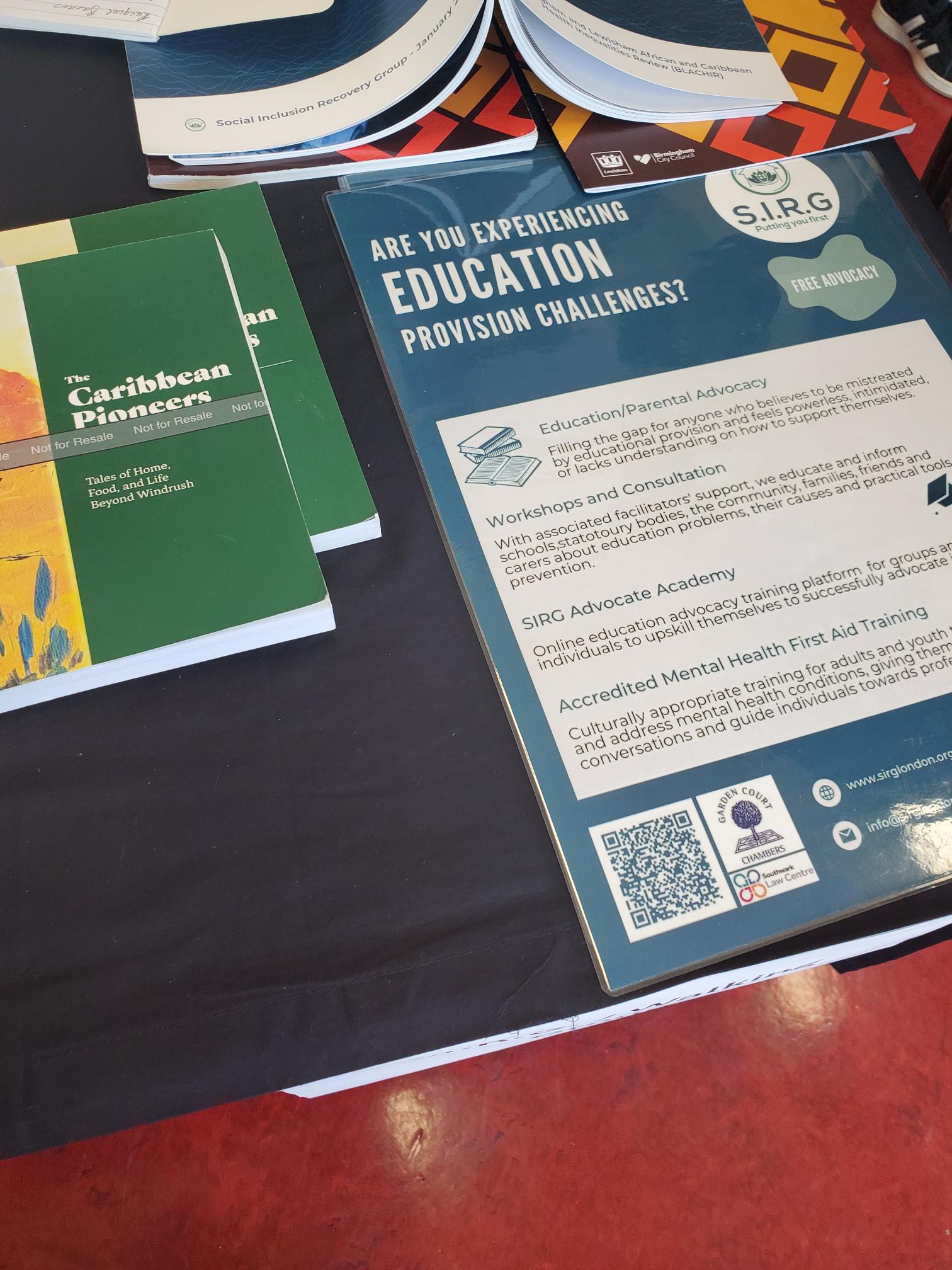
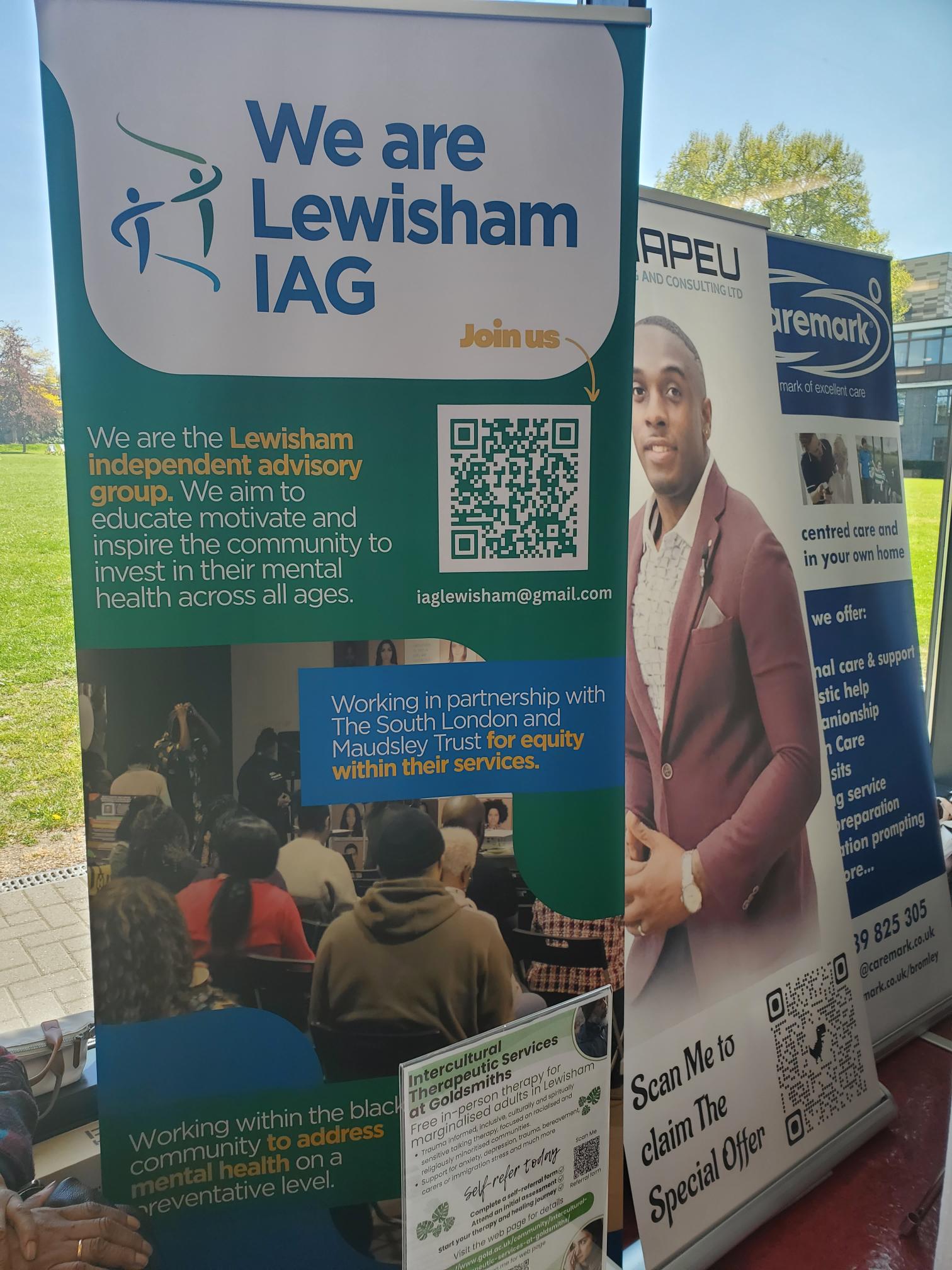
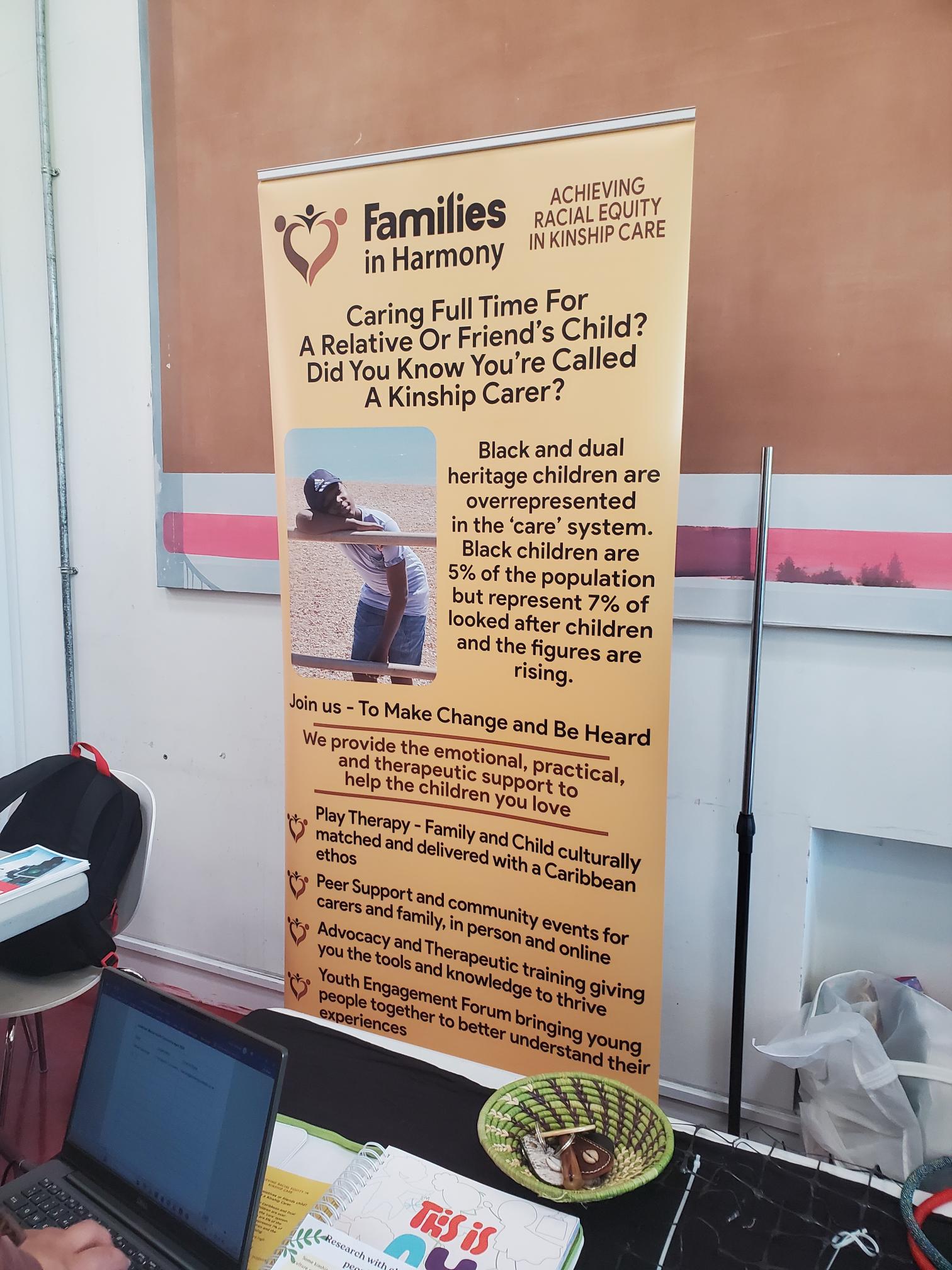
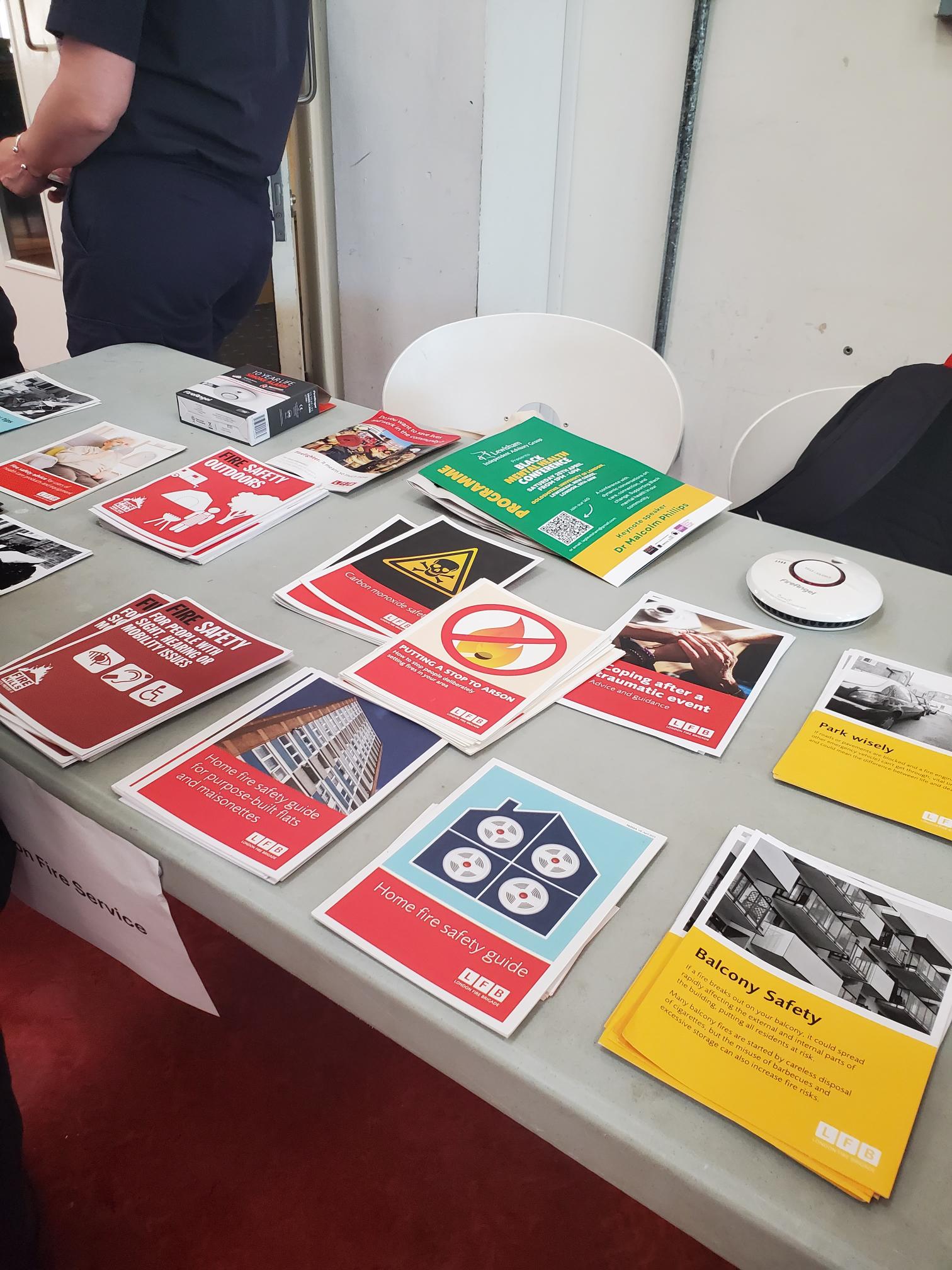
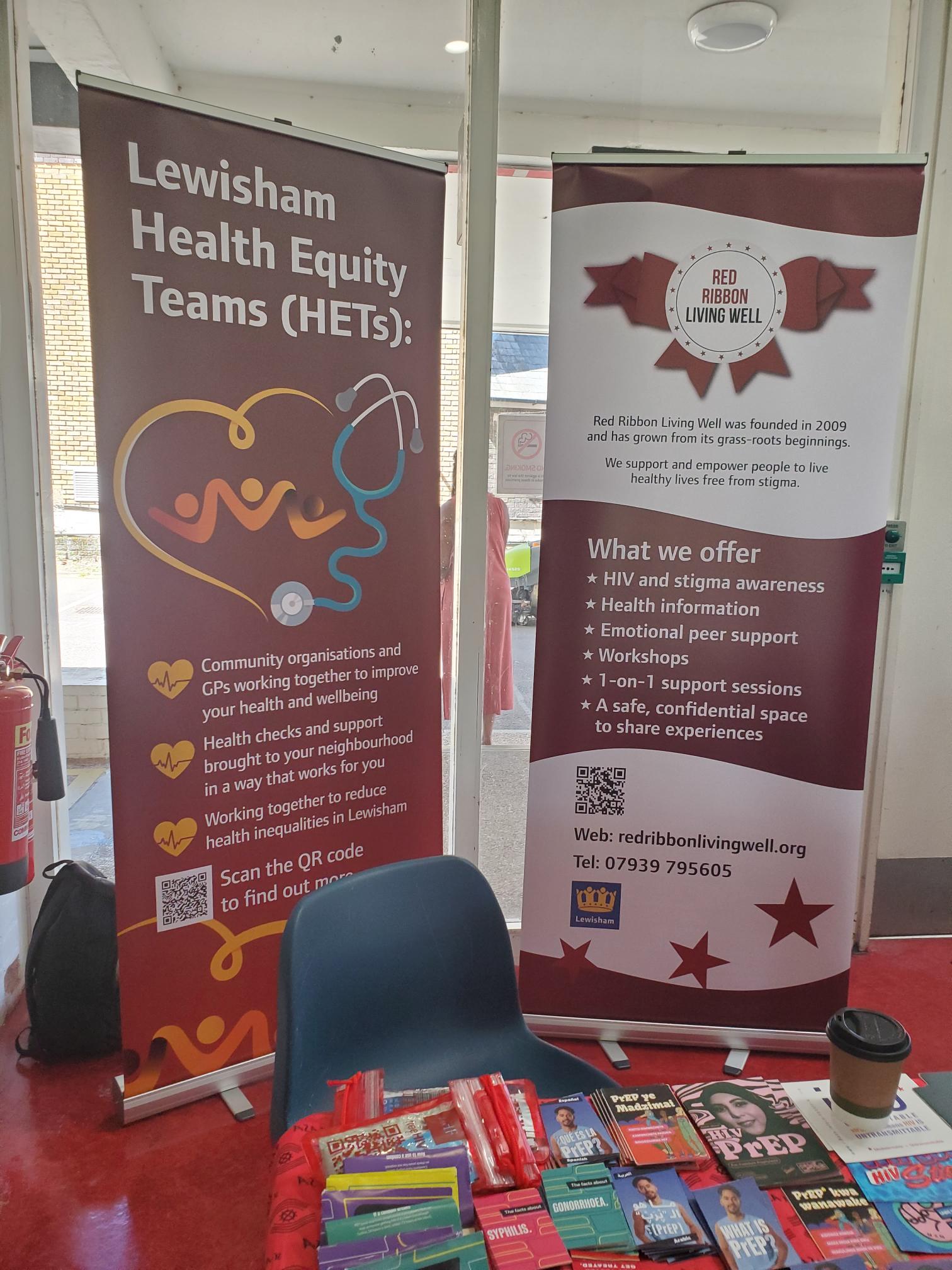
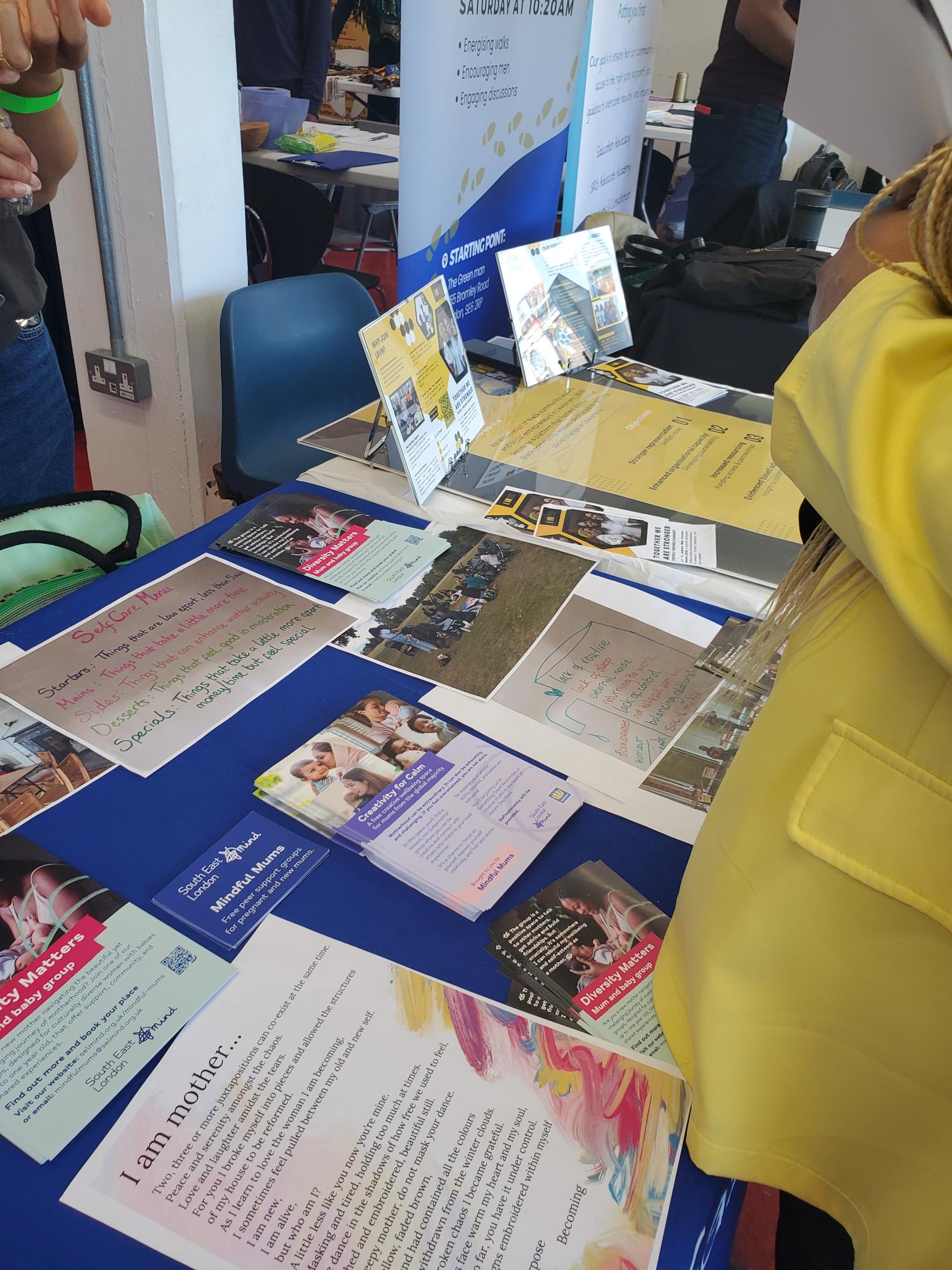
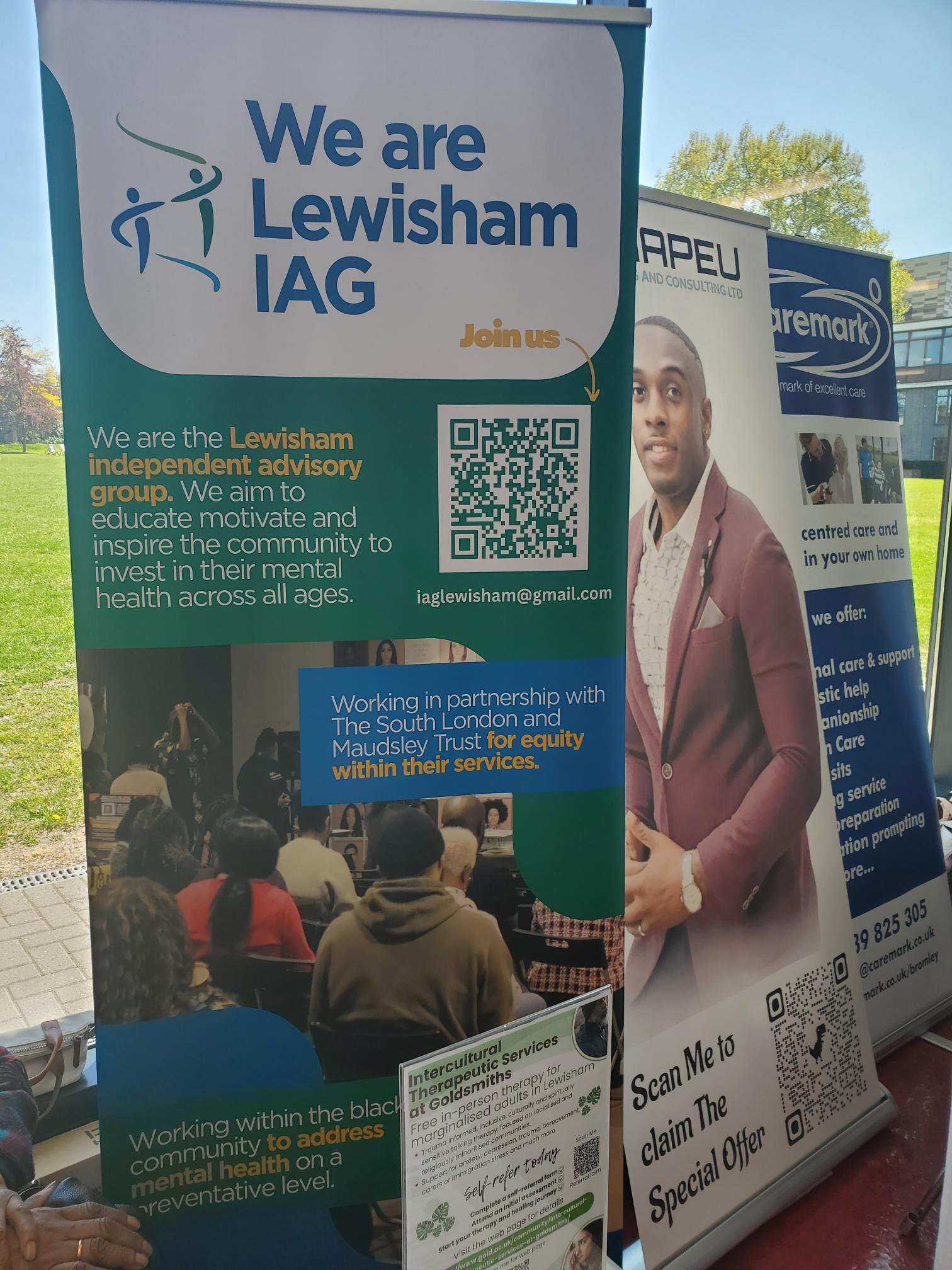
Upon arrival, attendees were welcomed with a vibrant program booklet and a series of informational stalls showcasing local initiatives and mental health support services.

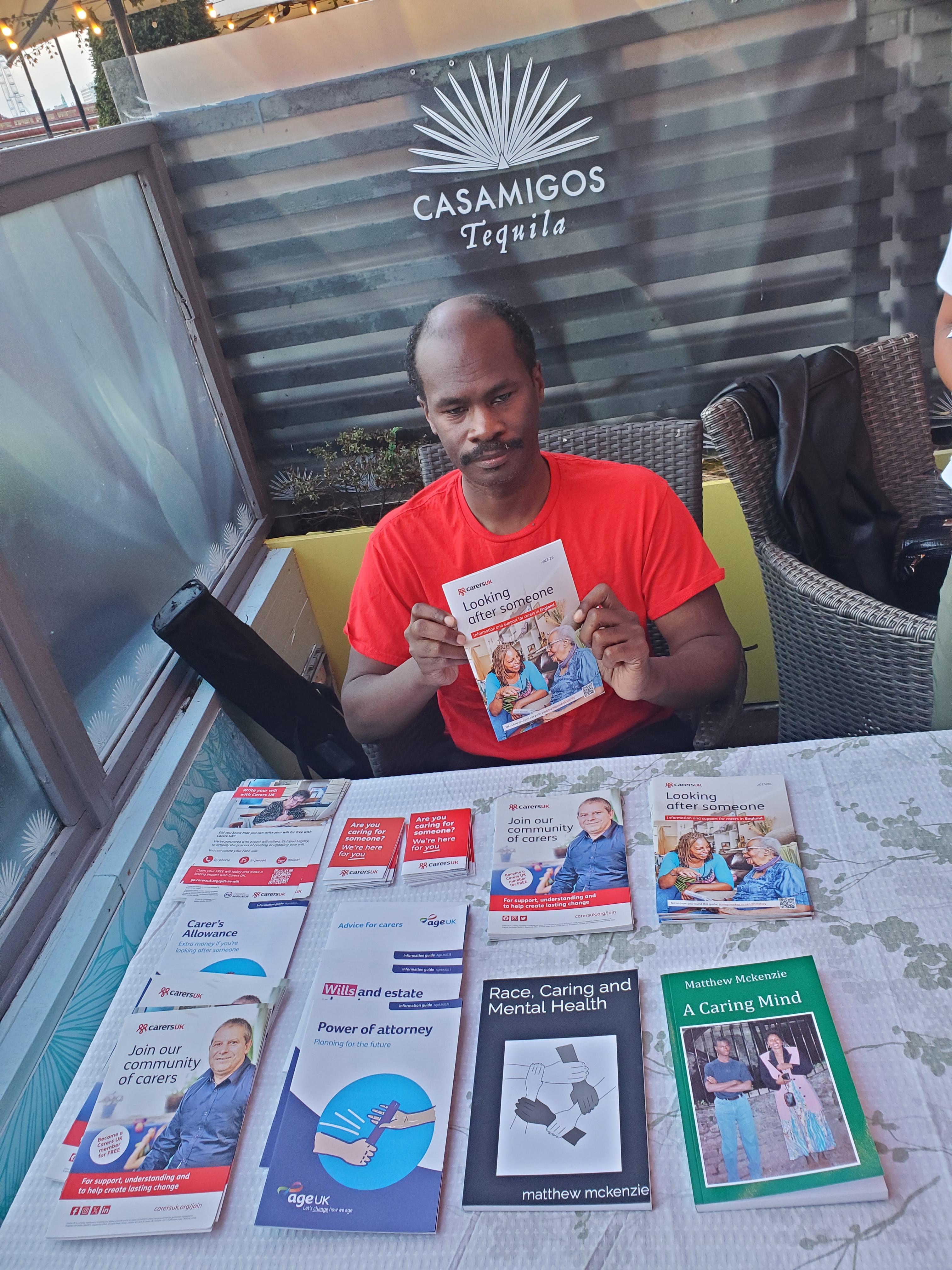
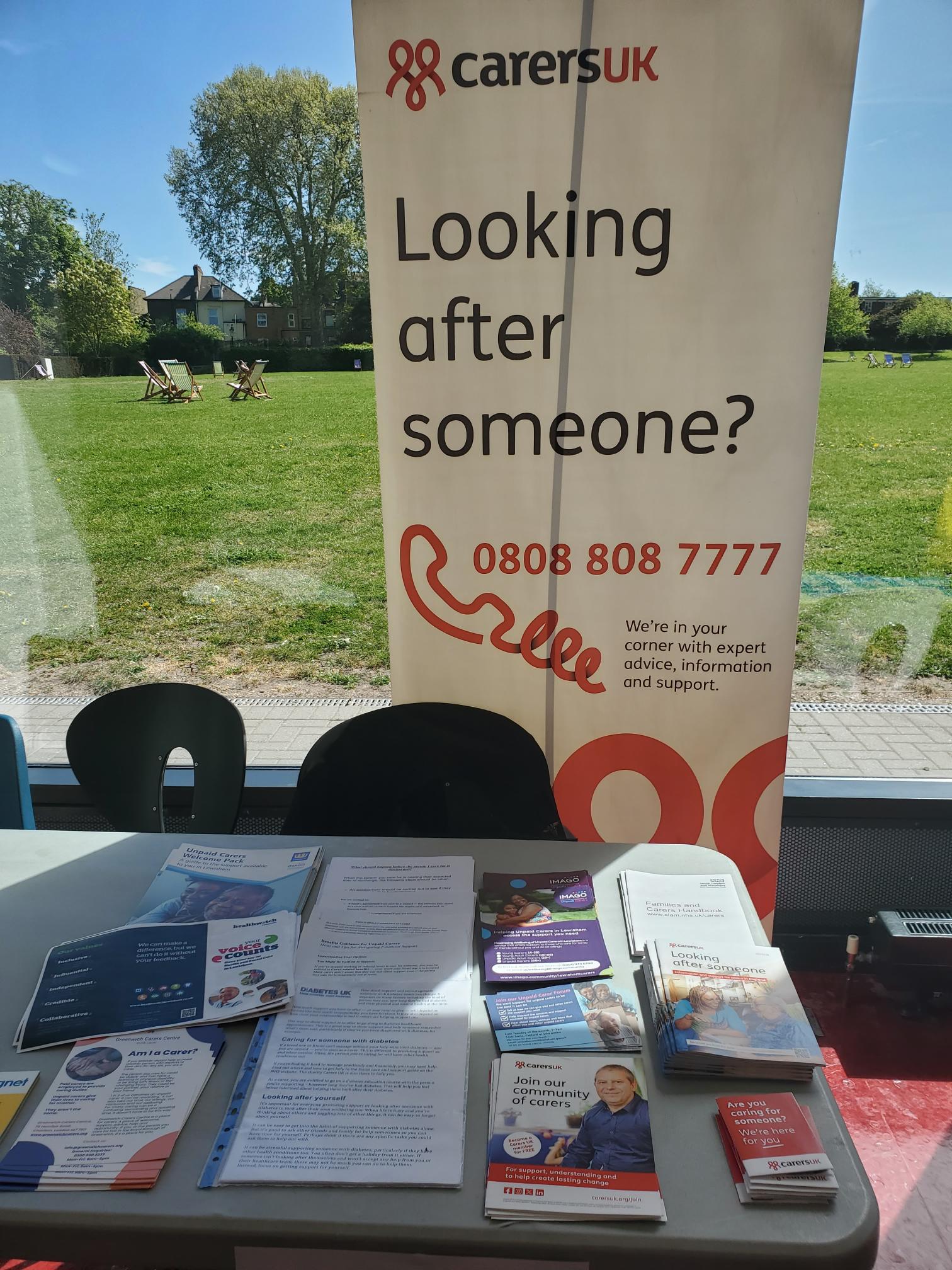
I hosted the “Triangle of Care / Carers UK” stall, which covered support for mental health carers and referial information for carer support.
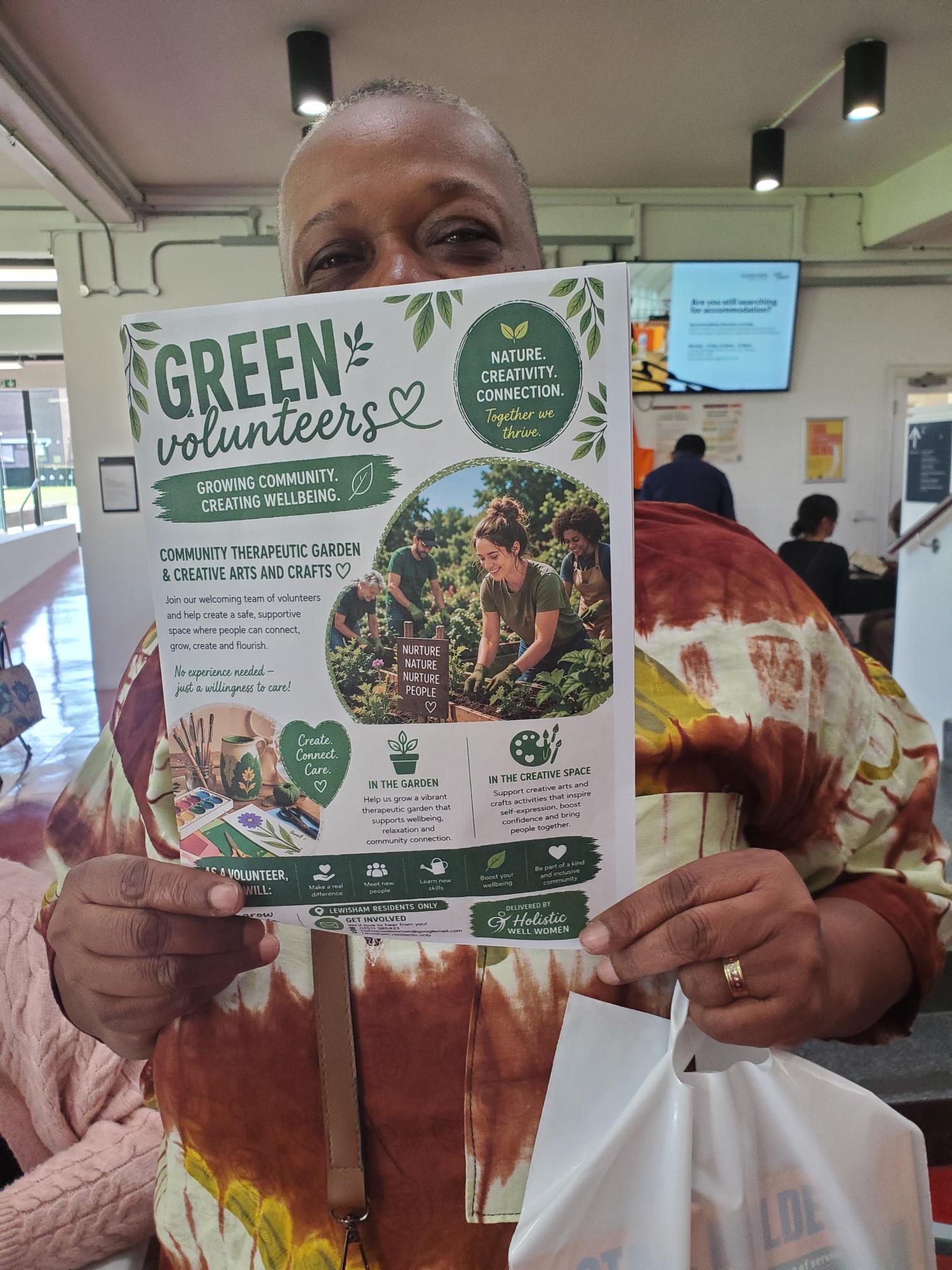
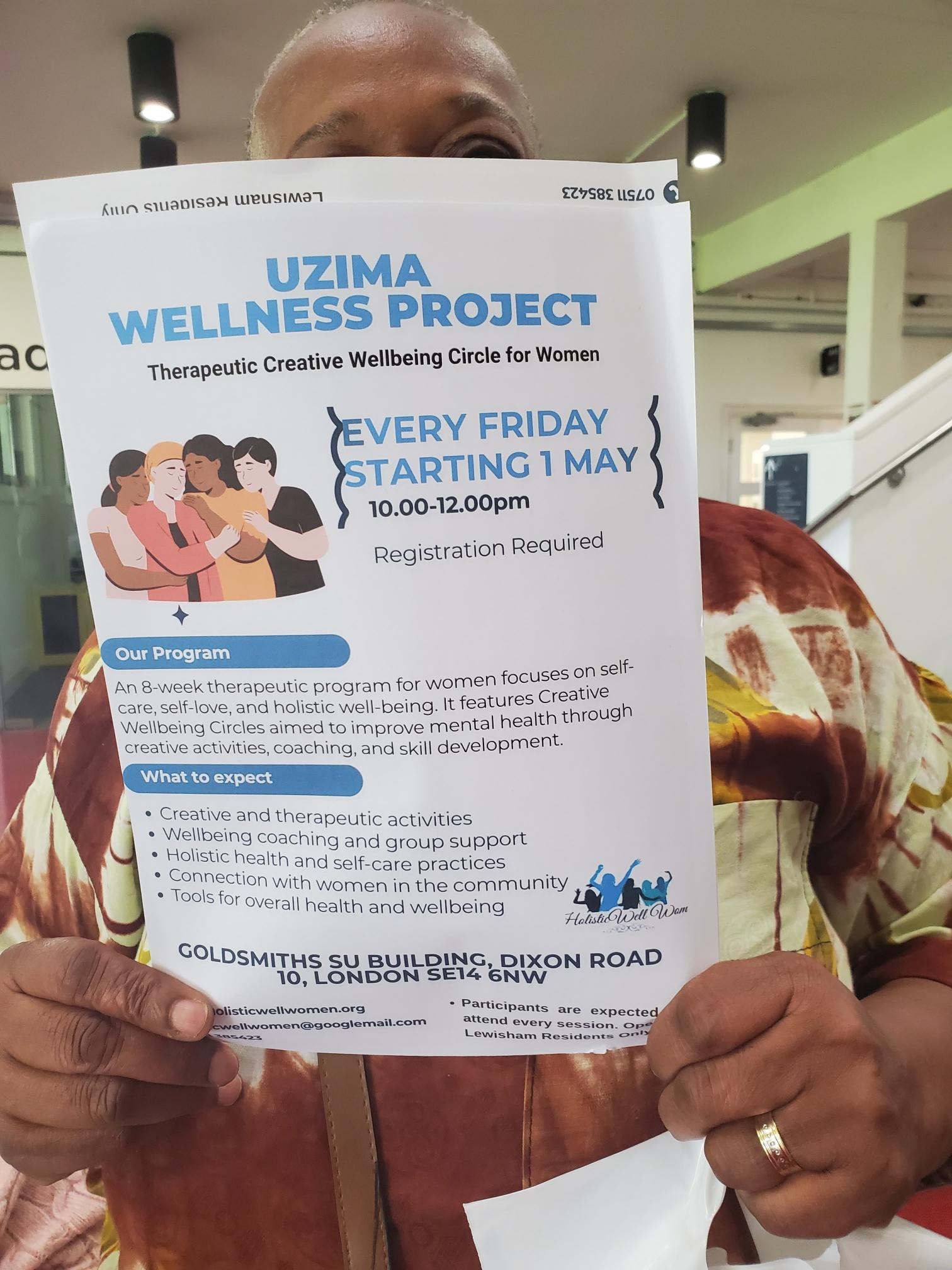
These stalls featured a wide range of organizations including SLAM, Kawaida Therapy, Families and Communities, and Mindful Mums, providing both resources and opportunities for engagement. The atmosphere was energetic and welcoming, reflecting the conference’s mission of care, connection, and community change.
List of stall holders at the conference
Lewisham Independent Advisory Group (IAG) – SLAM PCREF & N2C pilots, community engagement initiatives.
Coco Collective – Blood pressure checks and health equity support through an Italian community clinic.
NTCG Lee – BeWell Hub – Mental health support: first aid, signposting, ethnic minority therapy referrals, DWP guidance.
London Fire Service – Provides community safety advice.
Alzheimer’s Society – Support for people with Alzheimer’s and carers, including PCREF / OA partner initiatives.
Age UK – Lewisham & MacMillan – Cancer champion services and social prescribing support (PCREF / OA partner).
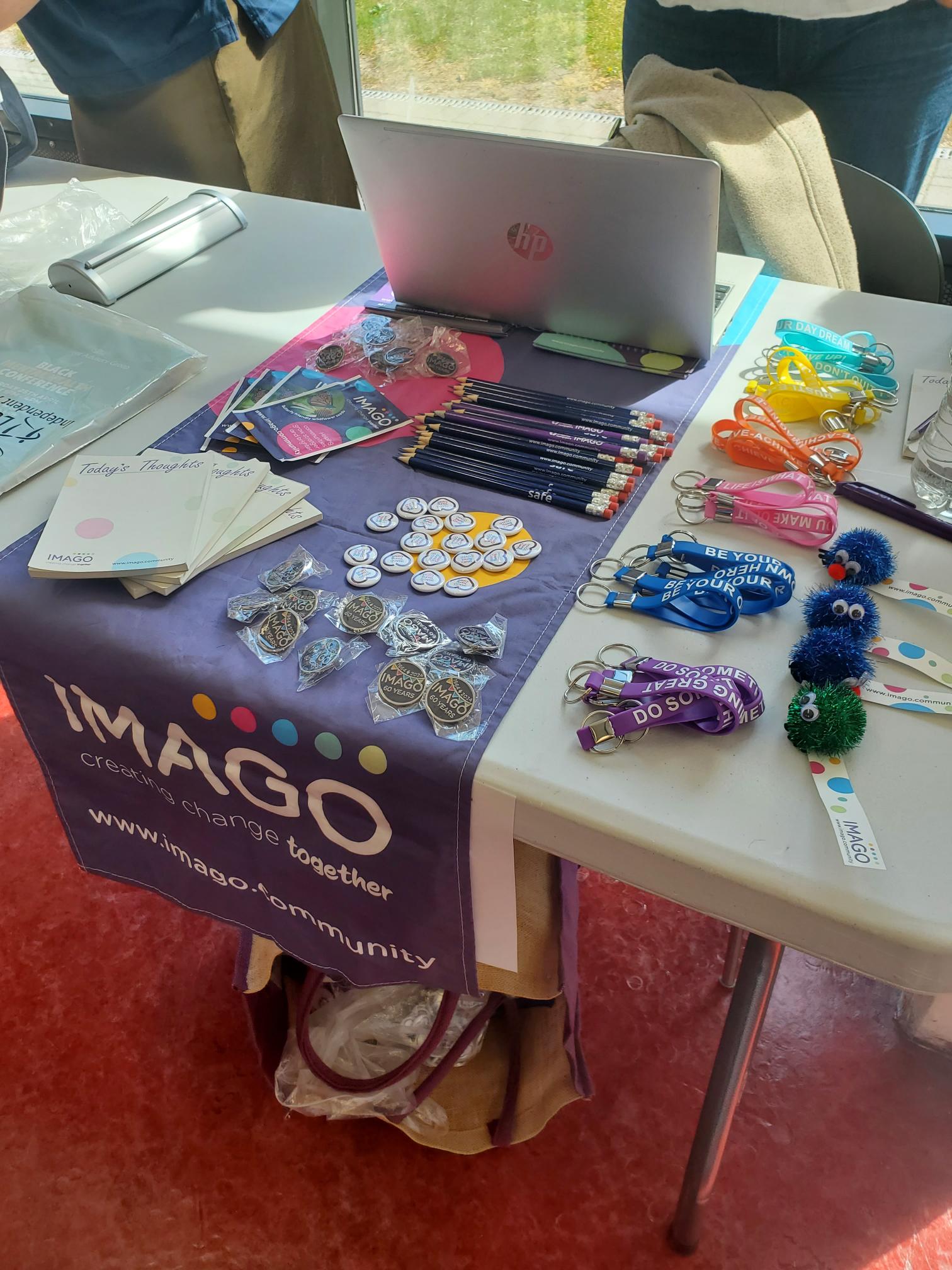
IMAGO – Lewisham unpaid carers support.
Triangle of Care – Carer peer mental health support.
Occipital Growth CIC – Wellbeing pop-up services.
S.I.R.G. / Walking Men’s Group – School support and men’s mental health & wellbeing programs.
BASCA Reminiscence – Showcases reminiscence activities and cultural preservation.
Caremark Care Services – Provides care home services.
RMUK (Rastafari Movement UK) – Focused on tackling food injustice, social isolation, and health inequalities.
In One Piece – Hypnotherapy and career pathways for neurodiverse children.
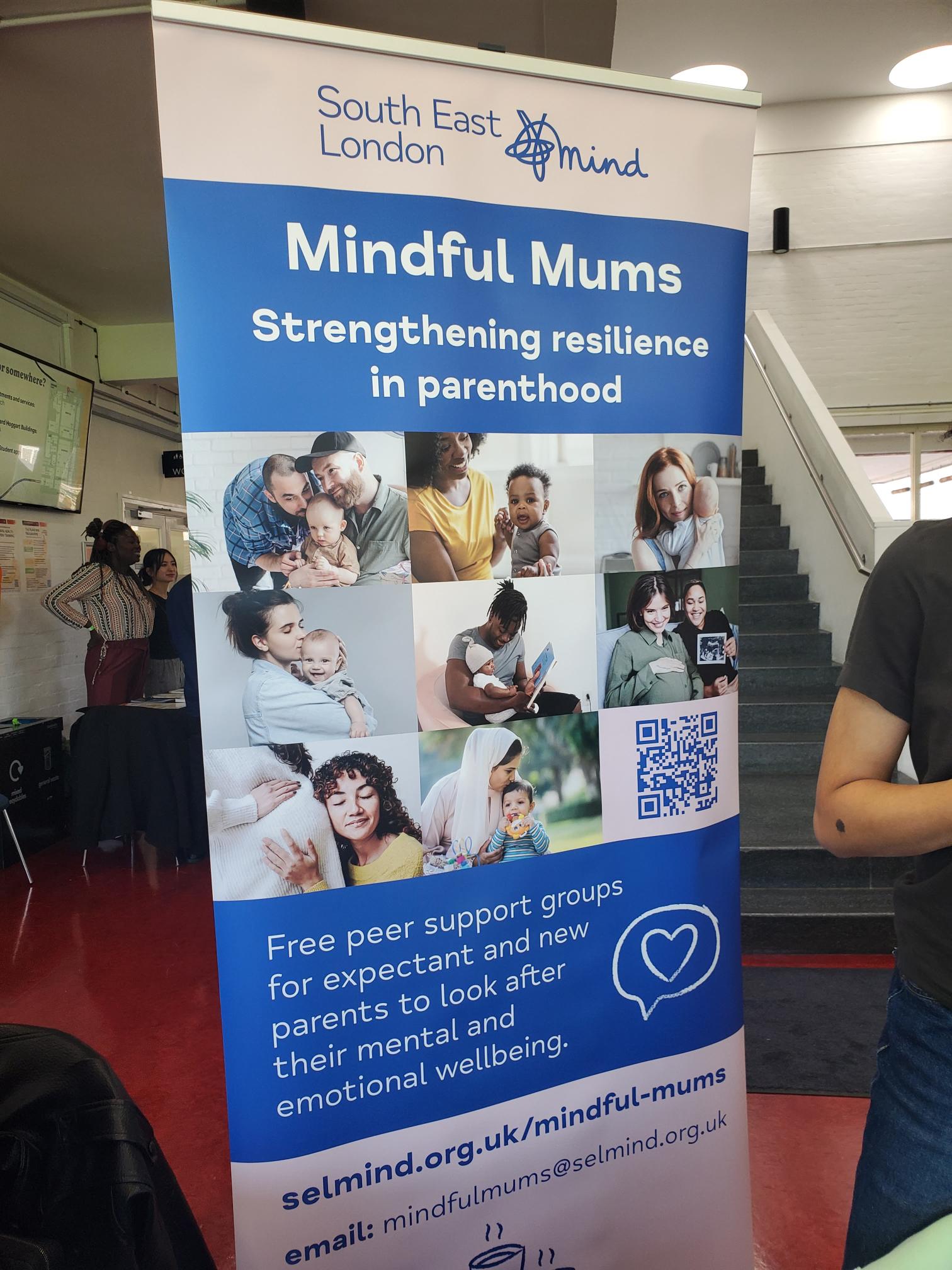
South-East London Mind – Mindful Mum’s – Wellbeing group for mothers.
Lois Project Women’s Health Education Network – Women’s health education programs.
Red Ribbon Living Well Project – HIV wellbeing and support.
LBVN (Lewisham Black Voluntary Network) – Independent network of Black charitable service leaders and social entrepreneurs.
Families in Harmony – Kinship care support services.
Main conference section
The conference was opened by Lloyd Curtis, the MC for the day, who set the tone for an engaging and informative session. Following the introduction, IAG Chairs Michelle Nembhard and Stephen Lawrence presented the work of Lewisham IAG, highlighting their ongoing commitment to addressing disparities in mental health support for the Black community.
Key Sessions and Presentations
The program included several impactful sessions:
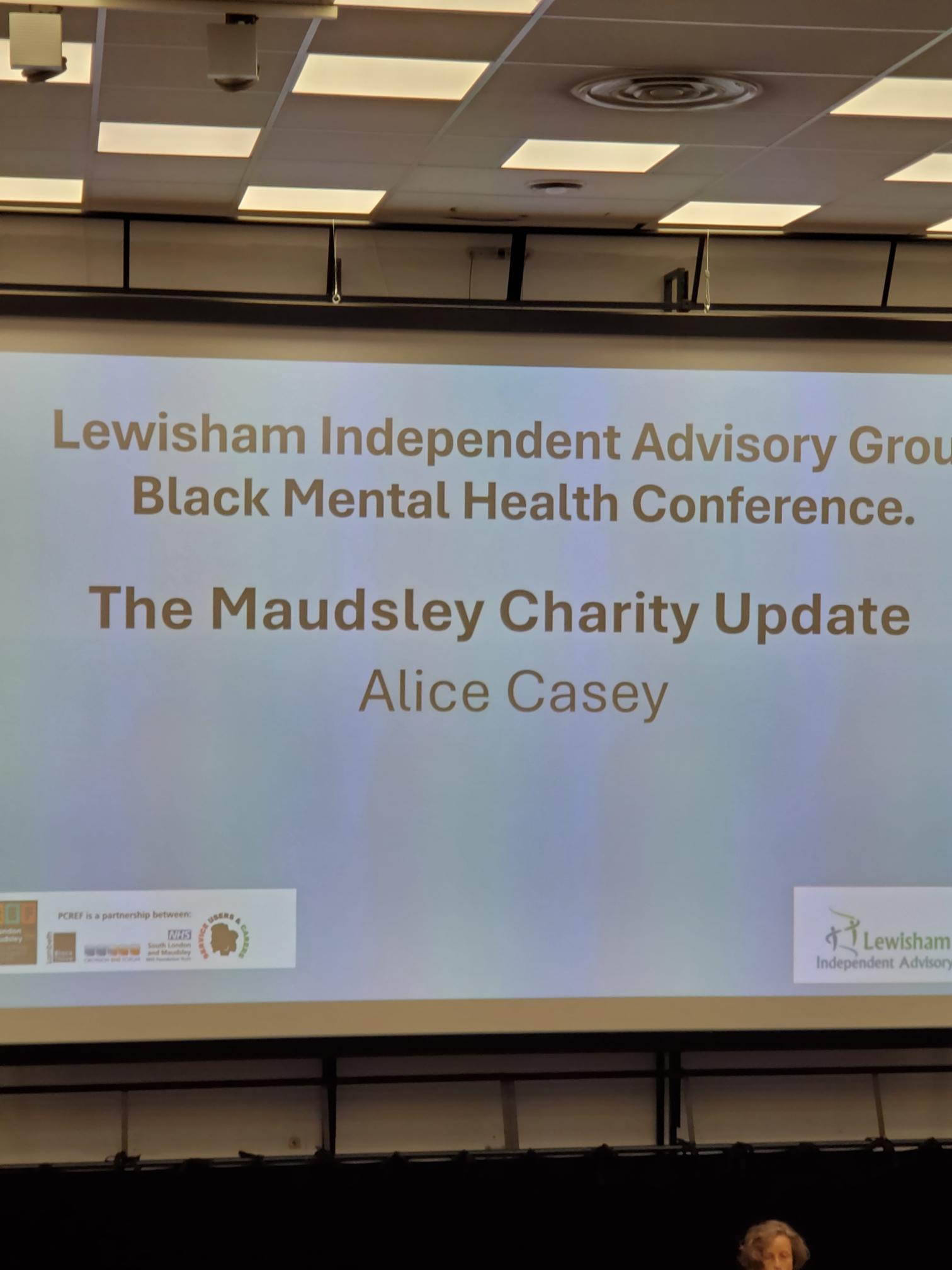
Maudsley Charity Update – Alice Casey from the Maudsley Charity delivered an overview of their programs, emphasizing community support and collaboration with local services.
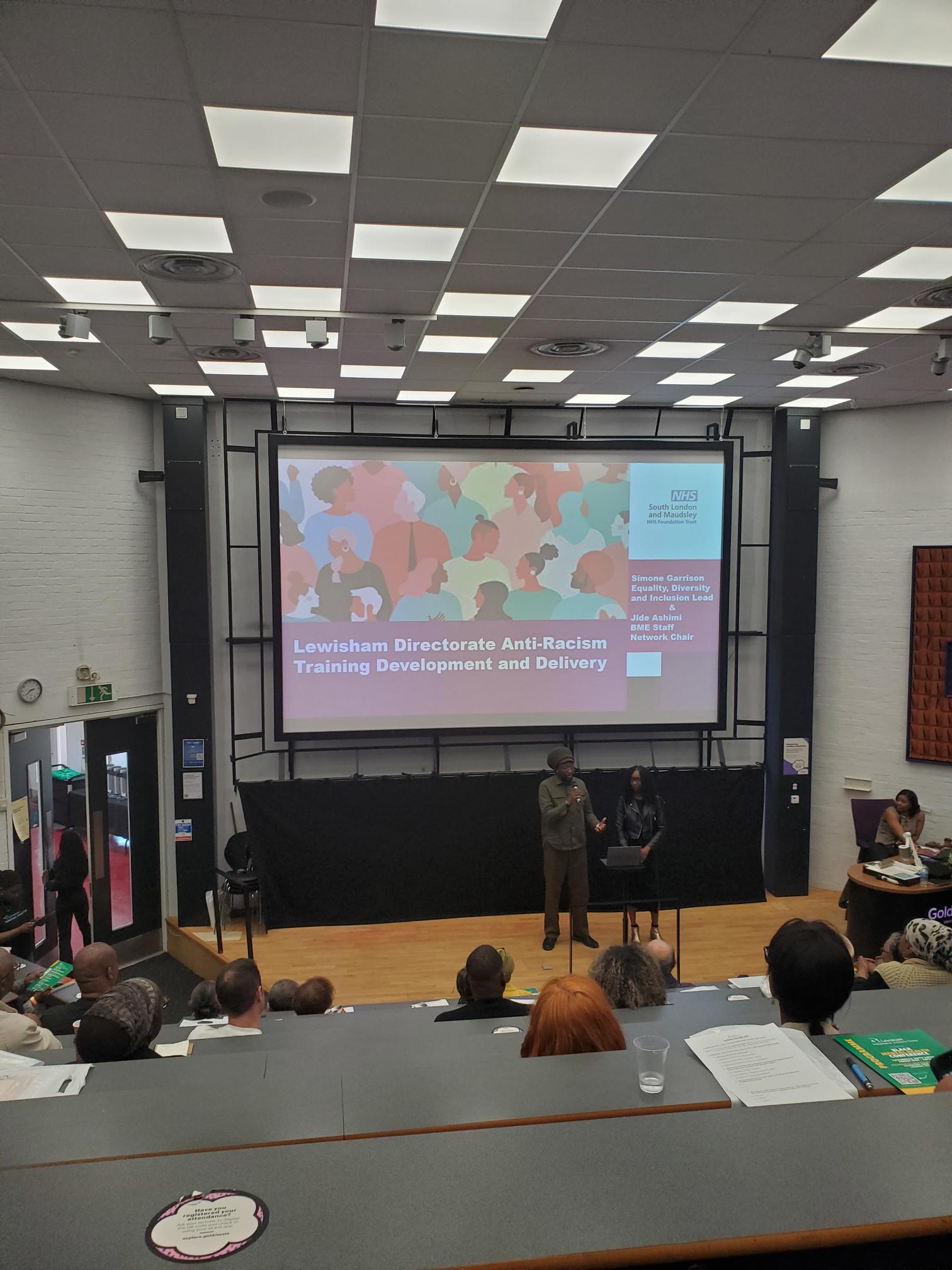
SLAM Anti-Racism Training – Simone Garrison and Jide Ashimi facilitated a session on the delivery of anti-racism training within mental health services, highlighting systemic challenges and practical strategies.
Intercultural Therapeutic Services & LBVN – Beverley Weston and Susan Rowe explored intercultural approaches to therapy, focusing on culturally sensitive practices in mental health care.
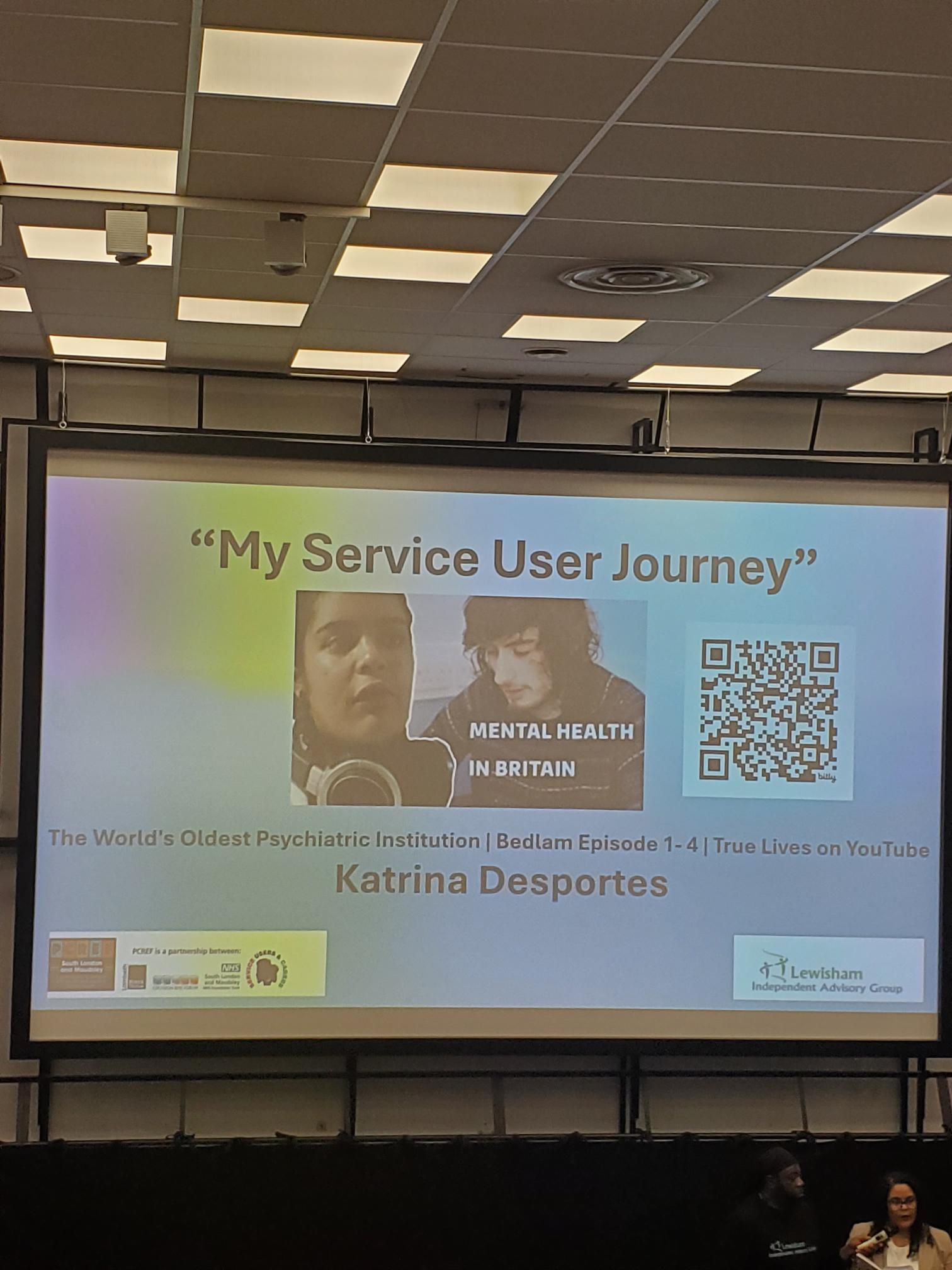
A Service Users’ Journey – Katrina Desportes shared insights into the lived experiences of mental health service users, emphasizing the importance of understanding patient perspectives.
Keynote Address: Dr Malcolm Phillips – Kawaida Therapy – Dr Phillips delivered a compelling keynote, exploring strategies for supporting Black mental health, drawing on decades of experience in therapy and community engagement.
Panel Discussion – The conference concluded with a panel discussion featuring Dr Malcolm Phillips, Ade Odunlade, Katrina Desportes, Simone Garrison, Jide Ashimi, and Susan Rowe, providing a platform for dialogue and Q&A with attendees. This interactive session allowed for rich exchanges on best practices, policy challenges, and community-based solutions.
Networking and Community Engagement
After the formal sessions, the event transitioned to food and networking until 4:45 PM, providing attendees an informal space to connect with speakers, organizers, and service providers. The array of stalls allowed participants to take resources, engage with local initiatives, and explore volunteer and support opportunities.
Resources and Takeaways
Attendees left with valuable resources including:
Program booklets detailing session schedules and speaker bios.
Information on local mental health services and community organizations.
Contacts for advocacy, volunteering, and further training.
The conference highlighted the critical importance of community-driven approaches to Black mental health, emphasizing collaboration between service users, charities, and health professionals.
Absolutely! Let’s expand each key session with a more detailed, immersive narrative, based on what attendees experienced, including content, atmosphere, and insights shared. I’ll focus on the sessions you specifically attended, as reflected in the program.
The conference opened with an engaging presentation by Alice Casey from the Maudsley Charity. She provided attendees with a detailed overview of the charity’s initiatives to support mental health within the community, emphasizing collaborative approaches with local organizations.
Alice highlighted key programs, including outreach work for young Black adults, peer mentoring schemes, and community workshops aimed at reducing stigma around mental health. The presentation included personal stories from beneficiaries, which brought an emotional and relatable dimension to the discussion. Attendees appreciated the practical advice on accessing support services and the emphasis on culturally responsive care.
The room was attentive and responsive, with many participants asking thoughtful questions about how local services can be adapted to better meet the needs of diverse communities. This session set the tone for the day: action-oriented, community-centered, and deeply reflective of lived experiences.
2. SLAM Anti-Racism Training Delivery – Simone Garrison & Jide Ashimi (1:35 PM – 1:55 PM)
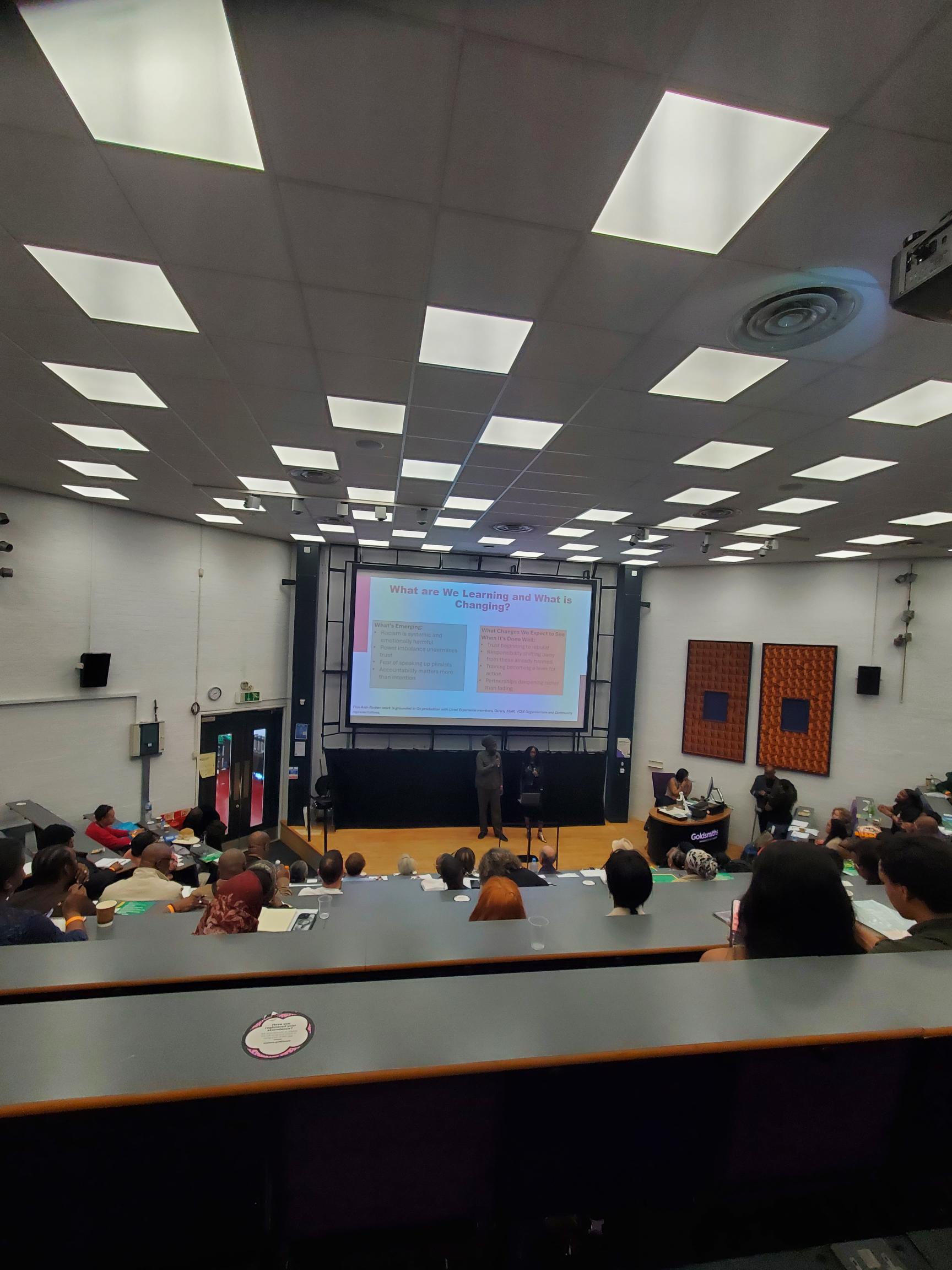
Next, Simone Garrison and Jide Ashimi led an interactive session on anti-racism training within mental health services. This session was highly participatory, with attendees invited to engage in discussion and reflect on their own experiences of race, discrimination, and systemic barriers.
The presenters outlined how structural racism affects mental health outcomes for Black communities and shared the SLAM model for anti-racism training. This included:
Identifying bias in clinical settings
Implementing inclusive language and practices
Encouraging allyship and peer accountability
One impactful moment was a case study exploring a young Black patient navigating mental health services. Attendees were prompted to consider interventions from multiple perspectives, sparking a dynamic discussion about equity and accessibility. Many participants noted that the session provided practical strategies for advocating within organizations, alongside the theoretical understanding of systemic inequities.
Following this, Beverley Weston and Susan Rowe from the Intercultural Therapeutic Services and Lewisham Black Voluntary Network (LBVN) presented a session focused on culturally adapted therapeutic approaches.
They emphasized the importance of recognizing cultural context in therapy, including family dynamics, faith, and community networks. Key highlights included:
Techniques for building trust with clients from diverse backgrounds
Examples of successful community-led interventions
Strategies for bridging gaps between statutory services and local Black-led organizations
The session included audience reflections on how cultural awareness can improve engagement, reduce dropouts, and foster sustainable mental health outcomes. Participants were particularly struck by the emphasis on strength-based approaches, focusing on resilience and community assets rather than deficits.
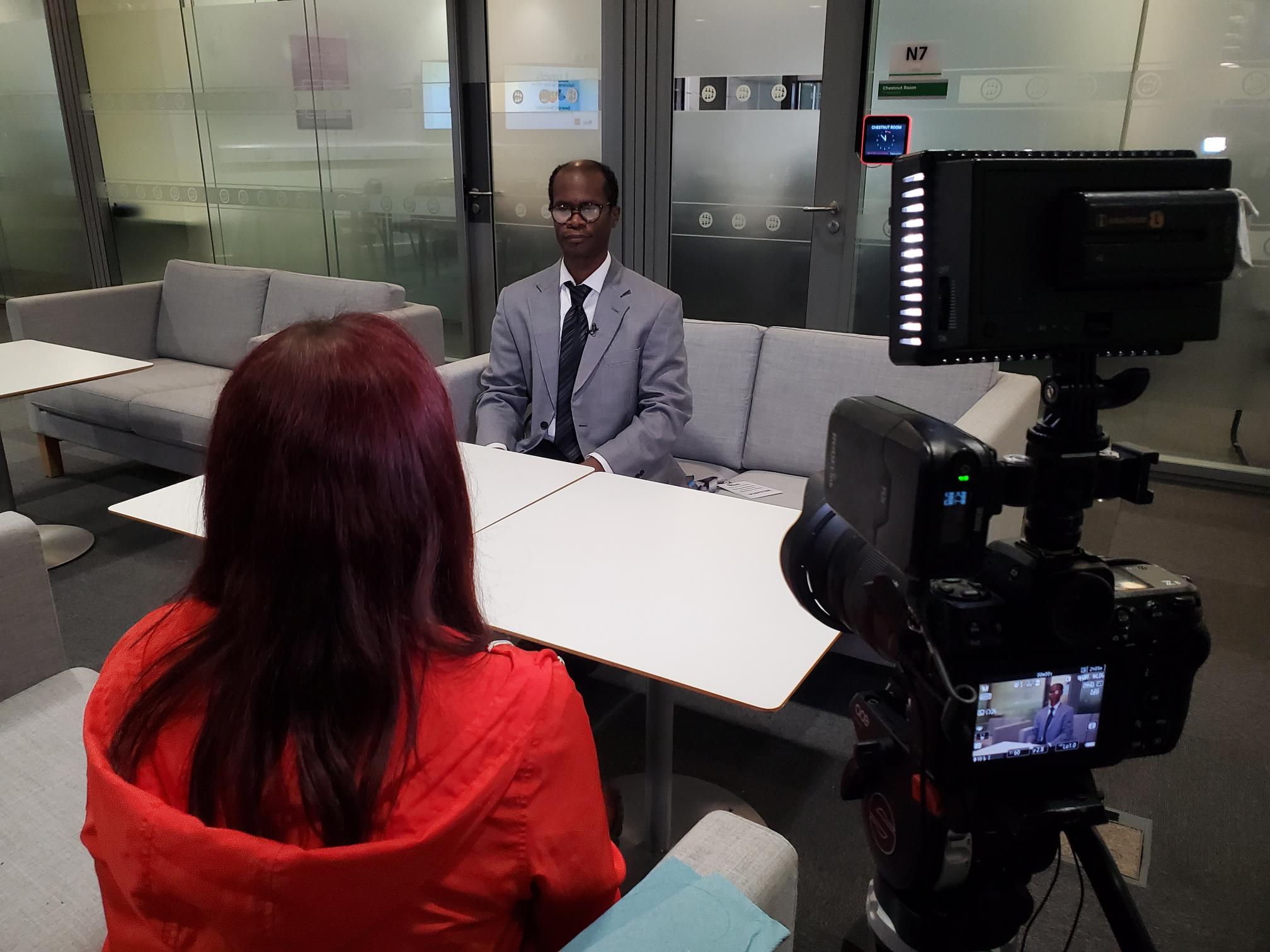
4. interview with the Interim CEO of SLAM (2:15 PM – 2:30 PM)
This session featured an interview with the Interim CEO Ade Odunlade of (South London and Maudsley NHS Foundation Trust), who spoke about:
Organizational vision for equitable mental health services
Current initiatives addressing disparities in care for Black communities
Collaborations with local groups, including Lewisham IAG and other voluntary networks
Commitment to anti-racism training and cultural competency across SLAM services
The interview was informal but informative, giving attendees a direct perspective on how policy and leadership decisions impact service delivery, especially in Black mental health provision. Participants had the opportunity to ask questions and engage with strategic priorities, bridging high-level management insight with the practical experiences discussed in other sessions
5. A Service Users’ Journey – Katrina Desportes (2:35 PM – 2:45 PM)
Katrina Desportes delivered a deeply personal session, sharing her journey as a service user navigating mental health systems. This session was emotionally resonant, offering first-hand insights into the challenges and triumphs of accessing support as a Black individual.
Katrina spoke about the importance of empathy, clear communication, and patient-centered care, illustrating the human impact behind policies and procedures. She also highlighted barriers such as:
Misdiagnosis and underrepresentation in mental health services
The impact of stigma within families and communities
Limited culturally specific support
Attendees responded with empathy and engagement, asking questions about how systems can better integrate service user feedback and what steps can be taken to empower marginalized voices in decision-making processes.
6. Keynote Address: Dr Malcolm Phillips – Kawaida Therapy (2:55 PM – 3:30 PM)
The day’s keynote by Dr Malcolm Phillips was a highlight, delivering a rich discussion on therapeutic practices that support Black mental health. Dr Phillips drew from his extensive experience with Kawaida Therapy, emphasizing holistic, culturally grounded approaches.
Key takeaways included:
The significance of community-driven therapy models
Integrating African-centered philosophies and traditions into mental health care
Addressing intergenerational trauma and systemic inequalities in healthcare
Dr Phillips used case examples, including stories of young people and families, to illustrate practical techniques and the positive outcomes of culturally aware therapy. The audience was deeply engaged, and the session included interactive Q&A, allowing participants to explore issues like accessibility, stigma, and collaborative interventions.
The conference concluded with a dynamic panel discussion, bringing together speakers from the day to reflect on key themes. The panel tackled questions such as:
How can mental health services better serve Black communities?
What role does community advocacy play in systemic change?
How can lived experience inform service design and delivery?
Panelists emphasized intersectional approaches, acknowledging the compounding effects of race, gender, socioeconomic status, and historical inequities. The discussion was lively and reflective, providing actionable insights for both practitioners and community members.
Reflection
Attending these sessions offered a deep, multifaceted understanding of Black mental health, blending theory, practice, and lived experience. Participants left with:
Practical strategies for culturally competent care
Greater awareness of systemic barriers and solutions
Inspiration to engage with their communities and advocate for equity
The conference successfully balanced education, empowerment, and practical application, making it a landmark event for mental health advocacy in Lewisham.
Conclusion
The Lewisham IAG Black Mental Health Conference successfully combined education, advocacy, and community engagement, creating a meaningful space for dialogue and connection. The event demonstrated that supporting mental health in Black communities requires both systemic change and grassroots collaboration a mission that Lewisham IAG continues to champion.
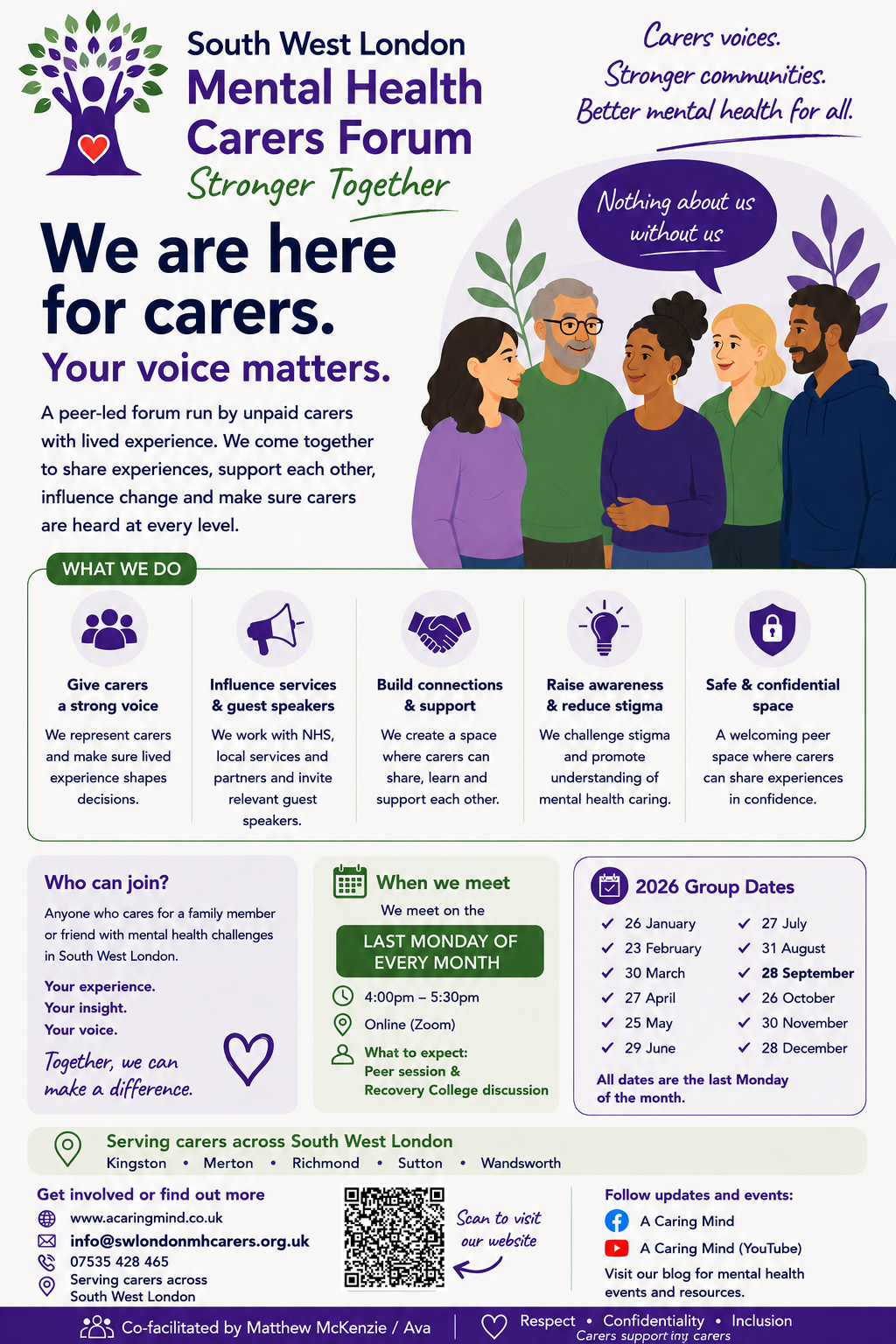
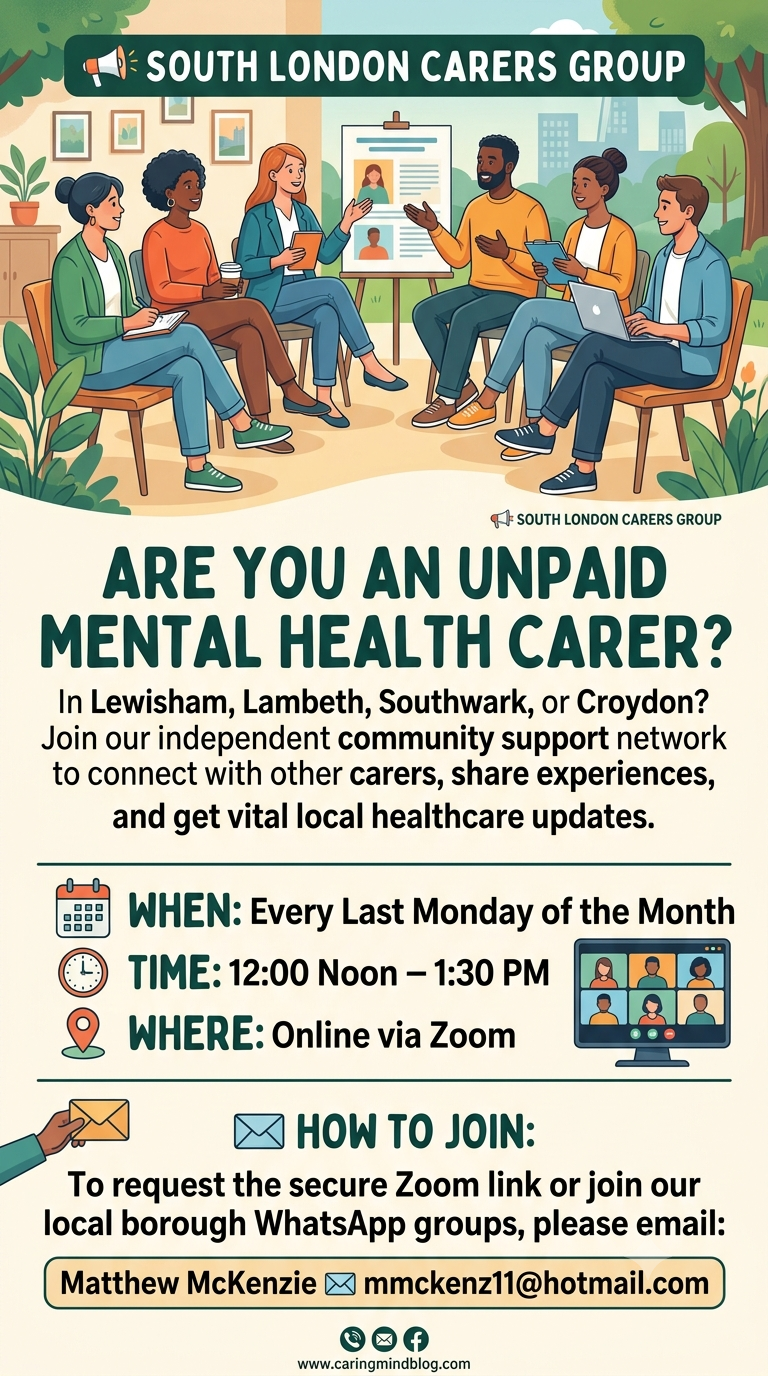
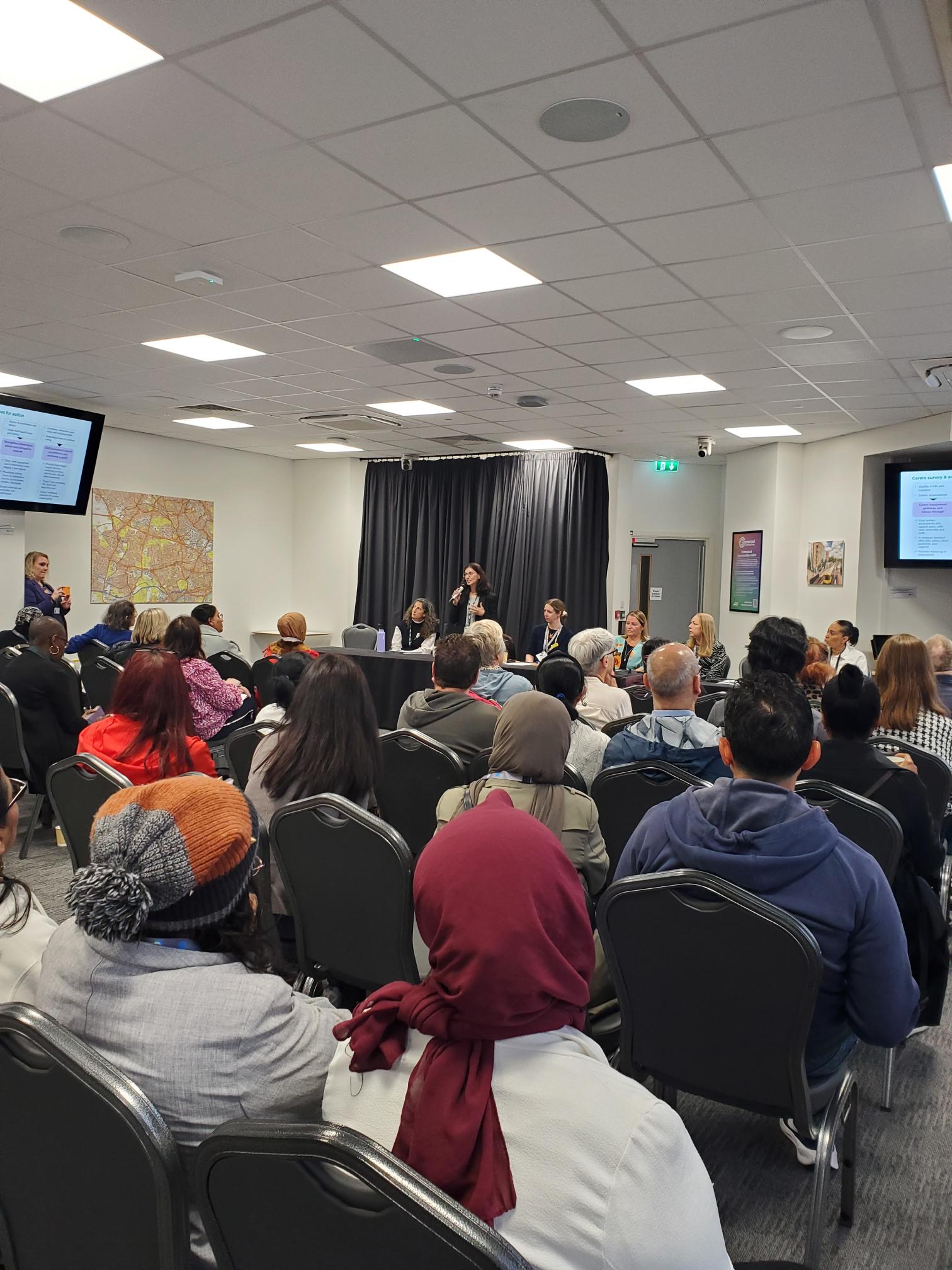
The recent Carers Forum brought together unpaid carers, health professionals, and community organisations from across South London to share updates, experiences, and ideas for improving mental health support. The event, chaired by Matthew McKenzie, created a safe and open space for carers to connect, exchange information, and have their questions heard by local health leaders.
Setting the Scene
Matthew opened the session by welcoming carers from across Lambeth, Lewisham, and Southwark. He spoke about the importance of providing carers with dedicated time to hear from service providers, particularly those supporting someone with mental ill-health and to ensure their voices shape local mental health strategies.
By Matthew McKenzie – Mental Health Carer Activist
As a carer and mental health advocate, I often see how culture, identity, and lived experience shape the stories we tell and the way we support one another. Recently, I attended a remarkable Black History Month event hosted by Certitude, although I could not stay long, I left feeling inspired, proud, and deeply reflective about the intersections between culture, community, and care.
The Black History Month event was held at Bruce Kenrick House on the 16th of October 2025
About Certitude
Certitude is one of London’s leading social care providers, supporting people with learning disabilities, autism, and mental health needs to live fulfilled and independent lives. What makes Certitude special is its person-centred approach celebrating individuality, empowering self-expression, and ensuring that everyone, regardless of background, has the opportunity to thrive.
Caring for a loved one is a role that often goes unseen and undervalued. In this interview, Matthew McKenzie speaks with Elsie, a 73-year-old carer and activist, about her journey as an unpaid carer, the challenges she’s faced, and her mission to support others walking the same path.
Standing Strong for Carers’ Rights
Elsie refuses to be silenced. Though at times labeled as a “persistent, unreasonable complainer,” she sees her persistence as a duty to her loved ones and to other carers. For her, raising concerns is about advocating for better care and systemic improvements.
Her advice to carers is simple but powerful:
Trust your instincts.
Don’t give up until your loved one gets the right care.
Learn about carers’ rights and stay engaged in decisions.
Finding Strength in Words
In a deeply moving moment, Elsie shared a poem she had written for the Book of Remembrance at Honor Oak Crematorium, in memory of her son. Her words reflect not only grief but also strength, love, and the motivation to keep advocating for change.
You’ll always be our hero. Although you’re gone, we’re not apart. Our love for you keeps going, It stays deep within our hearts.
Football, food and fishing Were what it was all about. Blue is the color, Come on, you lions, to shout.
On 21st of July 2025, carers, professionals, and stakeholders from across the UK gathered virtually for the latest Triangle of Care (ToC) Community Meeting. Chaired by Matthew McKenzie, this session was packed with insight, action points, and open dialogue. Whether you were new to the group or a long-time contributor, there was something valuable for everyone.
This meeting was particularly significant as it marked a turning point for carer participation. The formal recognition of the community group in ToC’s national governance structure. It affirmed that carer lived experience should not be sidelined, and that carers must continue to shape mental health services from the inside out.
If you weren’t able to attend, this blog will bring you up to speed. As the ToC community group covered a wide range of topics, from updates on national strategy and governance, to inclusive language, carer-led training, and advocacy for better research funding. At the heart of it all was a single message: when carers unite, systems must listen.
Official Recognition and Governance Progress
We are delighted to announce that the Triangle of Care Community Group is now formally integrated into the Triangle of Care governance structure. This gives the group a direct route to influence national decisions. The community will now sit alongside steering and regional groups in shaping policy, reviewing practices, and helping determine what carer inclusion should look like across all participating trusts.
What this means practically is improved alignment and visibility. For years, many carers and grassroots contributors have worked tirelessly behind the scenes, often without formal platforms. This change allows community voices to be heard before decisions are made not just consulted afterwards. Matthew described this shift as “a recognition of the years of unpaid care, leadership, and advocacy carers have always provided.”
It also means that our meetings will align with national timelines and decisions, ensuring a timely flow of updates between local groups, regional networks, and national forums. This is a pivotal opportunity to embed carers more meaningfully into NHS structures and accountability.
New Mailing List & Sign-Up System
Mary Patel from Carers Trust announced the launch of a new centralised mailing list for Triangle of Care community members. This will make sure everyone receives meeting invites, resources, and updates reliably. Participants will soon be asked to complete a Microsoft sign-up form, which will securely transfer contact details onto the Carers Trust system for ongoing communications.
The form will include a few demographic questions to help build a picture of the diversity within the ToC community. These questions are entirely optional but are designed to help Carers Trust identify who is engaging, and where gaps might exist—ensuring outreach strategies reflect real needs. For example, better regional balance, or increased visibility for underrepresented carer groups.
There was also discussion about moving from Zoom to Microsoft Teams for future meetings. Teams offers benefits like attendance tracking, secure file sharing, and easier scheduling. However, this won’t be a forced change, Matthew and Mary invited feedback, emphasising that any transition would be made collaboratively with community input.
Stronger Carer Involvement
Carer involvement was at the heart of the meeting. Matthew shared a passionate update on the need for carers particularly those from minority backgrounds or marginalised communities to step forward and engage in all aspects of the Triangle of Care. This includes involvement in peer reviews, shaping surveys, and suggesting new training or webinar content that reflects their lived experience.
The community was reminded that leading change doesn’t require a title or formal position. Sharing your story, participating in surveys, or simply raising your hand during a meeting is a form of leadership. Matthew emphasised that carers hold the kind of insight that no policy or textbook can replicate. As he put it, “This community is only as strong as the carers who show up.”
Peer reviewing was especially encouraged. Carers can play a vital role in reviewing mental health trust practices and making sure those trusts aren’t just ticking boxes but are genuinely improving the carer experience. Anyone interested in joining these review panels was invited to contact Mary Patel directly. The experience is meaningful and empowering and it places carers right where they should be: in positions of influence.
CQC Expectations and Carer Experiences
A powerful part of the meeting focused on the role of the Care Quality Commission (CQC) and how effectively it monitors carer inclusion in mental health services. Several carers and professionals shared their experiences some positive, others deeply concerning about how the CQC engages (or fails to engage) with carers during inspections.
A senior experience lead from an acute trust, explained that when CQC inspectors review services, they typically look for a clear carers policy, systems for identifying and supporting carers, and evidence of staff training. However, the level of scrutiny and the quality of carer-related feedback can vary significantly between inspections. The experience lead noted that while policy is important, it’s the systems around those policies that really matter, things like whether staff actually follow them, and whether carers know where to go for help.
Carers in the meeting shared contrasting experiences. A carer described a disappointing CQC visit where the inspector seemed dismissive, rushed, and uninformed about carers’ rights. Her feedback about lack of communication and exclusion was barely acknowledged, leaving her feeling invalidated. In contrast, Another carer spoke of a more recent inspection where the CQC officer seemed empathetic, asked thoughtful questions, and even disclosed their own possible caring experience. These differing accounts highlighted a common theme: carers’ confidence in the CQC is mixed, and their approach to carers can sometimes feel inconsistent.
There was strong consensus that CQC needs better training in carer engagement and not just understanding legal frameworks like the Care Act 2014, but also how to meaningfully include carers in service reviews. Kelvin added that cultural competence should also be part of the equation, noting that carers from minority backgrounds are too often left out of consultations. Matthew urged carers not to wait for trusts to invite them to speak during inspections ask to be involved, request to meet inspectors, and use carers’ councils or governors to raise visibility. It was clear from this session that carers want the CQC to be more than a compliance body, they want it to be a true advocate for accountability and equity in care.
Confidentiality Roadshow by Donna Bradford
A standout session was led by Donna Bradford, who presented her team’s work on the Confidentiality Roadshow a training programme developed by Lincolnshire Partnership NHS Foundation Trust. Designed to upskill staff on consent, confidentiality, and communication, the roadshow is tailored around carer inclusion and co-produced with the Carers Council.
The training helps staff understand not only what they can share legally, but also how to navigate nuanced emotional and ethical situations with carers. Donna reminded attendees that sharing basic, non-confidential information, such as medication side effects, is not only lawful but essential. “If you can Google it, you can say it,” she noted, driving home the importance of clarity over confusion.
Over 550 staff have already received the training, with 100% reporting that it improved their confidence. The programme includes real-life carer scenarios, emotional video testimonials, and interactive quizzes to help reinforce learning.
Beyond the training content itself, what makes the Confidentiality Roadshow so impactful is its co-production with carers. Donna highlighted that every scenario used in the sessions came from real-life examples shared by carers and families. This ensures the training isn’t theoretical so it’s grounded in lived experience. The emotional and practical realities of caring for someone with mental health needs are at the heart of the learning, helping staff understand why clear, compassionate communication is so essential. The training also underscores the importance of listening to carers, not just as bystanders but as active contributors to a person’s care journey.
Several attendees raised the idea of incorporating this training into broader staff induction and continuing professional development programmes. Others asked about adapting it for use in different trust settings, such as acute hospitals or community services. Donna encouraged trusts to reach out if they’d like to adopt or customise the resource. The message was clear: confidentiality shouldn’t be a barrier, it should be a bridge, and with the right training and tools, staff can navigate those conversations with confidence, legality, and humanity.
Mental Health Research Petition
Irene Harris spoke passionately about a new parliamentary petition calling for improved research funding into serious mental illnesses (SMIs) like psychosis. The petition aims to shine a spotlight on how outdated treatments and under-researched conditions continue to place carers and their loved ones in difficult, often heartbreaking positions.
Here is the video about Psychosis medication and its impact by the Stockport carers forum.
She shared how mental health medications for SMIs haven’t evolved as rapidly as physical health treatments, and how this results in long-term side effects and compromised quality of life. Research is desperately needed, not only to improve diagnosis and treatment, but also to create support structures that ease the burden on unpaid carers.
Irene asked attendees to sign and circulate the petition widely, with a goal of hitting 10,000 signatures by November 15th.
She also announced plans to launch new social media channels to raise awareness. This initiative is about more than funding it’s about giving carers and service users a louder voice in national healthcare priorities.
or contact Irene on irene@mhcarersgroupstockport.co.uk
Language, Inclusivity, PCREF & the ‘Global Majority’ Debate
Language and inclusivity were major themes of the meeting, particularly around the term “global majority.” Some attendees expressed concern that the phrase could be divisive or misinterpreted, particularly by politically sensitive audiences or media outlets. A carer shared a personal anecdote illustrating how words can carry unintended consequences.
Others responded by highlighting the intention behind the term to emphasise that those historically described as “minorities” are, in fact, the global majority in population terms. They called for continued use of the phrase in contexts that promote empowerment, equity, and lived experience.
The discussion didn’t produce a consensus, but it modelled what respectful disagreement and co-learning should look like. Matthew reinforced that ToC should be a space for constructive dialogue, not debate for its own sake. Ultimately, we are united in our aim to ensure no carer is left behind regardless of background, heritage, or identity.
Next Steps & Community Actions
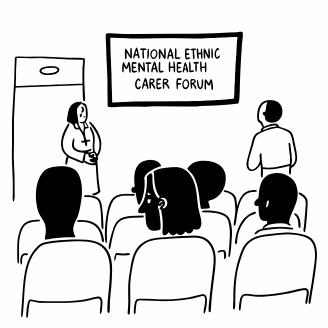
The session wrapped up with a summary of action points and responsibilities. Carers Trust will soon circulate the new mailing list sign-up form. Matthew will share updated meeting dates for 2026 once confirmed, and he will continue to distribute posters for the upcoming National Ethnic Carers Group, taking place on the last Friday of each month.
There will be support the rollout of the Confidentiality Roadshow materials and follow up with those interested in joining peer review panels. A reminder was issued for everyone to contribute to current surveys, share their feedback, and suggest future topics for community meetings.
Finally, participants were encouraged to stay connected beyond the meetings. Whether through peer networks, local carers centres, or email updates, the message was clear: carers must stay visible, vocal, and valued. You are the change-makers, and this group is your platform.
Final Thoughts: “Carers Are Not Just a Cog in the Wheel”
Matthew ended the session with a rallying call to action: “We’re not just a cog in the wheel as we are the energy behind it.” His words served as a reminder that carers are not passive recipients of services. They are drivers of quality, advocates for change, and protectors of dignity in the mental health system.
He also reminded everyone that systems often change slowly, but they do change when people keep showing up, keep speaking up, and keep sharing their truths. “This isn’t just about the Triangle of Care,” he said. “It’s about reshaping the whole narrative around mental health and care.”
If you missed the meeting and would like to receive the slides, recordings, or further resources, feel free to contact Matthew McKenzie directly: 📧 mmckenzie@carers.org
Thanks to to all who attended, contributed, and championed carers’ voices. The next meeting should in September where we hope to see you there.
“Caring feels like towels.” “Smells like sweat.” “Sounds like silence.” These are not lines from a published anthology, but heartfelt expressions from unpaid carers who meet every month in a quiet online space to write, reflect, and reconnect—through poetry.
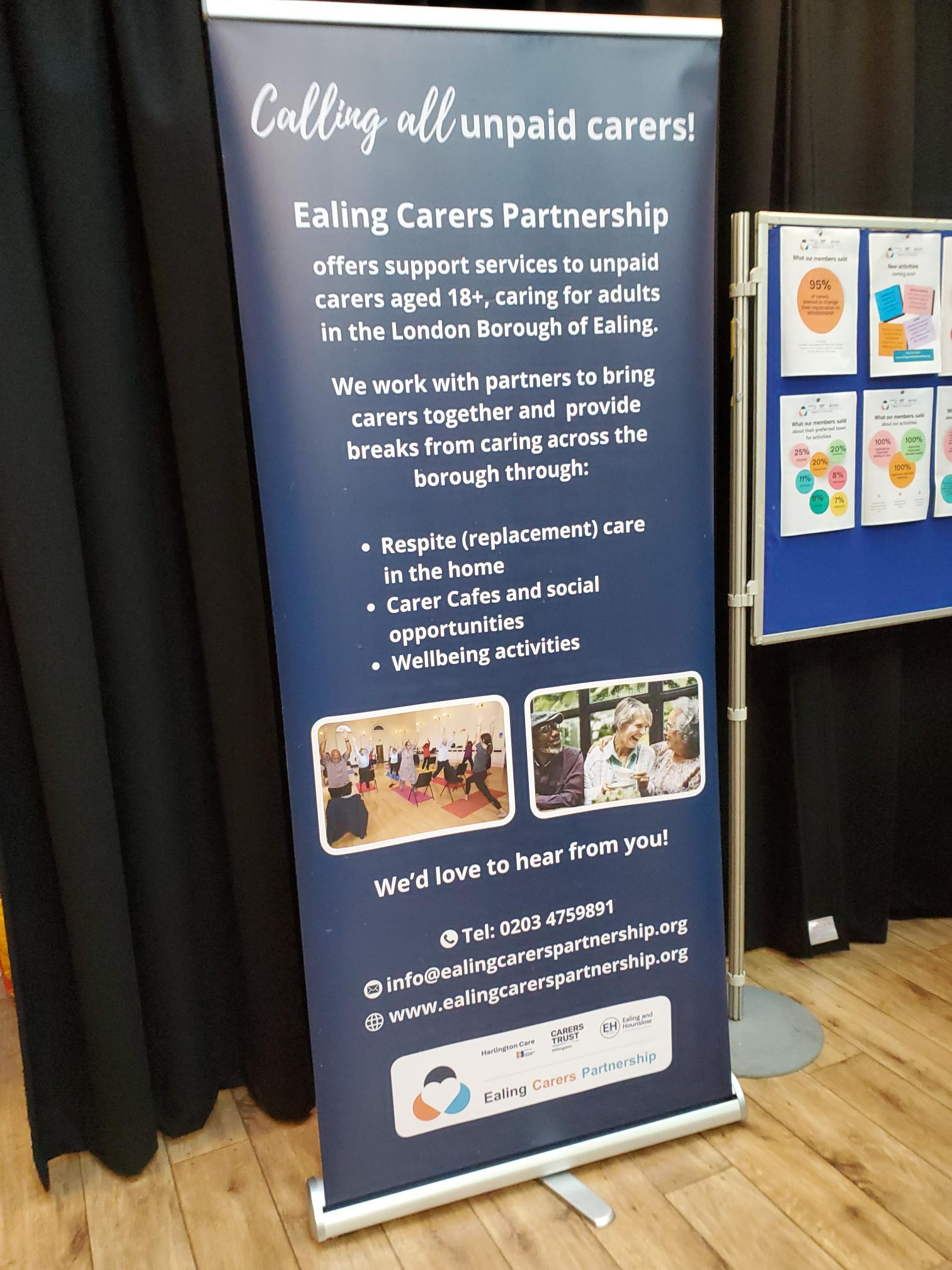
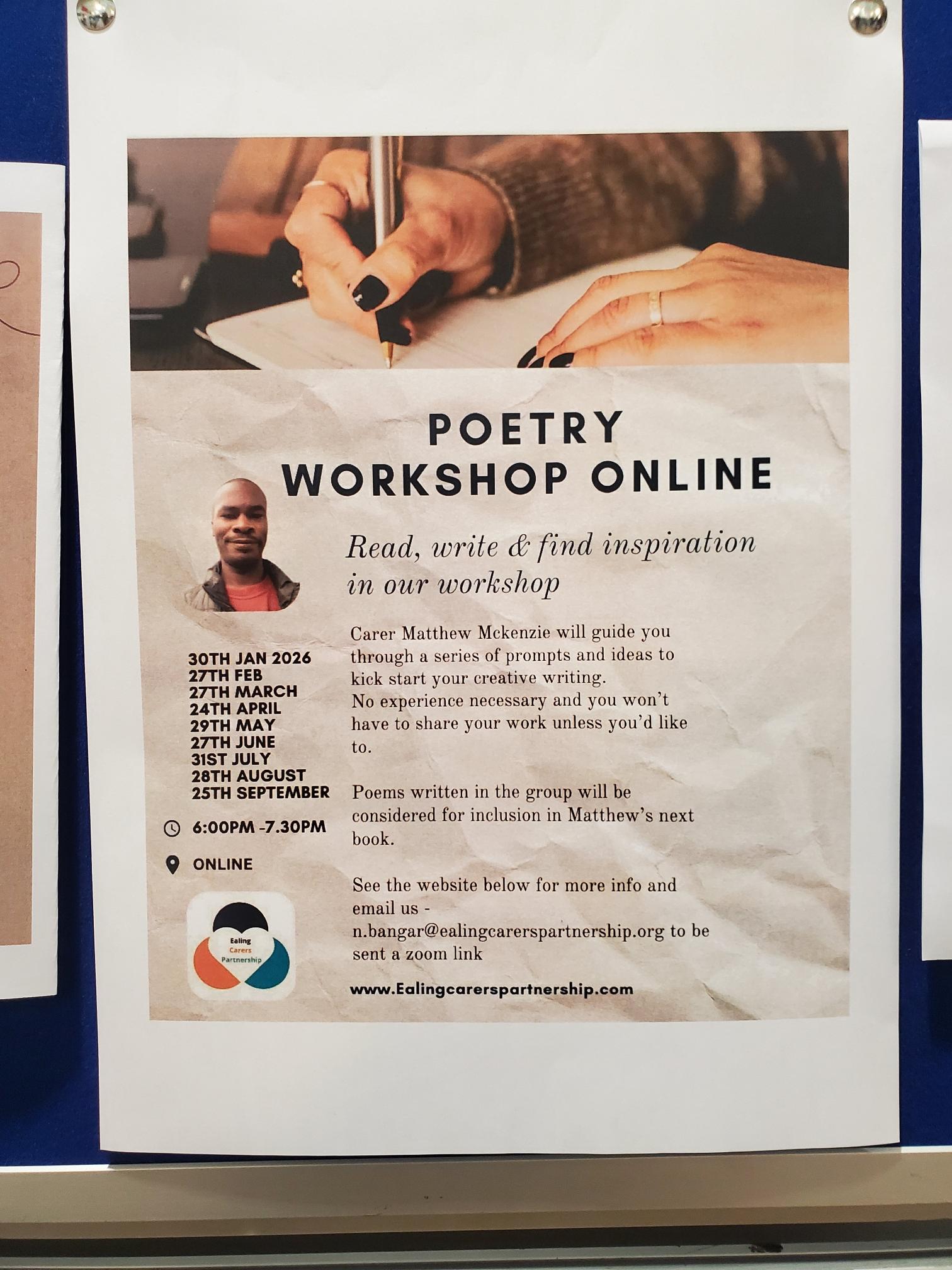
Welcome to the Ealing Carers Poetry Workshop, an online community gathering for carers, hosted on the last Friday of each month at 6 PM. It’s free, friendly, and, for many, deeply healing.
Why Poetry? Why Now?
For unpaid carers, life is often consumed by routines, responsibilities, and quiet sacrifices. There’s little time to stop and process the emotional weight of the role, let alone articulate it. That’s where poetry comes in.
Poetry doesn’t demand polished grammar or clever rhymes. It simply asks: What do you feel? And from that question, remarkable truths begin to emerge.
In a recent session, one carer described how “caring tastes like sweet and sour”—a vivid metaphor for the moments of tenderness mixed with exhaustion, patience, and the daily challenge of giving so much of oneself.
Another shared, “Caring feels like a balloon… slowly inflating until it might burst.” The group nodded. They understood. No further explanation needed.
More Than Words
Each workshop is a gentle hour of guided prompts, group sharing (if you feel like it), and poetic reflection. Some come to listen. Some come to write. All leave feeling a little more grounded, and a little less alone.
Here’s what you can expect:
Creative prompts to help spark inspiration
No pressure to share if you’re not ready
A safe, confidential space led with empathy
A supportive community that “gets” the highs and lows of caring
Gentle encouragement to save and revisit your poetry as a personal record
One participant put it perfectly:
“You don’t have to be a poet. You just need to be willing to put words to what you feel.”
Healing Through Expression
We often talk about self-care for carers, poetry is one powerful, practical form. It’s a creative release that helps untangle emotions that don’t have easy answers. It can reflect joy, grief, humour, fatigue, hope. It can be messy. It can be raw. But above all, it’s yours.
As the facilitator beautifully says,
“Poetry holds up a mirror. What you see in it is up to you.”
For many carers, this monthly workshop has become a lifeline. A moment of peace. A reminder that their experiences matter.
If you are an unpaid carer, then Join Us – You Are Welcome
Whether you’re new to writing or simply curious, we invite you to take an hour for yourself.
🗓️ When: Last Friday of every month 🕕 Time: 6:00 PM (UK time) 🌐 Where: Online – attend from the comfort of your own home 🎟️ Reserve your free place here: 👉 Ealing Carers Poetry Workshop – Eventbrite
Grab a notebook. Pour a cup of tea. Come write with us.
Help raise awareness for unpaid mental health carers during Carers Week 2025. Learn how to support and recognize their vital, often unseen role in society. To watch the video of this blog, click the video below
Recognizing the Unseen: The Vital Role of Unpaid Carers in Mental Health
Every year, Carers Week serves as a powerful reminder of the millions of individuals who dedicate their lives to supporting loved ones with health challenges often without recognition, compensation, or adequate support.
Are you a carer in the Woolwich area? Take a well-deserved break and connect with others at our brand-new Carers Drop-In sessions! Whether you’re looking for support, information, or simply a chance to chat with others who understand, you’re warmly welcome—no referral needed.
Continuing on with the Mental Health Awareness Week 2025 theme, the event was more than just another date on the calendar, it was a celebration of unity, joy, and shared purpose at the “Trivia & Togetherness” event hosted at Churchill Hospital.
The event was organised by Socialising Angels C.I.C. in collaboration with Cygnet Health Care, this free event brought together carers, parents, and young adults with learning disabilities from across Lambeth for an uplifting day of fun, food, and fellowship.
just so you know, Socialising Angels C.I.C is a community interest company based in Lambeth, London, dedicated to supporting young adults with learning disabilities. Their mission is to uplift the wellbeing of these individuals by creating inclusive opportunities that tackle social isolation and build confidence, communication, and independence.
As a Cygnet Carer Ambassador, I saw firsthand how vital inclusive events like these are, especially for the community. They give carers a platform to shine, to socialise, and to feel a deep sense of belonging.
Such events also provide carers with a supportive network and a chance to reconnect, share, and celebrate the amazing achievements of those we support. The room was alive with energy from the very beginning. On the event agenda were Trivia quizzes, bingo cards, and also conversation to connect.
It was great to see everyone participating with smiles and laughter. The games were cleverly designed not only to entertain but to encourage communication and teamwork tools.
For Lunch, Cygnet provided a hearty spread of classic fish and chips with peas, lemon wedges, and desserts added that special British comfort everyone loves. It wasn’t just a meal, it was a moment to sit, reflect, and enjoy the company of friends old and new.
Events like this don’t happen by accident. It takes dedication, vision, and real investment in people. That’s where Cygnet comes in. Their support with Socialising Angels is more than sponsorship, it’s a true commitment to improving mental health and social inclusion in our community. Cygnet’s continued support helps make these spaces accessible and vibrant, giving young adults the confidence to grow, and carers the strength to keep going.
To all the volunteers, organisers, and participants thank you. Today reminded us that inclusion isn’t just a word; it’s an action. Where organisations like Socialising Angels and Cygnet help lead the way.