By Matthew McKenzie, Cygnet PCREF Carer Lead
On Tuesday 28th April 2026, from 2:00pm to 4:00pm, we came together at Cygnet Churchill in Lambeth for what was described as a carers poetry event, but in truth, it became something much deeper.
It became a space where carers could speak, reflect, and be heard.
I hosted the session not just as a PCREF Carer Lead, but as someone with lived experience. That shaped everything the tone, the structure, and the intention behind every part of the agenda.
I made it clear: this was a safe, inclusive, and optional space. No pressure to perform. No expectation to share. Just an invitation.
We began with a simple check-in:
“What’s one word you’re arriving with?”
Opening Readings: Creating a Shared Starting Point
I started with a couple of my own poems, drawn from my work around carers, stigma, and racial inequality in mental health.
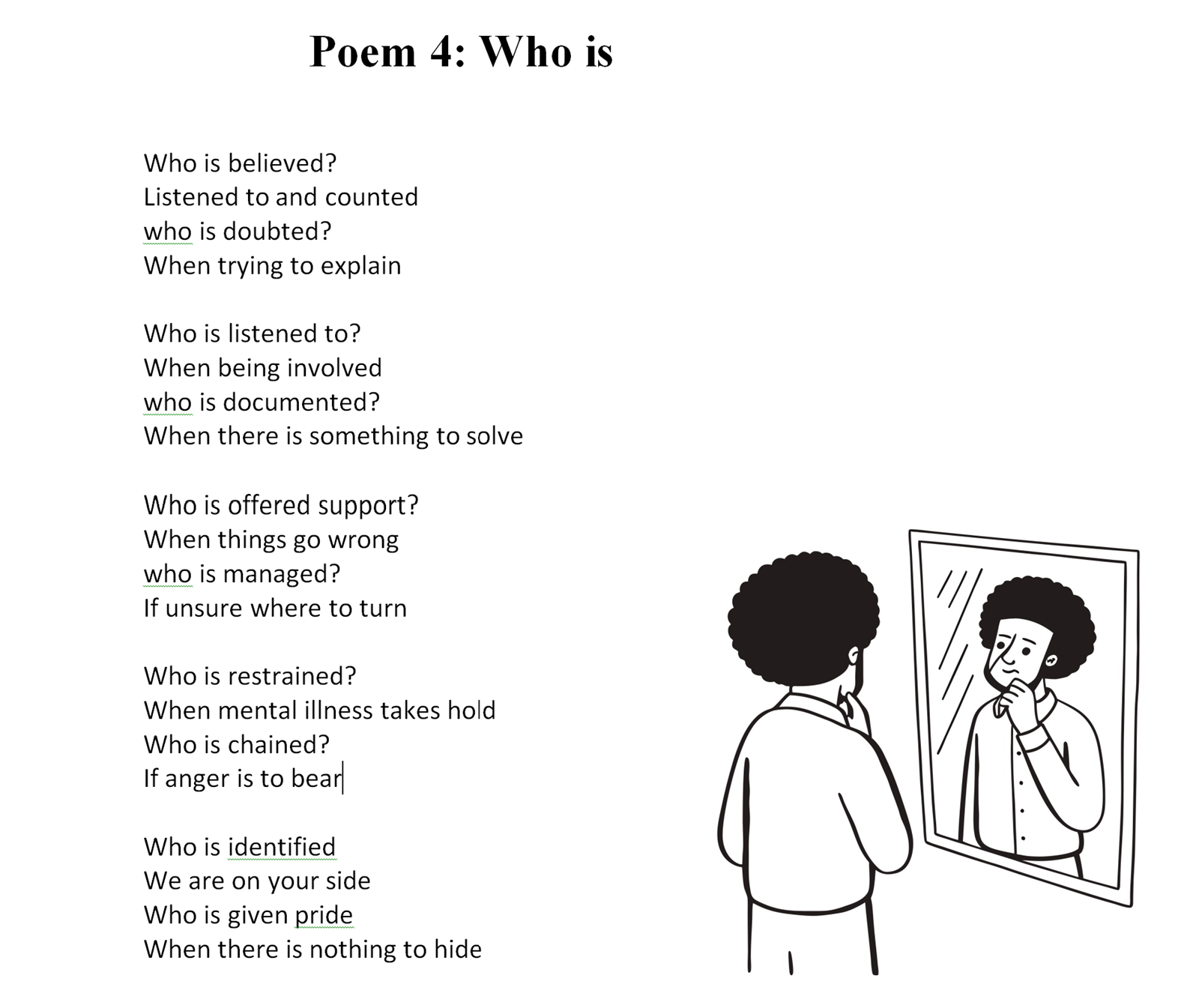
As shown above, one piece explored the question of who is listened to and who is overlooked within systems. Another focused on stigma and shame, particularly how cultural expectations and institutional barriers can compound the experience of caring.
These weren’t just readings—they were a way of opening the room.
An invitation for others to see themselves reflected.
Featured Performer: Karen Ibrahim
We then heard from Karen Ibrahim, whose poetry captured something deeply familiar to many carers the quiet, often invisible emotional labour of caring.
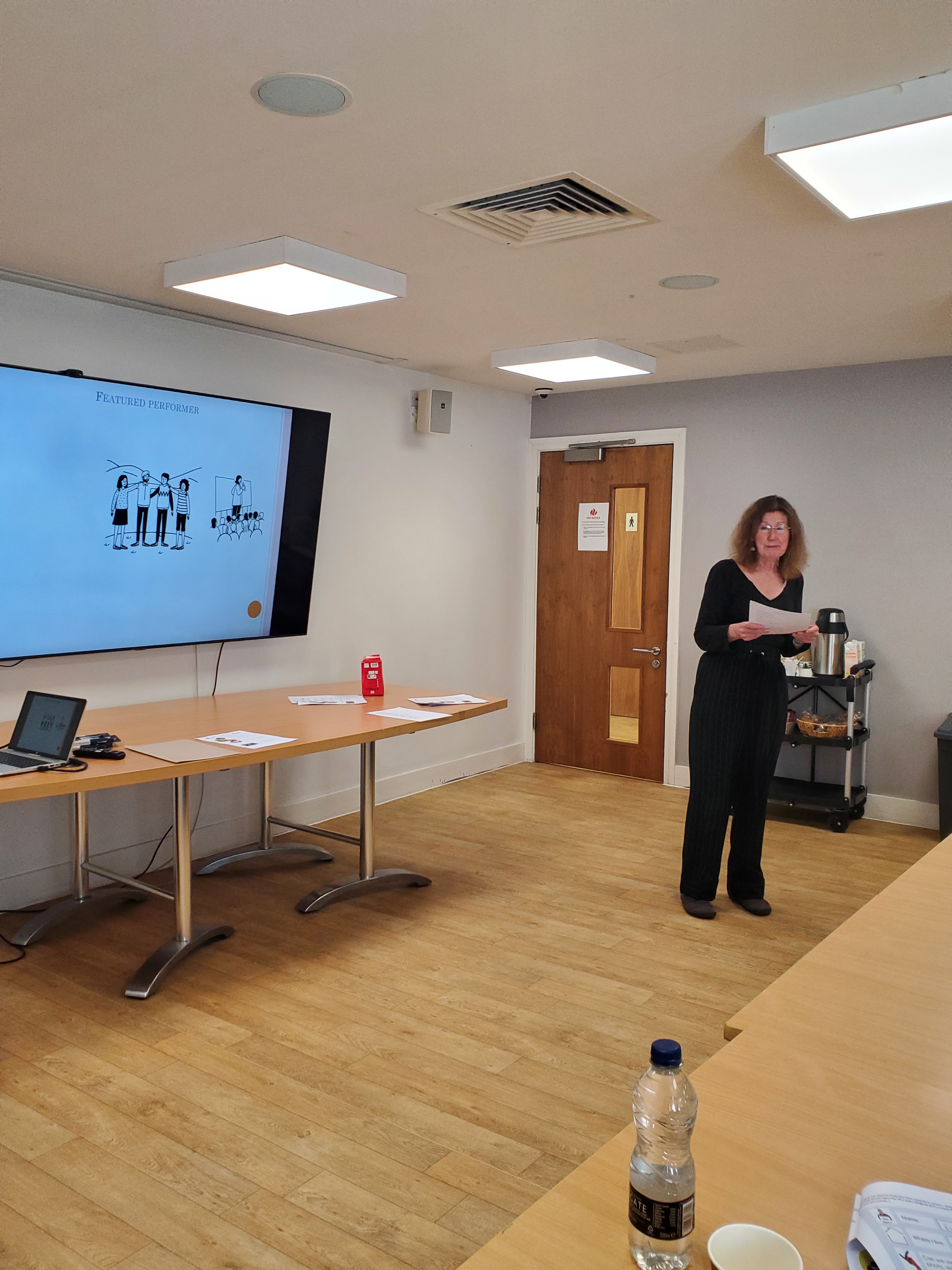
Her piece reflected the silence between carer and loved one, the fear of saying the wrong thing, and the reality of sitting with someone in distress without always knowing how to help. It spoke to that fragile balance carers hold every day.
Karen also shared a series of haiku-style reflections, drawn from carer experiences—short, powerful snapshots of emotion, nature, and coping. They reminded us that even the smallest expressions can carry deep meaning.
Guided Writing Exercise #1: Bringing PCREF to Life
We then moved into the first guided writing exercise.
I paired participants and asked them to:
- Match PCREF-related concepts (like equity, advocacy, inclusion, resilience) to their meanings
- Use those words to create a short poem or reflection
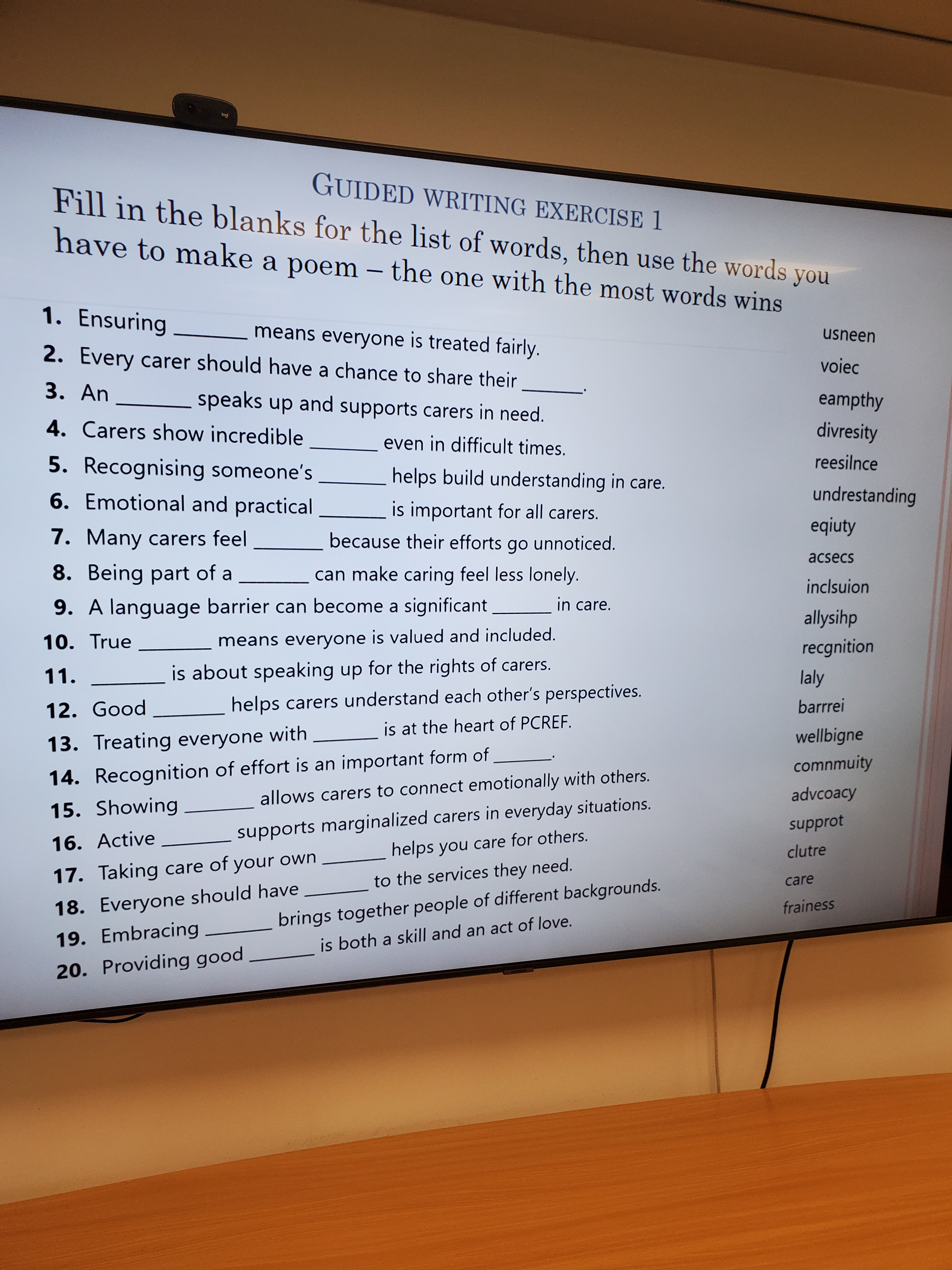
It was about translating PCREF from policy into lived language.
The results were powerful. Carers wrote about 4 poems altogether, below were the themes, which will be included in the new PCREF poetry book I am working on.
- Feeling unseen and unheard
- Wanting their voice recognised
- Breaking down barriers in care
- Finding strength through community
One group asked:
“Is my voice not loud enough to be heard?”
I felt that line stayed with me, because it captures exactly what PCREF is trying to address.
Performer & Open Mic (Round 1)
We then moved into our first round of performances, where carers shared both prepared and newly written work.
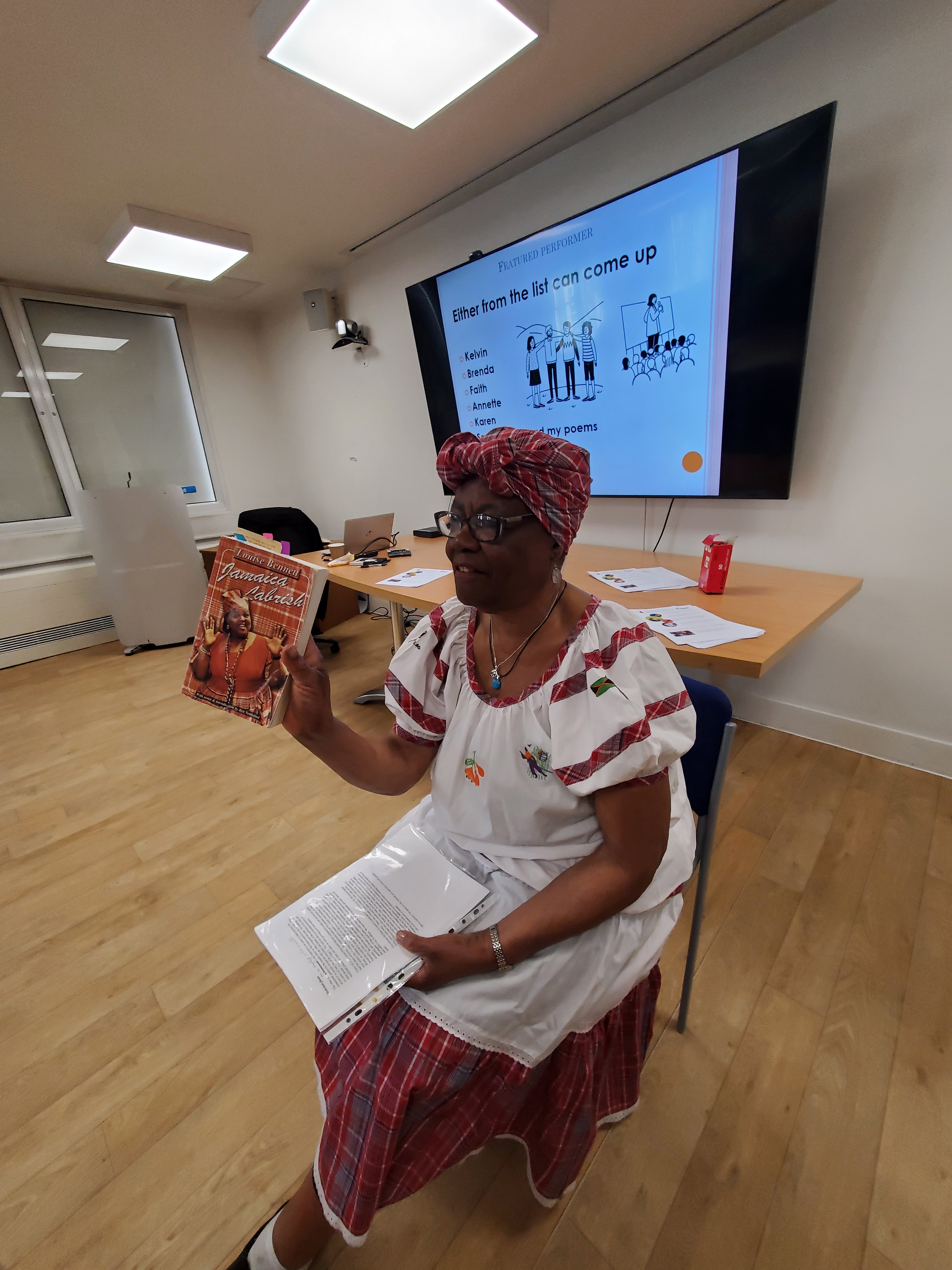
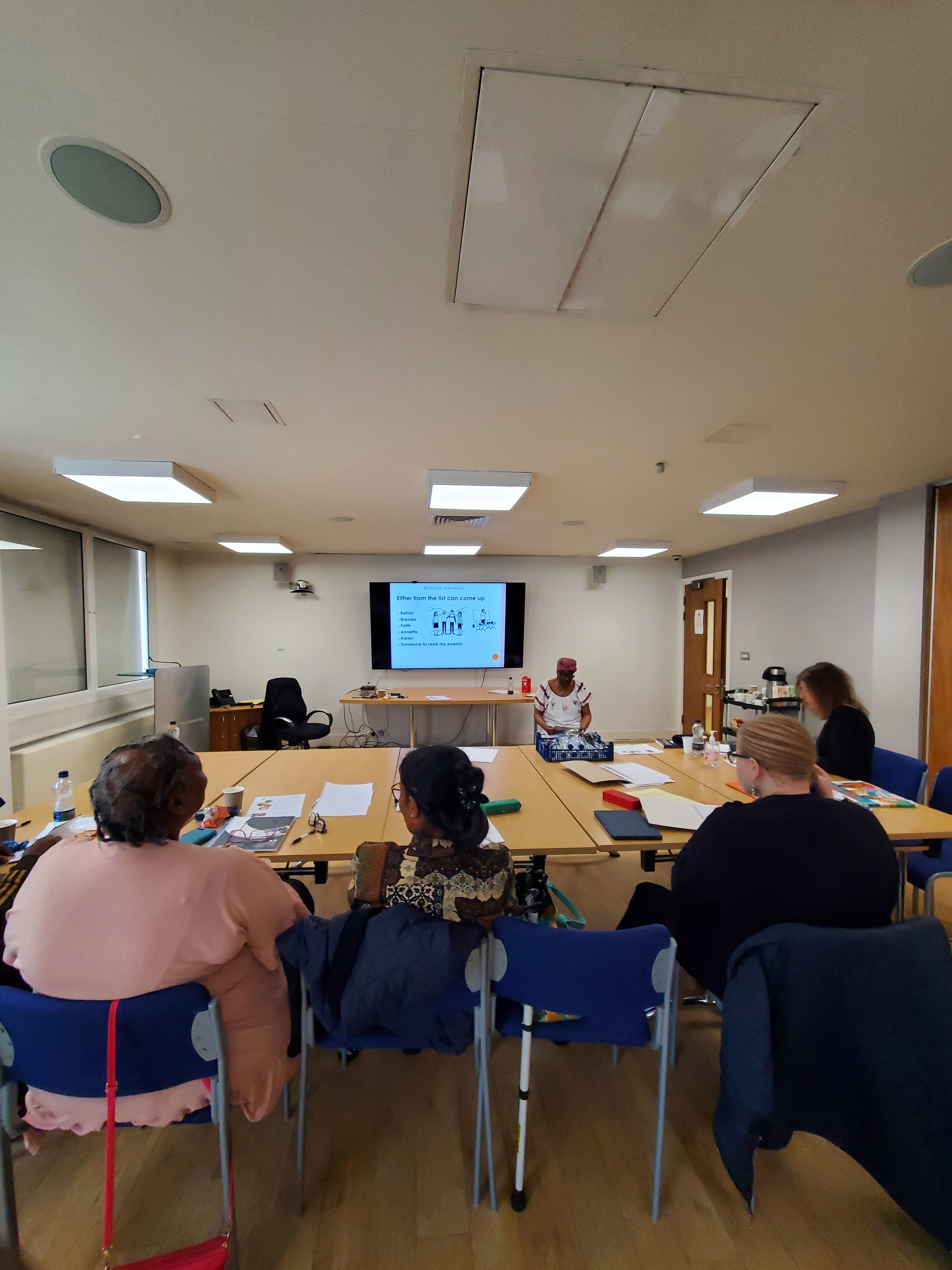
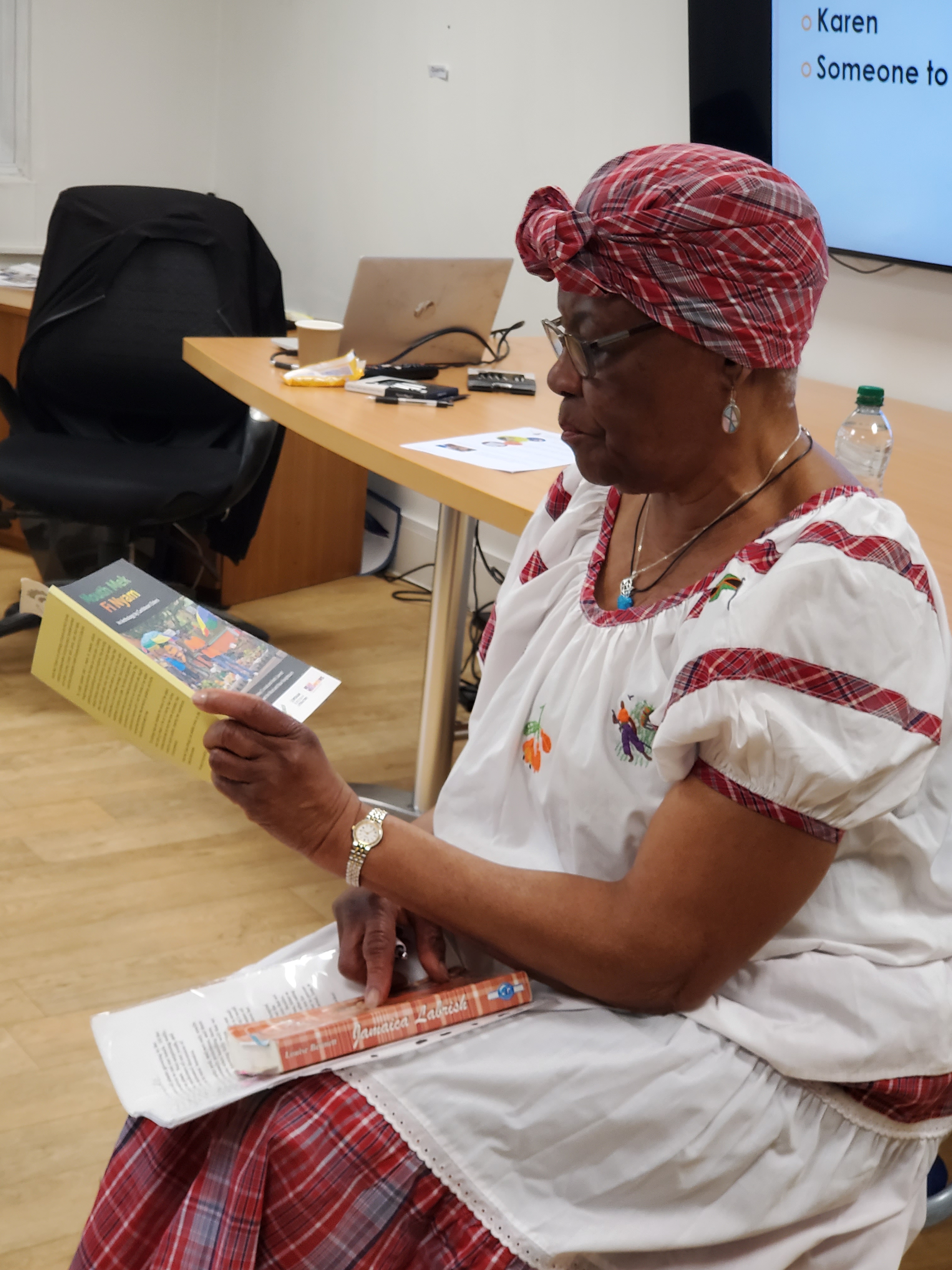
I felt Brenda brought something unique, blending cultural storytelling and poetry rooted in Jamaican heritage. She reflected on traditional knowledge, community wisdom, and the use of language and folklore as a way of preserving identity and healing. Her use of dialect and storytelling highlighted how culture shapes how we express and understand care.
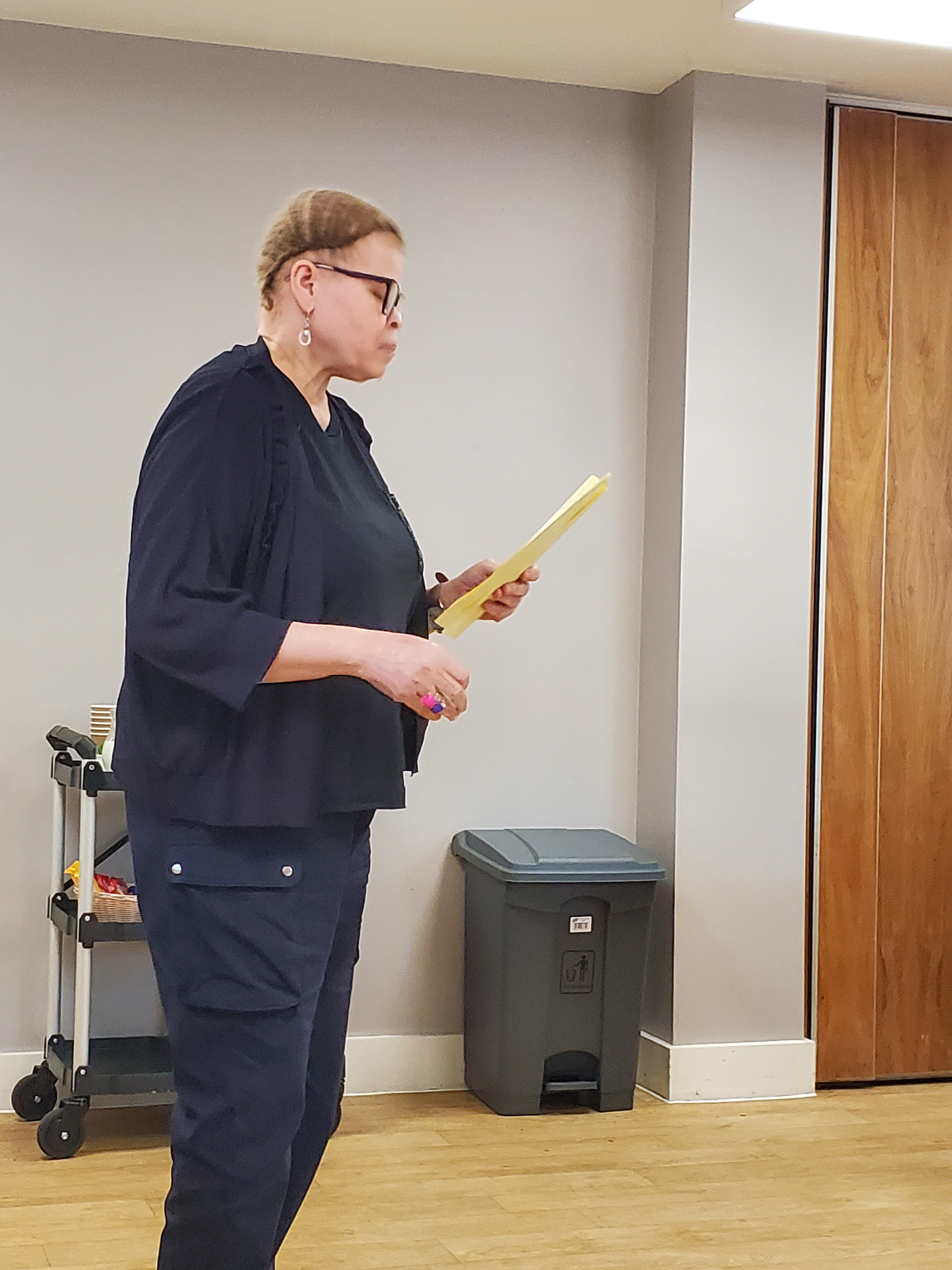
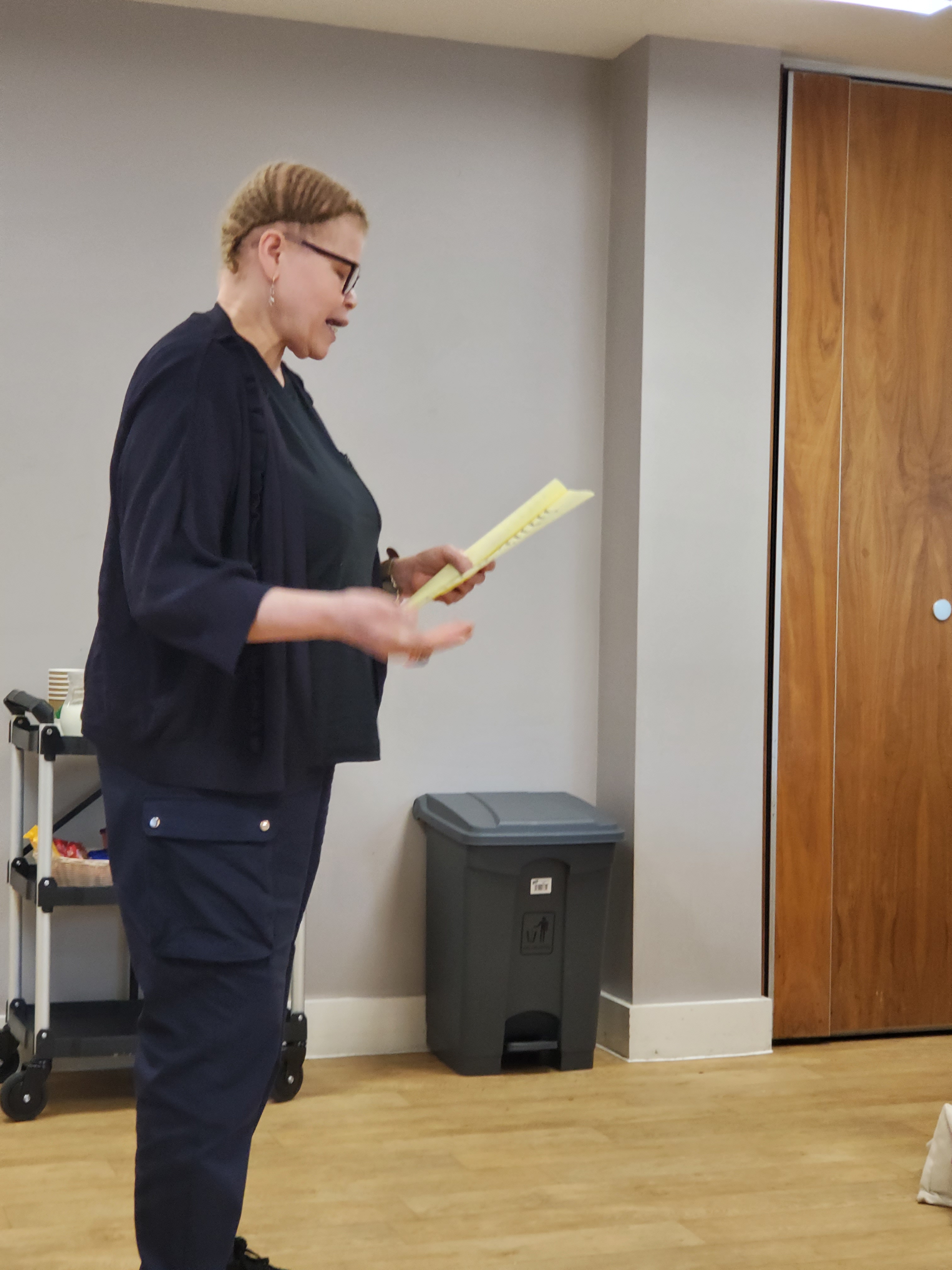
Next was Annette Davis shared a piece centred on the identity of being a carer, capturing the emotional strain, lack of recognition, and inner strength that comes with the role. Her poem questioned what it means to be labelled a “carer” while navigating burnout, resilience, and the need for self-care.
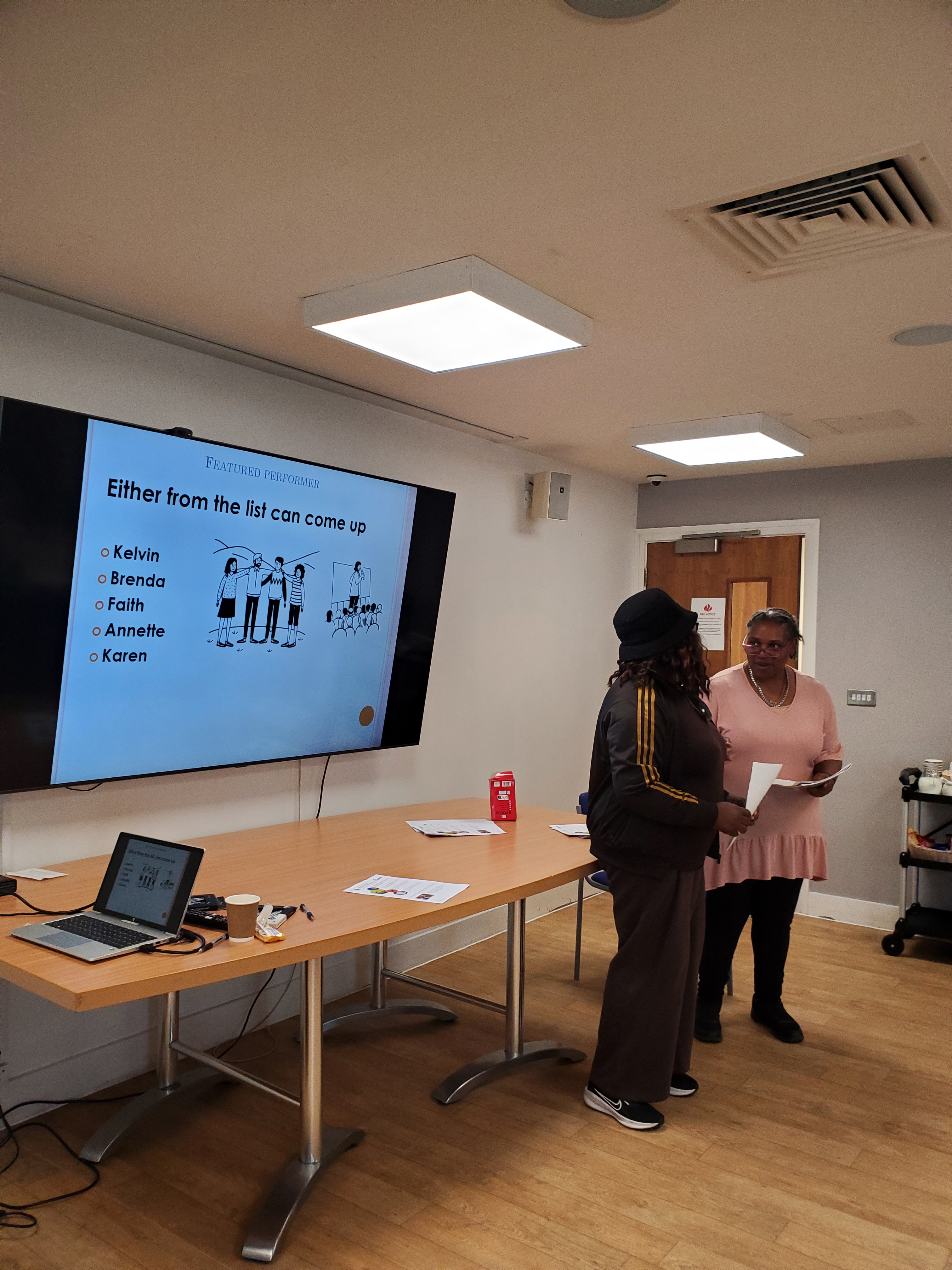
Next up was Faith Smith and Nadine sharing a powerful reflection on system inequality, exploring the daily pressures of navigating services, the lack of accessible support, and the feeling of being caught in processes that don’t always respond to real-life needs.
Each piece added another layer to the conversation, with different perspectives, but shared truths.
Break & Connection
We paused for a short break and refreshments provided by the kind and wonderful staff at cygnet, but for the poetry event the conversations didn’t stop.
Carers continued to connect. Share stories. and reflected on what they had heard.
This is something I always emphasise, community doesn’t just happen in structured sessions. It happens in those in-between moments.
Creative Exercise session #2: Exploring PCREF Language
After the break, I introduced a second exercise, which was more interactive and reflective.
Participants worked with a word-search style challenge, identifying key PCREF-related terms such as:
- Voice
- Inclusion
- Equity
- Community
- Trust
- Advocacy
- Listening
- Stereotyping
Rather than writing full poems, we focused on discussion:
Which word stands out and why?
The responses were honest and grounded:
- “Listening builds trust.”
- “Community is where we belong.”
- “Inclusion is what drives change.”
- “Stereotyping still shapes how we’re treated.”
This is where PCREF becomes real, when people recognise themselves within it.
Performer & Open Mic (Round 2)
We continued with a second round of performances.
Carers shared reflections shaped by:
- Cultural identity
- Personal caring journeys
- The emotional impact of systems
- Hope, resilience, and change
Then ended with cultural carer songs by Brenda, see the video of part of the PCREF poetry session below.
In the end PCREF is about improving outcomes for racialised communities—but it cannot succeed if it remains purely clinical.
We:
- Translated PCREF into lived experience
- Used creativity to engage carers meaningfully
- Created a culturally responsive space
- Positioned carers as equal voices not passive participants
If you are caring for someone using Cygnet services, contact Family&Friends@cygnethealth.co.uk to join our Voices & Verses poetry group
 A Caring Mind