By Matthew McKenzie – Carers UK Ambassador, chair of South London Carers Forum
On Thursday 15 October 2026, I attended the World Mental Health Day Fair at King’s College Hospital in Denmark Hill. Organised by the hospital’s Vulnerabilities Team, the event brought together organisations sharing information about mental health, wellbeing, recovery and community support.
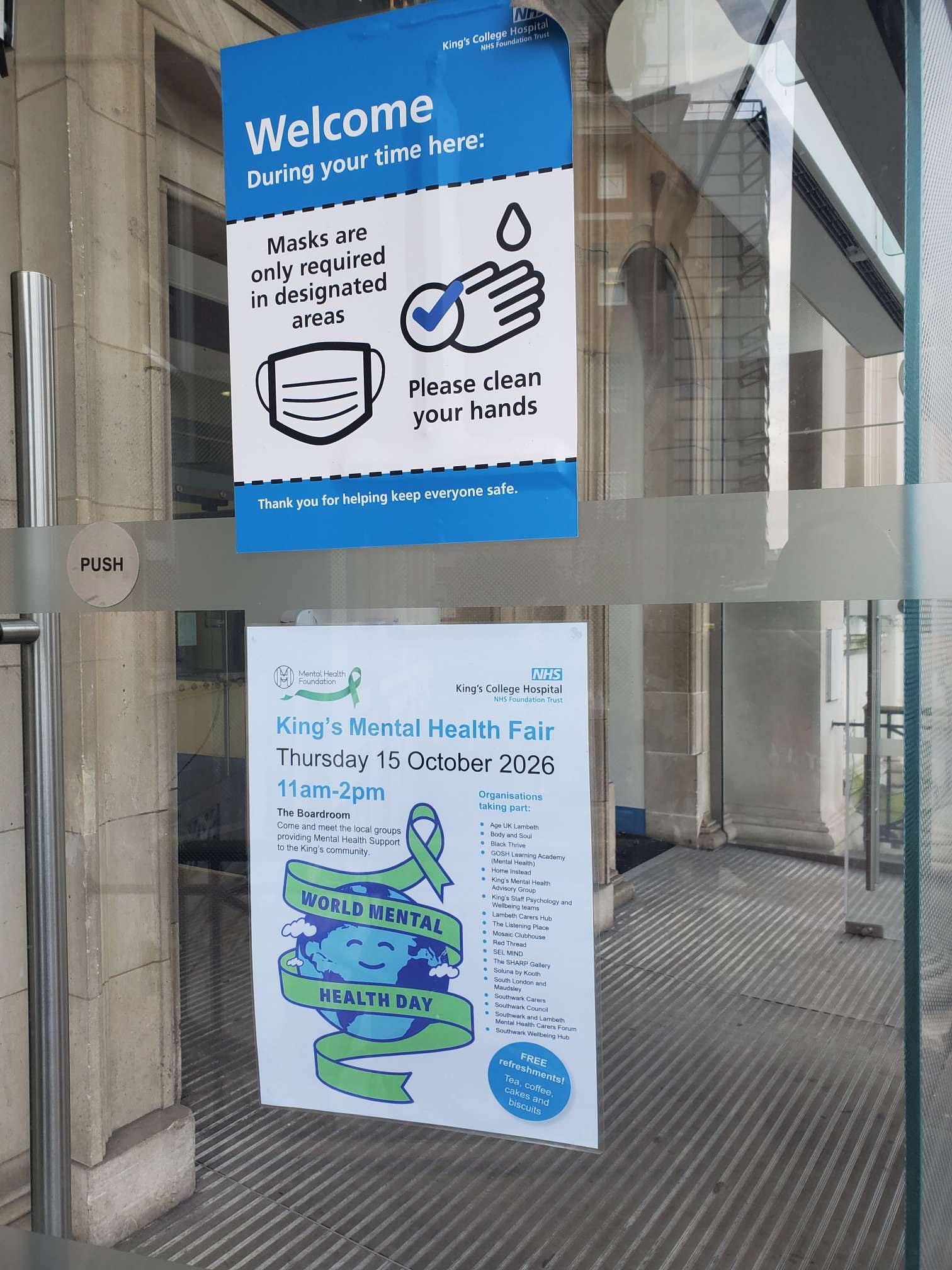
I was there as a Carers UK Ambassador and facilitator of the South London Mental Health Carers Forum. For me, attending these events comes from personal experience. Having cared for my late mother, who lived with schizophrenia, I know how much responsibility families can carry, and how easily their own needs can go unnoticed.
My reason for being there was simple: when we talk about mental health, unpaid carers must be part of that conversation.
Sharing a stall and raising carer awareness
I shared my stall with Swabra Abdulrehman from Southwark Council, who is working on carer awareness and promoting the borough’s upcoming All-Age Carers Forum.
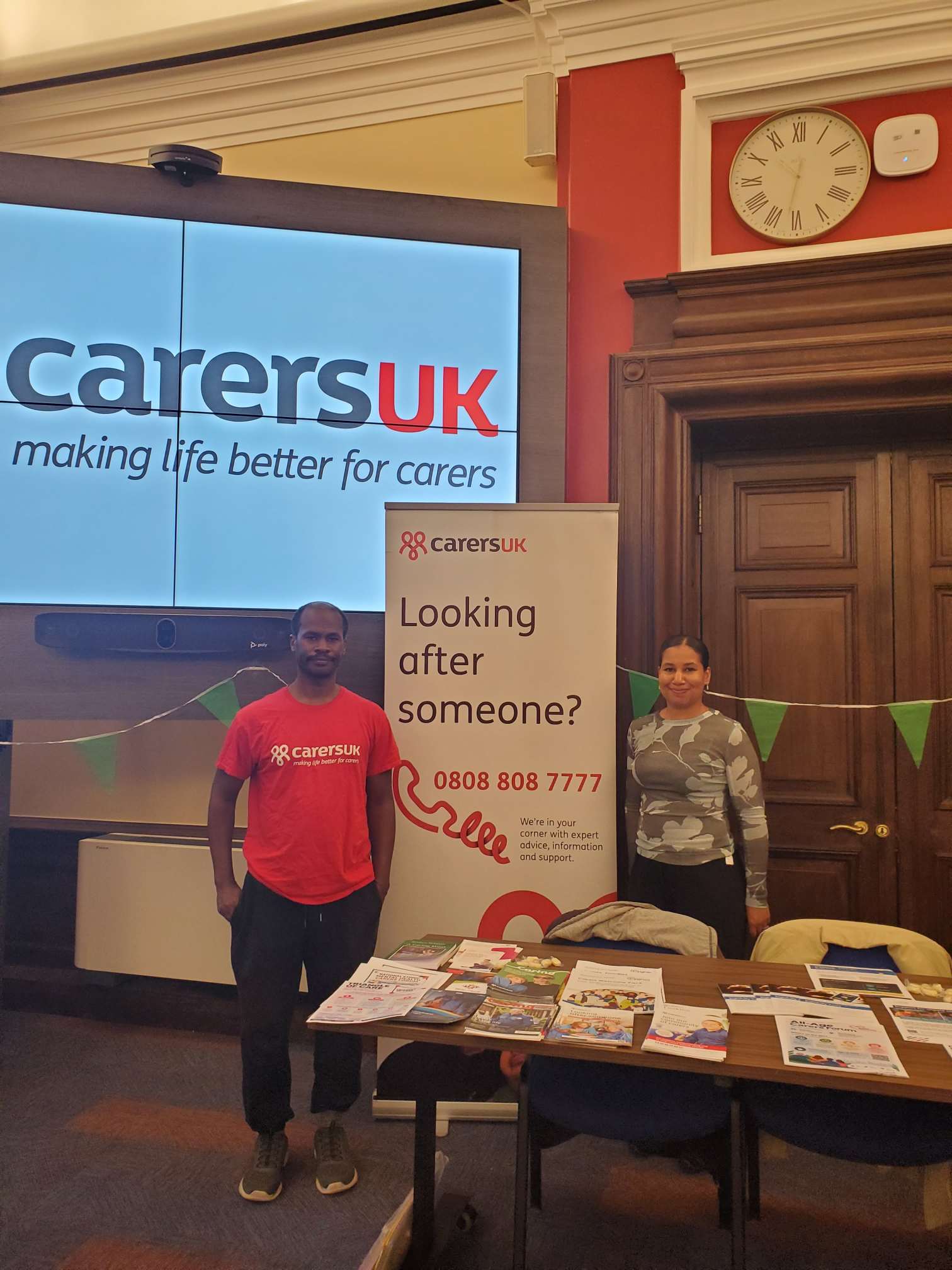
It was a valuable opportunity to bring community carer involvement and local authority information together. Our shared space included Carers UK resources, information about the South London Mental Health Carers Forum and Southwark’s work with unpaid carers.
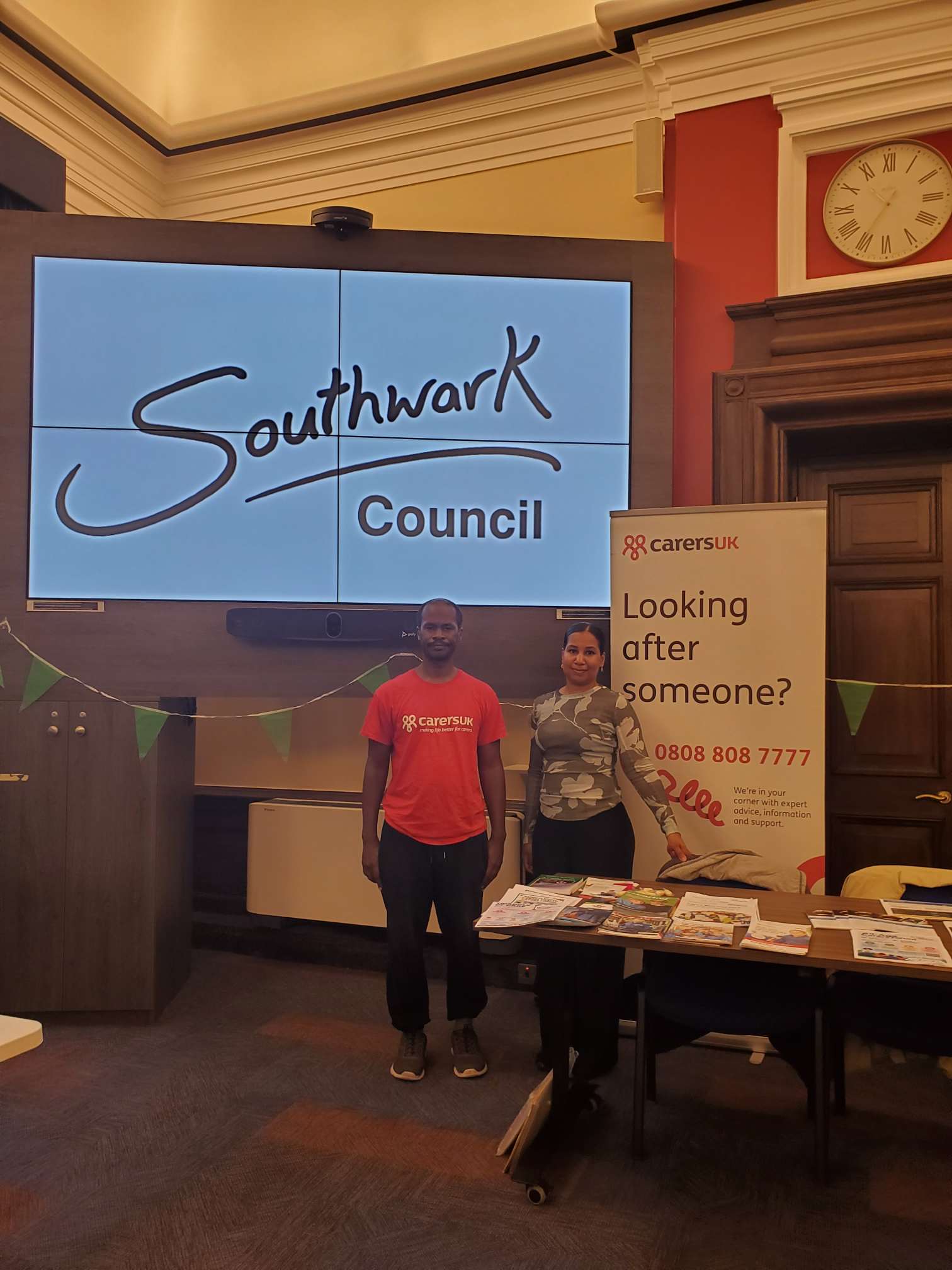
The screen also displayed our organisations and forum information. Seeing carers represented so visibly within an acute hospital mattered to me. Many people enter hospital thinking of themselves simply as a partner, son, daughter, sibling or friend. They may be providing substantial support without recognising that they are also an unpaid carer.
A stall can offer a starting point: somewhere to pick up information, recognise your own situation and discover that support exists.
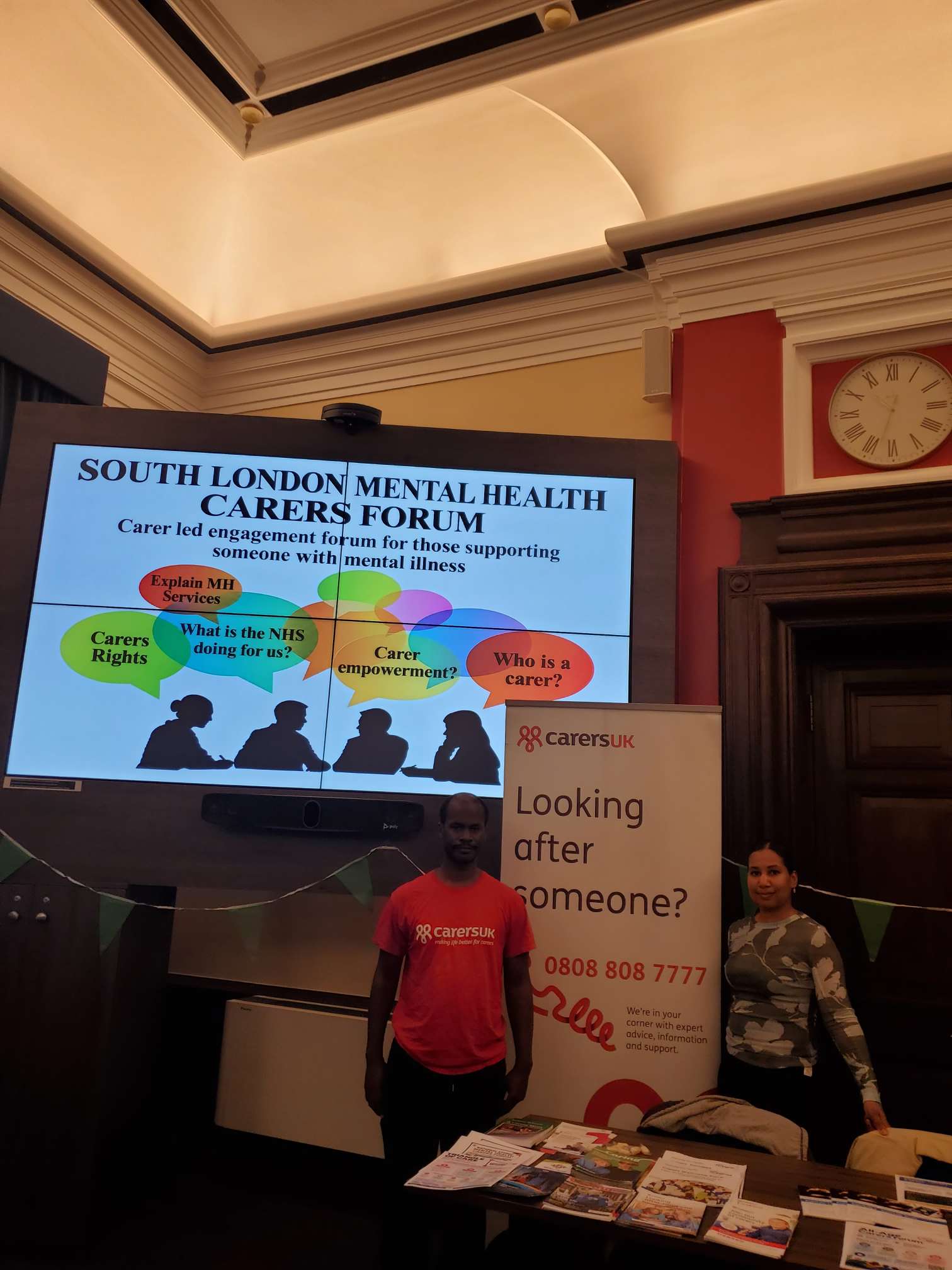
Through the South London Mental Health Carers Forum, I aim to provide opportunities for carers to share experiences, hear from services and raise concerns. Peer connection matters because caring can become isolating, particularly when the person you support is struggling and you are trying to hold everything together.
Southwark’s upcoming All-Age Carers Forum
Swabra was promoting Southwark’s All-Age Carers Rights Day Forum, taking place on Thursday 19 November at the Harriet Hardy Community Centre.
The planned event will bring unpaid carers together with local services and partner organisations. Activities include wellbeing support, a nutrition session with Esther Agyeman, a manual handling demonstration and opportunities to speak with Occupational Therapy and Physiotherapy staff.
I welcome opportunities where carers can access practical information while also having space to connect with one another. Awareness needs to lead somewhere useful, whether that means finding support, understanding available services or having a concern heard.
A range of support under one roof
Looking around the fair, the range of stalls and information showed how many different routes there can be into mental health support.
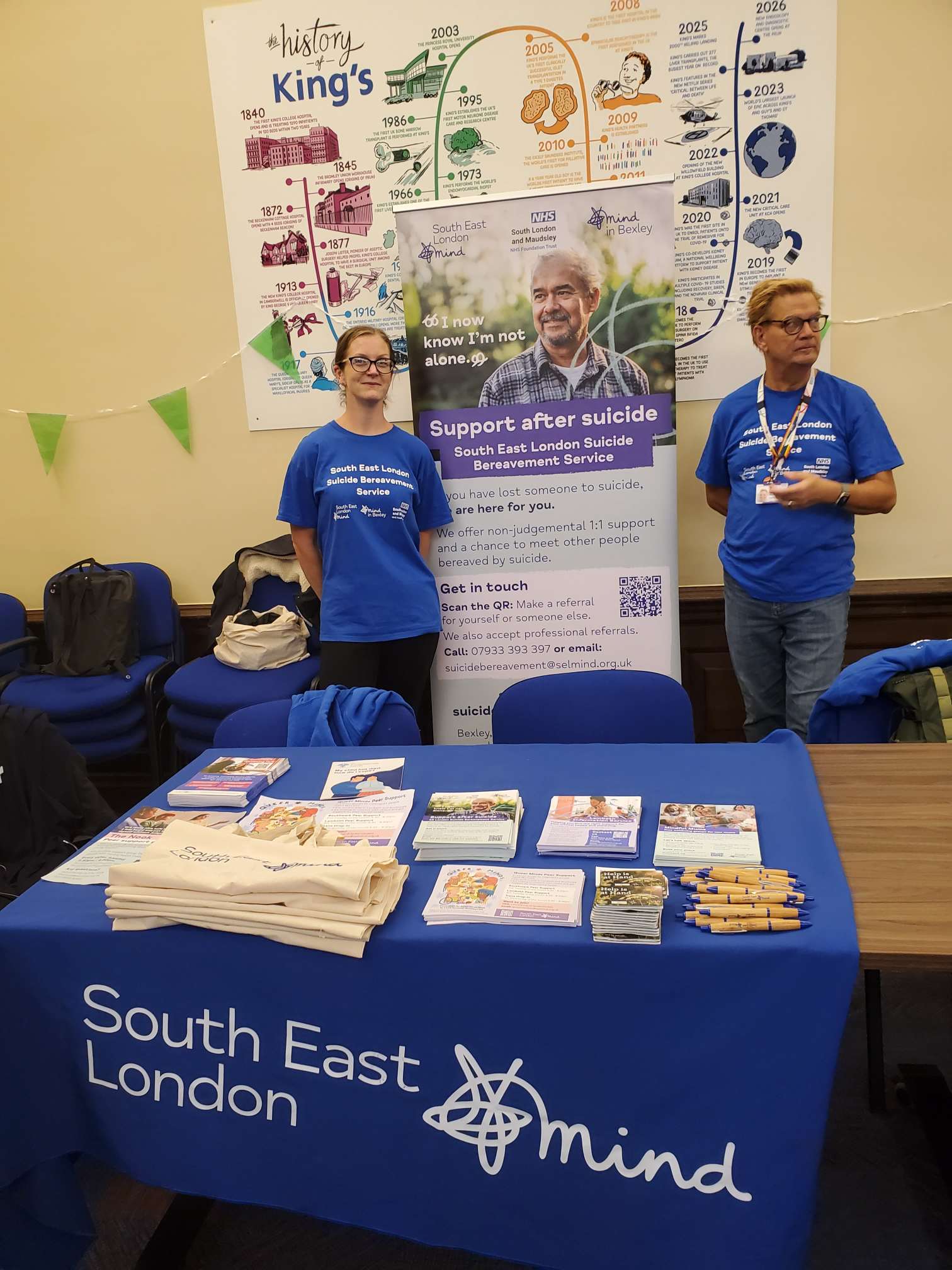
South East London Mind had a presence, with materials covering peer support and support after suicide bereavement. Peer support has particular meaning from a lived experience perspective: being alongside someone who understands can make it easier to speak openly.
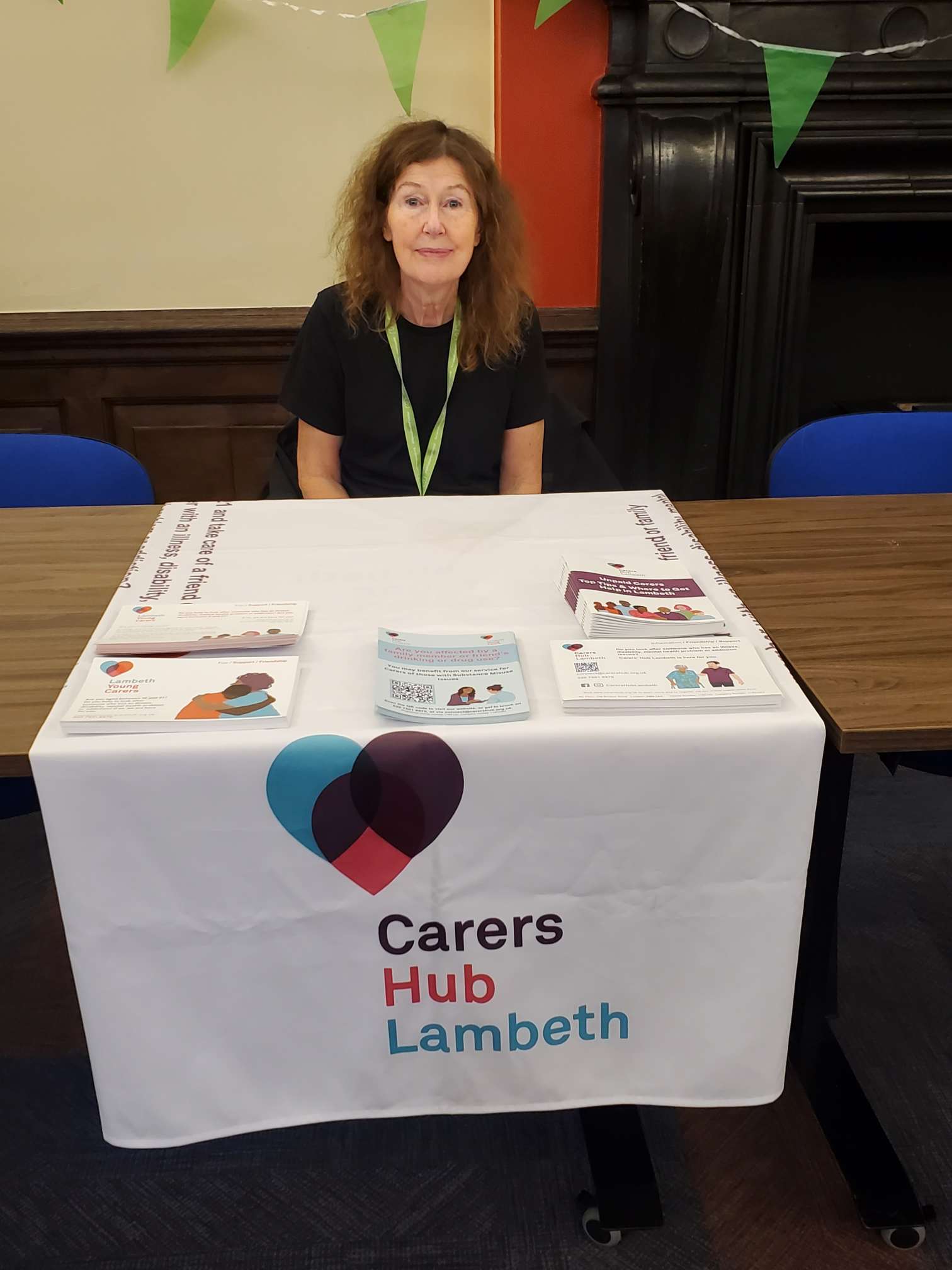
Carers’ Hub Lambeth displayed information for unpaid carers, including resources for people affected by a family member’s drinking or drug use. This was an important reminder that caring takes many forms, and some caring situations remain especially difficult to discuss because of stigma.
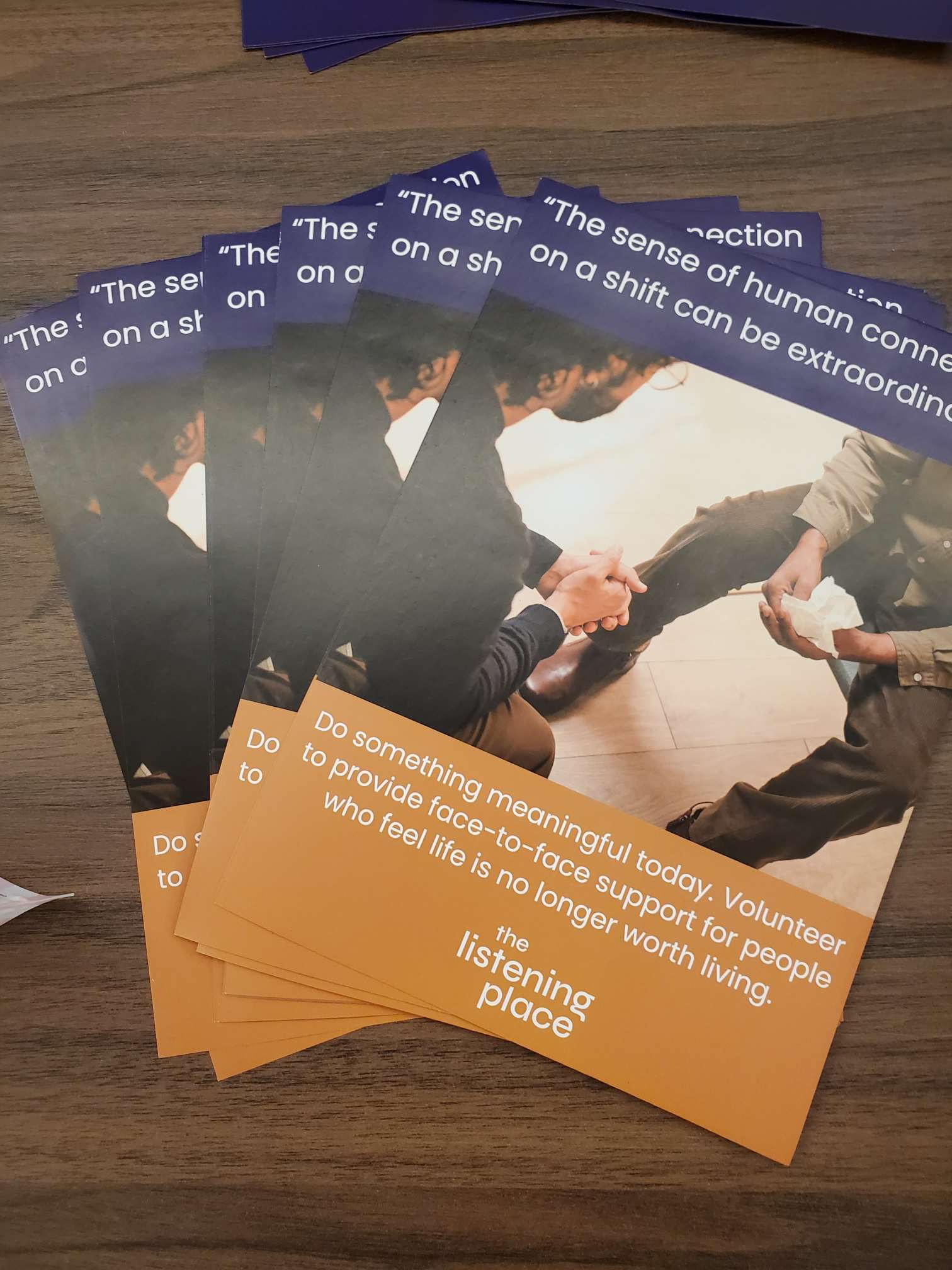
There were also materials from The Listening Place, alongside suicide prevention information from Body & Soul. Their presence brought attention to distress that may remain hidden, and the importance of making room for difficult conversations.
For carers, this can be a painful subject. Supporting someone through severe distress can bring fear, uncertainty and a constant sense of responsibility. Families need understanding and support around those experiences too.
Race, recovery and belonging
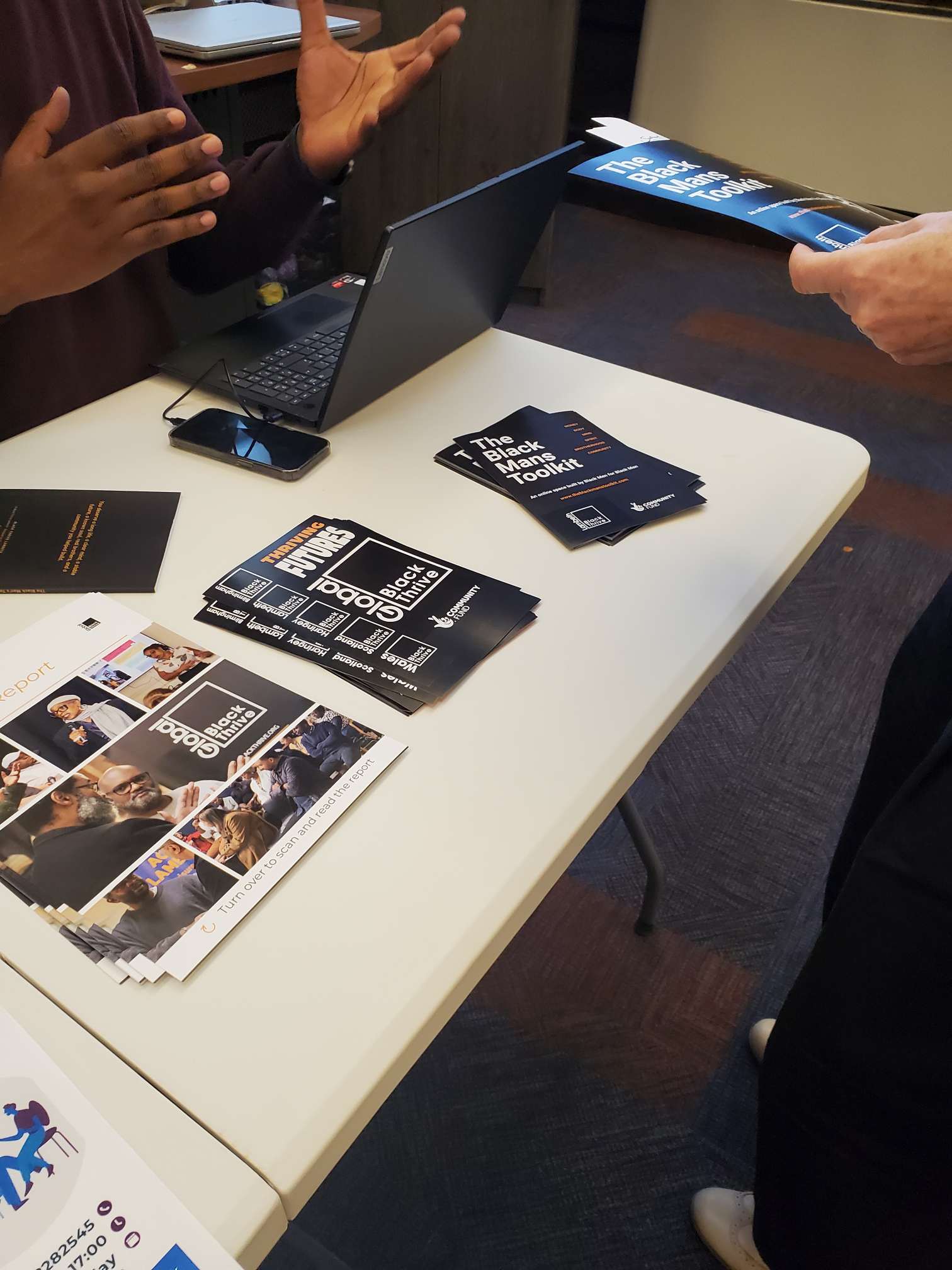
The Black Thrive materials particularly caught my attention, including its impact report and The Black Man’s Toolkit.
As a Black male carer and someone involved in work around racial equality in mental health, I feel strongly that awareness must include whose experiences are heard and whose needs are overlooked. Culture, racism and trust in services all belong within conversations about mental wellbeing.
Carer inclusion also needs that understanding. Families bring different experiences of services, and meaningful involvement requires people to feel respected and able to speak honestly.
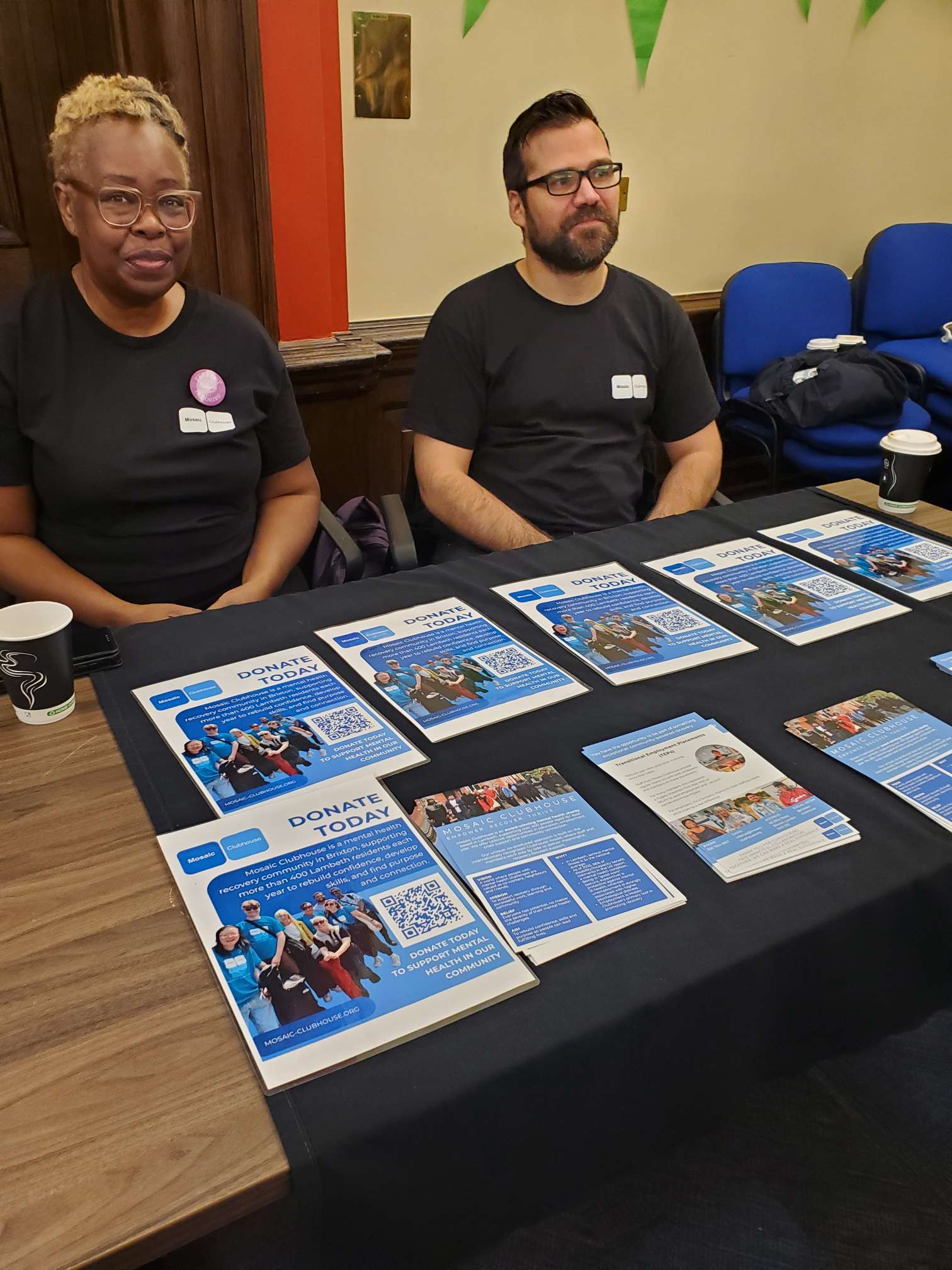
Mosaic Clubhouse was another organisation represented in the materials, with information about recovery and community involvement. It prompted reflection on the importance of belonging, purpose and opportunities beyond clinical appointments.
Recovery takes place within everyday life. For both the person receiving support and those caring alongside them, relationships and community connections can make a considerable difference.
Young people, learning and care at home
The fair also included information from Redthread, whose banner highlighted youth work in hospitals and health settings, and Soluna, which promoted mental health support.
These materials drew attention to the importance of reaching younger people through different settings and approaches. Hospitals can be places where wider difficulties become visible, creating opportunities to connect people with support.
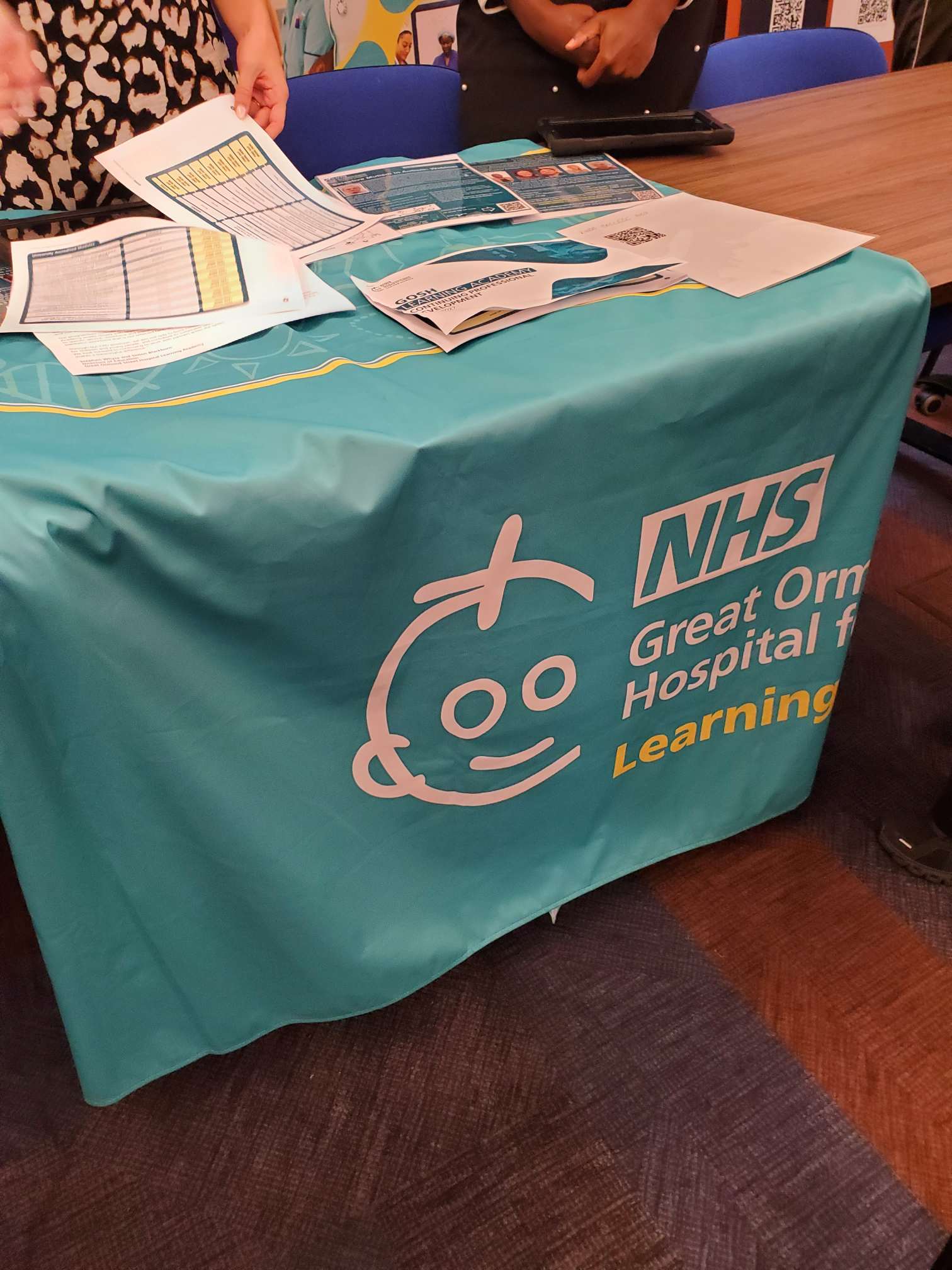
Other displays included Great Ormond Street Hospital’s Learning Academy, information about the START programme for carers of people with dementia, and Home Instead resources about care at home and dementia support.
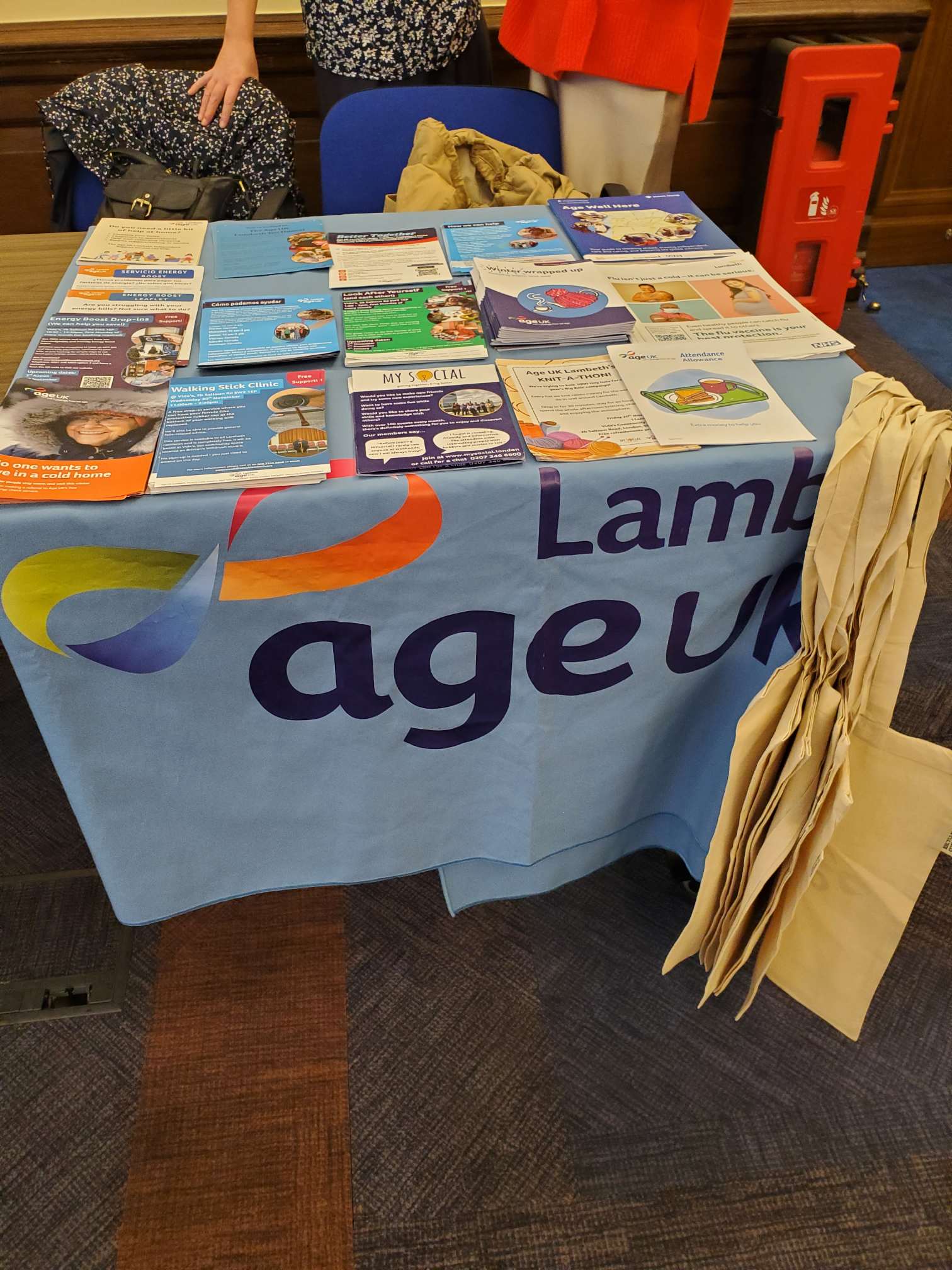
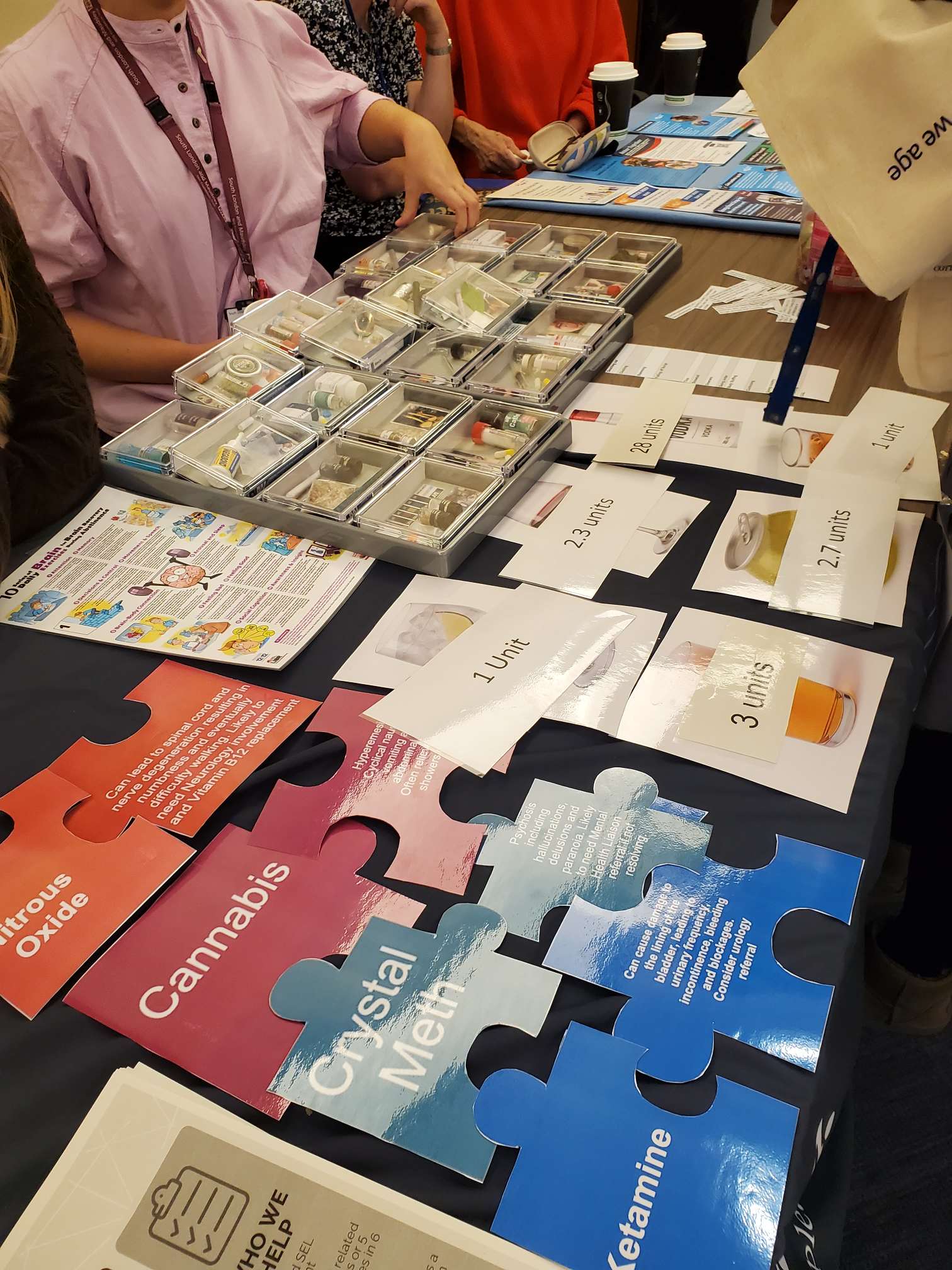
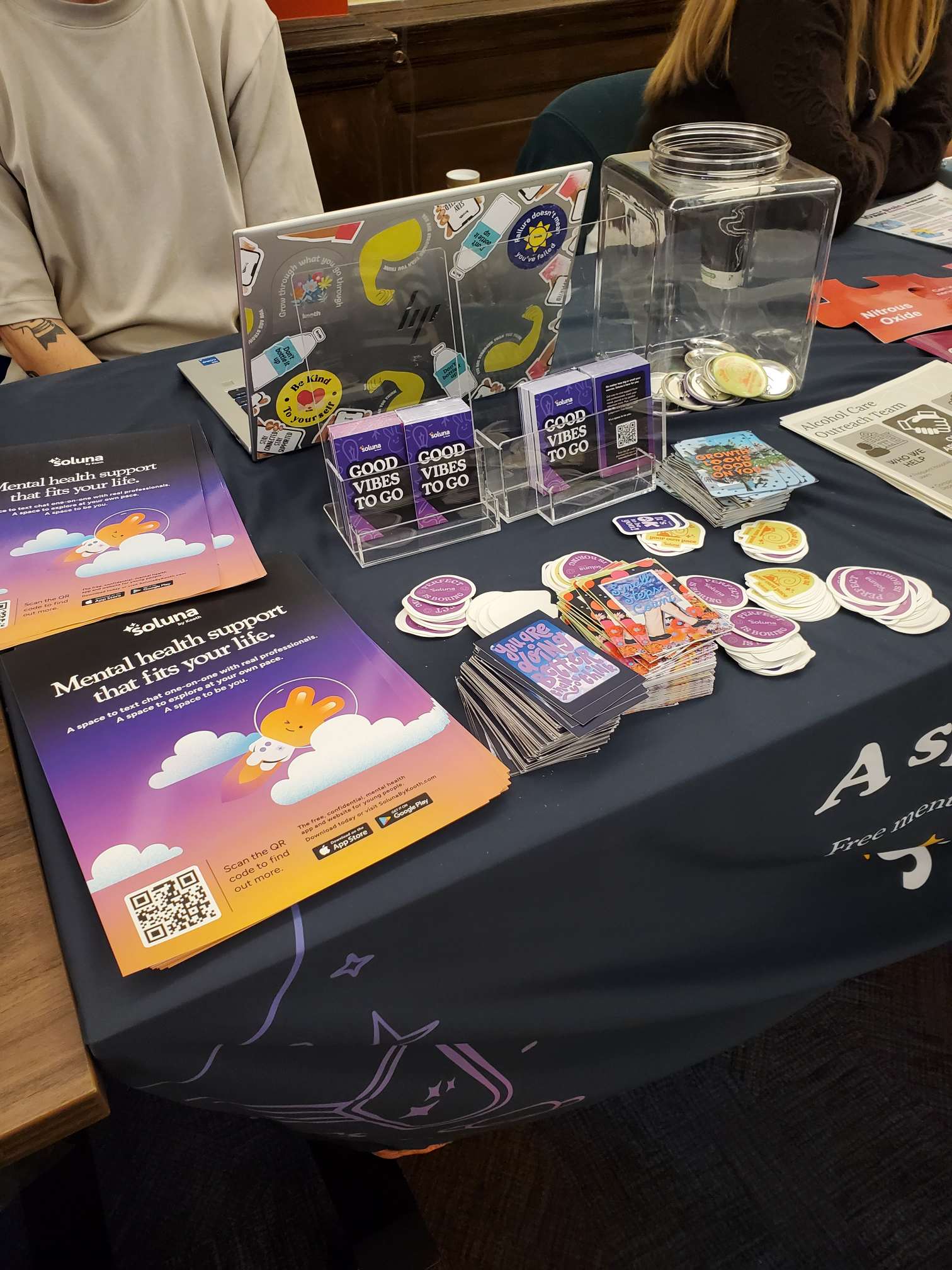
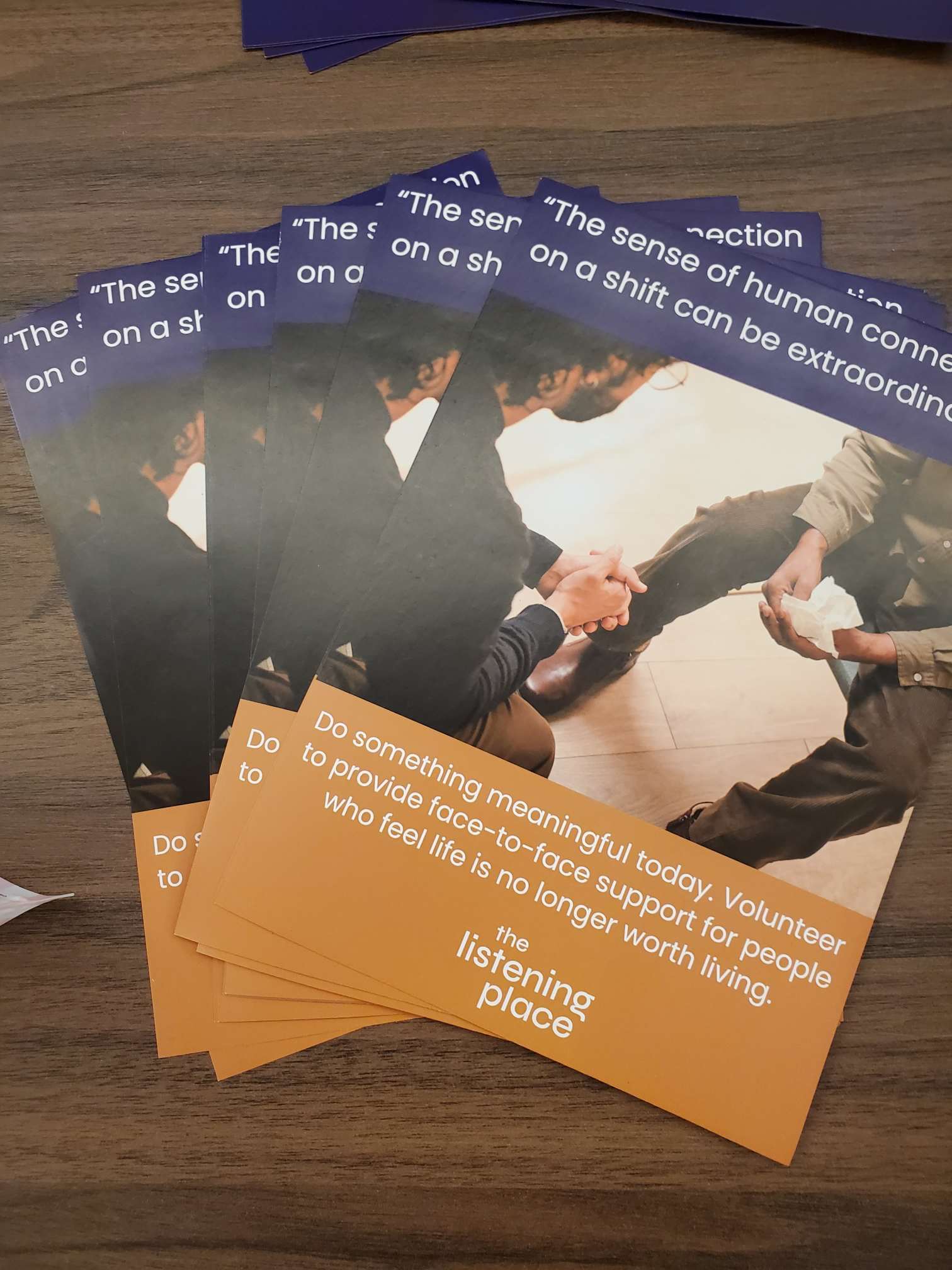
There were also alcohol and drug awareness materials. Together, the displays reflected how mental health connects with family life, physical health, learning, ageing and the support available at home.
Creativity and lived experience
I was also pleased to see the artwork and information about SHARP Gallery.
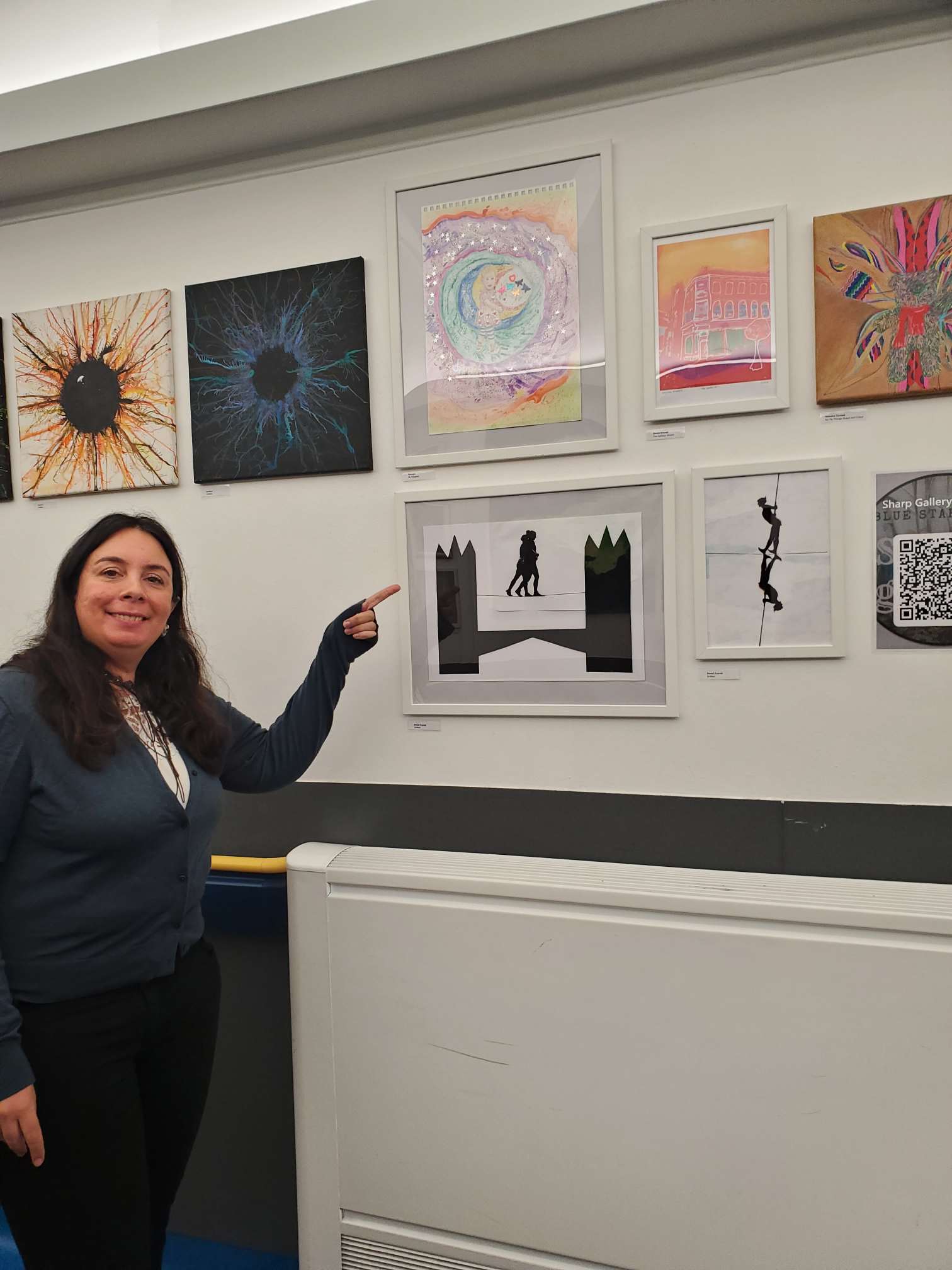
My earlier correspondence with Anna-Maria Amato had introduced the King’s exhibition theme, The Sword in the Wave: Stories of clarity, courage and moving forward.
As someone who uses poetry and photography to explore unpaid caring, I value the place of creativity within health settings. Art can help express experiences that are difficult to explain in a meeting or capture on a form.
For carers, those experiences may include love, grief, exhaustion, pride and uncertainty, sometimes all at once. Creative work gives those feelings somewhere to be seen.
What I take away
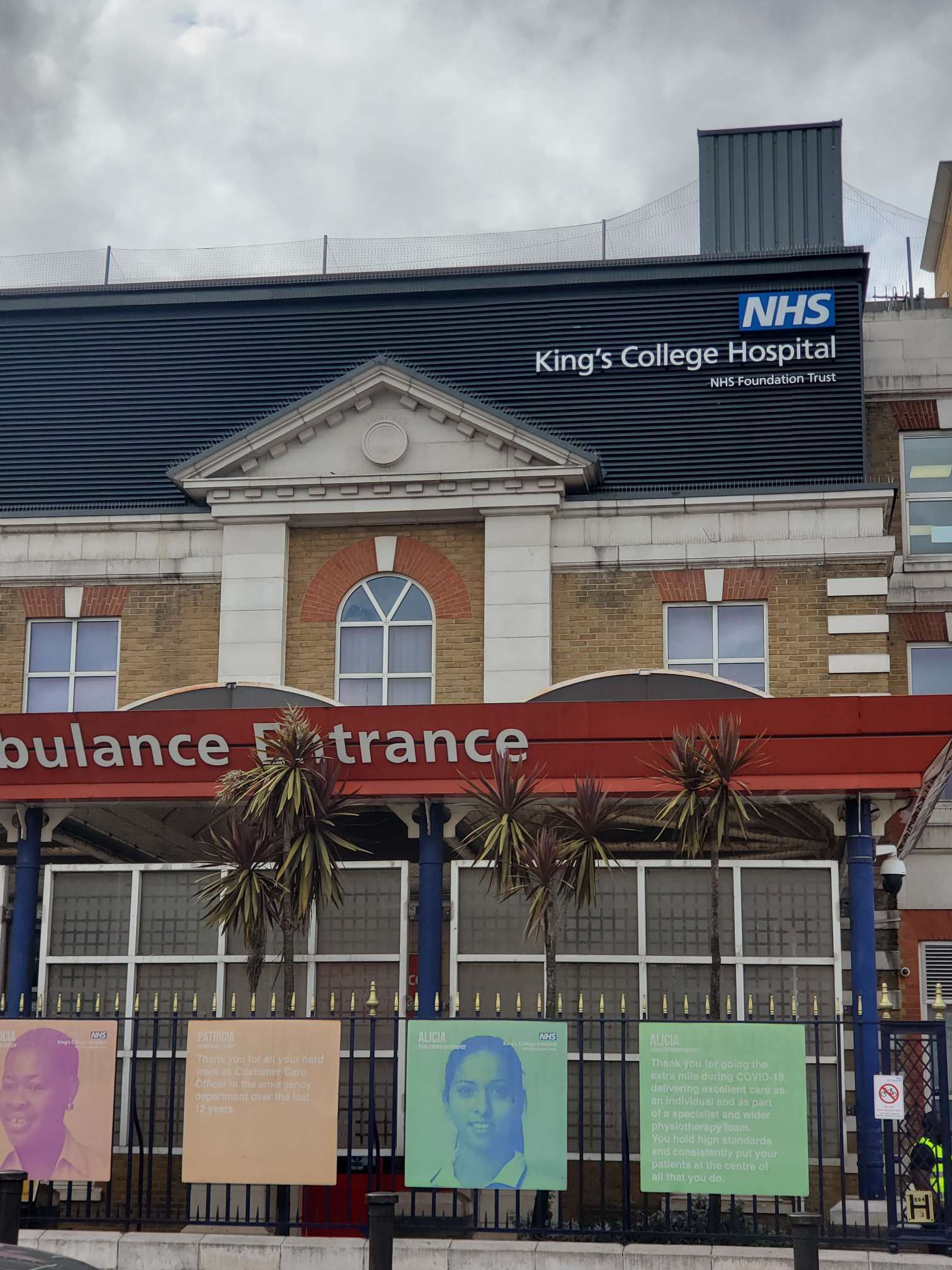
Being at King’s reminded me why I continue taking carer information into hospitals and community spaces.
Behind a patient may be someone helping with appointments, managing uncertainty, noticing changes and worrying about what happens next. That person may also be tired, working, supporting other relatives or struggling with their own wellbeing.
Their presence should prompt a question: who is supporting the carer?
Thank you to Mollie Musgrove and the Vulnerabilities Team for organising the fair, to Swabra for sharing the stall, and to the organisations contributing their time and resources.
For me, marking World Mental Health Day means continuing to make space for lived experience, including the experiences of unpaid carers who are so often present, but still need to be seen.

