A Space to Share, a Space to Be Heard
The session opened with updates and heartfelt check-ins. One of our carer members, shared a deeply personal and challenging situation regarding her loved ones declining mental and physical health. Despite strained family dynamics and the emotional burden of caring, a carer is courageously advocating for her loved one and seeking support through nursing services and assessments.
Peer Support: Insights from Experience
Long-time members offered valuable perspectives from their own journeys. A carer shared their struggle supporting individuals, which showed a stark reminder of the emotional and logistical toll caring can take. Another carer encouraged fellow carers to prioritise their own well-being, even in small ways a cup of tea, a short walk, a moment to breathe.
Together, we explored the difficulty of navigating health and social care systems, especially when professionals are overstretched. A recurring message was the importance of being persistent, structured, and assertive, especially when advocating for loved ones’ discharge plans, appropriate services, and therapeutic support.
Tools for Advocacy: Knowledge Is Power
Matthew’s presentation this month focused on the vital role carers play after a loved one is discharged from hospital, particularly those with mental health needs. He outlined key responsibilities many carers take on including medication management, appointment scheduling, emotional support, and even ensuring a safe home environment. His message was clear: carers are central to the recovery journey, even if they’re not always officially recognised as such.
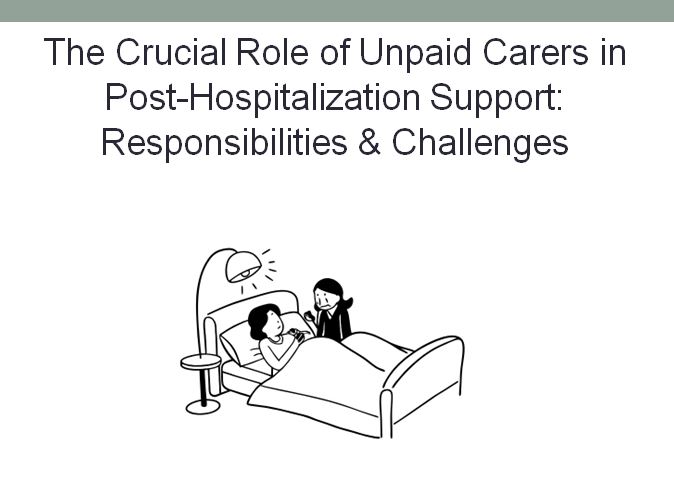
He also highlighted how carers often become advocates by default, ensuring that services and professionals remain accountable. By reviewing discharge plans, requesting proper care assessments, and using tools like the Care Act 2014, carers can push back when discharges are rushed or unsafe. Matthew encouraged everyone to ask for written care plans and to speak up especially if they feel decisions are being made without their input.
What made the presentation particularly valuable was its practicality. Matthew provided real-world strategies carers could implement immediately, from writing down clear requests for support to understanding how to engage with community resources. Many carers said they left the session feeling more equipped, and importantly, more validated in their role.
Creative Connection: Poetry and Self-Expression
We also celebrated the ongoing success of the monthly poetry workshops, a creative and therapeutic space for carers to reflect, connect, and unwind. As one carer put it, “You think of poetry as lines and rhyme, but it’s so much more. It’s a way of thinking differently.” These sessions continue to grow in popularity, offering another outlet for self-expression and mutual support.
Looking Ahead
The meeting concluded with practical updates and encouragement to stay involved whether through WhatsApp groups, upcoming events, or simply by taking a moment to check in with oneself and others.
As one member beautifully summed up: “It’s not about solving everything all at once. It’s about finding ways to manage, to make sense of things, and to keep going, together.”
 A Caring Mind