By Carer Activist – Matthew McKenzie
Today, I had the privilege of being part of King’s College Hospital NHS Foundation Trust’s Mental Health Fair, held on Thursday 2nd October, in recognition of World Mental Health Day 2025.
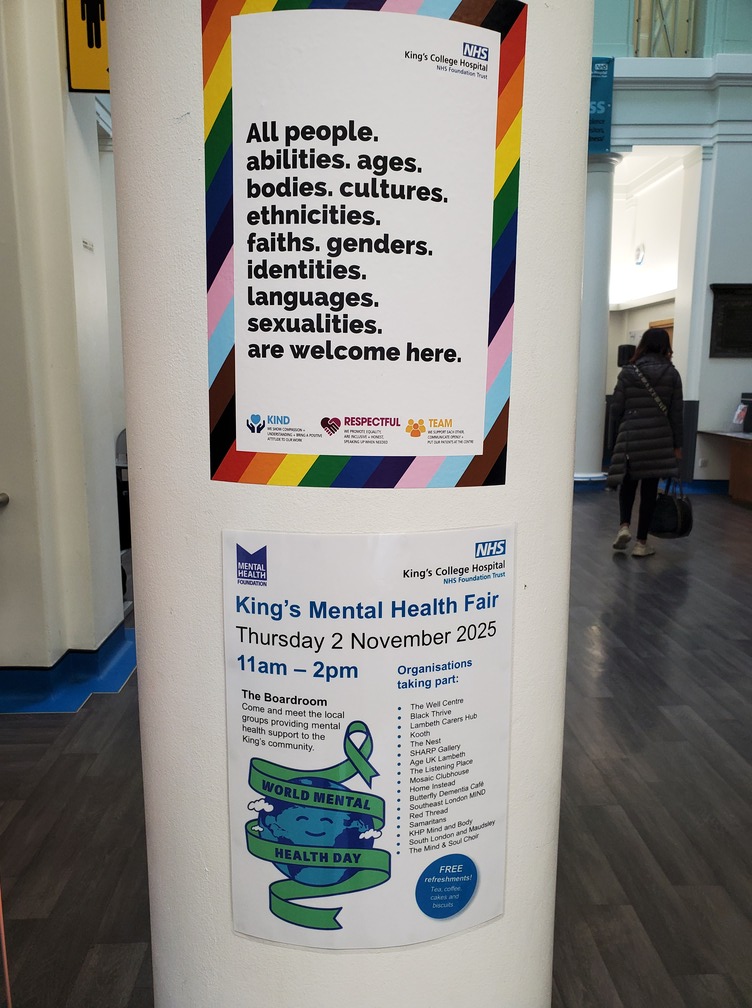
The event brought together a wide range of organisations and community groups working tirelessly to support the mental health and wellbeing of patients, families, and carers.

Why carers need to be at the heart of mental health conversations
As someone who has cared for a loved one experiencing mental health challenges, I know firsthand the importance of recognising and supporting carers through the groups i run.
Too often, carers are the silent partners in recovery journeys, advocating, supporting, and often sacrificing their own wellbeing to help someone they love. Events like today remind me that families and carers’ voices matter, and that we need to continue pushing for spaces where our experiences are valued and heard.
A vibrant space for community and connection
Walking into the fair at Kings College hospital, I was struck by the energy of the stalls, each representing a different piece of that mental health puzzle. There was something for everyone, where tables were full of leaflets, wellbeing tools, and friendly faces ready to talk about everything from mindfulness practices, dementia support, and community hubs across Lambeth, Southwark and national. Plus on to physical health, therapy services, and local charities.
The diversity of organisations was inspiring, we had NHS teams stood side by side with grassroots community groups, charities, and support networks like Age UK Lambeth, Black Thrive, SHARP Gallery, Mosaic Clubhouse, Southeast London MIND, and many more.
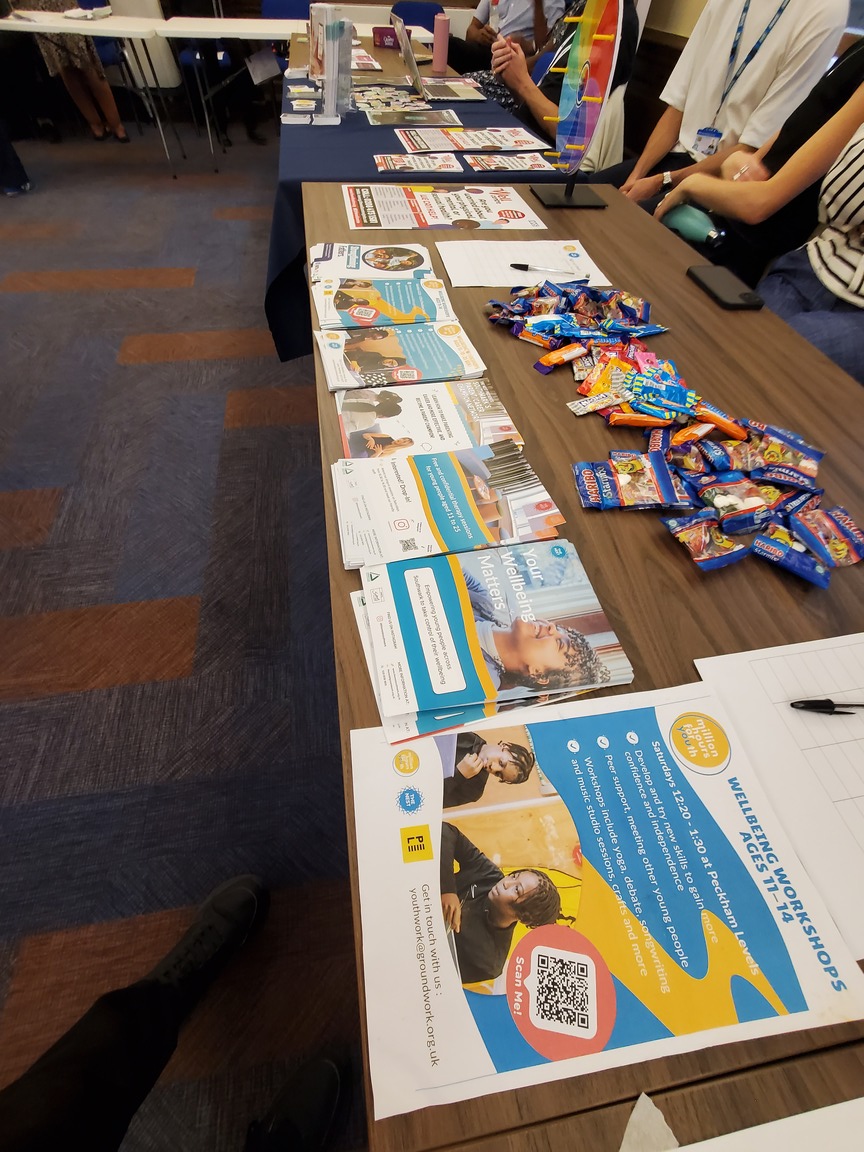
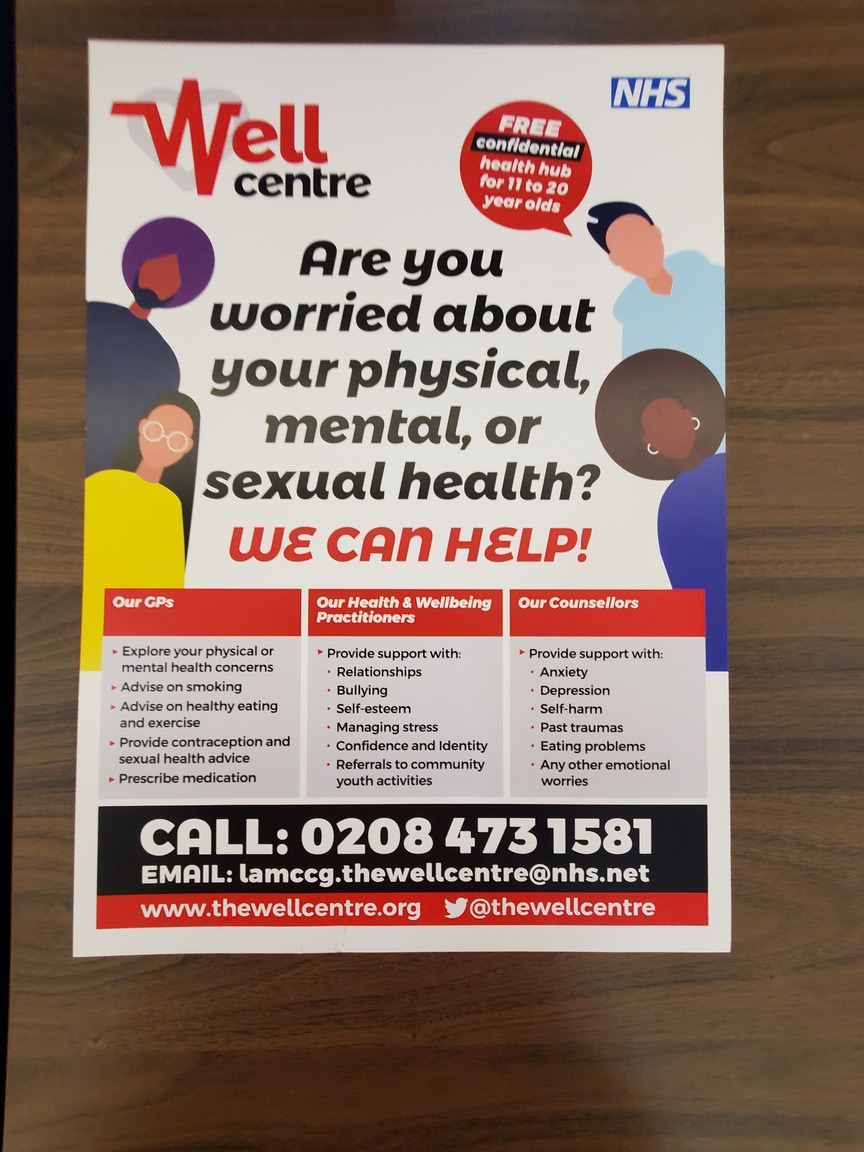
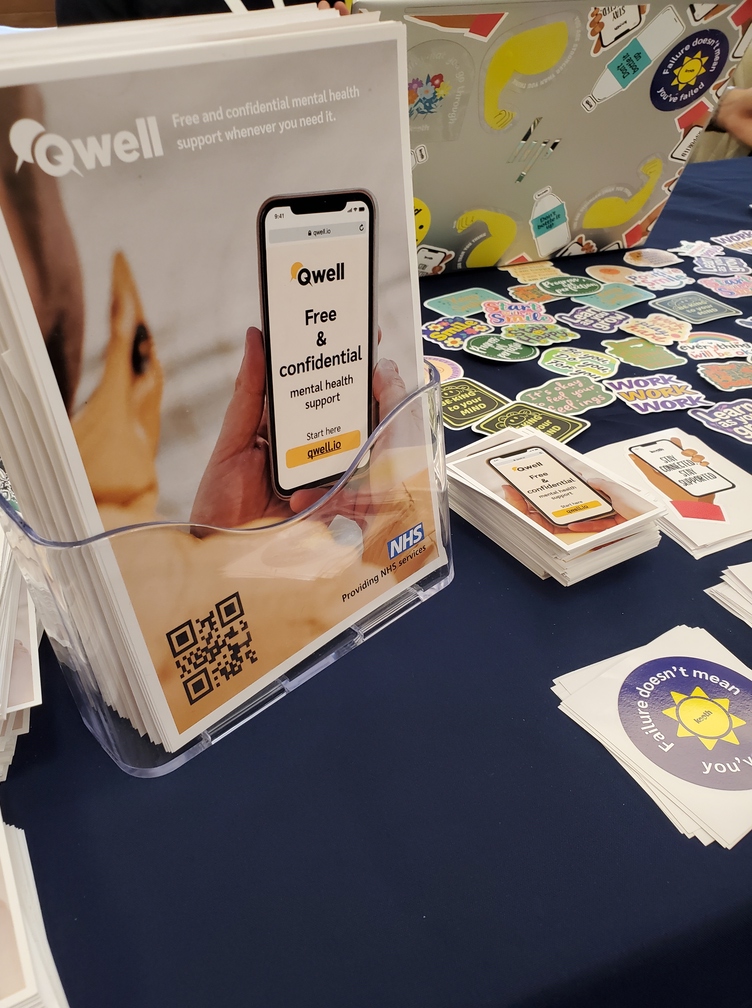
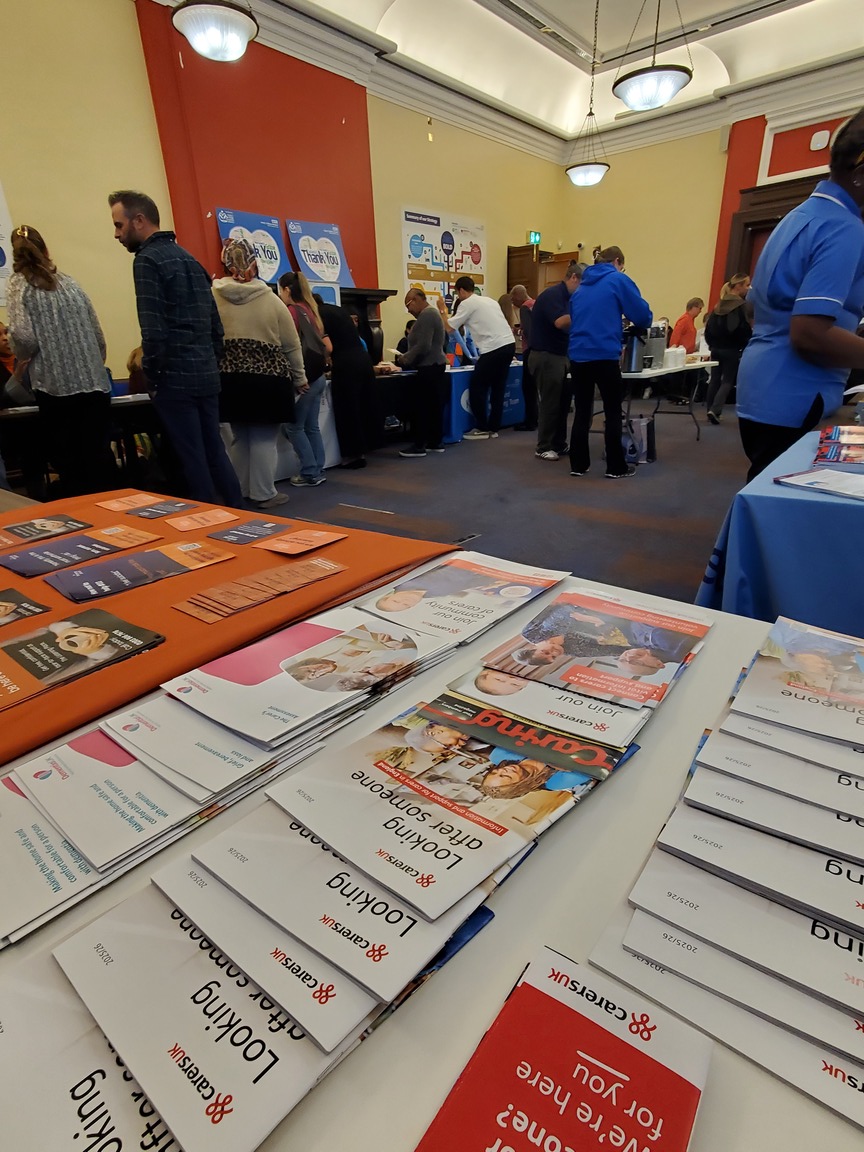
As a carer running my own stall representing Carers UK / Parkinsons UK, I had many conversations with people who wanted to learn more about the role of carers in mental health. Some carers approached me to share their personal journeys, while others expressed relief at discovering that they were not alone in their struggles.
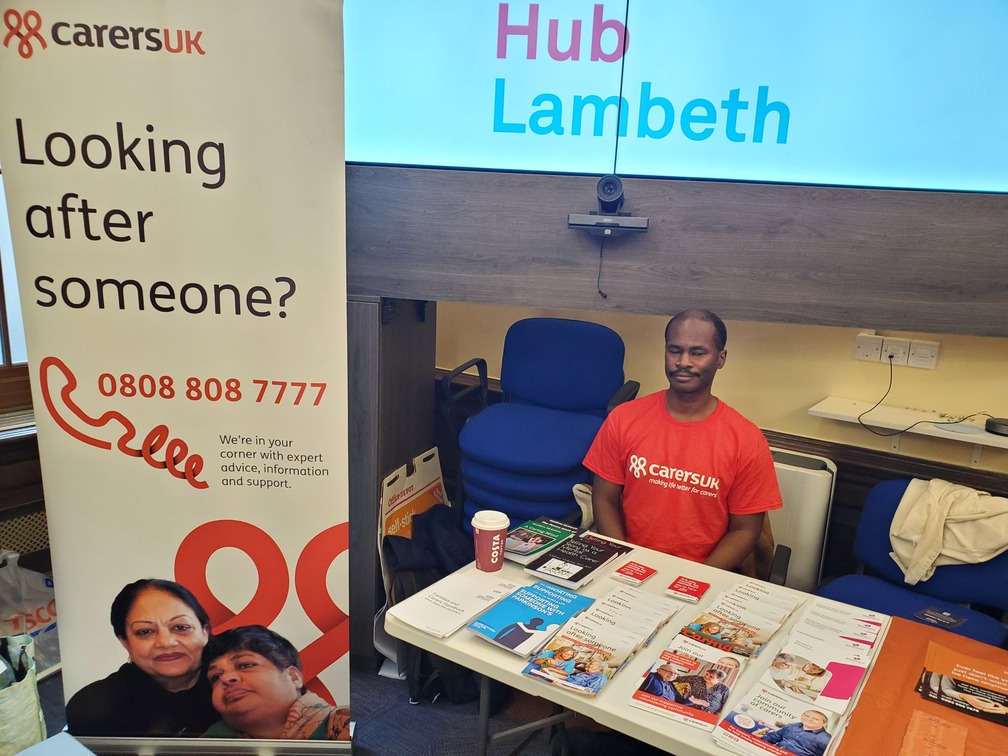
These exchanges reminded me why it is so important for carers to have visibility at events like this.
Wellbeing matters too
Another powerful theme throughout the fair was wellbeing not just for those experiencing mental health challenges, but for NHS staff, the public and carers visiting the event.
At my stall, I encouraged others to think about self-care strategies, whether that’s connecting with peer support groups, accessing local resources, or simply taking a break. I also highlighted the need for greater investment in carer support services, because when carers thrive, those they care for benefit too.
A hopeful step forward
King’s Mental Health Fair was about building bridges between staff, patients, carers, and the wider community. It was about showing that mental health is not something we face alone, but something we tackle together, with compassion and solidarity.
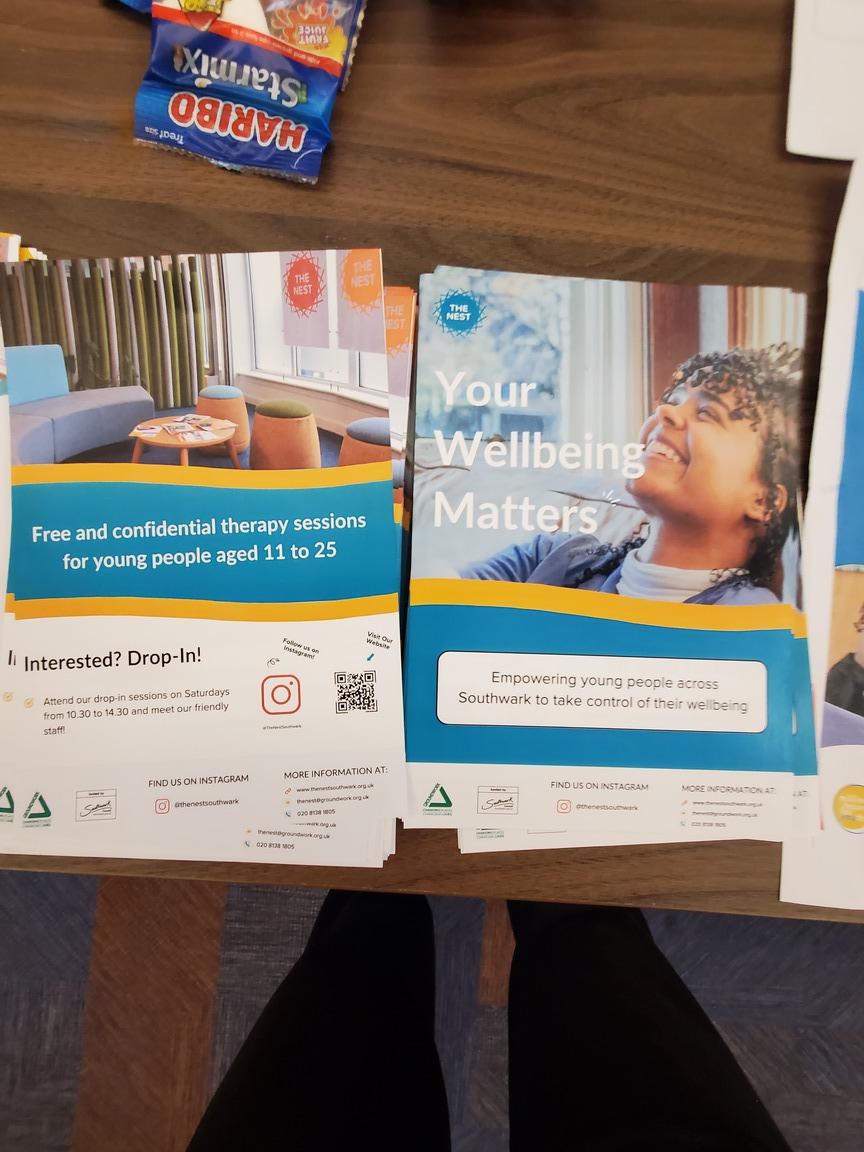
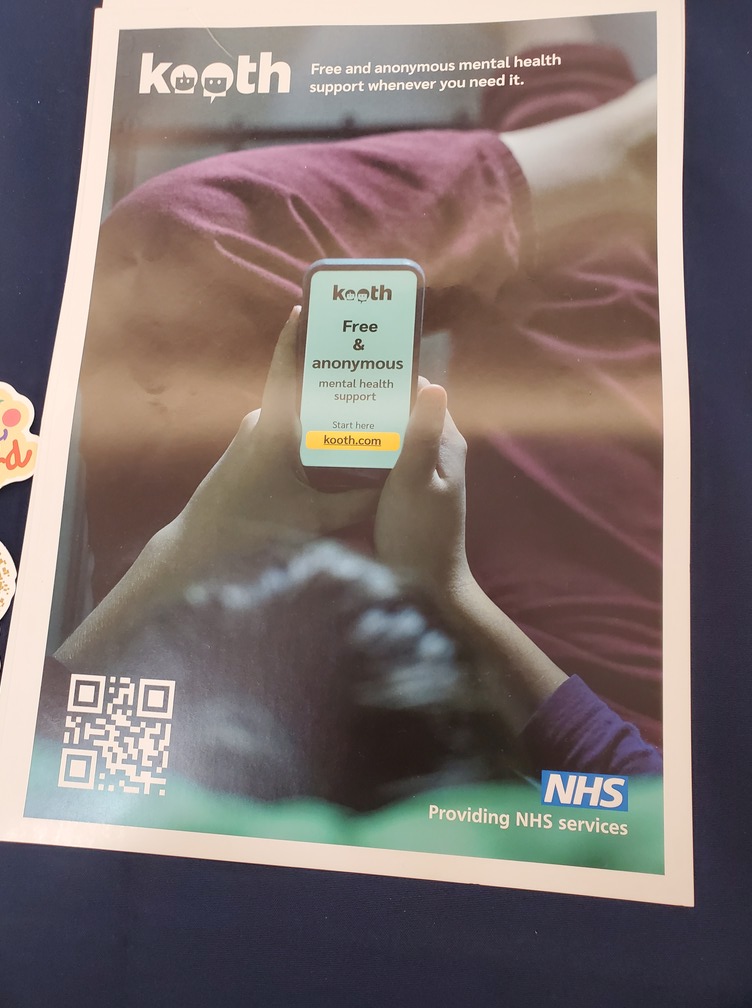
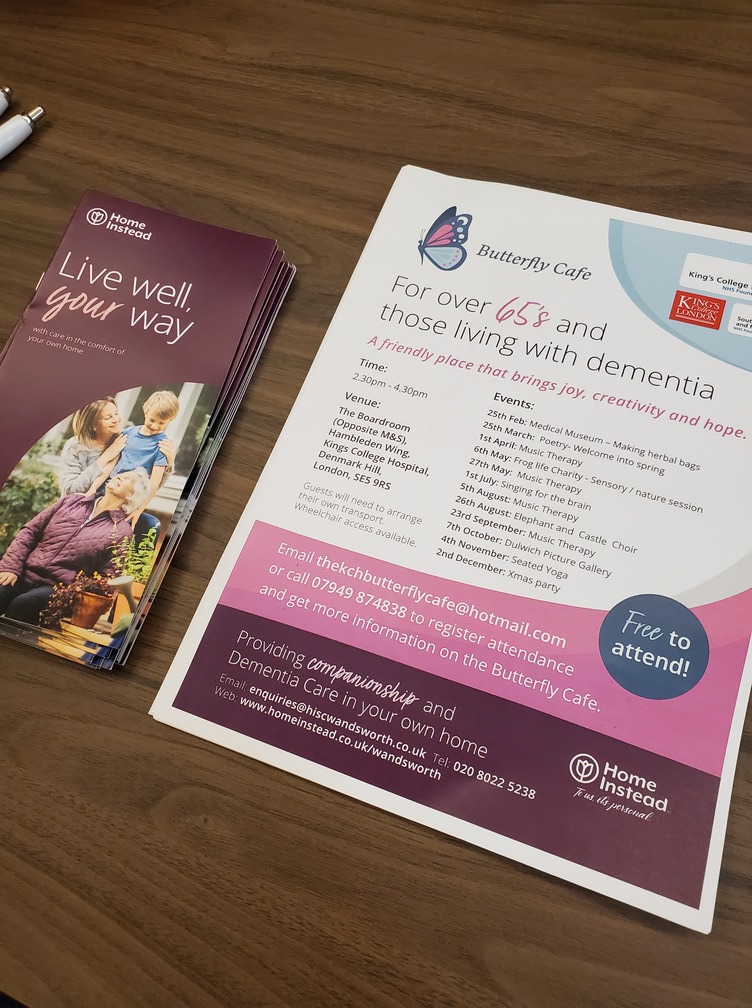
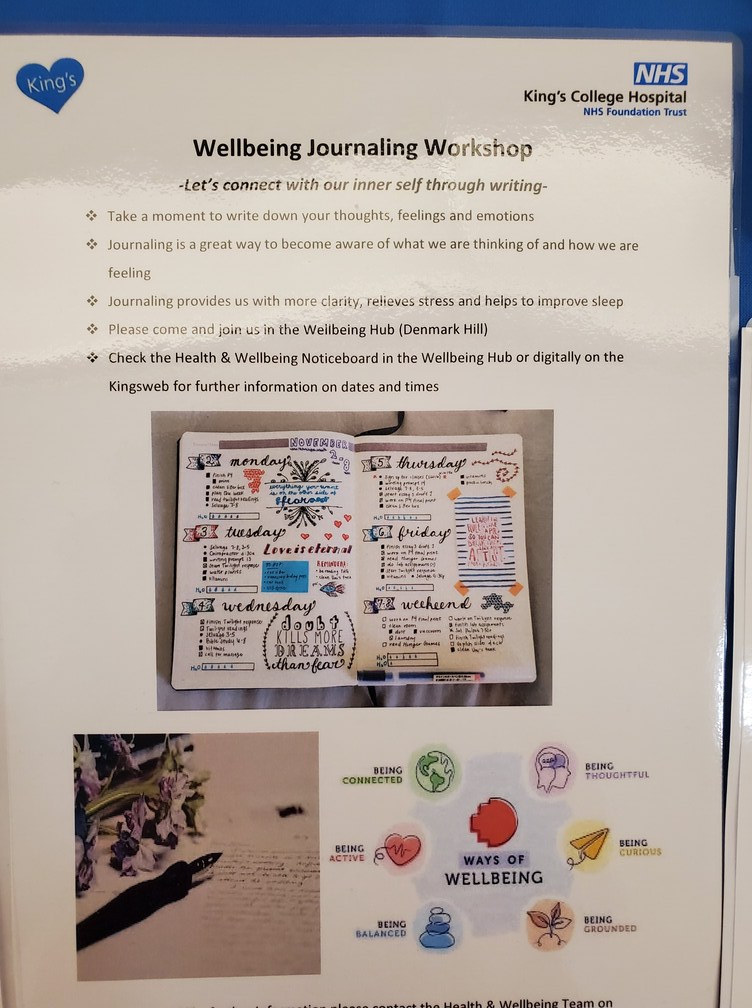
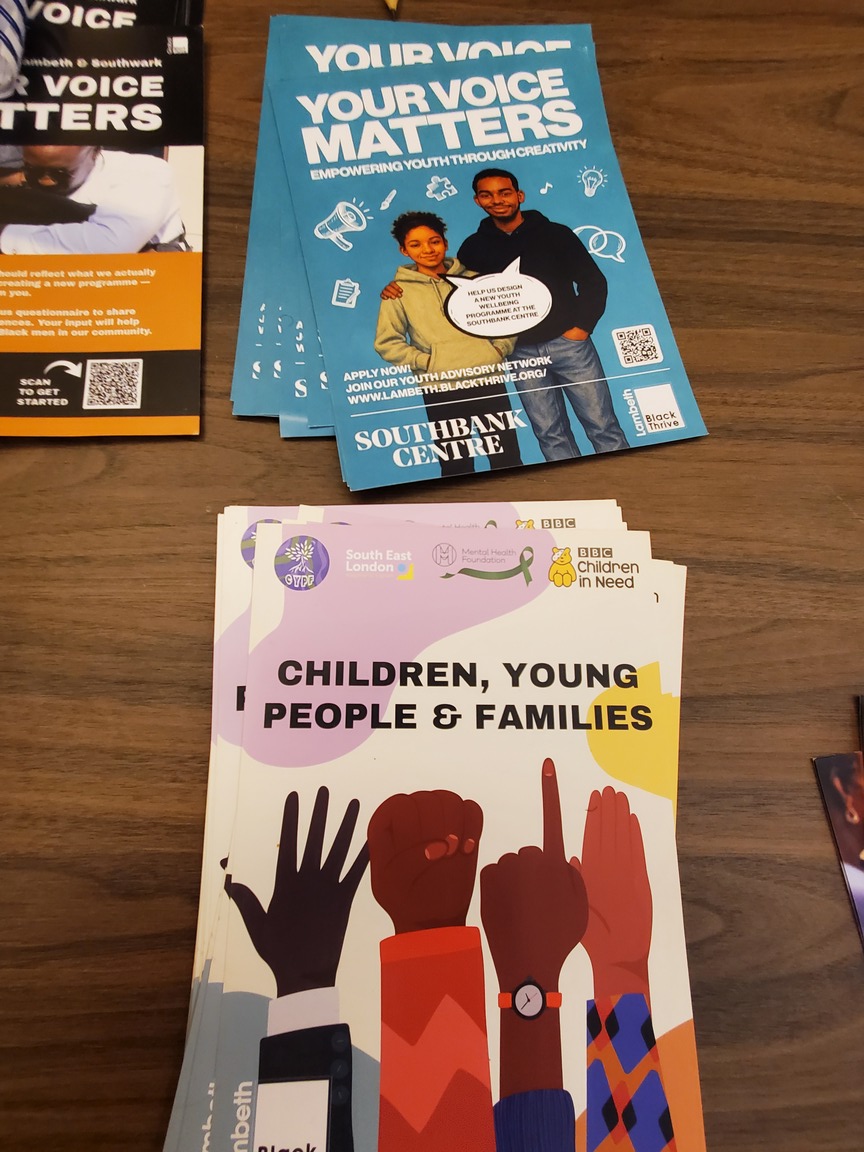
Here is a snapshot of the other stalls at the event.
Highlights from the Stalls
The Nest – Supporting Young People
There was a welcoming stall offering free confidential therapy sessions for 11–25 year olds in Southwark. Their motto, “Your Wellbeing Matters”, perfectly captured the day’s theme. Young people especially can feel overlooked, so it was encouraging to see a service that recognises the need for youth-focused mental health support.
Butterfly Café – Dementia Support
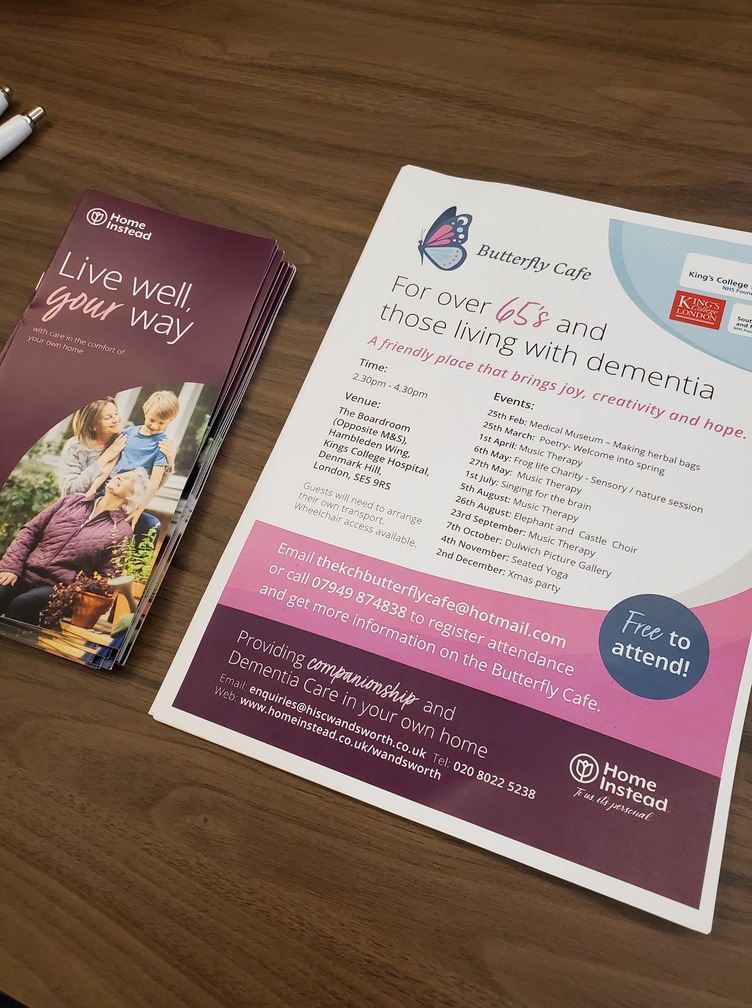
The Butterfly Café provides a warm and creative space for older adults and those living with dementia. With sessions like choir singing, art, and museum trips, they offer much-needed joy and community. Carers supporting loved ones with dementia often face isolation, and services like these can make all the difference.
Staff Psychology Service – Caring for the Carers of the NHS
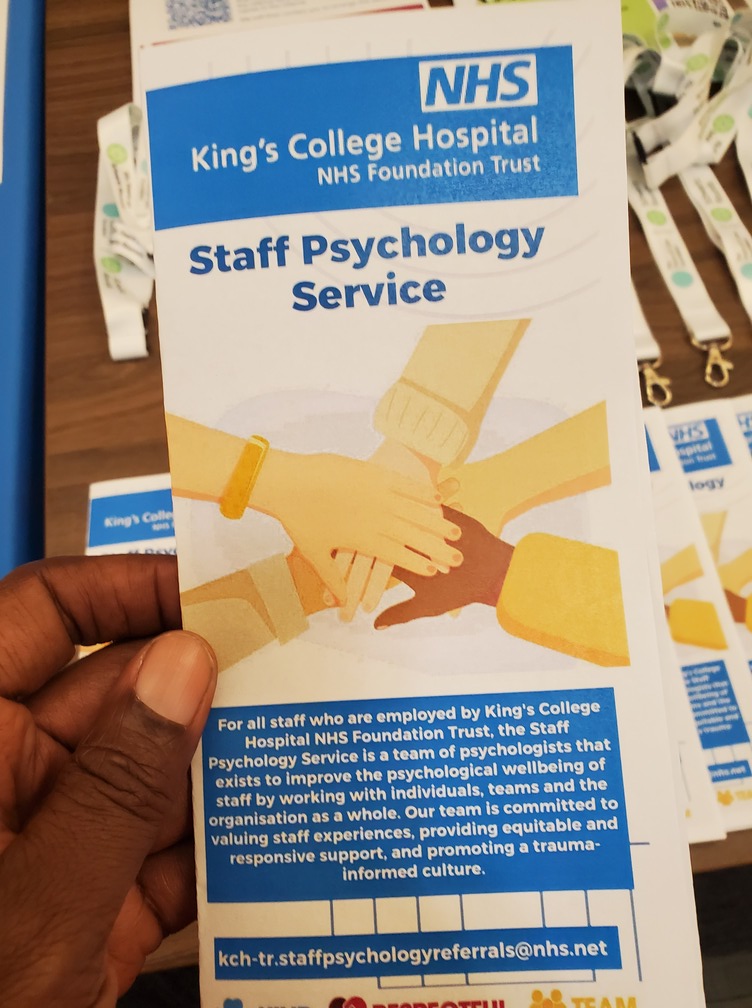
It was powerful to see King’s also focusing inward, offering support to their own staff through the Staff Psychology Service. Healthcare workers carry enormous pressure, and when they’re supported, the ripple effects benefit patients, families, and carers alike.
King’s Health and Wellbeing Team
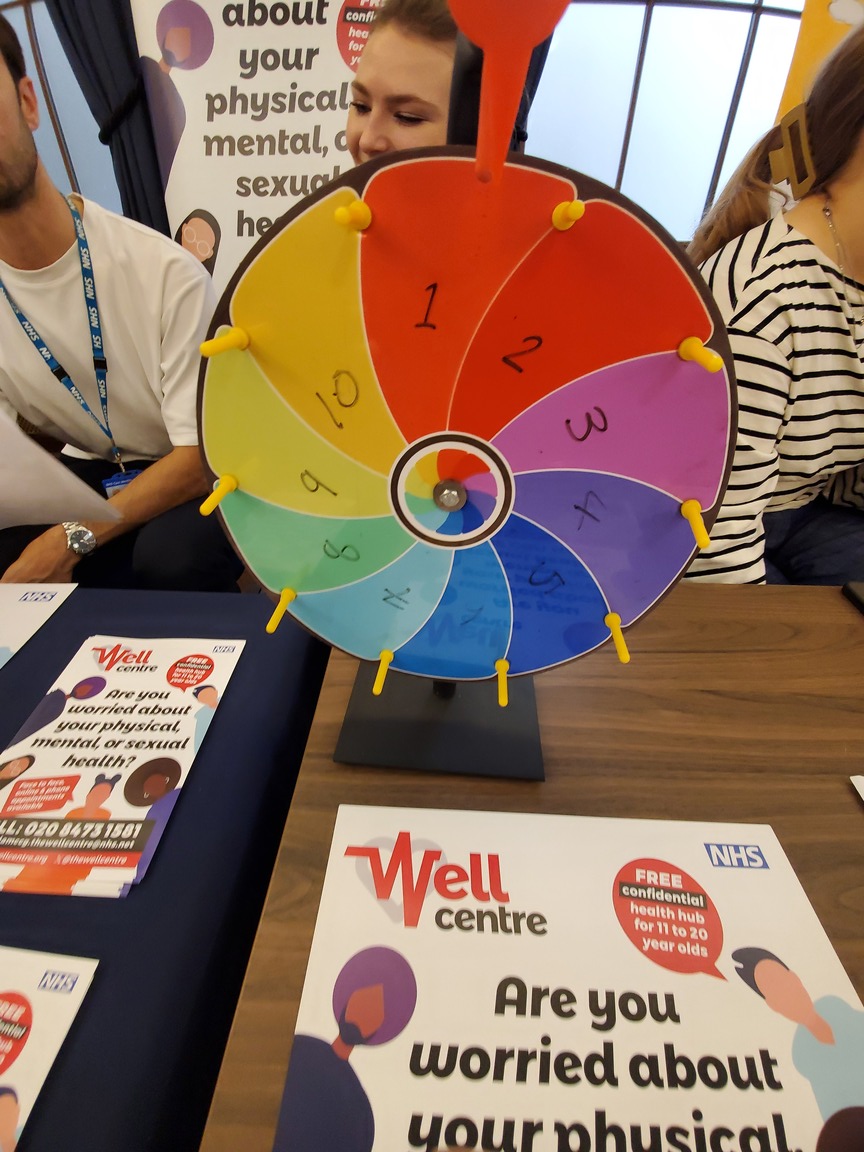
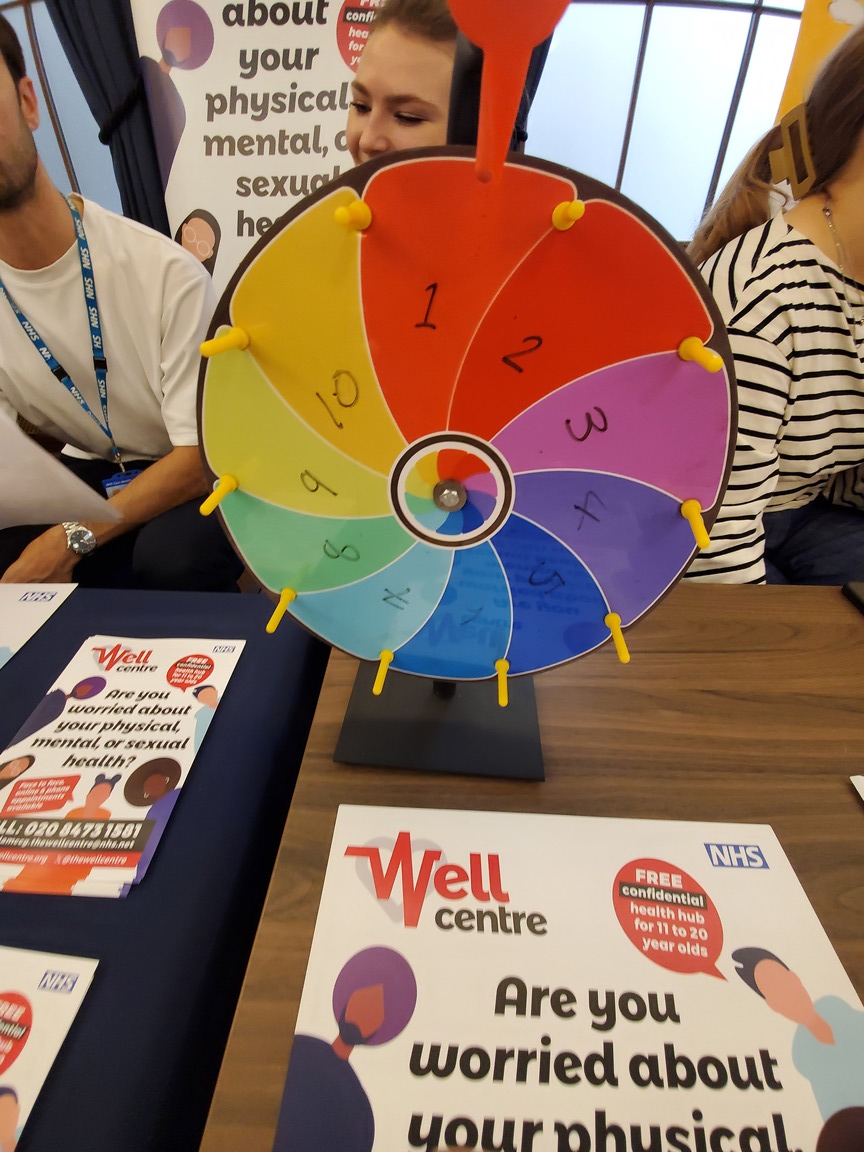
The wellbeing team had an interactive stall complete with a colourful wellbeing wheel. Their holistic approach reminded us that health covers more than just the physical—it’s about mind, body, spirit, people, and planet.
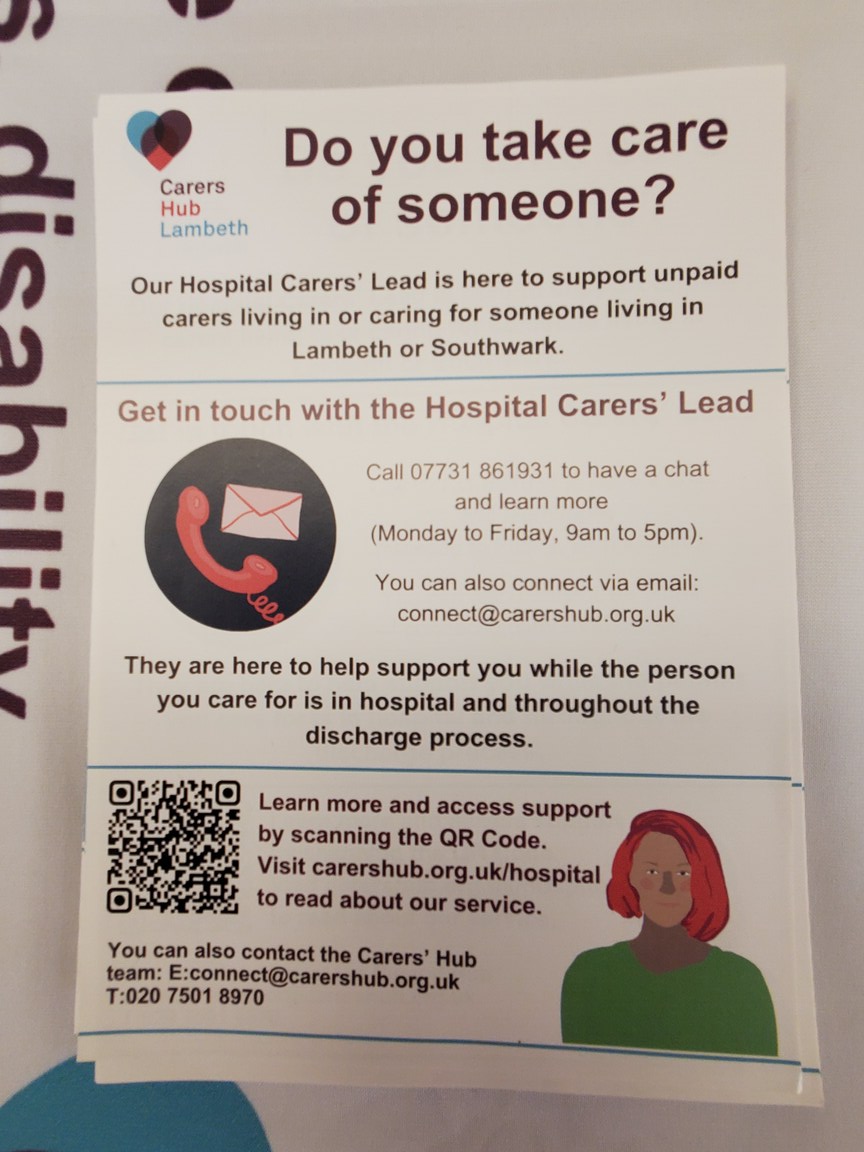
Carers Hub Lambeth
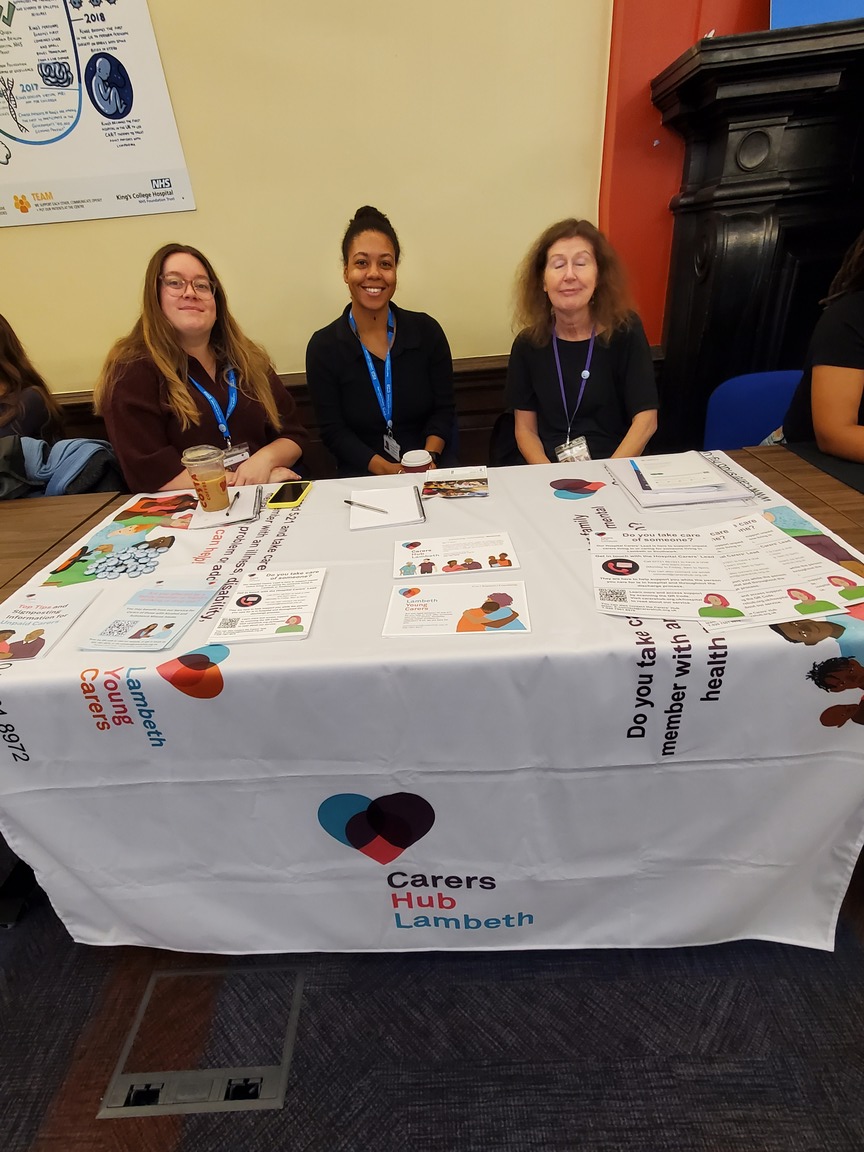
The Carers Hub Lambeth team were also present, supporting both adult and young carers. Their presence at the fair reinforced the message that carers are not invisible and that help is available locally.
Samaritans
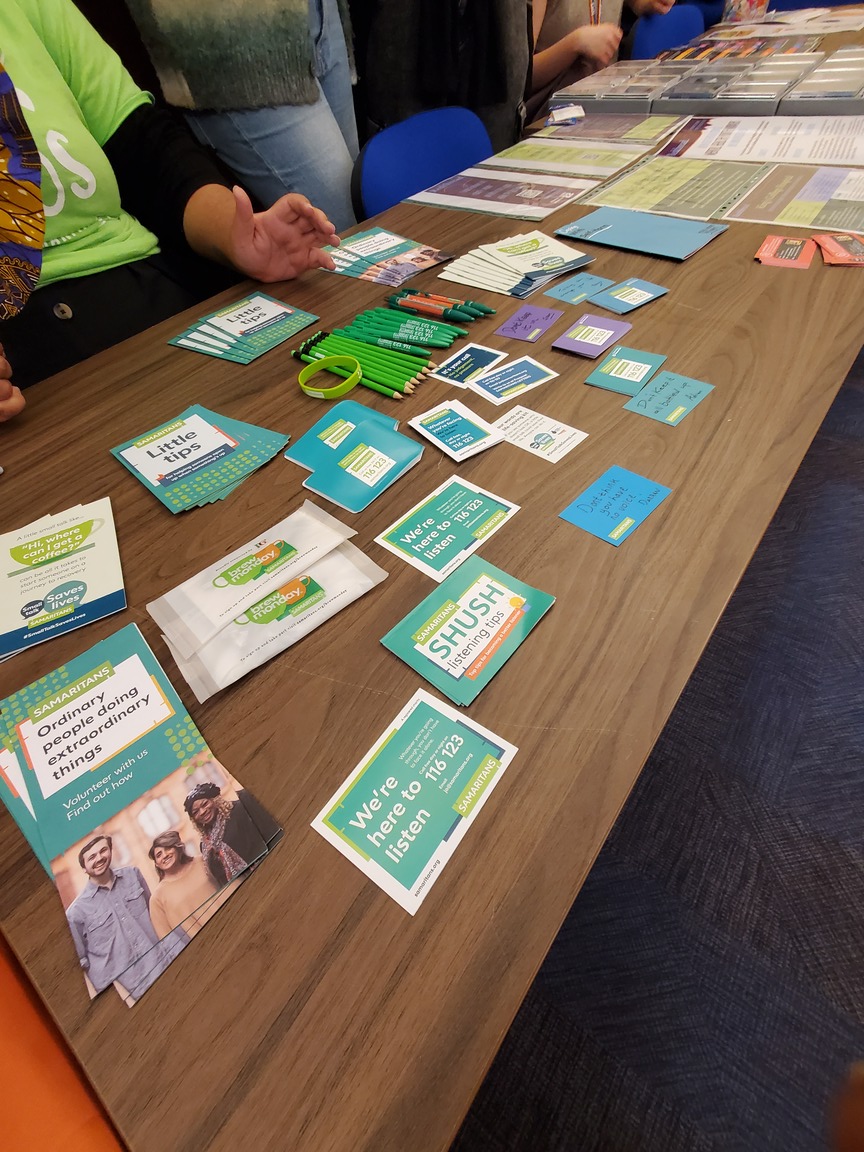
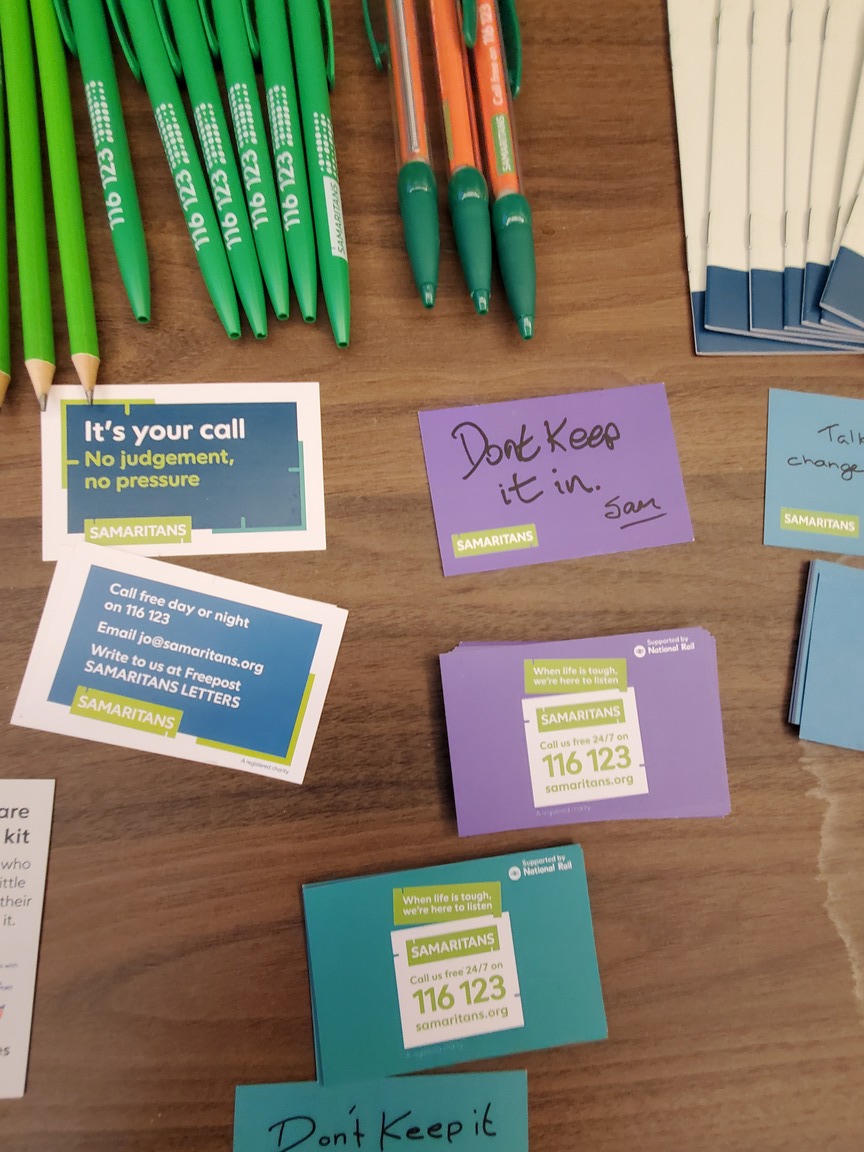
The Samaritans stall highlighted the importance of listening and being heard. Their simple, powerful message “We’re here to listen” is a lifeline for many. Carers in particular can find themselves bottling up emotions, so knowing support is only a call away matters deeply.
Redthread – Mental Health Youth Workers
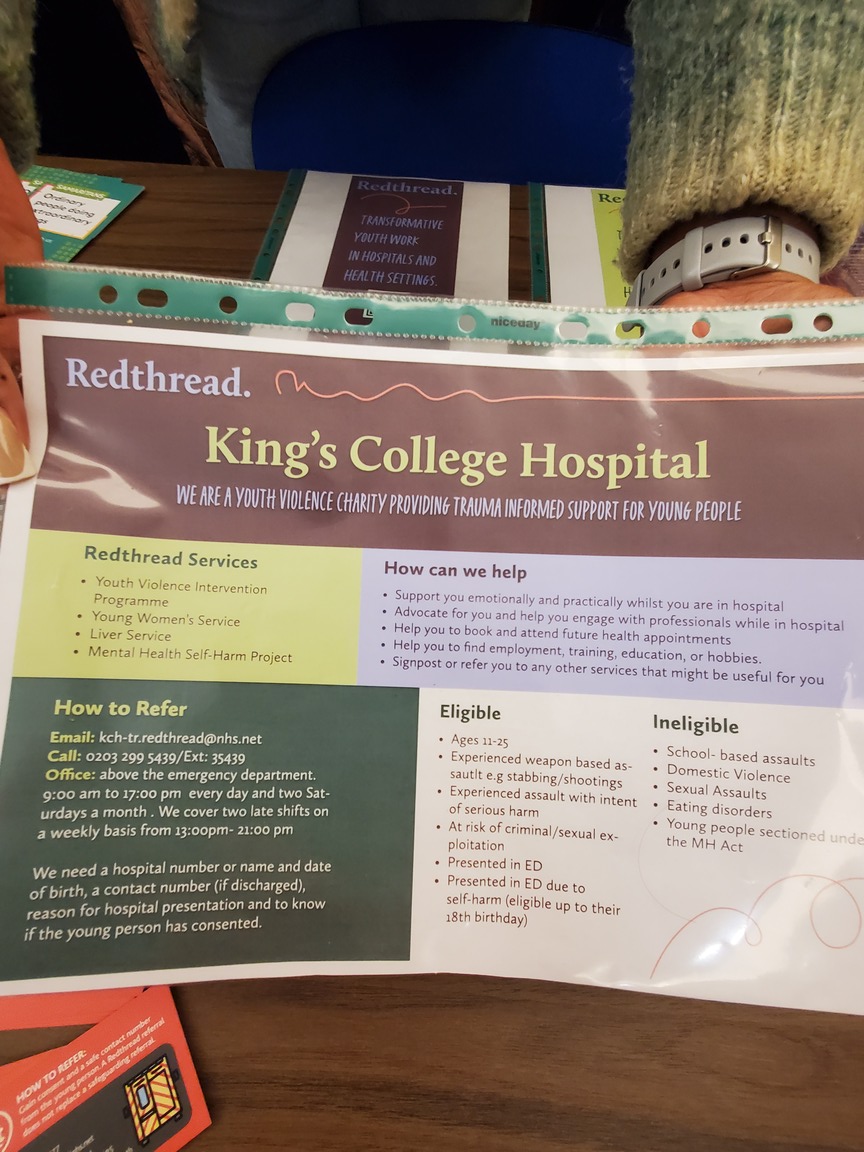
The Redthread team spoke about their work with young people in crisis. By placing youth workers in hospital settings, they provide early intervention and a safe space for young people to express themselves.
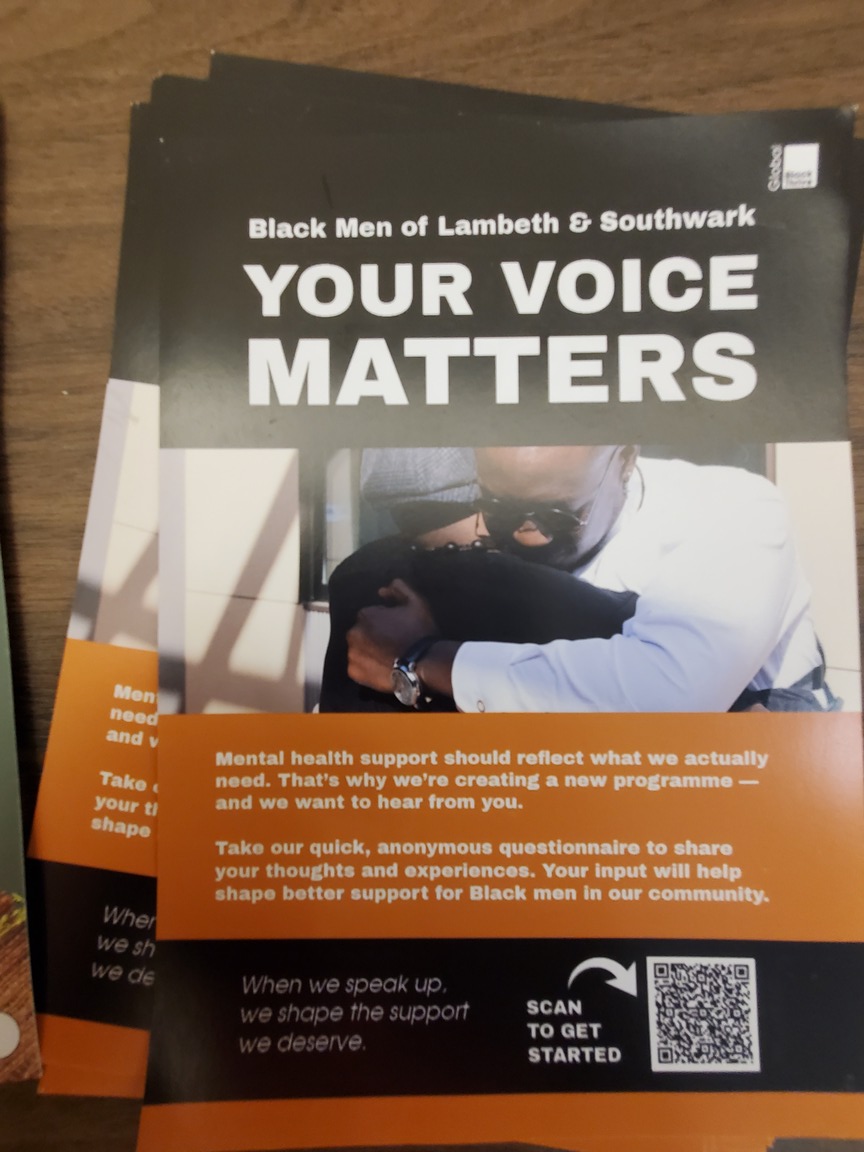
Your Voice Matters – Black Men’s Mental Health
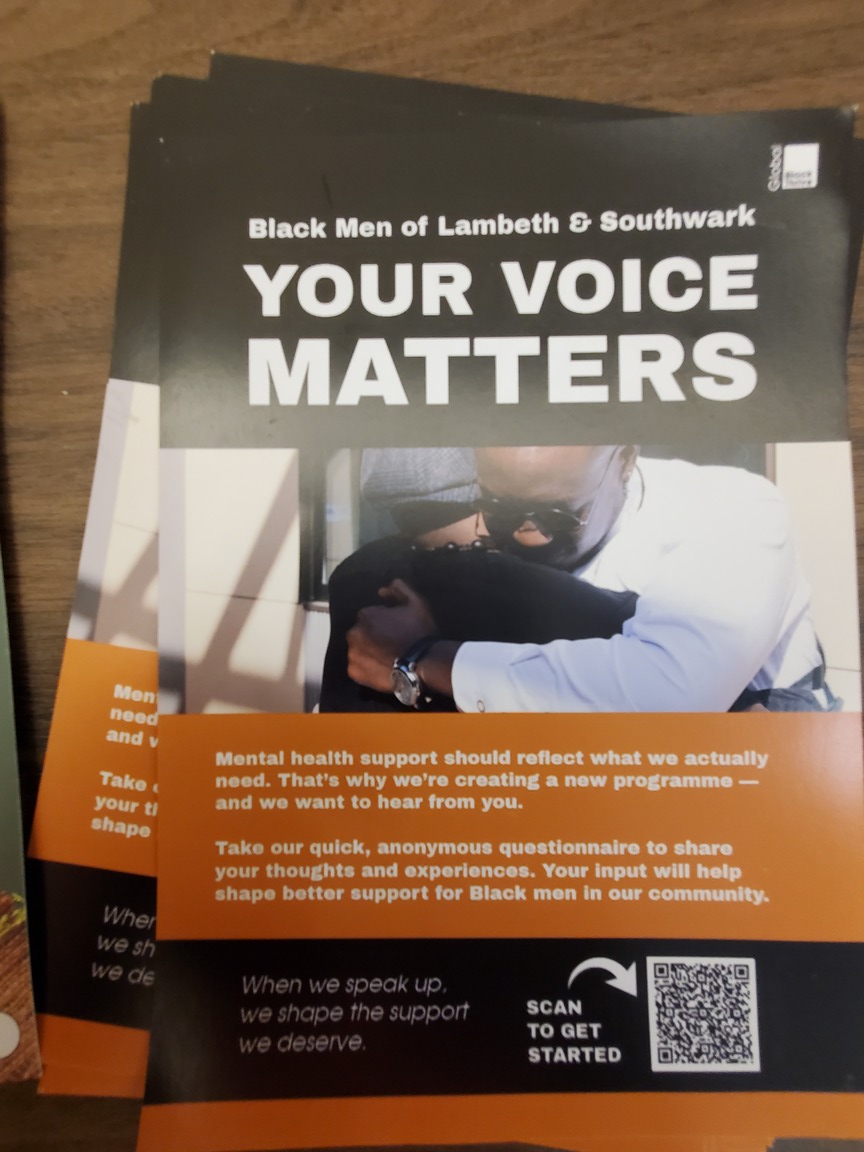
A striking stall was the Your Voice Matters campaign, which invites Black men in Lambeth and Southwark to shape the support they want and deserve. As carers, we know that cultural understanding in mental health services is vital—and this initiative is a step toward more inclusive care.
Mosaic Clubhouse
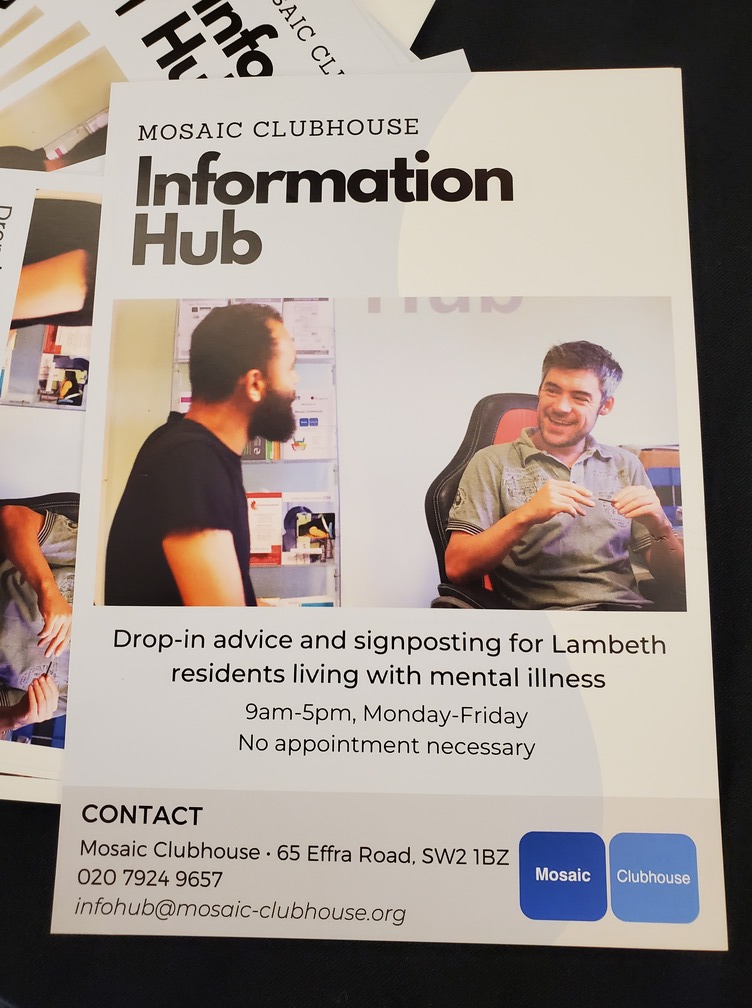
Mosaic Clubhouse brought their energy to the fair, showcasing how they provide opportunities, structure, and community for people living with mental health challenges. They also emphasised co-production, with service users playing an active role in shaping their journey.
Parkinson’s UK & Neurological Support
I also included information from Parkinson’s UK at my stall, highlighting the overlap between physical and mental health. Carers supporting people with conditions like Parkinson’s know that emotional wellbeing is just as important as physical care.
I left the event feeling hopeful that carers are becoming more recognised, hopeful that communities are stepping up to fill gaps, and hopeful that conversations around mental health continue to grow stronger each year.
 A Caring Mind