IT Officer for London School of Osteopathy and a Carer representative for Maudsley. As you can see, I have many interests shown off my blog. I hope to keep it updated with posts and more things to come soon.
Welcome back to another blog post by Matthew McKenzie. This time it is awareness of social science time. Most of the time I raise awareness of unpaid carers, especially when it comes to caring for someone with mental ill health.
As a carer of lived caring experience, being involved in the mental health system exposes you to psychology, psychiatry and even philosophy, although I was always a philosopher anyway.
It was only a matter of time before I wanted to blog about the human condition and how our environment influences our actions, especially if it comes to our mental wellbeing. Are we actually responsible for our choices? Or are these our own actions.
Check out my video on the 15 Differences Between Free Will vs Determinism
The debate between free will and determinism centers on whether human beings have genuine control over their actions or if every decision and event is predestined by prior causes. Free will emphasizes individual autonomy, proposing that people have the capacity to make choices independent of external forces or causal chains. This perspective supports the idea of personal responsibility and moral accountability, as it assumes individuals can act in ways that are not entirely dictated by genetics, upbringing, or circumstances. nature.
In contrast, determinism argues that all actions and events are the inevitable result of preceding conditions, governed by laws of nature, genetics, or environment. From this viewpoint, human behavior can be understood as the outcome of a causal chain, much like a domino effect, where every decision is shaped by prior experiences, biological factors, and external influences. Determinism challenges the notion of true autonomy, raising questions about the fairness of moral and legal judgments.
Did you know that November the 23rd is International Survivors of Suicide Loss day 2024?
The day is a time dedicated to coming together, supporting one another, and finding healing after losing loved ones to suicide. Survivor Day is an annual event that provides a safe space for individuals to share their stories and connect with others who understand the deep pain of such loss. It’s a global day of remembrance filled with activities including speaker panels, film screenings, and group discussions, all often hosted by local organizations, mental health groups, and the American Foundation for Suicide Prevention.
To see the video that I use to raise awareness, please view the video below.
Losing someone to suicide is a profoundly painful and complex experience. Healing takes time and patience, but it’s crucial to remember that you are not alone on this journey.
Here are five ways to cope and find hope after such a devastating loss.
Allow Yourself to Grieve
Grief is a natural response to losing someone you love, and it’s okay to feel a mix of emotions such as anger, guilt, confusion, and sadness. Each person’s grief process is unique, and it’s important to allow yourself to experience and process these emotions without rushing. This process can be long and non-linear; some days will be harder than others, and that’s a normal part of healing.
Seek Support
Connecting with friends, family members, or trusted individuals who can offer comfort and understanding is essential. Expressing your feelings and sharing memories of your loved one with those who care about you provides both relief and a sense of connection. Additionally, joining a support group, whether in person or online, through organizations like the American Foundation for Suicide Prevention can be incredibly beneficial. These groups provide a community of individuals who have experienced similar pain and can offer empathy and support.
Educate Yourself
Understanding mental health and the factors that lead to suicide can aid in making sense of your feelings and help reduce self-blame. It’s important to remember that mental health struggles are complex and multifaceted, and the loss of a loved one to suicide is not your fault.
Create Rituals of Remembrance
Remembering and celebrating the life of your loved one is a powerful way to cope with loss. This can be done by sharing stories, creating a memory book, planting a tree, or participating in activities they loved. Engaging in awareness events such as walks, vigils, or fundraisers in their memory can also be incredibly meaningful. These rituals provide a way to honor their memory and create a lasting legacy.
Practice Self-Care
Grieving is both physically and emotionally exhausting. Taking care of your own needs is integral to your healing process. Ensure you’re eating well, resting, and engaging in activities that bring you peace. Setting boundaries and taking breaks from conversations or situations that feel overwhelming is also essential. Be patient with yourself during this time; healing is not a straightforward process, and it’s okay to have good and bad days.
Finding Hope and Healing
On this Survivor Day, it’s important to remember that healing is possible and that hope is within reach. Together, we can find strength and comfort in our shared experiences. If you need more resources or support, please utilize the links provided in the description below. Stay connected, stay hopeful, and take care.
Survivor Day reminds us that while the journey after losing a loved one to suicide is incredibly difficult, there is a community ready to support and understand. Engaging in commemorative activities and reaching out for support are powerful steps towards healing. Always remember, you are not alone.
Welcome to another blog post by carer activist Matthew McKenzie. As a carer of someone with mental ill health, I was often interested into what affect the mind and how this can affect the human condition. It is only a matter of time before I start promoting awareness of mental health and the mind.
Insights into the mind and the human condition have fascinated thinkers, scientists, and artists for centuries, offering profound perspectives on how humans perceive, feel, and navigate the world. The mind, as the seat of consciousness, emotion, and reason, shapes our reality, influencing behavior and decision-making.
Studies in psychology, neuroscience, and philosophy reveal that the human mind is both rational and irrational, a duality that drives creativity, problem-solving, and self-awareness, but also fear, bias, and emotional conflict.
I have made a Top Ten video looking into the insights of the Mind and the impact on the Human condition.
By exploring the mind’s processes—like memory, cognition, and emotion—we gain a better understanding of what motivates people, how people respond to challenges, and how they relate to others.
This exploration reveals that while individuals are unique, shared experiences such as love, loss, and the search for meaning connect us all, forming the foundation of the human condition.
Hey there! Another blog post from Matthew McKenzie carer activist and author of “Experiences of Mental Health unpaid caring”. This post will look at the problem of carer assessments and trust me, there are many.
If you want to watch the more detailed video (26 mins). Please click below.
The Complex Landscape of Carer Assessments: Challenges and Solutions
Caring for someone with long-term ill health presents a unique set of challenges. One crucial element in ensuring caregivers receive the support they need is the carer assessment. However, the current system of carer assessments is fraught with problems. In this article, we will delve into the multifaceted issues surrounding carer assessments and explore potential solutions to make the process more effective and compassionate.
What is a Carer Assessment?
A carer assessment is designed to identify the needs of those who are providing unpaid care for someone with long-term health issues. Carers are entitled to these assessments, which should help identify their needs and the kind of support they require. However, even with the concept in place, many caregivers remain unaware of their rights or find the process of obtaining an assessment challenging.
The Problems with Carer Assessments
Lack of Awareness and Accessibility
One of the primary issues is the lack of awareness among caregivers about their rights to an assessment. Many carers do not identify themselves as such and, consequently, do not pursue the assessment they are entitled to. This gap in awareness leads to unmet needs, whether for respite care, accessing support information, or funding specific equipment to aid in their caregiving duties.
Inconsistencies in the availability and clarity of information further exacerbate the problem. The accessibility of carer assessments varies significantly across different regions, with some local authorities setting high barriers to entry. This lack of uniformity leaves many carers without the support they need.
Focus on the Person Being Cared For
Carer assessments often prioritize the needs of the person receiving care over those of the carer. This patient-centric approach, while essential, can sideline the carer’s physical, emotional, and financial well-being. In many cases, assessors might be inadequately trained, leading to an incomplete understanding of the carer’s experiences and roles. This can result in inefficient support and a lack of appreciation for the carer’s everyday challenges.
Inconsistent Implementation
The quality and scope of carer assessments can vary significantly depending on the region. While some areas manage to provide thorough and beneficial assessments, others offer superficial or rushed evaluations. This disparity is often due to the resources and training available in different regions, leading to unequal support for carers across the UK.
Inadequate Training
A significant issue lies in the training of those performing the assessments. Without adequate training, assessors may lack a comprehensive understanding of unpaid care’s emotional, financial, and health complexities. This inadequacy can lead to inappropriate recommendations or missed support opportunities for carers, especially for those from minority groups or different cultural backgrounds.
The Emotional and Practical Challenges
Feeling Judged
The process of undergoing a carer assessment can feel intrusive and judgmental. Carers may hesitate to be honest about their struggles due to fear of being labeled as unable to cope, which could lead to unwanted interventions. This fear is particularly pronounced among young carers, who may worry about the possibility of family separation if their caregiving situation is deemed inadequate.
Time-Consuming Process
Setting aside the time and energy required for a carer assessment can add to the strain carers already feel. The process is often not user-friendly, and without adequate preparation or advocacy, carers might find it difficult to articulate their needs fully. This situation can lead to rushed or incomplete assessments, making the entire exercise feel futile.
Limited Scope and Follow-Up
Many carer assessments focus on immediate needs, neglecting long-term planning and sustainable support. This short-term focus means that carers might have to repeatedly push for assessments as circumstances change, which is both exhausting and demoralizing. Moreover, there is often an inadequate follow-up after the initial assessment, leaving carers in the same position as before, with no tangible support or improvement in their situation.
Potential Solutions
Raising Awareness
One of the first steps to improving carer assessments is raising awareness about carers’ rights and the availability of assessments. Information campaigns and outreach programs can help inform carers about the support they are entitled to, encouraging them to seek out assessments.
Streamlining the Process
Simplifying the process of accessing carer assessments is crucial. This streamlining can be achieved by standardizing forms and procedures, making the process less time-consuming and more accessible. Clear information about who is responsible for conducting the assessments and how to request one should be readily available.
Improved Training
Investing in comprehensive training for assessors is vital. Training should cover the complexities of unpaid care, including the emotional, financial, and health aspects. It is also essential to ensure that assessors understand and can address the specific needs of diverse carer groups, such as young carers and those from minority communities.
Consistent Standards
Implementing national guidelines to ensure consistency and fairness in carer assessments across different regions is another necessary step. A standardized approach would help eliminate the postcode lottery effect, ensuring that all carers receive the same level of quality and support, regardless of where they live.
Focus on Action and Long-Term Support
Carer assessments should lead to tangible support and actionable steps. Regular follow-ups and adjustments to care plans as circumstances change are essential to provide continuous support. This approach would help carers feel that the assessment process is meaningful and beneficial, rather than a bureaucratic tick-box exercise.
Conclusion
Carer assessments are a crucial tool in supporting those who provide unpaid care for individuals with long-term health issues. However, the current system faces significant challenges that need to be addressed. By raising awareness, streamlining the process, improving training, implementing consistent standards, and focusing on actionable support, we can create a more effective and compassionate system that truly meets the needs of carers.
By addressing these issues, we can ensure that carers receive the support they need to continue their essential work without feeling overwhelmed, judged, or unsupported. Improving carer assessments is not just about meeting immediate needs but also about providing long-term, sustainable support that acknowledges and values the critical role carers play in our society.
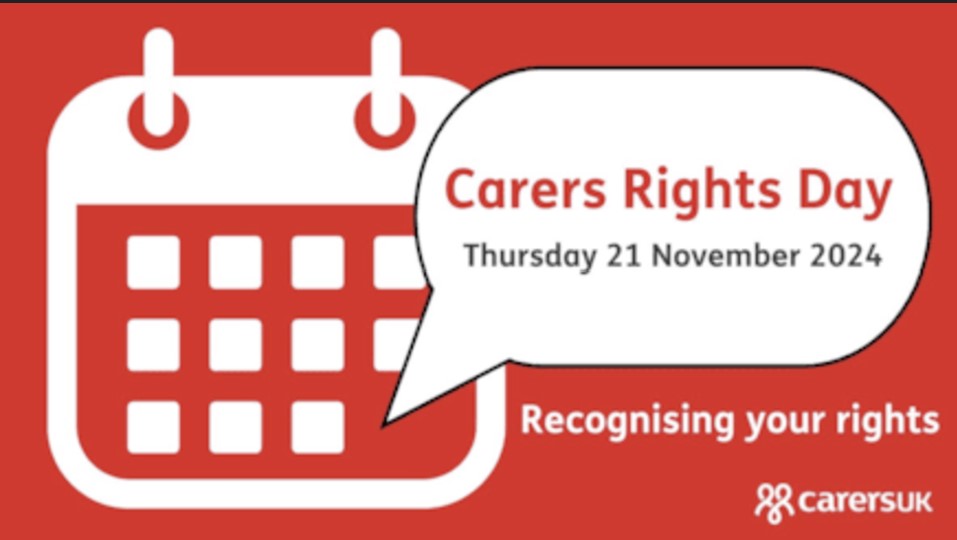
Here is another blog for to raise awareness of Carers Rights Day 2024 – Recognising your rights as a carer.
This blog is written by Carers UK volunteer Matthew McKenzie who runs many carer groups and is also a poet and author.
I have also created a video to help raise awareness of Carers Rights day.
Exploring the Importance of Carers Rights Day 2024
Carers Rights Day 2024, a significant annual event in the UK, is organized by Carers UK, a leading charity dedicated to supporting unpaid carers across the country. This day focuses on raising awareness about the legal rights, support, and resources available to unpaid carers and ensuring they can access the help they need. Traditionally held in late November, this year, Carers Rights Day will occur on Thursday, 21st November, under the theme “Recognizing Your Rights as a Carer”.
The Role of Unpaid Carers in Society
Unpaid carers play an essential role in society by providing invaluable support to family members, friends, or neighbors who cannot manage daily activities due to illness, disability, mental health issues, or old age. Despite their crucial contributions, unpaid carers often face significant challenges, including financial strain, emotional stress, and lack of recognition. Carers Rights Day is vital in shedding light on these challenges and educating both the public and carers about their rights and the available support systems.
Objectives of Carers Rights Day
Raising Awareness
One of the primary objectives of Carers Rights Day is to raise awareness about carers’ rights. This involves highlighting the critical role that unpaid carers play in society and the unique challenges they encounter. Awareness campaigns are designed to educate carers about their legal rights, encompassing financial, practical, and emotional support they are entitled to receive.
Educating Carers and the Public
Carers Rights Day aims to educate not only carers themselves but also the broader public. By informing carers about their entitlements and the support available to them, the day helps empower them to advocate for their rights and the rights of those they care for. The day is also geared towards educating society about the crucial work done by unpaid carers and the need to support them better.
Empowering Unpaid Carers
Empowering unpaid carers is another critical objective of Carers Rights Day. This is achieved by providing vital information on various entitlements, such as benefits, workplace rights, and access to health and social care services. By understanding their entitlements, carers can feel more confident in seeking the support they need and advocating for themselves and those they care for.
Access to Benefits and Support Services
Carers are often unaware of the full range of benefits and support services available to them. On Carers Rights Day, information sessions and workshops are held to educate carers about these resources. This could include details on financial aid, respite care options, and mental health support, all of which are crucial in ensuring carers can continue to provide high-quality care without sacrificing their well-being.
Influencing Policy Change
Carers Rights Day also aims to influence policy changes that will improve the lives of unpaid carers. By encouraging conversations about necessary policy adjustments, the event aims to engage organizations, policymakers, and communities in recognizing and supporting unpaid carers. This advocacy is crucial for driving systemic changes that can lead to better support and recognition for carers nationwide.
Engaging Policy Makers and Organizations
The day provides an opportunity to engage with policymakers and organizations, urging them to consider the unique needs of carers when designing and implementing policies. By involving these stakeholders, Carers Rights Day can foster a more inclusive and supportive environment for unpaid carers, encouraging initiatives that can significantly improve their quality of life.
Activities and Events on Carers Rights Day
Information Sessions and Workshops
Throughout the country, various activities and events will be held to raise awareness about the rights of unpaid carers. These may include information sessions and workshops hosted by local authorities, NHS health organizations, and charities. These sessions aim to educate carers and the public about the support available and how to access it.
Local Authorities and Health Organizations
Local authorities and NHS health organizations play a pivotal role during Carers Rights Day by hosting events that educate carers about their rights and available resources. These organizations can provide insights into local support services, advice on navigating the healthcare system, and information on how carers can claim their entitlements.
Support Clinics and Drop-In Sessions
Support clinics and drop-in sessions are organized to provide carers with the opportunity to ask questions and seek advice from professionals. These sessions offer a personal touch, addressing individual concerns and guiding carers on how to manage their unique situations.
Personalized Support and Advice
Personalized support is essential for carers dealing with specific challenges. Drop-in sessions aim to offer tailored advice, covering various issues such as managing stress, accessing financial support, and understanding workplace rights. These sessions provide a crucial support network, enabling carers to feel less isolated and more confident in their roles.
Campaigns and Advocacy
Carers Rights Day also features numerous campaigns, both online and offline, to amplify the voices of unpaid carers. Advocacy efforts aim to raise public awareness and generate broader support for carers’ rights.
Online and Offline Campaigns
Campaigns conducted both online and offline help spread the message about the importance of supporting unpaid carers. Social media campaigns, public service announcements, and community outreach programs all contribute to raising awareness and encouraging societal support for carers.
Events Hosted by Care Centers and Charities
Care centers and charities often host events to commemorate Carers Rights Day, further raising awareness about the essential role of unpaid carers and the challenges they face. These events can include workshops, information sessions, and community gatherings aimed at providing support and resources to carers.
Collaboration with Carer Centers
Collaboration with care centers ensures that carers are connected to essential services and support networks. Events hosted by these centers typically focus on providing practical advice, emotional support, and opportunities for carers to connect with others in similar situations.
Conclusion
Carers Rights Day 2024 stands as a crucial event dedicated to recognizing, supporting, and empowering unpaid carers. By raising awareness, providing essential information, and advocating for policy changes, Carers Rights Day aims to improve the lives of carers across the UK. Whether through information sessions, support clinics, or advocacy campaigns, the day offers various ways for carers to access the resources and support they need to continue their vital work. As a society, understanding the importance of unpaid carers and the challenges they face is paramount in ensuring they receive the recognition and support they deserve.
Welcome to another blog post by carer activist and author Matthew McKenzie. This time I thought to do a short blog about something that often intrigues me.
How art can reflect mental health or mental illness. I have done a video of Top 20 artworks about mental illness.
If you want to check out the video, please check below.
The video provides information about the artwork and artist on how mental illness inspired the work.
Welcome to another blog post by Carer activist and author Matthew McKenzie, volunteer of Carers UK.
In this blog post you can learn why unpaid carers lack essential rights and how understanding and advocating for these rights can empower carers to improve their quality of life and protect those they care for. Discover the importance of lobbying, engaging with media, and participating in awareness campaigns to drive policy changes for unpaid carers.
To watch the indepth video lecture (44 minutes). Click to view the video below.
For this blog post, Matthew delves into the often-overlooked world of unpaid carers and explore why it’s crucial for them to understand their rights and well-being. As we approach Carers Rights Day 2024, it is a pertinent time to highlight the challenges faced by the millions of unpaid carers in the UK and other parts of the world. These individuals provide care for relatives, friends, or neighbors with long-term illnesses, and their role is indispensable yet challenging due to a lack of adequate rights and support.
The unpaid Carers’ Challenge
Financial Hardship
One of the most glaring issues for unpaid carers is financial support, or rather, the lack thereof. Unpaid carers, by definition, do not receive payment for their services, leading to significant financial strain. While some financial support is available through carers’ allowances, these are often insufficient and heavily scrutinized. Many carers find themselves embroiled in legal issues when claiming these benefits, exacerbating their financial insecurity.
Employment Rights and Flexibility
Despite the introduction of the Carers Leave Act 2024, which grants some rights to flexible working, much needs to be done. Employment protection and flexibility for carers are limited, with many facing harassment or pay cuts due to their caregiving responsibilities. The need for robust employment policies that safeguard carers’ rights is evident.
Lack of Respite Care
Respite care is crucial to prevent carer burnout, yet it has become increasingly scarce due to funding cuts. The high cost of respite care means that many carers, especially those not working, cannot afford it. Without adequate respite care, carers risk their mental and physical health deteriorating.
Health Care Access
The current healthcare system is predominantly patient-centered, often neglecting the health needs of carers. Unpaid carers face challenges in accessing healthcare for themselves, including regular check-ups and mental health support. Despite some protective measures, such as flu and COVID-19 vaccinations for carers, comprehensive health care access remains limited.
Social Inclusion and Isolation
Caring responsibilities often result in social isolation and exclusion from community activities, negatively impacting carers’ mental well-being. Though technology can offer some relief through virtual connectivity, it is not a panacea, particularly for those unable to afford it.
Legal Recognition and Support
The fact that caregiving is unpaid means that it often goes unrecognized legally. Services and the community may take carers for granted, providing little to no support and failing to inform them of their rights. Early intervention and legal recognition are crucial in ensuring carers receive the support they need.
Educational and Personal Development
Caring responsibilities can severely disrupt education for young carers and hinder personal development for adult carers. The lack of time and resources makes it difficult for carers to pursue educational or career opportunities, stalling their future prospects.
Mental Health Support
Mental health support for carers is critically inadequate, with many carers unaware of available resources or how to access them. Isolation, lack of social inclusion, and insufficient health care severely impact carers’ mental well-being.
Rights Carers Currently Have
Carers’ Assessment
Carers have the right to a carers’ assessment, which helps document their situation and needs. Although essential, many carers report that these assessments often result in little to no tangible support, making the process seem futile.
Carers’ Allowance
While carers’ allowance exists, it is fraught with issues, including restrictive eligibility criteria and the risk of punitive action against claimants. The allowance, as it stands, is minimal and controversial, insufficient to alleviate financial strain.
Rights to Flexible Working
The Carers Leave Act 2024 provides the right to flexible working, though it is limited and not uniformly enforced across the country. Advocacy for increased hours and broader implementation is necessary for meaningful support.
Rights to Respite Care
Carers have the right to respite care, though it is increasingly difficult to access due to high costs and stringent criteria. Ensuring carers can take breaks from their roles is vital to prevent burnout.
Protection from Discrimination
Carers are protected from discrimination, though many are unaware of this right. Discrimination in caregiving roles is vast and complex, and the lack of HR resources for carers makes it challenging to identify and address such issues.
Right to Information and Support Services
Carers have the right to information and support services, though access is limited by the inadequacy of trained staff and the lack of comprehensive dissemination of information.
Rights to Health and Well-being Support
Carers have the right to support for their own health and well-being, including check-ups and mental health services. However, these services are not readily accessible, and many carers are unaware of their rights to such support.
Educational Support for Young Carers
Young carers have the right to educational support, though accessing it remains a challenge. Ensuring that young carers can pursue their education without undue disruption is crucial for their development.
The Importance of Understanding Carers’ Rights
Understanding their rights can empower carers to advocate for themselves and the people they care for. Knowledge of their rights can improve their quality of life by ensuring they receive proper treatment, support services, and protection from discrimination. It enables carers to make informed decisions and seek legal advice when necessary.
Legal Protections and Support
Legal protections rooted in human rights principles, such as financial support and workplace regulations, are essential. Carers who understand these protections are better equipped to access available resources and advocate for their needs.
Reducing Social Isolation
Human rights principles emphasize social participation and inclusion, which are often limited for carers due to their responsibilities. Understanding these rights can help carers advocate for policies and support systems that promote inclusion and reduce social isolation.
Advocacy for Systematic Change
Aligning with human rights principles can help carers join larger advocacy movements, strengthening calls for systematic change. It can include campaigning for social safety nets, legal protections, and mental health support.
Lobbying for Carers’ Rights
Joining or Supporting Carer Organizations
Organizations like Carers UK and Carers Trust offer valuable resources and advocacy channels. They provide templates for contacting MPs and collect data through surveys to lobby for carers’ rights effectively.
Contacting Government Representatives
Carers can reach out to MPs and government officials to discuss the challenges they face and advocate for their rights. Being proactive is essential in ensuring carers’ issues are recognized and addressed.
Engaging with Media
Media engagement can amplify carers’ voices and raise public awareness about their rights and challenges. Participating in interviews, writing articles, and using social media platforms can draw attention to carers’ issues.
Participating in National Awareness Events
Events like Carers Week and Carers Rights Day offer opportunities to advocate for carers’ rights and raise awareness. Engaging in these events helps build a history of advocacy and increases focus on carers’ rights.
Utilizing Social Media
Social media platforms like Twitter, Facebook, and Instagram are powerful tools for raising awareness and advocating for carers’ rights. Sharing stories and engaging with advocacy organizations can help amplify carers’ voices.
Collecting and Sharing Testimonials
Sharing personal stories and experiences can highlight the wide range of issues faced by carers, making advocacy efforts more impactful. Initiatives like podcasts and video interviews can provide platforms for carers to share their stories.
Petitioning for Policy Changes
Petitioning for policy changes is a crucial step in advocating for carers’ rights. Signing petitions from organizations like Carers UK and Carers Trust helps build support for policy changes that benefit carers.
Conclusion
Empowering carers through knowledge of their rights is essential for their well-being and the well-being of those they care for. By advocating for their rights and participating in larger movements, carers can contribute to systematic changes that provide better support and recognition of their invaluable roles. As we approach Carers Rights Day 2024, let us remember the importance of supporting unpaid carers and ensuring their rights are respected and upheld.
As someone who has lived experience of caring for a close relative who lived with Diabetes, I took it upon myself to raise awareness on World Diabetes day 2024. This blog and video is by carer activist Matthew McKenzie, also volunteer for Carers UK and part of the London Cancer community of Macmillan Cancer Support.
If you wish to watch my short video to learn about the global campaign on World Diabetes Day. See Below.
In this blog post, you can learn about the global campaign on World Diabetes Day to increase awareness, educate on symptoms, promote prevention, and support research for better treatments and a cure. Plus find ways to get involved in activities and initiatives to aid diabetes prevention and management.
Raising Awareness: World Diabetes Day 2024
World Diabetes Day, observed annually on November 14th, serves as a global awareness campaign aimed at increasing understanding of diabetes and the issues faced by those affected by the condition. This significant day was established in 1991 by the International Diabetes Federation and the World Health Organization in response to the growing health threat posed by diabetes. The goals of World Diabetes Day are multifaceted, focusing on awareness, education, prevention, access to treatment, advocacy, and support for research. Let’s delve deeper into these critical aspects to understand the importance of this day and how you can contribute.
Understanding the Goals of World Diabetes Day
Increase Awareness
One of the primary objectives of World Diabetes Day is to increase awareness about diabetes. This involves educating the general public about the condition, its symptoms, prevention methods, and the importance of early diagnosis. Raising awareness helps in demystifying diabetes, reducing stigma, and promoting a collective effort towards a common cause.
Educate on Symptoms and Prevention
Knowledge is power, especially when it comes to managing health conditions like diabetes. World Diabetes Day strives to educate people on the symptoms of diabetes, which can often go unnoticed until they become severe. By promoting awareness of these symptoms, individuals can seek medical advice sooner, leading to early diagnosis and better management.
Prevention is equally important, particularly for type 2 diabetes. The campaign emphasizes lifestyle changes, such as maintaining a balanced diet, regular exercise, and stress management, which can significantly reduce the risk of developing type 2 diabetes.
Importance of Early Diagnosis
Early diagnosis of diabetes is crucial for preventing complications and managing the condition effectively. World Diabetes Day campaigns stress the importance of regular health check-ups and monitoring of blood sugar levels. Early detection allows for timely intervention, which can prevent or delay complications such as cardiovascular disease, nerve damage, and kidney issues.
Improve Access to Treatment
Affordable and quality care for all people with diabetes is a cornerstone goal of World Diabetes Day. This involves advocating for better healthcare policies and increased funding for diabetes care, ensuring that individuals, regardless of their economic status, have access to necessary treatments and medications.
Advocate for Affordable and Quality Care
World Diabetes Day also emphasizes the need for policy changes at both local and global levels. Advocacy efforts aim to influence healthcare policies to ensure that diabetes care is affordable and of high quality. This includes pushing for the availability of essential medications, including insulin, and ensuring that healthcare systems can support people living with diabetes.
Promote Prevention
Preventing diabetes, especially type 2, is a significant focus of World Diabetes Day activities. By encouraging a healthier lifestyle that includes a balanced diet, regular physical activity, and stress management, the campaign aims to reduce the incidence of diabetes globally. Public health initiatives and community programs play a crucial role in promoting these lifestyle changes.
Support Research
Supporting research is vital for the advancement of diabetes treatment and technology, and ultimately, finding a cure. World Diabetes Day encourages individuals and organizations to donate to or volunteer for research initiatives. Continued research not only aids in the development of new treatments but also enhances the understanding of diabetes, leading to better management strategies.
Encourage Advancements in Technology
Technological advancements in diabetes treatment have been revolutionary, from insulin pumps to continuous glucose monitoring systems. World Diabetes Day promotes the adoption and development of such technologies, aiming to improve the quality of life for those living with diabetes. These advancements can make management easier and more efficient, allowing for better control over the condition.
Foster Community Support
Community support is integral to managing diabetes. World Diabetes Day activities often include educational workshops, health screenings, campaigns, and fundraising initiatives. These efforts create a sense of community, providing resources and support to those affected by diabetes and their families.
Types of Activities on World Diabetes Day
Educational Events, Workshops, and Seminars
Educational events such as workshops and seminars are a staple of World Diabetes Day. These events are designed to inform people about diabetes management and prevention strategies. Health professionals often lead these sessions, providing valuable insights and answering questions from the community.
Health Screenings
Health screenings are another crucial activity associated with World Diabetes Day. Community centers, clinics, and organizations frequently offer free blood sugar testing and counseling. These screenings can help identify individuals at risk, providing them with necessary information and guidance on managing their health.
Campaigns and Fundraising Initiatives
Campaigns and fundraising initiatives are essential for supporting diabetes research and providing resources for those affected by the condition. These initiatives can range from community walks and runs to social media campaigns and donation drives. The funds raised play a significant role in advancing diabetes research and supporting public health programs.
Lighting Landmarks Blue
The blue circle is the global symbol for diabetes awareness. On World Diabetes Day, landmarks around the world are often illuminated in blue to show support for diabetes awareness. This visual representation serves as a powerful reminder of the global effort to combat diabetes and show solidarity with those affected by the condition.
How to Participate in World Diabetes Day
Spread Awareness
One of the simplest yet most impactful ways to participate in World Diabetes Day is to spread awareness. Use social media platforms to share facts, resources, and personal stories related to diabetes. Engaging in conversations online can help reach a broader audience and inspire action.
Organize or Attend Events
Participating in or organizing local or virtual diabetes awareness events is another excellent way to contribute. These events can range from educational workshops to community health fairs and fundraising activities. By engaging in these events, you can help spread important information and support those affected by diabetes.
Support a Healthier Lifestyle
Taking steps toward a healthier lifestyle is a proactive way to honor World Diabetes Day. This includes eating a balanced diet, incorporating regular exercise into your routine, and managing stress effectively. By making these positive changes, you not only reduce your own risk of developing type 2 diabetes but also set an example for others in your community.
Support Research Organizations
Supporting organizations dedicated to diabetes research is another meaningful way to participate. This can be done through donations or volunteering your time. These organizations play a crucial role in advancing our understanding of diabetes and developing new treatments and, eventually, a cure.
Conclusion
World Diabetes Day is an essential global campaign that addresses the growing health threat posed by diabetes. By increasing awareness, educating the public, promoting prevention, improving access to treatment, and supporting research, World Diabetes Day aims to make a significant impact on the lives of those affected by diabetes. Your participation can make a difference, whether through spreading awareness, attending events, adopting healthier lifestyle choices, or supporting research initiatives. Together, we can work towards a world where diabetes is managed effectively and, ultimately, prevented.
Welcome to another blog post from Carer activist Matthew McKenzie. THis is a blog post I always wanted to do, since for many years I been running carer groups. If you want to watch the in-depth version regarding carer peer groups, you can watch the hour long video below.
In this blog post, you can explore the diverse landscape of caregiver peer support groups, focusing on building resilience, skill-sharing, and overcoming stigma. You can also discover how these groups provide a safe space for growth, learning, and healing through shared experiences.
Understanding Carer Peer Groups
Carer peer groups are an essential, yet often misunderstood aspect of caregiving. Despite their complexities, they offer a lifeline to many caregivers, providing much-needed support, understanding, and personal growth opportunities. These groups are not just spaces for venting or sharing the challenges of caregiving; they serve a multitude of functions aimed at enhancing the lives of caregivers.
What Are Carer Peer Groups?
At their core, carer peer groups are a collection of individuals, typically caregivers, who share common characteristics and experiences. They come together with specific interests, interact in ways that foster support, understanding, and personal growth. These groups are more than just social gatherings; they are structured environments where caregivers can develop resilience, accountability, and coping skills.
The Importance of Emotional Support
Building Emotional Resilience
One of the primary functions of care peer groups is providing emotional support. Caring for a loved one can be isolating and emotionally draining. Groups focused on emotional support aim to reduce this isolation and help caregivers build coping skills. These groups facilitate a space where caregivers can explore their emotions, such as trauma, anxiety, isolation, depression, and anger. By doing so, they help mitigate the risks of developing mental health issues.
Encouraging Personal Growth
Emotional support groups go beyond mere conversation. They encourage self-discovery and growth, helping caregivers reduce the stigma associated with their role. These groups work to build a sense of community, providing a platform for storytelling and healing. The goal is to turn emotional struggles into opportunities for growth and resilience.
Mutual Aid and Resource Sharing
Collaborative Problem Solving
Another critical type of carer peer group is the mutual aid carer group. These groups are all about collective action and shared responsibility. Caregivers come together to offer advice, support, and understanding based on their shared experiences. They advocate for social change and share resources, knowledge, and skills to better manage their caregiving duties.
Developing Lifelong Skills
Resource-sharing carer groups focus on maximizing the use of resources and skills among caregivers. These groups encourage practical support, such as helping with everyday tasks, and foster a culture of giving and gratitude. By doing so, they help create strong, supportive networks that caregivers can rely on.
The Role of Accountability
Creating a Culture of Accountability
Accountability is a crucial element in many carer peer groups. These groups ensure that caregivers remain motivated and responsible in pursuing their personal and professional goals. They offer consistent check-ins and progress reviews, helping caregivers stay focused and committed.
Encouraging Empathy and Understanding
Accountability groups also emphasize the importance of empathy and understanding. By fostering a non-judgmental environment, these groups help caregivers build compassionate connections and develop deep listening skills. This creates a supportive space where caregivers can feel safe expressing their thoughts and feelings.
Promoting Empathy and Safe Spaces
Safe and Non-Judgmental Environments
Creating a safe, non-judgmental space for caregivers is essential. These groups provide an environment where individuals can freely express themselves without fear of criticism or harm. The focus is on healing and recovery, reducing isolation, and promoting self-compassion.
Enhancing Communication Skills
Such groups put a high priority on confidentiality and empathy, which are vital for building trust among members. They work to improve communication and interpersonal skills, helping caregivers better navigate their caregiving roles and manage conflict within their relationships.
Empowering Caregivers
Building Confidence and Resilience
Caregiver empowerment groups focus on fostering a sense of control and belonging among caregivers. They promote resilience and encourage caregivers to overcome obstacles. These groups help build strong social networks and challenge social norms, providing tools and resources for skill development.
Encouraging Personal Development
These groups often serve as networks of encouragement, where members motivate each other to achieve their goals. They focus on building confidence, self-belief, and resilience through peer mentorship and role modeling. This helps caregivers take on leadership roles and further their personal development.
Specialized Carer Groups
Alternative Therapy and Recovery
Some carer peer groups focus on alternative therapies, providing non-professional and voluntary alternatives to traditional therapy. These groups might use methods such as art therapy, mindfulness practices, or peer coaching. They aim to enhance communication skills and offer a space for healing through creative expression.
Problem Solving and Growth
Problem-solving care groups help caregivers brainstorm solutions to common challenges using shared experiences. They encourage critical thinking and offer emotional and motivational support. These groups also focus on resilience building, helping caregivers develop emotional agility and self-awareness.
Conclusion
Carer peer groups play a vital role in supporting caregivers. They offer emotional support, facilitate resource sharing, promote accountability, create safe spaces, empower individuals, and provide specialized support. These groups are complex and require significant effort to establish and maintain. However, their benefits far outweigh the challenges. By participating in care peer groups, caregivers can find the support, understanding, and personal growth they need to continue their vital roles.
Despite their complexities, carer peer groups are essential in fostering a supportive environment for caregivers. They provide the tools and resources necessary for caregivers to thrive, ultimately enhancing the overall quality of care provided to their loved ones. As the demand for caregiving continues to grow, the importance of these groups cannot be overstated.
Another blog post from Matthew McKenzie, author of “Race, caring and mental health”. In this post, Matthew explores the depressing results of top health inequality reports from 8 organisations.
If you want to watch the more detailed version of this post, then watch the video below, where you can explore the profound disparities in healthcare faced by ethnic minorities, revealed through key reports from NHS, Public Health England, CQC, and more. The video also presents the impact on mental health, maternity care, chronic diseases, and access to healthcare services.
Understanding Health Inequalities in the UK
Health inequalities have been a longstanding issue, particularly affecting various minority groups. These disparities in health outcomes are alarming and have become increasingly scrutinized, especially following the emergence of the COVID-19 pandemic. Matthew McKenzie, a carer activist and volunteer, delves into these pressing issues, focusing primarily on mental health and maternity care within minority communities. In this article, we’ll explore the findings from various reports and organizations concerning health inequalities in the UK and the urgent need for systematic reforms to achieve equitable health outcomes for all.
Health Inequalities: A Persistent Issue
The discussion about health inequalities is not new. Health disparities have been documented long before the recent revamping of the Mental Health Act, dating back to the initial implementation of the Act in 1983. Despite various efforts to address these issues, significant inequalities remain, affecting a wide range of services including mental health, maternity care, and primary care.
Focus on Minority Groups
Health inequalities do not solely affect ethnic minorities. They also encompass groups such as the LGBTQ+ community, travelers, and even certain regional populations within the country. However, the emphasis often lies on ethnic minorities due to the distinct challenges they face.
Key Findings from Health Inequality Reports
Several organizations have conducted extensive research to document and understand the health disparities present in the UK. These reports consistently highlight the unequal treatment and outcomes experienced by minority groups.
NHS Race and Health Observatory Report
In 2022, the NHS Race and Health Observatory released a comprehensive report on ethnic disparities in health services:
Mental Health: Black adults are more than four times as likely to be detained under the Mental Health Act compared to white adults. Ethnic minorities also face higher rates of coercion, including being restrained and put in seclusion.
Maternity Care: Black women are four times more likely to die during pregnancy or childbirth compared to white women. Asian women are almost twice as likely to face similar fates.
Primary Care Access: Ethnic minorities report greater difficulties in accessing GP services and obtaining referrals for tests and treatments, leading to a lack of trust in healthcare services.
Public Health England Review on COVID-19
The impact of the COVID-19 pandemic has further exposed underlying health inequalities:
Mortality Rates: The death rates from COVID-19 were significantly higher among Black, Asian, and minority ethnic groups compared to white groups. Black men were 3.3 times more likely to die from COVID-19 than white men. Similarly, Bangladeshi and Pakistani communities were twice as likely to die from the virus.
Socio-Economic Factors: Ethnic minorities were more likely to be in frontline jobs and live in overcrowded housing, increasing their vulnerability to COVID-19.
Systematic Inequalities: The pandemic highlighted the systematic inequalities in access to health services, with ethnic minorities suffering higher risks due to socio-economic disadvantages and pre-existing health disparities.
Marmot Review on Health Inequalities (2010-2020)
The Marmot Review, followed by its 2020 update, explored health inequalities across the UK, focusing on how deprivation, ethnicity, and other social determinants affect life expectancy and health outcomes:
Life Expectancy Gap: Ethnic minorities, particularly black and South Asian populations, face lower life expectancy and higher rates of chronic conditions compared to white populations.
Social Determinants: Ethnic minorities are disproportionately affected by poor housing, low income, unemployment, and education disparities, which contribute to long-term health inequalities.
Care Quality Commission (CQC) Reports
The CQC has consistently highlighted inequalities in accessing and receiving healthcare:
Mental Health Care: Black and other ethnic minority groups are more likely to be subjected to compulsory mental health treatment and face challenges in accessing early support.
Discrimination and Communication Barriers: Language barriers, cultural misunderstandings, and institutional racism contribute to poorer health experiences for ethnic minorities.
Organizations Addressing Health Inequalities
Various organizations are actively working to address these disparities and promote equitable health outcomes:
The Race Equality Foundation
The Race Equality Foundation has published several studies highlighting the experiences of ethnic minorities within the NHS:
Poor Health Outcomes: Ethnic minorities are more likely to report poorer health outcomes, delayed diagnoses, and negative experiences within NHS services.
Language and Cultural Barriers: Language barriers and the lack of culturally appropriate services lead to worse health conditions for ethnic minorities, particularly in accessing dementia care services.
NHS Workforce Race Equality Standard
The NHS Workforce Race Equality Standard focuses on the experiences of staff from ethnic minority backgrounds:
Discrimination Among Staff: Ethnic minority staff, particularly black and South Asian healthcare professionals, report higher levels of discrimination, harassment, and bullying, which can affect the quality of care provided to patients.
Impact on Patient Care: Discriminatory treatment of ethnic minority staff may be linked to poorer outcomes for ethnic minority patients, as staff experiencing racism are less engaged and less able to deliver high-quality care.
The Need for Systematic Reforms
The consistent and robust findings from these reports underscore the urgent need for systematic reforms to address health inequalities:
Institutional Racism: Addressing institutional racism within healthcare settings is critical to ensuring equitable treatment and outcomes for all patients.
Cultural Competence: Improving cultural competence and language services within healthcare can help bridge communication gaps and provide more culturally sensitive care.
Socio-Economic Supports: Addressing socio-economic disparities, including housing, income, and education, can reduce long-term health inequalities and improve overall health outcomes for minority groups.
Inclusive Policies: Developing inclusive policies and practices within healthcare institutions can foster a more supportive environment for both patients and healthcare staff.
Conclusion
Health inequalities remain a significant challenge in the UK, disproportionately affecting minority groups. Despite various efforts and reports highlighting these disparities, there is still much work to be done. Addressing these inequalities requires a comprehensive and systematic approach, focusing on institutional racism, socio-economic factors, and cultural competence within healthcare services. Only through sustained and concerted efforts can we hope to achieve equitable health outcomes for all, ensuring that everyone has access to the care and support they need.


























































 A Caring Mind