Hello fellow carers. New blog from Matthew McKenzie
I have a new research project for those from ethnic backgrounds to get involved in.
This research study is to understand the occupational experiences of unpaid BAME unpaid mental health carers. Occupation refers to the purposeful activities that ensure individuals have a sense of identity and live independently.
What is the purpose of the study?
Using the OPHI-II semi-structured interview will provide an exploration of the occupational choices, critical life events, daily routine, occupational roles and environment of the BAME mental health caregivers. This will provide insight into the respective communities’ occupational experiences.
For more details you can contact Halima Ali Email: 2051364@brunel.ac.uk or see poster below.
Welcome back to a quick update of my carer groups and forums. I have resorted to doing a brief update due my current projects raising carer awareness. As of this moment, I am writting fiction carer stories. You can check out my YouTube channel to view those stories. I have around 13 more stories focusing on caring for someone with mental illness, I will then work on stories focusing on caring for someone with cancer and follow that up with a book.
Until then, here are my updates below.
Lewisham Mental Health carer forum
For my Lewisham MH carers forum we had engagement from Mina Hadi who have lived experience of mental health. She is the service user representative for the Patient Carer Race Equality Framework over at East London NHS Foundation Trust.
Mina would have attended my ethnic carer forum, but there was a clash, so we agreed she can present at my Lewisham carer forum. I often say to members of my carer group to network. This is vitally important if carer members are involved in a community project. This is why I try to link up with other groups involved in increasing equity for ethnic minorities using mental health services.
Mina talked about the importance of PCREF and how East London NHS FT is working towards reaching out to marginalised groups. These being diverse ethnic groups, refugees, asylum seekers, the homeless and the LGBTQ community. All are vulnerable to mental illness due to discrimination, stigma and lack of support. Mina talked about what needs to be done and work in progress.
The next speaker was Dr Georgina Charlesworth from University College London.
She is the Associate Professor in Research Department of Clinical, Educational and Health Psychology.
Her main focus is on dementia where she has wrote a number of papers. Some are shown below
Living alone and risk of dementia: A systematic review and meta-analysis
Befriending carers of people with dementia: randomised controlled trial
Peer support and reminiscence therapy for people with dementia and their family carers: a factorial pragmatic randomised trial.
Examining the Lancet Commission risk factors for dementia using Mendelian randomisation
Dr Georgina was joined by another researcher linked to North East London NHS Foundation Trust. Dr Georgina spoke heavily on the importance of dementia carers. She was impressed that such a carer forum existed and felt that we as a group set an example. Dr Georgina spoke about the problems of stigma and she talked about one of her projects, which was the Carer Supporter Programme within Prof Martin Orrell’s NIHR-funded programme entitled “Support at Home: Interventions to Enhance Life in Dementia”.
The new Alzheimer’s Society service manager for South East London was also due to join us, but were unavailable and I am hoping they will be free next time.
Ethnic mental Health carer forum
This is a forum not bound to a specific area. There should be places for minority ethnic carers to attend, so I often advertise the group to other NHS mental health trusts. The main group members are usually from South London.
The first speaker for this carer group was Abigail Babatunde from Kings College London. She spoke on updates for the project advanced directives black people.
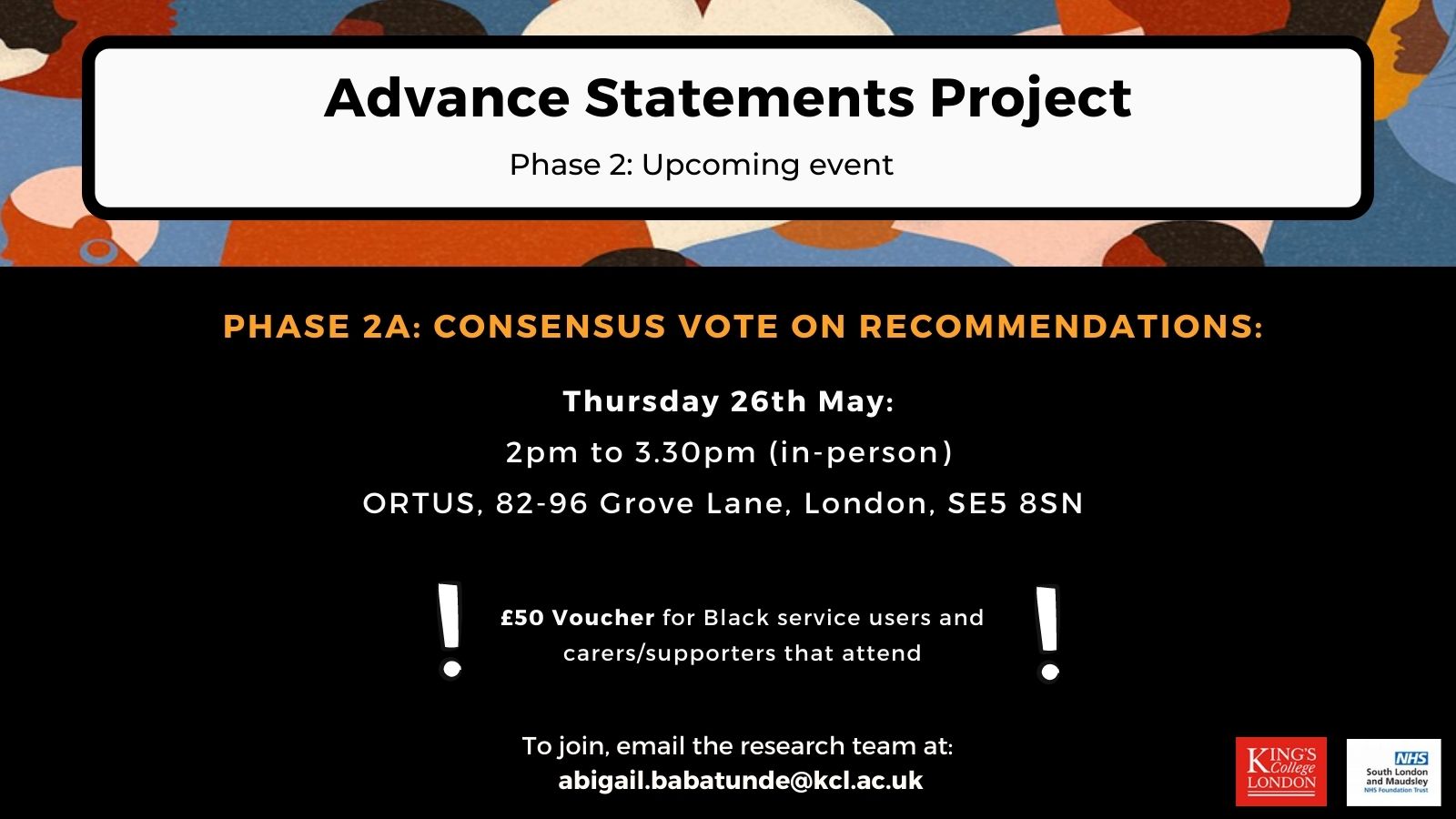
The Advance Statements Project is a research project on getting advance statements – also known as advance choice documents or advance directives – to work for Black African and Caribbean service users who have previously been detained under the Mental Health Act, their carers, and mental health staff.
The goal of the research is to:
Help reduce detention under the Mental Health Act for Black service users, Support, hear and understand Black service users and their carers/supporters,
Know and further understand the issues surrounding using advance choice documents and why staff members may not follow them,
Reduce coercive care in mental health care, and to better the relationships between Black service users, their carers/supporters and staff/professionals.
There is a follow up event at the Ortus (Maudsley NHS) below.
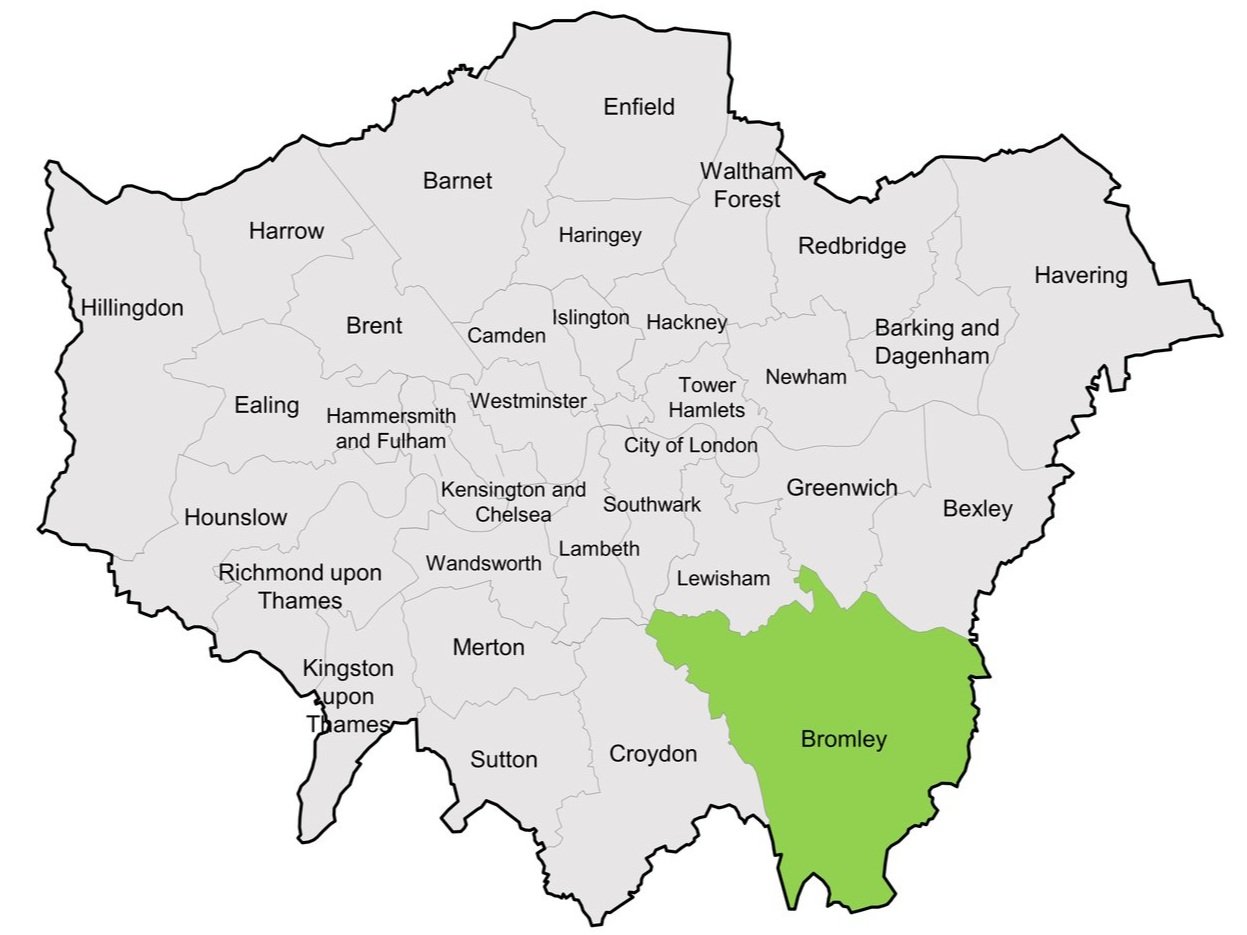
The next speaker was Denise Mantell from Bromley council. Bromley Council is currently developing its Carers Strategy and would like to hear from as many carers as possible. Since Oxleas mental health services covers Bromley, it was a chance carers could get to be involved. It would help if the carers strategy involve those caring for someone with mental illness.
Talking about Oxleas NHS Foundation trust, we were joined by Japleen Kaur and Marie-france mutti. They spoke about the new Funding scheme – Improving patient and carer experience grants.
If those within Oxleas have an idea that will improve patient or carer experience, they can bid for funding (up to £750) from our charitable funds. The project ideas need to be developed jointly between members of staff and people who use Oxleas services or care for people who use Oxleas services.
Stages
Application form completed and sent to our Involved Network
Applicant informed of bid outcome
Transfer of funding arranged
Activity takes place
Bidder shares photos/feedback on how funds have been used.
Scheme criteria
• The grant should be spent on enhancing the experience of people using our services and their families • It should be used for activities/items that are not funded by trust services. • It should benefit at least three service users. • All bids need to developed joined with people using our services and staff members.
The first application period for the Improve Fund is open now until 31 May 2023.
If you have a query about the fund, please email: oxl-tr.involved@nhs.net.
Joint Southwark and Lambeth Mental Health Carers forum
Here are the update’s for my other carer forum I run in the afternoon for the last friday of the month. I used to run these forums seperately, but due to covering a lot. I have decided to merge them.
We were delighted to be joined by another speaker from University College London. This was Dr Rebecca Lacey who talked about her study on Young Adult carers in the UK.
This was following off from Carers Trust “Young Carers Action Day”, but unfortunately it was too late for Dr Lacey to attend in March.
Staff from Lambeth Carers Hub attended to hear more on her research.
The next speaker was Sarah Allen who is the Head of Patient Experience at Guys & St Thomas NHS FT. The hospital trust is currently working on their Carers Strategy. I often to say to all carers that it is very important to engage with hospital service carers strategy.
It is not enough for a carers strategy to exist, but to be used to hold services to account as in “You Say We did” focus.
GSTT want to involve families and carers in all aspects of their services.
They aim to recognise, value, include and respect carers. Plus treat them as expert partners at the heart of decision making for the person they care for.
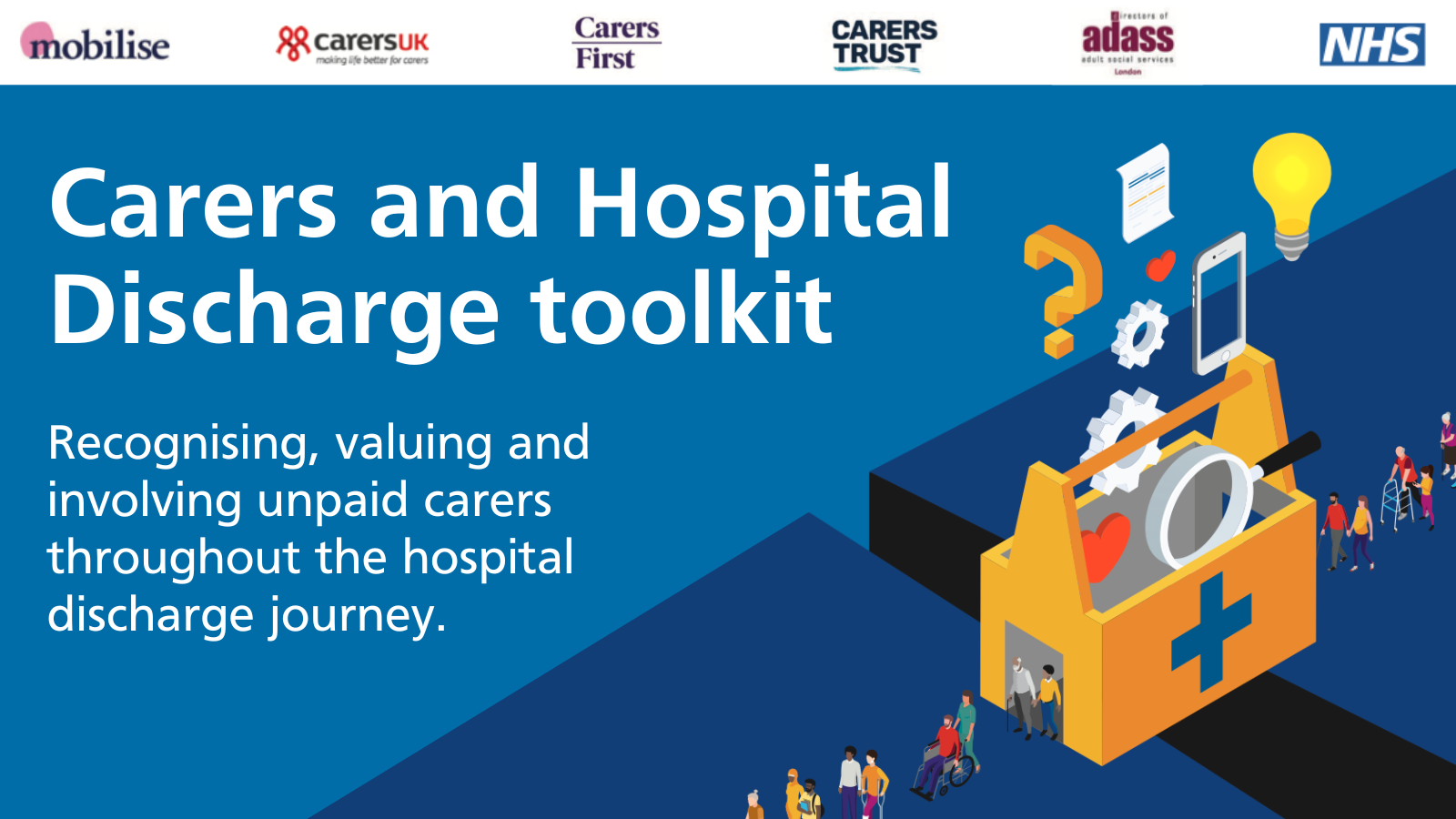
I also presented the new NHS England hospital discharge toolkit to the group, there was a bit of confusion as some felt the toolkit was for triangle of care.
In the end I pointed that this was for acute hospital services in London.
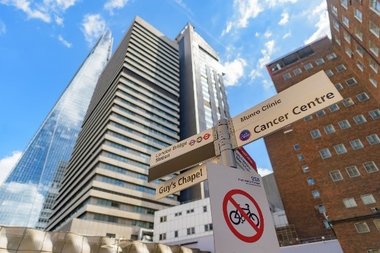
I am also pushing to engage with GSTT Cancer and Surgery Clinical Group to raise the profile of cancer carers. Once I have built a group of cancer carers, I am hoping for engagement for that hospital trust especially regarding the cancer group. I am also getting support from Kings NHS and eventually will expand to other hospital trusts.
South West London MH carers group
This group is a hybrid as there is a carer-led peer focus for the first part of the group. The next part is finding out about services and how they are supporting carers.
The group is strictly carer-led and co-facilitated by SW London carer Ava. She does the peer group section, while I will focus on speakers and engagement.
We had a great turnout as all 5 carer centre’s help promote the group, but we can out of time for the peer support section. The group seeks engagement from the local mental health trust South West London & St George, but this can be difficult, probably lack of staff maybe? Still we got engagement from Kingston Hospital who have a strong carer focus.
We where joined by Beth Mburu who is one of the Clinical Liaison Practitioners. Kingston Hospital is working on their carers focus and Beth talked about the following
Hosp. Discharge Planning Toolkit (aimed at staff)
Carers’ Needs Assessment Template (augmenting and embedding the Carers’ Agreement)
Carers’ Passport
Triangle of Care – hospital self-assessment tool and lessons learned/embedded
Resource for first time Carers / people who give their time to support a vulnerable person
National resources -already in existence from Carers’ UK – communicate and disseminate to the right people
Live/real-time digital tool aimed at Carers’ drawing together local provision and resources
Safe Transitions of Care – checklist for front-line staff
Hospital checklist / advice and Information
Kingston hospital NHS FT also had a carers event on the 4th of May to engage with carers and let them know about the work they are doing to support carers.
Again I am also focusing on engagement from the hospital’s cancer services to prepare for my cancer carer group. It is important to know who does what and how they focus on cancer carers.
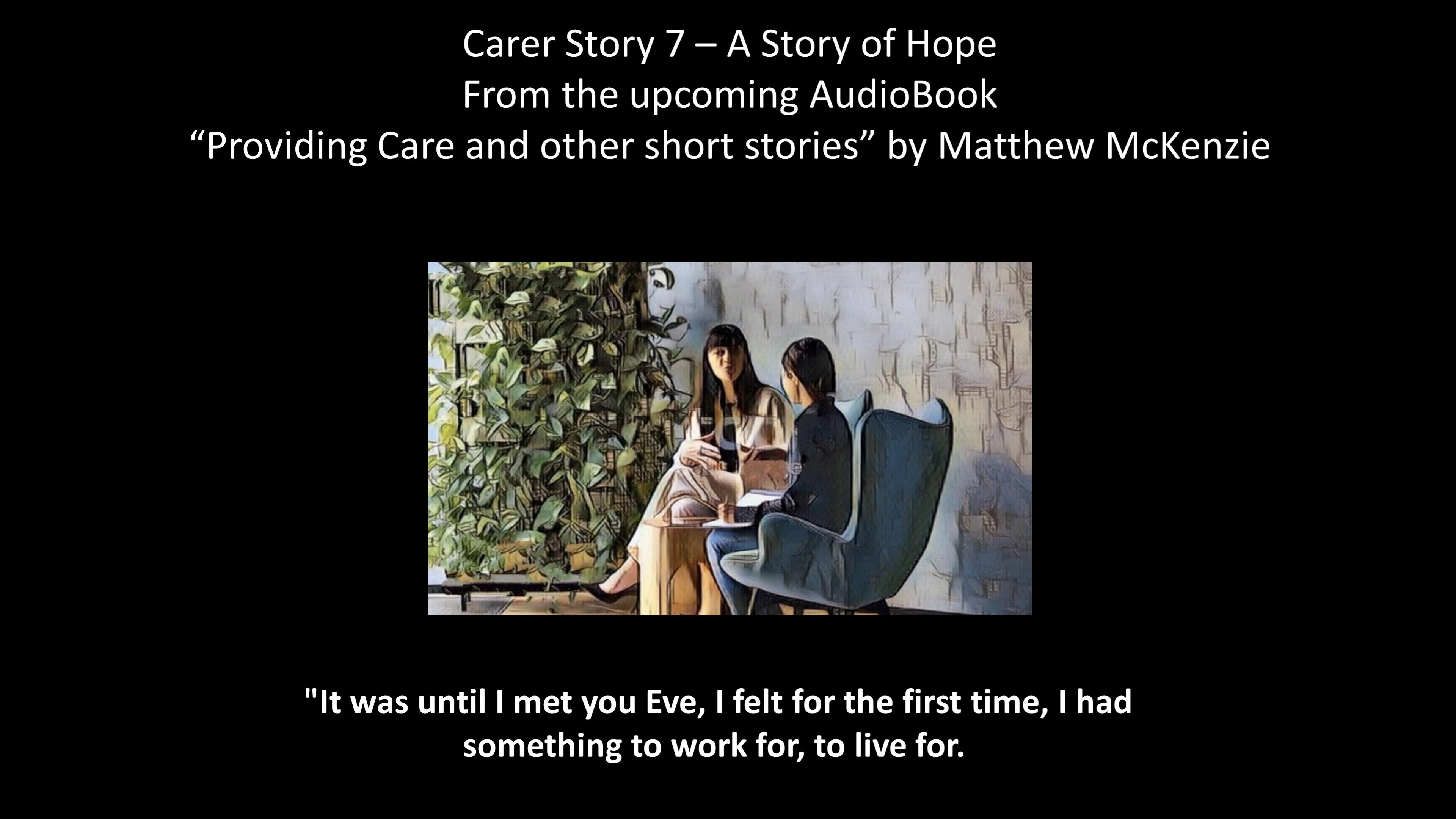
Welcome back fellow carers to my blog site raising awarness of unpaid caring by carer activist Matthew McKenzie. I have now released my 7th carer story off my YouTube channel. You can watch the story for free at the end of the blog page. The new carer story now uses advanced AI voices, although I am still experimenting with some new techniques.
This new story is called “A story of Hope”, a longer story than my previous carer stories. This story focuses on raising awareness of same sex partnerships and the impact of mental health. It is unfortunately common for LGBTQ+ to go through higher rates of mental illness. Stigma often hits those groups and to make matters difficult we need to account for mental health stigma.
The story examines a woman’s race to say her partner. Many things are against her and she is unsure of herself. She was never a strong woman, but that all changed when Susan entered her life. As we all know, life is not perfect and certainly not predictable.
Now Eve has to fight for her love, she now has to understand what it means to be a carer. If you love someone then you want to care for them. However is Eve’s love enough? She now finds herself in new territory and making the wrong decision can be costly.
The story raises many themes including the anxiety of being a carer, feeling lost in the system and trying to rebuild relationships. Eve tackles many difficult experiences and discussions. What she finds out about mental health services makes her journey challenging as a carer.
Still, providing unpaid care will give meaning as to why we fight so hard for those who need us.
Welcome to another carer blog by carer activist, champion and author Matthew McKenzie. If I am not speaking at events or conferences, I am busy writing or minding my own carer stall at NHS Hospitals. I certainly get into a lot of interesting conversations at the stall. Just to note, the reason for my stall is to focus on unpaid carers to get help and support. Not many people know they are even carers, they just end up coping. This is not always a bad thing, we do not have to use the label carer for everyone. Still, if you continue to just cope for a long length of time, they can have a bad effect on the person’s health and wellbeling.
So what’s with this blog? Well I got into an conversation when someone mentioned people only care because they can get benefits or compensation. I want to put out that there is more to caring than just getting ahead. It might mean different for others, but for myself when I provided a form of unpaid care, I did this out of duty and love.
I suspect many others provided care for someone close out of duty and love. When I was providing care for my mother, I knew how she was when she became ill. It was a tragedy to see how she became mentally unwell over the years. I fought very hard to give her the same quality of life I felt she could have. This might be different for those caring through other forms of illness of disease. Those caring for someone with cancer (depending on the stage of the disease) might struggle to improve their loved ones quality of life, but they will still care and probably care till the very end.
Those providing care will certainly want some kind of benefit that helps aid their caring role, but most will provide care even if benefits were almost non-existant. If carers are to value something, it would be knowledge of the condition the person is going through. If you knew what you are caring for and how to provide such care, then this would save so much trouble in future.
For mental health carers, it is important to keep that relationship going with the person they are caring for. It is important to develop good communication skills and develop trust because when those things break down, it will be harder to maintain a relationship.
Providing unpaid care can actually strengthen’s relationships, because if the ‘carerd for’ recognises the person is providing help and support, they are usually grateful for this. I remember the look my mother gave me as she lay on the hospital bed. She knew through all the years I had tried to be there for her. I admit I made plenty of mistakes, but she knew in the end, the relationship was strengthened. This unfortunately is not always the case for some unpaid carers. Many relationships have ended due to the impact of mental illness or being unable to cope, which can often push the carer away.
Lower down the list of why people care for someone is usually down to developing our own character and skill set. As a carer, the person does not want to give up their caring role. They want to prove to themselves that they will see things through. They want to develop courage and face those challenges head on as they advocate for the person they are caring for. To be honest carers will have to be brave and even advocate for themselves. This is not an easy thing to do as the services can often be patient centric.
Some character traits of carers already exist on the reasons they care. Some people already considerate, patient and understanding plus generous. When providing unpaid care, those character traits just go stronger each day. It is important carers must understand the stigmas they face. People will judge unpaid carers as if they have no skillset, but this is wrong and it is discriminatory. Carers need to also be vulnerable and ask for help. Especially if suffering from fatigue, isolation, anxiety or just needing someone to talk to.
It is important carers take time out for themselves, but with the pressures on health & social care, it can be understandable why carers put themselves on the line.
Welcome fellow carers. My name is Matthew Mckenzie and I campaign regarding unpaid carers. Most of my time I focus on those caring for someone with mental illness. However this blog is a little different, well ok a lot more different. Before I continue, feel free to watch the video version of my awareness blog
I am still focusing on unpaid carers, but more on those who care for someone with cancer. Why is that you ask? Well I run a carer’s stall at some hospitals. Those visiting someone using those hospitals drop by that stall and I often get those who care for someone with cancer. Yes, a lot do visit requesting information or just wanting to be heard.
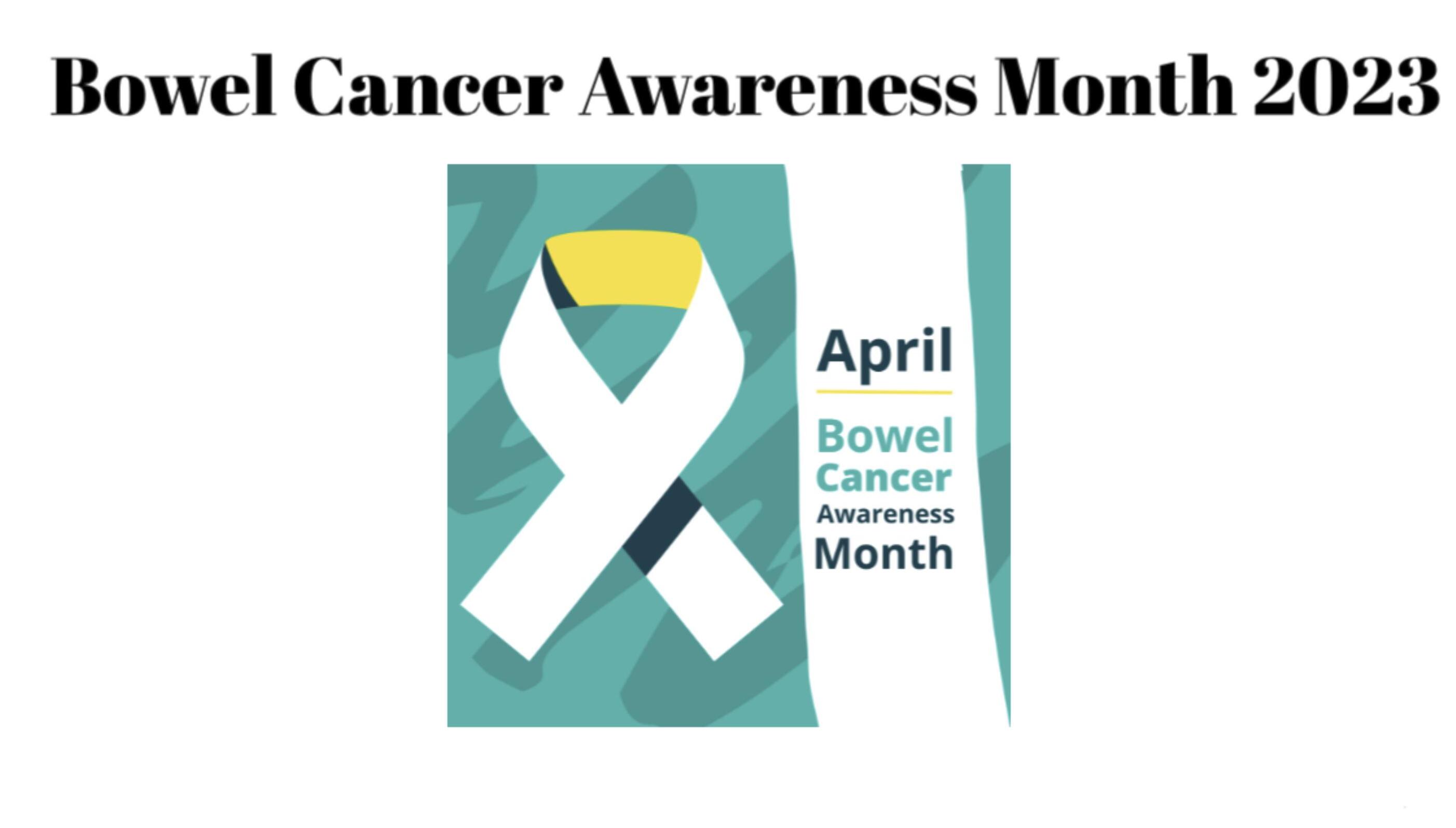
Did you know that April is Bowel Cancer Awareness Month?
Unfortunately Someone dies of bowel cancer every 30 minutes in the UK. So raising awareness of Bowel cancer is incredibly important.
Bowel cancer awareness month is an opportunity to highlight the symptoms of bowel cancer and encourage people to get tested.
In fact this type of cancer is one of the most common cancers in the UK. It is the UK’s second biggest killer from cancers and most likely to be diagnosed in people over 60.
Some of the common symptoms of bowel cancer include:
Bleeding from the bottom and blood in poo
Being easily fatigued with no obvious reason or cause
Pain or a lump in the tummy
Persistent and unexplained change in bowel habit
Sudden and unexplained weight loss
With these symptoms it is so important to get screened or tested for bowl cancer. This is especially important for those from ethnic groups. There is no shame being tested or talking about it.
If you are caring for someone with cancer, it can be understandable that talking about this can be difficult. Carers of those with cancer are suddenly thrown into a world of advocating, feeling guilt and stressed at what the future holds. It is important health professionals identify and listen to these types of carers.
How can we reduce the onset of Bowl cancer?
Eat less red meat and avoid processed meat
Eat more wholegrains, pulses, vegetables and fruit
Be a healthy body weight
Be more physically active
Drink less alcohol
Stop smoking.
I hope this blog has raised much needed awareness. I certainly will be covering more on those who care for someone with cancer to continue raising awareness.
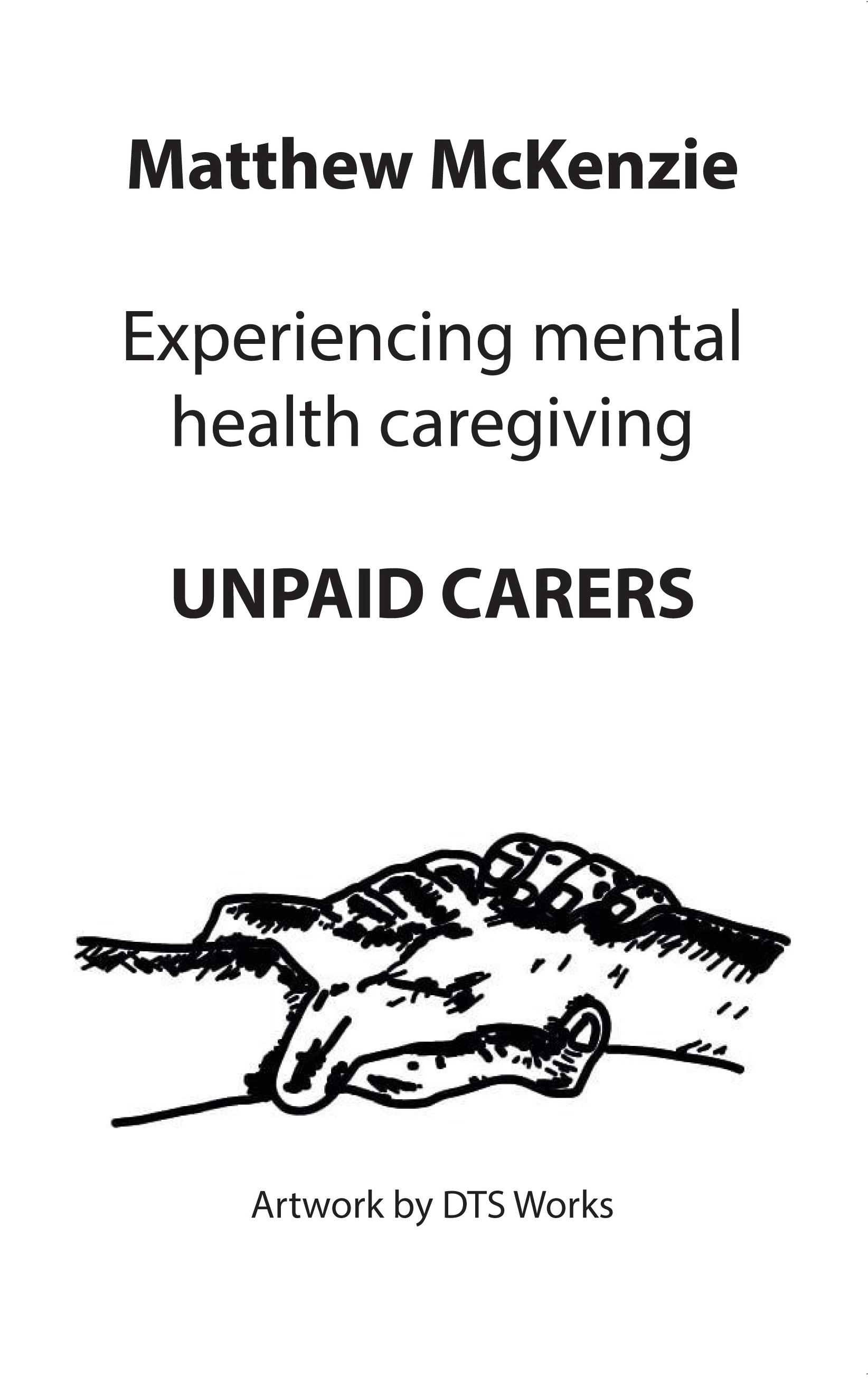
Welcome to another carer blog by Matthew McKenzie. You might already know, I am an author raising awareness of unpaid carers. One of the books I wrote touches on the subject of co-production. The book I wrote titled “Experiencing mental health caregiving – unpaid carers” had several chapters regarding co-production.
However, why have unpaid carers be involved in designing health and social care services? Lets first look at the problems and challenges.
The problems
Health and social care sometimes do not meet eye to eye with unpaid carers, there are a lot of assumptions made about carers, there are also a lot of biases on the needs of unpaid carers. We can certainly champion the good works of health and social care, but to be realistic there are plenty of problems as well.
One shoe fits all policy, different carers have different needs
patient centred to the point of ignoring the carer
Limited resources means carers just cope
Co-production on a complex service might put people off being involved in design
The leader in co-production might still have “I know what is best” attitude, this can also put people of being involved.
History of bad results damages reputation, so carers feel they have heard it all before.
These are some of the challenges and problems health & social care services will have if they want carers to be involved in co-production.
Some solutions
So we have just touched on the bad news regarding co-production, but there is also good news, there are some solutions that are floating around.
We just cannot rule out co-production even though it has been around a long time. In fact co-production has been around so long, that it might have been watered down. The word “co-produce” can be almost a throw away term to get people excited.
There might be a lot of asumptions made about the uses of co-production. If we want coproduced and co-promoted services, we have to put those involved first. Those services will have to be flexible enough to offer solutions tailored to individual carers. It is not an easy task since those services need to recognise carers as a protected characteristic. Carers are vulnerable and they do need guidence, support and care for themselves. If carers are not valued, then they will struggle in their role providing unpaid care.
Co-production should raise the voices of those involved. This means we avoid the “One shoe fits all policy”. It means better service delivery that benefits as many as possible.
What next?
Those involved in inclusive service design need to be skilled, they also need to know there are issues within those services and those carers need to be confident in challenging those issues. This is not easy as health & social care are very complex entities. We have organisations like Healthwatch monitoring and collecting feedback from health services. Some things concerning the running of health & social care services are complex by design. So to expect carers to challenge those services is a tall ask.
Even before including carers in designing a fair health and social care service, carers need to knock on the door to request co-production. To make matters more difficult, not everything is actually co-production, due to time restraints on service delivery, co-production activities may be rushed or brushed aside towards tokenism. It is a big problem, but to be realistic sometimes it cannot always be avoided.
Earlier on in this blog I have mentioned time as a cost, carers can usually use their own expert of experience to express their needs, but transmitting that experience into services will mean carers will have to be trained to champion co-production.
Conclusions and findings
From my 2nd book “Experiencing mental health caregiving – unpaid carers”
I wrote upon the subject of inclusiveness within several chapters, one of them was Chapter 6 – Co-production and involvement.
I asked several questions, this question asked “What do you think co-production means to unpaid carers?”
With the answers provided from unpaid carers, activists and researchers one response was interesting regarding co-production.
“Co-production means that a carer is involved in service improvements, support groups and forums, because their lived experiences can be more valuable than the academic research. Co-production can help a carer to interact with other people in a similar situation to them. The carer can feel valued when their contributions have been used wisely. – Annette Davis – Carer and carer peer activist”
As mentioned earlier there are important keywords e.g. lived experiences, groups and forums, feeling valued and contributions.
For Chapter 30 – Co-producing in health and social care. I touched again on services. I was interested in the challenges as mentioned earlier in this blog
The question asked “What are the challenges of co-production?”
A carer responded with the following.
“Money, I think the challenge is it can cost so much money, you can’t just sort of say to a professional to just go ahead and co-produce things. You’ve got to fit this round everything else and go to a meeting, because you see, these professional meetings are beginning to end. They go through an agenda and with Co-production, you can’t really do that. Not at the early stages. If you are actually coproducing, then you actually have to sit down and think of ways of facilitating and carefully plan coproducing. This requires time and unfortunately time is expensive in terms of the professional’s time. If you want it, you have to pay for it. The people e.g. patients/carers who are co-producing should be paid as well. So we have got a commitment. However, from the professional side, you’ve got to pay for their time as well. Its expensive. – (Ann – Unpaid carer)”
What can we take away from her response?
Inclusive service design will need some form of co-production, but will definately need resources. It is not always about money, it is about time and commitment. Things have to be planned carefully, interest must be kept up for those involved. Co-production can also be expensive, but if done right it does not have to be so costly, but it certainly should value those involved.
Welcome back to another blog by carer activist Matthew McKenzie. I often blog about raising awareness for those caring for someone with mental illness. If I am not raising awareness, then I am more likely speaking at events or conferences.
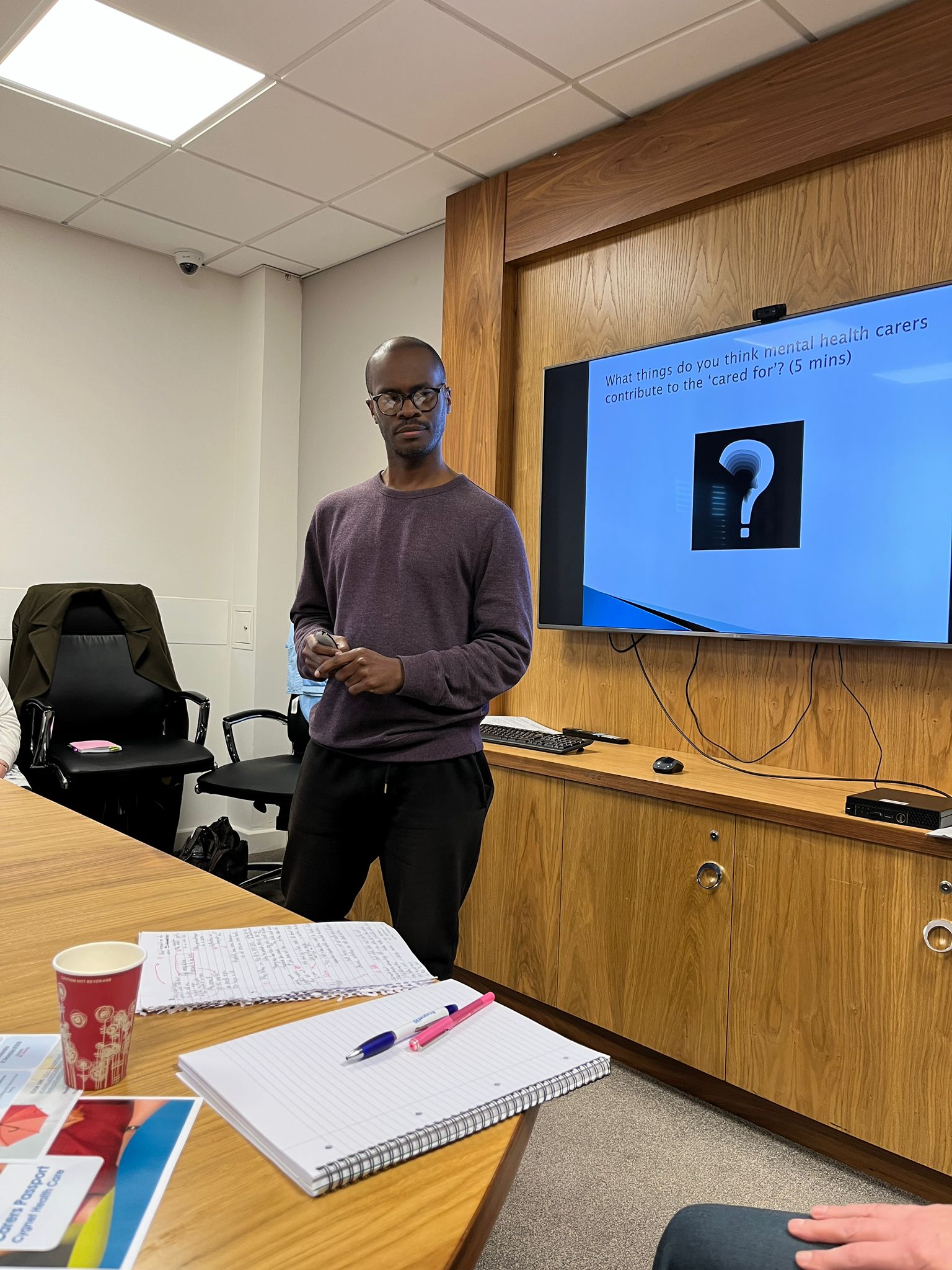
I am helping to promote a carer’s network with Cygnet Healthcare who are taking on the challenge of applying Triangle of Care into their services. So far I have opened several carer events at some of the Cynet hospitals around the country along with other speakers who are invested in raising the profile of unpaid carers.
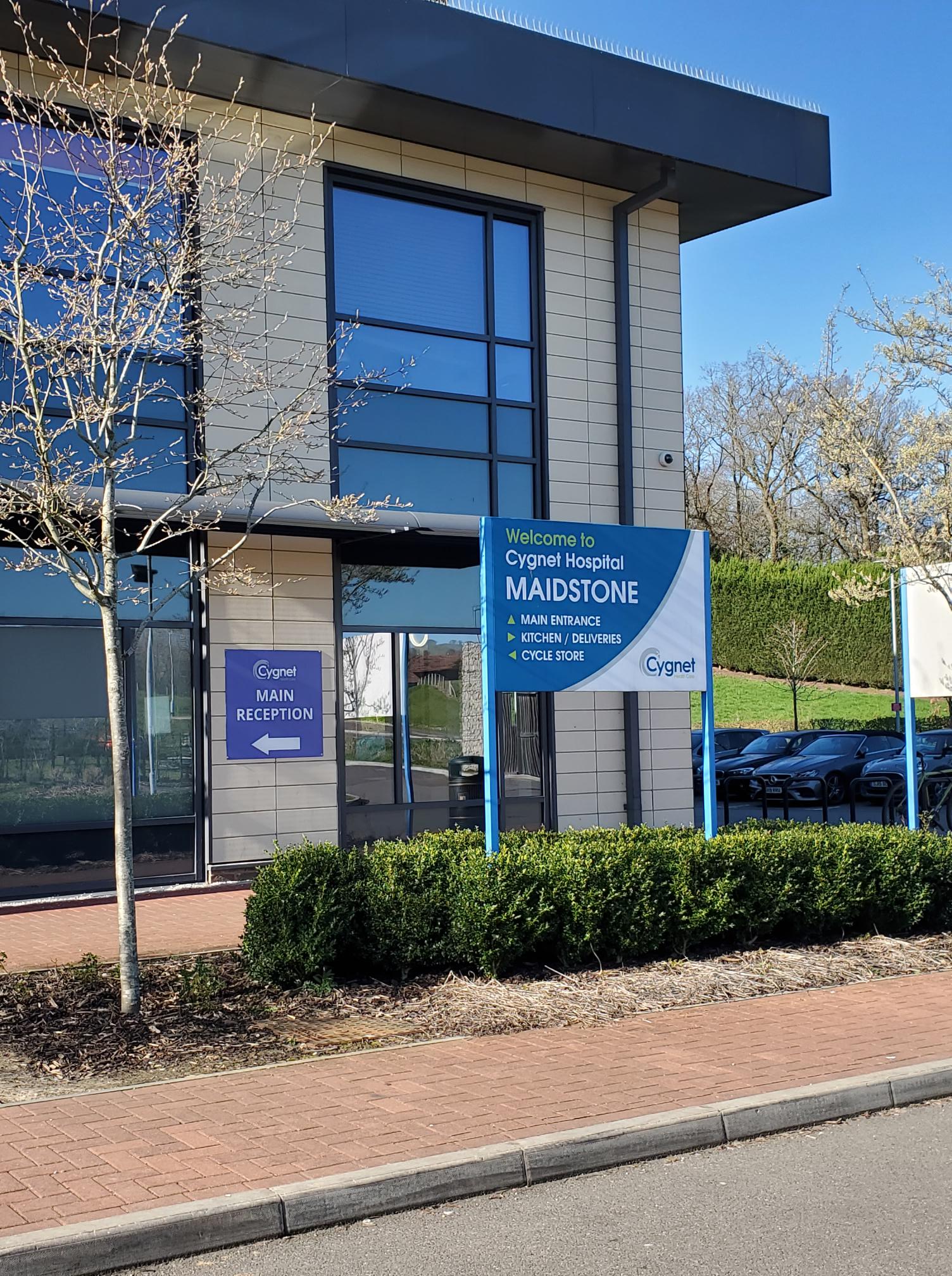
For this event, I attended Cygnet Hospital over in Maidstone for another regional carer event. This was an opportunity to engage with carers from the area of Kent, especially since I am involved with Kent and Medway NHS Partnership Trust. So I was keen to travel to Maidstone and talk to carers.
We had a packed room of carers and professionals interested to hear talks about the importance of supporting carers.
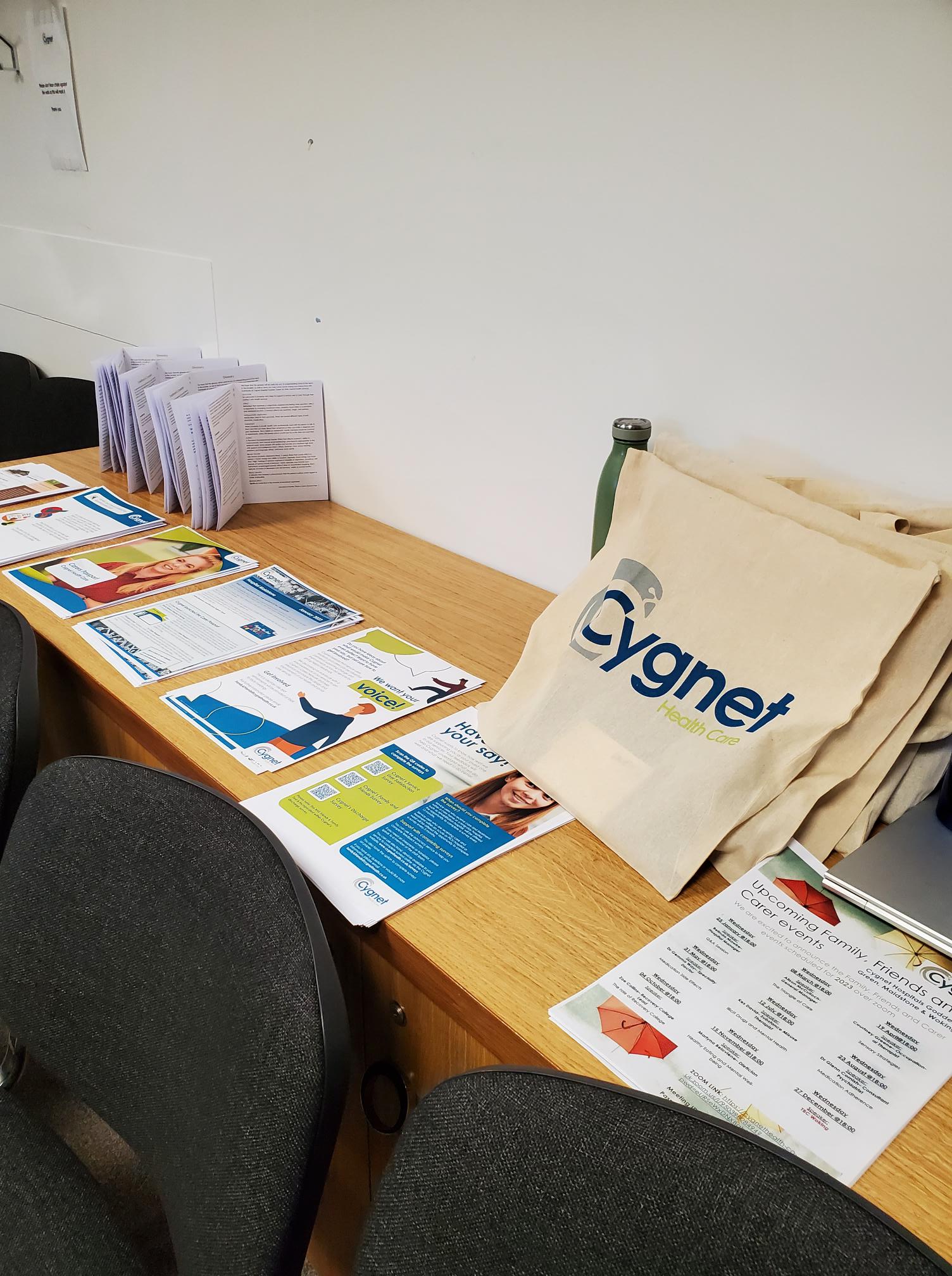
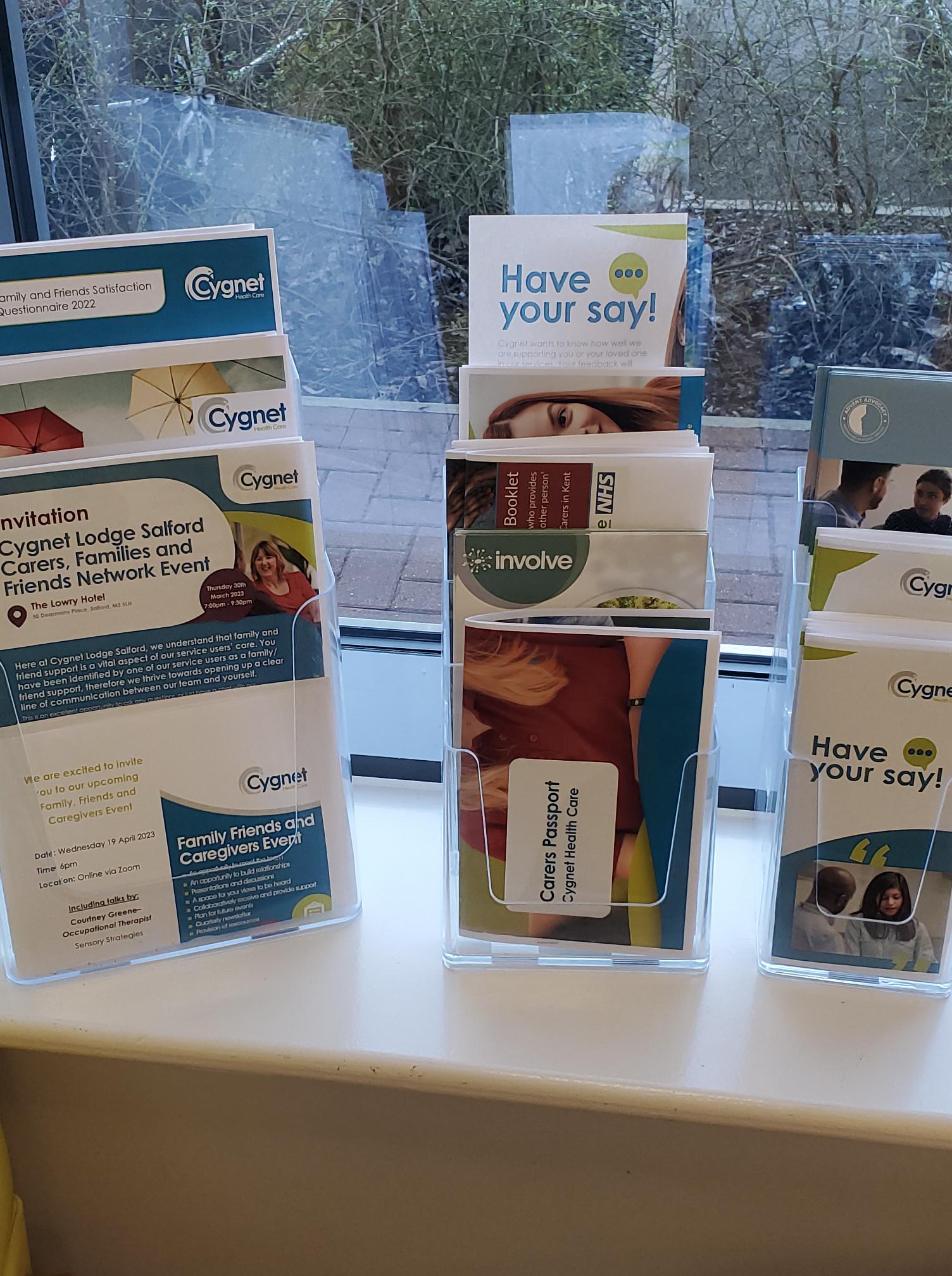
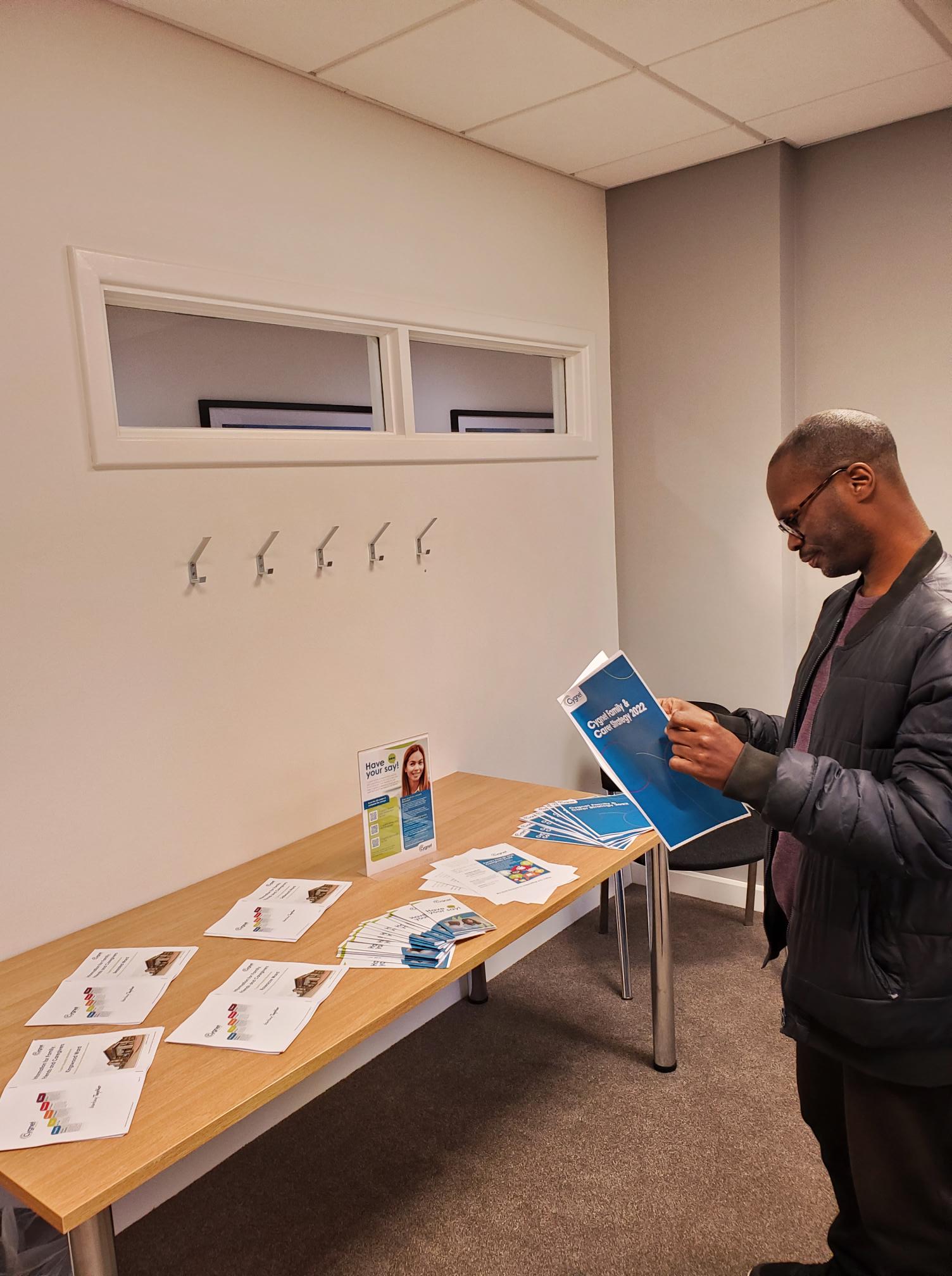
There were certain things I was looking for at the hospital, especially the effort staff had put into promoting the carer event. I noticed lots of leaflets introducing what Cygnet can do for unpaid carers. Other information was on Cygnet’s carers strategy, carers passport and a chance for people to feedback about services.
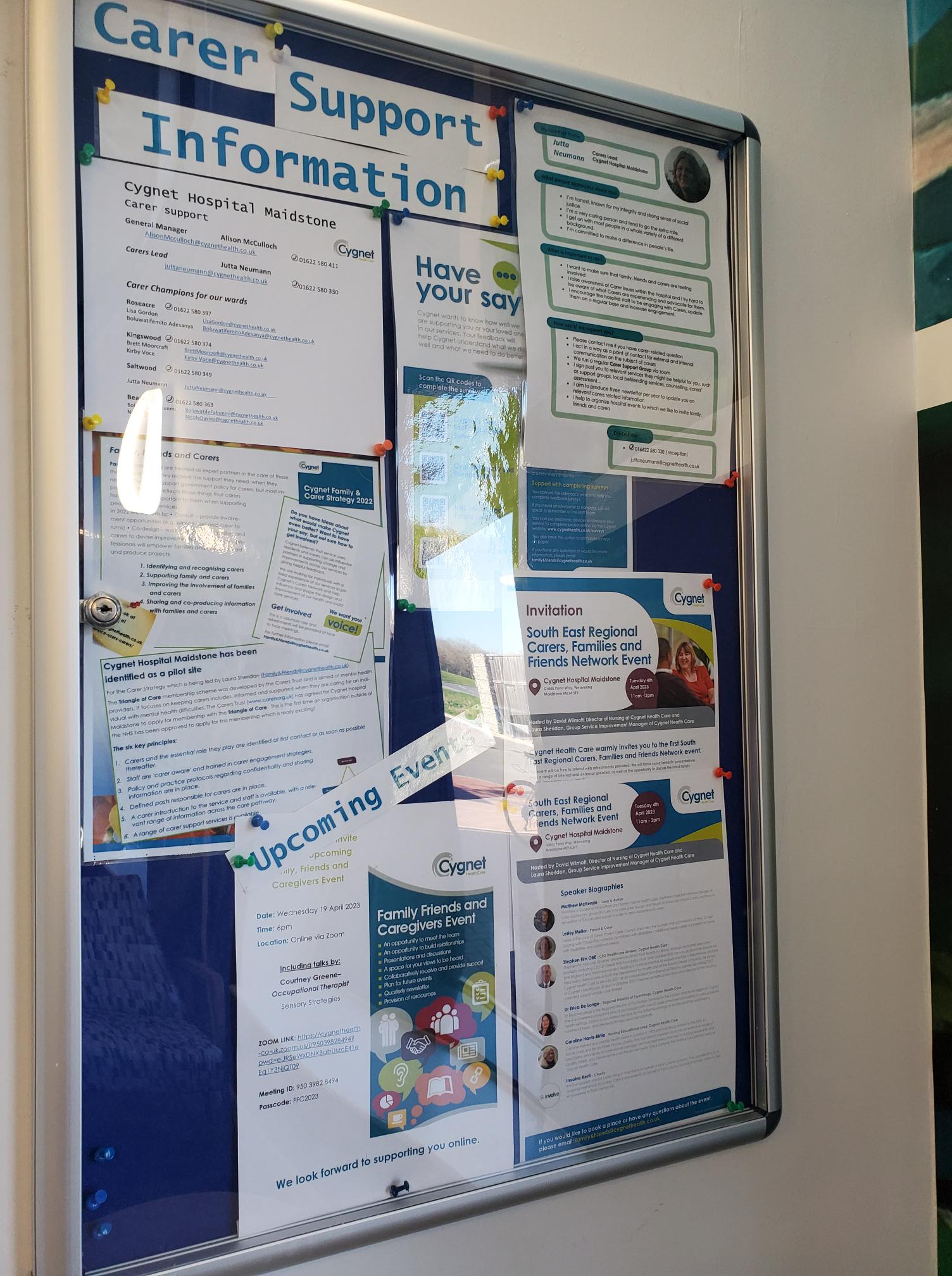
I even managed to view the carer’s board.
We had some excellent speakers at the event. Plus it was great to see David Wilmott who is Cgynet’s Director of Nursing open the event. We also had a powerful talk from Lesley Mellor who told her story as a carer and the importance of carer empowerment.
Other speakers were Stephen Firn OBE who is Cygnet’s CEO for Healthcare division. Stephen spoke about his mission to make sure cygnet hospitals have a high focus of carer awareness. During my talk, I reminded attendees that when senior staff attend such events, it shows how the organisation values unpaid carers.
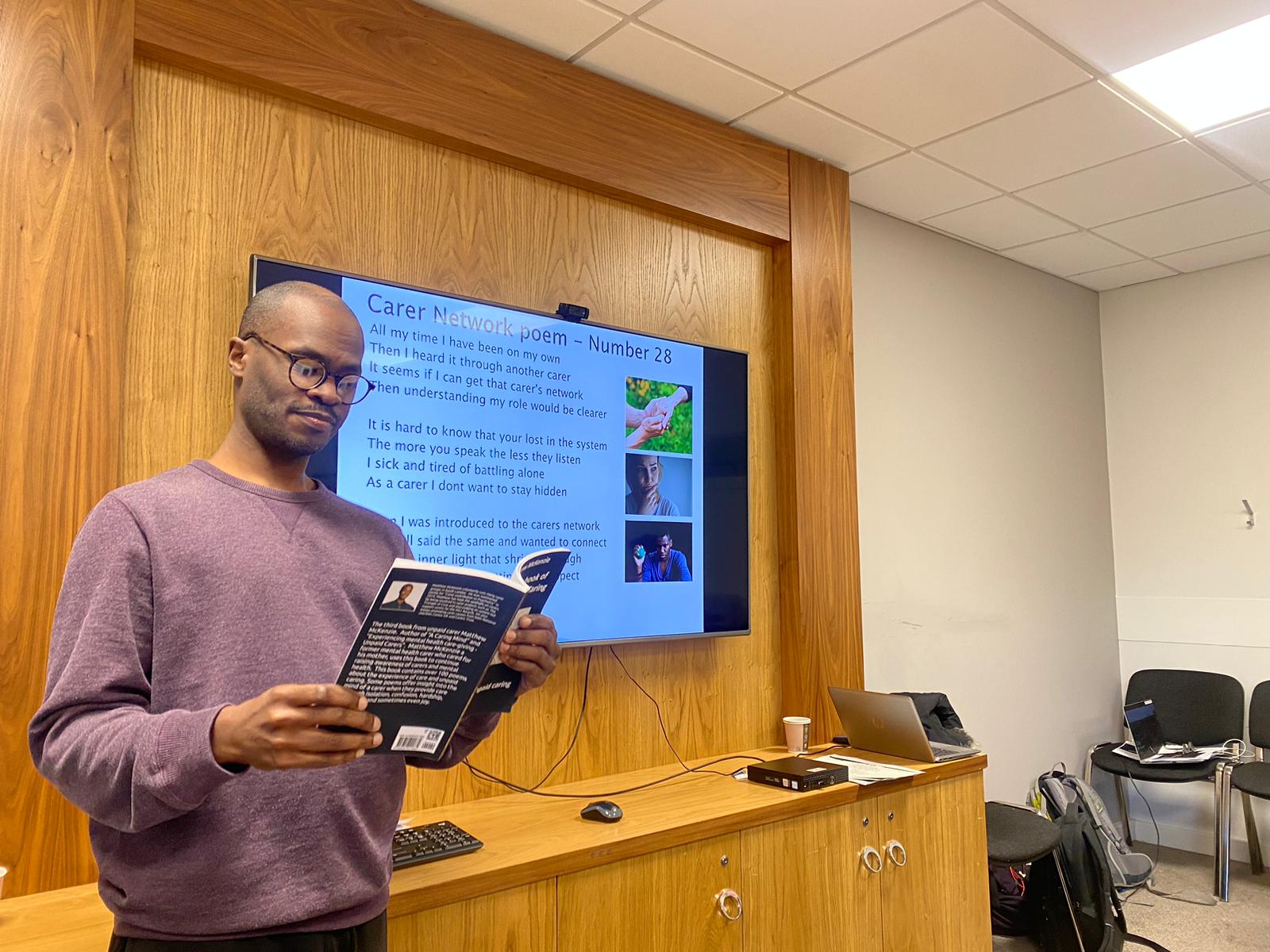
For my talk, I read poem number 28 on the importance of a carer’s network. Often carers do their role in isolation and behind closed doors.
The nature of the illness makes it difficult for mental health carers to connect due to stigma of caring,, being unsure of their role and also the stigma of mental illness.
I asked both professionals and carers their thoughts on the importance of providing care and the importance of connecting to a network.
I was proud that the healthcare professionals were knowledgable about the importance of including carers when providing services. This is done within the spirit of the Triangle of care.
We also had talks and presentations from Dr Erica De Lange who is Cygnet’s Regional director of Psychology. Plus Caroline Harris-Birtles who is Head of Nurse Education at Cygnet Healthcare. She educated carers about the importance of the nursing profession and how nurses can help unpaid carers.
Lastly we had a talk from Jennifer Vincent who works at Involve Kent. Jennifer is the team Lead in the Community for Carers. Involve is an organisation that focuses on Healthy, connected people and communities. Jennifer talked about how Involve empowers and support Carers, enabling them to care well for others and improve their own health and wellbeing.
I again have to thank Laura Sheridan who looked after both Lesley, myself and attendees at the carer event. I look forward to more events in future.
Bromley Carers Strategy Survey 2023 – Bromley Council is developing its Carers Strategy and want the views and experiences of unpaid carers to inform the content of the strategy.
Cost of cancer is damaging mental health – A new survey has found that 83% of people with cancer say unexpected expenses since their cancer diagnosis are impacting their mental health.
Welcome to my March update of most of my carer forums. These forums are for those caring for someone with mental illness. The idea of the groups is to allow unpaid carers a chance to find out about mental health services. The forums also allow researchers from universities and hospitals to update carers on current trends affecting carers and mental illness.
Lewisham Mental Health carers forum
For this carers forum we were delighted to have Bobby Pratap from South London and Maudsley NHS attend. Bobby is the Director of Implementation for the borough of Lewisham. This means in laymen’s terms that a large investment I guessing around 100 million will be focused on changes to mental health services in the borough.
With that kind of investment, it is vital for patient, carer and public engagement. Bobby comes with a wealth of experience straight from NHS England’s as the Deputy head of Mental health.
Bobby presented the challenges that mental health services face in the borough of Lewisham. He also presented some feedback from engagement events under South London & Maudsley. Bobby was certainly tested by the members of the forum who grilled him on NHS trust resources.
I also presented the new NHS London Hospital discharge toolkit. Since the Carers UK 2021 report, it has been widely known that unpaid carers feel uninvolved in hospital discharge. Carers complain that they are invisible to the NHS. So NHS London carer leads have come up with a hospital discharge checklist
The benefits to involving carers in hospital discharge are
Some Benefits
Reduced carer strain and breakdown Patients less likely to re-admitted. Caring situation is more sustainable Better health outcomes for both patient and carer Reduced overall cost to system
With some Accute hospitals taking the lead, there is hope other hospital will become carer friendly and see unpaid carers as part of the team.
The resource can be downloaded from below via Carers Trust Website
This forum is facilitated by myself and Ava who is a mental health and carer campaigner. The forum covers the boroughs of Kingston, Merton, Wandsworth, Richmond and Sutton. As a group focusing on mental health carers, we get support from the carer centres and from local Mind and Rethink organisations.
There was no speakers for the group this month, so I presented the hospital discharge carer toolkit. I also covered updates regarding the Triangle of Care.
Joint Southwark & Lambeth MH carers forum
For this group. Carers had a chance to find out what a Mental Health Solicitor does. We were joined by Burke Niazi Solicitors. The solicitor who represented my late mother had engaged with our group to answer queries, issues and questions. The forum was well attended and even some had attended from my other forums.
We were also joined by Lee Roach who is Lambeth’s carers lead for Maudsley adult services. Lee is also the Head Occupational Therapist for Lambeth Operational Directorate. Lee updated carers from Lambeth on services related to triangle of care. I was also interested in how Southwark carer leads were engaging with carers. It might take a while for them to drop by our group since Guys & St Thomas NHS are due to attend next month to speak about their carer’s strategy.
Lastly the group was joined by Guy Swindle who is the Deputy Director of Lambeth Living Well Network Alliance.
Greenwich Mental Health Carers forum
I only run this group Bi-monthly and Greenwich carers heavily supports the group. We get great support from Oxleas NHS and the Royal Borough of Greenwich often attends when they can. For this group we had engagement from Lisa Moylan who is Oxleas head of Mental Health Legislation.
The main reason I asked for Lisa to engage with the forum is to allow carers to understand what the department does, but also get an idea of how the Law department will deal with the new changes to the Mental Health Act. The MP will also chat with carers about their thoughts about proposed bill.
At the group, I updated members on updates regarding Greenwich Carers Strategy.
Some of the updates were
Raising awareness of caring with local employers Developing a carers self-assessment app Research with carers from ethnic communities Further development of the Mobilise digital platform Exploring feasibility of a Carers Card
There are plans Greenwich carers partnership board to Engage with local GPs and Engage with hospitals. Talking about hospitals, I also presented the London hospital carers discharge toolkit.
Ethnic Mental Health carers forum
This is the only forum that I run that focuses on carers from ethnic communities. It is also a forum that can actually reach out via several mental health trusts as sometimes we get attendees from SWLSTG, West London Health trust, Kent & Medway and CNWL, but the main focus is what South London & Maudsley or Oxleas are focusing on. The group also engages with speakers from universities and researchers. We also can get updates from the local authority or Healthwatch.
The speaker for March was Natalie Creay who is Founder of Liberating Knowledge, she is also on the advisory board of The Lancet Psychiatry magazine and a trustee of The London Community Foundation.
Yes, she does a lot. Natalie spoke to us regarding health inequalities of Black and Asian people. Her research looked at Closing gaps in patient data for Black and South Asian communities.
Through the focus groups and interviews they conducted with healthcare staff. It was found that
Staff were less confident about describing why data is collected or how it is used
Staff felt that a lack of people in leadership roles who are committed to tackling bullying, institutional racism and health inequalities
Some staff also referred to a concern from Black and South Asian communities about whether they can trust the NHS given past harms
There were innovative ideas proposed such as the NHS being more radical in how it thinks about data ownership and giving more control to people and their communities over their data and the insights generated from them.
It was found that The burden of tackling health inequalities rests on people with lived experience.
There were several recommendations regarding the research, some listed below.
Create the conditions for systemic change to enable the following recommendations to be delivered by accelerating efforts to eradicate racism within the NHS. This should include developing the cultural and racial capability of the workforce.
Consider developing a race equity framework for physical health services that draws on the approach used for the Patient and Carer Race Equality Framework in Mental Health services.
Secure the support and commitment of senior leaders to improve data practices, embed inequalities work and create space for staff to innovate within the NHS.
Actively challenge ‘hard to reach’ narratives that encourage the perception Black, Asian and minoritised communities are disengaged or unwilling to share their patient data.
Equip healthcare workers with the tools to hold meaningful conversations about data: explore more innovative approaches that provide engaging ‘bite-size’ learning material targeted at healthcare workers.
This led on to one of our members Brenda who is a member of the Patient Carer Race Equality Framework to report back how Maudsley is using the framework to increase health equality and reduce racism. We also got updates from the Public Health Training and Development Manager for Lewisham who have been working hard to reduce health inequalities within ethnic communities. This was emulated on projects from Bromley, Lewisham and Greenwich Mind Updates.
Welcome back to another blog post by carer activist, author and poet Matthew McKenzie. I just thought to do a quick blog about an exciting and important event I attended last night.
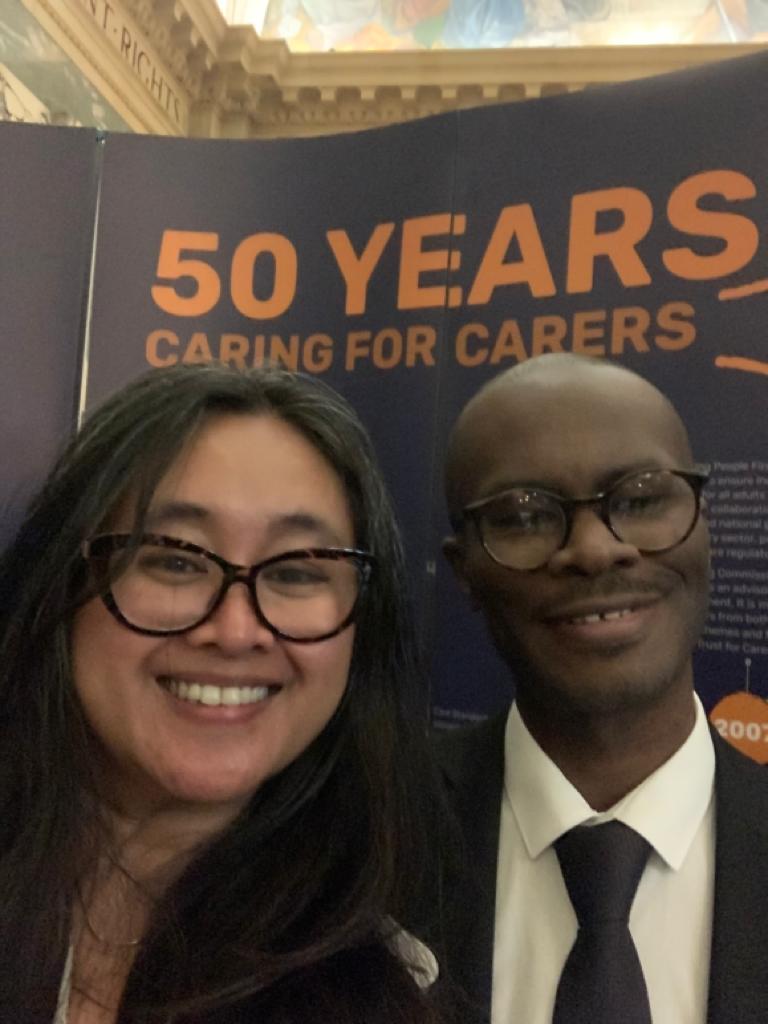
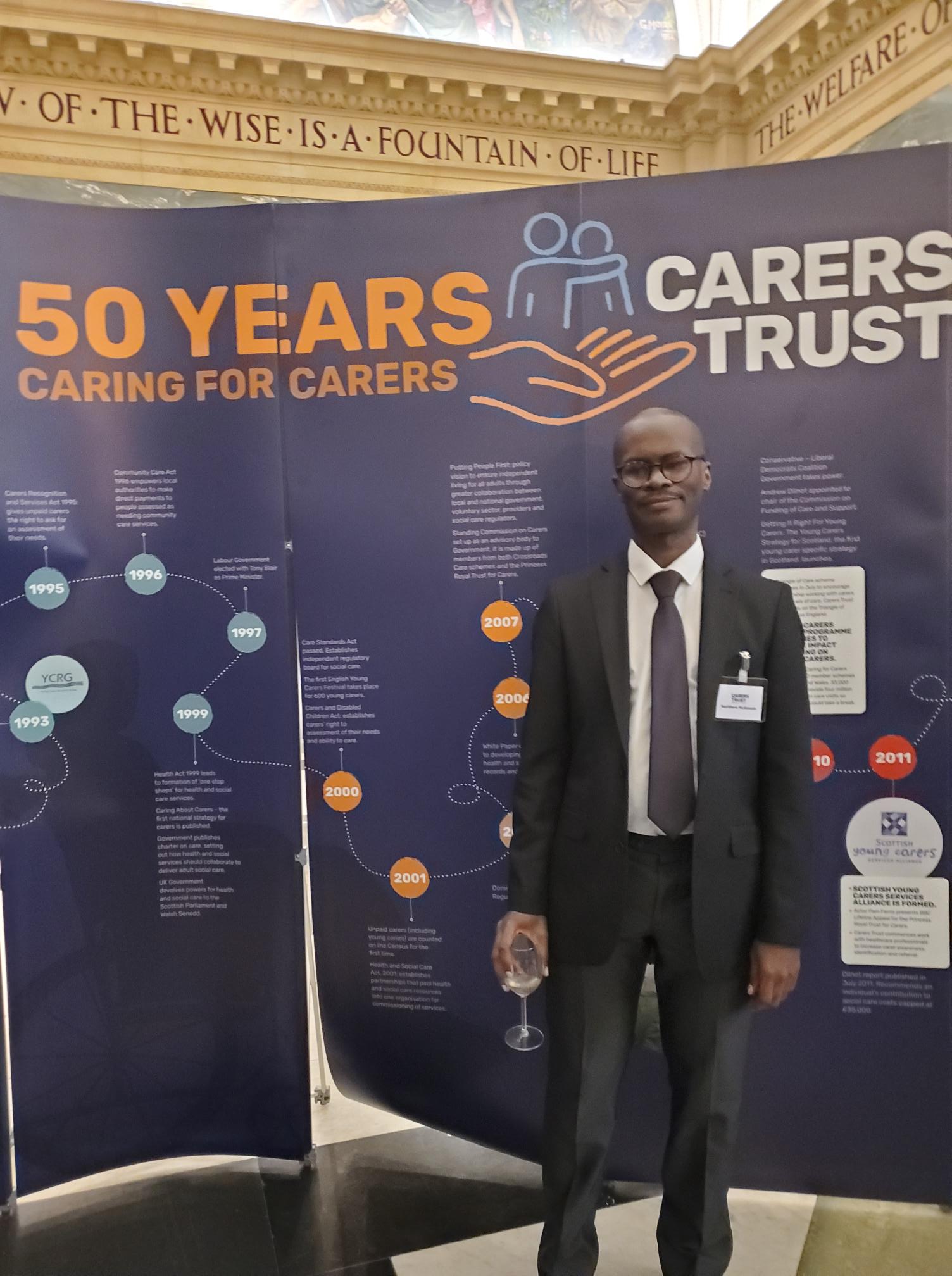
Carers Trust a national charity to promotes and supports unpaid carers have reached an important milestone. It was their 50th Anniversary and to celebrate that milestone, the charity held their event over at the Old Bailey.
I have never been to such a pretigous building before and I am still wondering how on earth Carers Trust managed to hold their event there. The event was a drinks reception along with important speeches as to why Carers Trust fights so hard for carers. Do you remember the TV soap drama Crossroads? If you do, then you might remember a particular 1973 Crossroads theme regarding someone caring after a car crash. This led to viewers sending mail about their thoughts and experiences, which in turn led to a national drive on support for unpaid carers.
You can watch a short video below showing the history of Carers Trust
The beginnings of Carers Trust was explained in detail by Angela Rippon CBE who was a guest at the drinks reception. Her lived experience, knowledge and drive to battle for unpaid carers was an inspiration.
The event was hosted by Sheriff Alastair King who opened the event. We also had speeches from chair of Carers Trust John McLean OBE and CEO of Carers Trust Kirsty McHugh. I admit I have never met Kirsty before, but she has lots of energy and dashes around very fast.
At the event I was introduced to those who also championed the role of unpaid carers. Rohati Chapman Exec Director at Carers trust was an excellent host and made me feel welcomed.
The speech by young carer, Aditya Akella was exceptional as he mentioned the themes that are important to young carers. A lot of the themes I often present regarding talks I do about my books. The most important is carers do their role out of Love including other things.
As I wandered around the drink’s reception, I could not help be taken in by the hall. The old Bailey is majestic and historical. The importance of justice, fighting for others and of motto’s etched on the walls require some serious investigation. There is a lot about the place I still do not understand, but reflecting back, the building holds a significant reason as to why people fight so hard for what is important to the community. I am not a barrister, Laywer or Judge, I am just a simple carer activist, but deep down I feel the Old Bailey actually wanted the event to be held there. This goes double to those who take the time to fight for the vulnerable.
I am aware that as a majority we still strive to do what is right, but because some roles are done for free, there are people who feel there is not much value in such roles. A just and civil society should try to value those sacrifices, because in the end it is what sustains the community.
All in all, I enjoyed the drinks reception and I wish Carers Trust success in the future.