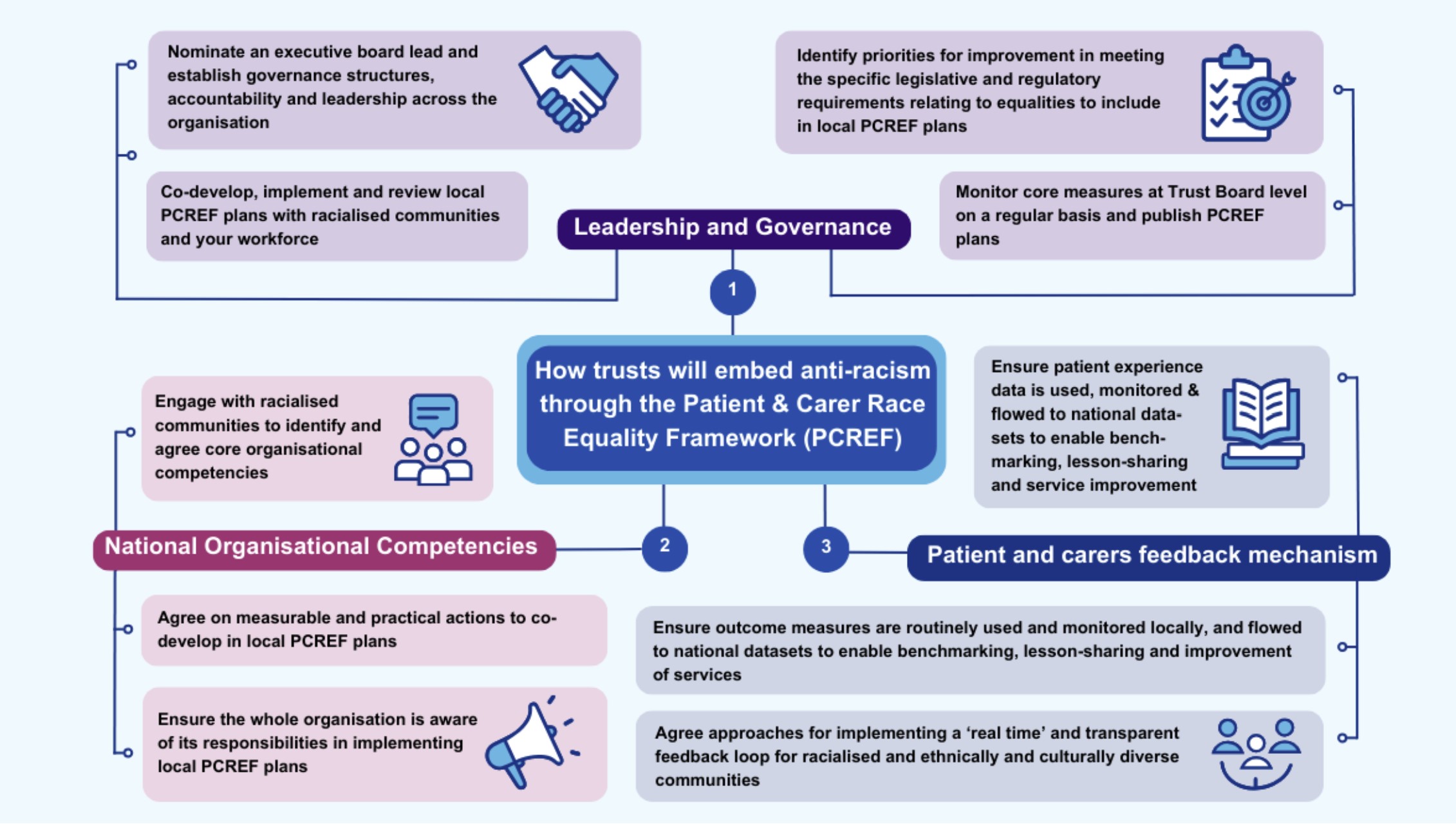
Welcome to a brief update of my ethnic mental health carers forum. This is the January 2024 update where the forum focused on updates from mental health NHS trusts. The update was specifically on the new equalities initiative from NHS England, which is the Patient Carer Race Equality Framework. (click on picture below to zoom in)
As of 2024 the mandatory framework will support NHS trusts and providers on their journeys to becoming actively anti-racist organisations by ensuring that they are responsible for co-producing and implementing concrete actions to reduce racial inequalities within their services
Usually for my ethnic mental health carers group, I focus on things outside PCREF, but since PCREF has a heavy focus on minority voices, my group looks to engage with NHS trusts and their PCREF ambassodors on updates. A special note is the group is interested on how minority carers are being identified and included.
I am aware many NHS mental health trusts learn from each other so for the January group we had the following attend and present
As usual I brought in a special guest speaker from Middlesex University to speak about the following topic which she published in The Practising Midwife for the 2023 edition in November. Kristina spoke about “Mental Health Context for Minoritised Ethnic Individuals” and was specifically interested in why Perinatal birthing minoritised ethnic women and people suffer from poorer outcomes. Just to note, Krishna is not a mental health nurse, but a nurse under midwifery at University College London Hospital. She also teaches Midwifery at Middlesex University.
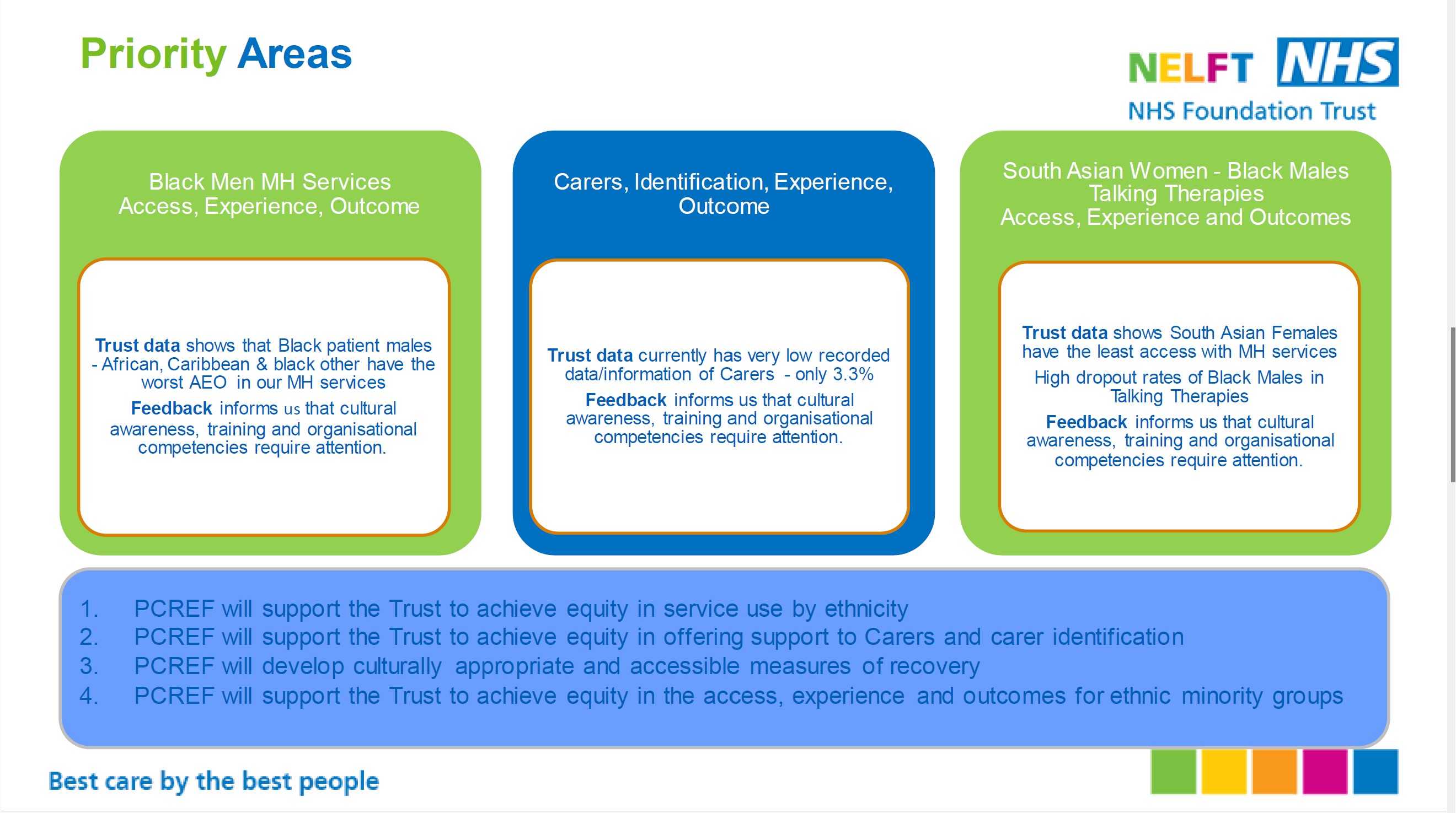
NELFT PCREF Presentation
Before we move onto Kristina’s presentation, the ethnic carer forum opened with a presentation from Asia Zaman who is the Transformation Project Manager for PCREF at North East London NHS FT. She was joined by Tarek Seeraullee who is the Havering Carers Lead at NELFT.
NELFT NHS has taken strong steps to not only incorporate PCREF, but also align it towards the hospitals carers strategy. The NHS trust presented that they admit their patients and carers have poorer outcomes, but things will improve through the following drives and more.
Upcoming workshops and events (increase cultural awareness) – carer led, to understand further about needs, perspectives etc.
increase Staff Knowledge and Awareness) – Develop workshops carer led, to share knowledge and awareness.
Increase Partnership Working – Task and Finish group- carer led, Havering best practice example? NELFT to consider aspects across all directorates.
Co-production – Carers group NCV-NELFT CarersVoice has been set up andrunning, for adults and young people.Workstreams in progress.
Presentated was 10 PCREF competencies where the carers strategy was aligned. We then had a Q&A session from attendees some carers were also from NELF.
SWLSTG PCREF Presentation
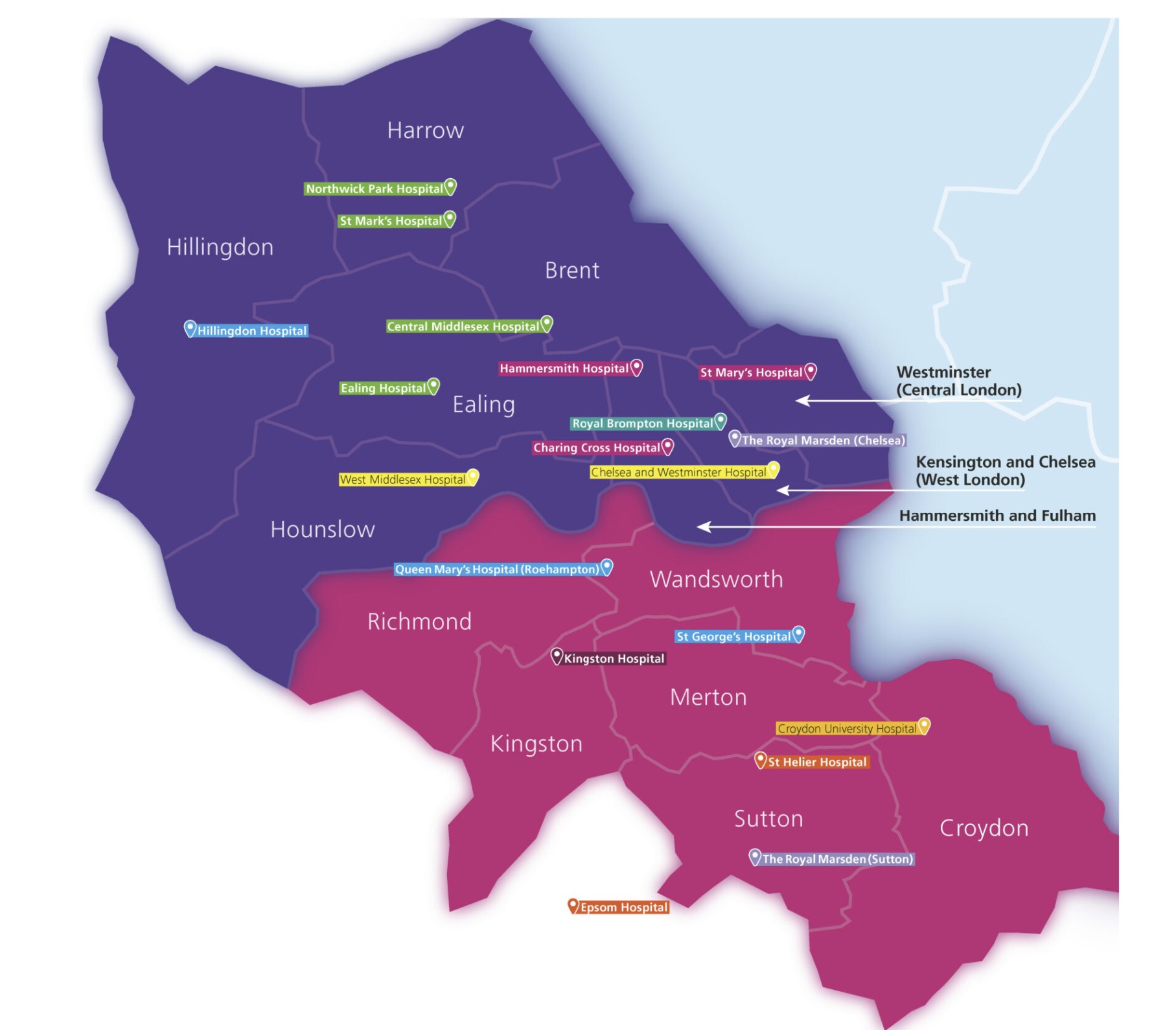
It was kind for South West London & St George to attend and present their focus on PCREF. This section was presented by Tom Carter who is the Peer Involvement Coordinator, Involvement Team. I know SWLSTG NHS trust fairly well as I have been hosting a carers peer forum for 4 years. My carers group in SW london covers the same areas as the MH trusts being Sutton, Merton, Richmond, Wandsworth and Kingston.
Tom presented the focus for PCREF at the NHS organisation, however we did have a few attendees from the area interested in the focus on ethnic minority carers. This is because they saw the presentation from NELFT and did not wanted to be left out. There was specific interest from Wandsworth carers centre and a few others.
On a side note, the mental health trust has developed a new induction video, which you might want to view below.
Kristina Goh presents on Mental Health Context for Minoritised Ethnic Individuals
As mentioned earlier, I was joined by Kristina to talk about her publication on why minorities groups giving birth had poorer outcomes. The group cannot always restrict itself to mental health NHS services as the equality challenge is presented in all other health sectors include acute services.
Kristina presented that one of the leading causes of maternal death antenatally and postpartum is mental ill health (10-20% of women).
Kristina mentioned that poorer outcomes could be challenged with the following.
Cultural competency training for healthcare professionals Cultural competency vs cultural humility Workforce needs to be reflective of the population we care for- think outreach, retention, development opportunities Non-pharmaceutical interventions
KMPT were very kind to engage with the ethnic MH carer forum to update us on their progress. We were joined by a number of Kent & Medway presenting their focus although time ran out before CNWL presented on their drive to include the Patient Carer Race Equality Framework.
CNWL, South London & Maudsley, plus Oxleas NHS and NHS England will update in February.
This concludes my brief update for the Ethnic mental health carers forum January 2024.
No one rushes to be a carer, usually most people plan to care for loved ones when they are much older, but life is not often like this. Life is complex, unexpected and has its ups and downs.
You did not expect this day to happen, but here it is. The person close to you has suddenly become unwell, it could be a close relative, a lonely neighbour or a dear friend. It’s different for everyone depend on the relationship, but no matter what the definition is going to be the same. You have become a carer.
What next? What will you do?
There is no hard and fast guide, a lot depends on your resources, support or connections. Caring for someone even depends on knowledge and information, but most of all caring depends on the care given. You know you will probably have to do this, there still is a choice, but are you prepared to live with the consequences?
No one should be forced into the caring role, no one should be that reluctant carer, but that day has arrived. Depending on that relation, you want to be there for someone, you feel you have to try. It might be out of duty, it might be out of love or sympathy. You want to care and you have made that decision.
You are going to care…..
Yet you are not fully aware what you have prepared yourself for. Until you and the person you care for know what the diagonsis is. You are hoping and praying that it is nothing too serious. You have a lot on the line. You do not want that person to suffer their quality of life. You also have plans, dreams and ambitions. All this has been sudden and you just do not feel prepared. You feel anxious on what the future brings, but you want to be there. You want to be there for that special person. It is all up to you because there might not be anyone else around to step in.
Then it suddenly happens.
You are told that diagnosis by a health professional. It does not sink in right away, for some the diagnosis brings relief. Some people know what they must tackle and this is all information. For other people the diagnosis could being heart felt grief and sadness. The diagnosis of the medical illness could be life threatening. It could be a demanding role, but you have already made your decision. You are going to be there, you are going to stay with the ‘cared for’ until as far as you can go.
It is just you still are not fully aware. No one has told you that you are now defined a carer. You think it might be a paid care worker, or a professional carer. You think that you are not doing anything special. You might be the husband, wife, daughter or son. You are just doing what is expected of a close relation, but it is hard.
It is so difficult….
You have to advocate and chase up information for your loved one. You have to cook and clean, check and double check that the ‘cared for’ health is not deteoriating. It is like a juggling act, you are careful not to upset the person you are caring for. They are emotionally struggling with how their life has turned out. They maybe upset that they have to rely on you, then again they cherish that you are standing by and ‘caring’ for them. Yet day by day, month afer month and onto the years, it could get harder. It takes around 2 years before many know they are a carer, but should it take that long?
Should you step back and focus on your own health and wellbeing needs?
Other people are telling you that you need a break, others say you need to know more about what you are caring for. Some people say you should join a carers group. Whatever others say, you being to feel guilty. Is it that bad to focus on your own needs once in a while?
No it is not bad to take time to focus on you.
We cannot care for others if we neglect our own health and wellbeing needs. There is stigma in the caring role, we can all agree on this. Many do not want to be defined as a carer, but that is ok. What is more important is that we get the help and support we need to provide the best care possible. It is not always about caring for others, it is also about caring for ourselves.
If you have found out that you are to do that caring role, ask health and social care services what support you can get as a carer.
Thanks for dropping by my latest blog post. It has been a while since I wrote anything due to being unwell over the Christmas season, it cannot be helped because during these periods there is always something going around. I even had my vaccinations so at least I was not too unwell.
I thought to write a short blog not only to express my wishes for the new year, but to inform and influence other carers what to look out for. When I mention ‘carers’ I am talking about those doing a role unpaid, they might have to provide care out of love, duty or necessity.
Carers are often close family members or even a friend or neighbour, but make no doubt about it a carer has to cope with the resources that are offered to them. On a worst case scenario, a carer would either need to seek out those resources or campaign for them. This should not be the way, but because health and social care can be complex, it is important carers work with the system to get the best support they can.
So below here is my wish list for 2024, which is not a complete list, but something that springs off the top of my head.
Healing from a difficult year
It has been a difficult and tough year for many out there. The cost of living, resources thin on the ground due to the impact of COVID, more cuts to services and the NHS struggling. It is so important that we take time to reflect what we have gone through and how far our own strength has carried us and how we support our loved ones. During the festive period of 2023, it is important to heal. We might use faith, our connection to the community or our peers. If we do not heal then how can we care for others?
The strength to carry on
I am a realist and it might be sad to say, but 2024 is not going to be any easier, it might be much of the same as 2023, but I know did down inside unpaid carers will use the strength to continue to care. It is such a tragedy when a carer has to walk away from their role, but it is understandable. We cannot allow carers to be pushed out of a role, so it is important carers are identified. The outcome is better not only for the carer, but the person they are caring for.
For carers, it is also important to be positive about our situation, a constant negative focus can be draining despite the harsh challenges carers face in health and social care. It is important carers take the step to be heard. If you are caring for someone, tell your story, fill in surveys, make a stand and make alliances. You need to be heard or be ignored, this takes strength to carry on.
My links and projects with partners to strengthen
I developed and accumalated many links with fellow peer carers across the community. Some have been champions of carer activism, others focus on the health and wellbeing benefits. Some carers want to learn and share their stories, this is excellent. We all come together to make a difference with NHS and private healthcare organisations. For what I learn, I wish to share with others. I will seek to develop a path for others to follow where they can learn and in turn help carers who might slip through the net. We can all learn from each other, but we need to be partners.
Celebrating our differences to build a fairer service
The UK is a diverse country, we all have differences, but as long as we seek to share our unique values then we all have something in common. We all want good healthcare, we all want mental wellbeing, but not all people get a fair deal. There are tools, guidelines and policies that help to include carers from different backgrounds. Carers UK have worked so hard to develop their “Supporting Black, Asian and minority ethnic carers” guidelines.
We also have a focus on ethnic mental health from NHS England’s Patient Carer Race Equality Framework (PCREF), which is aimed at organisations providing mental health care.
All these projects were done in co-production and it is important organisations include those who are from different backgrounds. For too long research data has proved minorities are not getting a fair deal as services and systems were not designed to support them. It is a matter for being honest and working with our communities.
Carers Hospital discharge toolkit to bloom
Although not heavily involved in the new NHS England toolkit, I have a platform in many accute hospitals. It would be very foolish not to champion the hard work many have done to increase carer recognition and identification at hospital level. With those platforms, I can build a network of carers who wish to be involved and help grow the toolkit.
In the past it was a struggle to include the family when someone was taken into hospital. The focus was often on the patient, maybe there was not time to engage with the unpaid carer, maybe carer awareness training was lacking or even worse there was not tracking of data regarding carers. With this excellent toolkit for hospitals, the struggle is removed. There is a pathway, a toolkit and a plan to follow. As with all things new, the challenge will not be easy, but I feel us carers can work as partners with the NHS hospitals and feel included and supported in our role.
Triangle of care to influence organisations
The Carer’s Trust ‘Triangle of Care’ framework has been around many years. The Triangle of Care has a focus on mental health carers. Its aim is to strengthen communication between patient, professional and carer. A lot of the focus is of course on families and carers, but with the policies and practicies flowing from the framework we can only hope influence more organisations to take up the challenge and engage with carers using their services. The outcome is better for everyone.
Championing Carers UK focus on carers
Carers UK takes up the voice of carers for the nation. Its not only guidelines, support, toolkits, surveys and practices from the charity. As a realist, I know full well that many unpaid carers would suffer if Carers UK did not work so hard to make the carer voice heard. I have been championing Carers UK for many years and will use all the resources I have to continue their view for a more caring society. This also includes other organisations that fight hard to include the carers voice be it Carers Trust, Age UK, Sane or others.
Write another book
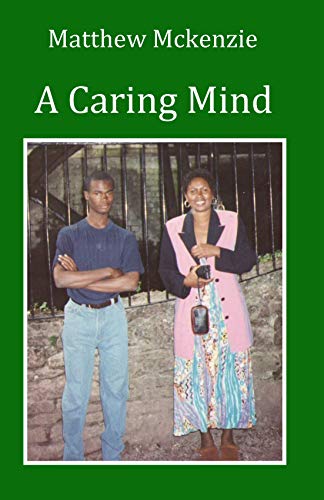
Did you know that I am an author? I have written many books about the caring role as this is an excellent way to raise the awareness. Most of my books focus on the experiences of caring for someone with mental ill health, however I plan to write books on the importance of cancer carer voices.
I am thinking of perhaps 2 to 3 books to champion the importance of caring for others. A community that cares will care for itself.
More poetry
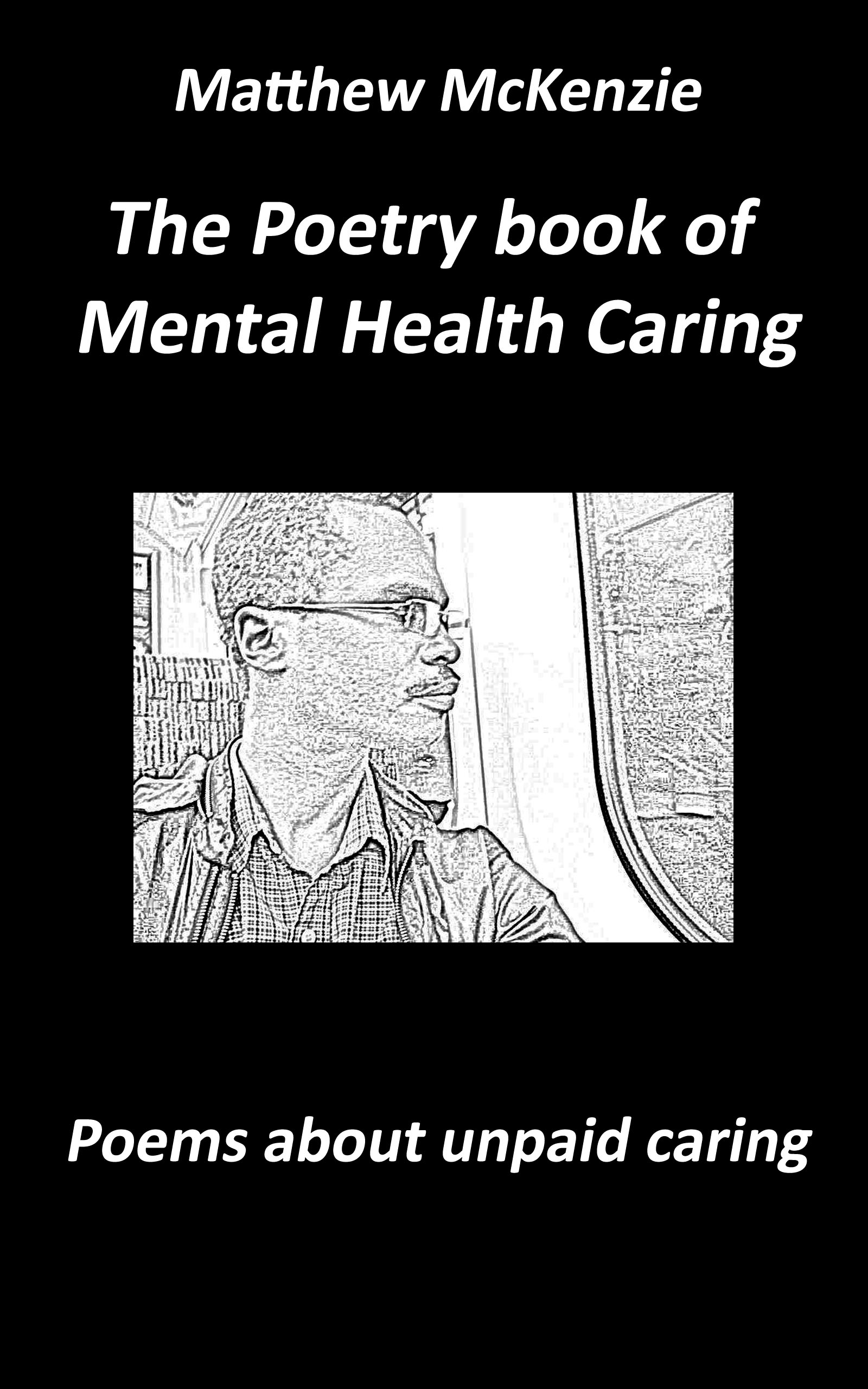
I dabbled in poetry for 2023 and have released a poetry book, several poetry videos and delivered performances. Poetry is an excellent medium for sharing experiences. A lot of my poetry can be dark as the carer experience can be an isolating role.
No one is trained to be an unpaid carer especially when a loved one is stricken with a devastating illness be it mental illness or cancer. Poetry does not have to be perfect, just a couple of lines can make a statement to be included in all time.
Continue to Grow the carer network
I am known for many things, but one of the greatest loves is developing a network. It is not complicated, all it takes is time. I have been running carer groups for many years. The carer groups used to run at local carer centres or hospitals, most are online due to advances in technology.
Be the use of books, poetry, podcasts, carer newsletters and forums, I will continue to use resources to bring carers together. I do not mind if one or two carers show up, the idea is we share and update. A carer network is vital for learning from each other and also holding to account. For carers to go into isolation is a difficult thing to do because risk being unidentified and will struggle.
Help form a platform with carers
When I head out, it is either to work, attend a carers event or spend time at a hospital, each time I am always thinking of ways to develop platforms. We all have strengths, ideas and gifts and we all can contribute as carer activists.
I know for sure that technology will change and so will ideas, so it is important to continue to develop platforms and work with peer carers.
Hope carers can hold local ICS and ICBs to account
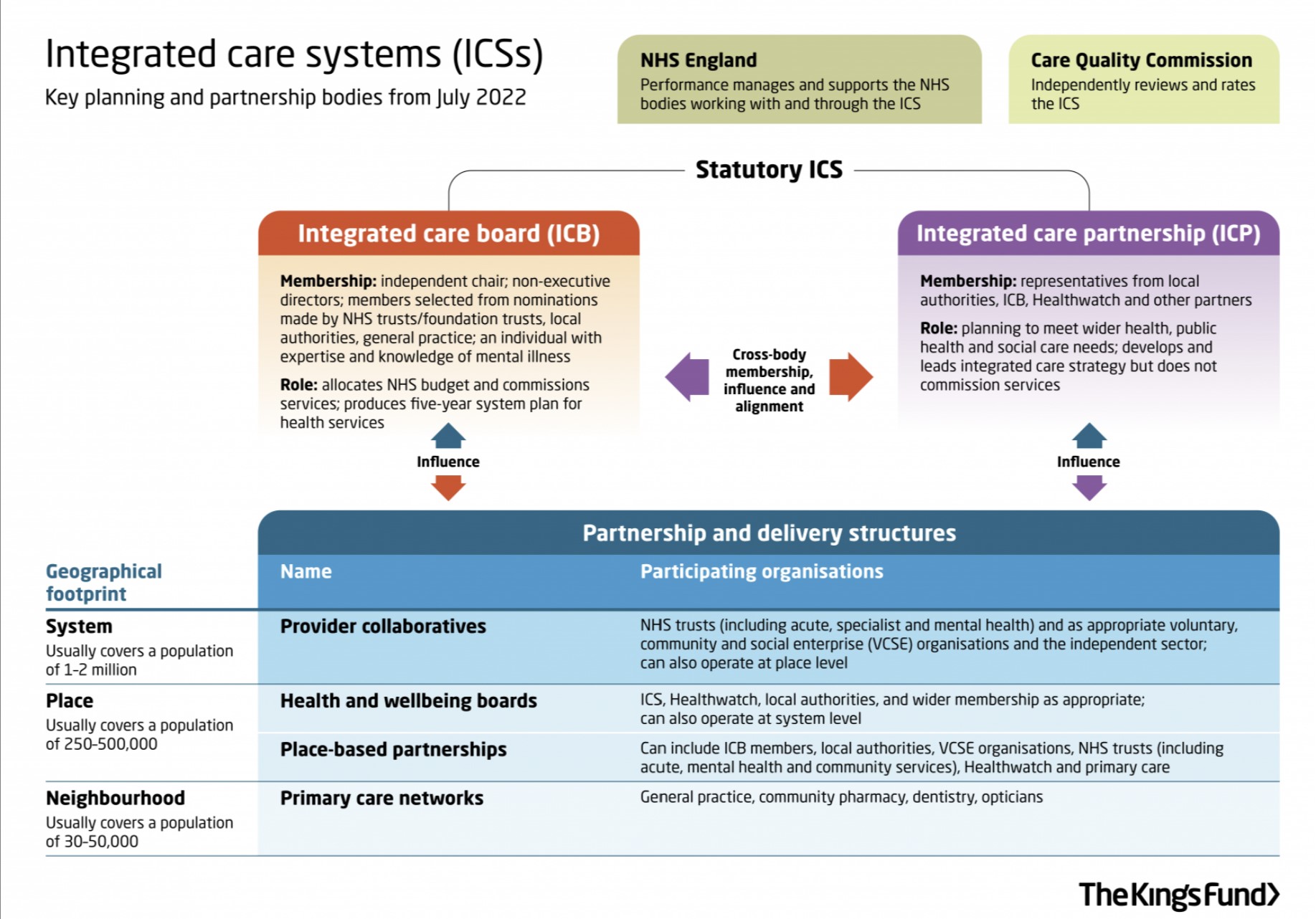
The new NHS England Integrated Care System and Integrated Care Boards are developing processes and policies fast. The centralised scope of care at NHS England is changing towards a more local level. It is folly for unpaid carers not to step up and be included. Do not always expect ICBs to chase everyone as resources and roles will be limited. Carers UK and Carers Trust can only help so far, so there needs to be more carers who are diplomatic enough to hold to account.
By design the health and social care system focuses on the patient, in a sense they have to because the patient is the person who is at the most need. Still, as a human right we cannot expect the community to automatically learn the complex focus on health and social care. The community HAS to be included, the family, friend and carer have to be involved. There needs to be carer activism to hold to account. Carers who feel they can ignore these changes are in for a difficult time. It is better to be heard and lessen the isolation rather the give up, complain and be completely ignored, which is always a risk.
Time for carers to make a stand and work in partnership.
A caring community
Caring is not automatic, it takes time, skill and patience. There are those that view the caring role as lazy and not worth the time. This is a complete misunderstanding.
We do not know the time or place where we will care, but we will experience the declining health of our loved ones, if not the declining health of ourselves. To state caring is not important to society or the community is a curse. No one wants to be cursed with a community that does not value care, no one wants to be isolated and lonely with ill health. We might view ourselves as sufficient when we have the youth, power, intelligence at our command, but as time marches on we can see that we HAVE to rely on others.
It is foolish not to invest the focus on a caring community and sadly enough this can be an easy thing to do. It is so easy to be distracted by roles and duties, there is never enough time. We must prepare fast for the changing demographics of an aging society. We cannot always rely on the NHS as it is taking too much strain. One of the best way is for the community to share the ideals of care and service.
Caring for someone is not weak. A community that cares for others is strength, but we need to understand what brings us together.
CONNECT REFLECT VALIDATE – 3 key takeaways to support someone in suicidal crisis
Jo Lambert
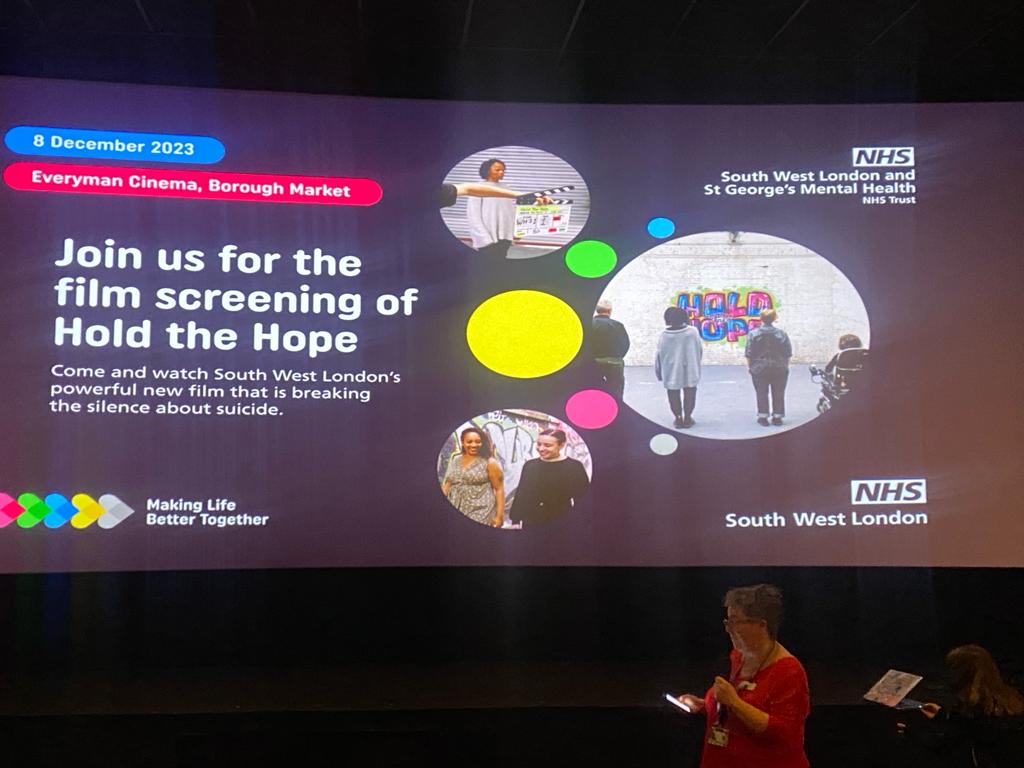
My name is Jo Lambert and I am one of six volunteers who made Hold the Hope, a suicide prevention film which explores how to support someone in suicidal crisis though a lived experience lens.
Over the last year, we have been working with film production company Creative Colony to bring our ideas and vision for Hold the Hope to life.
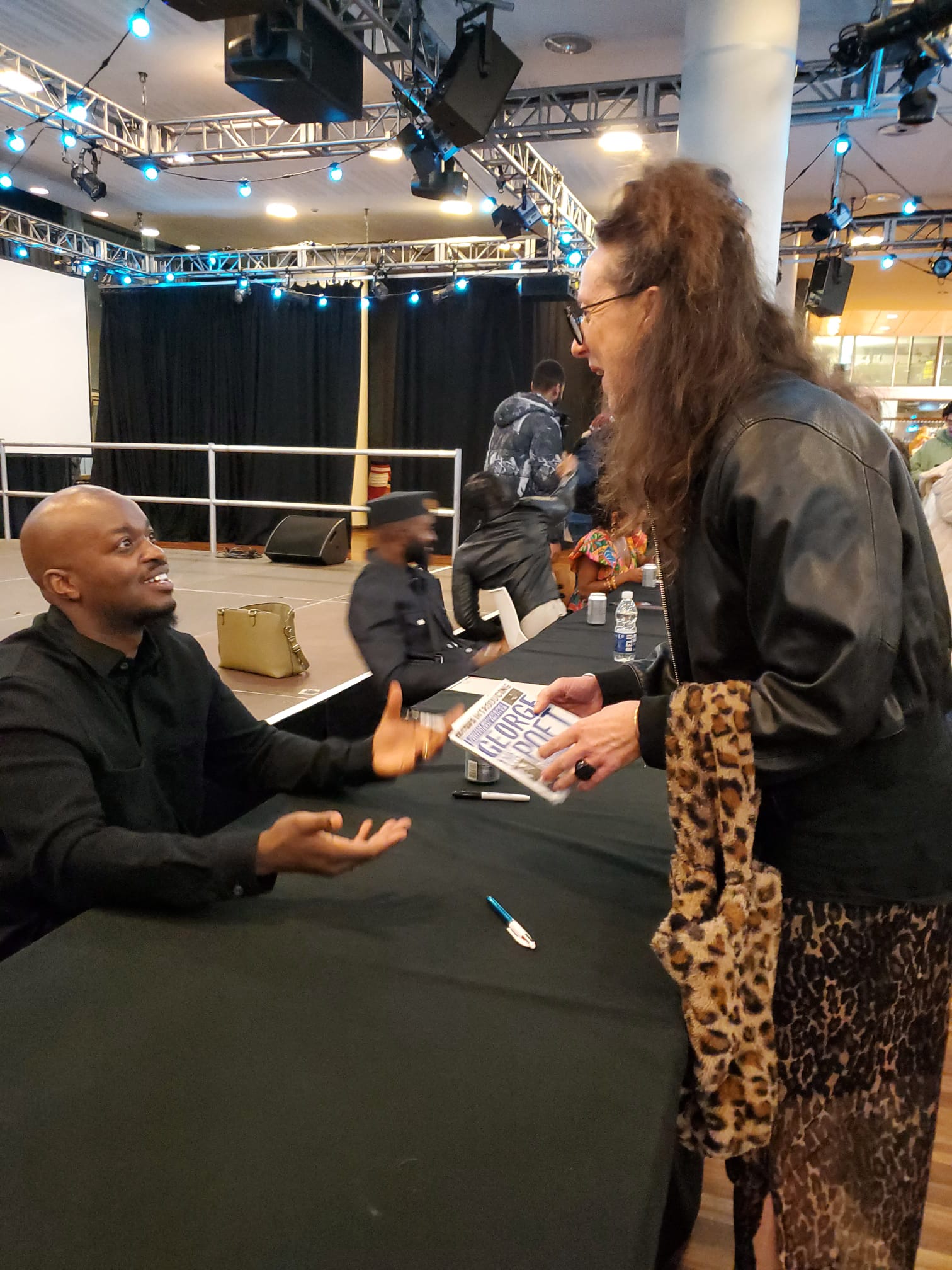
The film is split into two parts, with the first part told through two spoken word poems Today’s the Day and Hold the Hope (written by me and performed by award winning George the Poet).
It depicts the journey of someone who is in mental health crisis and the thoughts, feelings and emotions they experience. The second part of the film features behind-the-scenes footage and interviews with me and my lived experience colleagues.
Hold the Hope was funded by NHS South West London’s Suicide Prevention Programme (part of the NHS South West London Integrated Care Board).
The film will form part of a new life-saving training course that will be co-delivered by me and other volunteers alongside NHS staff for schools and the British Transport Police in South West London.
At the start of the project, I wrote a carer narrative, a distillation of my lived experience supporting a loved one in suicidal crisis. I condensed it into three key takeaway points – CONNECT REFLECT and VALIDATE in the hope that this might be easy to remember in a crisis situation. These three words and their significance are themes which run through both of the poems in the first film’s voiceover and in the second film, my colleagues and I share our lived experience examples of how to connect, reflect and validate someone in crisis and what holding the hope for them means. The film’s name derives from the name of the second poem.
As a mental health carer, I joined this project because I wanted to share what I wish I had known at the start of our family’s crisis. I am delighted that there are plans not just to deliver Hold the Hope into the police and secondary schools, but that there are already discussions about sharing it more widely across communities – with mental health carers, parents, universities etc.
Hold the Hope has been produced from lived experience, and my belief is that it is versatile and eminently portable because of that. For me the beauty of Hold the Hope is that it can be shared anywhere – it is just as applicable in a corporate setting so that staff can learn how to support family members and colleagues as it is for clinicians in a hospital who can deepen their understanding of their patients’ experience.
For me, this is the most important part of the poem. Once you start to understand the details of the back story to someone’s suicidal crisis, what is remarkable is not that the person had thoughts of ending their life but that they coped with as much as they did, as well as they did and for so long. The act of connecting, reflecting back and validating someone’s experience and holding the hope for them in their moment of crisis, can re-connect someone with their own immense internal power to survive.
It was an honour and a privilege to be part of this project and I have made what I hope will be lifelong friends as well as extended my own understanding from the shared experience of my colleagues.
Final words by Matthew McKenzie
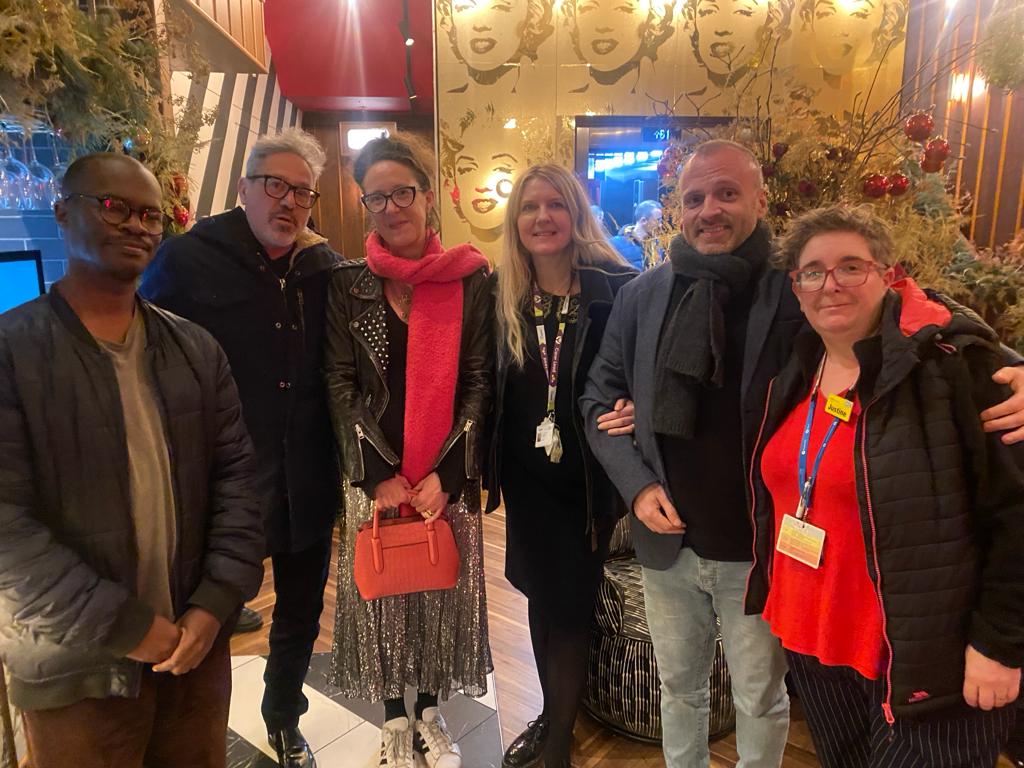
I attended the Hold the Hope Launch on Friday the 8th of December 2023. The launch was at the Everyman Cinema Borough Yards.
I was not sure what to expect, but felt welcomed and involved. With collegues from Cygnet attending along with me, it was a great way to support the amazing work Jo Lambert and others had put into the project.
After watching the video Hold the Hope, I can certainly see the challenge that must be taken up by the police, rail service, schools and more. Suicide must be tackled as soon as possible and one of the best ways to do this is through education.
Health, social care and the mental health services can only grow stronger with the inclusion of those who have lived experience. It takes courage, determination and care for those who get involved, because they have their own challenges and trauma.
The film clearly shows the importance of holding on to hope. There is always a chance, but sometimes we cannot see this. Sometimes those who attempt suicide cannot see any hope and those who should help can lack the skills to spot and prevent suicides.
With Jo Lambert’s poem, I can see how this hits home. I can feel her words gently remind that there is hope.
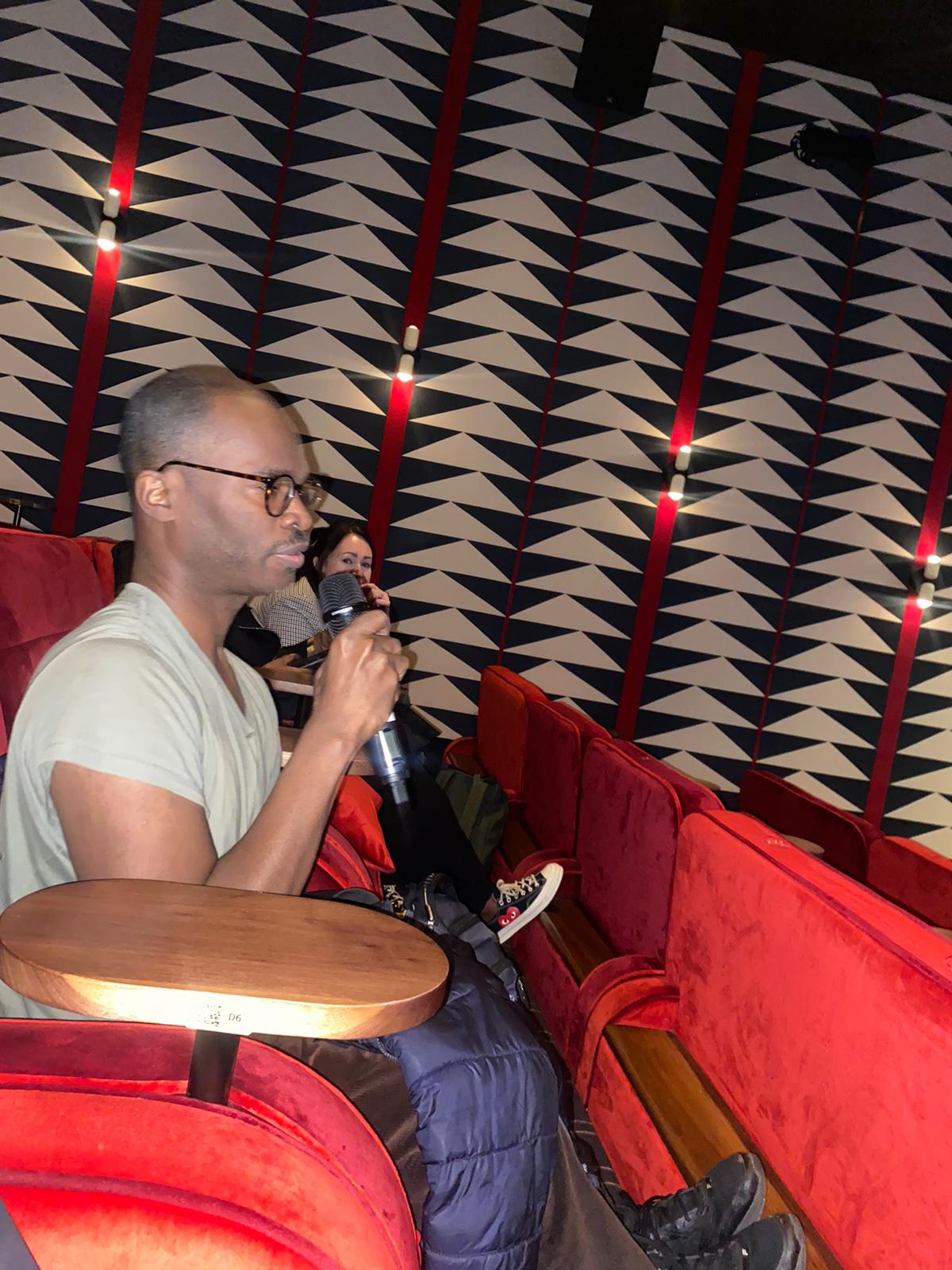
I could not help but be intrigued after the film was shown. I wanted to hear so much from the inclusion of lived experience.
I asked Jo what she expected from the project and was amazed at how thoughtful her answer was. As a carer I can see the potential of the project. We need to include carers and help them tackle the challenges when caring for someone going Suicidal Ideation.
I admit there is so much to do, but with the Hold The Hope project, I can certainly see a strong foundation.
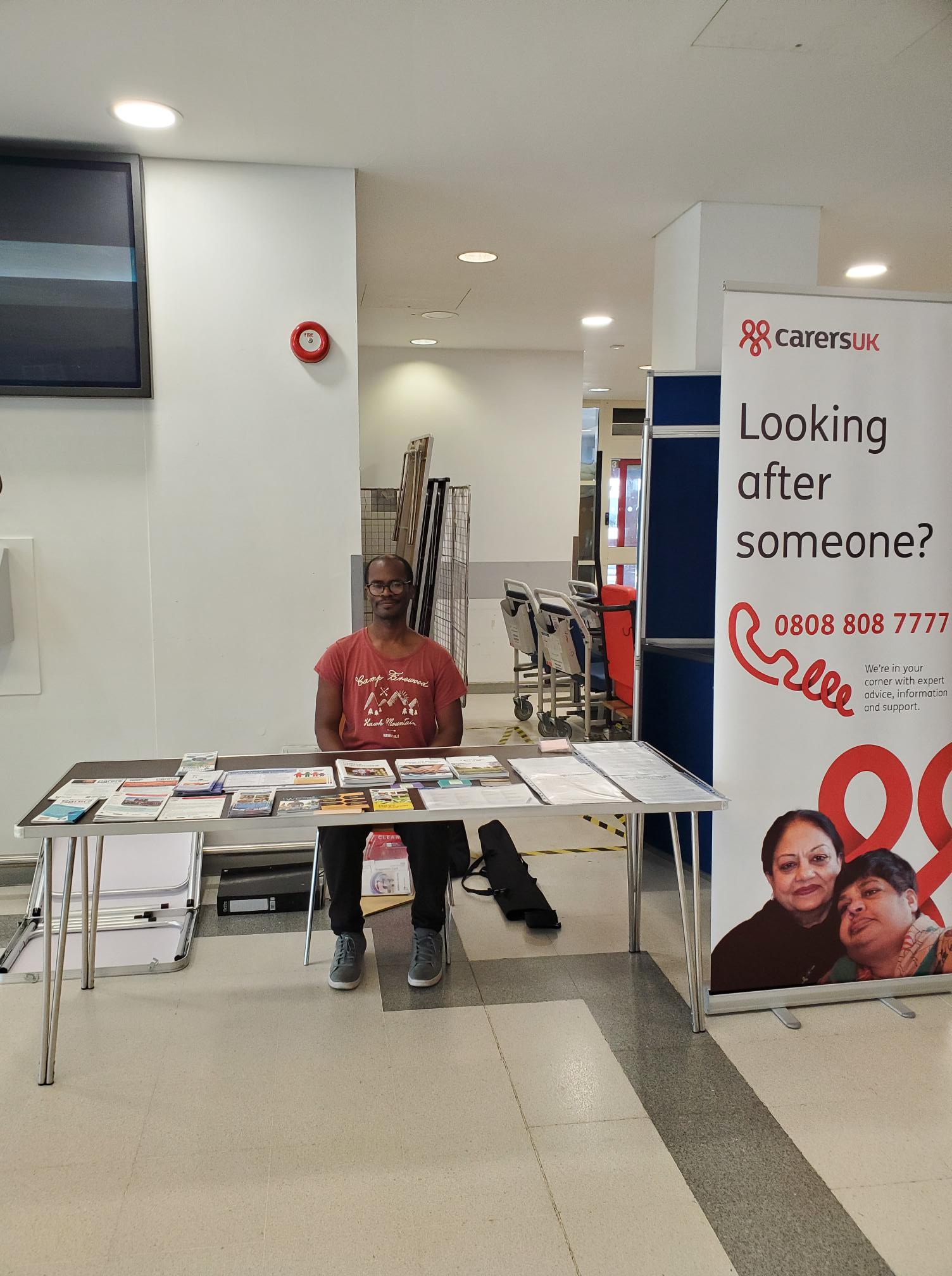
Here is my first carer blog post for November. Come to think of it, November is an exciting month because it is not long until Carers Rights Day which takes place on the 23rd of November. It is important unpaid carers know their rights, but that is a blog post for another day. What I want to highlight in this post is something I have been doing for the past year. That is having a location in some hospitals to engage with carers wandering around the area.
Why do I feel it is so important to engage with carers at hospitals? I mean I can always link up with carers at support groups or carer centres. Well from lived experience, I know full well that hospital experience for carers can be a daunting experience. With health care as it stands, the focus is often on the patient. It is how we understand that the patient is in need, especially if their health is in crisis. The patient becomes the service user and thus they are the core focus of hospital services.
The carer or family member might possibly be in the background. Patiently waiting for their loved ones recovery, they want to follow that person through the hospital experience. Yet, there are probalems and challenges. Very few health professionals often engage with the carer, they might fail to identify them, not keep the family, friend or carer updated. Worst of all there might be scenarios where the carer is completely ignored even if the carer is pointing out options for better recovery or warning against something. There could be lack of carer advocacy, lack of carer referrial, lack of carer peer support especially when a loved one is nearing end of life.
Some people do not even know they are caring, they just arrive in hospital and listen to every advice the health professional provides. People experiencing the role of providing unpaid care might just end up coping in their role.
If carers go through all of the above and believe me a lot of carers experience this when they wander the wards of hospitals. Then it is not hard to understand that carers can feel under valued. Carers will feel they are not listened to if policies and plans are not in place to hear carers out. If carers feel they are not heard, then they will not want to engage with professionals. It is not like we want to force people to take the label of carers, but if they are not identified then how can the hospital system provide carers with the support they need.
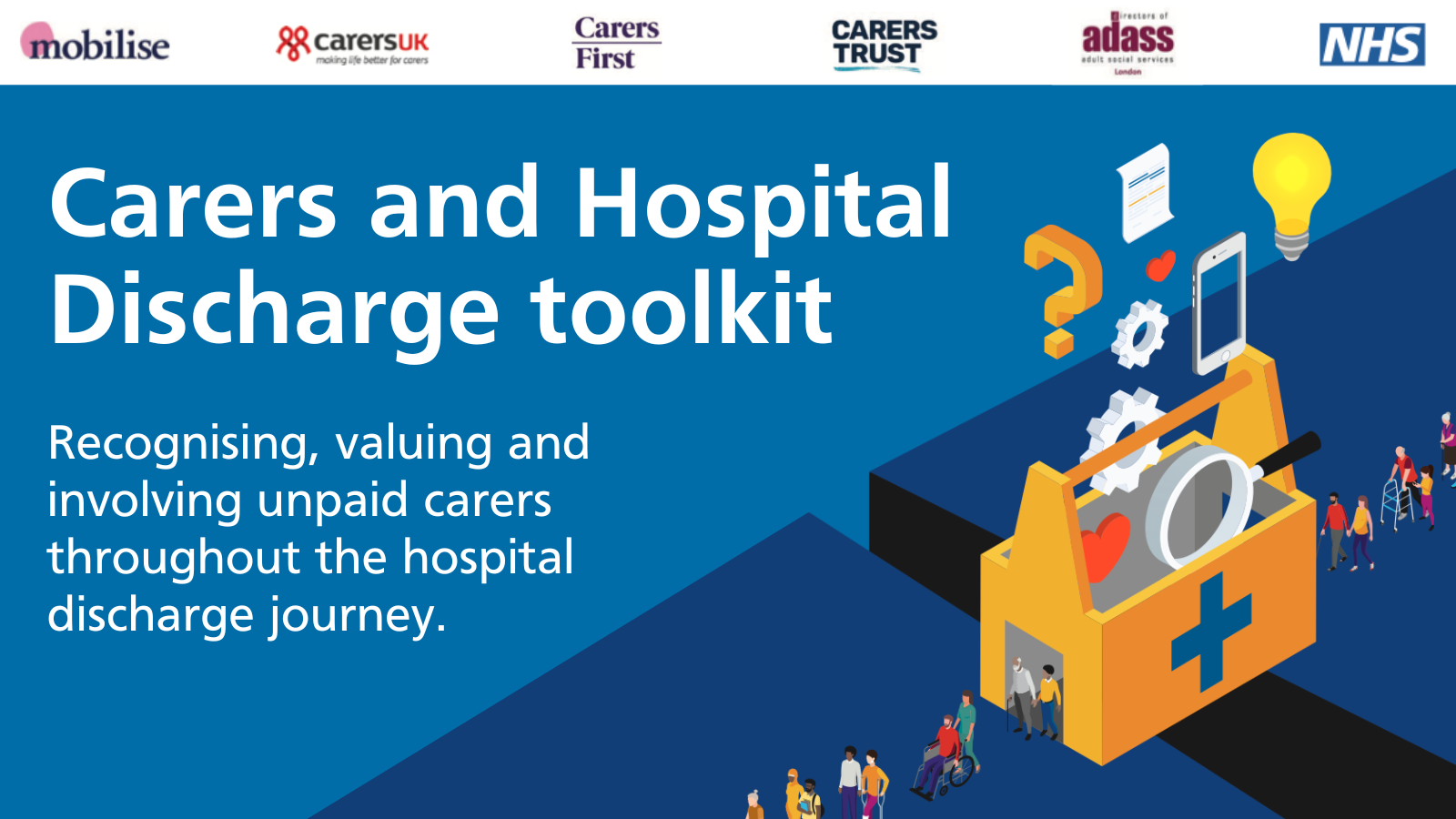
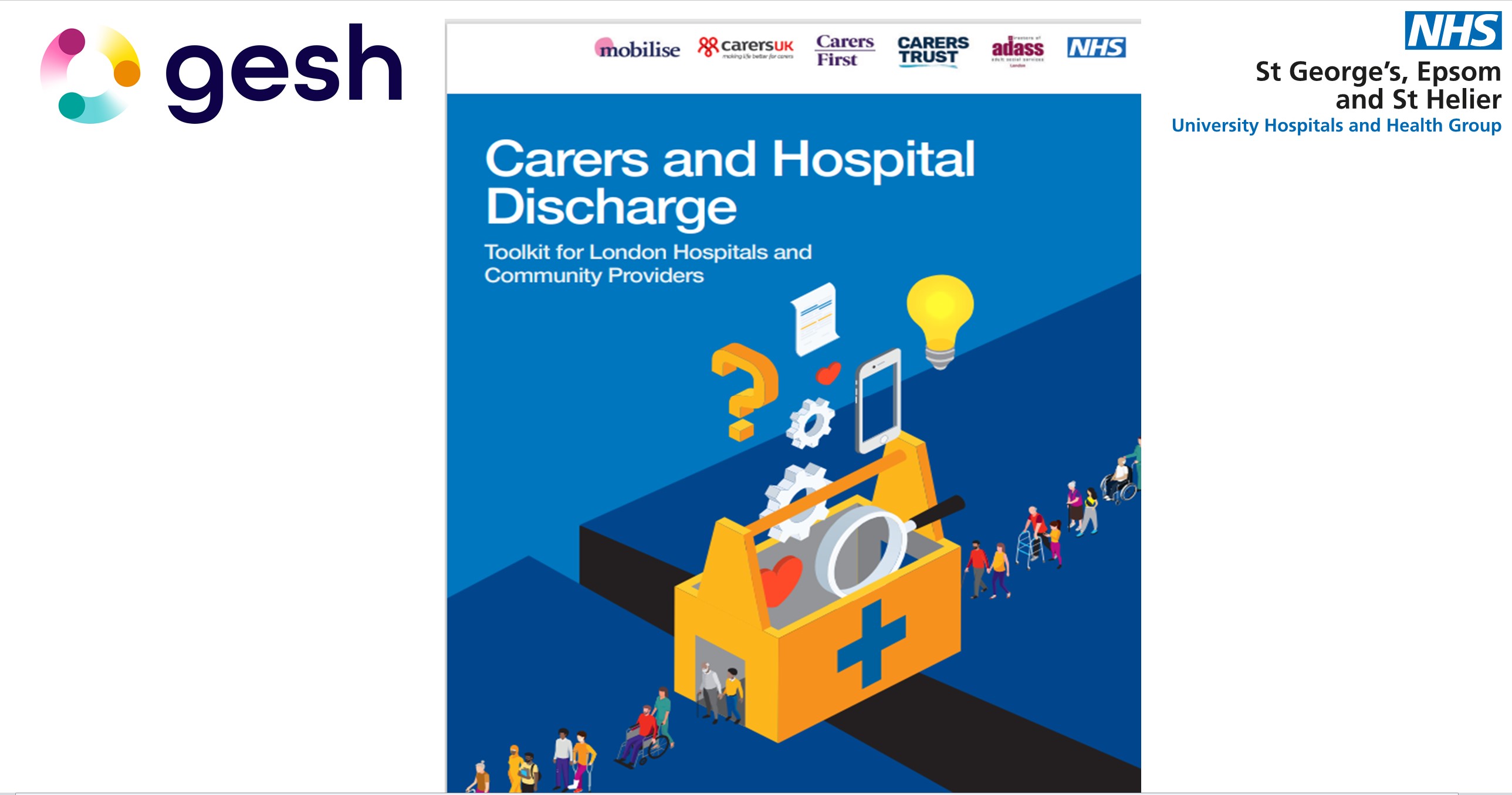
With changes in the Health and Care Act, it is vital that hospitals work hard to engage with families and carers. Many carers taking their loved ones to hospital still go unidentified as hospital record systems are too slow to record carers. There has been great strides in the NHS to use the power of co-production to develop a carer’s discharge toolkit. Many NHS hospital trusts have taken the challenge to improve the experience of carers at hospitals. This provides a pathway to understanding carer needs and compiling data to find out the root causes of carer distress.
For far too long carers feel they are not understood or are not provided any service even though carers ARE actually using hospital services. Just because carers do not have a hospital bed, does not mean they are not vital in continuing care especially when the patient is discharged. The NHS faces immense challenges and will rely on the caring community as never before.
With the new carers hospital discharge toolkit, there is an excellent foundation to build upon to make carers included in the hospital experience. The NHS owes this to carers and we need to include, support and value the experience unpaid carers bring.
Here is another blog post from carer activist Matthew McKenzie. I recently just came from a steering group event from St George’s University. This took place on the 30th of October. The groups focus was on how the hospital trust can work towards identifying and supporting unpaid carers.
St Georges University Hospital
It might seem such a silly question, but I am sure someone out there is asking why should hospitals work towards identifying unpaid carers?
There simple question is unpaid carers are struggling. They struggle with caring for someone and will expect to struggle when their loved one is discharged from hospital. If the carer is not identified then all to often the carer will have a bad experience of hospital services, which will probably impact on the cared for.
This has to change and fortunately there is a new strategy to improve carers discharge using a toolkit called the “Carers and Hospital Discharge toolkit“
This initiative is from NHS England which was co-produced with carers and patients in mind.
Every so often I pay some attention to acute hospital trusts. I even have a carers stall at St George’s University hospital, just as I do at some other hospitals. I was delighted to be invited to the steering group to see how things are progressing with the hospital trust.
Implementing a carer initiative regarding patient discharge is no easy feat. St George’s university hospital is a massive trust with around 9000 staff. Part of the Epsom and St Helier group. St George’s serves a population of 1.3 million across southwest London possibily covering 8 London Boroughs.
So what were the updates from St Georges Carers Steering group?
Well with the group chaired by Wendy Doyle who is the NHS trust Head of Patient Experience.
There was the launch for Carers Week in June 2023, the NHS acute trust has done the following
Started to connect with colleagues and key collaborations including healthwatches, NHS staff and carer centres.
St Georges team have also Identified an Executive Sponsor
Plus they continue to raise awareness of the toolkit
They hosted the first steering group with the focus on when to run the group.
The group also looked to how they could implement the toolkit.
They looked at implementing toolkit as a QI project
The team also spent time with discharge team, Rise, Cerner leads, London care Record, and NHSE to explore date capture
What impressed me on what St Georges hospital trust were doing is tailoring their patient system “Cerner” with a method of recording carer information.
There also has been a lot of work on the new carer’s leaflet, which was co-design leaflet for staff to signposting to carers. Since I have a carers stall, the leaflets will be useful to help engage with carers.
There will be a lot of work to do, but I am impressed with how far the university hospital is making a difference for unpaid carers.
Another post from carer activist Matthew McKenzie. This blog is aimed at those caring for someone with cancer for the South West of London.
Exciting news!
If you are interested in future south west London lay representative roles.
Community Design Leads will help Royal Marsden Partners cancer alliance design future south west London lay representative roles for various cancer meetings.
They are looking for people who live in Richmond, Wandsworth, Merton, Kingston, Croydon and Sutton.
You will need to be able to attend:
Three 1.5 hour meetings – these will be online on Microsoft Teams on the following dates:
Thursday 14th September 1.45pm – 3.15pm, South West London Cancer Board
Thursday 12th October 3.30pm – 5pm, Clinical and Operational Board
Thursday 19th October 10.00-11.00am, Executive Board Meeting
Join a pre-meet for one hour before each meeting – to help you prepare
Join a follow up meeting for one hour after each meeting.
As a thank you for your time you will receive a £150 voucher.
Why they want to co-design these roles with you:
By working with local people to design these new lay member roles they can make sure they work well, that lay reps are supported, that they are able to contribute to the meetings effectively and make a difference.
You:
You don’t have to have had significant experience of using the NHS or being involved in formal board meetings to undertake this work. This is important that carers are included to shape services.
This is a great opportunity to:
share your experiences of the meetings,
make a difference and help us improve how we hear from local people, acting as lay members, in these meetings
help us understand what matters to people and our communities
enhance cancer related services for people across south west London.
To find out more about the role please contact Kath Malhotra for further information: 07801216768
If you are interested in the role please download and complete the form below and send to rmpartners.admin@nhs.net
Deadlines for applications: 30th August
Informal interviews will take place virtually on Wednesday 6th September.
Welcome to another blog from carer activist Matthew McKenzie. I raise awareness of unpaid carers and run monthly groups aimed at those caring for someone suffering mental illness. I also starting to run groups for those caring for someone with cancer. Did you know I am also an NHS Citizen?
Health is so important to us, especially when you are caring for the health and wellbeing of your loved one or the person you are caring for. If anything goes wrong when booking appoinments, operations or navigating the health system then the affect can be life changing. NHS has provided free healthcare for around 75 years and long may that continue, but as this blog will raise there is a big ask aimed at carers and those they care for.
NHS England a cherished organisation for the people.
NHS England was the envy of the world. A great idea put into practice. Free healthcare for all, if you can or cannot afford it. A step forward for a society that values its people. It all starts with people, because people and communities are important to the health service.
The NHS is still loved by people, but the challenges it faces will test the patience of many. With long queues and ever changing systems. The NHS is asking for people to help drive the health service through tough waters.
What the NHS has gone through
The NHS has to own up. There are things within its control that could have made life easier for carers and the ‘cared for’. There were some decisions that took too long. Some projects that cost too much, some plans that never evolved. The NHS unfortunately also struggled with things outside its control as with the pandemic, funding issues, under valued staff and complicated structures getting outside its control.
All the above has led people to feel forgotten. The users of the NHS are feeling distant because their health is on the line. As a carer I often worry if my ‘cared for’ health might worsen. I worry they would have to join the endless queue where there is a gamble for their own health.
Yet, I still love the NHS. It is hard to imagine that free healthcare will turn into healthcare for those who can afford it.
Its not enough to love the NHS
As the title says. It is not enough to love the NHS. We are at the crossroads. I as an NHS Citizen ask carers to continue ti focus on what the NHS is doing. This means Nationally and locally. Not only is the ‘cared for’ health at stake, but our own health as a carer. The carer’s health is at risk, the carer identity can be missing. With our own worries, wellbeing and the risk we may fall unwell ourselves. The question asked is “how can you care for someone else, if your health causes you to give up caring?”.
We now need to take our cause to the next level and question again how the NHS serves us. There will be drives and targets to drive down waiting times for the NHS. The government and the NHS have to act, because people should not be made to suffer this way. The health services needs our help. We need to feedback what we feel is working and also feedback does not work.
This might sound boring and exhausting, you might even think that as a carer, you have heard all this before.
Yet the NHS is for you. As a carer, you should be counted!! Without unpaid carers, the NHS will sink into the abyss and now the NHS is depending on informal carers to provide quality of unpaid care.
The NHS will work to help identify, support and work with carers. The NHS cannot do this without input.
Help drive it
The NHS is huge. I am not kidding. You know the NHS has grown to be a complicated structure, because the populations needs have become complicated. We are living longer, this is part of the NHS successes. However the complexities of the population comes at a cost. Loving your health service is not enough. Hold the NHS to account, question what providers are doing. If they do not engage with carers, then unpaid carers need to engage with the NHS.
As carers we have the right to help drive the NHS. The health service is ours, but not by right and certainly not by an ideal. We have to work for the health service to work for us.
I will not lie. The keyword is “work” and this will be hard work.
Feedback
The most simple way to get involved in shaping and driving the NHS is to feedback. Do not be silent and cope as a carer. Tell the health service what affects you. Let the NHS know that as a carer, you should be counted.
You should not be ignored, because you want to see the best support for your ‘loved one’. If you are supported to care, then in turn this supports the NHS.
What are your providers up to?
There will be new ideas, new projects and new ways of engagement. Most of all there will be new ways of providing a service. I do not have the answers, all I know is that waiting lists have to be driven down to acceptable levels. Too long people have suffered waiting for operations.
Too long carers have been missed out and expected to get on with it. What are your Integrated Care Boards up to? Where is that money being spent? As a carer, do you know something that could help the community of unpaid carers? Its about engagement and it is also about holding to account. We need to work together.
It starts with you because
It starts with you because you are a citizen. It starts with you because as a person it is your right to healthcare. It is also your right to healthcare for your ‘cared for’. As a carer, you have those ideas that can help the NHS.
You have seen how healthcare supports and treats you and the person you care for. We love the NHS and we only ask the NHS to care for us. However, It is not enough to love the NHS, it is now time to value the NHS. It is time to fight for it.
I cannot promise the outcome, things will change for the better and some things will be challenging. Still, as a carer activist, I ask carers to stand up and be counted.
Welcome back to another blog post by carer activist Matthew McKenzie. Quick question. Do you know about Allied Health Professions?
Well, allied Health professionals work to provide the community with the best support and health benefits using their skills and expertise.
Allied Health professionals work in many different settings and they do not always have to be based in hospitals. There are around 14 all doing their best to serve the community.
Art therapists Dramatherapists Music therapists Podiatrists Dietitians Occupational therapists Operating department practitioners Orthoptists Osteopaths Paramedics Physiotherapists Prosthetists and orthotists Radiographers Speech and language therapists
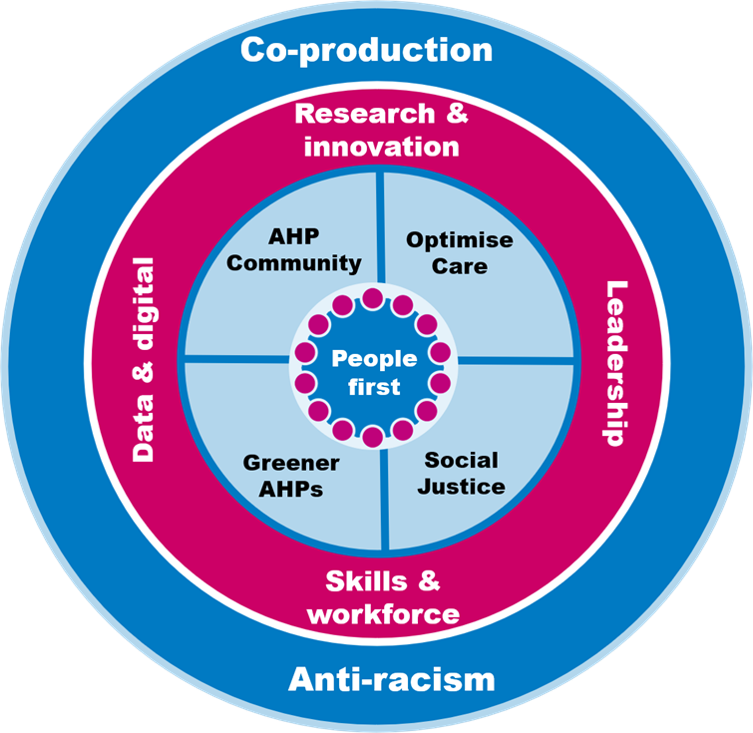
Still, serving the community is not enough. It is about including the community and putting people first. This is done through co-production, leadership, innovation and bringing out the best in the AHP community. The health of the community is a challenge if the health of the environment suffers, so it is important to prepare for a greener future and cleaner future.
The Allied Health Professions have set their strategy for england, which you can view below.
There also is a new video to promote why AHPs should continuously improve their contribution to high-quality health and care services.
As a carer activist, I know full well that high quality care can have a positive impact. We all have a part to play, just as we all want healthier lives. Users of health services want their views taken into account and this can lead to a better strategy.






















 A Caring Mind