Tag Archives: NHS

Community Design Leads – Royal Marsden Partners Cancer Alliance

Another post from carer activist Matthew McKenzie. This blog is aimed at those caring for someone with cancer for the South West of London.

Exciting news!

If you are interested in future south west London lay representative roles.

Community Design Leads will help Royal Marsden Partners cancer alliance design future south west London lay representative roles for various cancer meetings. 

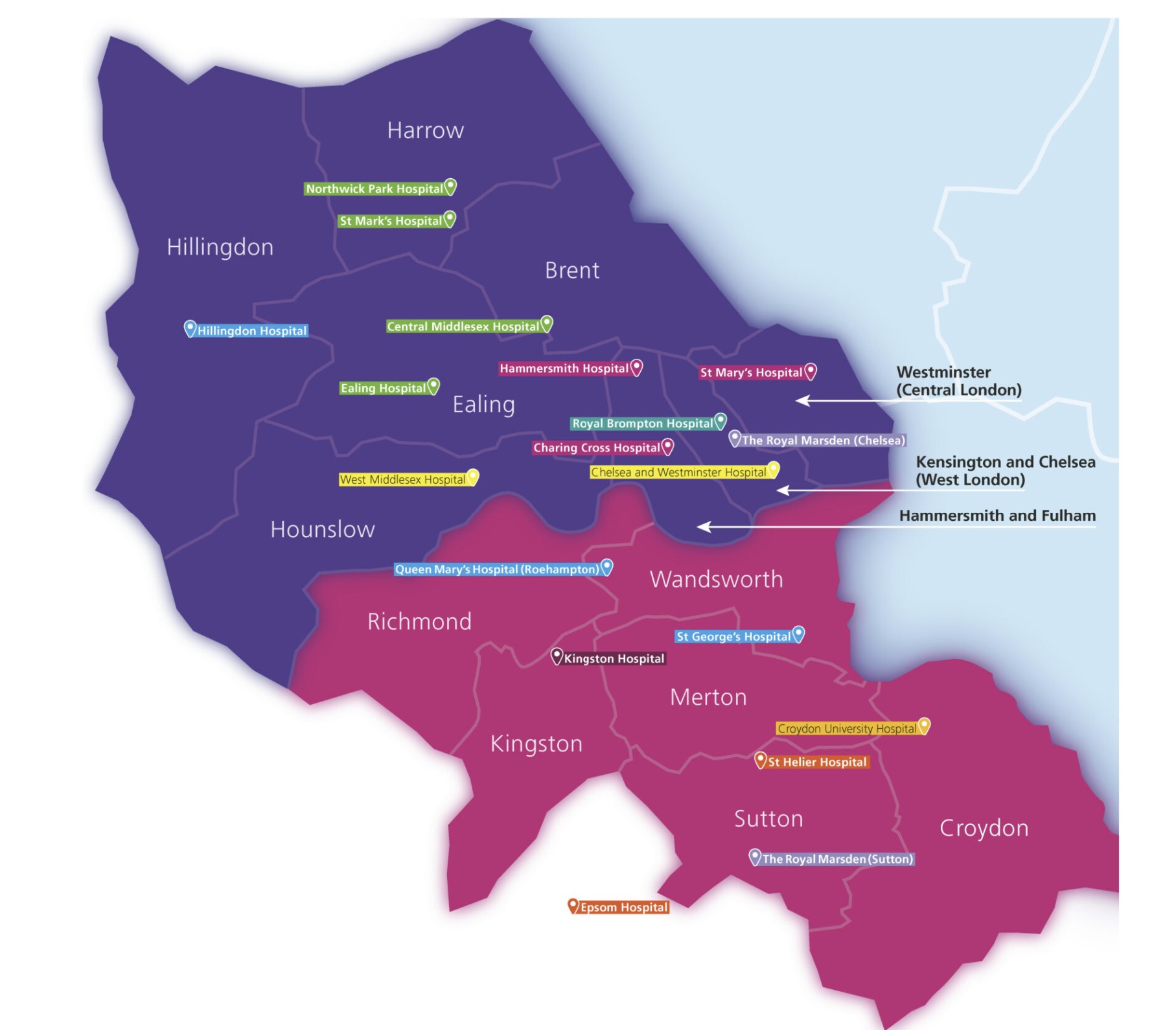
They are looking for people who live in Richmond, Wandsworth, Merton, Kingston, Croydon and Sutton. 

You will need to be able to attend: 

  • Three 1.5 hour meetings – these will be online on Microsoft Teams on the following dates:
    • Thursday 14th September 1.45pm – 3.15pm, South West London Cancer Board
    • Thursday 12th October 3.30pm – 5pm, Clinical and Operational Board
    • Thursday 19th October 10.00-11.00am, Executive Board Meeting
  • Join a pre-meet for one hour before each meeting – to help you prepare
  • Join a follow up meeting for one hour after each meeting.

As a thank you for your time you will receive a £150 voucher.

Why they want to co-design these roles with you:

By working with local people to design these new lay member roles they can make sure they work well, that lay reps are supported, that they are able to contribute to the meetings effectively and make a difference.

You:

You don’t have to have had significant experience of using the NHS or being involved in formal board meetings to undertake this work.  This is important that carers are included to shape services.

This is a great opportunity to:

  • share your experiences of the meetings,
  • make a difference and help us improve how we hear from local people, acting as lay members,  in these meetings
  • help us understand what matters to people and our communities
  • enhance cancer related services for people across south west London. 

To find out more about the role please contact Kath Malhotra for further information:  07801216768

If you are interested in the role please download and complete the form below and send to rmpartners.admin@nhs.net

Deadlines for applications: 30th August

Informal interviews will take place virtually on Wednesday 6th September.

The challenge for unpaid carers and the NHS

Welcome to another blog from carer activist Matthew McKenzie. I raise awareness of unpaid carers and run monthly groups aimed at those caring for someone suffering mental illness. I also starting to run groups for those caring for someone with cancer. Did you know I am also an NHS Citizen?

Health is so important to us, especially when you are caring for the health and wellbeing of your loved one or the person you are caring for. If anything goes wrong when booking appoinments, operations or navigating the health system then the affect can be life changing. NHS has provided free healthcare for around 75 years and long may that continue, but as this blog will raise there is a big ask aimed at carers and those they care for.

  • NHS England a cherished organisation for the people.

NHS England was the envy of the world. A great idea put into practice. Free healthcare for all, if you can or cannot afford it. A step forward for a society that values its people. It all starts with people, because people and communities are important to the health service.

The NHS is still loved by people, but the challenges it faces will test the patience of many. With long queues and ever changing systems. The NHS is asking for people to help drive the health service through tough waters.

  • What the NHS has gone through

The NHS has to own up. There are things within its control that could have made life easier for carers and the ‘cared for’. There were some decisions that took too long. Some projects that cost too much, some plans that never evolved. The NHS unfortunately also struggled with things outside its control as with the pandemic, funding issues, under valued staff and complicated structures getting outside its control.

All the above has led people to feel forgotten. The users of the NHS are feeling distant because their health is on the line. As a carer I often worry if my ‘cared for’ health might worsen. I worry they would have to join the endless queue where there is a gamble for their own health.

Yet, I still love the NHS. It is hard to imagine that free healthcare will turn into healthcare for those who can afford it.

  • Its not enough to love the NHS

As the title says. It is not enough to love the NHS. We are at the crossroads. I as an NHS Citizen ask carers to continue ti focus on what the NHS is doing. This means Nationally and locally. Not only is the ‘cared for’ health at stake, but our own health as a carer. The carer’s health is at risk, the carer identity can be missing. With our own worries, wellbeing and the risk we may fall unwell ourselves. The question asked is “how can you care for someone else, if your health causes you to give up caring?”.

We now need to take our cause to the next level and question again how the NHS serves us. There will be drives and targets to drive down waiting times for the NHS. The government and the NHS have to act, because people should not be made to suffer this way. The health services needs our help. We need to feedback what we feel is working and also feedback does not work.

This might sound boring and exhausting, you might even think that as a carer, you have heard all this before.

Yet the NHS is for you. As a carer, you should be counted!! Without unpaid carers, the NHS will sink into the abyss and now the NHS is depending on informal carers to provide quality of unpaid care.

The NHS will work to help identify, support and work with carers. The NHS cannot do this without input.

  • Help drive it

The NHS is huge. I am not kidding. You know the NHS has grown to be a complicated structure, because the populations needs have become complicated. We are living longer, this is part of the NHS successes. However the complexities of the population comes at a cost. Loving your health service is not enough. Hold the NHS to account, question what providers are doing. If they do not engage with carers, then unpaid carers need to engage with the NHS.

As carers we have the right to help drive the NHS. The health service is ours, but not by right and certainly not by an ideal. We have to work for the health service to work for us.

I will not lie. The keyword is “work” and this will be hard work.

  • Feedback

The most simple way to get involved in shaping and driving the NHS is to feedback. Do not be silent and cope as a carer. Tell the health service what affects you. Let the NHS know that as a carer, you should be counted.

You should not be ignored, because you want to see the best support for your ‘loved one’. If you are supported to care, then in turn this supports the NHS.

  • What are your providers up to?

There will be new ideas, new projects and new ways of engagement. Most of all there will be new ways of providing a service. I do not have the answers, all I know is that waiting lists have to be driven down to acceptable levels. Too long people have suffered waiting for operations.

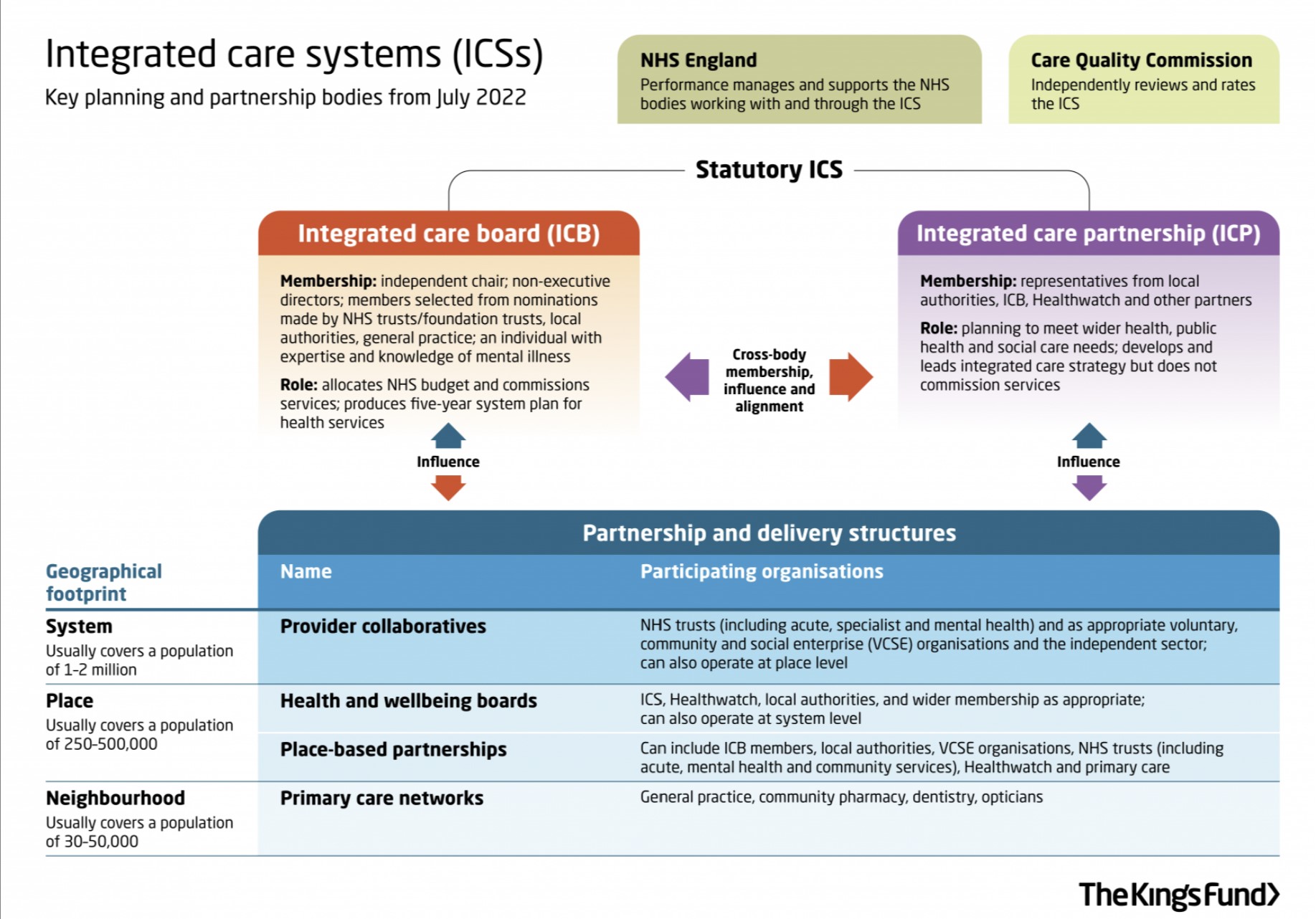
Too long carers have been missed out and expected to get on with it. What are your Integrated Care Boards up to? Where is that money being spent? As a carer, do you know something that could help the community of unpaid carers? Its about engagement and it is also about holding to account. We need to work together.
  • It starts with you because

It starts with you because you are a citizen. It starts with you because as a person it is your right to healthcare. It is also your right to healthcare for your ‘cared for’. As a carer, you have those ideas that can help the NHS.

You have seen how healthcare supports and treats you and the person you care for. We love the NHS and we only ask the NHS to care for us. However, It is not enough to love the NHS, it is now time to value the NHS. It is time to fight for it.

I cannot promise the outcome, things will change for the better and some things will be challenging. Still, as a carer activist, I ask carers to stand up and be counted.

It starts with you because you ARE worth it.

Realising the transformative potential of AHPs

Welcome back to another blog post by carer activist Matthew McKenzie. Quick question. Do you know about Allied Health Professions?

Well, allied Health professionals work to provide the community with the best support and health benefits using their skills and expertise.

Allied Health professionals work in many different settings and they do not always have to be based in hospitals. There are around 14 all doing their best to serve the community.

Art therapists
Dramatherapists
Music therapists
Podiatrists
Dietitians
Occupational therapists
Operating department practitioners
Orthoptists
Osteopaths
Paramedics
Physiotherapists
Prosthetists and orthotists
Radiographers
Speech and language therapists

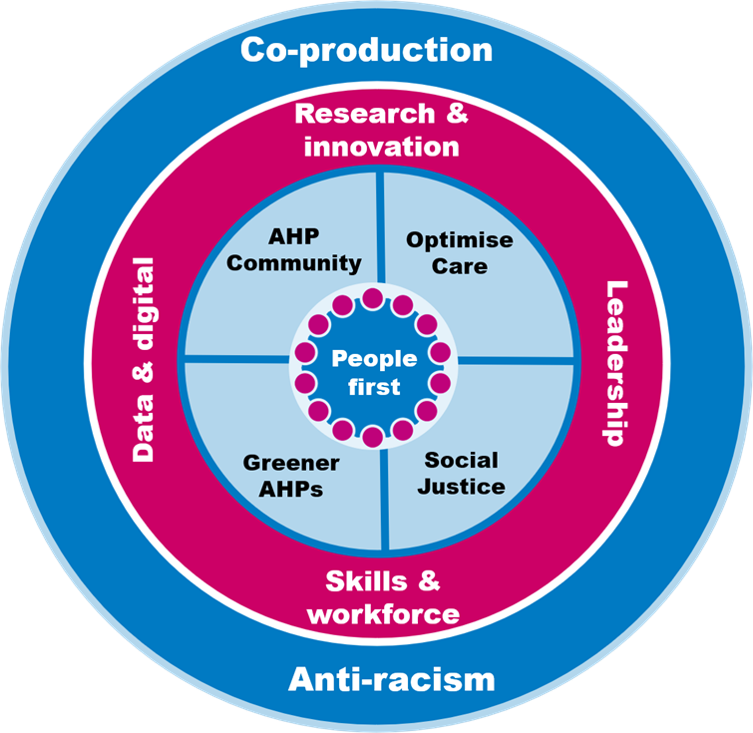
Still, serving the community is not enough. It is about including the community and putting people first. This is done through co-production, leadership, innovation and bringing out the best in the AHP community. The health of the community is a challenge if the health of the environment suffers, so it is important to prepare for a greener future and cleaner future.

The Allied Health Professions have set their strategy for england, which you can view below.

There also is a new video to promote why AHPs should continuously improve their contribution to high-quality health and care services.

As a carer activist, I know full well that high quality care can have a positive impact. We all have a part to play, just as we all want healthier lives. Users of health services want their views taken into account and this can lead to a better strategy.

Thanks for reading.

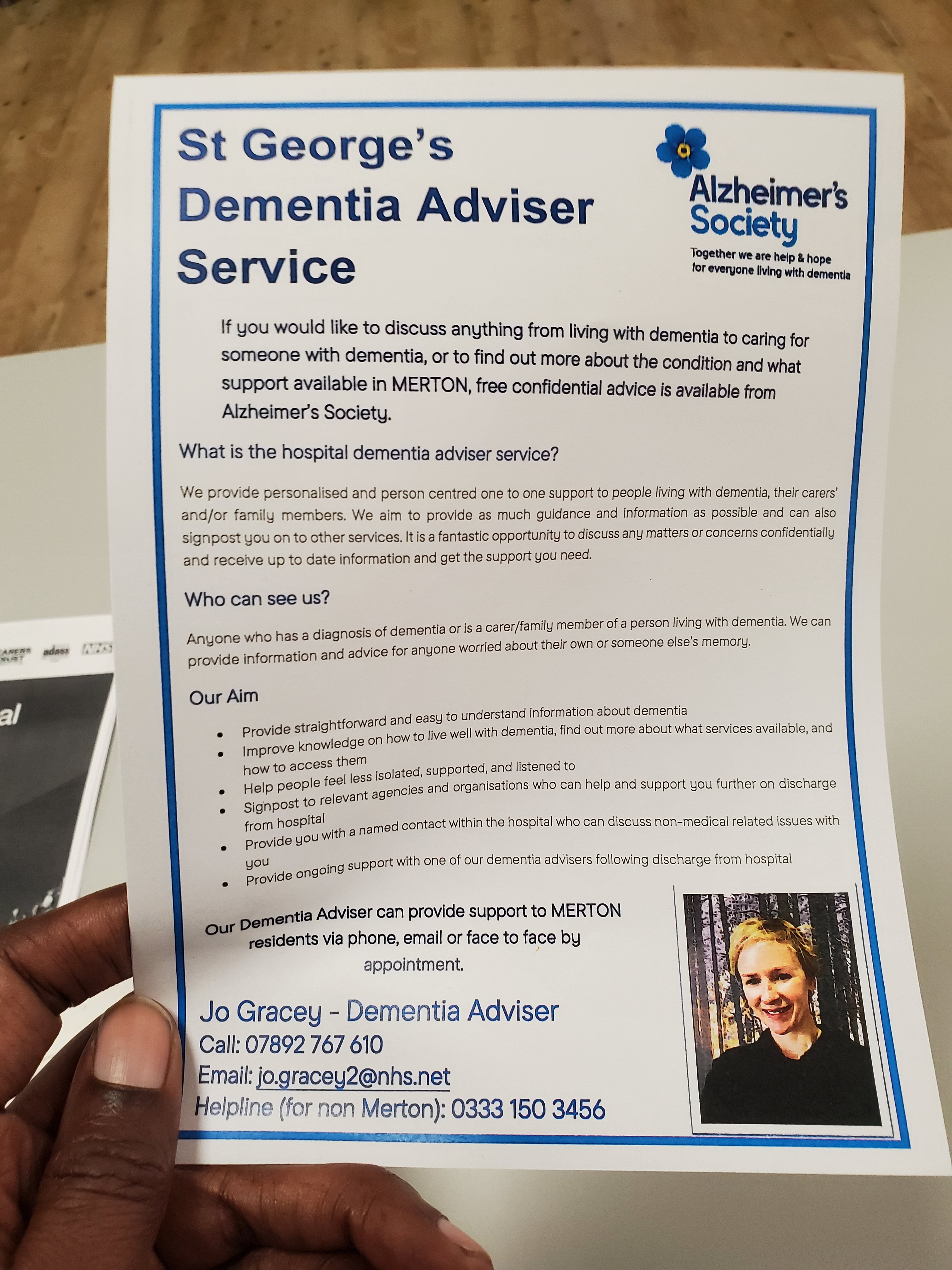
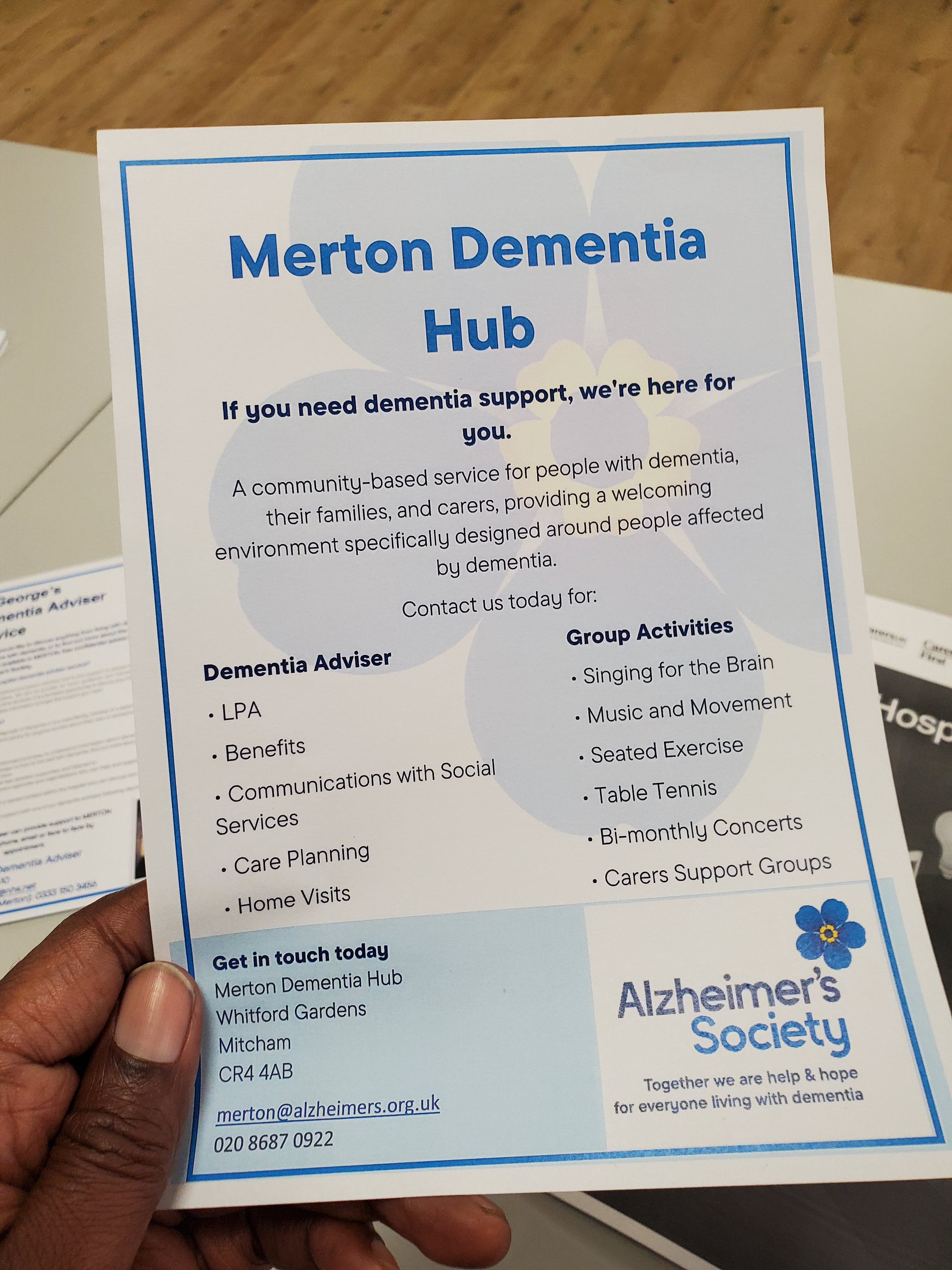
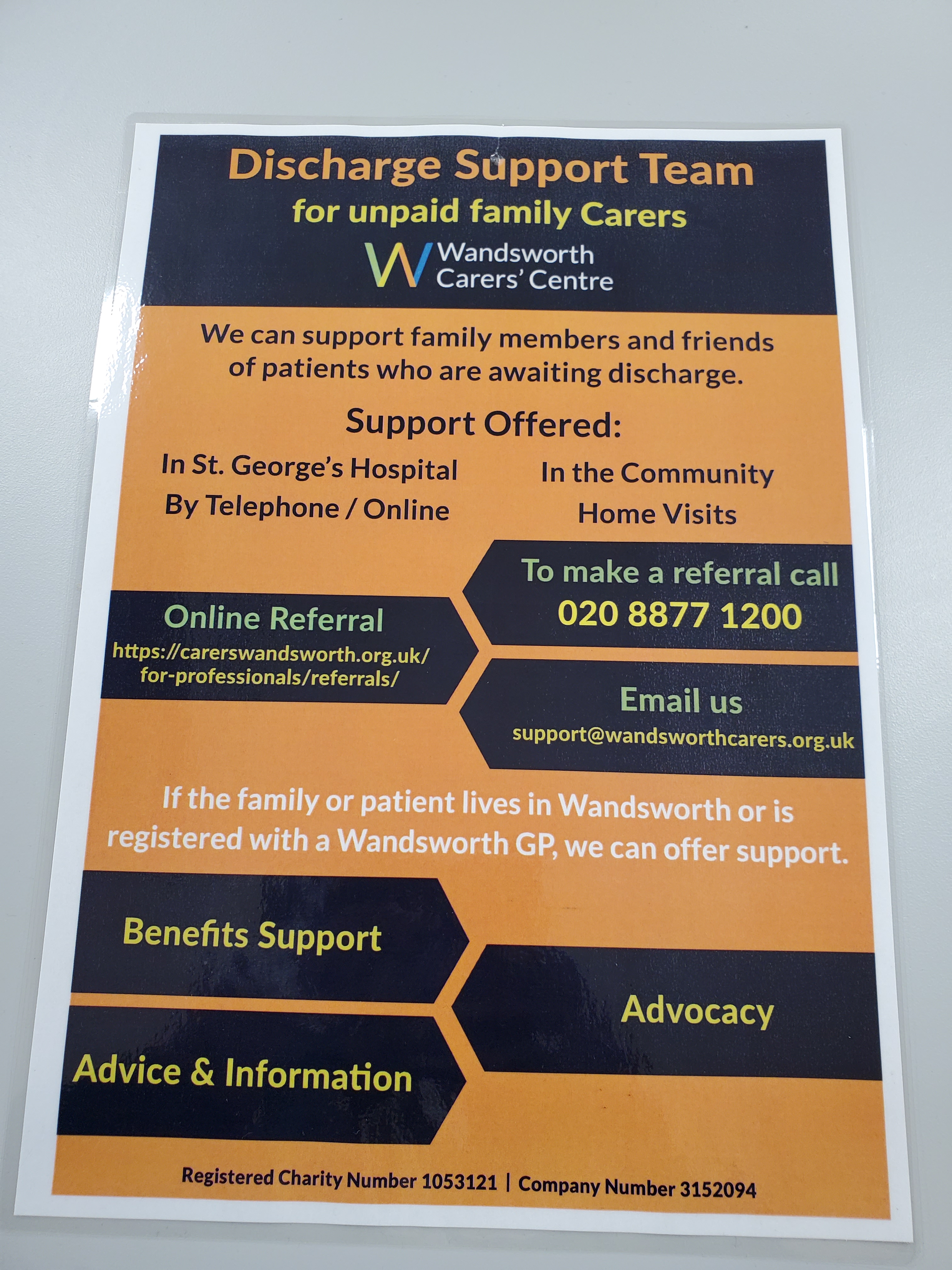
Carers Week – NHS Toolkit launch at St Georges university hospital trust.

Welcome to a special carers week 2023 blog from Matthew McKenzie carer activist and author. As a carer’s activist, I often try raise awarness of unpaid carers. I even try to raise awareness at hospital NHS Trusts. One of the hospital NHS Trusts is based over in South West London. This hospital is St George’s University hospital.

Basically it is one of the country’s principal teaching hospitals, which is shared with St George’s, University of London, which trains medical students and carries out advanced medical research. The NHS trust has more than 9,000 staff and is one of the four major trauma centres for London.

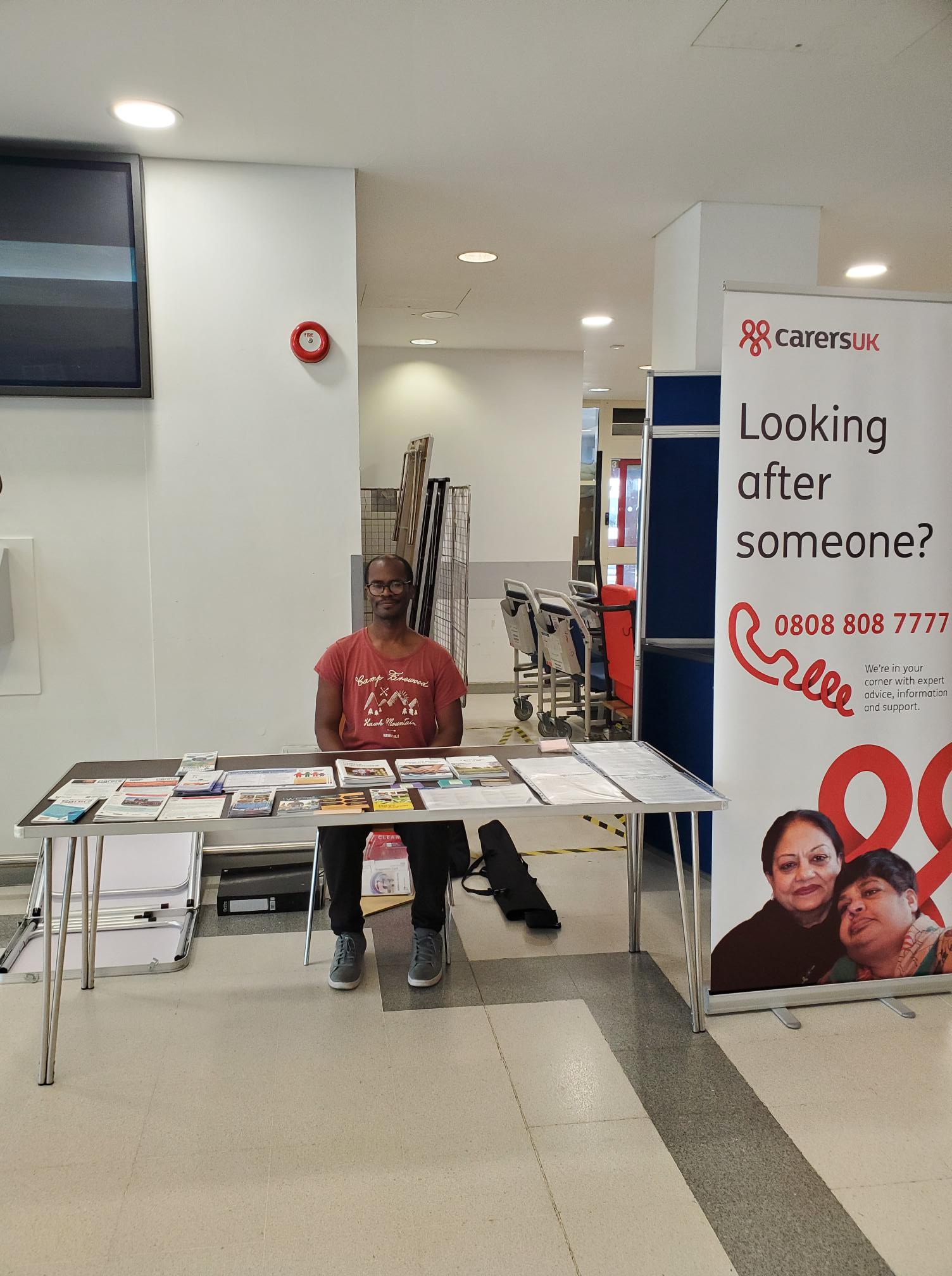
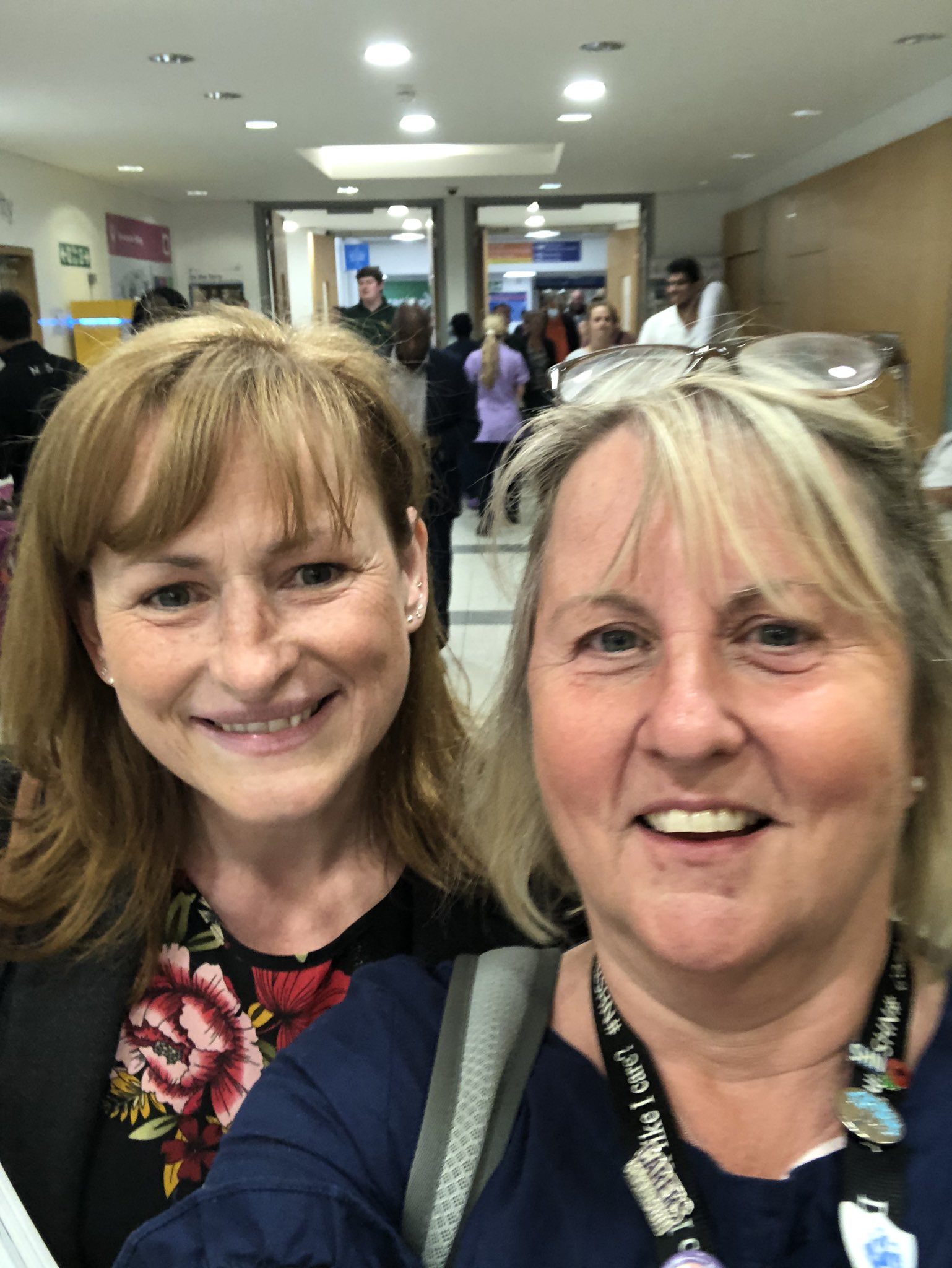
I actually run a carers information stall at the hospital to remind staff and carers about the carer’s role.

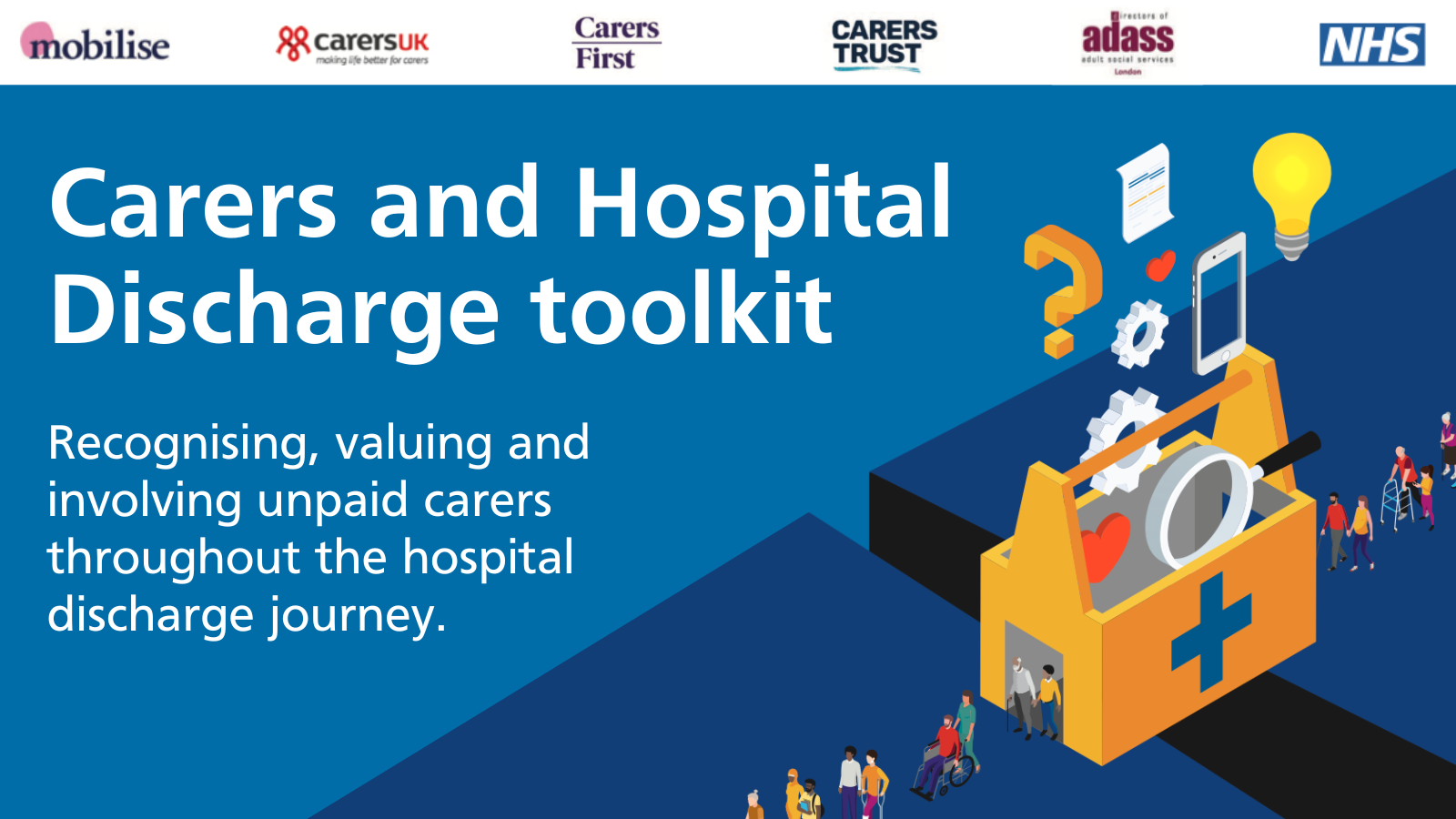
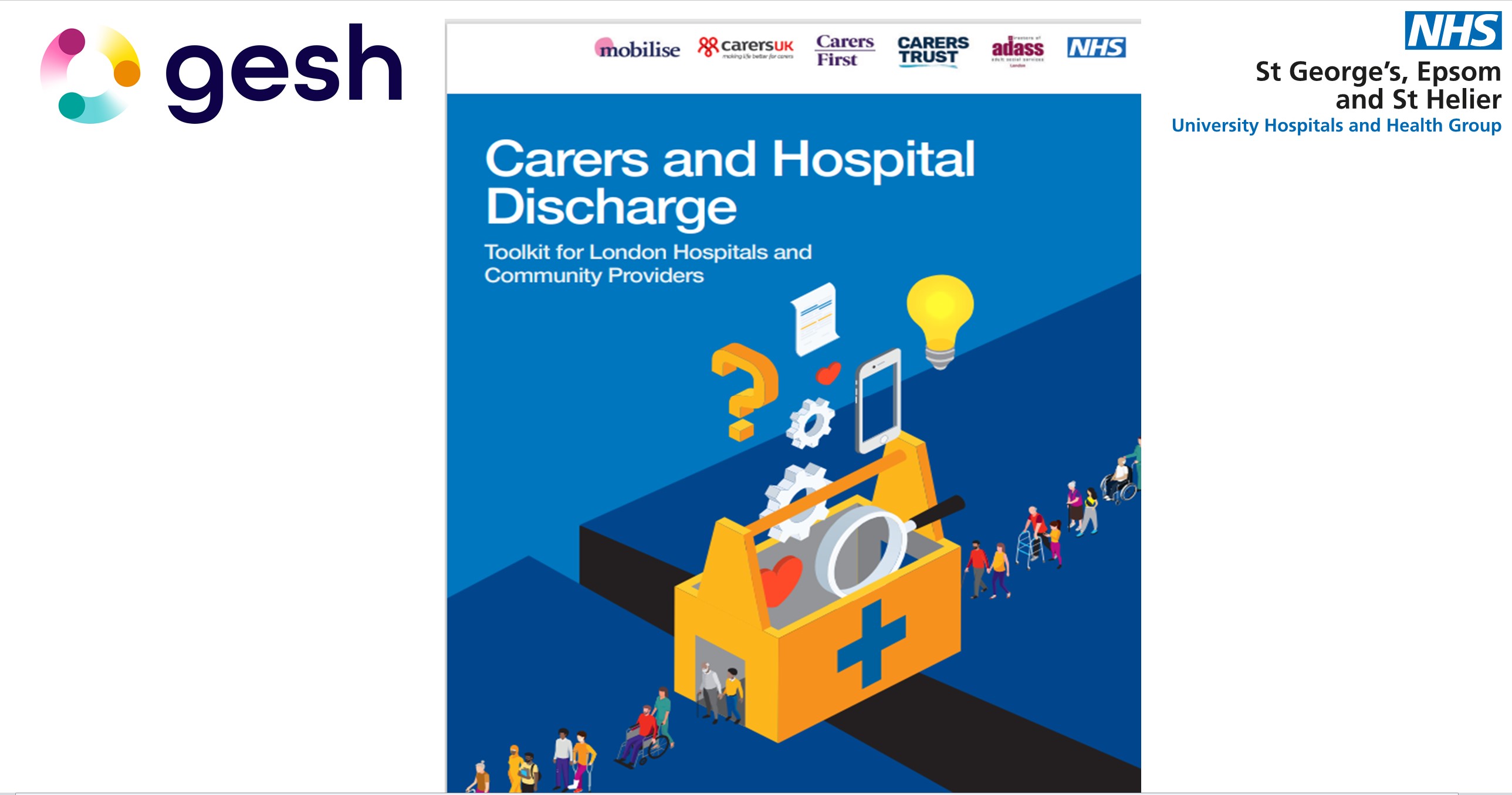
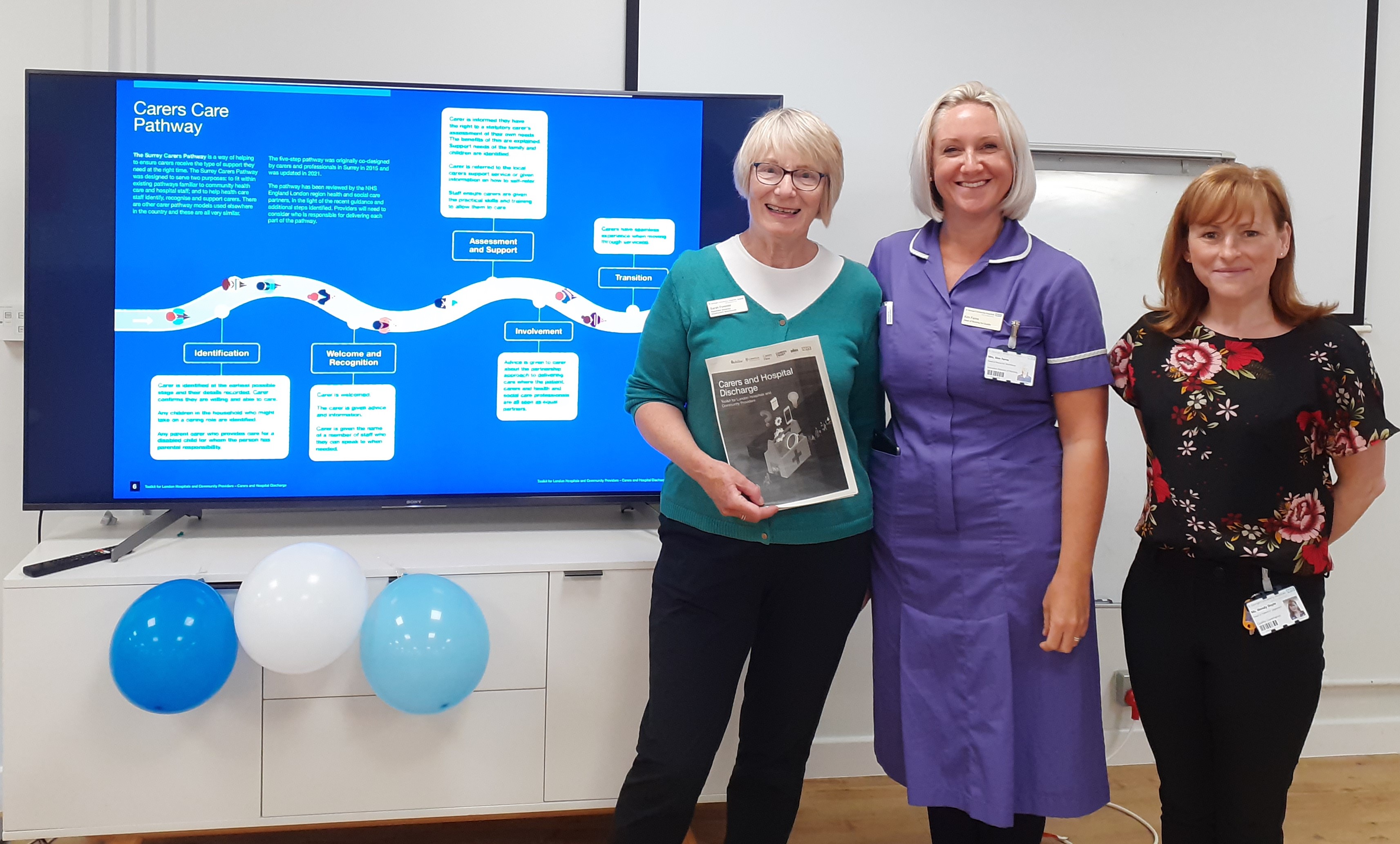
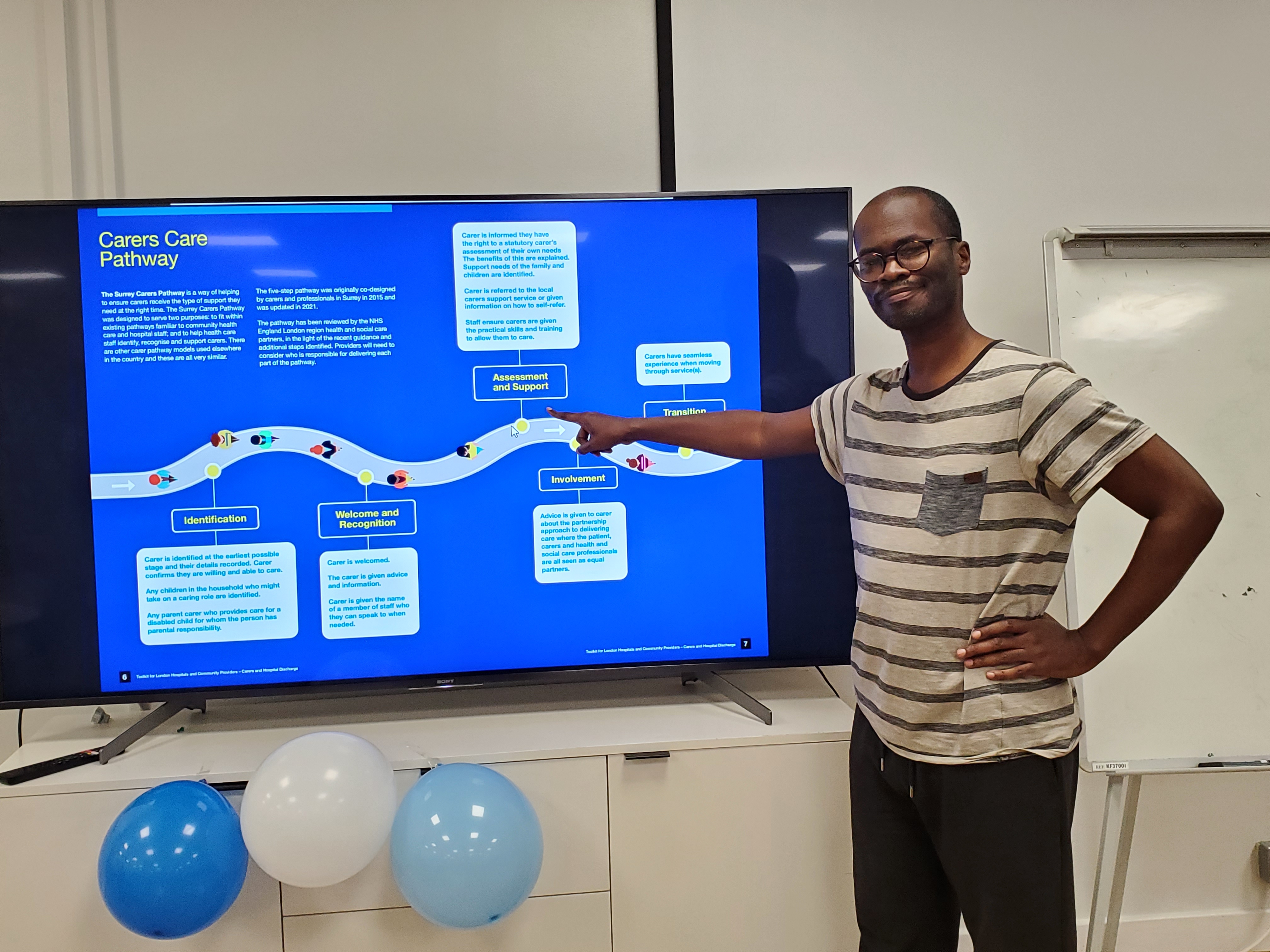
It was great to hear that I was invited to the London discharge toolkit which is being rolled out across all NHS acute trusts in London. The toolkit was developed by Debbie Hustings involving many carer organisations and carers with co-production.

With my involvement in NHS England, I have a keen interest to see how the toolkit increases the focus on unpaid carers.

The toolkit serves many purposes, as in educating NHS staff, raising carers rights and examining challenges in the health system.

I have fedback my thoughts to NHS England regarding the toolkit and a few other things. Below is the link to the toolkit

https://carers.org/resources/all-resources/142-carers-and-hospital-discharge-toolkit-for-london-hospitals-and-community-providers

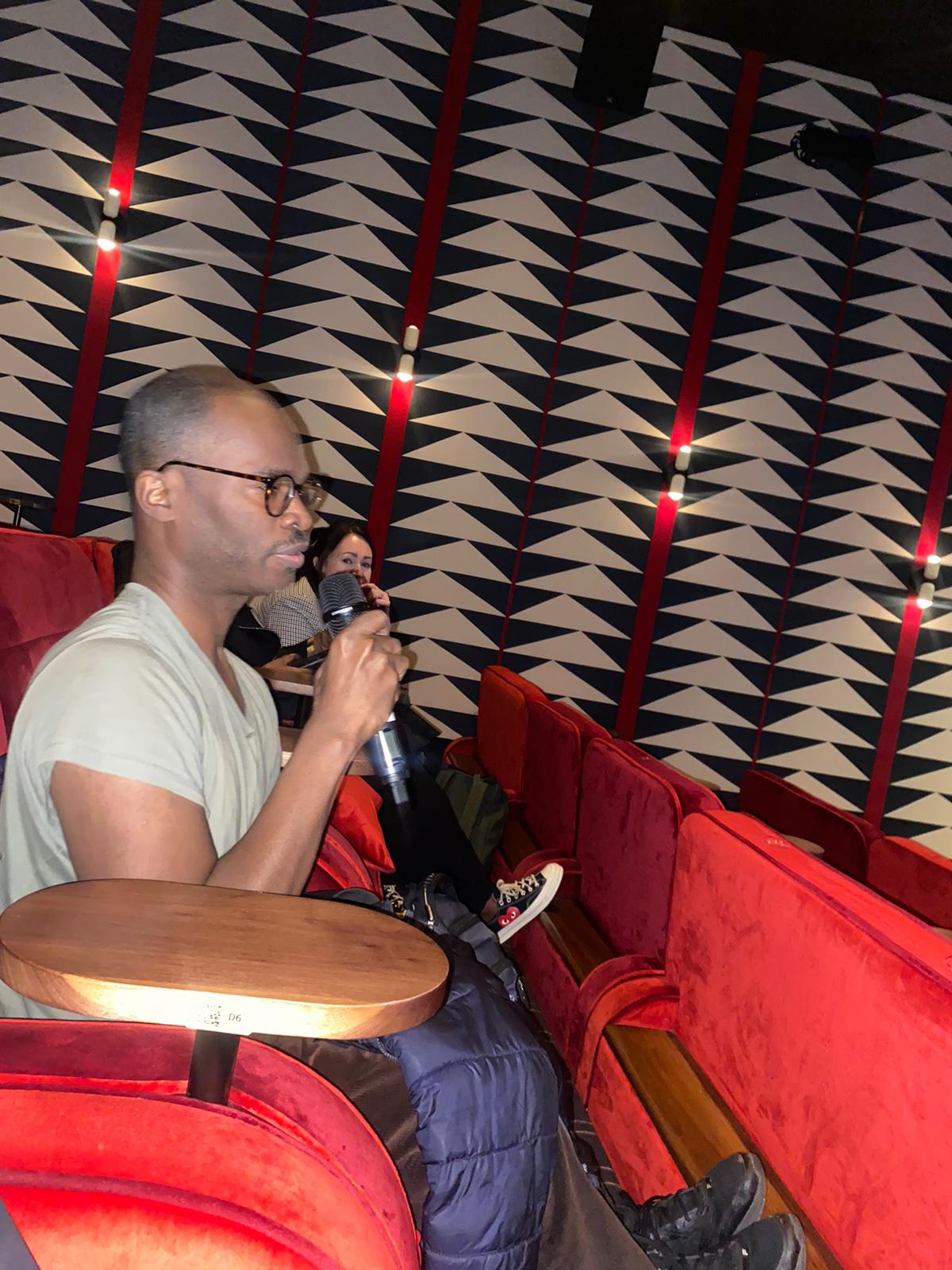
So on 8th of June I attended the Launch of the toolkit at St Georges university hospital

I was joined by NHS England carer lead for London as we spoke to NHS staff working so hard to make changes for unpaid carers.

We also spoke to carer centre representatives, carers and third party organisations. I picked up a number of leaflets for my carer’s stall, but also spoke to a few people about the information provided.

All in all, staff at St Georges were confident of rising to the challenge to engage and support unpaid carers.

April Carer Forum Updates 2023

Welcome back to a quick update of my carer groups and forums. I have resorted to doing a brief update due my current projects raising carer awareness. As of this moment, I am writting fiction carer stories. You can check out my YouTube channel to view those stories. I have around 13 more stories focusing on caring for someone with mental illness, I will then work on stories focusing on caring for someone with cancer and follow that up with a book.

Until then, here are my updates below.

Lewisham Mental Health carer forum

For my Lewisham MH carers forum we had engagement from Mina Hadi who have lived experience of mental health. She is the service user representative for the Patient Carer Race Equality Framework over at East London NHS Foundation Trust.

Mina would have attended my ethnic carer forum, but there was a clash, so we agreed she can present at my Lewisham carer forum. I often say to members of my carer group to network. This is vitally important if carer members are involved in a community project. This is why I try to link up with other groups involved in increasing equity for ethnic minorities using mental health services.

Mina talked about the importance of PCREF and how East London NHS FT is working towards reaching out to marginalised groups. These being diverse ethnic groups, refugees, asylum seekers, the homeless and the LGBTQ community. All are vulnerable to mental illness due to discrimination, stigma and lack of support. Mina talked about what needs to be done and work in progress.

The next speaker was Dr Georgina Charlesworth from University College London.

She is the Associate Professor in Research Department of Clinical, Educational and Health Psychology.

Her main focus is on dementia where she has wrote a number of papers. Some are shown below

  • Living alone and risk of dementia: A systematic review and meta-analysis
  • Befriending carers of people with dementia: randomised controlled trial
  • Peer support and reminiscence therapy for people with dementia and their family carers: a factorial pragmatic randomised trial.
  • Examining the Lancet Commission risk factors for dementia using Mendelian randomisation

Dr Georgina was joined by another researcher linked to North East London NHS Foundation Trust. Dr Georgina spoke heavily on the importance of dementia carers. She was impressed that such a carer forum existed and felt that we as a group set an example. Dr Georgina spoke about the problems of stigma and she talked about one of her projects, which was the Carer Supporter Programme within Prof Martin Orrell’s NIHR-funded programme entitled “Support at Home: Interventions to Enhance Life in Dementia”.

The new Alzheimer’s Society service manager for South East London was also due to join us, but were unavailable and I am hoping they will be free next time.

Ethnic mental Health carer forum

This is a forum not bound to a specific area. There should be places for minority ethnic carers to attend, so I often advertise the group to other NHS mental health trusts. The main group members are usually from South London.

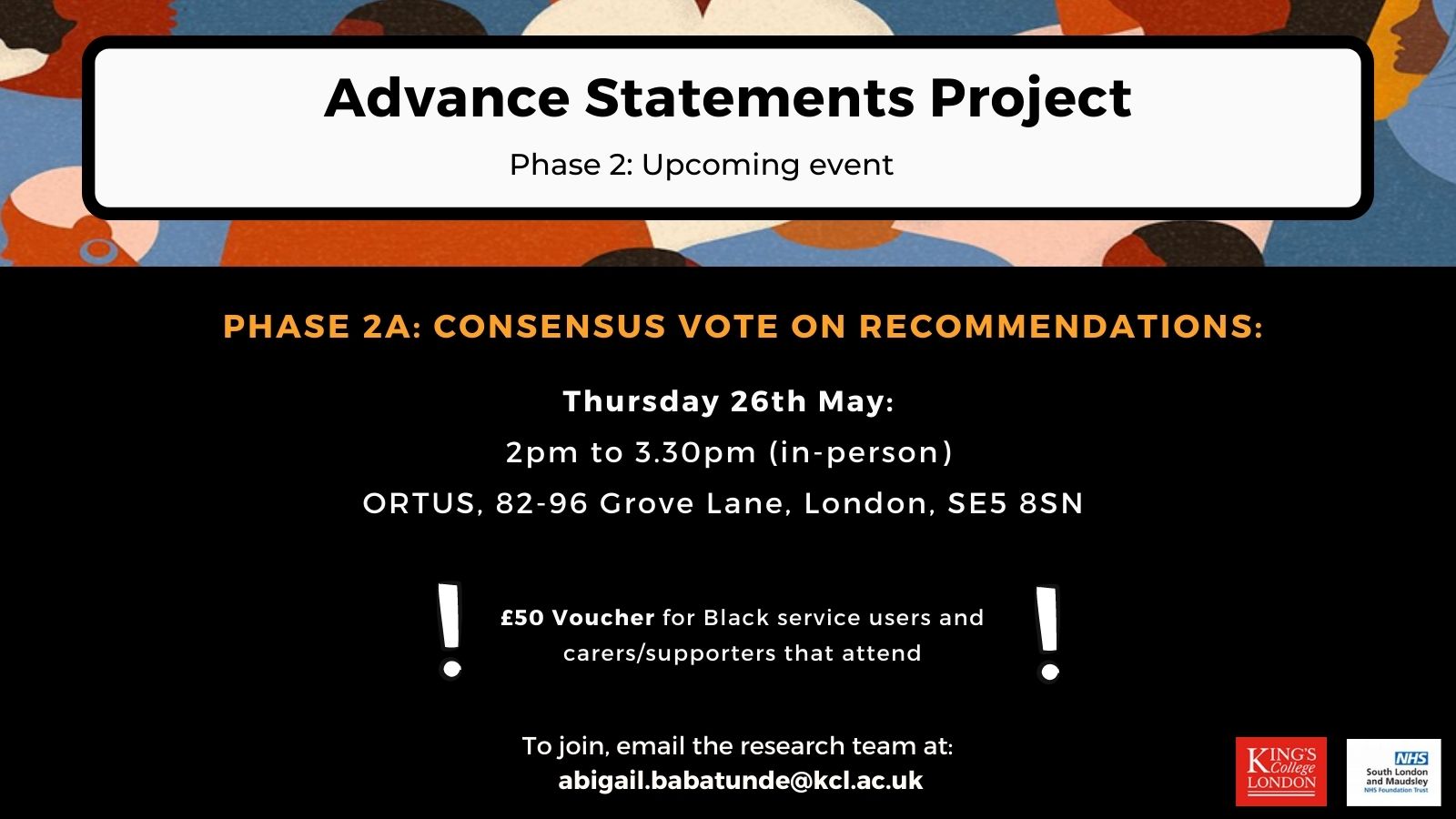
The first speaker for this carer group was Abigail Babatunde from Kings College London. She spoke on updates for the project advanced directives black people.

The Advance Statements Project is a research project on getting advance statements – also known as advance choice documents or advance directives – to work for Black African and Caribbean service users who have previously been detained under the Mental Health Act, their carers, and mental health staff.

The goal of the research is to:

  • Help reduce detention under the Mental Health Act for Black service users,
    Support, hear and understand Black service users and their carers/supporters,
  • Know and further understand the issues surrounding using advance choice documents and why staff members may not follow them,
  • Reduce coercive care in mental health care, and to better the relationships between Black service users, their carers/supporters and staff/professionals.

There is a follow up event at the Ortus (Maudsley NHS) below.

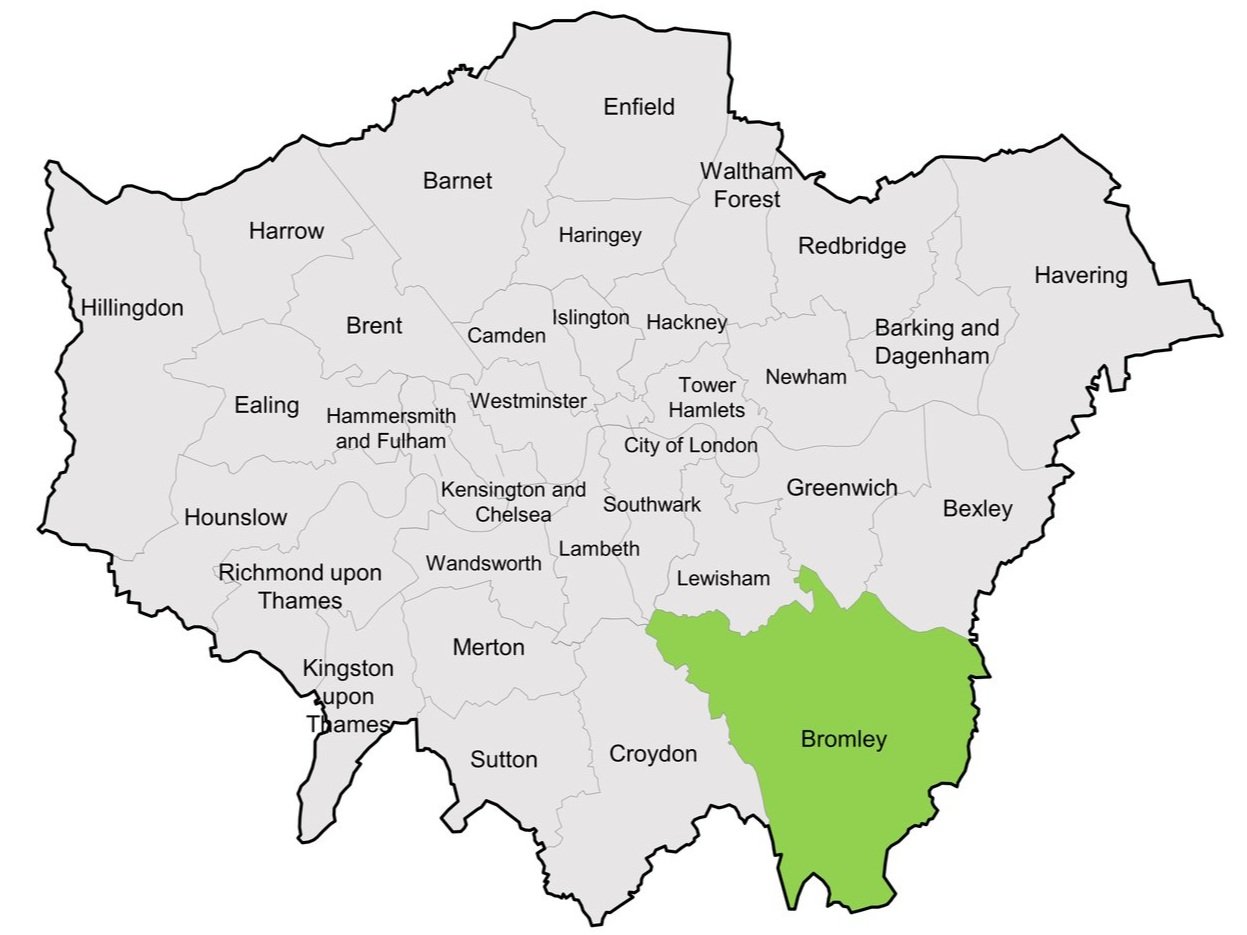
The next speaker was Denise Mantell from Bromley council. Bromley Council is currently developing its Carers Strategy and would like to hear from as many carers as possible. Since Oxleas mental health services covers Bromley, it was a chance carers could get to be involved. It would help if the carers strategy involve those caring for someone with mental illness.

Talking about Oxleas NHS Foundation trust, we were joined by Japleen Kaur and Marie-france mutti. They spoke about the new Funding scheme – Improving patient and carer experience grants.

If those within Oxleas have an idea that will improve patient or carer experience, they can bid for funding (up to £750) from our charitable funds. The project ideas need to be developed jointly between members of staff and people who use Oxleas services or care for people who use Oxleas services.

Stages

  1. Application form completed and sent to our Involved Network
  2. Applicant informed of bid outcome
  3. Transfer of funding arranged
  4. Activity takes place
  5. Bidder shares photos/feedback on how funds have been used.

Scheme criteria

• The grant should be spent on enhancing the experience of people using our services and their families
• It should be used for activities/items that are not funded by trust services.
• It should benefit at least three service users.
• All bids need to developed joined with people using our services and staff members.

The first application period for the Improve Fund is open now until 31 May 2023.

If you have a query about the fund, please email: oxl-tr.involved@nhs.net.

Joint Southwark and Lambeth Mental Health Carers forum

Here are the update’s for my other carer forum I run in the afternoon for the last friday of the month. I used to run these forums seperately, but due to covering a lot. I have decided to merge them.

We were delighted to be joined by another speaker from University College London. This was Dr Rebecca Lacey who talked about her study on Young Adult carers in the UK.

This was following off from Carers Trust “Young Carers Action Day”, but unfortunately it was too late for Dr Lacey to attend in March.

Staff from Lambeth Carers Hub attended to hear more on her research.

You can read Dr Lacey’s paper on the link below.

https://www.mdpi.com/1660-4601/19/21/14076

The next speaker was Sarah Allen who is the Head of Patient Experience at Guys & St Thomas NHS FT. The hospital trust is currently working on their Carers Strategy. I often to say to all carers that it is very important to engage with hospital service carers strategy.

It is not enough for a carers strategy to exist, but to be used to hold services to account as in “You Say We did” focus.

GSTT want to involve families and carers in all aspects of their services.

They aim to recognise, value, include and respect carers. Plus treat them as expert partners at the heart of decision making for the person they care for.

I also presented the new NHS England hospital discharge toolkit to the group, there was a bit of confusion as some felt the toolkit was for triangle of care.

https://www.england.nhs.uk/london/our-work/carers-and-hospital-discharge/

In the end I pointed that this was for acute hospital services in London.

I am also pushing to engage with GSTT Cancer and Surgery Clinical Group to raise the profile of cancer carers. Once I have built a group of cancer carers, I am hoping for engagement for that hospital trust especially regarding the cancer group. I am also getting support from Kings NHS and eventually will expand to other hospital trusts.

South West London MH carers group

This group is a hybrid as there is a carer-led peer focus for the first part of the group. The next part is finding out about services and how they are supporting carers.

The group is strictly carer-led and co-facilitated by SW London carer Ava. She does the peer group section, while I will focus on speakers and engagement.

We had a great turnout as all 5 carer centre’s help promote the group, but we can out of time for the peer support section. The group seeks engagement from the local mental health trust South West London & St George, but this can be difficult, probably lack of staff maybe? Still we got engagement from Kingston Hospital who have a strong carer focus.

We where joined by Beth Mburu who is one of the Clinical Liaison Practitioners. Kingston Hospital is working on their carers focus and Beth talked about the following

  • Hosp. Discharge Planning Toolkit (aimed at staff)
  • Carers’ Needs Assessment Template (augmenting and embedding the Carers’ Agreement)
  • Carers’ Passport
  • Triangle of Care – hospital self-assessment tool and lessons learned/embedded
  • Resource for first time Carers / people who give their time to support a vulnerable person
  • National resources -already in existence from Carers’ UK – communicate and disseminate to the right people
  • Live/real-time digital tool aimed at Carers’ drawing together local provision and resources
  • Safe Transitions of Care – checklist for front-line staff
  • Hospital checklist / advice and Information

Kingston hospital NHS FT also had a carers event on the 4th of May to engage with carers and let them know about the work they are doing to support carers.

Again I am also focusing on engagement from the hospital’s cancer services to prepare for my cancer carer group. It is important to know who does what and how they focus on cancer carers.

Involving carers in co-production

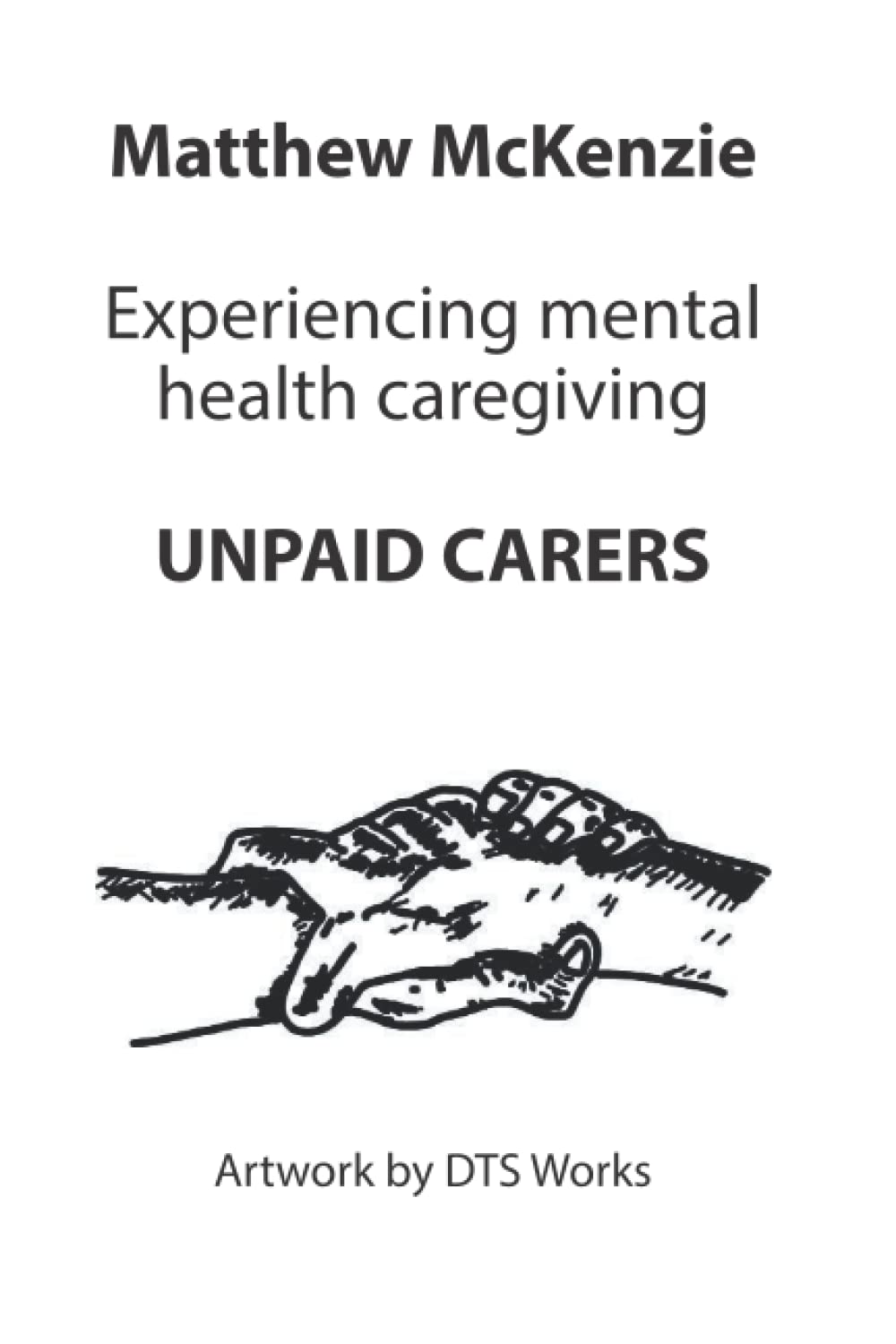
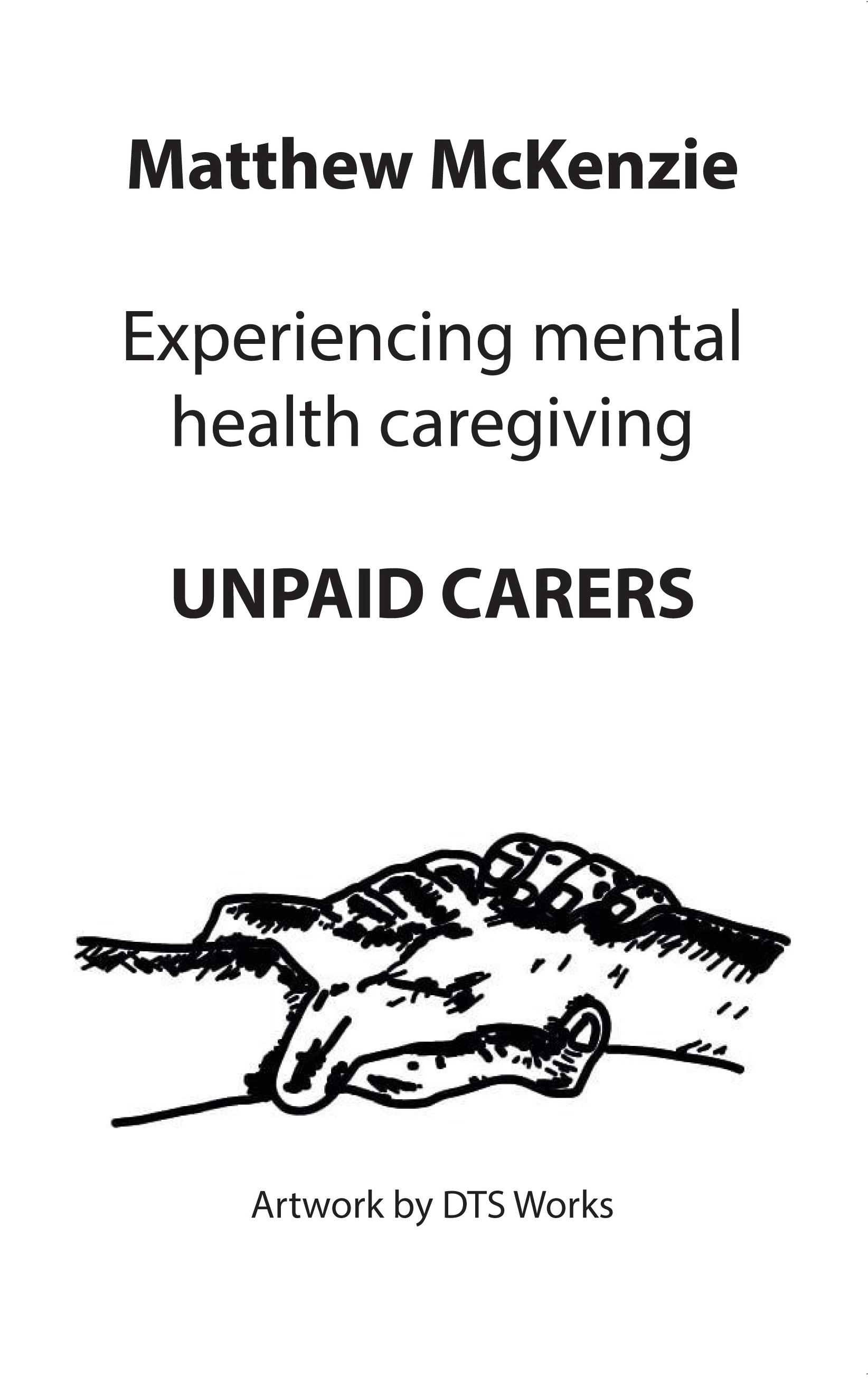
Welcome to another carer blog by Matthew McKenzie. You might already know, I am an author raising awareness of unpaid carers. One of the books I wrote touches on the subject of co-production. The book I wrote titled “Experiencing mental health caregiving – unpaid carers” had several chapters regarding co-production.

However, why have unpaid carers be involved in designing health and social care services? Lets first look at the problems and challenges.

The problems

Health and social care sometimes do not meet eye to eye with unpaid carers, there are a lot of assumptions made about carers, there are also a lot of biases on the needs of unpaid carers. We can certainly champion the good works of health and social care, but to be realistic there are plenty of problems as well.

  • One shoe fits all policy, different carers have different needs
  • patient centred to the point of ignoring the carer
  • Limited resources means carers just cope
  • Co-production on a complex service might put people off being involved in design
  • The leader in co-production might still have “I know what is best” attitude, this can also put people of being involved.
  • History of bad results damages reputation, so carers feel they have heard it all before.

These are some of the challenges and problems health & social care services will have if they want carers to be involved in co-production.

Some solutions

So we have just touched on the bad news regarding co-production, but there is also good news, there are some solutions that are floating around.

We just cannot rule out co-production even though it has been around a long time. In fact co-production has been around so long, that it might have been watered down. The word “co-produce” can be almost a throw away term to get people excited.

Embed from Getty Images

There might be a lot of asumptions made about the uses of co-production. If we want coproduced and co-promoted services, we have to put those involved first. Those services will have to be flexible enough to offer solutions tailored to individual carers. It is not an easy task since those services need to recognise carers as a protected characteristic. Carers are vulnerable and they do need guidence, support and care for themselves. If carers are not valued, then they will struggle in their role providing unpaid care.

Co-production should raise the voices of those involved. This means we avoid the “One shoe fits all policy”. It means better service delivery that benefits as many as possible.

What next?

Those involved in inclusive service design need to be skilled, they also need to know there are issues within those services and those carers need to be confident in challenging those issues. This is not easy as health & social care are very complex entities. We have organisations like Healthwatch monitoring and collecting feedback from health services. Some things concerning the running of health & social care services are complex by design. So to expect carers to challenge those services is a tall ask.

Even before including carers in designing a fair health and social care service, carers need to knock on the door to request co-production. To make matters more difficult, not everything is actually co-production, due to time restraints on service delivery, co-production activities may be rushed or brushed aside towards tokenism. It is a big problem, but to be realistic sometimes it cannot always be avoided.

Earlier on in this blog I have mentioned time as a cost, carers can usually use their own expert of experience to express their needs, but transmitting that experience into services will mean carers will have to be trained to champion co-production.

Conclusions and findings

From my 2nd book “Experiencing mental health caregiving – unpaid carers”

I wrote upon the subject of inclusiveness within several chapters, one of them was Chapter 6 – Co-production and involvement.

I asked several questions, this question asked “What do you think co-production means to unpaid carers?”

With the answers provided from unpaid carers, activists and researchers one response was interesting regarding co-production.

“Co-production means that a carer is involved in service improvements, support groups and forums, because their lived experiences can be more valuable than the academic research. Co-production can help a carer to interact with other people in a similar situation to them. The carer can feel valued when their contributions have been used wisely. – Annette Davis – Carer and carer peer activist”

As mentioned earlier there are important keywords e.g. lived experiences, groups and forums, feeling valued and contributions.

Embed from Getty Images

For Chapter 30 – Co-producing in health and social care. I touched again on services. I was interested in the challenges as mentioned earlier in this blog

The question asked “What are the challenges of co-production?”

A carer responded with the following.

“Money, I think the challenge is it can cost so much money, you can’t just sort of say to a professional to just go ahead and co-produce things. You’ve got to fit this round everything else and go to a meeting, because you see, these professional meetings are beginning to end. They go through an agenda and with Co-production, you can’t really do that. Not at the early stages. If you are actually coproducing, then you actually have to sit down and think of ways of facilitating and carefully plan coproducing. This requires time and unfortunately time is expensive in terms of the professional’s time. If you want it, you have to pay for it. The people e.g. patients/carers who are co-producing should be paid as well. So we have got a commitment. However, from the professional side, you’ve got to pay for their time as well. Its expensive. – (Ann – Unpaid carer)”

What can we take away from her response?

Inclusive service design will need some form of co-production, but will definately need resources. It is not always about money, it is about time and commitment. Things have to be planned carefully, interest must be kept up for those involved. Co-production can also be expensive, but if done right it does not have to be so costly, but it certainly should value those involved.

New book titles for 2023 by Matthew McKenzie

Hello, everyone!! Merry Christmas thanks for joining me here today to explain a bit more about future projects that I’m going to be working on. Some of them actually, almost practically finished. So yep, my name. As you can see from the title here, my name is Matthew McKenzie, Carer campaigner, Mental health carer activist who facilitates several carer groups around half of London.

what I want to do is just explain a few things regarding some books that I’m working on. I’m going to start developing audiobooks, I will of course continue to work on paperbacks, one of them is in draft at the moment. I’ll talk about that in a bit.

If you want to see the video version of this blog, please watch below.

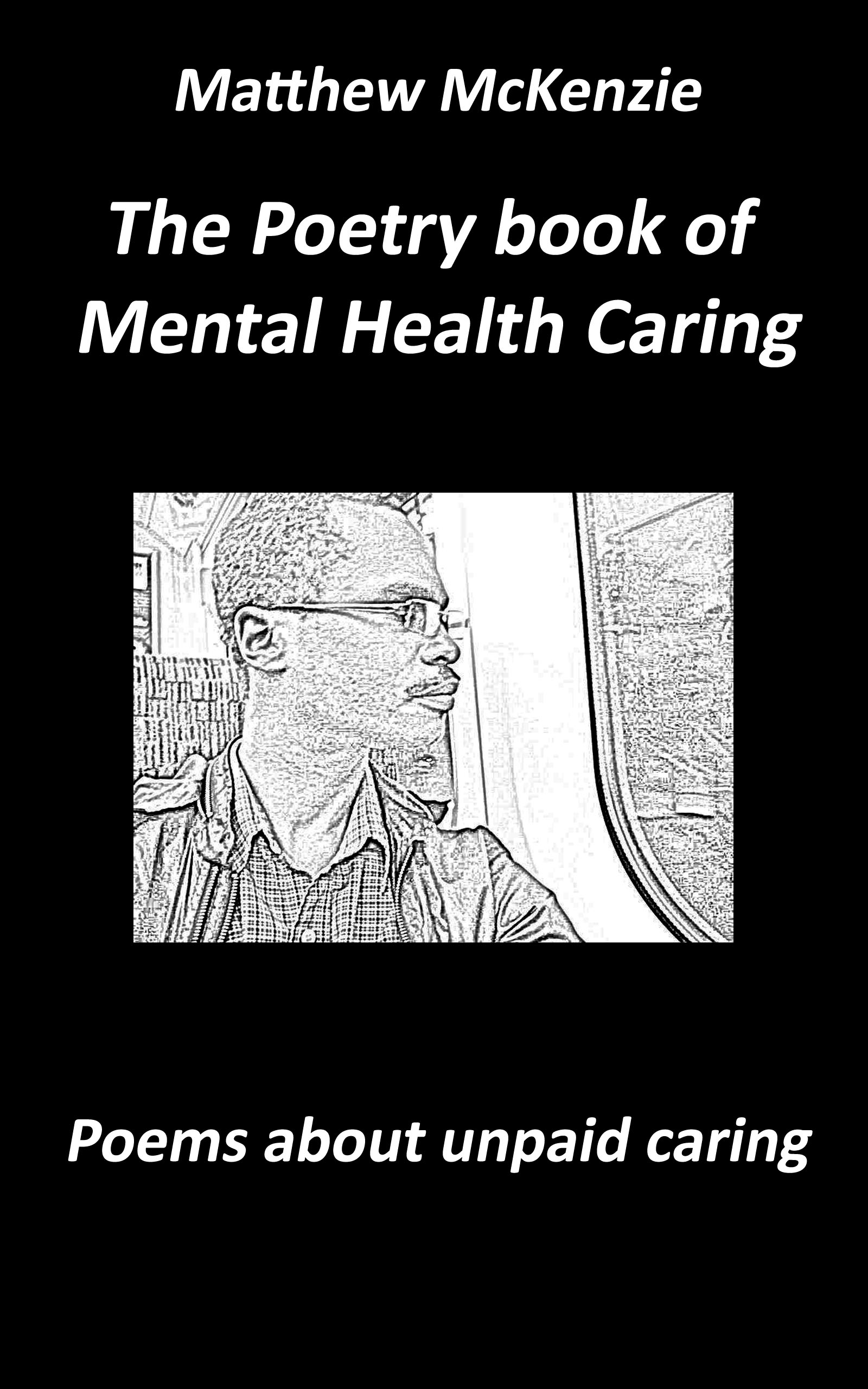
Special edition of my poetry Audio book – The Poetry book of mental health caring

So during summer 2022, I published my first poetry book. This was my first attempt at what I felt would be focusing on the experiences of providing mental health care. One of the reasons of doing poetry is that you don’t have to really read a whole book to just sort of reach out to those who perhaps understand, in a sense of what’s it like to provide care for someone with mental ill health. Plus to also reach out to those who’ve never experienced it.

So I’m doing an audiobook project on my poetry, but with the added benefit of contributions from other carers who are activists or are poets who want to produce poetry on the carers experiences. So I’m hoping to publish in early 2023, January, February, by that time, that audiobook will be coming out.

Race, caring and mental health

The next book, which is not an audio book, will be in paperback form. I felt it was due time to come out. This is because I have been writing books close to two years now. I have also been running as carer groups, but two of them focus on ethnic carers coming from ethnic minority background, so obviously, they are providing care and support to someone experiencing some form of mental illness.

I’ve been meaning to develop a book like this for some time looking at how mental illness can impact on the family, on friends, not from the patient side. Let’s look at this new book closely. The book titled “Race, Caring and Mental Health”. From it’s first chapter, I often say to many people that it’s important to tell your story. With this book, I felt it even more important due to some of the tragic consequences that can happen to ethnic minority groups providing unpaid care. This is it’s not just within the mental health system as the book’s second chapter will be looking at discrimination and racism, and links to mental health, for the other chapters, they will focus on health inequalities and the structures. The book will explore the deadly roundabout regarding the repeat situations of those going in and out of the mental health system. Why does this occur?

I don’t have the answers and can only share my ideas of what I’ve seen and what I’ve heard, but I know what I’m learning about. I’d be really interested on people’s views of my new book, which is in draft form at the moment and I will probably change a couple of pages in the hope to release this around January 2023.

Providng Care and other Short Stories

Lastly my 6th piece of work will be an audiobook, similar to the project of the poetry audiobook. But this time I want to work towards fiction. Now, I’ve been writing two years now. Most of the books that I’ve been doing are not fiction at all. I mean, I suppose you could argue in some sense that poetry is looking at certain topics that may or may not happen. So this new audiobook will be my first attempt at fiction, including 20 short stories about unpaid care, here are some of the stories below.

This audio book will explore some of the following carer themes.

  1. Providing Care
    Story about a woman finding out her husband has developed a form of mental illness, she now has to battle to become an unpaid carer.
  2. Digging out of a hole
    A young man caring for his sister, but this time there are horrible things that make his life difficult.
  3. A family Affair
    Story of a main carer feeling isolated by the family, everything is thrown at her and no one wants to help.
  4. Never thought it would be me
    A female carer whose partner is caught in a serious accident, her life is turned upside down as she battles to provide care for him.
  5. Angry
    A carer thrown into anger and despair as she is let down time and time again, leading her to becoming angry.
  6. Just when I needed you
    A story of carer peer support and why it is needed, a story that is more hopeful than previous stories.

Anyway, thanks for stopping by. Hope you have a lovely holiday break.

August Carer News Updates 2022

The latest edition of Matthew McKenzie’s online carer, mental health and ethnic mental health news is out for August.

AUGUST 2022 Carer and Mental Health news

For the August edition we have

Cost of living crisis: Bills soar for carers – Sky News : Sky News reports on the soaring costs of bills making life harder for unpaid carers.

Impact of cost of living crisis on unpaid carers – Mobilise : GBNews report and interview where Sarifa, an unpaidcarer in Newham talks about her experience on the cost of living crisis.

Carer wellbeing : New online course developed by Matthew McKenzie. Only £2 via paypal or just contact me to access the course

New Data Shows The Number Of Unpaid Carers Has Almost Doubled Over The Last 10 Years : New Data Shows The Number Of Unpaid Carers Has Almost Doubled Over The Last 10 Years To Over 10 Million In The UK

Haringey residents welcome campaign launch by Carers First  : Carers First is rolling out free emergency plan packs exclusively in Haringey for people who care for a relative or friend.

A coproduced approach to tracking young Black men’s experiences of community wellbeing and mental health programmes : Funded by Mind, Centre for Mental Health has designed a new, culturally informed approach to monitoring young Black men’s outcomes for accessing wellbeing support.

SIGN UP TO NEWS SITE HERE

June Carer News Updates 2022

The latest edition of my online carer, mental health and ethnic mental health news is out for June.

Click below to view latest carer news by Matthew Mckenzie for June

JUNE 2022 Carer & Mental Health news

For the June edition we have

Carers’ Hub – Supporting carers wellbeing – Video from Carers Hub Lambeth on the Better Mental Health Fund that enabled Carers’ Hub to offer additional wellbeing activities for carers in Lambeth.

Unpaid carers in England need ‘Recovery and Respite’ plan – News update on how Carers UK has welcomed the publication of the report by NHS Digital, but highlights deep concerns about the support thousands of unpaid carers across the country are getting.

Rutland carers asked to share their views on new joint plan – Carers in Rutland are being asked to share their views on a new plan that will guide the support available to them locally.

Carers Trust carers stories – Carers Trust host blogs from unpaid carers are personal views

Detentions under the Mental Health Act (breakdown via ethnicity) – The data measures rates of detention under the Mental Health Act 1983. The data includes people who were detained (or ‘sectioned’) in hospital for assessment or treatment under the act.

SIGN UP TO NEWS SITE HERE