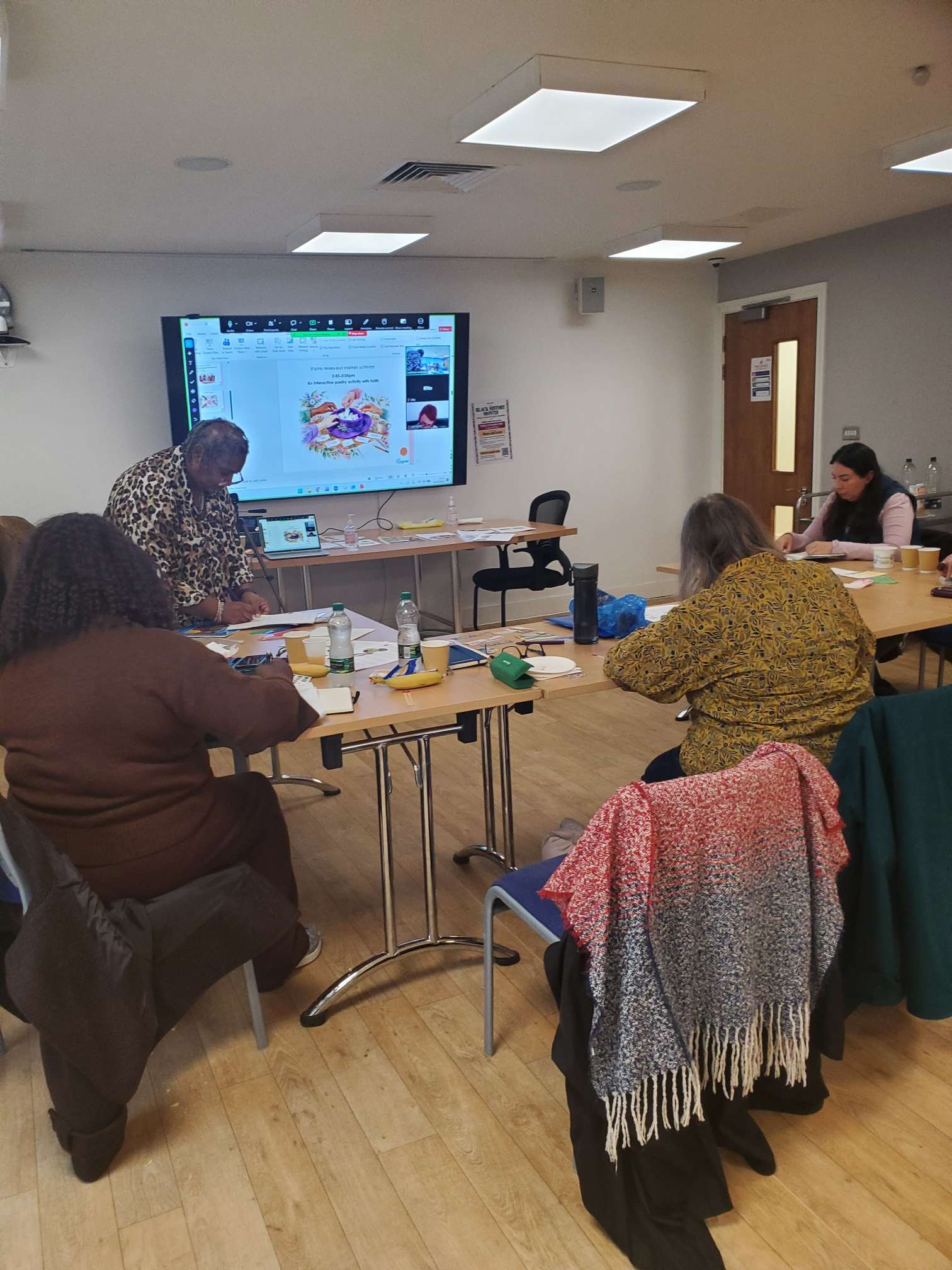
On Tuesday 20 October 2026, we came together at Cygnet Churchill and online for our third Voices & Verses poetry and art event and our first delivered in a hybrid format.
For me, this was about creating space for people to be seen beyond their caring responsibilities. We are carers, but we are also writers, artists, music lovers, storytellers and people with our own hopes and ambitions.
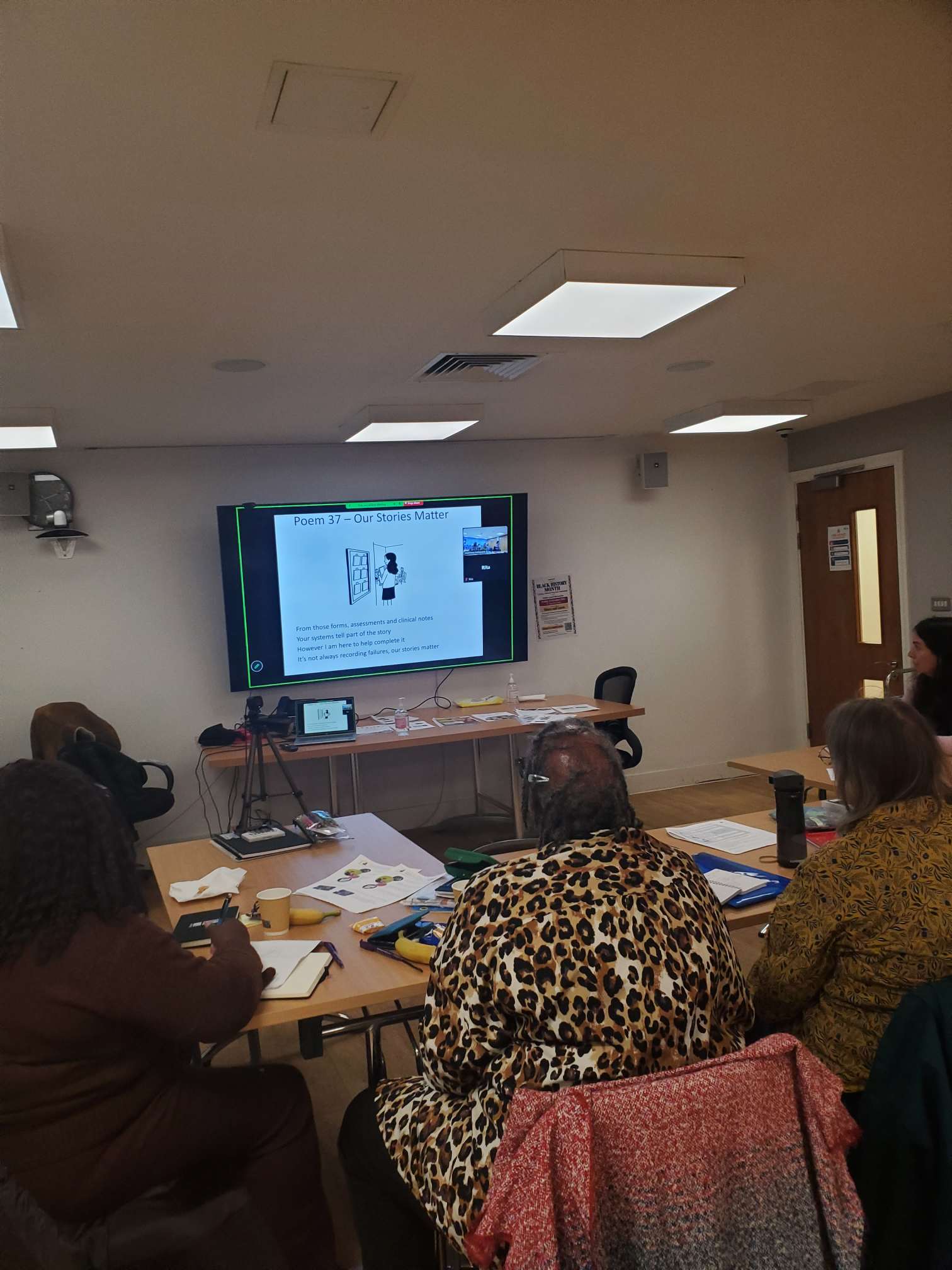
With Cygnet’s support, the afternoon brought together poetry, art, music and lived experience. Joining online meant that people who could not travel could still contribute, create and share in the occasion.
Beginning with our voices
We opened with introductions and a grounding activity, inviting everyone to share a word describing how they arrived. Togetherness, gratitude, curiosity and openness helped set the tone.
My opening readings included Our Stories Matter and The Carer They Didn’t See. These explored the knowledge and emotions that carers carry, and how easily our contributions can remain unseen.
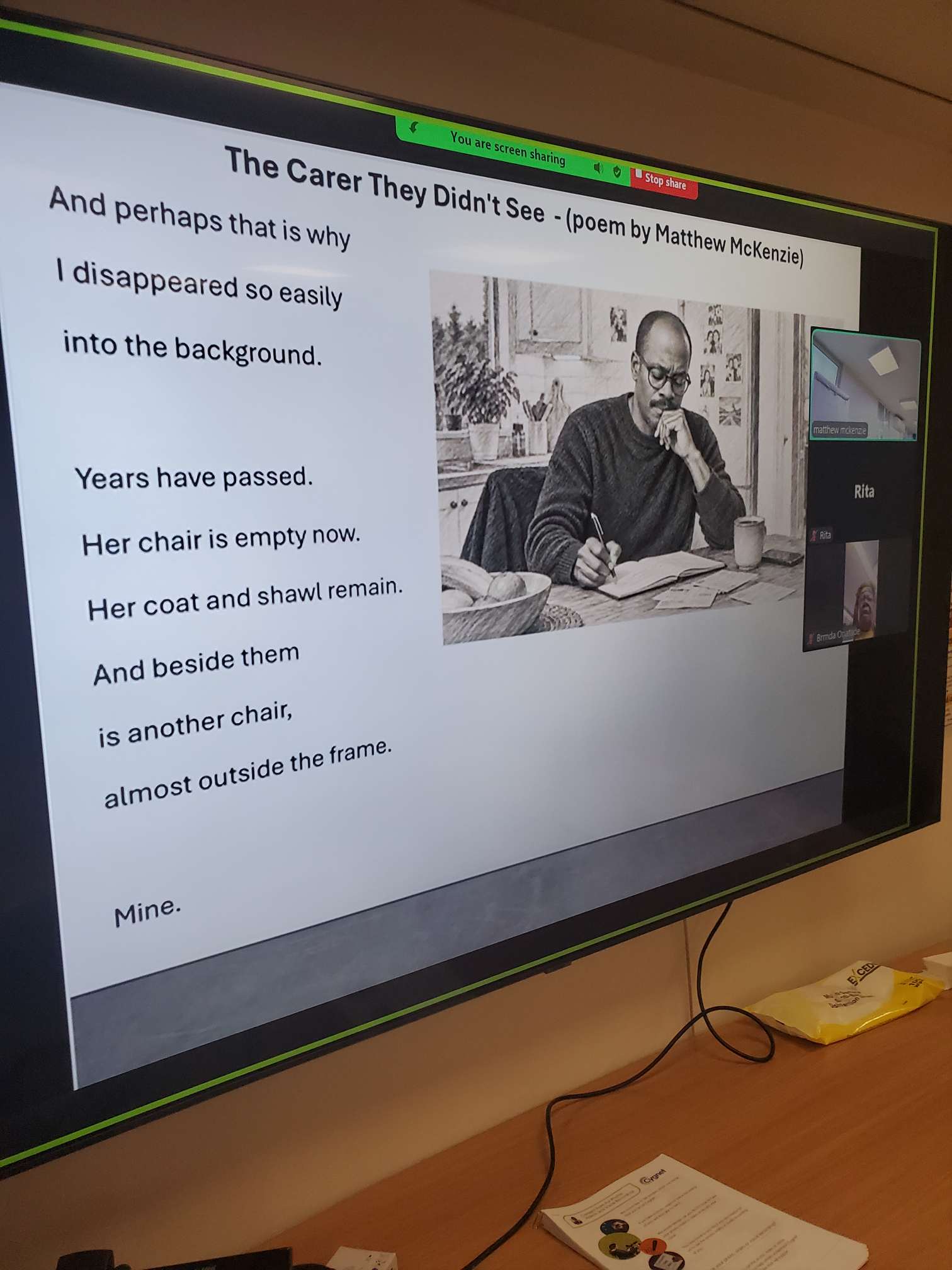
The discussion that followed reminded us why creative spaces matter. Poetry can communicate something that an assessment or formal meeting may struggle to capture. It allows room for love, uncertainty, frustration and hope, without expecting caring to be presented as an entirely positive experience.
Turning kindness towards ourselves
Our first art activity invited us to offer ourselves some of the kindness we so often give to others.
Using paper hearts, postcards, colours and decorations, participants created personal messages and images. Those joining online could take part with paper and pens at home.
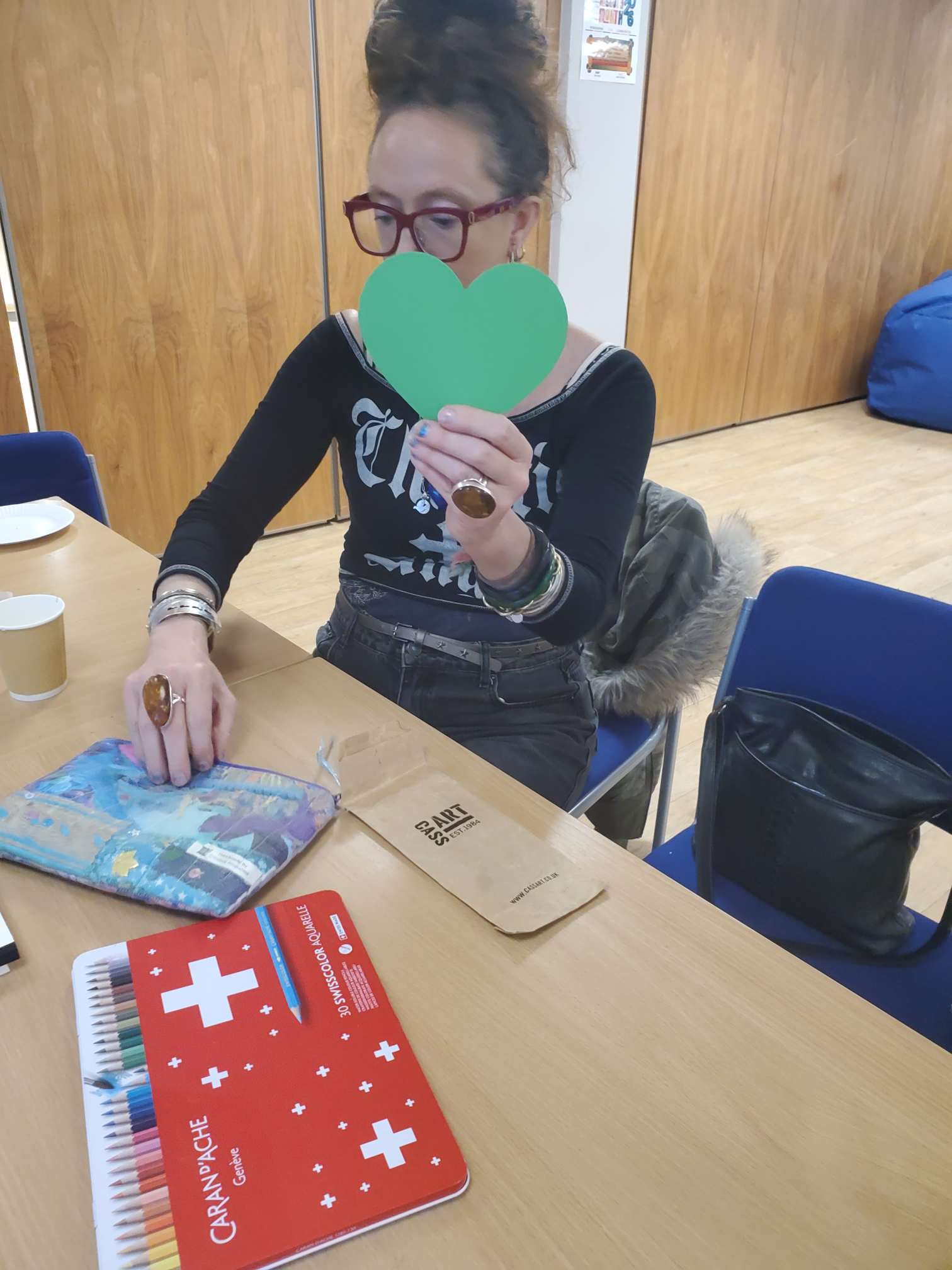
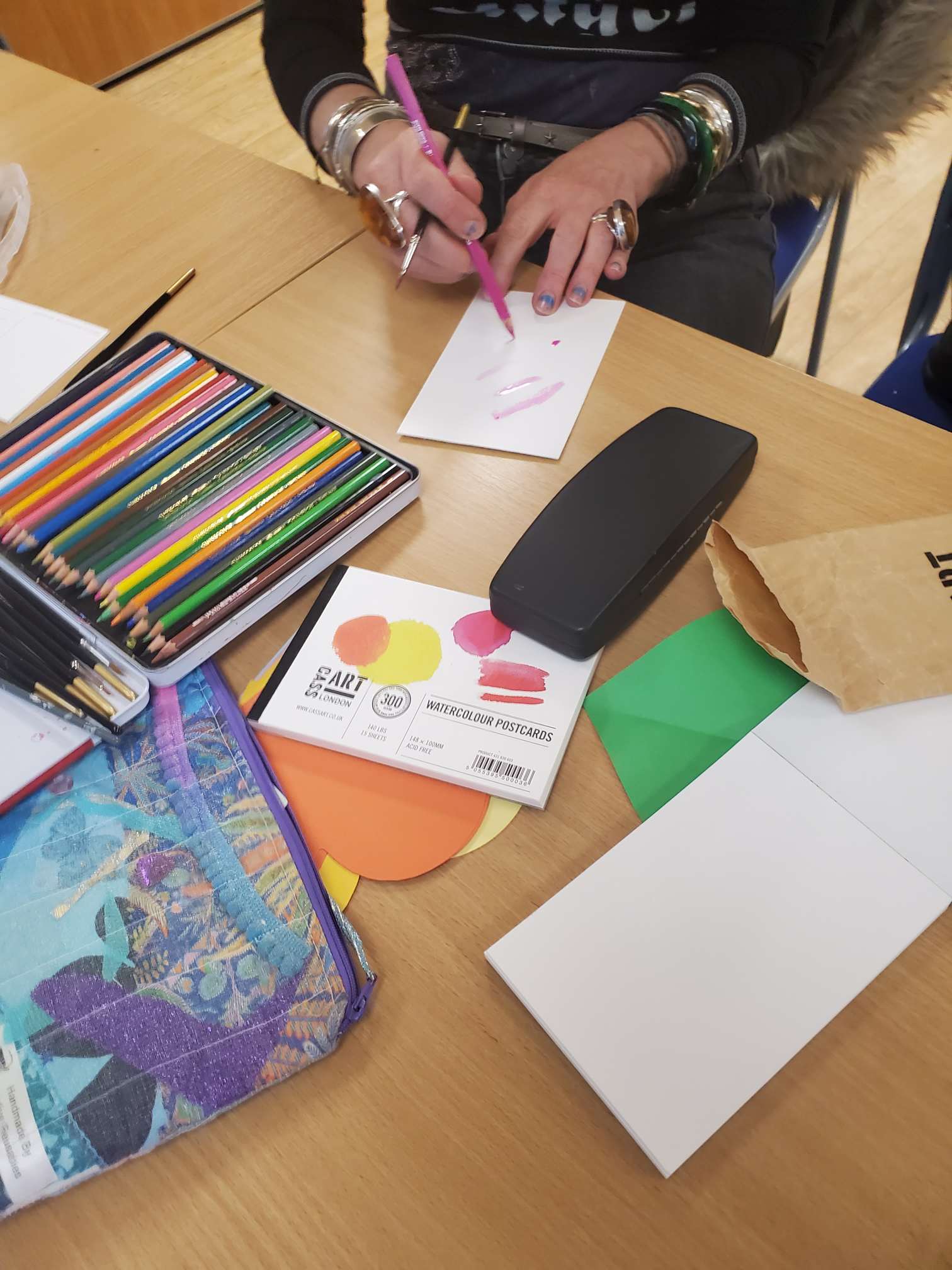
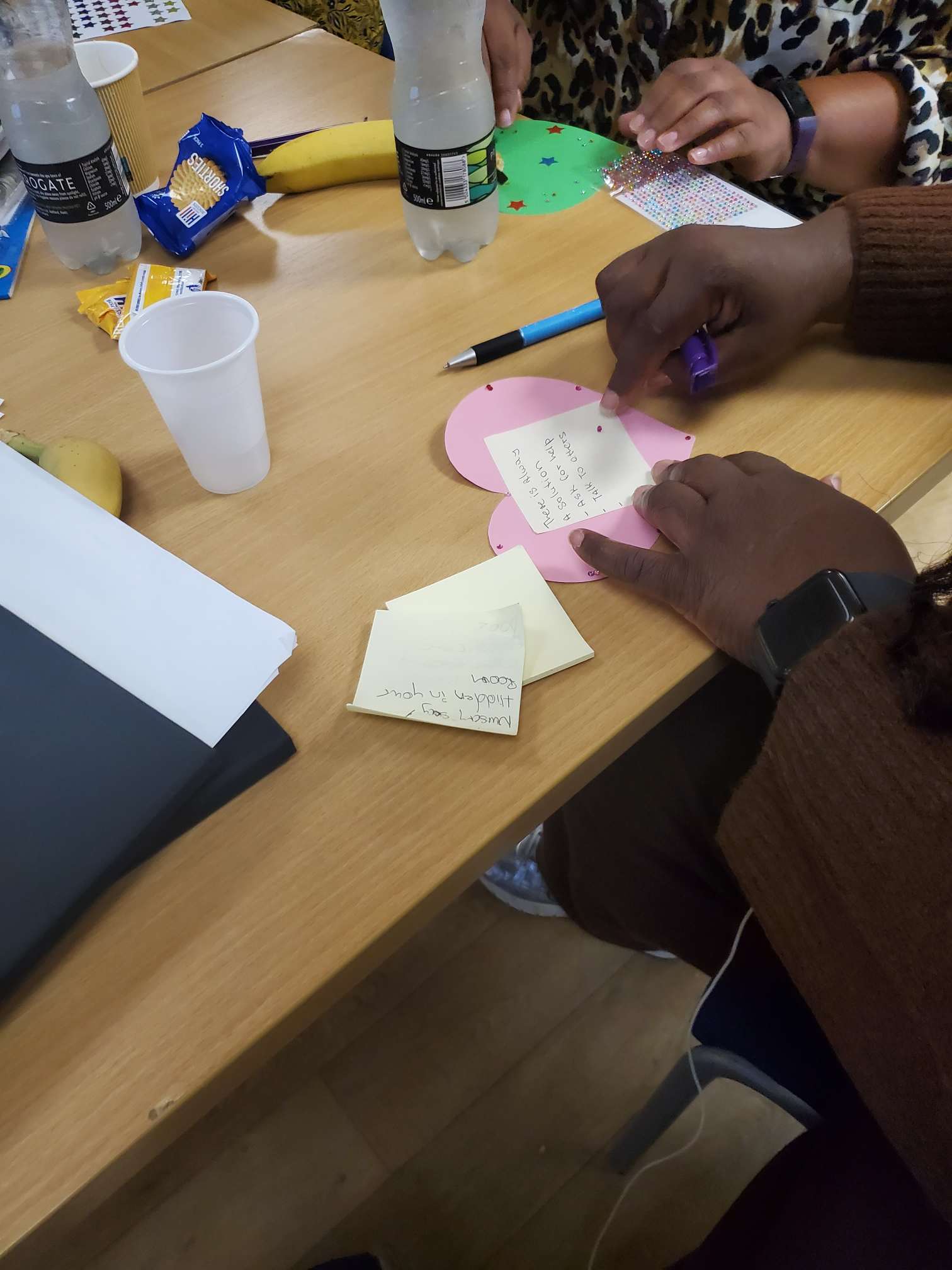
It was a simple invitation, but a meaningful one: take a moment to make something for yourself. The artwork became a reminder that our own feelings and needs deserve attention too.
Finding poetry in unexpected places
Next came the word-hat poetry activity, using prompts, colours, images and words to spark ideas.
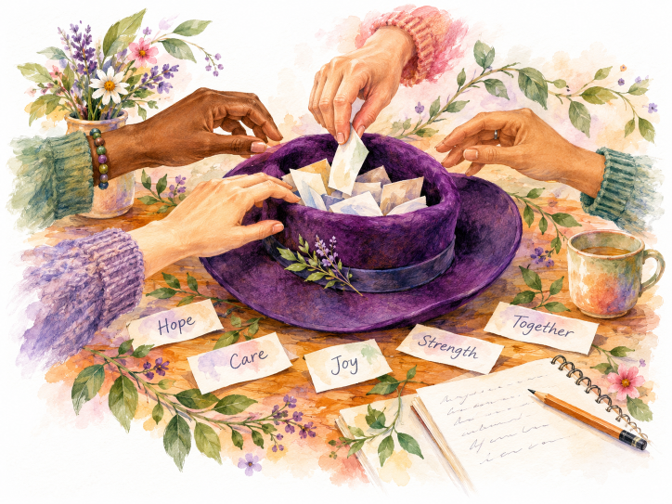
Starting points included autumn, a favourite colour, a happy place and the way music makes us feel. Short poems emerged about nature, memories, everyday life and imagined scenes.
There was laughter as well as reflection. Nobody needed to produce a polished poem or make their words rhyme. A few lines were enough to begin.
One of the prompts invited us to begin with “Music helps me…” This was my response:
Music helps me to feel fine,
As long as the right rhythm is on time.
My emotions will be mine,
No longer feel bad.
It helps the sun to shine,
Now and for all time.
— Matthew McKenzie
A simple starting line became an opportunity to express something personal. That is part of what Voices & Verses offers: space to discover our creativity and be seen beyond our caring responsibilities.
This part of the afternoon captured something I want Voices & Verses to encourage: our creativity does not have to revolve entirely around caring. We can write about whatever interests, moves or amuses us.
Making space for connection and inclusion
A break and refreshments kindly provided by Churchill gave those in the room time to talk and appreciate the work taking shape around them.
Running through the programme was the importance of voice, identity and respect, reflected in the planned Patient and Carer Race Equality Framework (PCREF) poetry prompts. What helps us feel heard? What do we wish others understood? What hopes do we bring to care?
From my lived experience perspective, inclusion means making room for people to express themselves in their own way. Culture, background and personal experience all shape our stories. Creative activities offer another way for those stories to be recognised.
Sharing music and creating the covers of our lives
The music section brought us together for a singalong to You Are My Sunshine, welcoming voices from the room and online.
We then moved into the cover-art activity. Participants thought about songs that resonated with their lives or reflected how they were feeling, before creating artwork for an imagined personal playlist.
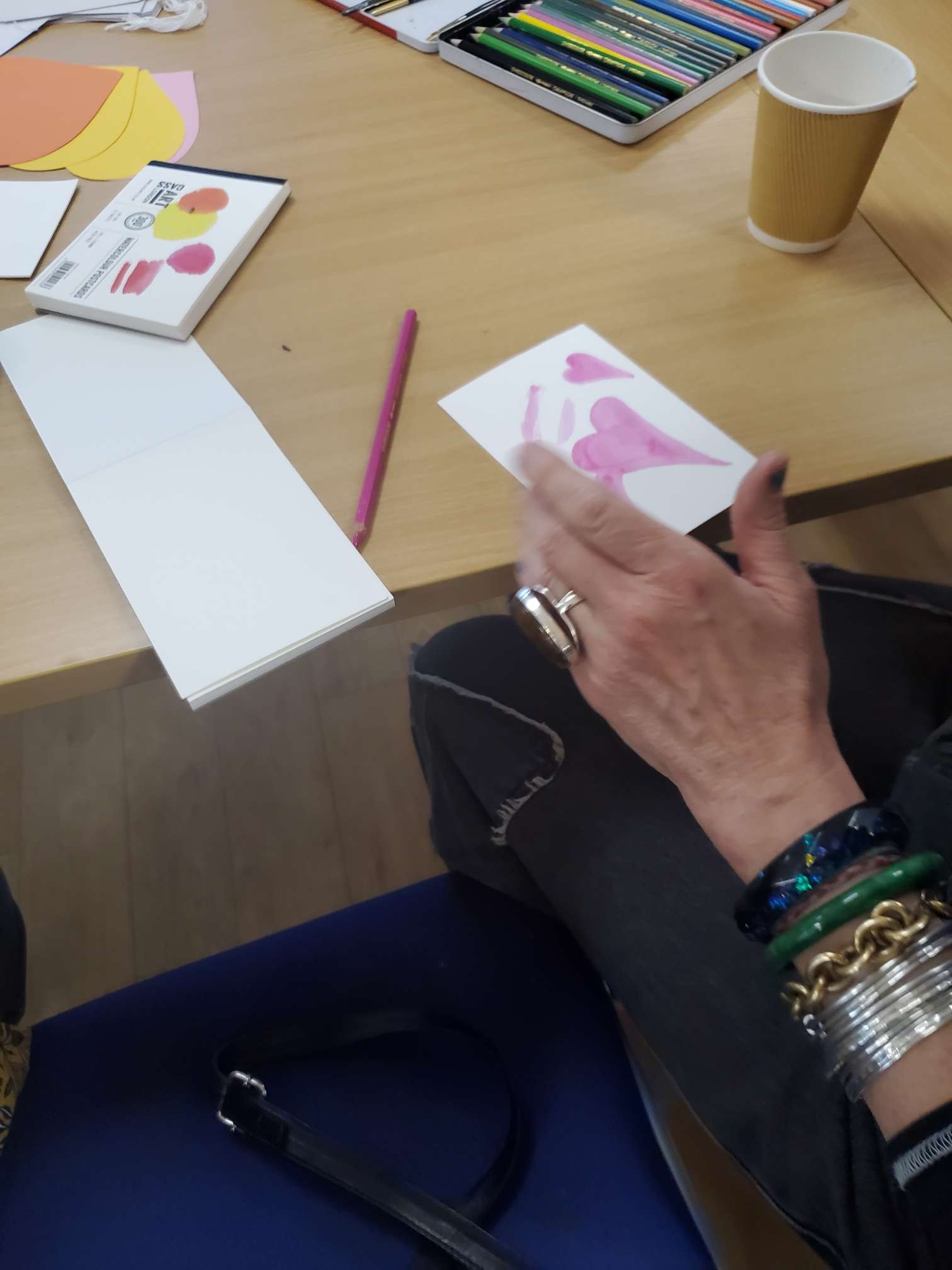
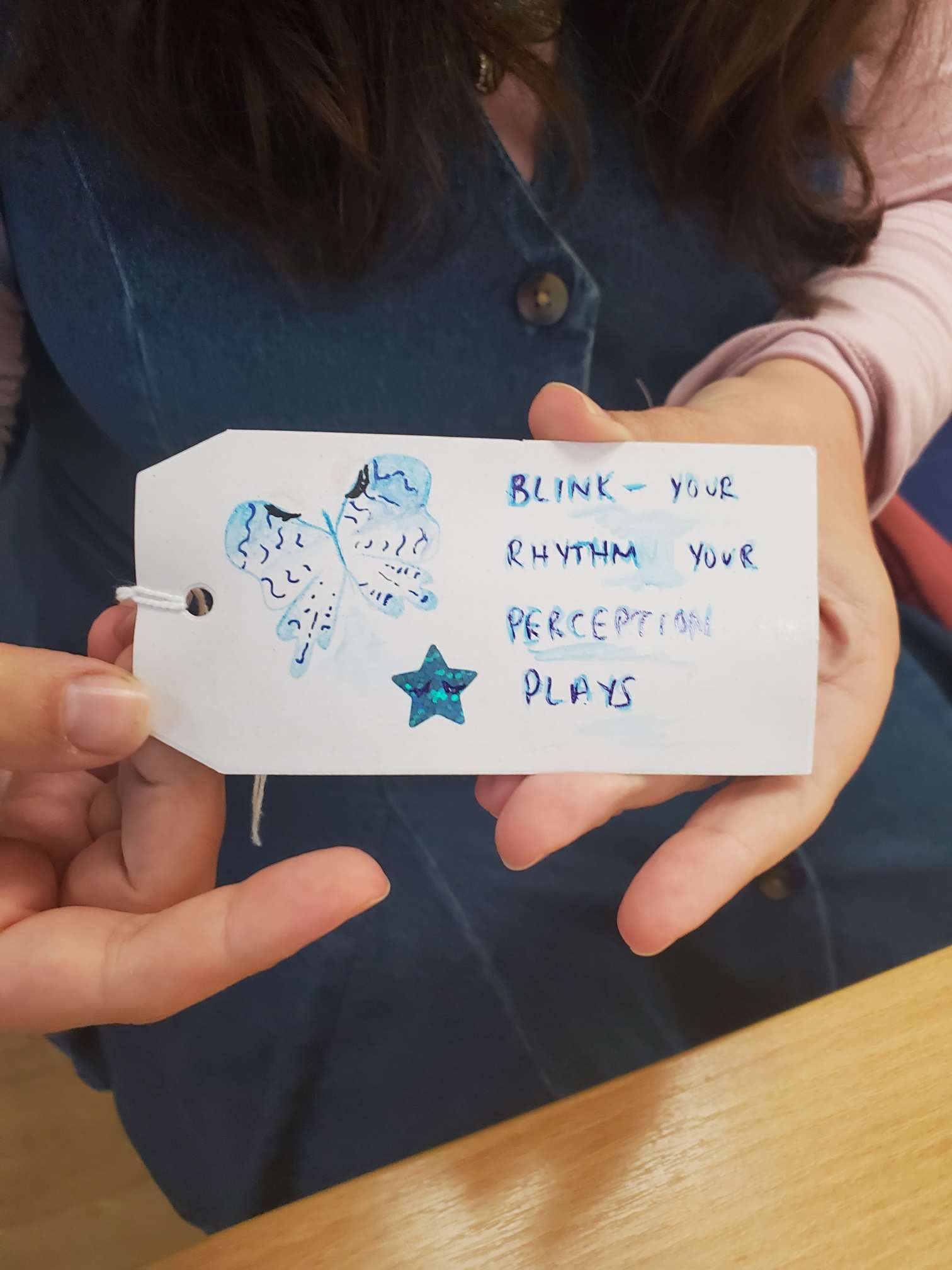
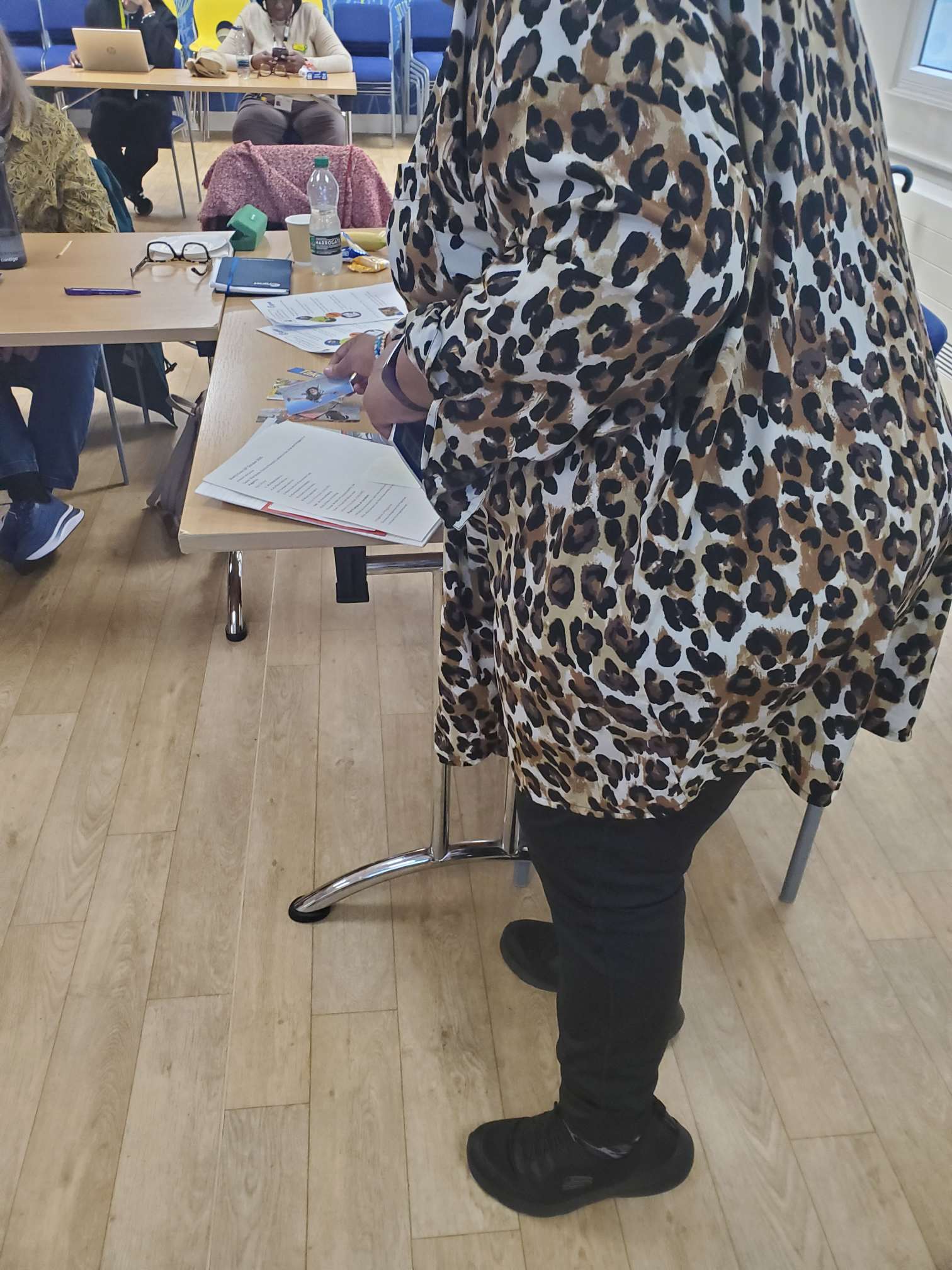
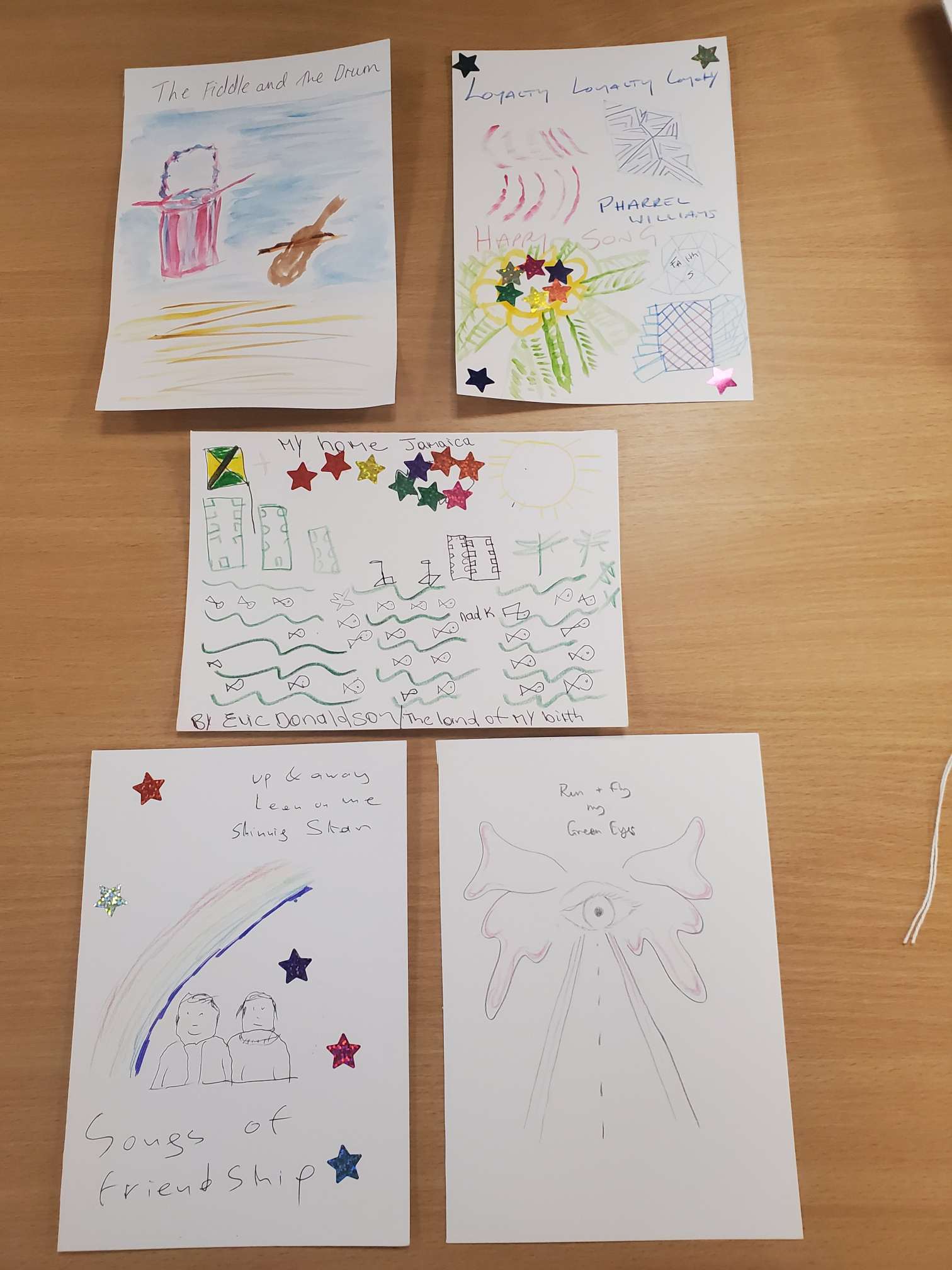
Some used recognisable images; others expressed themselves through colour and abstract patterns. Conversations about favourite songs opened up memories and connections between people.
The activity showed how closely poetry, music and visual art can speak to one another — and how differently each of us can interpret the same starting point.
Closing with reflection
The final sharing and closing circle gave us time to look at the artwork, hear reflections and consider what we would take away.
Participants valued the variety of activities and the opportunity to try something unexpected. Online contributions also highlighted why access matters: travelling can be difficult alongside caring, work and other commitments.
Our first hybrid event involved learning as we went, but it opened another route into the group. People could be part of the afternoon without being physically at Cygnet Churchill.
I left feeling proud of what we had created together. This was lived experience expressed through imagination, humour, culture and connection. It was a reminder that carers have talents and identities that deserve space to grow.

