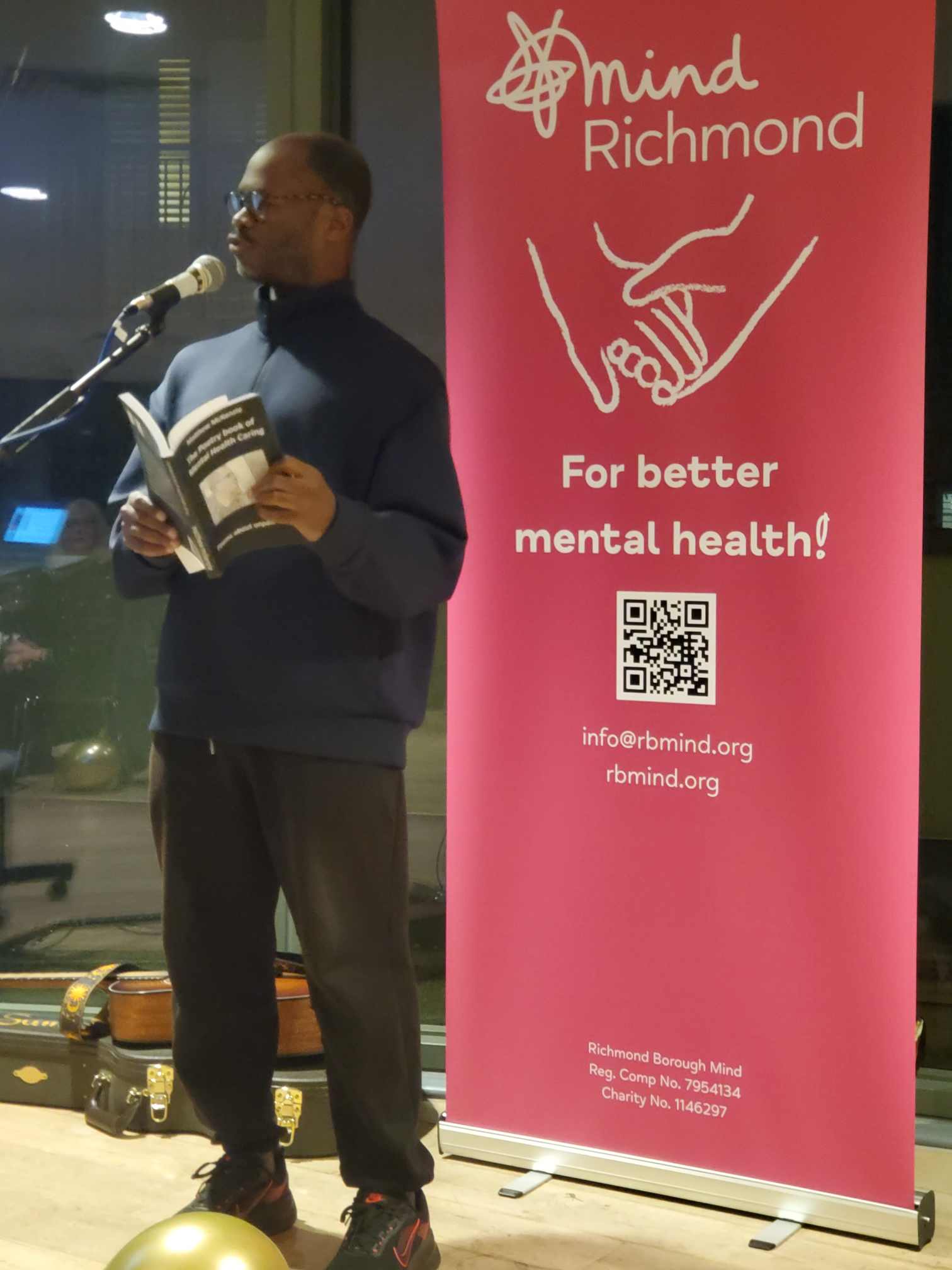
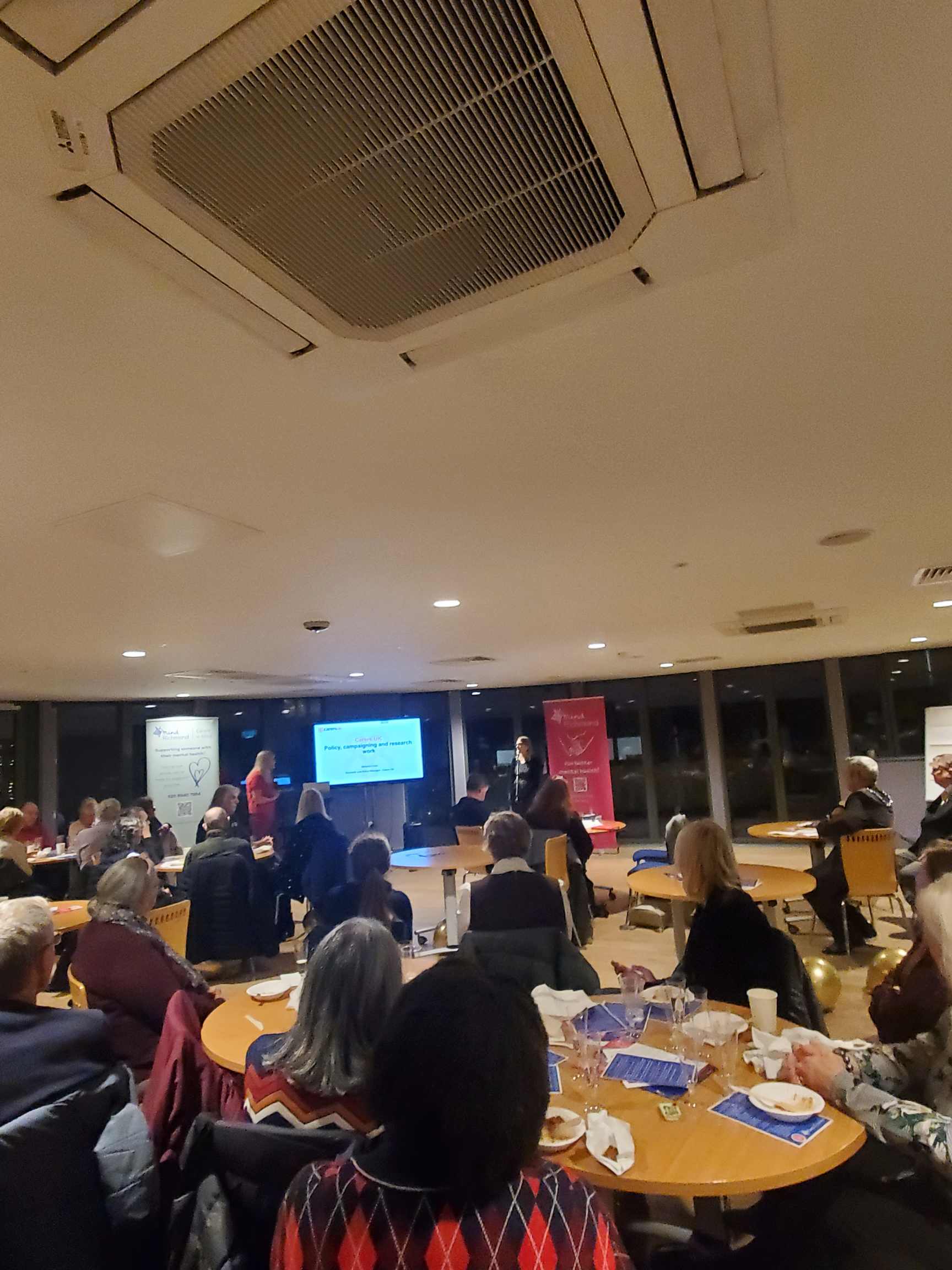
On Thursday 19 November, I joined Richmond Borough Mind for its Carers Rights Day evening. I’d been invited to share my experience as an unpaid mental health carer and read some of my poetry. What stayed with me was how readily people in the room put words to things that can be hard to explain when you’re caring on your own.
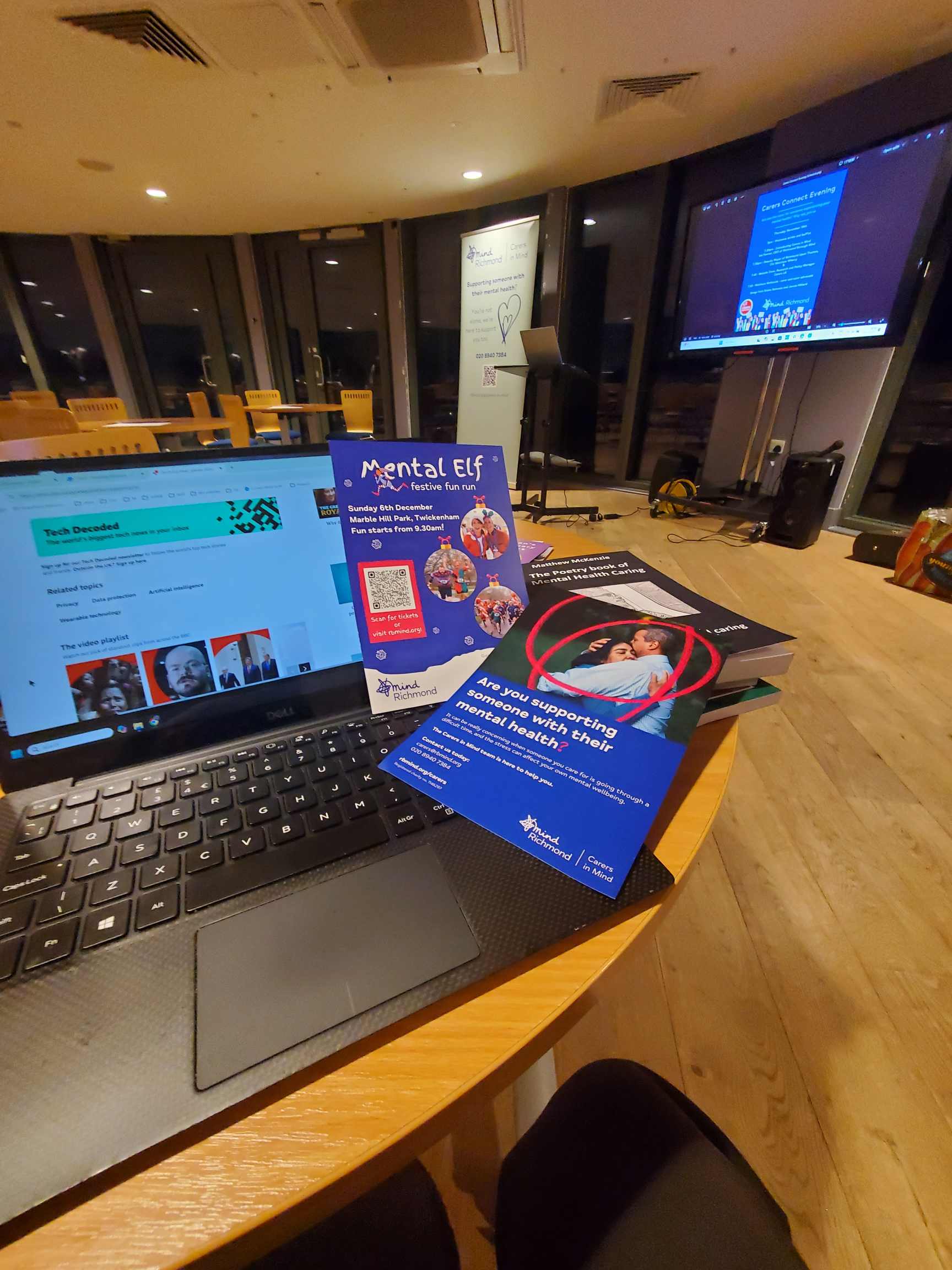
We started over a plate of curry, with food provided by The Real Junk Food Project. That gave people time to catch up and talk before the speeches. There were also leaflets about local support and copies of my books on the tables.
Helping more people recognise themselves as carers
Richmond Borough Mind’s chief executive, Val Farmer, welcomed us and spoke about the number of people in the borough who provide unpaid care. Some may have been supporting a relative, partner or friend for years before anyone tells them there’s a word for what they do. That can mean years of getting by without knowing where to turn for support.
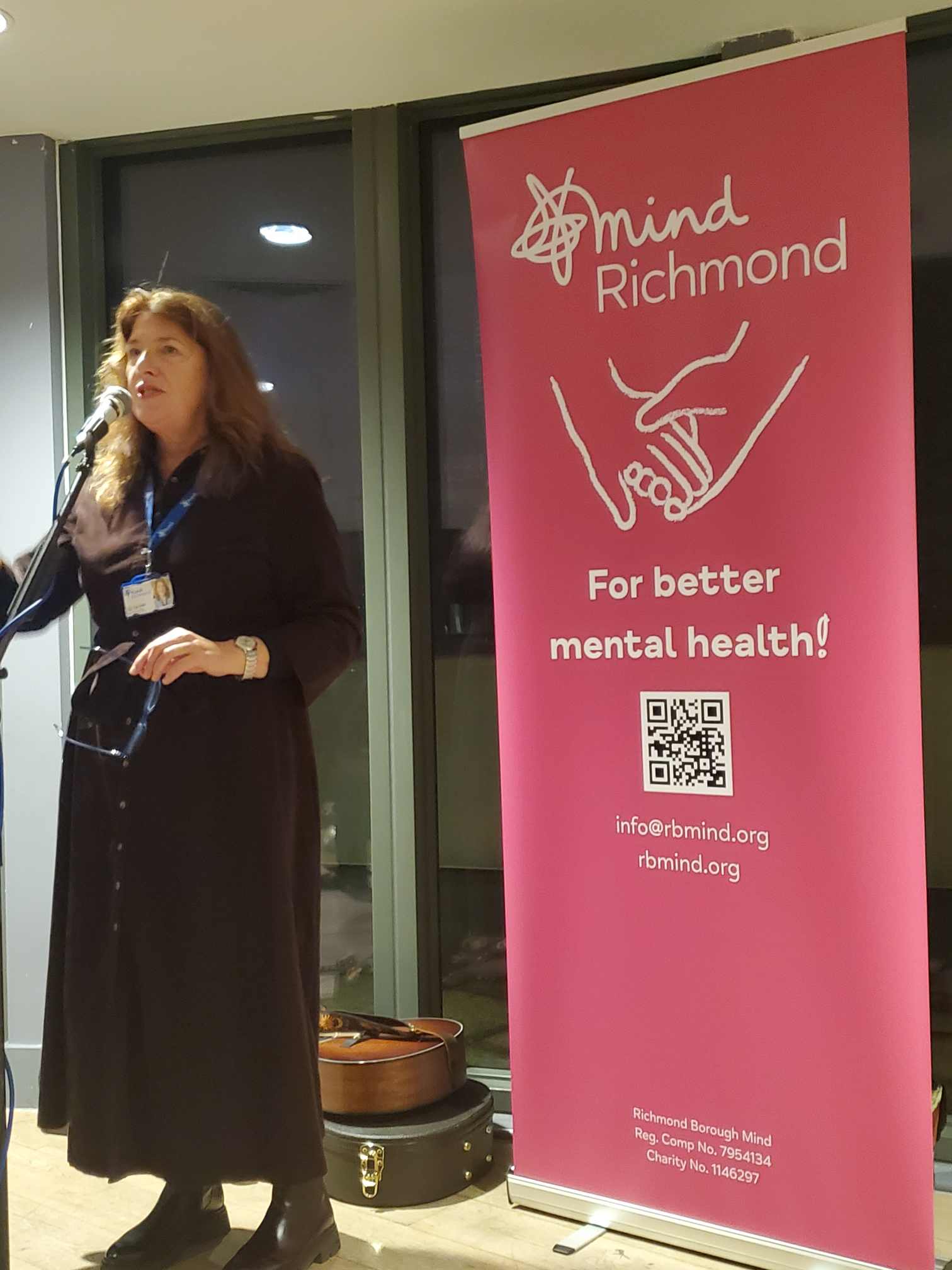
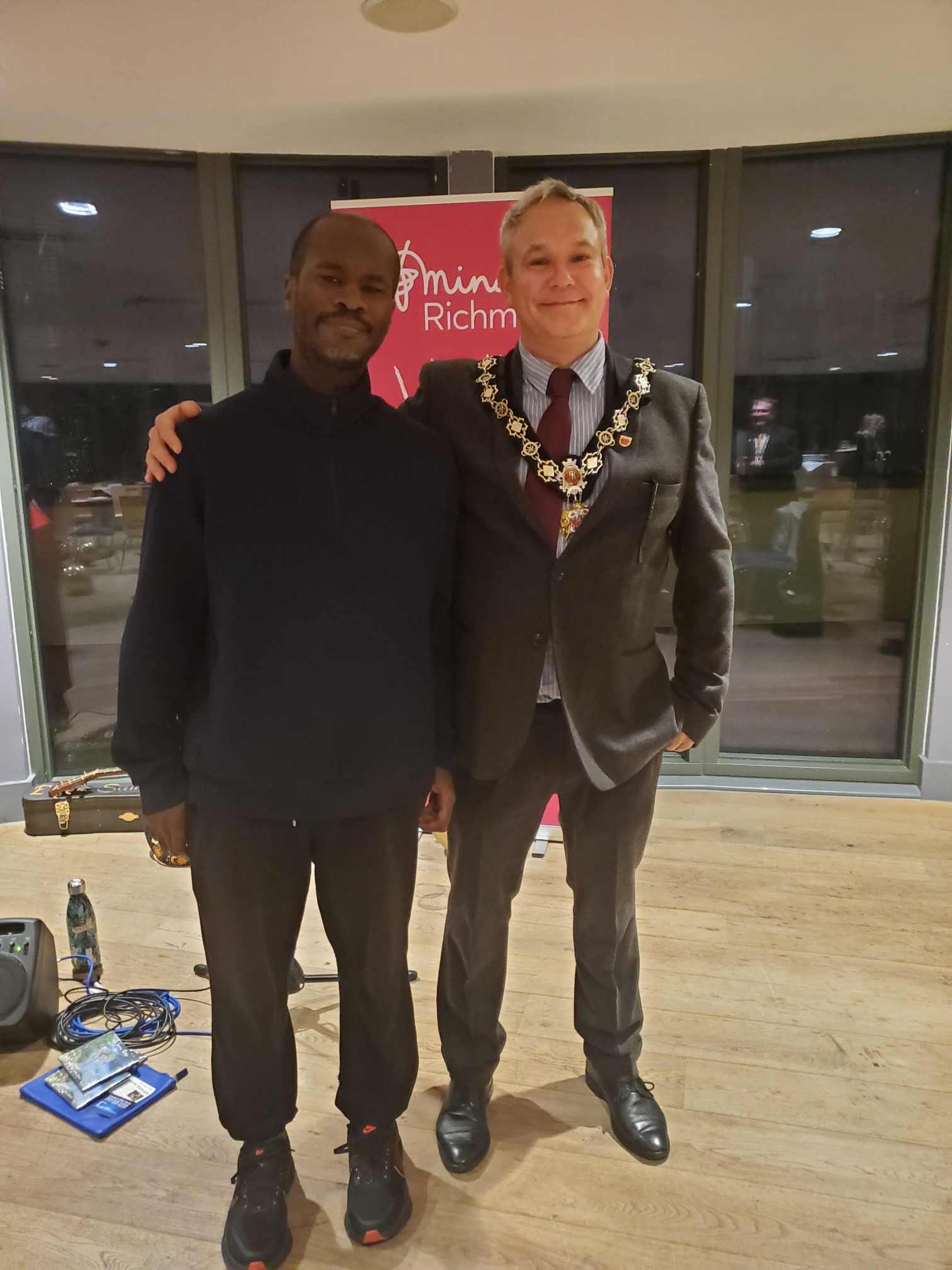
Val also spoke about the importance of involving families and carers in mental health services. Deputy Mayor Matthew Wherry thanked unpaid carers for the support they give and highlighted the work of local charities.
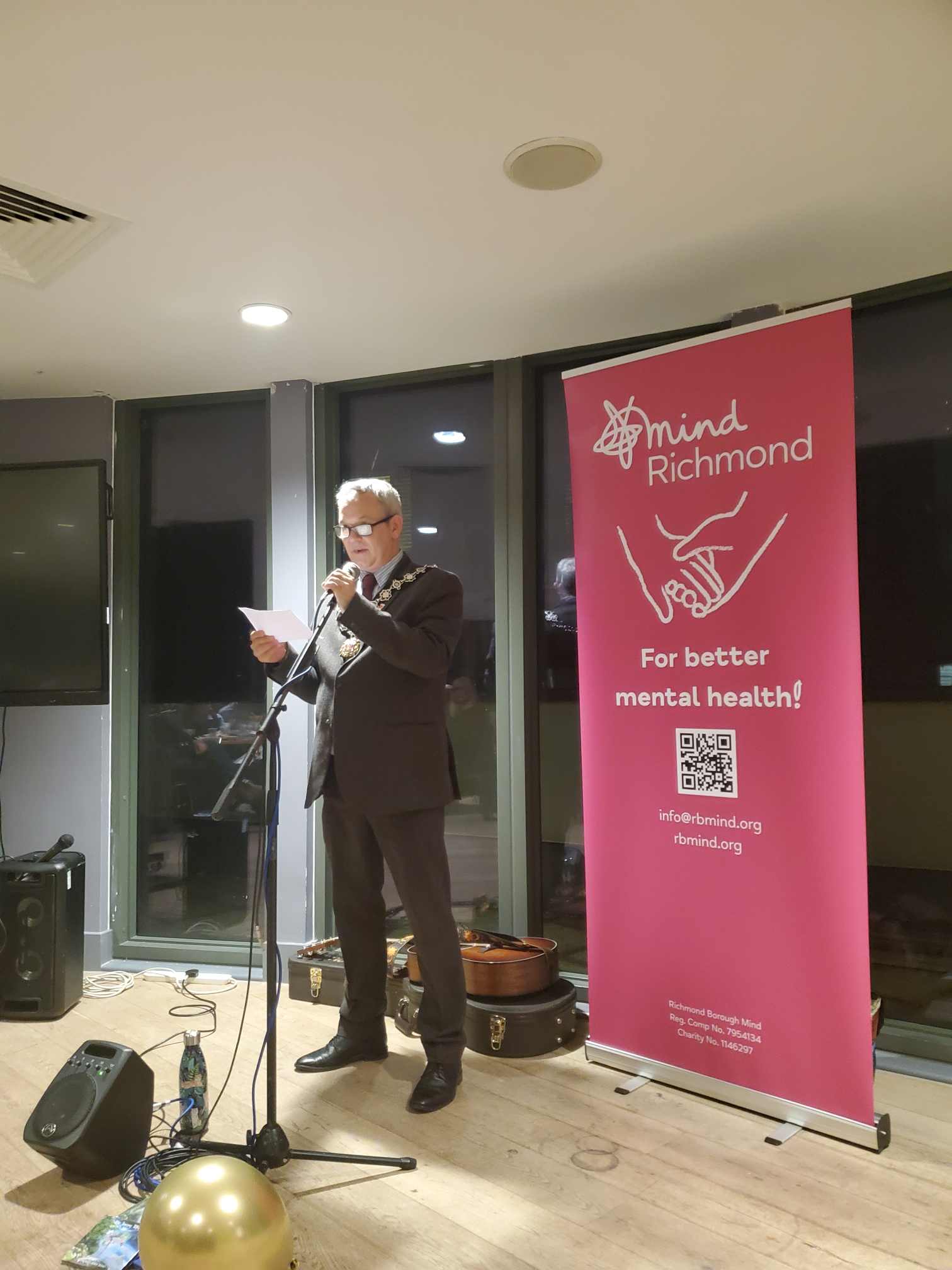
Both encouraged organisations to sign up to Richmond’s Carers Charter. For someone trying to balance a job with caring, having a manager who understands why they sometimes need flexibility can make a real difference.
What Carers UK is hearing from unpaid carers
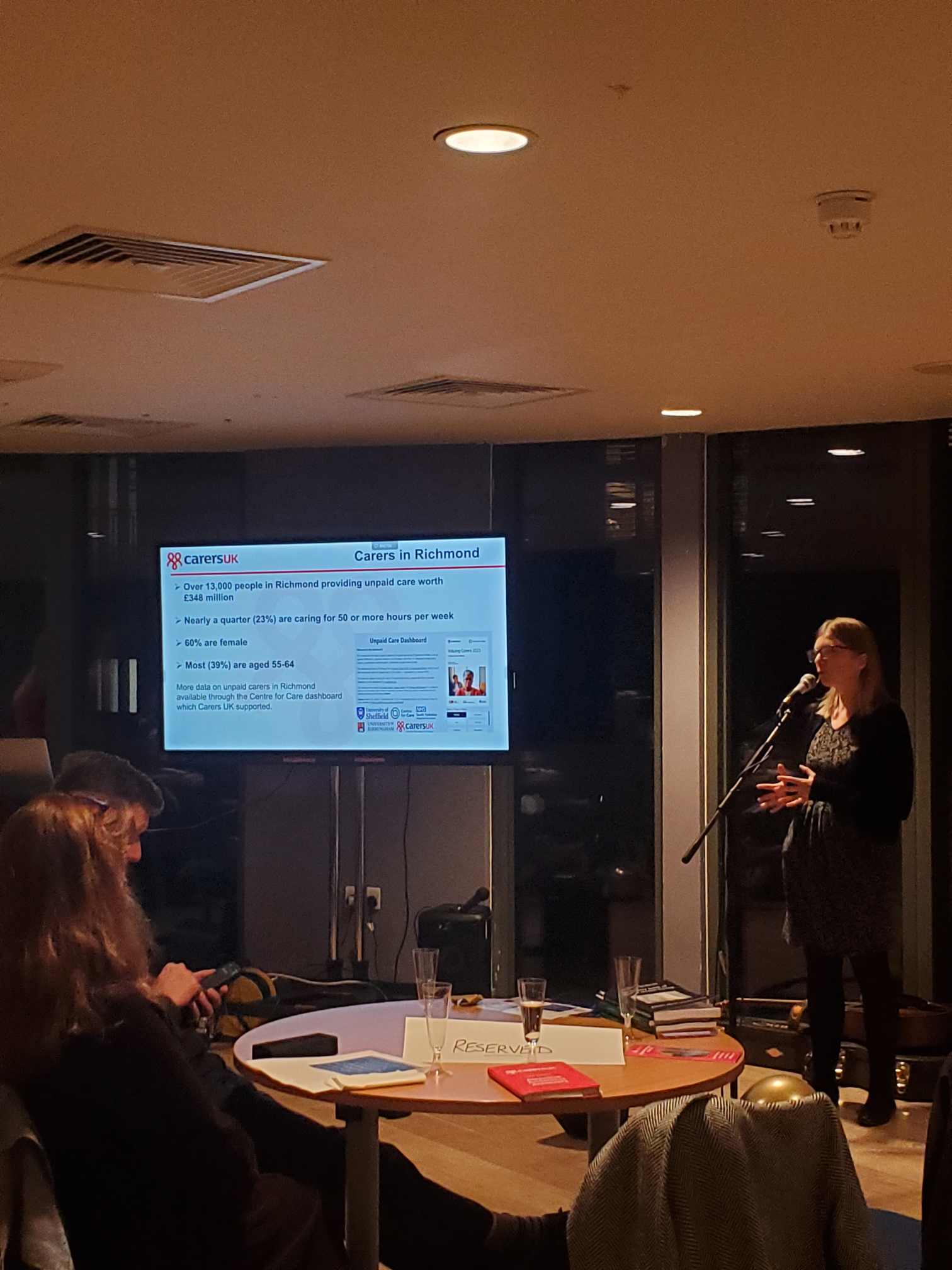
Melanie Crew from Carers UK shared research on the impact of caring on people’s finances, health and ability to stay in work. One figure from her presentation stood out to me. Of the more than 13,000 people providing unpaid care in Richmond, nearly a quarter were caring for 50 hours or more each week.
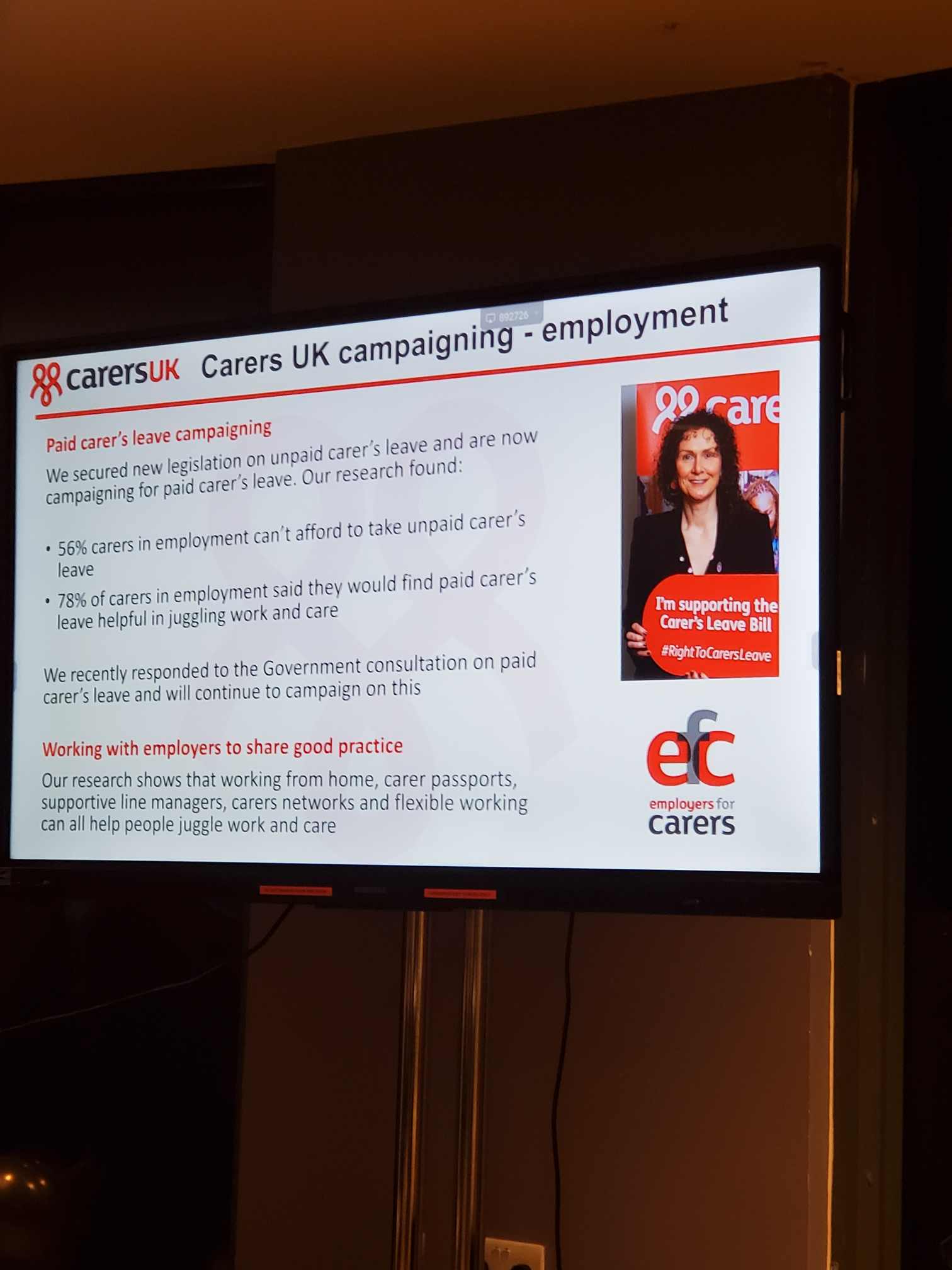
Melanie talked about what carers have been asking for, including more opportunities to take a break, better support from the NHS and greater flexibility at work. The discussion also turned to how carers might be identified by health services and how information could be shared with them. It’s a question I hear often in my own carer groups. When you’re the person providing support day to day, who can you speak to when you need to raise a concern?
What I shared about caring for my family
When my mother developed schizophrenia, I thought of myself as a son trying to help his mum. I was also supporting my two autistic brothers. It took around two years before someone told me I was an unpaid carer. By then, I’d already spent a lot of time trying to work out who to speak to and how to make sure my concerns were heard.
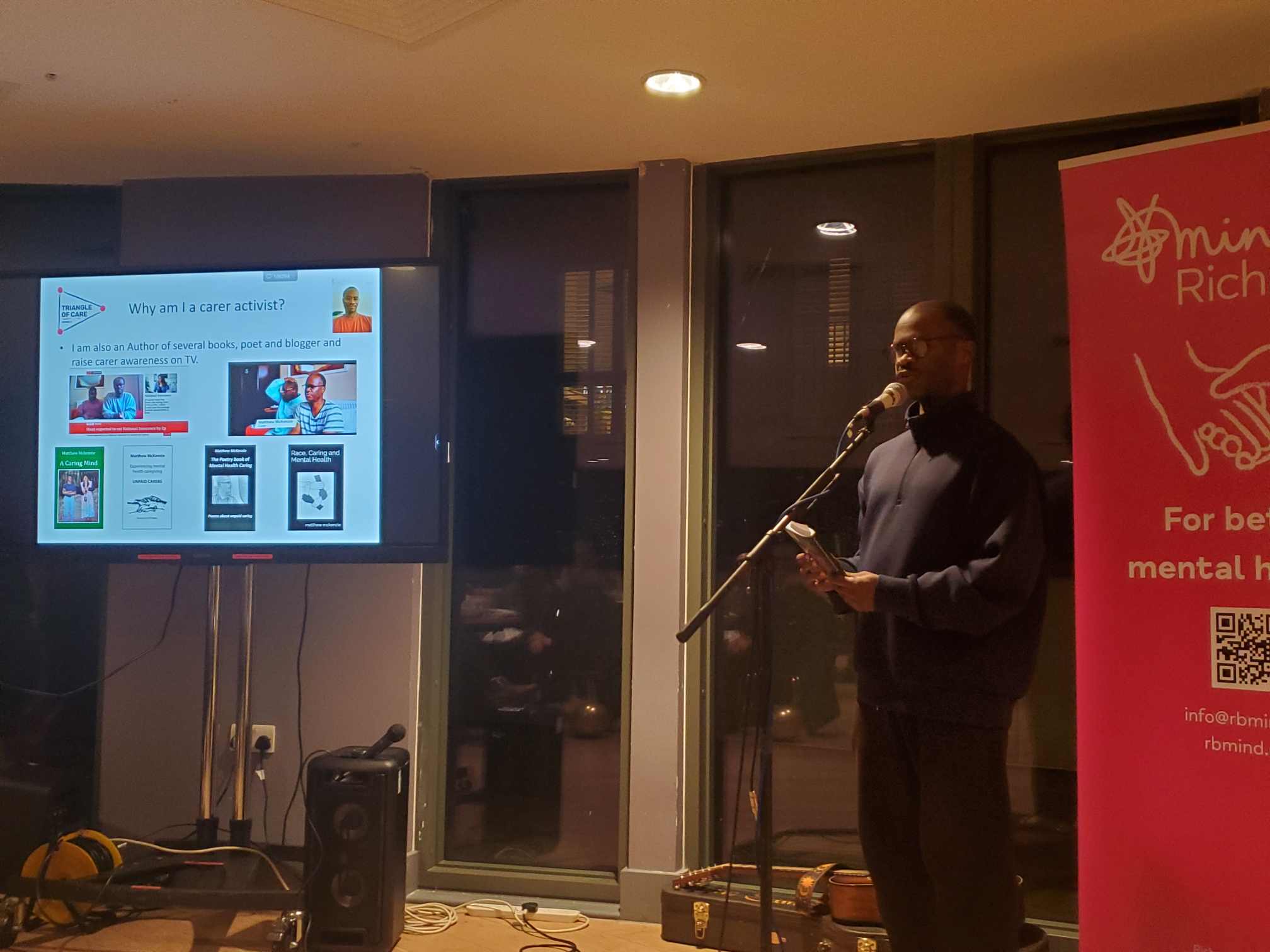
I asked people in the room what they thought put the most pressure on mental health carers. They talked about money, time and the effect on their own mental health. When I asked what helped, people spoke about getting a break and being able to share experiences with other carers. That last point is one of the reasons I run carer groups. It can be a relief to finish a sentence and realise the person listening knows exactly what you mean.
I also spoke about confidentiality. One thing I wanted services to understand when I was caring for my mother was how much a conversation could help. Even when staff had limits on what they could share, I still had concerns they needed to hear. I wanted someone to tell me who I could speak to and how I could support my mum.
I finished with my poem Remind Me, It’s My Right. It puts into words some of the things I wanted when I was caring, including being asked how I was coping, having a chance to raise concerns and being involved early in conversations about hospital discharge.
Ending the evening with music
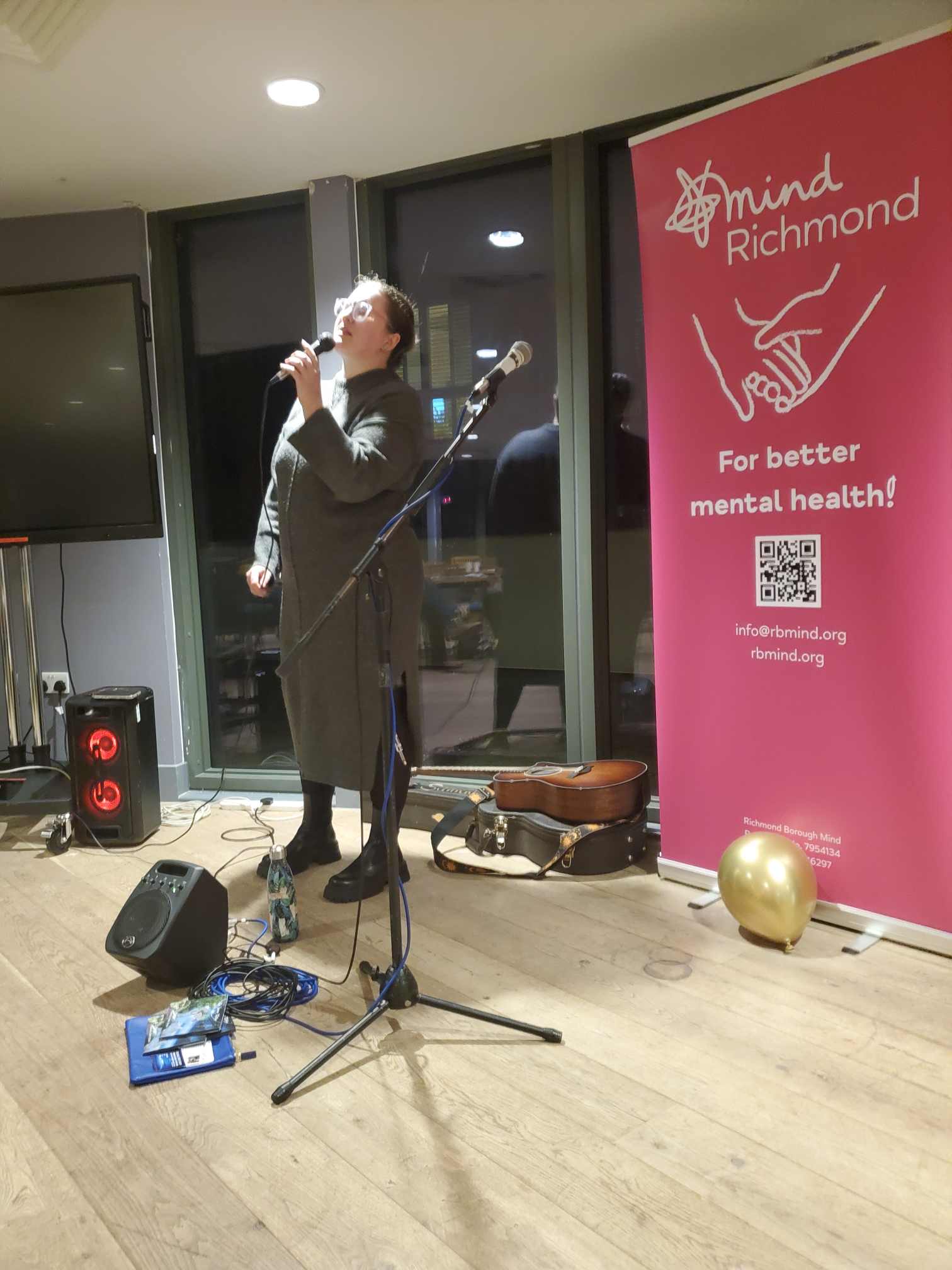
Elaine Samuels rounded off the evening with live music. We exchanged a copy of one of my books and a copy of The Journey Within by the Kindred Spirit Band.
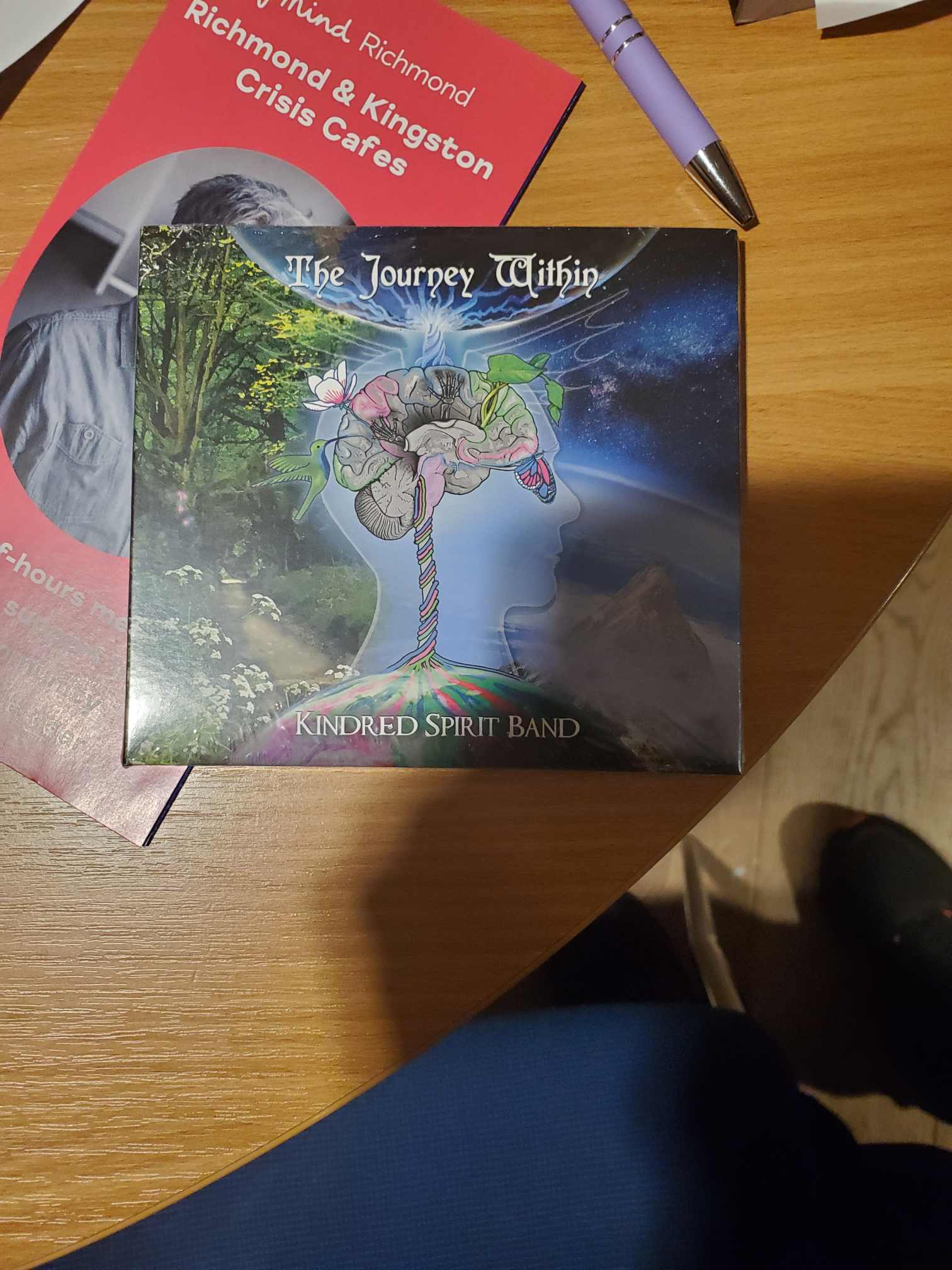
It was a lovely way to end an evening where poetry and music both had a place alongside the discussion about carers’ rights.
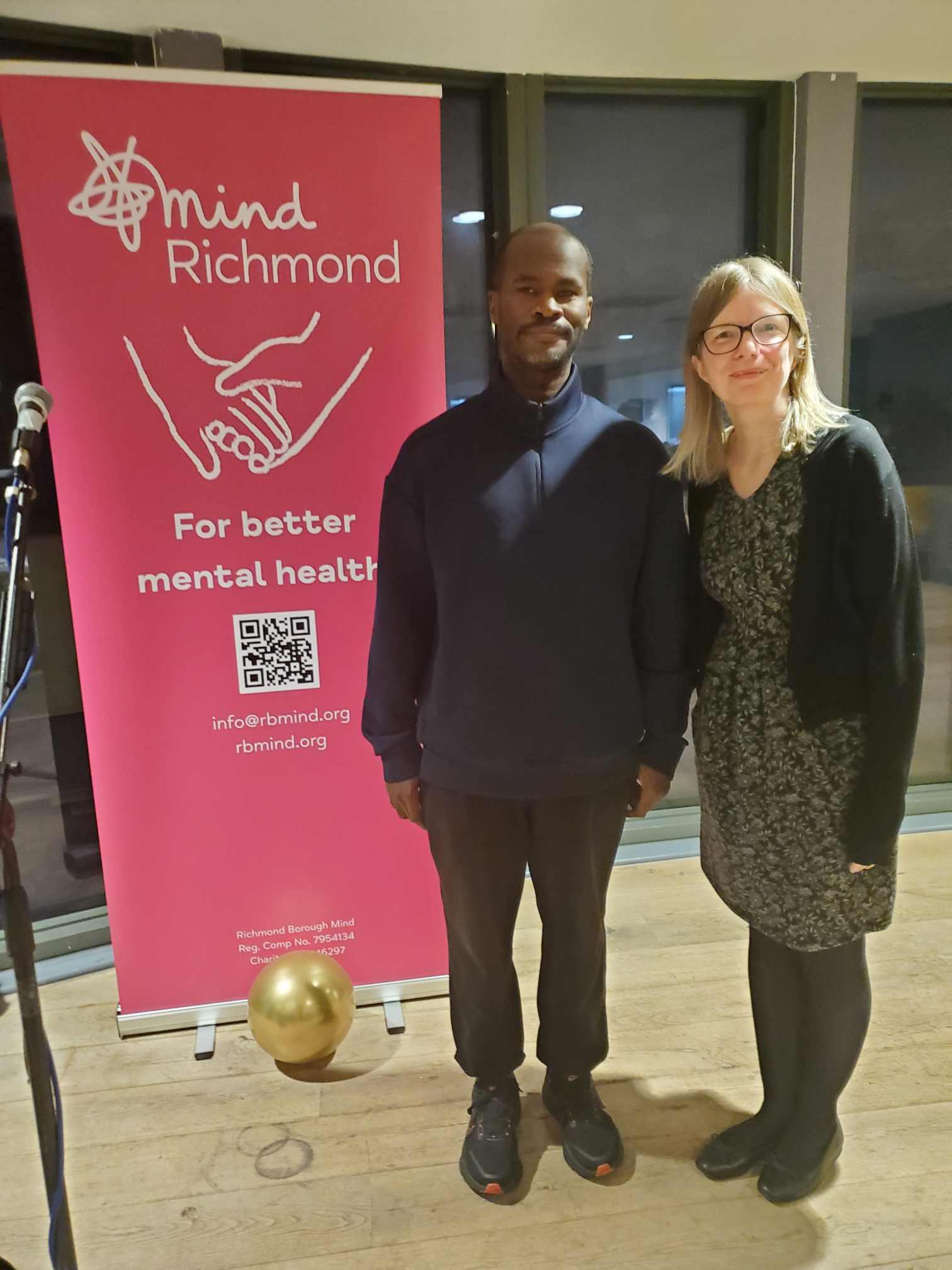
Thank you to Richmond Borough Mind and the Carers in Mind team for inviting me, and to the carers who shared their experiences. If you regularly help someone close to you with their mental health, you might recognise some of your own experience in this post.
It’s worth asking your local carers service what support is available to you, even if you’re still getting used to calling yourself a carer.
I’ve also written a Carers Rights Day blog and made a short video about recognising your caring role.

