Category Archives: Thoughts about Caring

Thoughts about themes which carers. families or readers may find interesting.

Importance of Involving Families and Carers in Hospital Care

Welcome back to another carer awareness blog post by Matthew McKenzie, carer activist and author. This time I want to raise awareness of involving unpaid carers when their loved one has been admitted to accute hospital care. To view an indepth version, please watch the video below (25 mins long). Unfortunately I messed up the presentation a bit.

In this blog post we discover the crucial role of families and carers in hospital care, from enhancing communication to improving patient satisfaction. Explore the benefits of family engagement and the impact on patient recovery.

The Importance of Carer Involvement in Hospital Care

When loved ones are taken into acute care in hospitals, the role of unpaid carers and family members becomes paramount. However, many carers find themselves at a loss, not knowing what to ask or how to be involved in the care process. On the other hand, healthcare professionals might not be well-equipped to engage with carers effectively. This article aims to explore the significance of carer involvement in hospital care, providing insights and guidelines for both healthcare professionals and unpaid carers.

Encouraging Visits

One of the first and most crucial steps is to encourage visits from family members and unpaid carers. Emotional support from loved ones can significantly reduce the anxiety and fear of patients, contributing to their overall healing process. While this might not apply in every situation, particularly for patients who are communicative and understand why they’re in the hospital, it’s especially important for those who are severely unwell or suffering from mental health conditions.

Better Communication

Involvement of family members enhances communication, allowing them to share vital information about the patient’s history, preferences, and needs with healthcare providers. This is particularly beneficial for patients who may find it challenging to communicate effectively due to their condition. By integrating the carer’s perspective, healthcare professionals can make more informed decisions, ensuring a more comprehensive understanding of the patient’s situation.

Benefits of Family Engagement

Emotional Support

Family engagement provides essential emotional support, which can motivate the patient to recover more effectively. Knowing that there’s someone rooting for them can significantly impact a patient’s willingness to adhere to treatment plans and protocols.

Advocacy

Carers can act as advocates for the patient, ensuring their voice is heard, especially in complex medical scenarios. This is crucial for patients who may not be able to advocate for themselves, such as the elderly or those with mental health issues.

Enhancing Communication Through Carer Involvement

Understanding Patient History

When family members visit, they bring invaluable insights into the patient’s history and preferences, which can be instrumental in tailoring the care provided. This ensures that healthcare professionals have the most accurate and up-to-date information, thereby improving the quality of care.

Shared Decision Making

Collaboration with family members in treatment decisions ensures alignment with patient values. Failing to involve carers can lead to a higher risk of readmission, as the patient might be discharged without proper support or understanding of their condition.

Impact on Patient Recovery

Emotional Support and Encouragement

Emotional support from family members can significantly reduce the patient’s anxiety and foster a sense of hope, encouraging them to adhere to treatment plans and look forward to recovery.

Enhancing Treatment and Care Plans

Family involvement can also enhance treatment and discharge plans, ensuring they are more comprehensive and suited to the patient’s needs. This collaborative approach helps in creating a more effective care plan, reducing the likelihood of complications or readmission.

The Role of Healthcare Providers

Providing Information

Healthcare providers need to ensure that family members and unpaid carers are well-informed about the patient’s condition, treatment plans, and potential discharge details. This is vital for the carer’s preparedness and ability to provide effective care post-discharge.

Effective Communication

Hospitals should facilitate effective communication by providing resources like leaflets about available services and how to navigate the healthcare system. This not only helps in ensuring the patient’s needs are met but also empowers carers to communicate effectively with healthcare providers.

Advocacy Resources

There should be advocacy resources available on-site or through referrals, helping carers navigate the complex healthcare system. This ensures that carers are not left in the dark and can effectively support their loved ones.

Holistic Approach to Care

Emotional and Physical Needs

A holistic approach to care considers both the patient and the carer’s emotional and physical needs. While the primary focus is on the patient’s recovery, ignoring the carer’s well-being can lead to a less effective care environment.

Comprehensive Healing Environment

Creating a comprehensive healing environment involves addressing the emotional distress of both patients and their families. This can lead to better overall outcomes and a more supportive atmosphere for recovery.

Recommendations for Improving Carer Involvement

Clear Communication Channels

Establishing clear communication channels between healthcare providers and family members is essential. This ensures that information flows seamlessly and that both parties are on the same page regarding the patient’s care.

Active Participation

Encouraging active participation from carers in the decision-making process ensures that they are engaged and informed. This collaborative approach leads to better health outcomes for the patient.

Educational Resources

Providing educational resources helps carers understand the patient’s condition and treatment plan better. This is crucial for ensuring that they can provide effective care post-discharge.

Collaborative Care Planning

Involving carers in care planning and goal-setting ensures that treatment plans are aligned with patient values and that the carer is prepared for their role. This collaborative approach reduces the risk of complications and readmission.

Conclusion

In summary, involving family members and unpaid carers in hospital care is crucial for improving patient outcomes. By encouraging visits, enhancing communication, and providing necessary resources, healthcare providers can ensure a more holistic and effective care environment. This not only supports the patient’s recovery but also empowers carers to take on their roles confidently and effectively.

14 Tips to Tackle Depression: From Seeking Help to Self-Care

Here is another blog post by carer activist Matthew McKenzie

We all go through depression at varying levels. It is important to learn what tools can be used to tackle depression and develop those skills. I focused on this subject because even if you are caring for someone, there will be days when depression strikes. These tips however are for anyone, because we all need mental wellbeing.

To watch the short video version, please check out my video below.

Overcoming Depression: 14 Effective Tips for a Brighter Tomorrow

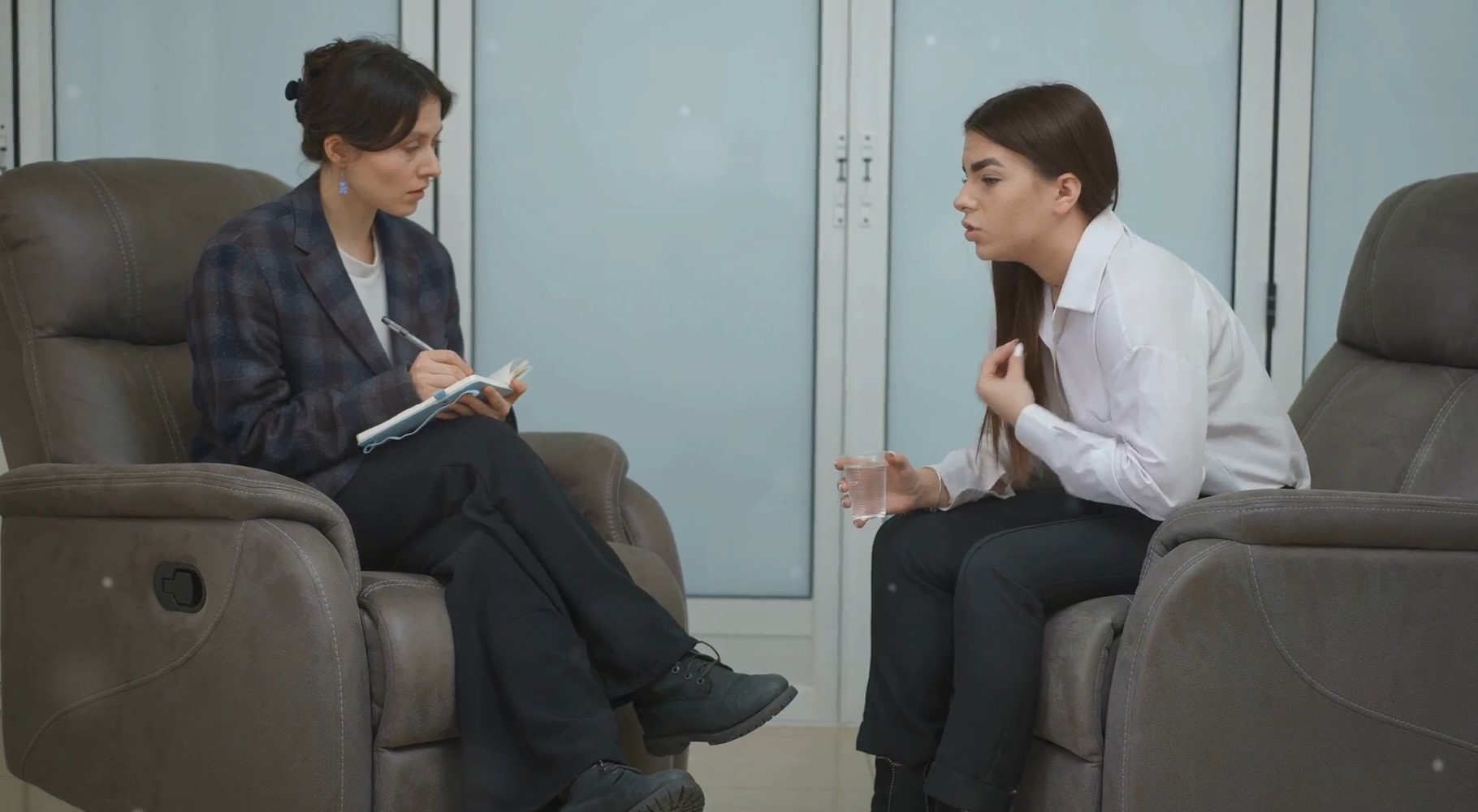
Depression is a pervasive and debilitating condition that affects millions of people worldwide. If you’re feeling overwhelmed by depression, know that you’re not alone. On today’s post, we’ll delve into 14 effective tips that can help you tackle depression, drawing from practical advice and therapeutic techniques designed to uplift your mood and improve mental health.

Seek Professional Help

Consulting with Mental Health Professionals

The first and foremost step in managing depression is seeking professional help. Consulting a mental health professional can provide you with personalized treatment options such as cognitive behavioral therapy (CBT), talking therapy, or medication. Each individual’s experience with depression is unique, and professional guidance can make a significant difference in finding the right approach for you.

Build a Support Network

Reaching Out to Friends and Family

Isolation tends to worsen the symptoms of depression. Unpaid carers are especially prone to isolation. So building a strong support network by reaching out to friends, family, or joining a support group can aid substantially. Simply knowing that someone understands your struggles can lighten the emotional burden and provide a sense of community and understanding.

Exercise Regularly

The Mood-Boosting Power of Physical Activity

Physical activity is not just beneficial for your body; it’s also crucial for mental health. Exercise releases endorphins, often referred to as “Feelgood” chemicals, which naturally boost your mood. Start small. Even a short 20-minute walk can significantly improve your mood and energy levels.

Focus on a Healthy Diet

Foods that Boost Brain Function

What you eat can have a direct effect on your mental health. A healthy diet is essential in influencing your mood and energy levels. Foods that are rich in Omega-3 fatty acids, such as fish and walnuts, can improve brain function. Meanwhile, cutting down on sugar and processed foods can prevent energy crashes and stabilize your mood.

Establish a Routine

The Importance of Daily Structure

Depression can sap your motivation, making daily tasks seem insurmountable. Establishing a daily routine can provide structure and a sense of normalcy. Set small, achievable goals and maintain a regular sleep schedule to help manage your symptoms more effectively.

Practice Mindfulness and Relaxation Techniques

The Benefits of Mindfulness Meditation and Deep Breathing

Mindfulness meditation and deep breathing exercises are powerful tools for managing negative thoughts and reducing stress. Practicing mindfulness helps you stay present, grounding your thoughts and emotions in the here and now rather than letting them spiral out of control.

Challenge Negative Thinking

Recognizing and Reframing Distorted Thoughts

Depression often distorts your thoughts, leading to a cycle of negative thinking. Recognizing these distortions and actively working to reframe them is crucial. Keeping a journal can be a helpful practice for tracking your thoughts and emotions, identifying patterns, and challenging negative beliefs.

Engage in Activities You Enjoy

Reconnecting with Hobbies

Depression might dull your interest in activities you once enjoyed, but re-engaging with hobbies is an important step in alleviating symptoms. Start small and be patient with yourself as you rediscover activities that bring you joy and fulfillment.

Limit Alcohol and Substance Use

The Long-Term Effects of Alcohol and Substances on Mood

While alcohol and substances might provide temporary relief, they can worsen depression in the long term. Reducing or avoiding them altogether can help stabilize your mood and improve your mental health over time.

Set Boundaries and Manage Stress

The Importance of Saying No and “Me Time”

Learning to say no and setting personal boundaries are crucial for managing stress and preventing burnout. Carve out “me time” to relax and recharge. Remember that your mental health is a priority, and taking time for yourself is not just acceptable, but necessary.

Practice Self-Compassion

Being Kind to Yourself

Depression is a medical condition, not a personal failing. Practice self-compassion by being kind to yourself and avoiding harsh self-criticism. Understand that managing depression is a journey, and it’s okay to take steps that prioritize your well-being.

Get Outdoors

The Calming Effect of Nature

Spending time in nature has a profoundly calming and uplifting effect on your mental health. Green spaces and sunlight exposure can boost serotonin levels, which are crucial for mood regulation. Make it a point to spend some time outdoors regularly.

Consider Alternative Therapies

Exploring Art, Music Therapy, Acupuncture, and Yoga

While traditional treatments are essential, alternative therapies like art or music therapy, acupuncture, or yoga can also play a significant role in managing depression. For instance, poetry has been shown to be a useful outlet for emotional expression and self-exploration.

Be Patient with Yourself

Understanding the Recovery Process

Recovery from depression is a gradual and ongoing process. Celebrate small victories and understand that setbacks are a normal part of the journey. Patience and perseverance are key. Surround yourself with supportive individuals who can help you stay motivated and hopeful.

Immediate Help for Severe Symptoms

Addressing Thoughts of Self-Harm or Suicide

If you experience thoughts of self-harm or suicide, it is critical to reach out for immediate help. Contact mental health professionals, hotlines, or trusted individuals who can provide the urgent care and support you need. Remember, you are never alone in this battle, and there are resources available to help you through the toughest times.

Depression is a challenging condition, but with the right support and strategies, it can be managed effectively. Implement these tips, seek professional help, and surround yourself with a supportive community. In time, with patience and dedication, you can begin to see improvements and work toward a brighter, more fulfilling tomorrow.

Here are some helplines for depression in the UK:
Samaritans: Call 116 123 for 24/7 emotional support
Shout: Text 85258 for 24/7 confidential support
CALM Helpline: Call 0800 58 58 58 or use their webchat from 5 PM–midnight, 365 days a year
Rethink Mental Illness: Call 0300 5000 927 for advice and information on therapy, medication, benefits, and more
Mind infoline: Call 0300 123 3393 for information on types of mental health problems and where to get help
Papyrus UK: Call 0800 068 4141 or text 07860 039967 for confidential support and practical advice for people under 35
Childline: Call 0800 1111 or talk to them online for children and young people under 19

The Impact of Poverty on Unpaid Carers: Challenges and Solutions

Introduction

Welcome to another deep dive into the pressing issues faced by unpaid carers, brought to you by Matthew McKenzie, a dedicated carer activist. In today’s discussion, we confront the grim reality of how poverty exacerbates the struggles of unpaid carers.

If you want to see the short video version of this blog post, watch below

These unsung heroes often sacrifice their personal well-being to look after loved ones. However, when poverty is added to the equation, the challenges they face multiply exponentially. Throughout this article, we will explore various dimensions of the caregiving crisis, touching upon financial hardships, mental and physical health issues, social isolation, generational poverty, and more. The goal is to raise awareness and advocate for targeted support systems that can alleviate these burdens.

Financial Hardships

Income Reduction

Many unpaid carers find themselves in a predicament where they have to reduce their working hours or quit their jobs altogether to provide adequate care for their loved ones. This significant drop in income makes it difficult to meet everyday expenses, let alone the additional costs that caregiving entails, such as medical supplies and transportation.

Lack of Awareness About Financial Aid

It is troubling to note that many carers are unaware they might qualify for financial aid or benefits. This lack of awareness leaves them in a precarious financial situation, struggling to make ends meet.

Mental and Physical Health Challenges

Mental Toll

Balancing caregiving responsibilities with financial insecurity takes a severe toll on mental health. Chronic stress, anxiety, and depression become constant companions for many unpaid carers. This emotional strain can lead to a devastating cycle of mental health issues that are hard to break.

Physical Health Deterioration

Due to their all-consuming caregiving duties, many carers neglect their own physical health. They often face barriers to accessing healthcare, making it nearly impossible to afford basic medical services. This neglect further compounds their stress levels and deteriorates their overall well-being.

Lack of Respite Care

Imagine being on duty 24/7 with no opportunity for a break. The inability to afford respite care leads to inevitable burnout. This constant state of exhaustion further compromises the carer’s ability to provide quality care.

Social Isolation

Limited Social Interactions

Poverty significantly limits social interactions for carers. The costs associated with transportation and social activities create barriers that are hard to overcome. Consequently, many carers find themselves socially isolated, worsening their emotional well-being.

Stigma and Shame

The social isolation is often compounded by feelings of shame and stigma related to their financial situation. These feelings make it even harder for carers to seek help, exacerbating their sense of loneliness.

Quality of Care

Limited Resources

When resources are limited, carers struggle to provide the best possible care for their loved ones. This situation often leads to feelings of guilt and distress, knowing they cannot do more. The quality of care inevitably suffers, affecting both the carer and the care recipient.

Emotional Availability

Stress and burnout diminish the emotional availability needed for providing quality care. When carers are overwhelmed, they cannot offer the emotional support that is crucial for the well-being of their loved ones.

Generational Poverty

The Cycle of Financial Hardship

Generational poverty is another facet of this issue. Many carers look after older family members who have also faced financial hardships, creating a cycle of poverty. This intergenerational strain further depletes already limited resources, especially in households where young carers are involved.

Barriers to Education and Employment

Financial constraints and time demands make it incredibly challenging for carers to pursue education or training. Job flexibility is rarely an option, making it difficult for carers to find or keep employment. These barriers hinder their ability to break free from the cycle of poverty.

Emotional Burden

Guilt and Stress

Emotionally, carers often carry a heavy burden of guilt and stress. Feeling inadequate or ashamed of their financial situation adds to a sense of hopelessness. The constant worry about bills, care, and personal needs can lead to overwhelming exhaustion.

Navigating Complex Systems

Navigating the complex systems for financial aid and support is another layer of stress. The time and energy required to deal with bureaucratic hurdles can be overwhelming, adding yet another burden to the already strained carers.

Long-Term Consequences

Poverty in Old Age

Many carers face the grim prospect of poverty in their old age, having sacrificed their careers and savings to provide care. Chronic stress and poor health further reduce their life expectancy and quality of life.

Key Takeaways

Poverty significantly amplifies the struggles of unpaid carers. To improve their well-being, there is a pressing need for:

  • Targeted Support: Comprehensive support systems that address the unique challenges faced by unpaid carers.
  • Financial Assistance: Adequate financial aid to help carers manage their expenses.
  • Accessible Healthcare: Affordable healthcare services to ensure carers can maintain their physical and mental health.
  • Respite Care: Opportunities for respite care to prevent burnout and ensure carers have the necessary breaks.

By shedding light on these critical issues, we can advocate for changes that will make a tangible difference in the lives of unpaid carers. Let’s work together to ensure that these unsung heroes get the support they desperately need.

Remember to take care of yourselves, and for more insightful discussions, please like, share, and subscribe. God bless.

What is a carer – the blurred definition

Hello fellow unpaid carers, new blog from Matthew McKenzie carer activist. I have not blogged in a while, because I am so busy writing my books about unpaid care. The thing is, while I am writing stories about the experience of providing care, I could not help think about the term ‘carer’. I could be more clearer and say what does the word ‘carer’ mean.

Embed from Getty Images

If i Google the term ‘what is a carer‘ The following turns up.

Wikipedia states the following

“A caregiver or carer is a paid or unpaid member of a person’s social network who helps them with activities of daily living.”

NHS England focuses the word ‘carer’ as the following.

‘A carer is anyone, including children and adults who looks after a family member, partner or friend who needs help because of their illness, frailty, disability, a mental health problem or an addiction and cannot cope without their support’

Come to think of it, if I google the word carer then most if not all of the following links agree with NHS England’s definition of a carer. The following links (subject to change) are from

Bristol and South Gloucestershire carers centre on “What is a carer”
Caring together – Cambridgeshire on – “who is a carer”
Carers Trust on Caring as an Unpaid Carer
Even the citizens advice site has a section on Carers: help and support

So ok, why am I blogging about the definition of carers? Well as you can see things are not all that simple. Get ready because it gets political, but that is nothing new here.

The word ‘carer’ is shared depending on who uses it and why they are using the word. As far as I know, carer workers use the term carer. I run a carers stall at some hospitals and people often come up to me asking the following.

“Do you have the number of a carer to help with looking after someone?”. I then explain the stall is for unpaid carers.

Others ask

“Do you have a job for working as a carer?”
“How much does it pay to be a carer?”
“Can you be my carer?”

Well, the above highlights there are some concerns, because to be fair paid carers / careworkers do care for people, but they are paid to do so. We also have to notice the word ‘carer’ carries with it a vast amount of prestige. It becomes political if people hijack the word to push out those who are providing unpaid care. There is a tug of war between those who want to be defined as carer. Do not get me wrong, as many in the professional sector are vocal that the word should belong to unpaid carers. Still, another problem I am aware of is that those providing unpaid care do not often recognise themselves as a carer. Some even deem the word as an insult because they are caring for someone as a family member and want to be recognised as that first. This is fine and there should be little arguements of this, except what happens if the person continues to struggle providing unpaid care? They are not recognised by certain health and social care systems as needed support.

With the blurred term of ‘carer’, it means not only the carer suffers, but the person needing the care might also suffer because the strain on the family member becomes challenging. We also now have the word ‘carer’ being used for those who work in the NHS. It is true nurses and doctors ‘care’ for their patients, but even that causes problems because what happens when a health professional has to provide care for someone at home or close to them? How would they be identified? Would the strain of care push them out of the health profession?

It gets worse, even if you someone become aware you are a carer caring for someone in the family, what are your duties? Another google search of “carer duties” or “duties as a carer” brings up the duties of care workers. So someone provding unpaid or informal care will get stuck, because sometimes they have no idea what to do.

Embed from Getty Images

This is all confusing, I do not have the answers and I am sure someone out there does. Come to think of it, The care act 2014 is under scrunity. The House of Lords adult social care committee released a report in December 2022. The report mentioned that the government’s white paper does not go far enough.

There is a risk more unpaid carers and those they provide care for will suffer. It was stated that more support from health and social care professionals is needed to identify unpaid carers. As too many carers lose out on support, even if referred a large number might not be able to access support. I did warn it would get political.

To be honest, my thoughts on solutions would be education, education and campaigning. The big hurdle is getting others to scream that they are carers and that they need support. The cost of living, strain on health services and pandemic have highlighted the need for unpaid carers to get support. If the NHS continues to struggle it can only mean one thing, the community has to pick up the slack. That means carers will have to do more and also understand the health and social care system.

You can read the House of Lords adult social care committee report below from section 123 – What does it feel like to be an unpaid carer today?

https://publications.parliament.uk/pa/ld5803/ldselect/ldadultsoc/99/9906.htm#_idTextAnchor062

Valentines day and its relation to care

Welcome to my latest blog post.

Did you know it is Valentine’s day for Feb the 14th 2022? I am sure you have not forgotten and if I just reminded all those men out there…….better get those gifts quickly.

On a serious note, when we think of valentine’s day, we think of partners or those in a relationship buying gifts for each other. We think of those who are close spending time out at the cinema, restaurant or some place special. We think of those who want to rekindle they love for each other.

Now thats a keyword ‘Love’.

I am going add something to valentines day. As you already might know, I raise awareness for those who are having to care for someone suffering mental ill health. I often think of those, even though I am not providing that sort of care anymore.

I feel, that it is not only out of love that a person is providing that care. As if it was out of duty or out of concern, but a lot of it relates to love and care.

I want valentine’s day be a reminder for those battling to keep someone here for not only valentine’s but the days, weeks, months and more so that they can one day hope the person they care for is recovering.

So valentine’s day is not always a day that we buy gifts, show off our love and feel special. Just like Christmas or other religious holidays, that valentines does have a serious deeper meaning.

Caring through the CoronaVirus

Corona VirusThanks for dropping by my carers blog post. This site raises awareness of unpaid carers and mental health. As of this blog post I am caring for someone close and just coping the best I can, while keeping a close eye on events. As of the title, this blog post is about the Corona virus and its implication to carers like myself and those in the community.

If you have been following my tweets on twitter, I have been posting that carers need to take care of themselves. Sometimes I have done a blog post about carer wellbeing and sometimes I will do a video blog or podcast.

Continue reading

Young carers awareness day 2020

106542Thanks for stopping by. This is a blog post based on raising more awareness for many young carers around the country. This is that at the time of posting this blog post, it is young carers awareness day. Now I am not a young carer myself, but I did provide care and support to my brothers when I was much younger. They both have autism and every so often I still provide support for my brothers, because being in someones life should be a family commitment.

Young carers awareness day

So whats it all about then? Why the need for young carers awareness day? I mean, aren’t young people not given that support already from somewhere? Is it someone else’s responsibility? Well I will come on to that in a moment, but for now I want to put a spot light on young carers who do their best to care for someone. The main reason I am throwing my chips in on this is that its not common for young carers to write, blog, speak and raise that awareness themselves. Heck! many young carers do not even know they are young carers so they often miss out on support.

Young carers awareness day runs every year and is driven by a national charity called ‘Carers Trust’. Taken from Carers Trust’s website ” For many, their caring journey begins at a much younger age. Caring for someone can be very isolating, worrying and stressful. For young carers, this can negatively impact on their experiences and outcomes in education, having a lasting effect on their life chances.”

Basic CMYK

I touched briefly on the importance of raising awareness for young carers day, but there is much more to it than just raising awareness. Young people even if not caring still struggle in getting support for many things, this is doubled or tripled for young carers who can unfortunately fall through the system. I hope that those in authority take note of young carers awareness day and help make its aim come to life.

Still, we can only learn so much from the idea of young carers awareness, I think a small story can show so much more to the situation young carers face up and down this country.

A small story

Let me tell you a small story, this story is not based on any living person, but the experiences are very real and they are very hard. I would like to warn you this story pulls no punches, but to get the message across, we sometimes have to point out the painful stories.

My story starts with a young boy, so full of energy, wonder and excitement. His life ahead of him as he notices from his friends at school. His name is Sam. A simple young boy and he was well raised by his mother, she cared for him and she loved him. There was never any issue of the close bonds in the family. His mother had recently divorced from her husband, but she fought on and raised their only son.

Embed from Getty Images

It was as if only yesterday, Sam’s mind wandered back to this unfortunately incident. Sam remember he was just around 8 years old, when he came home from school. He suddenly noticed when he got in, the house was so dark, like all the lights were off. Sam called out to his mother, but no reply came from her. Sam remembered that he walked into the kitchen to get something to eat. The family was struggling as many families low in the income gap tend struggle. Sam was just reaching for a plate out of the cupboard and he spotted his mother sitting on the kitchen floor. Sam asked if she was ok, but after a while she responded, but not directly looking at Sam at all. She slowly replied that she was ok.

Sam did not know what else to say, but he then took his mother by the hand and led her to the living room and turned on the TV. His mother slowly sat down on the sofa and then looked at her young son. Her precious only child. Her eyes seem almost empty of life, but she spoke to Sam, she stroked his hair softly and said that she loved him. Sam’s mother watched the TV and sat there for hours. Sam remembered this so well, he was so confused he never saw his mother act like this before. What was wrong? What could he do?

The next day after Sam came from school, everything seemed different. His mother was well again as if nothing happened the day before. She seemed energetic, and she even asked Sam about his day at school. Sam seemed much happier that his mother was more responsive. However when parent evening came about at the local school, Sam’s mother acted rather strangely when speaking to teachers about her son’s progress at school. Sam was with his mother, but Sam’s mother was struggling to concentrate on what the teachers were saying. Sam panicked, because his school friends were watching. Sam could hear the whispers from his friends. “Sam’s mother is a wierdo! Whats wrong with her”?

Embed from Getty Images

The next day at school, Sam could not be bothered to go in. He was too scared, too ashamed what people might say. Why was his mother acting this way? He played truant and just spent time siting in the park, wondering why his life was giving him such a hard time. He just could not understand, but if there was anything to come out of this. He loved his mother dearly.

The next day Sam’s mother was so unwell, she was asking Sam to do more and more around the house. Sam’s mother seemed to lack energy, she just could not do anything for herself. Sam did the best that he could. Yes, for certain days, Sam’s mother was ok, but things seem to be getting worse. Sam’s mother just sat there, as if not to care. She could not often dress herself, wash and instead Sam slowly took over. He asked his mother if she needed help and he started to cook, shop and clean. All this began taking its toil as Sam’s school work began to suffer.

The school was sending reports to Sam’s mother and soon a phone call came, Sam remembered this as if it was yesterday. He remember how his mother was pleading and saying that she is ok and that there was no problem. Sam wondered why his mother was upset and who she was speaking to over the phone.

Eventually days turned into weeks, weeks to months and then to years. Sam got older, from aged 9…10 and 11. Sam never gave up, he got older, tougher, wiser and even then after all the bullying, insults, stigma and tireless work. He continue supporting his mother. When someone at school asked if he was a carer, Sam did not know what this meant. He just loved his mother, thats all what he wanted.

Sam is now 22 years old. He is sitting in the street watching the people go by, oblivious to Sam’s plight. Sam does not hear much from his mother anymore. His mother has changed and it seemed she has succumbed to something. Sam’s mother can hardly speak much and when she does, its like a mumble, it does not make sense. A cold tear drops from Sam’s face, he wonders what he has missed out on in his life.

“God damn this world!” Sam thinks, as he sits on the floor struggling with his on mental health. “My mother, my life….whats next?”

Embed from Getty Images

Sam begins to finally know what a young carer is….unfortunately for Sam it has come to late and perhaps he is just another statistic among many young carers.

What can we learn from this story?

I hope you found my small story eye opening. I know the story was not meant to be easy, but I know somewhere out there, there are many Sam’s who feel bitter about their situation. What can we learn from this story? We can learn quite a few things.

  • Sam had to grow up very quickly.
  • Sam’s mother certainly had mental illness, but no one knew the diagnoses
  • Sam took on the role of caring for his mother, even when he was not sure how to care for himself.
  • Sam’s own roles and duties suffered, especially his education
  • Sam lost many of his friends, as children they could not understand Sam’s plight….it was all a game.
  • What ever affected the family, eventually affected Sam’s future. Sam felt bitter about things as he feel into the grey area of carer support through his late teens.
  • Sam’s mother was terrified of social services. She felt they would take Sam away from her, Sam’s mother just needed that extra support, but many social workers had been moved on. There was now a lack of them, since heavy and sustained cuts removed important support for Sam’s family.
  • The health service seemed missing from this story, health support not only for Sam’s mother, but for Sam himself as depression, stress and anxiety slowly crept into Sams experience.  Sam did not feel empowered about his experiences.

So then. What next? Who is picking up the pieces? We are, but we have Carers Trust. A national charity fighting so hard to speak for young carers and engaging with young carers to speak for themselves. If nothing is done, young carers pay that heavy price. Young carers lose out on what many young children and young people take for granted. Young carers lose their enjoyment in life, they cannot be children anymore and have no time to play, have fun and feel part of the community.

I have noticed many carer centre’s run young carer groups and I see how happy young carers feel connected to other young carers at these groups. Still, Carers Trust is a charity as many of the carer centres are charities. We spend a lot of time banging that drum for awareness, funding and activism. Carers Trust need more to help with awareness and help with young carers.

A small warning.

I am not sure if there was a theme for young carers awareness day, I am sure there is, but I have just come back from an exciting Triangle of Care working group over at West London MH trust. I am writing this so quickly I hope there are not too many typos and I hope my blog post makes sense.

There is just one thing I would like to say. This blog post is just a warning. We must act now to protect the next generation as social care has a mountain to climb. Whoever is reading my post and is in a position to make a change, however small. We must reduce the situation faced by many young carers across the country. So that we do not have to see more stories of Sam and how his life turned out.

God bless you all and good luck on your carers journey, however young you are.

Networking with fellow carers

FamilyWelcome again to another one of my carer blog posts. On this particular post I am going to talk about networking with carers. When I talk about carers, I am talking about unpaid carers, I am not mentioned care workers who work for a care agency. Care workers are paid and have clients, carers are unpaid and care for someone they are related to or emotionally attached or at least know.


Continue reading

Why we care – in the family


Fotolia_128714950_XS

Welcome back to my first blog post for July, I want to focus this post on why people care in the family or why I think people care due to my own perspective. This blog post will focus on caring in the family. Now I have been a carer for my close relatives for over 16 years and I think I have picked up a few words of wisdom along the way.

Continue reading