Great news for those caring for someone with Psychosis and Schizophrenia. Kings College London is starting up their free online course for carers, which should be available from 20th of May 2024
When starting out as a carer for a family member or friend, many are not aware of the pitfalls and challenges. We all want to be there for our loved ones, but we do not want to make any mistakes.
The journey as a carer can be fraught with many problems, so it is worth getting as much information and education as possible.
Designed by Dr Juliana Onwumere, the course was designed with carers in mind. The course runs for 4 weeks and is available on the platform FutureLearn.
Welcome to another update of the series of exciting Carer network events from Cygnet. Cygnet healthcare are a private provide of mental health services. I am one of the carer network ambassadors for cygnet where I engage, network and involve those whose loved ones use the services of cygnet.
This time I was over at Cygnet Colchester to help promote Cygnets focus for unpaid carers.
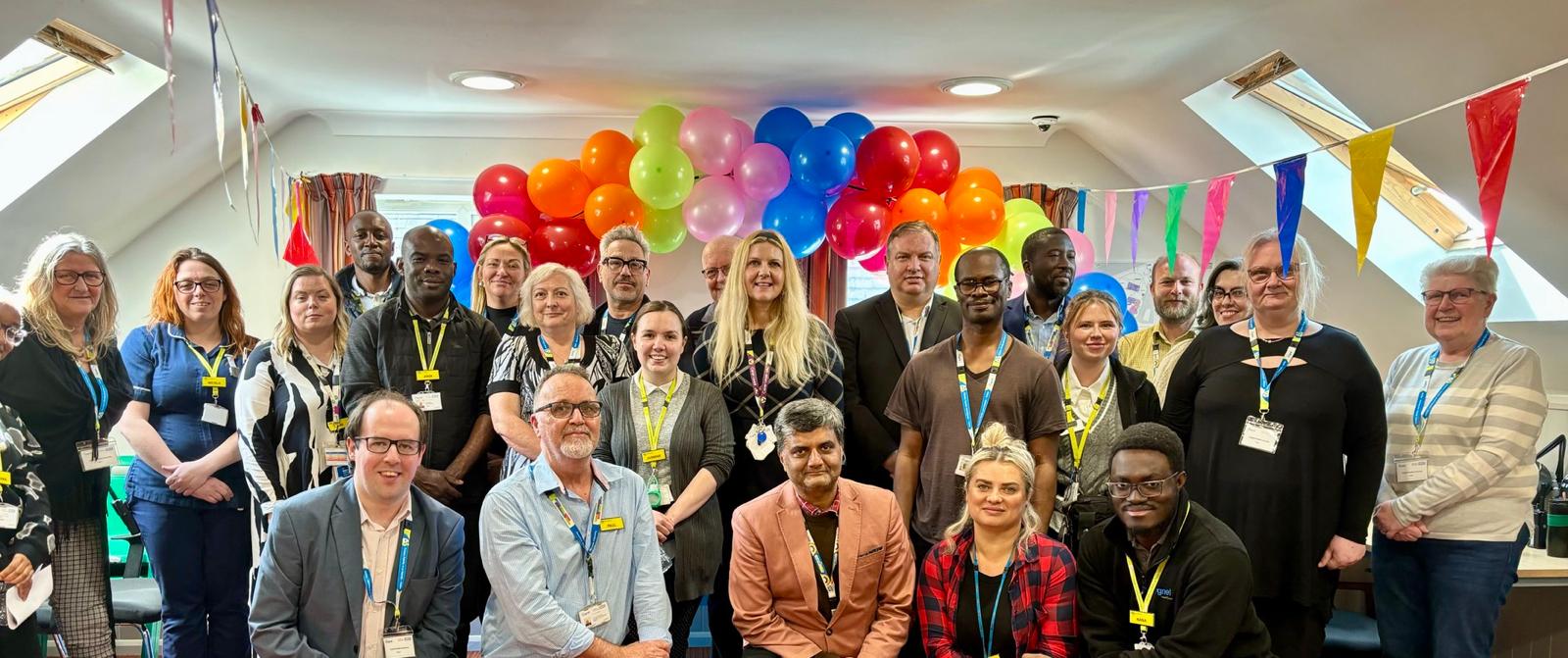
This Carers network event took place on the 26th of April 2024. The carers event had a great line up of speakers and presenters who wanted to educate and raise carer awareness with those who attended. We had a number of carers and professionals who attended and engaged with the presentations.
You can also watch a video promotion of the event off my YouTube channel
As usual I was interested in the hospital layout on what was on offer for carers and noticed the carers board. It is so important hospitals have a board display for carers and also a board of staff contacts. This is so carers know what is on offer.
We were greated by carers lead Paul Metcalfe. Paul who told us about the work he does to support carers. He also mentioned how it is his responsibility that staff at the site are carer aware. Paul was excited that the carer event will promote for carer awareness to the Cygnet staff on site.
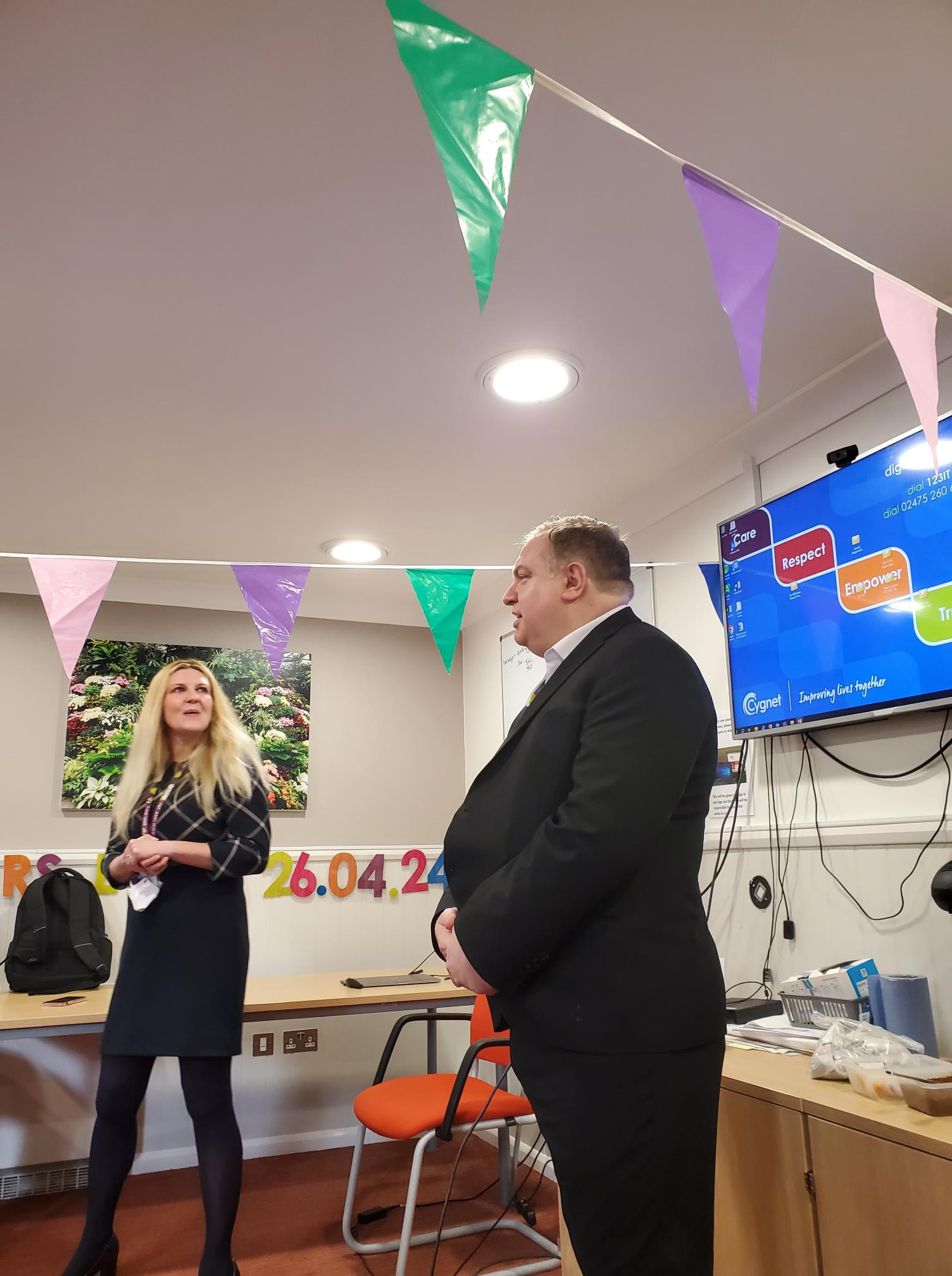
It was not long before the event started, which is where David Wilmott who is Cygnet’s Director of Nursing opened the event. David presented how carers are so important to Cygnet and that Cygnet strives to do their best to make sure carers are aware of the support on offer. David requested that carers do feedback on what is useful. Cygnet does not want to second guess what carers want, even if carers complain then any information is good feedback.
Laura Sheredan who leads on Carers for Cygnet also updated what is on offer for carers. These include online feedback sessions, carers passport, carer packs and so much more. Laura did not want to spoil what else is available for carers as some updates would be presented throughout the day.
After a quick update from Laura and David, I helped open the event and presented my philosophy on why carer networking is so important. I left the Carers right section for the other Cygnet Care Ambassador Julian De Takats who was due to present later on at the event.
As someone who seeks a connection with carers, I know how difficult it is to be isolated, undervalued and lost in the system. Carers actually learn from each other, but they need the platform, confidence and voice to network. It takes time to do all of this, I should know since I have been promoting carer empowerment for many years.
I spoke about why I promote carer awareness and how I do this via my poetry books, online media, carer groups and even on national TV. Carers need to connect and learn from each other so they can avoid isolation. There are many carers around the country all wondering what it is like to be counted at a carers event. Cygnet does a lot of carer event hosting, so I will be looking forward to meeting more carers and how professionals present what is on offer for carers.
I also spoke about the importance of carer activism. It is not enough to provide a carers assessment, support group and a cup of tea. Carers should be counted and be given the confidence to lead. Far too often carers are told what is or what is not available for them. If you have lived experience then it is still experience that can other can learn from. I was delighted to see carers at the event who ran their own carers group and sought to engage with providers and services. I do understand being a carer activist is not everyones cup of tea, but because there are very few activists there is lots of potential if more carers want to be heard.
One last note on carer activism, it does not mean being an angry carer and looking for the nearest shopping window to smash, it is a way of direct engagement. Known who is responsible and running a campaign that never tires. Carers UK and Carers trust have many events that promotes activism, especially carers rights day. Make sure to become a member at those charities and get involved.
Next to speak at the Colchester carers event was Jasmine Damant. It is so important that there is an opportunity to learn more about the roles that support patients and their families. Jasmine spoke about the importance of Occupational therapy. The presentation was educational and interactive as the audience were encouraged to respond to questions and give their views.
Taken from the Royal College of Occupational therapy.
“Occupational therapists see beyond diagnoses and limitations to hopes and aspirations. They look at relationships between the activities you do every day – your occupations – alongside the challenges you face and your environment.”
Jasmine easily broke down the tasks of what Occupational therapists do and how their work can benefit not only the patient but also the carer.
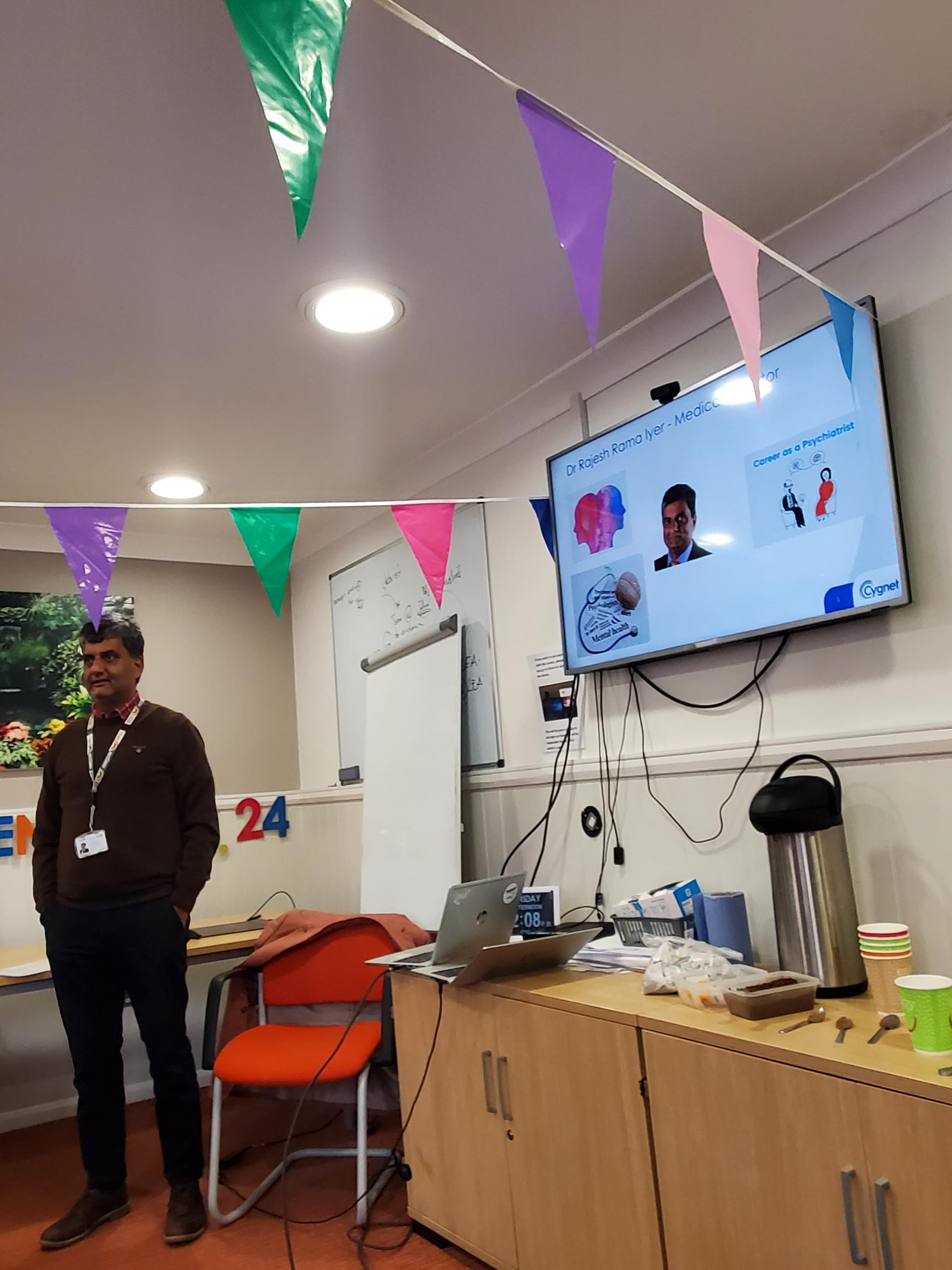
Continuing the focus on learning about health professional roles we had Dr Rajesh Rama Lyer present. Dr Rajesh is the medical director for cygnet Colchester. He spoke about how medicine is important and why it is used.
Dr Rajest stressed there are always ways to include the families and carers in decisions even if there were challenges.
We then had another quick update from Laura who spoke about what was on offer for carers including being part of the cygnet carers network.
After a quick Lunch and more networking. I spoke to some carers about how they found the event so far. I also heard from their own stories of caring and why they decided to provide care. Each story I learnt so much from their lived experiences.
As mentioned earlier on in my blog. I touched on Carers rights day. It is so important that carers know about their carers rights. So we were very fortunate to hear about Carer advocacy and carer rights from Jane Perks. Jane is one of the team providing carer advocacy for Cygnet.
Jane from Black Belt Advocacy spoke about how advocacy can help carers navigate the complex maze of mental health services, especially if their are challenges that carers need help deciding what to do. If options are not presented to carers then there is a risk of people being neglected and this in turn affect the quality of services.
It would be unrealistic to say that only adults provide mental health care, when many children or young adults are also doing this role. We were foruntate to have Andy McGowan who is Policy and Practice Manager at Carers Trust present about young carers.
Again Andy’s presentation was interactive where the audience was asked a few questions about young carers and the roles they play. It was sad to hear that many young carers do not know about their role as a carer and this leads to them not understanding their carers rights. Young carers are also prone to missing out on their futures due to lack of support in education. Young carers can also miss out on social activities and sacrificing so much that their own mental and physical wellbeing are at risk.
This is one of the reasons why Cygnet are signing up to the Young Carers Covenant. The Young Carers Covenant is a UK-wide commitment to young carers and young adult carers. It sets out ten key outcomes that young carers from across the UK have said are key to improving their lives.
Below is are the ten outcomes Cygnet will seek to improve when encountering young carers.
Are identified at the earliest opportunity
Are able to thrive in education
Can access and succeedin employment/training opportunities
Have time for themselves
Are safe and secure
Can access support for themselves and their family
Feel they have choices in their lives
Have good physical and mental health
Can access and benefit from the rights they have
Live free from poverty
Last but not least was carer Julian de Takat who spoke about why he had became a Carers Ambassador for cygnet. Julian admitted how he used to be an angry carer, but chose to channel his energies to reaching out to others. It was both a credit to Laura supporting Julian in the role and Julian promoting that carers should try to work with health professionals.
Julian promoted what carer ambassadors have done for cygnet and what is on offer for carers whose loved ones are using those services. There are many more things on offer for carers and more exciting events to come. I would like to say thanks to Cygnet Colchester for being so welcoming and hosting such an excellent carers event
Welcome fellow carers. I have started a new collaboration video series. As a carer activist myself I know many carers who go that extra mile to promote carer awareness. I have started to help raise the profile of such carers by doing interviews off my YouTube channel.
Veronica Kamerling
The first carer to be interviewed is Veronica Kamerling who specialises in eating disorder awareness. She has been actively working to promote Triangle of Care which is a set of standards by national carer charity Carers Trust.
Veronica describes her caring role, what drives her to engage with carers, patients and professionals. She also gives advice to carers watching the interview.
Welcome to the April 2024 update of the London Cancer caregiver group. This is the only carer forum I run that focuses on a physical health illness, which is Cancer. The forum is carer led and provides a space and platform for carers to be heard and to find support.
This group runs on the last wednesday of the month as all other days at booked for the mental health carer groups. Since I am a volunteer with Macmillan Cancer Support and part of NHS England Cancer Improvement Collaborative, I often try to run the group to engage with cancer caregivers.
The group is smaller than my other mental health carer groups, but it has support from the Acute hospitals in London including Guys & St Thomas, Greenwich & Lewisham NHS trust, Kings College Hospital, University College London hospitals, Kingston Hospital, St Georges Univeristy hospital and more.
I am very grateful for the support of the NHS and Macmillan as we seek cancer caregiver empowerment.
April update of Cancer Carer forum
As usual I always welcome carers to connect at the start of the group. Most times I listen to carer feedback depending on their experiences. We welcome new and verteran carers.
The next session was on carer intevention. It is important families and carers are counted and supported, but also listened to.
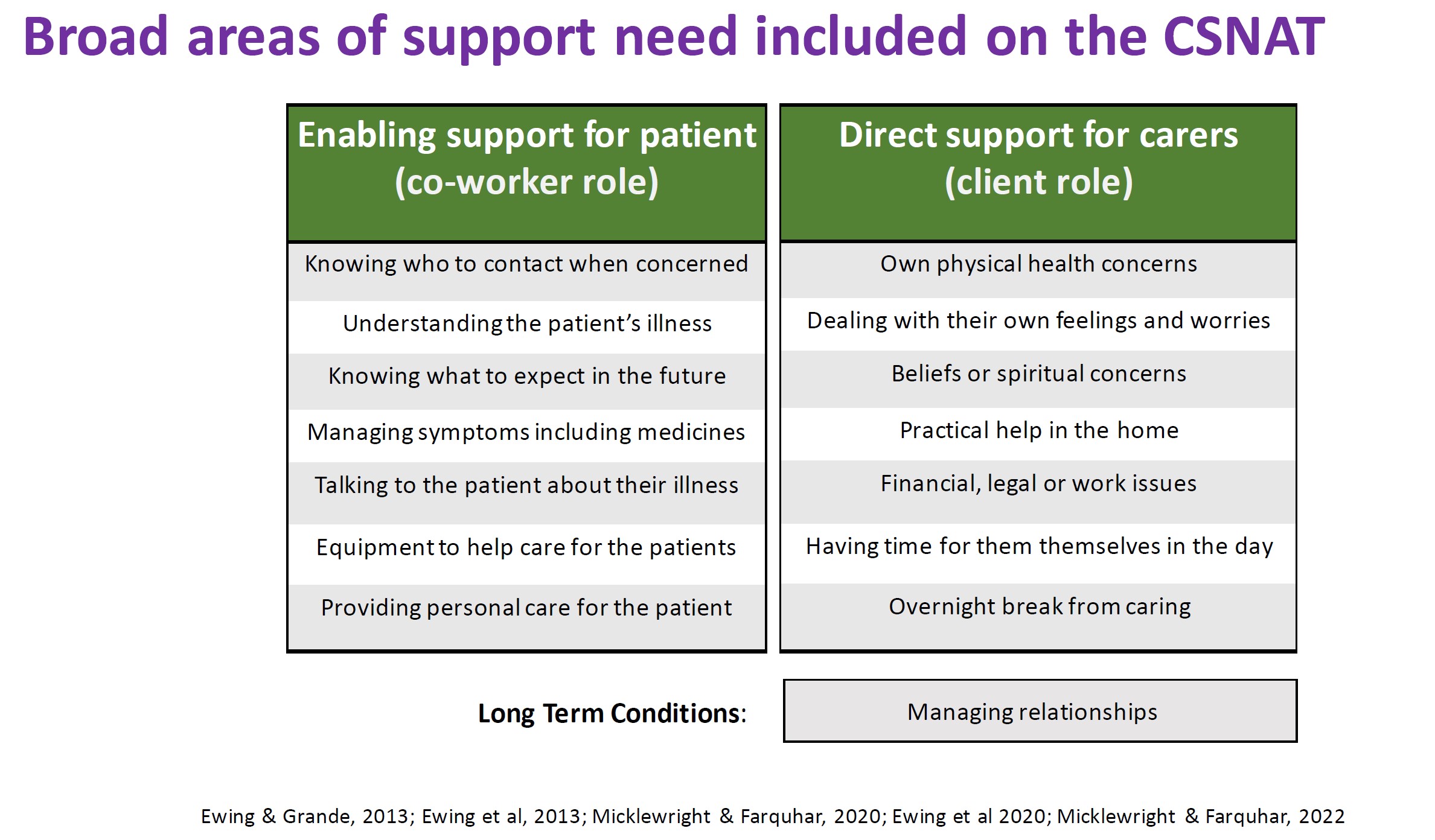
So I was glad Gunn Grande, Emerita Professor of Palliative Care at the University of Manchester, plus Dr Gail Ewing from the University of Cambridge. The researchers presented on the “Carer Support Needs Assessment Tool Intervention” as known as CSNAT for short
Carers were interested in what interventions practitioners and health professionals can learn to support families and carers better. Sometimes the needs and support of carers are not always apparent.
Taken from the CSNAT website. “CSNAT-I is an intervention for supporting carers (family members/friends in an unpaid supportive role), delivered using a five-stage person-centred process of assessment and support. The intervention uses an evidence-based, comprehensive tool (the CSNAT) comprising 15 domains (broad areas of support need).”
Professor Gunn presented on why carer intervention is so important. She also asked if any of the following themes presented themselves when engaging with carers
Prof Gunn then described the 5 stages of the CSNAT tool, which the practictioner needs to go through with the caregiver.
Introduce CSNAT-I
Carer considers needs
Assessment conversation
Shared action plan
Shared review
The group got to ask quite a few questions on CSNAT and we were delighted that the researchers had time for caregivers.
If you are a health professional dealing with families and carers who care for someone with cancer, you can find more information off the website below.
Researcher Lewys Beames who is a PhD Student at the Institute of Psychiatry, Psychology & Neuroscience, King’s College London, is undertaking a research project looking at improving experiences for mental health service users on psychiatric inpatient wards.
Below is an invitation to a focus group for informal/ unpaid carers with experience of inpatient mental healthcare to discuss how service users should be supported after experiencing coercive practice.
They would particularly welcome:
People who also have experience of coercive practices such as, involuntary admission, physical restraint or forced medications,
and people from Black and racially minoritised groups and communities who we know are more often exposed to coercive practices in mental health services.
Some examples of the areas and topics the interview will cover are:
· Perspectives on possible different types of support that could be offered. · Views on how this support should be delivered. · Perspectives on how to use the current and developing research evidence to develop a support intervention for service users.
When will the focus group happen?
Service User Focus Group – 3rd May 2024, 10:00 – 12:00 Informal Carer Focus Group – 14th May 2024, 12:00 – 14:00
Interested in taking part?
Please get in touch with via the contact details below:
Welcome to another blog from carer activist Matthew McKenzie. As a Cygnet carer ambassador, I will usually blog updates of the carer events they do, especially the ones I participate in. I think it is important carers can learn what happens at those events, so they can try attend for future events.
Obviously Cygnet runs other events to promote mental wellbeing, learning experiences and engagement, but I tend to focus on carers, so most blogs will be on carer networking and events. There will be times where I report on other carer events from NHS trusts, which helps on engaging with partners and the caring community.
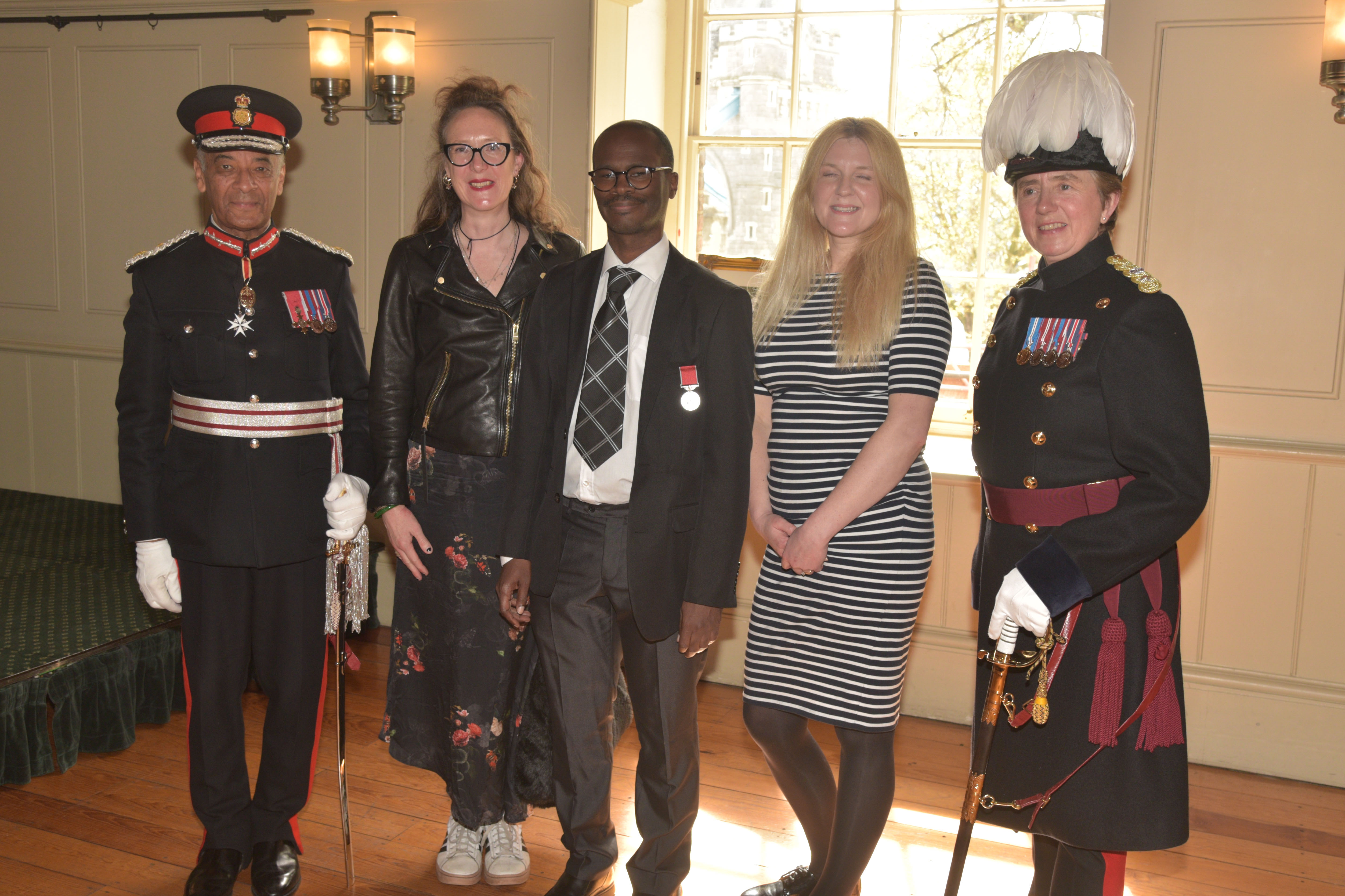
The event this blog focuses on is the Cygnet Hospital Maidstone event. That took place on the 20th of April 2024. The carer event was the first event I attended from my recent honours recognition ceremony that took place in London over at Tower Bridge, but I will blog about that one much later on.
Cygnet tries very hard to engage with families, friends and carers who loved ones are using their services. So Cygnet hospital Maidstone put on an excellent event to showcase what they do for unpaid carers. As mentioned the event was run on satuday to give carers a chance to attend, since during the week this might not be so easy due to work commitments.
Both Julian and myself was welcomed by the friendly Cygnet staff at the hospital, I checked out the hospital’s carers board and then we proceeded to the board room for the event, which was laid out with carer information, policies and advice.
It was not long before some carers and cygnet staff attended and soon the event was opened by Hospital General Manager Alison McCulloch.
Alison explained the proceedings for the day which was
A set of expert talks A chance to network with attendees Launch and then a tour of the facilites
Cygnet Maidstone is a very large hospital with several wards. They have their own Healthy dietician room, prayer room, A room to learn music and skills, recovery college. Plus they have an indoor physical exercise room and outdoor sports area. There was so many facilities I dont think I can remember them all, but I will explain more later on.
Going back to the “Expert talk” section of the event. The first speaker was Louisa Powell who is also a hospital manager. Lousia explained why she became a mental health nurse due to lived experince of a carer. She is still a carer, but juggles her work to do as much as she can for those going through mental ill health crisis. Louisa cares passionately about the profession and engaging with families and carers.
When then had an explaination of what Cygnet was doing for carers. This was presented by Julian De Takats who is a carer and cygnet carer ambassador. Julian talked about his lived experience as a carer and why it is so important carers know what their mental health service provider was doing for them and their loved ones using the services.
Julian explained the following
What is means to be a carer The importance of identifying carers Cygnets offer to carers being Handbooks, welcome packs, carer passport and consistant contact
Julian also touched on the Carers Trust standards called “The Triangle of Care”. This is something Cygnet has worked very hard to archieve as several cygnet hospitals have gained their first star acceditation
We then has a talk from an addictions expert and how carers can be supported. We were even taken to the addictions centre where he explained many of the resources that help patients come to terms with addictions.
The next presentation was on the Special Wellbeing Team and what they provide at the hospital. This includes healthy eating, physical activity, involvement in developing th care and treatment plan and more.
We next presentation was on consent to share and discharg planning for Patients and their carers. This was presented by Paula Tappenden who is the Head of social work and Safeguarding lead. She explained the process for patients being asked if they are happy to share information with their carers.
Paula also talked about patient rights and how carers can still be involved even if confidentiality becomes a difficult process. Use of best interest meetings can help carers become involved if the patient lacks capacity to involve loved ones. Paula also touched on the importance of the Care Act 2014, which carers should be aware of. The last part of the presentation was on discharge planning and how it should involved carers.
I then presented on carer empowerment and why I feel carers should not only be supported, but empowered to connect. I did not talk much about my carer story, but how people should be encouraged to network with the community and take wellbeing out of the hospital and into the community. Obviously my focus was on carers connecting with each other. Due to many of my carer groups, this is what I am known for. I do not mean carer support groups, but carers learning from each other and learning more about services.
As an author and campaigner, I have written many books to share the knowledge and help raise awareness of mental health carers. The mental health system is complex, under resourced and every changing. It is so important families and carers do not leave things to chance. They should not wait to be offered access to engagement groups and learn to use feedback to help change things. Carers should take every chance to join their local carers centre, national carer support e.g. Carers UK and Carers Trust, plus learn to hold to account especially cygnet hospitals, integrated care boards, local authority carer stategies and keeping an eye on government policies.
I read out 2 of my poems to promote the difficult challenging experience of the carer and the poem on carer networking. Sometimes carers are in such a desperate situation that things cannot be solved, they just want to be listened to and also connect. However the carer situation does not always have to be hopeless, with the use of activism then carers can become empowered and focus their energies for greater change
We then had a networking session, some lovely lunch and a tour of the facilities.
All in all, I enjoyed being a part of the event. As a carer it is empowering to help promote how services can support the family and carer. I expect there will be challenges, but we are all in this together to promote a caring community, with better health and wellbeing for all.
Thanks to the welcoming staff at Cygnet Maidstone hospital.
Latest research focus for carers who support someone suffering from breathlessness. Kings College London are keen to explore some of the issues carers can face when the person they care for is breathless. This can be a symptom for people with heart and lung problems, respiratory diseases and cancers. It can be quite stressful and frightening for carers especially if they haven’t had support or training on how to cope with this.
If interested please contact eleanor rochester – eleanor.rochester@kcl.ac.uk
Welcome back to another blog post by carer activist and Carers UK volunteer Matthew McKenzie. This blog post is focused on the upcoming event aimed at black communities to address Parkinsons.
The event will be hosted by Parkinsons UK who fight hard to raise awareness of parkinsons and promote better treatment and services for those affected by Parkinsons disease.
Parkinsons disease does not discriminate, although parkinsons usually affect those at an older age, it can affect others from any age, race or social standing. Parkinsons is a devasting illness and can easily put a strain on families and whole communities. This includes those from the black community
To increase awareness of how Parkinsons can affect the black community, we must come together to learn and discuss what steps we can taken to reduce the impact of the disease. It is not only the impact on the person diagnosed with Parkinsons, but also the family and carer trying to improve quality of life.
Taken from Parkinsons UK website. Parkinson’s is a progressive neurological condition. This means that it causes problems in the brain and gets worse over time.
People with Parkinson’s don’t have enough of the chemical dopamine in their brain because some of the nerve cells that make it have stopped working. Around 153,000 people live with Parkinson’s in the UK. And it’s the fastest growing neurological condition in the world.
The event Parkinsons UK is running is called “Addressing Parkinsons with black communities” This will take place online for both Wednesday 8th May and also Saturday 11th of May from 12pm – 4 pm.
I am proud to take part for the event on the 11th of May where I will cover how Parkinsons can affect carers and what steps carers can take to reduce the impact.
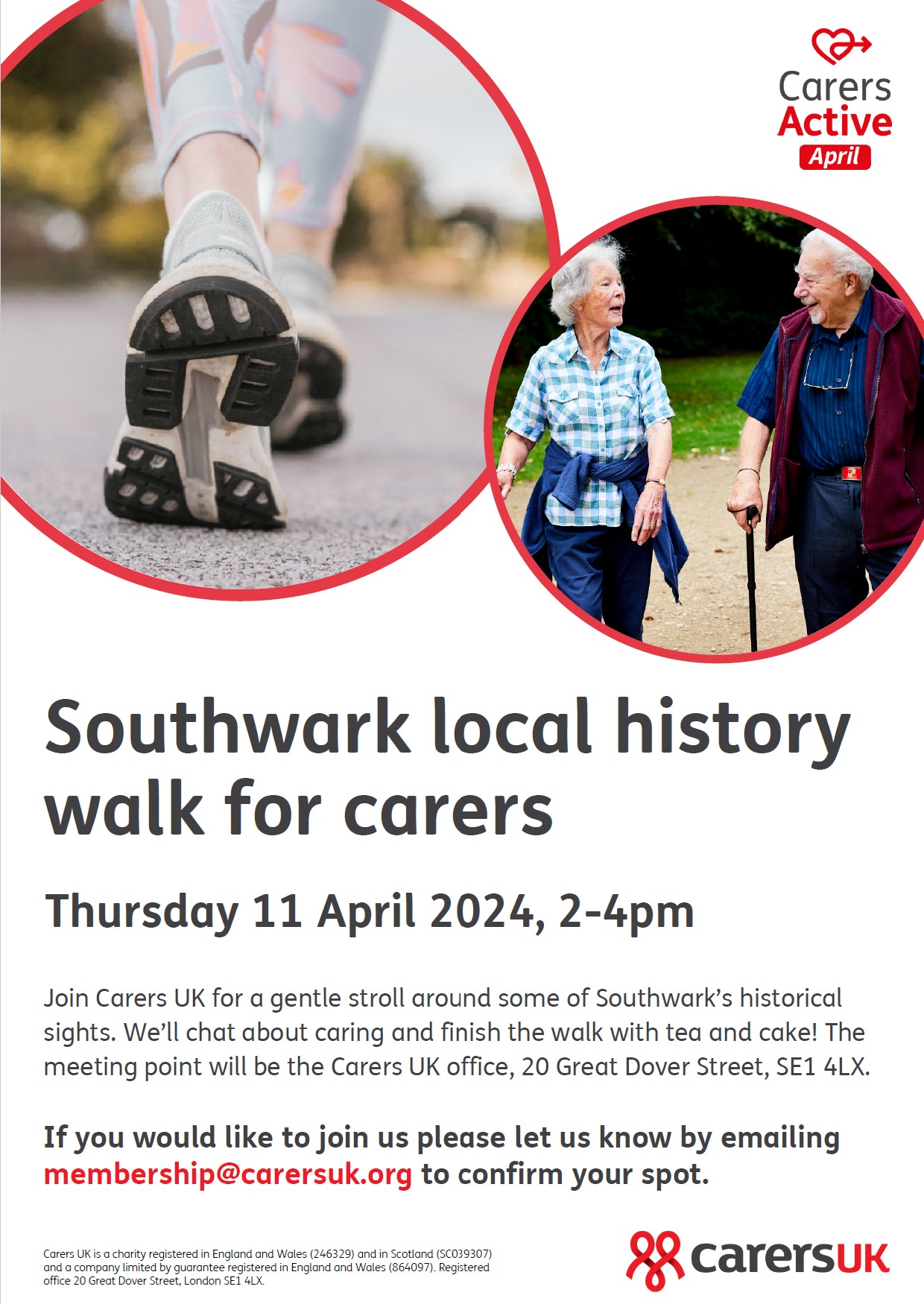
April is approaching fast and if you have been eating all the chocolate easter eggs, then its time to get active. Luckily Carers UK a national charity that campaigns for carer recognition is running an event where carers can get active and reduce isolation.
Join Carers UK for a gentle stroll around Some of Southwark’s historical sights. See poster below.


















 A Caring Mind