Tag Archives: cancer journey

Partnering for Better Outcomes – Reflections on My Latest Royal College of Nursing Blog

By Matthew McKenzie – Cancer Carer forum Facilitator


Partnering for Better Outcomes – Reflections on My Latest RCN Blog

Supporting someone living with cancer is a journey filled with uncertainty, responsibility, and deep emotional commitment. As many carers know, much of this work happens quietly in the background. But every so often, there’s an opportunity to shine a light on the realities carers face and the vital partnerships that make a difference.
I’m proud to share that the Royal College of Nursing (RCN) recently invited me to contribute to their blog as part of a wider piece exploring how nurses support cancer caregivers. Written by Shannon Copeland (PhD researcher at Queen’s University Belfast), Partnering for better outcomes: How nurses support cancer caregivers highlights the evolving role of informal carers and the essential collaboration between families and nursing professionals.

In the blog, I shared my lived experience as an unpaid carer, the challenges, the emotional strain, and most importantly, the difference nurses can make when they recognise and support carers as part of the care team. Simple acts such as clear communication, continuity of support, and acknowledgment of a carer’s role can transform the caregiving experience.
Nurses often stand at the intersection of patient and carer needs. When they listen, guide, and empower carers, both patients and families benefit. I’m grateful to Shannon and the RCN for giving space to these conversations, and for highlighting the importance of carer voices in cancer care.

💙 Read the full RCN blog here: Partnering for better outcomes: How nurses support cancer caregivers
https://www.rcn.org.uk/news-and-events/Blogs/partnering-for-better-outcomes

If you’re a carer, a nurse, or someone interested in improving cancer support, I encourage you to give it a read and join the discussion. Together, we can continue raising awareness of the carer journey and push for better recognition, resources, and collaboration across health and social care.

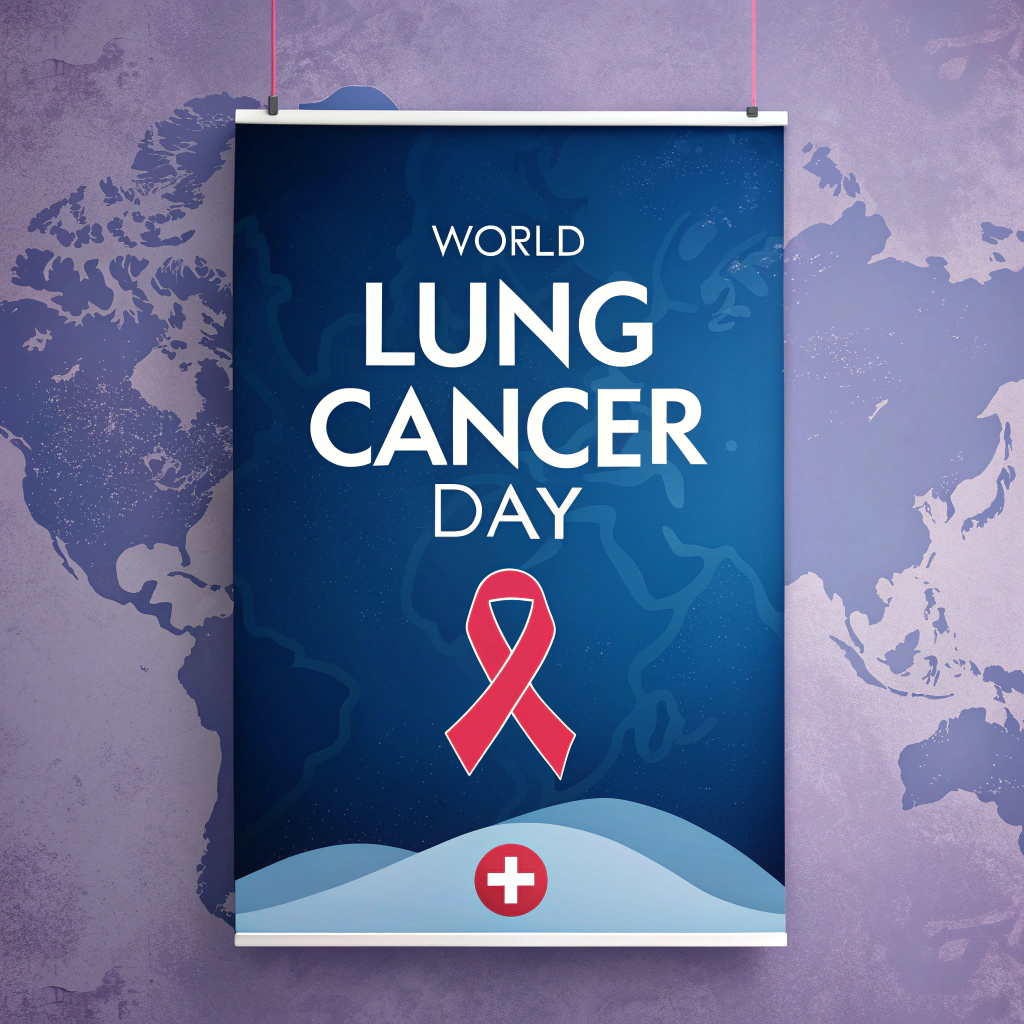
World Lung Cancer Day 2025: Honoring Unpaid Carers & Fostering Compassion

By Matthew McKenzie

On this World Lung Cancer Day (1st of August), we spotlight not only the impact of lung cancer itself, but also theose behind the scenes the unpaid family members, friends, and carers who provide unwavering love, support, and strength.

In this 8-minute video, hosted by myself from A Caring Mind, I explore:

  • The profound emotional and physical toll of caring for someone with cancer
  • The critical need for early detection, expanded research funding, and global health equity
  • The indispensable role of families and unpaid carers—whose contributions often go unrecognized

I also introduce major organizations leading the lung cancer fight:

  • European Respiratory Society (ERS) – promoting lung health through education, early diagnosis, policy advocacy, and improved treatment pathways
  • Forum of International Respiratory Societies (FIRS) – uniting global respiratory health organizations to advocate for prevention, clean air, and equitable access to care
  • Lung Cancer Foundation of America (LCFA) – funding innovative lung cancer research and amplifying the voices of patients and survivors to raise awareness and reduce stigma
  • Lung Cancer Research Foundation (LCRF) – accelerating research, supporting affected individuals, and organizing global awareness initiatives like World Lung Cancer Day

In the video I remind that behind the tragic statistic of over 1.6 million annual deaths worldwide, are stories of resilience and compassion: nights spent advocating in hospitals, hands held during chemotherapy, and hope sustained in the darkest moments.

What You Can Do:

  • Share the video to raise awareness
  • Support carers through mental health resources and recognition
  • Advocate for policies that include carers in healthcare support systems
  • Approach lung cancer conversations with empathy—not stigma

Today, we honor not just the patients, but those who stand beside them—quietly, persistently, lovingly.