On this year’s Carers Rights Day 2025 (Thursday 20 November), the theme is “Know your rights, use your rights.”
If you care for someone, whether it’s a partner, parent, child or friend; you may be missing out on vital support simply because you didn’t realise you have rights as a carer.
In my new video I walk you through what those rights actually are, and how you can use them in practice.
In this video you’ll discover:
Why recognising yourself as a carer matters
Key rights every carer should know (from assessments to flexible working)
How to make use of those rights in your daily life
Where to go for help, guidance and support
Click the link, take two minutes, and empower yourself today.
For Unpaid carers those who support loved ones living with long-term physical or mental health conditions, they face a unique set of challenges. The role is often demanding, emotionally taxing, and can feel isolating. Yet, in recent years, the rapid advancement of digital tools, apps, and online platforms has begun to transform the landscape of unpaid care, offering new avenues for support, organization, and connection.
My blog is a short transcript of my longer video below
Drawing from the lived experience as a passionate advocate for unpaid carers and an IT professional, my article and video explores how digitization, artificial intelligence, and mobile technology are reshaping the way informal carers manage their responsibilities. We’ll delve into the practical benefits, the most useful apps, and the limitations of technology in the caring role, providing a comprehensive guide for carers seeking to harness digital tools for their own well-being and the well-being of those they support.
Understanding the Role of Technology in Unpaid Care
The Growing Demands on Carers
Unpaid carers often juggle multiple responsibilities: managing medication schedules, tracking symptoms, coordinating appointments, and advocating for their loved ones with health professionals. The emotional and cognitive load can be overwhelming, especially when combined with work, family, and personal commitments.
As I points out, “As humans, we can only remember things so often. So, especially when we’re getting older or if we are under a lot of stress trying to juggle our caring role and busy lives, it does help to have apps that can schedule these things.”
The Promise of Digitization
Digitization offers carers a “second brain”, a way to offload tasks, reminders, and information, reducing stress and mental clutter. Mobile phones, now more powerful than ever, serve as hubs for health management, communication, and emotional support. But while technology can be transformative, it’s not without its challenges, including digital literacy, access, and the irreplaceable of value of human connection.
The Future of Care: Technology as an Empowering Force
The digital revolution is reshaping unpaid care, offering carers new ways to manage responsibilities, connect with others, and support their own well-being. While technology is not a replacement, it can be a powerful ally, reducing stress, improving organization, and fostering community.
As my experience shows, embracing digital tools can transform the caring journey. By leveraging apps for health management, communication, and emotional support, carers can reclaim control, reduce isolation, and find new sources of strength.
Ultimately, the goal is not to replace human kindness or connection, but to empower carers with the tools they need to thrive. With thoughtful adoption and ongoing support, technology can help unpaid carers navigate the challenges of their role and build a brighter, more connected future.
Resources and Recommendations my video covers
Essential Apps for Carers
Pill Reminder: Medication management and alerts
Medsafe: Medication tracking and scheduling
NHS App: Health records, care plans, and feedback (UK)
Google Calendar / Microsoft Outlook: Appointment and routine management
To-Do List / Trello: Task organization
Zoom / Microsoft Teams / Google Chat: Virtual support groups and communication
Siri / Google Assistant: Voice commands and reminders
AI Journals / Well-being Apps: Emotional support and mindfulness
Tips for Safe and Effective Use
Choose reputable apps with strong privacy policies
Keep software updated to ensure security
Seek training or support if you’re new to digital tools
Balance online and offline support for holistic well-being
Conclusion
Unpaid carers are the unsung heroes of our communities, providing vital support to those living with long-term ill health. The rise of digital tools and technology offers new hope, making the caring role more manageable, less isolating, and more connected.
By embracing digitization, carers can streamline their responsibilities, access emotional support, and build resilient communities. While challenges remain, the future of care is bright, powered by technology and the enduring spirit of human kindness.
Welcome to another carer awareness blog post from carer activist Matthew McKenzie. Today I want to raise awareness that carers should not always helpless and vulnerable. It is true that there are many things a carer cannot control, but that does not mean we should remain helpless.
There are coping strategies carers should try. It might seem like a cheap way to solve difficult and challenging issues, but the risk is mental and physical decline if you do not arm yourself with coping strategies. This is particularly important if you are caring for someone with challenging health issues.
There are ways carers can support themselves by developing problem solving skills in tackling isolation, negative thoughts and falling into bad coping habits.
First and foremost, it is critical that we admit that we are caring for someone. Once you get past that hurdle, you need to be aware of when you struggle with moods. There is no easy solution, as developing coping methods take time and energy. It helps to understand mindfulness and write about your feelings.
Understand what triggers you and work out a way to reduce those triggers. Getting angry about everything is a reaction and we need to protect our mental health. We cannot keep reacting to things, even if certain things are outside our control. This is especially when it comes to the health of the person we are caring for.
It is important to also set time aside to care for yourself. It might be exercsing by going for a quick walk or having to set boundaries. Some people wear themselves down due to their role and it is not helped with a fragile health and social care system. This does not mean there should be the tragedy of the ‘cared for’ suffering and also the carer. It is not selfish trying to set time for ourselves.
It could be a hobby, talking to a close friend or even confiding in another carer who has gone through that caring experience.
For more information on coping skills, please check out my video below.
Thanks for stopping by and if you are caring for someone, please also look after yourself.
Welcome again to another one of my carer blog posts. On this particular post I am going to talk about networking with carers. When I talk about carers, I am talking about unpaid carers, I am not mentioned care workers who work for a care agency. Care workers are paid and have clients, carers are unpaid and care for someone they are related to or emotionally attached or at least know.





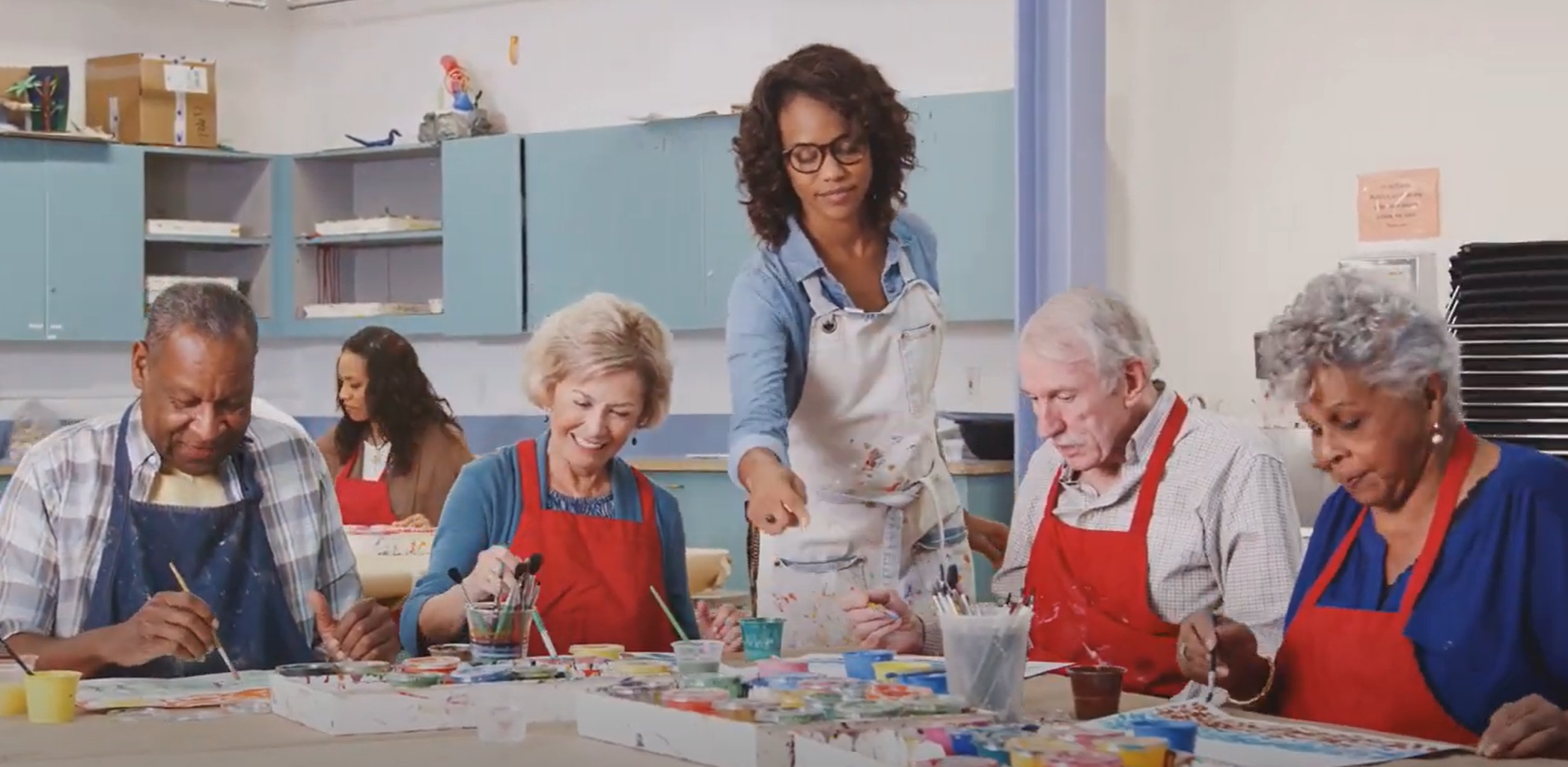
 Welcome again to another one of my carer blog posts. On this particular post I am going to talk about networking with carers. When I talk about carers, I am talking about unpaid carers, I am not mentioned care workers who work for a care agency. Care workers are paid and have clients, carers are unpaid and care for someone they are related to or emotionally attached or at least know.
 A Caring Mind