Tag Archives: mental health

Strategies for Unpaid Carers to Manage Trauma

Welcome to another blog post by carer activist Matthew McKenzie, author and also poet raising awareness of unpaid carers. This blog post is on how those caring for someone living with mental ill health can combat Trauma.

If you want to watch the more detailed video version, please click below (33 mins).

For this blog, you can learn essential techniques to recognize, address, and overcome trauma as an unpaid carer. Discover the importance of self-care, setting boundaries, seeking professional support, and building resilience 

Understanding Trauma for Carers

Being a carer can be an overwhelming experience, particularly when faced with the unexpected challenges that come with supporting loved ones who have mental ill health. The role is demanding and often can be thankless, which increases the likelihood of experiencing trauma. In this comprehensive article, we will explore ways to tackle trauma, ensuring that carers have the tools and resources needed to support both their loved ones and themselves.

What is Trauma?

Trauma is an emotional response to a deeply distressing or disturbing event. It can be a single event or a series of events that an individual finds overwhelming, resulting in lasting psychological harm. For carers, particularly those caring for individuals with mental ill health, trauma can significantly impact their sense of safety, self-worth, and emotional regulation. Recognizing trauma and understanding its triggers is critical for managing it effectively.

Acknowledging Your Own Trauma and Its Triggers

The first step in managing trauma is acknowledging it. This can be challenging, as many carers focus so intently on the needs of their loved ones that they overlook their own emotional state. Recognizing trauma involves being aware of personal triggers—specific situations, words, or behaviors that cause a trauma response. Personal triggers can vary widely but are often linked to past traumatic experiences.

Identifying Personal Triggers

  • Awareness: Start by noting down situations that cause significant emotional distress or changes in mood. It’s important to be honest and thorough.
  • Journaling: Maintain a journal where you record daily experiences, focusing on feelings and reactions. Over time, patterns will emerge, helping to identify triggers.
  • Self-Validation: Understand that your feelings are valid and significant. Acknowledging your experiences as a carer is pivotal for your emotional health.

Developing Grounding Techniques for Emotional Regulation

Grounding techniques are essential for managing emotional volatility triggered by trauma. These methods help maintain presence and control during stressful moments.

Mindfulness and Breathing Exercises

  • Deep Breathing: Practice deep breathing exercises. They are simple but effective in calming the mind and reducing anxiety.
  • Mindfulness: Engage in mindfulness practices. Focus on the present moment to prevent being overwhelmed by traumatic thoughts.
  • Physical Grounding: Use physical grounding techniques like gripping a comforting object or feeling the floor beneath your feet. Physical sensations can help draw you back to the present.

Setting Clear and Compassionate Boundaries

Boundaries are essential for carers to prevent burnout and manage trauma effectively. Setting boundaries ensures that you can continue to care for your loved one without sacrificing your well-being.

Defining Boundaries

  • Determine Limits: Clearly define what you can and cannot do. Make these boundaries known to those around you when possible.
  • Communicate Needs: When appropriate, communicate your limits to the person you’re caring for and others involved in their care. This helps in developing mutual understanding and respect.
  • Regular Reflection: Acknowledge that these boundaries may need to be reassessed and modified according to changing circumstances.

Seeking Professional Support

Professional support can be invaluable in processing trauma and developing coping strategies.

Individual Therapy

Engaging in therapy with a professional can provide a safe space to process trauma. Therapists can offer personalized coping strategies and help build emotional resilience.

Support Groups

Joining support groups for carers can provide validation and comfort. Sharing experiences with others who understand the challenges can be incredibly healing. Check local resources or online directories for carer-specific support groups.

Practicing Compassionate Self-Care Daily

Self-care is crucial in managing ongoing trauma. It involves small daily practices that help maintain emotional balance.

Self-Care Strategies

  • Daily Resets: Incorporate small, non-negotiable self-care routines, such as taking walks, journaling, or listening to calming music.
  • Mindful Journaling: Use journaling as a tool to track your emotions and identify triggers. Prompts like “Today I felt…” or “I feel supported when…” can guide your reflection.
  • Other Techniques: Engage in activities that you enjoy and add to your sense of well-being, like hobbies or spending time in nature.

Developing Skills for Emotional Detachment

Healthy detachment involves caring without absorbing the other person’s emotional turmoil.

Practicing Detachment

  • Reflective Techniques: After intense interactions, take a few minutes to separate your own feelings from the other person’s emotions. This clarity protects your emotional state.
  • Visualizing Boundaries: During stressful situations, visualize a protective boundary around yourself to prevent being drawn into the turmoil.

Creating a Safety Plan for High-Stress Situations

Safety plans are essential for managing periods of high stress.

Planning Ahead

  • Identify Safe Spaces: List safe spaces and people you can turn to when feeling overwhelmed.
  • Develop Coping Strategies: Create specific steps for self-soothing and self-care after high-stress situations. This could include deep breathing exercises, hobbies, or speaking with a trusted friend.

Building Resilience and Strength

Recognizing and celebrating your strengths can reinforce resilience and empower you to handle future challenges.

Small Wins

  • Celebrate Successes: Acknowledge and celebrate your ability to manage both your trauma and caregiving responsibilities. Even small successes are milestones worth recognizing.
  • Set Realistic Expectations: Understand that dealing with trauma is a gradual process. Be compassionate towards yourself and set attainable goals.

Reflect and Reassess Regularly

Regular self-check-ins are necessary to manage trauma effectively.

Reflection Practices

  • Self-Check-ins: Frequently assess your emotional state, energy levels, and boundaries. Note any caregiving activities that are particularly triggering.
  • Modify as Needed: Based on your reflections, modify your approach to avoid burnout. Delegate tasks if possible, and seek additional support when necessary.

Accept that Healing is Ongoing

Healing from trauma is a long-term process that requires patience and compassion.

Embrace the Journey

  • Acknowledge the Time: Understand that trauma is complex and healing takes time. Your journey is unique and equally valuable as the person you are caring for.
  • Focus on Progress: Emphasize progress over perfection. Every step towards managing trauma is meaningful, no matter how small it might seem.

Tackling trauma as a carer is not about achieving perfection but about making progress. Every small step towards balancing your trauma with caregiving responsibilities is significant. Remember, you are valid, important, and worthy of support. By prioritizing your well-being, you not only become a better carer but also pave the way for a more sustainable caregiving journey.

Understanding Trauma in Mental Health Carers and Caregiving

Welcome to another blog post by carer activist Matthew McKenzie author of Experiencing mental health caregiving – Unpaid Carers .

This time Matthew explores the complex effects of trauma on caregivers of individuals with mental health issues. Learn about the challenges, stigma, and emotional toll faced by caregivers in providing support and care.

If you want to watch a more detailed version of this lecture, the tune into the video below (over 40 minutes).

Understanding Trauma in Mental Health Caregiving

Mental health caregiving is a complex, multifaceted role that carries a significant emotional burden. When caring for a loved one experiencing mental ill health, caregivers often face a myriad of challenges that can lead to their own forms of trauma. Although the primary focus tends to be on the patient, it’s essential to recognize the psychological impact on those providing care. This article delves into various traumatic experiences caregivers may face and offers insights into understanding and addressing these challenges.

What is Trauma?

Trauma is an emotional response to a stressful or dangerous event, which can cause lasting physical or psychological harm. It significantly affects a person’s sense of safety, self, and ability to regulate emotions. In the context of mental health caregiving, trauma often results from witnessing or experiencing situations that deeply distress the caregiver.

Traumatic Experiences Examples Faced by Caregivers

Witnessing Self-Harm or Suicidal Behavior

One of the most distressing experiences for caregivers is witnessing a loved one engage in self-destructive actions or suicide attempts. This situation can lead to feelings of helplessness, fear, and lasting trauma for the caregiver. The constant worry about their loved one’s safety creates a persistent state of anxiety and hyper-vigilance.

Handling Verbal and Emotional Abuse

Mental illness can sometimes lead to outbursts or challenging behavior, including insults, threats, or emotional manipulation. Over time, these behaviors can wear down the caregiver’s emotional resilience, leading to feelings of vulnerability and trauma. Understanding the difference between a typical family argument and behaviors stemming from mental illness is crucial but often challenging without adequate support and training.

Experiencing Physical Aggression or Violence

Some caregivers face the threat or reality of physical aggression, which can be incredibly traumatic, especially if they fear for their own safety. It’s vital for caregivers to report such instances to professionals to ensure their safety and well-being.

Financial Strain

The cost of care treatments and the possible loss of work can add financial pressure, compounding the stress on caregivers. The financial burden is an additional layer of stress that can lead to trauma, particularly if the situation is ongoing.

Sleep Deprivation

Caring responsibilities can disrupt sleep, especially if the person with mental illness is active at night. Ongoing sleep deprivation leads to exhaustion, which can significantly impair a caregiver’s mental and physical health and lead to trauma over time.

Dealing with Personal Trauma Triggers

Caregivers may have their own trauma histories, which can be exacerbated by the challenges of caregiving. The added stress of caring for someone with mental illness can trigger their own past traumas, compounding the emotional burden they carry.

Feeling Powerless During a Crisis

Watching a loved one suffer, especially over a prolonged period, can create a deep sense of helplessness and trauma for caregivers. The inability to alleviate their loved one’s pain or distress is a profoundly distressing experience.

Navigating Stigma and Judgment

Caregivers often face stigma, blame, or misunderstanding from family, friends, and society. This social judgment can be isolating and discouraging, adding an emotional burden and contributing to feelings of inadequacy or shame.

Managing Resentment and Guilt

Over time, caregivers may feel resentment about their responsibilities, followed by guilt for feeling that way. This emotional cycle can be painful and traumatic, especially in cases of chronic or relapsing mental illness.

Witnessing Cognitive Decline or Personality Changes

Watching a loved one’s cognitive abilities decline or their personality change can feel like a profound loss. This experience of anticipatory grief can be deeply traumatic for caregivers, who mourn the gradual loss of the person their loved one used to be.

Medication and Medical Side Effects

Seeing a loved one deal with the side effects of medication can be both frustrating and traumatic. Caregivers often feel helpless as they witness the physical and mental decline of their loved ones due to treatment side effects.

Encountering Care System Barriers

Navigating the healthcare system, especially when quality mental health care is limited, can be discouraging and traumatic. Advocating for a loved one amidst system barriers and a lack of support is a daunting task that can wear down a caregiver’s emotional resilience.

Feeling Judged by Professionals

Caregivers may feel judged by mental health professionals or society, leading to feelings of inadequacy or shame. This judgment can be particularly hurtful when stemming from professionals who should understand the complexities of mental health caregiving.

Managing Personal Mental Health Struggles

Caregivers may have their own mental health struggles, which can be exacerbated by caregiving responsibilities. This dual burden can lead to burnout, depression, and trauma as they try to manage both their own and their loved one’s mental health.

Facing Reality of a Lifelong Illness

Coming to terms with the chronic nature of a loved one’s mental illness can be traumatic. Caregivers often grieve the future they had imagined and struggle with a deep sense of loss, which can lead to long-term emotional trauma.

Addressing and Combating Trauma in Caregiving

As an extra in this blog, I decided to give some tips on combating trauma, although I will follow tackling trauma in another lecture.

Accessing Support Networks

It’s crucial for caregivers to access support networks, whether through family, friends, or caregiver support groups. Sharing experiences and gaining support from others in similar situations can provide emotional relief and practical advice.

Prioritizing Self-Care

Self-care is essential for caregivers to maintain their own mental health. This includes taking time for oneself, engaging in enjoyable activities, and seeking professional help if needed.

Seeking Professional Help

Therapy or counseling can be invaluable for caregivers dealing with trauma. Professional mental health support can help caregivers process their experiences, develop coping strategies, and reduce the emotional burden.

Education and Training

Educating oneself about mental illness and caregiving strategies can empower caregivers. Understanding the nature of mental illness and learning effective caregiving techniques can help reduce feelings of helplessness and improve caregiving outcomes.

Advocacy and Policy Change

Advocating for better mental health services and policy changes can also be a crucial step. Caregivers can work with organizations and policymakers to improve resources, support systems, and care practices for both patients and caregivers.

Conclusion

The experiences faced by mental health caregivers are multifaceted and can lead to significant trauma. Recognizing the psychological impact on caregivers and addressing their needs is crucial for their well-being. Accessing support, prioritizing self-care, seeking professional help, and advocating for systemic changes are essential steps in managing and reducing caregiver trauma. By focusing on these areas, caregivers can better navigate the complexities of mental health caregiving and maintain their own emotional and psychological health.

Understanding the Roles in a Community Mental Health Team

Another blog post from Matthew McKenzie carer activist and author of “Experiencing mental health caregiving”. Here in this blog, I discuss about how caring for someone with mental illness can be overwhelming to navigate through the various services and professionals involved.

Knowing who to contact and when can make a significant difference in the effectiveness of the care provided. In this article, we delve into the key staff members that are typically involved in a community mental health team and the roles they play.

If you want to watch the long view video (27 minutes). Please click the video blow

The Core Team Members

Psychiatrists

Psychiatrists are often the cornerstone of a mental health team. These medical doctors specialize in diagnosing and treating mental health disorders. They are responsible for prescribing medication and developing care plans. As a carer, it is crucial to have a good relationship with the psychiatrist, as they play a pivotal role in the overall treatment plan of your loved one.

Psychologists

Psychologists focus on assessing and treating mental health issues through psychological therapies rather than medication. They provide various types of therapies and conduct tests to understand the patient’s mental state, helping them cope through recovery processes. While they do not prescribe medication, their role is vital in assisting with the psychological aspects of mental health.

Mental Health Nurses

These registered nurses have specialized training in mental health. They offer care and support, help manage medication, and often work directly with both patients and their families. Their presence isn’t limited to inpatient settings; they are also found in community settings, providing consistent and essential support.

Clinical Social Workers

Social workers in mental health settings provide therapy and support to both the individual and their family. They assist in accessing community resources, which are crucial once the patient moves out of institutional settings. They act as a bridge between the community and the mental health system, helping navigate through various social services.

Counsellors and Therapists

These professionals offer individual or group therapy, focusing on the emotional and psychological challenges faced by the patient. Their role is similar to that of psychologists but often focuses more on the practical aspect of dealing with daily mental health challenges.

Specialized Support

Occupational Therapists

Though less common, occupational therapists play a significant role by helping individuals develop, recover, and maintain daily living and work skills. They use therapeutic activities to achieve these goals, which are crucial for the patient’s integration into everyday life.

Psychiatric Technicians

These staff members assist with the day-to-day care of patients, especially in psychiatric facilities, and monitor behavior. Their role is mostly found in settings where the patient’s mental health condition requires intensive intervention.

Addiction Specialists

Addiction specialists are crucial for patients dealing with substance use disorders. They provide therapy and support, focusing specifically on recovery from addiction, which can be closely intertwined with other mental health conditions.

Rehabilitation Specialists

These professionals help patients with mental illnesses develop skills for independent living and integrate into the community. Their work is essential for long-term recovery and improving the quality of life for individuals with mental health issues.

Coordination and Crisis Management

Case Managers

Case managers, although rare, play a vital role when present. They help patients and their families navigate the mental health services, ensuring that necessary resources and supports are accessed. Their role often overlaps with that of clinical social workers or care coordinators.

Crisis Intervention Specialists

These trained professionals respond to mental health crises, providing immediate support and stabilization for individuals in distress. Their role is critical in emergencies, ensuring that the person gets the help they need promptly.

Family and Community Support

Family Therapists

Family therapists specialize in working with families to improve communication, resolve conflicts, and support individuals with mental ill health. Their role is crucial in ensuring that the family as a whole can cope with and support the patient effectively.

Peer Support Specialists

Peer support specialists use their lived experiences with mental health issues to provide support and guidance to others facing similar challenges. They offer hope and a unique form of empathy and understanding, making them a crucial part of the mental health team. Take note, not all peer support specialists are the same. Carer peer support specialists are a new trend, but will be a rare resource compared to mental health peer support.

Community Outreach Workers

These workers connect individuals and families with community resources and support services. They focus on prevention and education, ensuring that the patient and their carers know about and can access necessary supports.

Additional Roles

Administrative Staff

These are the personnel who handle scheduling, intake, and other administrative tasks. They ensure smooth operations and access to services, often being the first point of contact for carers seeking assistance.

Dieticians and Nutritionists

Mental health can significantly impact physical health, including nutrition. Dieticians and nutritionists specialize in addressing the nutritional needs of individuals with mental health issues, emphasizing the connection between diet and mental well-being.

Art and Music Therapists

Creative therapists use art and music as therapeutic tools to help individuals express emotions and process experiences. These therapies offer alternative ways to cope with mental health challenges, often as part of a broader treatment plan.

Community Outreach Workers

Staff who connect individuals and families with community resources and support services, often focusing on prevention and education.

Pharmacists

Pharmacists play an essential role in medication management, reviewing prescriptions, and advising on proper medication use. They collaborate closely with psychiatrists to ensure that the medication plan is effective and manageable for the patient.

Enhancing Collaborations

Understanding the roles within the community mental health team allows carers to better advocate for their loved ones. It leads to more effective communication and faster resolution of concerns. Building relationships with these team members facilitates a coordinated approach to care and treatment.

Accessing Resources

Identifying the right professionals can help carers access valuable resources and educational materials tailored to their situation. This is particularly important for long-term support and recovery.

The Importance of a Carer Support Officer

Among all the roles, care support officers are perhaps the most crucial for carers. They can act as the main link between the mental health staff and the carers, providing education, training, and support. They listen to carers, relay concerns, and remind them of their own well-being, sometimes even conducting carer assessments.

Conclusion

As a carer, familiarizing yourself with the mental health team can significantly enhance the support you provide to your loved one. Understanding who to contact for specific needs helps in effective navigation of the mental health system. The more you know about the team’s structure and roles, the better you can advocate for and support your loved one’s journey towards recovery.

Navigating the mental health system can be complex, but with the right knowledge and support, carers can make a significant difference in their loved one’s treatment and recovery process.

Defending your Carer’s Rights: Strategies when Mental Health Professionals push back

Welcome to a carers rights blog post from carer activist Matthew McKenzie author of several books including “A Caring Mind”. Matthew is also a Volunteer at Carers UK and a network partner and volunteer at Carers Trust.

Here is another informative post by Matthew to help carers navigate the mental health system. If you are caring for someone with mental ill health, you can use some steps from my blog post.

You can also watch the more detailed video below.

In this post you can learn how unpaid carers can defend their rights against mental health professionals who push back, dismiss concerns, and lack transparency. Empower yourself with actionable steps and advocacy resources.

Defending Carer’s Rights in Mental Health

Caring for a loved one with mental health issues can be a challenging and emotionally draining journey. Matthew McKenzie shares insights and actionable advice on how carers can defend their rights when dealing with mental health professionals. This article delves into the key points from his lecture on the intricacies of navigating the mental health care system and offers practical steps to ensure carers’ concerns are heard and addressed.

Understanding the Challenges Carers Face

Before we look into the rights of unpaid carers, we need to know in what ways mental health professionals can push back. Some reasons why mental health professionals can tackle carer views can be valid at times, but there are situations where they are clearly excluding the family or carer.

Carers often face significant obstacles when interacting with mental health professionals. These challenges can range from being dismissed or ignored to encountering a lack of transparency and poor communication. Here are some common issues carers might experience:

  • Dismissal of Concerns: Carers’ observations are often brushed aside as bias or over-involvement.
  • Assumption of Professional Superiority: Professionals might dismiss carer’s input, thinking they know best due to their training and expertise.
  • Lack of Transparency: Poor communication and hiding crucial information from carers can hinder care planning.
  • Prioritizing Confidentiality Over Inclusion: Strict adherence to patient confidentiality can exclude carers from care planning and updates.
  • Not Valuing Carer’s Input: Professionals might disregard carers’ insights on day-to-day issues and practical support needs.
  • Ignoring Carer’s Well-being: Carers’ emotional and physical well-being can often be overlooked.
  • Disregarding Safety Concerns: Safety concerns raised by carers can sometimes be downplayed or ignored.
  • Failure to Adapt Treatment: Not incorporating feedback from carers to adjust treatment approaches can be detrimental.

Documenting Interactions and Concerns

One of the most effective ways carers can defend their rights is by documenting all interactions and concerns.

Keeping a Record

Maintaining a journal that records interactions with mental health professionals is crucial. This journal should include:

  • Dates and Times: Log the exact dates and times of meetings and interactions.
  • Names of Staff: Record the names of all staff members involved.
  • Details of Conversations: Summarize the key points and outcomes of each interaction.
  • Specific Concerns: Document specific concerns or incidents that illustrate the issues at hand.

This record can serve as a valuable reference if a formal complaint needs to be made in the future.

Requesting Formal Meetings

When issues arise, it is within a carer’s rights to request a formal meeting with the mental health team. This meeting should ideally include the care coordinator, social worker, or psychiatrist.

Structuring the Meeting

  • Prepare Ahead: List your concerns beforehand.
  • Bring Support: If you feel intimidated, bring a trusted friend, family member, or advocate.
  • Set Outcomes: Establish clear outcomes for the meeting to ensure your concerns are addressed.

Seeking Help from Advocates

If you find the mental health team is still unresponsive, seeking help from patient advocates can be a game-changer.

Role of Advocates

  • Express Concerns: Advocates help in clearly communicating your concerns.
  • Attend Meetings: They can attend meetings with you to ensure your voice is heard.
  • Local and National Support: Look for local mental health charities like Mind, Rethink Mental Illness, and others that offer advocacy services.

Filing a Formal Complaint

When documenting interactions and meeting requests do not yield results, it might be time to escalate the issue by filing a formal complaint.

Process for Filing a Complaint

  • Submit through Trust Website: Each mental health trust has a complaints department, usually accessible via email.
  • Keep a Paper Trail: Ensure all correspondences are kept, and consider requesting read receipts for emails.

Connecting with Carer Support Groups

Engaging with carer support groups can provide resources, guidance, and emotional support.

Benefits of Support Groups

  • Shared Experiences: Learn strategies from other carers who have faced similar challenges.
  • Resource Sharing: Support groups can provide valuable insights and tools for navigating difficult situations.

Providing Feedback to Regulatory Bodies

If persistent issues arise, providing feedback to organizations like the Care Quality Commission (CQC) or Healthwatch can prompt action.

Role of Regulatory Bodies

  • Investigate Feedback: These bodies investigate and record feedback on health and social care services.
  • Prompting Action: Consistent feedback from multiple carers can flag systemic issues.

Educating Yourself on Carer’s Rights

Knowledge of carer’s rights is crucial in advocating effectively.

Key Areas to Understand

  • Mental Health Act: Familiarize yourself with the provisions of the Mental Health Act.

  • Carer’s Charter: Check if your mental health trust has a Carer’s Charter outlining expectations and rights.
  • Carer’s Assessments: Request a carer’s assessment from the local authority to secure additional support.

Staying Calm and being Persistent

Maintaining a calm demeanor while being persistent is vital.

Approach to Communication

  • Respectful Tone: Present concerns calmly to encourage professionals to listen.
  • Persistence: Continuously advocate for your loved one’s needs. Keep highlighting urgent issues until they are resolved.

Conclusion

Defending carer’s rights requires knowledge, documentation, and persistence. By understanding common challenges, keeping thorough records, seeking help from advocates, and knowing your rights, you can ensure your voice is heard. Remember, staying calm and persistent will aid in navigating the complexities of the mental health care system.

Always be informed and proactive in defending your rights and the rights of your loved one. Join support groups, educate yourself on relevant laws, and do not hesitate to escalate issues when necessary. Your efforts are crucial in securing the best possible care for those you support.

When there is lack of carer awareness – Examples of carers being shut out of mental health care

Welcome to another blog post by carer activist Matthew McKenzie. Here we explore 15 common examples of how mental health professionals may give carers a tough time, leading to devastating consequences for both carers and their loved ones. Learn how to advocate for better care and support.

If you want to watch the more detailed version of this blog, then watch the video lecture below.

Understanding the Role of Mental Health Carers

Before we dive into those examples, I thought it best to describe what a mental health carer is. Caring for a loved one with mental health issues is a deeply compassionate yet challenging role. Mental health carers often find themselves navigating complex healthcare systems, advocating for their loved ones, and juggling their own well-being amidst these responsibilities.

In many cases, these carers are unpaid and provide informal support, stepping in to manage medical needs, handle crises, ensure safety, and offer emotional support. Their contribution is critical not only for the immediate well-being of the individual they care for but also for their longer-term recovery and management of mental health conditions. However, this vital role often goes unrecognized, and carers can face significant obstacles when interacting with mental health professionals.

Common Challenges Faced by Mental Health Carers

Refusal to Share Relevant Information

One of the most prevalent issues carers encounter is the refusal of mental health professionals to share patient information. Even with the consent of the person in their care, carers may find themselves excluded from discussions about treatment plans, medication side effects, and progress updates. Of course, sometimes there are very good reasons not to share patient information, but when taken to the extreme, this lack of communication undermines their ability of the carer to provide effective support and leaves them unprepared for the responsibilities thrust upon them.

Impact on Carers

This exclusion can be devastating, leading to frustration and a sense of helplessness. When carers are kept in the dark, they cannot adequately prepare to manage the daily care needs or handle potential crises. This not only impacts their ability to perform their role but also adversely affects the person they are caring for.

Ignoring Carers’ Observations and Concerns

Carers often have valuable insights into the behavior and needs of their loved ones, gained through continuous and close contact. Unfortunately, these observations are sometimes dismissed by mental health professionals as exaggerated or irrelevant. Such dismissive attitudes can discourage carers from voicing their concerns and impede effective care.

Consequences of Dismissal

When carers’ observations are ignored, crucial signs of deterioration or emerging needs can be overlooked. This can lead to worsening conditions for the person receiving care and increased stress and frustration for the carer.

Minimizing the Carer’s Role

It is not uncommon for some mental health professionals to downplay the importance of carers, assuming that only trained professionals can understand and manage the patient’s needs.

Effect on Carers

This minimization not only belittles the carer’s valuable contributions but can also lead to feelings of exclusion and insignificance. Carers possess intimate knowledge of the individual’s behavior and history, which is critical for informing treatment and care strategies.

Unavailability or Unresponsiveness

Carers rely on timely communication with mental health professionals to manage care effectively. However, instances where care coordinators or therapists fail to return calls or emails are not rare, especially during crises or when urgent questions need answering.

Emotional Roller-Coaster for Carers

Lack of responsiveness can leave carers feeling abandoned and unsupported, contributing to high stress levels, anxiety, and, in severe cases, depression. This unresponsiveness can escalate crises and make it difficult for carers to maintain their well-being.

Dismissive Attitude Towards Cultural and Family Dynamics

Mental health services are often structured around a standard approach that may not take into account the cultural and family dynamics unique to each carer and patient. Professionals’ failure to consider these dynamics can lead to misunderstandings and misaligned care strategies.

Cultural Competency Matters

Carers from diverse cultural backgrounds might feel misunderstood and discriminated against, which can hinder their ability to advocate for their loved one effectively. Understanding and integrating cultural perspectives into care plans are crucial for holistic and effective mental health care.

Over-Reliance on Medication

Medication is frequently the go-to solution in mental health treatment plans. Yet, carers often witness the adverse effects and long-term dependencies this approach can foster.

Seeking Balanced Treatment Approaches

When carers express a desire for exploring alternative therapies or holistic approaches, their input can sometimes be overshadowed by professionals who insist on medication as the primary solution. This can leave carers feeling powerless and concerned about the long-term health of their loved ones.

Refusing to Adjust the Care Plan

Despite compelling evidence and frequent observations from carers regarding adverse effects or ineffectiveness of current treatments, some mental health teams might refuse to adjust care plans.

Importance of Flexible Care Plans

Such rigidity can build tension and frustration, leading carers to disengage from the mental health team. Flexible and responsive care plans that incorporate feedback from both carers and patients are essential for effective mental health care.

Additional Examples of Professional Barriers

Complex Medical Jargon

The use of medical jargon without explanation can intimidate and confuse carers, who may not possess a medical background. This practice can hinder their ability to understand their loved one’s condition and the treatment being provided.

Ensuring Understanding

Mental health professionals must communicate in plain language and offer thorough explanations to ensure that carers fully grasp the situation and can participate effectively in the care process.

Lack of Crisis Preparation

Carers often find themselves unprepared for handling crises such as severe mood swings or psychotic episodes due to inadequate guidance from mental health professionals.

Providing Proper Training

Providing carers with specific training and information on managing potential crises is critical for ensuring the safety and stability of both the carer and the person being cared for.

Defensive Attitudes

When carers seek clarification or suggest second opinions, defensive responses from mental health professionals can further alienate them.

Fostering a Collaborative Environment

Professionals should foster an environment of open communication, where carers feel comfortable and supported in advocating for their loved ones without fear of hostile reactions.

Dismissing Feedback from Other Health Professionals

When feedback from other healthcare providers like GPs or specialists is dismissed, it can create conflicting treatment approaches.

Integrating Multi-Professional Feedback

Considering input from various health professionals is essential for comprehensive and cohesive care. It ensures that all aspects of the individual’s health are being addressed in a coordinated manner.

Providing Inconsistent Information

Conflicting information from different team members can cause confusion and reduce trust in the mental health team.

Ensuring Consistency

Regular team meetings and clear communication protocols are necessary to ensure all team members provide consistent and accurate information to carers.

Ignoring Carers’ Need for Education

Carers often require education and resources to adequately understand and support their loved ones. A lack of guidance can prevent carers from fulfilling their role effectively.

Empowering Carers with Knowledge

Mental health professionals should provide carers with access to educational resources and training to empower them in their caregiving role.

Conclusion

Caring for someone with mental health issues can be demanding and requires robust support from healthcare professionals. Recognizing and addressing the challenges faced by carers is essential for the well-being of both the carers and those they care for. It’s important for mental health professionals to work collaboratively with carers, respecting their insights and ensuring they are equipped with the necessary information and support. Through awareness, education, and advocacy, we can foster a more inclusive and effective approach to mental health care, ultimately benefiting everyone involved.

South West London Mental Health carers October 2024 update

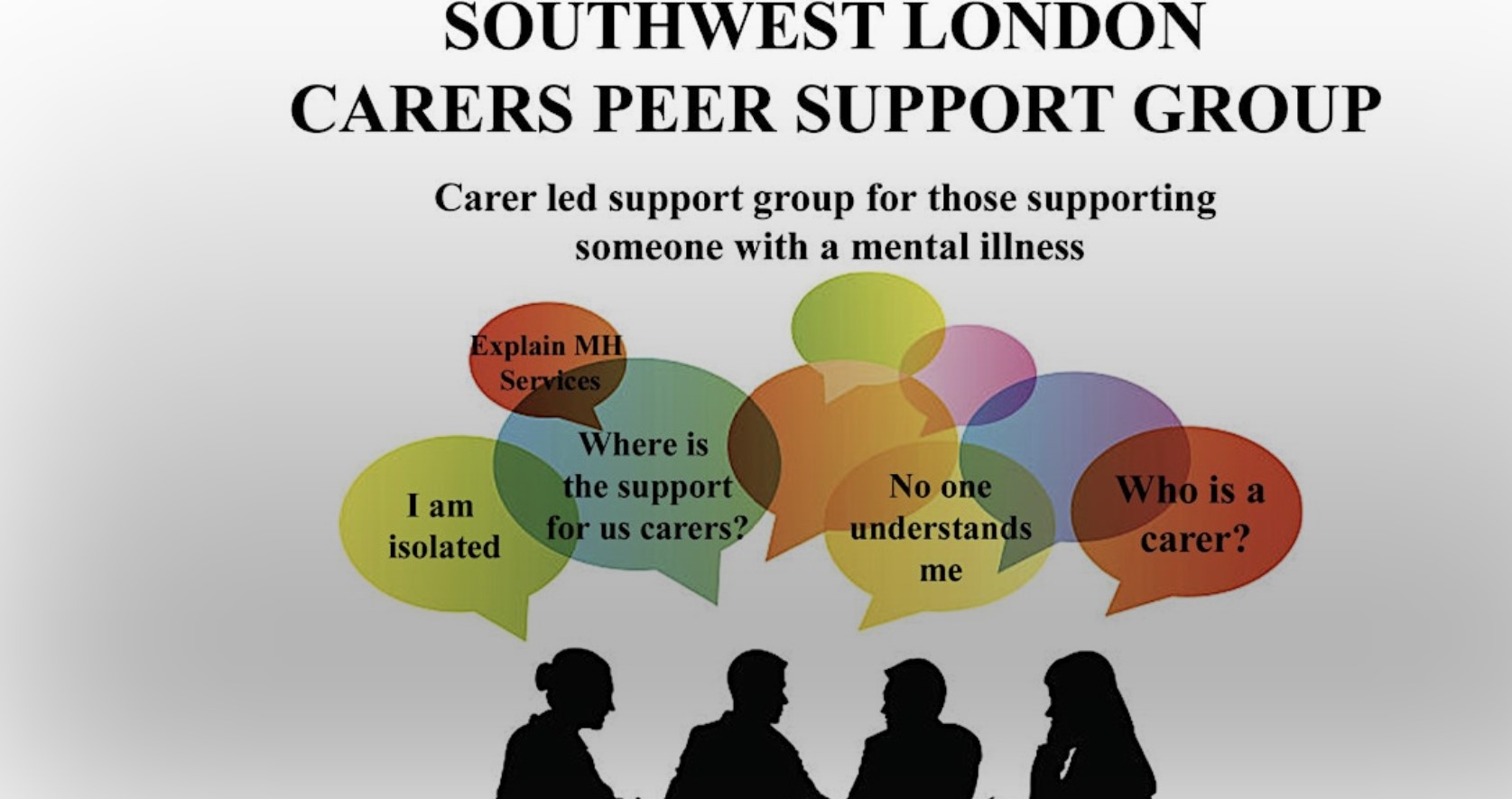
Here is a brief update of the South West London mental health carers forum. The runs once a month. The group starts with a carer peer support session run by Ava.

The meeting introduced Rosetta Life, an arts and health charity that creates accessible creative projects for carers and those with life-altering illnesses. Attendees discussed the organization’s various initiatives, including poetry workshops, dance programs, and digital projections, as well as their funding sources and collaboration with other charities and healthcare providers. The group also explored potential future projects, challenges in engaging participants, and the importance of offering clear benefits to encourage involvement in their programs.

Introducing Rosetta Life’s Carer Projects

In the meeting, Matthew and Ava introduced Lucinda, the creative director of Rosetta Life, an arts and health charity that aims to make creativity accessible to those living with life-altering illnesses or caring for someone with such illnesses. Lucinda shared the charity’s work with carers, including a project called “The Heart of Care” that began in lockdown. This project involved creating a carer’s chorus, online poetry workshops, and dance workshops to explore the anatomy of caring. The project culminated in digital projections onto public spaces in Kingston, Newcastle, Bristol, and Delhi, aiming to raise awareness of the challenges faced by carers. Lucinda also mentioned an upcoming 360 immersive film and animation project to further raise awareness of the lives of unpaid carers. The attendees expressed their appreciation for the initiative and its potential impact.

Carer Support Across Life Stages

A carer and Lucinda discussed the organization’s work with carers across various life stages, including young carers, parent carers, and grandparent carers. Lucinda explained that they work with a network of freelance artists and a core team, and are funded by the Arts Council, City Bridge Trust, and other trusts and foundations. The organization’s services are free at the point of access, and they align themselves with the NHS. Lucinda also mentioned that they work with charities to ensure safeguarding and referral safety. A carer asked about the organization’s outreach methods and whether they work with carers supporting those with dementia. Lucinda confirmed that they do work with such carers, but rely on charities for referrals and safeguarding. The carer member suggested that the organization could work with NHS trusts to provide carer support, which Lucinda agreed was a good point.

New Carer Program and Animation

The carer group discussed a new program for carers, which will be online and tailored to their needs. Lucinda showed a short film related to the program, which Matthew has shared in this blog post. Lucinda also mentioned a new animation project for the program. A carer expressed interest in the program and asked for more information. Matthew offered to write a blog post about the session for those who couldn’t attend.

Kingston Marketplace and International Poetry

Matthew expressed his delight at seeing the work that was created projected in Kingston Marketplace. Lucinda discussed the work they do with carers, including a peer support exchange with India and South Africa, and the possibility of running an online platform with poetry prompts for carers. She also offered to send the full film to Matthew for sharing. Other carer members showed interest in the international poetry workshops and the potential for a poetry workshop for their group. Lucinda agreed to consider their ideas for future projects.

This concludes a brief update of the SW mental health carer forum.

Lewisham Mental Health carer forum – October 2024 update

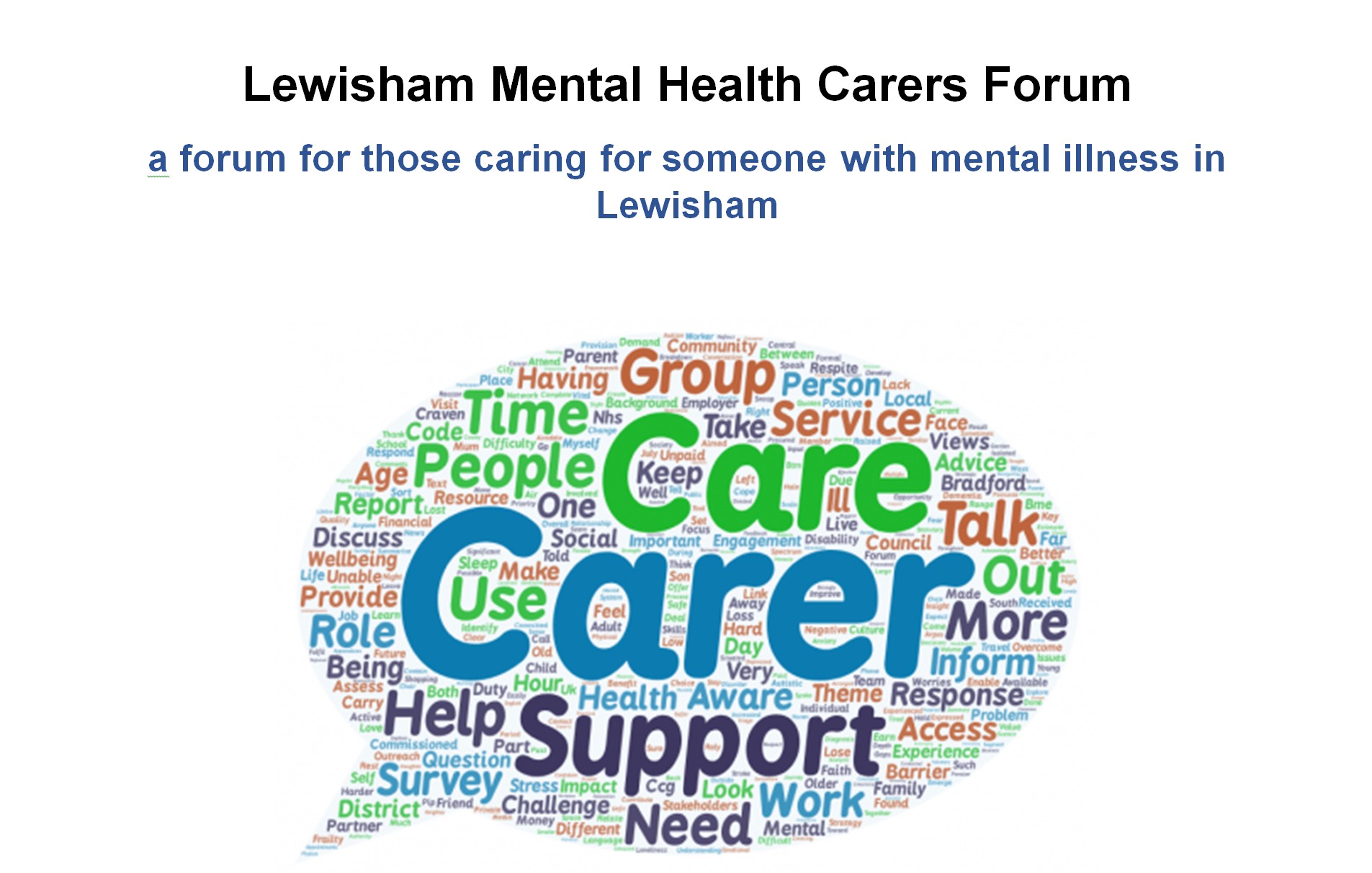
Welcome to a brief update of my Lewisham mental health carer forum aimed at those caring for someone living with mental illness.

Forum update for October

Matthew Mckenzie led a meeting for mental health carers, introducing new members and discussing essential questions for service users’ care and treatment. The group explored various aspects of mental health care, including diagnosis, treatment plans, medication, legal rights, and the importance of carer involvement in the recovery process. The conversation ended with a presentation on the challenges faced by unpaid carers and a discussion on the importance of peer support and knowledge empowerment for carers navigating the mental health system.

Mental Health Carer Group Organizing

Matthew Mckenzie, who has lived experience of being a mental health carer was the group organizer. He led a meeting with various carers and professionals. Matthew introduced himself and his various groups, including one for South West London.

He also mentioned his carer website and the previous meeting’s link. Matthew then proceeded with introductions from various attendees who also are unpaid carers. Matthew then introduced Nadine, the new Lewisham Mental Health Carer’s social worker, who shared her role and responsibilities. The conversation ended with Matthew planning to present on what carers need to prepare for if they’re going to end up in a role with mental ill health.

Carer Support Worker’s Role and Plans

In the meeting, Nadine Denniss-Baker discussed her role as the new Lewisham carer’s support worker, emphasizing her commitment to understanding and addressing the needs of carers. She highlighted her involvement in various groups, including a carer’s group and carer’s champions meetings, and her plans to update and expand these initiatives. Nadine also shared her personal experiences as a carer and her professional background as an approved mental health professional. She discussed the importance of transparency and the need for better communication and collaboration between different organizations and groups. Also discussed was the potential for Nadine to attend national meetings and share best practices with other trusts. The conversation ended with a discussion on the importance of sharing good practice documents and resources to support carers and staff.

Introducing New Members and Questions

Matthew led a meeting where he introduced two new carer members group. Matthew then presented a list of essential questions for carers to ask regarding service users’ care and treatment, which he plans to blog about in the future. He also mentioned that he would record the meeting for those who couldn’t attend. The meeting was part of a carer’s forum, and Matthew emphasized the importance of carers being aware of these questions to better support their loved ones using mental health services.

Understanding Mental Health Diagnosis and Treatment

Matthew discussed the importance of understanding the diagnosis and treatment plan for a loved one’s mental health. He emphasized the need to ask about the current diagnosis, treatment plan, and the effectiveness of the treatment. Matthew also highlighted the importance of monitoring side effects and the potential for medication adjustments. He stressed the need for carers to engage with the multidisciplinary team, including primary contacts, and to inquire about the roles of specialists like occupational therapists. Matthew also mentioned the importance of understanding the medication’s purpose, dose, and potential side effects, and the need to clarify with the loved one if they can refuse medication. He concluded by emphasizing the importance of education regarding medication and mental health

Discussing Relapse and Care Plans

Matthew also highlighted the importance of asking about signs of relapse and what to do in emergencies, as these should be included in the care plan. Another member of the carer group, Faith mentioned a carer’s emergency card discussed at a recent forum, which Matthew agreed was a valuable tool. The group agreed on the need for a two-way conversation about relapse signs and for these to be recorded for quicker response times.

Carer Awareness, Training, and Rights

Matthew emphasized the importance of carer awareness and training, urging carers to ask questions and seek clarification when necessary. He also highlighted the need for carers to know their rights and how to make complaints if they’re not satisfied with the care provided. A carer suggested adding a section on how to make a complaint, which Matthew agreed to include in his future lectures. A carer stressed the importance of knowing the names of the care team and their managers to ensure effective communication and support. Matthew concluded by discussing the need for carers to understand what information can be shared with them, and the importance of obtaining consent from their loved ones to be involved in their care.

Involving Carers in Recovery Plans

Matthew discussed the importance of involving carers in the recovery plan of their loved ones, especially when they are living with them. He emphasized the need for a comprehensive care plan, which should be shared with the carer and the service user. Matthew also highlighted the importance of establishing specific goals for the service user’s mental health and social well-being. He suggested asking essential questions about the discharge plan, support after discharge, and the involvement of the community mental health team. Matthew also stressed the need for carers to understand the goals set for the service user’s recovery and to ask for practical advice on how to support their loved one. He concluded by mentioning the need for carers to know the roles and responsibilities of the care coordinator and other team members.

Challenges of Unpaid Carers in Borough

In the meeting, Matthew presented a detailed account of the challenges faced by unpaid carers in the borough, highlighting the what type of support and resources available to them. Carers discussed the need for better advertising and involvement of carers in services. A carer raised a question about encouraging carers to be more involved in services, to which Matthew responded that it’s a challenge due to the carers’ heavy workload. Matthew agreed to share his presentation in PDF format and to write a blog on the topic. Several carers expressed appreciation for Matthew’s presentation, noting that it provided a clear guide for navigating the complex network of resources and services.

Challenges of Carers and Peer Support

The carer group discussed the challenges faced by carers and the importance of peer support. A carer shared their experience of dealing with the mental health system, highlighting the lack of support and the invisibility of carers. Matthew emphasized the need for carers to be equipped with knowledge to ask specific questions during meetings to avoid being lost in the system. A carer asked another member about her experience of caring for her loved one regarding psychosis, and the carer responded by shared her journey, highlighting the importance of peer support and retaining hope. Matthew ended the conversation by encouraging the use of triangle of care and inviting everyone to attend future meetings.

Escalating complaints as an unpaid carer

Welcome back to another blog post by carer activist Matthew McKenzie. I usually blog to help to educate unpaid carers on navigating health systems and strengthening their carer identity.

Today we are looking at why and how carers can escalate complaints if disatisfied about responses from health or social care services.

I have also done a video if you wish to see examples of complaints and escalations. (23 Minutes). Please click on the video below to watch.

As an unpaid carer you can learn how to navigate escalating complaints in unpaid care, from informal concerns to legal action and media attention. Empower yourself to advocate for quality care and address systemic failures effectively.

Introduction

Navigating the complexities of healthcare systems can be challenging, especially for unpaid carers who dedicate themselves to looking after a loved one struggling with long-term mental or physical health issues.

Often, situations may arise where the care being provided falls short of acceptable standards, compelling carers to lodge complaints. Unfortunately, not all carers are well-informed about how to escalate these complaints effectively. This blog provides a comprehensive guide to unpaid carers on escalating complaints in various stages, from initial informal resolutions to severe legal actions.

Understanding the Importance of Complaints

Before delving into the stages of complaint escalation, it’s crucial to understand why raising concerns and complaints is so important. Complaints serve multiple purposes—they highlight deficiencies in the system, enforce accountability, and, most importantly, ensure that the care recipient gets the best possible treatment. Carers must recognize that it’s their right to complain if the services provided do not meet acceptable standards.

Initial Steps for Complaints

Informal Concerns and Basic Level

The first step in resolving any issue should ideally be informal, characterized by direct and immediate communication with the professional involved. This could be a social worker, care coordinator, or any key member of the mental health team.

Preparing for the Meeting

Preparation is key to a successful resolution. Carers should come equipped with detailed notes, including dates and instances of lapses or failures. Bringing along the service user’s care plan can lend weight to the complaint and provide a concrete reference for the discussion. This method is most effective for minor issues such as delays in communication or minor discrepancies in the care plan.

Escalating to Written Complaints

Intermediate Level

If informal attempts do not yield satisfactory results, the next step is to submit a formal written complaint. This involves documenting all concerns, efforts made to resolve them, and any pertinent evidence.

You can also contact your local Healthwatch to feedback on services or get advice on the best way to complain.

Writing the Complaint

When writing the formal complaint, ensure to:

  • Detail your concerns comprehensively
  • Include records of prior communication attempts and failures
  • Provide specific dates and names of the individuals involved
  • Clearly state your desired outcome

Timeframes for Resolutions

Generally, service providers are required to acknowledge receipt of the complaint and provide a timeline for investigation, usually ranging from 20 to 40 working days, depending on the complexity of the issue.

Seeking Mediation and Further Assistance

Escalation to PALS or Advocacy Services

If the issue remains unresolved, carers can seek help from PALS (Patient Advice and Liaison Service) or advocacy services. These intermediate-level services can provide guidance, represent the complainant, and even escalate the complaint within the service provider’s framework.

Contacting PALS or Advocacy Services

PALS offers confidential advice and can work as intermediaries between the carer and the care team, helping to navigate the complaints process effectively. Advocacy services can assist in drafting the complaint and ensuring that all necessary documentation is in order.

Formal Regulatory Bodies

Advanced Level

In cases of unresolved issues, escalating the complaint to regulatory bodies like the Health Service Ombudsman or Care Quality Commission (CQC) becomes necessary.

The Role of Regulatory Bodies

These bodies can investigate the case further, ensuring that the complaint is handled fairly. The CQC, although not handling individual complaints, can trigger inspections if there are significant failings in service provision.

When to Use Regulatory Bodies

This step is most appropriate for serious concerns such as poor care quality, negligence, or unsafe practices. Carers should be aware that investigations by these bodies can take considerable time.

Legal Action

Severe Level

When harm, serious malpractice, or gross negligence is involved, seeking legal advice may be the next appropriate step. This involves consulting a solicitor specializing in healthcare or mental health law.

Preparing for Legal Action

Selecting the right solicitor involves thorough research. Often, mental health law solicitors have extensive experience dealing with such cases and can offer valuable advice on the viability of pursuing legal action

When to Consider Legal Action

Legal action is usually reserved for extreme cases involving significant harm or death of the service user due to negligence or severe violations of rights. Legal channels can offer compensation and bring justice, albeit at a financial and emotional cost.

Public Campaigns and Media Attention

Escalation to Media and Public Campaigns

As a last resort, if internal and formal channels fail, bringing the issue to the public through media or social campaigns might be necessary. This becomes relevant when the issue represents a systematic failure affecting multiple service users or carers.

Steps to Engage Media or Public Campaigns

Carers can contact press organizations, social media channels, mental health advocates, or relevant charities, such as Mind or Rethink Mental Illness, to amplify their concerns.

The Role of MPs and Other Influential Bodies

Sometimes reaching out to local Members of Parliament (MPs) can also lend significant weight to a complaint, ensuring that it gets the attention it deserves. MPs can raise systemic issues within parliamentary forums, adding another layer of accountability for the service providers.

Summary

Navigating the complaint process within healthcare systems is a multi-tiered approach, designed to ensure that carers’ voices are heard at different levels of severity. Starting from informal resolutions, progressing to written complaints, and escalating to regulatory bodies or legal action, the system provides various stages for addressing concerns. If all else fails, public campaigns and media attention can serve as powerful tools to bring systemic issues to the forefront. Understanding these steps empowers carers to advocate effectively for their loved ones, ensuring that they receive the care and support they rightfully deserve.

By following this structured approach, unpaid carers can raise concerns at appropriate levels, ultimately ensuring that their voices are heard and acted upon, bringing about meaningful change in the system.

Remember complaining about a service is never that easy, full of stress and worries, but if we do not complain then how can health and social care services improve?

It is your right to complain as a carer if you are unhappy with results. Use it!!

Ethnic mental health Carer Forum Update October 2024

Welcome to a brief update of my National ethnic/global community carer forum aimed at those caring for someone living with mental illness.

Here is a brief summary of October’s ethnic carer forum.

The mental health carers forum discussed updates on carer’s work stream, the launch of the carer strategy at North East London NHS FT, and an event focused on upstreaming care and black men’s mental health. The group also discussed a research project involving carers and patients, the Rethink Mental illness on involvement in the IMPACT Network, and the Patient and Carer Race Equality Framework. Lastly, the importance of representation on CQC boards, tackling health inequalities in England, and the need for continued advocacy for change were highlighted.

Mental Health Carers Forum Updates

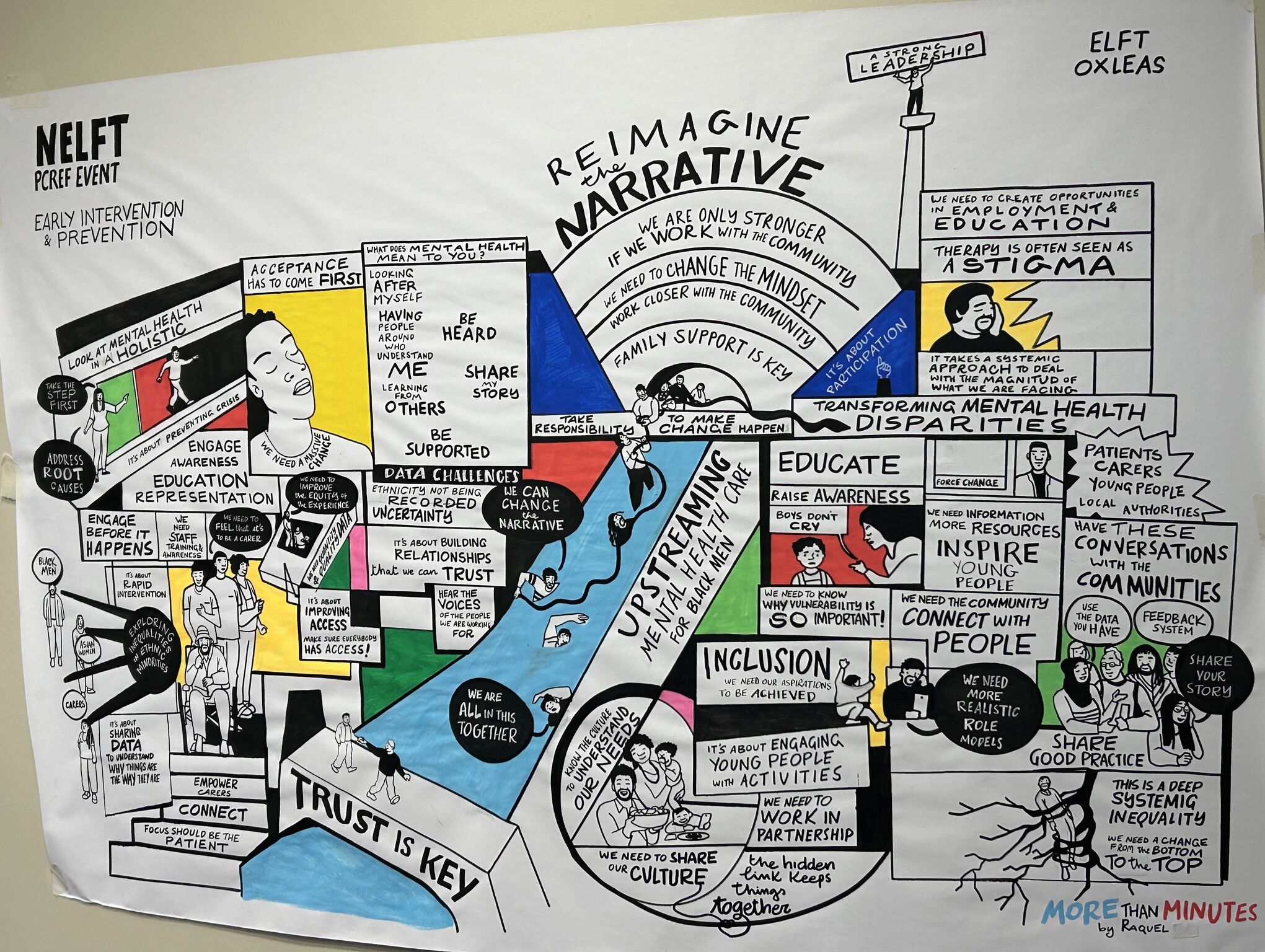
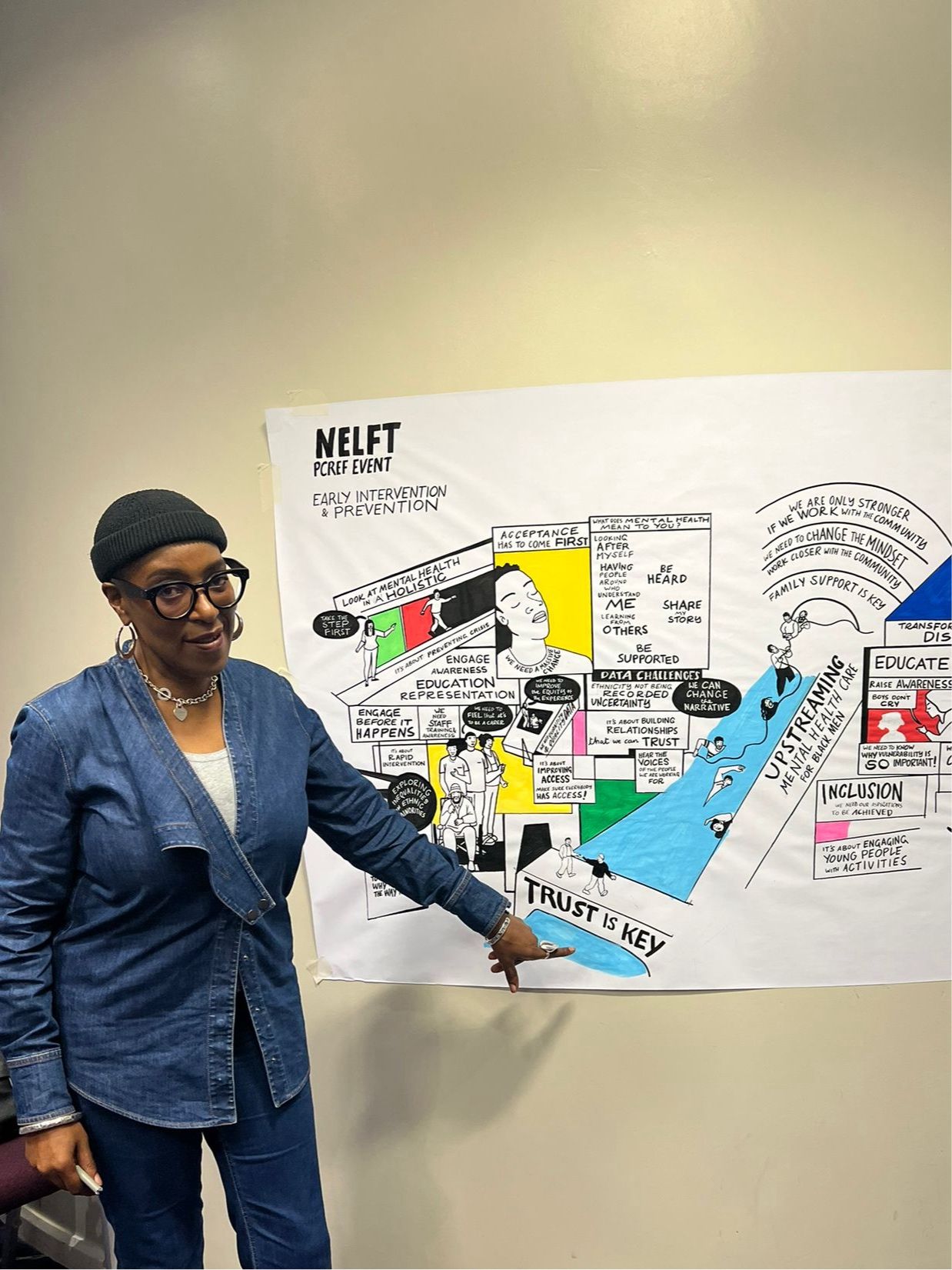
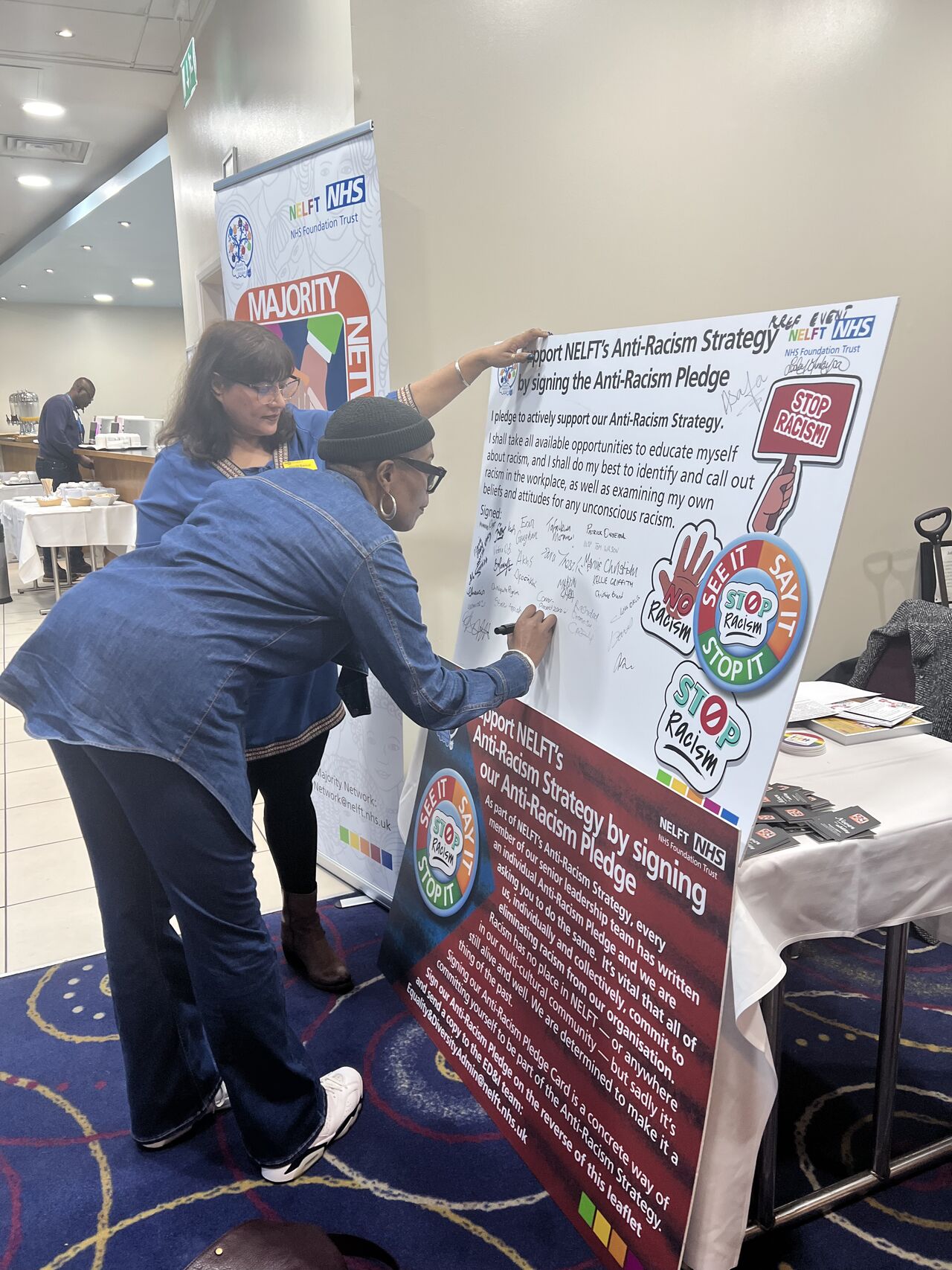
Matthew Mckenzie, the organizer of the mental health carers forum, introduced the event and its purpose. He mentioned that the forum is a platform for carers of minority groups to learn about new initiatives and updates from researchers and NHS trusts. Matthew also introduced Asia Zaman, the Transformation Project Manager for NELFT, who shared updates about the carer’s work stream and the upcoming launch of their carer strategy. Erica Deti, the PCREF Lead for NELFT, then discussed an event focused on upstreaming care and black men’s mental health. She highlighted the event’s success in engaging the community and the importance of incorporating creativity and cultural aspects into their work. Matthew also shared pictures from the event, which some can be seen below.

Anti-Racism Event and Carer Involvement

Matthew expressed his positive experience at the NELFT event focused on anti-racism, highlighting the multi-organizational nature of the event and the shared learning opportunities it provided. He also mentioned the launch of the Carers strategy, which he found interesting. Erica confirmed that they would be sharing the findings and learnings from the event with the group.

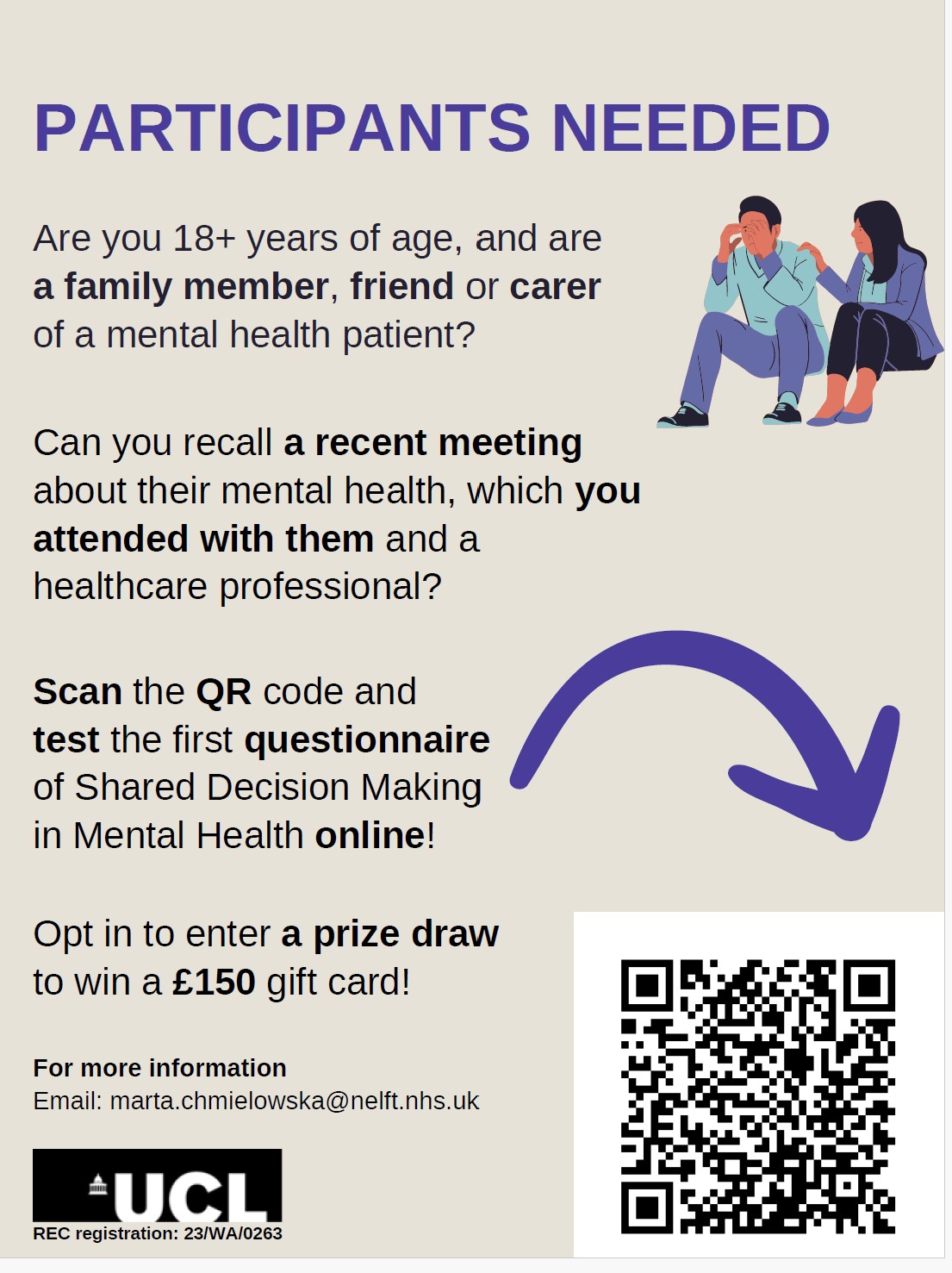
Marta Chmielowska at researcher at PhD Candidate in Clinical Psychology at UCL then presented her research project, which aimed to involve carers in the conversation about treatment and care in mental health services. She shared a questionnaire she developed and expressed her desire to promote it to encourage carers to participate

Marta’s Carer and Patient Project

Matthew opened the floor for any quick questions or comments for Marta, who had just presented on her project involving carers and patients. Matthew also mentioned that he would share the details of the project on his website. Marta then discussed her project, which involves a questionnaire for carers and patients to share their experiences. She mentioned that the project is online due to logistical reasons and that she has been in touch with various carer groups and charities.

For more details see poster below or email : m.chmielowska@ucl.ac.uk

Rethink Mental Illness Joins Impact Network

Ian and Ruqia from Rethink Mental Illness discussed the organization’s involvement in the Impact Network, a national organization focused on strengthening inclusion and anti-racist practice. The network, coordinated by the Universities of Birmingham and Sheffield, aims to put policy into practice and is action-oriented. The network meets four times over the next year and will decide on an action plan based on discussions and ideas. Ian and Ruqia encouraged interested individuals, including those with lived experience of severe mental illness and professionals in the mental health sector, to express their interest via email. They also mentioned that Rethink Mental Illness may have other opportunities in the future for those interested in their work.

CQC focus on Patient and Carer Race Equality Framework

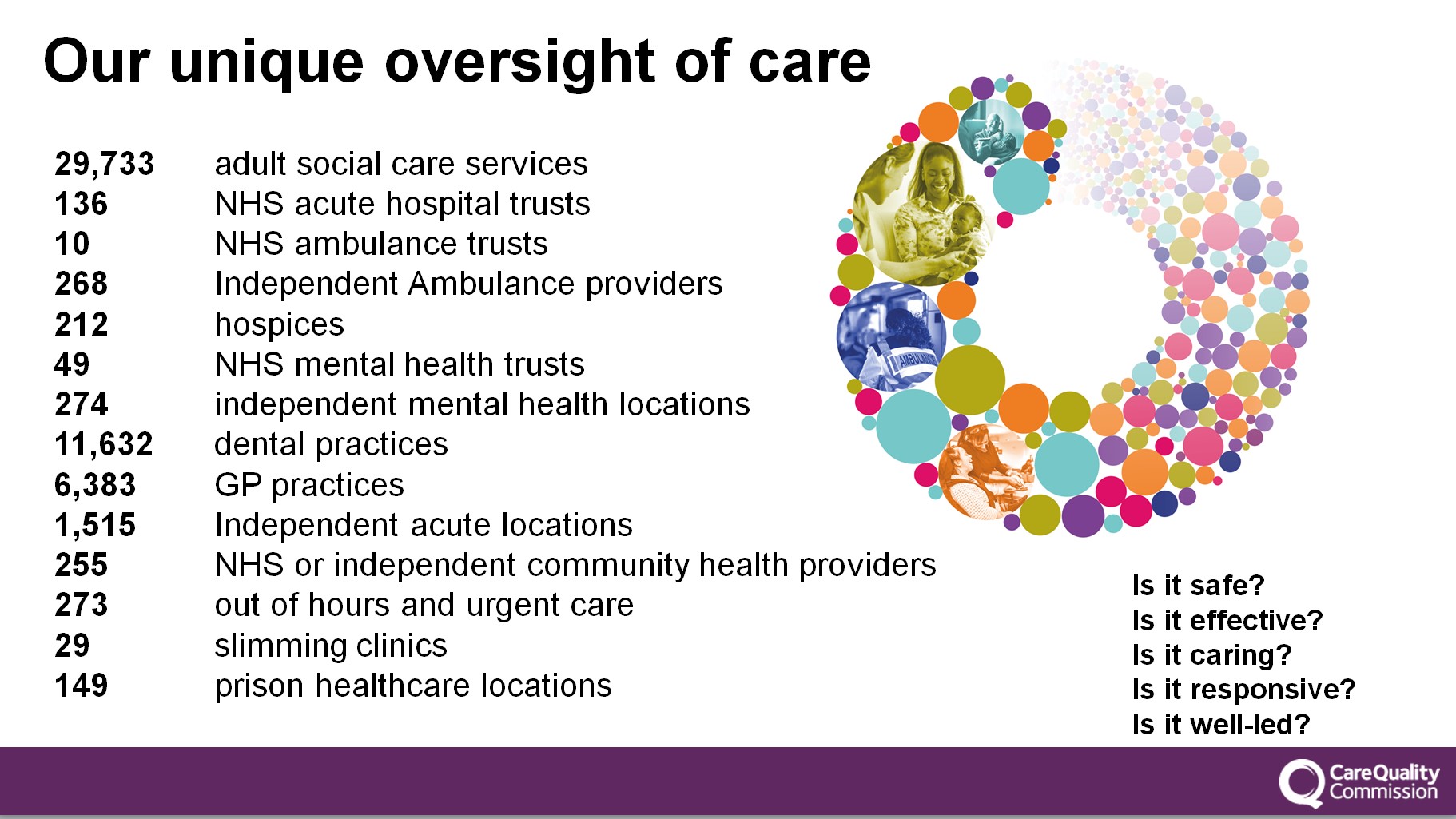
Ciara and Giovanna discussed the Patient and Carer Race Equality Framework, a project they’ve been involved in since its inception. Giovanna, a senior analyst at the Care Quality Commission, explained the CQC’s role as the independent regulator of health and adult social care in England, and their oversight of almost 30,000 adult social care services. They also touched on their upcoming work, including the integration and coordination of the framework with their existing projects.

Giovanna also mentioned the publication of their annual statutory report, the State of Care report, and the legislative duties imposed on providers to register with them. The conversation ended with a discussion on the mandatory nature of the framework for all mental health trusts and NHS-funded mental health services.

Incorporating PCREF Into Regulation

In the meeting, Ciara discussed the role of the CQC incorporating the Patient and Carer Race Equality Framework (PCREF) into their regulation. They have developed interim guidance and training, and plan to use PCREF to inform their next set of guidance. They also intend to update their learning and training to support a more detailed understanding of PCREF. Ciara also mentioned the importance of including the voices of carers from ethnic minority backgrounds in their engagement and co-design of the PCREF guidance and training. The organization itself is also committed to being an anti-racist organization and plans to engage with stakeholders to add value. They are currently collecting good examples of feedback and good practice from their inspectors and mental health reviewers, and from pilot trusts. They also plan to share these examples in their monitoring the Mental Health Act Report.

For those interested, here are reports the CQC kindly presented.

Review into the operational effectiveness of the Care Quality Commission: interim report
https://www.gov.uk/government/publications/review-into-the-operational-effectiveness-of-the-care-quality-commission

Response to the interim findings of the Dash review into
CQC’s operational effectiveness
https://www.cqc.org.uk/news/stories/response-interim-findings-dash-review

Review into the operational effectiveness of the Care Quality Commission: full report
https://www.gov.uk/government/publications/review-into-the-operational-effectiveness-of-the-care-quality-commission-full-report

Professor Sir Mike Richards’ Review of CQC’s single assessment framework and its implementation
https://www.cqc.org.uk/publications/review-cqcs-single-assessment-framework-and-its-implementation

CQC responds to reviews by Dr Penny Dash and Professor Sir Mike Richards
https://www.cqc.org.uk/press-release/cqc-responds-reviews-dr-penny-dash-and-professor-sir-mike-richards

Mental Health Services Data Set

The CQC discussed the ongoing work on the mental health services data set, Version 7, which is expected to be implemented slightly later than planned to align with legislative changes. They emphasized the need for balance in managing changes to avoid disruption. A mental health trust representative asked about the new data set and review process, to which the CQC responded that they have had not heard about a new data set. A carer asked the CQC about the changes in CQC’s leadership and systems, to which the CQC confirmed significant changes and a new chief executive. Another carer asked for links to recent reports about CQC’s situation, which the CQC agreed to provide.

Representation and Board Member Experiences

Giovanna and Ciara discussed the importance of representation at their CQC board, particularly in terms of ethnicity and experiences using services. The CQC agreed to find out more about the personal backgrounds of their board members and the potential for a new board member with relevant experiences. The conversation also touched on the lack of representation of certain groups, such as clinical psychologists, in their organization. Matthew suggested that the CQC could engage with the group again in the new Year and possibly write a blog about minority mental health care.

Addressing Health Inequalities in England

Leila from The King’s Fund discussed a project focused on tackling health inequalities in England. The project, which has been ongoing since 2020, aims to identify key areas for action to be included in the anticipated 10-year health plan. Leila highlighted seven areas for action, including a cross-government strategy to address the root causes of inequality, a shift towards prevention, radically changing relationships between the NHS and communities, tackling systemic racism and discrimination, capacity building, focusing on the importance of place in this work, and prioritizing partnerships with voluntary community and social enterprise organizations.

Leila emphasized the importance of amplifying the voices of people who experience these inequalities and ensuring that these messages are heard and acted upon. The project’s findings are not new, but Leila stressed the need to continue raising awareness and advocating for change.

This concludes a short update of October’s National ethnic carers forum

Empowering Carers Through Advocacy: Navigating Mental Health Systems

Welcome back to another blog post from Carer activist Matthew McKenzie, author and poet. This time we look at the role of Advocacy and its importance to unpaid carers who care for someone with mental illness. Below is an indepth video about the importance of advoacy (31 minutes), although the video touches on carer advocacy for all carer types.

Introduction

In today’s demanding world, unpaid carers, those who look after family members or close friends, play an indispensable role. Often, they do so without formal recognition or support. Yet, their impact, especially in mental health settings, is profound. Advocacy services can provide essential support to these carers, allowing them to navigate complex health systems, access necessary resources, and ensure their voices are heard in decision-making processes. In this article, we delve into the world of carers’ advocacy, exploring its significance, the challenges faced by carers, and the key components of effective advocacy support

The Role of Advocacy in Supporting Carers

Understanding Advocacy

Advocacy, in the context of caring for a loved one, involves providing carers with the knowledge, tools, and support to make informed decisions. This is crucial, given that unpaid carers are typically not trained professionals but individuals thrust into the role out of necessity or love. Advocacy helps these carers understand their rights, the services available to them, and how to communicate effectively with health professionals.

Financial Support and Legal Entitlements

Carers often struggle to understand the financial support available to them. Advocacy services play a key role in educating carers about their rights, entitlements, and the legal frameworks that protect them. For instance, the Care Act 2014 in the UK provides certain protections and rights for carers. However, many carers are unaware of the specifics of this and other relevant legislation. Advocacy services can bridge this knowledge gap, ensuring carers are fully informed about the financial benefits and support services they can access.

Empowerment Through Information

Empowering carers is a primary goal of advocacy services. By providing carers with comprehensive information about their rights and the support services available, advocacy services enable carers to make better decisions for themselves and their loved ones. This empowerment is not just about providing information but also about ensuring carers feel heard and respected in their roles.

Challenges Carers Face

Navigating Confidentiality Issues

One of the significant challenges carers face in mental health settings is confidentiality. Health professionals are often bound by strict confidentiality rules, which can sometimes exclude carers from vital information about their loved ones’ treatment and care plans. Advocacy services can assist carers in understanding these confidentiality rules and finding ways to navigate them. For instance, they can mediate between carers and health professionals to ensure that carers are included in discussions and decisions to the extent possible within legal boundaries.

Communication Breakdowns

Effective communication between carers and health professionals is essential for optimal care. However, jargon and a lack of empathy can often hinder this communication. Advocacy services can help facilitate better communication by acting as intermediaries, translating complex medical terminology, and ensuring that carers’ concerns are heard and addressed.

Crisis Situations and Disputes

Crisis situations and disputes are unfortunately common in mental health care settings. Carers may find themselves in challenging situations where they need immediate support and advice. Advocacy services can guide carers through these crises, offering practical steps and necessary contacts to navigate the system effectively. They can also provide support during disputes, helping to mediate and find mutually beneficial solutions.

How Advocacy Services Empower Carers

Involvement in Care Planning

Carers often feel excluded from the care planning process, particularly in mental health settings. Advocacy services work to ensure that carers are actively involved in care planning discussions, especially during critical times such as discharge from a mental health ward. By preparing carers for meetings and helping them understand what to expect, advocacy services can ensure that carers are well-equipped to participate meaningfully in these discussions.

Building Self-Advocacy Skills

One of the long-term goals of advocacy services is to build carers’ self-advocacy skills. By providing training and resources, advocacy services can equip carers with the tools they need to advocate for themselves and their loved ones effectively. This includes understanding their legal rights, effective communication strategies, and how to navigate complex systems.

Accessing and Utilizing Advocacy Services

Different Types of Advocates

Not all advocates are the same. There are various types of advocates who specialize in different areas. For example, an Independent Mental Health Advocate (IMHA) or an Approved Mental Health Professional (AMHP) might focus on issues specific to mental health settings, such as patients’ rights under mental health legislation. Other advocates might specialize in financial benefits or navigating the broader health and social care system. Understanding the different types of advocates can help carers access the right support for their specific needs.

Support in Crisis

Timing is crucial when accessing advocacy support. Ideally, carers should seek out advocacy services before a crisis hits. However, advocacy services are also there to provide support during crises, offering practical advice and guiding carers through challenging situations. This support can include helping carers understand their rights, providing contact information for relevant services, and assisting in mediating disputes.

Ensuring Continuous Support

Advocacy is not a one-time intervention but an ongoing process. Carers should continually be informed and supported as they navigate their caring roles. Continuous support ensures that carers are always equipped to handle new challenges and changes in their loved ones’ care needs.

Effective Communication in Mental Health Care

Establishing Clear Channels of Communication

Advocacy services help create open and clear channels of communication between carers and health professionals. This involves ensuring that information flows effectively and that carers understand what is being communicated. Advocates can help by breaking down complex information and making sure carers have all the necessary details to make informed decisions.

Promoting Active Listening

Active listening is a crucial skill for both carers and health professionals. Advocacy services promote active listening by encouraging health professionals to genuinely engage with carers, understanding their concerns, and addressing them empathetically. This two-way communication helps build a more collaborative approach to care.

Providing Resources and Tools

Advocacy services offer various resources and tools to improve communication. This might include guidelines for carers on how to communicate effectively, tools for documenting and organizing information, and strategies for conflict resolution. These resources empower carers to take a more active role in communication and decision-making processes.

Addressing Communication Barriers

Identifying and overcoming communication barriers is another critical role of advocacy services. By recognizing potential obstacles to effective communication, such as jargon, time constraints, and power dynamics, advocates can help carers navigate these challenges. This ensures that carers’ voices are heard and that they can advocate effectively for their loved ones.

Legal Rights and Recognition

Educating Carers on Their Rights

Carers have specific legal rights and entitlements that protect their roles. Advocacy services educate carers about these rights, ensuring they are aware of their legal protections and how to access them. This education includes understanding relevant legislation, such as the Care Act, and how it applies to their situations.

Ensuring Recognition by Health Professionals

Carers’ contributions should be recognized and respected by health professionals. Advocacy services work to ensure that health professionals acknowledge the vital role carers play and involve them in discussions and decisions. This respect and recognition help build a more inclusive and supportive care environment.

Mediating in Disputes

When disputes arise between carers and health professionals, advocacy services can play a crucial mediating role. By facilitating discussions and ensuring that both sides are heard, advocates help to resolve conflicts and find solutions that benefit both the carer and their loved one.

Conclusion

Advocacy services are an essential support system for unpaid carers, particularly in mental health settings. By providing information, fostering effective communication, and ensuring that carers’ voices are heard and respected, advocacy services empower carers to navigate complex systems and make informed decisions.

The ultimate goal of advocacy is to build a more inclusive and supportive care environment, where carers are recognized for their critical role and are equipped with the tools they need to advocate effectively for themselves and their loved ones. Without access to advocacy services, carers are at risk of being lost in the complexities of the mental health system, which can have detrimental effects on both their well-being and that of their loved ones. As we move forward, it is vital to ensure that advocacy services are available and accessible to all carers, providing them with the much-needed support and recognition they deserve.