Tag Archives: mental illness

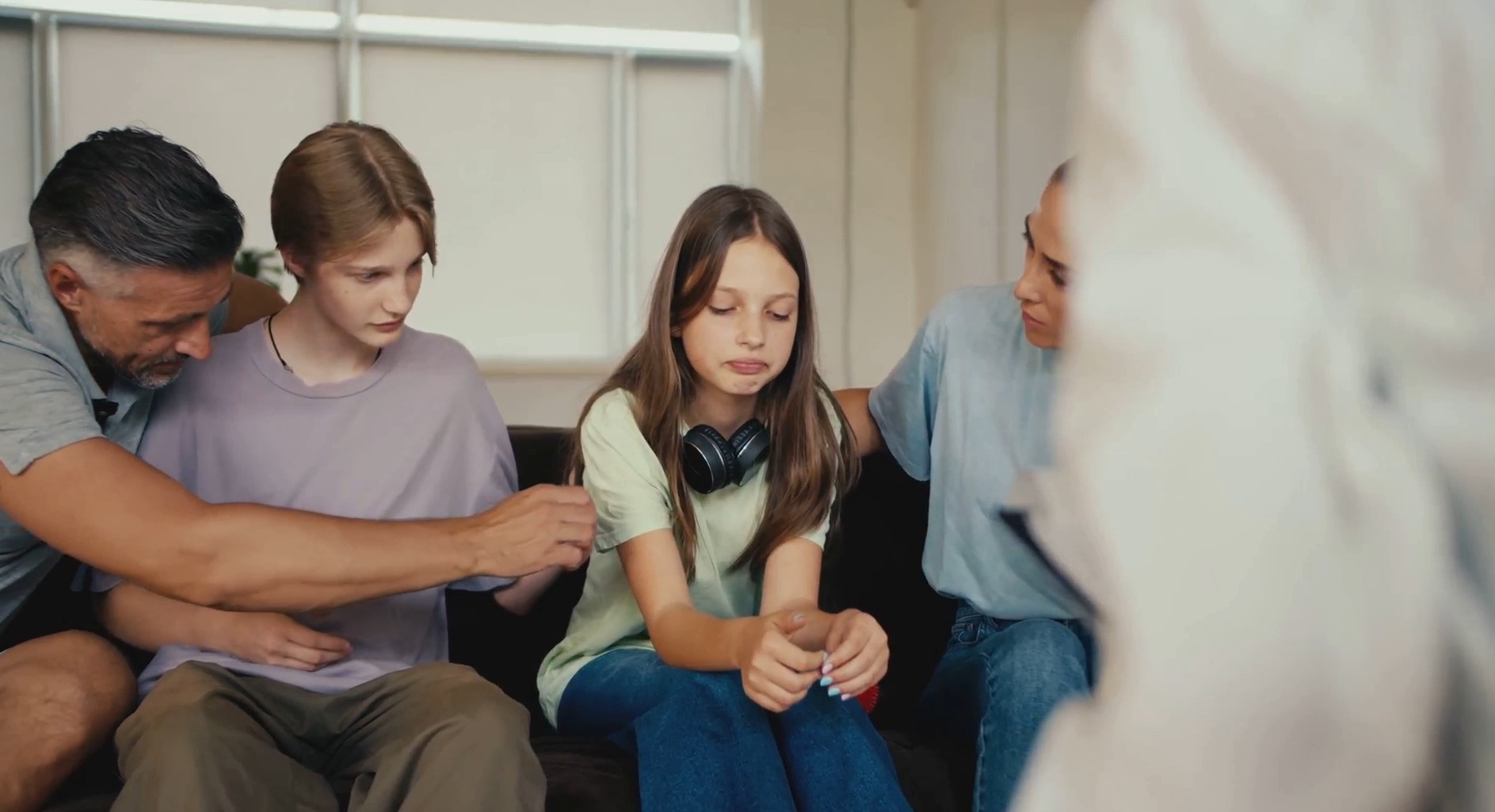
Maintaining Strong Family Relationships While Caregiving for mental illness

Welcome back to another blog post from Carer Activist Matthew McKenzie. Caring for someone while sustaining family connections can be difficult, but supporting someone through mental illness and keeping the family together can be impossible.

If you want to watch the video version of this blog (4 minutes) then click the video below.

Here on this blog you can learn essential tips on keeping family connections strong during caregiving for a loved one with a mental illness. I will explain the focus on communication, delegation, family time, balance, professional support, and education are key for maintaining harmony.
Introduction

Caregiving for a loved one with a mental illness or chronic condition can be a daunting and challenging task. It demands not only physical and emotional resilience but also has the potential to strain family relationships. Let’s dive into these vital tips that can significantly improve the caregiving journey for everyone involved.

Open Communication

Keep Everyone Informed

Effective communication forms the backbone of strong family relationships. Keeping the lines of communication open is crucial when you’re caring for a loved one with a mental illness or chronic condition. Regularly update your family members about the condition of the person you are caring for. Share any challenges you are facing, along with any significant events or changes in the situation.

Foster a Supportive Environment

When everyone is on the same page, it fosters a supportive environment. Regular updates help family members understand the caregiving dynamics better and instill a sense of shared responsibility.

Delegate Responsibilities

Don’t Bear the Burden Alone

Caregiving can be overwhelming if you try to handle everything yourself. It’s important to delegate responsibilities and ensure that you have the support you need. Assign tasks to other family members to share the workload.

Utilize Remote Help

Even if some family members live far away, they can still contribute. They can assist with administrative tasks, finances, or provide respite care. Remember, Teamwork Makes the Dream Work. The more hands involved, the lighter the burden for each individual.

Prioritize Family Time

Non-Caregiving Activities

To maintain strong family bonds, it’s essential to set aside time for activities that do not involve caregiving responsibilities. Dedicate regular moments for family activities like watching a movie, playing a game, or simply enjoying a meal together.

Strengthen Relationships

These moments can help keep relationships strong and remind everyone of the love and support within the family. Prioritizing family time ensures that caregiving does not consume all aspects of family life and that personal connections remain intact.

Maintain Balance in Family Roles

No one should have to single handly have to always support and care for someone if the family is large, there should be some form of support. After all, isnt that what families are all about?

Avoid Role Overload

It’s easy to become consumed by the caregiving role and lose your sense of self within the family. Avoid role overload by making sure you are also taking time for yourself. Maintain your own identity outside of caregiving responsibilities.

Focus on Well-being

Taking time for yourself is important for your well-being and for the family’s harmony. Balancing your caregiving duties with personal time helps sustain your energy and emotional health, enabling you to provide better care over the long term.

Involve Professional Support

Seek Therapy or Counseling

Sometimes, family therapy or counseling can provide the assistance needed to navigate the emotional and relational challenges of caregiving. Professional intervention can offer new perspectives and solutions that you might not have considered.

Professional Guidance

Professional support can help the family address and manage the stressors that come with caregiving and can provide techniques to improve communication and relationships within the family.

Promote Understanding and Education

Educate Your Family

Educate your family members about the condition of the person you are caring for. Providing them with information about the mental illness or chronic condition can promote empathy and reduce frustration.

Empower with Knowledge

Knowledge is power, and understanding breeds compassion. Educating your family helps them better comprehend the situation and fosters a more supportive and empathetic environment.

Conclusion

Caring for a loved one with a mental illness or chronic condition is a challenging journey, but it does not have to weaken family bonds. By implementing these strategies—open communication, shared responsibilities, prioritizing family time, maintaining balance, involving professional support, and promoting education—you can ensure that your family remains connected and supportive during tough times. These tips can offer practical steps to help maintain the harmony and strength of your family relationships while caregiving.

Thank you for reading. If you found these tips helpful, don’t forget to share this article with others who might benefit. Take care and continue to support each other, one step at a time.

User comments

OCD Awareness Week 2024: Breaking the Stigma

Welcome back to another mental health awareness blog post from carer activist Matthew McKenzie. As of the posting of this blog. It is OCD Awareness Week 2024. You can also watch my video of the awareness week below.

What is OCD?

Obsessive-Compulsive Disorder (OCD) is a mental health condition that affects millions of people worldwide. It involves unwanted, intrusive thoughts known as obsessions and repetitive behaviors or mental acts called compulsions. These behaviors are not just quirky habits but are driven by a deep need to alleviate the anxiety caused by these intrusive thoughts.

Understanding the Obsessions

Obsessions are more than just everyday worries or concerns. They are persistent and unwanted thoughts, images, or urges that cause significant anxiety or distress. People with OCD are often fully aware that these thoughts are irrational, but they find it extremely difficult to ignore or suppress them.

The Nature of Compulsions

Compulsions are repetitive behaviors or mental acts that a person with OCD feels driven to perform. These actions are attempts to reduce the distress caused by obsessions or to prevent a feared event or situation. Compulsions can take many forms, including excessive hand-washing, checking, counting, or repeating words silently. Importantly, these behaviors usually provide only temporary relief and can be very time-consuming, interfering significantly with daily life.

Busting Myths About OCD

It’s Not Just About Tidiness

One of the most common misconceptions is that OCD is merely about being neat and organized. While some people with OCD may have cleanliness-related compulsions, the disorder is much more complex. It can involve a wide range of obsessions and compulsions, many of which have nothing to do with order or cleanliness.

Beyond Quirks and Idiosyncrasies

OCD is often trivialized in popular culture as just a set of quirky behaviors. In reality, it is a serious condition that can cause significant distress and impairment in various areas of life, including personal relationships, work, and overall well-being.

The Role of OCD Awareness Week 2024

Organized by International OCD Foundation

This year’s OCD Awareness Week, running from October 13th to the 19th, is being spearheaded by the International OCD Foundation and other reputable organizations. The main goal is to spread awareness, break down stigma, and provide actionable support for those living with OCD.

Activities and Resources

The week will feature various workshops, webinars, and support groups designed to educate the public and those affected by OCD. Educational materials and personal stories will also flood social media, providing a wealth of knowledge and resources. Keep an eye on hashtags like #OCDWeek to stay updated on these activities.

How You Can Help

Educate Yourself

If are caring for someone with OCD, taking the time to educate yourself about their condition can be a game-changer. Understanding their symptoms, knowing their triggers, and familiarizing yourself with treatment options can make you a better support system for them.

Combat Stigmatization

One of the critical goals of OCD Awareness Week is addressing common misconceptions and combating stereotypes. Recognize that OCD is not something to be joked about—it is a serious condition that requires empathy and understanding.

Effective Treatment Options

Cognitive Behavioral Therapy (CBT)

Cognitive Behavioral Therapy (CBT) is one of the most effective treatments for OCD. This type of therapy involves techniques to help individuals manage their obsessions and reduce compulsive behaviors. One specialized form of CBT, called Exposure and Response Prevention (ERP), is particularly effective for treating OCD.

Medication

Medicinal interventions, particularly selective serotonin reuptake inhibitors (SSRIs), can also be very effective in managing OCD symptoms. It’s essential to consult a healthcare professional to determine the best treatment plan for each individual.

Seeking Professional Help

It’s crucial to know that help is available and that it’s okay to seek it. Professional treatment can make a significant difference in managing OCD symptoms and improving quality of life.

Building a Supportive Community

The Power of Empathy

One of the most impactful ways to support those living with OCD is through empathy and understanding. Small acts of kindness, like listening without judgment or offering a helping hand, can go a long way in making someone feel less isolated in their struggle.

Family and Friends

Families and friends play a crucial role in the support system for someone with OCD. By educating themselves about the disorder, they can offer better support and reduce the feelings of isolation and stigma that often accompany mental health conditions.

Get Involved

Spread the Word

Sharing knowledge is one of the simplest yet most effective ways to raise awareness. Use social media, community events, and even casual conversations to spread accurate information about OCD. Participate in events and activities during OCD Awareness Week to show your support.

Promote Compassion

By promoting empathy and understanding, we can create a more compassionate world for those affected by OCD. Every small effort counts, from sharing a post on social media to participating in a local awareness event.

Making a Difference

Raising awareness about OCD is not just about understanding the condition but also about fostering a supportive environment for those affected. By debunking myths, spreading correct information, and showing empathy, we can make a transformative impact in the lives of millions of people living with OCD.

Thank you for taking the time to learn about OCD and how you can contribute to raising awareness. Let’s make this world a little more compassionate and understanding, one step at a time.
14 Tips to Tackle Depression: From Seeking Help to Self-Care

Here is another blog post by carer activist Matthew McKenzie

We all go through depression at varying levels. It is important to learn what tools can be used to tackle depression and develop those skills. I focused on this subject because even if you are caring for someone, there will be days when depression strikes. These tips however are for anyone, because we all need mental wellbeing.

To watch the short video version, please check out my video below.

Overcoming Depression: 14 Effective Tips for a Brighter Tomorrow

Depression is a pervasive and debilitating condition that affects millions of people worldwide. If you’re feeling overwhelmed by depression, know that you’re not alone. On today’s post, we’ll delve into 14 effective tips that can help you tackle depression, drawing from practical advice and therapeutic techniques designed to uplift your mood and improve mental health.

Seek Professional Help

Consulting with Mental Health Professionals

The first and foremost step in managing depression is seeking professional help. Consulting a mental health professional can provide you with personalized treatment options such as cognitive behavioral therapy (CBT), talking therapy, or medication. Each individual’s experience with depression is unique, and professional guidance can make a significant difference in finding the right approach for you.

Build a Support Network

Reaching Out to Friends and Family

Isolation tends to worsen the symptoms of depression. Unpaid carers are especially prone to isolation. So building a strong support network by reaching out to friends, family, or joining a support group can aid substantially. Simply knowing that someone understands your struggles can lighten the emotional burden and provide a sense of community and understanding.

Exercise Regularly

The Mood-Boosting Power of Physical Activity

Physical activity is not just beneficial for your body; it’s also crucial for mental health. Exercise releases endorphins, often referred to as “Feelgood” chemicals, which naturally boost your mood. Start small. Even a short 20-minute walk can significantly improve your mood and energy levels.

Focus on a Healthy Diet

Foods that Boost Brain Function

What you eat can have a direct effect on your mental health. A healthy diet is essential in influencing your mood and energy levels. Foods that are rich in Omega-3 fatty acids, such as fish and walnuts, can improve brain function. Meanwhile, cutting down on sugar and processed foods can prevent energy crashes and stabilize your mood.

Establish a Routine

The Importance of Daily Structure

Depression can sap your motivation, making daily tasks seem insurmountable. Establishing a daily routine can provide structure and a sense of normalcy. Set small, achievable goals and maintain a regular sleep schedule to help manage your symptoms more effectively.

Practice Mindfulness and Relaxation Techniques

The Benefits of Mindfulness Meditation and Deep Breathing

Mindfulness meditation and deep breathing exercises are powerful tools for managing negative thoughts and reducing stress. Practicing mindfulness helps you stay present, grounding your thoughts and emotions in the here and now rather than letting them spiral out of control.

Challenge Negative Thinking

Recognizing and Reframing Distorted Thoughts

Depression often distorts your thoughts, leading to a cycle of negative thinking. Recognizing these distortions and actively working to reframe them is crucial. Keeping a journal can be a helpful practice for tracking your thoughts and emotions, identifying patterns, and challenging negative beliefs.

Engage in Activities You Enjoy

Reconnecting with Hobbies

Depression might dull your interest in activities you once enjoyed, but re-engaging with hobbies is an important step in alleviating symptoms. Start small and be patient with yourself as you rediscover activities that bring you joy and fulfillment.

Limit Alcohol and Substance Use

The Long-Term Effects of Alcohol and Substances on Mood

While alcohol and substances might provide temporary relief, they can worsen depression in the long term. Reducing or avoiding them altogether can help stabilize your mood and improve your mental health over time.

Set Boundaries and Manage Stress

The Importance of Saying No and “Me Time”

Learning to say no and setting personal boundaries are crucial for managing stress and preventing burnout. Carve out “me time” to relax and recharge. Remember that your mental health is a priority, and taking time for yourself is not just acceptable, but necessary.

Practice Self-Compassion

Being Kind to Yourself

Depression is a medical condition, not a personal failing. Practice self-compassion by being kind to yourself and avoiding harsh self-criticism. Understand that managing depression is a journey, and it’s okay to take steps that prioritize your well-being.

Get Outdoors

The Calming Effect of Nature

Spending time in nature has a profoundly calming and uplifting effect on your mental health. Green spaces and sunlight exposure can boost serotonin levels, which are crucial for mood regulation. Make it a point to spend some time outdoors regularly.

Consider Alternative Therapies

Exploring Art, Music Therapy, Acupuncture, and Yoga

While traditional treatments are essential, alternative therapies like art or music therapy, acupuncture, or yoga can also play a significant role in managing depression. For instance, poetry has been shown to be a useful outlet for emotional expression and self-exploration.

Be Patient with Yourself

Understanding the Recovery Process

Recovery from depression is a gradual and ongoing process. Celebrate small victories and understand that setbacks are a normal part of the journey. Patience and perseverance are key. Surround yourself with supportive individuals who can help you stay motivated and hopeful.

Immediate Help for Severe Symptoms

Addressing Thoughts of Self-Harm or Suicide

If you experience thoughts of self-harm or suicide, it is critical to reach out for immediate help. Contact mental health professionals, hotlines, or trusted individuals who can provide the urgent care and support you need. Remember, you are never alone in this battle, and there are resources available to help you through the toughest times.

Depression is a challenging condition, but with the right support and strategies, it can be managed effectively. Implement these tips, seek professional help, and surround yourself with a supportive community. In time, with patience and dedication, you can begin to see improvements and work toward a brighter, more fulfilling tomorrow.

Here are some helplines for depression in the UK:
Samaritans: Call 116 123 for 24/7 emotional support
Shout: Text 85258 for 24/7 confidential support
CALM Helpline: Call 0800 58 58 58 or use their webchat from 5 PM–midnight, 365 days a year
Rethink Mental Illness: Call 0300 5000 927 for advice and information on therapy, medication, benefits, and more
Mind infoline: Call 0300 123 3393 for information on types of mental health problems and where to get help
Papyrus UK: Call 0800 068 4141 or text 07860 039967 for confidential support and practical advice for people under 35
Childline: Call 0800 1111 or talk to them online for children and young people under 19

Exploring experiences of carers for someone with psychosis

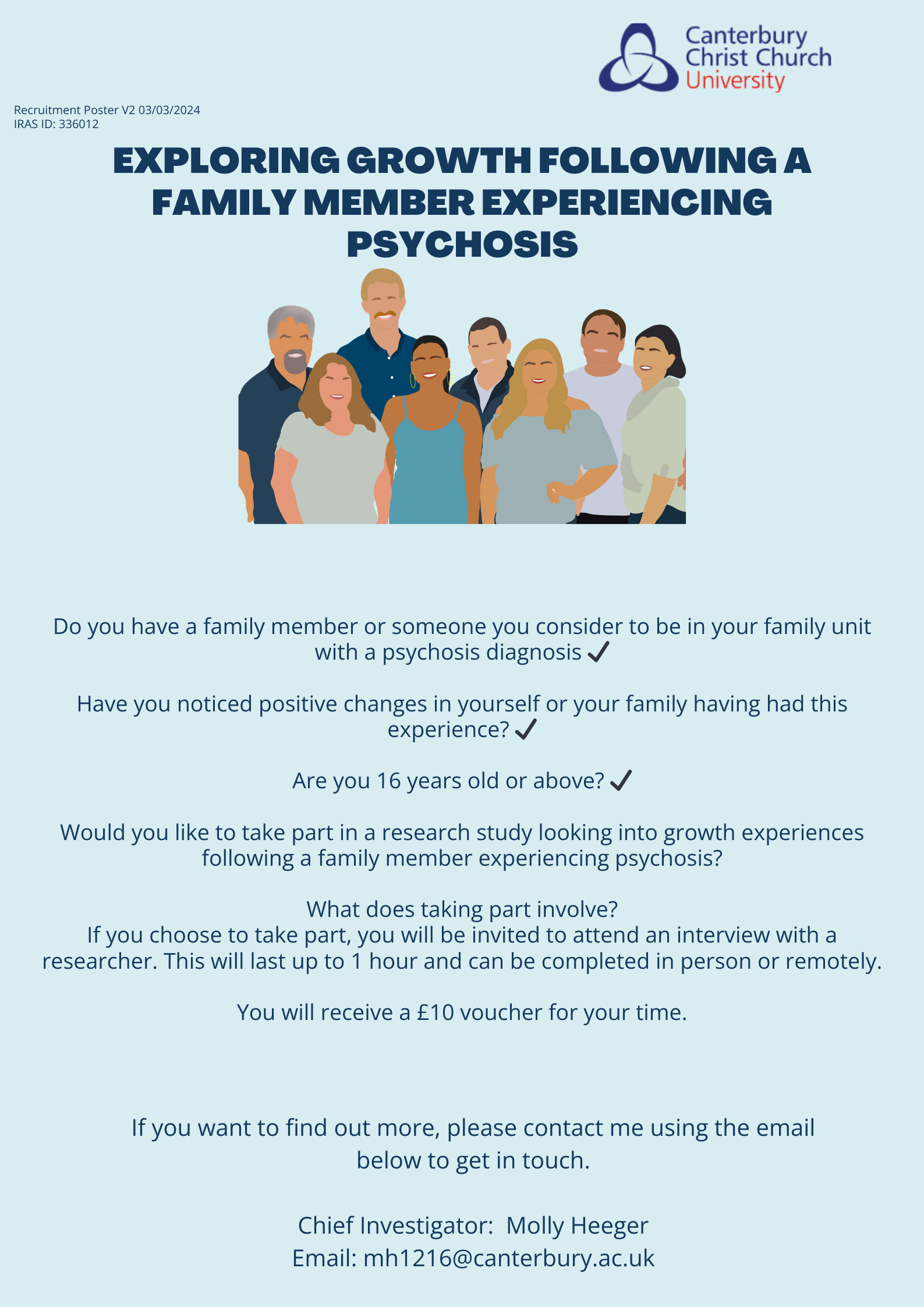
Latest blog post by Matthew McKenzie on this exciting new research study from Molly Heeger who is a Trainee Clinical Psychologist from the Salomons Institute for Applied Psychology.

She is recruiting for her research project exploring family members experiences of supporting someone with psychosis. If you are caring for someone suffering from psychosis and would like to be involved in the study, please see poster below.

You can contact Molly through the following email : mh1216@canterbury.ac.uk

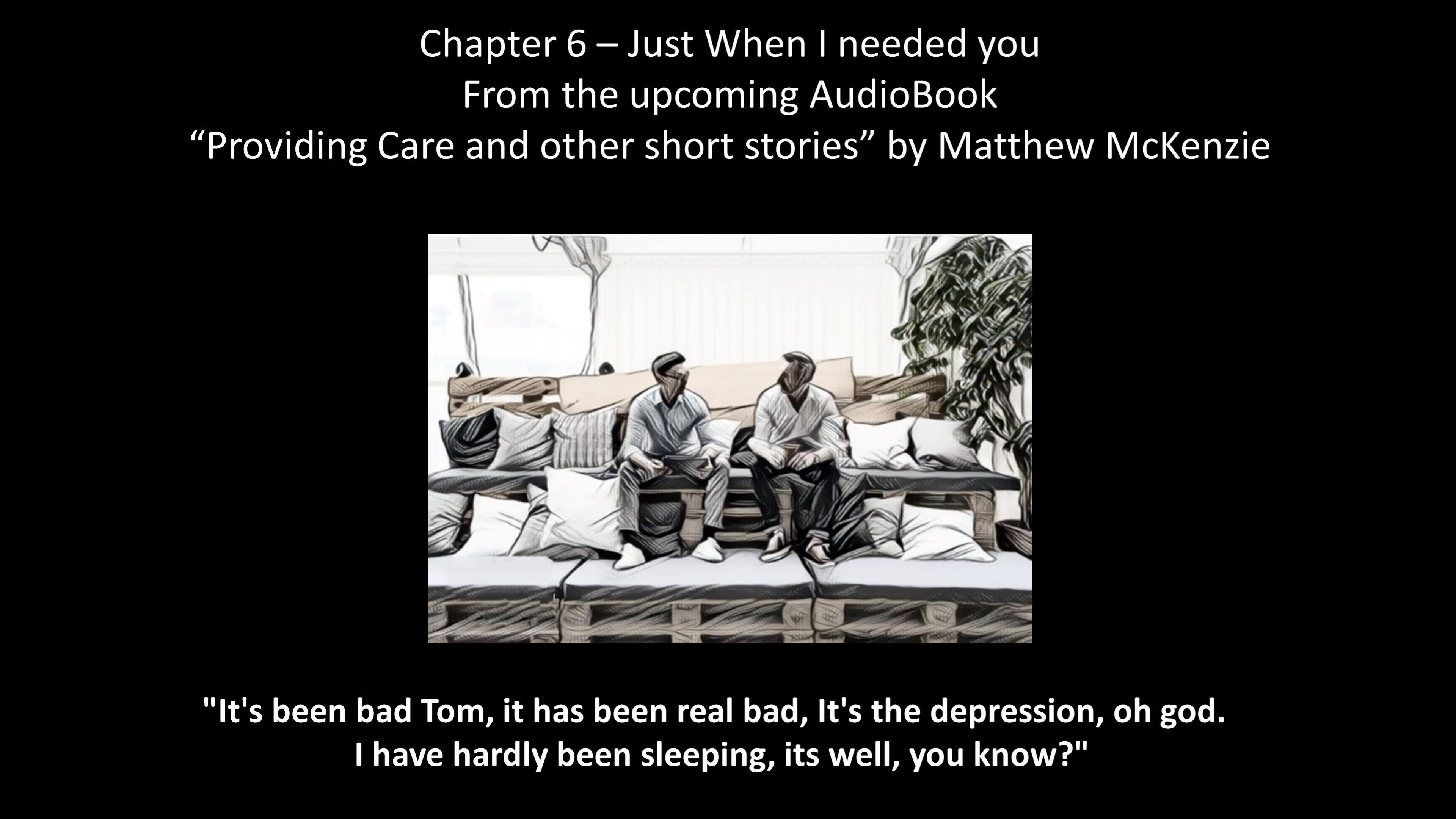
Latest carer story – Just when I needed you

Welcome back fellow carers. This blog is by Matthew McKenzie, carer activist, author and poet. I write and campaign to raise awareness of unpaid carers. A lot of my focus goes on those caring for someone with mental illness.

I also have a focus on cancer carers, but more on that in a moment.

I have just released my 6th audio story about the importance of carer peer support. The story is called “Just when I needed you”. You can actually watch the story for free at the end of this blog.

The audio story revolves around the struggle to show empathy and the challenge someone faces with their faith. When people care for each other then the community carers, but this is not always the care as the carers in this story have their own struggles.

It takes a couple to walk that journey of someone damaged by the community. They are there for that person when he feels the world has abandoned him. The couple find a bond with their close friend as Barbara who is providing unpaid care can sympathize because she also experienced mental illness.

The audio story provides a story of hope, but raises challenging questions for those caring for someone. Things are not always so clear cut and it can be very difficult to be involved in someone’s care. This is especially problematic if someone is suffering depression.

Watch the video below and enjoy the carer awareness.

My next audio story will soon be released titled “A story of Hope”

New book titles for 2023 by Matthew McKenzie

Hello, everyone!! Merry Christmas thanks for joining me here today to explain a bit more about future projects that I’m going to be working on. Some of them actually, almost practically finished. So yep, my name. As you can see from the title here, my name is Matthew McKenzie, Carer campaigner, Mental health carer activist who facilitates several carer groups around half of London.

what I want to do is just explain a few things regarding some books that I’m working on. I’m going to start developing audiobooks, I will of course continue to work on paperbacks, one of them is in draft at the moment. I’ll talk about that in a bit.

If you want to see the video version of this blog, please watch below.

Special edition of my poetry Audio book – The Poetry book of mental health caring

So during summer 2022, I published my first poetry book. This was my first attempt at what I felt would be focusing on the experiences of providing mental health care. One of the reasons of doing poetry is that you don’t have to really read a whole book to just sort of reach out to those who perhaps understand, in a sense of what’s it like to provide care for someone with mental ill health. Plus to also reach out to those who’ve never experienced it.

So I’m doing an audiobook project on my poetry, but with the added benefit of contributions from other carers who are activists or are poets who want to produce poetry on the carers experiences. So I’m hoping to publish in early 2023, January, February, by that time, that audiobook will be coming out.

Race, caring and mental health

The next book, which is not an audio book, will be in paperback form. I felt it was due time to come out. This is because I have been writing books close to two years now. I have also been running as carer groups, but two of them focus on ethnic carers coming from ethnic minority background, so obviously, they are providing care and support to someone experiencing some form of mental illness.

I’ve been meaning to develop a book like this for some time looking at how mental illness can impact on the family, on friends, not from the patient side. Let’s look at this new book closely. The book titled “Race, Caring and Mental Health”. From it’s first chapter, I often say to many people that it’s important to tell your story. With this book, I felt it even more important due to some of the tragic consequences that can happen to ethnic minority groups providing unpaid care. This is it’s not just within the mental health system as the book’s second chapter will be looking at discrimination and racism, and links to mental health, for the other chapters, they will focus on health inequalities and the structures. The book will explore the deadly roundabout regarding the repeat situations of those going in and out of the mental health system. Why does this occur?

I don’t have the answers and can only share my ideas of what I’ve seen and what I’ve heard, but I know what I’m learning about. I’d be really interested on people’s views of my new book, which is in draft form at the moment and I will probably change a couple of pages in the hope to release this around January 2023.

Providng Care and other Short Stories

Lastly my 6th piece of work will be an audiobook, similar to the project of the poetry audiobook. But this time I want to work towards fiction. Now, I’ve been writing two years now. Most of the books that I’ve been doing are not fiction at all. I mean, I suppose you could argue in some sense that poetry is looking at certain topics that may or may not happen. So this new audiobook will be my first attempt at fiction, including 20 short stories about unpaid care, here are some of the stories below.

This audio book will explore some of the following carer themes.

  1. Providing Care
    Story about a woman finding out her husband has developed a form of mental illness, she now has to battle to become an unpaid carer.
  2. Digging out of a hole
    A young man caring for his sister, but this time there are horrible things that make his life difficult.
  3. A family Affair
    Story of a main carer feeling isolated by the family, everything is thrown at her and no one wants to help.
  4. Never thought it would be me
    A female carer whose partner is caught in a serious accident, her life is turned upside down as she battles to provide care for him.
  5. Angry
    A carer thrown into anger and despair as she is let down time and time again, leading her to becoming angry.
  6. Just when I needed you
    A story of carer peer support and why it is needed, a story that is more hopeful than previous stories.

Anyway, thanks for stopping by. Hope you have a lovely holiday break.

Experiencing mental health caregiving – Carer peer support

Welcome back to a summary of chapter 3 of my book “Experiencing mental health caregiving”

This blog focuses on my 2nd book – Experiencing mental health caregiving. The book helps raise awareness of unpaid carers providing care to someone close suffering mental illness. The book highlights the experiences of providing unpaid caring.

For Chapter 3 – “Carer befriending and peer support” I asked carers several questions, but this video will look at the first question that being “What does carer peer support mean to you?

The reason I asked such a question was down to how can carers relate to others when caring can be a private and personal experience. Do carers know they can get support from others to reduce stigma and increase carer knowledge?

Just like the videos I have done on my 2nd book, I will sum up a few responses from those regarding “Carer Befriending and peer support”.

To check out the video summary see link below

So going back to my book, chapter 3 got responses regarding carer peer support, you can see the responses below.

One carer Jacqui Darlington responded

“A carer peer is someone who can offer emotional and practical support to another carer by using their own lived experiences which may enable them to overcome barriers, challenges and fears to achieve whatever it is they may need. They may also be known as Experts by Experience .”

I not only asked knowledgeable carers, but also engaged with mental health trusts.

Nottinghamshire Healthcare NHS Foundation Trust rep responded

“We train people up as peer support workers or carer peer support workers. We are now employing them in the jobs at the NHS trust. I think as a carer peer support worker, the difference between that and pure peer support worker is that the carer peer has lived experience in caring. .”

One last point – Another carer responded

“To me, carer peer means supporting a carer who may be struggling with the sometimes overwhelming difficulties experienced when caring for a loved one with mental health issues. Being there for that carer, sharing personal experiences and showing an understanding of what they are going through”

I asked 8 other questions for Chapter 3,

  • Have you experienced carer befriending and what did it feel like?
  • Where should carer peer support be located?
  • Do you think there is enough education on carer peer support?
  • Would you befriend other carers?
  • Is there a line or boundary to carer peer support?
  • Is there a difference between carer peer support and service user peers?
  • Why is carer peer support lagging behind?

The responses I will cover in a later video, but to sum up What does carer peer support mean to you?

I noticed that lived experience was critical to becoming a peer carer. To share your understanding and knowledge of the caring role and help those new to caring is vital in forming a connection.

if you are interested about mental health carers, you can buy my book on the link below

The thin line of Patience – A poem by Matthew Mckenzie

Hello everyone. As you can probably tell from my website. I focus on the experience of providing unpaid care, especially regarding those suffering mental ill health. I am in my poetry phase and am to get a large number of poems off my YouTube channel.

My latest poem, which is rather short looks into how mental illness can be catching, perhaps not as bad as what the poor patient is going through, but unpaid carers are not signing and jumping for joy.

You can view my latest poem by playing the video below.

World Suicide Prevention Day 2018

wspd_candleWelcome everyone, This blog post is about World Suicide Prevention day.

World Suicide Prevention Day is held each year on 10 September. It’s an annual awareness raising event organised by International Association for Suicide Prevention (IASP) and the World Health Organisation (WHO).

World Suicide Prevention Day gives organizations, government agencies and individuals a chance to promote awareness about suicide, mental illnesses associated with suicide.

If you would like to see the video version of this blog post, please click on the video below.

This year the theme for World Suicide Prevention Day is “Working Together to Prevent Suicide.”

Although it is difficult news to share, More than 800,000 people take their lives each year across the world. In the UK, more than 6,000 people die by suicide a year.

  • Feeling hopelessness and that there is no point
  • Consumed by negative thoughts
  • Feeling unwanted by others
  • Thinking or feeling that you have no other choice
  • Assuming everyone would be better off without you

Suicide or those suffering from illnesses that can lead to suicide can affect more than the victim or person themselves. A death of a loved one can affect the family, friend or their carer. Unpaid carers can play an important role in providing support for someone suffering suicide thoughts.

What to do if you are suffering from suicide thoughts

  • Speak to some close you can trust.
  • Contact the Samaritans on freephone 116 123.
  • Contact your GP.
  • Call NHS 111 (England).
  • Contact your local crisis team.

What can you or others do to help raise awareness?

  • Raise awareness that suicide is preventable.
  • Improve education about suicide.
  • Spread information about suicide awareness.
  • Decrease stigmatization regarding suicide.


Recovery from Mental Illness – collaboration


20140621_215858Welcome back to another blog post, this blog is on a well known subject within mental health fields and sometimes controversial. I decided to do a collaboration video with Malika Salih from “A Oreo Family”. We talked about mental health recovery, but this time Malika chose to focus on how mental health recovery affected her life.


If you wish to watch the video please click on the video below to play it.

As you can tell from the video Malika talked on how mental illness distrupted her life, but also gave her some insight into putting things into pespective. Malika rightly stated that mental health recovery is not the same for everyone, it all depends on the mental illness, the support one is getting and fighting stigma. Still it is so important to raise the awareness that mental health recovery can be possible under the right circumstances. It is a terrible situation to be aware that others fall deeper into mental illness when there are several chances of recovery.

As mentioned in my section of the video, I spoke about what impressed me about what Malika mentioned. It can be incredible difficult to speak openly about mental illness, there is still much stigma to face and the person can face ridicule. Without the support of friends, family or health professionals then the road to recovery will be a difficult one.

When mental illness impacts someone’s life, it can throw the persons life into turmoil, chaos and desperation could be the outcome, but there is always a small chance of reflection. We can begin to see how life can be incredibly fragile and as we begin to reflect on our own illness we slowly become aware of others, we become aware of the daily battle people face if they are struck with mental illness. This is just one of the reasons why Malika and myself continue to raise mental health awareness.

When you have time, please check out her videos off her media channel from the link below.

https://www.youtube.com/channel/UCA3enUqCcuqPt0UQcr-yL9Q/videos

Hope you enjoyed my blog, see you soon.