By Matthew McKenzie – Carer activist
London Carer Organizations Network Update
The meeting focused on introductions and updates from various organizations supporting unpaid carers across London. Matthew McKenzie facilitated the session, introducing participants from different boroughs and organizations, including
- NHS England
- Healthwatch (local advisory committee involvement)
- North Central London Carer Support Project (covering Barnet, Haringey, Camden, Enfield, and Islington)
- The PSE (supporting South East London local authorities: Bexley, Bromley, Lambeth, Lewisham, Greenwich, and Southwark)
- Richmond Borough Mind
- Richmond Carers Centre
- Kingston Carers Network
- St George’s, Epsom and St Helier Hospital Group
- Sutton Carers Centre
- Carers Hub Lambeth (supporting unpaid carers, with hospital carers leads at King’s College Hospital and Guy’s & St Thomas’ Hospital)
- Lewisham carers services (Imargo service manager)
Apologies from
Bromley Wells
Bexley Carers Support
Greenwich Carers
Ealing Carers Partnership
Tower Hamlets Carers Centre
NHS England updates including Universal Care Plan Updates
A representative from NHS England highlighted good news about the Hospital Discharge Toolkit, which had been originally developed in London by Debbie Hustings. The toolkit has already been adopted across much of southwest London with strong results. Recently, all NHS regions were asked to contribute work on hospital discharge, focusing particularly on carers’ experiences. When this went up to the Executive Quality Board at the national level, the London toolkit received recognition. The recommendation that came back was that all regions should develop something similar they could adopt London’s version directly or tailor one for their own needs. The representative stressed that this kind of recognition is significant because it helps the toolkit be taken more seriously and provides momentum for further rollout
She also mentioned that other parts of the country were already moving in this direction: the Southeast has developed its own toolkit, and Northeast and Yorkshire are progressing with a similar, more digital-focused offer. This means London is not starting from scratch and can build on national enthusiasm. For her, the endorsement was unexpected but a very positive outcome, giving regions like London a “head start” to continue embedding good practice
She then went on to update the group about the Universal Care Plan, a digital platform being rolled out across London. Importantly, this now includes a carer contingency plan element. Carers can record their contingency plans digitally, ensuring that health and social care professionals (including ambulance services and GPs) can access them. This links with long-standing schemes such as emergency cards or “message in a bottle” systems, but with the advantage of being accessible across health services. She noted that a session was planned with Carers Trust network partners to explore how to support services in adopting this tool. Although not mandatory, it is seen as an important offer that could close gaps in support.
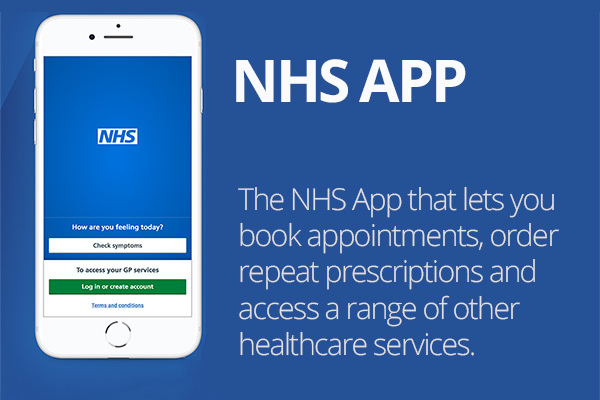
Finally, NHS England flagged an exciting development in the NHS App. A pilot project is underway to enable carers info their app records directly, making proxy access much easier. At present, carers often have to navigate GP paperwork to gain such access, which is time-consuming and frustrating. She acknowledged she had only seen early details but thought it was a very promising change, particularly given the challenges carers face with digital access.
See link below for more details.
Universal Care Plan Integration Updates
A Carer expressed appreciation for the positive endorsement of the toolkit, despite local challenges, and raised questions about the upcoming event on the Carers Contingency Plan and digital approaches, as well as the integration of the toolkit with primary care and connectivity. The NHS England representive confirmed that the event would be open to all, shared updates on digital join-ups, and mentioned the link between the Universal Care Plan and the NHS app, which is expected to allow carers to manage their own plans soon. I then clarified the current status and future plans for the Universal Care Plan and NHS app integration.
Supporting Carers in Hospital Discharge
The project aims to support unpaid carers during hospital discharge in Southeast London by co-designing a standard operating procedure for hospital practitioners. Hanyi introduced herself as representing The PSE, a company commissioned by a consortium of six Southeast London local authorities (Bexley, Bromley, Lambeth, Lewisham, Greenwich, and Southwark). Their project is funded under the Accelerated Reform Fund and is focused on supporting unpaid carers during hospital discharge.
The PSE project in Southeast London is working with three acute hospital trusts – University Hospital Lewisham, King’s College Hospital, and Princess Royal University Hospital in Bromley – chosen because they serve very diverse local populations and care contexts, making them ideal pilot sites to test and refine a standard operating procedure for identifying and supporting carers during discharge.
Matthew McKenzie, who facilitates the carers discharge group and regularly engages with carers at hospitals such as St George’s, was included in the project to bring his on-the-ground experience of listening to carers and to help ensure their voices shape both the design and delivery of the initiative
She explained that the main aim of the project is to help identify carers as early as possible during hospital discharge, especially in acute hospital settings. This includes working with practitioners to ensure they know how to recognise carers, how to communicate effectively with them, and how to provide the right support and information. The ambition is not to overhaul entire hospital systems immediately but instead to pilot a standard operating procedure (SOP) for practitioners. This SOP will then be tested across Southeast London acute hospitals to establish what works well and what could be scaled up.

Hanyi stressed that the project is being co-designed with practitioners to ensure it is practical and aligned with frontline realities. The approach is deliberately step-by-step: starting with pilots, collecting learning, and refining processes before pushing for wider adoption. She highlighted the importance of carers being included early in the discharge process so they are not left unsupported or unaware of their role until after a patient is sent home.
She also noted that while PSE is coordinating at a strategic level, local carers’ organisations and frontline workers are vital in shaping and delivering support. Their experiences help ground the project in the real challenges carers face, ensuring the SOP reflects lived experience as well as professional input. Hanyi closed by inviting questions and feedback, emphasising that the goal is to improve consistency of practice across Southeast London so that carers feel more recognised, supported, and included during hospital discharge
Standardizing Carer Support in Hospitals
Carolyn and Hanyi discussed a project aimed at improving support for unpaid carers in hospitals, with a focus on developing a standardized operating procedure (SOP) for hospital practitioners. Hanyi explained that while the project is still in progress and cannot share final results yet, they plan to disseminate information widely once complete, including to local carer organizations. They addressed concerns about diversity across different neighborhoods in Southeast London, noting that while a standardized approach is needed, local variations will be considered through a foundation SOP that can be tailored by practitioners. Hanyi also clarified that while the project focuses on carer identification at hospital admission, broader system improvements are being pursued through engagement with groups like the Southeast London Discharge Improvement Group.
Carers Policy and Training Updates
Wendy, the Group Head of Patient Experience for St George’s, Epsom and St Helier hospital group, explained that carers are one of seven areas within her portfolio. She described the recent progress made in embedding the Hospital Discharge Toolkit into practice across her hospitals. At St George’s, an operational group had previously been set up to implement the toolkit; this has now matured into a Carers Steering Group, providing strategic oversight and ensuring the work is sustained. Wendy said she was excited about this development as it mirrors the structures already in place at Epsom and St Helier, showing that the toolkit is becoming part of “business as usual”.

She highlighted three main areas of focus: strategic awareness, everyday practice, and education/training. To raise awareness, her small team has been running virtual carers training sessions twice weekly for staff, alongside bespoke training for specific teams. Recognising the pressure of the coming winter and resource constraints, they recently launched a new initiative: taking short, ward-based training sessions directly into hospital departments. This approach has generated significant demand, with teams across pre-assessment units, discharge services, and wards requesting sessions. Wendy said while it has been challenging to keep up with the requests, it shows strong engagement and growing recognition of carers’ needs.
Wendy also shared exciting progress on a Carers Charter, which was co-designed with carers and has now been endorsed by the hospital group’s quality board. With the support of the new Group Chief Nurse, the team is working to secure full board endorsement, embedding the charter at the highest organisational level. She explained that the next step is to integrate carers’ priorities into the hospital’s accreditation programme monthly ward inspections and audits, which would make carers’ needs a core measure of hospital quality and safety. For Wendy, this represents a breakthrough, ensuring carers’ issues are not seen as add-ons but part of routine hospital practice.

Finally, Wendy noted the importance of measuring impact on carers themselves. Alongside the charter, her team is co-designing a carers survey to track whether carers are being identified, involved in admissions and discharge, and linked to local support services. She emphasised that while progress is being made, embedding change across such a large hospital group remains challenging, but the developments around the steering group, training, and charter are strong signs that carers’ needs are increasingly embedded in everyday hospital culture
Carer Support Initiatives Update
Richmond Borough Mind – Karen Ali explained that her service supports carers of people with mental health issues in Richmond. Her update highlighted the ongoing work of her team in providing specialist mental health carer support, and she indicated she would follow up with additional details for myself by email.
Richmond Carers Centre – Updated on the centre’s work supporting unpaid carers across the borough. They run projects for both adult carers and young carers, with a particular emphasis on young adult carers. Their role is to provide direct support, peer connection, and signposting for carers in Richmond
Kingston Carers Network – Described their focus on unpaid carers in Kingston. When she started her role, she worked directly with Kingston Hospital to support carers during the discharge process, ensuring that people unexpectedly becoming carers after a hospital stay were not left without guidance or resources.
Sutton Carers Centre – reported that Sutton Carers Centre supports young and adult carers across the borough. Their work includes hospital outreach projects designed to engage carers directly in healthcare settings and provide information, advice, and advocacy at the point of need.
Carers Hub Lambeth – Updated how they supports unpaid carers from the age of five upwards.

They also have two hospital carers leads based at King’s College Hospital and Guy’s and St Thomas’ Hospital, who specifically help unpaid carers through the discharge process. She noted the hub had recently welcomed new staff and continues to strengthen its hospital-focused work.
Lewisham Carers (Imago) – Paulette, the service manager, joined on behalf of Imago, which supports unpaid carers in Lewisham. Her contribution emphasised the importance of sharing learning from other carer centres and building connections with hospital discharge teams to improve practice locally
Carer Support Initiatives Update
Since the next meeting was after “Carers Rights Day”, we also touched on preparations for Carers Rights Day, which was scheduled for Thursday 21st November. Wendy explained that her hospital group (St George’s, Epsom, and St Helier) was already linking with local carer support centres in Wandsworth, Merton, and other areas to run stalls and stands across hospital sites. The aim was to engage patients, staff, and carers directly, raise awareness of carers’ rights, and promote available support.
There was enthusiasm across the group about sharing information widely so carers and professionals alike could benefit. The tone of the updates showed that Carers Rights Day was seen as a valuable annual opportunity to spotlight carers’ needs, strengthen links between hospitals and carer centres, and encourage carers to access entitlements and support they might otherwise miss
 A Caring Mind