Tag Archives: lewisham carers

Hospital Carer Discharge Meeting – May Update 2026

By Matthew McKenzie – Chair of the Carers Hospital Discharge group

Hospital discharge remains one of the most critical and stressful moments for unpaid carers, patients and healthcare professionals alike. During the recent Carers Hospital Discharge Group meeting held in May 2026, professionals, carers, NHS leaders, hospital representatives and community organisations came together to discuss major developments affecting carers across London and beyond.

The Carers Hospital Discharge meeting runs every 2 months and for the month of May we discussed improving hospital discharge processes, strengthening carer identification, digital inclusion, community support and the growing role of technology in healthcare planning.

The blog update is for those unable to attend, here is a summary of the key discussions, presentations, questions and responses shared during the session.


Universal Care Plan Expansion Through the NHS App

One of the biggest updates came from NHS England, who shared exciting news about the expansion of the Universal Care Plan (UCP).

The new development allows patients and members of the public to begin creating their own Universal Care Plans directly through the NHS App. Previously, only clinicians could initiate many aspects of these plans.

NHS England explained that editable sections now include areas such as:

  • “What matters to me”
  • Communication preferences
  • Care and contingency plans
  • Personal support needs

Clinical sections, however, remain under healthcare professional control.

Updates described the project as a major milestone after years of discussion about allowing people greater control over their own care information.

Question from attendee:

“Will carers be able to input on behalf of their cared-for person?”

response from presenter:

At present, carers cannot directly complete plans on behalf of another person due to safeguarding and proxy access concerns. However, carers can still complete their own care contingency plans within the system.

It was explained that this means if a carer suddenly becomes unable to provide care, emergency services and healthcare providers would be alerted that a contingency plan exists.

They also noted that community organisations could potentially support individuals with completing plans, provided appropriate governance and data security arrangements are in place.

The discussion highlighted both the opportunities and challenges of balancing digital access with safeguarding responsibilities

*****

For more developments on the Universal Care PLan, I have provided the link below of the recent Webinar

UCP Webinar: Supporting Patient Editable Access to the Universal Care Plan – Guidance for Professionals (May 2026)
https://vimeo.com/1190395114/37af950076?share=copy&fl=sv&fe=ci


New Research on Social Networks and Healthcare Support

Matthew McKenzie introduced an emerging research project led by Queen Mary University of London alongside several major universities including Harvard, Oxford and Warwick.

The project aims to explore how patients’ social support networks influence health outcomes, hospital admissions and long-term wellbeing.

Researchers are developing tools to map patients’ support systems, including:

  • Family carers
  • Friends
  • Peer groups
  • Community support
  • Online social networks

The project seeks to better understand how strong support systems can improve self-management and reduce avoidable hospital admissions.

Matthew explained that researchers are particularly interested in understanding:

  • Whether support network mapping would feel helpful or intrusive
  • How carers should be recognised within healthcare systems
  • How cultural differences affect support networks
  • What safeguards around privacy and consent are needed

The proposal sparked interest among attendees because it reflects a wider NHS shift toward community-based care and prevention.

NHS England connected the project to wider work around “family group conferencing,” where whole-family approaches are used to plan care and support more collaboratively.


NHS England’s Urgent and Emergency Care Strategy 2025/26

A major section of the meeting focused on NHS England’s emerging Urgent and Emergency Care (UEC) Strategy.

Matthew presented some notes on NHS England UEC outlining plans to:

  • Reduce avoidable hospital admissions
  • Deliver more care within communities
  • Expand digital healthcare access
  • Improve hospital discharge pathways
  • Strengthen operational efficiency

Key proposals included:

  • AI-enabled triage systems
  • NHS App navigation tools
  • Digitally coordinated urgent care
  • Expanded community-based treatment
  • Greater use of early intervention models

However, the discussion quickly moved toward the potential risks associated with rapid digital transformation.

Participants concerns:

Representatives covering Hospitals, raised important concerns about how discharge pressures could negatively affect carers.:

“If somebody urgently needs that hospital bed, the pressure becomes getting people discharged quickly. That may not always leave enough time to identify carers properly.”

They stressed that carer identification should happen throughout the patient journey not only during discharge.

They highlighted opportunities for identification during:

  • Outpatient appointments
  • Pre-assessment clinics
  • Routine hospital interactions

Concerns About Digital Poverty

Another major concern involved digital exclusion.

Participants warned that:

  • Older people
  • People with dementia
  • Individuals without smartphones
  • People facing poverty
  • Non-English speakers
  • Neurodivergent individuals

could all struggle if urgent care becomes too dependent on digital systems.

It was mentioned that meeting carers who still rely entirely on phone calls rather than online platforms and stressed the need for alternative accessible routes into care.

Others agreed and referenced an Equality Impact Assessment linked to the NHS 10-Year Plan, which explores risks around digital inequality and vulnerable groups being left behind.

Equalities Impact Assessment – 10 Year Health Plan for England
https://www.gov.uk/government/publications/equalities-impact-assessment-10-year-health-plan-for-england/equalities-impact-assessment-10-year-health-plan-for-england

You can find out more about the UEC below

https://www.england.nhs.uk/publication/urgent-and-emergency-care-plan-2025-26


Carers Week Preparations Across London and Beyond

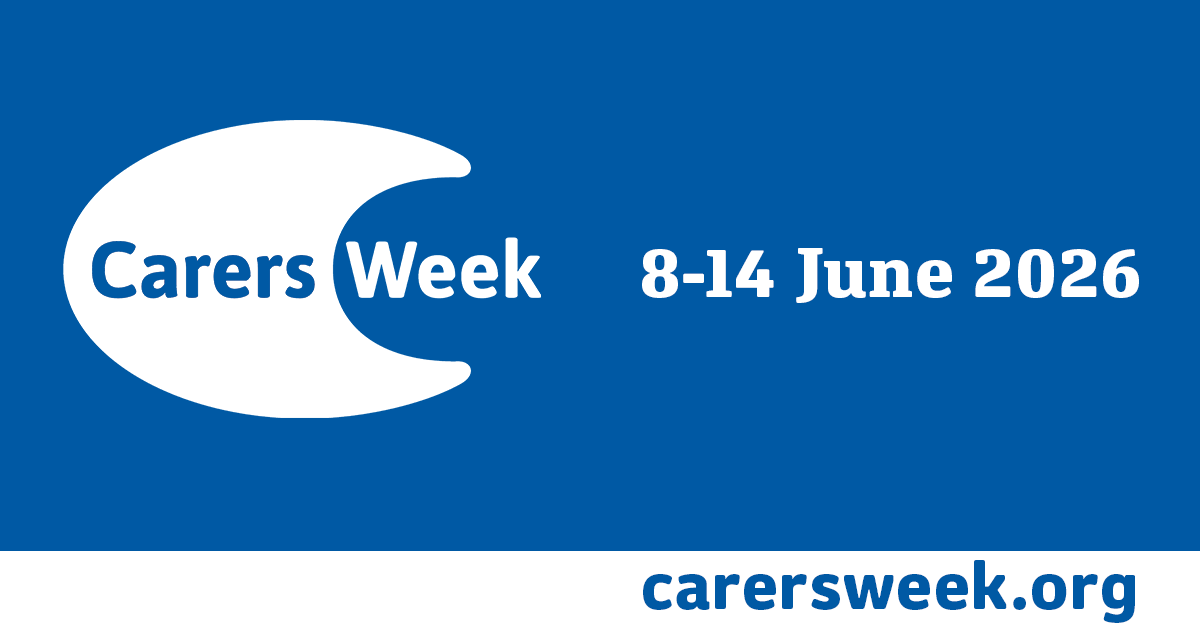
Many organisations shared updates on activities planned for Carers Week 2026

NHS England

NHS England Carers Week 2026 – ‘Building Carer Friendly Communities’

https://www.events.england.nhs.uk/nhs-england-carers-week-2026-building-carer-friendly-communities

Kingston Carers Network

KCNshared plans for:

  • Benefits advice sessions
  • Afternoon tea events
  • Mental health awareness activities
  • Community picnics
  • Outreach work with carers across Kingston

A major highlight will be the attendance of Sir Ed Davey, who is himself a well-known advocate for unpaid carers due to his own lived experience caring for family members. His involvement is expected to help raise awareness of the challenges carers face daily.

KCN also spoke about Kingston Carers Network’s ongoing efforts to strengthen links with Kingston Hospital. The organisation already receives referrals through the hospital’s carers liaison department, helping unpaid carers access emotional support, information and practical guidance following hospital admissions or discharge.

However, KCN is now trying to expand its presence inside the hospital itself through more direct face-to-face outreach work. Plans are being discussed to establish regular information stands within hospital settings so carers can receive support earlier and more proactively.

KCN explained that while these conversations are progressing, coordinating regular in-hospital outreach remains challenging due to logistical pressures and scheduling issues. Despite this, the organisation continues to work closely with hospital teams to improve visibility and engagement with carers.

Beyond hospital settings, Kingston Carers Network continues to deliver several outreach programmes throughout the borough. Staff regularly attend local groups, community spaces and events to identify carers who may not realise support is available to them.

North Central London Carers Support Project

Eleanor updated the group on work taking place across:

  • Barnet
  • Camden
  • Enfield
  • Haringey
  • Islington

The project works in partnership with multiple NHS trusts and carers organisations across North Central London with the aim of creating a more consistent and coordinated approach to identifying and supporting unpaid carers.

At the centre of the programme is the development of a standard operating procedure for carers within hospitals and healthcare settings. The goal is to ensure carers are recognised earlier, referred more efficiently and supported more consistently regardless of which hospital or borough they engage with.

One of the project’s biggest developments has been the creation of a dedicated carers referral website. Eleanor explained that the system is designed to simplify the referral process for healthcare professionals. When a referral is submitted through the portal, the system automatically directs the carer to the appropriate local carers organisation based on their postcode.

The intention is to remove confusion for hospital staff while helping carers access support much faster.

Eleanor described the project as an effort to make support pathways:

  • Easier for professionals to navigate
  • More accessible for carers
  • Better integrated across borough boundaries
  • Less dependent on individual staff knowledge

A major focus of the project continues to be embedding carer awareness into everyday hospital practice.

Carer Awareness Training Expanding Across Hospitals

The team has made significant progress with carer awareness training sessions delivered across several NHS trusts.

Regular drop-in training sessions are now taking place with:

  • The Whittington Trust
  • The Royal Free
  • North London Mental Health Trust services

Eleanor shared that attendance at some sessions has now exceeded 40 healthcare staff members, which she described as a major success.

The training focuses on:

  • Identifying unpaid carers earlier
  • Understanding carers’ rights and needs
  • Improving referral pathways
  • Increasing staff confidence when supporting carers
  • Embedding carer recognition into routine clinical practice

Importantly, the project measures the effectiveness of these sessions using confidence ratings before and after training. Eleanor reported that most staff attending show at least a one- or two-level increase in confidence around identifying and supporting carers after participating.

North Central London’s Focus on Carers Week and Community Engagement

Preparations for Carers Week are also a major priority for the project.

The team plans to host information stalls and awareness events at several hospitals including:

  • The Whittington Hospital
  • University College London Hospital (UCLH)
  • Barnet Hospital

These events aim to:

  • Raise awareness of unpaid carers
  • Promote available support services
  • Encourage hospital staff to make referrals
  • Help carers connect with local organisations

Lewisham Council Developments

Updates from Lewisham was on the ongoing work taking place across Lewisham to improve support for unpaid carers, particularly through closer collaboration between hospitals, carers organisations and local commissioners.

A major development has been Lewisham Hospital’s involvement in the South East London pilot programme focused on creating a standard operating procedure for carers across NHS trusts. The pilot aims to improve consistency in how carers are identified, supported and referred within hospital settings.

It was explained that Lewisham Hospital has been working closely with Imago, the borough’s commissioned carers support provider, to strengthen partnerships with hospital nursing teams and improve awareness of carers across wards and services.

Particular emphasis is now being placed on:

  • Increasing carer awareness training
  • Improving communication between services
  • Embedding carer identification into routine hospital practice
  • Strengthening links between healthcare and community support

Inspired by discussions during the meeting, it was also highlighted plans to explore integrating carer identification into regular auditing and review processes within hospital settings similar to initiatives already underway in other trusts.

Redesigning Lewisham’s Future Carers Service

One of the most significant updates involved the redesign of Lewisham’s carers support service model.

They shared that the current commissioned contract for carers services is due to end in January 2027, and work is already underway to shape the next phase of support provision.

Importantly, unpaid carers themselves are playing a central role in developing the new model.

A series of co-production sessions has been held with carers across the borough to ensure their lived experiences directly influence future service design. These discussions are helping shape priorities around:

  • Access to support
  • Communication with carers
  • Outreach and identification
  • Emotional wellbeing services
  • Practical support needs
  • Hospital discharge experiences

The borough hopes to move into procurement for the redesigned service later this year.

Carers Hub Lambeth

Carers Hub Lambeth shared an update on the organisation’s ongoing work supporting unpaid carers across King’s College Hospital and Guy’s and St Thomas’ NHS Foundation Trusts.

Although the current hospital carers project funding has been extended for an additional six months, Jen explained that the programme is now approaching its final phase, with funding currently due to end in September 2026.

As a result, the team’s main focus is now on ensuring hospitals become as self-sufficient as possible in identifying and supporting carers once the dedicated project ends.

Expanding Carer Awareness Training

A major priority for Lambeth Carers Hub is expanding carer awareness training for healthcare professionals.

It was explained that the organisation has:

  • Increased training sessions from once to twice monthly
  • Begun arranging bespoke sessions with individual hospital teams
  • Expanded engagement with primary care networks
  • Updated training materials to address barriers to carer identification

The training aims to help healthcare staff:

  • Recognise unpaid carers earlier
  • Understand carers’ support needs
  • Improve referral pathways
  • Build confidence in conversations with carers
  • Embed carers into routine healthcare practice

Carers Hub Lambeth acknowledged that while training sessions often generate an immediate increase in referrals, maintaining long-term momentum remains challenging.

It was mentioned that a familiar pattern where professionals attend training, referrals increase temporarily, and then gradually reduce again as competing clinical pressures take over.

Because of this, the organisation is now trying to better understand:

  • Why carers continue to be missed
  • What barriers staff face in identifying carers
  • How carer awareness can become part of everyday practice rather than an additional task

This reflects a wider challenge discussed throughout the meeting — ensuring carer support becomes embedded within healthcare systems rather than dependent on individual staff enthusiasm.


Embedding Carer Recognition Into Everyday Hospital Practice

One of the most practical discussions came from GESH update on integrating carers into routine hospital auditing processes.

St George’s and Epsom and St Helier Hospitals are now:

  • Adding carer identification questions into ward audits
  • Including carers within routine quality checks
  • Training volunteers to identify carers on wards
  • Embedding carers into “business as usual” practice

Wendy also spoke extensively about the NHS “Reasonable Adjustments Digital Flag,” a major NHS initiative designed to ensure patients’ accessibility needs are recognised across services.

The system aims to help hospitals and GP services better identify:

  • Communication needs
  • Disabilities
  • Neurodivergence
  • Mental health conditions
  • Carer-related support needs

The long-term goal is for healthcare systems to automatically recognise and share reasonable adjustment requirements across services.


Final Reflections

The meeting demonstrated both optimism and concern about the future direction of health and social care.

There was strong agreement that:

  • Community-based care is necessary
  • Earlier intervention can prevent hospital admissions
  • Carers must be identified earlier
  • Digital systems offer opportunities

However, participants repeatedly stressed that healthcare transformation must not leave vulnerable people behind.

Carers remain central to safe discharge, patient wellbeing and long-term community support. As NHS services increasingly move toward digital and community-led models, ensuring carers are recognised, supported and included will remain critical.

The next Carers Hospital Discharge Group meeting is expected to take place in July 2026.

Shaping the Future of Support for Unpaid Carers in Lewisham

By Matthew McKenzie FRSA BEM – Triangle of Care community chair

As a carer living in Lewisham, I know just how important it is that our voices are heard and that the support available truly meets our needs. Whether we’re looking after a parent, a partner, a child, or a friend, we all share the same challenges balancing care responsibilities, work, our own wellbeing, and often feeling invisible in the process.

That’s why I wanted to share something that directly affects all of us. Lewisham Council and the NHS South East London ICB are currently developing a new Action Plan for Unpaid Carers (2025–2028). This plan will set out how the Council aims to identify, value, and support more carers over the next few years.

The team leading this work, including a new member who recently joined the Adults Integrated Commissioning Team, is reaching out to carers across the borough to get our feedback.

Continue reading

Lewisham, Southwark & Lambeth carer forum update September 2025

By Matthew McKenzie – Carer activist and facilitator of the group

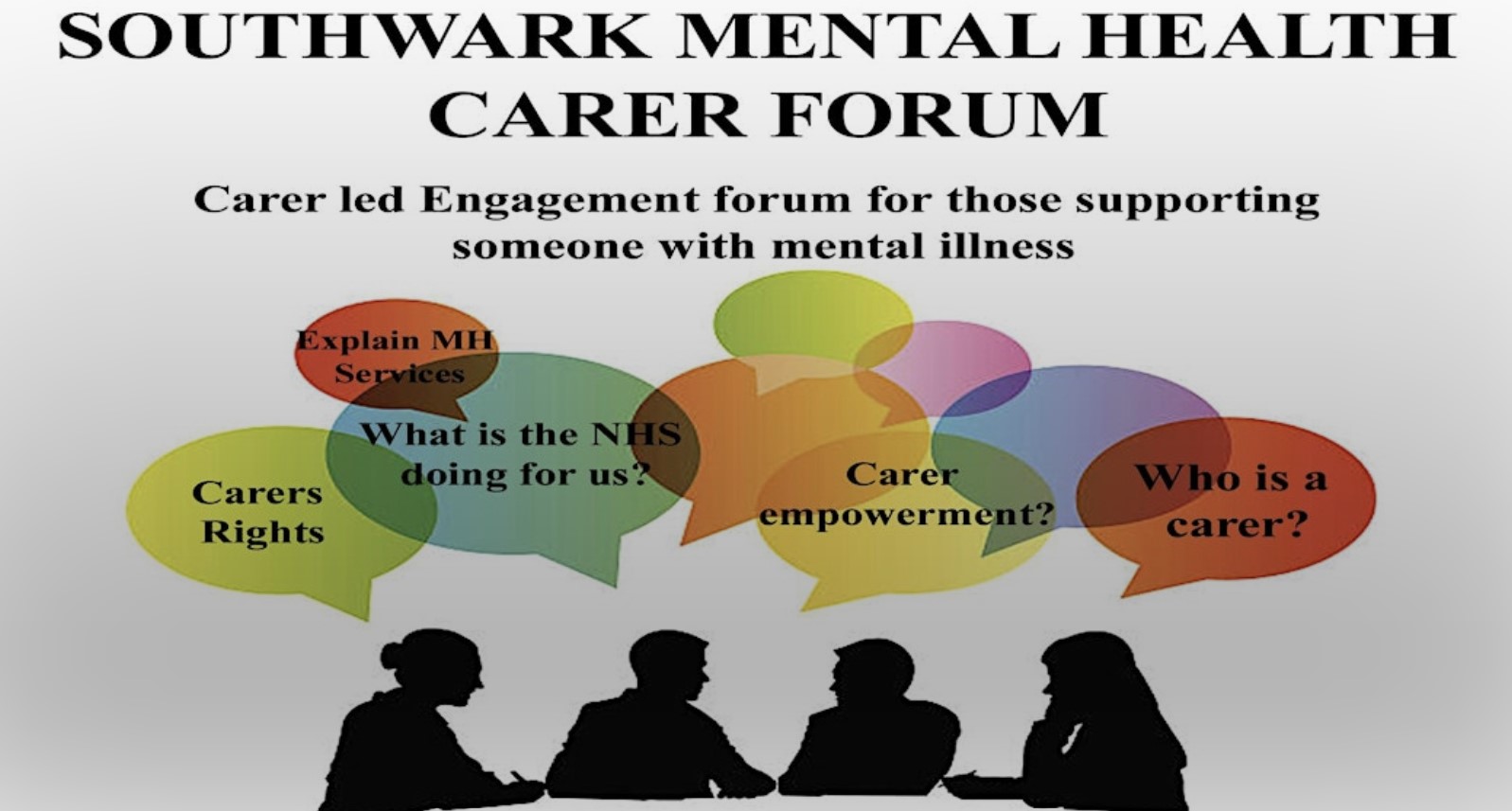
The group is a community of carers in Lambeth, Southwark and Lewisham that exists to provide support, advocacy, and connection for people looking after loved ones living with mental illness. It brings together unpaid carers of all ages and backgrounds to share experiences, learn from one another, and build confidence in dealing with health and social care professionals. A core part of its mission is reducing isolation by creating a safe space where carers can speak openly, develop skills, and access practical resources like advocacy services.

The meeting began with introductions and updates from various participants, including myselff where I discussed work with London Hospitals and the NHS app, while other carers introduced themselves to the group. In attendance was Tama from PohWer presented information about carer complaints and support services across different regions, including discussions about the potential impact of Healthwatch’s dissolution on patient and carer support services.

Continue reading

Hospital Carers Discharge toolkit Meeting Update September 2025

By Matthew McKenzie – Carer activist

London Carer Organizations Network Update

The meeting focused on introductions and updates from various organizations supporting unpaid carers across London. Matthew McKenzie facilitated the session, introducing participants from different boroughs and organizations, including

  • NHS England
  • Healthwatch (local advisory committee involvement)
  • North Central London Carer Support Project (covering Barnet, Haringey, Camden, Enfield, and Islington)
  • The PSE (supporting South East London local authorities: Bexley, Bromley, Lambeth, Lewisham, Greenwich, and Southwark)
  • Richmond Borough Mind
  • Richmond Carers Centre
  • Kingston Carers Network
  • St George’s, Epsom and St Helier Hospital Group
  • Sutton Carers Centre
  • Carers Hub Lambeth (supporting unpaid carers, with hospital carers leads at King’s College Hospital and Guy’s & St Thomas’ Hospital)
  • Lewisham carers services (Imargo service manager)

Apologies from

Bromley Wells
Bexley Carers Support
Greenwich Carers
Ealing Carers Partnership
Tower Hamlets Carers Centre

NHS England updates including Universal Care Plan Updates

A representative from NHS England highlighted good news about the Hospital Discharge Toolkit, which had been originally developed in London by Debbie Hustings. The toolkit has already been adopted across much of southwest London with strong results. Recently, all NHS regions were asked to contribute work on hospital discharge, focusing particularly on carers’ experiences. When this went up to the Executive Quality Board at the national level, the London toolkit received recognition. The recommendation that came back was that all regions should develop something similar they could adopt London’s version directly or tailor one for their own needs. The representative stressed that this kind of recognition is significant because it helps the toolkit be taken more seriously and provides momentum for further rollout

Continue reading

Lewisham, Southwark & Lambeth carer forum update August 2025

The meeting facilitated by Matthew McKenzie began with introductions from participants and updates on various carer support initiatives, including forum mergers and NHS plan changes.

Local council strategies and initiatives were discussed across different boroughs, with particular focus on Lambeth and Southwark’s carer support plans and the development of a carer’s forum in Lewisham. The group explored challenges faced by carers, including access to primary care and the need for better coordination, while discussing recent conferences and upcoming events aimed at supporting and advocating for carers’ rights.

Lewisham Carers Strategy and Service Updates

Lewisham is currently refreshing its Carers Strategy to strengthen support for unpaid carers and improve access to local services. The focus is on ensuring carers are included in decision-making through co-production and collaboration with the council, health providers, and community organisations. A major priority is improving well-being services, providing better information, and ensuring carers know their rights under the Carers Leave Act.

As part of wider NHS reforms, Lewisham is moving towards a neighbourhood-based care model designed to bring services closer to local communities. While this aims to make access more seamless, carers raised concerns about inconsistent GP access, gaps in communication, and challenges navigating between boroughs when supporting loved ones. The forum highlighted the importance of better coordination between primary care, hospital discharge planning, and mental health services to ensure carers are recognised and supported.

Lambeth Carers Strategy Refresh

Lambeth is currently refreshing its Carers Strategy with the aim of improving services, increasing visibility, and ensuring carers have a stronger voice in decision-making. The updated strategy focuses on key priorities such as well-being, access to assessments, respite options, and workforce training for those supporting unpaid carers.

There was a particular focus on improving support for mental health carers in Lambeth. The Carers Hub Lambeth team continues to facilitate peer support groups and collaborates closely with the South London and Maudsley NHS Foundation Trust to ensure carers are recognised as partners in care planning. Initiatives like Triangle of Care are gaining momentum, emphasising better communication between professionals and families while creating pathways for carers to get involved in shaping local mental health services.

Carers Hub Lambeth also celebrated the growing range of community-based activities available for carers and families in Lambeth. Over the summer, there have been several events designed to support young carers, including trips, tours, and group workshops aimed at helping them connect with others and access emotional support. These initiatives are part of Lambeth’s broader goal to make sure younger carers, who are often overlooked, receive the help they need both at home and within education.

One of the key upcoming events for Lambeth carers is the Lambeth Carers Strategy Event taking place on 25th September 2025 at 336 Brixton Road. The session will bring together carers, professionals, and decision-makers to review plans, share ideas, and set priorities for the future. Carers are strongly encouraged to attend to ensure their voices are heard and to take part in shaping the borough’s action plans moving forward.

Southwark Council Carers Support and Strategy Group

Matthew fed back on how Southwark Council continues to strengthen its approach to supporting unpaid carers, with a growing emphasis on improving access to information, assessments, and respite services.

The Unpaid Carers Strategy Refresh is a project running from August 2025 to April 2026, led by Southwark Council in collaboration with Adult Social Care, the NHS, local voluntary groups, and unpaid carers themselves. The plan focuses on improving support for carers by updating evidence on local needs, strengthening engagement with seldom-heard groups, and mapping gaps in current services.

Key priorities include better access to respite care, enhanced referral pathways, stronger partnerships with health services, and improved inclusion of young carers, carers with disabilities, and LGBTQ+ carers. The initial phase, from August to October, involves reviewing existing strategies, mapping current services, gathering insights through focus groups and surveys, and benchmarking against national policies and neighbouring boroughs.

The forum highlighted the importance of co-production, ensuring that carers are actively involved in shaping local strategies and service priorities.

Update on Key Themes from the final NHS England Carers Conference

Matthew highlighted that the 2025 NHS England carers conference placed a strong emphasis on recognising unpaid carers as essential partners in delivering effective healthcare. The NHS stressed its commitment to involving carers in shaping services and policies, ensuring their voices are reflected at every stage of decision-making. There was a clear acknowledgement that without unpaid carers, many health and social care systems would face significant pressure.

You can watch the conference below.

A major focus was on the NHS’s shift towards neighbourhood-based care models designed to bring services closer to communities. Matthew explained that this change aims to improve coordination between GPs, hospitals, and mental health services, but he also highlighted concerns raised about fragmented communication and the risk of carers being left out of local planning. Carers at the conference called for better access to information and more joined-up pathways across boroughs.

The conference also featured interactive workshops and discussion groups focused on co-production, digital innovations, and addressing inequalities among carers. Specific sessions explored improving support for young carers, carers from minority backgrounds, and those supporting loved ones with mental health needs. The event closed with a call to action for stronger collaboration between carers, NHS teams, local authorities, and community organisations. Attendees were encouraged to get involved in upcoming forums and engagement opportunities to help shape future services and ensure carers’ voices are at the heart of decision-making.

Matthew shared updates on national policy developments discussed at the conference, including the Carers Leave Act and commitments to expanding access to respite, assessments, and flexible working rights. There was also a discussion about new digital tools and support platforms designed to make it easier for carers to connect with professionals and access resources. However, many attendees expressed concerns that these initiatives need proper funding and training to work effectively in practice.

Lewisham, Southwark & Lambeth Mental Health carer forum – July 2025 update

By Matthew McKenzie

LLS Carers Forum – July Update: Voices, Concerns & Community Strength

Welcome to the July update for the Lewisham, Lambeth, and Southwark Mental Health Carers Forum. This month’s meeting, chaired by Matthew McKenzie, provided space for powerful updates, critical reflections, and a sobering insight into national developments affecting carer support.

🔸 Growing the Carers Voice

Our forum continues to evolve, bringing together unpaid carers from across boroughs. It remains a space for empowerment, where carers can speak openly, challenge services, and influence support structures. Several attendees introduced themselves and reflected on their caring roles, often crossing borough boundaries and facing ongoing questions about their own place in the system.

🔸 Spotlight: Healthwatch Update

One of the major concerns raised was the planned abolition of Healthwatch England and its local branches, which is a development that has deeply unsettled many in our community.

Anna from Healthwatch Lambeth joined us (on her day off—thank you, Anne!) to explain what’s happening:

  • Healthwatch functions—listening to service users, signposting, and enter-and-view visits, which are set to be absorbed by local authorities and ICBs.
  • As a statutory body, Healthwatch cannot be dissolved without legislation, so operations continue for now.
  • Carers voiced serious concerns over the loss of Healthwatch’s independence and trust, especially as a safe channel for feedback.

Anne reminded us: Healthwatch is still active and listening. A final report on black men’s experiences in Lambeth mental health services is due by mid-August.

🔸 Key Questions Raised

  • How will services preserve independent feedback mechanisms once Healthwatch is gone?
  • What accountability structures will replace them?
  • What are the implications of the broader wave of health service body consolidations?

🔸 Updates from the Ground

We also heard from other carer members:

  • A carer from Lewisham shared feedback she submitted to the Lewisham Unpaid Carers Forum regarding carer engagement, with little response so far unfortunately highlighting an all-too-common issue.
  • Other Carers reflected on Lambeth’s carer engagement structures, noting some decline in carer-led decision-making over the years.
  • Another Carer emphasized the importance of real, consistent carer champions within NHS teams particularly in mental health crisis services.

🔸 Carers Forum Reflections

Matthew provided a helpful comparison between Lewisham and Lambeth carer engagement models. While Lewisham has a formal Unpaid Carers Forum, its independence is limited. Lambeth’s model leans more on the collaborative network and carer support groups. Both boroughs face challenges in consistency, clarity, and co-production.

A concern raised repeatedly: carer champions are often named but rarely visible and sometimes, not even known by their own teams.

📅 Next Forum: August 25 or 26

Due to the bank holiday, the next forum will likely be held on August 26. We’ll aim to have a guest speaker and will explore new ways for carers to hold services to account especially in light of the potential Healthwatch closure.


If you’d like to contribute to future discussions or attend the next forum, please reach out. This is your space.

📣 Let’s continue to speak up, stand together, and push for better mental health support for all carers.

Lewisham, Southwark & Lambeth Mental Health carer forum – June 2025 update

About the Forum:
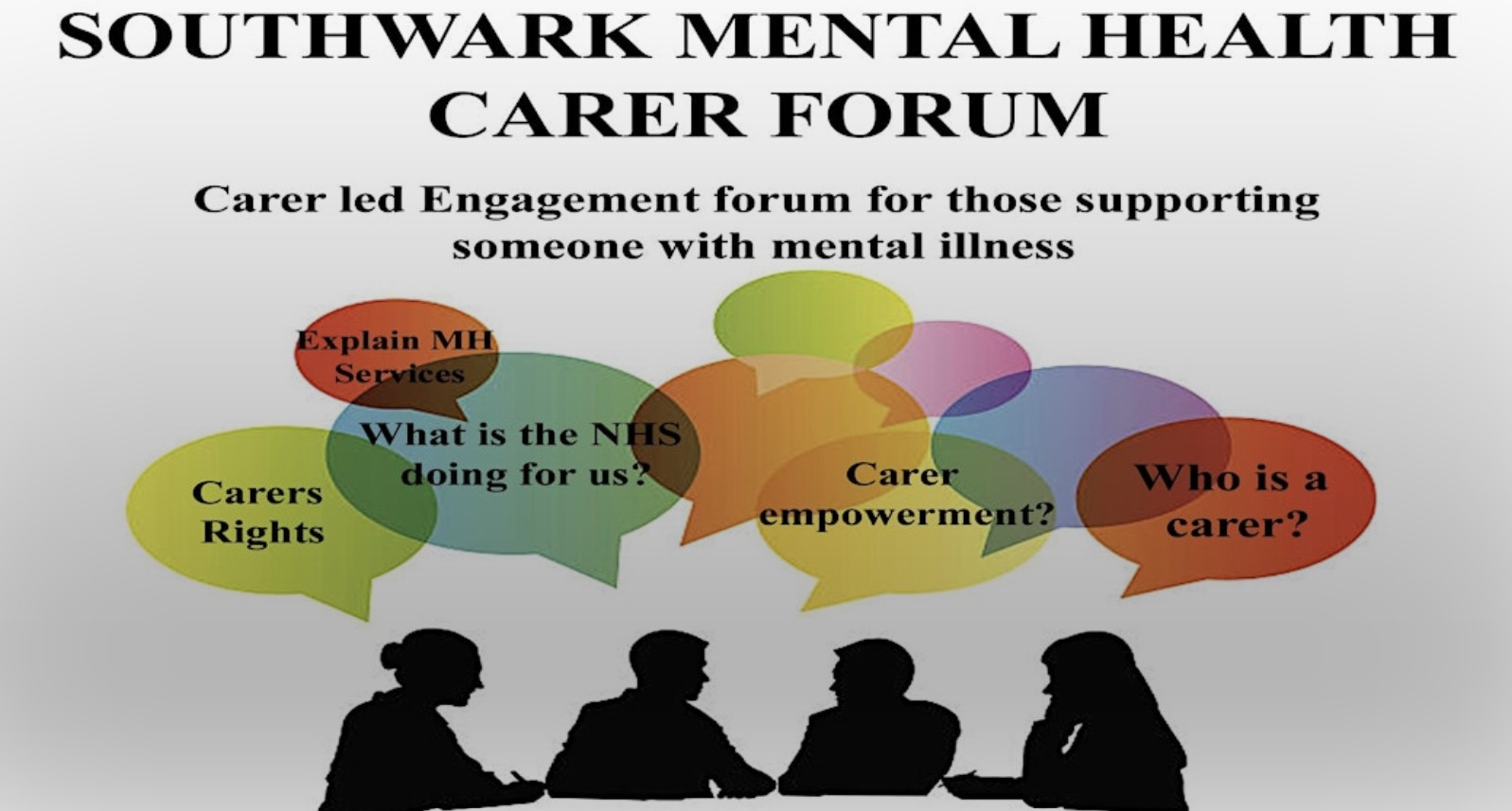
The Lewisham, Lambeth & Southwark Carers Forum is a collaborative online space that brings together unpaid carers, carer leads, mental health professionals, and support organizations to share experiences, raise concerns, and influence change. Focused primarily on mental health caregiving, the forum serves as a platform for peer support, policy updates, training insights, and service development. Led by carer advocate Matthew McKenzie, the group fosters empowerment through regular discussions, creative expression, and co-produced solutions, ensuring carers’ voices are heard across local systems and beyond.

Carers Week Collaboration Discussion

The meeting began with introductions from Matthew McKenzie, who leads a merged online carers group, and other participants including Yvonne, a carers navigator at Southwark Carers, and Margaret, a carer representative with the Royal College of Psychiatrists. The group discussed Carers Week activities and their various roles in supporting carers across different organizations. Karen Hooper, connected with the Lambeth Living Well Collaborative, while Lee Roach, the carers lead for South London & Maudsley in Lambeth, shared his involvement with the Trustwide Family and Carers Committee.

Continue reading

Lewisham Mental Health Carers forum January 2021

Welcome to the first update of the first carer forum for January. These carer forums are aimed at those caring for someone with mental illness. The forums provided engagement from mental health services to educate and involve carers regarding services provided.

Carers can also network together and slowly build up empowerment. For the month of January we had Lewisham health commissioner Natalie Sutherland talk about the following.

  • Her role at the Clinical Commissioning Group
  • Why the CCGs merged
  • Their focus on mental health
  • Pressures on the health system due to corona virus
  • Initiatives for families and carers.

Also in attendance were carer members from Lewisham and some from other areas interested in mental health services. We also had a few researchers from universities wanted to speak to carers about their research.

Continue reading

Lewisham MH Carers forum September 2018 update

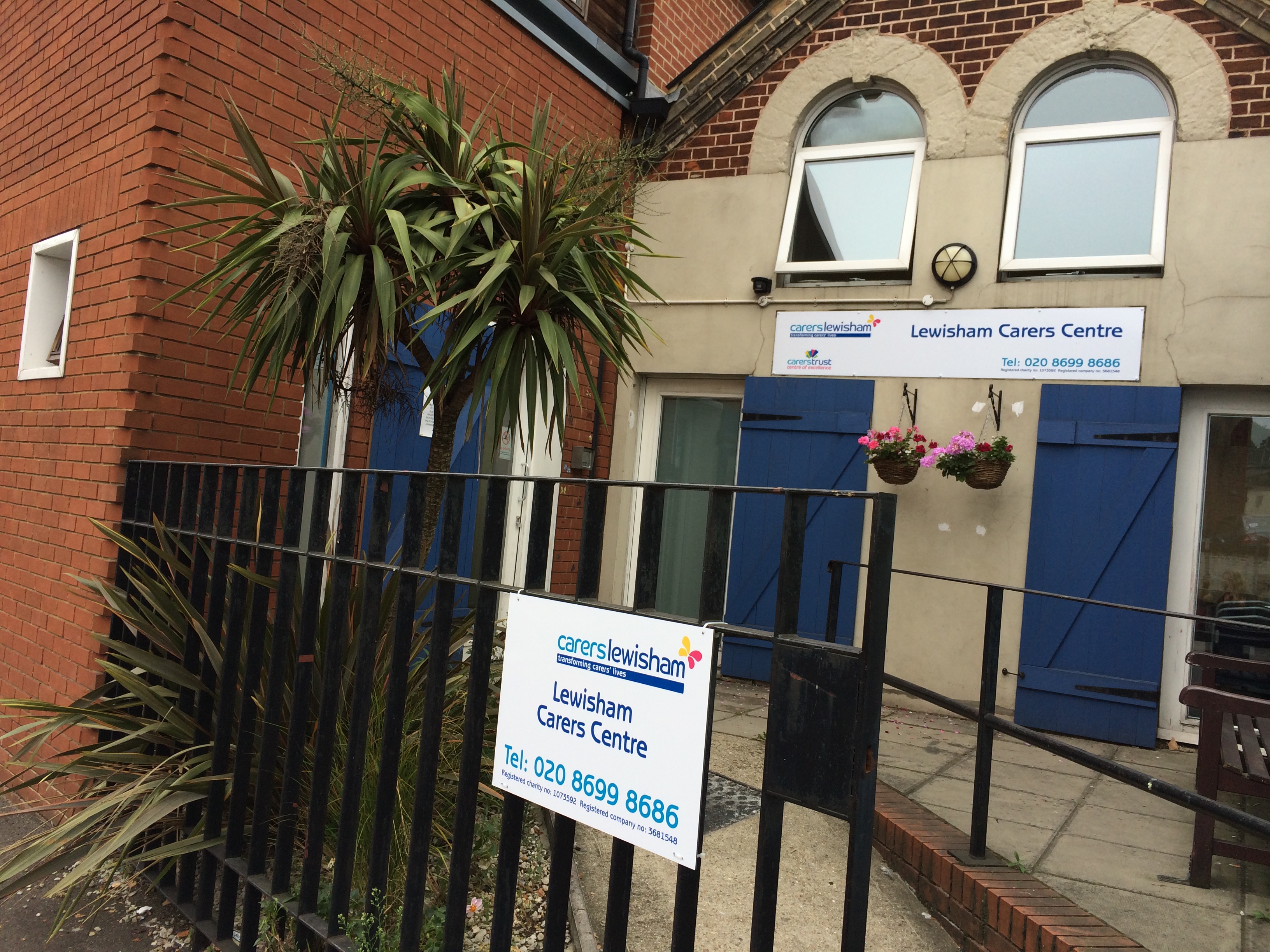
133This is the last of the four MH carer forum update for September. This one runs from carers Lewisham, the Carers Centre is run by and for carers: many of their staff, trustees and volunteers are or have been carers.

The carers Centre provides information, support and advocacy for carers for the borough of Lewisham. You were hoping to have the head of social care for Adult Mental Health attend the forum, but she was unable to make it due to being unwell. The forum members are interested in her role and how it impacts on families and carers.

Continue reading

Lewisham MH Carers forum August 2018 update

IMG_20180828_141300Hello everyone, welcome to the latest update from the Lewisham mental health carers forum, which took place on August the 28th carers Lewisham. I know I have missed a few updates regarding the other forums that took place in July, I am hoping to add those at a later date.

As a quick reminder, the MH carers forums give a chance for carers to get updates, engagement, empowerment and also query NHS services and policies. We had some good attendance for the latest lewisham carers forum.

The forum usually runs for 2 hours, however so much was discussed at this particular forum we actually overran. I gave updates from our local mental health trust, which is South London and Maudsley. The NHS Trust has been really good in engaging with carers forums from the Boroughs of Lambeth, Southwark, Croydon and Lewisham.

Continue reading