By Matthew McKenzie – Ealing Carers Poetry Group facilitator
At our September Ealing Carers Poetry Group, we tried something different: bringing drawing and poetry together. I invited carers to sketch something simple, notice the words and feelings it brought to mind, and then write as though the picture could speak.
There was no expectation to be an artist or an experienced poet. A few lines on paper were enough. What mattered was giving carers room to express something important to them.
Draw a moment, write its voice
The drawings included a cup of tea, a bed, a slice of watermelon, a circle, a birthday card, two hands holding one another and a smiling sun. Each became a starting point for a different poem.
A cup of tea brought out the closeness between a carer and her son, and the hope found in sitting together. A drawing of a bed led to a poem about watching someone you care for and wishing you could do more. The green, black and red of a watermelon became a way to describe the daily cycle of caring and the return of brighter moments.
Other poems explored bonds that continue through difficult times, memories held in an old birthday card, the reassurance of holding hands, and the need for carers to find moments of joy and self compassion.
Some drawings were emailed to me; others were held up to the webcam. Even when a picture was difficult to see on screen, the person who made it could tell us what it meant. Hearing each poem in the carer’s own voice added something the image alone could not convey.
The objects we keep close
For a second exercise, I asked carers to choose an everyday object and begin with the idea, “You might think this is just…” A cardigan became a source of comfort. A pen represented both creativity and the practical work of caring. A book of poems, a blanket and an iPad used to play music opened up thoughts about memory, connection and changing emotions.
I was struck by how generously everyone listened. Carers noticed details in one another’s work and offered encouragement. One person found it difficult to write during the exercise, and that was welcome too. Being part of the group does not depend on producing a poem every time.
Watch the carers’ poems and artwork
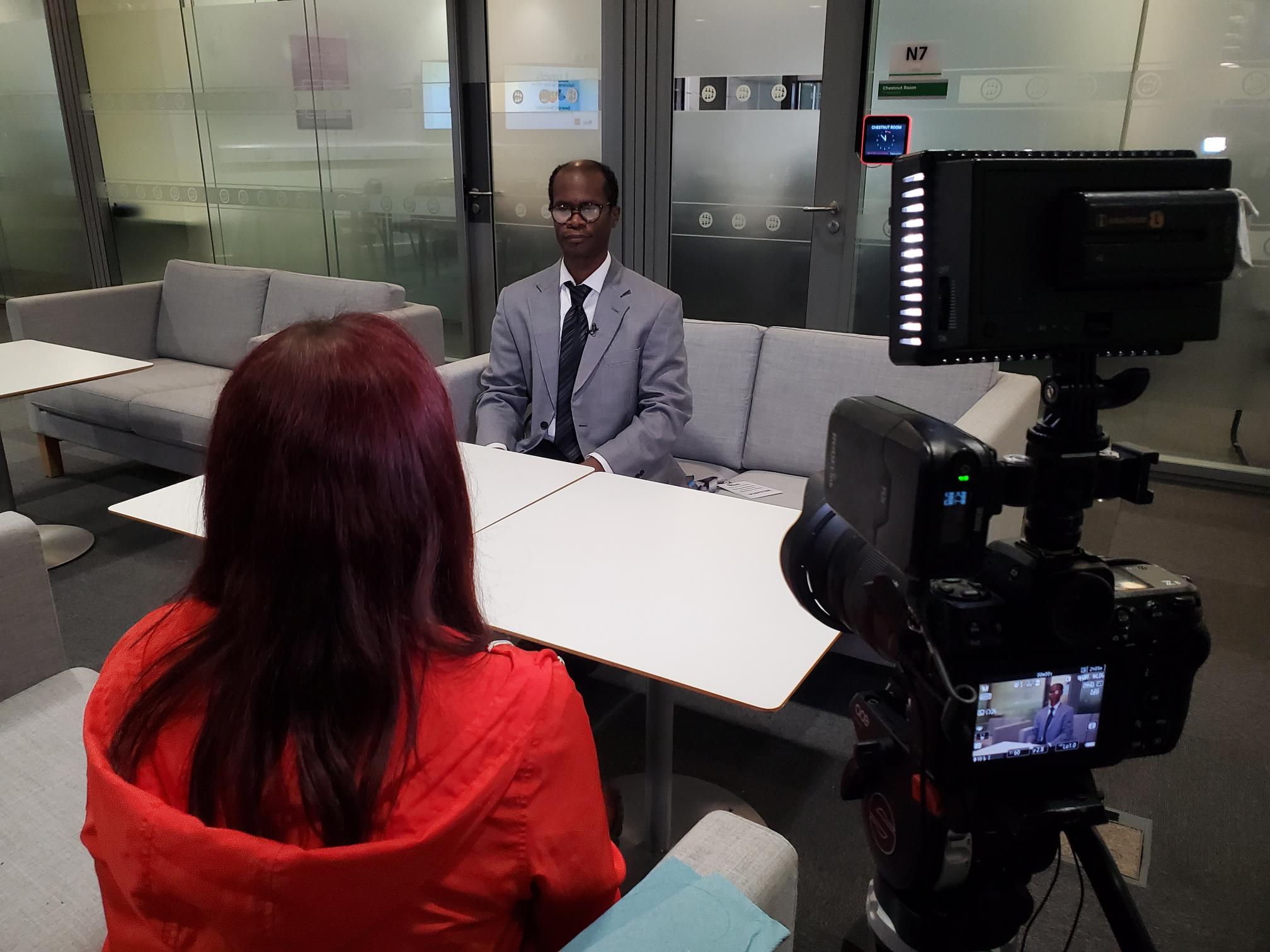
I have brought the drawings and poems together in a short video so that more people can see what the group created:
Thank you to everyone who drew, wrote, read aloud, listened and supported someone else. The session reminded me that a simple picture can hold a great deal of experience, and that carers deserve space for their own creativity as well as their caring role.
Join us
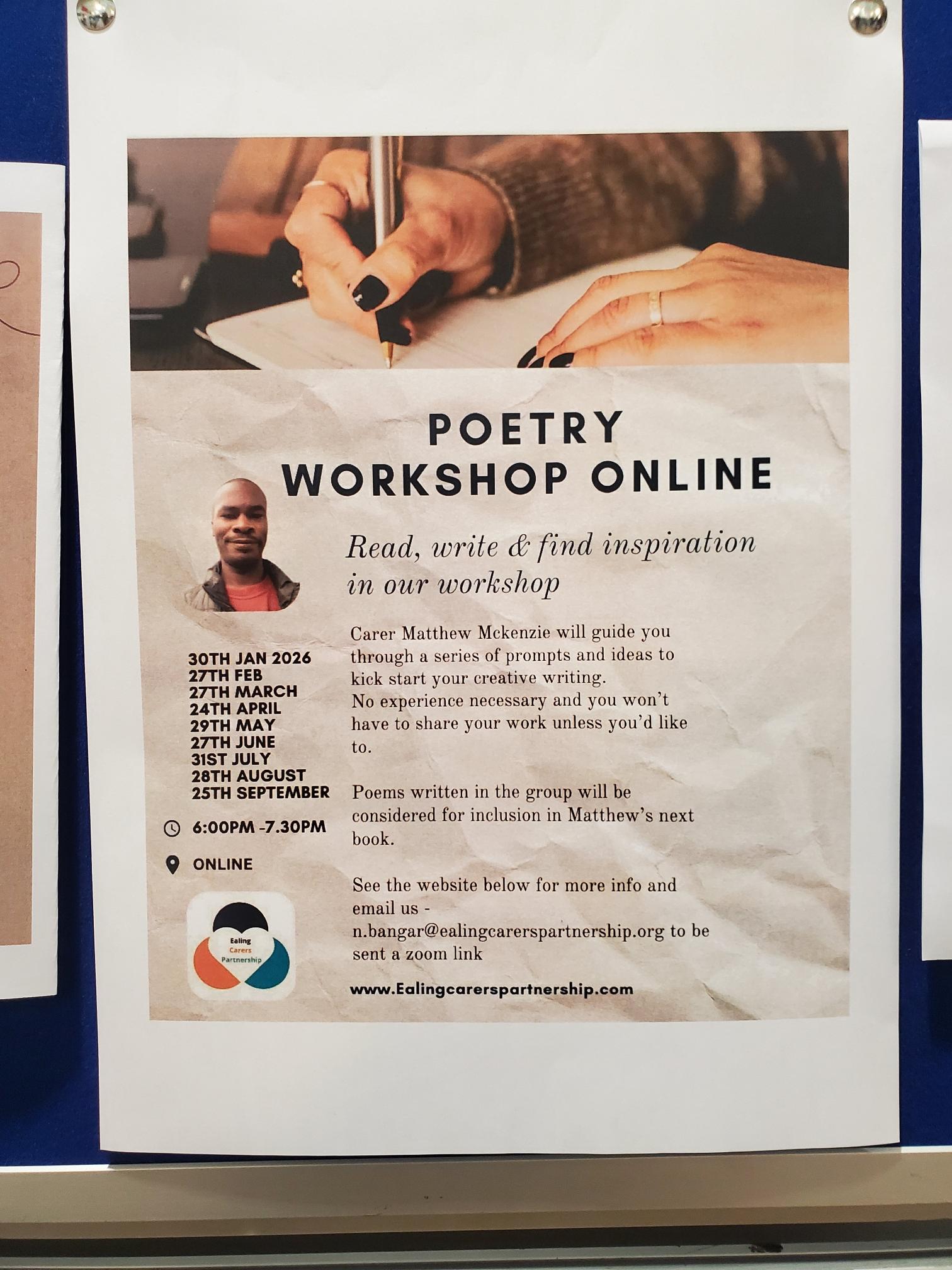
The Ealing Carers Poetry Group is a welcoming online space for unpaid carers, including mental health carers. You can write, share, or simply come along and listen. Carers from Ealing and beyond are welcome to enquire.
I will also be leading a free in person poetry workshop on Thursday 8 October 2026, 11 am–1 pm, at Ealing Central Library. Places are limited, so please contact Ealing Carers Partnership to register.
By Matthew McKenzie – Carer, Author, Poet and Host of the Carers UK Information Stall 10 June 2026, Perceval House, Ealing
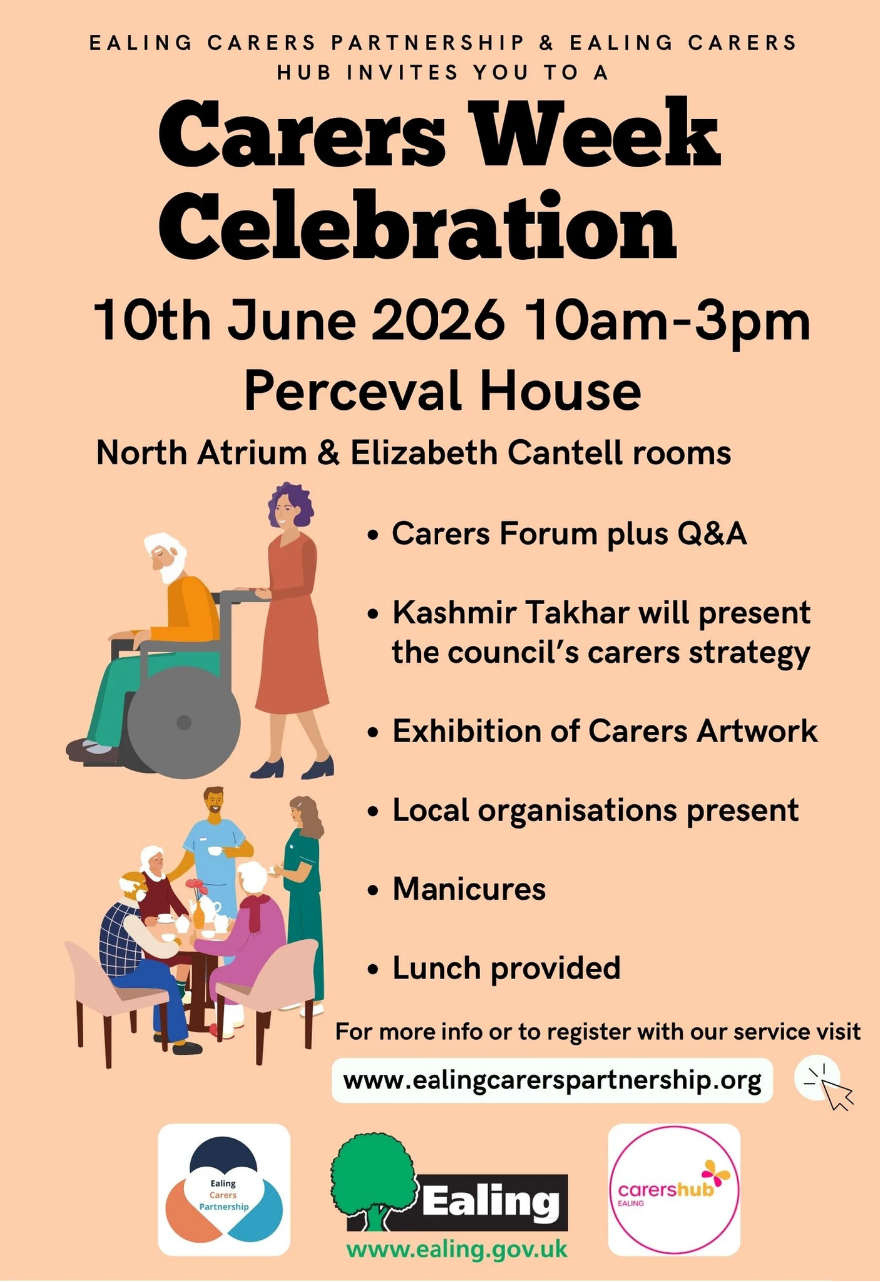
As a carer myself, supporting both of my brothers, I understand that caring is often a role we never planned for, yet one we embrace out of love, duty and commitment. It can be rewarding, but it can also be isolating, exhausting and overwhelming. That is why events such as the Carers Week Celebration 2026, organised by Ealing Carers Partnership, Ealing Carers Hub and Ealing Council, are so important.
I think it reminds us that carers matter, that our voices are heard and that we are not alone.
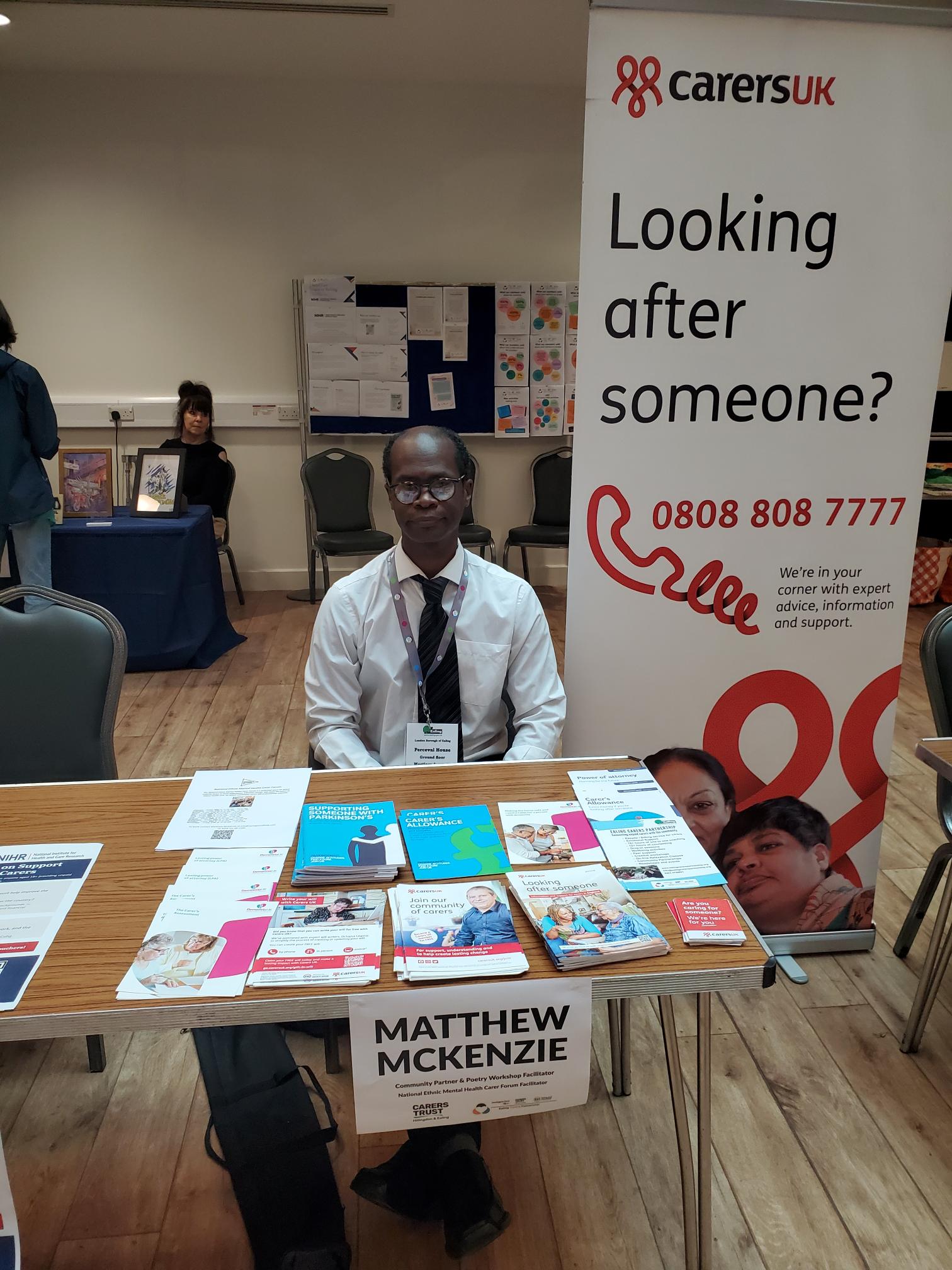
Having the privilege of hosting the Carers UK information stall, while also attending as a carer, poet and author, I witnessed first-hand the incredible sense of community that filled Perceval House throughout the day.
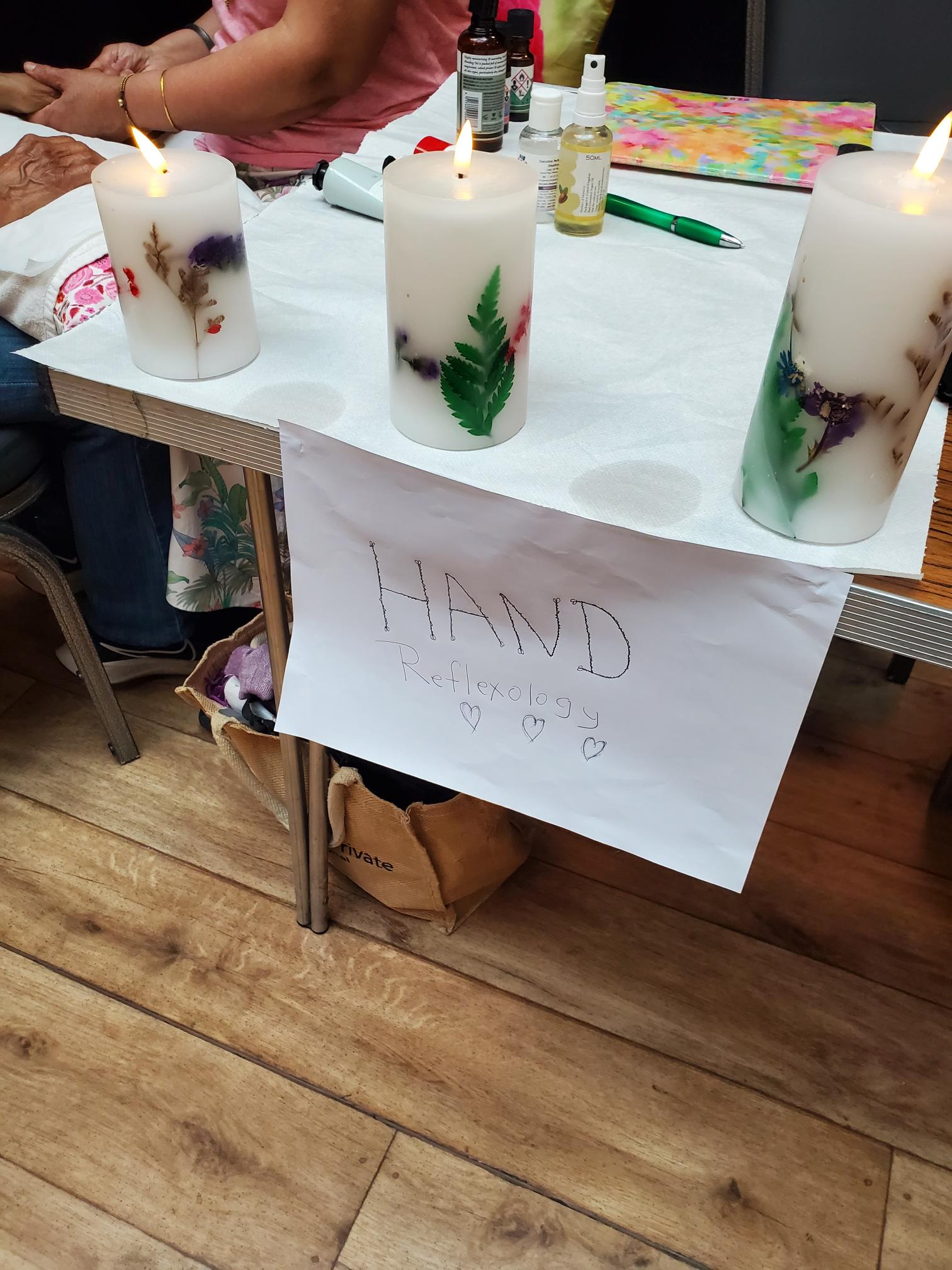
The event brought together carers, professionals, charities, community organisations and council representatives for a celebration that was both informative and inspiring. Alongside the opportunity to gather information and advice, carers enjoyed complimentary refreshments, free manicures from students of Uxbridge College, artwork exhibitions and the chance to connect with others who truly understand the caring journey.
Carer Stalls of Support and Opportunities
One of the highlights of the day was the large exhibition area, where carers could meet a wide range of organisations offering support, guidance and practical services.
The information stalls represented the breadth of support available across Ealing and North West London. Throughout the day carers visited displays from organisations including:
Carers UK
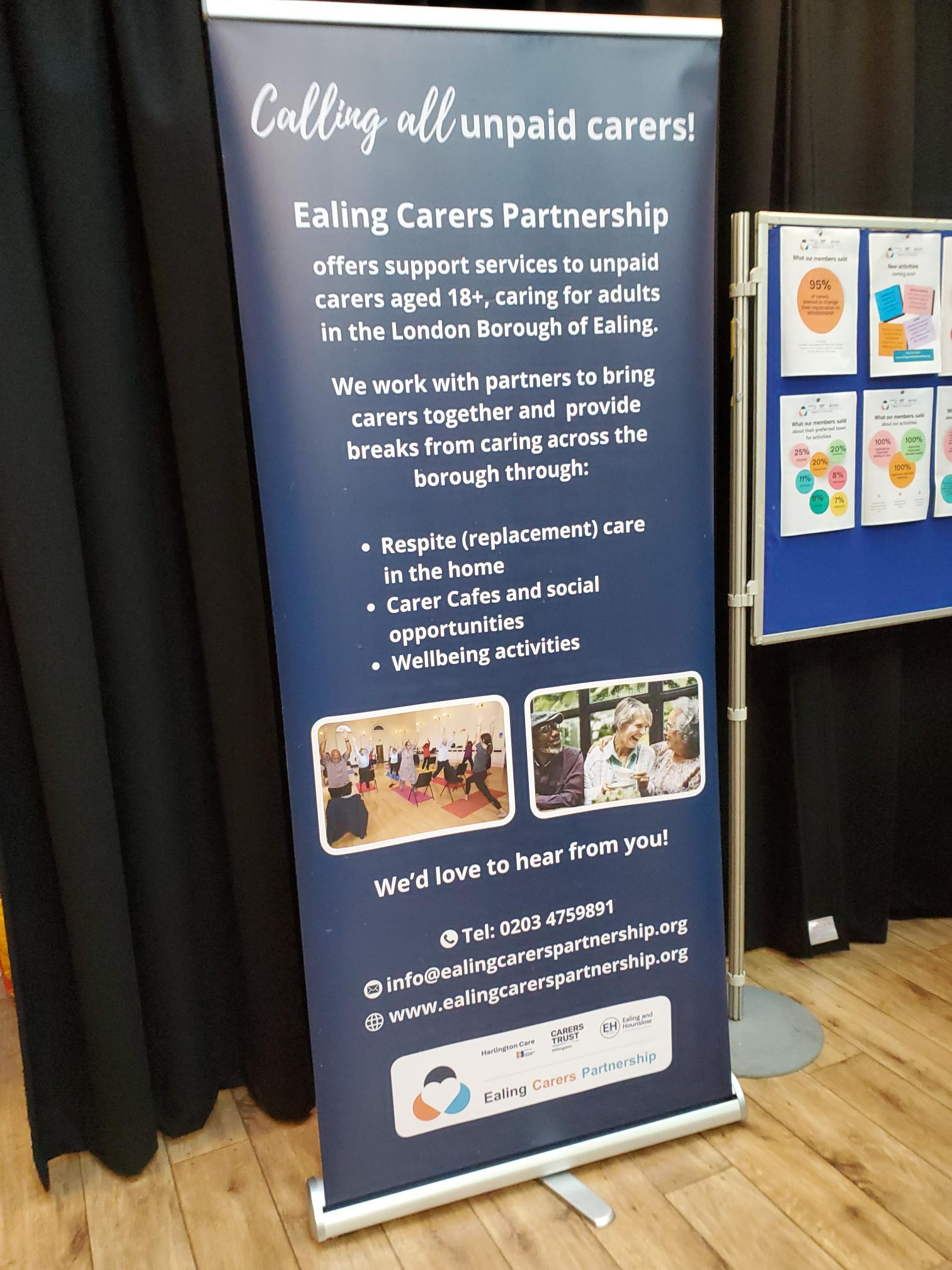
Ealing Carers Partnership
Ealing Carers Hub
Mind
RISE
Ealing Advice Service
Harlington Hospice / Harlington Care
Independent Mental Health Advocacy Services
Volunteer Centre Ealing
Eating Disorders Support Services
Community wellbeing organisations
Health and social care providers
Local voluntary sector groups
Arts and creativity projects for carers
Community engagement and peer support groups
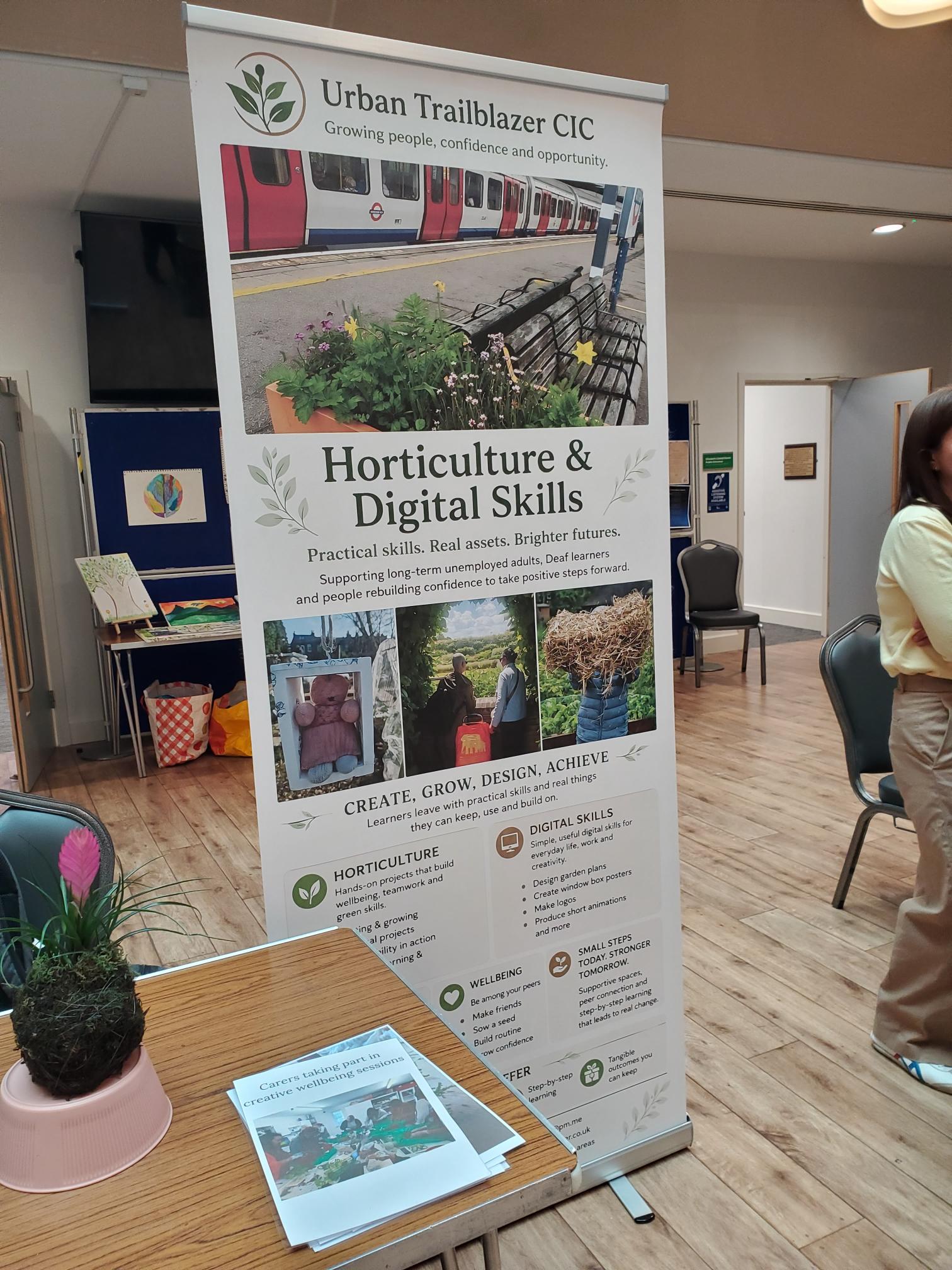
Many stalls offered practical information about carers’ rights, benefits, wellbeing support, mental health services, respite opportunities, advocacy and volunteering. Others showcased creative projects and community activities designed to reduce isolation and improve wellbeing.
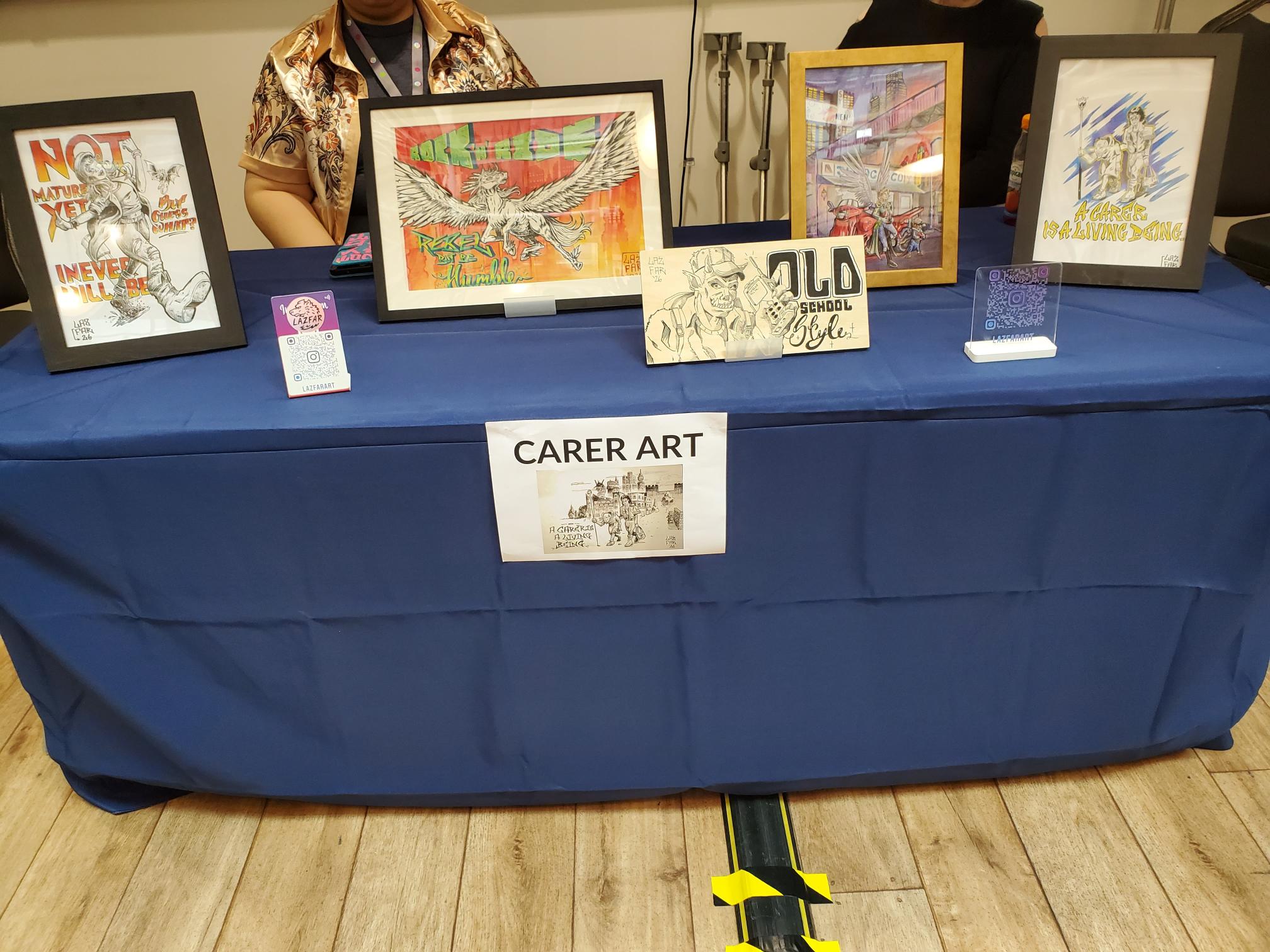
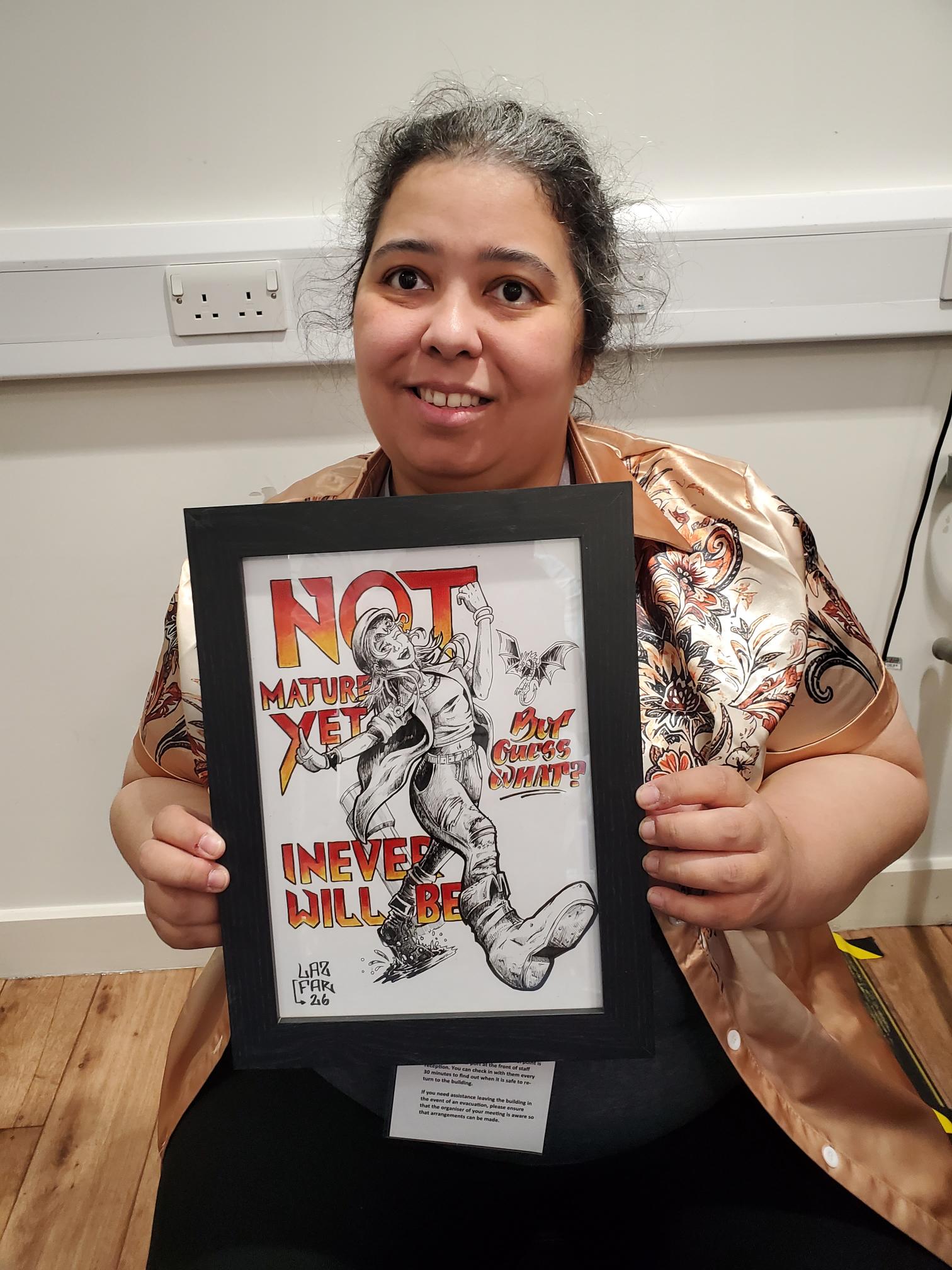
It was also great to see Carer Poetry displayed including the Carer Poetry group I run with Ealing Carers.
At the Carers UK stall, I had numerous conversations with carers who were seeking information about financial support, carers’ assessments, employment rights and how to balance caring responsibilities with their own health and wellbeing. What struck me most was how many carers were attending such an event for the first time and discovering services they never knew existed.
The exhibition also featured the moving “A Carer Is…” artwork display, where carers expressed their experiences through art. The exhibition provided a powerful reminder that caring is not simply a task—it is an emotional journey filled with love, sacrifice, resilience and hope.
Listening to Carers: The Ealing Carers Forum and Council Presentations
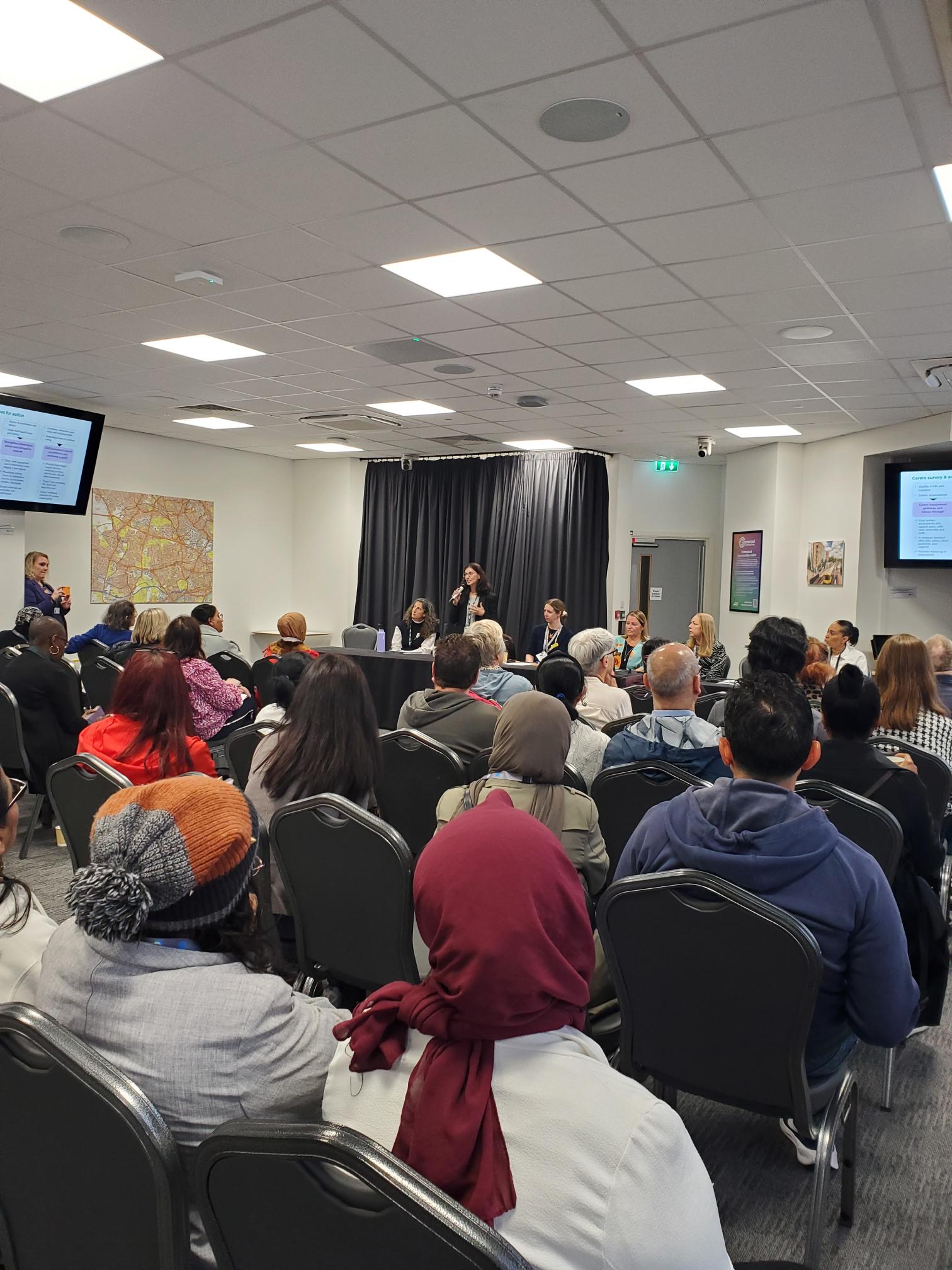
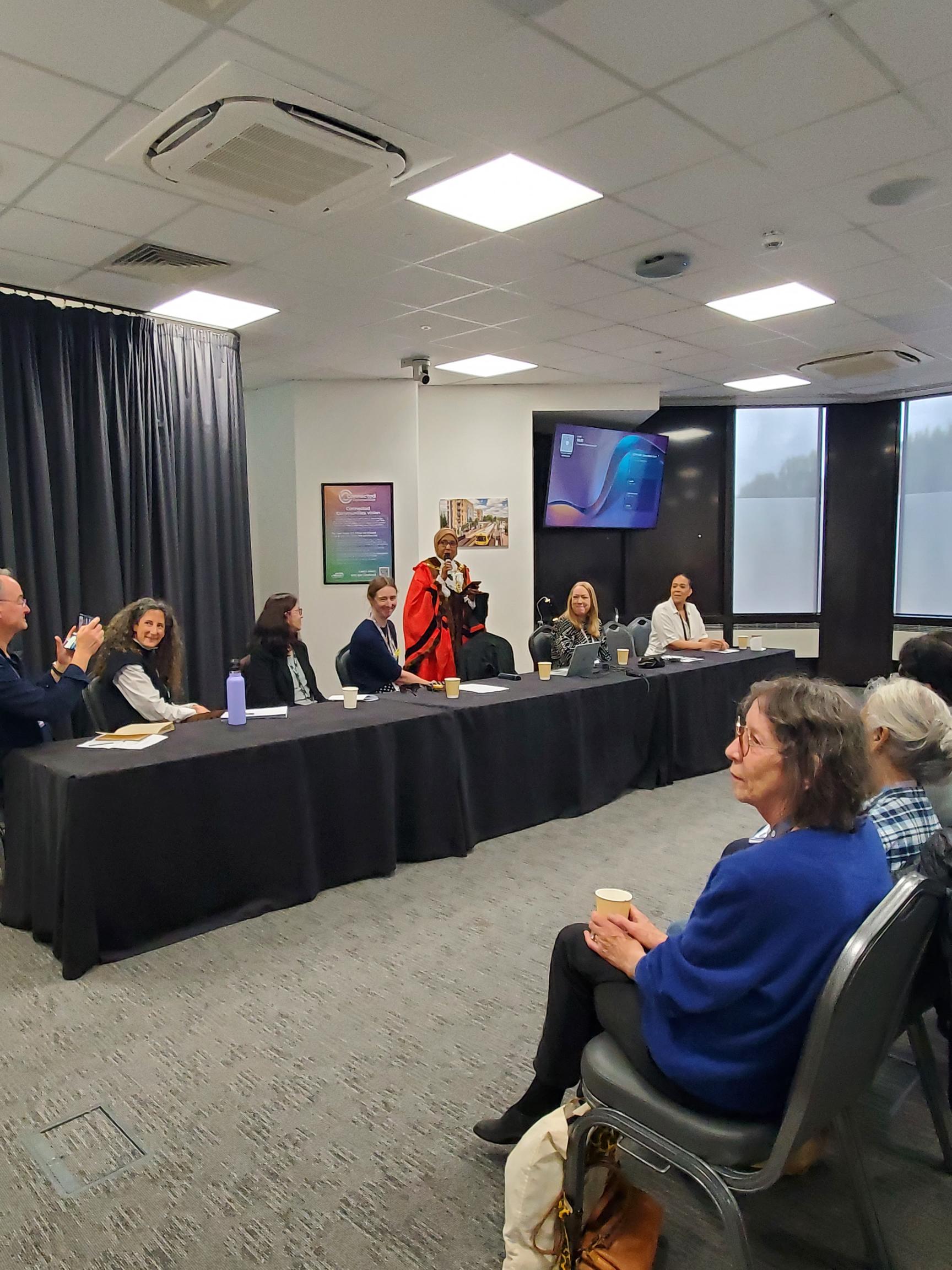
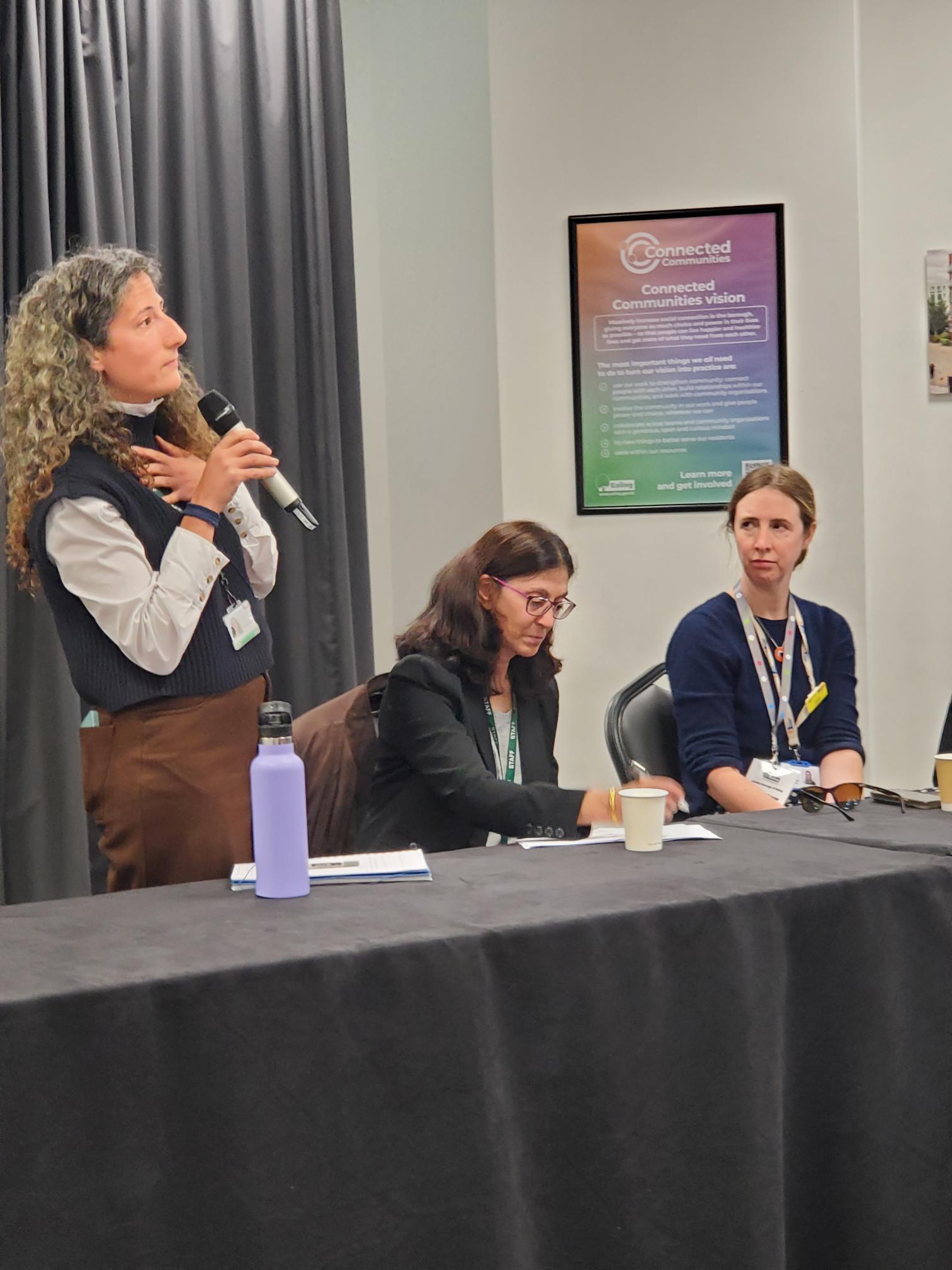
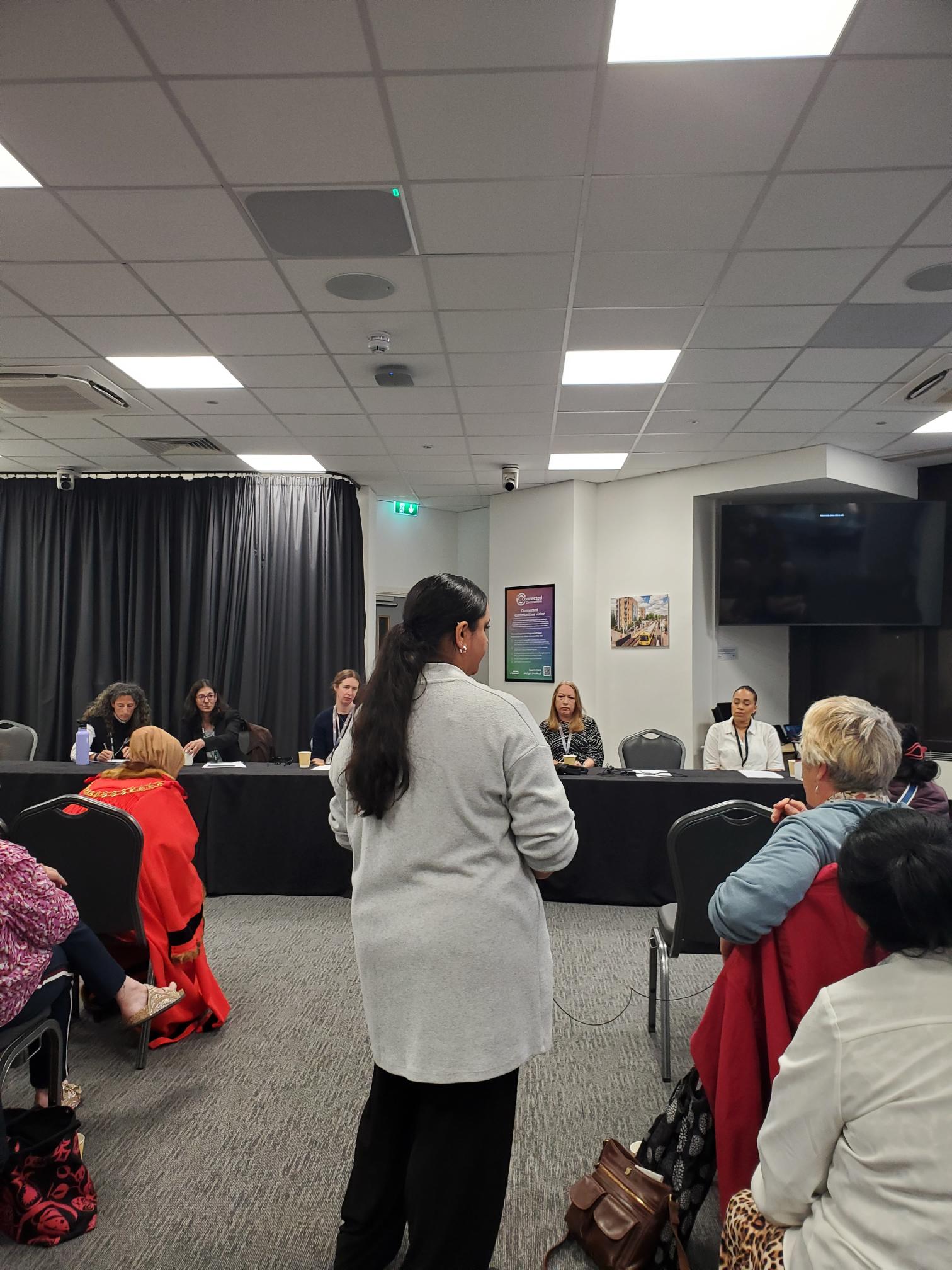
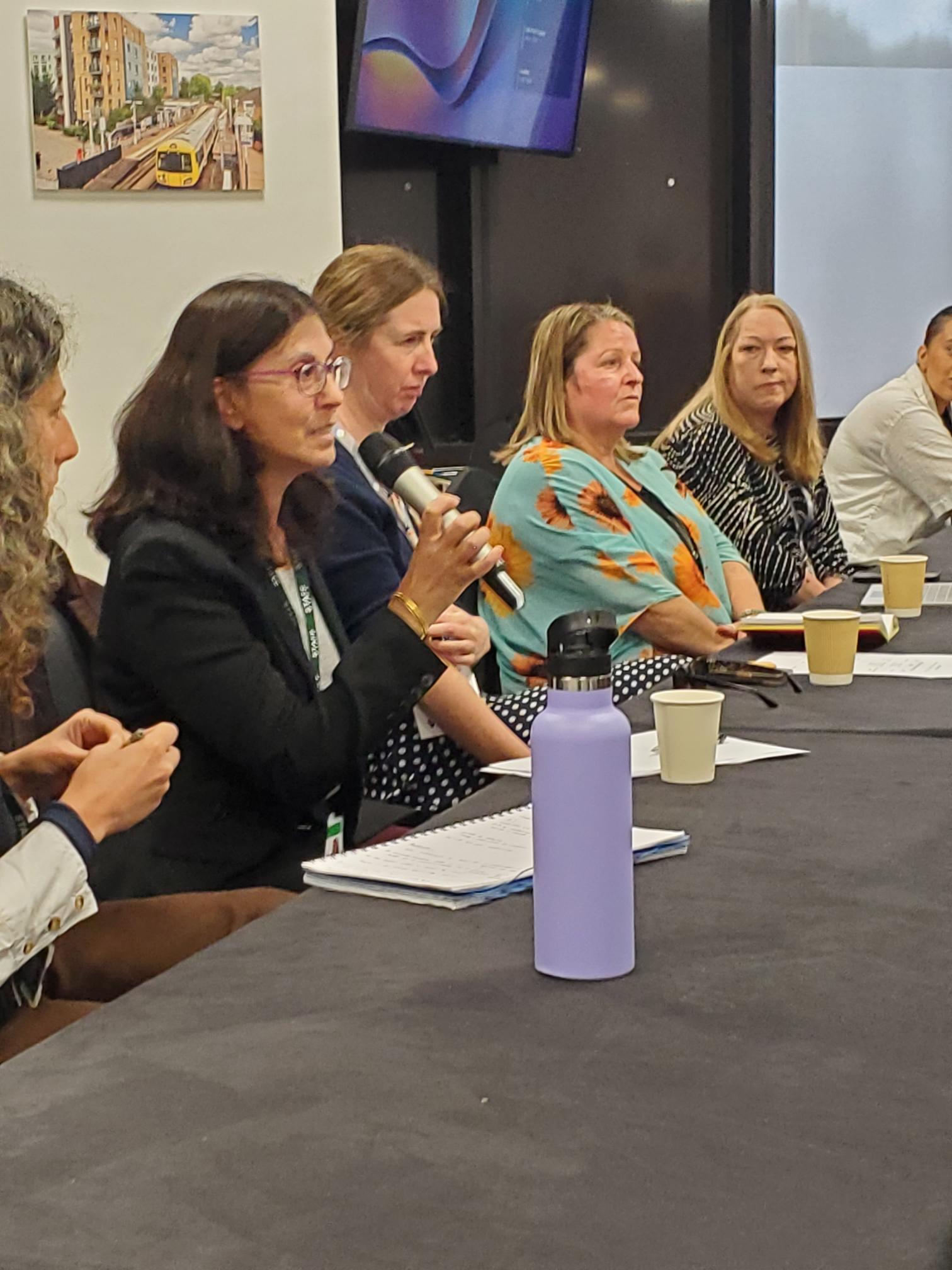
A major focus of the day was the Carers Forum and Question & Answer Session, where carers had the opportunity to hear directly from council leaders and ask questions about services, support and future plans.
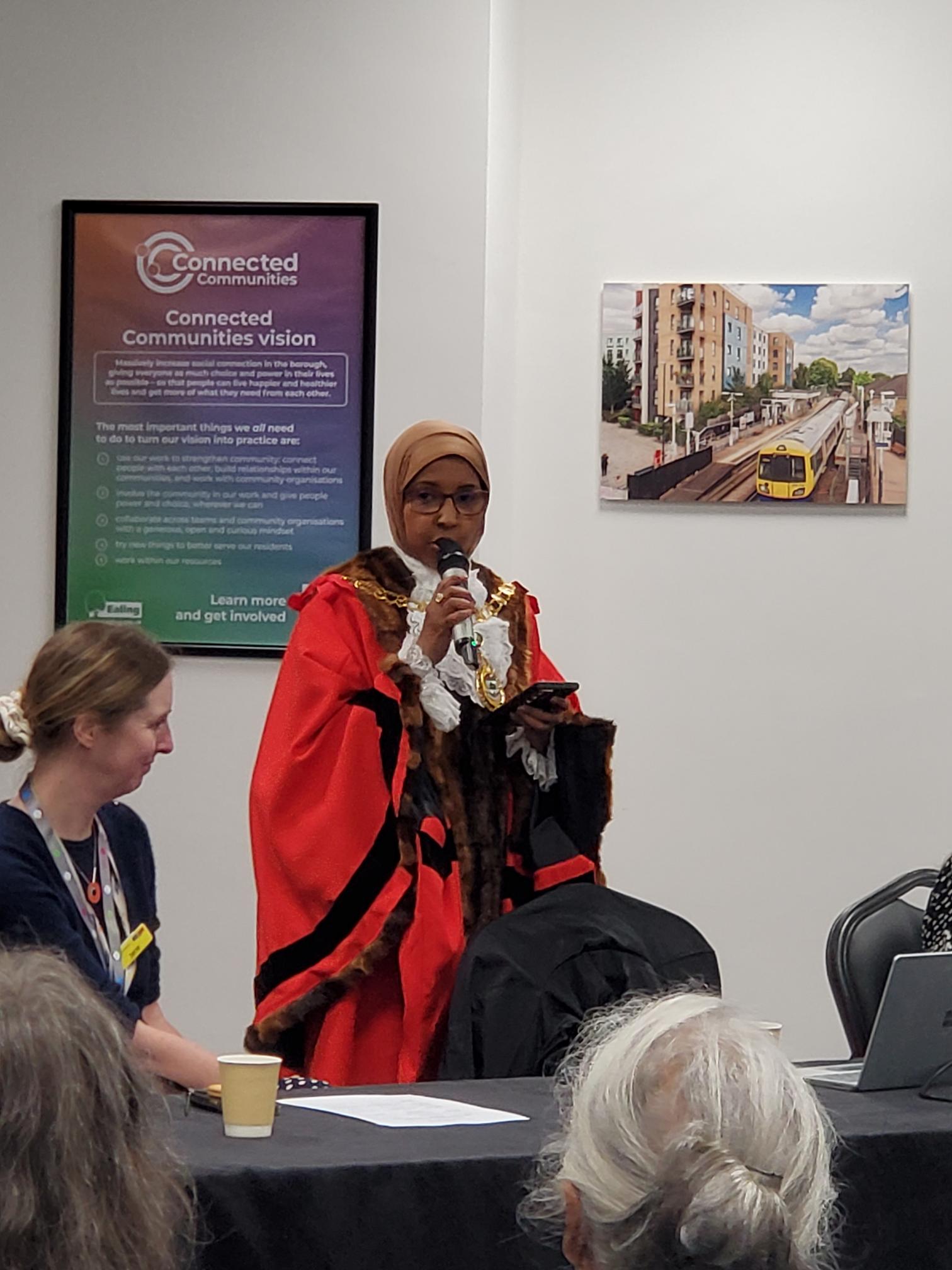
The event was opened by senior representatives who acknowledged the enormous contribution carers make every day.
Among the key speakers were:
Paul Driscoll, Cabinet Member for Healthy Equal Lives, Ealing Council
Kashmir Takhar, Ealing’s Carers Commissioner
Senior representatives from Adult Social Care
Sophie (Assistant Director, Adult Social Care)
Representatives from Ealing Carers Partnership
Representatives from Ealing Carers Hub
Jane Wheeler, Chief Executive of Harlington Hospice
Paul Driscoll spoke about his commitment to understanding carers’ experiences and ensuring that Ealing’s Carers Strategy becomes a meaningful reality rather than simply another policy document. He emphasised the importance of recognition, support and partnership working with carers.
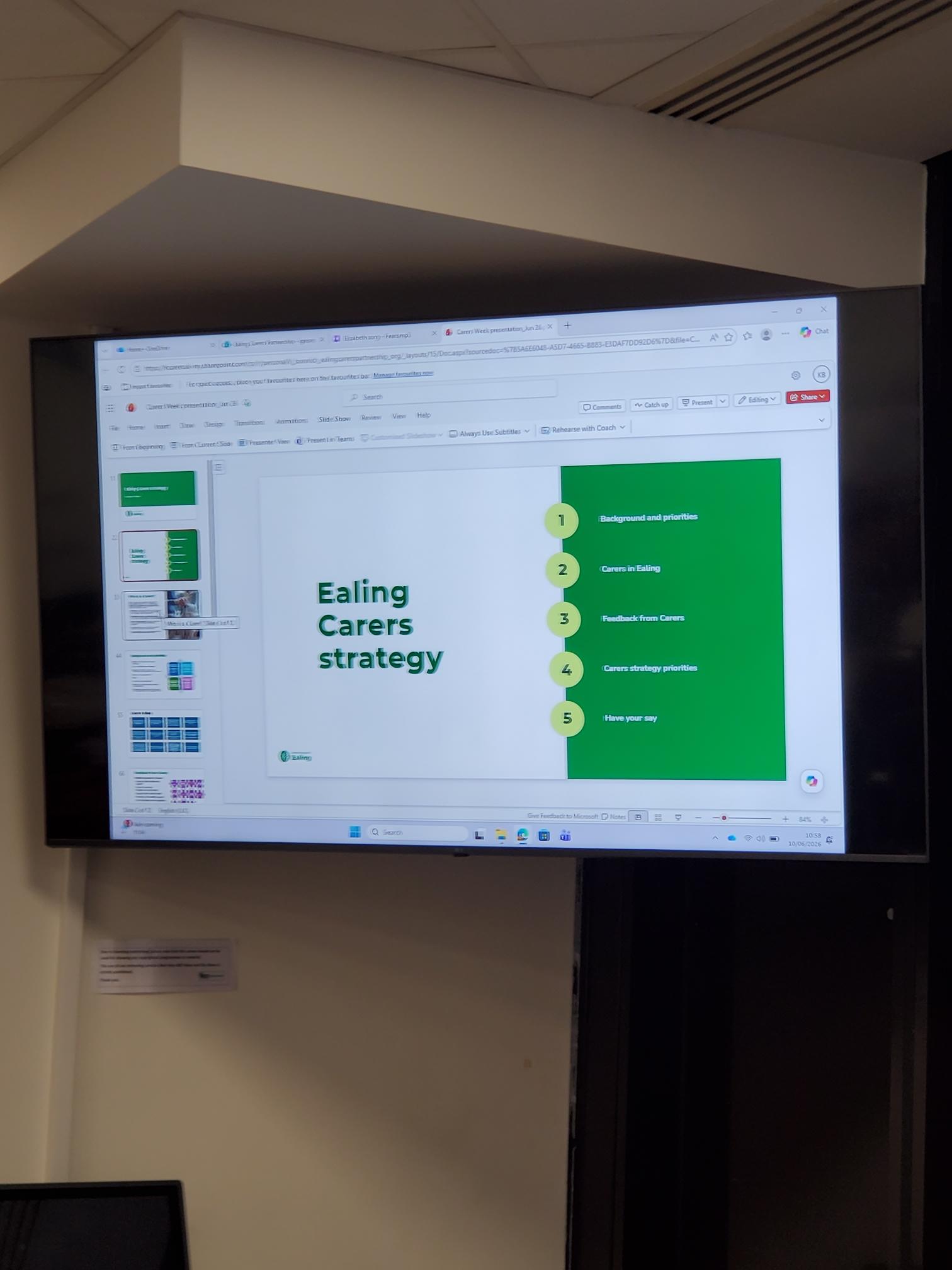
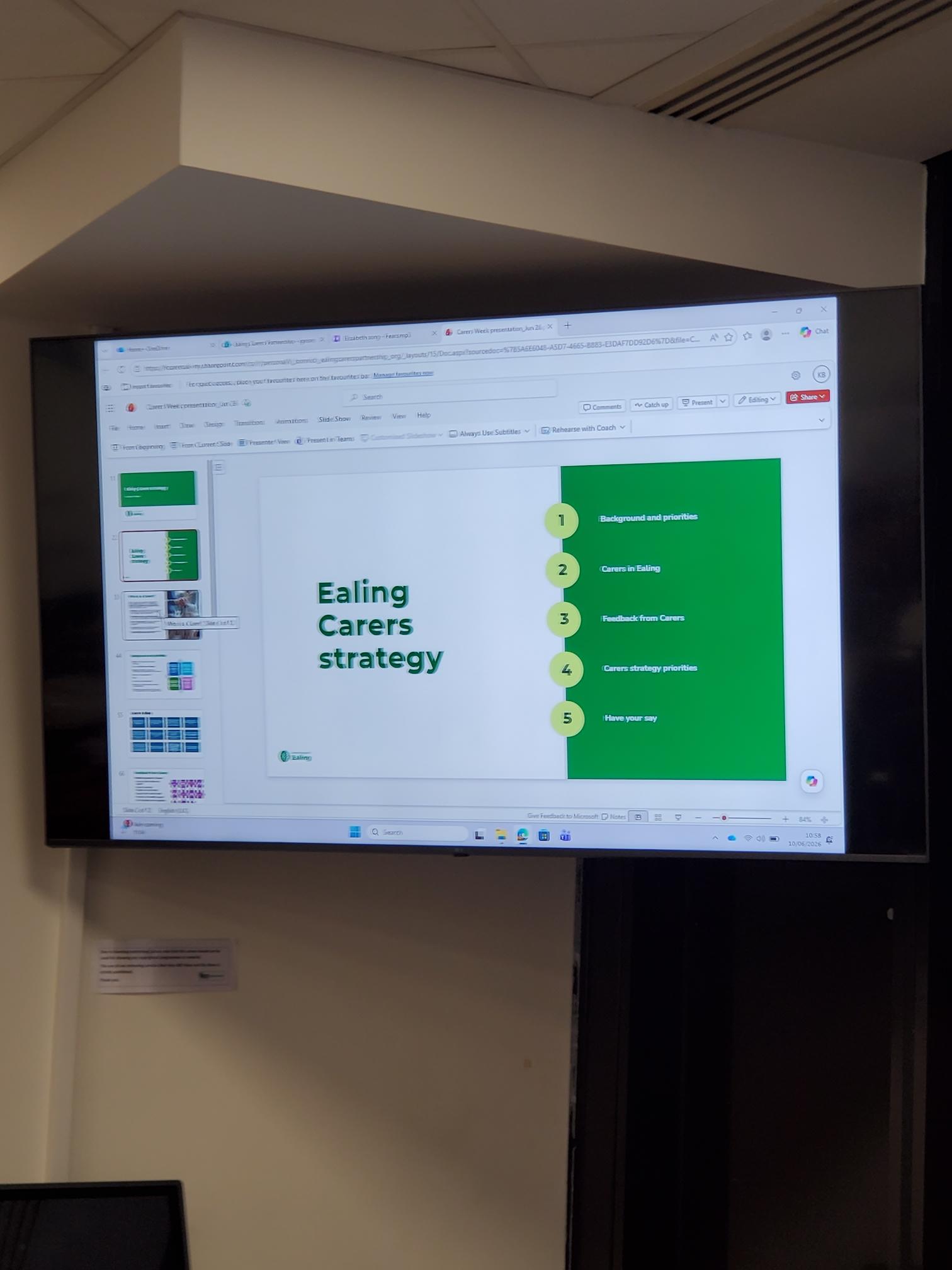
The presentation by Kashmir Takhar focused on Ealing’s Carers Strategy, a joint strategy developed in partnership with carers, health services, social care and voluntary sector organisations. The strategy highlights four key priorities:
Identifying carers early in their caring journey.
Helping carers maintain family and community life.
Supporting carers’ physical and mental wellbeing.
Helping carers maximise income and achieve their potential.
The presentation revealed that there are approximately 24,000 carers in Ealing, although many remain hidden and do not identify themselves as carers. It also highlighted the growing challenges carers face around mental health, financial pressures, access to services, respite care and social isolation.
Particularly encouraging was hearing about plans to improve access to information, increase wellbeing activities, strengthen respite opportunities and expand support for young carers and working carers.
The Power of Carers’ Voices
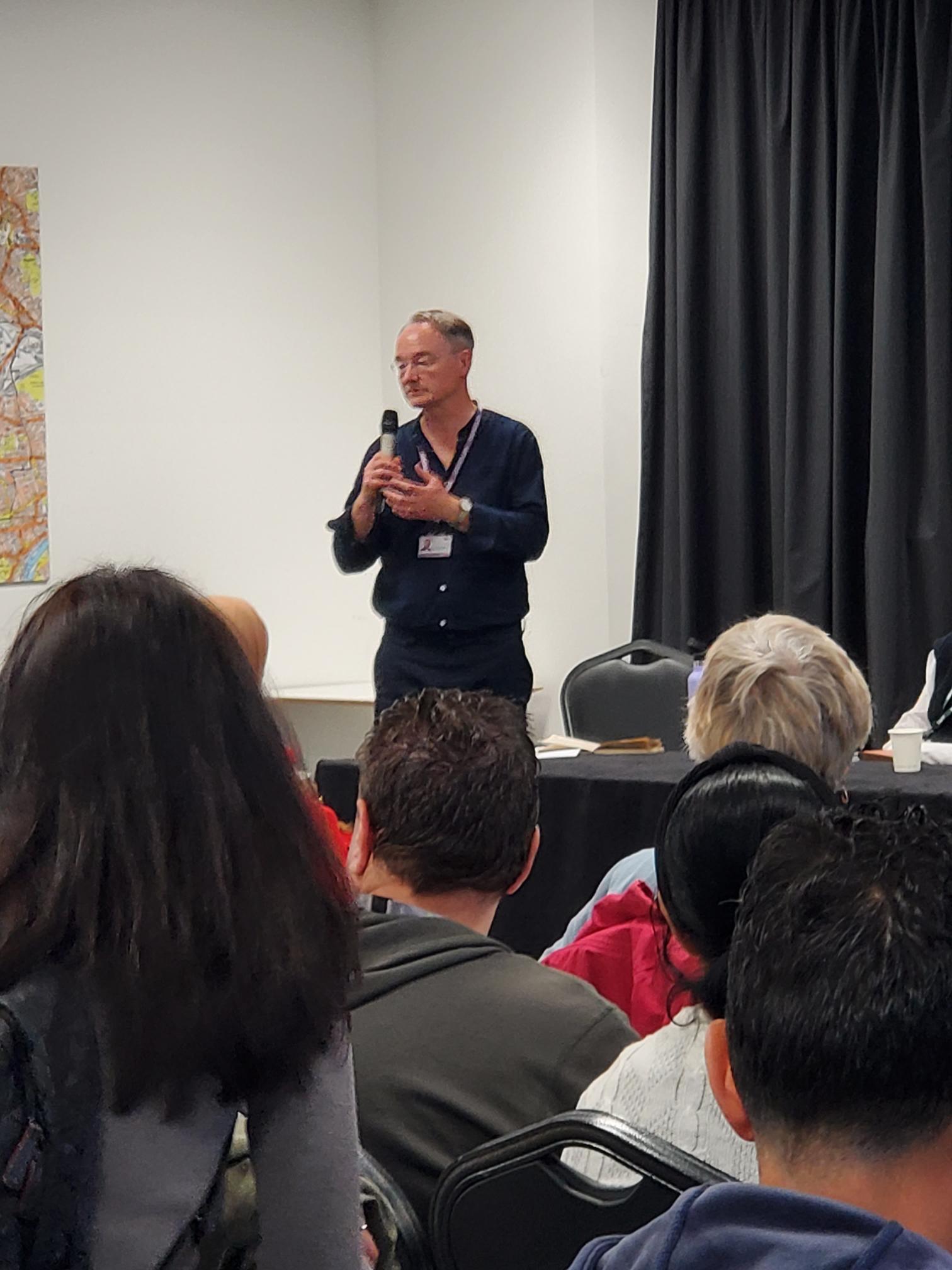
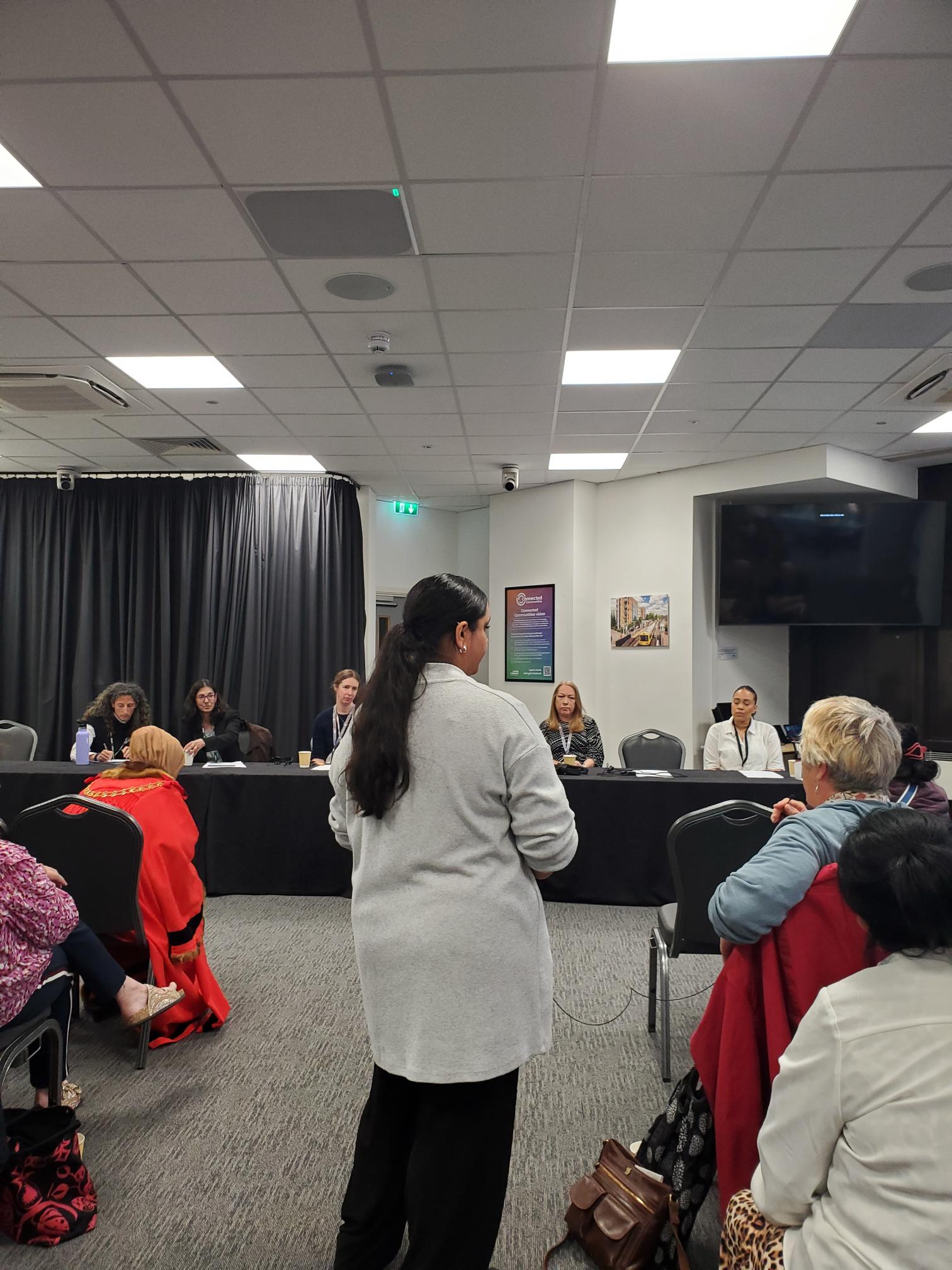
One of the most important aspects of the forum was the open discussion session.
Carers shared their personal experiences, raising concerns about respite services, communication between council departments, transport arrangements and the challenges of navigating complex systems while already carrying significant caring responsibilities.
A particularly powerful contribution came from a carer who described how difficult it had been to arrange respite care due to poor coordination between services. The honesty and emotion behind this contribution resonated with many people in the room because it reflected experiences that carers often face but rarely have opportunities to discuss publicly.
Council representatives acknowledged these concerns and committed to improving communication, responsiveness and coordination across services. Assistant Director Sophie openly recognised that carers deserve better experiences and welcomed continued feedback to help shape future improvements.
Representatives from frontline organisations, including Ealing Advice Service, also highlighted recurring issues encountered by carers and stressed the importance of joined-up working between agencies.
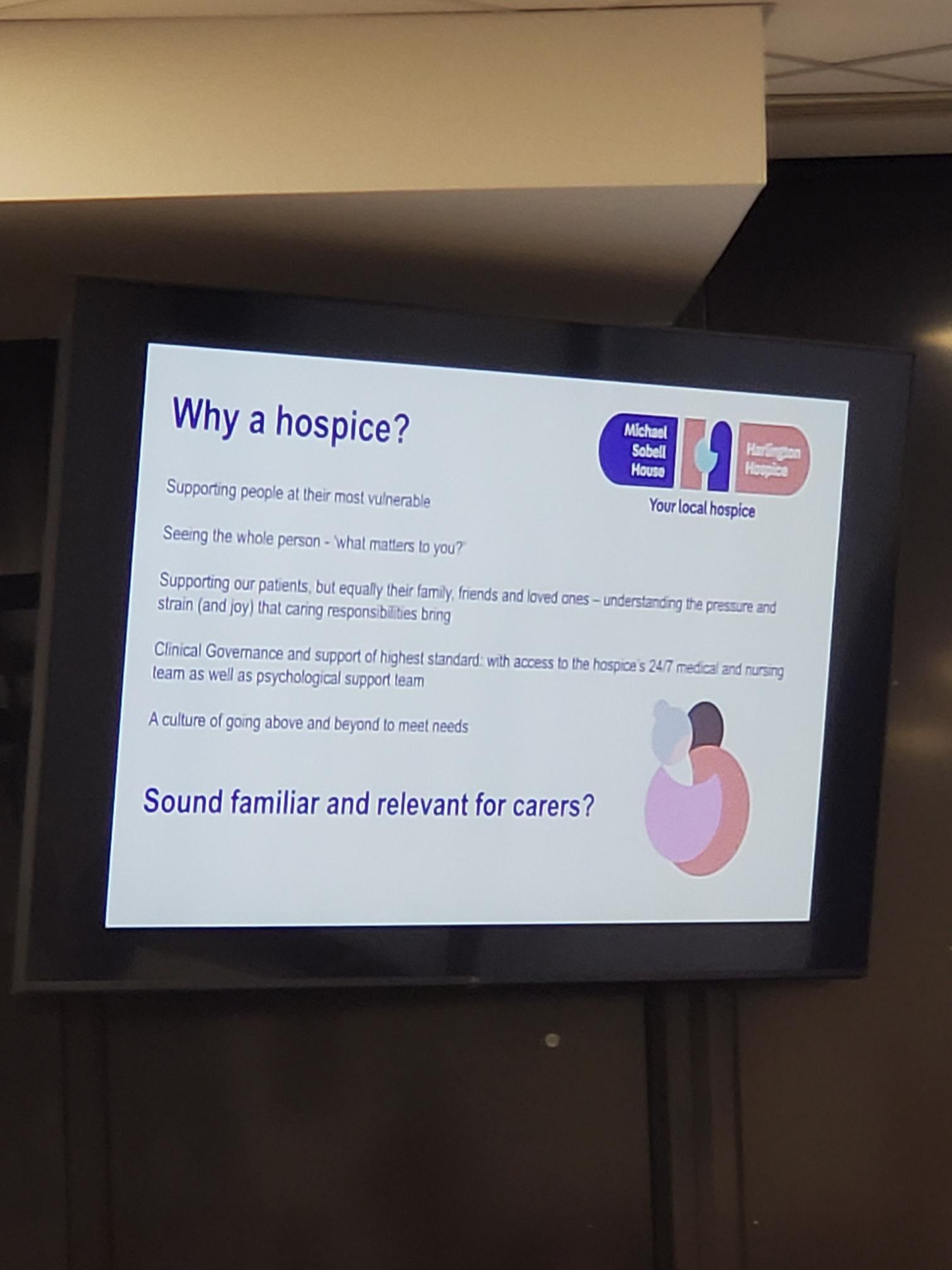
Later in the session, Jane Wheeler from Harlington Hospice explained how the organisation’s carers’ short break service supports carers through home-based respite, community outings and specialist support. Her presentation reinforced the message that carers themselves need care, support and opportunities to recharge.
It was more than just a Carers Event
As the day came to a close, what remained was a sense of connection.
For many carers, simply being in a room full of people who understood their experiences was invaluable. There was laughter, conversation, shared stories and moments of reflection. New friendships were formed, information was exchanged and carers left knowing that support is available.
From my own perspective, hosting the Carers UK stall and speaking with so many dedicated carers reinforced why events like this matter. Caring can often feel invisible. The hours spent supporting loved ones frequently go unnoticed by wider society. Yet carers are the backbone of our communities and health systems.
The Carers Week Celebration reminded us that carers deserve recognition not just during one week each year but every day.
To everyone who organised the event, staffed a stall, delivered a presentation, volunteered their time or simply attended and shared their story, I thank you.
Most importantly, to every unpaid carer reading this: thank you for everything you do.
The meeting focused on introductions and updates from various organizations supporting unpaid carers across London. Matthew McKenzie facilitated the session, introducing participants from different boroughs and organizations, including
North Central London Carer Support Project (covering Barnet, Haringey, Camden, Enfield, and Islington)
The PSE (supporting South East London local authorities: Bexley, Bromley, Lambeth, Lewisham, Greenwich, and Southwark)
Richmond Borough Mind
Richmond Carers Centre
Kingston Carers Network
St George’s, Epsom and St Helier Hospital Group
Sutton Carers Centre
Carers Hub Lambeth (supporting unpaid carers, with hospital carers leads at King’s College Hospital and Guy’s & St Thomas’ Hospital)
Lewisham carers services (Imargo service manager)
Apologies from
Bromley Wells Bexley Carers Support Greenwich Carers Ealing Carers Partnership Tower Hamlets Carers Centre
NHS England updates including Universal Care Plan Updates
A representative from NHS England highlighted good news about the Hospital Discharge Toolkit, which had been originally developed in London by Debbie Hustings. The toolkit has already been adopted across much of southwest London with strong results. Recently, all NHS regions were asked to contribute work on hospital discharge, focusing particularly on carers’ experiences. When this went up to the Executive Quality Board at the national level, the London toolkit received recognition. The recommendation that came back was that all regions should develop something similar they could adopt London’s version directly or tailor one for their own needs. The representative stressed that this kind of recognition is significant because it helps the toolkit be taken more seriously and provides momentum for further rollout
In July 2025, we held another meeting of the London Hospital Discharge Carers Forum, which brings together carer centres, NHS professionals, and lived experienced unpaid carers to explore how we can better support unpaid carers through the complex hospital discharge journey.
With key developments shared, questions raised, and future opportunities on the table, I’m sharing this blog to ensure everyone is informed.
A Focus on Hospital Discharge but With Carers at the Centre
The forum continues to highlight how vital carer centres are in delivering effective, compassionate discharge support. But alongside that recognition comes rising expectations: better digital access, stronger links with acute hospital teams, more formal involvement in care planning, and even new digital tools to manage carer identity and input.
Our role is growing and so is the need for collective visibility and coordinated action.
Key Themes from July’s Discussion
1. NHS England Hospital Discharge Toolkit & Care Contingency Plan As an involved carer, I delivered the NHS England update. The main message? The Care Contingency Plan (CCP) is becoming a key focus across the system. There are planning sessions due in September, and carer centres might be asked whether they can take on CCP delivery alongside existing carers assessments.
This triggered a crucial question: Will additional funding or contractual support be offered to carer centres taking on CCPs? because we can’t afford to quietly absorb additional workload without clarity on resources or expectations.
2. Digital Tools – NHS App & Carer Self-Identification With the growing digitisation of NHS services, there are plans to enable carers to self-identify via a digital route. The Universal Care Plan (UCP) is being built into the NHS app, but there’s confusion about whether a separate “carer app” is being developed too.
We’ve asked NHS England for clarification: Will carers be expected to use one NHS app to manage both contingency plans and carer registration, or will multiple systems be introduced? The answer will have implications for how we support carers with digital skills and accessibility.
3. The Bigger Picture – NHS 10-Year Plan and Local Adaptation We explored how the new 10-Year NHS Plan mentions carers primarily in the context of discharge, but offers little in terms of direct support or investment in carers themselves. Several carer centres raised concerns about being seen only as a means to improve discharge outcomes, rather than as partners in their own right.
That said, some centres are using the plan as an opportunity, working with local Integrated Care Boards (ICBs) to adapt and influence how the priorities are rolled out locally, including integration with neighbourhood health centres and walk-in clinics.
Peer Learning and Local Centre Updates
As always, our meeting included practical insights from carer centres embedded in local hospitals. Topics included:
Establishing hospital-based carer hubs and information desks.
Hosting monthly drop-ins for carers on specific wards (e.g. stroke and frailty).
Using ward rounds to identify and build relationships with staff willing to act as carer champions.
Overcoming challenges in gaining visibility, sustaining presence, or maintaining resource levels for in-hospital work.
Planning carers coffee mornings and pop-up stands to increase footfall and engagement.
For newer hospital-based carer workers, this space proved invaluable as a place to learn from colleagues, gather ideas, and avoid isolation.
Project Developments: What Centres Need to Know
Several borough-wide and London-wide initiatives are taking shape that could directly affect how carer centres operate in coming months:
A standard operating procedure for hospital discharge, currently being developed across South East London, is aiming to streamline how carers are engaged at discharge, with pilot sites starting this September.
In North Central London, work is underway on a web portal that makes it easier for hospital and emergency staff to refer carers into local support services including from the London Ambulance Service.
Carer Centres in several areas are starting or refreshing carer charters, carer passports, and surveys designed to codify carer involvement and measure experience across hospital pathways.
Carer support workers at one major South London hospital are re-establishing visibility post-staff transition. Efforts are underway to build new ward-level relationships and identify carer champions among staff. The centre is also exploring monthly carer drop-ins, asking the group for ideas on what works well and what doesn’t.
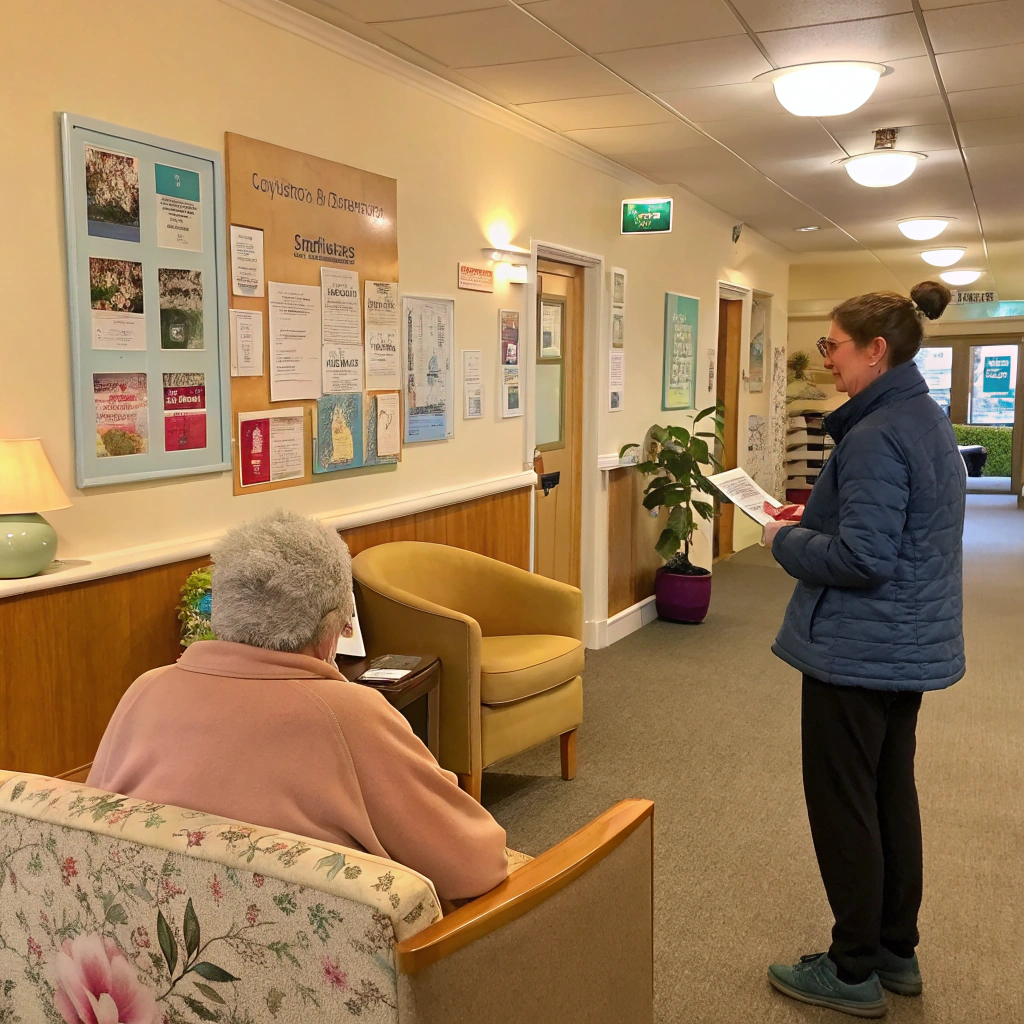
One East London carer centre has established a hospital-based hub on a specific ward floor, acting as a go-to space for carers needing support or information. They also run monthly drop-in sessions on elderly/frailty and stroke wards conditions where family involvement in discharge planning is often critical.
These projects are at different stages, but all point to one thing: carer centres are being asked to operate more visibly, more formally, and more digitally. It’s essential we shape this process and not just respond to it.
With NHS England’s CCP work moving fast and carer integration into digital systems ramping up, carer centres can no longer afford to remain on the sidelines.
We have a chance to be informed of policy changes early not after implementation.
Carer centres and hospitals can raise concerns about workload, training, and funding before it’s too late.
Newer or isolated workers benefit from collective knowledge-sharing and support.
This is not just another meeting, it’s one of the few cross-borough forums focused squarely on carer centres in the acute hospital context.
Looking Ahead: September Session
Our next meeting will be held usually the last week of September.
Let’s not let carers be an afterthought. Let’s make sure carer centres are seen, heard, and properly resourced.