Author Archives: mmckenz11

Unknown's avatar

About mmckenz11

IT Officer for London School of Osteopathy and a Carer representative for Maudsley. As you can see, I have many interests shown off my blog. I hope to keep it updated with posts and more things to come soon.

Review of Schizophrenic Disorders Lecture

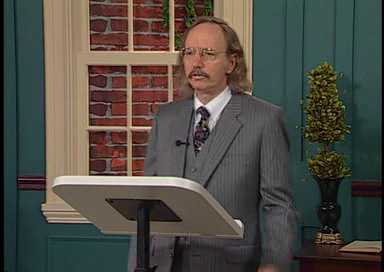
Here is another lecture I came across which is quite suited to my blog. This lecture is from the course “Psychology of Human Behaviour” taught by Professor David W. Martin from North Carolina State University.

prof_david_martin

The course has 36 lectures, but the one lecture that caught my eye is lecture number 10 called “Schizophrenic Disorders”. I felt this lecture is important for a carer as myself since I am looking after someone suffering from such a condition.

So lets delve into this lecture further.

Professor David starts off from the lecture that he is going through the various mental disorders from the DSM IV, which as we know has gone up to DSM V, which stands for “Diagnostic and Statistical Manual of Mental Disorders”. This manual is very helpful to psychiatrists and others interested in mental health, but the manual also has a difficult and controversial history, but we can explore that for another time.

Continue reading

Moral Luck – Choice and Chance

Welcome to my first review from a lecture I picked up this course from the teaching company called “Questions of Value”. This lecture although rather deep, is quite a fairly good start to my blog since it involves ethics, something family, carers and the community can become involved in from daily situations.

The course is taught by Professor Patrick Grim from State University of New York.

Professor Patrick Grim

Within this particular course I look at lecture 19 out of 24 called “Choice and Chance”. Here this particular lecture looks at how the role of luck affects ethics and morality. We explore in this lecture Is life a mere matter of luck?

First the lecture explores why Immanuel Kant a famous philosopher thought that luck plays no role in mortality, Kant thinks that it is the good will that’s important and luck should not be a factor in moral decisions.

Embed from Getty Images


Here is a passage where Kant explains why he feels Luck has no place in the idea of moral decisions.

“A good will is good not because of what it effects, or accomplishes, not because of its fitness to attain some intended end, but good just by its willing, i.e. in itself; and, considered by itself, it is to be esteemed beyond compare much higher than anything that could ever be brought about by it in favor of some inclinations, and indeed, if you will, the sum of all inclinations.”

However Prof Patrick feels moral value of an action CAN depend on mere luck, there are factors of luck that can affect the outcome of an action. Some outcomes can be favourable, while others can cause disaster.


This lecture explores how morality is open to chance and for most of the lecture, Prof Patrick concentrates on factors of the law. We have several examples where ethics and the law are open to dispute. A good example brought up in the lecture was for instance the idea of crime of murder and the idea of attempted crime. The law has varying levels of different punishment, hence the act of attempted and the act of murder carried out.

Prof Patrick poses several questions
– How can these cases be treated so differently?
– What the person was trying to do, if successful?

Patrick starts that attempted murder may be unsuccessful because something outside your control could have happened e.g. Luck or something deeper that changes the outcome.

so here we have the law which allows one person to be executed to death, and the other is in jail a few years. The lecture looks at what how much of a difference that the mere amount of luck plays. Plus it seems unfair because of the ethical differences, but mainly just down to chance.

The lecture looks at the idea of intent, for instance when two drunken men fight in a bar and one yells out “I ll Kill you” and pushes the other man far back, which leads to the man falling and cracking his skull. We are asked what was the intent?

Another view from a philosopher Thomas Nagel, feels something seems unfair about this. Thomas feels moral luck does play a part in ethics and how it affects us. Thomas explored the ideas of 4 types of moral luck.

Being : –

Circumstantial Moral Luck
Constitutive Moral Luck
Causal Moral Luck
Resultant Moral Luck

thomas-nagel

The lecture examines the idea of “Resultant Moral luck” further by exploring the following example.

A speeding truck driver runs over a person, the driver will feel bad about this, however the truck driver can be negligence if he did not check his truck’s tires. While another truck driver also drives dangerously, but for him, even though he was speeding as well, the person was crossing on the road at the time.

Although negligence seems to be the case for both examples, the main difference is that outside forces e.g. the person being on the road must have played a part in how luck can affect the outcome.

Nagel shows our moral values can be self contradictory and he feels Kant conclusion of moral luck is unacceptable. However there are still some problems with this conclusion, the course feels Nagal is wrong, and there is a deeper level of ethics and intuition that plays its part in the human condition. Sometimes the legal system struggles take these factors into account because of the cost of social resources.

Embed from Getty Images


The lecture also looks into the problem of how social machinery operates, where we all know that no social machinery operates flawlessly, we are all prone to error. The social machinery design to present harm, can actually cause harm as it sways from one factor to another in balancing social issues.

So the fine line between the truck drivers is that they have both done something wrong, whether or not the person dies…which leads kant to be roughly right, but the social machinery needs to fit in to this structure, which it sometimes does not do.

How can this relate to families and carers? How can moral principles affect how society views them. we all question ourselves about if we are negligent towards our loved ones. We wonder if they suffer more because we have made the wrong decision. I sometimes feel that as a carer it is not possible to cover all bases, sometimes carers are in a position where outside factors can affect the result of care.

Embed from Getty Images

The lecture states that Morality has a social machinery as well, some moral principles are maybe too difficult to frame without expecting people to apply them without moral error.

The lecture finally looks at the problem of the transmission of ethical principles from generation to generation, such principles need to be generally effective and easily taught. Not all can be easily transferred, some are just not quite right where legal frameworks can also fail. for instance the idea of inherent wrongness cannot be easily identified.

There are problems where there are levels of social complexity in morality. The law also has is own problems because of social complexity. Prof Thomas feels that we have to take into account that some of our moral conditions or intuitions are far deeper than others, but the difficultly is identifying the ones that form some truth against the easy principles.

Where the Caring “Mind” comes in

After spending some time thinking of what else I can add to my carers blog site, I wondered what could be of interest to others visiting the site. As you may have already known, I am bound to review things, such as the events I visit, but what about other subject criteria?

I mean this blog is not just about the world of caring, its also a reflection of what I have been through and what I have experienced in the realm of mental health. I actually have another blog, which reviews audio lectures. Some of the lectures are to do with history, but the problem is this particular blog site is on caring and mental health, so I took a long hard look at the subjects which I wish to include in the blog.

Continue reading

World Mental Health day 2014 – #mhday

The Future

On this blog post, I have decided to do a post about World Mental Health Day 2014. Last year on World Mental health day 2013, I visited an event to do with service user involvement in research, which was held over at the London School of Hygiene & Tropical Medicine.

This year I am going to visit around 3 or 4 events in South London and experience how different people celebrate world mental health day 2014.


Please check out the video I made of the events I visited that day.

Going back to my blog post, ever since I have been a carer for someone suffering from schizophrenia, I have always wondered how such a mysterious illness can take the personality away from our loved ones.

I sometimes struggle to work out why my loved one does not understand me as much as she used to. It seems as far as I can remember my loved one seems so different as if there is lack of interest in many things, sometimes she is irritable and other times very withdrawn.

Embed from Getty Images

It feels like I could never understand mental health difficulties and I am sure my loved one struggles to explain how she feels.

I think that perhaps this is one of the reasons why there is a World Mental Health day 2014. The event is to allow others to reflect and think about mental health for the day. We cannot all experience what mental ill health fully means unless we are sufferers, but at least we can all help raise awareness and combat the stigma of mental ill health throughout society.

I feel it does not matter too much if you suffer from bipolar or severe depression, with world mental health day, it is so important to get our voices heard, it is so important to write down our thoughts and feelings so that others can learn from those affected by schizophrenia.

I only hope that as a carer and one that blogs fairly often, that others out there are inspired to blog about mental health. World Mental Health day need not be about depressing others about mental health, the day can also be a celebration of those who are clearly part of society.

Embed from Getty Images

We all go through difficult days and we all hit different levels of mental health. The blur between carers, health professionals and those with lived experience can encompass us all as anyone can be hit by mental health problems.

Society can only gain in the long run when no one is isolated, where no one is stigmatized and where no one ends up developing mental ill health in the first place. With events like World Mental Health Day, we can take that extra step to be aware of our own mental health, we can take that extra step to be aware of others suffering mental health problems.

I feel World Mental Health Day is about coming together and recognising what makes us human, no matter how fragile or strong we all are, we can forget that we are people, we end up forgetting our minds until its too late. We need to use such events as a way to remember that our mental health and emotions play a far bigger role than we ever take notice of.

Let us all celebrate, help raise awareness and use World Mental Health Day to aid us in to becoming healthier people and not only look after ourselves but to stop, reflect and look after others.

Please take some time to check out everyone elses blog posts at http://blogs.psychcentral.com/mental-health-day/

Carers – Being the connection in communication

Welcome back to another blog post from a fellow carer. I would like you to check out the following scenario.

mat

Just imaging this. Here we have a patient who talks to the doctor, the doctor sometimes struggles to understand the patient, then the doctor contacts the mental health consultant, the mental health consultant then contacts the care coordinator, the care coordinator contacts the patient, the patient then contacts an advocate and the advocate contacts the doctor, the doctor contacts the social worker who in turn speaks to the care coordinator who then is too busy to contact the patient who in turn does not contact anyone for a long time sinking futher into relapse.

Whats missing from this scenario?

Who is not being contacted or doing the contacting?

Anyone guess?

Thats it!! It is the carer. Each and everyone in that scenario is important and they all have their roles and responsibilities. However When there is a communication break down, which can often happen, when is it time to contact…….the carer?

Chain in the link

Time and time again, us carers who are looking after someone suffering from mental ill health will look to contact those involved in providing a service for the patient or for our loved ones.


There will be times that every so often carers feel shut out because we may not hear from anyone and yet us carers have to pluck up the courage and start raising issues, us carers have to start asking questions, because if we do not care then the ultimate question is who will care?

I am not stating that there is no reason for carers not to be contacted, there are plenty of good reasons and one being patient confidentiality. This goes to say that someone suffering mental ill health may not wish their family or carer to know what they are going through or suffering from. Some reasons are mental health stigma, other reasons are the fear of relationship break down and one of the most important is patient rights.

Embed from Getty Images


We all know there must be a balance to protect the patient, but this also does not mean that confidentiality can be used as an excuse, which it can sometimes be used as an excuse. I am no expert in patient rights or confidentiality, I can only speak as a carer of 11 years. Yet I have seen excuse after excuse as to why I have not been contacted if whoever I am looked after is suffering physical or mental health health difficulties, although at times I can see why information was not devulged to myself.

Us carers walk the fine line between fear, guilt and being isolated or pushed aside. We do not want our loved ones to experience any more pain, but we sit there at times silently waiting and guessing when to act. Us carers wonder when to ask more questions or when to raise concerns. Carers are that vital chain in the link, especially if we are caring for those who struggle to look after themselves.


Embed from Getty Images


Mental Health and the Mortality Gap

It is known that those suffering mental health problems unfortunately have short life expectancies. They lives are about 10 years shorter than those who do not have mental health difficulties. This has become an issue in which the government is trying to tackle, but there is no easy solution.

When you hear of such depressing statistics then many are asking the question why are people suffering mental health problems dying far earlier?

  • Is this because suffers are so unwell that they cannot raise physical health problems sooner to the health professional?
  • Maybe the fault is with the health profession who might dismiss the patient because the service user is not making sense?
  • Perhaps isolation is the biggest killer of those suffering mental health problems as no one is there to listen to them, because the mental ill health has driven others away.
  • Or it could be the old numbers game where there just is not enough resources to check up on someone.
  • Another problem could be that of medication, which can aid in recovery, but can also pacify a patient to the point where they just do not even care about their own health or at worst speed up physical problems due to side effects.


I am not an expert in mental health and I am sure I am missing far more things off the reasons I have pointed out, I guess I can only speak from carer experience and to be honest I am sure this is also the experience of other carers out there wondering how many years are left for those they are caring for. It is an awful question to ponder, but this is usually on the forfront of many carers minds.

Back in 2013, I went to an interesting event held over at the Institute of Psychiatry. The event was called “Mental Health and the mortality gap: what is responsible and who is to act?”.

The event looked at the challenges and solutions surrounding the physical health of mental health service users.

The panel at the event were experts in their field and suited for such an event.

Where we had Professor Shitij Kapur, Deputy Vice-Principal (Health) and Dean of the IoP hosting the event.

On the panel was Dr Fiona Gaughran, Lead Consultant in the Psychosis Service at South London and Maudsley NHS Foundation Trust.
Simon Wylie, Clinical Lead for Southwark Acute.
Dr Ruth Ohslen, Lecturer in mental Health Studies at the Florence Nightingale School of Nursing and Midwifery.

You can listen to the recording of the event below.

http://alumni.kcl.ac.uk/mental-health-event-2013

In fact at around 33 minutes into the recording, you can hear me asking a question to the panel on my fears about the medication issue, which in fact I was absolutely terrified in asking, but ever since that event I am glad I did ask the question and I felt grateful to have been giving the oppertunity to do so.

However for any carer out there who is wrestling with such questions concerning mental health, I do urge them to attend events like the one I mentioned above. Even if as a carer you might not understand much of what is being discussed, at least you can feel that you making your presence felt, perhaps even form a network.

I can only hope that the Institute of Psychiatry or its new name being the Institute of Psychiatry Psychology and Neuroscience hold more events like these in future.

Whose responsible?

Going back to the issue of carers being part of the connection in communication. Us carers have to sometimes ask those difficult questions. I understand that pressure is placed upon the health professionals and there usually is a tug of war on who gets to know what about the patient.

Embed from Getty Images


The issue is even more tricky if deep down in the back of your mind you feel your loved one is lacking capacity to understand their own health risks, particularly if the physical health problems become more chronic.

I understand us carers cannot live someone else’s life for them and we should not smother whoever we care for either, but there is a threshold on when to act before its too late, which can be difficult for those providing the care and agonizing for those who are too late in raising the alarm.

In the end we are all part of the chain in helping to provide care for those suffering mental ill health and yes even the service user has to be proactive. We all have to communicate at certain degrees, that being the doctor, the consultant, mental health advocates and us carers.

Embed from Getty Images


The NHS is under pressure as resources become harder to reach, the outcome is that families and carers will play an even bigger part to fill what is left out of the gap of health service, to try close the mortality gap and finally to form the connection of communication.

In the end we are all responsible.

Happy Heads event 2014 review

Welcome back to another of my mental health and wellbeing event reviews. This next event I have been personally involved in helping to arrange with at least some of my ideas.

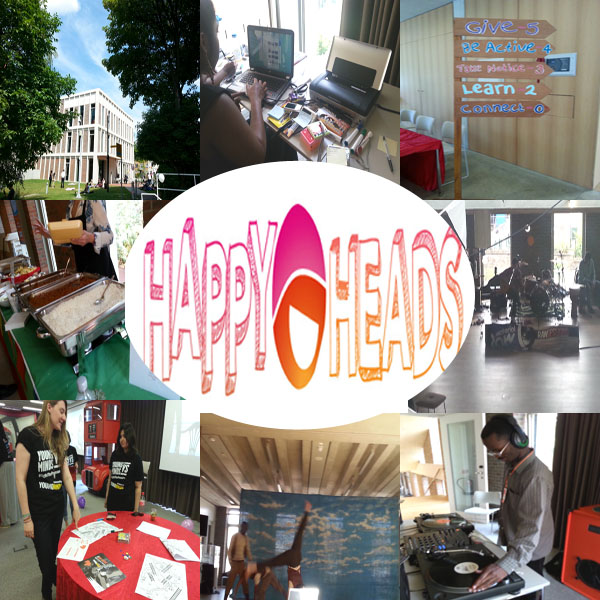
Happy Heads Festival

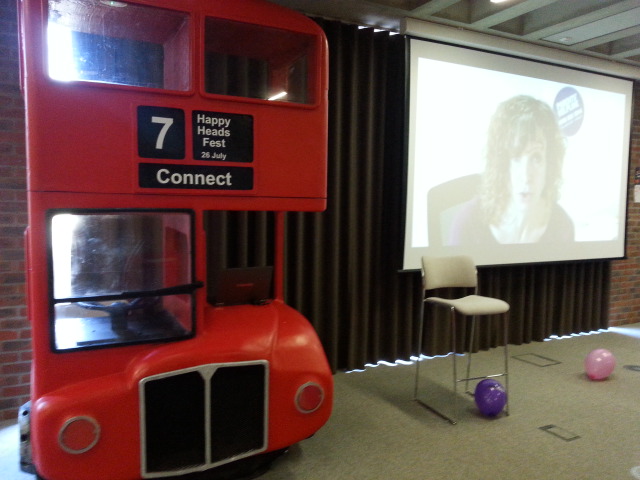
The event was on the 26th of July 2014 and it was aimed at young people to explore, learn and connect on expressing their views on wellbeing and mental health.  The event was held over at the Maudsley Learning Center, which is a venue over in the London borough of Southwark that hosts wellbeing events, meetings and workshops.

I have written a blog post that led up to the Happy Heads event, which can be viewed here.

I have also made a 22 minute video about my visit to the Happy Heads festival. Feel free to watch the video below.

Going back to the blog post how did the event work out on the day?  To be honest although I can give my views, I feel it would be great that a young person who attended the event should give their views on how they felt the event went.

happy heads Review

My main view of the event was that the event lived up to its expectations and more, but engaging with young people on health and wellbeing cannot be done with just a festival alone, but this festival was a great start and was certainly well attended.

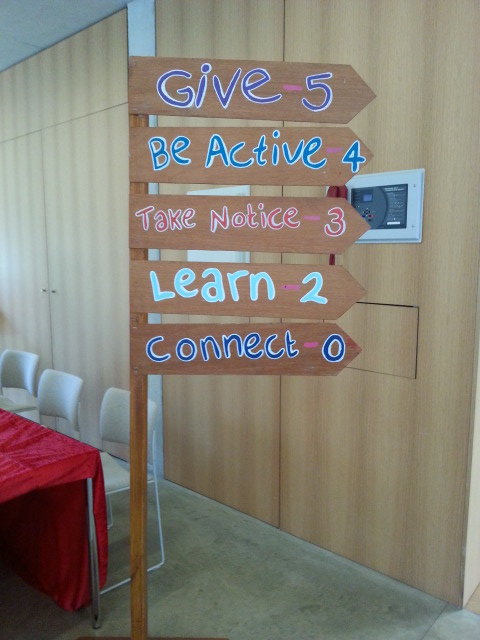
When I arrived for the event, I ended up volunteering to help out at the Timebanking UK stalls.   I talked to a few people on what it means to giving your time and skill in order to help others.  Infact the Happy Heads event was centered around five themes being

Being Active
Connecting
Giving
Learning
and finally “taking notice”

Wellbeing Themes

The Timebanking UK sections was on the “Giving” theme.  I got creative in that zone and built one of my main talent in which I can help others.  That talent was on computer skills, which was placed in the “Suitcase of Talent”.

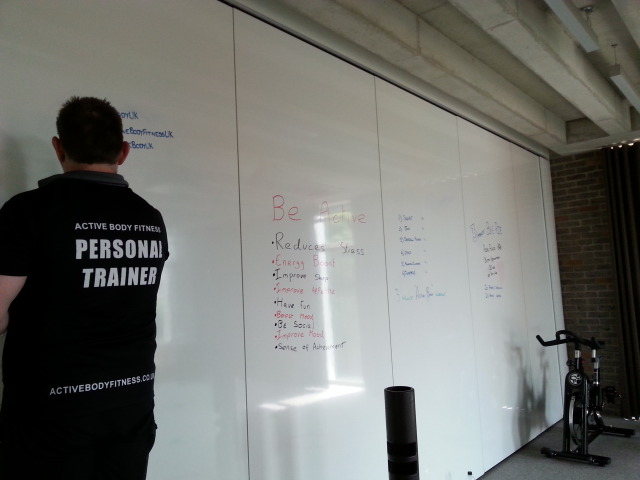
The next part of the festival which I visited was the “Being Active” zone, where I spoke to several fitness instructors on the benefits of being active.

Being Active

Soon I arrived in a colorful and comfortable room facilitated by “IamGreeds”. Feel free to visited his site.  Basically the poet was hoping some young people can express what wellbeing means to them using spoken word, which was read out on the free mic session later on at the festival.

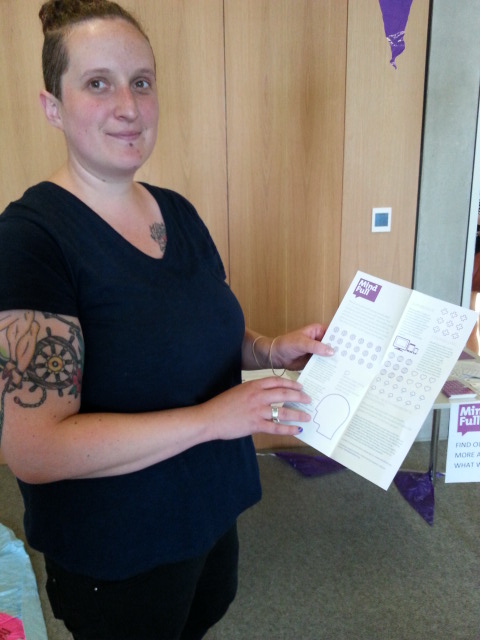
Another section I visited was the Mindfull Fun Fair zone, this area was linked to the “Taking Notice” zone.  I spoke to the stall holders about why it is so important to be mindful and be aware of how we treat others or how others treat us.  The stall holders were from Mindfull, which is an online support, information and advice about mental health and emotional wellbeing aimed at young people.

Mindful Fun Fair Host

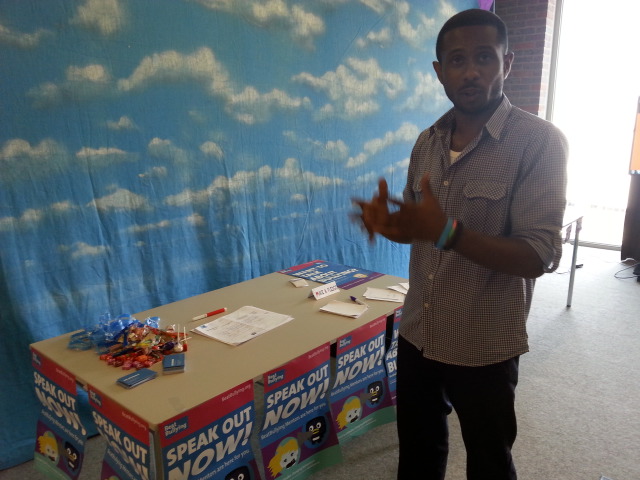
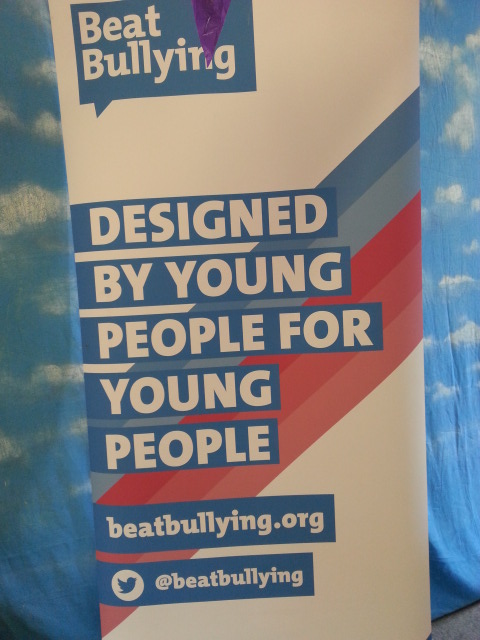
Another stall holder at the Mindfull Fun Fair zone was representing the “beatbullying” organisation.  He gave me a run down on how bullying affects young people and why the beatbullying campaign was set up to tacking bullying.

Beat Bullying Stall holder 20140726_122018

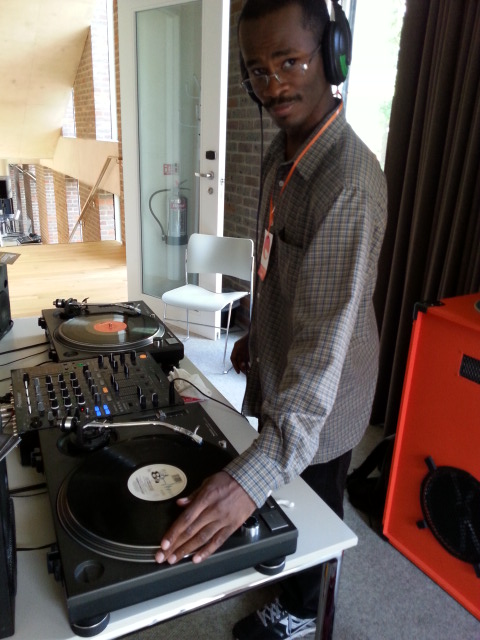
Soon it wasn’t long before I got my creative energies following and I wandered into the DJ mixing room, which had quite an impressive array of sets placed in the room and excellent DJ equipment.  Mixing and scratching the records actually made me feel quite young again.

DJ Mixer

The music mixing zone was set up by RAW Sounds.  Raw Sounds is a programme of creative media sessions for people accessing mental health services.  Feel free to visit their site here.

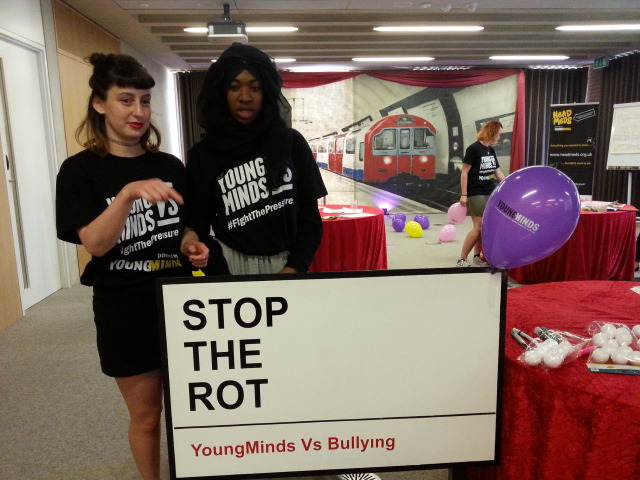
One of the most impressive displays I noticed was actually situated at the basement level of the Maudsley Learning Center.  This section was being used by the YoungMinds Vs project.  YoungMinds vs has been set up to tackle School stress, bullying, sexual pressure, and lack of jobs for young people.  I had a great time talking to teenagers at this particular section of the festival on why they feel mental health and wellbeing awareness is important for many in the community.

YoungMinds Vs YoungMinds Vs Displays

There are other videos from the Happy Heads festival which I thought to help advertise, feel free to check out those videos as well.

Psy Med Update September 2014

I am in a group of around 15 people with a special interest in
emergency mental health services (eg A&E psychiatric liaison or home treatment), and mental health services where there are links with physical health (eg eating disorders, chronic fatigue, brain injury). We are interested because we have direct experience of using these types of services or of supporting someone who does.

We meet monthly and work with managers and clinicians to keep the views of
service users & carers at the heart of all service developments and improvements. 10 of us were at the September meeting along with senior staff including the Clinical Director, and the Service Director.

Click Below to view our latest newsletter

September newsletter 2014

Mental Health and Well-being event 2014 review

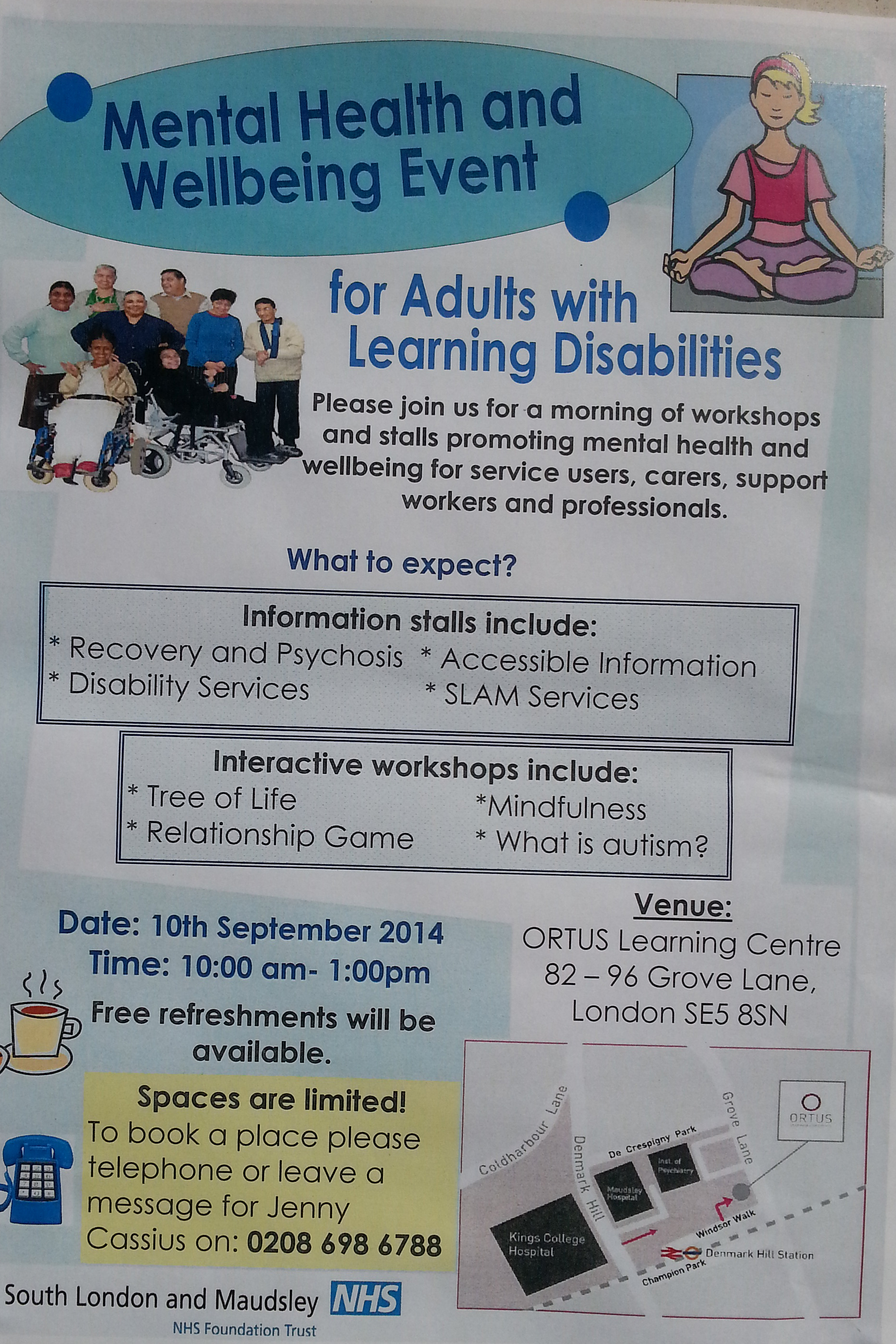
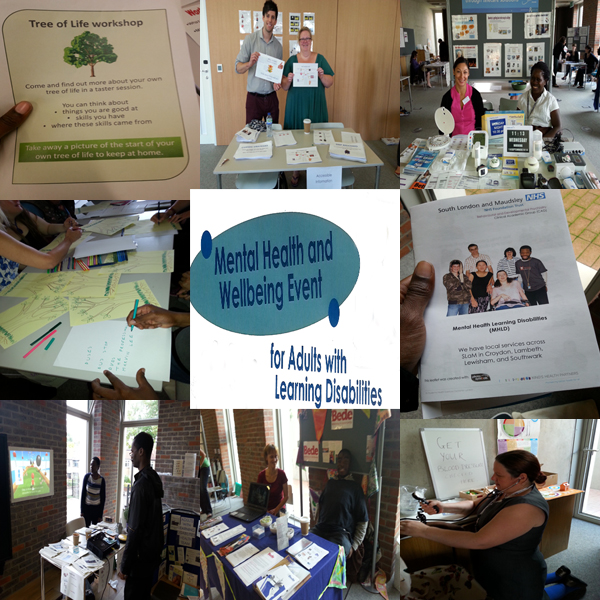
Welcome to another of my event reviews. Its been a while since I have last blog, but that does not mean I have not been busy. On the 10th of September 2014 I decided to check out the Mental Health and Well-being Event, which was aimed at Adults with Learning disabilities.

poster

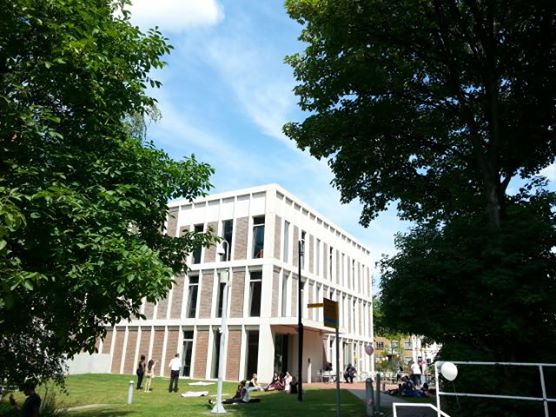
This event took place over at the Maudsley Learning center, which is also known as The ORTUS.

ORTUS

I usually visit the Maudsley Learning Center to check out mental health awareness events or conferences that can often be held there, but the ORTUS is more than just an events building, it does many other things where the community can relax and learn more about well-being.

Now I do not know if you had seen my video blog of last years well-being community event, but feel free to check out my video of last years community well-being event.  There is also a video blog of the recent 2014 video event near the end of this blog.

This year being 2014, the Well-being event was big, and I mean more stalls, more workshops, more rooms and more involvement. There was lots on offer and everyone was so friendly, engaging and cooperative.

Multi-screen

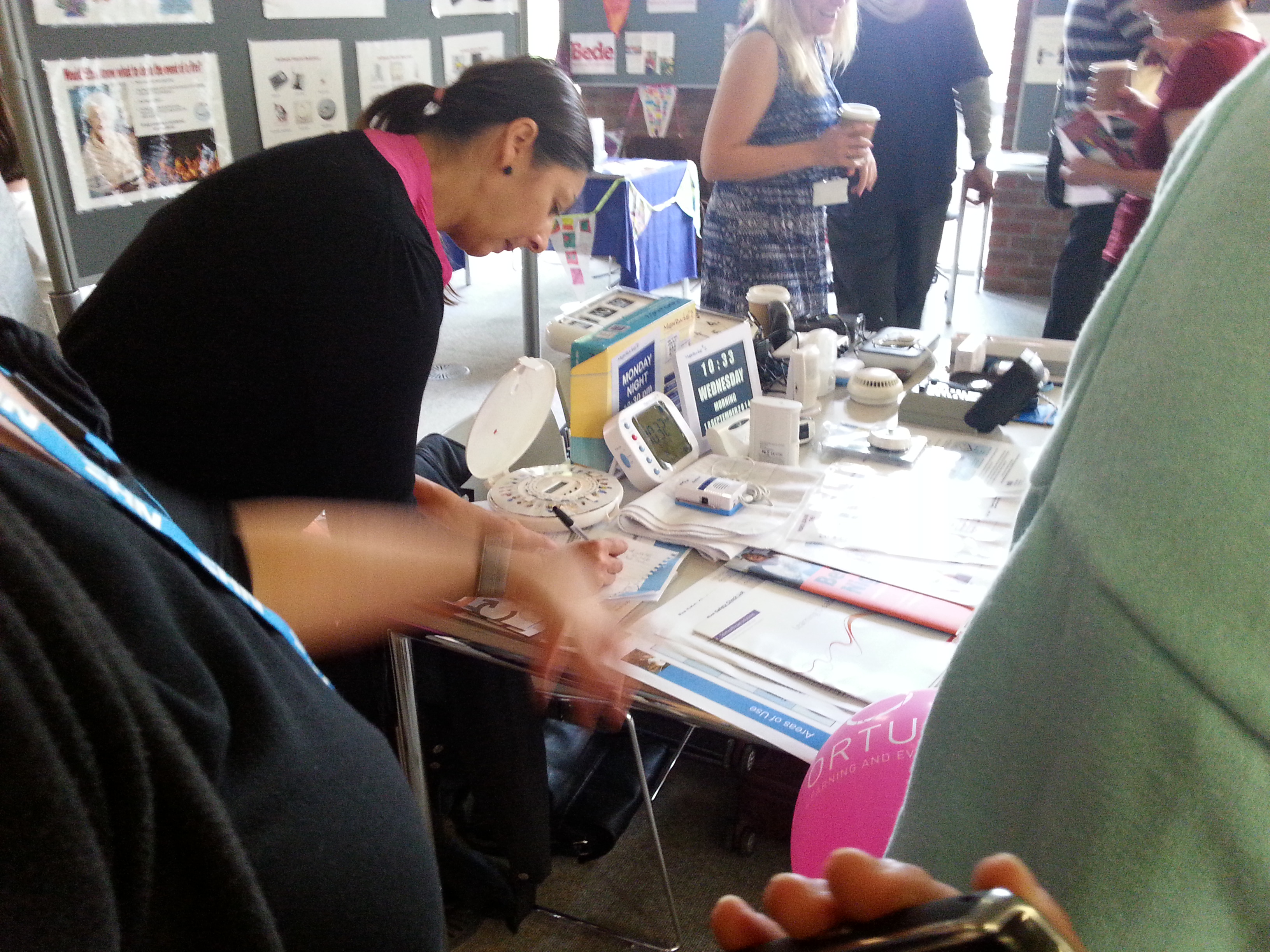
We have three floors of activities at the event and at the ground floor there were numerous stalls, where I checked out around 13 of them.

The next floor up was some more stalls and a coffee and tea area, then 2 floors up we had to workshops, each workshop running every half an hour, but first lets check out briefly what stalls were on ground floor, before I continue I would like to apologize in advance if I missed any names out.

3-4

I cannot go through all the stalls I checked out off the written blog, but if you want something more interactive, you can view the video blog I made of the event.

You might have noticed the video blog is around 11 minutes longer than the last years video blog, but this goes to show how much was put into the event this year.

My favourite stalls that I was on the lookout for were the ones which had those who use the services actually helping out off the stalls. This showed me that the service users were inclusive in the services that were provided for them, this meant there was more control for those who may have challenging behaviour.

5-1

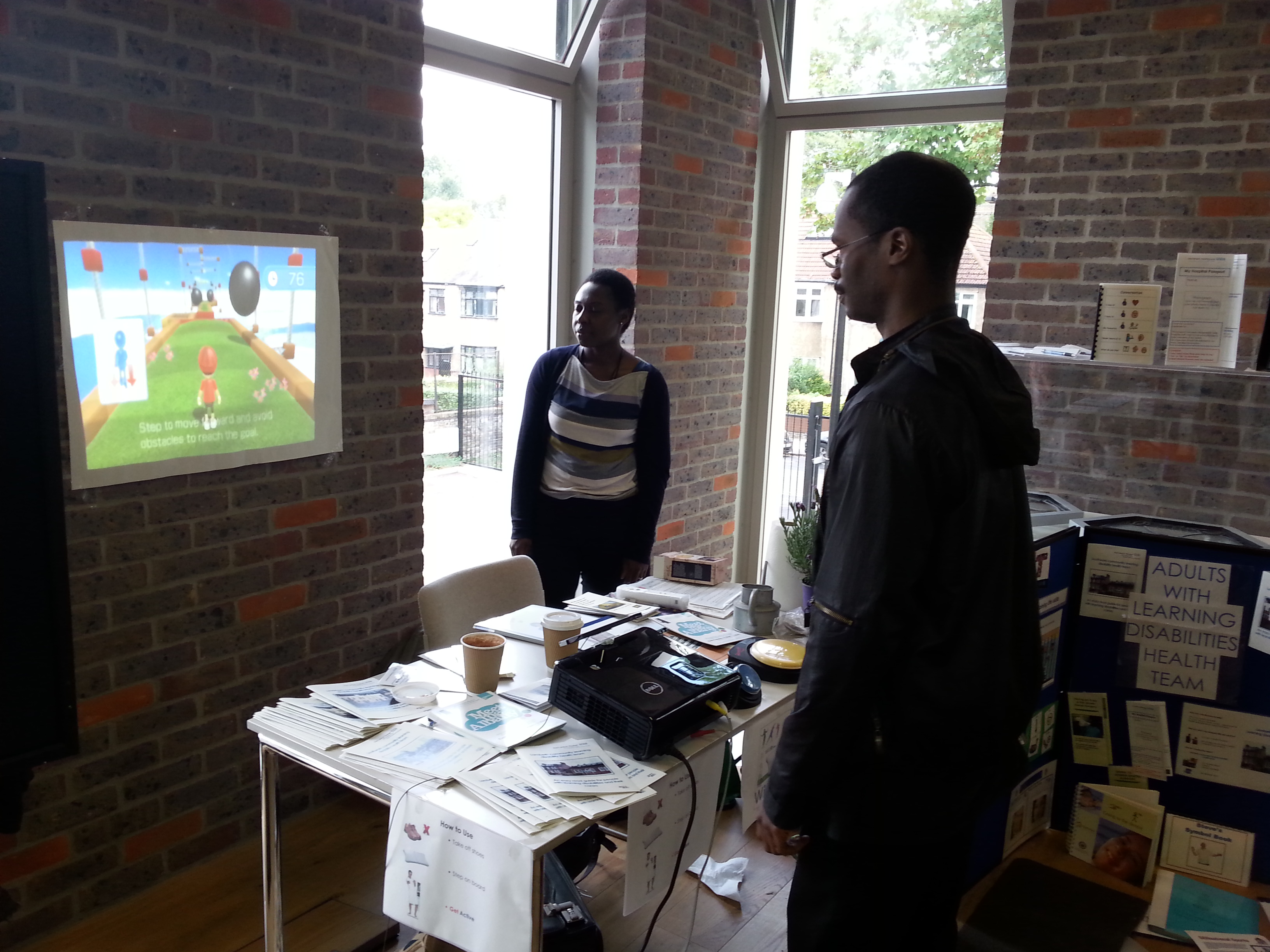
Other stalls of interest was the “Adults with Learning Disabilities Health Team”. The team must have had around 2 to 3 stalls where each were focusing on a specific health area. One of my favourite stall to visit was the interactive game, which helped divert your mind from how much exercise you was doing.

Adults with LD Team Game

I always feel learning should be fun and games are one of the powerful way to challenge your mind and at times your body.

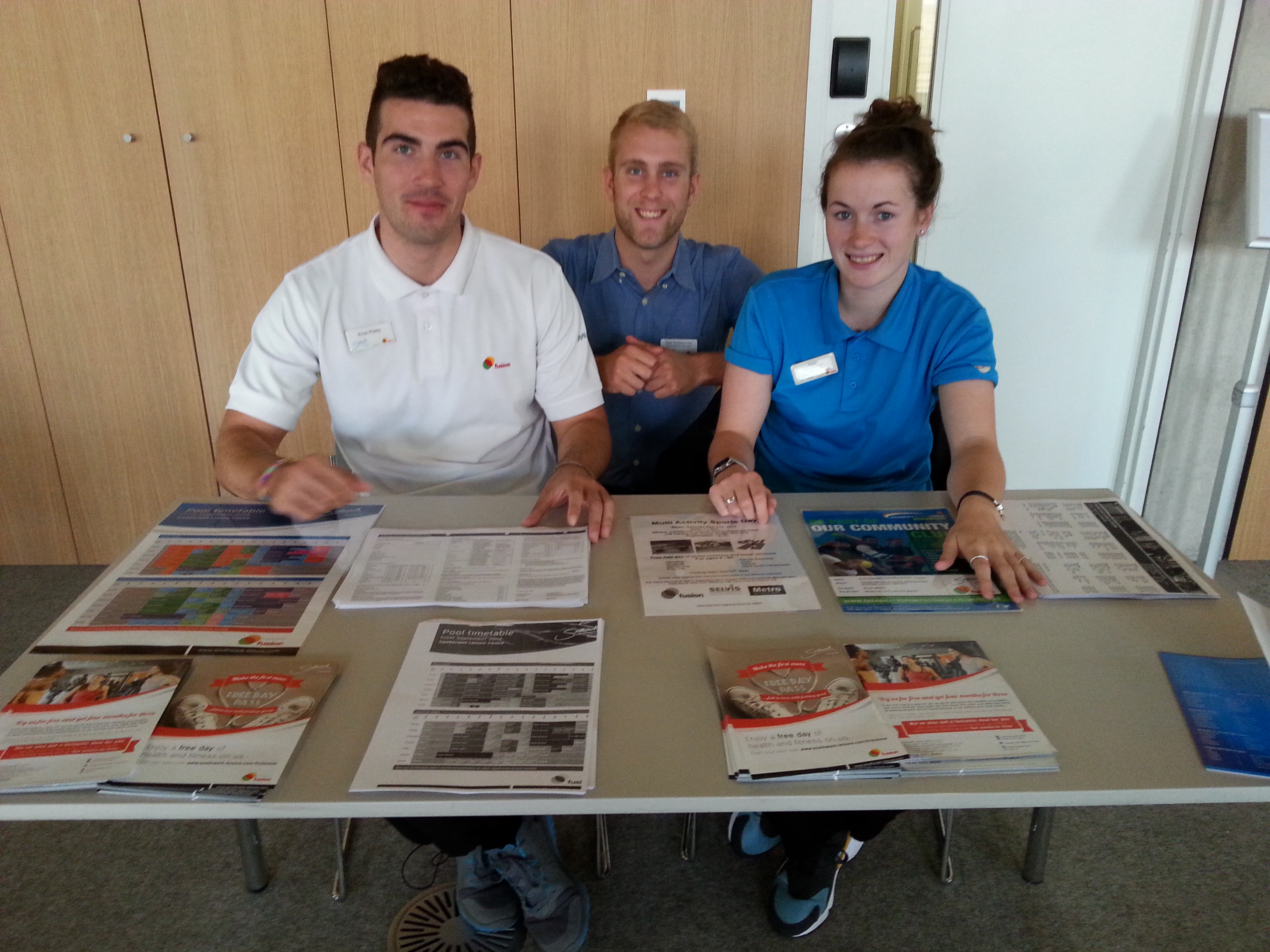
Talking about bodies, Quite a few stalls were focused on advertising the sports and health centres dotted around the Southwark area, so many people can take advantage of the sports centers, there were quite a number of discounts on membership that its such good time to get fit and active.

7

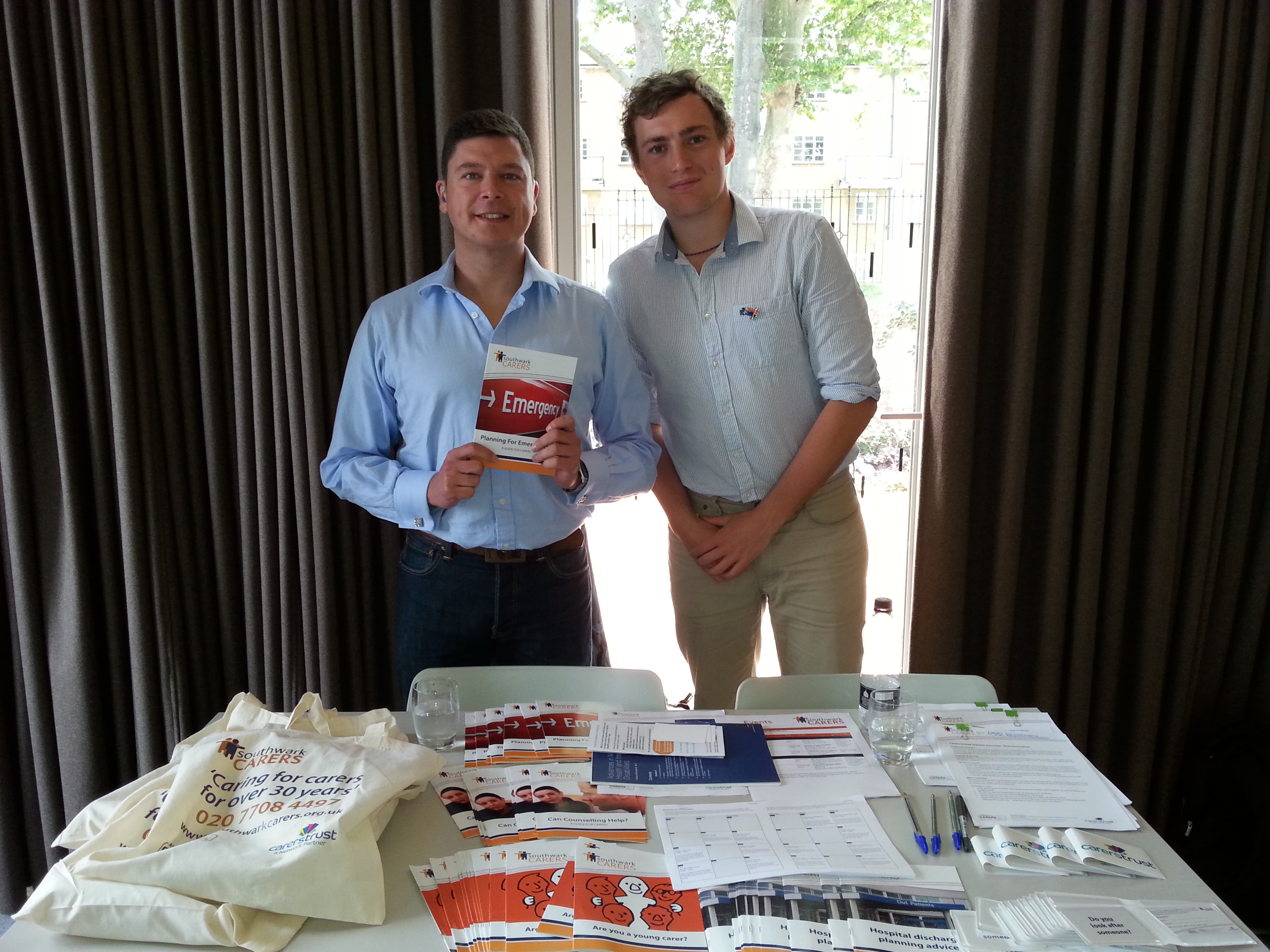
It was also great to see Southwark carers at the well-being event. We must not forget the families or carers who form the backbone of care for those with mental health difficulties or intellectual behaviours. So many carers out there silently cope and do their role without a moments thought for themselves. So hopefully if carers and families of those who have learning disabilities visited that stall, I would hope they get the support they need.

Southwark Carers

After visiting a few stalls, it was time to check out the workshops. There were quite a few workshops running and fortunately all the workshops were packed.

The workshops running were

What is Austism?
Mindfulness
Cognitive Behavioural Therapy
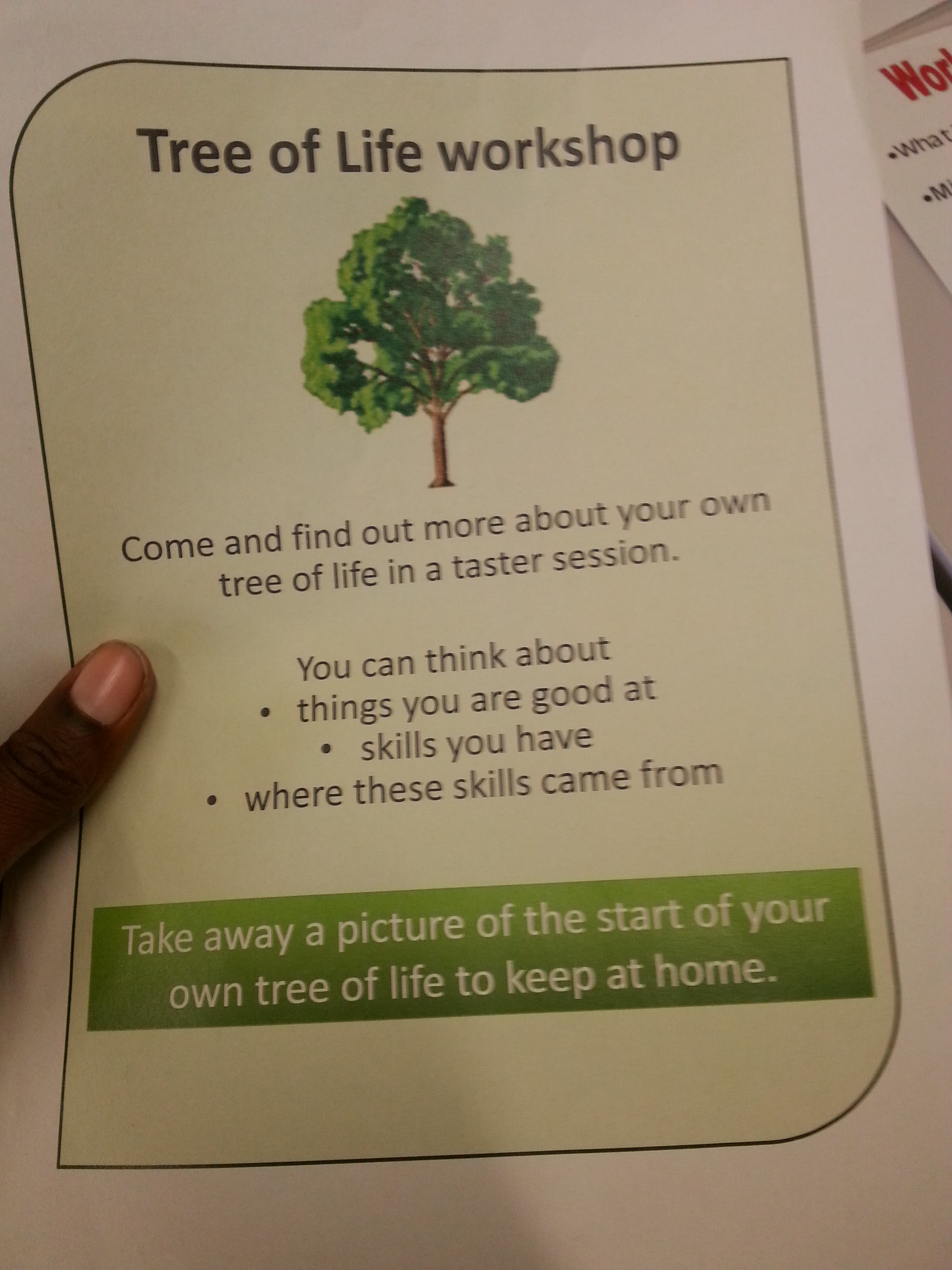
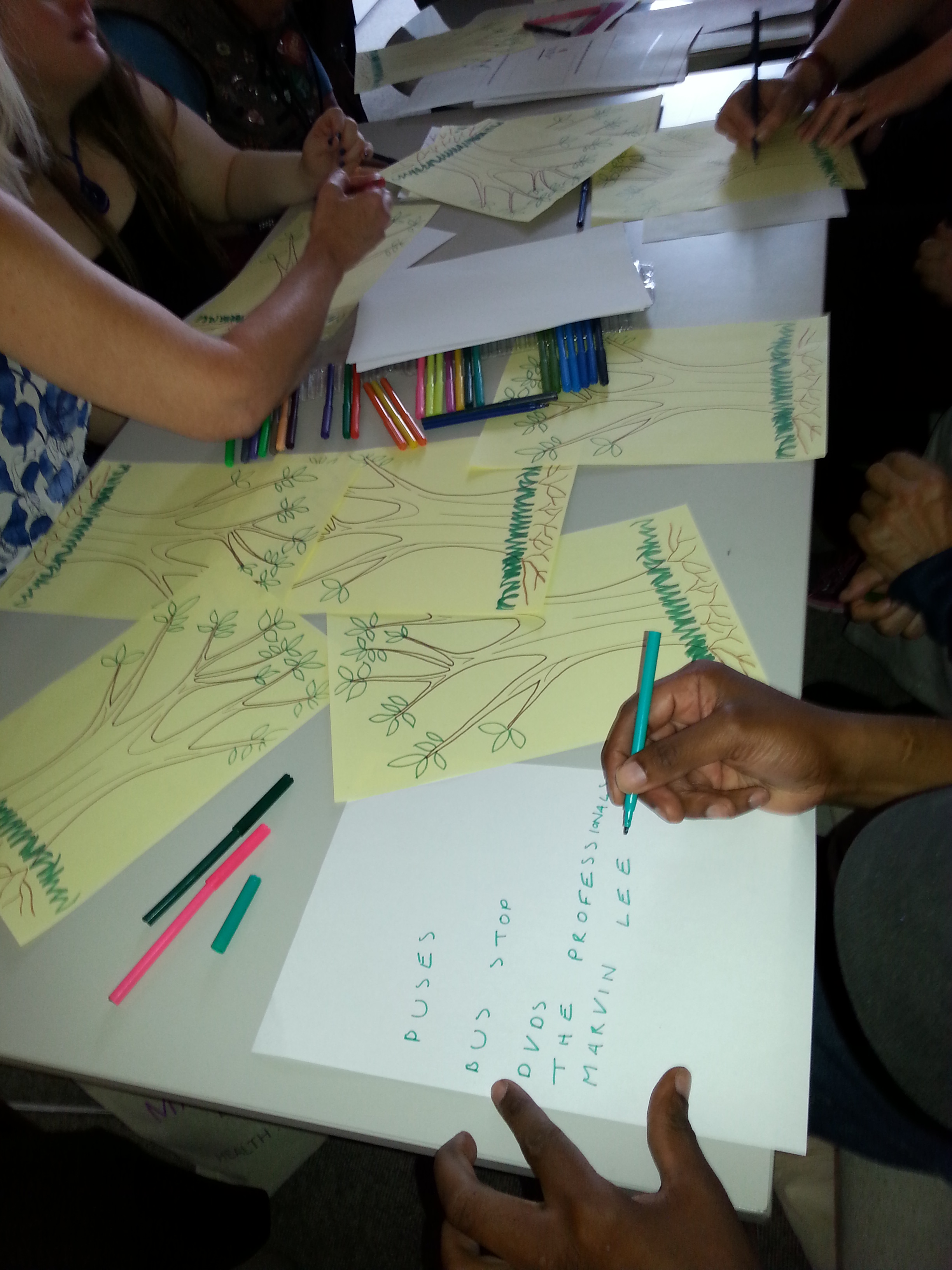
The tree of life
Role of medication
What is Mental Health?

Tree of Life18 workshops

So there were six workshops in all. I could not stay for the full length of time since I was busy exploring the other parts of the event, but what I saw at the workshops made me feel that the organisers spent a large amount of time and energy to get the workshops running.

Unfortunately I could not stay the whole event, since I had a meeting to go to, but I feel so glad to be invited to help cover and promote the event.

Difficult things that carers go through on their journey of caring.

When I started caring even though I did not see it as a choice at the time, I did not notice how much of an impact it would have in my life. I initially started my caring journey because mainly I was afraid what would happen if no one was there to help provide any care for my loved one. I was fearful for my relative.

Almost 14 years of caring I now look back at the journey I have taken and have learnt how caring not only has affected my life, but many other carers out there. My caring experiences have not always been difficult, there has been many great things about being a carer, but what some people might not realize is that carers can loose many things when they take up the role of caring.

I am hoping my blog can shed at least some light on such a difficult and sensitive subject, although I must note that I seek not to blame anyone for what carers go through. We all have difficult choices to make and we all responsible to a point. When I started caring for someone struck down with mental health difficulties, I did not foresee how much of a struggle they would have to go through.

Maybe it was my own ignorance or stigma of mental health, maybe I did not educate myself enough on how mental health illness can affect families, but I can only hope my journey in the realm of caring can lead me up an easier path where I learn more about the struggles of others and how I can cope with my own struggles as a carer.
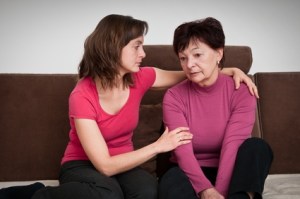
Caring

Almost everything needs careful planning

One thing I noticed what carers have to do from the outset is plan for things. As a carer you never know what the future might bring or if the illness might get better or unfortunately get even worse. This is why carers have to dedicate time to plan for as many things as possible. It is best not to leave too many things to chance.  As a carer I looked back on the support I was given and I am very grateful for such support. I have used Carers center in my district a few times over the years called Carers Lewisham and I advise other people who have become carers to check out their area for carers centers.

Embed from Getty Images


The reason I mentioned the carers centers is that I feel carers should never be placed in a position where they are left to do so much by themselves. We carers need that support and if things need planing, its always helpful to have others help you with such plans. Usually it can be great if you can plan for things with whoever you care for, but unfortunately when you care for someone who is either too unwell to help out or you need to consider help for yourself, you will need a carers center support.

Embed from Getty Images


Careful planning for the future does take time and for this carers need time to plan. Such things cannot be rushed.

Very little time for carers needs

This might sound selfish, but I want to be honest not only for myself, but for others struggling to care for their loved ones. Carers can and often do lack the time for their own needs. Perhaps this is one of the most common situations a carer can find themselves in. Perhaps us carers do not notice that we give up a lot of our time to provide care because we want to see our loved ones recover, we carers want to see that we are making a difference and we want our loved ones quality of life to improve.

Embed from Getty Images


Depending on how unwell our loved ones are, all this takes time. As long as you are a carer, I hope that I have made you aware that you will loose time for yourself, but its one of the things I wish to make known to others out there who may not understand the carers world.

Guilt

Perhaps this is something built within my own character, as a carer from all these years of caring. I feel guilty, I feel that I have let my loved one down especially if they fall deeper into their own illness. The darkest guilt may hit carers when they notice their loved ones first become unwell from mental illness, us carers feel that it might have been something we have done to cause this, perhaps we should have done something sooner in order to stop the mental health problems from hitting our loved ones sooner.

Embed from Getty Images


Guilt can hit care-givers so hard that they may often risk their own mental well-being. Guilt does not always have to be the worst thing to affect a carer, sometimes guilt is like a form a stress that helps us carers react under difficult circumstances, but too much guilt can be very bad thing. As a carer of someone suffering mental health difficulties, I am sure you have felt guilty of not doing something and I know how bad such a thing can affect yourself. It is ok and I have been there.

Every day tasks can become more difficult / some impossible

Embed from Getty Images


This is not the case for all carers, but I have to acknowledge those who are unfortunately caring for their loved ones who are sinking deeper into ill health. I do not want to be the bringer of negative and depressing news, but it is a fact that there are carers out there caring for those who unfortunately may never recover, this leads such carers to take on even more tasks and such carers can be hit by difficulties within systems that are meant to support families and carers.

Wouldn’t it be good if every carer around the world all received the best support they can get in order to provide care? Well if that was the case then perhaps we would not have to care in the first place, but even worse we know the balance of carer support can be lacking. In the UK there are around 6.5 million carers providing care for their loved ones, without those carers the UK’s National Health System would grind to a halt.

Lack of time

If you have been reading through my blog posts you might have noticed that I mention time quite a lot. This might be the time you are providing as a carer or the time you use to reflect on your journey as a carer. However without a doubt carers will find themselves loosing or lacking time for not only their own lives, but also to help provide care. We all know that time is precious and once its gone then you will not get it back.

Embed from Getty Images


Caring for your family or loved one takes time and it does depend on how unwell your loved one is. If your loved one sinks deeper into ill health then carers may notice that they lack the time for many things. Please note I am not seeking to blame anyone for what carers go through, but I am pointing out the major things that hit carers and their families.

Disappearance of friends

Have you heard of the expression “when times are good then friends are near, but when times are bad friends disappear”?

Well I have probably summed up another thing carers go through. Think about it, lets say you was friends with someone and you had great times doing many activities with them. You both go out and have a laugh, perhaps socialize with others and you were always happy to see your friend. The one day they start caring for someone in the family who perhaps is suffering bipolar or depression. You notice perhaps signs of frustration from your friend, you may notice that they do not seem so cheerful as they use to be. This in turn affects how you feel and you wish to be happy again, you notice your friend stating that they lack the time to do the things they used to do with yourself. So the big question is would you hang around?

Embed from Getty Images


This is the situation many carers can find themselves. Their social life can take a nose dive, their friends move on or carers just do not have the time to sustain their friendships anymore. Would like to point out that its not impossible for carers to make new friends, but unfortunately carers can find themselves isolated, especially if they are caring for someone suffering chronic mental health problems.

We all need friends, especially when we as carers really need that support to forget our own worries or fears. Friends can really make a difference in our lives, but when they go, the difference can also be a terrible price to pay.

Diminishing social life

This is probably almost as similar to the what I have mentioned above. Expect the major difference is that us carers can struggle to make new friends, which is what you can get when you have an active social life. The result is the same, carers can find themselves isolated. This does again heavily depend on how well their loved ones are recovering, but again if things become difficult then something has got to give and carers may find that their social life diminishes.

Embed from Getty Images


Lives can limited by the mental illness

There is a belief that lives can be enhanced by mental illness and I can actually see a point to this argument. Acknowledging mental illness can be a step towards recovery and bring hope for the future, it is known that artists, musicians and many others creativity is enhanced by their mental illness. Unfortunately the opposite can be true as well, not many would openly admit that they would love chronic depression or they would want Schizophrenia or other difficult mental health symptoms.

When such mental health problems hit families, their lives can be limited and the family unit can be fractured. Carers try to seek the answer to this situation and some may find ways to cope, while others are left with lives that limited, but there is always some hope as long as care is provided.

Embed from Getty Images


Some people can’t see a future plan that is right for both themselves and their loved ones.

Not everyone is like this, but what people fail to take note of is that carers or care givers are the ones who do not walk away. Ok I admit we all have the choice to care for someone and no one can take that choice away, but such choices are a big step to take. The fear is that carers may not fully understand what they are taking on, but us carers cannot bear to not help or support those who we known for most of our lives, be it our friends, mothers, fathers, sons or daughters.

Embed from Getty Images

We do not want to see those who are unwell fall deeper into neglect or lack of self care. At the same time there are those in society who will not think twice but to move on before providing care or after a while in caring. I do not want to criticize anyone, but these are the issues for carers in society.

Final thoughts

I am sure there are many blogs out there where carers are providing thoughts and stories about caring and this post is probably no different, but one of the reasons I wanted to post this blog is that I wish to help educate others on what carers go through, I wish to get my voice across on my own experiences and I also find writing about my carer experiences as a way to share what I have faced on my journey. This post can be dark and depressing, but I hope I have been honest and have managed to get most of my points across.

With careful support and planing maybe and just maybe us carers will not have to struggle so hard, but this will be a long journey.

Good luck in your caring role!!

Matthew Mckenzie

Reachout Challenge Celebration Event Review

Welcome to another mental health event review. I have not blogged for quite some time off my carer’s blog, although I did do a video blog last week, which will be shown off this blog.

One of the other blogs I contribute to being slamtwigops has been suspended during a transition stage, but as for myself I like doing blogs and I am fairly passionate about mental health or the how carers can contribute in the well-being of others, so I thought to continue blogging off my site.

On the 12th August 6 pm 2014 I decided to pop over to the Croydon Voluntary Action building which is situated over in the London borough of Croydon.

cover-power

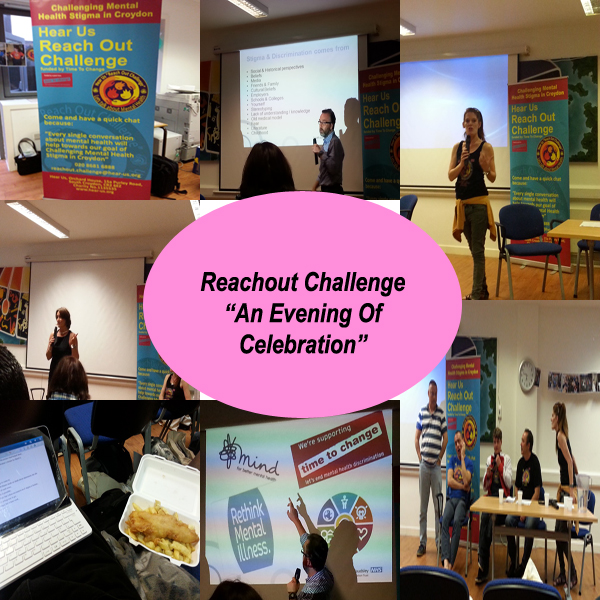
There was a special celebratory event taking place, which celebrated the 18 months of their anti-stigma project. This project was run by “Hear Us Reachout Challenge“.

Croydon Voluntary Action

Hear Us is Croydon’s Mental Health Service User Group which acts as a coordinating body to facilitate, and ensure service users involvement in, the planning, delivery and monitoring of mental health services in Croydon. Helping to improve the quality of the services commissioned and delivered in Croydon objectives.

Reach-Out-Challenge-Logo

“Hear us” aims

1.To relieve the needs of people living in the London Borough of Croydon and surrounding areas who have mental health problems by provision of services and advice.

2.To advance education about mental health for the public benefit in the London borough of Croydon and surrounding areas with the object of creating awareness and reducing the stigma attached to mental health.

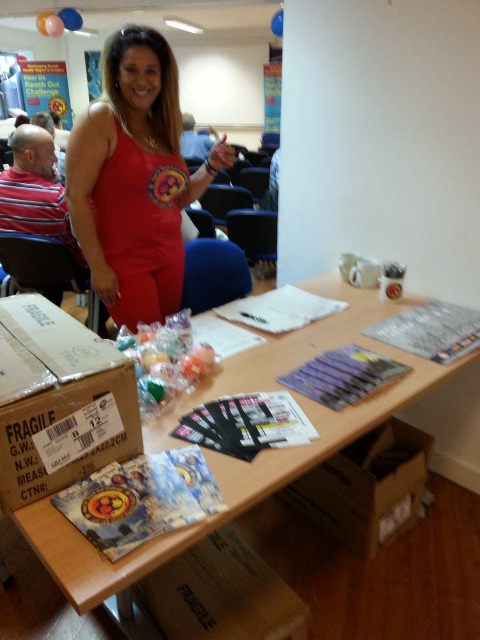
Going back to reviewing the event, usually when I arrive to events or forums run by “Hear Us” it can sometimes take a little while to get in, but this time I got into the room quite easily. The staff was very friendly and I was given a run down of what to expect at the event.

20140812_175659

I noticed a lot of booklets and reading material about the project and I spent some time reading the Bio’s of the volunteers and contributes who work for “Hear US”.

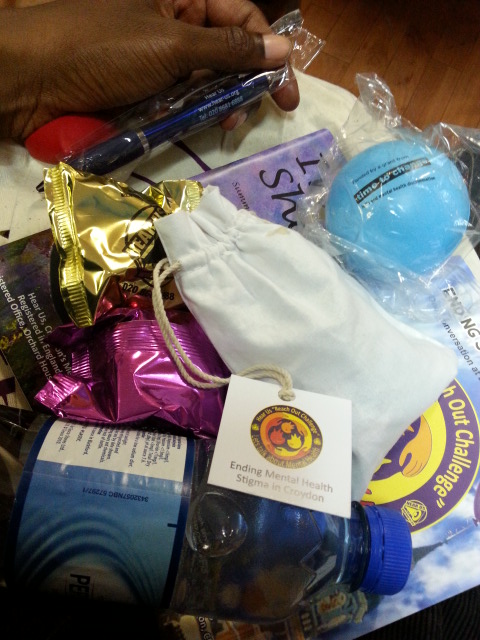
When I sat down to set up my equipment, I was delighted to see that there was a goody bag filled with lots of treats and more information about the event, project and mental health resource information. There was also some sweets, fortune cookies, stress ball and pen, plus water and lots more. This showed how much effort “Hear Us – Reachout Challenge” had taken to provide information and make the event as welcoming as possible.

20140812_180040

While we were waiting for the event to start, the audience was treated to some music playing off the speakers, one of the songs was “I am still standing” by Elton John, which I thought was rather fitting. We were shown lots of slide show pictures of what “Hear Us” has been up to over the past 18 month’s since 2014.

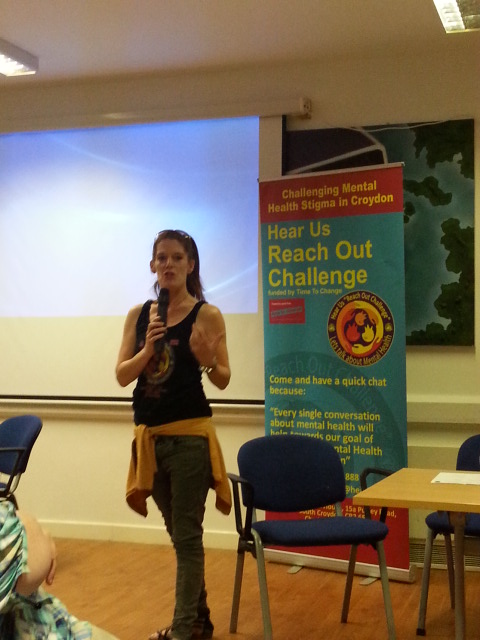
After some slides, we then had the Project Manager Jane White speak about “Reach out challenge” and how they were funded by “Time to change“, plus how “Hear Us – Reach out Challenge” were set up to challenge mental health stigma, especially in the London Borough of Croydon.

Jane White - Project Manager

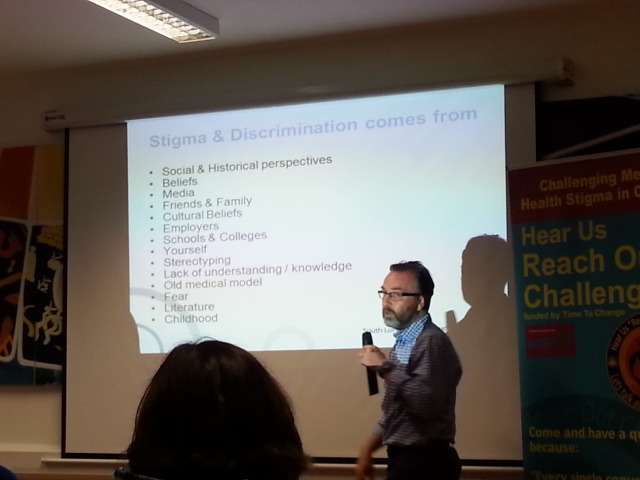
A lot was talking place that day and next up after Jane White spoke about the project, we then had Dr Ray Chapman speak on “Stigma & Discrimination”.

Ray presented on the following

What is stigma
Where does it come from?
Media representation “power” causes problems by stigmatizing mental health
Stereotypes and stigmatization.
What can be done?

Ray Presents on Stigma

Plus Ray then Talked about “positive impact needed from mental health professionals”.  Dr Ray felt things needed to be done things differently and felt Working with partners was key to tackling mental health stigma and discrimination.

I have also done a video blog of the event, which talks a bit more on Ray’s presentation as a review which you can watch below.

After Dr Ray’s presentation, we then had Jane talk more about the volunteers that helped Reach Out Challenge and Visa-Versa. Hearing from the volunteers was perhaps one of my favorite part of the event, because I am quite interested in people’s lives and their experiences. Some of the stories told by the volunteers were very personal and challenging to listen to because of how much each had went through, but I felt I learnt quite a lot from their stories. The learning aspect is good in order to challenge my own prejudices.

Volunteers speak out

The Volunteers spoke about how mental health has affected them.

– What they have been doing on the project
– the highs and lows on mental health
– How they have helped others especially on the work place
– How certain things they tried to cope with mental health did not always work in the past.
– The reasons they got involved in the project.
– Challenging stigma and how its still out there.
– How some lost a lot of opportunities and support once mental health difficulties first hit them, but felt a lot about the project had helped them.
– Some got so involved that they Became a trustee for HearUs

After hearing the volunteers speak, Jane white spoke a bit more on the difficulties the project had faced. She was worried and pondering how to work with organisations in order to get rid of mental health stigma.

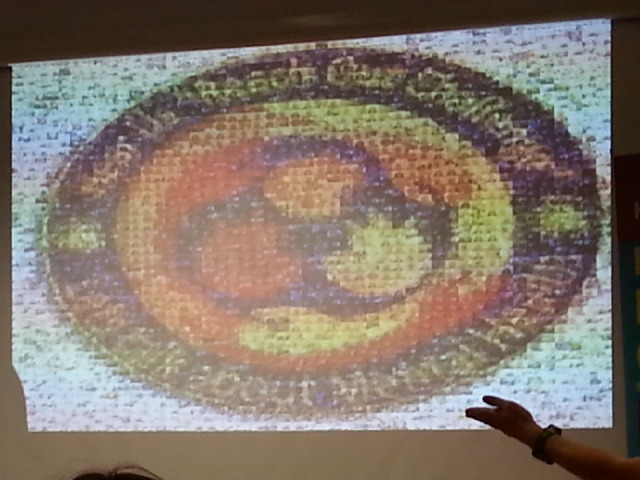
We where shown more slides and I was impressed with a slide containing a 1000 photos forming a logo of “Reach out Challenge”.

Impressive Logo

Over the 18 months, The project has worked with 17 organisations. They also Produced positive stories in mental health and have produced many positive changes tackling mental health stigma in Croydon and helping to give those with lived experiences a voice. It is so important those who use mental health services be given the confidence to speak up about what they have gone through, but its also important that they are heard, thus the name of the project “Hear Us”. This is perhaps the same for carers as well.

Over the 18 months the project members tested How useful the project has been, so we were shown graphs produced on the slides.

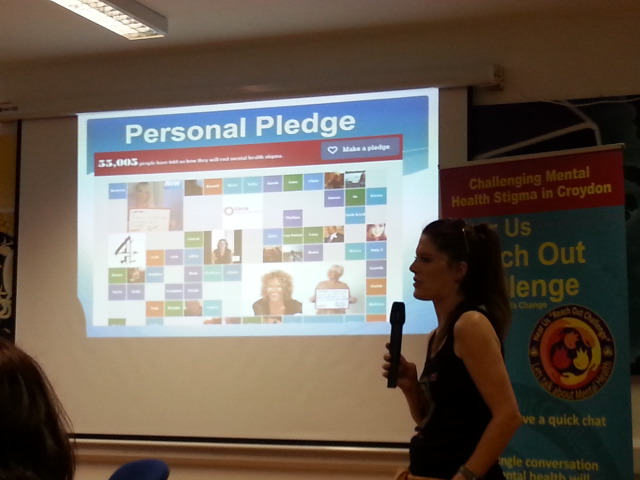
Jane White reminded us to Sign a pledge with “Time to Change” so we can challenge ourselves for the better helping to combat and reduce mental health stigma.

Time To Change "Pledge Wall"

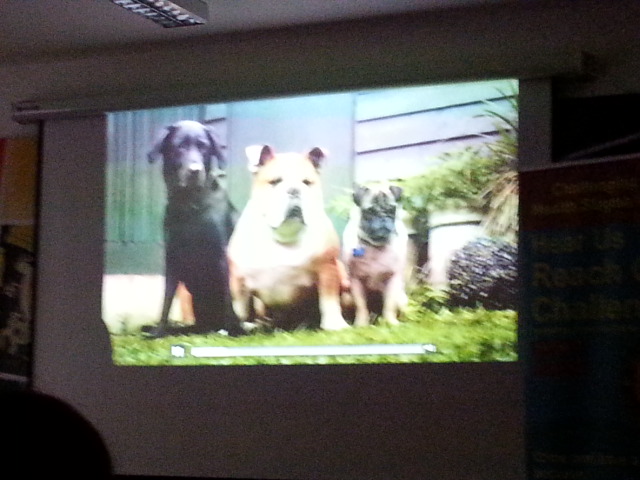
Next we were shown the latest “Time To Change” campaign which is the #wolfpack video, #wolfpack probably being the hashtag on twitter.

Dog video

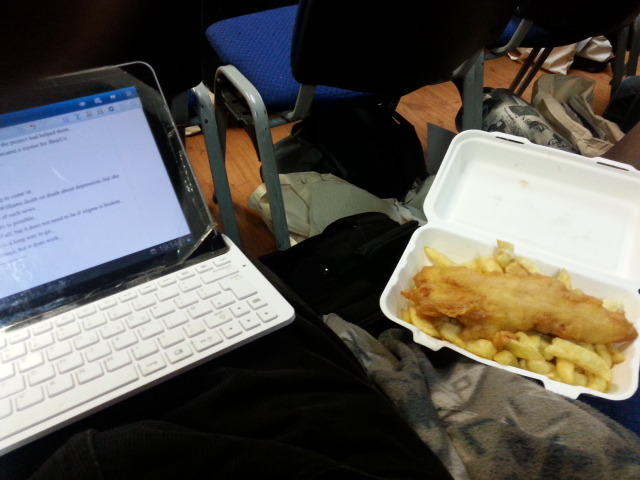
I could not stay for long because I had to rush back in order to look after my mother, but before I left. I ate some Fish and Chips provided by “Hear Us – Reach Out Challenge”.

YUM!!!
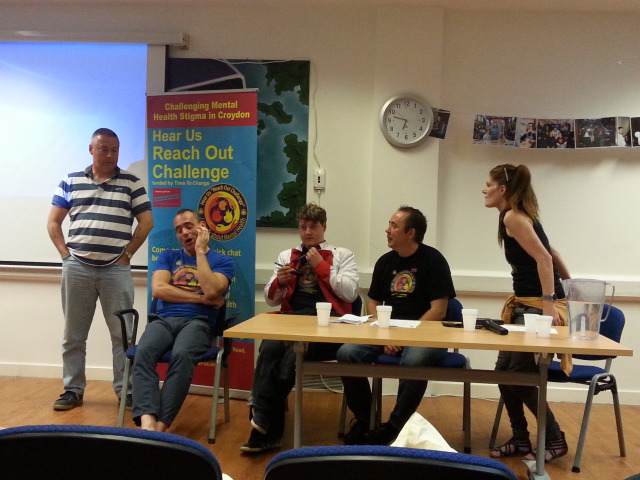
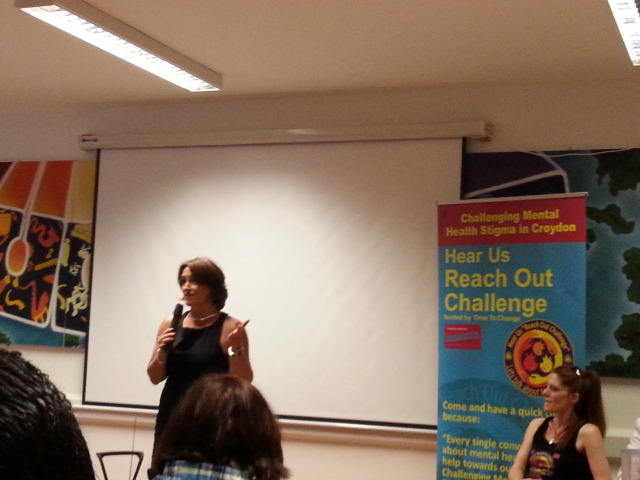
Eventually Sue Baker who is the Director of Time to Change arrived to speak to us at the event. Sue Thanked HearUs for all their work and she spoke about how change is becoming to take effect. She talked about the day due to Robin Williams death on death about depression, but she feels the media is a lot more supportive of such news, because in the past there would be some ridicule and stigma coming from the media.

Sue Baker Speaks about Stigma

She feels help is possible, recovery is possible, but depression is the biggest thief of all, but it does not need to be if stigma is broken. Change is happening, but there is a long way to go, but having conversations can be tough, but it does work.

Overall I enjoyed attending and blogging about the event, as a carer I still feel I hold a lot of prejudices about mental health and sometimes I lack the patience to understand those using mental health services.  I hope such events provided by HearUs can help me challenge those prejudices as soon as possible.

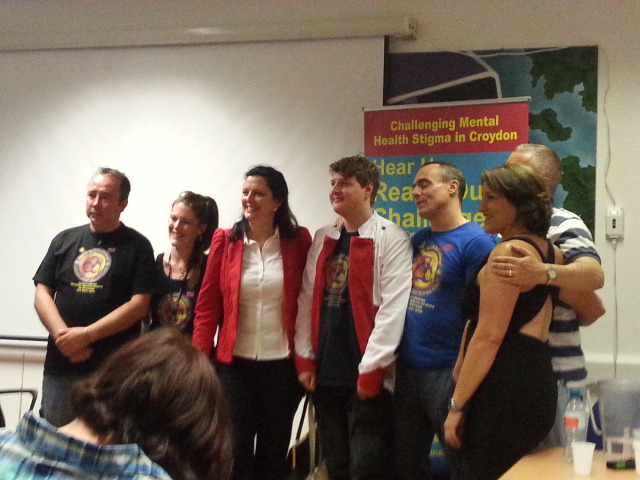
Group Photo