Category Archives: Aimed at Carers

Blog posts aimed at non paid carers caring for someone unwell.

Carers and GP Surgeries

me_edited-1Welcome back to another blog post by unpaid Mental Health carer Matthew Mckenzie. I often write blog posts that try to focus on carer issues, but sometimes I stray into areas of mental health, events and the field of psychology, sociology and maybe psychiatry. Of course I don’t stop there. I run carer engagement/strategy forums in south London and every so often I tend to update how they went on this site. Feel free to check out my Youtube channel or twitter channels where one channel focuses on the carer experience and the other channel on mental health developments.

Enough with the shameless advertising, this particular post is on a much needed subject and it is aimed at unpaid carers, however I hope GP surgeries get the time to read considering at the last Lambeth forum there was major discussion on the Lambeth Patient Participation group network. I have also arranged for the Lewisham PPG chair of South Lewisham Practice to present and update the members of Lewisham BAME Carers forum.

Continue reading

Sometimes us unpaid carers need to step up

smallerHello again, I have not blogged in a while, because being so active in my area due to attending events, running carer strategy forums and networking like hell. I know the title might seem a little off putting, but in my long experience of being involved in health and mental health services as an unpaid carer, there are a few things I have noticed.

Just to note, I am writing as an unpaid mental health carer, basically a carer supporting someone close who has mental health needs. Unpaid carers struggle quite a bit to get noticed, their culture is to put the ‘cared for first’ and themselves last. Perhaps it is a respected human trait, carers come with a big heart, but it does come with some risks. This is what I will be blogging about today.

Continue reading

Including unpaid carers in NHS Co-Production

20140621_215858Welcome back to another blog. I have not posted in a while, so thought to quickly write up a post just after Easter. I suspect I have been so busy running Carer strategy forums, that it has stopped me from writing more media. For this particular write up, I felt it was important since I have been asked over the years on my views regarding coproduction for unpaid carers in the NHS.

I have been in co-production in the NHS for close to 15 years and I still struggle with the concept, when people think of co-production, they often tend to focus on those who receive the service. Thus the patient tends to be the focus of engagement. This is not a bad thing, but we must remember not all services are alike and in the NHS there are level of services that the unpaid carer needs to access. We also must remember that mental health services cannot risk to close out those who support the patient/service user. It goes in common sense that the more people included in the support of the patient, the better the outcomes. Despite some of the odd voices that feel carers/families should not be included because they lack the understanding or experience of mental health.

There are many reasons why families and carers need to fight for their equal share of co-production, engagement and inclusion, but that is a blog for another time.

Before I continue, co-production is a vast and complex method, so one simple blog cannot do it justice, so I will revisit such a method in the future.

Why co-production is needed for carers in the NHS

The NHS is always changing and yet it is almost always the same. Sounds confusing doesn’t it? Technology, new nursing techniques and policies move the NHS forward, yet the NHS focuses on health for all and fights to stay that way. Families and carers although not using the core of the mental health services, have a vast amount of knowledge in regards to how services can empower everyone. Particularly the ‘cared for’ who are using the mental health services. No one wants to take away the power from service users/patients, but power and decisions should try to be shared to include all, especially families and carers.

download

You do not have to look very hard to find out what happens when families & carers are not listened to. Mental health trusts their hospitals and services can come under scrutiny when serious incidents occur and dig down hard enough you will find a voice warning staff of ‘cared for’ health concerns. Of course each scenario should be done via a case by case issue, not all carers are angels, but it would be foolish to state the majority of families and carers have it in for the ‘cared for’.

Families & carers do not want to take power away from the patients who use the services, in fact they would rather not get involved, simply because there is no time and they would happily just want to get on with their lives. Alas the state of declining services (not just NHS) is a call to arms, not just to plead to the NHS to include families and carers, but for families and carers to sit up and get themselves noticed.

Carers included

As a reminder, this blog post is about co-production to include unpaid carers. Unpaid carers are emotionally tied to the ‘cared for’, be it families, friends or neighbours, but usually it is the families or those in the family unit that fight hard for the ‘cared for’.

In no way do I want to push aside the patient/service user or do I want to lessen the value of their experience, but if it is hard for the service user to access co-production, then culture might make it very difficult for the family and carer who by numbers alone are lacking in involvement in the NHS at all levels.

Comforting friend. Woman consoling her sad friend.

Local organisations included

As an unpaid carer, I have been lucky to engage and be involved in a number of organisations, some local and others not so local. I am talking about Carer Centres, local Healthwatch and mental health advocacy/charity organisations. We all know that it is very difficult for the NHS to shape services based on the few, so they have to rely on the third sector to also be the voice for carers. I say ‘also’ because families and unpaid carers still should be included. Without the support of the organisations, then there are certain risks that can cause co-production to fail.

This could be

  • Word not getting out to other unpaid carers to co-produce
  • No one knowing what is going on.
  • Hard to develop services for the community because only the few are listened to.
  • Relationships break down with the organisations.
  • Trust begins to break down.
  • Quality of Services deteriorate.
  • Culture of non-inclusion develops.

Supporting others in their community

If someone from a clinical back ground is reading this, I am sure they may have got into their profession because they want to support people’s health with their skills. It would be difficult to always be around the patient, so due to lack of resources and time, we need to give the skills and power for people to support themselves in their community. If the power is shared to others to help shape their own health in the community, then resources can avoid extra strain. We want people to value their own health and well-being, to do this we must educate others about the importance of health and be educated ourselves on what others think about their own health and the level of services.

Picture4

It goes without saying the more people are supported to do this, the more it filters down in the community for others to learn from those who are empowered. It is a numbers game, we need to reach out to the majority, even if starting out with the few who push to connect with others.  The network should be supported to spread the message.

Call to arms

The NHS is boring. There!! I said it!! I do not mean any disrespect, but what do I mean when I say this? Sometimes people do not rush to be involved because they cannot understand the dry jargon of the NHS. If it becomes complex, it then becomes boring. If co-production and inclusion becomes boring, then people keep away, patients keep away and unpaid carers just do not have the time. Families and carers have enough to worry about, I should know. There is not a day I am thinking to myself about the the past mistakes, regrets and worries about who I support and care for. I often think to myself, why am I in a meeting which I clearly do not understand?

Perhaps there needs to be a way where we need to produce exciting initiatives to include families and carers. Is the NHS speaking the language of the service user? Or the language of themselves e.g. NHS jargon? How can we speak the language of families and carers? Of course the NHS cannot shoulder the blame for everything, sometimes carers can be at fault being naive of our services are being designed to include them.

Making it as simple as possible

Due to what was mentioned in the previous heading, it is difficult for the NHS to include those who if they find interaction and co-production boring. It helps if the NHS can make things as simple as possible. I have seen quite a lot of material and strategy that works this way and I have seen some amazing success stories. Still there are many services that need to focus on what NHS leaflets they are producing. It is not just media or information, it is engagement, inclusion, documents, how meetings are run and organised and even training.

Investment in people

When you invest in people, it will eventually pay off. Unfortunately the NHS has a habit of investing in services, their can be a problem of looking at services alone via the cost. This is due to the culture of NHS service commissioning. No fault of the NHS, but there is a tug of war to state we should not just look at the quality of service, invest in the people who the services are being designed for. Investing in people might mean funding their projects, valuing their time, buying in those who can set an example and lead people to be included. It is not always about money either, investment can also mean time and dedication, but we need to invest to value the use of co-production.

Family

How to get people excited?

Maybe it is the language used? People do not all speak the NHS lingo, even though the NHS shapes so much of our lives. We need to get people excited to join in on the co-production. What can the NHS do to learn from others? How do political parties get their voters to vote? How do movies get people to watch their films? How do restaurants get people to buy their food? It is about the product? It is about getting the message across. Health is important to us all, but how can we get families and carers to be excited about this? We do not always need to have the angry carer screaming for co-production. It should also be about carers wanting to make a change and a difference.

Same old problems

Did I mention the NHS has a culture of being the same? There have been some important meetings where I am hearing from service users that the NHS tends to reward itself. We hear the same stories of influences being rewarded (usually the top awards) in the NHS all being NHS CEOs? well, there might be the odd service user or carer. Take a look at some of NHS trust’s twitter feeds to see how some trusts can be rather self serving, although it is not a major criticism since it is important to value hard working staff, but you often wonder why patients and carers are not mentioned in regards to their successes?

If getting people excited for co-production to happen, then there should also be initiatives as well. We want to reward those who lead by example. If you want co-production to spread, we have to show how it is valued on the hospital wards, the community services and beyond. We cannot just include others and then tell them ‘thank you’ and get lost. We need to value their time and reward them, but how?

What we get out of this?

It is a ‘no brainer’ this one. The first thing to change would be that service quality would improve. Next would be culture change, which is hard to change itself. People would care about the NHS services, and I mean not the few, but the many. We would have a filter down process where people would speak more about the services as they would speak about what was on TV last night. Staff would not have to feel so much pressure as there would be confidence to provide the service people want. Of course we have to be realistic, we cannot design services to make everyone happy. There will be that person who is unhappy about everything and would want change now, but that is not possible and such people will find themselves being shut out.

We want unpaid carers to be self sufficient where they are empowered to do so. We want families and carers to be included and be excited about being included. We want a culture change to reward and value those who want to see change.

Standing on the shoulders of giants

I am sure co-production sprung out of the service user movement, there must be many examples out there, especially due to the mistakes psychiatry made in the past. E.g. the persecution of LGBT groups, institutionalization, misunderstanding and high death rates of BAME patients, problems of being quick to label others mentally unwell due to new diagnosis and so on. I will not pretend I know everything about co-production and I should not be celebrated in doing so. However I will admit that we all can and should contribute to co-production, even if it fails, it still sets an example to the next generation.

Triangle of care – Excellent NHS carer engagement

10177241_747738765268892_5890142387668348507_nIt has been a while since I blogged off my site, almost a month now. Still I have been very busy, lots going on and still lots to do. I run 4 carer forums each month and am also an unpaid carer working part time and contributing to so much in the community.
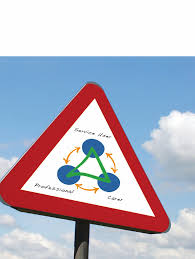

Yet I am aware many unpaid carers supporting those with mental health needs cannot easily engage with services. This is one of the many reasons why I chose to write this post. I am an unpaid mental health carer in south london, and have been involved with the Triangle of Care at a high level. Due to the involvement I am proud to be part of such a successful initiative. My trust has not been part of the Triangle of Care scheme even though I battle on, but it has got me wondering.

toc

What would it be like to be a carer whose NHS Trust is part of the Triangle of Care scheme?

If you do not know about the Triangle of Care policy, let me enlighten you.

Taken from the Carers Trust website, which is national charity fighting for the rights of young carers and carers alike.

“The Triangle of Care guide was launched in July 2010 by The Princess Royal Trust for Carers (now Carers Trust) and the National Mental Health Development Unit to highlight the need for better involvement of carers and families in the care planning and treatment of people with mental ill-health.”

Many Mental health NHS trusts up and down the country have taken the challenge and value the needs not only of their patients/service users, but also unpaid carers who often can be forgotten in Trust Policy, let alone in government policy.

The triangle of care gives six standards

1) Carers and the essential role they play are identified at first contact or as soon as possible thereafter.
2) Staff are ‘carer aware’ and trained in carer engagement strategies.
3) Policy and practice protocols re: confidentiality and sharing information, are in place.
4) Defined post(s) responsible for carers are in place.
5) A carer introduction to the service and staff is available, with a relevant range of information across the care pathway.
6) A range of carer support services is available.

I have mentioned such standards because there is a lot more to the Triangle of Care, but if you are not versed in policy then at least focus on the standards above.

So what could it be like being a carer linked to ToC?

If you are a carer whose mental health trust has signed or is working towards the triangle of care, I will list why it perhaps is a good thing.

1) You are lucky enough to have a trust working towards a national standard.
2) As a carer you can learn more about what your trust is doing for carers and their loved ones.
3) You can use these standards to protect your rights.
4) You have a mental health trust that can link into partner trusts all working together for the good of unpaid carers.
5) Standards that can be measured and assessed by others.
6) A mental health trust brave enough to change its culture on unpaid carers.
7) A way to hold mental health trusts to account on how it engages and provides services for carers.
8) Hidden issues that can be unraveled by triangle of care.

Obviously the list can go on and continue to go on, but an NHS trust that can put some resources to the Triangle of care should be held in high regard among carers.

I am not saying that the system is perfect, it is NOT a quick fix solution, especially in the era of NHS cuts, cuts to staff, cuts to community services and a lack of understanding in mental health. We are also living in a complex society where so much is demanded from us, be it Brexit, having to struggle for education, fragmentation in communities and the lack of volunteering since everyone wants to be better off.

All I am saying is if you are an unpaid carer thinking how can your NHS trust support, engage or value you, then please see what they are doing with the Triangle of Care.

Although the triangle of care is going through some changes. You can find out more about the Triangle of Care below.

https://professionals.carers.org/working-mental-health-carers/triangle-care-mental-health/triangle-care-membership-scheme


Gone too Soon

Sad man sitting head in hands on his bed in a bedroom at home

Just to note this particular blog can be triggering and not just for those suffering mental ill health needs, but also for families and carers.

As you can tell by the title of this particular blog post, this centres on the devastating experiences which mental ill health can cause to families and loved once.

There are some families that do not often get a chance to share their experiences when something tragic has happened to the person they are trying to support or care, although I know full well that this can also happen two close friends, relatives and perhaps even a neighbour.

As a care of myself I know in the back of my mind that there will a time when I will have to fight a mental health crisis for the person I support. Perhaps I will succeed, but I know out there carers up and down the country will have to deal with the devastating experiences when a loved one by finally succumbs to mental ill health.

melancholy and sad young  woman  at the window in the rain

I’m afraid I’m not going to pull any punches, when I mean succumb to mental ill health. I am talking about suicides, deaths due to addiction (alcohol or drug related), death Due to an accumulation of medication side effects causing massive strain on physical health. I am talking when the mental health sufferer cannot cope anymore with dementia, Parkinson’s or degenerative illnesses affecting the brain.

I am not going to use this blog post to lay blame at anyone’s door. However I just would like to raise the issue that’s such experiences need to be highlighted and discussed. We should never expect families and mental health sufferers to just cope and get on with it.

Coping with death

It is never easy to try and deal the situation when someone loses a loved one two mental illness. Unpaid Carers and families can often blame themselves as if they feel they have not done enough to save the loved one’s life. Some people think mental illness can only affect the one person who has been diagnosed with the condition.

In some ways this is possible, but not often the reality. We should try to avoid putting people in boxes. When death strikes a family due to mental ill health, i’m sure that grief, depression and anxiety will affect those that was close to the patient or service user. If you were a carer caring for someone long-term suffering from mental health, the grief stricken experiences will climb to unsustainable levels.

As unpaid carers it is important to respectively raise the awareness of coping with death, especially if you have been a long time carer. We all need to work together with the health services and our loved ones to avoid situations where patients might end up being failed by the system.

If anything off this post has affected you please call Samaritans on

116 123 (UK)
116 123 (ROI)

Thanks for reading.

Carers Rights Day 2018

smallerBefore you read this blog considered this, if you are an unpaid carer think of all the outcomes that you have experienced so far. Think of all the hardships that you and the person you care for has gone through.

Carers rights day

Every year organisations that deal with unpaid carers and support those using the health services come together and try to raise awareness of unpaid carers. CarersUK promote the awareness day and theme this year is “caring for the future”.

carers-rights-day

Just so you know I will introduce the few terms in this blog. When I talk about an unpaid carer, I am not talking about a care worker.

Continue reading

The stigma of an unpaid Mental Health Carer

matthew-mckenzieWelcome back to another blog from unpaid carer in the south of London. As world Mental Health Day draws near, a lot of emphasis is placed on those suffering angel problems. I find it quite important that you must not forget the hidden Heroes who’s tape in when their loved ones are in most need. This is not to take away the difficult battles mental health survivors face, however all too often sigma hits out at more than one person.

Mental health stigma hits the family, the friend, the husband, the wife and even the neighbour. This blog will concentrate on another type of stigma, which can be all Too Well forgotten. I am going to talk about carer stigma. Now it is very important that not all unpaid carers suffer from carer stigma.

First you must differentiate what or who is an unpaid carer. I am talking about the person who suddenly finds themselves caring for someone close to them who has been unfortunate to pick up either physical or mental health problem. I am not talking about paid care workers, although I do admit care workers to find they can have a difficult job, they are paid for their role and can be protected by Union.

Arguments.

With carers they are not trained and often care out of closeness and love for the person they are trying to look out for. It gets really difficult if that person has a mental health illness.

The types of carer stigma.

So Let’s Begin, I cannot really produce an exhaustive list of different types of carer stigma, but the ones that i am showing i’ll probably the most recognisable types of carers take life out there.

Depends on the illness.

When a loved one become very unwell, he often try as hard as he can to support them. The problem is the more chronic the illness the more is stigma lash out. A good example is when a carer is caring for someone suffering psychosis, those suffering from this difficult illness can often present challenging behaviours. If such behaviour is out in public, then the challenge is not only faced by the mental health Survivor but also the carer.

Embed from Getty Images

It only takes one person to ridicule the suffering from a mental health problem. This can then extend to the person family, the risk is once a community starts to gossip about the situation, it can cause the carer to become more isolated. This in turn leads to stigma of both mental health and carer. As a note not or carers go through this and it probably can depend upon the illness anyway.

The Label

Although not as devastating as the first form of carer stigma, it still can be rather destructive. Some people carry on caring and supporting those close to them out of desperation. They carry on caring regardless of the support mechanisms that amen applied to the family network.

At first it seemed really brave, it is great to hear a carer battle it out no matter what the situation. However there is one big problem, no matter what are the carers might say to this situation, the person still feels that they do not deserve the term of being labelled a carer. The problem is that this person will then like the support network available for carers.

Clashing forms of relations

This type of stigma is actually quite similar to the one mentioned previously. A good example is when a person marries someone they marry for better or worse. When the worst does arrived, the person cares especially out of love. They care because they are either the husband or wife. If you try to tell them that they are now a carer, that person may become very irritated. They refuse to be labelled as a carer, and yes this is the right, but the risk is lack of support network available to them.

This care stigma can also extend to other relations within the family, another good example is a young person caring for a parent, or even especially a young carer. Can you imagine as a child having to suddenly provide care for an older adult suffering a mental health condition?

The terrible characteristics of an unpaid mental health carer

There are several characteristics, which are aimed at carers. I am going to go through a few that come off the top of my head.

Embed from Getty Images

Being labelled as lazy

All too often we have to work for a living, we have to pay our dues. The harder the work we do, the more we expect to be paid. The more complex the role, the more we expect be rewarded. There is this review going around that the Caring role is fairly easy, because some people think that it is easy, they think that the carer does not have to do much at all. This can lead to carers being labelled as lazy. Once a person is targeted as lazy, they do not really want to be labelled as a carer.

Being blamed

This is quite common in the field of psychology/psychiatry, especially in America. When someone is unfortunate enough to develop a mental health problem, all too often psychiatrists tend to probe the family structure. All too often, it says if the carer is not doing their job properly. It might even go so far as to state that the carer is causing the mental health relapse or has caused the mental health problem to manifest itself in the first place.

One of the main criticisms of psychiatry, is at one end it might exclude the carer in their supporting role/care plans or confidentiality and at the other end label the carer as the problem within care plans and assessments. This can lead to a person not really wanting to find the energy battling a mental health system that can misunderstand the caring role.

Confrontational

Another good example of how the mental health system might fail families and carers, is if the carer has experienced failures in support of their loved ones and even the care of them self. It then becomes only a matter of time before the carer becomes more confrontational. No one really wants to be labelled as aggressive, uncooperative and confrontational. This is just another label a person can do without, so why would they want to be labelled as a carer?

Embed from Getty Images

Risk of declining health

Again this might depend upon the type of illness the person is trying to care for, the more chronic the illness, the most stressful situation is for the carer. Since the NHS is under severe strain, a person would have to think hard and long before they would want to commit themselves in becoming an unpaid carer. It is like that there has been a secret contract, stating that the carer now must take the role of the lack of staff within the health system. This could be administering medication, advocating, understanding side effects, understanding social welfare, mental health legal matters, engaging with doctors and also mental health advocate and peer supporters.

Is there any wonder why carers can end up with depression, anxiety, stress and worry? One could say that mental health illness can be catching.

Hiding it all away

I’m afraid I have bad news, for what I have mentioned is only the tip of the iceberg when it comes to Carer stigma. I did not want to make this blog post overly long. With the above issues mentioned, is it any wonder why someone wants to hide themselves from being labelled as a carer?

Promoting your voice as a carer

insert_edited-1Hello, welcome to my latest blog. This particular blog is aimed at carers. This post hopes to be an inspirational message for anyone who is caring for a family friend or even a neighbour.

This post looks at promoting your voice as a carer. As a carer by our role, we give up so much and sometimes expect little, by definition health services and sometimes social services are aimed at the patient. Policies and laws can often assume that the family and carer are strong enough to cope by themselves.

Continue reading

Holding MH Trusts to account via carer forums

2000px-NHS-Logo.svgWhat Carer forums need to take note of

Welcome back to my mental health blogsite. Most of the time I write about Unpaid Carers who support someone close requesting mental health needs or are suffering from mental illness. On this blog I am going to write about why Carer forums need to take note of what their local mental health trust is doing.

Quite a few mental health trusts do amazing work regarding patient care, but there should be a place where carers can get together with the trust and raise concerns. We all know the mental health service is struggling as of present and this can affect service users and their families.

Meeting Of Support Group

Just as a reminder, not all carer groups are the same. You can have a carer support group, where carers get to tell their story in a safe closed space. We can also have a forum where time is put into presentations, discussions and agendas. Lastly some carer groups have a mixed of presentations and carer stories where carer seek emotional support, some carer groups act as information hubs where peer supports or MH staff aide carers on how to get support.

Most of the issues below are usually covered in a Carer forum, where there is little or no time for carer stories and more time is spent on understanding why certain Trust problems are occuring.

  • Delays in providing the treatment.

Out of all the issues listed, this would be the most common that affects carers and those they seek to support. If the patient cannot get any treatment or support, then most if not all the support falls onto the family or carer who all too often will lack the skills to provide the treatment.

  1. Such treatment could be a bed/room to stay while recovering from a mental health crisis.
  2. Access to medication e.g. antipsychotics
  3. Access to psycho-therapy
  4. Information about their mental health and so on..

Delays usually occur if there are no beds, but even then the trust may not be fully at fault as GPs can often misdiagnose a mental health need. Lack of mental health staff can lead to delays as no one is available to provide a mental health assessment, which can often end up with the police stepping in wondering what to do. Within a Carer forum, carers should query with the mental health trust if there are any delays regarding treatment and query reports on how many patients have been seen at the trust.

  • Failure to provide appropriate medication.

Again, This is one of the most common issues that can affect the patient and carer. Medication is usually one of the core aspects of mental health treatment. Wrong medication can often cause the patient to deteriorate even further. What is even worse is if no medication is provided. Often the patient can refuse medication, it is their right, but due to mental health laws or MH Trust policies (we ll come to this later) there could be high levels of failures in providing medication.

Embed from Getty Images

Without medication, service users can relaspe causing distress with family, friend and carer. Serious Incident levels begin to rise and Carer forums should query who is responsible for monitoring medication incidents.

  • Lack of referring patient or carer

This problem is not only common to mental health trusts, but also partner organisations. GP surgeries, Advice bureaus and even hospitals can fail here. Failure to refer patient or carer for support can leave both in isolation and desperation. Carer forums should not only query patient/carer leaflets, but also if there are a lack of carer information leaflets/booklets or why information has not been produced in a document.

  • Family/friend, GP or advocates ignored.

Going through past serious incidents, if you look back far enough you will find someone had been constantly ignored. Oddly enough even the gatekeepers to mental health services can be ignored. Carers can try to raise an issue with mental health professionals that their loved one is experiencing a crisis and needs to be assessed. Carers would either phone, email, write a letter or speak face to face with Mental Health Staff, but if nothing is done and a serious incident arises then it should be queried.

Embed from Getty Images

Carer forums should have an interest to query if members of the forum have experienced this and if the trust produces reports regarding such issues. Maybe a Mental Health trust have a policy to tackle carer/patient requests. Carer forums should certainly discuss developments regarding the trusts patient database system and ask for database queries.

  • Insufficient or poor risk assessments

A poor risk assessment can certainly lead to incidents as mental health problems can go misdiagnosed. This leads to carers having to struggle supporting their ‘cared for’ in a crisis for longer amount of time. The problem is risk assessments are notoriously difficult to measure or even regulate. Members of the Carer forum should not only query how a risk assessment is done, but ask for reports on the number of assessments carried out and who at the trust are task with doing them.

  • Insufficient or lack of training

Lack of training can lead to all of the problems raised so far in this blog and even more. A mental health trust has a duty to continually train its staff, not only to help the patient but improve the quality of its staff. Mental Health staff should be patient and Carer aware. Carer forums should make a lot of noise if they continually hear stories of staff who do not understand what a carer is. I myself am fortunate to be included in helping to train staff at South London & Maudsley about families and carers, but there are some trusts that may not even provide training about carers or might not involve carers in their service.

Carer forums should ask for engagement from a trusts Staff training forum. Carer forums should have members who are active in training mental health staff and there should be involvement protocols to allow carers to be involved at the trust.

  • Confidentiality Issues

One of the biggest issues regarding carer and patient. I have been to many carer forums talking about the good and bad aspects of confidentiality. I have also been making a lot of noise about confidentiality, which I am sure has annoyed mental health professionals.

Why is this?

If carer is continually blocked on asking how their ‘loved one’ is coping or being involved at meetings, it might boil down to patient confidentiality, sometimes the patient will not want the carer involved, but it is a lot more tricky than that. Mental Health trusts have the duty to help the patient understand why the carer would want to be involved unless it is a safe guarding issue. Unfortunately confidentiality can be used as an excuse to avoid dialogue with the family or carer. Lack of confidentiality policies or booklets can cause confusion with staff and carer not knowing what to do.

Embed from Getty Images

Carer forums should task themselves with who is responsible for confidentiality policies/booklets. Family and carers should also be involved in training staff about confidentiality.

  • Issues around discharge.

Due to bed management, patient discharge can happen too soon and sometimes might not happen at all. Some patients might be discharged because a bed is needed or a patient might be discharged because there has been a misdiagnoses of their MH needs. Discharge to a carer is risky if the carer is not prepared, informed or involved.

A carer forum should query a trust’s discharge pathway and seek engagement from the mental health trusts Quality improvement team.

  • Lack of appropriate care or continuity of care.

Another difficult issue to monitor or assess. Sometimes a mental health carer forum can pick up stories where carers are complaining that their ‘loved one’ is not getting any community care. It is vital a carer forum raises such stories to the trust otherwise families or carers may find themselves becoming the mental health team and being told to just “get on with it”.

  • Problems with protocols or policies.

Mental Health trusts can be pulled and pushed in all sorts of directions. Such problems can cause a trust not to update protocols and policies. If protocols and policies are not followed, then incidents can arise from them. Carer forums should ask for a list of policies related to carers (Expect the number to be large).

  • Patient was without care plan or the care plan in place was inadequate.

Difficult to measure due to confidentiality, but reports should be processed on the number of care plans done. Carer forums should most definitely be consulted with the CQC (care Quality Commission) who monitors and inspects health services. A patient without a care plan can often cause the carer to not know their role and this can lead to a lack of patient recovery.

Embed from Getty Images
  • Poor communications between agencies and/or staff.

This is often a culture problem and unfortunately a carer forum may have to poke their nose into what the local council is doing. Healthwatch should be able to help the carer forum engage with other agencies, but if there continues to be poor communication between agencies then a number of health problems will not be picked up or delayed.

  • Poor communications with the patient or his or her family.

This might also boil down to confidentiality, but quite a lot of issues can be down to training, misinterpretation, lack of time or difficultly in building relationships. Issues of trust can also cause an issue here. Carer forums should keep an eye open if poor communication is happening at their local mental health trust.

  • Poor record-keeping.

The CQC can come down hard on mental health trusts on this issue. Mental Health trusts have been fined large sums for poor record keeping. If a patient has no record or is not past information required to their care, then the quality of care can go downhill.

  • Staff shortages or a lack of funding, available facility or available beds.

It has been unfortunate that Trusts have an appetite for Bank Staff or temporary MH staff. There are policies that have come into place to reduce reliance on Bank staff, but due to pay issues it has been known for staff to move into the field of becoming temporary since it pays more. Care forums should query if the trust is spending vast sums of money on bank staff, because without a doubt other MH services will suffer funding shortages and skilled professions.

  • Cover ups

Very difficult to tackle and this might be down to serious incidents being confidential. Mental Health trusts do not like being investigated or being fined, no one likes their reputation damaged. Unfortunately families and carers cannot sit around and have a MH trust culture to become silent. MP’s, councilors, Trust governors and other agencies can aide Carer forums if something is not right with the trust. To make matters worse there can even be collusion as everyone is trying to save money.

No one is usually in a rush to highlight cover ups, but if they are not tackled then every one suffers. There are usually signs when something is not right or investigations are taking too long.

  • Poor excuses

Ever heard of the term “Lessons learned?”. I will perhaps create a blog to poor excuses. If a trust fails to provide care to a large number of patients repeatedly then a carer forum should have space to work out why this keeps happening.

Carer forums and members of the trust should be engaged at trust events and space given to query what the trust actually have learnt from successes of failures.

The issues listed are very basic and some items have been missed due to lack of time. I can only hope whoever is reading has the strength, time and conviction to engage with their carer forum if one has been set up around their mental health trust.

Thanks for reading

Speaking up as an unpaid carer

Big problems - daughter comforts senior motherAs you may or may not already know, this website is dedicated to unpaid carers and raising mental health awareness. An unpaid carer is someone looking after a relative or someone close who has physical or mental health needs. An unpaid carer is not a care worker, carer workers are paid to provide support and can do most tasks out of choice, while unpaid carers do their role almost out of desperation.


This particular blog is about giving unpaid carers some inspiration to get their voices out there. Why is this? Because if carers do not speak up then it is hard for mental health commissioners or health services to work with carer needs.

Embed from Getty Images

Being a carer can be daunting as very few suddenly expect to provide care at a specific time, although most feel that there will come a time when they have to support aging parents, unwell partners or even a friend. When caring for someone with health needs, there can be some relief that the ‘cared for’ has some idea what support they require. This can be be tricky if the ‘cared for’ has mental health needs and due to mental capacity issues refuses care or support.

It is vital carers raise their voices regarding such issues, especially if they live with the ‘cared for’. Many carers just cope from day to day thinking there is no need for support for themselves, but if the carer falls unwell then who will provide support for the ‘cared for’?

Closeup on hands of stressed young housewife

If you are a carer, do not feel worried, frightened or scared to speak up about your caring experiences or caring journey.

So where can carers speak in regards to their caring journey?

There are several places and one of them usually can be at a focus group, especially if its run by a mental health service. The service may want to hear what carers think about a particular service provision, so it is vitally important carers take the time to provide opinions.

Other places could be about a mental health service carers strategy, or a mental health awareness event setting. Carers can also speak up about their caring role at a carers support group, which is vital if a carer needs to let off stream or get something off their chest. Sometimes a carer issue cannot be solved overnight, but most carers do with to be heard or listened to.

Other places where carers can speak is at carer forums, I chair many in south London and look forward to hearing carers ideas and suggestions. Carers need not complain, shout or always play the blame game. The focus is on how we can all work together although I am aware of the frustration with services and feeling that carers are not being listened to or not being taken seriously.

pic

If you are caring for someone with physical or mental health needs, please check out any important health events in your area. You have given so much to your family, friend or the community, it is time to be heard.

dc9KA7eqi