Category Archives: Aimed at Carers

Blog posts aimed at non paid carers caring for someone unwell.

Carers Rights Day 2021

Welcome to another blog by former mental health carer Matthew Mckenzie. I run many carer forums and support groups for half of London aimed at those caring for someone suffering mental ill health.

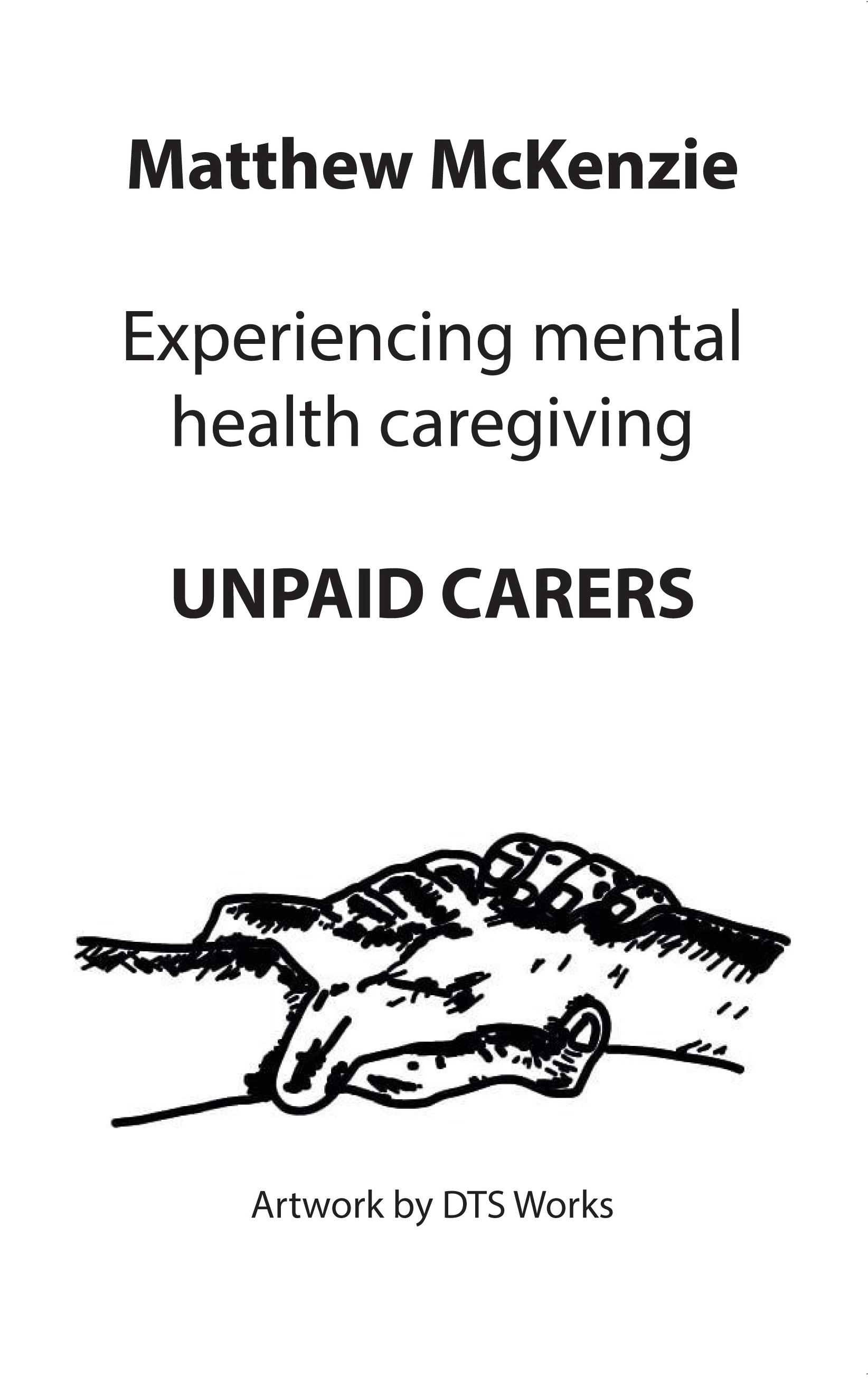
I am also an author of the books A Caring Mind and my newly released book “Experiencing mental health caregiving – unpaid carers”. I do not often do videos that much, because I am so busy writing something, but did you know Novemember the 25th is Carers rights day?

For the video version of this blog, please watch below.

Well before I talk more about that, lets understand what a carer is first. When I say carer, I often mean unpaid carers and of course caring for someone you love and are connected to should be the pinnicle of what makes a caring community, but with caring comes added strain and stress, especially with the pressures on health and social care.

So with those added pressures, it is important unpaid carers know their rights. This is just one of the reasons unpaid carers and those that work with them should pay attention to Carers Rights day 2021.

The whole idea of carer’s rights day is

  • Making carers aware of their rights
  • Letting carers know where to get help and support
  • Raising awareness of the needs of carers

So under the carers rights act 2014.

Carers have the rights to

  • A choice as to how your personal budget is managed.
  • A personal budget to meet any ‘eligible needs’
  • Be helped to develop a carer’s support plan Have an assessment of your own needs as a carer (either jointly with the person you care for or separately)
  • Have your say if you are no longer prepared to care, or are not prepared to do an element of caring
  • Have your views taken into consideration by health and social care services when supporting or treating the person you care for
  • Specific advice and information for carers that you can understand

Of course There is no legal obligation to be a carer as unpaid Carers have the right to choose to provide care.

However it is also important that most people are compelled to care because of experiences with a health & social care system under strain. So if you are an unpaid carer and even if you miss out on carers rights day, then please check out the links below my video.

Its never to late to know your carers rights

My new carer book published

Welcome back to another blog by unpaid carer Matthew McKenzie. I am slowly breaking into the world of becoming an author and I am pleased to announce my 2nd book on the experience of caring is out.

The title of the book is called : Experiencing mental health caregiving – Unpaid Carers

Obviously due to my previous role caring for my mother, this 2nd book focuses on mental health carers. What I mean by that is getting views, statements and comments from those who look after someone suffering mental ill health. The book is not to be taken as an audit, but a philosophical look at experience of care, I wanted those to be philosophical on their experiences of being a carer and anything mental health related. There will be comments that stated facts or sometimes seem like a pitch, plus some comments might offend some people, but it is very important to just get the voice out there and understand why someone would comment in such a way.

I am known for my networking to carers and this was the nature of this book. I wanted the book to be a link and connection to other unpaid carers, this is so that there is some form of identity for carers and a way to relate to the experience of care. The book is very large with over 300 pages and 33 chapters. The book however was quite challenging to compile experiences, because quite a few comments brought me back to when I was a mental health carer and some things hit hard.

To research the content for my book, I had to approach many mental health trusts and carer centres to promote my project and I thank those that have contributed.

Many thanks to CNWL, West London Health trust, Nottinghamshire Healthcare NHS Foundation Trust for their lovely newsletter, Cambridgeshire and Peterborough NHS Foundation Trust and many other mental health trusts allowing me to present about my project.

I also approach universities especially those who taught psychiatry, psychology or those who led on social care courses. I wanted their opinions as well, because if you want nurses, social workers, doctors and psychiatrists to work well with carers, you have to start where they are being taught their profession. I did want to include contacts from large organisations, but it was too difficult, although I do hope they support and promote the book. If anything is going to bring changes to the experience of care, it needs to be the voices of carers being amplified.

Next year, I certainly want to expand on the chapters I wrote in this book especially regarding the views given by those who contributed, however before I undertake my next project. I want to try my hand at poetry.

Hope you enjoy my latest work.

Young Carers Action day 2021

Welcome back to another Blog post from Matthew Mckenzie, unpaid carer over in South London, author, activist on my projects called a caring mind.

This Blog post supports the national carer charity – Carers Trust – Young Carers action day for March 16th 2021, but why is it so important young carers get such recognition or even an event to highlight their caring role?

Basically, Young Carers Action Day is an annual event led by Carers Trust. It raises awareness and calls for action to increase support for young people with caring responsibilities.

To see the video of this blog see below.

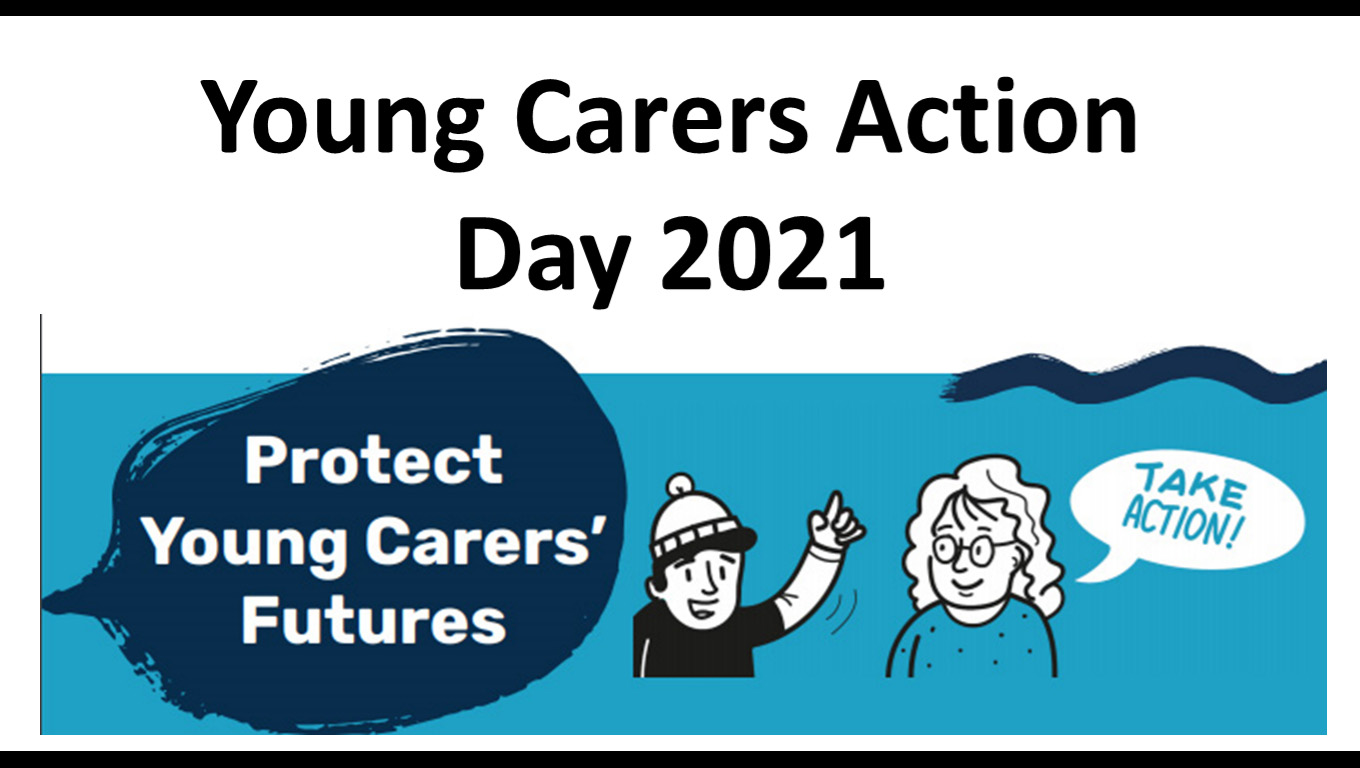
For 2021, Young Carers Action day will be about Protecting Young Carers’ Futures and making sure that all young and young adult carers get the support they need to go after their dreams.

As a young carer myself…all those years ago, I never gave it a second thought what future I could possibly have, I just kept doing what I was doing, providing care and support. Now with the strain on how schools, health and social care services, it is now even more important to raise that awareness for young carers and also get young carers involved to tell their story and give them the chance and confidence to campaign on what they want for the future.

When young carers think about their future, they think about developing their skills, about what they want to do in their career, their dreams and aspirations. Caring for those you love or support is an honorable role, but it should not define our future and should not hold people back.

With support from schools, carer centres and those who can help make change. Young carers are encouraged to campaign, make a statement and help raise awareness about young carers, especially in schools. Not everyone in schools or colleges can identify or are even aware of young people who provide unpaid care. We have young carers helping or spending large amounts of time looking after someone, which could be helping to keep that person clean, cooking food and cleaning, advocating and being there for that person. All this takes time and energy and we should recognize the added strain facing young carers…..it should be about action and keeping that awareness going.

Carers trust a national charity focusing on making a better future for carers young and old have a wealth of resources for those especially young carers wanting to campaign.

These being

  • Creating a Young Carer Skills Journal
  • Campaign Packs with logos
  • Young Carers Action Day posters
  • and even just to find out more information about Young carers action day.

Please check out their site on https://carers.org/young-carers-action-day-2021

Its important we as a community and society help give power for young carers to help shape and protect there futures…..they deserve it

Covid-19 vaccine – Its safe and necessary

Welcome to my latest blog post by unpaid carer Matthew Mckenzie from South London. I thought to do a quick blog and do my bit regarding COVID-19 Vaccines and the importance of getting the vaccine when it is offered to you.

As you probably already know, just by looking at my photo. I am a black person. It was only in 2019 that health services were put under immense pressure due to the impact of the virus. Not just the health services, but social care, the economy….come to think about it practically everything. Up until now many unfortunately people have been taken from us because of this terrible virus. The old and young, black or white and rich or poor. No one is truely safe, especially those who high risk COVID infection jobs or those from poorer backgrounds. Those from BAME groups have a higher risk of catching the infection and are still suffering the worst outcomes. It does not help that the history of health and social care has been at odds with those from a BAME background.

Fast forward to now there has been many changes and developments. We in the UK are lucky to have access to COVID-19 Vaccines and it was not long before I was offered mine. As a carer and a black person, I was still in two minds about getting the jab.

I must admit I am in many whatsapp groups, plus facebook groups and so on. I often received emails warning about the vaccine and how black people were being tested for eradication, or how my hair would fall out (well I don’t have that much left anyway). Most people I came into contact with discussed the importance of having the Vaccine, while others did not want anything to do with it. Looking back on what we all have been through in 2020 certainly made up my mind. I have lost too many people to the virus and when I was offered the vaccine, I took it.

The day of vaccine jab, I felt a little nervous, I was not sure what to expect or if I would get an unfriendly service. I admit it was so easy to book the appointment online and the location of the vaccine centre was very easy to get to.

I was greeted by friendly staff at the GP surgery who asked appropriate questions before I was due for the vaccine. It was not a long wait and every one was friendly. I filled out a form on my health backgroud, which was also very fast and waited for my turn.

I did not see anyone being dragged into a room and given the shot, people could change their mind anytime and to be honest every one was calm and quite. As soon as I was in the nurses treatment area, the jab was so quick that I hardly noticed it. There still some worry about side effects, but its been 2 days now and apart from a sort arm I have had no side effects at all.

I felt that after all the worry, the COVID-19 vaccine is completely safe and we as black people need all the defense we can get from the virus. There is no conspiracy to wipe out the black race or put microchips in them. We won’t be made infertile, because there certainly is no serious data on clinical trials pointing to this.

It still is important to wear a mask, because no vaccine is 100% effective and so it is important to practice social distancing. I urge those from a BAME background to take the vaccine because we have suffered enough not just from the virus but the difficult roles that those from a BAME background have to do be it in the NHS or social care. I certainly urge carers also to take the vaccine because if you are caring for someone vulnerable and you catch the virus then you put the person you care for at greater risk.

We all must do our bit and protect ourselves, our community and our loved ones. The virus does not really care if your black or white, rich or poor. The virus’s job is to infect you and you have to roll that dice to hope it won’t kill you or spread to those you are trying to protect.

Do yourself a favour and take the jab.

Well done to Alan Worthington – Triangle of Care

Welcome back to my first blog post of 2021 and I have exciting news. I have just heard some days ago carer Alan Worthington got an OBE from the New Years honours. When I found this out, I was overjoyed. If you do not know who Alan Worthington is. Alan was instrumental in the creation of The Triangle of Care.

Alan Worthington – Founder of Triangle of Care

The Triangle of Care has been around for some time, I believe 2010. The Triangle of Care is a set of policies to involve families and carers in the decisions and care of those suffering mental ill health, especially inpatient settings on mental health hospitals.

Triangle of Care Logo

With the support of national carer charity Carer’s Trust and National Mental Health Development Unit, Alan worked so hard to help implement the policy for mental health trusts.

When a mental health trust wants to sign up to the triangle of care, they need to self-assess how families and carers are involved and supported regarding mental health services. Once self assessment of services is complete then the trust can identify what needs to improve in comparison to the triangle of care’s six policies as in.

  • Carers and the essential role they play are identified at first contact or as soon as possible thereafter.
  • Staff are “carer aware” and trained in carer engagement strategies.
  • Policy and protocols re; confidentiality and sharing information are in place.
  • Defined post(s) responsible for carers are in place.
  • A carer introduction to the service and staff is available, with a relevant range of information across the acute care pathway.
  • A range of carer support services is available.

All too often carers can be shut out of the care for their loved ones as all too often Mental Health professionals get the last word. When things go wrong, people finally ask the question “What did you ask the carer about the situation”? It is like families and carers are screaming to be involved, but something is pushing them out.

The aim is to increase involvement and communication between patient, health professional and carer. As in the past all to often there has been an imbalance of communication. There have probably been dozen’s of involvement policies from a patient or MH professionals perspective, but with the triangle of care we get the family and carer influence.

Over the years many mental health trusts have rose up to the challenge and signed up for The Triangle of Care. Below is a list of some of the Mental Health NHS trusts who have signed up and are currently working with triangle of care.

Birmingham & Solihull Mental Health NHS Foundation Trust
Bradford District Care Foundation Trust
Devon Partnership NHS Trust
Dorset Healthcare University NHS Foundation Trust
Lancashire Care NHS Foundation Trust
Leeds & York Partnership NHS Foundation Trust
Livewell South West
Pennine Care NHS Foundation Trust
South Staffordshire & Shropshire Healthcare NHS Foundation Trust
South West London and St George’s Mental Health NHS Trust
Sussex Partnership NHS Trust
West London Mental Health NHS Trust.
Camden and Islington NHS Foundation Trust.
Central and North West London NHS Foundation Trust.
Coventry and Warwickshire Partnership NHS Trust.
Cumbria Partnership NHS Foundation Trust.
Southern Healthcare.
Kent and Medway NHS and Social Care Partnership Trust
Lincolnshire Partnership NHS Foundation Trust
Mersey Care NHS Trust
Norfolk & Suffolk NHS Foundation Trust
Northumberland, Tyne and Wear NHS Foundation Trust
Nottinghamshire Healthcare NHS Foundation Trust
Oxford Health NHS Foundation Trust
Somerset Partnership NHS Foundation Trust
Surrey and Borders Partnership NHS Foundation Trust
Tees Esk and Wear Valley NHS Foundation Trust.

It is with the hard work of Alan Worthington and Carer’s Trust that the triangle of care has made such a difference in families and carer’s lives. I myself as a carer activist got involved with the triangle of care because I felt so passionate about the cause. I certainly have to thank Ruth Hannan who inspired myself and others to make a difference and help shape the Triangle of care.

I would like to finish off stating that I am excited South London & Maudsley have taken the challenge to sign up to the Triangle of care and I look forward to see how they can set an example like other trusts currently on The Triangle of Care scheme. There is still much work to do and one should never fully rest on their laurels, but congratulations to Alan for all his achievements.

We can hope the triangle of care continues to work its magic for many across the country and that carers should always be counted.

Sharing your experience of Lewisham health and social care services

When I was caring I felt that the services my mother used impacted on my caring experience. I feel its vital carers do the same and feedback about health and social care services.

Are you a Lewisham resident? Have you been using health and social care services during the pandemic, whether it’s digitally or face to face? Are you passionate about improving health and social care services for the community?  

I encourage you to leave any feedback, positive or negative, about your experiences (it is ANONYMOUS). This can be about your local pharmacy, GP, hospital, optician, dentist or community health, mental health, and social care services. 

Share your feedback here: https://www.surveymonkey.co.uk/r/8B8Z3MZ 

You might also consider sharing it with one or two of your friends and family members?

More information:

At Healthwatch Lewisham they are continually wanting to hear and learn from patients, carers and relatives about their experiences with health and social care services in Lewisham. This has changed slightly during COVID-19, however, to ensure patients have a mechanism for leaving feedback and helping to improve services for the community, we have created a Patient Experience Survey. 

Your feedback allows Healthwatch Lewisham to see what is going well for Lewisham residents and what can be improved. 

To learn more about Healthwatch Lewisham’s current work or to leave feedback via their Digital Feedback Centre on their website, please visit www.healthwatchlewisham.co.uk

Carers Rights day 2020

Matthew Mckenzie on Carers Rights

Welcome to my blog site that focuses on mental health carers. What I mean by that is the site raises awareness of carers who are caring for someone suffering mental ill health.

For Carers Rights day 2020. I decided to do a blog post to keep that awareness going. The first website I visited was CarersUK website on Carers Rights day. What I found was really interesting.

Did you know that research released for Carers Rights Day 2020 reveals unpaid carers save UK state £530 million every day of the pandemic?

If you want to see the video version of this blog post then see the video below.

Carers rights day video by Matthew Mckenzie

Although this blog post is a little late for carers rights day, I felt that the event was just too important to miss and I wanted to have my say for carers rights day 2020.

If you already know me, then you know that I am a strong advocator for carers rights.

If you do not know me, then let me introduce myself. My name is Matthew Mckenzie from the borough of Lewisham and I have a blogsite, video channel, carers newsletter, podcasts and now event a book.

I also have a strong social media presence where I advertise my carer’s groups, which has been going many years now. The things that have inspired me to do all the above has been down to caring for my mother who suffered mental illness close to 18 years, but during that time I have worked hard to engage with carers and mental health systems.

Back to carer’s rights day 2020. It is one of the special events that focuses on carers doing the hard work of caring for a loved one either in the family, as a friend or neighbour.

The theme for carers rights day is “Know your rights“. On carer’s rights day, I did a talk at my local carers centre regarding carer’s rights.

Below is a list carers should take note of when pursuing their carer’s rights. If you want to know more in-depth details about Carers Rights, then please watch my video.

Ability to access and improve care for the ‘cared for’ in day-to-day life
Domestic, family, and personal relationships
Carer recognition/support in work, education, training or recreation
Personal dignity (including treatment of the carer with respect)
Physical and mental health & emotional well-being
Protection from abuse & neglect
Social & economic well-being
Suitability of living accommodation
The individual’s contribution to society.

New book – A Caring Mind by Matthew Mckenzie

This is my first blog post of many about my new book “A caring mind”. If you have visited this site in the past, then you are probably fully aware that I promote the experience of caring for someone with a mental illness. This book of course is no different and promotes my cause even further.

There are several differences between this site and my book and that is I cover my carers journey when caring for my mother and supporting my brothers. I also cover more in depth the importance of carers getting involved and also networking with each other.

Some information has been taken from my website and added to the book, but I have also included new topics that can only be read from my new book “A caring Mind”.

For anyone caring for someone with mental illness this book can give many things including identifying with other carers, giving hope for the future, examining current carer themes, empowerment for mental health carers and plenty more

Here are the chapters of the book, but if you wish you can buy my book from Amazon

  1. Telling your carer story
  2. My story
  3. Caring through Coronavirus
  4. The tragedy of Young carers
  5. Carer traits and characteristics
  6. What I found vital for carer support
  7. Networking with Fellow Carers
  8. Including unpaid carers in NHS Co-Production
  9. The stigma of an unpaid Mental Health Carer
  10. What I learned as a carer

Top 10 reasons for carers to give views on healthcare

me_edited-1Welcome to another blog post by Matthew Mckenzie, a former carer and carer activist from South London. I usually focus on carers who care for someone with a mental illness, but at times I delve into health and mental health.

Never before has the healthcare system in the UK been under a spotlight due to the COVID-19 pandemic.

There are many organisations that request unpaid carers to share their opinions on healthcare. One of them being healthwatch.

download

You as a carer can experience what healthcare is like, when the person you care for receives that care from health or mental health services. If the patient’s care is poor from those services, then unpaid carers are forced to step in. If health services do well, then the burden on carers is lifted.

To watch a video blog of this post, click the video below.

It is so important carers of those using the health care system come together and submit their views on healthcare.

Top 10 reasons to put your views on healthcare as a carer

1. To provide feedback to improve health services.

– At Healthwatch engagement meetings, Healthwatch usually ask questions to participants on how do they think health services are doing? It is the best time for carers to report or feedback how services are affecting the person they care for. These views can go back to improving health and social carer services.

2. A fulfillment of changing something

– Although carers can get fed up of stating the obvious when health services continue to struggle. It can be a fulfilling experience to use the power of your voice to institute change.

Not many people have time for unpaid carers along with the ‘cared for’ to try and change things for the better. As a carer its a chance to change things, which is better than no chance at all.

3. A great way to network with like minded people

– At times, there might be other carers attending Healthwatch events or groups interested in how health and social care is affecting carers and their ‘loved ones’. The more you attend health engagement events, the more you can network with like minded people. It is in carer’s interests to network and understand the pressures on health systems.

4. Getting information on health services

– It is not always feeding back your opinion on health and social care. At Healthwatch events, there are often reports and updates to the community. As a carer you can get the chance to find out how services are doing.

You can even ask questions requesting reports and updates for particular services, it is your right to know and you should exercise that right.

5. Being part of the ‘health’ community

Without good health or good healthcare services then the community suffers. There are local and national drives to improve health for everyone and get people to understand the importance of health services. A community that is interested on how health services is performing is able to inspire others. It takes time, but it is worth it.

images

6. Making a change for the better

People can either wait around for health services to change or continue to complain. Carer’s can try to see the overall picture of what things could be like if they feedback on healthcare experiences.

Carers cannot always expect the person they are caring for to do this all the time, so carers must want to change things for the better. A better healthcare system supports everyone, health professional, patients and their carers.

7. The reward is greater than the risk

The risk of healthcare failing or not getting responses can be catastrophic for everyone. The more feedback a healthcare system gets, the more information that can be tailored to improve health services. If people do nothing then their is always that risk. The risk can cause health systems to not perform, causing more patients to be unwell and not get a good experience of care.

8. Know who is responsible for what

When attending Healthwatch meetings and engagement events, notice who also turns up. There might be health commissioners who are responsible for purchasing health services. There also might be those who run those health services. Just knowing who those people are can be a way of holding them to account on services. It is possible at these events to even ask them questions or queries.

Healthwatch

9. Meeting the challenges

The health and social care system is under increasing pressure. If it was not for increasing budget problems to services, then the COVID-19 crisis has increased the strain on services. All these are challenges for the 21st century and carers should try and rise to meet those challenges.

10. Helping other carers in your field

Information, reports and surveys from Healthwatch should not just stop at the carer attending such events. Carers can take the lead and spread information to other carers, especially at carer support groups or carer forums. Not every carer can be everywhere at once, so veteran unpaid carer can help others become more aware on how services are doing.

Telling your Carer’s story

Fotolia_73087289_XSHello, everyone, welcome back to another carer blog from former mental health care Matthew Mckenzie.

This time I am writing my book about my caring experiences. The book is soon due for release. I say probably about two weeks time or perhaps the end of next month. I certainly will release it really soon. I have titled my book “A caring mind” but I don’t want to talk too much about the book. The book involves a lot of things and I’ll be doing In more blogs about the book, due to my experiences of being a carer over the years.

This particular blog is about telling your story as a carer.

To watch the video about telling your story as a carer, see below.

One of the chapters in my book is about “my story”, which is chapter two. I also explain the reasons why I took on the caring role for my mother, plus also helping my brothers. I also explain what the things I experienced and I explain a bit about my carer story journey and how it changed over time.

A few things I want to point out is that when you tell your story it shines a spotlight or at least highlights specific issues. If you tell your story as a carer, it’s a way of forming connections to those who are listening to your story, this being other carers.

I find it’s a way of release, when you’re telling your story, especially if your carer’s journey was very difficult. When you just want to tell others “This is what I’ve experienced” or “This is what I’ve gone through” then you’re sharing it with other people.  It might not even be a difficult journey, but it is a way of releasing that out there.

Giving help

There are other main reasons and why it’s important to tell your story as a carer. I think probably the most biggest reason would be that you’re actually educating others. Now, I’ve mentioned before that you would be more likely be telling your story to other carers. In the past when I’ve told my story, and it could be at events or conferences, I found it was a way to educate not only the audience, but within the audience, you could have other carers and pacifically health professionals, those who provided health and support for your loved one or the person you’re caring for. So you’re educating the professionals via health or social care.

Now I’ve looked around as to why it is really important to tell your story as a carer and I’ve come across a report or document released in 2015. It’s came from NHS England website.

And basically the title of this document is “Using stories to improve patient carer, and staff experiences and outcomes” It mentions stories of staff, patient and caring experiences, and journeys through their health system enables NHS to redesign and improve care, according to the patient’s needs are the carer’s needs, where every step of the patient journey is examined and improved.

Reasons to tell your carer’s story

The whole aim of telling your story in some sense would be to improve how the health system works how local authorities provide carer’s support to carers.

When health and social care organisations do events, they want to look into what happened due to a serious incident or a death. They want to improve the approaches or systems regarding complaints or what worked well and what didn’t. They would look at perhaps this is a very good example would be a promotion of service perhaps in a ward or in a GP practice or surgery.

They will display information leaflets on what is happening in a particular service and a good way to promote the service is to have a carer or patient tell their story at that event. But there are many other reasons in using a story to improve the outcomes and redesign or improving health care, health and social care systems.

How you can form your own carer story?

You have to start somewhere. And the aim is to get that story out. Now, what I was told in the past when I was caring for my mom is to perhaps do a journal perhaps everyday if you can, or maybe once a week and how things have been developing because you can look back and look into that journal say, Okay, I tried this, it didn’t work out. It was kind of trying my out caring role and checking what is working.

Embed from Getty Images

When you do a journal, it wasn’t really about to form a story. It was about to keep an eye on if anything goes wrong and you can provide evidence and it can help in writing a doctor’s letter, if there’s a particular issue or symptom that the person you were caring for is suffering, but it can also be used to form your own carers story.

Where can you tell your carer’s story

I want to talk about really where you would want to tell your care story. Now I found the easiest way that I, in the past have told Mark hear his story was probably at NHS carer support groups, because what would happen to your support group is that they would speak to each carer at that group and say you say to them, how things going along for yourself. So I think that’d be an easy way of building up the confidence to tell your story. Another way if you have a fair bit technical knowledge, is there’s no reason why you can’t develop an online video on YouTube.

A good way to tell your story is at events. As in conferences, promotions, especially at mental health trust events. When I was caring for someone using mental health services. My local mental health trust put on carer conferences or carer events, or even mental health events, and they would invite a carer, to tell their story, or even at board meetings, or NHS training courses.

They would invite carers to tell their story and as a way of co-production and getting involved. Another way would be to blog, your story. If you have a website or blog site, there’s no reason why you can’t blog about your carer story. Lastly you could immortalize your story in a book, but be aware that it’s important to have some aspect into confidentiality when you tell your story if the person is still alive or if there’s others involved in that story. Please try and think about confidentiality unless you agree with them that you have to mention them in your book or in your story.

Conclusion

In conclusion, you know, I’ve noticed Carer’s Trust and other major carer’s charity in the UK encourage carers to tell their story. I don’t think even matters even if you’re a carer or former carer, it’s always good to try and tell your story. never tire of telling your story again because it does educate others, and it’s a way of telling others about your identity, your carers identity, and has been a main part of your life.