In this blog post, if you are involved at your local mental health NHS trust as a carer or patient. This blog will help you learn about the crucial roles of key staff in implementing the Patient Care Race Quality Framework in Mental Health Trusts.
From leadership to community engagement, discover how systematic changes can address racial disparities and promote accountability.
If you want to watch the video, this please click on the item below.
Mental health services play a crucial role in supporting individuals through challenging periods in their lives. However, despite their importance, these services have often fallen short when it comes to providing equitable care to individuals from minority backgrounds.
Welcome back to a brief update of another group I chair with support of London Hospitals and the carer centres of London, along with carers who want the best service of those using the NHS.
The group is called the “Carers hospital discharge toolkit meeting”. This group runs every 2 months and follows off the work the previous NHS England carer lead for London developed.
The community deserves the best care possible from the NHS and that includes carers who support those they care for using the hospitals in London and beyond. This was taken up by NHS England Carer lead for London Debbie Hustings who worked very hard to produce the toolkit linked below.
Feeling passionate on continuing the work, Carer centres and hospital representatives came together to support me in driving this brilliant toolkit. The group has been running 2 years and developing rapidly.
Here is the update for November 2024
The meeting for November focused on the development and progress of various resources aimed at supporting carers and families during hospital discharge, including a comprehensive carers’ pack, a digital resource, and a new pilot project at the Carers Hub Lambeth. The group members discussed the importance of collaboration, sustainability, and language accessibility in these resources, with plans for further development and translation. The meeting also highlighted the challenges faced in hospital discharge and capacity, and the need for more integrated work with partners and other local authorities.
Matthew Mckenzie welcomed everyone to the London Hospital Discharge Toolkit group meeting. The meeting aimed to keep the momentum going on a resource that helps hospitals engage more families and carers, especially during discharge. Matthew encouraged participants to introduce themselves and share their experiences. The attendees included representatives from Tower Hamlet Carers, Barnet Carers, Sutton Carers Centre, Lewisham & Greenwich NHS Trust, Greenwich Council, Greenwich Carers Centre, St Georges University hospital trust or GESH, Lambeth Carers Hub, Bexley Carers Centre and unpaid carers. Each participant shared their roles and experiences in their respective organizations, with a focus on hospital discharge and carer support. The conversation ended with Matthew encouraging further participation and updates on the toolkit’s progress across the London hospitals in order to work with carer centres and local authorities.
Carers Hub Pilot Project Update Rachael discussed the progress of a new pilot project at the Carers Hub Lambeth, which involves a hospital discharge lead supporting carers and promoting carer awareness. She mentioned the introduction of an additional tier of service for registered carers and the need to join forces with other GSTT and Kings College NHS trust to support carers. Rachael also expressed interest in discussing the project developments further with Matthew and others in the New Year.
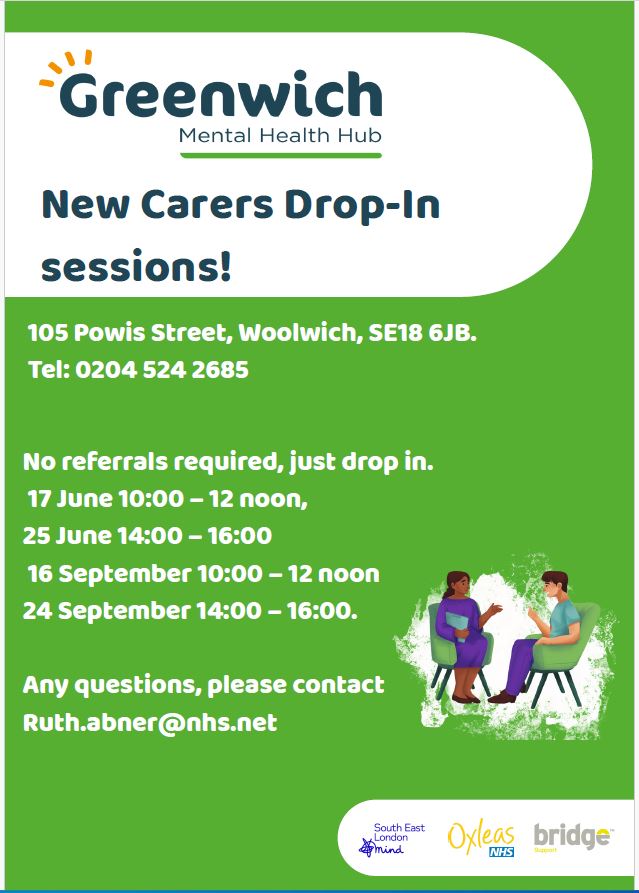
Greenwich Council then presented the Greenwich Carers Pack, a comprehensive information booklet developed in co-production with unpaid carers in Greenwich. The pack includes information about carers’ rights, assessments, and support, as well as details about local community resources. Greenwich council mentioned plans to translate the pack into Nepalese and distribute physical copies to hospitals, GP surgeries, and community centers.
Carers Pack Development and Resources Evie who chairs Greenwich Councils Carers Partnership board then discussed the development of a carers pack, which was designed to be interactive and easy to navigate. The pack covers various resources available to carers, including local and national ones, and provides bite-sized notes for carers to jot down important information. It also includes sections on employment rights, respite, legal responsibilities, financial support, home safety, and advocacy. The pack is designed to be a one-stop resource for carers, with links to all the resources mentioned. Evie also mentioned that the design team has done an excellent job, and the pack will be further developed as it goes to double pages. Matthew expressed his appreciation for the pack and requested the link to it when he runs his carer stall at the hospitals.
Digital Resource and Carer Navigation Greenwich Council thn discussed the development of a digital resource and physical copies for a project, with plans for posters featuring QR codes for easy access. The project was well-received, with a carer and Matthew expressing their appreciation and interest in using it for their respective areas. A carer also highlighted the importance of connection and navigation for carers, noting that many learn from other carers rather than official sources. The team agreed to continue developing the project and to share it with other local authorities.
Improving Carers’ Information Pack Development A carer expressed concerns about the lack of connection and input from various parts of the system in the development of the carers’ information pack. She highlighted the need for a more comprehensive approach, especially considering the cross-borough nature of some carers’ support. Greenwich council representive acknowledged these concerns and explained that the pack was developed by a different team, with input from Oxleas NHS trust and other organizations. She also mentioned that they are working on a more summary version and translations. The team agreed on the need for more integrated work with partners and other local authorities.
Comprehensive Carer Handbook Development Discussed Members continued to discuss the development of a comprehensive handbook for carers. The presenters clarified that they were not planning to create a smaller, bite-sized version of the handbook, but were open to feedback suggesting such a change. The handbook will be available in various locations, including GP practices, libraries, and community centers, and can be accessed digitally via QR codes. THey also mentioned the importance of keeping the information up to date and being mindful of sustainability policies. A hospital representative expressed interest in sharing the document with other boroughs and asked about contacts within the hospital for potential distribution of the handbook. They agreed to check with colleagues about existing contacts and welcomed any additional contacts. The group encouraged others to share relevant contacts.
Consistent Information for Carers Greenwich Council reps emphasized the importance of having consistent information spread across South East London, particularly for carers. Greenwich Carers representative praised the new greenwich council carers resource, noting its potential to be a valuable resource for carers. She also mentioned the commitment to keeping the information up-to-date, particularly on the digital portal. Evie added that they plan to translate the pack into Nepalese and other key languages for carers in the borough, and also consider developing an easy-read version. Matthew ended the conversation by noting the ease of language changes in a digital format.
St Georges Hospital NHS Trust Progress and Future Plans Wendy from St Georges hospital who shared her team’s achievements, including virtual training sessions, bespoke staff training, and the upcoming launch of a carers’ information section on the St. George’s website. Wendy also mentioned her goal for 2025: developing a carers’ charter and survey. The team expressed their anticipation for the upcoming carers’ forum, which Matthew will be attending.
Carer Support Challenges and Progress Tower Hamlet Carers Centre discussed the challenges and progress of their work in Tower Hamlets at royal london hospital which one of the 5 hospitals under Barts NHS Trust.
Tower Hamlet Carers centre representative is expressed her hope for having volunteers who were carers themselves to help provide the service. She also mentioned a plan to create a co-produced pack of resources for carers, which would be based at the hospital’s front desk. She highlighted the difficulty in discharge planning due to the pressures of the hospital system, which sometimes led to carers not being fully involved. Despite these challenges, Tower Hamlets Carers centre expressed optimism about the service’s progress and future plans, including the potential addition of more carer support workers. Wendy from St Georges offer her support, which I thought was very admirable.
Barnet Carers Centre update Matthew then handed over to Mike the CEO of Barnet Carers Centre, who presented a project aimed at directing carers to the right support organization through a portal. The portal, currently under development, would direct carers to the appropriate center based on their postcode. Mike also mentioned the project’s expansion to include mental health and allied health professionals this would be the merged Mental health trusts Camden & Islington and Barnet, Enfield & Haringey who have combined into north london mental health partnership.
A carer raised a question about identifying carers during pre-assessment, to which Wendy Doyle responded that their system includes a question about whether the patient is a carer. The possibility of discussing this further in a future meeting was left open.
This concludes the short update to continue progression of the excellent legacy Debbie husting has left for London hospitals and beyond.
The Race Equality Foundation, which is a UK-based organization that works to tackle racial inequalities in public services and improve outcomes for Black, Asian, and minority ethnic communities. Established in 1987, the foundation focuses on areas like health, housing, and social care, using evidence-based approaches to inform and influence policy, practice, and community initiatives.
The Race Equality Foundation are developing the Race Equity Maturity Index. The Race Equity Maturity Index is a tool developed by London Anti-Racism Collaboration for Health (LARCH) to support organisations in progressing race equity by enabling the tracking and improvement of race maturity levels. The index supports organisations in the actions they take to embed anti-racist practice.
Event has finished so no more bookings. There will be more events in future.
Did you know that November the 23rd is International Survivors of Suicide Loss day 2024?
The day is a time dedicated to coming together, supporting one another, and finding healing after losing loved ones to suicide. Survivor Day is an annual event that provides a safe space for individuals to share their stories and connect with others who understand the deep pain of such loss. It’s a global day of remembrance filled with activities including speaker panels, film screenings, and group discussions, all often hosted by local organizations, mental health groups, and the American Foundation for Suicide Prevention.
To see the video that I use to raise awareness, please view the video below.
Losing someone to suicide is a profoundly painful and complex experience. Healing takes time and patience, but it’s crucial to remember that you are not alone on this journey.
Here are five ways to cope and find hope after such a devastating loss.
Allow Yourself to Grieve
Grief is a natural response to losing someone you love, and it’s okay to feel a mix of emotions such as anger, guilt, confusion, and sadness. Each person’s grief process is unique, and it’s important to allow yourself to experience and process these emotions without rushing. This process can be long and non-linear; some days will be harder than others, and that’s a normal part of healing.
Seek Support
Connecting with friends, family members, or trusted individuals who can offer comfort and understanding is essential. Expressing your feelings and sharing memories of your loved one with those who care about you provides both relief and a sense of connection. Additionally, joining a support group, whether in person or online, through organizations like the American Foundation for Suicide Prevention can be incredibly beneficial. These groups provide a community of individuals who have experienced similar pain and can offer empathy and support.
Educate Yourself
Understanding mental health and the factors that lead to suicide can aid in making sense of your feelings and help reduce self-blame. It’s important to remember that mental health struggles are complex and multifaceted, and the loss of a loved one to suicide is not your fault.
Create Rituals of Remembrance
Remembering and celebrating the life of your loved one is a powerful way to cope with loss. This can be done by sharing stories, creating a memory book, planting a tree, or participating in activities they loved. Engaging in awareness events such as walks, vigils, or fundraisers in their memory can also be incredibly meaningful. These rituals provide a way to honor their memory and create a lasting legacy.
Practice Self-Care
Grieving is both physically and emotionally exhausting. Taking care of your own needs is integral to your healing process. Ensure you’re eating well, resting, and engaging in activities that bring you peace. Setting boundaries and taking breaks from conversations or situations that feel overwhelming is also essential. Be patient with yourself during this time; healing is not a straightforward process, and it’s okay to have good and bad days.
Finding Hope and Healing
On this Survivor Day, it’s important to remember that healing is possible and that hope is within reach. Together, we can find strength and comfort in our shared experiences. If you need more resources or support, please utilize the links provided in the description below. Stay connected, stay hopeful, and take care.
Survivor Day reminds us that while the journey after losing a loved one to suicide is incredibly difficult, there is a community ready to support and understand. Engaging in commemorative activities and reaching out for support are powerful steps towards healing. Always remember, you are not alone.
Welcome to another blog post from Carer activist Matthew McKenzie. THis is a blog post I always wanted to do, since for many years I been running carer groups. If you want to watch the in-depth version regarding carer peer groups, you can watch the hour long video below.
In this blog post, you can explore the diverse landscape of caregiver peer support groups, focusing on building resilience, skill-sharing, and overcoming stigma. You can also discover how these groups provide a safe space for growth, learning, and healing through shared experiences.
Understanding Carer Peer Groups
Carer peer groups are an essential, yet often misunderstood aspect of caregiving. Despite their complexities, they offer a lifeline to many caregivers, providing much-needed support, understanding, and personal growth opportunities. These groups are not just spaces for venting or sharing the challenges of caregiving; they serve a multitude of functions aimed at enhancing the lives of caregivers.
What Are Carer Peer Groups?
At their core, carer peer groups are a collection of individuals, typically caregivers, who share common characteristics and experiences. They come together with specific interests, interact in ways that foster support, understanding, and personal growth. These groups are more than just social gatherings; they are structured environments where caregivers can develop resilience, accountability, and coping skills.
The Importance of Emotional Support
Building Emotional Resilience
One of the primary functions of care peer groups is providing emotional support. Caring for a loved one can be isolating and emotionally draining. Groups focused on emotional support aim to reduce this isolation and help caregivers build coping skills. These groups facilitate a space where caregivers can explore their emotions, such as trauma, anxiety, isolation, depression, and anger. By doing so, they help mitigate the risks of developing mental health issues.
Encouraging Personal Growth
Emotional support groups go beyond mere conversation. They encourage self-discovery and growth, helping caregivers reduce the stigma associated with their role. These groups work to build a sense of community, providing a platform for storytelling and healing. The goal is to turn emotional struggles into opportunities for growth and resilience.
Mutual Aid and Resource Sharing
Collaborative Problem Solving
Another critical type of carer peer group is the mutual aid carer group. These groups are all about collective action and shared responsibility. Caregivers come together to offer advice, support, and understanding based on their shared experiences. They advocate for social change and share resources, knowledge, and skills to better manage their caregiving duties.
Developing Lifelong Skills
Resource-sharing carer groups focus on maximizing the use of resources and skills among caregivers. These groups encourage practical support, such as helping with everyday tasks, and foster a culture of giving and gratitude. By doing so, they help create strong, supportive networks that caregivers can rely on.
The Role of Accountability
Creating a Culture of Accountability
Accountability is a crucial element in many carer peer groups. These groups ensure that caregivers remain motivated and responsible in pursuing their personal and professional goals. They offer consistent check-ins and progress reviews, helping caregivers stay focused and committed.
Encouraging Empathy and Understanding
Accountability groups also emphasize the importance of empathy and understanding. By fostering a non-judgmental environment, these groups help caregivers build compassionate connections and develop deep listening skills. This creates a supportive space where caregivers can feel safe expressing their thoughts and feelings.
Promoting Empathy and Safe Spaces
Safe and Non-Judgmental Environments
Creating a safe, non-judgmental space for caregivers is essential. These groups provide an environment where individuals can freely express themselves without fear of criticism or harm. The focus is on healing and recovery, reducing isolation, and promoting self-compassion.
Enhancing Communication Skills
Such groups put a high priority on confidentiality and empathy, which are vital for building trust among members. They work to improve communication and interpersonal skills, helping caregivers better navigate their caregiving roles and manage conflict within their relationships.
Empowering Caregivers
Building Confidence and Resilience
Caregiver empowerment groups focus on fostering a sense of control and belonging among caregivers. They promote resilience and encourage caregivers to overcome obstacles. These groups help build strong social networks and challenge social norms, providing tools and resources for skill development.
Encouraging Personal Development
These groups often serve as networks of encouragement, where members motivate each other to achieve their goals. They focus on building confidence, self-belief, and resilience through peer mentorship and role modeling. This helps caregivers take on leadership roles and further their personal development.
Specialized Carer Groups
Alternative Therapy and Recovery
Some carer peer groups focus on alternative therapies, providing non-professional and voluntary alternatives to traditional therapy. These groups might use methods such as art therapy, mindfulness practices, or peer coaching. They aim to enhance communication skills and offer a space for healing through creative expression.
Problem Solving and Growth
Problem-solving care groups help caregivers brainstorm solutions to common challenges using shared experiences. They encourage critical thinking and offer emotional and motivational support. These groups also focus on resilience building, helping caregivers develop emotional agility and self-awareness.
Conclusion
Carer peer groups play a vital role in supporting caregivers. They offer emotional support, facilitate resource sharing, promote accountability, create safe spaces, empower individuals, and provide specialized support. These groups are complex and require significant effort to establish and maintain. However, their benefits far outweigh the challenges. By participating in care peer groups, caregivers can find the support, understanding, and personal growth they need to continue their vital roles.
Despite their complexities, carer peer groups are essential in fostering a supportive environment for caregivers. They provide the tools and resources necessary for caregivers to thrive, ultimately enhancing the overall quality of care provided to their loved ones. As the demand for caregiving continues to grow, the importance of these groups cannot be overstated.
During Hoarding Awareness week 2024, I did a blog post on the excellent animation short that raises awareness of Hoarding.
The animation film is called ‘Of All the Things’ , which is partly funded by the BFI NETWORK, that delves into the complexities of a mother-daughter relationship amidst the challenges of hoarding disorder.
As a carer with lived experience of caring for someone with mental illness, I understand how the animation can offer a fresh perspective on the journey towards understanding and connection while aiming to raise awareness and combat the stigma surrounding this often misunderstood condition.
Latest research focus for carers who support someone suffering from breathlessness. Kings College London are keen to explore some of the issues carers can face when the person they care for is breathless. This can be a symptom for people with heart and lung problems, respiratory diseases and cancers. It can be quite stressful and frightening for carers especially if they haven’t had support or training on how to cope with this.
If interested please contact eleanor rochester – eleanor.rochester@kcl.ac.uk
Oxehealth is a health technology company focused on inpatient mental healthcare. Oxehealth is looking to extend their co production activities to bring together a wider range of voices from both patients and carers. They are planning to run both in person and online focus groups to deep dive on specific areas of product development. There may be further opportunities for participants to extend their initial involvement and join their core expert by experience group.
Who should attend? Welcome to both service users and carers with experience of inpatient mental health settings. Experience of Oxehealth vision based patient monitoring system is desirable but not essential.
What the sessions will cover? Focus group 1: Patient monitoring – privacy and choices Aim is to get feedback to help prioritise initiatives designed to enhance privacy, agency and choice for patients on inpatient wards when using vision based patient monitoring systems. Focus group 2: Developing sleep reports for patients and carers Aim is to get feedback on design and content for reports for patient and carers which provide information on how patients have slept.
Will I get paid for attendance? Yes, compensation will be paid at the rate of £30 per hour. Each session will last for 1.5 to 2 hours. Reasonable travel expenses for face to face attendance (with receipts provided will be compensated up to the value of £30
When will the meetings be held? We will hold 4 sessions with c 6 – 8 attendees each in March/April (2 on each focus group topic). The sessions will be c. 1.5 hours each and will be on weekdays either a morning or afternoon session. 2 sessions will be in person in central London; 2 sessions will be online on Microsoft Teams
What work will I have to do in advance of the session? Before each session, we will meet online with each prospective participant for 30 min to 1 hour meeting to provide an opportunity for participants to find out more about the technology and the company.
To express interest please contact Karen West – karen.west@oxehealth.com
Welcome unpaid carers. There is a new research Opportunity from the University of East London.
Carers can play a vital role in supporting someone with psychosis, particularly when an inpatient admission is needed, but unfortunately are often left out of important conversations. I’m hoping that this research can go a small way towards including carers’ voices in the discourses around restrictive practice/the development of inpatient services.
Alison Byrne who is a Trainee Clinical Psychologist at the University of East London is looking to reach people who are:
Over 18 years old
A relative or other carer (including friends) of someone who experiences ‘psychosis’ (e.g. delusions, hallucinations, or other unusual experiences; a formal diagnosis is not necessary)
Their loved one has had at least one admission on a UK inpatient ward relating to these experiences
Caring for a loved one with cancer? The university of East London study offers 4 free (online) hours of coaching in exchange for a 1 hour interview.
The study aims to support carers of cancer patients through coaching conversations, and is part of a Master’s dissertation investigating the wellbeing effects of coaching. The research has been ethically approved by University of east london’s Psychology Ethics Committee.
You’ll be asked to participate for around 5 ½ hours of your time, and the sessions can be slotted around your availability. The coaching is confidential.
To book a 30 minute consultation to see if this is right for you, contact Jo at u2097099@uel.ac.uk