Tag Archives: mental health

BAME Carer Forum October 2021 – Black History Month special

Welcome to another brief update of my BAME mental health carers forum for October 2021. I have not been reporting off my carer forums that much due to finishing up my latest book about mental health carer experiences.

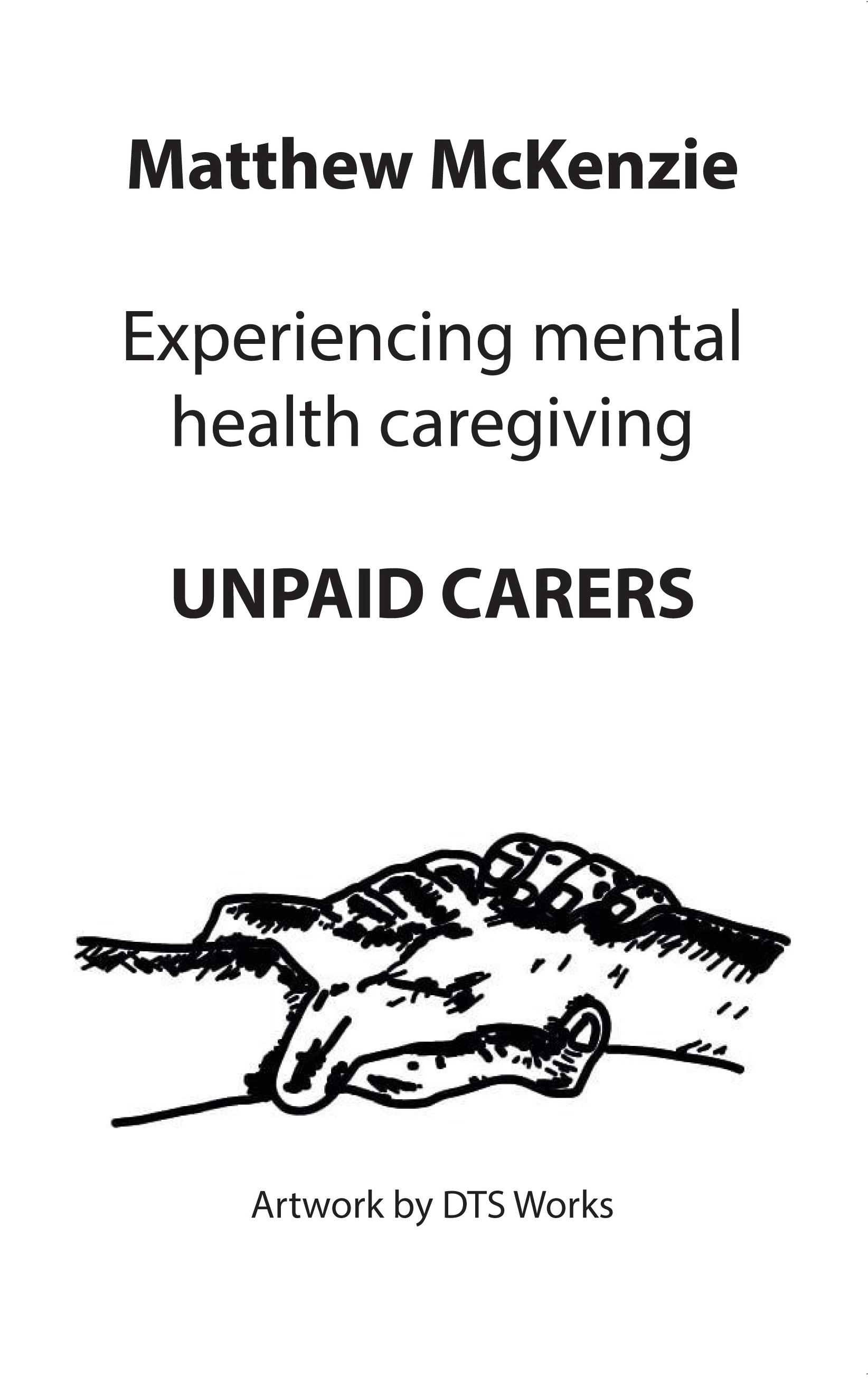
You can by my latest book on the link below.

You can also find an overview of chapter 1 from my YouTube channel below.

I am now working on my 3rd book which will be a large number of poems also on the carer experiences. It is not set for release until 2022, although I have been reading out my poems at carer groups for preparation.

The carers forum usually runs once a month and its focus is on ethnic diverse carers who are caring for someone with a mental health issue, although the forum started in Lewisham, it has expanded with the support of mental health services of Oxleas, so it has extended to Bromley, Greenwich and Bexley.

Speakers for September 2021

  • George Hosking OBE CEO of Wave Trust – Wave Trust on Young black wellbeing
  • Dr Tim Ojo – Psychiatrist on Black History Month Reflections
  • Doreen McKenzie – Black History month Poetry
  • Emilie Wildeman – Patient Research project at Institute of Psychology, Psychiatry and Neuroscience
  • Lara Sengupte – Breakfast Clubs again Racism.

This particular forum focused a lot on Black History month which ran for October 2021. One of the speakers from NHS England & Improvement could not make it, but they did attend my BAME carers group for Novemeber, which I will blog about soon.

George Hosking OBE presents on his project for youth mental health

George Hosking CEO of Wave Trust spoke about his charity, which helps to prevent children suffering child abuse, neglect, and those witnessing domestic violence in their homes. Over a number of years, the charity has become very aware of the impact on mental health, which has led to people suffering childhood trauma in some kind or other. George mentioned a huge number of mental health problems can be traced back to childhood experiences in that way. George stated the charity has experts on trauma. He himself is a clinical criminologists, psychologist, and traumatic stress counselor, his charity supports organizations and individuals to learn how to support people who have suffered trauma in their lives.

George included that one of the things they do is they help set up trauma informed communities around the UK. These are communities which really try and provide the best possible support to people who have suffered some form of trauma in their lives. This includes a lot of people with with mental health issues and these communities can be of two types. They can either be created top down by working with the NHS and local authorities and police to create a rather statutory based organization, or else it can be created from the grassroots working away from individuals in the community. They have been working now for about two years with the Black and ethnic Community where the charity is based, leading to creating a trauma informed community.

George was thinking about the possibility of doing some trauma informed community work in Lewisham, due to Lewisham Council recently inviting organizations to make an application to provide emotional health and well-being training to those working with young people in leadership.

What his charity is looking for is people who will help young people to spot the signs of poor mental health, and guide those young people towards mental health support especially in the black community. WAVE charity has got a background on this because of their knowledge of trauma and mental health, that they can provide that kind of guidance and support. They have got the facilities to train people to be more adept at doing this sort of thing. Unfortunately what they don’t have is the links in Lewisham to people who are working with young people, particularly people who are working with young people with an interest in mental health. George did realize that our forum’s focus is very much on carers rather than supporting young people. He did do a Google search to look for an organizations in Lewisham with interest in mental health and thus Matthew’s forums came up.

So George contacted Matthew who kindly invited him along today just in case, someone from within carers forum is aware of or are even interested in what that charity could potentially allow involvement in.

Lara Sengupte presents on Breakfast Clubs again Racism in Lewisham

It was Lara’s turn to speak about her project and how it came about. They are currently in the pilot scheme phase. So they have been running projects since July, and the piloting finishes in December. By then they are going to be analyzing the results of the clubs. They run two breakfast clubs, one in Catford, and one in Peckham (Southwark). The goal is basically to educate young people on racism, how it shows up in society, and how to combat it. This particularly on internal racism.

Lara knows for a lot of young people of color, which relates to mental health, that can carry around a lot of negative self talk and negativity, all the negativity that we see in the media, and through like school exclusions there is a lot of racism against young people of color. The big challenge is that young people and children don’t exactly know how to process it. So that’s one thing that our clubs want to tackle. So they are running educational Saturday breakfast clubs for young people throughout autumn term. This is not just for Black History Month since they have been running them since September, and will finish them in December. Our clubs have got about 10 weeks with the kids where the purpose of the breakfast clubs is to teach young people about racism, how to challenge it in a safe space surrounded by like minded peers.

So all the kids that are signing up to the Breakfast Club all care about racism, and all care about combating it. So they can share ideas in a safe space, that perhaps in a school it would be different. The clubs don’t just cover personal racism, they also look at deep institutional racism, and internal racism that is often carried around by young people of color. This can show up as negative self talk or self destructive behavior. So the clubs give the students an understanding of the societal problems that we have in this country. The clubs also work on self confidence and leadership skills to empower the young people and children to take action where they can.

The breakfast clubs next session was in October where the clubs work with young people from around like 10 to 14, but they are also quite flexible and ages.

You can find more about Laura’s project at this link Breakfastclubs against racism

Dr Tim Ojo reflections on black history month.

A while ago Dr Tim a psychiatrist wrote a piece for the Royal College of Psychiarists regarding the importance of Black History Month, which you can see below.

Dr Tim’s Black History month Blog

Dr Tim has been very busy promoting equality through the power of psychiatry and I felt it important to invite him to engage with BAME carers and even NHS staff.

Dr Tim felt it was a pleasure and a surprise for Matthew to connect. Dr Tim spoke about the piece he wrote for Black History Month in 2019. He is a psychiatrist by background of British born, But his heritage is in southwestern Nigeria and as part of the Royal college of Psychiarists celebration of Black History Month, which became something only a few years ago, he was invited to write a blog. Dr Tim is an associate Registrar for policy support the college. That means the things around the Royal College of Psychiatry led to reports and statements that they make, in addition to supporting people with mental illness, their families, and communities. This includes Improving the mental wellness of society in private colleges, professional body for all qualified psychologists.

Dr Tim felt what was the important facets for Black History Month is a special where we come to terms with the fact of needing to understand history from the perspective of recent events. This has happened after his blog has shown that reflection point where it’s absolutely necessary, where people of color and their white allies think about history from a different perspective, because for too long, it’s been written from the perspective of one vantage point, that vantage point unfortunately positions, people of color, black folk, particularly at a disadvantage in producing narratives that arent helpful, realistic, and are incomplete. So what he thought Black History Month now takes upon an additional layer of importance, because first of all, it is about a celebration, about the fact that across the world cultures, black people have come together even in the face of suffering, can celebrate on resilience and psychological robustness that is happening through the facets of our history, and throughout our communities. Dr Tim felt we can find people, individuals and communities doing great things where it reminds us that we have a history of a human or a connected global trajectories of history that we assume we have music culture, we have literature is important for all of us as human beings to function make no apologies for our issues about how do we use structural position to address questions of inequity and problems inclusivity in society. Dr Tim feels as carers we can speak to a very important aspect of the black community in terms of inadequacy of access narrative support.

Dr Tim also thinks having four electives is important to come together to illustrate actually, every month, although Black History Month appears once a year. it’s important for people to focus on sharing stories, not as a disadvantage, but through the use of positivity. Dr Tim mentioned where his blog gave a historical link between psychiatry in Nigeria, where the Western world in how we have trained psychiatrists who took it upon themselves to negate the negative picture over history in psychiatry, and came up with a very good book, which is called “black skin, white coats” by Matthew M. Heaton.

The book is a legend and looks at psychiatrist colonization, and the globalization of psychiatry, this led to an informed decision of him becoming a psychiatrist.

Dr Tim thinks it’s important also to recognize people like African Caribbean senior psychiatrists, who retired, but stood firm in the face of strong opposition to actually question what was happening, vision and mental services of color in this country. Dr Tim spoke more about Matthew M. Heaton on his work since the 60s and 70s, which was very important in shaping the new agenda around a shared understanding of how history is restricted, which is advantageous, specifically why he was talking about Black History Month being symbolic.

Doreen McKenzie poet and author on Black History Month poem.

I invited my aunt Doreen to read a poem for my carer group. She had two poems that she wanted to read to us. Doreen read the shorter one first. The poem was called “Proud to be black”

This woman is so darn proud to be back.
Despite the fact that she’s very aware that her color is constantly under attack.
Black is the color achievers with pride.
Nothing will ever entice her, her beautiful black skin to hide.

She was born black, and will die the same color.
And she knows many people whose thoughts are similar.
She hears people talk about the blonde bombshell.
But she repairs the curvaceous black hair.

Black skin really wrinkles with age.
Therefore, the age of a black person can hardly be gauged.
It is a mystery how many elderly people look so good,
despite the fact that they are plagued with a magnitude of challenging evidences.

And when it comes to her hair,
please don’t even bother to go there.
It is so unique and versatile.
That in just one day, it can be crafted into a variety of magnificent styles.

The Bible says that man is made from clay.
So claiming to be made in God’s own image is nothing outrageous to say.
Claim your blackness with gladness and pride.
Because the beauty of blackness, one must never tried to hide.

You can check out Doreen’s book “The Purpose of My Life: Now, Then, and in the Future”

Emilie Wildeman presents on her Research project

Last to present was Emilie on her research project. She usually attends my groups a couple of times over the past year. She was here today to push for recruitment and to raise a bit of awareness about her study that she is conducting as part of her PhD project. Emilie is a PhD student at King’s College London. Her research is all about informal family carers for people living with severe mental illness. Emilie gave us a bit of background to the study, in many health conditions, including mental health, we know that people living with these conditions will often live with or be supported by a close family member or friend, who mental health services refer to as informal or unpaid carers.

Emilie continued to mentioend that they also know that in some relationships, there can be difficult periods that might include sort of episodes of disagreement, and in some cases, can include active aggressive behavior from one person towards another. Her research is focused on carers of relatives living with severe mental health conditions and for her study, she is looking to speak with family carers who have experienced any type of aggressive behavior from the relative that they care for. So that could include sort of episodes of verbal disagreement and verbal conflict, conflict, verbal aggression, emotional and psychological. It could be physical, it could be some sort of destruction to a property. It’s very broad. She knows that this can be a very sensitive topic, and that there can be a lot of stigma around mental illness as well as aggressive behavior. So she really want to emphasize that this project is not about passing any judgment or making any assumptions about relationships. she is just interested in exploring carers lived experiences.

Emilie hopes that through doing this research, they can help to reduce that stigma. Participation is on carers completing an interview with herself. This is around giving carers the opportunity to voice their experiences and their opinions about what impact these experiences can have on themselves personally, on their relationship with the relative to their care and also for the family.

She is also really interested to learn about “What support families and carers have received in relation to dealing with experiences of aggression”. So that could be from personal support networks, but also professional services because she wants to identify what aspects have been helpful, but also maybe where support might be lacking.

This concludes my brief update of a special Black History Month special for October 2021.

Bromley, Greenwich & Lewisham BAME Carer Forum September 2021

Welcome to the brief september update of my BAME mental health carers forum. The forum focuses on updates, information and queries regarding mental health services and how they impact on ethnically diverse carers who are caring for someone suffering mental ill health.

The speakers for September were

Mushtaq kahin – Her projects reaching out to the community
Macius Kurowski – South London & Maudsley NHS Equality Manager on Equality updates
Dr Stephen Goggins – South London & Maudsley NHS on carer’s strategy

Continue reading

Research on identity of those who support someone in with a mental illness

A new research study by Cassie Lovelock will be looking into the identity of those who support someone in their life with a mental illness. Cassie is PhD student at the London School of Economics; before that she was a carer for her sister who lived with schizoaffective disorder.

The aim of her study is to learn in what ways supporting a person impacts a carer and their identity. As well as what their day to day supporting that person looks like. This will be done via an hour(ish) long interview with her via zoom or teams (or telephone if that is easier for the carer). It will take part at a time convenient for unpaid carers.

To take part the carer must be over the age of 18 and able to give informed consent. Unpaid Carers will be paid £30 for the interview – or thy can request a voucher to the same value.

If any carer other there is willing to make part – or would like more information before deciding please email Cassie on c.lovelock@lse.ac.uk or you can text/whatsapp her on 07429428992.

SW London MH Carer Forum August 2021

Welcome back to a brief update of my South West London mental health carers forum. It is not like my other forums since this one tends to be a hybrid of peer support and carer engagement. Plus its probably my largest carer forum which cover’s 5 boroughs or six boroughs if we engage with NHS South West London CCG, because the commissioners cover six boroughs that being the borough of Croydon.

Anyway, one of the main focus is on how South West London & St George engages with unpaid carers, especially about mental health services, but the forum can then become a networking forum for other carers even outside SW London as sometimes national speakers may appear.

The speakers for August were

Elizabeth Stirling the new CQC inspector for SWLSTG

Tristan Brice from London Association of Directors of Adult Social Services.

Elizabeth presents on what the CQC is about

Since the CQC spoke at length regarding roles and plans, I can’t blog too much about that, however Elizabeth was kindly referred to engage with our group since their interested in how the group is supported.

Elizabeth spoke on the following.

  • How she has Worked in health and social care for 23 years
  • Worked as a support worker for four years
  • How she has been a Social worker since 2005
  • Worked for Mental Welfare Commission for Scotland
  • Has lived experience on caring regarding mental health.

Elizabeth then moved onto what the CQC does as in that the Care Quality Commission monitor, inspect and regulate services to make sure they meet fundamental standards of quality and safety, and they publish what they find, including performance ratings to help people choose care.

The CQC also set out what good and outstanding care looks like, and they make sure services meet fundamental standards below which care must never fail. Obviously, the CQC use information and evidence throughout their work, including people’s views and experiences of care. The CQC work closely with the public, other organisations and local groups across everything they do, that includes patients and carers of course.

Next Elizabeth explained the core fundemental standards for the CQC and what they look for. These would be

Person-centred care
Dignity and respect
Consent
Safety
Safeguarding from abuse
Food and drink
Premises and equipment

To also mention although the above is important, the CQC do look for other things as well. With the list above, they apply to fundemental standards that apply to mental health trusts

There was a very long Q&A session regarding these standards that apply to the rating of SWLSTG, but the important distinction was that it was coming from a carer’s perspective.

Each of those standards mentioned must follow a criteria of questions usually 5 of them, which are

Safe: you as the patient protected from abuse and avoidable harm.
Effective: your care, treatment and support achieves good outcomes, helps you to maintain quality of life and is based on the best available evidence.
Caring: staff involve and treat you with compassion, kindness, dignity and respect.
Responsive: services are organised so that they meet your needs.
Well-led: the leadership, management and governance of the organisation make sure it’s providing high-quality care that’s based around your individual needs, that it encourages learning and innovation, and that it promotes an open and fair culture.

Of course there has been a massive impact regarding how the CQC works and I had asked Elizabeth to talk in depth on covid-19.

Elizabeth talked about how the CQC had to adapt on how they work. This was a mix of on-site and off-site methods. In March 2020, the CQC suspended their routine inspection programme in response to COVID-19 and developed their ability to monitor services using a mix of on-site and off-site methods. Other changes were on improving the CQC’s ability to monitor risk to help them be more targeted in their regulatory activity. With that, by bringing information together in one place for inspection teams, presented in a way that supports inspectors with their decision making and by testing elements of how they want to work in the future, including how they provide a more up-to-date view of risk for people who use services.

I myself have always stressed to carer’s that the CQC is not a one way system, unpaid carer’s must provide the CQC with information and also requests so carers are working in partnership with the CQC. Elizabeth expanded on this by stating Information from patients and carers is very important to the CQC. All the information the CQC receive will be added to the records they have for each care service. The CQC can use this information to help decide where to inspect next, and what to look at when they do. When the CQC receive information about a concern for someone’s safety, they will treat it as urgent.

The CQC also use what people tell them to understand the quality of care they get from services like care homes, care agencies, hospitals and GPs. It helps make care better for everybody.

Again there was a very long question and answer session from members of the forum, but for those reading this blog please see the below.

CQC Feedback site : https://www.cqc.org.uk/give-feedback-on-care?referer=promoblock

You can also call the National Customer Service Centre (NCSC) on 03000 616161 or email enquiries@cqc.org.uk.

  • Tristan Brice presents

To be honest the conversation stretched so long with the CQC, that Tristan had to come back another day, which I will blog at a later date.

This is the brief august update of my SW London mental health carer forum.

My new carer book published

Welcome back to another blog by unpaid carer Matthew McKenzie. I am slowly breaking into the world of becoming an author and I am pleased to announce my 2nd book on the experience of caring is out.

The title of the book is called : Experiencing mental health caregiving – Unpaid Carers

Obviously due to my previous role caring for my mother, this 2nd book focuses on mental health carers. What I mean by that is getting views, statements and comments from those who look after someone suffering mental ill health. The book is not to be taken as an audit, but a philosophical look at experience of care, I wanted those to be philosophical on their experiences of being a carer and anything mental health related. There will be comments that stated facts or sometimes seem like a pitch, plus some comments might offend some people, but it is very important to just get the voice out there and understand why someone would comment in such a way.

I am known for my networking to carers and this was the nature of this book. I wanted the book to be a link and connection to other unpaid carers, this is so that there is some form of identity for carers and a way to relate to the experience of care. The book is very large with over 300 pages and 33 chapters. The book however was quite challenging to compile experiences, because quite a few comments brought me back to when I was a mental health carer and some things hit hard.

To research the content for my book, I had to approach many mental health trusts and carer centres to promote my project and I thank those that have contributed.

Many thanks to CNWL, West London Health trust, Nottinghamshire Healthcare NHS Foundation Trust for their lovely newsletter, Cambridgeshire and Peterborough NHS Foundation Trust and many other mental health trusts allowing me to present about my project.

I also approach universities especially those who taught psychiatry, psychology or those who led on social care courses. I wanted their opinions as well, because if you want nurses, social workers, doctors and psychiatrists to work well with carers, you have to start where they are being taught their profession. I did want to include contacts from large organisations, but it was too difficult, although I do hope they support and promote the book. If anything is going to bring changes to the experience of care, it needs to be the voices of carers being amplified.

Next year, I certainly want to expand on the chapters I wrote in this book especially regarding the views given by those who contributed, however before I undertake my next project. I want to try my hand at poetry.

Hope you enjoy my latest work.

Lewisham Mental Health Carers forum September 2021

Welcome to the September update of my Lewisham mental health carer forum 2021. As a note, the carer’s forum is an engagement group aimed at those caring for someone who suffer’s mental ill health.

Since the carer’s forum focuses on carer’s from Lewisham, we tend to get engagement from mental health services of South London & Maudsley NHS foundation trust. I am grateful for the support our local NHS trust gives to families and carers. It is important that families, friends and carers remain that strong link in coping and recovery.

The speaker’s for September were

  • Leonie Down – Lewisham Head of Occupational Therapy and Partnerships Lead from South London & Maudsley
  • Ros King – Regional carer lead for London from NHS England
  • Charles Malcolm-Smith – People & Provider Development Lead from NHS South East London CCG (Lewisham)

Leonie Down presents on the importance of Occupational Therapy

As mentioned earlier, South London & maudsley prides itself on the engagement and involvement of those who use it’s services and those who care for patients. It was great to have Leonie engage with our carer group on the importance of Occupational therapy.

Leonie stated her talk on how occuptional therapy can help people manage their routines at home, and also occuptional therapy helps look at the physical health component and ways for people to adapt to disability. Leonie presented an example from The World Federation of occupational therapists (WFOT).

“Occupational therapy is a client-centred health profession concerned with promoting health and well being through occupation. The primary goal of occupational therapy is to enable people to participate in the activities of everyday life. Occupational therapists achieve this outcome by working with people and communities to enhance their ability to engage in the occupations they want to, need to, or are expected to do, or by modifying the occupation or the environment to better support their occupational engagement” (WFOT 2012)

Leonie admitted the defination was a bit wordy, but it does encompass the fact that it’s about activity and occupation and that’s the medium through which Maudsley NHS deliver their interventions.

Leonie has worked as an OT for around 30 years, a lot of people ask her, what’s an OT do? So she often responds that it’s about supporting people to do the things that makes them feel better. So it’s very much about what people spend their time doing, what people feel, what activities that make people feel feel better, make them stronger in themselves, plus setting their direction towards recovery. As an OT, it’s a degree that they have three years in training as an occupational therapist, which ultimately equips them to be able to understand the needs of each individual. These could be what strength and barriers might be around the person or being able to access activities that make me feel better, and that could be multifaceted.

Leonie then presented on the following, where how can service users benefit from OT. The following points were explained.

How OT promotes self-expression, creativity and the development of hobbie

Where OT can improve / develop

  • feelings of self-esteem and confidence
  • level of self-awareness, understanding and insight
  • ability to manage health conditions and ADLs
  • social interaction and communication skills
  • coping strategies and self-management techniques

How OT supports the development of roles, responsibilities and routine, as well as identifying and working towards goals

Promotes healthier lifestyle choices and greater levels of physical activity

Increases the chances of an earlier discharge and the likelihood of them being able to remain safe and independent in the community

Improves the patient experience and wellbeing.

Leonie then moved on to present the work being done in Lewisham regarding OT, where they are trying to work with as many social inclusion partners as possible. So one half is Lewisham community connections, where people are helping those using the services navigate through to something that they can be doing to help their health.

The other aspect of OT in Lewisham, is very much about trying to co-produce and co-deliver a program of groups. Which is for people that that may benefit from the environment that involves other people. This is because other people, from the same environment can learn or hear different insights, which can lead us to start making sense of our own experiences and possibly develop tools to become self reliant.

There was then a Q&A session from carer members of the Lewisham MH carer forum.

Ros King from NHS England speaks about ICS changes

Ros King kindly engages with my carer groups when she can, so today she was invited to speak about the important of Integrated Care Systems. Ros started explaining about NHS England and how it is a huge organization and can be very complicated. Ros mentioned how NHS England is basically the body that sets health policy with the department of health and social care. Such policy helps plan for what the health service will be focusing on where It also holds allocated budgets. The budgets are then allocated down to CCGs where Ros explained that there has been quite a few changes.

It was explained that a couple of years ago, the responsibility was around Clinical Commissioning Groups, and NHS improvement was concerned with providers, so acute trusts and some changes were implemented which led to a merger to become NHS England & Improvement.

Ros then explained a bit about The national teams and the regional teams. Where there are seven regions across England. As in other countries just NHS England we have Wales, Scotland, Northern Ireland, which have different arrangements.

Ros talked about the London region and what sits within the London region, where there are five integrated care systems. These being Southwest London, southeast London, North Central London, northeast London and northwest London. Ros joked that she really hopes nobody has any questions around which CCGs sit within such ICS because that would take some time. Ros talked about how the CCGs have merged to cover such regions around London.

Ros moved on to talk about how NHS England & Improvement would demand lots of information, especially very complicated information about how the CCGs and providing trusts were performing in all sorts of areas. Such requests for information could be at a very short notice because those at NHS England & Improvement have to feed this info back to the organisation.

Ros felt there has been a lot of changes as to whilst regions do still have accountability, So if an acute provider in Lewisham, has really serious concerns and risks about performance of the quality of the services they’re providing, then it is still very much NHS England regional team responsibility to manage and try and work with the provider to improve.

The idea is rather than an acute provider struggling with performancing issues, they should learn from other providers and network together. Still, NHS England has commissioned a lot of things, but now only comission small amount of services which are specialist services. These will be transferred out into ICS.

Ros then talked about how they manage complaints around a primary care service. So GPS, dentist, ophthalmologists, pharmacists and so on. Such complaints would come in to NHS England depending on the complaint e.g. if you have a complaint about any of those services, it would come through to NHS England, or if you had a complaint about a service that was commissioned by your ICS, or your CCG, that would go into the CCG or directly to the organization that’s providing the service.

Charles Malcolm-Smith presents on ICS at a local level.

I had a lot of support from engagement representatives of NHS South East London CCG where Greenwich, Southwark and Lewisham CCGs had organised what to present to carers and also who can support Ros Spink’s presentation.

In the end Charles who is the people & Provider Development Lead from NHS South East London CCG (Lewisham) continued the presentation.

Charles talked about what integrated care system changes that are in the pipeline and how they are designed to work together better. With all the talk about health and social care needing to work better with physical and mental health services, community acute services and primary care, it’s all about the different parts of the system working together and this is about structural change.

It was explained that we have had integrated care systems for a while, but their status had changed from the sustainability and transformation partnerships, where they became ICS even though it is still a partnership status, with the health and social care bill now making ICS statutory organisations. Charles explained that there will be four building blocks to do an ICS. So the ICS for southeast London will have an integrated care partnership board and this is the alliance of organizations that represent across southeast London. These will include the NHS organisations, local authorities and made up of the chairs of the trust.

Elected representatives and elected leadership from each of the local authorities as well as the representative director from Adult Social Care, children, young people services, Healthwatch and voluntary and community sector organizations. Charles reassured us that in southeast London, there aren’t any private sector organizations involved in the partnership since there were a lot of questions from members about privatisation creeping in.

Charles talked about how the Integrated Care board brings the NHS together so it brings commissioners and providers around the table. Charles mentioned it was an important development because the last couple of decades, it has always been a commissioner and provider that were split causing queries with contracts. although there will still be commissioning and providing but the approach to it will be about joint planning. So there will be working together more closely than before.

There were many questions from carer members on if the Local Care Partnership board will debate the importance of unpaid carers and include them in their decisions.

This concludes the brief update of my Lewisham mental health carer forum for September

Joint Southwark & Lambeth MH Carers forum August 2021

Welcome to a brief update of my Joint Southwark and Lambeth Mental Health carers forum for August 2021. There was no speaker for that month so I presented on the following being:

The Importance of carer involvement

Plus I also presented on Carer empowerment

Funnily enough the turn out for the joint forum was very good and to be honest I couldnt present for a long while due to carers speaking to each other on how things have been developing for them.

Continue reading

Greenwich Mental Health Carers forum August 2021

Welcome to a brief update for my Greenwich mental health carer forum. One of the carer groups I run with the support of Greenwich carers. As usual the forum focuses on unpaid carers who care for someone with serious mental ill health. The forum runs very 2 months since I mostly focus on my other group for greenwich, which is a carer peer support group.

The greenwich MH carer forum also focuses on engagement with unpaid carers rather than a peer supportive environment. Speakers for the Greenwich MH carer forum were as follow.

Victor Aigbe-Anderson – Social Care Assessor

We also had engagement from Greenwich CCG who have been active engaging in my carer groups.

Continue reading

SW London MH Carer Forum July 2021

Here is the brief update of my South West London carers forum for July. As mentioned, I have not been blogging much due to working on my 2nd book on unpaid mental health carer experiences. I still run my carer groups including helping out West London NHS health trust on their Black Asian minority carer peer group.

However back to South west London.

The following speakers for July were

Phoebe Averill – PHd Student at Kings College
Carol Ellis – Carer speaking about her son’s new book
Ros Spinks – NHS England Commitment to Carers programme
Myself on Why unpaid carers must hold to account

PHOEBE AVERILL PRESENTS ON HER PHD PROJECT

Phoebe from Kings college University spoke about focusing on safety and quality of care in community mental health Services. So as part of the research, she wanted to invite carers to share their views. Phoebe wanted to give us just a little bit more info about the research as the problem of patient safety hasn’t really been a given as much research which is limited, although there is a growing amount of research from those interested in this area. Still, it’s mainly focused on inpatient mental health services. In actual fact, most mental health care experiences are actually in community settings.

So that’s really important that patient safety in community mental health settings are researched as well. So that’s what she is trying to do with the research. Phoebe is speaking with families and carers of adults with mental health problems in the community services. What she is trying to find out is what kind of “safe and unsafe” care means to the carers in this context, because it’s not very well Understood. She would like to know what types of safety issues you worry about as carers and any ideas about what can make community mental health care safer and would could improve the services. There really is no right or wrong answers, it is about hearing carers experiences and opinions.

Phoebe also has spoken to services as well as to healthcare professionals, but it’s really what the carers views are? So what does the actual study involve? It will be a discussion with other carers since that will be what kind of format unpaid carers prefer.

For more information about the project I have included a screenshot below.

There were quite informative questions from carer members of the forum, but I have a lot to catch up with. So will move on to the next presentation.

  • Carol Ellis and her son talks about his new book

Carol’s son Shaun Ellis started off talking how he ended up with depression due to the death of his father. His book “A Gentle Breeze: Living with depression” focuses on how he managed to survive attempted suicide and his journey battling depression.

Shaun wanted to highlight such experiences through his words and actions. This is why he chose to write a book about his experiences. In this book Shaun describes all the techniques he used to battle his depression. As well as sharing his story, he wants to reach out to fellow suffers and encouraging them to seek the help they need.

Shaun then read a couple of passages from his new book, which led to questions coming from the carer members of the forum.

I have placed a link for those interested in the book below.

A Gentle Breeze by Shaun Ellis

Ros Spinks from NHS England & Improvement presents on the Commitment to Carers programme

Ros from NHS England kindly engages with some of my carer groups I run online for half of London. She spoke about her role as one of the regional carer leads, however she covers London, while the rest covers England. Ros spoke about how the ‘commitment to carers programme’ is linked to NHS Englands long term plan, which is actually 2 years old. Ros talked about one of the big areas which are the quality markers in primary care. These are a set of standards that carer’s should expect from any GP practice across the country. However it is not mandatory, which is a bit of a challenge, because it can be difficult to get GP practices to do things in different ways, not because they’re bad practices, but due to such challenges.

Another quality marker is on identifying carer’s because there are still issues regarding the identification of carers in health and social care. It might be that some people do not identify themselves as carers, but that is not the point. It is up to the NHS and social services to help people understand and help educate them on what support they can get as an unpaid carer.

There was a Q & A session from members of the South West London carer forum.

One question was on why are the quality markers not mandatory.

Ros mentioned there has been discussion to make those mandatory, but raised the option that some GP practices work differently and would learn better from other GP practices in a network. Sometimes it is better to try different options ranging from training to rewards if GPs do well in identifying carers. Ros mentioned there is some leverage with the CQC as they use the NHS England quality markers to see if GPs are actually listening to their patients and carers.

Another question focused on what would Ros like to see in place to bring equality to unpaid carers to the level their patients have.

Ros felt she would like to see fantasic carer support centre that actually has the resources to care for the unpaid carer. She would also like to see a carer’s champion just like what they have in the GP practices in the London bourough of Hilligdon. Those in the GP practice could act as the carer champion, which could be the receptionist or GP and surprisingly it does not cost anything, they can help being carer friendly, identify carers and help refer them.

Another question which was very important came from a carer wanting to know what secondary care was doing for carers and if they follow NHS England & Improvement quality markers.

Ros was delighted such a question was asked and she mentioned hospitals were working towards a carer’s card or passport, actually some hospitals already have this and it is a recognition that a patient has someone who cares and that carer does need support and to be kept informed, infact the best secondary support from hospitals is that the carer will be involved in all the care decisions made and not just told what will happen or the carer be seen as an afterthought.

There were many other questions raised from carer members, but below was the one raised by myself on the commitment standards as I was interested in how NHS England’s Commitment for Carers has been progressing since it’s release around 2014. Ros responded to all of them, where some of the responses I have added below since at the time of the document it mentioned a few tasks were ongoing.

  1. NHS England to raise the profile of what a carer does and how they can be supported with health care staff.
  2. NHS England signed up and supports and promotes annual Carers Week campaign.
  3. Establish a NHS England board level ‘Carer Champion’ and support NHS England board level members to shadow a carer.
  4. A senior NHS England Carers Group to take ownership of the ‘Commitment to Carers’ document and NHS England’s support for carers.

Ros mentioned it is Jenifer Kenward who is on the senior management team and she links to the departments health and social care as well.

  1. Collaborate with carers’ organisations to establish how carers award schemes might be extended to commissioners to support improving the experience of carers across England.

Ros responded these would be your Carers UK and Carers Trust organisations.

  1. NHS England in partnership with NHS IQ to hold a national NHS Young Carers event to support how young carers can be better supported and the wellbeing of young carers promoted by the NHS.

Ros responded that usually three times a year, every region has a certain amount of young carer champions that come together to help drive the young carer’s strategy.

  1. NHS England to support a Carers Champions Network bringing together the healthcare and carers groups.
  2. NHS England will continue to implement the Equality Delivery System for the NHS, involving staff, patients, carers and the community to ensure equality is embedded within all of its core business including workforce development.

Ros mentioned NHS England has to do this, its practically a legal duty, she went into more detail about this.

  1. NHS England is committed to supporting innovation in the NHS and will ensure that innovative ways of engaging with and providing care for carers are considered through the national innovation fund schemes.

Priority 1 Raising the Profile of Carers

  1. NHS England to support the relevant bodies, including Health Education England, to support the use of packages for health care staff that increase carers awareness, and support staff to identify, involve and recognise carers as experts, and as individuals with their own needs, choices and aspirations.

On this question, Ros stated that Health Education England do have a training package that actually includes all frontline staff to increase carer’s awareness. Ros still mentioned there still is a problem to make training mandatory and she would very much like to see that.

  1. NHS England to support the relevant bodies in signposting carers to information and advice about support available. The reason I asked Ros this question was because I felt even though resources are out there for carers, it seems not many carers are using them. I am aware there are social perscribers, but they seem geared for older adults to combat loneliness or for patients.
  2. NHS England to contribute to increasing the awareness within the NHS of the duties and functions of local authorities with regards to carers.

Ros spoke how NHS England has made big strides on this task specifically for Integrated Care Systems (more on that in my September carer forum for Lewisham where Ros spoke about ICS Changes). Ros mentioned there has been much improvement and better awareness from a strategic level to the local NHS level.

  1. NHS England and NHS IQ to liaise with carers organisations and the Royal College of General Practitioners (RCGP) in order to support their work on identification, implementation and sharing of best practice models. (Again, I tend to bother the Royal College of GPs because I was interested in an update to the RCGP carer’s strategy when Judith Cameron was the RCGP Carer leads).

Ros responded this would be on the quality markers from NHS England, but there was also recently a series of events from the Royal college of medicine regarding the focus on unpaid carers.

Priority 2 Education, Training and Information

  1. NHS England to investigate approaches to measure the skills, confidence and knowledge of carers and potential benefits on care and carers.
  2. Data sharing: As part of the Patient Online programme, NHS England to scope the potential for carers to access the GP medical records of the patients they care for, where applicable, and the patient has given their consent.

Ros mentioned a huge amount of work has been done on this since 2014, although due to COVID-19 happening she admits work on this has slowed down. Ros states hospitals should have the access to pull patient GP data if a patient turns up to hospitals very unwell and unable to speak for themselves.

  1. NHS England’s new ambitions for End of Life Care, to be published in June 2014, will include the intentions for support for carers and bereaved relatives.

Ros again talked about the personalisation agenda as there has been a lot of work done on this. We spoke about the lead for end of life care who is Sherone phillips, although Ros mentioned there is a regional lead and a national lead for End of Life care.

  1. NHS England to support timely dementia diagnosis and the best available treatment for everyone who needs it, including support for their carers. For example, the revised Dementia Enhanced Service will include an offer of a health check for carers and signposting for information and support.
  2. Develop a programme of work to support the health and wellbeing of carers through the community nursing strategy.
  3. NHS England’s widening digital participation programme to reduce inequalities: ‘100,000 citizens trained in basic online skills to boost health literacy’ will apply to carers as well as patients.

Ros mentioned this is NHS digital and a lot of work has been done on this, but there is more to do.

Priority 3 Service Development

  1. NHS England will promote and work towards parity of esteem for carers so that mental health and wellbeing is considered and supported alongside physical health needs.
  2. Through work on developing the House of Care toolkit, NHS England will work to bring together all the relevant national guidance, published evidence, local case studies and information to support carers to be informed and engaged in care.
  3. NHS England to include carers in work around developing standards and service components for personalised care planning to help ensure carers are integral to the care and support planning process and are consistent with the National Voices principles of care and support planning.

Ros stated this does happen and that it is important to involve the public, patients and carers into the planning of personalised care. A good example is the work done with people with learning disabilities and those that support them regarding annual health checks.

  1. Patients who can benefit will have the option to hold their own personal health budget resulting in direct benefits to carers, including feeling more in control and perceived health improvements.

Ros mentioned this happens through the personalised care.

Priority 4 Person-centred, well-coordinated Care

  1. Scope how NHS England can most effectively support the RCGP and other partners in the work they intend to develop around carers.

I queried if NHS England also work closely with RCGP, RCPSYCH, RCM and others. Where Ros mentioned they do work across different programmes.

  1. NHS England will consider how carers can be supported through commissioning of primary care including through future developments to the GP contract and enhanced services.

Ros mentioned at some point NHS England pulled back from this, but now there are discussions in place.

  1. NHS England to work with NICE and other partners to develop measurement and best practice guidance in order to increase identification of carers.

Ros mentioned this happened last October, so NICE have issued guidence on how carers should be treated and it complementary to NHS England’s quality markers, it should not replace them. (I have posted a link below that might relate to what Ros mentioned).

https://www.nice.org.uk/guidance/ng150

Priority 5 Primary Care

  1. NHS England to undertake a series of regional evidence summits for carers to establish an independent assessment of the evidence in order to capture, disseminate and encourage good practice.

Ros talked about how the above has happened and has probably morphed into innovated care systems. So this is how NHS England know how Yorkshire, Devon, Surrey have all these brilliant carer strategies, of there are other places as well.

  1. NHS England to maximise opportunities to capture feedback and incorporate into discussions and work to improve quality and inform best practice.

Ros feels this feedback are from monthly calls from carers.

  1. NHS England to undertake a piece of work to understand the impact of current commissioning incentives and system drivers in supporting carers. For example, through the GP contract, revisions to enhanced services for unplanned admissions and dementia.

Ros was not sure, it would be before her time, but it sounds like a one off piece of work, but can follow up on this with us.

  1. NHS England to review current national processes in place to gather bereaved carers’ views on the quality of care in the last three months of life in order to address gaps in evidence.
  2. Where commissioners identify the need for support, co-produce practical tools and a support programme of implementation with NHS IQ.

Priority 6 Commissioning support

  1. NHS England to coordinate effective ways of working by developing partnership links between health, social services and other organisations, including the voluntary sector to establish how carers can be supported as effectively as possible.
  2. NHS England to continue to work with the Standing Commission on Carers.
  3. NHS England to remain a member of the cross government carers strategy board and will encourage and support carers
    organisations to play an active role in the Collaboration for Coordinated Care.
  4. Establish an annual meeting with key partners including carers organisations to monitor progress and review objectives.

Priority 7 Partnership links

  1. NHS England to continue as a corporate member of Employers for Carers.
  2. NHS England to continue to implement and support established policies on flexible working, leave and emp

There were more discussions raised about NHS England & Improvement commitment to carers, but for more information you can check out NHS England’s Bi Monthly Carers Programme Lunch and Learn Webinar. The link is below.

This was a brief update for my South west London carers forum for July 2021.

Lewisham Mental Health Carers forum August 2021

It has been a long time coming since I have been so busy on writing my 2nd book which is title “Experiencing mental health caregiving – unpaid carers”. I have decided to take a break on my book and do another blog update. As usual I host many carer support groups and carer empowerment forums. This blog post is an update of my Lewisham carer forum.

The speakers for August were Denis Muganga who is the Service Manager for Lewisham In-Patient MH Services and works at South London and Maudsley. Denis is also deputy head of nursing at the mental health wards in Lewisham.

Denis spoke about Reducing Prone Restraint on Lewisham Acute wards. Many families and those caring for loved ones are often worried about the risk of restraint on mental health wards. Once a patient is in the care of mental health inpatient services then it is out of unpaid carers hands and we have to take a step back.

Continue reading