Tag Archives: Unpaid Unseen and Yet Unbroken

Behind Closed Doors: Facing Community Stigma as an Unpaid Mental Health Carer

By Matthew McKenzie – Ethnic Mental Health Carer and Poet

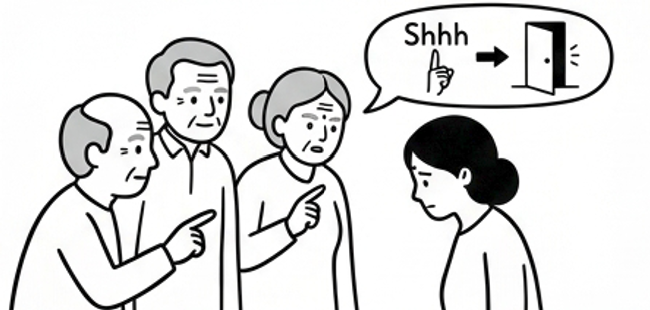
invisible challenge for ethnic minority mental health carers. “Poem 15: The friends I have lost,” a powerful spoken-word piece from Matthew McKenzie’s poetry book that is in development Unpaid, Unseen and Yet Unbroken, sheds a crucial light on this hidden struggle.

It captures the profound loneliness of an unpaid carer who watches friendships fade away as community members close their ears and elders demand privacy over open support. By highlighting the intersection of familial duty, mental illness, and societal rejection, this moving presentation exposes the heavy emotional toll born by those who care for loved ones behind closed doors.

This poem serves as a stark reminder of why initiatives like the Patient Carer Race Equality Framework (PCREF) are so urgently needed in healthcare and community support networks today.

Watch the full poetry video to immerse yourself in this essential conversation, and help us raise awareness for the vital support and recognition that ethnic minority mental health carers truly deserve.

By dismantling the barriers of stigma and addressing the specific inequalities faced by ethnic minority families, PCREF aims to ensure that no carer is left to navigate this challenging journey in absolute isolation.

We Look After Each Other: A Poem of Care, Community, and Lived Experience

I’m proud to share “We Look After Each Other”.

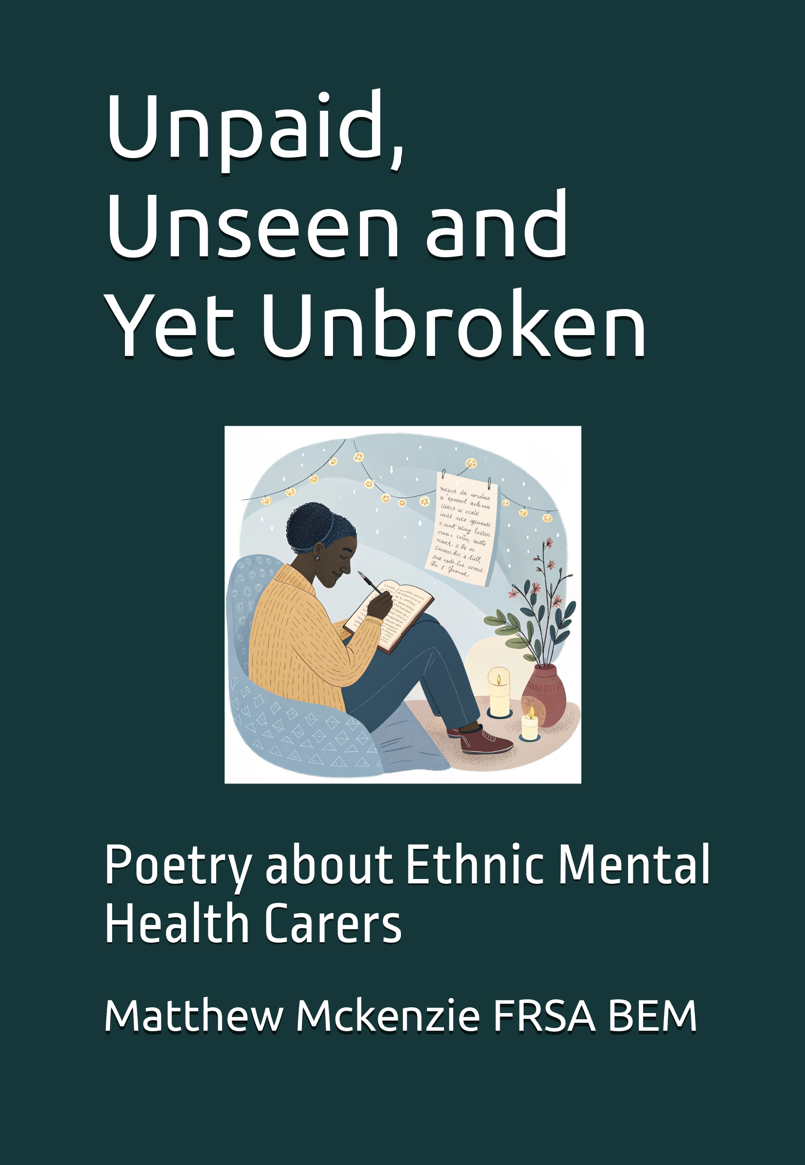
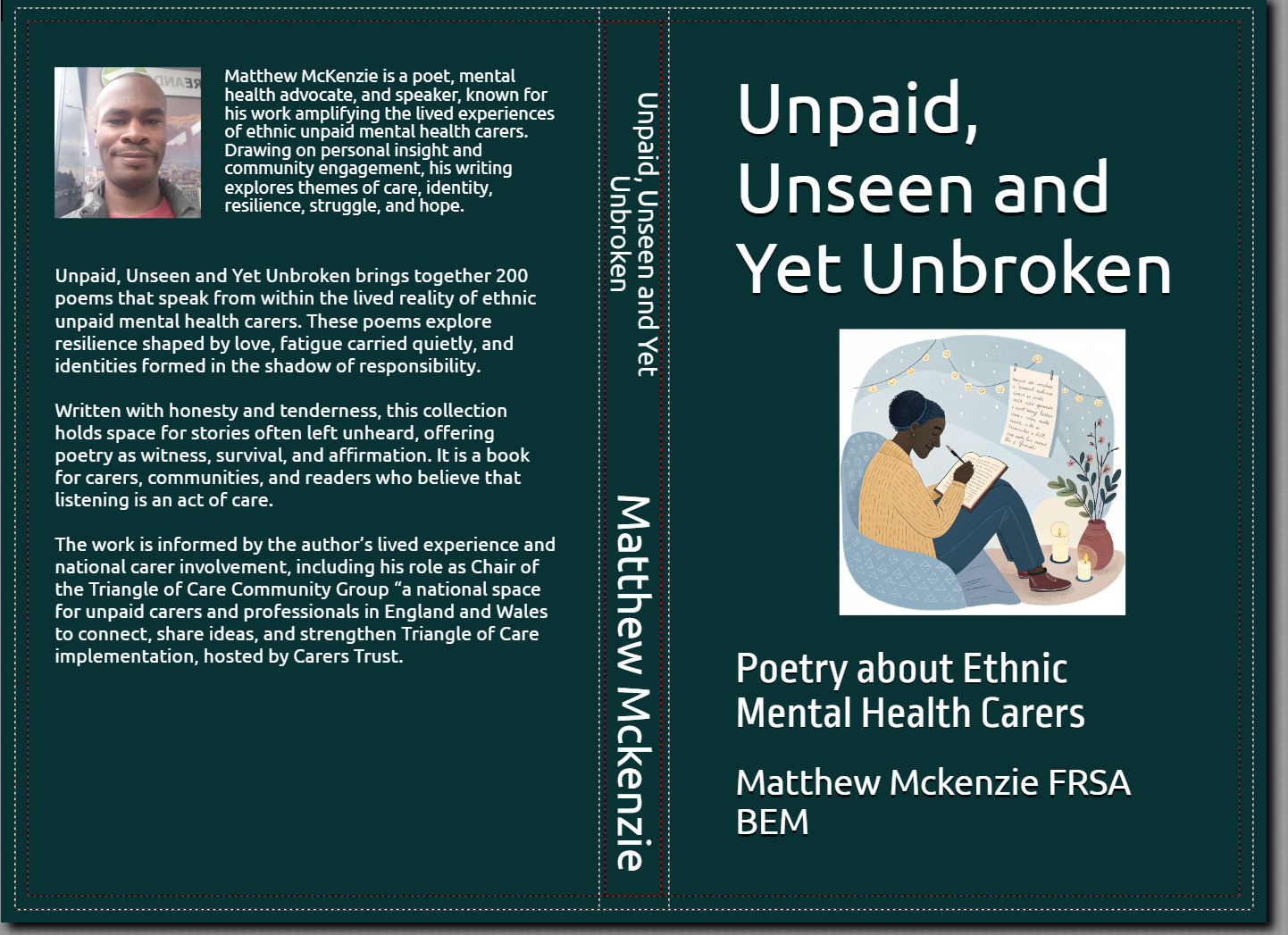
The poem is a spoken word piece from my upcoming poetry collection Unpaid, Unseen and Yet Unbroken (launching 2026).

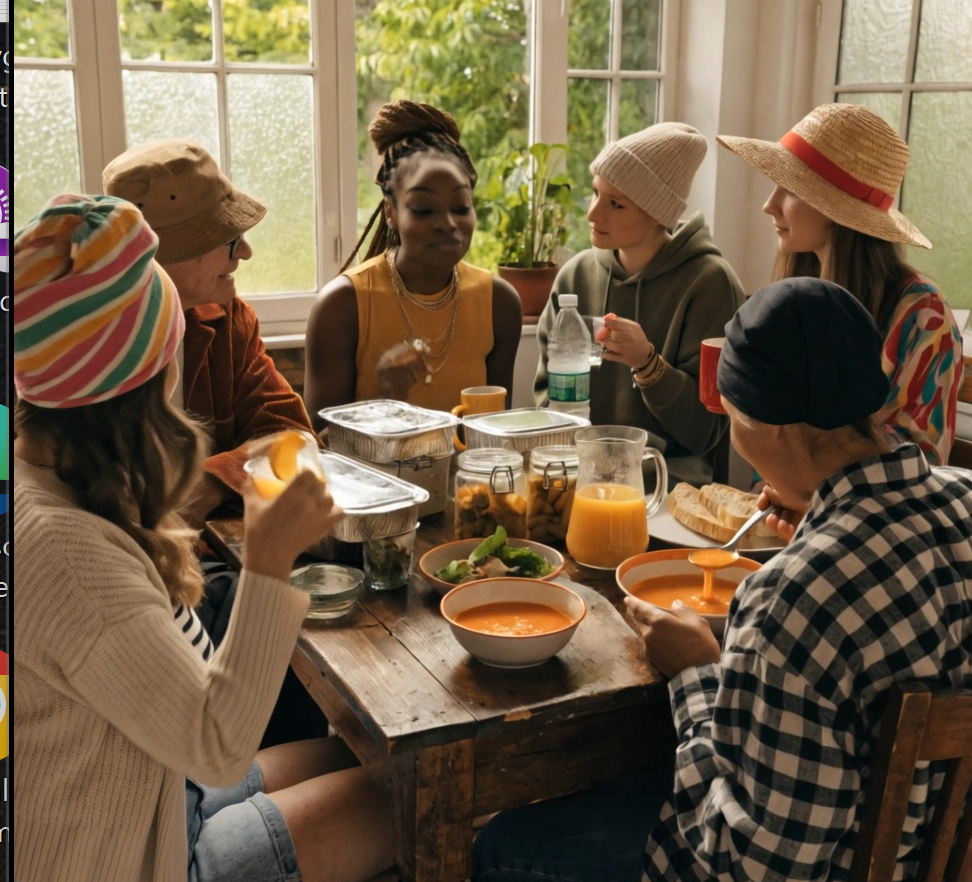
This poem centres the lived experiences of ethnic and minority mental health carers, where they continue to show up, often without recognition, navigating systems that can feel complex and unresponsive.

The poem focuses on the quiet strength, shared knowledge, and collective care that exist within our communities.

In the spirit of PCREF, this work highlights the importance of listening to lived experience, valuing cultural understanding, and recognising community as a source of resilience and healing