By Matthew McKenzie, Carer Ambassador, Cygnet Health Care
On Friday 13th June 2025, I had the privilege of attending and speaking at Cygnet Health Care’s National Carers Event, hosted at Cygnet Churchill in Lambeth, London. The event brought together carers, staff, professionals, and advocates to reflect on the vital role of unpaid carers who step up daily out of love, resilience, and responsibility, often with little recognition.
Carers Week is always a powerful reminder that caring touches us all – and Cygnet’s event this year was especially moving and informative. It offered a platform for carers to share their lived experience, influence policy, and strengthen our collective voice.
Agenda Highlights
The day opened with a warm welcome from Laura Sheridan & Shane Mills, setting the tone for a day grounded in empathy and collaboration. We heard from a range of speakers including:
- Susan Hartnell-Beavis, sharing practical tools for supporting carers.
- Kate Mercer and Carly Ellicott, who both championed carer involvement in care planning and research.
- John Bangs OBE, who brought a national perspective on carer rights and policy.
- Dr Angela Misra, who tackled the health implications of caregiving.
- Julian de Takats and Matthew McKenzie (myself), focusing on empowering carers’ voices.
- We also had insights from Dr Henk Swanepoel & Sophie Borg, who presented on collaborative approaches with carers in mental health services.
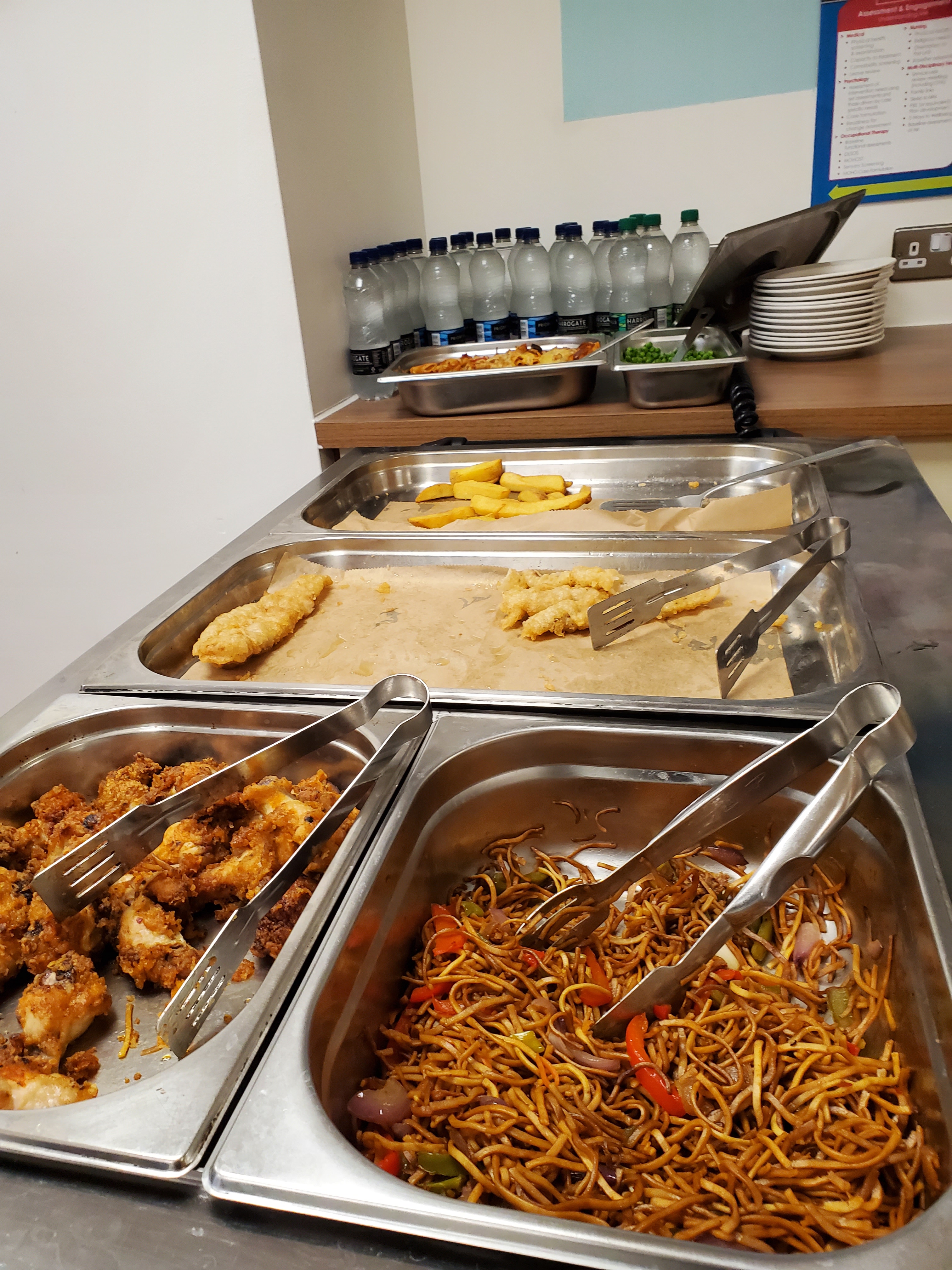
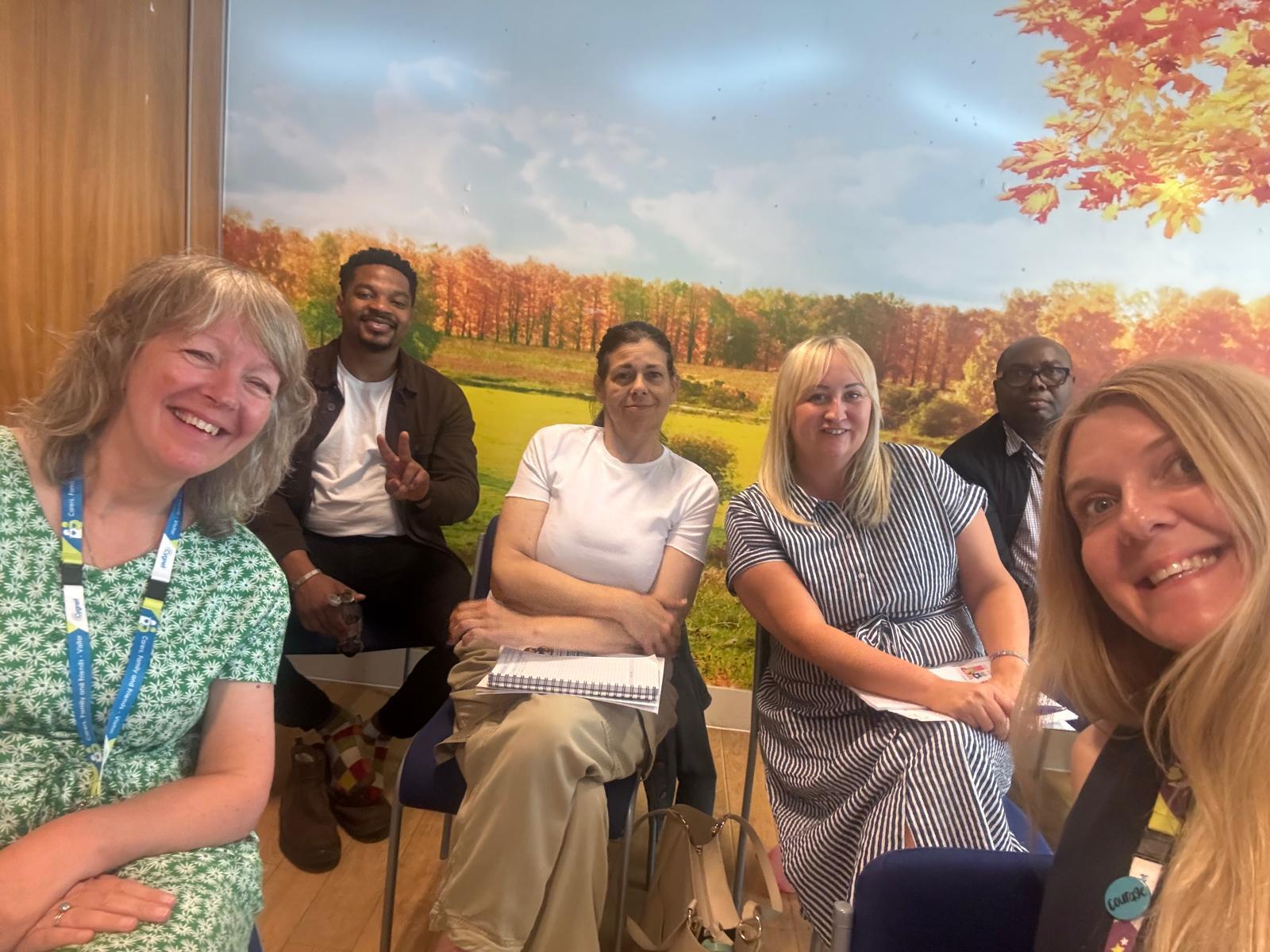
With a break for tea and community conversations, the atmosphere remained rich in connection and shared purpose.

Susan Hartnell-Beavis Presents
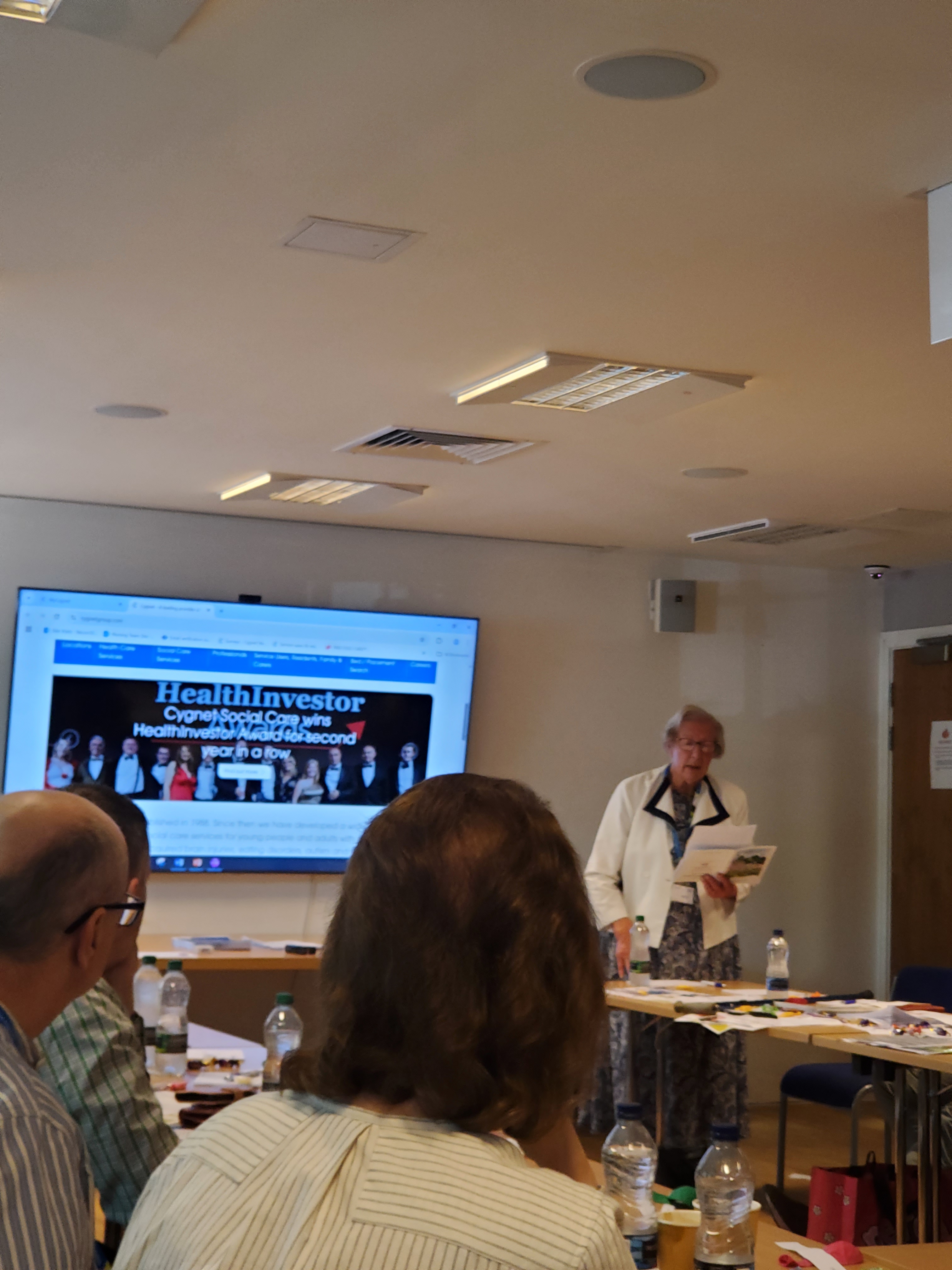
Susan Hartnell-Beavis was first to speak at the carers event with a moving and deeply personal presentation, sharing her story as a long-term carer. Her talk reflected the emotional and practical journey of supporting a loved one, filled with both challenges and insights. She spoke candidly about how it took her years to even recognise herself as a “carer” a word that often feels clinical and disconnected from the emotional truth of what it means to love and support someone every day through illness and decline.
Susan shared heartfelt anecdotes, particularly about her late husband, who lived with dementia. She described the complexities of care, from navigating fragmented services to the emotional toll of watching someone you love slowly change. Her message was clear: carers often feel invisible until a crisis happens and by then, it’s often too late. She urged services to do more to identify and support carers early, not just at breaking point.
One of her most powerful points was about the importance of community and simple acts of kindness. Whether it was a neighbour offering to sit with her husband or a local physics group arranging visits to keep his mind active, Susan showed how meaningful support doesn’t always require major funding just empathy, thoughtfulness, and human connection.
Kate Mercer – Black Belt Advocacy
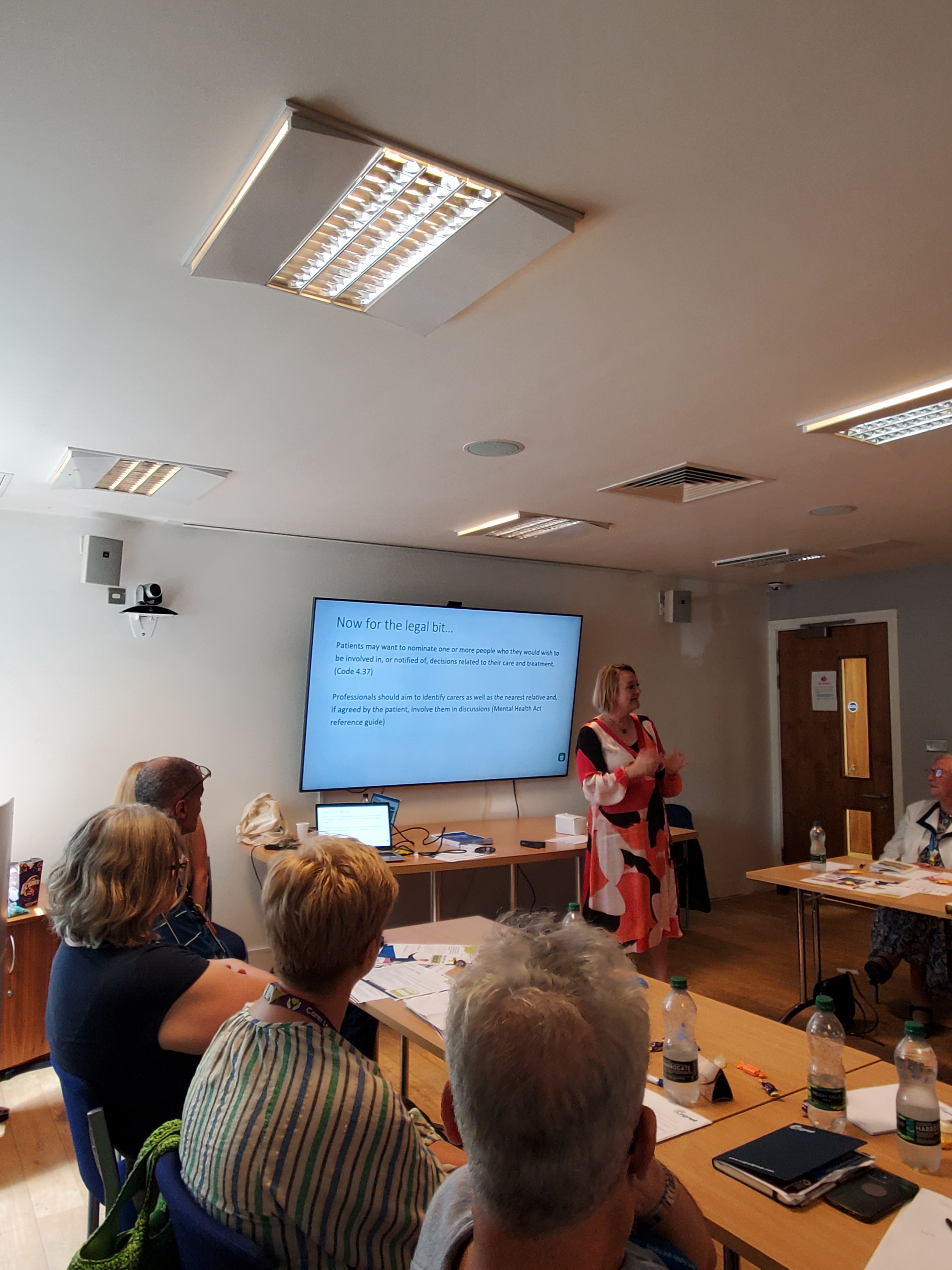
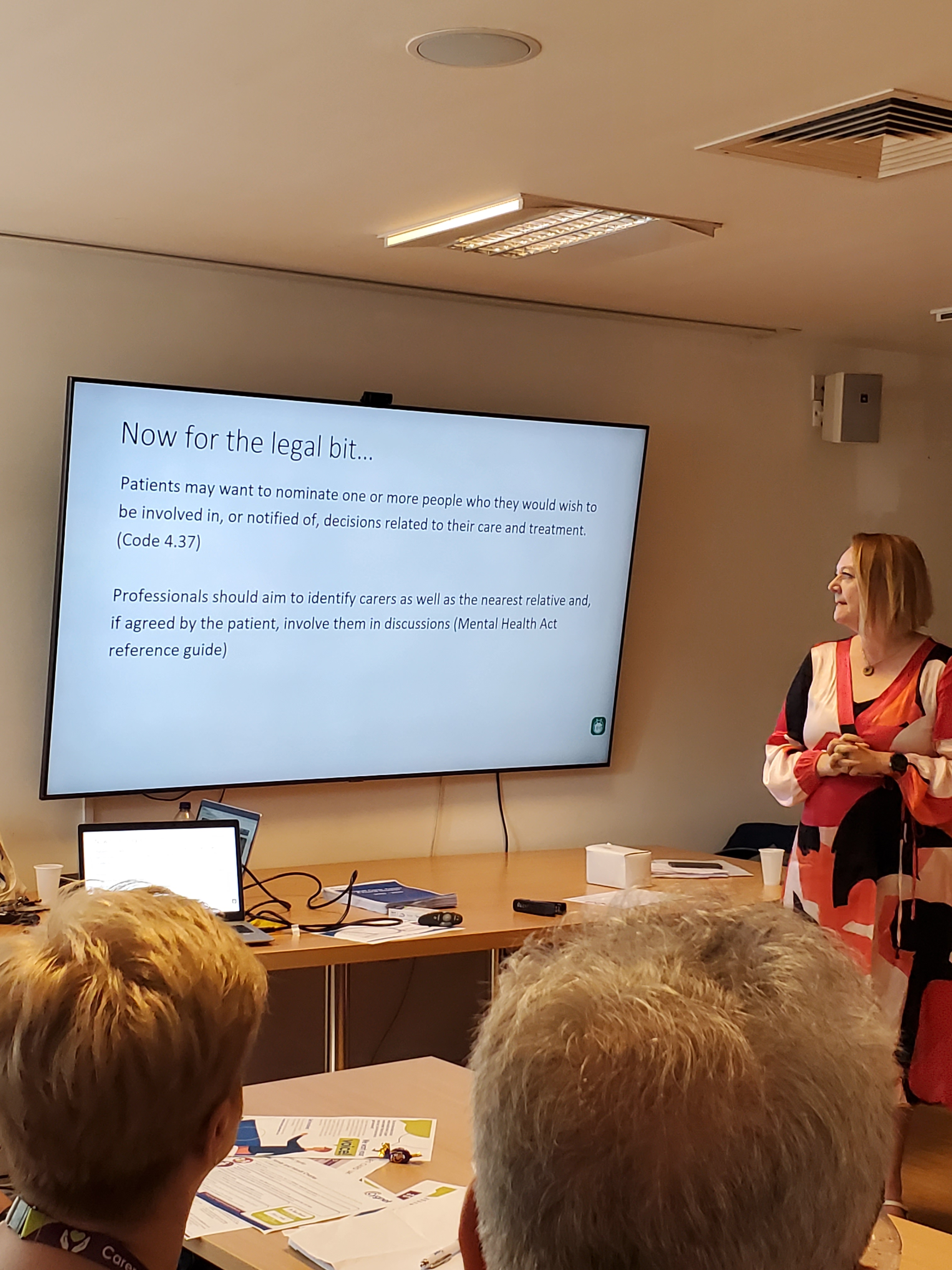
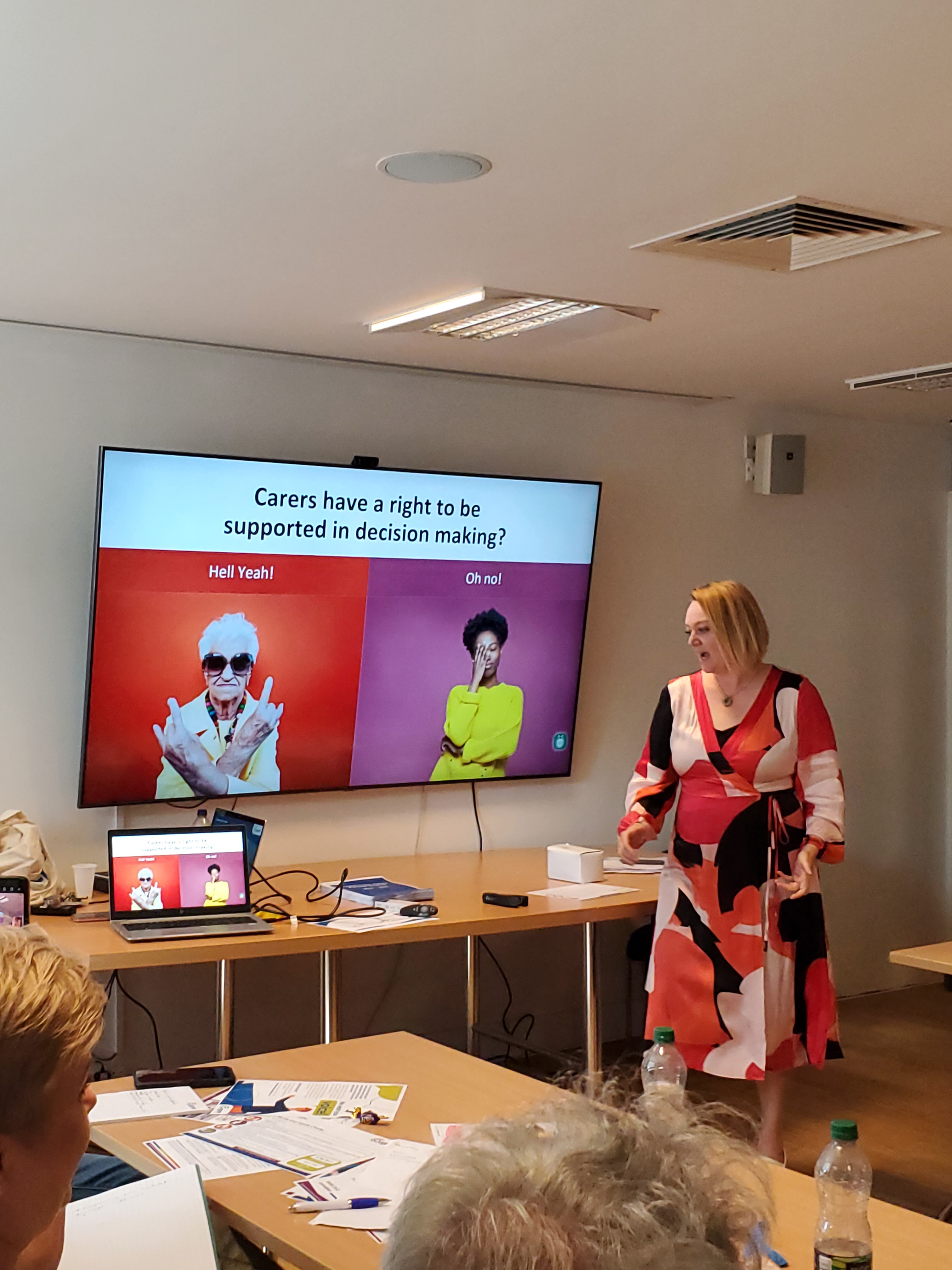
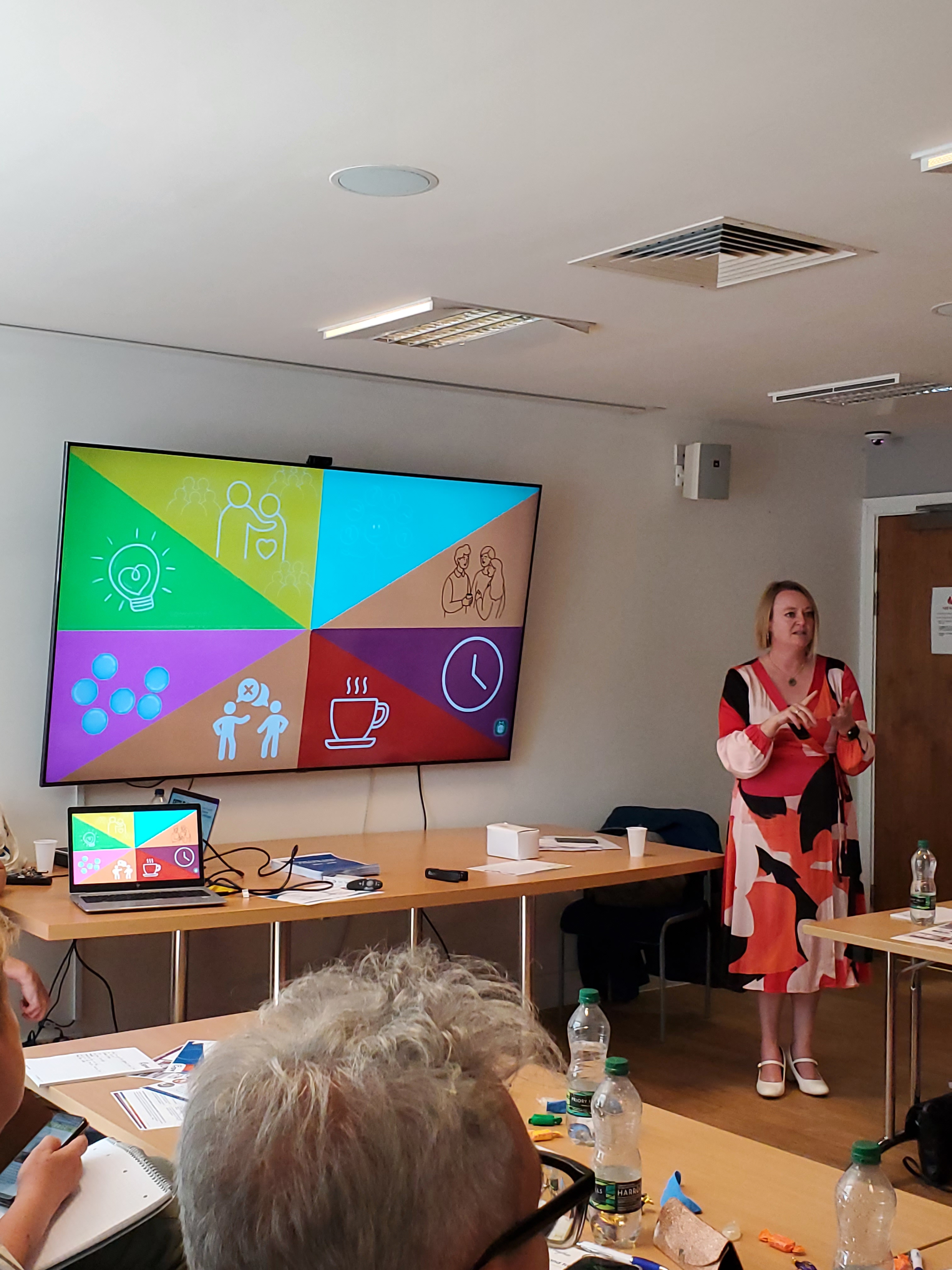
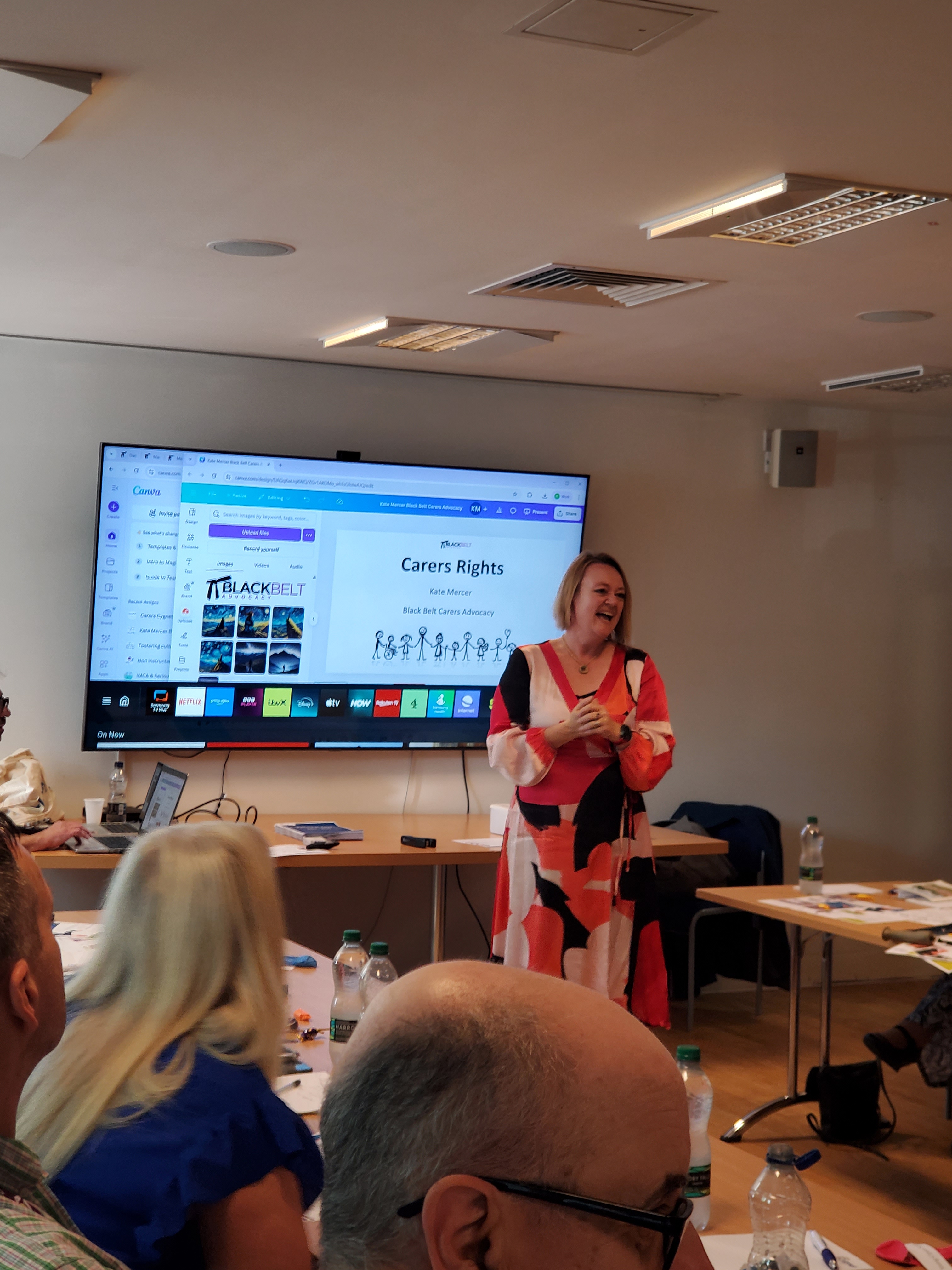
Kate Mercer’s presentation was a rallying cry for carer rights and empowerment, grounded deeply in both professional expertise and lived experience. As someone who has walked the journey of care and continues to advocate through her initiative “Black Belt Carers Advocacy”, Kate didn’t just share information, she delivered a wake-up call to systems and services that often overlook carers until it’s too late. From the moment her screen lit up with a fierce “Hell Yeah!” slide, she had the room’s full attention and for good reason.
She used humour, plain speaking, and real-life scenarios to underscore the legal and moral imperative to involve carers in decision-making. Referencing the Mental Health Act Code of Practice (Code 4.37), Kate reminded professionals that carers can and should be nominated as key decision-influencers, especially when the patient consents. But more than just quoting law, she showed us how these principles often fail in practice, when carers are left out of the loop, not recognised, or burdened with responsibilities without authority or voice. For carers in the room, including myself, it was validating to hear someone publicly say what we often feel: “We’re not just next of kin—we’re critical support systems, and we deserve to be respected as such.”
Carly Ellicott Presents on Young carers
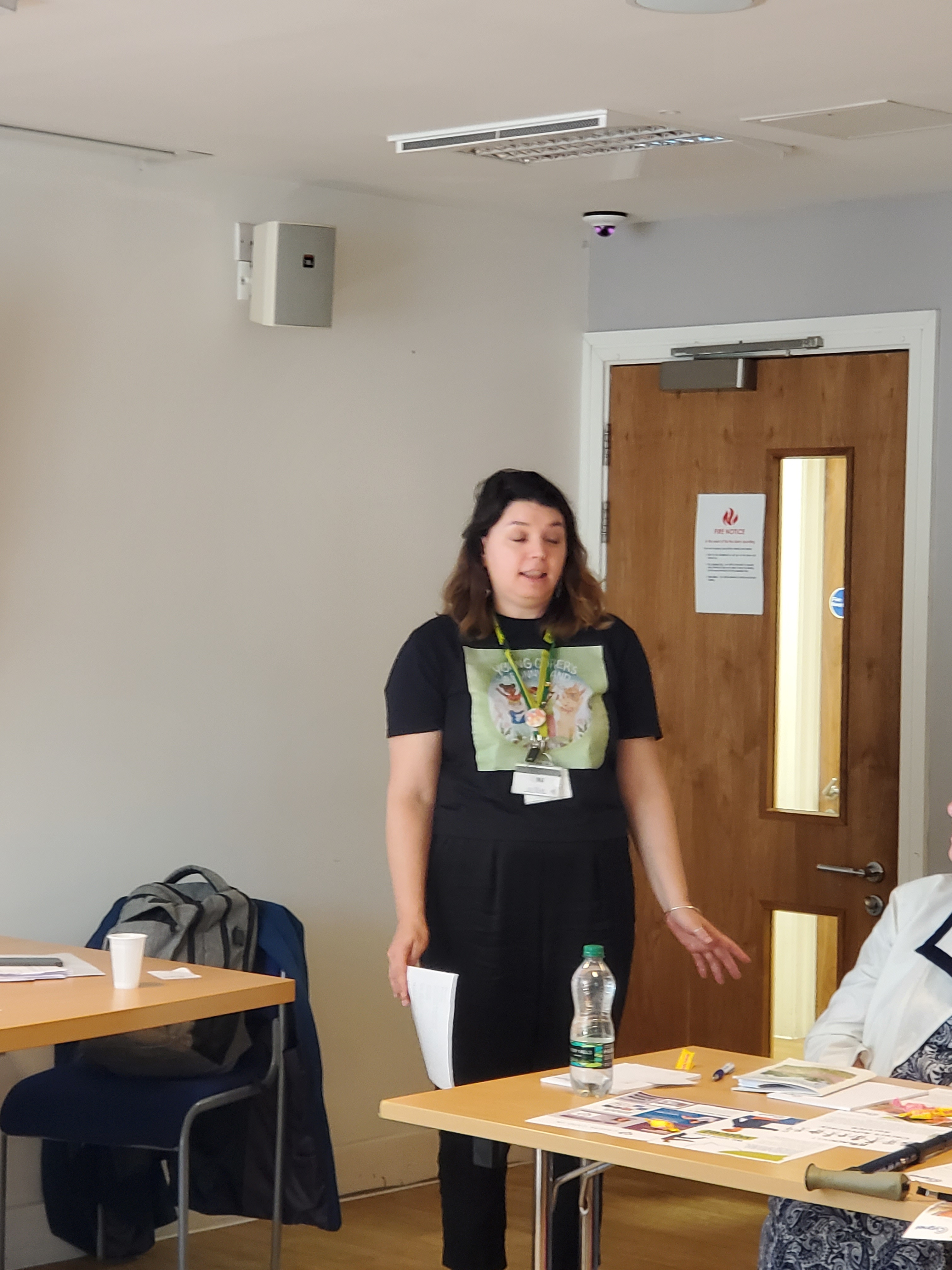
Carly Ellicott delivered one of the most heartfelt and grounded talks of the day, speaking not just as a professional but clearly as someone deeply in tune with carer realities. Wearing a “Young Carers” t-shirt adorned with artwork by young people themselves, Carly’s passion for visibility, voice, and inclusion of young and adult carers radiated through her entire presentation. From a carer lived experience point of view, what stood out was how she validated carers’ emotional labour not in abstract terms, but with genuine empathy and personal investment.
Carly focused on the importance of creating a “Family-Centred Plan”, where carers especially parents and young carers are meaningfully included in care planning from the very beginning. She shared how often families feel like they’re left in the dark or only consulted during crises. Drawing on both policy frameworks and real-world stories, she emphasised that carers bring vital knowledge and emotional insight, and that healthcare services miss opportunities when they fail to listen. She encouraged everyone in the room to ask not just “What’s wrong with the patient?” but “What does the whole family need to thrive?”
“Creating a Family-Centred Plan”
Cygnet’s Carer, Family & Friends Charter, displayed and distributed during the event, reinforces the commitment to recognising, involving, and supporting carers. As someone with lived experience, I know the power of being listened to, not sidelined. This charter affirms carers’ rights to:
- Be identified early and respected.
- Receive clear and meaningful communication.
- Be supported through networks and advocacy.
It was inspiring to see this embedded in the strategy for 2023–2025, not just as a statement but as an actionable commitment.
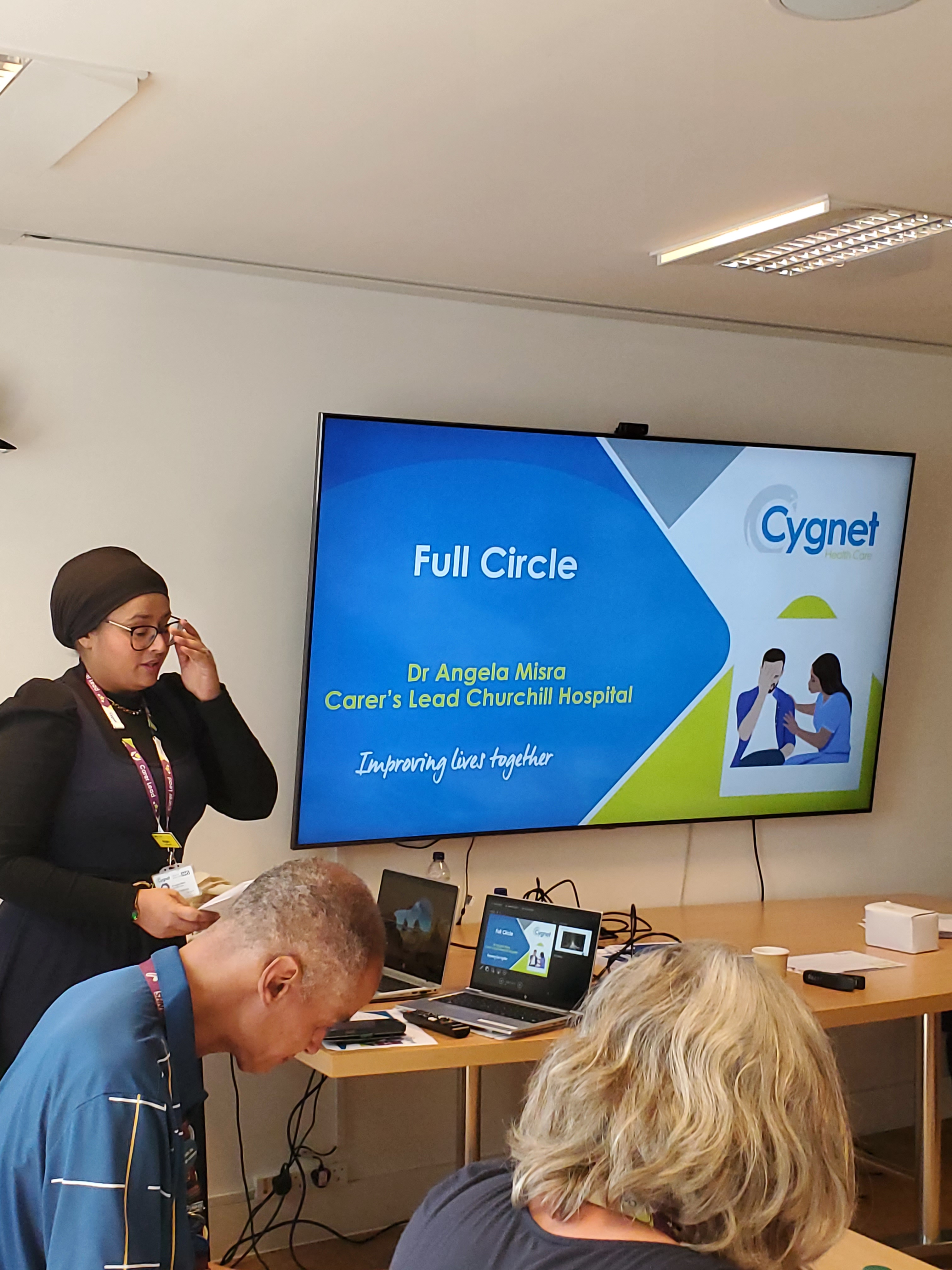
2. Why Carer Support Matters – Dr Angela Mishra
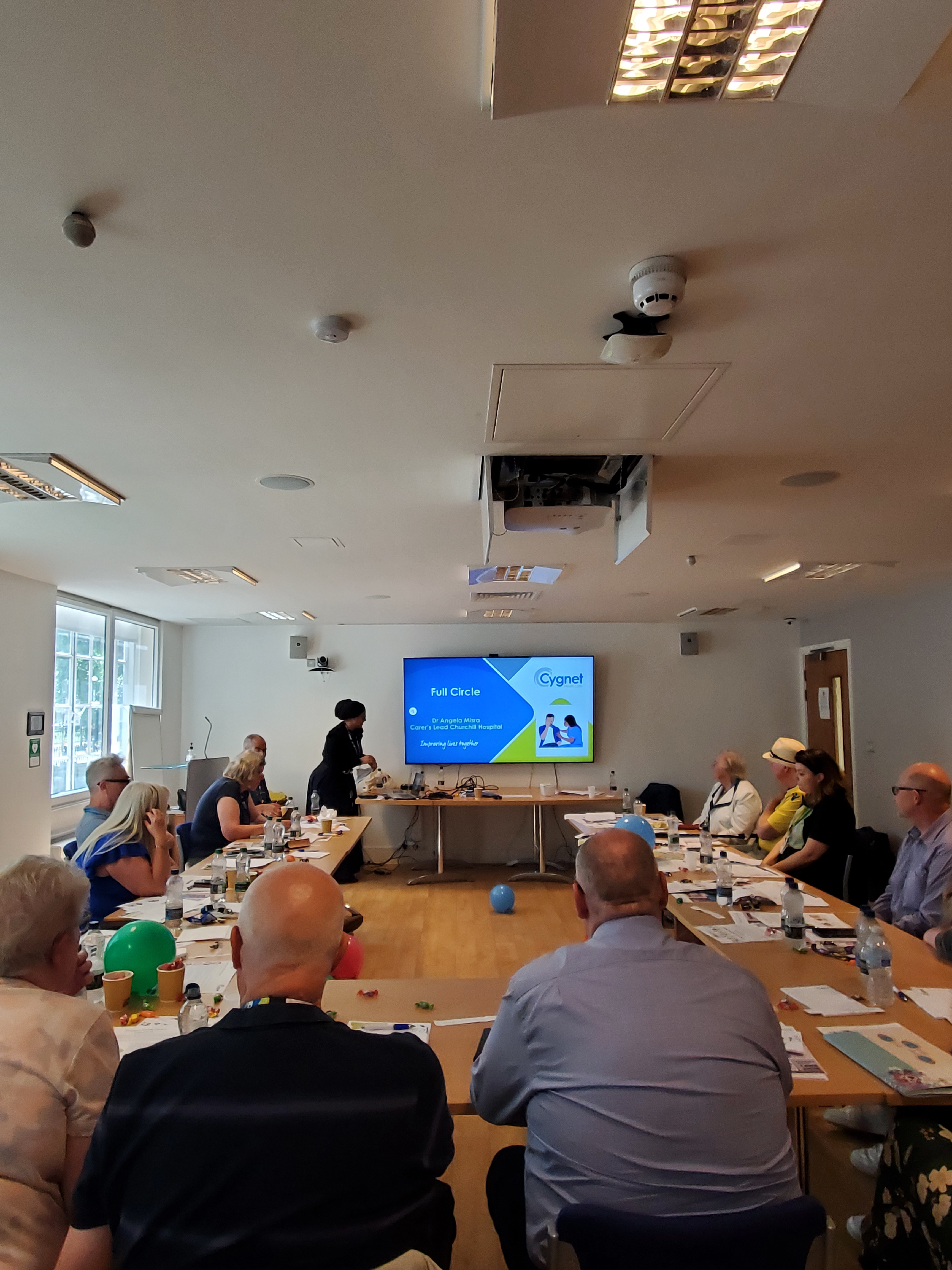
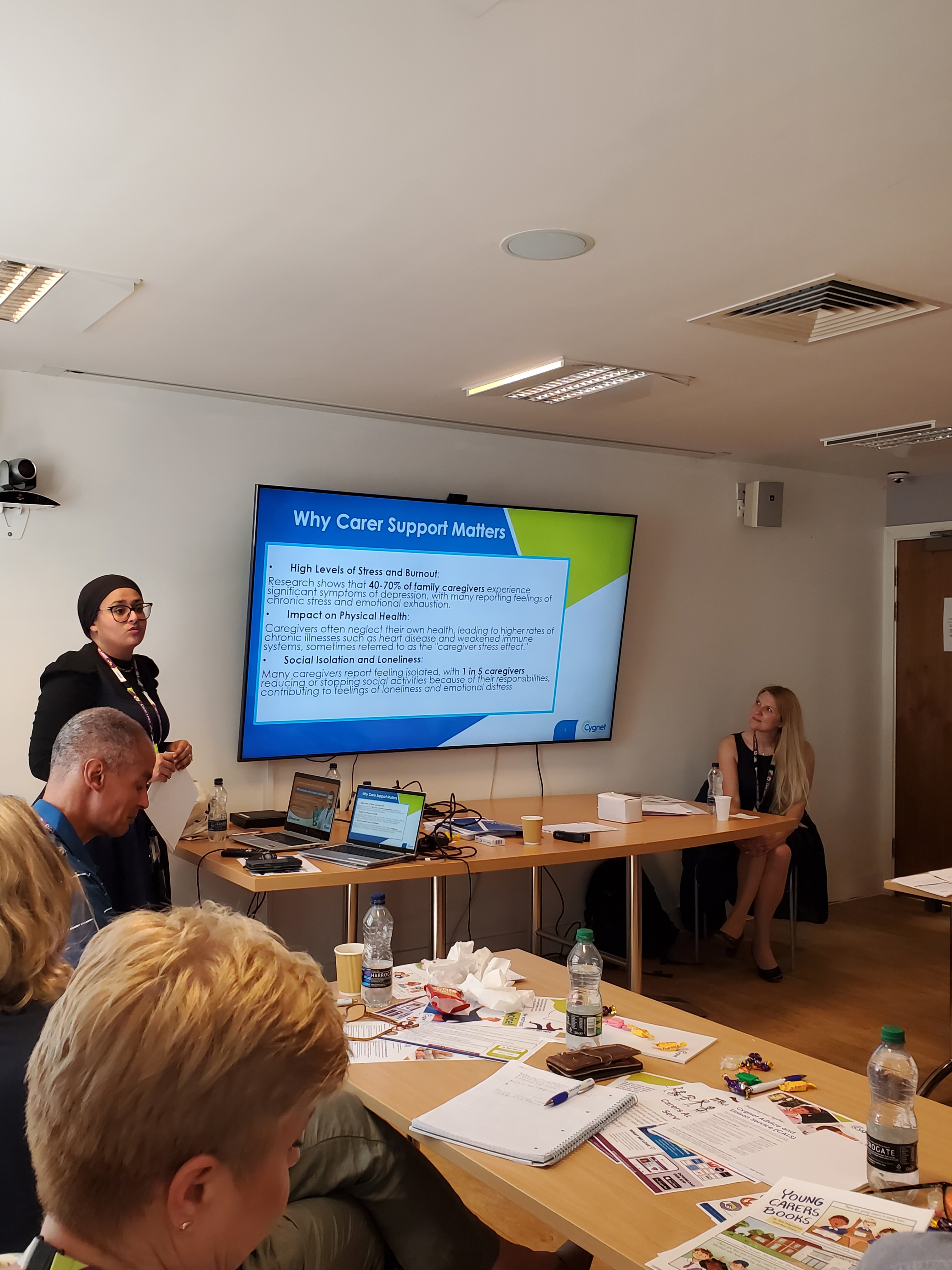
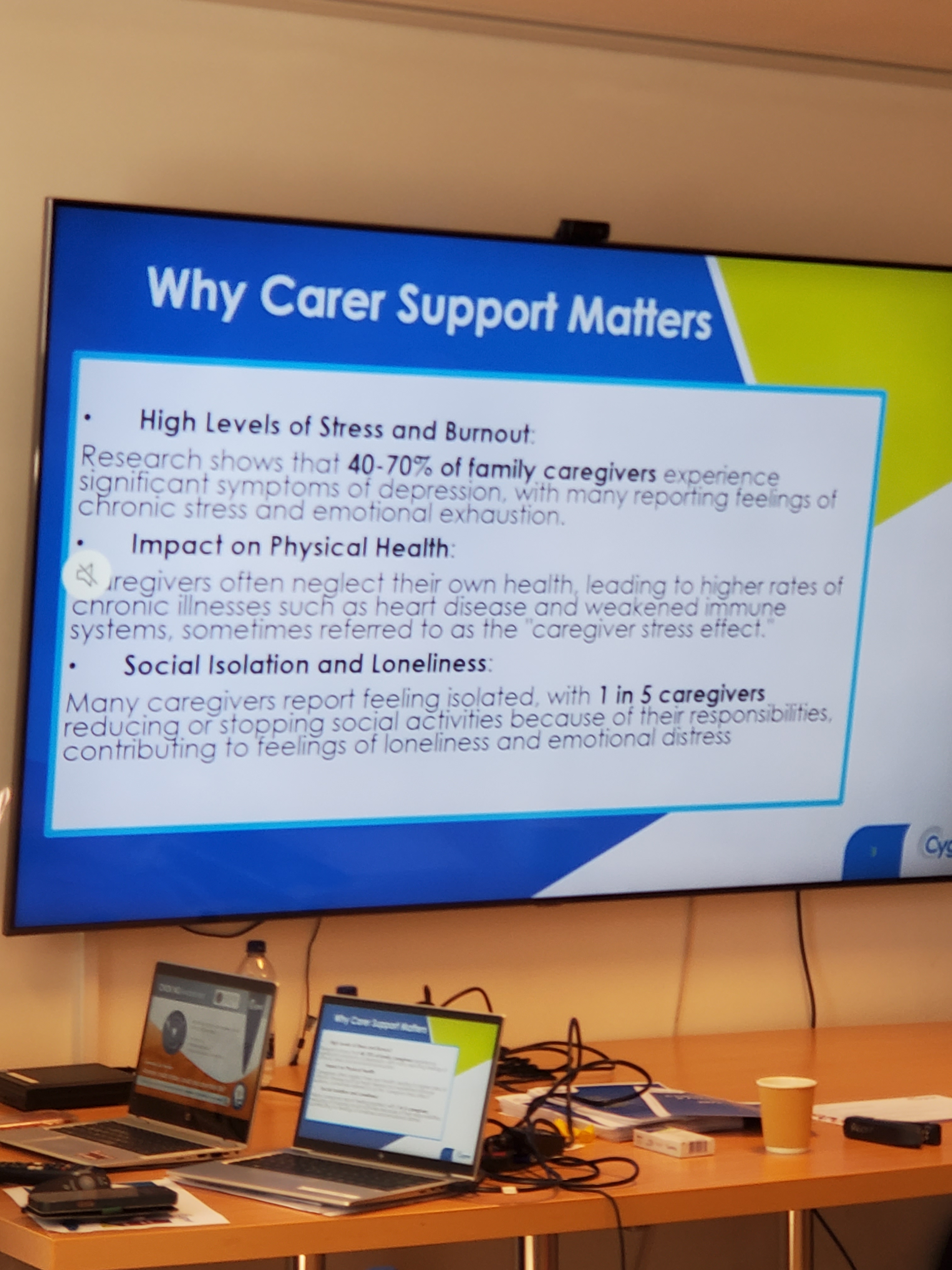
A striking presentation outlined that 40–70% of family carers experience symptoms of depression, burnout, and chronic stress. These statistics hit home because they reflect reality – we cannot pour from an empty cup. Our physical and emotional health matters too.
Dr Misra also explored the physical health impacts that often accompany chronic caregiving responsibilities. She explained how many carers put their own wellbeing last, leading to higher rates of heart disease, immune system suppression, and sleep disorders. This phenomenon, often referred to as the “caregiver stress effect,” is compounded by the fact that carers frequently feel they must always be strong and self-sufficient, even when their own health is deteriorating. She urged healthcare providers and systems to see carer support not as optional, but as central to patient care, since a carer’s health directly affects the stability and success of the person they support.
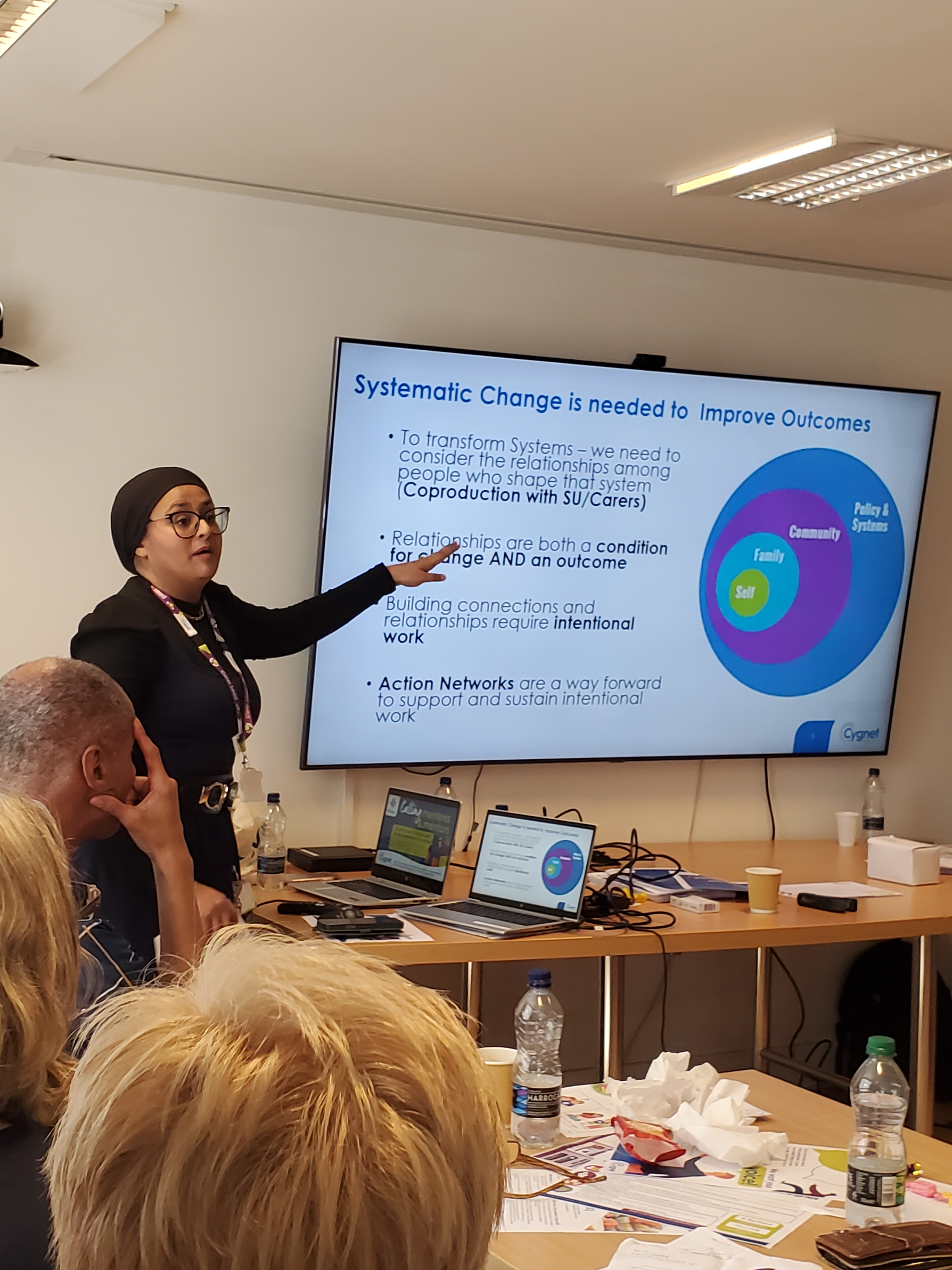
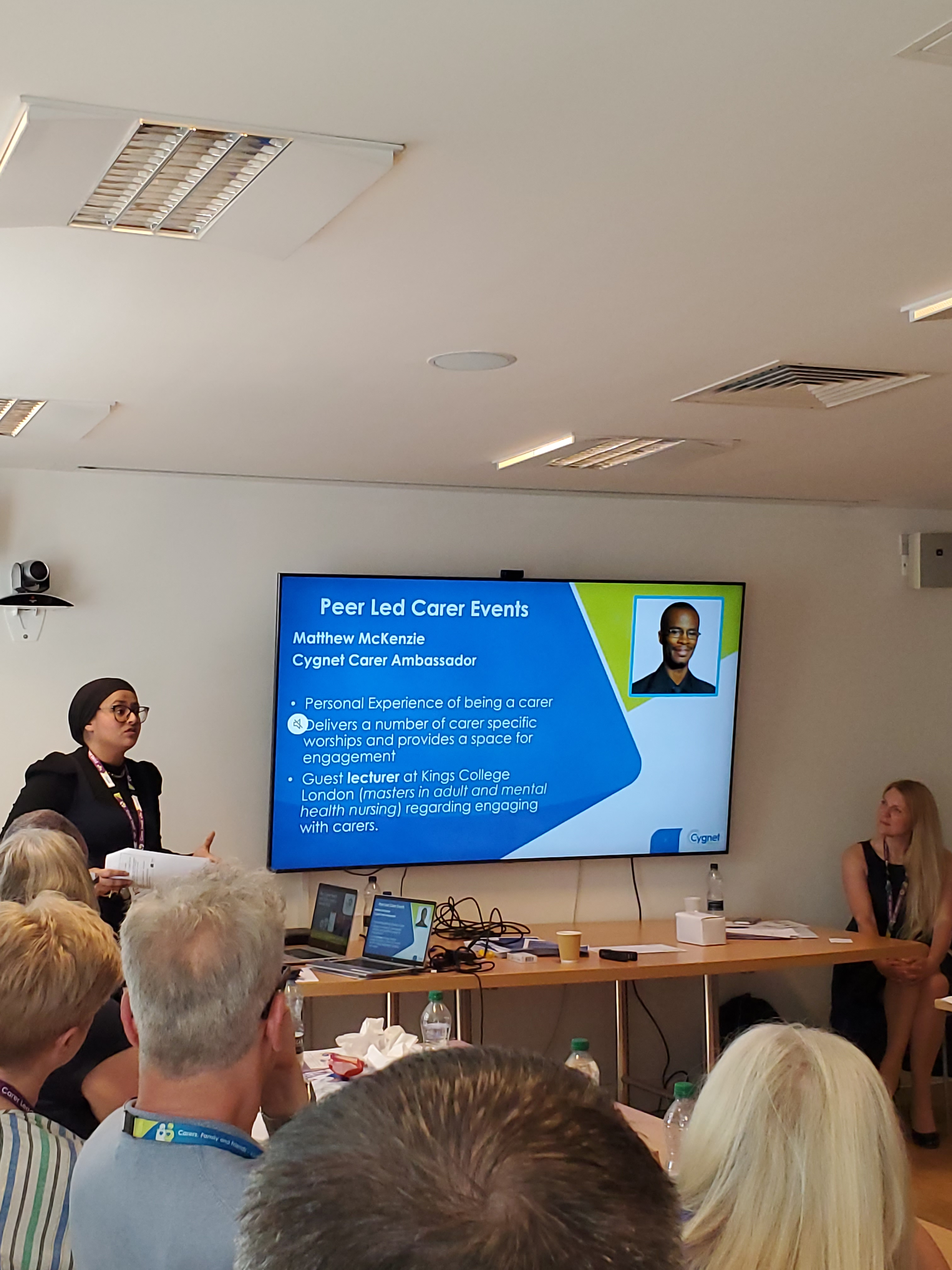
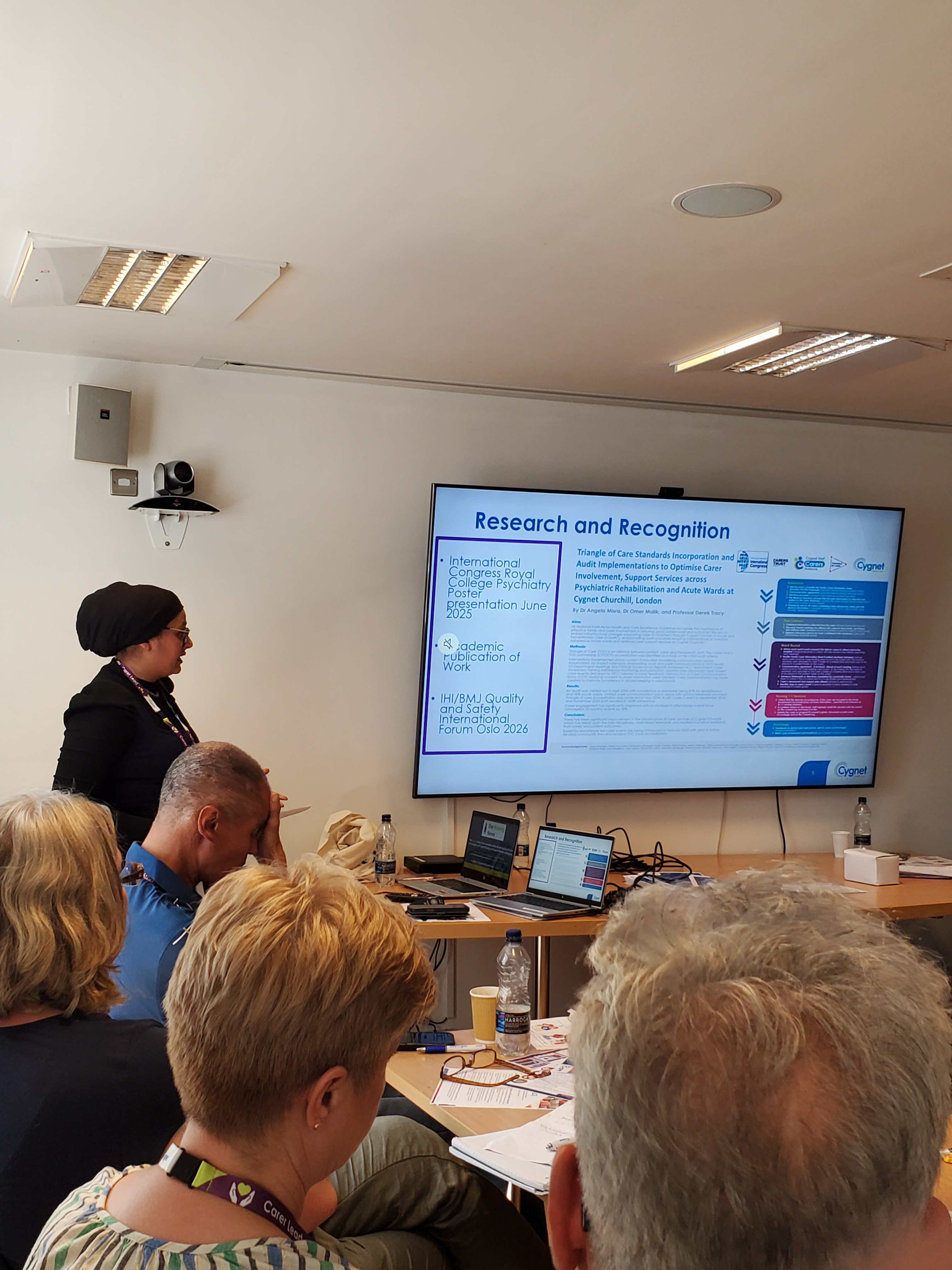
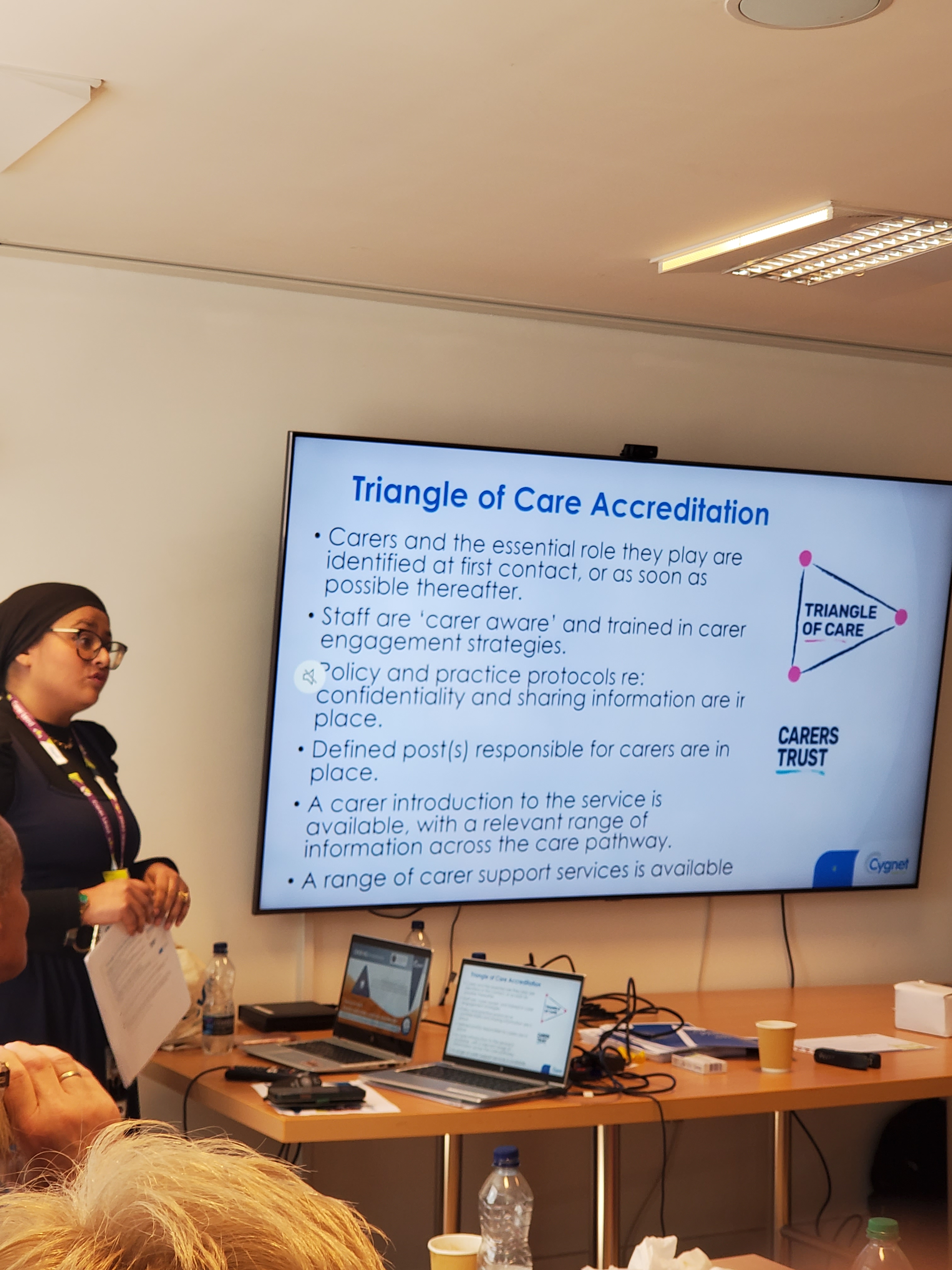
During her presentation, Dr Angela Misra warmly acknowledged the contributions of Matthew McKenzie, highlighting his influential work on carer advocacy and the Triangle of Care framework. She praised Matthew’s lived experience and his longstanding efforts to bridge the gap between carers and mental health services, noting that his voice has been instrumental in pushing for real cultural change within healthcare systems.
Dr Misra referenced the Triangle of Care as a best-practice model that aligns with much of what Matthew champions: meaningful involvement of carers in care planning, clear communication, and shared responsibility among the service user, professional, and carer. She emphasized that Matthew’s ongoing work with NHS trusts, local authorities, and Cygnet Health Care has helped embed this framework into real-world practice, offering a structured way to recognize carers as vital partners rather than passive observers.
Dr Henk Swanepoel & Sophie Borg Presents
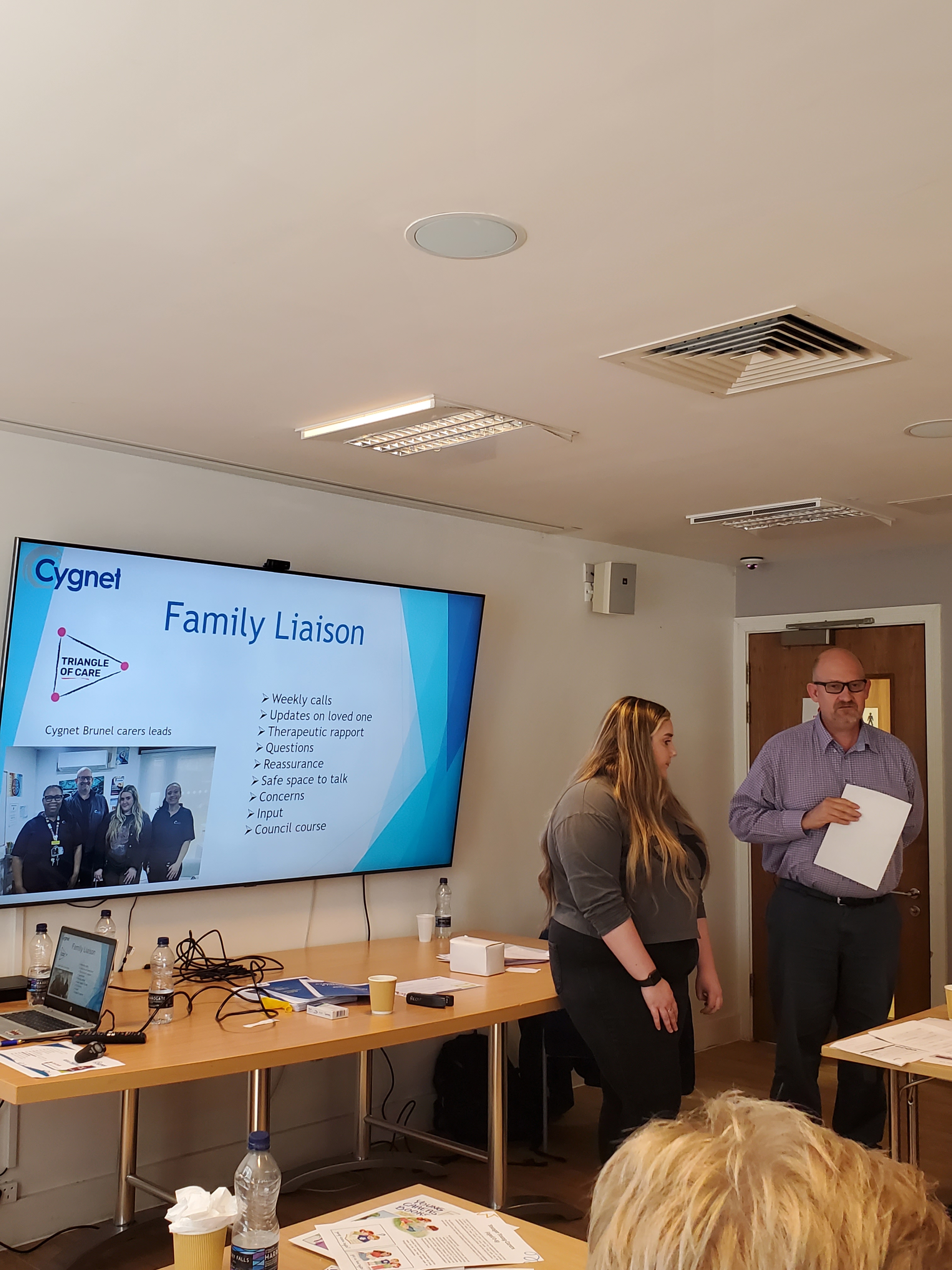
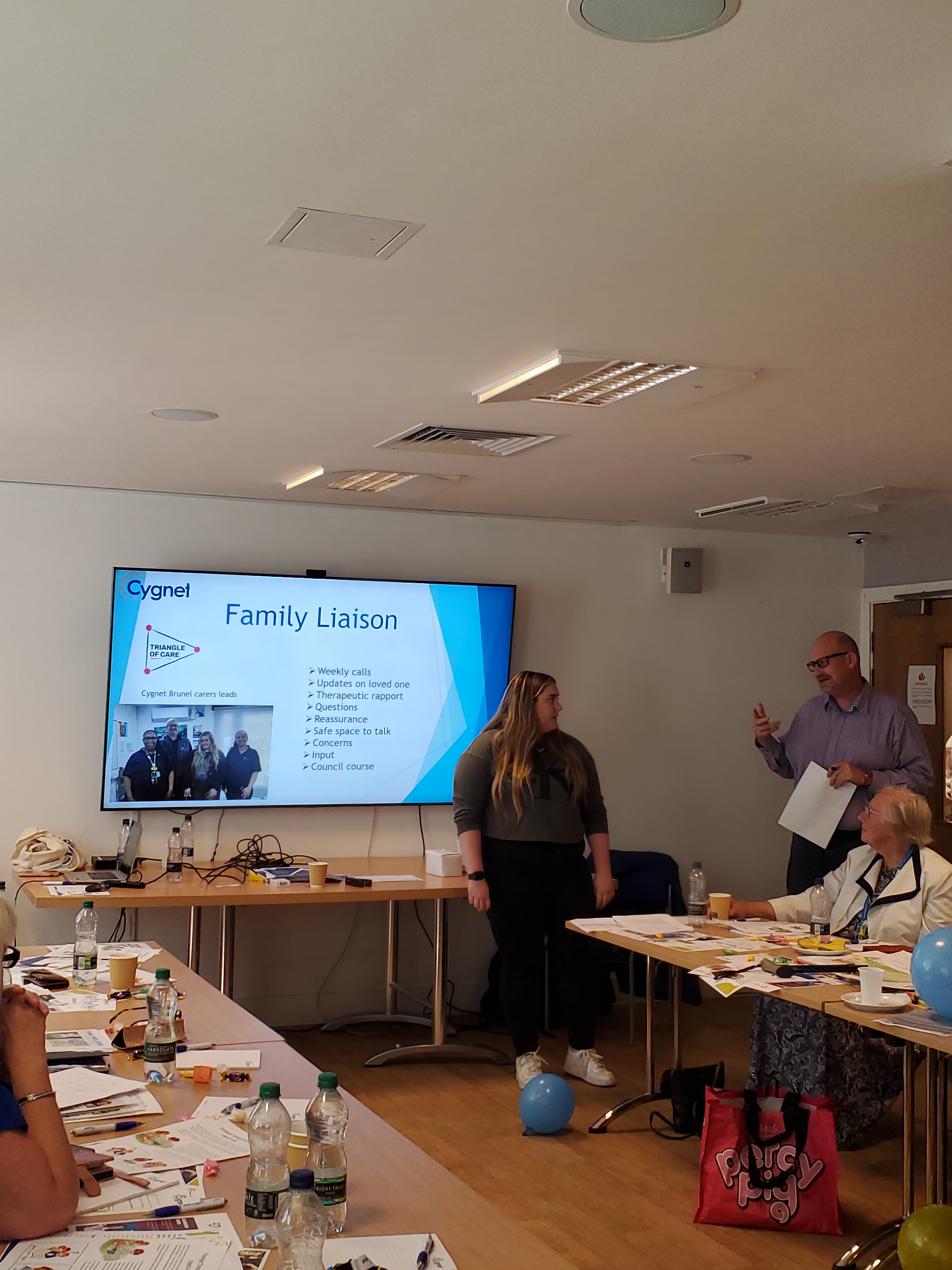
Dr Henk Swanepoel and Sophie Borg delivered a presentation that truly spoke to the day-to-day emotional needs of carers, especially from the perspective of those caring for loved ones in inpatient mental health settings. Their joint session on the Family Liaison role at Cygnet Brunel was both practical and heartfelt, highlighting how small, consistent acts of communication and compassion can significantly reduce anxiety and isolation for families.
From a lived experience lens, what really resonated was their emphasis on weekly calls, therapeutic rapport, and offering carers a safe space to talk. For many of us in the room who have felt ignored, rushed, or shut out of the care loop, this felt like a model of how things should be. Sophie shared how even a simple update or five-minute check-in can make a world of difference for families especially those who are left wondering what’s happening behind closed doors. It wasn’t just lip service – their passion for involving carers as partners came through clearly.
Julian De Takets Presents
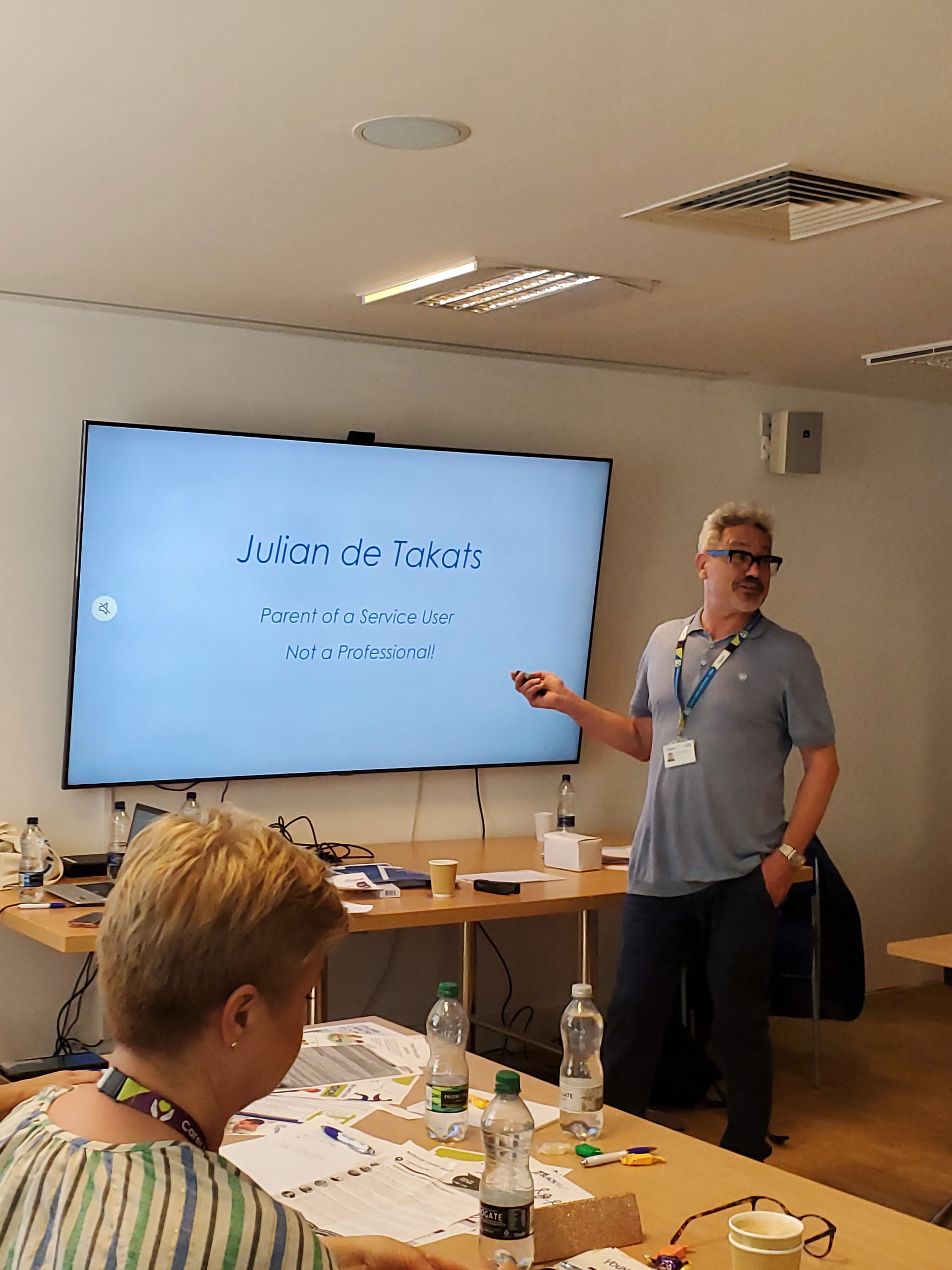
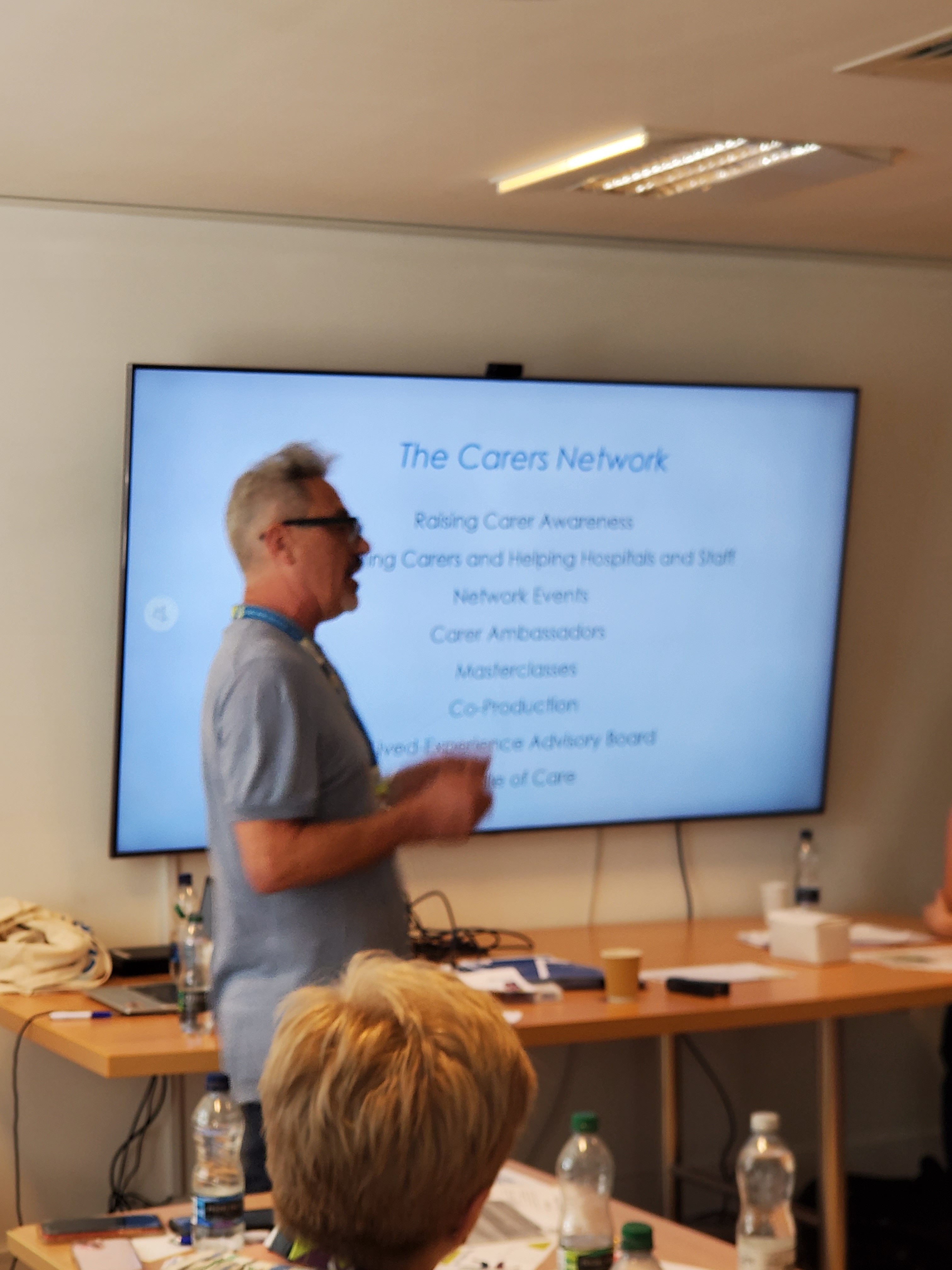
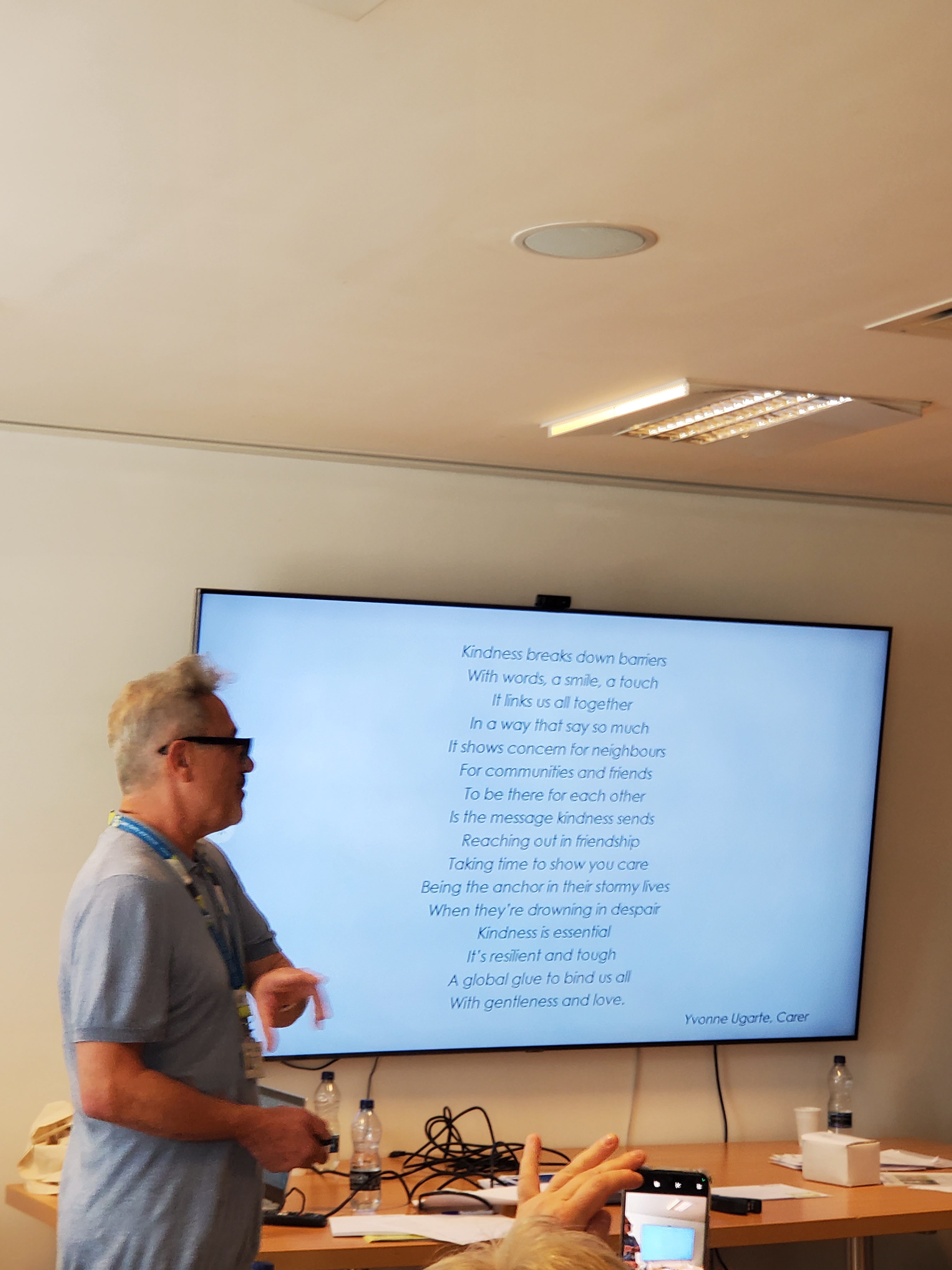
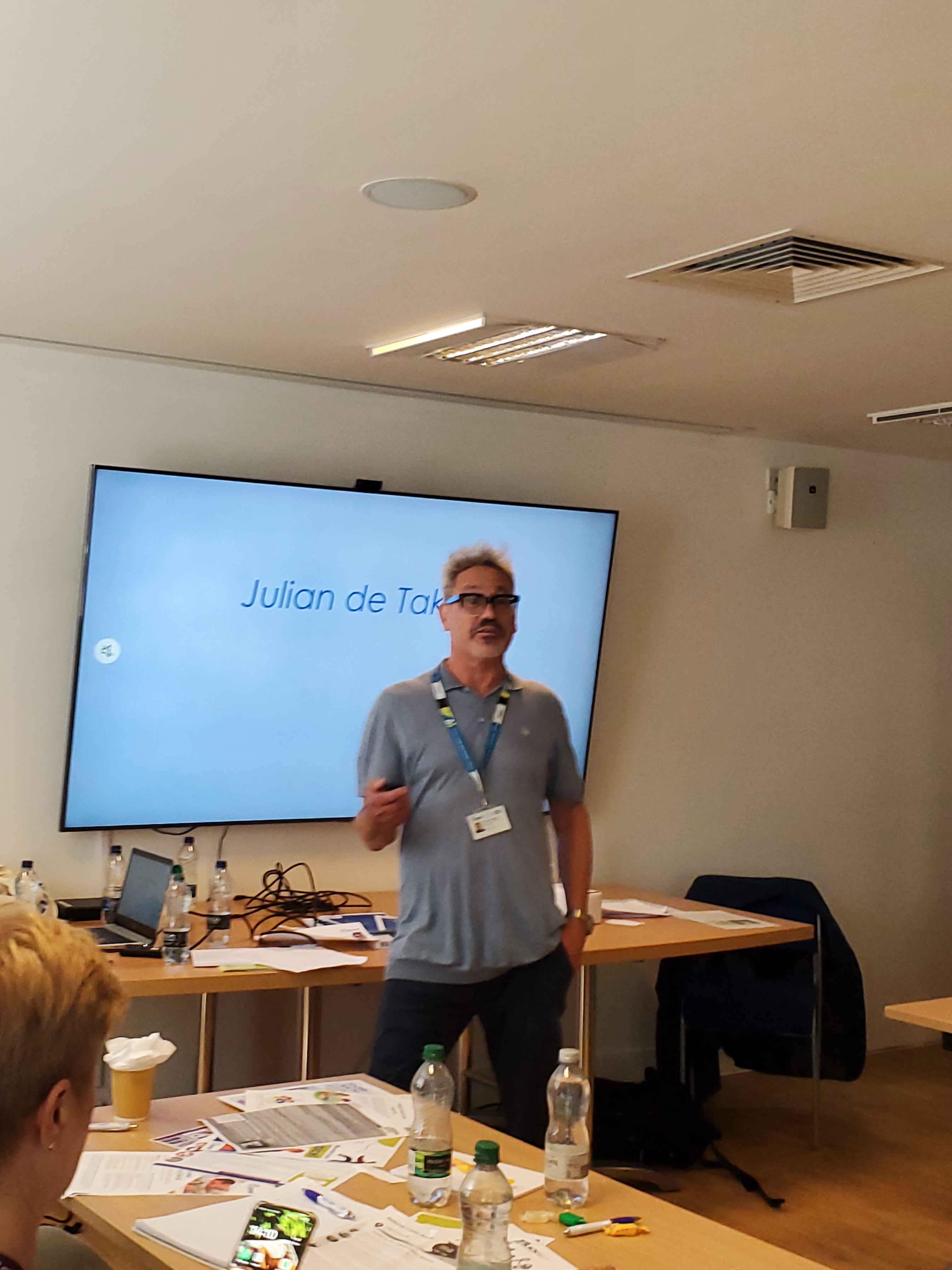
Julian de Takats delivered one of the most heartfelt presentations of the Cygnet National Carers Event, not because of polished slides, but because he spoke purely from lived experience as a parent of a service user, not as a professional. Right from the first slide where he clarified, “Not a professional!”, Julian made it clear that his authority comes from years of emotional labour, advocacy, and learning how to navigate the system the hard way.
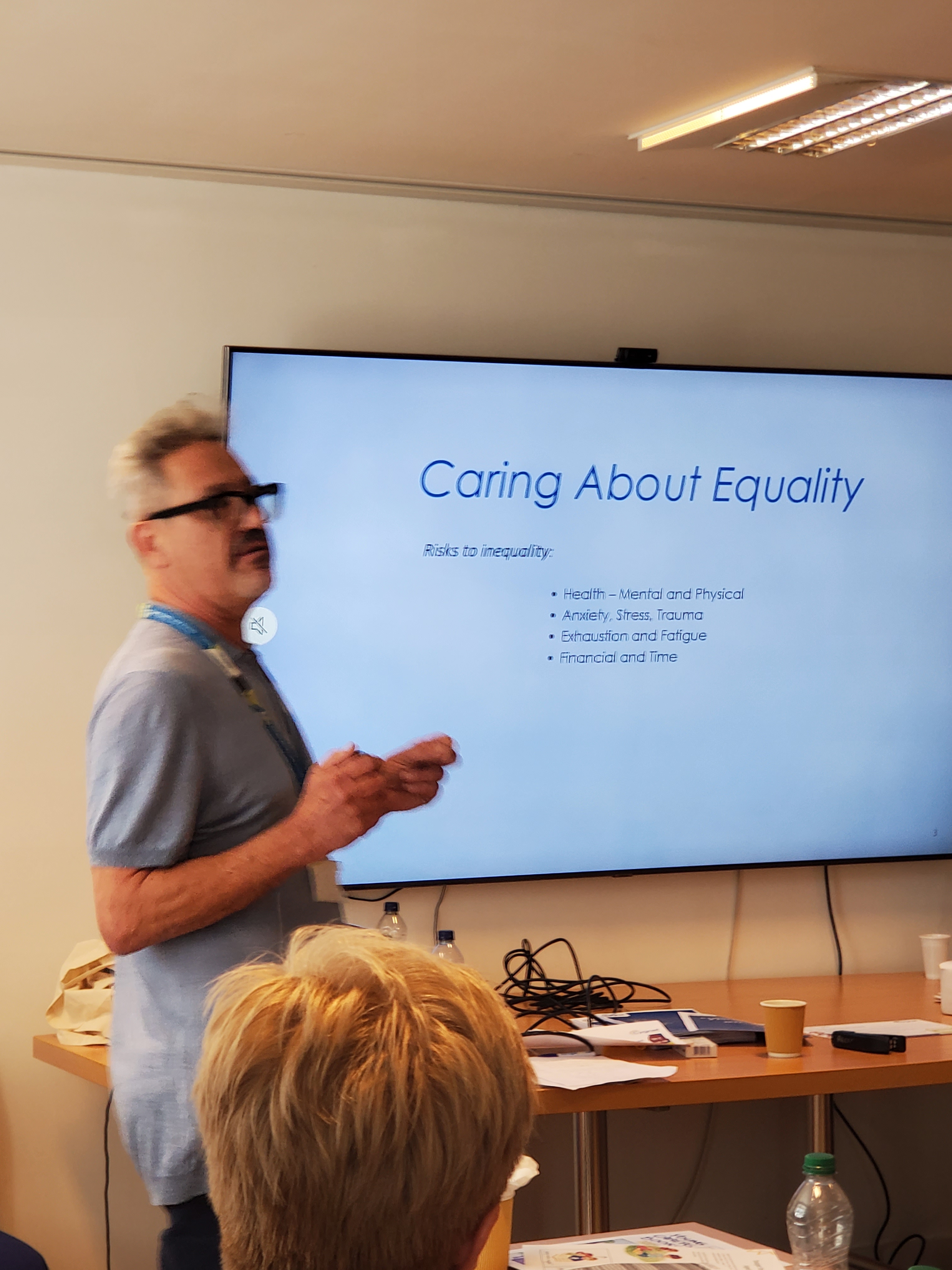
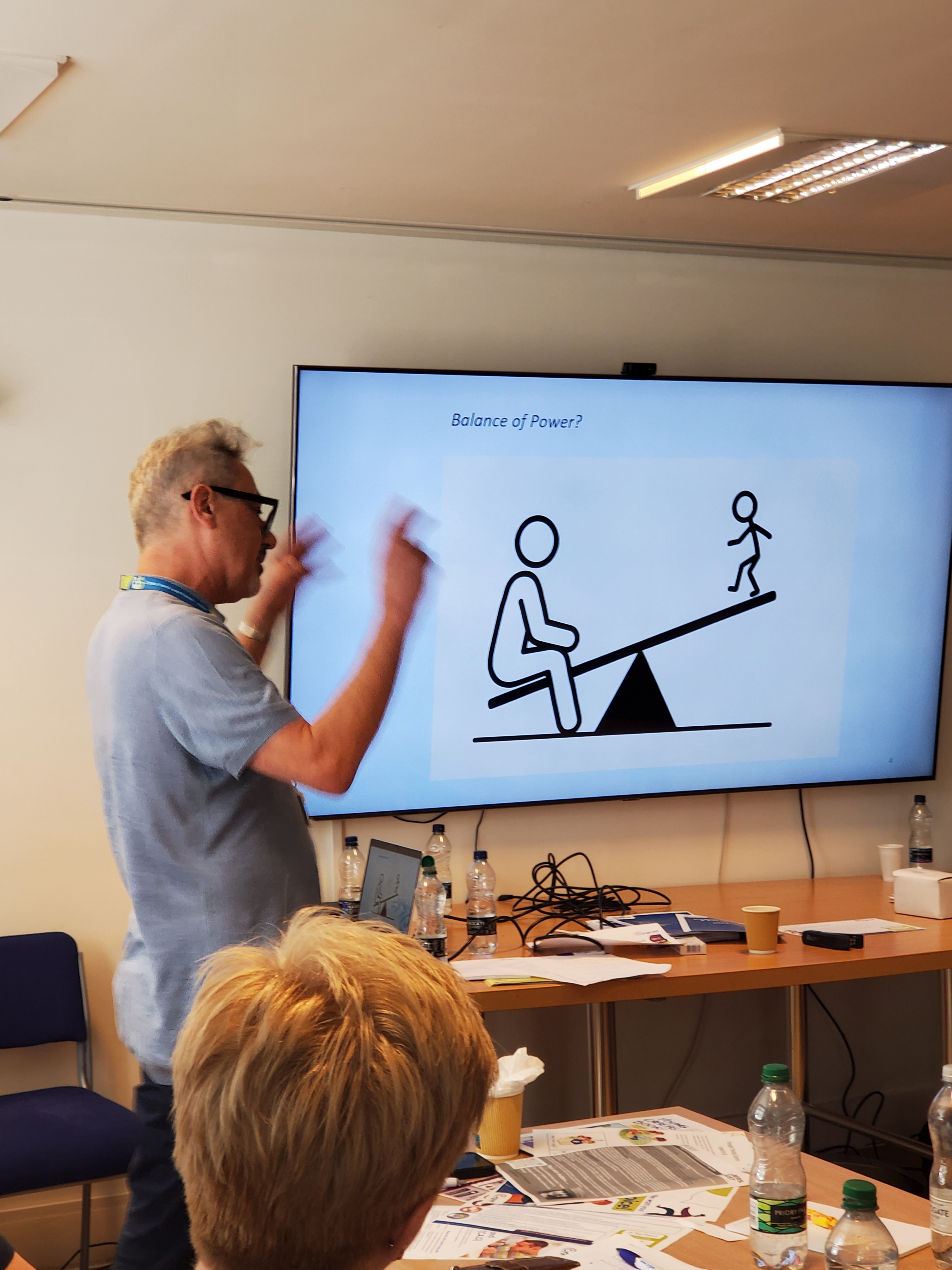
Julian spoke about the inequality and imbalance of power that carers often face when interacting with services. Using simple but powerful imagery like a seesaw in the picture showing the weight of decisions tilted away from families. Julian laid out how carers are too often excluded from critical conversations, even when they hold essential insight. His section on “Caring About Equality” highlighted the emotional, financial, and physical toll that caring can have, from trauma and anxiety to sheer exhaustion. As carers in the room, we could all relate. He didn’t sugarcoat it: caring without support is an inequality issue.
John Bangs OBE
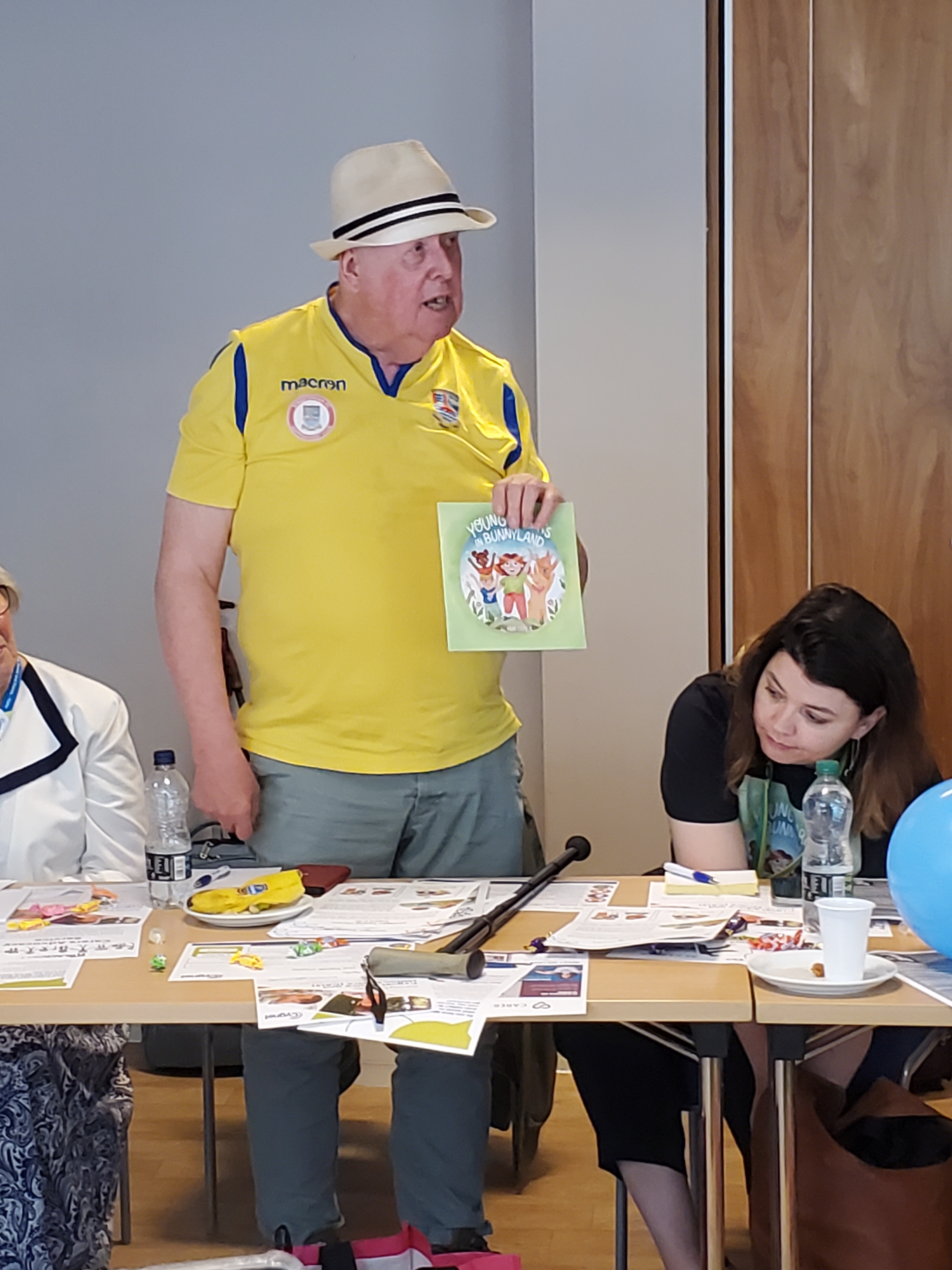
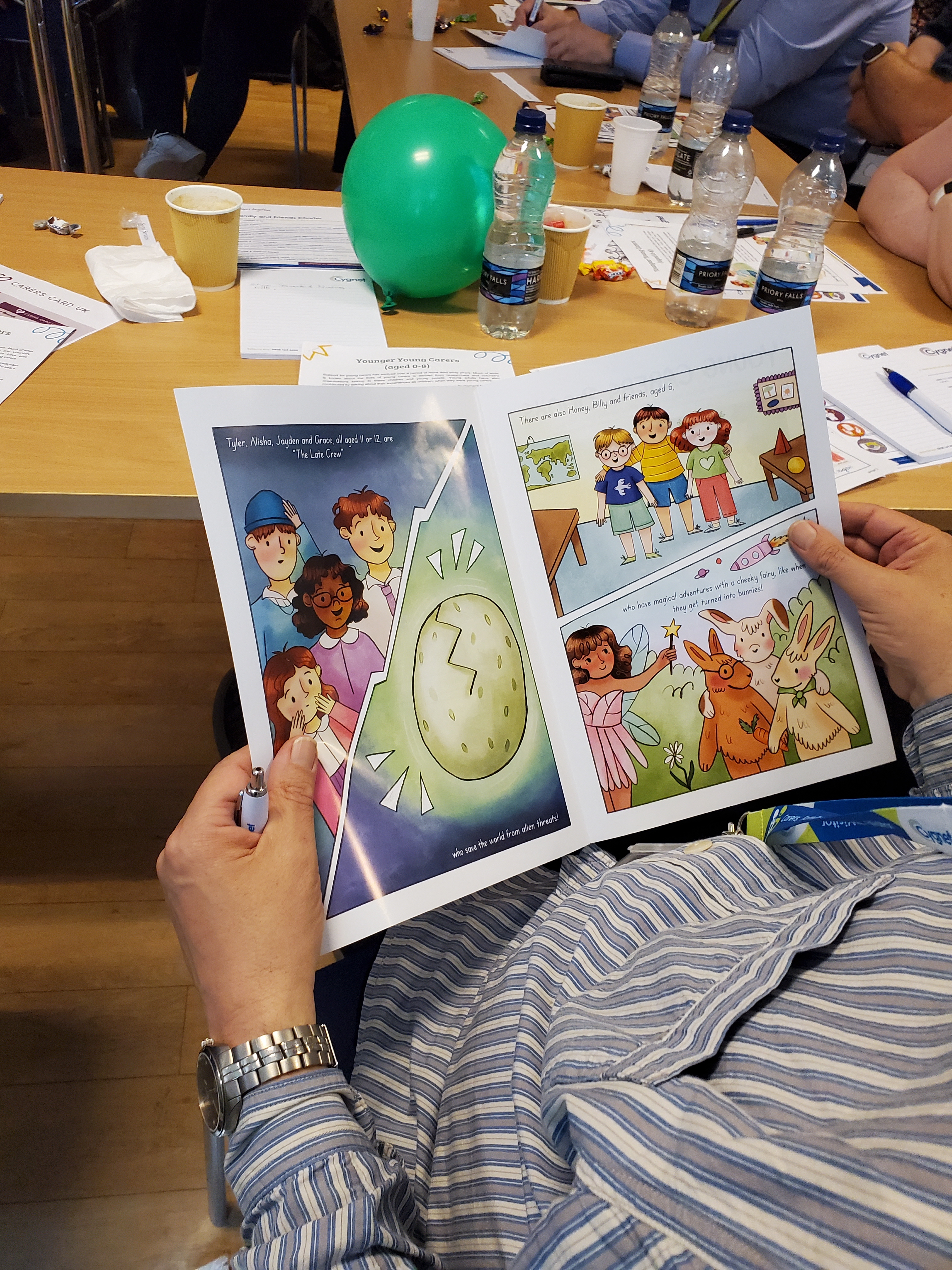
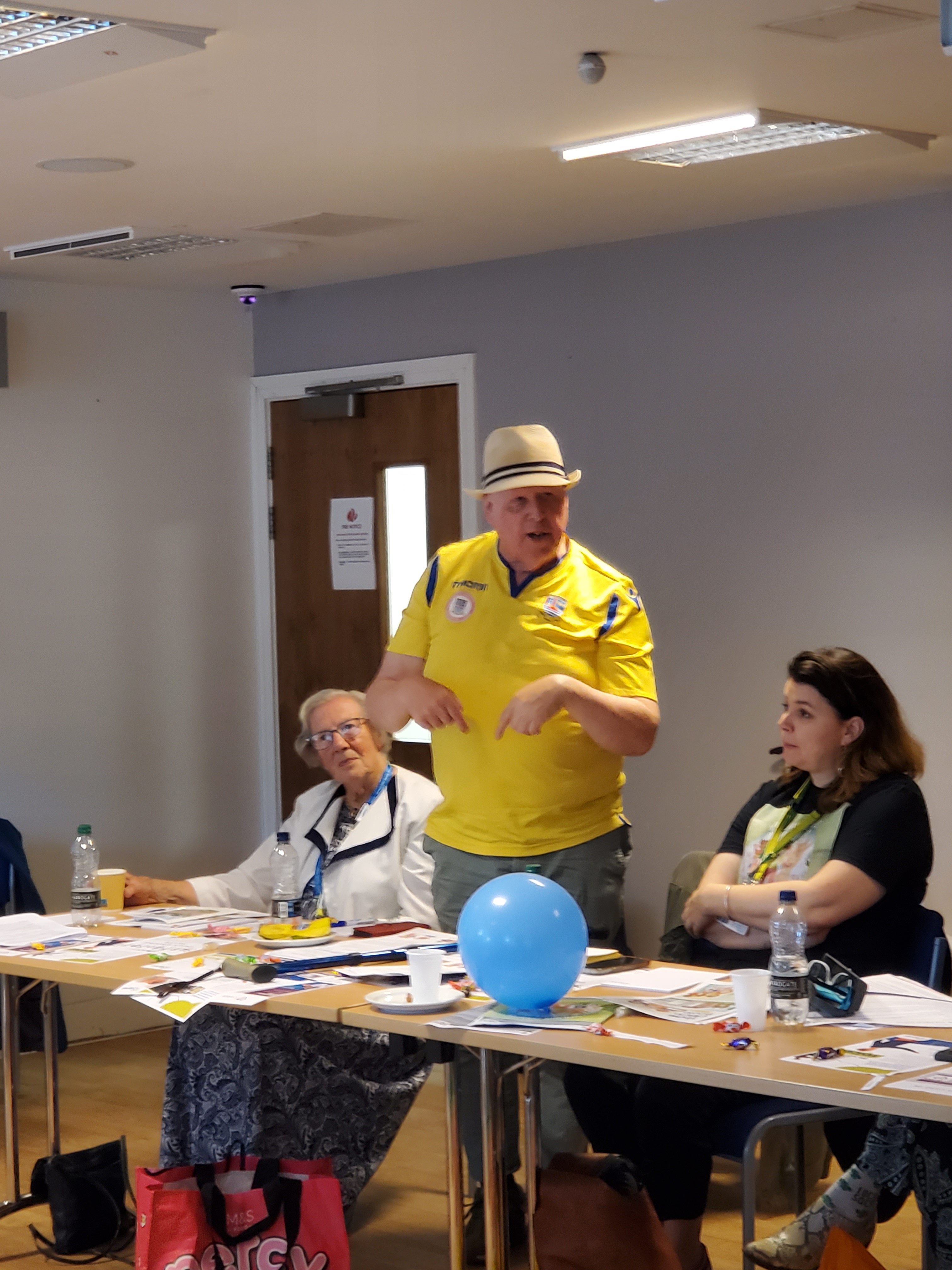
John Bangs OBE dedicated his session to a cause close to his heart: raising awareness about young carers, especially through the power of storytelling. His presentation centred on the launch and impact of a new young carers’ book, which he proudly shared during the session. Holding up a copy of “Young Carers in Bunnyland”, John brought the room’s attention to the importance of making young carer experiences visible, relatable, and age-appropriate.
As a passionate advocate for children and families, John spoke about how young carers are often “hidden in plain sight” balancing school, responsibilities, and emotional strain without the recognition or support they deserve. He used the book, created with colourful illustrations and character-led narratives, to spark a conversation about how we teach younger audiences to understand, express, and share their caring roles. For those of us with lived experience, it was a reminder that the caring journey can start far earlier than people realise often in childhood.
Matthew McKenzie speaks
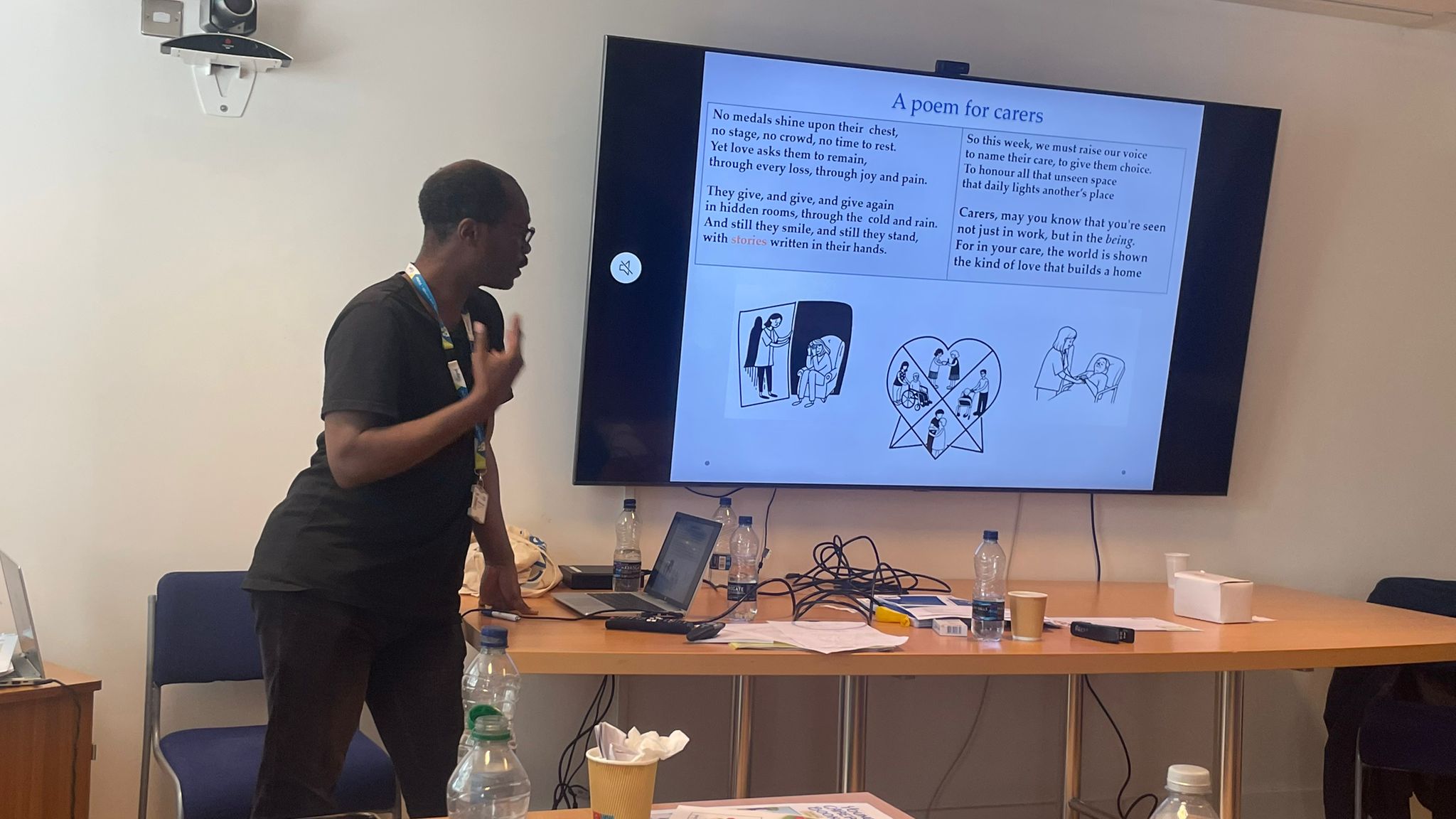
When I presented it was not just a closing act, but a deeply moving reflection of everything the day stood for. As a Carer Ambassador with lived experience, I spoke from the heart, and reminded everyone that carers are not just providers of care, that we are people with stories, scars, and strength.
I delivered a Poem called “Poem for Carers”, which honoured the invisible yet heroic effort that carers give, day in and day out. The lines I shared “They give, and give, and give again / in hidden rooms, through the cold and rain” tried to capture the emotional labour of caring in a way that left many in the room visibly moved. I felt my poem was more than a poem, it was a recognition, a tribute, and a reclaiming of identity for those who often feel unseen.
My presentation was also a clear call to action. You encouraged carers to find their voice, to challenge inequality, and to keep pushing for systems that involve and support them. I reminded professionals in the room that “Carers must be seen not just in work, but in the being”
Cygnet’s Commitment to Carers
Cygnet is clearly serious about co-production, on working with carers, not just for them. From the distribution of carer support packs to the emphasis on legal rights under the Mental Health Act and Care Act, carers were empowered with information and respect.
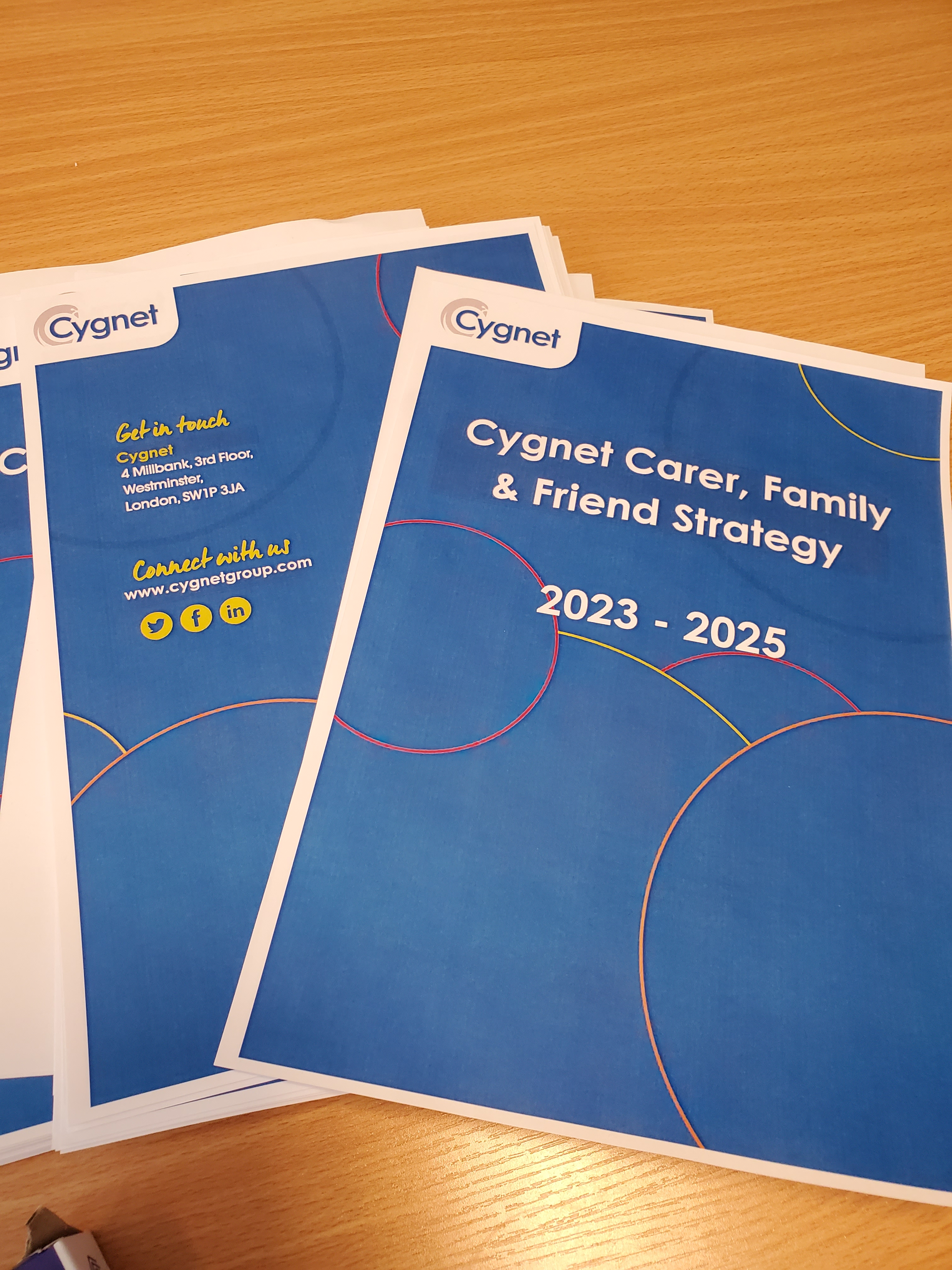
It was encouraging to see accessible materials, including the Cygnet Carer, Family & Friend Strategy 2023–2025, carer charter leaflets, and dedicated staff facilitating the day.
Closing Reflections
To every carer reading this, whether you’ve just begun your journey or have been carrying the weight for years, you matter. Your experiences, your voice, your wellbeing they all deserve recognition and support.
A massive thank you to the team at Cygnet Health Care for not just hosting this event, but for truly listening and giving space for my poetry event. Let’s keep the conversation going. Not just during Carers Week but every day.

 A Caring Mind