Tag Archives: mental health awareness uk

Voices & Verses PCREF Carer event

By Matthew McKenzie, Cygnet PCREF Carer Lead

On Tuesday 28th April 2026, from 2:00pm to 4:00pm, we came together at Cygnet Churchill in Lambeth for what was described as a carers poetry event, but in truth, it became something much deeper.

It became a space where carers could speak, reflect, and be heard.

I hosted the session not just as a PCREF Carer Lead, but as someone with lived experience. That shaped everything the tone, the structure, and the intention behind every part of the agenda.

I made it clear: this was a safe, inclusive, and optional space. No pressure to perform. No expectation to share. Just an invitation.

We began with a simple check-in:
“What’s one word you’re arriving with?”


Opening Readings: Creating a Shared Starting Point

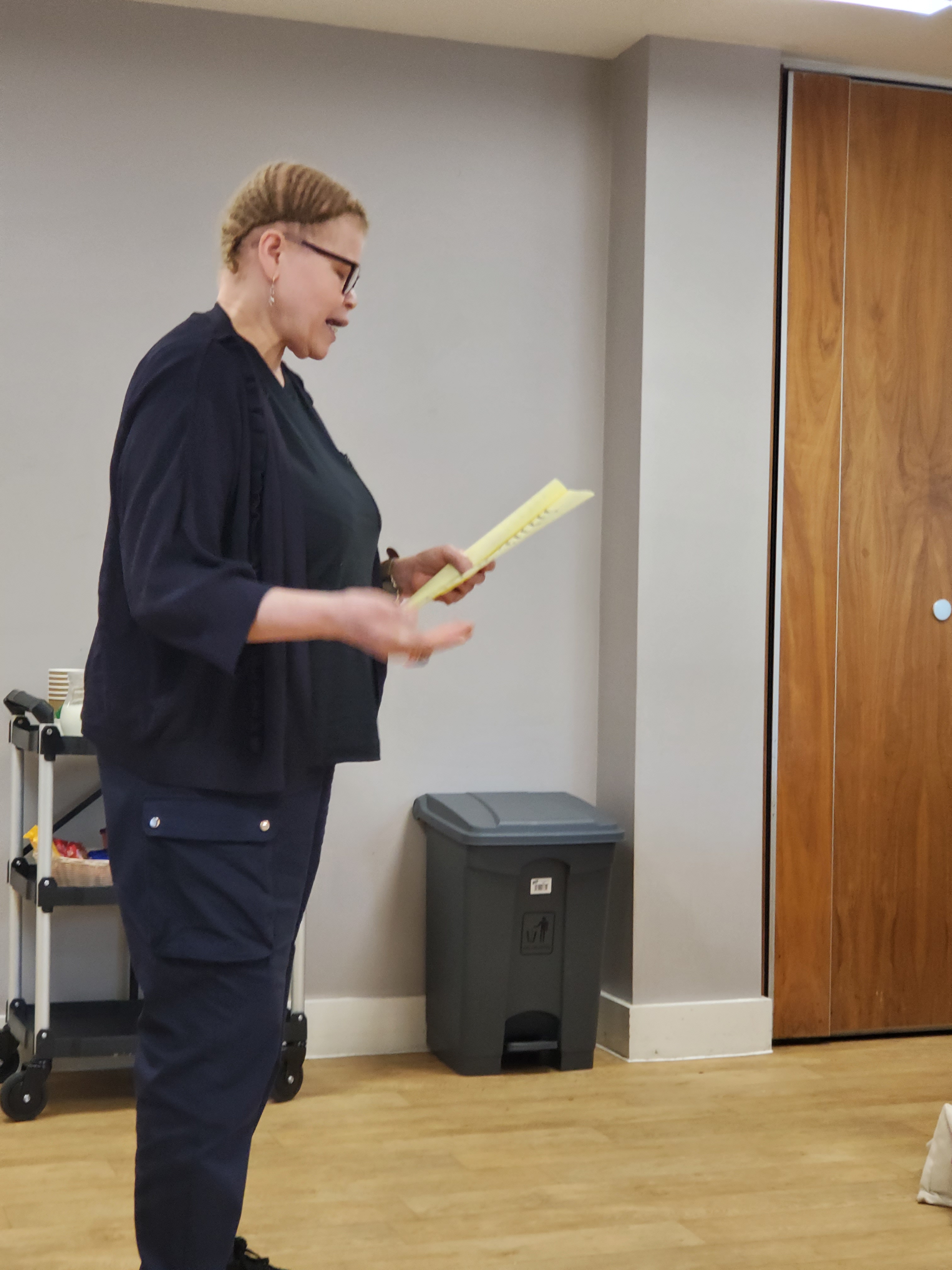
I started with a couple of my own poems, drawn from my work around carers, stigma, and racial inequality in mental health.
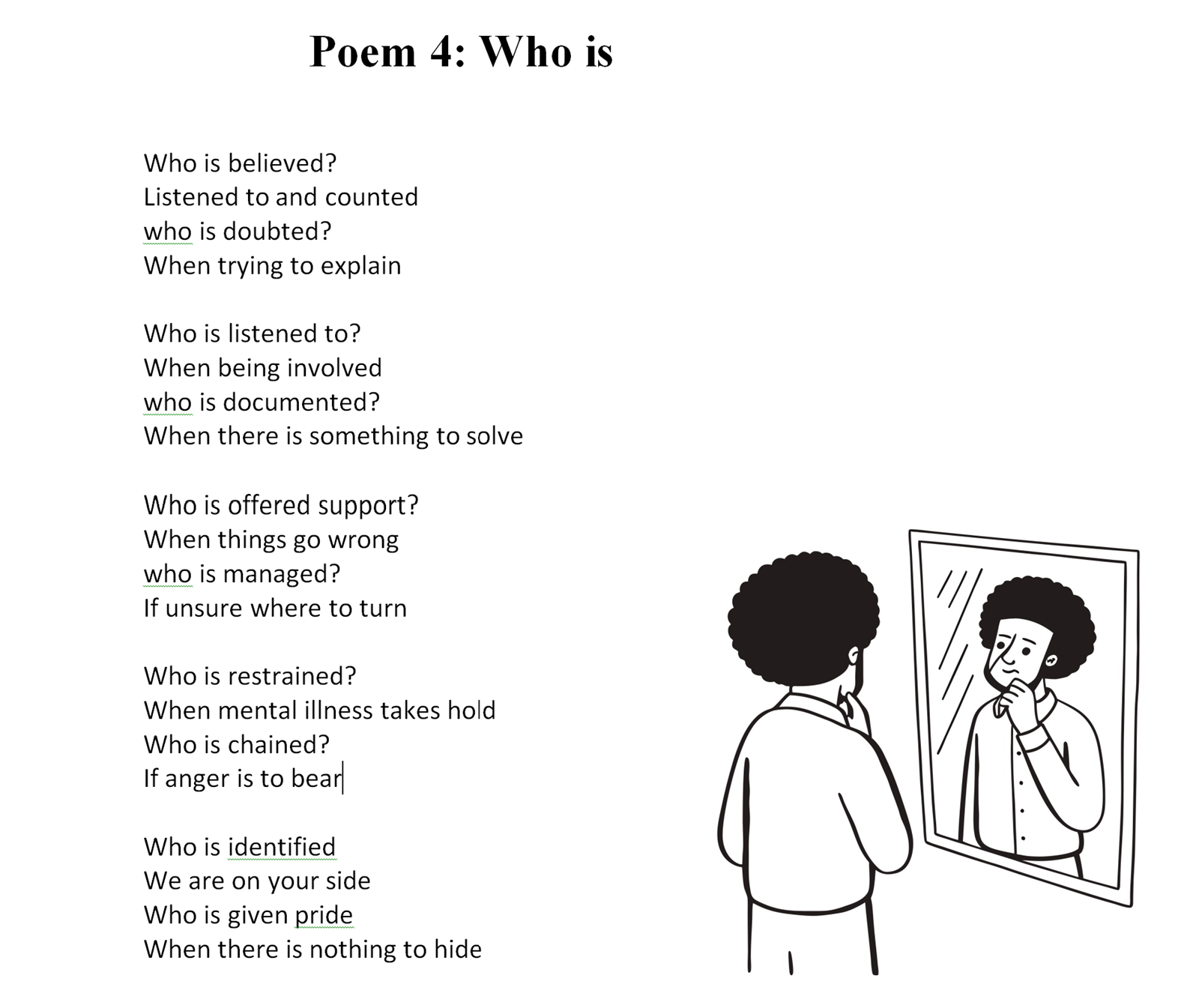
As shown above, one piece explored the question of who is listened to and who is overlooked within systems. Another focused on stigma and shame, particularly how cultural expectations and institutional barriers can compound the experience of caring.

These weren’t just readings—they were a way of opening the room.
An invitation for others to see themselves reflected.


Featured Performer: Karen Ibrahim

We then heard from Karen Ibrahim, whose poetry captured something deeply familiar to many carers the quiet, often invisible emotional labour of caring.
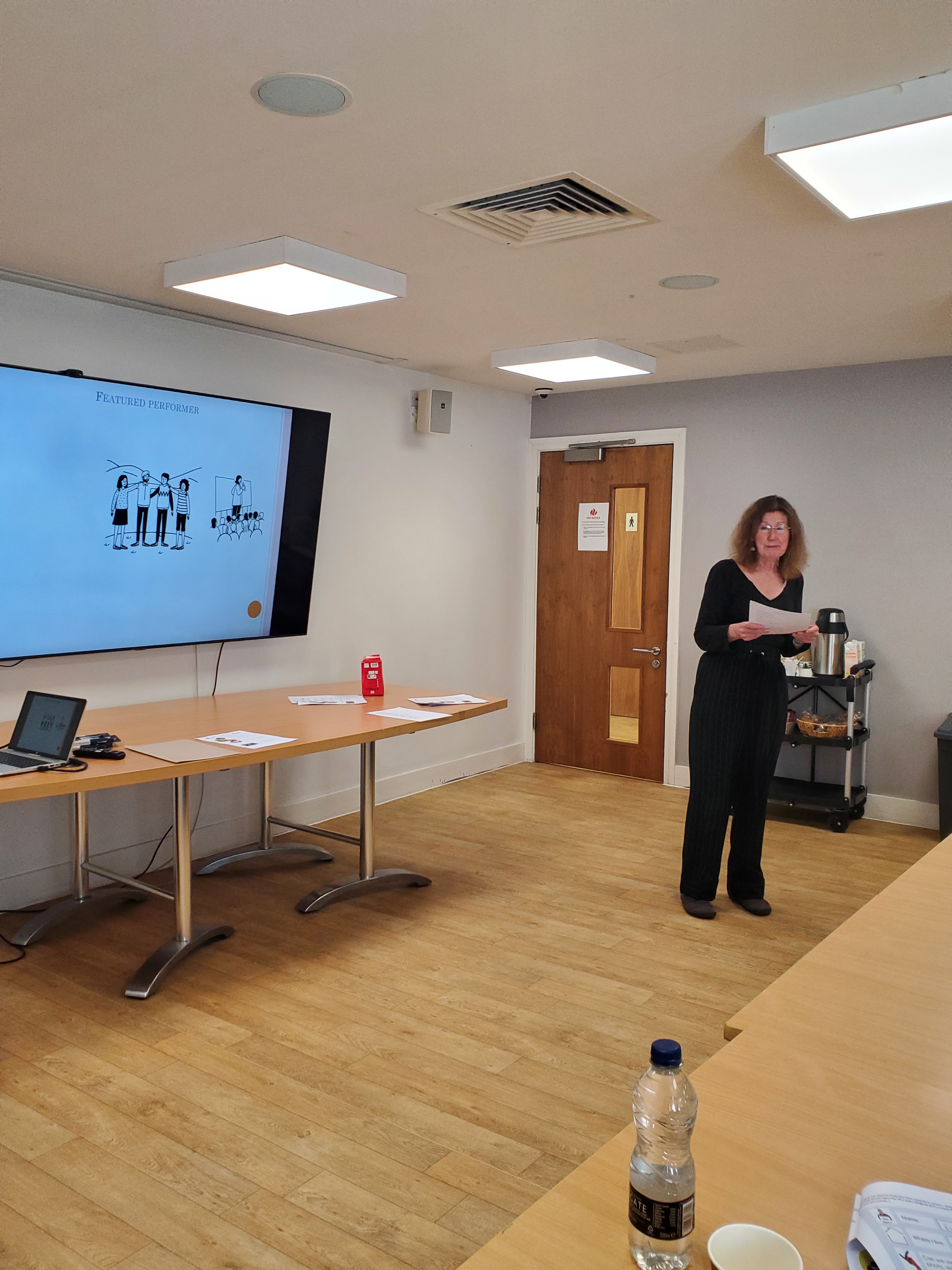
Her piece reflected the silence between carer and loved one, the fear of saying the wrong thing, and the reality of sitting with someone in distress without always knowing how to help. It spoke to that fragile balance carers hold every day.

Karen also shared a series of haiku-style reflections, drawn from carer experiences—short, powerful snapshots of emotion, nature, and coping. They reminded us that even the smallest expressions can carry deep meaning.


Guided Writing Exercise #1: Bringing PCREF to Life

We then moved into the first guided writing exercise.

I paired participants and asked them to:

  • Match PCREF-related concepts (like equity, advocacy, inclusion, resilience) to their meanings
  • Use those words to create a short poem or reflection
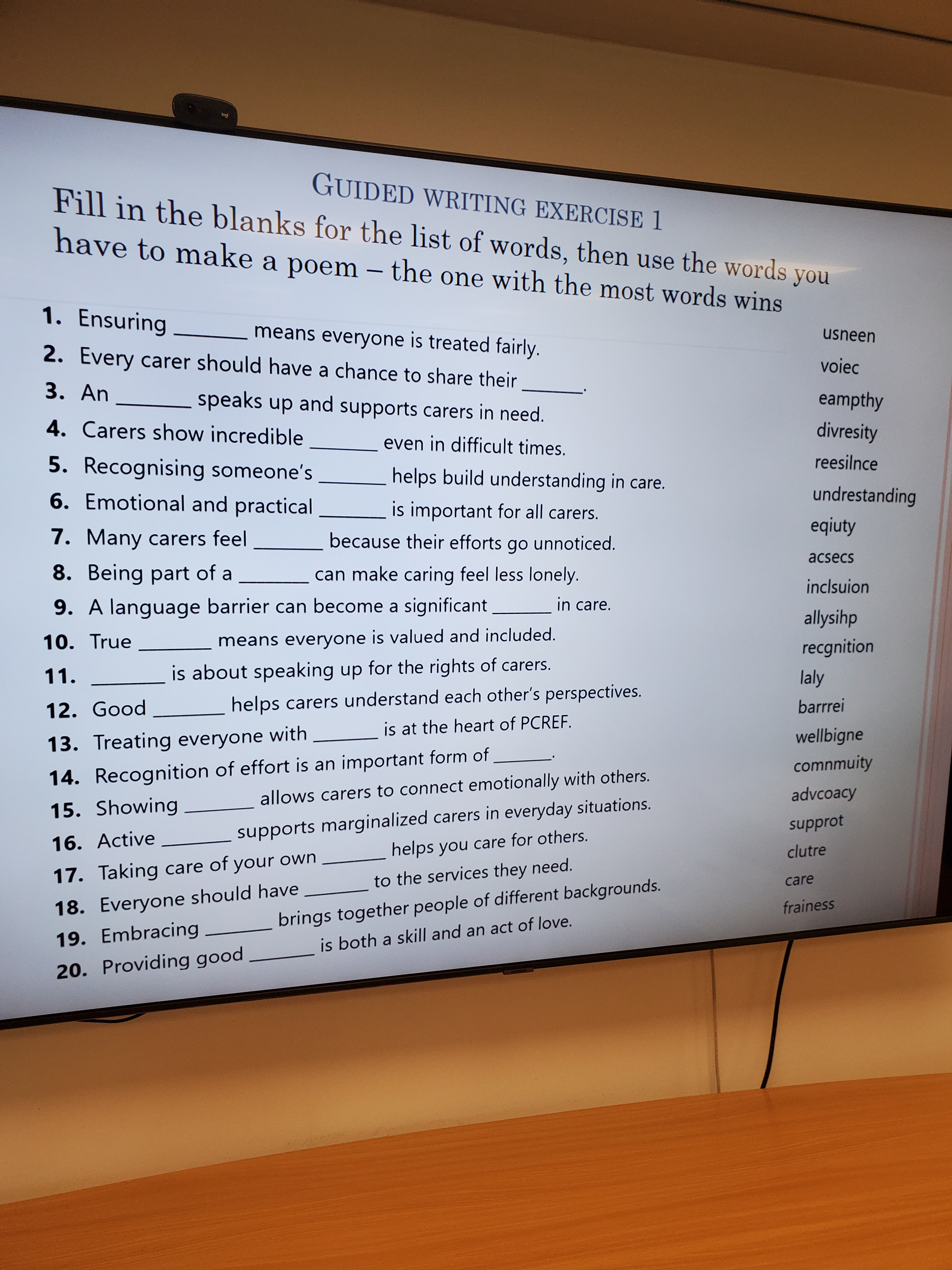
It was about translating PCREF from policy into lived language.

The results were powerful. Carers wrote about 4 poems altogether, below were the themes, which will be included in the new PCREF poetry book I am working on.

  • Feeling unseen and unheard
  • Wanting their voice recognised
  • Breaking down barriers in care
  • Finding strength through community

One group asked:
“Is my voice not loud enough to be heard?”

I felt that line stayed with me, because it captures exactly what PCREF is trying to address.


Performer & Open Mic (Round 1)

We then moved into our first round of performances, where carers shared both prepared and newly written work.
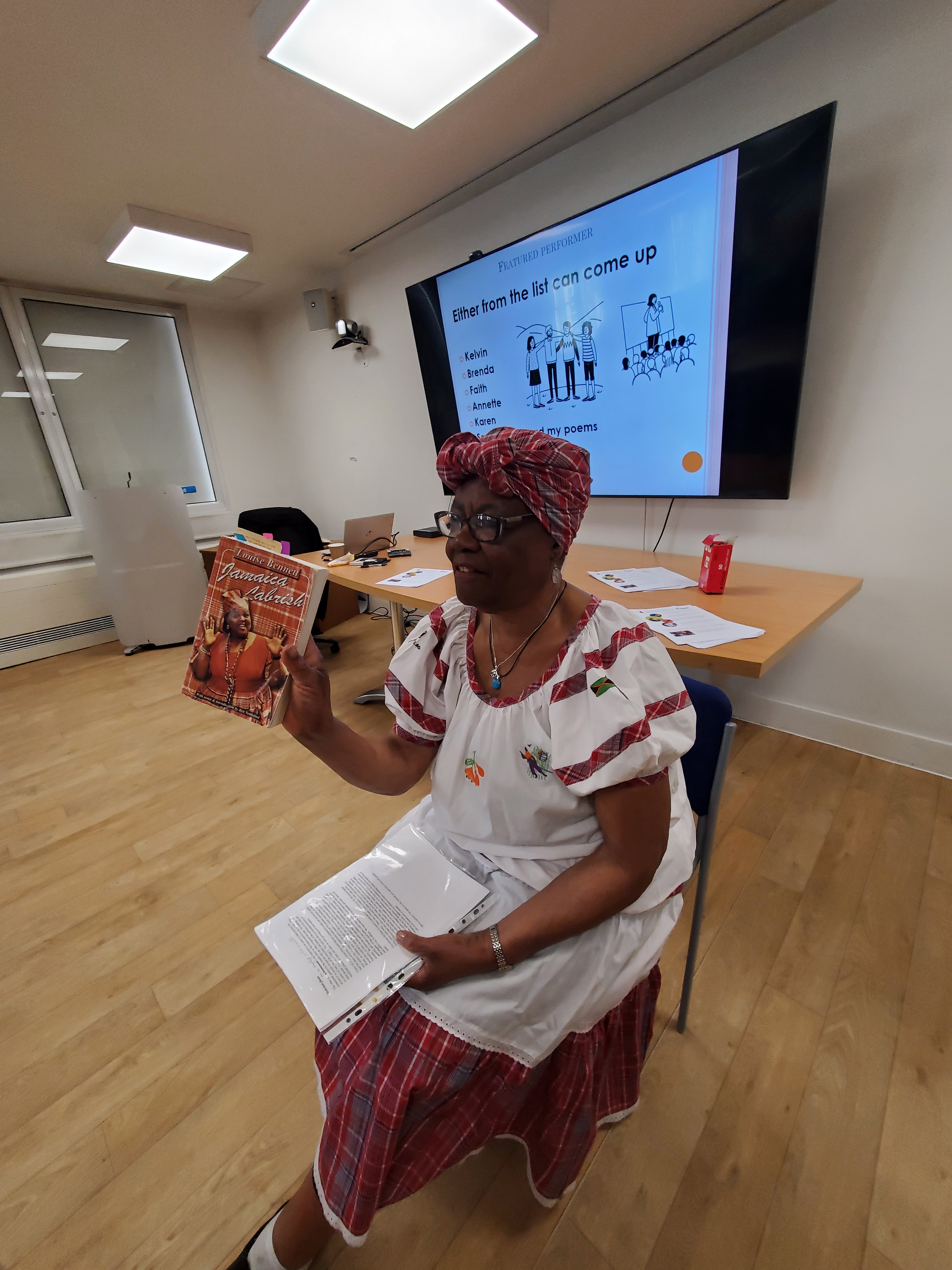
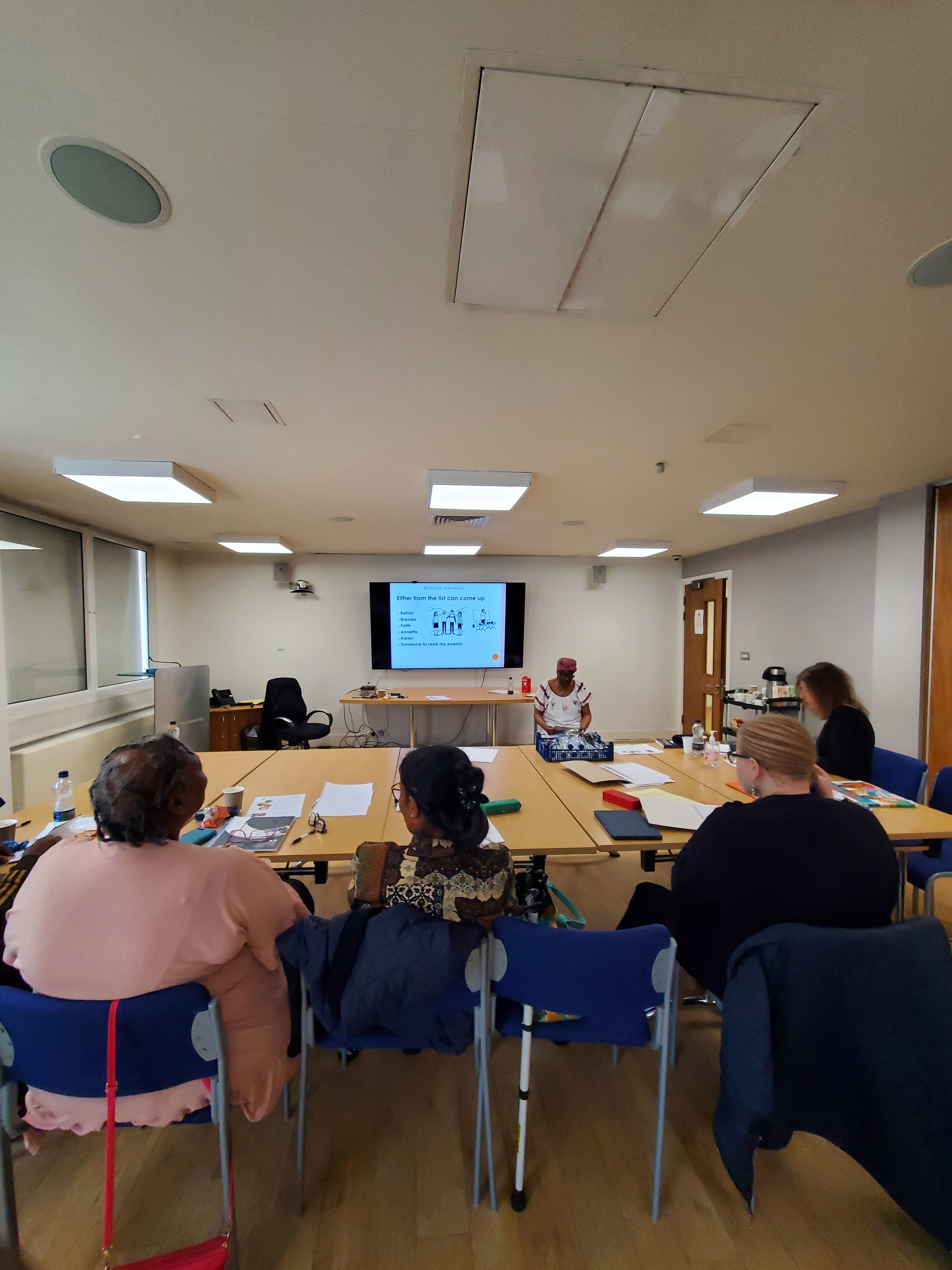
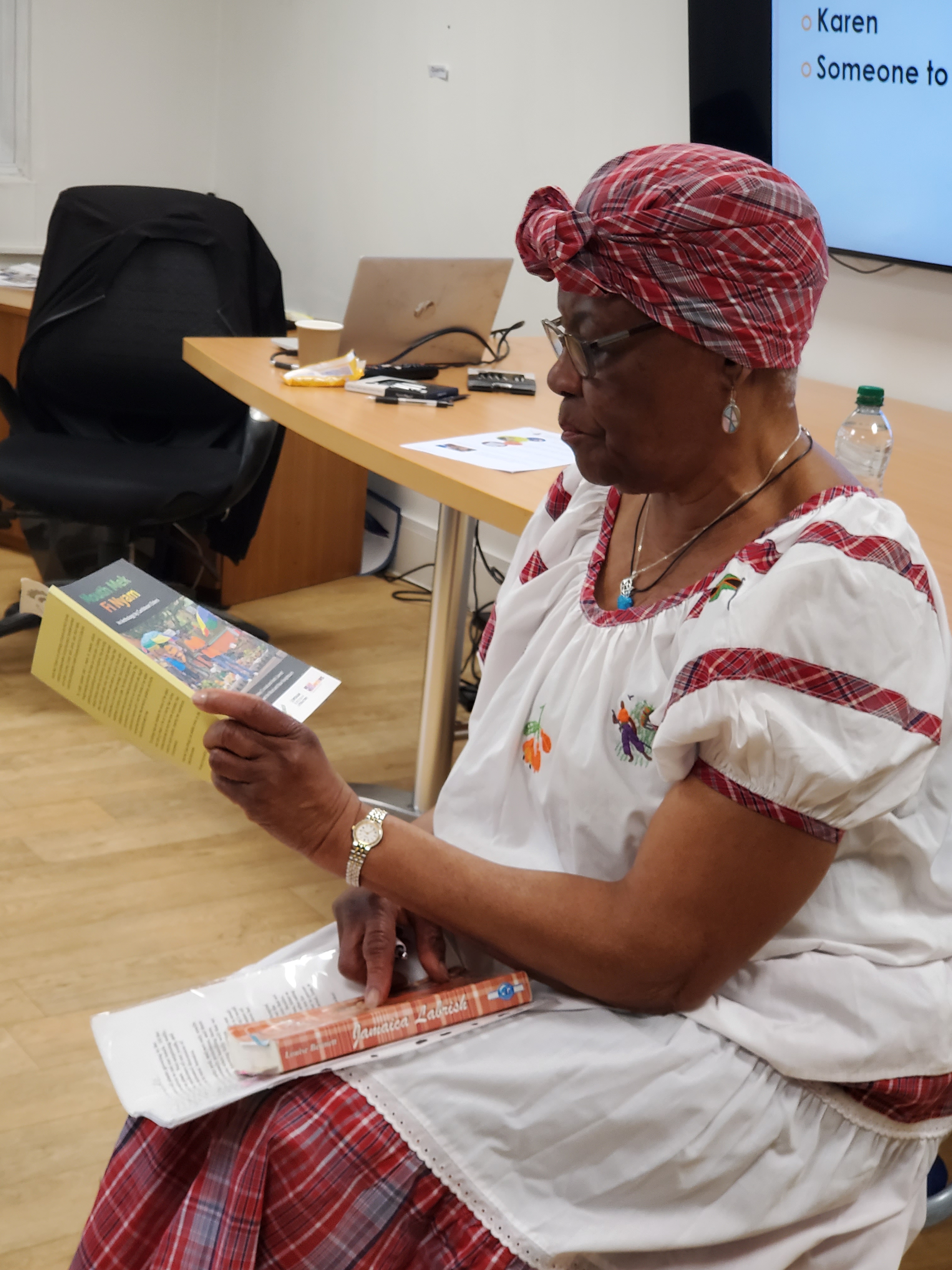
I felt Brenda brought something unique, blending cultural storytelling and poetry rooted in Jamaican heritage. She reflected on traditional knowledge, community wisdom, and the use of language and folklore as a way of preserving identity and healing. Her use of dialect and storytelling highlighted how culture shapes how we express and understand care.
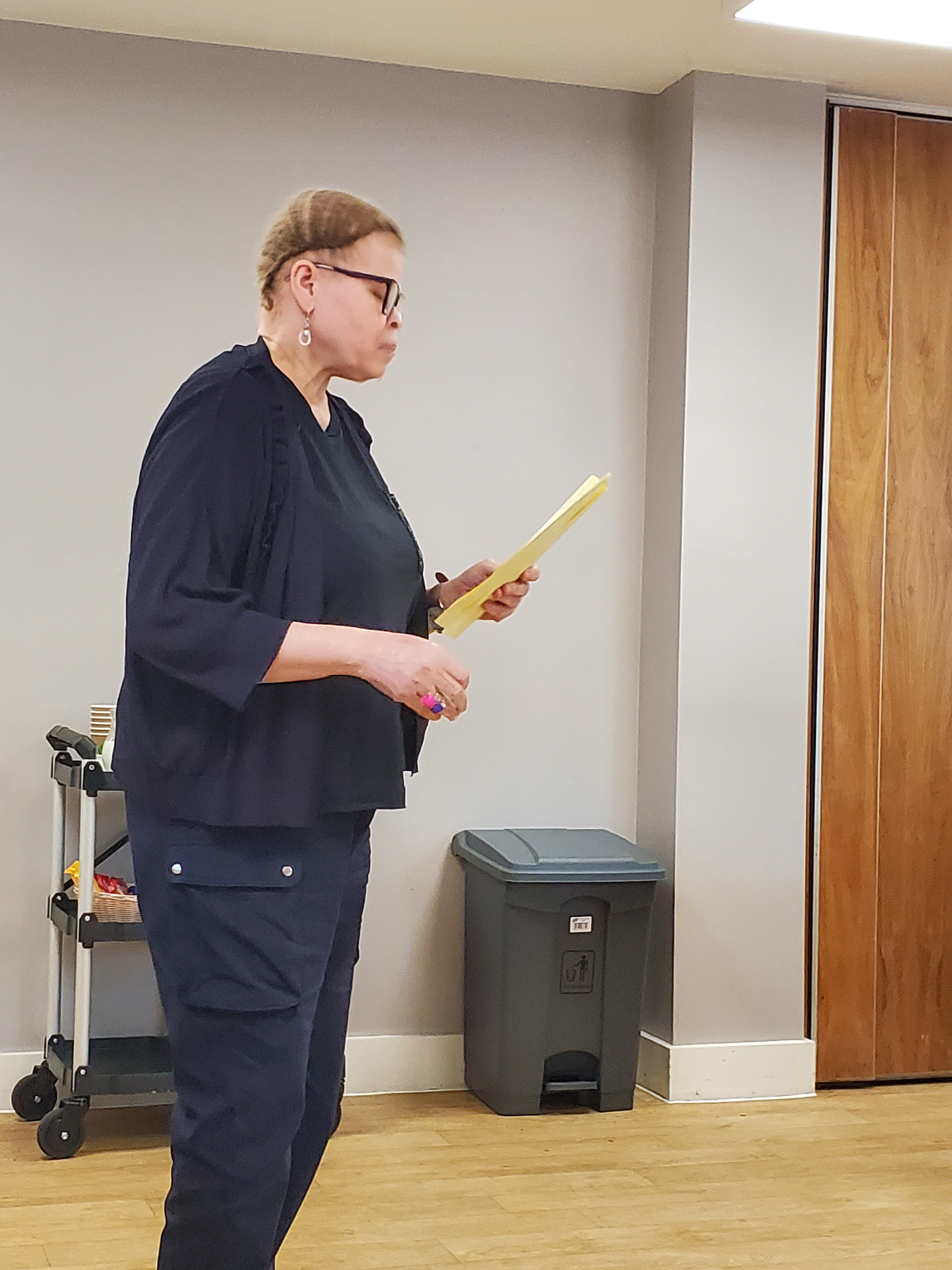
Next was Annette Davis shared a piece centred on the identity of being a carer, capturing the emotional strain, lack of recognition, and inner strength that comes with the role. Her poem questioned what it means to be labelled a “carer” while navigating burnout, resilience, and the need for self-care.
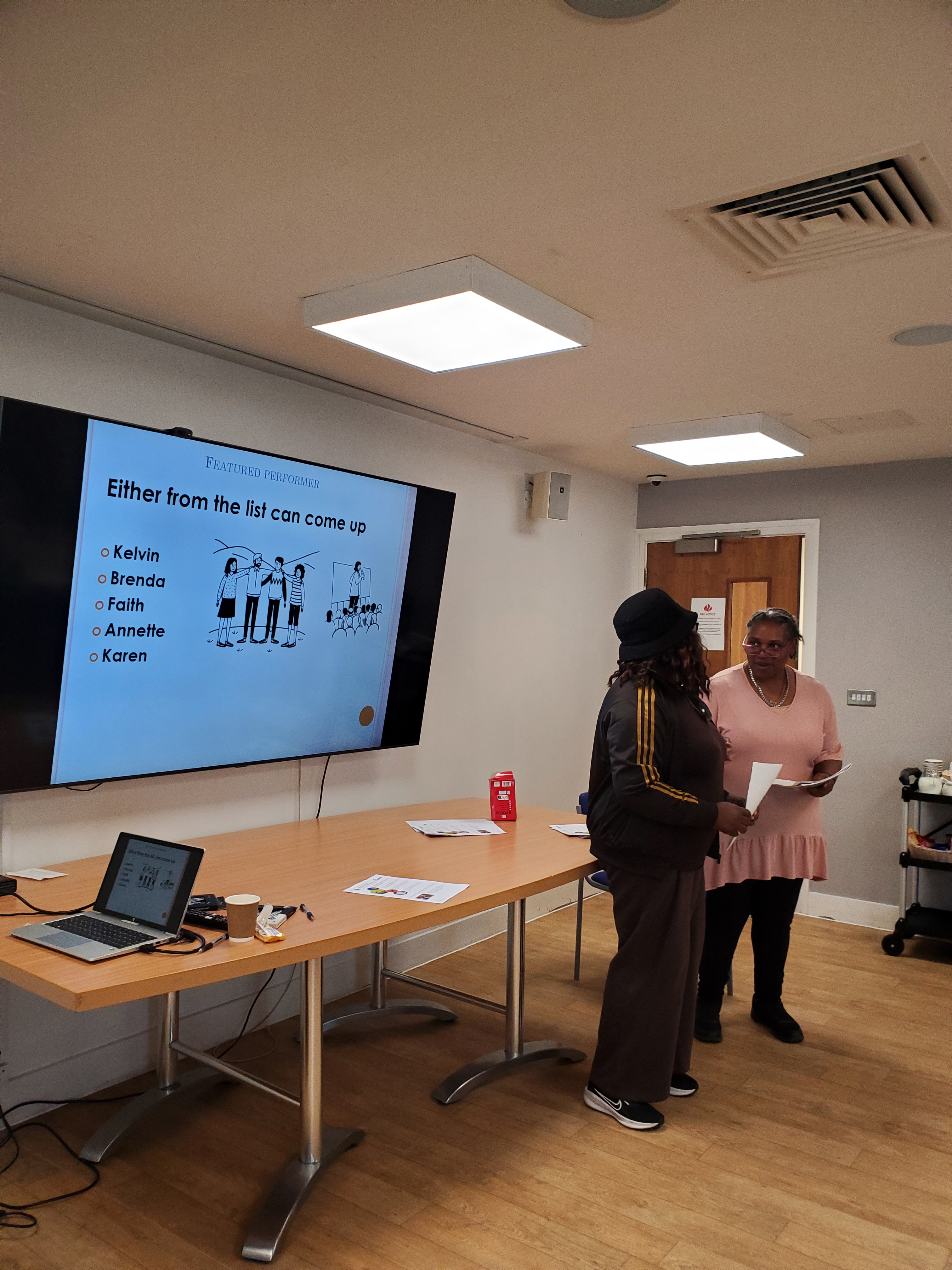
Next up was Faith Smith and Nadine sharing a powerful reflection on system inequality, exploring the daily pressures of navigating services, the lack of accessible support, and the feeling of being caught in processes that don’t always respond to real-life needs.

Each piece added another layer to the conversation, with different perspectives, but shared truths.


Break & Connection

We paused for a short break and refreshments provided by the kind and wonderful staff at cygnet, but for the poetry event the conversations didn’t stop.

Carers continued to connect. Share stories. and reflected on what they had heard.

This is something I always emphasise, community doesn’t just happen in structured sessions. It happens in those in-between moments.


Creative Exercise session #2: Exploring PCREF Language

After the break, I introduced a second exercise, which was more interactive and reflective.

Participants worked with a word-search style challenge, identifying key PCREF-related terms such as:

  • Voice
  • Inclusion
  • Equity
  • Community
  • Trust
  • Advocacy
  • Listening
  • Stereotyping

Rather than writing full poems, we focused on discussion:
Which word stands out and why?

The responses were honest and grounded:

  • “Listening builds trust.”
  • “Community is where we belong.”
  • “Inclusion is what drives change.”
  • “Stereotyping still shapes how we’re treated.”

This is where PCREF becomes real, when people recognise themselves within it.


Performer & Open Mic (Round 2)

We continued with a second round of performances.

Carers shared reflections shaped by:

  • Cultural identity
  • Personal caring journeys
  • The emotional impact of systems
  • Hope, resilience, and change

Then ended with cultural carer songs by Brenda, see the video of part of the PCREF poetry session below.


In the end PCREF is about improving outcomes for racialised communities—but it cannot succeed if it remains purely clinical.

We:

  • Translated PCREF into lived experience
  • Used creativity to engage carers meaningfully
  • Created a culturally responsive space
  • Positioned carers as equal voices not passive participants

If you are caring for someone using Cygnet services, contact Family&Friends@cygnethealth.co.uk to join our Voices & Verses poetry group
Stress Awareness Month 2026 – Tips for Unpaid Carers

By Matthew McKenzie – Carer activist

April is Stress Awareness Month 2026 in the UK, and this year’s theme is #BeTheChange – Small Actions, Big Impact. In the video below, Matthew McKenzie, carer activist, shares practical stress management tips specifically for unpaid carers who are supporting loved ones while managing their own wellbeing.

Learn how small, consistent actions can reduce stress, improve mental health, and make a real difference in your daily life. I also highlight trusted organisations that provide resources and support for carers.

Whether you’re an unpaid carer, a family member, or someone interested in improving mental health awareness, this video provides easy-to-implement strategies and guidance to help you manage stress effectively.

🔗 Useful Links:

#StressAwarenessMonth #BeTheChange #UnpaidCarers #MentalHealth #CarerSupport #StressManagement #UKCarers #SelfCareTips

National Schizophrenia Awareness Day: Support & Stigma

Understanding Schizophrenia: Breaking the Silence and Challenging Stigma

Schizophrenia remains one of the most misunderstood mental health conditions, often shrouded in myths, misconceptions, and stigma. As National Schizophrenia Awareness Day took place on July 25th, it is an opportune moment to reflect on the realities of living with schizophrenia, the challenges faced by those affected, and the crucial role of unpaid carers.

This article taken as a transcript from my video delves into the importance of awareness, the lived experiences of individuals and their families, and the collective responsibility to foster understanding and support.

The Significance of National Schizophrenia Awareness Day

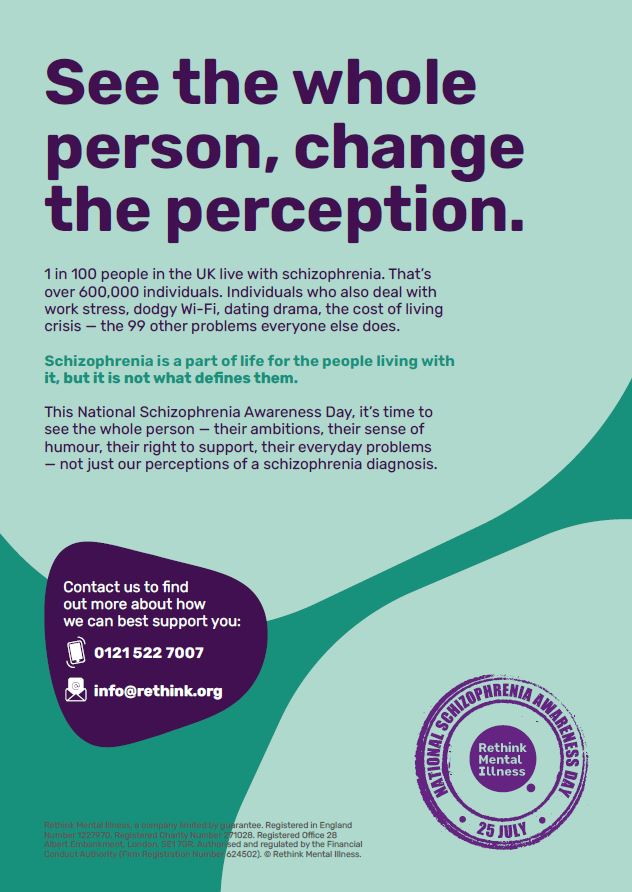
National Schizophrenia Awareness Day, observed annually on July 25th in the UK, is more than just a date on the calendar. It is a day dedicated to raising awareness, challenging stigma, and building understanding around schizophrenia which is a condition that affects approximately one in every 100 people in the UK. The day is spearheaded by organizations such as Rethink Mental Illness, Change Mental Health in Scotland, Adared Recovery in Wales, and Mindwise in Northern Ireland. Together, these organizations form Mental Health UK, a collaborative effort to provide vital support and advocacy for those living with schizophrenia and their carers.

What is Schizophrenia?

Schizophrenia is a complex mental health condition characterized by a range of symptoms, including hallucinations, delusions, and disorganized thinking. However, it is essential to recognize that schizophrenia is not a one-size-fits-all diagnosis. The experience of schizophrenia exists on a spectrum, with each individual’s journey being unique. For some, symptoms may be more pronounced, while others may experience periods of stability and recovery.

Common Symptoms

  • Hallucinations: Sensing things that are not present, such as hearing voices.
  • Delusions: Strongly held false beliefs that are not based in reality.
  • Disorganized Thinking: Difficulty organizing thoughts, leading to incoherent speech or trouble concentrating.

Despite these clinical descriptions, it is crucial to remember that schizophrenia is, above all, a human experience. The condition affects not only the individual but also their families, friends, and communities.

The Human Experience: Beyond the Diagnosis

Too often, the narrative around schizophrenia is dominated by fear, misunderstanding, and negative stereotypes. Individuals living with schizophrenia frequently face stigma, isolation, and discrimination not only just from society at large, but sometimes even within the mental health system and healthcare services themselves. This stigma can be even more pronounced for those from minority groups, compounding the challenges they already face.

The Impact of Stigma

Stigma surrounding schizophrenia can have far-reaching consequences. It can:

  • Discourage individuals from seeking help or treatment.
  • Lead to social isolation and exclusion.
  • Affect employment and educational opportunities.
  • Create barriers to accessing quality healthcare.

Challenging these misconceptions requires a collective effort to educate the public, promote empathy, and highlight the real stories of those living with schizophrenia.

The Unseen Heroes: Unpaid Carers

While much attention is rightly given to those living with schizophrenia, there is another group whose contributions often go unrecognized—unpaid carers. These are the family members, close friends, partners, and loved ones who provide daily support to individuals with schizophrenia. Their role is both vital and demanding, yet their voices are frequently underrepresented in policy discussions, service planning, and awareness campaigns.

Who Are Unpaid Carers?

Unpaid carers are individuals who, without formal training or compensation, dedicate their time and energy to supporting someone with schizophrenia. This support can take many forms, including:

  • Emotional Support: Listening, comforting, and advocating for their loved one.
  • Crisis Management: Staying up late, managing emergencies, and ensuring safety.
  • Practical Assistance: Helping with daily tasks, medication management, and appointments.
  • Financial Support: Bearing the costs associated with care, often at personal expense.

The burdens carried by unpaid carers are not just emotional but can also be financial and physical. Despite their critical role, they often receive limited support and recognition.

The Lived Experience of Carers

Many carers, like the speaker’s own mother, navigate the complexities of supporting a loved one with schizophrenia with little guidance or acknowledgment. They become advocates, crisis managers, and emotional anchors, often at the expense of their own well-being. The lack of formal training and support can leave carers feeling isolated and overwhelmed.

Building a Better Future: What Needs to Change

Raising awareness about schizophrenia is not just about increasing knowledge—it is about fostering a culture of care, action, and inclusion. To truly support those affected by schizophrenia and their carers, several key areas need attention.

1. Improving Services and Support

Mental health services must be designed to listen to and address the needs of both individuals with schizophrenia and their carers. This includes:

  • Accessible Support: Ensuring timely access to mental health services and crisis intervention.
  • Carer Involvement: Actively involving carers in care planning and decision-making.
  • Tailored Resources: Providing information, training, and respite for carers.

2. Promoting Inclusive Research

Research into schizophrenia should not only focus on clinical outcomes but also incorporate the experiences of unpaid carers. Their insights are invaluable in understanding the full impact of the condition and in developing effective interventions.

  • Participatory Research: Engaging carers as partners in research projects.
  • Holistic Approaches: Studying the social, emotional, and economic effects of schizophrenia on families.

3. Educating the Public

Public education is essential to dispel myths and challenge outdated beliefs about schizophrenia. Awareness campaigns should:

  • Highlight Lived Experiences: Share real stories from individuals and carers.
  • Combat Stereotypes: Address common misconceptions and promote accurate information.
  • Encourage Empathy: Foster understanding and reduce fear and prejudice.

4. Policy and Advocacy

Policymakers must recognize the contributions of unpaid carers and ensure their needs are reflected in mental health policies. This includes:

  • Carer Rights: Protecting the rights of carers in the workplace and healthcare settings.
  • Financial Support: Providing financial assistance and benefits to carers.
  • Representation: Including carers in policy development and service evaluation.

The Power of Awareness: Moving Beyond Knowledge

Awareness is not a passive state, it is an active commitment to care, act, and include others. National Schizophrenia Awareness Day serves as a reminder that understanding schizophrenia goes beyond statistics and symptoms. It is about recognizing the humanity of those affected, valuing the contributions of carers, and working together to create a more inclusive and supportive society.

Taking Action: How You Can Help

Everyone has a role to play in challenging stigma and supporting those affected by schizophrenia. Here are some ways you can make a difference:

  • Educate Yourself: Learn about schizophrenia from reputable sources and listen to the experiences of those affected.
  • Challenge Stigma: Speak out against stereotypes and discrimination when you encounter them.
  • Support Carers: Offer practical help, emotional support, or simply a listening ear to carers in your community.
  • Advocate for Change: Support policies and organizations that promote mental health awareness and carer rights.
  • Share Awareness: Use your voice and platforms to spread awareness, especially on days like National Schizophrenia Awareness Day.

Personal Reflections: The Importance of Inclusion

As highlighted in the video, awareness is not just about knowing—it is about caring, acting, and including others. The journey of living with schizophrenia, or supporting someone who does, is often marked by resilience, compassion, and hope. By listening to and amplifying the voices of those with lived experience, we can build a more understanding and supportive world.

The Role of Community

Community support is vital for both individuals with schizophrenia and their carers. Whether through peer support groups, advocacy organizations, or informal networks, connection and solidarity can make a significant difference. Communities that prioritize mental health and inclusion are better equipped to challenge stigma and provide meaningful support.

The Value of Recognition

Recognition of the efforts and sacrifices made by unpaid carers is long overdue. Their dedication sustains individuals and families, often in the face of immense challenges. By acknowledging and supporting carers, we not only improve their well-being but also enhance the quality of care for those living with schizophrenia.

Looking Ahead: Hope and Progress

While the challenges associated with schizophrenia are significant, there is reason for hope. Advances in research, growing public awareness, and the tireless efforts of advocacy organizations are paving the way for a more inclusive and supportive future. By working together—individuals, families, communities, and policymakers—we can break the silence, challenge stigma, and ensure that no one faces schizophrenia alone.

A Call to Action

As National Schizophrenia Awareness Day approaches, let us commit to more than just awareness. Let us strive for understanding, compassion, and action. Whether you are living with schizophrenia, supporting a loved one, or simply seeking to learn more, your voice and efforts matter. Together, we can build a society that values every individual and supports every carer.

Conclusion

Schizophrenia is a complex and deeply human experience, affecting not only those diagnosed but also their families, friends, and communities. National Schizophrenia Awareness Day is a powerful reminder of the importance of awareness, inclusion, and action. By challenging stigma, supporting unpaid carers, and advocating for better services and understanding, we can create a world where everyone affected by schizophrenia is valued, supported, and empowered.

Let us use this day and every day to listen, learn, and act. Share stories, challenge myths, and offer support. In doing so, we honor the resilience of those living with schizophrenia and the dedication of their carers, building a more compassionate and inclusive future for all.