Why Unpaid Carers Should Join Our Mental Health Carers Forum and Why Oxleas & Our Local Authorities Should Listen
By Matthew McKenzie
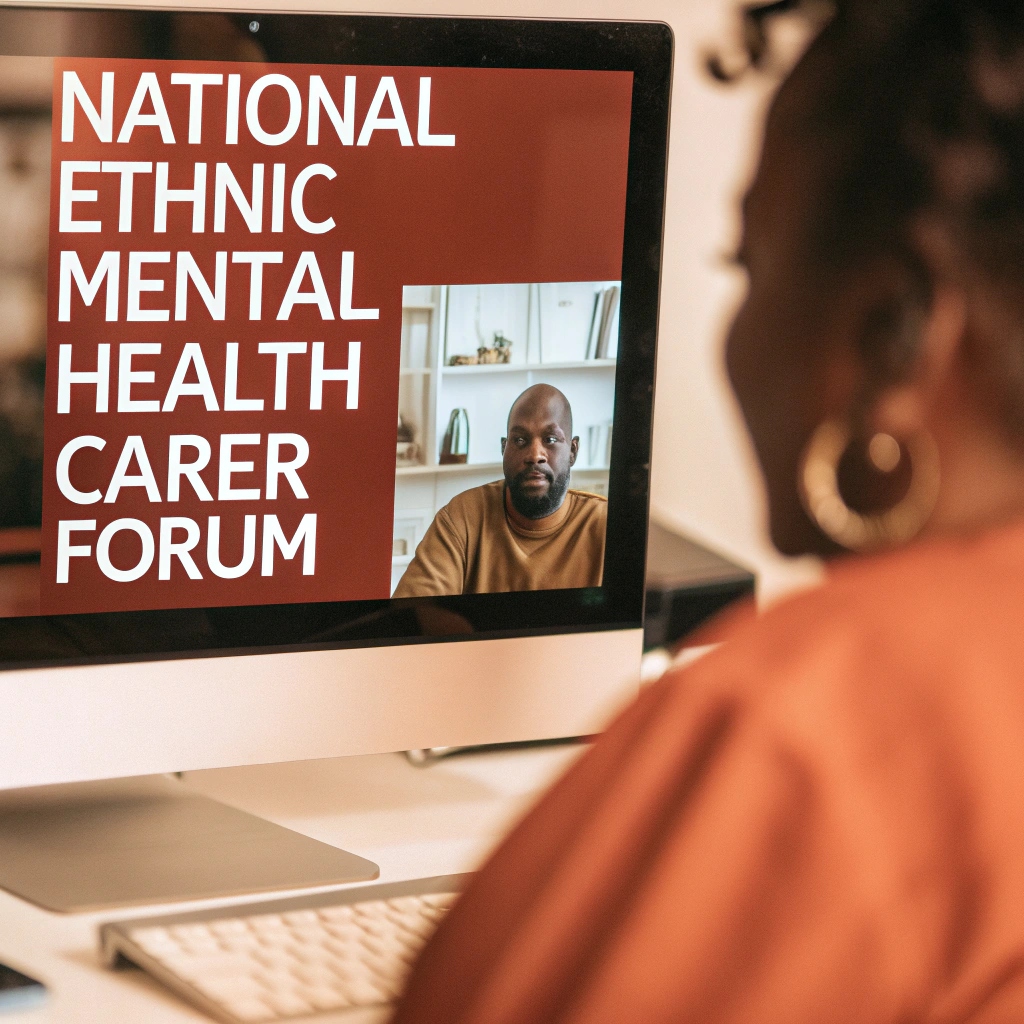
Caring for a loved one with mental health needs is a journey full of challenges, isolation, and too often lack of support. That’s why we run a dedicated Mental Health Carers Forum with Greenwich Carers Centre that brings together unpaid carers from across Greenwich and sometimes other boroughs since Oxleas covers Bromley and Bexley.

In our most recent forum, carers opened up about what it’s really like to navigate services and support their loved ones. The message was clear: unpaid carers are doing more than ever often alone and we need to work together to make sure they are not left behind.
The Power of Peer Support
One carer said:
“I’m a sandwich carer — looking after my elderly parents and my daughter with complex needs. Groups like this are a lifeline. It’s a space to share, learn, and recharge.”
For many carers, peer support is one of the few places where they are truly heard. Another participant explained:
“It helps so much to hear from others going through similar things. It’s the only way I know what services are available and what’s changing.”
Challenges That Carers Face

Through the forum, we heard repeated concerns:
- Lack of joined-up care between GPs and mental health services
- Delays in care planning and assessments — or carers being excluded altogether
- Confusing systems — carers are often left chasing up GPs or social workers themselves
- Failure to take carers’ expertise seriously in assessments and planning
- Emotional strain — many carers at breaking point, needing better respite and emotional support
One mother of three autistic children shared:
“I told them my son cannot tolerate bright light that’s why the curtains were drawn. But the assessor just complained about the curtains and parking. They didn’t listen to what my son really needs.”
Presentation: Advocating for a Loved One During and After Mental Health Crisis
Matthew McKenzie delivered a detailed presentation on how unpaid carers can effectively advocate for their loved ones, particularly around mental health services.
Key points included:
- Carers are not just supporters, they are also advocates for their loved ones
- Building relationships with key professionals (GP, care coordinator, psychiatrist, social worker) is crucial
- Carers should keep records of symptoms, interventions and communications to support advocacy
- During a crisis, carers should:
- Stay calm
- Be factual about symptoms and risks
- Be assertive (but respectful) in requests for urgent action
- Request risk assessments and ask for information to be recorded
- Understand confidentiality rights and use carers’ rights under the Care Act
- The importance of self-care for carers, advocacy can be exhausting, and carers must seek peer support and breaks
- Carers should also use the complaints process and escalate concerns when services fail
A Call to Oxleas NHS and Local Authority
We know big changes are coming, NHS England reorganisations, funding pressures, staff reductions. But one thing won’t change: the system depends on unpaid carers.
That’s why we urge Oxleas NHS Trust and the local authorities to:
✅ Regularly engage with this forum to hear carers’ voices
✅ Ensure carers are meaningfully included in care plans and reviews
✅ Offer more training and support for staff on carer involvement
✅ Improve clarity on who carers can contact in a crisis
✅ Work with us to strengthen co-production, not just in theory, but in practice
As one member put it:
“If the services won’t be there in full anymore — then carers will have to do even more. But we can’t do it if we’re broken.”
Join Us

If you’re an unpaid carer supporting someone with mental health needs, whether you’re new to caring, or have years of experience, please come along.
You’ll find a space to share, learn advocacy skills, and connect with others who truly understand. We also run a peer WhatsApp group, ask if you’d like to join.
Together we are stronger and louder. The more carers attend, the harder it is for services to ignore us.
For more info or to attend the next forum: contact
info@greenwichcarers.org
0300 300 2233
 A Caring Mind