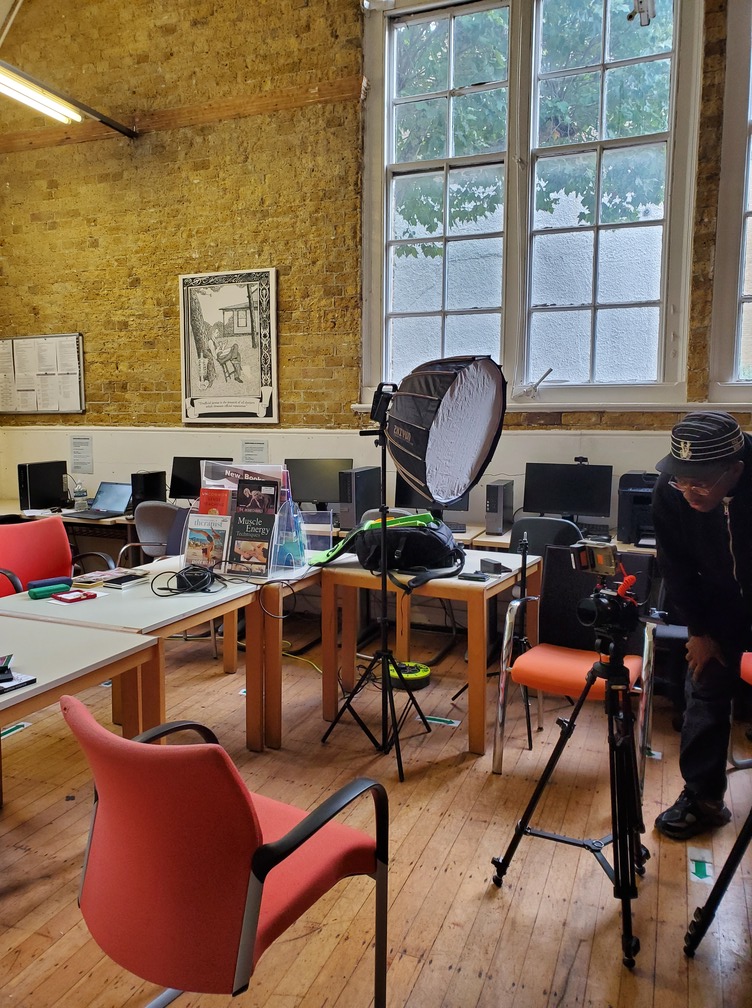
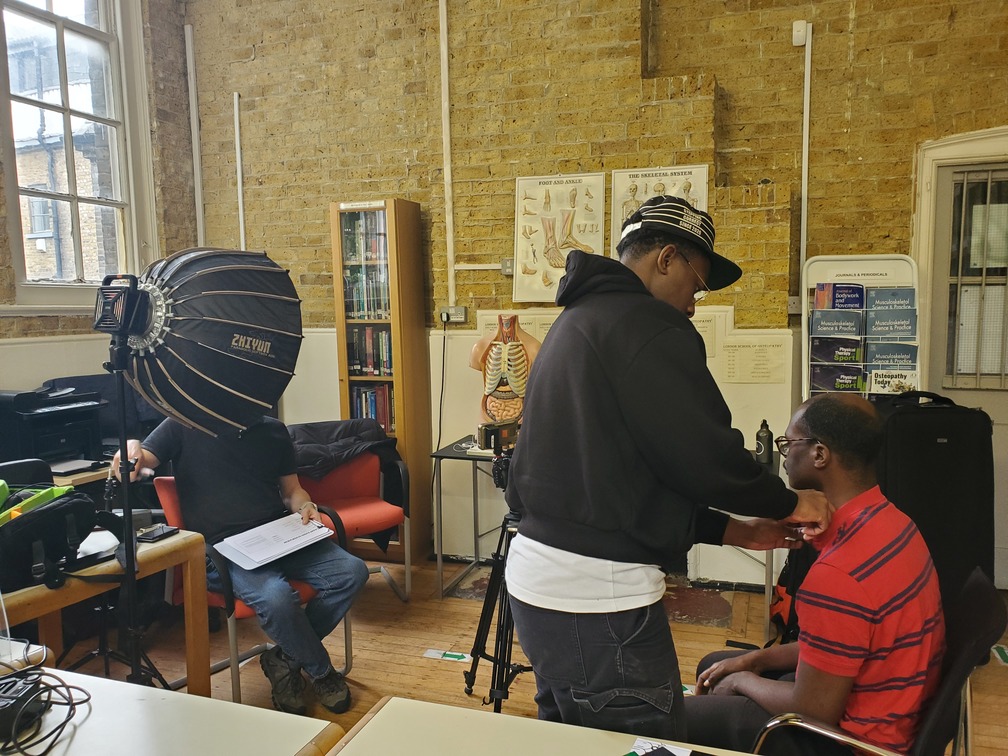
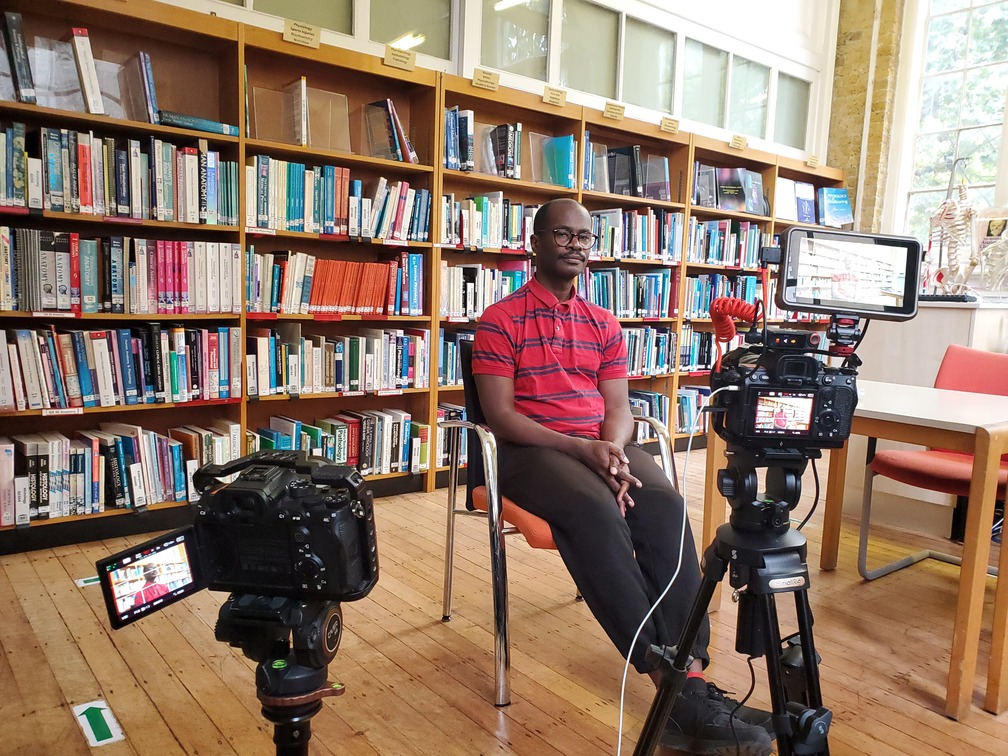
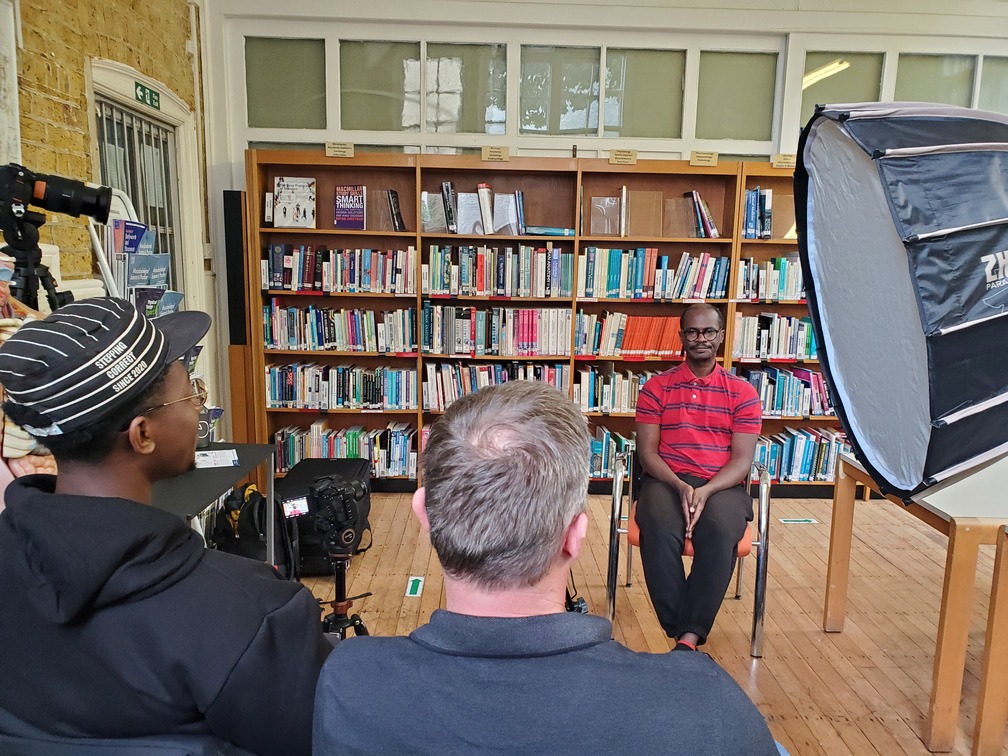
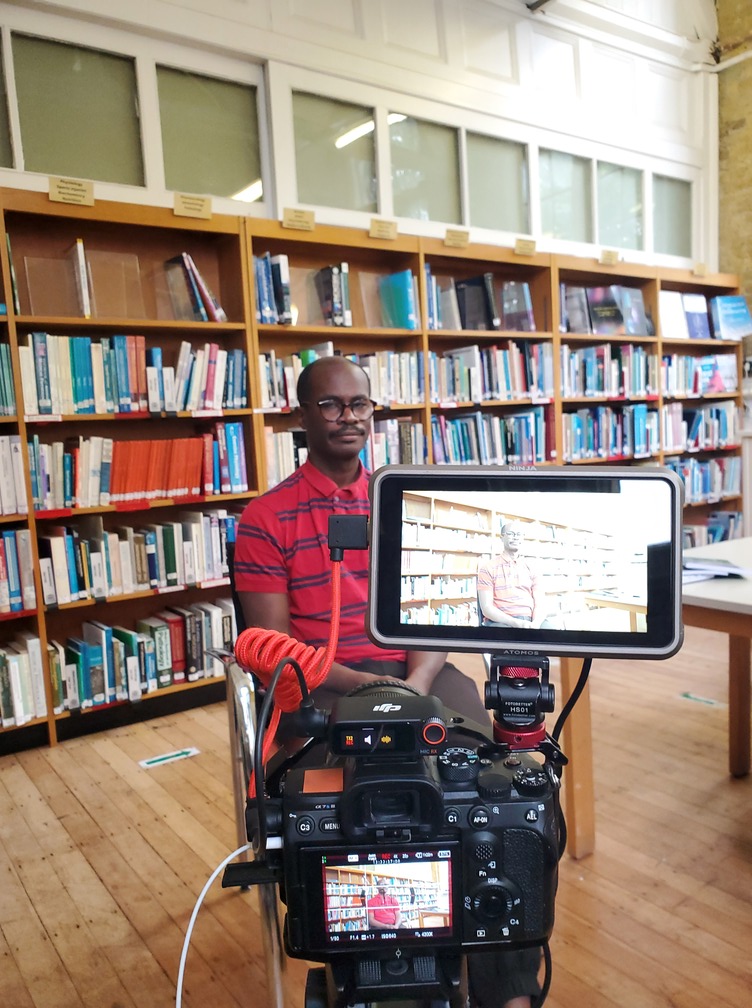
Today I had the opportunity to be interviewed for the Specsavers Carers Hub, a platform that shares real stories, advice, and support for those who dedicate their lives to caring. It was a chance to reflect not only on my role as a carer but also on the deeper themes of healing, connection, and creativity that shape my journey.
Telling My Story

As someone with lived experience of caring for my mother and brothers, I know first-hand how demanding and emotional the role of an unpaid carer can be. I shared their story through my words and memories.
Speaking on camera about my caring role reminded me why visibility matters. Carers often go unseen, yet carer voices hold the power to inspire change, raise awareness, and remind others that they are not alone.
The Importance of Self-Healing
One of the most important parts of my journey has been recognising the need for self-care and self-healing. Carers often put the needs of others before their own, but to continue supporting loved ones, we must nurture our own wellbeing. Whether through reflection, community, or creative outlets, finding ways to heal is not selfish.
Connecting with Carers
During the interview, I spoke about the importance of connection. Meeting other carers, whether through groups, campaigns from Carers UK, or online spaces, brings a sense of solidarity. I wont say much about the interview, you will need to watch the video when it is released.
The Power of Poetry and Words
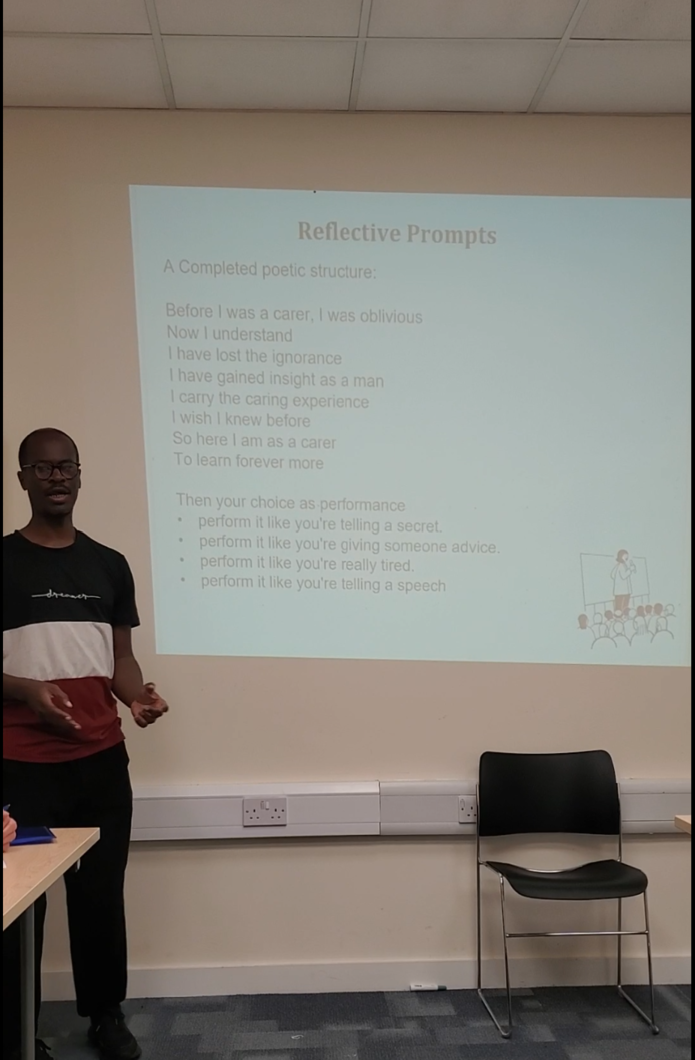
For me, poetry has always been a form of healing. Writing and performing allows me to give shape to emotions that are often hard to express. In the beginning of my caring journey, words were painful, but after a while words can be medicine they can validate, soothe, and inspire both writer and listener.
A Special Thanks to Specsavers
I couldn’t end without mentioning the role my Specsavers glasses played in my journey. Whether it’s writing late into the night, reading the works that inspire me, or standing up to perform poetry, my glasses have been an essential tool.
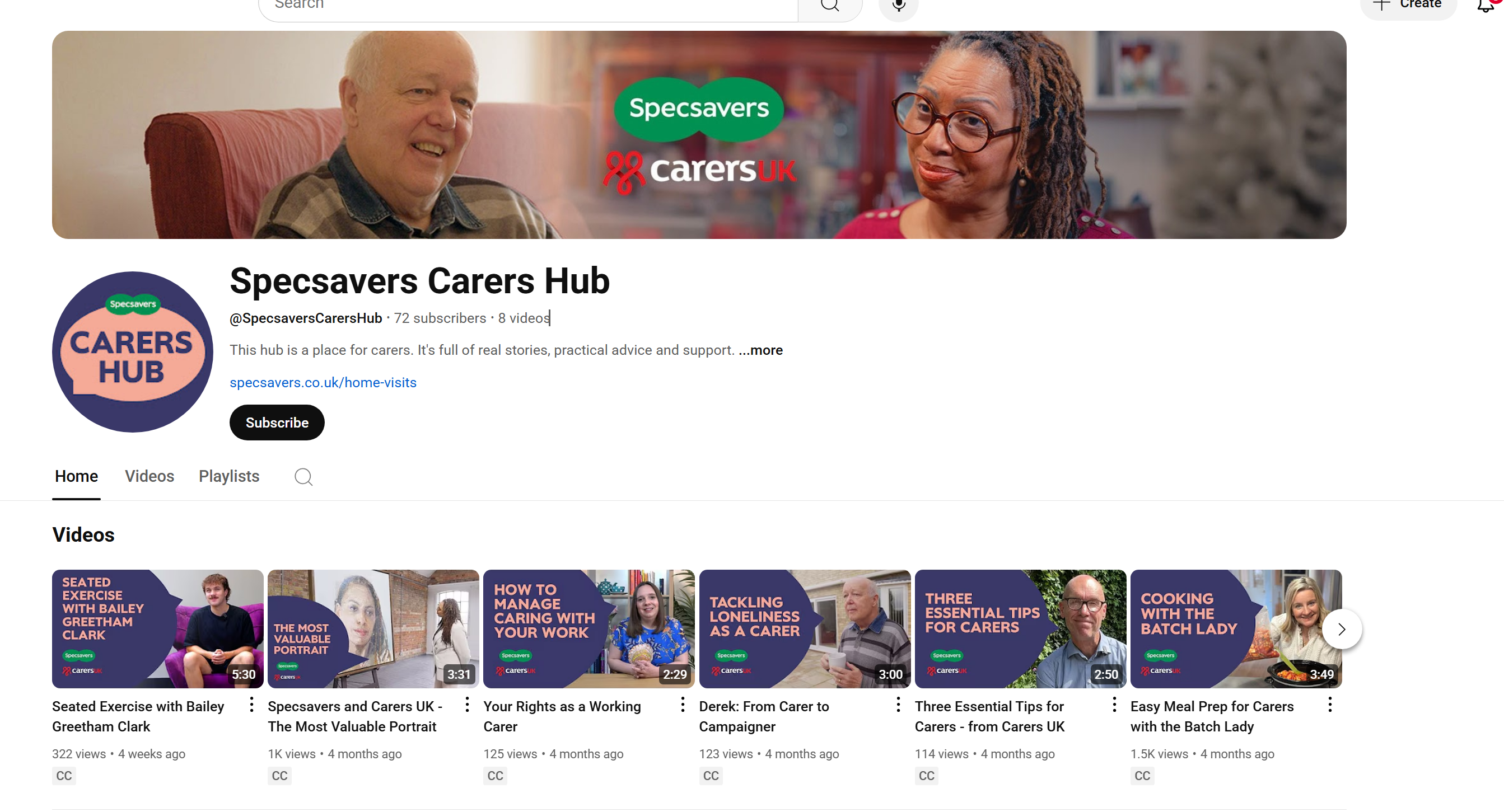
To check out previous carer stories, please viset the Specsavers Carers Hub below.
https://www.youtube.com/@SpecsaversCarersHub
Keep an eye out for the latest set of videos from Specsavers Carers hub
 A Caring Mind