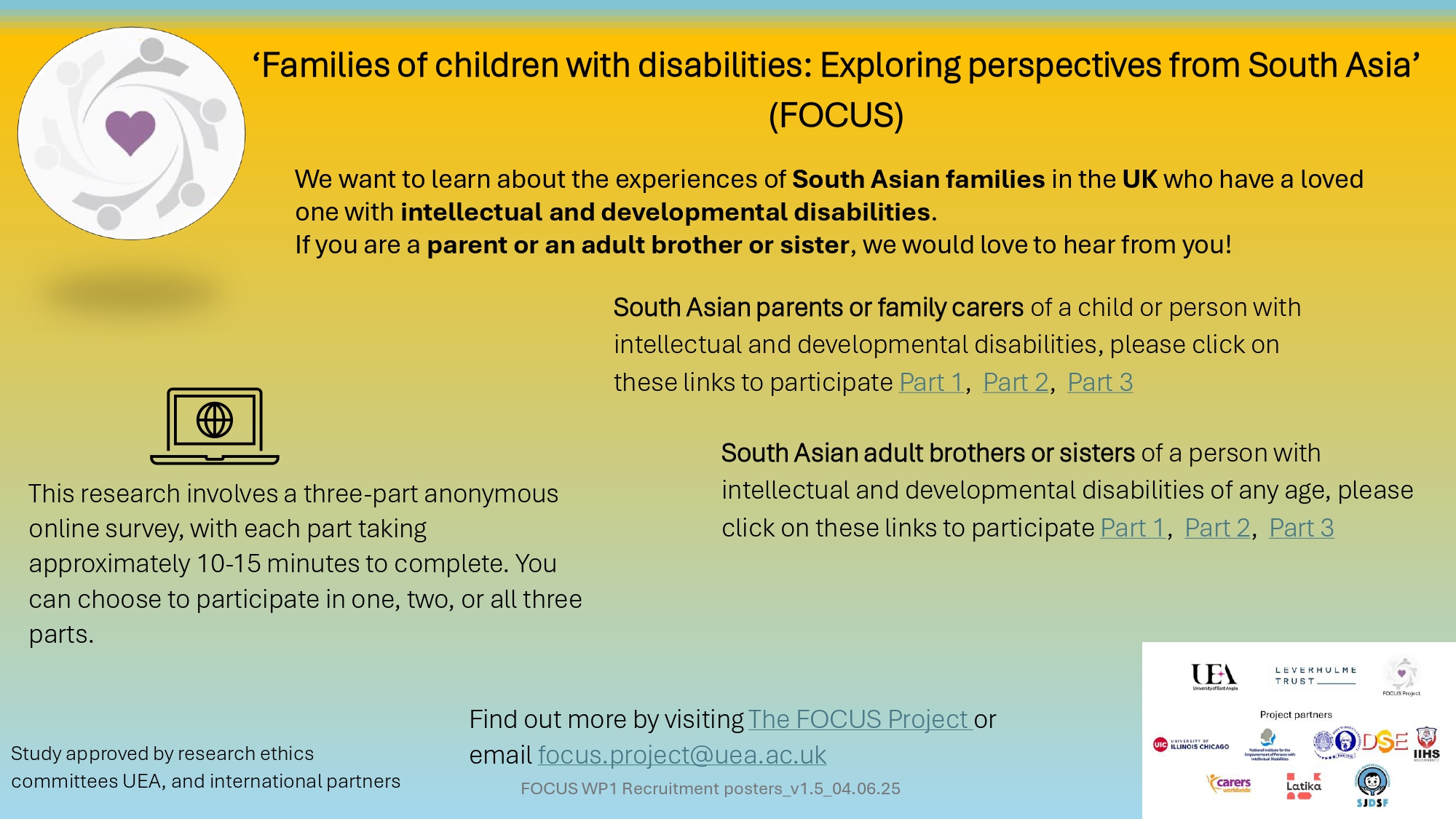
The FOCUS Project, an international research study exploring the experiences of South Asian families who have a family member with intellectual and developmental disabilities.
Researchers are seeking to hear from:
South Asian parents and family carers
Adult brothers and sisters of people with intellectual and developmental disabilities
Professionals who work with South Asian families and children with disabilities
Families interested in sharing their experiences through surveys and discussion groups
The study aims to improve understanding of the challenges, strengths, and support needs of South Asian families, helping to inform future services and policies.
Ways to Get Involved
Work Package 1 – Family Survey Take part in an anonymous online survey exploring family experiences. Each section takes approximately 10–15 minutes, and participants can complete one, two, or all three parts.
Work Package 2 – Professional Survey Professionals working with children and young people with intellectual and developmental disabilities from South Asian backgrounds are invited to share their views on family-oriented partnership practices.
Work Package 3 – Online Discussion Groups South Asian parents and adult siblings are invited to join a small online discussion group lasting around one hour to share their experiences in more depth.
Your Voice Matters
Every family’s experience is unique. By taking part, you can help researchers better understand the realities of caring for a loved one with intellectual and developmental disabilities and contribute to improving support for future generations.
For more information about the FOCUS Project, please visit the study website or contact the research team at focus.project@uea.ac.uk.
To hear more about the project, they will present at my National ethnic mental health carers forum for the 26th of June. Book via my forum page.
Written by Matthew McKenzie, Speaker, Carer, Campaigner and Poet
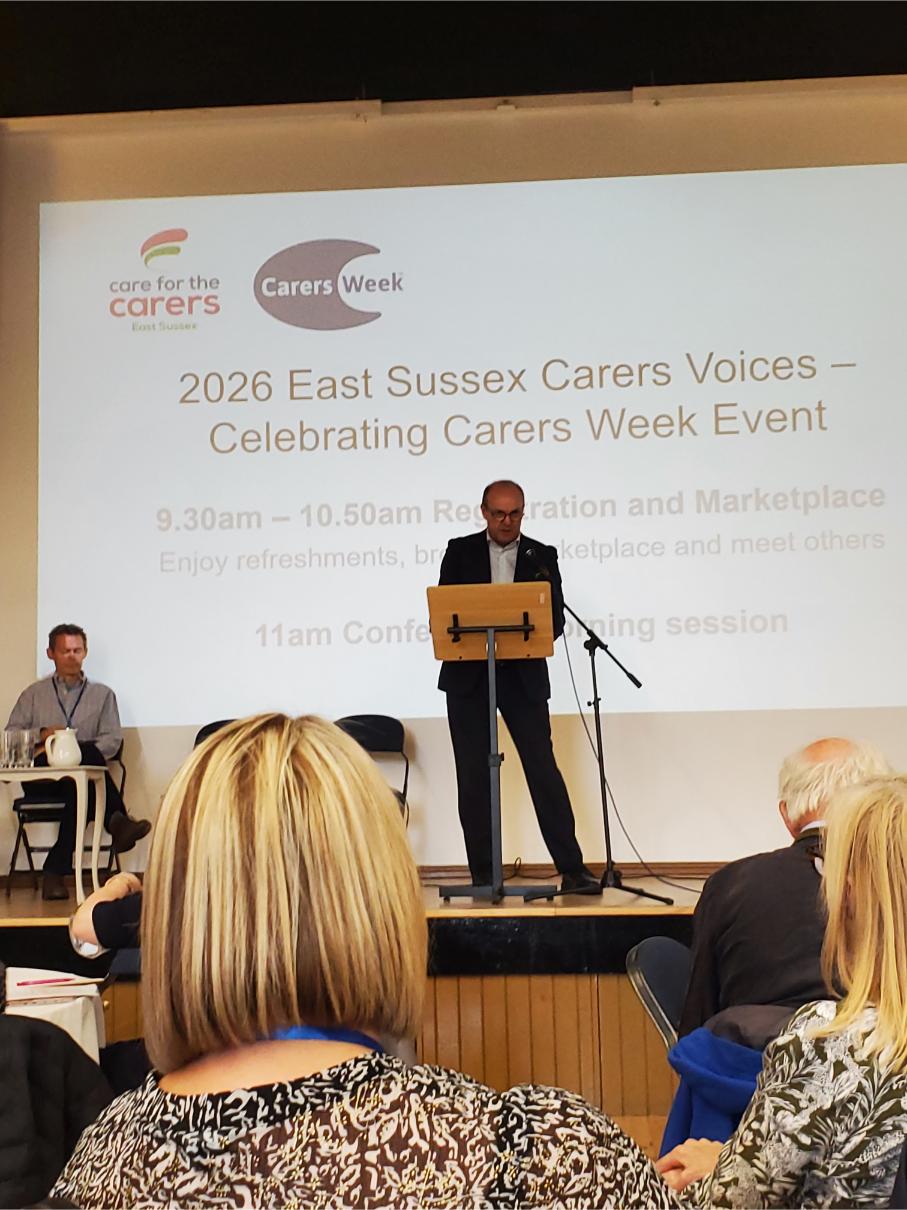
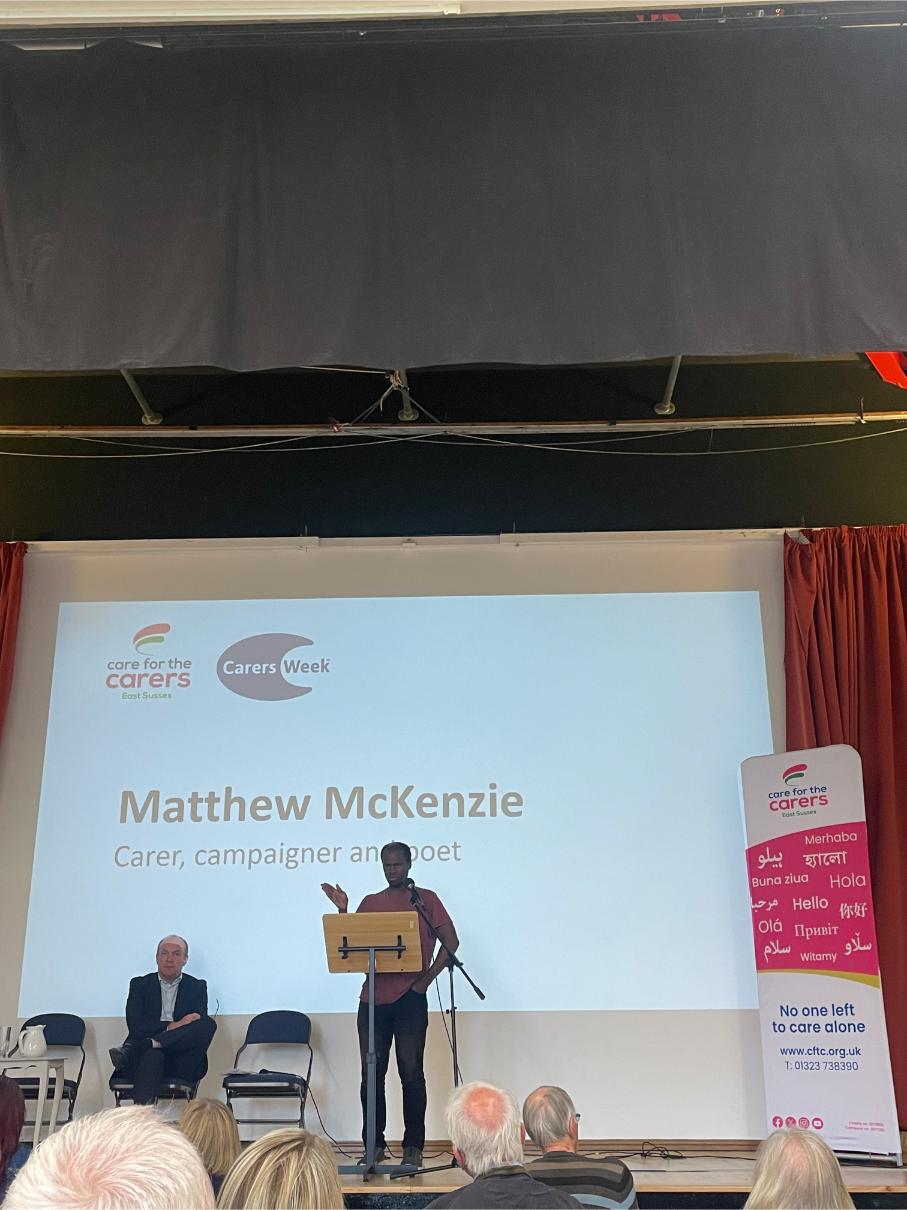
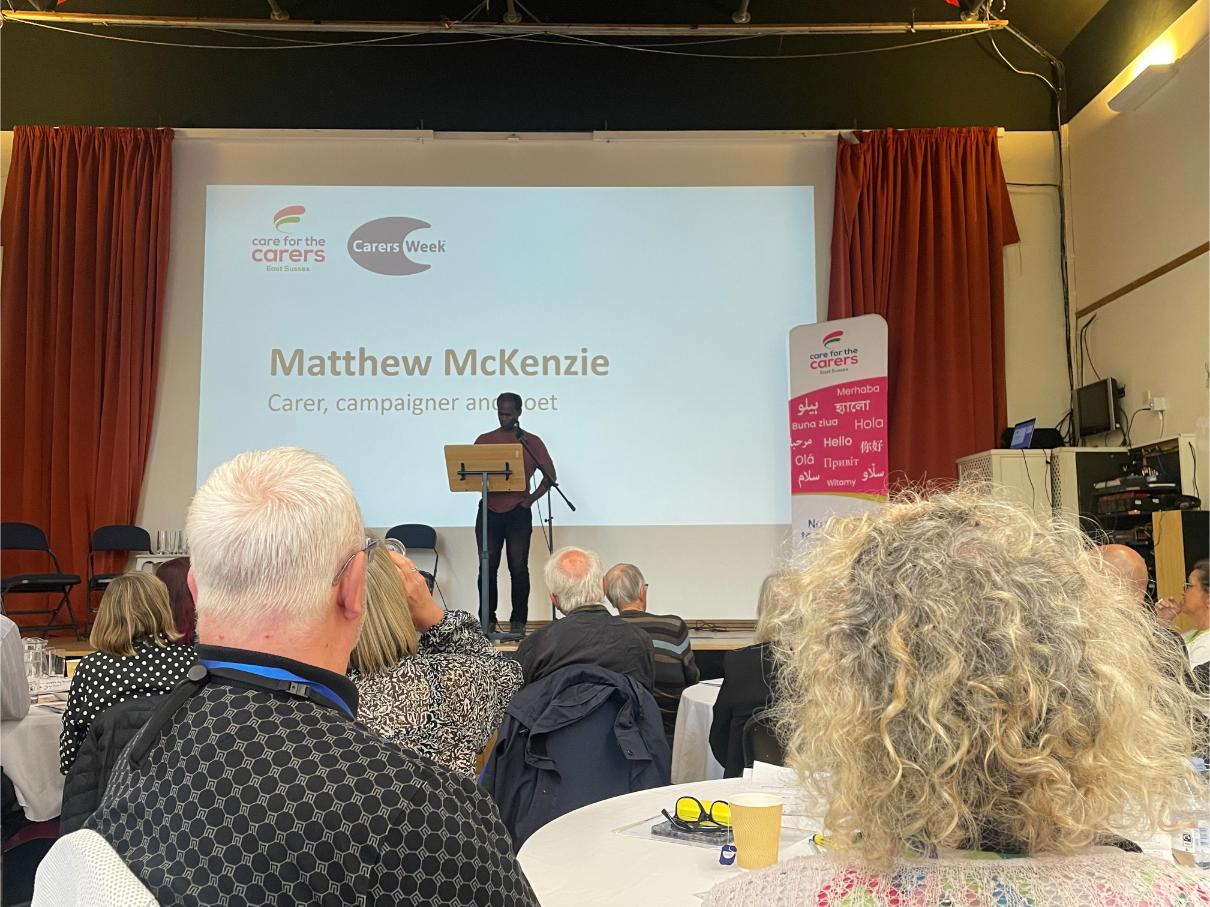
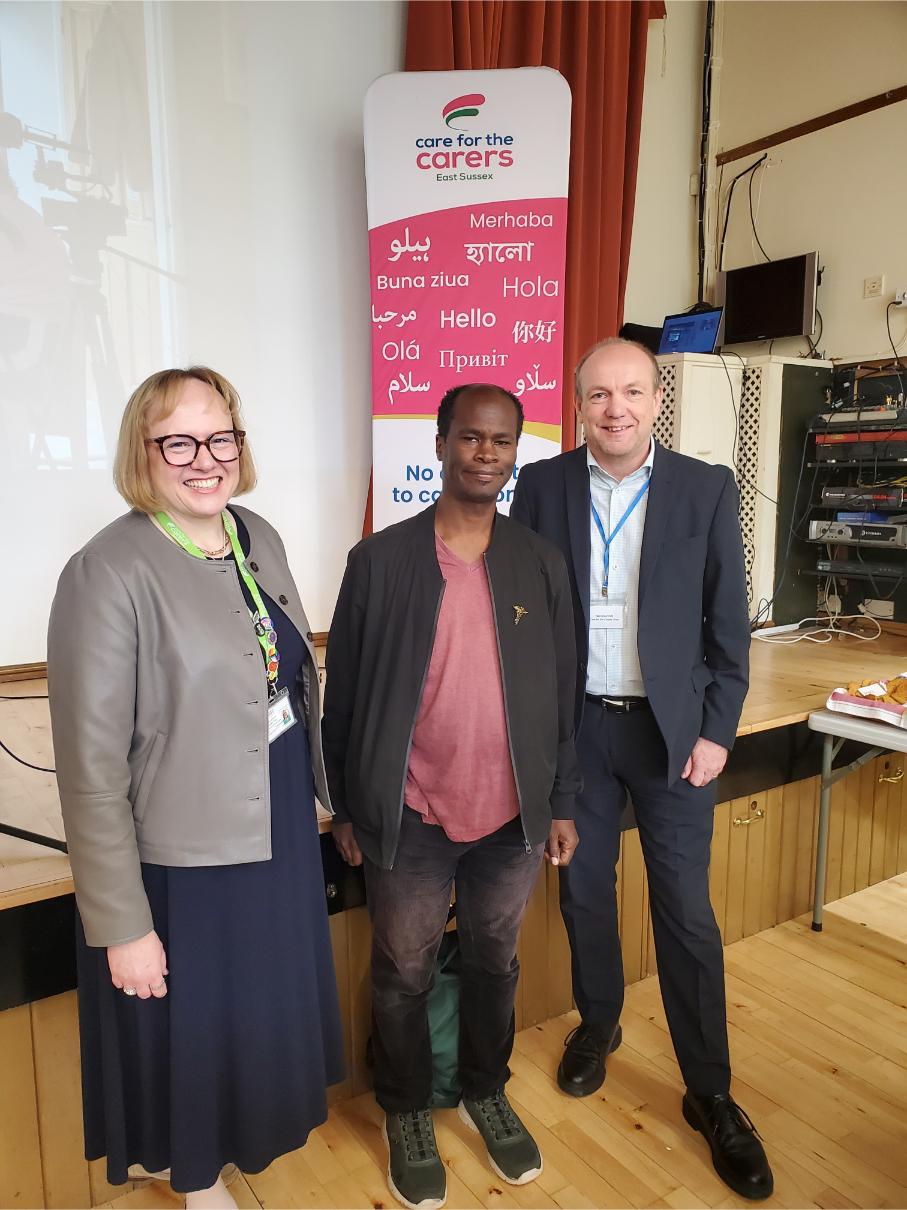
As part of Carers Week 2026, I had the privilege of travelling to East Dean in East Sussex to speak at the East Sussex Carers Voices – Celebrating Carers Week Event, organised by Care for the Carers. The event brought together unpaid carers, carers’ organisations, NHS representatives, local authority leaders, health professionals, community groups and carers from across East Sussex to discuss the realities of caring and identify ways to improve support for unpaid carers.
The event was hosted by Dr Neil Churchill, Chair of Care for the Carers, who guided the day’s discussions and emphasised the vital role carers play in society. Throughout the day, carers shared their personal stories, experiences and recommendations directly with decision-makers and service providers.
This blog post provides an overview of the key themes, speakers and discussions for those who were unable to attend.
Opening Remarks – Dr Neil Churchill
Dr Neil Churchill opened the event by welcoming attendees and recognising the significant contribution unpaid carers make to families, communities and public services.
He highlighted several key challenges currently facing carers:
• Rising financial pressures and cost-of-living concerns. • The growing number of carers leaving employment due to caring responsibilities. • Increased risks of poor physical and mental health among carers. • Social isolation and loneliness experienced by many carers. • Growing concerns around carer burnout.
Dr Churchill stressed that the country depends heavily on unpaid carers and that health and social care systems would struggle to function without them. He also spoke about the importance of moving towards a model where carers are treated as equal partners in care rather than simply being expected to cope alone.
A key message from his introduction was that carers should not be left to navigate fragmented services by themselves. Instead, health, social care and voluntary sector organisations must work together more effectively to recognise, support and value carers.
Carer Stories and Lived Experience
One of the most powerful aspects of the event was hearing directly from carers themselves.
Miles Bing – Caring Through Dementia
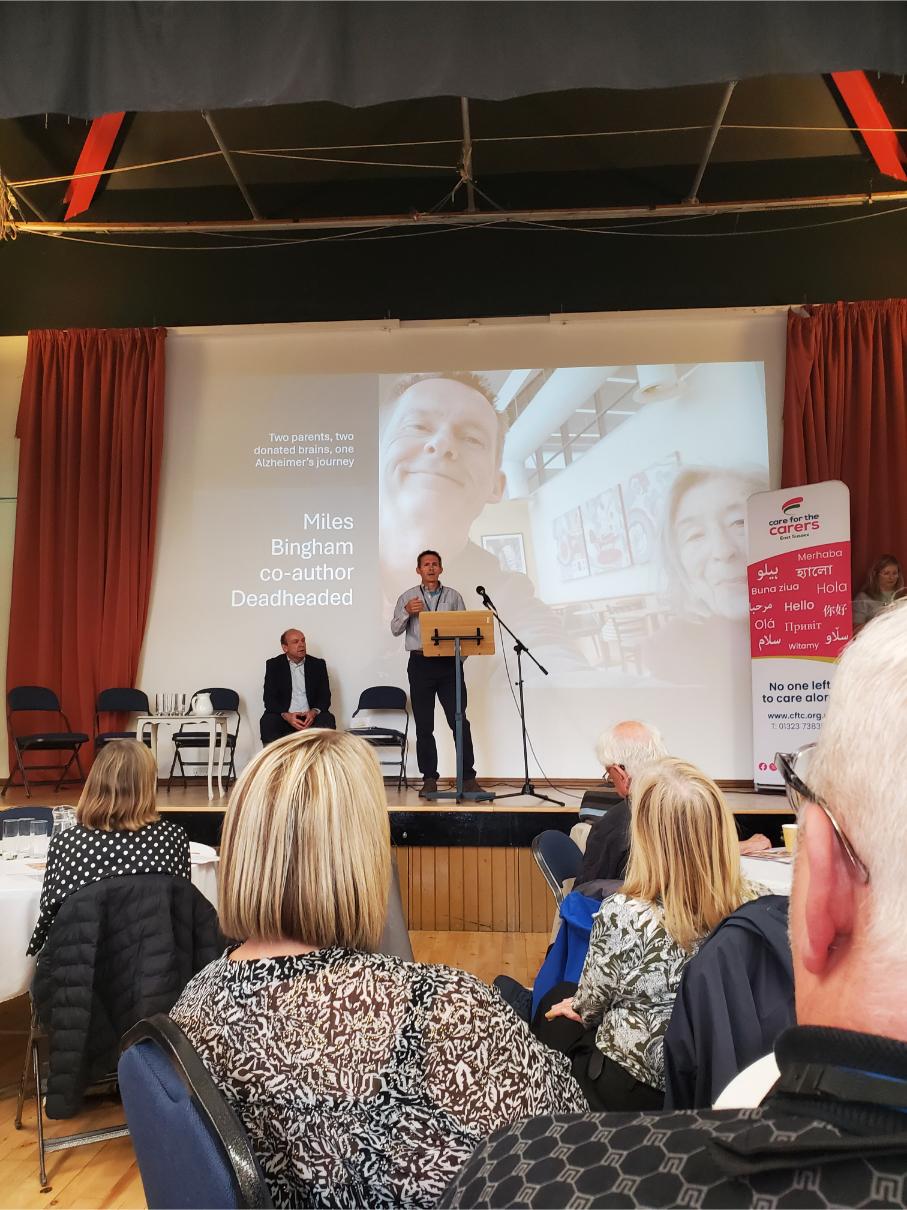
The first speaker was Miles Bing, author of “Deadheaded: An Alzheimer’s Memoir by Mother and Son”.
Miles shared his family’s experience of supporting both of his parents through Alzheimer’s disease. His presentation explored the emotional impact of caring at a distance, the guilt often experienced by family members who live far away, and the difficulties of coordinating support across multiple services.
He spoke about:
• The long-term impact of dementia on families. • The challenges of accessing services in rural areas. • The lack of coordination between health and social care systems. • The practical and emotional burden placed on carers.
Many attendees identified strongly with his comments regarding the need for carers to act as coordinators between multiple organisations that often fail to communicate effectively with one another.
Young Carers – Julia and Elsie
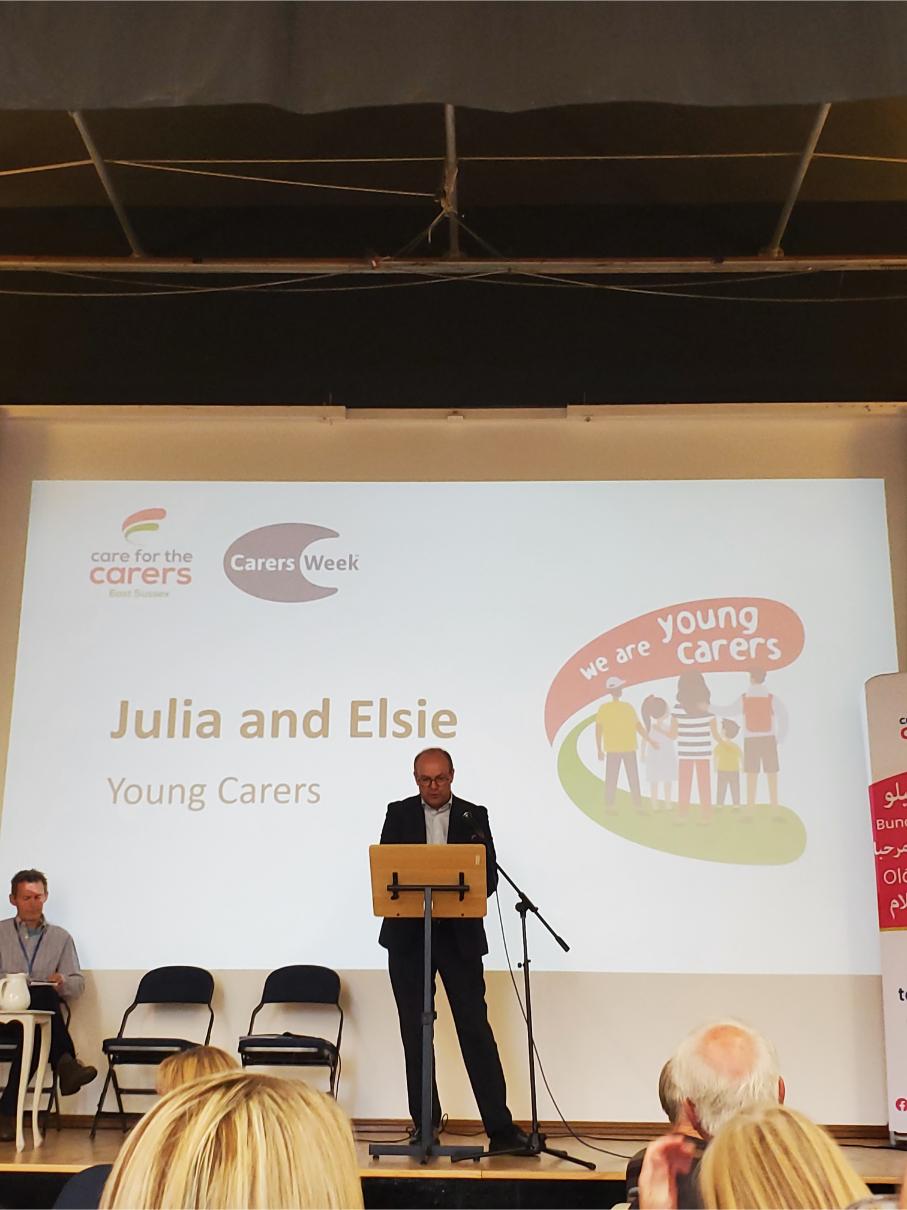
The audience then heard from young carers Julia and Elsie, whose presentations left a lasting impression on everyone in the room.
Both spoke honestly about growing up while caring for family members with complex needs. They described responsibilities that included supporting parents during health crises, helping siblings with disabilities and managing situations involving emergency services.
Their stories demonstrated:
• The hidden nature of young caring responsibilities. • The emotional impact caring can have on children and young people. • The importance of early intervention and support. • The value of dedicated young carers services.
Perhaps most importantly, they highlighted that while caring can build resilience, no child should have to face these responsibilities without support.
The standing ovation they received reflected the courage and honesty with which they shared their experiences.
Round Table Discussions
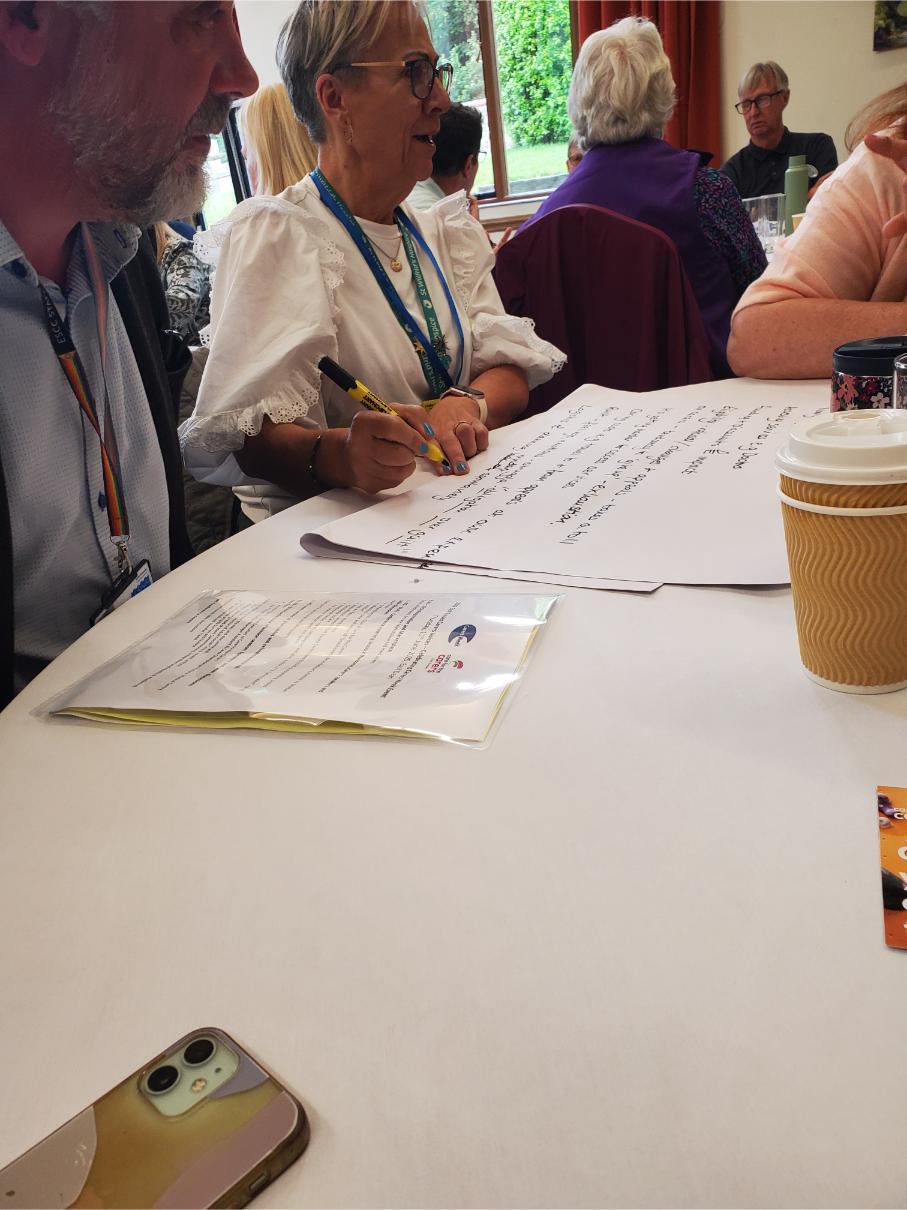
Following the morning speakers, attendees participated in facilitated round table discussions.
These conversations focused on:
• The biggest issues facing carers over the next six months. • Practical actions that could help carers in their caring role. • Barriers to accessing support. • Positive examples of support that should be expanded.
Several common themes emerged from these discussions:
Earlier Identification
Many carers reported not being recognised as carers until they had reached crisis point. Participants called for earlier identification within GP surgeries, hospitals and community services.
Access to Information
Attendees highlighted how difficult it can be to find accurate and timely information about available support.
Financial Pressures
Many carers discussed the financial impact of caring, including reduced employment opportunities and increasing household costs.
Mental Health and Wellbeing
Carers spoke about the emotional strain of caring and the importance of counselling, respite and peer support services.
Speaker sessions resumes
Diverse Communities and Caring
A particularly thought-provoking presentation was delivered by Manal Ahmed, who supports carers from ethnically diverse and refugee communities.
She discussed additional challenges experienced by carers from minority communities, including:
• Language barriers. • Cultural differences. • Social isolation. • Displacement trauma. • Immigration-related issues. • Financial and emotional dependency.
Manal explained that many carers experience multiple layers of disadvantage and that support services must be culturally aware and accessible to everyone.
She also highlighted positive examples of community-building activities that help carers connect with one another and reduce isolation.
Her presentation reinforced the importance of ensuring that no carer is excluded from support because of their background, language or circumstances.
My Presentation – A Carer’s Journey
I was invited to speak about my own experiences as a young carer and later as an adult carer supporting family members with autism and serious mental illness.
One of the key messages I shared was that many carers do not initially recognise themselves as carers. Like many people, I simply viewed what I was doing as helping my family.
However, over time I found myself:
• Coordinating care. • Supporting hospital admissions and discharges. • Managing appointments. • Advocating with professionals. • Navigating complex systems. • Supporting multiple family members simultaneously.
I spoke about how difficult it can be when carers are not listened to or involved in important decisions.
I also highlighted the importance of recognising carers as equal partners in care and ensuring that professionals understand the expertise carers develop through lived experience.
One of the central themes of my presentation was carers’ rights.
I encouraged carers to:
• Identify themselves as carers. • Seek support from local carers organisations. • Request carers assessments. • Learn about their rights. • Participate in co-production and service improvement. • Share their experiences to help reduce stigma.
To conclude, I performed my poem “It’s My Right”, which focuses on the rights every carer should expect to receive, including recognition, respect, involvement, information and support.
Afternoon Reflections and Future Priorities
The afternoon session included reflections from senior leaders from Care for the Carers, East Sussex County Council and NHS Sussex.
Discussions focused on:
• Improving identification of carers. • Supporting carers before crises occur. • Encouraging carers to access support services. • Learning from positive experiences of care. • Strengthening partnerships between carers and professionals.
Representatives acknowledged the crucial role carers play and listened to feedback gathered throughout the day.
Many carers expressed concerns about navigating systems that can often feel complicated and difficult to access. There was broad agreement that services should be simpler, more joined-up and more responsive to carers’ needs.
Key Messages from the Day
Several important messages emerged consistently throughout the event:
Carers Need Recognition
Many carers remain hidden and unidentified. Earlier recognition can lead to earlier support.
Carers Need Practical Support
Information, respite, emotional support and financial advice remain essential.
Carers Must Be Involved
Carers are experts in the lives of the people they support and should be treated as partners in care.
Young Carers Need Protection
Children and young people with caring responsibilities require dedicated support and opportunities to thrive.
Communities Matter
Strong local networks can help reduce isolation and improve wellbeing.
Prevention Is Better Than Crisis Management
Supporting carers early can prevent breakdowns in caring arrangements and reduce pressure on services.
Conclusion
The East Sussex Carers Voices Event was an excellent example of what can happen when carers, professionals and decision-makers come together to listen, learn and work collaboratively.
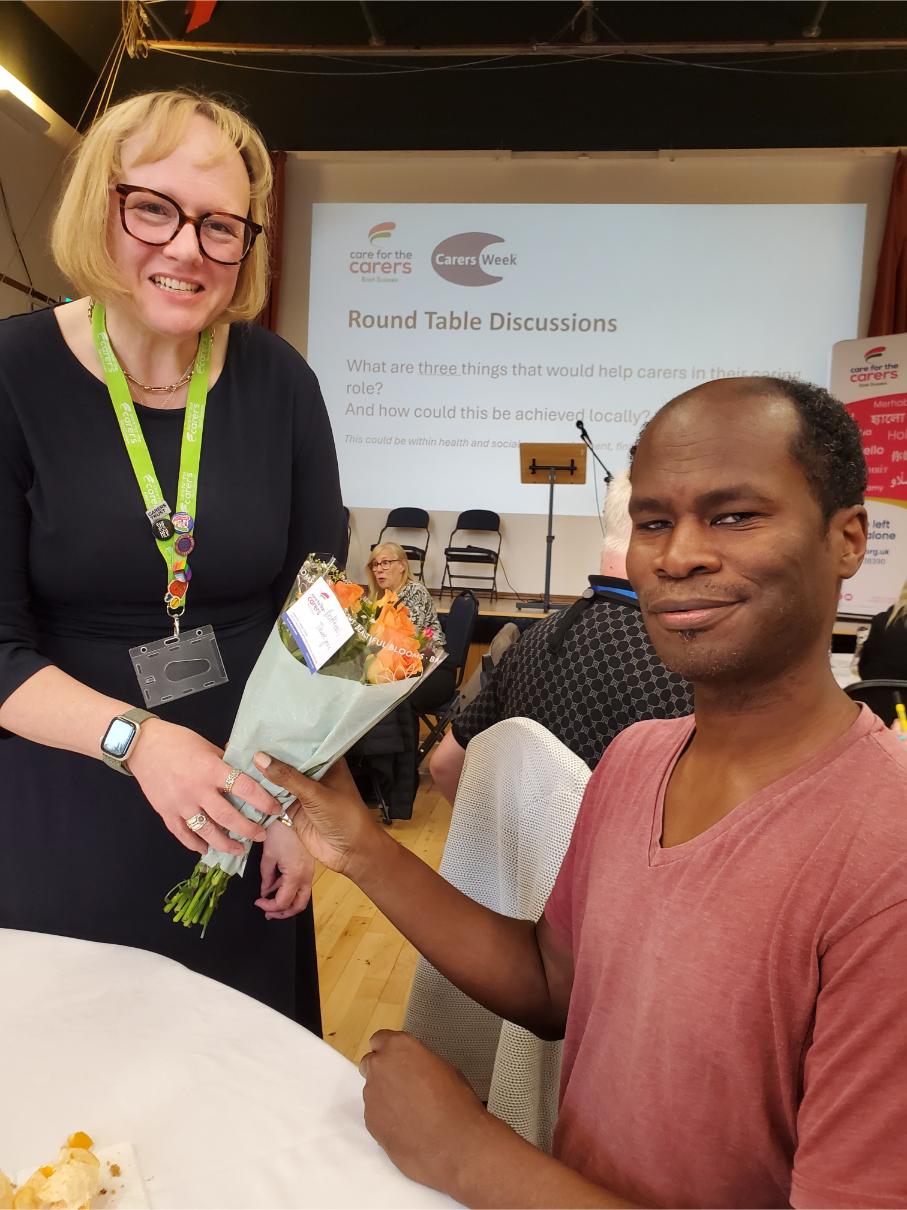
Throughout the day, carers shared powerful stories of resilience, commitment and compassion. They also spoke honestly about the challenges they face and the changes they want to see. I also recognised Agi who does lots of work raising carer awareness in Sussex, she recently spoke at my national ethnic mental health carers forum. So it was great to see her there.
Dr Neil Churchill’s leadership as host helped create an environment where carers felt able to speak openly and where decision-makers could hear directly from those with lived experience.
As Carers Week 2026 comes to a close, the challenge now is to turn these conversations into meaningful action. Carers should not have to struggle to be recognised, supported or heard.
The event demonstrated that when carers’ voices are placed at the centre of discussions, better solutions can emerge for everyone.
Thank you to Care for the Carers, all speakers, volunteers, professionals and carers who contributed to such a valuable and inspiring day.
Understanding Learning Disability Week: A Time to See, Value, and Empower
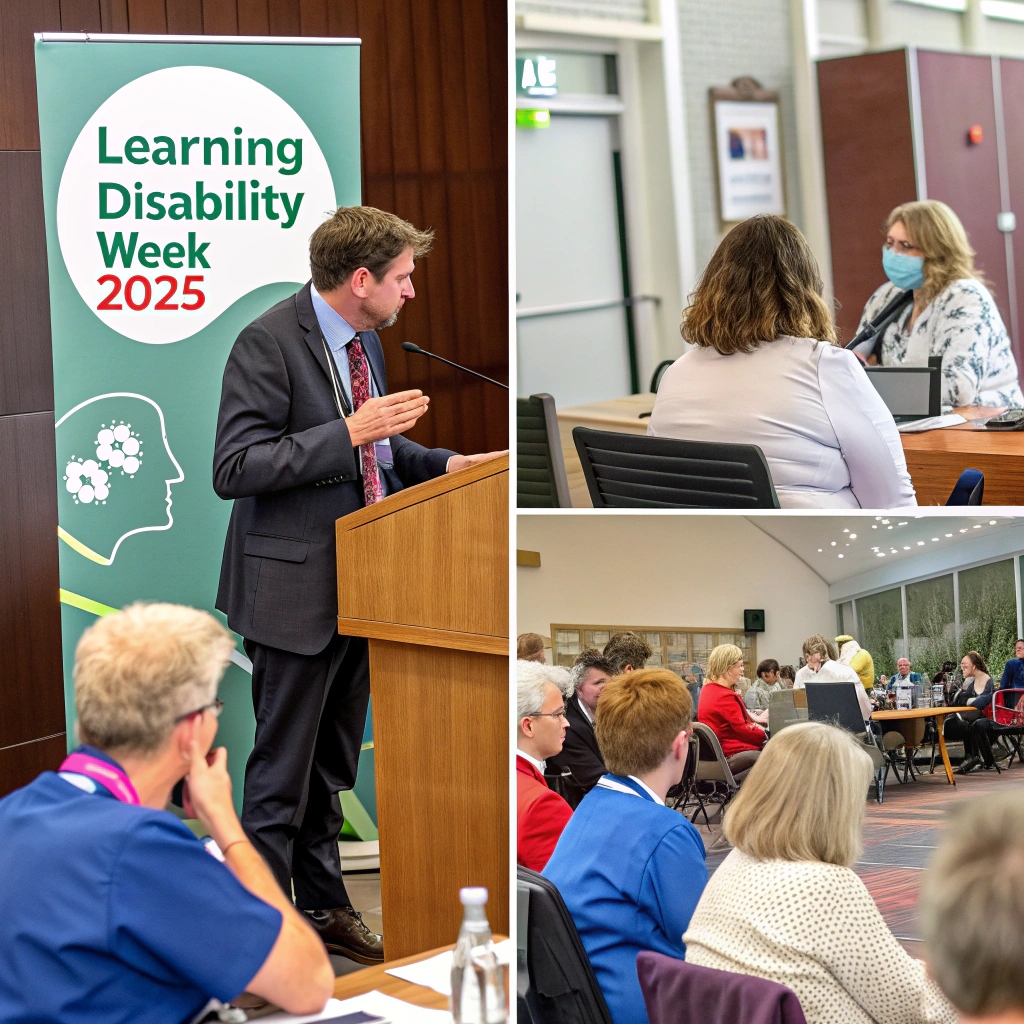
Learning Disability Week is an annual event dedicated to raising awareness, promoting understanding, and challenging the stigma surrounding learning disabilities. Each year, this important week brings together individuals, families, carers, organizations, and communities to celebrate the achievements of people with learning disabilities and to advocate for a more inclusive society. The 2025 theme, “Do You See Me?”, calls on everyone to look beyond labels and truly recognize the unique individuals behind them, as well as the invaluable contributions of those who support them.
Before continuing reading my blog, you can watch the video version below
The Importance of Learning Disability Week
I feel Learning Disability week is a time to reflect on the progress made, the challenges that remain, and the collective responsibility we all share in creating a society where everyone is seen, heard, and valued. The week is proudly led by Mencap, a national charity at the forefront of learning disability advocacy, providing resources, easy-read guides, and campaigning materials to help spread the message far and wide.
Mencap works in partnership with local authorities, NHS trusts, and other charities such as Choice Support, Kids, Brandon Trust, and KeyRing. The campaign is also championed in the media by organizations like The Big Issue and supported by community groups, carers, and arts organizations. This collaborative approach ensures that the message of inclusion and empowerment reaches as many people as possible.
The Theme: “Do You See Me?”
Looking Beyond the Label
The 2025 theme, “Do You See Me?”, is a powerful call to action. It asks us to look beyond the diagnosis or label of “learning disability” and to see the person—their talents, ambitions, and unique voice. People with learning disabilities are artists, colleagues, friends, athletes, and advocates. They are individuals with dreams, skills, and stories to share.
Too often, society focuses on what people with learning disabilities cannot do, rather than celebrating what they can achieve. This year’s theme challenges us to change that narrative. It’s about recognizing the whole person and valuing their contributions in every aspect of life.
Recognizing Unpaid Carers
Behind many individuals with learning disabilities are unpaid carers being parents, siblings, young carers, friends, and loved ones—who provide essential support, often with little recognition. These carers play a vital role in the lives of those they support, helping them to navigate daily challenges, access services, and pursue their goals. Learning Disability Week is also a time to acknowledge and celebrate the dedication and resilience of these carers.
The Aims of Learning Disability Week
Celebrating Achievements
One of the central aims of Learning Disability Week is to celebrate the achievements of people with learning disabilities. Whether it’s excelling in the arts, sports, advocacy, or everyday life, these accomplishments deserve to be recognized and applauded. By sharing success stories, we can inspire others and challenge stereotypes.
Raising Awareness of Challenges
While there is much to celebrate, it’s also important to acknowledge the challenges that people with learning disabilities face. These can include barriers to education, employment, healthcare, and social inclusion. Learning Disability Week provides a platform to highlight these issues, share lived experiences, and advocate for change.
Sharing Good Practice and Improving Services
Learning Disability Week is an opportunity to share examples of good practice and to learn from one another. By highlighting innovative approaches and successful initiatives, we can help improve services and support for people with learning disabilities. This collaborative spirit is essential for driving progress and ensuring that everyone has the opportunity to thrive.
Campaigning for Equality and Inclusion
At its core, Learning Disability Week is about campaigning for equality and inclusion. It’s about challenging discrimination, breaking down barriers, and creating a society where everyone is treated with dignity and respect. This requires ongoing advocacy, partnership working, and a commitment to listening to the voices of people with learning disabilities and their carers.
The Power of Creativity and Self-Expression
Art as a Tool for Empowerment
Art and creativity play a vital role in self-expression, particularly for individuals with learning disabilities. Through painting, music, dance, storytelling, and poetry, people can communicate their thoughts, feelings, and experiences in powerful ways. Creative activities provide a platform for individuals to tell their stories, build confidence, and connect with others.
For many, art is not just a hobby, it’s a means of empowered communication. It allows people to express themselves on their own terms, to challenge stereotypes, and to showcase their talents. Arts organizations and community groups play a crucial role in providing opportunities for creative expression and in promoting the work of artists with learning disabilities.
Poetry and Storytelling
Poetry and storytelling are particularly powerful forms of self-expression. They allow individuals to explore themes that are important to them, to share their experiences, and to connect with others on a deep and personal level. By encouraging and supporting creative expression, we can help people with learning disabilities to find their voice and to be heard.
How to Get Involved
Celebrate Achievements
Take time during Learning Disability Week to celebrate the achievements of people with learning disabilities. Share stories, highlight successes, and recognize the contributions that individuals make to their families, communities, and society as a whole.
Share Resources and Raise Awareness
Use your voice and your platform to share resources, raise awareness, and challenge stigma. Whether it’s through social media, community events, or conversations with friends and colleagues, every action counts. Mencap and other organizations provide a wealth of resources, including easy-read guides and campaign materials, to help you get started.
Support Campaigns for Better Services
Support campaigns that advocate for better healthcare, education, and social services for people with learning disabilities. Organizations like Mencap and NHS trusts are working hard to raise awareness and improve services, but they need the support of the wider community to drive change.
Donate and Volunteer
If you are able, consider donating to organizations that support people with learning disabilities and their carers. Your contribution can help fund vital services, advocacy, and creative projects. Volunteering your time and skills is another valuable way to make a difference.
Attend Events and Webinars
Many local authorities, charities, and community groups organize events and webinars during Learning Disability Week. These provide opportunities to learn more, connect with others, and get involved in the campaign. Check out local listings and online resources to find events in your area.
Continue the Conversation
Learning Disability Week may only last for seven days, but the need for awareness, advocacy, and inclusion is ongoing. Even if you discover the campaign after the official week has ended, you can still play a part in celebrating the contributions of people with learning disabilities and supporting their rights.
The Role of Community and Collaboration
Working Together for Change
Creating a more inclusive society requires collaboration. Local authorities, NHS trusts, charities, community groups, carers, and individuals all have a role to play. By working together, sharing knowledge, and supporting one another, we can drive meaningful change.
The Importance of Visibility
Visibility is key to challenging stigma and promoting inclusion. When people with learning disabilities are seen and heard when their stories are shared and their achievements celebrated it helps to break down barriers and change perceptions. The “Do You See Me?” theme is a reminder that everyone deserves to be recognized and valued.
The Ongoing Journey Toward Inclusion
Building a Society Where Everyone Belongs
Learning Disability Week is a milestone in the ongoing journey toward a more inclusive society. It’s a time to reflect on how far we’ve come, to celebrate progress, and to renew our commitment to equality and inclusion. But the work doesn’t end when the week is over. It’s up to all of us to continue advocating for change, supporting one another, and building a world where everyone belongs.
The Power of Advocacy
Advocacy is at the heart of Learning Disability Week. Whether you are a person with a learning disability, a carer, a professional, or an ally, your voice matters. By speaking out, sharing your experiences, and supporting campaigns, you can help to create a society where everyone is seen, heard, and valued.
Resources and Further Information
Where to Find Support and Get Involved
If you want to learn more about Learning Disability Week, get involved in campaigns, or access resources, there are many organizations that can help:
Here’s your version with links included for each of the main organisations — ready for web, LinkedIn, or video descriptions:
Community Groups and Arts Organisations: These groups including disability arts initiatives like DaDaFest and local community networks offer opportunities for creative expression and community involvement.
Check the official websites and social media channels of these organizations for the latest information, events, and resources.
Conclusion
Learning Disability Week is a powerful reminder of the importance of seeing, valuing, and empowering people with learning disabilities. It’s a time to celebrate achievements, raise awareness of challenges, and advocate for a more inclusive society. By supporting campaigns, sharing resources, and promoting creativity and self-expression, we can all play a part in building a world where everyone is seen, heard, and valued—not just during Learning Disability Week, but every day of the year.
Let’s continue to work together, challenge stigma, and create opportunities for everyone to shine. Happy Learning Disability Week 2025!
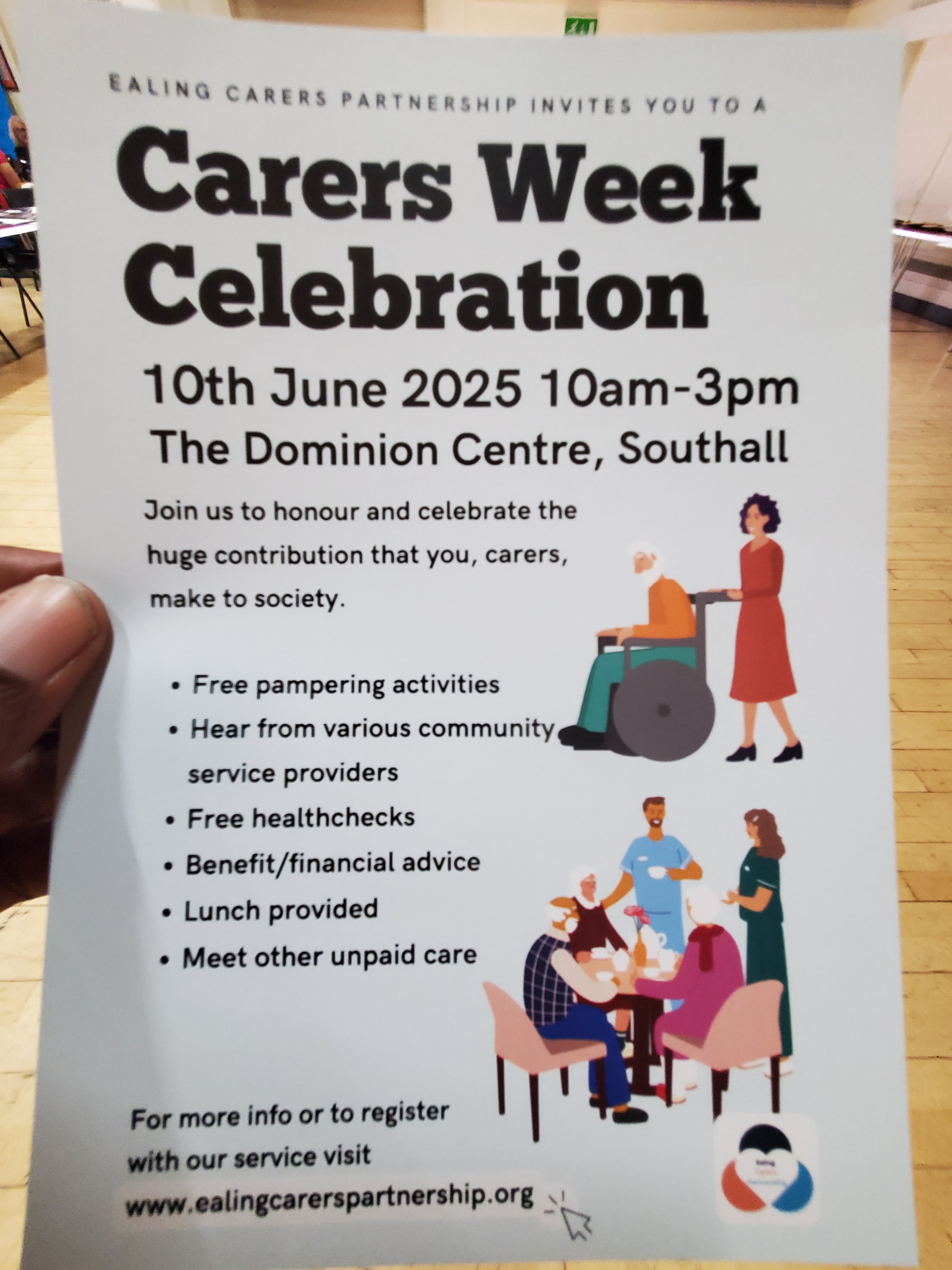
On Tuesday, 10th June 2025, the Dominion Centre in Southall hosted a vibrant and deeply informative Carers Week Celebration.
Organised by the Ealing Carers Partnership and supported by various local organisations, the event honoured unpaid carers with a day of connection, education, and appreciation.
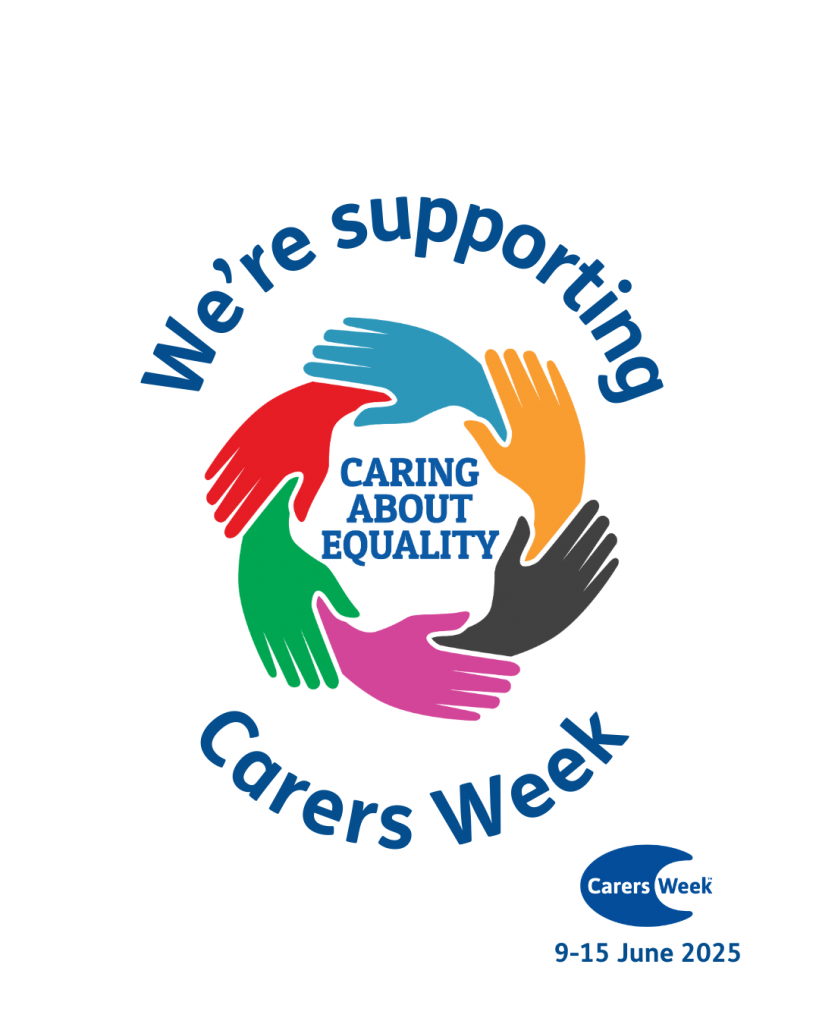
Carers Week 2025: Caring About Equality
This year’s theme, Caring About Equality, highlighted the challenges faced by unpaid carers, particularly those from marginalised communities and called for fair access to services, recognition, and support.
The event was a powerful reminder that equality means meeting people where they are and valuing every carer’s contribution.