By Matthew McKenzie FRSA BEM – Chair of the forum.
At our November forum, we heard how carers in Sussex took their findings to senior NHS leaders and secured a commitment to set up a working group. We also heard from Healthwatch Croydon about the future of independent patient and public feedback, and from Eleanor about an exhibition that asks what mental health care could look like if it were shaped by people who have struggled to get it.
We met on Friday 27 November. The forum is open to everyone, with a particular focus on the experiences of unpaid mental health carers from Black, Asian and other racialised communities. Thank you to everyone who joined us, especially those attending for the first time.
What can art tell us about mental health care?
Eleanor, who manages the North Central London Carers Support Project, opened the meeting. Her project connects unpaid carers with local support across Barnet, Camden, Enfield, Haringey and Islington. This time she came to share something she had experienced herself, a visit to Rudy Loewe’s exhibition Intimacies of Care – Spaces of Grief and Possibility at Wellcome Collection.
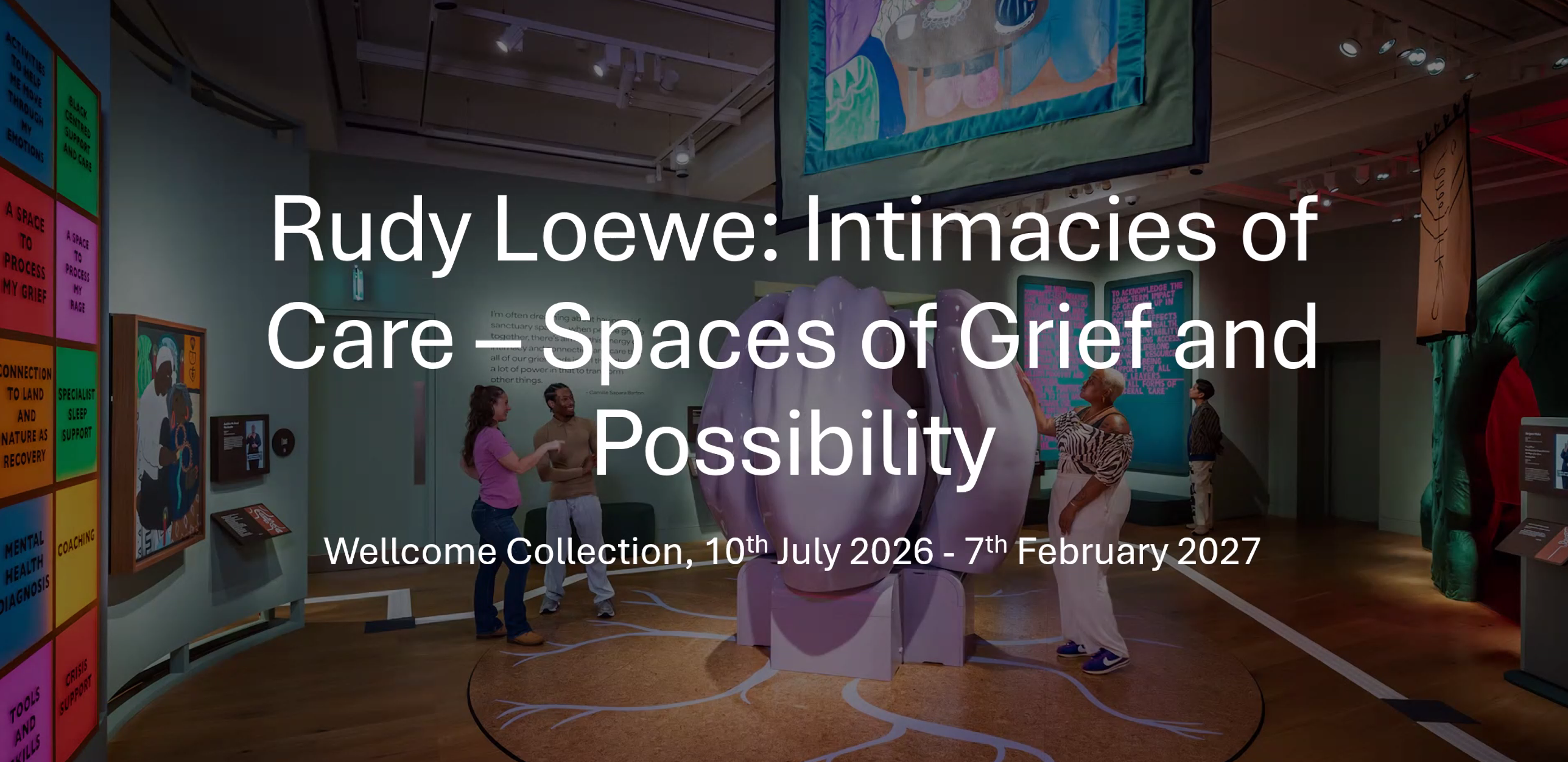
Eleanor described a double-sided light sculpture. One side reflects what people experienced when they sought mental health care. The other shows the care they wished for. There are tactile symbols visitors can touch, a place to pause and rest, and a sculpture you can put your ear close to and hear the voices of people who took part in the artist’s workshops. Another work draws on the Caribbean tradition of Nine Nights, when family and friends gather to mourn and remember someone who has died.
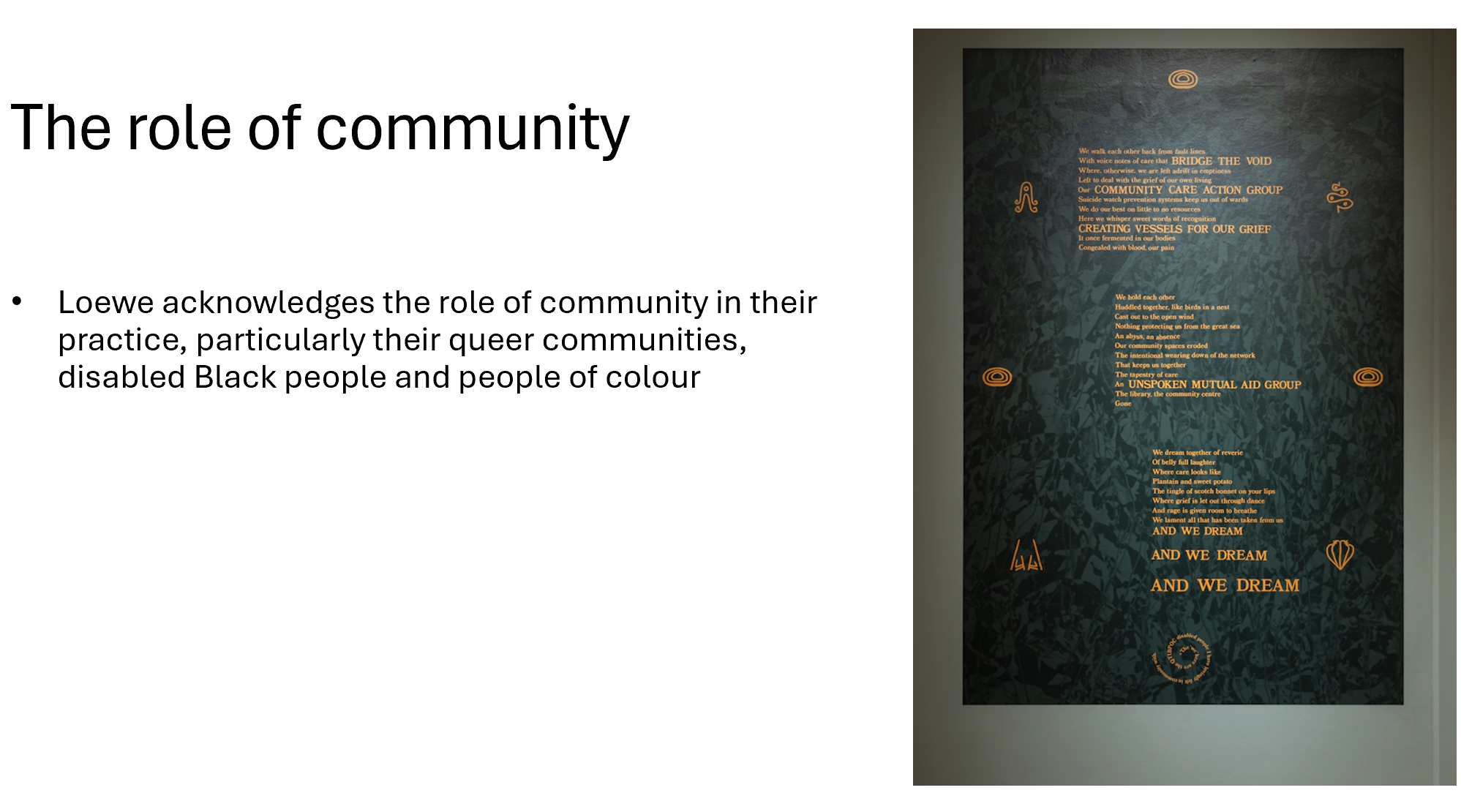
A carer told us that a group from Lewisham had already visited together. Another asked how older people who do not read English could experience the exhibition. That question widened the discussion. Who feels comfortable walking into a gallery in the first place? What can carers’ organisations do to make a visit possible? And could mental health teams use the exhibition to talk with families about racism, crisis care and what it feels like to ask for help?
I kept coming back to the two sides of that sculpture. If we asked families to describe the care they received during a mental health crisis, what would they put on one side? What would they wish for on the other? A service could ask families those same questions and use the answers to decide what to change.
The exhibition is free and runs at Wellcome Collection in Euston until 7 February 2027. View the exhibition and access information.
Fifteen national updates and what they mean for carers
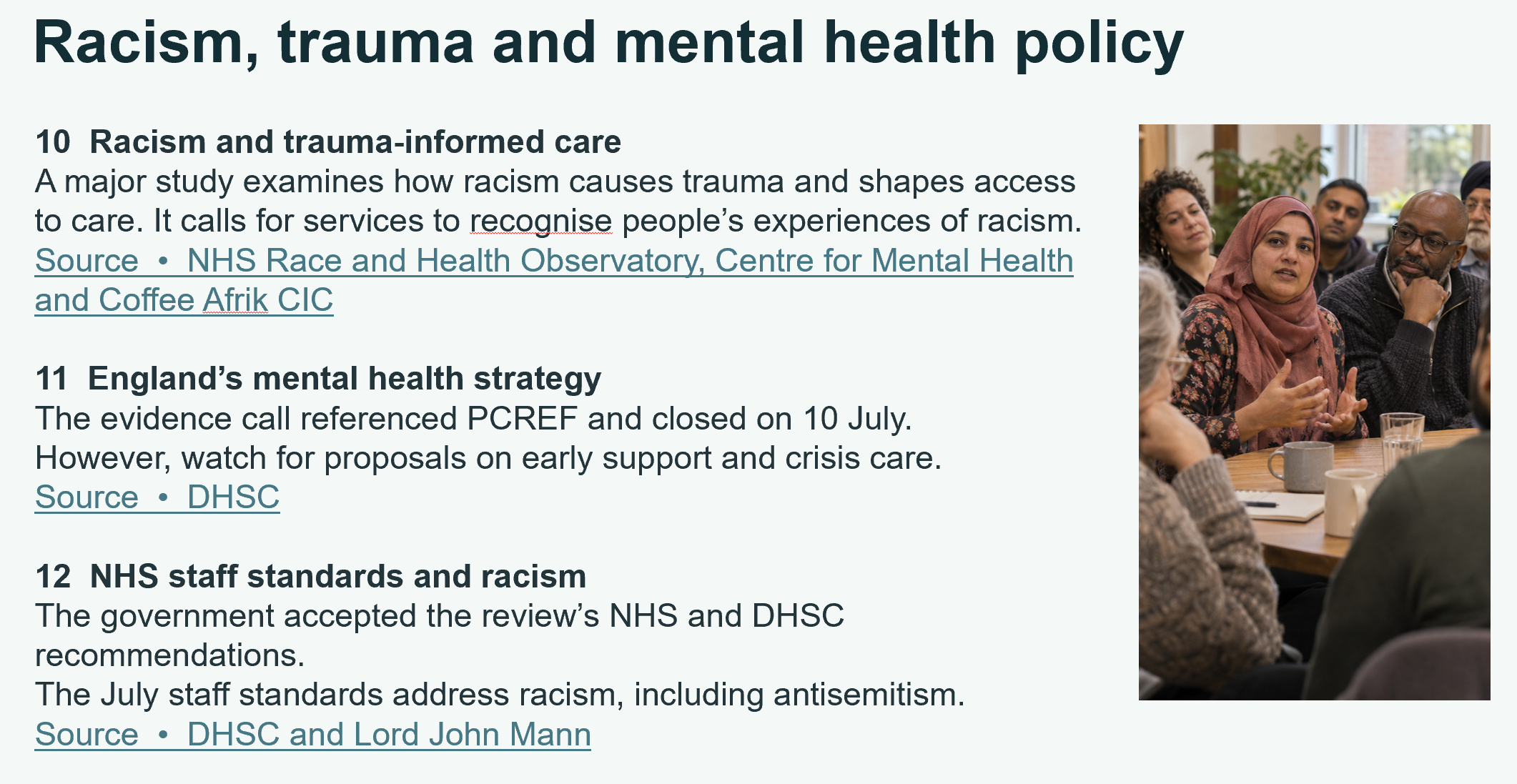
I brought 15 updates to the forum, covering racial disparities in detention, the Patient and Carer Race Equality Framework (PCREF), work to bring PCREF and the Triangle of Care together, and Mental Health Act reform. I also highlighted research on the experiences of carers from ethnic minority communities supporting someone in an inpatient unit, and work exploring how Somali, Gypsy and Traveller communities understand caring and access support. Other updates covered workplace rights, Carer’s Allowance and the Casey Commission’s conversation on adult social care.
I attended the launch of England’s Unpaid Carers Action Plan in July, and I want the forum to help follow what happens now. The plan talks about recognising carers, referring them to support and reaching people who are being missed. If a hospital identifies someone as a carer at discharge, who follows up with them? If a family has been supporting someone through repeated crises, how do they find out what help they can get? Read England’s Unpaid Carers Action Plan.
One carer raised a question about how we offer help to young people who may never describe themselves as young carers. A young person might see helping at home as part of family life and worry that accepting help at school will single them out. The carer asked us to think about how school staff approach that conversation. Asking privately what would make the school day easier, and how the young person would like to be supported, could make it easier for them to accept help.
Another member asked where older adults and the people who care for them fit into the national conversation about adult social care. We also heard a practical question about the age at which mental health services consider someone an older adult. These questions matter to families trying to work out which team they should approach and what support is available to them.
I’ll share the presentation with forum members so they can follow the original sources and bring back questions they want us to put to services, researchers and policymakers.
Healthwatch and the importance of an independent voice
Anna from Healthwatch Croydon explained how local Healthwatch teams listen to people’s experiences of health and social care and bring recurring concerns to decision-makers. She also updated us on the Health Bill, which the government has amended to retain Healthwatch England and local Healthwatch organisations. Members asked what that would mean for local funding and for boroughs where arrangements had already changed. Read the government’s Health Bill fact sheet on patient voice.

One carer asked whether families could take a concern to Healthwatch after already raising it in other meetings. Anna encouraged members to contact their local Healthwatch and find out how it gathers feedback. It struck me that even people who have spent years navigating services may never have been told about their local Healthwatch. If several families are facing the same problem, an independent organisation can help decision-makers understand how widely it is being experienced.
Sussex carers secure a commitment to a working group
Agi Angelini updated us on carer-led work with Sussex Partnership NHS Foundation Trust. She described how carers took a report drawing on around 150 people’s experiences to senior leaders. Agi told us that those discussions led to an agreement to set up a dedicated working group involving carers and different services, including adult social care.
Crisis response was central to her update. A family trying to get help may come into contact with ambulance services, the police, A&E and mental health teams during a single crisis. Carers want these services to work together and make it clear where families can turn when someone needs urgent help. The next questions are when the working group will meet, which recommendations it will take forward and how families will hear about progress.
What are we asking services to change?
Towards the end of the meeting, a carer spoke about the loss of breaks for people caring for someone with mental ill health. They asked us to remember people who have spent years caring in different roles and may still need support when a caring role ends. They also made a point about what we take to government departments and service leaders.
“Go through the complaint system if you need to, but what we always need to do is offer up solutions and offer up what we want.”
I wanted to end with that contribution because it gives us something practical to do with the issues raised in the forum. If carers tell us they have lost access to breaks, we can ask what kind of break would help, who could provide it and how carers would get access to it. If families say they are passed between services in a crisis, we can ask who should take responsibility for getting them to the right team and following up afterwards. Making those requests clear also gives us something to come back to when we ask what has changed.
A member also suggested inviting the Royal College of Psychiatrists to discuss its work from a carer’s perspective. I’ll follow up on that for the new year. We ran out of time for the planned poetry discussion, so I’ll bring it back at a future session. I’m looking at whether we can meet in mid-December and will confirm a date once arranged.
Thank you to Eleanor, Anna and Agi for sharing their work, and to everyone who brought a question or an experience to the discussion. If there is something you would like the forum to take up, please get in touch. Tell me what is happening and what you would like to see change.

