Written by: Matthew McKenzie – WLHT co-facilitator of ethnic carer group and Triangle of Care Community Chair
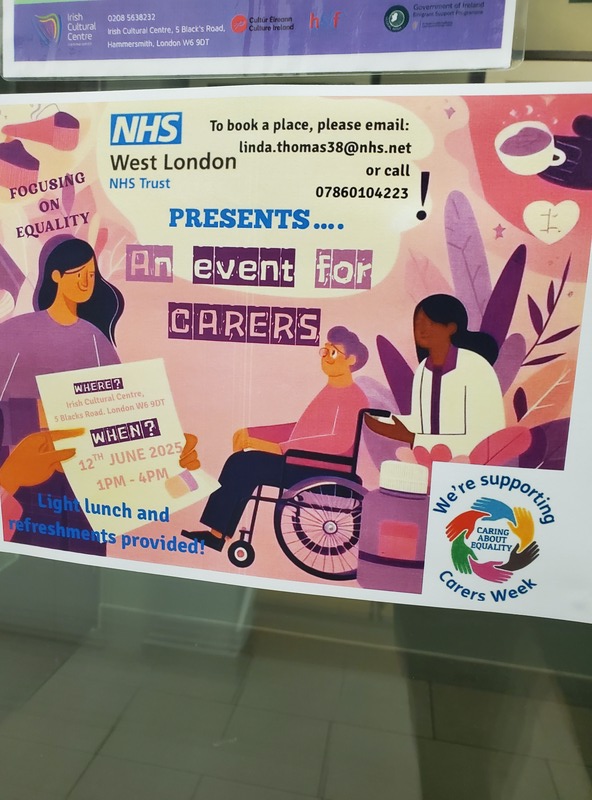
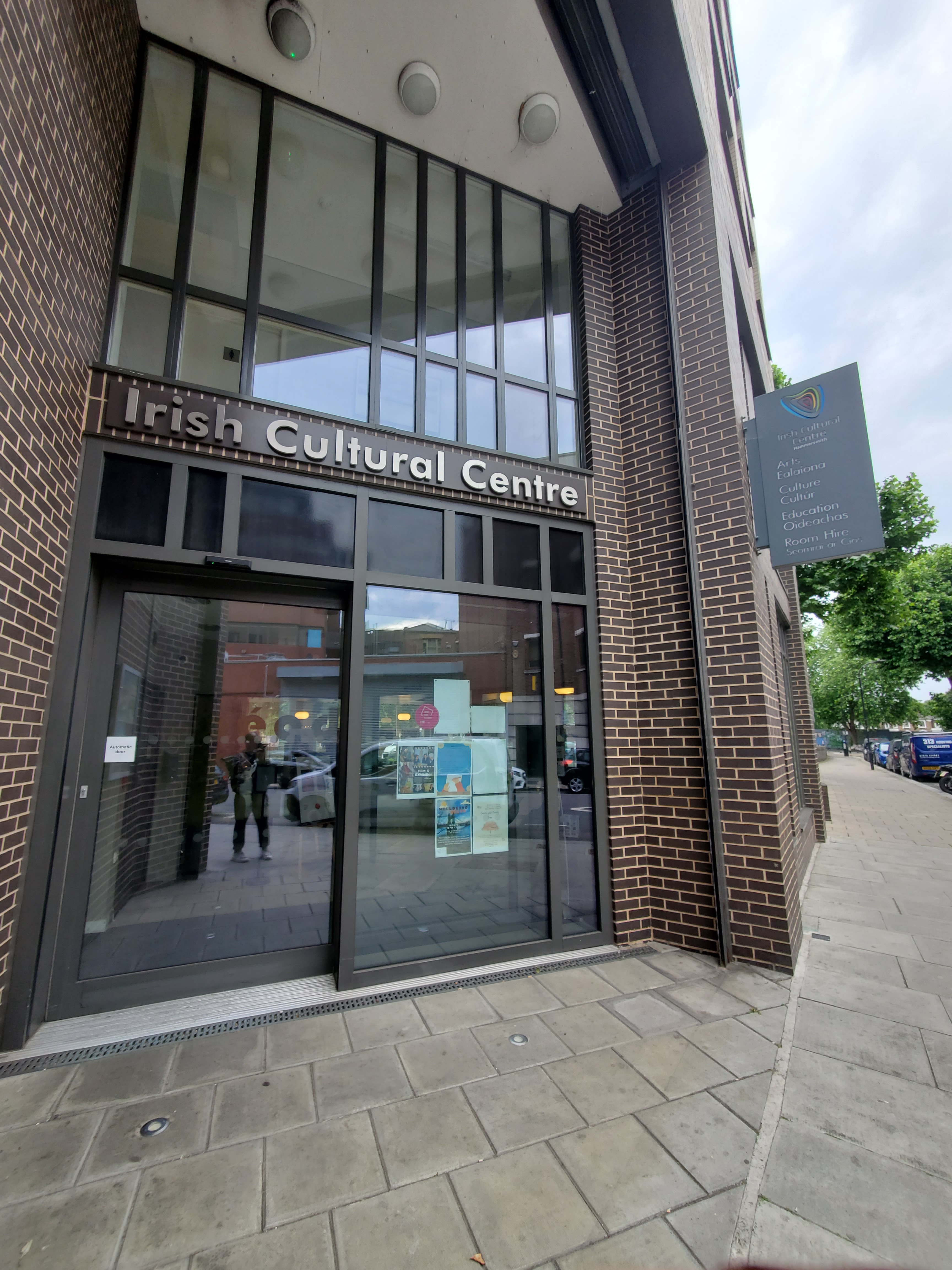
The Irish Cultural Centre in Hammersmith was filled with warmth and purpose on June 12th, as carers, professionals, and community leaders came together for the West London NHS Trust’s Carers Event in support of Carers Week 2025.
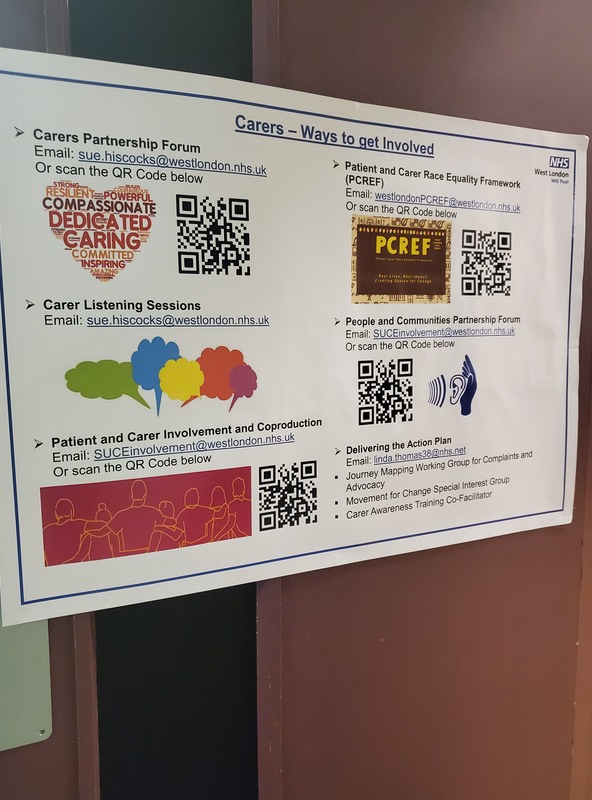
As Chair of the Triangle of Care Community and an involved carer for West London NHS Trust, I was interested in the carers conversations, and sense of solidarity among all those present.
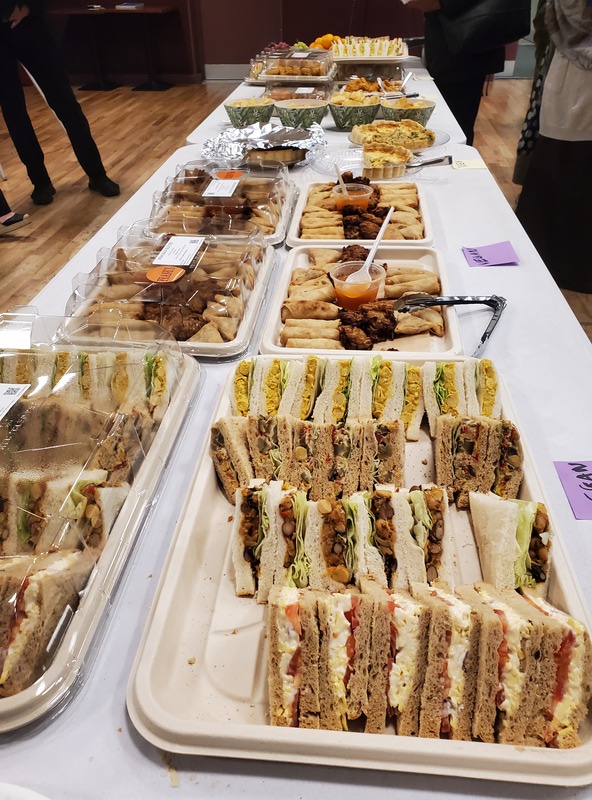
From the moment carer attendees walked in, we were greeted by the aroma of freshly made sandwiches and traditional pastries, it was clear this wasn’t just a formal gathering it was a celebration of carers, for carers.
Lunch and Informal Networking
The afternoon began with a buffet lunch that nourished not just our bodies, but also our sense of community. This time allowed carers to connect informally, share experiences, and meet representatives from various support organisations. Conversations flowed easily, showing the unique bond shared by those navigating similar challenges.
Elaine Robinson co chair of the Carers Partnership Forum, opened the event along with Gillian Kelly with a powerful reminder of why we had all gathered: to listen, to connect, and to empower carers. She welcomed everyone to the space and emphasised that the day was designed with and for carers
Panel Discussion: The Reality of Caring
Our official program started with a heartfelt welcome and a powerful panel discussion. Speakers included Gillian Kelly (Chief Nurse, WLHT), Kevin Towers (Head of Mental Health Law), Matthew Mckenzie (Care Advocate and National Voice), and other key stakeholders all of whom shared their insights with transparency and compassion.

Gillian Kelly – Chief Nurse, West London NHS Trust
- Role: As Chief Nurse and Carer Champion on the Trust Board, Gillian emphasised a long-term commitment to co-production and listening.
- Message: She acknowledged that while the trust delivers good care “most of the time,” it must “do more, do better, and keep improving.”
- Reflections:
- Caring is not an add-on it’s an equal part of healthcare.
- Highlighted the Triangle of Care as a framework to drive future improvements.
- Recognised the emotional labour of carers, especially those supporting loved ones with mental illness, and promised better inclusion going forward.
Kevin Towers – Head of Mental Health Law
- Role: Oversees legal matters involving the Mental Health Act, including detentions, tribunals, and patient rights.
- Message: Shared both practical and philosophical insights, including real-life examples of legal dilemmas carers face.
- Reflections:
- Described how rigid systems sometimes fail to consider carers’ input, despite legal rights to be consulted.
- Explained upcoming Mental Health Act reforms, especially replacing the “nearest relative” with a “nominated person”, a move intended to empower patient-carer relationships.
- Acknowledged that communication breakdowns (e.g., carers not being contacted during discharge or transfer) are common but avoidable.
Matthew McKenzie – Lived experienced Carer, Advocate & National Voice
- Role: Longtime carer and carer advocate, Chair of the Triangle of Care Community Group.
- Message: I brought a powerful lived experience perspective, highlighting gaps between policy and practice.
- Reflections:
- Raised issues of carer burnout, isolation, and lack of emergency planning for when carers can’t continue.
- Called for better inclusion of carers
As carers, we voiced raw truths. One carer attendee highlighted the “invisible stress” of managing crises, appointments, and everyday life while often being left out of crucial conversations. It was reassuring to hear trust leaders not only acknowledge these systemic shortcomings but commit to meaningful change.
Parminder Sahota (Legal & Safeguarding Lead, WLHT)
- Role: Trust director of safeguarding, especially in crisis services.
- Message: Talked about the legal and ethical obligations to include carers, particularly around the Care Act 2014.
- Reflections:
- Recognised the bureaucratic hurdles carers face in having their roles formally recognised.
- Emphasised the importance of assessments, not only for service users, but for carers themselves as individuals with rights.
- Shared her own experience of being a carer and the difficult trade-off carers must make between work, care, and self-care.
Know Your Rights: Carers Advocacy and Empowerment
Next, we heard from Nadia Taylor, Chair of the Board of Trustees at Carers Network. Her presentation on Carers Rights was a reminder that, though the system is imperfect, carers do have legally recognised rights under acts like the Care Act 2014 and Equality Act 2010.
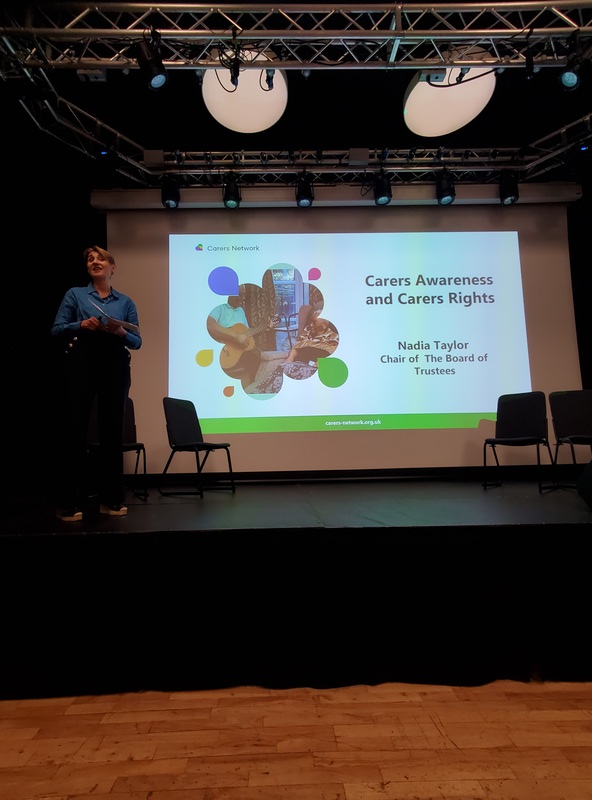
Nadia began by stressing that carers are not volunteers or add-ons — they are legally recognised partners in care and have enforceable rights under UK law. But she was also clear-eyed: “It’s not just about having rights — it’s about knowing them, claiming them, and holding systems accountable when they fail you.”
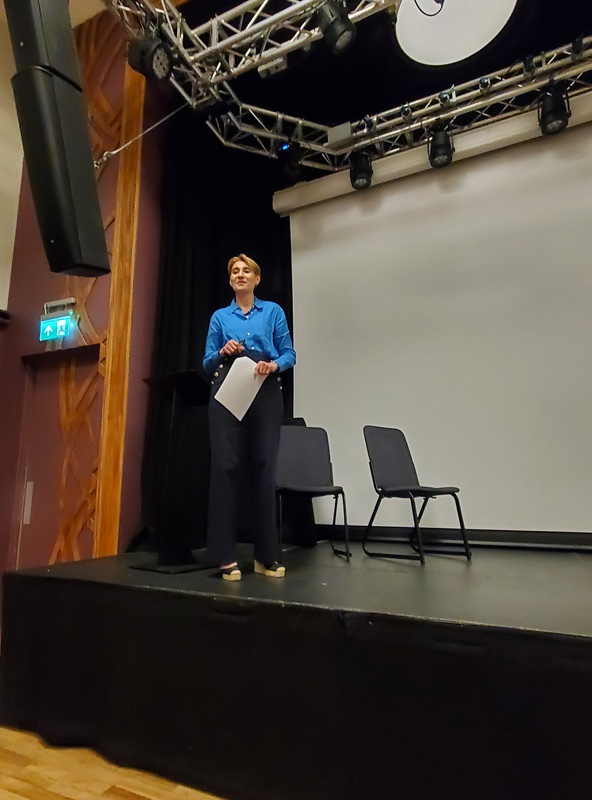
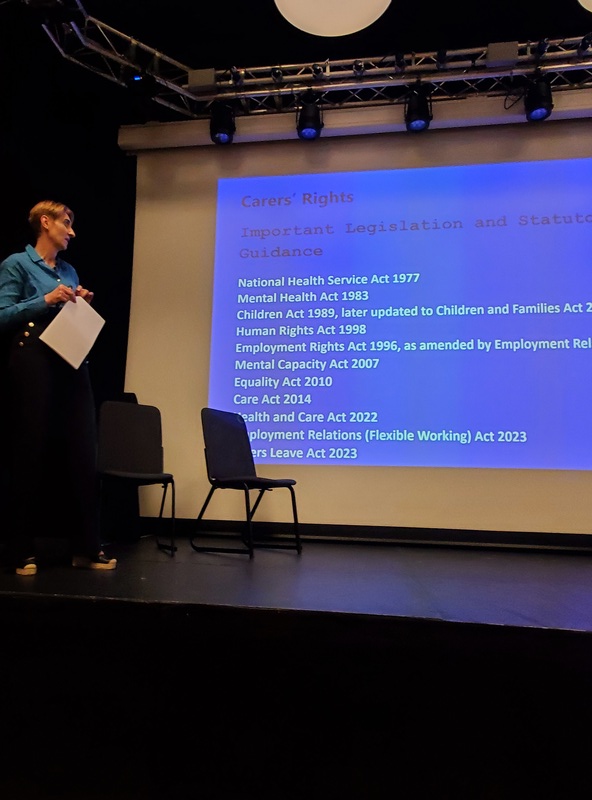
Nadia eloquently outlined entitlements such as:
- Carers Assessments
- Flexible working rights
- Mental health advocacy
- Human rights protections in care settings
Nadia spoke candidly about giving up her legal career to care for family. She acknowledged the emotional toll, the bureaucratic battles, and the sense of invisibility carers often feel, especially when they are young, from ethnic minority backgrounds, or juggling multiple care roles. But she also emphasised resilience, solidarity, and the importance of carers being informed and united.
It was empowering and affirming to many in the room who hadn’t previously known they had the right to be consulted, informed, and supported.
Malcolm speak on Mental Health & The “Stress Bucket”
Following a short break, we explored the emotional toll of caring.
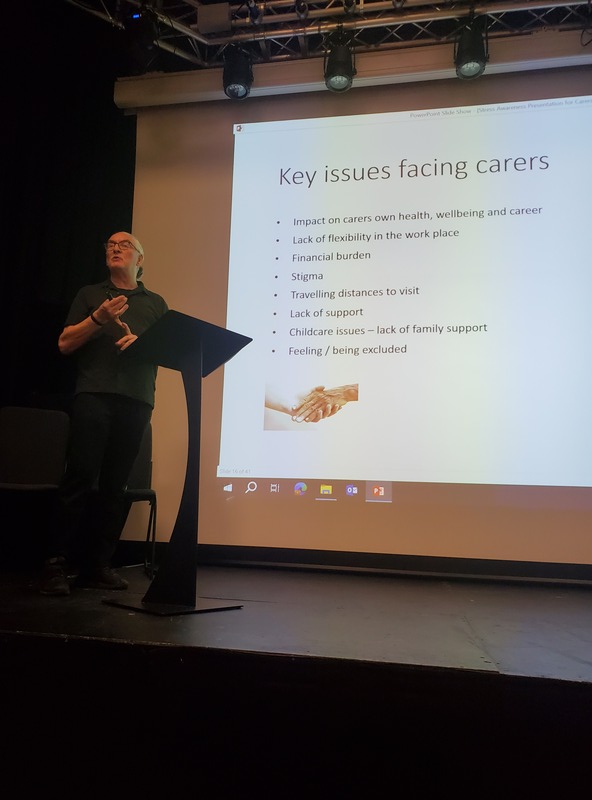
Malcolm delivered an honest and deeply resonant talk about the psychological impact of being a long-term carer, drawing from his own lived experience. He highlighted the emotional toll of constant vigilance, the anxiety triggered by phone calls, and the overwhelming pressure of navigating fragmented services while trying to hold a job and maintain family life. His use of the metaphorical “stress bucket” captured the reality many carers face: every demand and disruption fills the bucket higher until it spills over into burnout, illness, or crisis. Malcolm made it clear carers don’t just support others’ health; they sacrifice their own to do so.
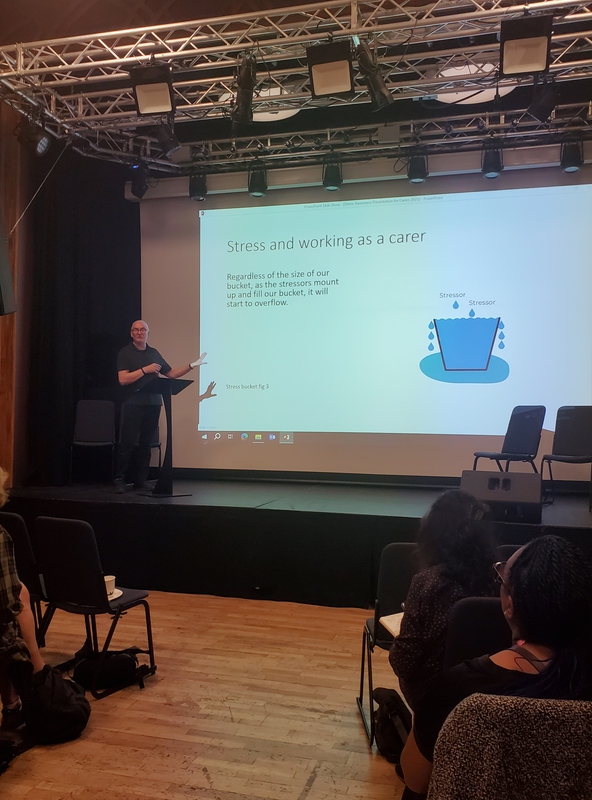
What stood out most was his compassion for fellow carers and his encouragement to prioritise self-care without guilt. He spoke about building small pockets of resilience through routine, community, and moments of joy, even amidst chaos. Whether it was grabbing time for a proper meal during a hospital emergency or using peer groups like WhatsApp circles for support, Malcolm reminded us that carers must learn to replenish themselves to keep caring sustainably. His message was clear: We must stop glorifying self-sacrifice and start investing in carer wellbeing practically, emotionally, and systemically.
Mindfulness and the Power of Pause
Occupational Therapist Andrew Waterhouse led a short mindfulness session, offering tools to ground ourselves amidst chaos. Andrew introduced mindfulness not as a mystical practice, but as a simple, evidence-based tool for carers to find small moments of peace amid chaos.
He acknowledged the relentless pressure carers face and how easily our bodies and minds become stuck in “survival mode.” With warmth and humour, he invited us to reconnect with the present moment not to escape, but to observe without judgement.
The short guided practice focused on breathing, stillness, and awareness of tension in the body. For many in the room, it was a rare moment of silence and intentional rest. He reminded us that mindfulness is not about perfection or clearing the mind, but about “noticing when we are overwhelmed, and offering ourselves the compassion we often reserve for others.”
Our Caring Tree and Community Voice
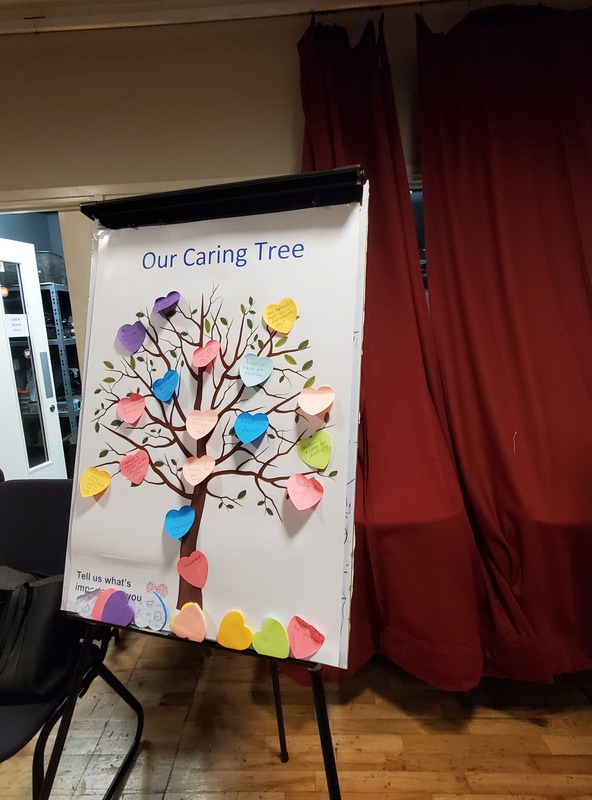
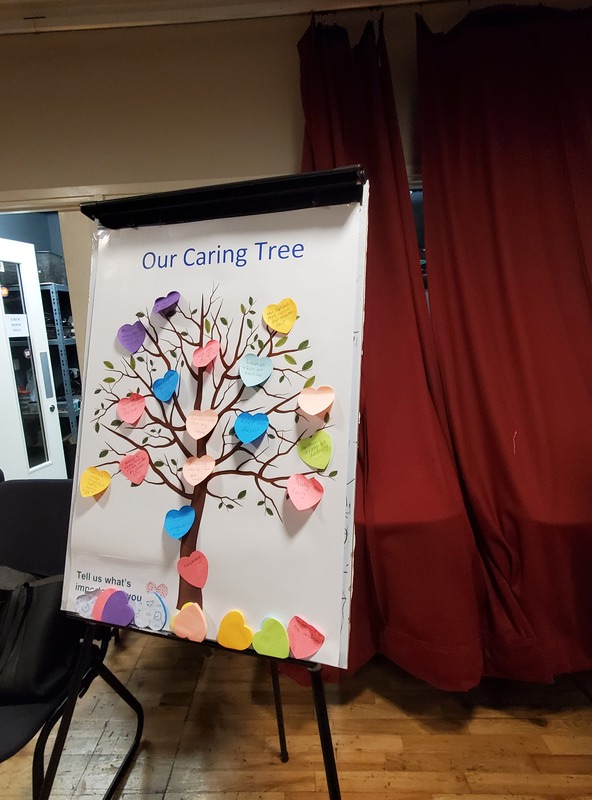
In one corner of the venue stood the Caring Tree a poster covered in colourful heart-shaped notes where carers wrote what mattered most to them. Words like “connection,” “respect,” “being heard,” and “hope” appeared again and again. This living artwork was a powerful visual of shared values and unmet needs.
Panel Reflections and Next Steps
The event concluded with a return to Q&A. Real concerns were raised on lack of communication from wards, insufficient discharge planning, trauma-informed care not being consistently applied and the trust leaders listened. There were no empty promises. Instead, there was a commitment to co-production, to listening, and to action.
As Chair of the Triangle of Care community group, I was especially heartened to hear renewed pledges to embed the Triangle of Care standards across all wards and services. It’s a goal I’ve championed for years not just because it’s best practice, but because it’s the right thing to do.
Final Thoughts
This wasn’t just another event. It was a turning point, arranged by carers for carers. A space where carers didn’t just attend, carers led, carers educated and carers inspired.
Special thanks to Linda Thomas, Coproduction and Partnerships Development Manager at West London NHS Trust, for her invaluable role in helping to organise this event and ensuring carers’ voices were central throughout the day.
To every carer who came, spoke, or simply listened, i would like to say thank you. Your voice matters. Your work matters. You matter.
Let’s keep the momentum going – If you’re a carer in West London, reach out to the Carers Network or your local support forum. Join the Triangle of Care movement. Be seen. Be heard!!
https://carers.org/triangle-of-care/the-triangle-of-care

 A Caring Mind