Why Unpaid Carers Should Join Our Mental Health Carers Forum and Why Oxleas & Our Local Authorities Should Listen
By Matthew McKenzie
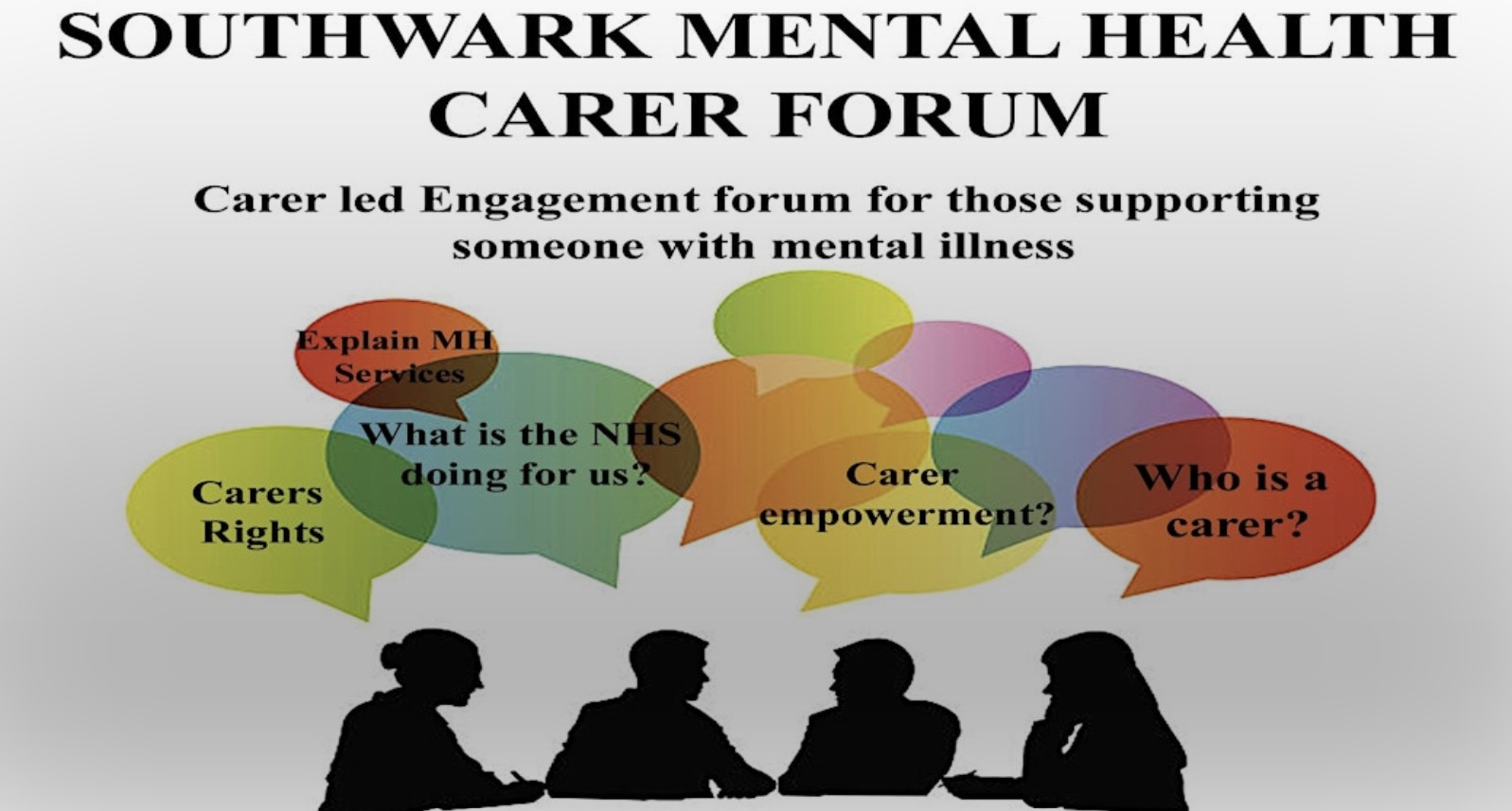
Caring for a loved one with mental health needs is a journey full of challenges, isolation, and too often lack of support. That’s why we run a dedicated Mental Health Carers Forum with Greenwich Carers Centre that brings together unpaid carers from across Greenwich and sometimes other boroughs since Oxleas covers Bromley and Bexley.
In our most recent forum, carers opened up about what it’s really like to navigate services and support their loved ones. The message was clear: unpaid carers are doing more than ever often alone and we need to work together to make sure they are not left behind.
The Power of Peer Support
One carer said:
“I’m a sandwich carer — looking after my elderly parents and my daughter with complex needs. Groups like this are a lifeline. It’s a space to share, learn, and recharge.”
For many carers, peer support is one of the few places where they are truly heard. Another participant explained:
“It helps so much to hear from others going through similar things. It’s the only way I know what services are available and what’s changing.”
Challenges That Carers Face
Through the forum, we heard repeated concerns:
Lack of joined-up care between GPs and mental health services
Delays in care planning and assessments — or carers being excluded altogether
Confusing systems — carers are often left chasing up GPs or social workers themselves
Failure to take carers’ expertise seriously in assessments and planning
Emotional strain — many carers at breaking point, needing better respite and emotional support
One mother of three autistic children shared:
“I told them my son cannot tolerate bright light that’s why the curtains were drawn. But the assessor just complained about the curtains and parking. They didn’t listen to what my son really needs.”
Presentation: Advocating for a Loved One During and After Mental Health Crisis
Matthew McKenzie delivered a detailed presentation on how unpaid carers can effectively advocate for their loved ones, particularly around mental health services.
Key points included:
Carers are not just supporters, they are also advocates for their loved ones
Building relationships with key professionals (GP, care coordinator, psychiatrist, social worker) is crucial
Carers should keep records of symptoms, interventions and communications to support advocacy
During a crisis, carers should:
Stay calm
Be factual about symptoms and risks
Be assertive (but respectful) in requests for urgent action
Request risk assessments and ask for information to be recorded
Understand confidentiality rights and use carers’ rights under the Care Act
The importance of self-care for carers, advocacy can be exhausting, and carers must seek peer support and breaks
Carers should also use the complaints process and escalate concerns when services fail
A Call to Oxleas NHS and Local Authority
We know big changes are coming, NHS England reorganisations, funding pressures, staff reductions. But one thing won’t change: the system depends on unpaid carers.
That’s why we urge Oxleas NHS Trust and the local authorities to:
✅ Regularly engage with this forum to hear carers’ voices ✅ Ensure carers are meaningfully included in care plans and reviews ✅ Offer more training and support for staff on carer involvement ✅ Improve clarity on who carers can contact in a crisis ✅ Work with us to strengthen co-production, not just in theory, but in practice
As one member put it:
“If the services won’t be there in full anymore — then carers will have to do even more. But we can’t do it if we’re broken.”
Join Us
If you’re an unpaid carer supporting someone with mental health needs, whether you’re new to caring, or have years of experience, please come along.
You’ll find a space to share, learn advocacy skills, and connect with others who truly understand. We also run a peer WhatsApp group, ask if you’d like to join.
Together we are stronger and louder. The more carers attend, the harder it is for services to ignore us.
For more info or to attend the next forum: contact
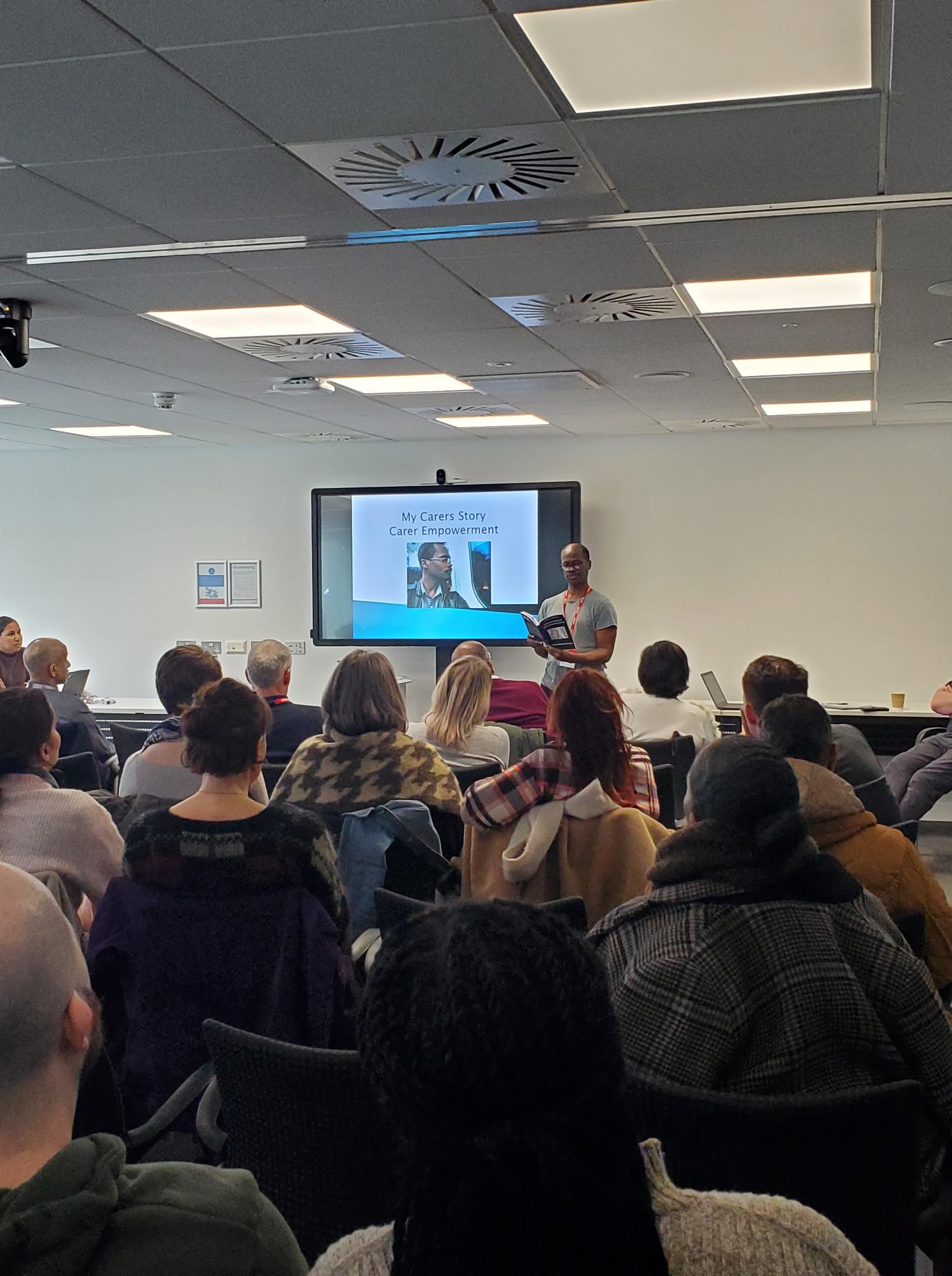
On February 25th, 2025, carers, professionals, and support organizations gathered at Tooley Street for a Carers event provided by Southwark Council. The event was developed by Sarah Bullman, Senior Policy and Strategy Lead for Adult Social Care over in Southwark. The event, hosted by Simon Rayner, provided an opportunity to connect, share updates, and explore ways to support carers in the community.
Key Highlights from the Event:
🔹 Carefree – Presented by Salil Meech Mazumdar, Carefree shared their work in providing much-needed short breaks and respite opportunities for unpaid carers, ensuring they have time to rest and recharge.
🔹 Southwark Carers – Sarah Bullman introduced Southwark Carers including Verinder CEO of Southwark Carers, an essential organization offering tailored advice, practical support, and advocacy for carers in the borough of Southwark.
🔹 Mobilise – A digital-first platform supporting carers, Mobilise was discussed in depth, highlighting how online peer support and coaching can help carers navigate their roles more effectively.
🔹 Imago – Known for their work in youth and adult carer services, Imago shared updates on their projects that focus on young carers, connecting them with resources and professional guidance.
🔹 Carers Hub/Centre – Southwark council focus on a new Carers Hub set for next year, where updates on focus groups and workshops on how the carers centre will be used for supporting unpaid carers.
The last section of the event was below
🔹 Voice of the Carer & Carer Empowerment – Chloe Harvey and Sarah Bullman provided updates on Southwark’s Carers Strategy, reinforcing the importance of carer voices in shaping policy.
Plus Matthew McKenzie, a well-known carer advocate, spoke passionately about listening to carers, empowering them, and ensuring co-production in decision-making. He also read moving excerpts from his book, The Poetry of Mental Health Caring, which resonated deeply with attendees.
The event concluded with a networking lunch, allowing attendees to connect, share experiences, and strengthen their collective efforts in supporting carers.
This forum was a powerful reminder that carers should never feel alone—there is a strong and growing community dedicated to uplifting and advocating for them. 💙
Here is a brief update of the joint Southwark & Lambeth mental health carers forum I run the last monday of the month. The forum is a space for those caring for someone with mental ill health to connect and get updates from service providers.
As facilitator Matthew McKenzie emphasized the importance of managing guilt as a mental health carer, challenging unrealistic expectations, and setting boundaries for one’s own well-being. Matthew also stressed the need for self-care, seeking professional guidance, and advocating for respite care. The conversation ended with discussions on the concept of guilt, the challenges of being a carer, and strategies for holding care coordinators and social workers accountable.
Welcome back to another blog post from Carer activist Matthew McKenzie, author and poet. This time we look at the role of Advocacy and its importance to unpaid carers who care for someone with mental illness. Below is an indepth video about the importance of advoacy (31 minutes), although the video touches on carer advocacy for all carer types.
Introduction
In today’s demanding world, unpaid carers, those who look after family members or close friends, play an indispensable role. Often, they do so without formal recognition or support. Yet, their impact, especially in mental health settings, is profound. Advocacy services can provide essential support to these carers, allowing them to navigate complex health systems, access necessary resources, and ensure their voices are heard in decision-making processes. In this article, we delve into the world of carers’ advocacy, exploring its significance, the challenges faced by carers, and the key components of effective advocacy support
The Role of Advocacy in Supporting Carers
Understanding Advocacy
Advocacy, in the context of caring for a loved one, involves providing carers with the knowledge, tools, and support to make informed decisions. This is crucial, given that unpaid carers are typically not trained professionals but individuals thrust into the role out of necessity or love. Advocacy helps these carers understand their rights, the services available to them, and how to communicate effectively with health professionals.
Financial Support and Legal Entitlements
Carers often struggle to understand the financial support available to them. Advocacy services play a key role in educating carers about their rights, entitlements, and the legal frameworks that protect them. For instance, the Care Act 2014 in the UK provides certain protections and rights for carers. However, many carers are unaware of the specifics of this and other relevant legislation. Advocacy services can bridge this knowledge gap, ensuring carers are fully informed about the financial benefits and support services they can access.
Empowerment Through Information
Empowering carers is a primary goal of advocacy services. By providing carers with comprehensive information about their rights and the support services available, advocacy services enable carers to make better decisions for themselves and their loved ones. This empowerment is not just about providing information but also about ensuring carers feel heard and respected in their roles.
Challenges Carers Face
Navigating Confidentiality Issues
One of the significant challenges carers face in mental health settings is confidentiality. Health professionals are often bound by strict confidentiality rules, which can sometimes exclude carers from vital information about their loved ones’ treatment and care plans. Advocacy services can assist carers in understanding these confidentiality rules and finding ways to navigate them. For instance, they can mediate between carers and health professionals to ensure that carers are included in discussions and decisions to the extent possible within legal boundaries.
Communication Breakdowns
Effective communication between carers and health professionals is essential for optimal care. However, jargon and a lack of empathy can often hinder this communication. Advocacy services can help facilitate better communication by acting as intermediaries, translating complex medical terminology, and ensuring that carers’ concerns are heard and addressed.
Crisis Situations and Disputes
Crisis situations and disputes are unfortunately common in mental health care settings. Carers may find themselves in challenging situations where they need immediate support and advice. Advocacy services can guide carers through these crises, offering practical steps and necessary contacts to navigate the system effectively. They can also provide support during disputes, helping to mediate and find mutually beneficial solutions.
How Advocacy Services Empower Carers
Involvement in Care Planning
Carers often feel excluded from the care planning process, particularly in mental health settings. Advocacy services work to ensure that carers are actively involved in care planning discussions, especially during critical times such as discharge from a mental health ward. By preparing carers for meetings and helping them understand what to expect, advocacy services can ensure that carers are well-equipped to participate meaningfully in these discussions.
Building Self-Advocacy Skills
One of the long-term goals of advocacy services is to build carers’ self-advocacy skills. By providing training and resources, advocacy services can equip carers with the tools they need to advocate for themselves and their loved ones effectively. This includes understanding their legal rights, effective communication strategies, and how to navigate complex systems.
Accessing and Utilizing Advocacy Services
Different Types of Advocates
Not all advocates are the same. There are various types of advocates who specialize in different areas. For example, an Independent Mental Health Advocate (IMHA) or an Approved Mental Health Professional (AMHP) might focus on issues specific to mental health settings, such as patients’ rights under mental health legislation. Other advocates might specialize in financial benefits or navigating the broader health and social care system. Understanding the different types of advocates can help carers access the right support for their specific needs.
Support in Crisis
Timing is crucial when accessing advocacy support. Ideally, carers should seek out advocacy services before a crisis hits. However, advocacy services are also there to provide support during crises, offering practical advice and guiding carers through challenging situations. This support can include helping carers understand their rights, providing contact information for relevant services, and assisting in mediating disputes.
Ensuring Continuous Support
Advocacy is not a one-time intervention but an ongoing process. Carers should continually be informed and supported as they navigate their caring roles. Continuous support ensures that carers are always equipped to handle new challenges and changes in their loved ones’ care needs.
Effective Communication in Mental Health Care
Establishing Clear Channels of Communication
Advocacy services help create open and clear channels of communication between carers and health professionals. This involves ensuring that information flows effectively and that carers understand what is being communicated. Advocates can help by breaking down complex information and making sure carers have all the necessary details to make informed decisions.
Promoting Active Listening
Active listening is a crucial skill for both carers and health professionals. Advocacy services promote active listening by encouraging health professionals to genuinely engage with carers, understanding their concerns, and addressing them empathetically. This two-way communication helps build a more collaborative approach to care.
Providing Resources and Tools
Advocacy services offer various resources and tools to improve communication. This might include guidelines for carers on how to communicate effectively, tools for documenting and organizing information, and strategies for conflict resolution. These resources empower carers to take a more active role in communication and decision-making processes.
Addressing Communication Barriers
Identifying and overcoming communication barriers is another critical role of advocacy services. By recognizing potential obstacles to effective communication, such as jargon, time constraints, and power dynamics, advocates can help carers navigate these challenges. This ensures that carers’ voices are heard and that they can advocate effectively for their loved ones.
Legal Rights and Recognition
Educating Carers on Their Rights
Carers have specific legal rights and entitlements that protect their roles. Advocacy services educate carers about these rights, ensuring they are aware of their legal protections and how to access them. This education includes understanding relevant legislation, such as the Care Act, and how it applies to their situations.
Ensuring Recognition by Health Professionals
Carers’ contributions should be recognized and respected by health professionals. Advocacy services work to ensure that health professionals acknowledge the vital role carers play and involve them in discussions and decisions. This respect and recognition help build a more inclusive and supportive care environment.
Mediating in Disputes
When disputes arise between carers and health professionals, advocacy services can play a crucial mediating role. By facilitating discussions and ensuring that both sides are heard, advocates help to resolve conflicts and find solutions that benefit both the carer and their loved one.
Conclusion
Advocacy services are an essential support system for unpaid carers, particularly in mental health settings. By providing information, fostering effective communication, and ensuring that carers’ voices are heard and respected, advocacy services empower carers to navigate complex systems and make informed decisions.
The ultimate goal of advocacy is to build a more inclusive and supportive care environment, where carers are recognized for their critical role and are equipped with the tools they need to advocate effectively for themselves and their loved ones. Without access to advocacy services, carers are at risk of being lost in the complexities of the mental health system, which can have detrimental effects on both their well-being and that of their loved ones. As we move forward, it is vital to ensure that advocacy services are available and accessible to all carers, providing them with the much-needed support and recognition they deserve.












 A Caring Mind