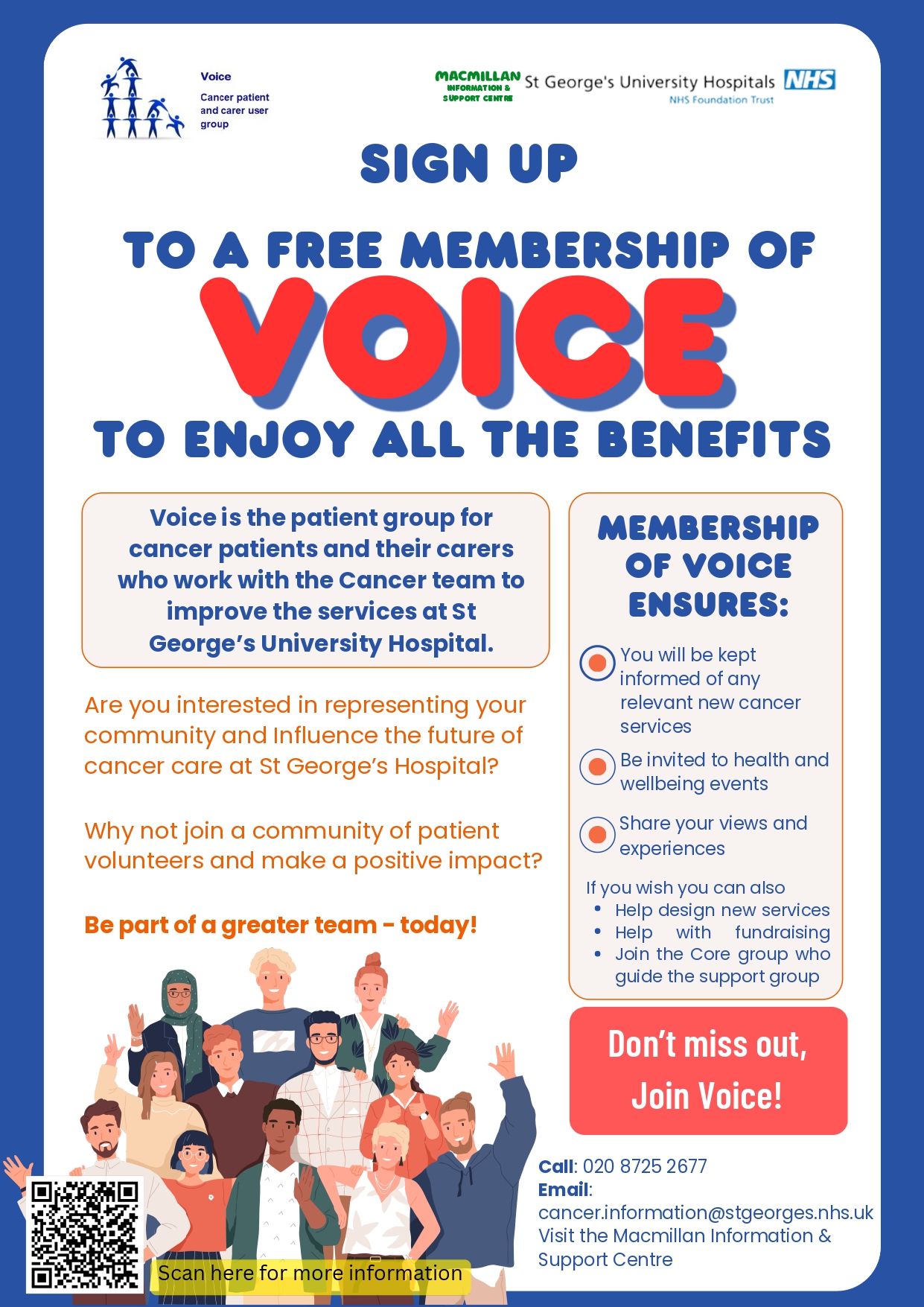
At St George’s University Hospitals NHS Foundation Trust, people affected by cancer are placed at the heart of everything they do. Whether you’re a patient receiving treatment, a family member, a carer, or part of a local cancer support group, your experiences and insights are invaluable in shaping the way the hospital cancer services are delivered.
Voice is a dedicated patient and carer group that works closely with the Cancer Team at St George’s. It provides a vital forum for sharing experiences, ideas, and suggestions that directly influence how services are planned, developed, and improved.
By joining Voice, you’ll:
Represent the perspectives of patients and carers.
Share what works well in cancer pathways and highlight areas for improvement.
Help identify priorities for local cancer services.
Be kept informed of new cancer services and projects.
Take part in health and wellbeing events.
Have the chance to help design new services or join the core group guiding the support group.
Why carers are especially needed
Carers play a unique and vital role in the cancer journey. Their insights into the challenges and realities of supporting a loved one through treatment provide perspectives that professionals and even patients themselves may not always see.
Right now, Voice is especially looking for more carers to join, ensuring their voices are fully represented in shaping services.
How to get involved
Becoming a member of Voice is free. By joining, you’ll be part of a welcoming community committed to making cancer care better for everyone.
To find out more or sign up, contact the Macmillan Information and Support Centre:
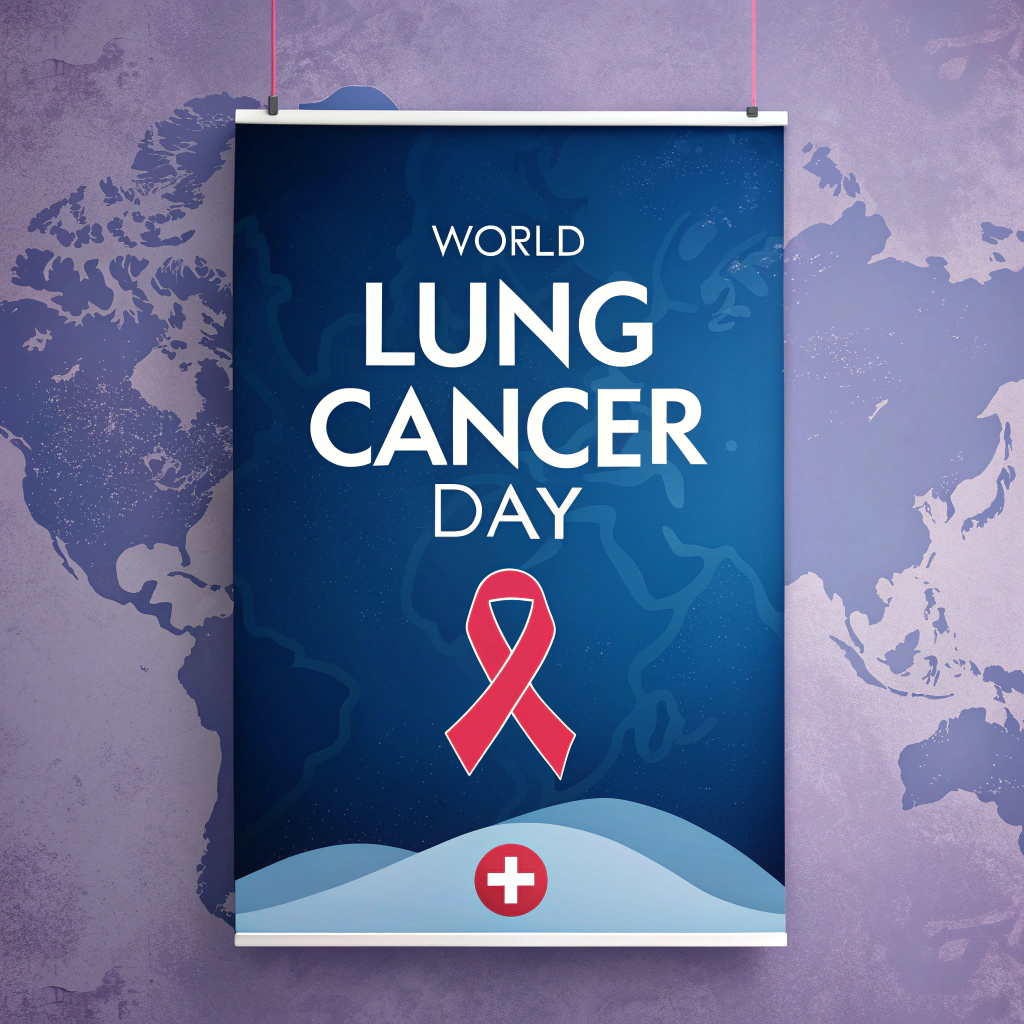
On this World Lung Cancer Day (1st of August), we spotlight not only the impact of lung cancer itself, but also theose behind the scenes the unpaid family members, friends, and carers who provide unwavering love, support, and strength.
In this 8-minute video, hosted by myself from A Caring Mind, I explore:
The profound emotional and physical toll of caring for someone with cancer
The critical need for early detection, expanded research funding, and global health equity
The indispensable role of families and unpaid carers—whose contributions often go unrecognized
I also introduce major organizations leading the lung cancer fight:
European Respiratory Society (ERS) – promoting lung health through education, early diagnosis, policy advocacy, and improved treatment pathways
Forum of International Respiratory Societies (FIRS) – uniting global respiratory health organizations to advocate for prevention, clean air, and equitable access to care
Lung Cancer Foundation of America (LCFA) – funding innovative lung cancer research and amplifying the voices of patients and survivors to raise awareness and reduce stigma
Lung Cancer Research Foundation (LCRF) – accelerating research, supporting affected individuals, and organizing global awareness initiatives like World Lung Cancer Day
In the video I remind that behind the tragic statistic of over 1.6 million annual deaths worldwide, are stories of resilience and compassion: nights spent advocating in hospitals, hands held during chemotherapy, and hope sustained in the darkest moments.
What You Can Do:
Share the video to raise awareness
Support carers through mental health resources and recognition
Advocate for policies that include carers in healthcare support systems
Approach lung cancer conversations with empathy—not stigma
Today, we honor not just the patients, but those who stand beside them—quietly, persistently, lovingly.
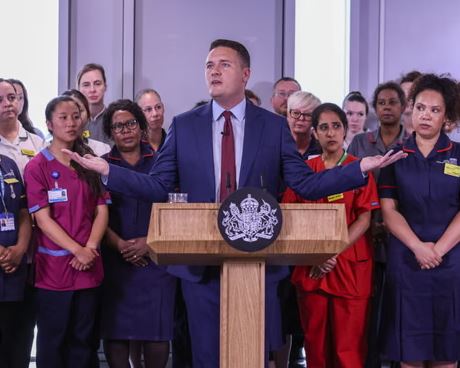
As the NHS looks to the future with its ambitious 10-Year Plan, one critical group continues to be overlooked cancer carers, although I am not forgetting Mental Health carers. These are the unpaid family members, friends, and loved ones who provide essential care and emotional support to people living with cancer.
While the plan addresses key priorities like digitalization and community-based health reform, it fails to fully recognize the vital role of caregivers in our healthcare ecosystem.
The blog is a transcript of my video, which you can watch below.
Reform Through Inclusion
The NHS 10-Year Plan aims to reshape health services by emphasizing digital tools, preventive care, and stronger local networks.
These initiatives are undoubtedly important. But without recognizing and integrating the contributions of cancer caregivers, the plan risks missing a vital component of patient care.
The Invisible Workforce
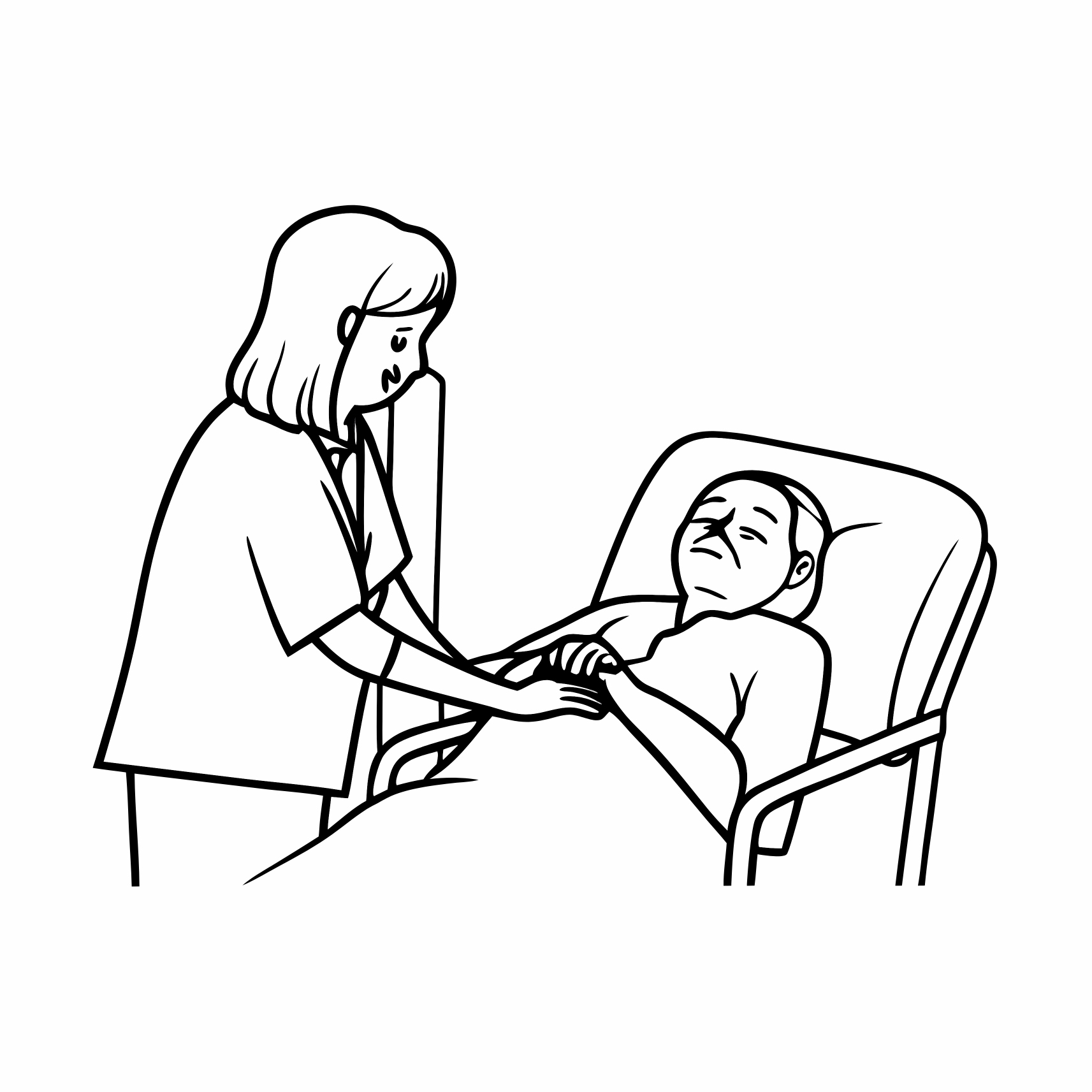
Caregivers are often the unsung heroes of cancer care. They manage appointments, administer medications, provide emotional support, and serve as advocates all while coping with their own mental and physical toll.
Challenges Faced by Cancer Carers:
Mental Health Impacts: The stress, anxiety, and emotional burden can be overwhelming.
Decision Fatigue: Carers are often thrust into complex medical decision-making without adequate support or guidance.
Lack of Recognition: Despite their contributions, caregivers are rarely acknowledged as part of the healthcare team.
A Call for Systemic Change
The inclusion of carers in healthcare reform isn’t just an ethical necessity it’s a strategic imperative. By empowering carers, we enhance patient outcomes, reduce strain on NHS services, and promote more holistic care.
Recommendations for Inclusion:
Training for Carers: Equip caregivers with tools to better navigate health systems and support patient needs.
Support Services: Invest in respite care, mental health support, and caregiver-specific community services.
Recognition in Policy: Classify caregivers as essential stakeholders in healthcare planning and delivery.
Co-Production: Designing Services With Carers
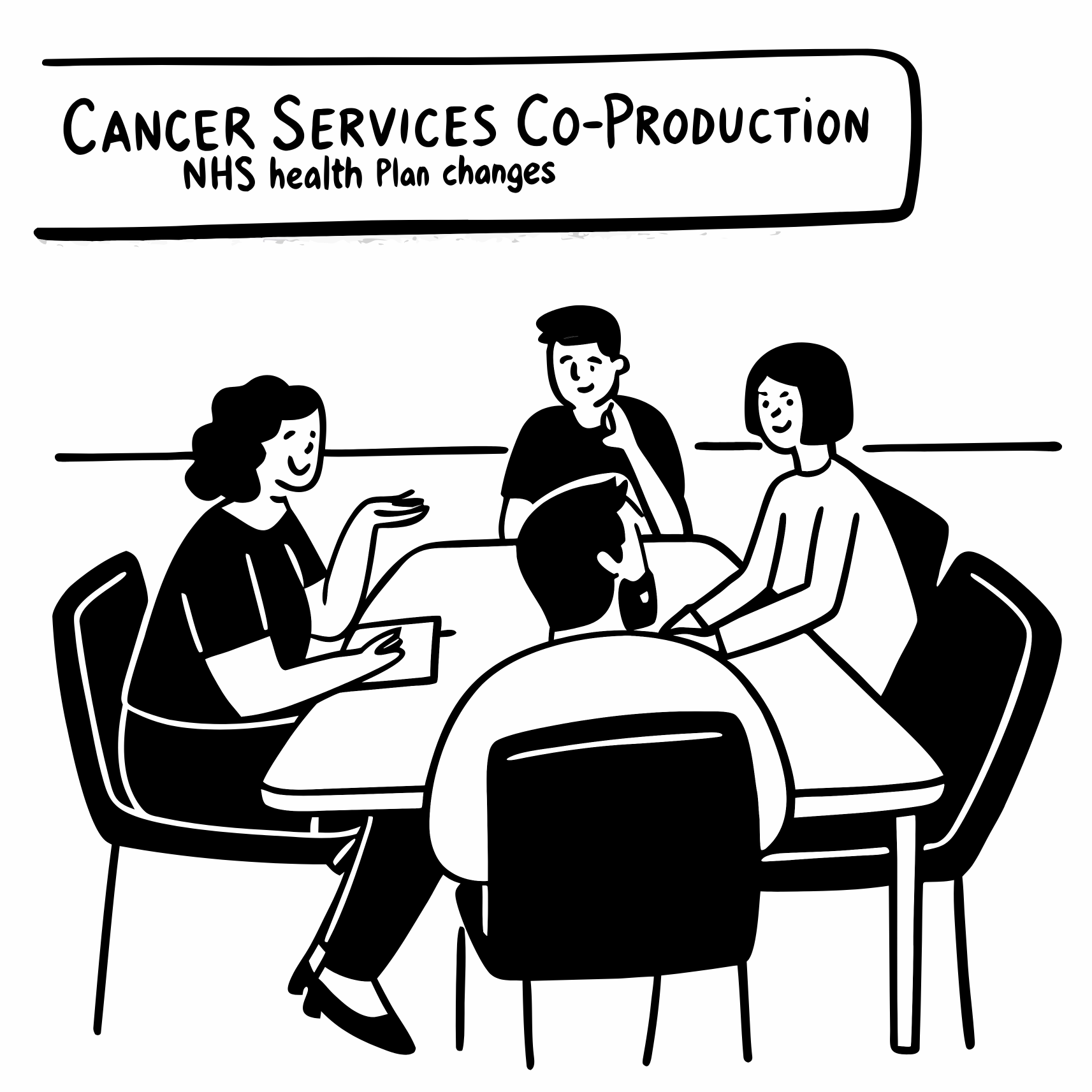
One of the most powerful messages from the discussion is the importance of co-production. That means actively involving carers in designing and shaping NHS services not just consulting them after the fact.
Co-Production Actions:
Involve Carers in Service Design: Make caregiver feedback a routine part of NHS planning.
Policy Advocacy: Push for legal and procedural reforms that recognize the role of carers from day one.
The Road Ahead
Cancer caregivers are not just a support system they are key partners in the healthcare journey. If the NHS truly seeks to build a more inclusive, responsive, and sustainable health system, caregivers must be central to its 10-Year Plan.
Let’s stop treating caregivers as an afterthought. Let’s make them co-creators of the future of care.
Support Sites for Cancer Carers
1. Carers UK
Provides advice, online forums, factsheets, and rights information for unpaid carers across the UK. https://www.carersuk.org
2. Carers Trust
Supports a network of local carer organisations across the UK. Offers practical help, grants, and local service finders. https://www.carers.org
A network of cancer support centres offering free emotional, psychological, and practical support to anyone affected by cancer—including carers. https://www.maggies.org


 A Caring Mind